Antique Glassware Collection

A variety of elegant glass vessels including goblets, decanters, and sprinklers, showcasing intricate designs and historical craftsmanship from different centuries.
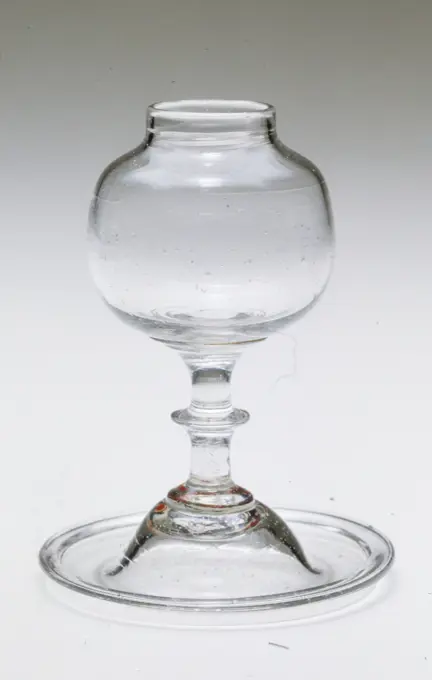
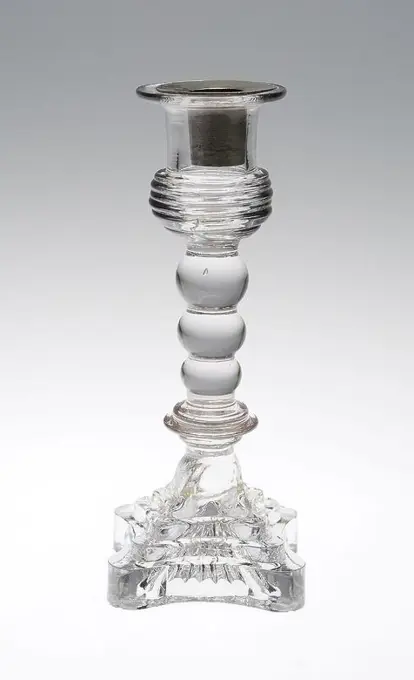
Lamp base, 18th-19th century, 5 1/4 in. (13.3 cm), Glass, United States, 18th-19th century
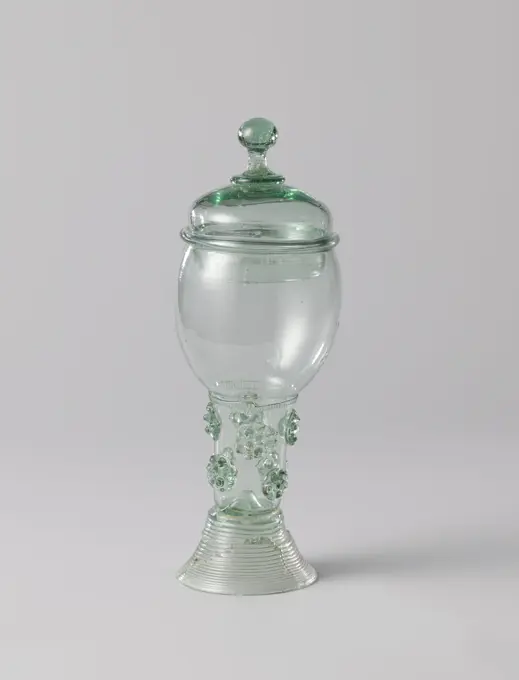
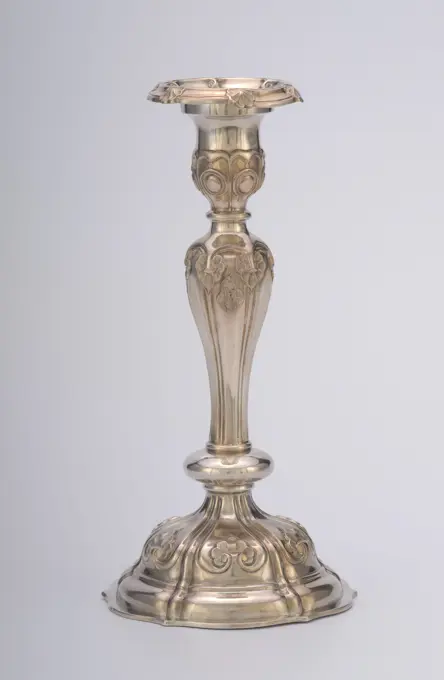
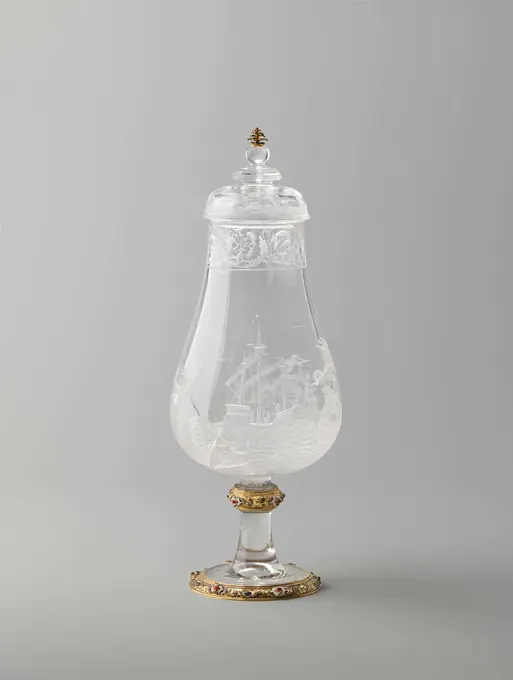
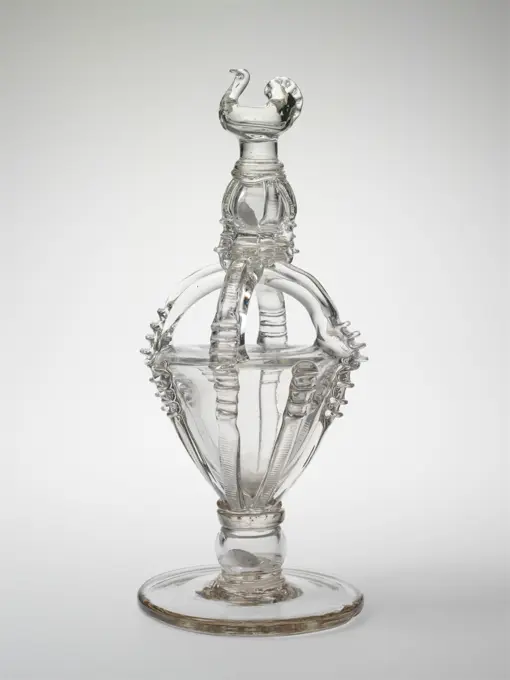
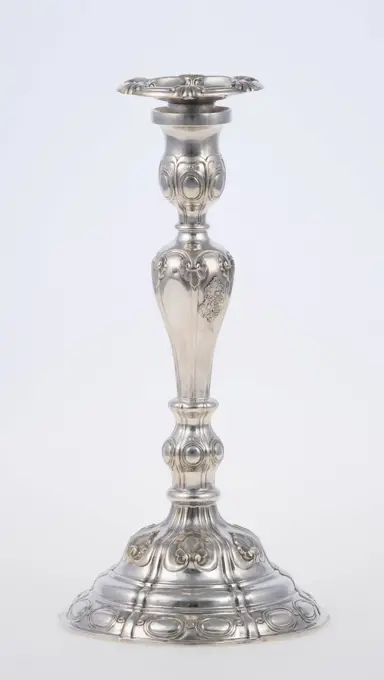
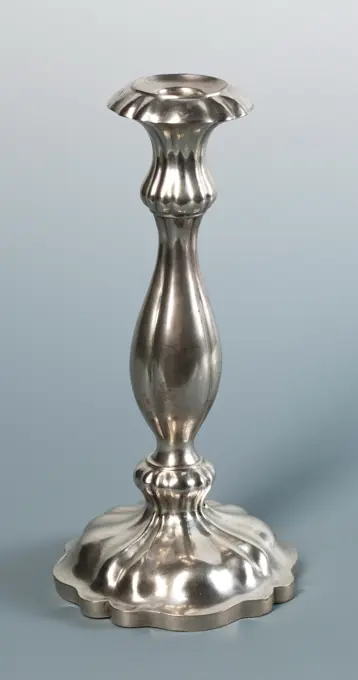
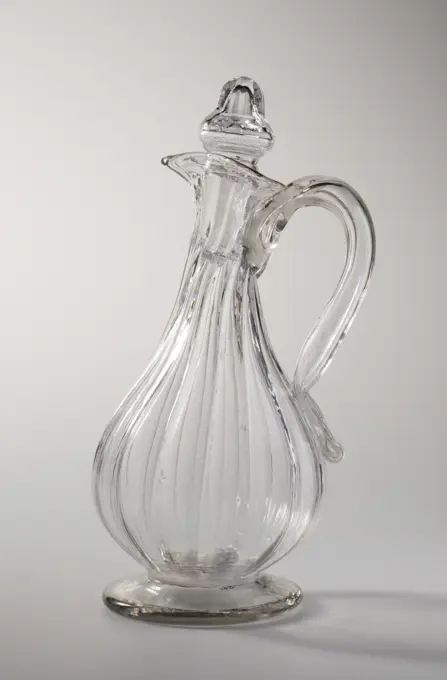
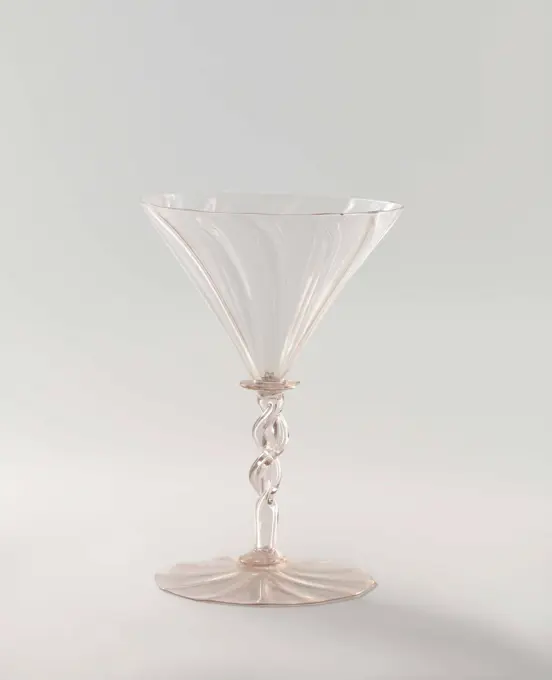
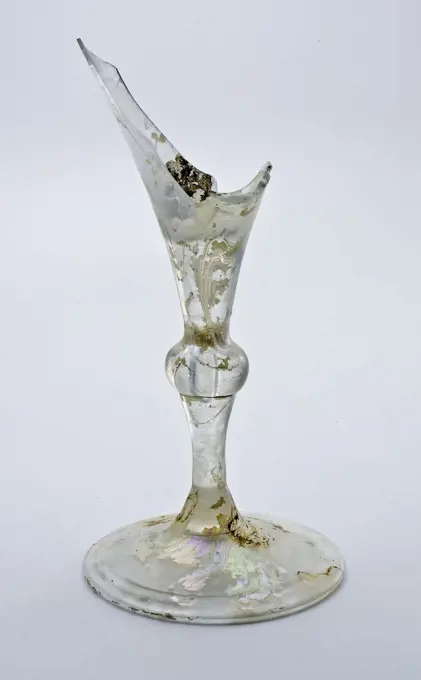
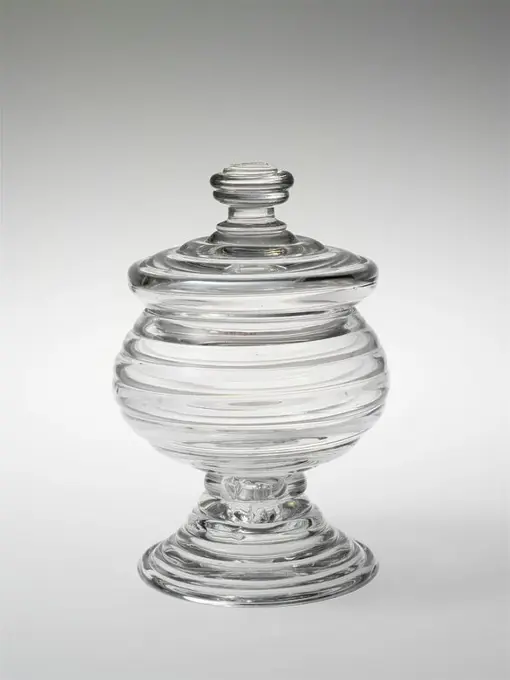
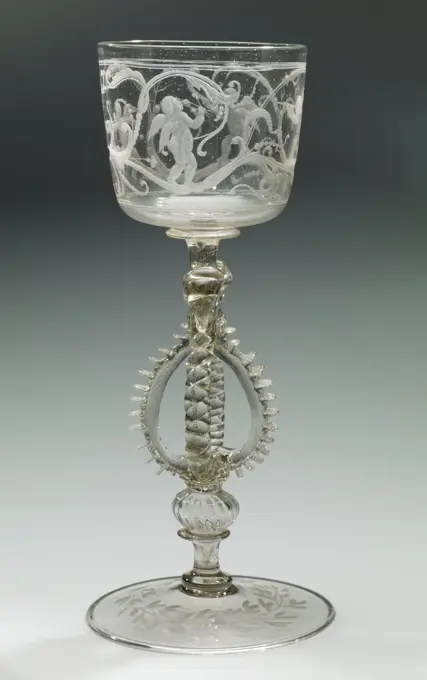
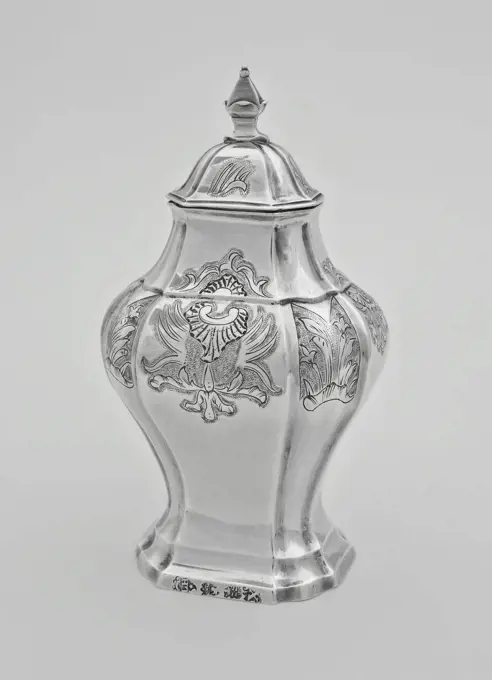
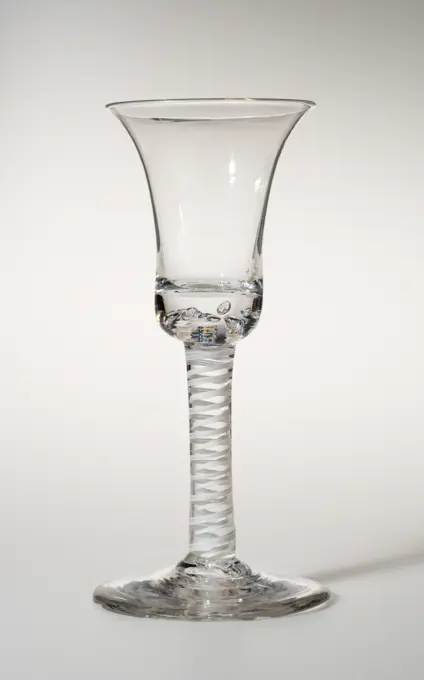
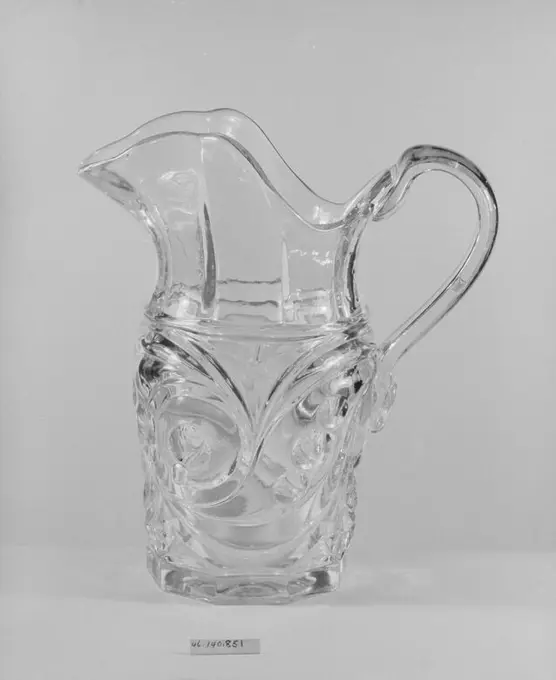
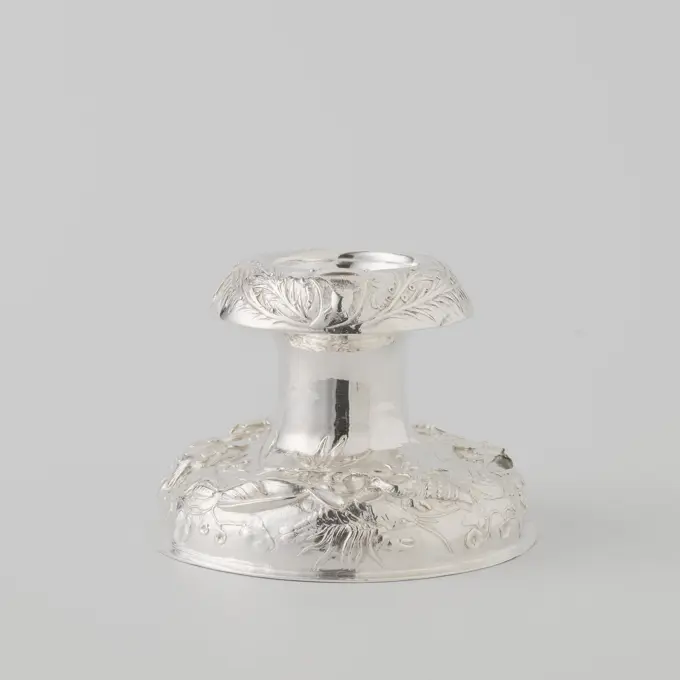
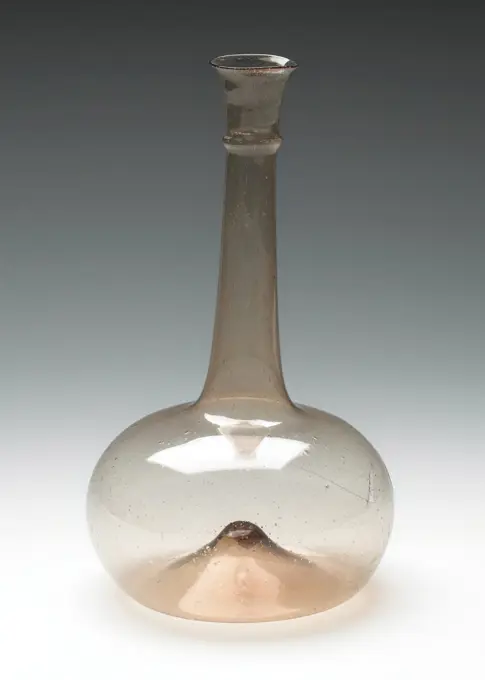
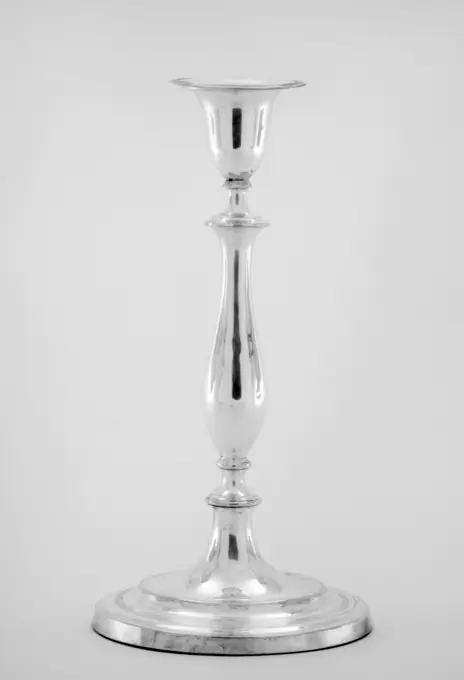
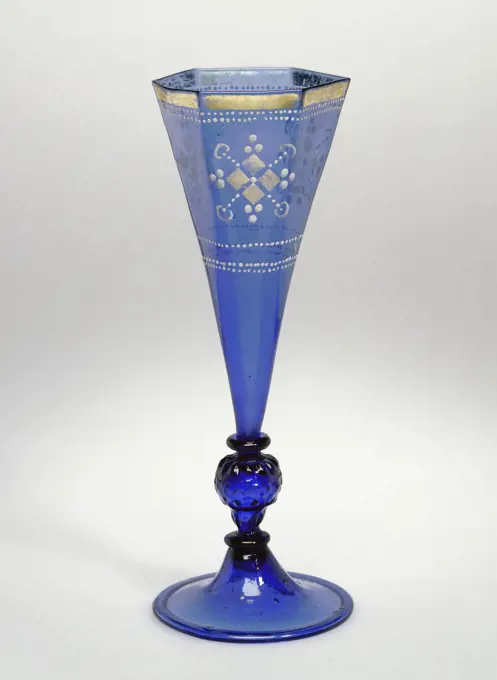
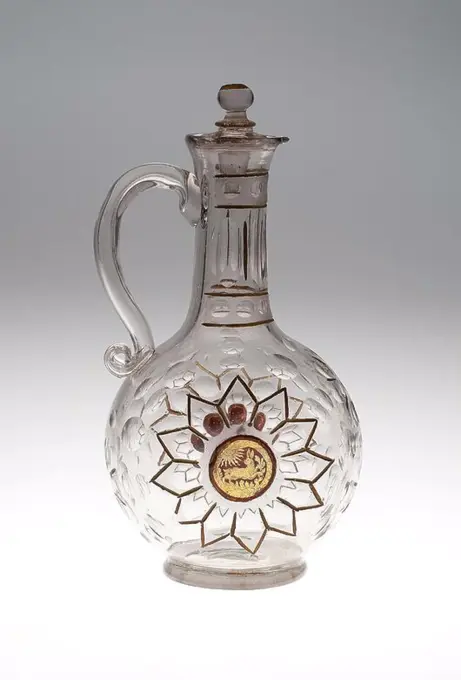
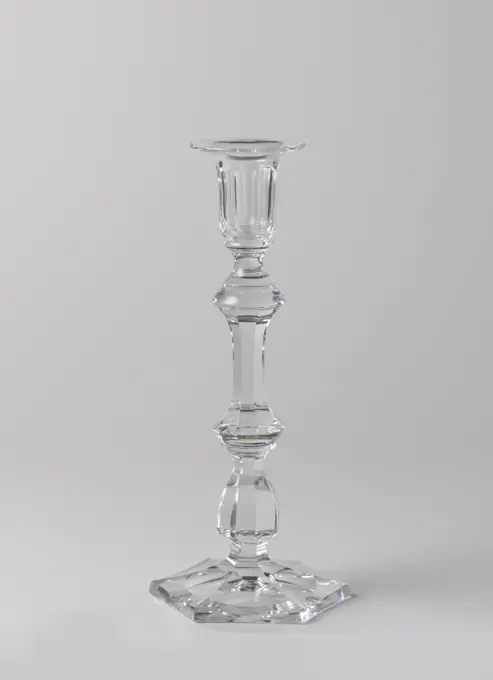
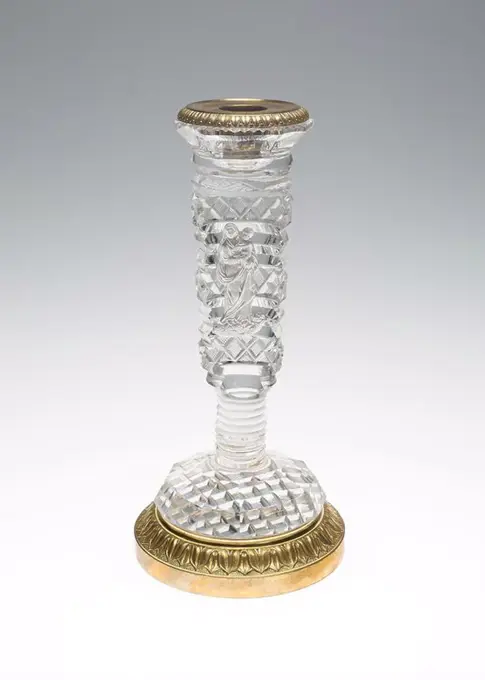
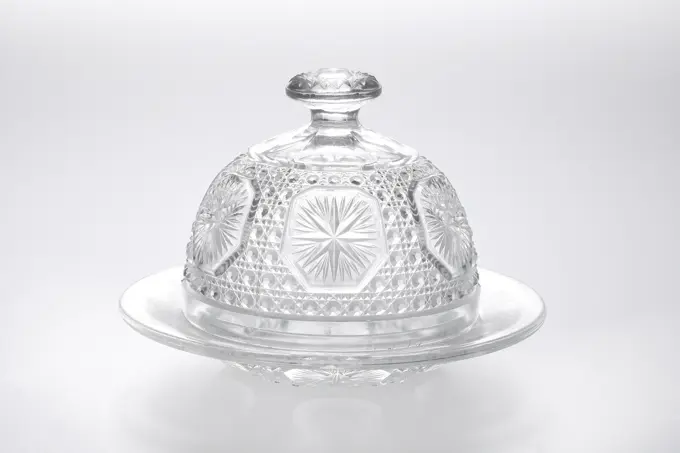
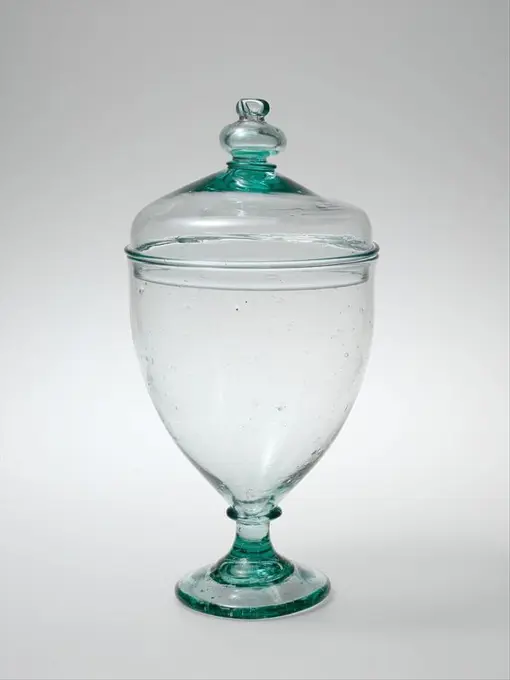
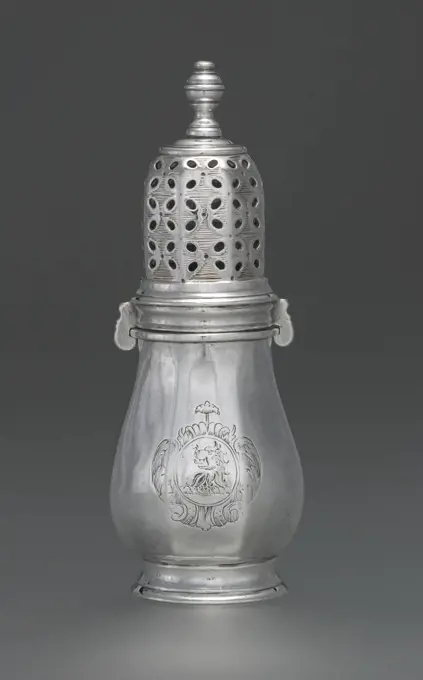
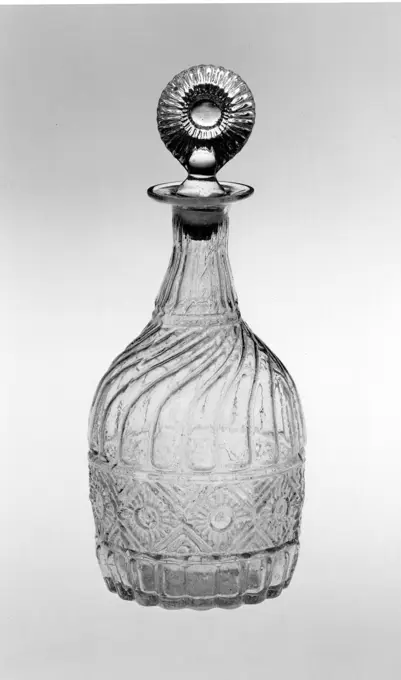
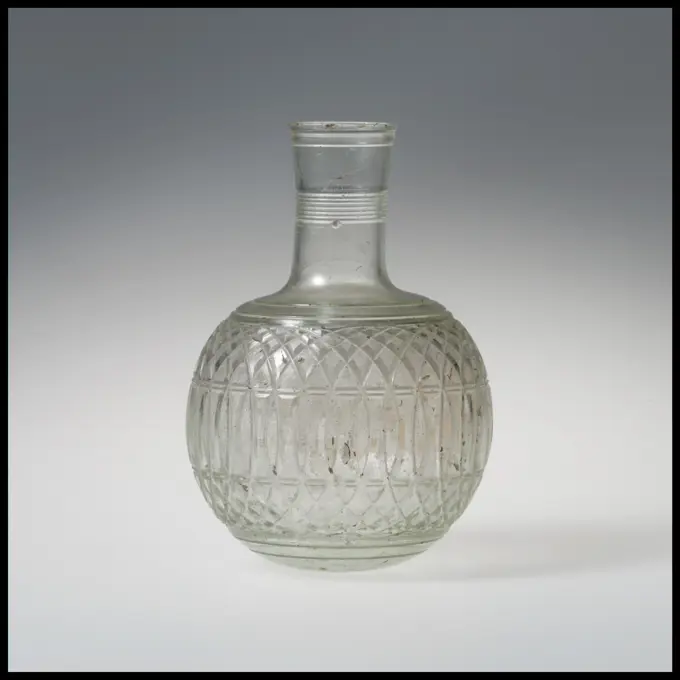
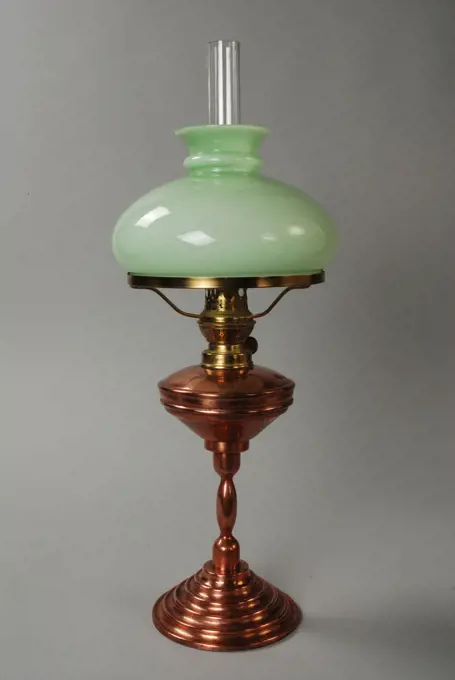
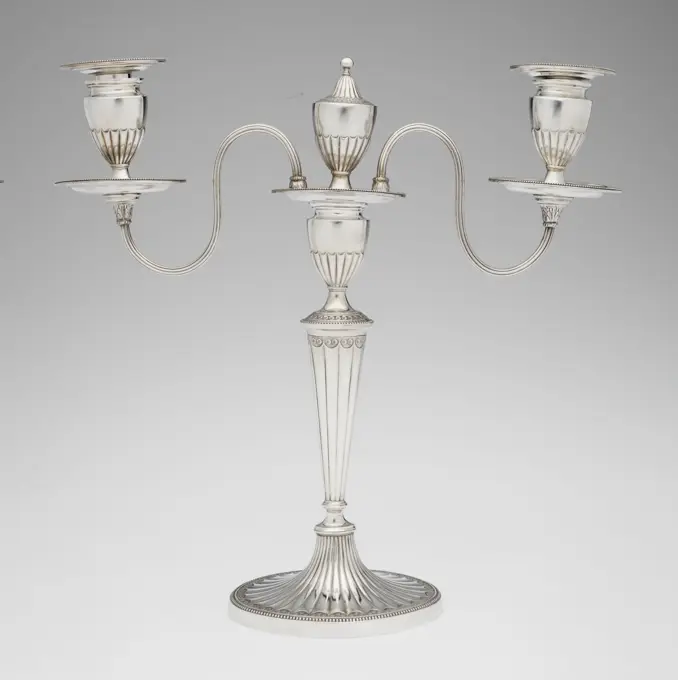
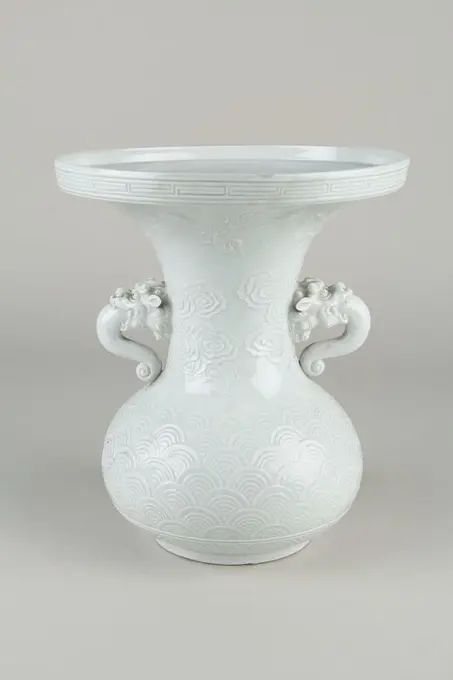
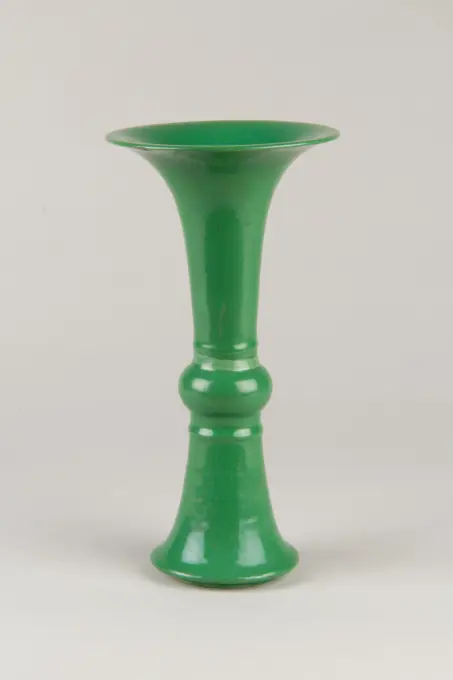
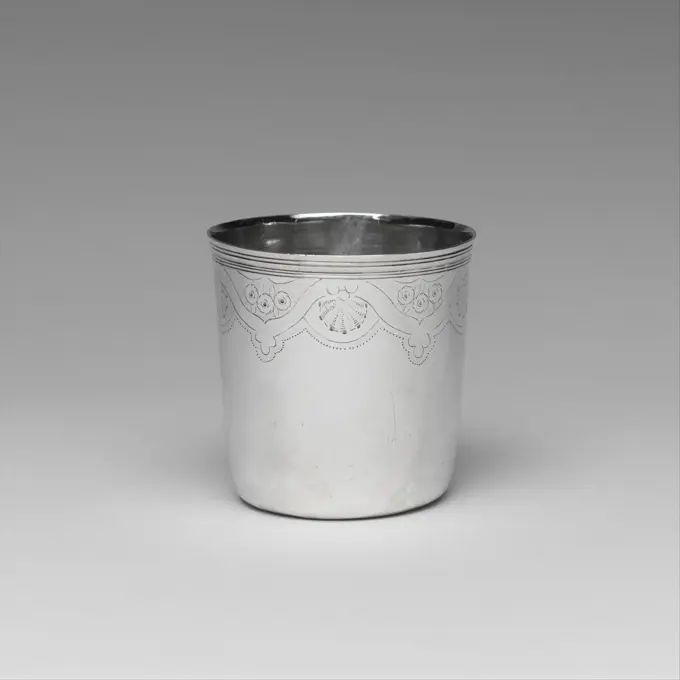
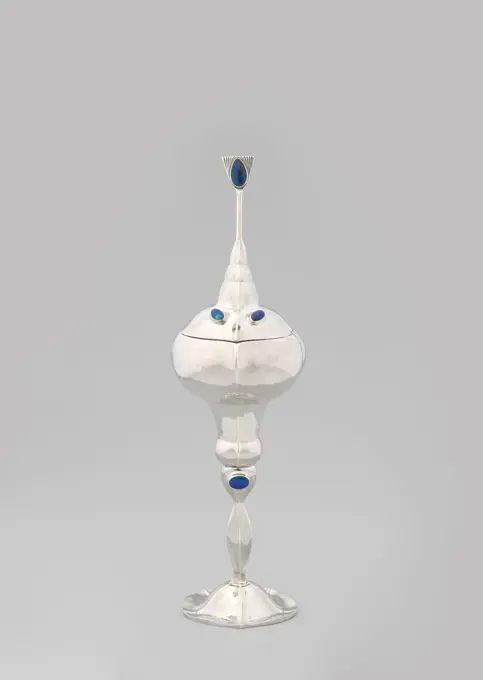
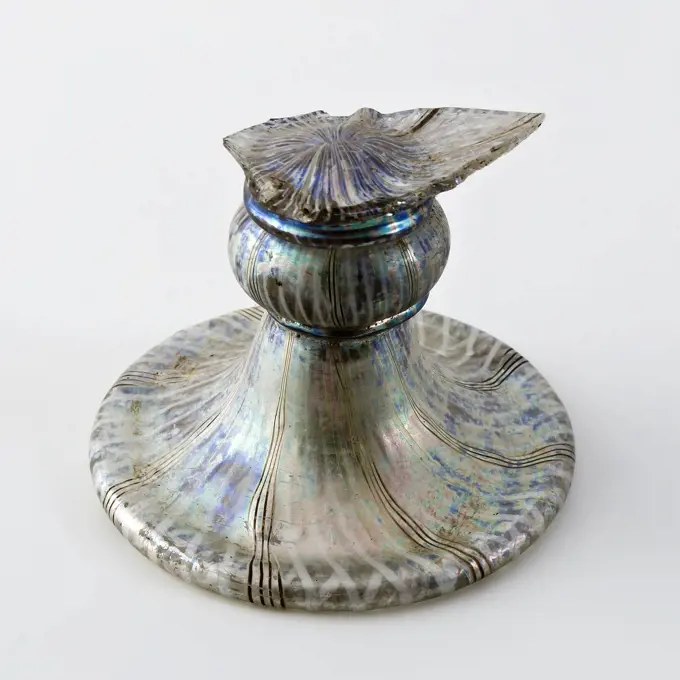
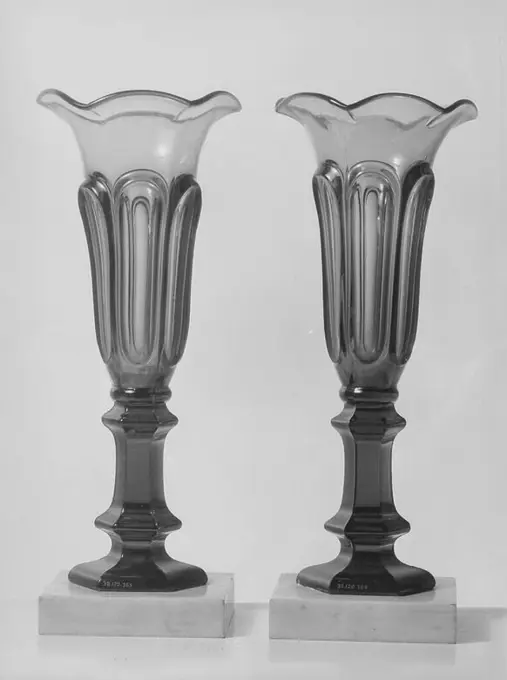
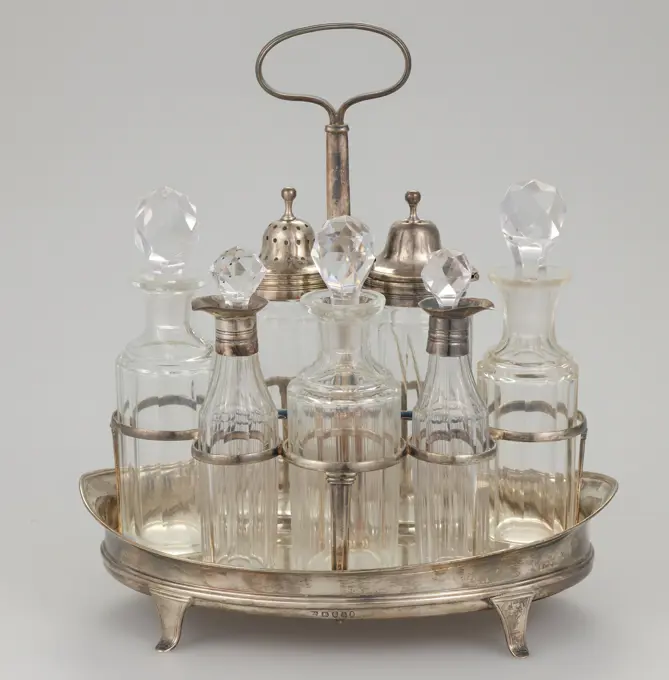
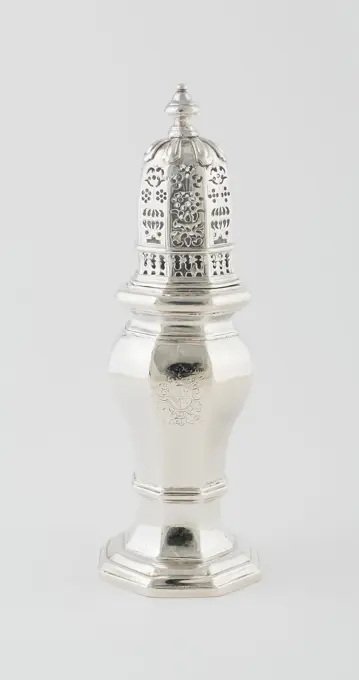
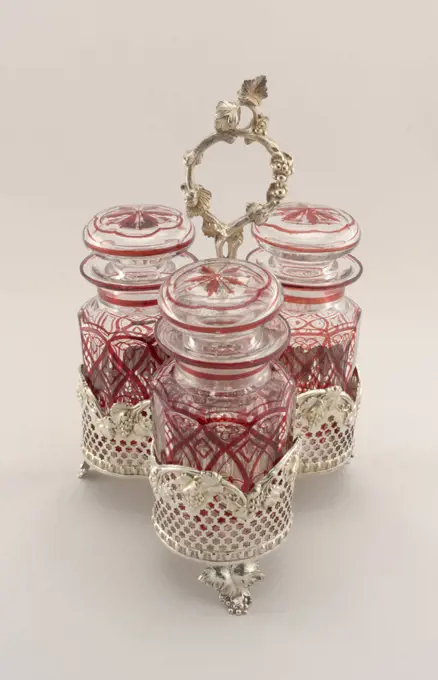
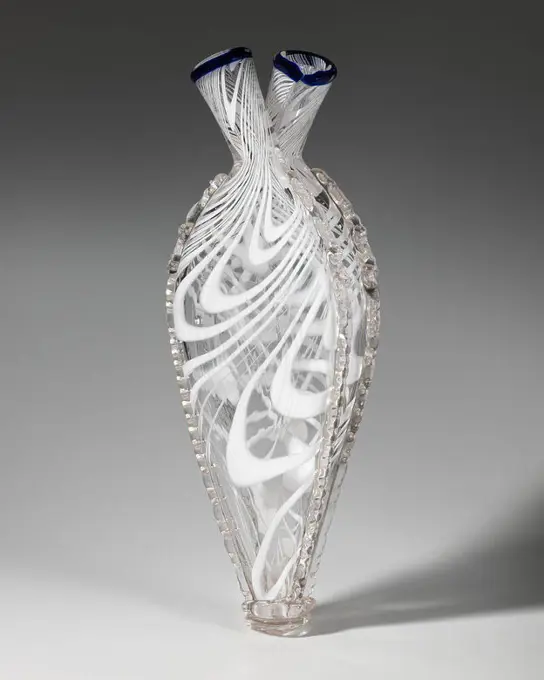
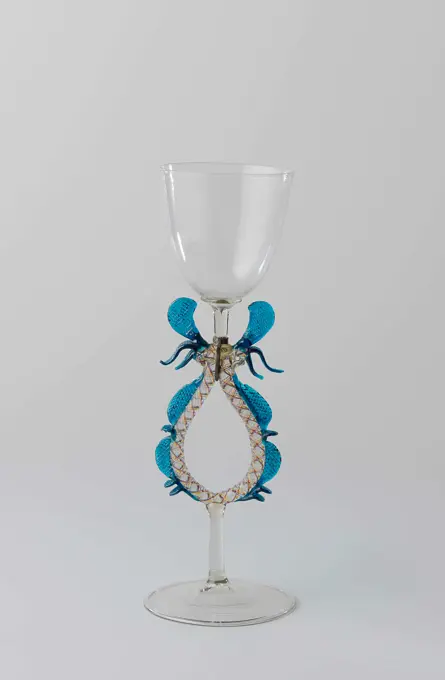
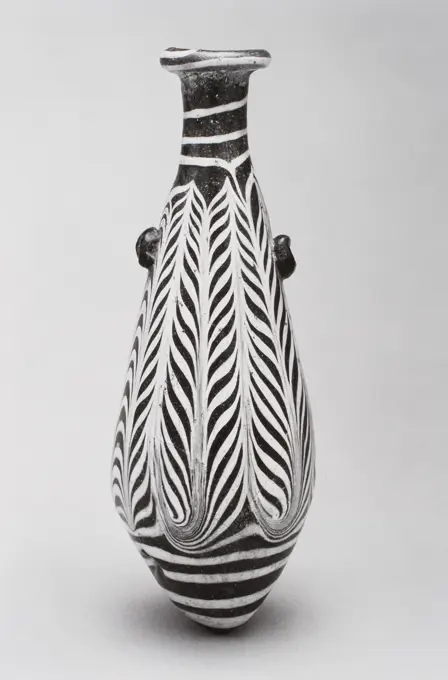
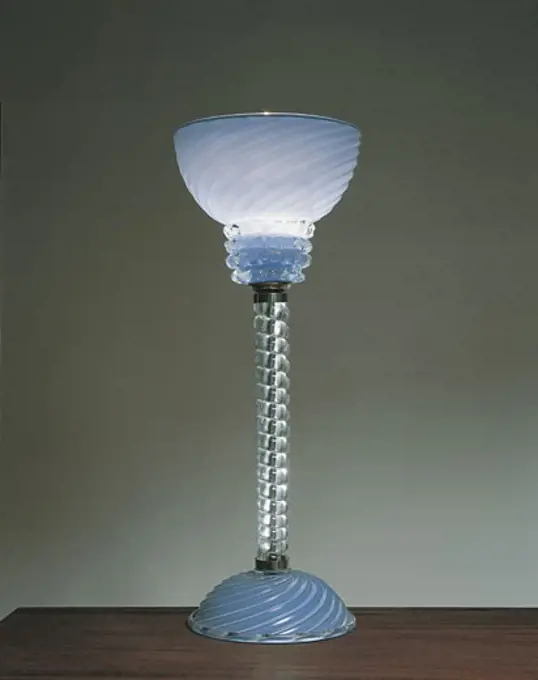
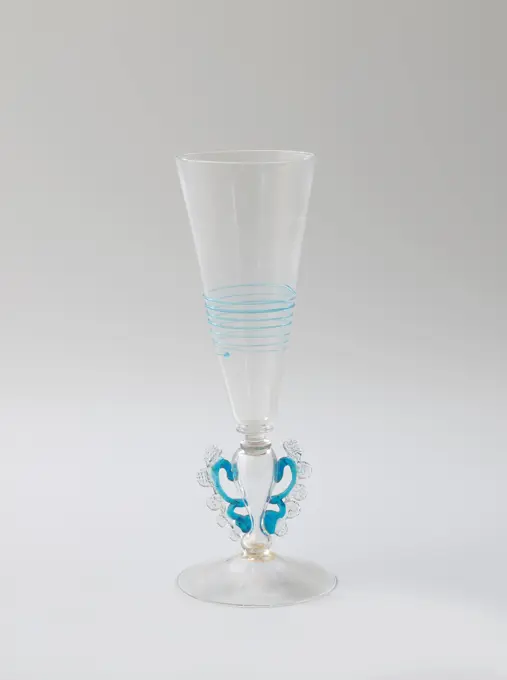
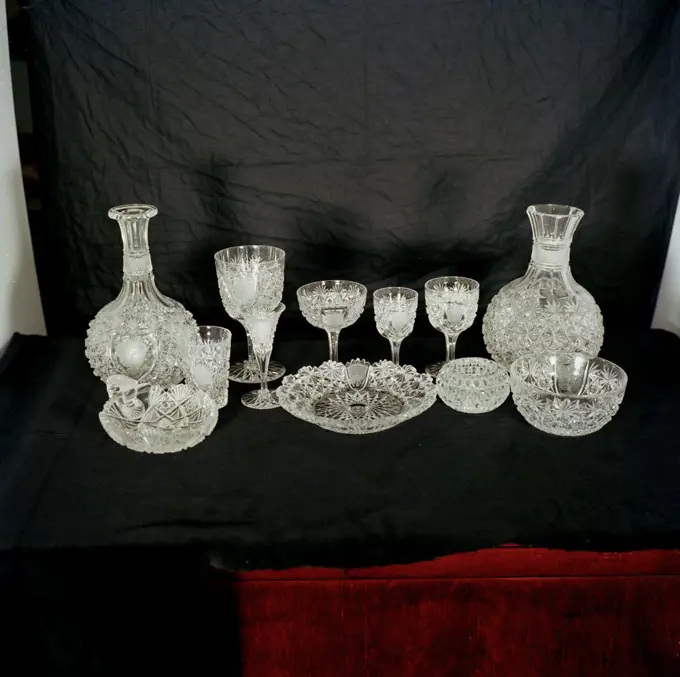
Goblet with Cover. Germany, Schleswig. Date: 1720-1730. Dimensions: H. 23.5 cm (9 1/4 in.). Glass. Origin: Schleswig. Museum: The Chicago Art Institute, Chicago, USA.Lamp base, 18th-19th century, 5 1/4 in. (13.3 cm), Glass, United States, 18th-19th centuryDecanter. Inventor: Jean-Pierre Colné, American, born France, 1807-after 1880Manufacturer (blank): Brooklyn Flint Glass Works, American, 1824-1868Manufacturer cutter: Joseph Stouvenel & Company, American, 1851-1857Rosewater sprinkler. Culture: British, Birmingham, for the Indian export market. Dimensions: Overall: (confirmed): 8 1/8 × 3 3/8 × 3 3/8 in. (20.6 × 8.6 × 8.6 cm). Maker: Possibly by F. & C. Osler (Birmingham and London). Date: ca. 1850.This rosewater sprinkler is an elegant and charming example of the important manufacture of glass vessel goods produced in British centers like Birmingham for sale to the Indian and Near-Eastern markets. The lead glass produced in Victorian Britain enjoyed the double characteristics of brilliant clarity and sparkle, with the capability of being blown thick enough to provide the depth and strength for its surface to be wheel-cut into deep relief patterns. Catching and refracting the light, the end result is extremely decorative and proved remarkably popular both with the domestic market and for trade to the Indian subcontinent.Originating with London-based manufacturers, like Jerome Johnson in 1752, and John Blades from 1789 until 1829 (by which time hLid of Roemer, Anonymous, c. 1690 - c. 1800 Vaulted lid with a protruding edge and a solid convex button. Low Countries glass glassblowing Vaulted lid with a protruding edge and a solid convex button. Low Countries glass glassblowing. Candlestick of silver. The foot is octagonal and in the flat top is a round floor. The baluster-shaped strain is octagonal as well as the candle holder. Foot, trunk and candle holder are engraved with rocaille motifs.Candlestick; Silver Products Factory K.F. Malcza (Warsaw; Sreber label; 1828-1864), Malcz, Karol (1797-1867); 1852 (1859-00-00-1859-00-00);Two Vases. Various rulers created treasure chambers as a way of displaying their knowledge, wealth, and power. These vases were prominent showpieces in the Kunstkammer in Dresden founded by Augustus, Elector of Saxony, in 1560. In the course of his life he assembled a large collectionof around 40 vases, which together were valued at no less than 12,000 thalers (26,000 guilders).Bank 1833-50 Possibly Boston & Sandwich Glass Company The hollow knop below the bird finial on this bank contains a five-cent American silver piece dated 1833. A ten-cent coin of the same date lies in the hollow stem. As is typical of glass of eastern Massachusetts origin, the form and style of decoration suggest an English antecedent.. Bank. American. 1833-50. Blown glass with applied decoration. Made in Sandwich, Massachusetts, United StatesCandlestick ca. 1825 William Thomson. Candlestick 1330Roemer with four rows of braam buds. Large grummer with inserted bottom on high, concave, spun base from a wire. The kick-shaped chalice as a whole blown with the trunk that is busy with four rows of braam buds. The transition from the chalice to the trunk indicated by a ribbed wireSugar Bowl ca. 1845-65 American. Sugar Bowl. American. ca. 1845-65. Glass. Probably made in New England, United StatesMaker Unknown, Decanter and Stopper, c. 1825-40, colorless glass.Maker Unknown, Decanter and Stopper, c. 1825-50.Candlestick; Silver Products Factory K.F. Malcza (Warsaw; Sreber label; 1828-1864), Malcz, Karol (1797-1867); 1852 (1852-00-00-1852-00-00);CandlestickPair of marriage goblets with lids. These goblets commemorate the fiftieth anniversary of Jan Jacob van Westrenen and Johanna Catharina Mamuchet van Houdringe. The arms were executed with a diamond-point stylus, a small diamond chip in a holder used to incise the glass. This technique was common in the Netherlands in the 17th century.Translation of inscription A: Best wishes and good cheer oh Noble couple on your Fiftieth Wedding Year.Translation of inscription B: Despite the burden of so many years,Maker Unknown, Cruet and Stopper, c. 1820-50, colorless glass.Candlestick with Madonna and Child 1830-1845 Bohemia. Glass with gilt bronze mounts . Glassworks Harrachov Czechoslovakia (Manufacturer)Goblet, c. 1530, 10 1/4 × 4 5/8 × 4 5/8 in. (26.04 × 11.75 × 11.75 cm), Glass, Italy, 16th century, Made at a turning point in the history of Venetian glass, the Latticino Goblet is a superb example that unites the traditional Renaissance shape of the cylindrical, straight-sided bowl, with the newly invented vetro a ritorti decoration.. Flat, blasting ribbed foot. The strain formed by a wire in three strokes, separated from the funnel-shaped chalice, which is optically blown into vertical ribs.Fragment of foot, trunk and part of calyx of chalice, wine glass drinking glass drinking utensils tableware holder soil find glass, free blown and formed Fragment of foot stem and part of chalice of chalice in clear colorless glass. Pontil mark under concave light ascending foot with rim folded downwards Solid trunk but convex knot with air bubble. Pointed chalice with thick soil in which air bubble archeology drinkSugar bowl. Culture: American. Dimensions: H. 7 in. (17.8 cm); Diam. 5 1/4 in. (13.3 cm). Maker: Boston & Sandwich Glass Company (American, 1825-1888, Sandwich, Massachusetts). Date: 1830-40. Museum: Metropolitan Museum of Art, New York, USA.Single candlestick (candelabrum base). Lilpop, Karol Jerzy (fl. 1820-1833), goldsmithBottle belonging to oil and vinegar consisting of four bottles in a rushed holder, Fa. Diemont, 1801 One of the two larger bottles of an oil and a side set with four flessn of colorless cut glass. With stop of sharpened glass. Amsterdam glass One of the two larger bottles of an oil and a side set with four flessn of colorless cut glass. With stop of sharpened glass. Amsterdam glassDiamond-point engraved winged goblet, c. 1660, Unknown, 11 3/4 x 4 3/4 in. (29.85 x 12.07 cm), Glass, Netherlands, 17th centuryPair ofCandlesticks. Maker, possibly by: Boston and Sandwich Glass Works, American, 1826-88Cruet Stand (Bottle), 1700s(). France, bottle and cover old, but probably not original, 18th Century(). Silver and glass; overall: 17.2 cm (6 3/4 in.).Louis de Haan, Silver tea caddy with lid, tea caddy holder silver, city seal provincial lion year letter XMaker Unknown, Wineglass, c. 1750-c. 1775, colorless lead glass with opaque white glass threads in stem.Quart Decanter 1850-70 Bakewell, Pears and Company. Quart Decanter 6827Lidded Wine Glass with the Huis Rupelmonde in Loenen aan de Vecht, Anonymous, c. 1700 - c. 1720 Facet cut, flat foot. Facet cut, baluster -shaped trunk with a knot and five discs. The conical chalice, with sliced in vertical facets, has a rounded bottom. The facet cut, vaulted lid has a faceted crown, consisting of a button, four discs and a peak. On the Kelk Huis Rupelmonde in Loenen aan de Vecht, with the river in the foreground with two boats, swans and other birds. Along the riverbank a covered promenade with a pier, against a background of trees. The covered promenade leads to an arbor. Under the show the text: the wellsen of Rijpelmonde. On the other side a cartouche consisting of symmetrical tifles with two naked men who each empty a barrel. The Cartouche contains a seascape with Fortuna sitting on a shell that is pulled by two dolphins and is surrounded by three lake -lines. In her left hand, Fortuna holds a globe and a staff, a sail in the right hand, but of the other end is hPair of JellyGlassesPitcher. Culture: American. Dimensions: H. 9 7/8 in. (25.1 cm). Maker: Probably Boston & Sandwich Glass Company (American, 1825-1888, Sandwich, Massachusetts). Date: 1850-70. Museum: Metropolitan Museum of Art, New York, USA.Salt barrel with driven fish, shells and marine animals, Claes Baardt, 1689 Pull -shaped salt barrel of silver. Fish, shells and marine animals are on the foot. On top of a weapon and a Banderolle with the name Catarina Gaeijkema and the year 1689. Bolsward silver (metal) Pull -shaped salt barrel of silver. Fish, shells and marine animals are on the foot. On top of a weapon and a Banderolle with the name Catarina Gaeijkema and the year 1689. Bolsward silver (metal)Caster 1740-60 Samuel Edwards. Caster 1465Canister and stopper. Czechy, creatorTumbler 1770-1820. Tumbler 8999Flask, 17th century, H.10-1/8 x W.5-7/8 x D.5-7/8 in., Glass, Italy, 17th centuryLiquor bottle with stopper (one of a pair) early 19th century British or Irish This liquor bottle is one of a pair with 30.120.231a, b.. Liquor bottle with stopper (one of a pair). British or Irish. early 19th century. Glass. GlassCandlestick ca. 1810. Candlestick. ca. 1810. Silver plate on copper. Made in South Yorkshire, Sheffield, EnglandVase, Favrile glass, Elongated ovoid body of thick transparent yellow with milky cast; short wide flaring neck; narrow cushion between body and clear foot., USA, ca. 1900, glasswares, Decorative Arts, VaseGoblet; Central Germany, Germany; second half of 16th century; Free- and mold-blown light cobalt-blue glass with gold leaf and enamel decoration; 20.5 x 7.8 cm (8 1,16 x 3 1,16 in.)Bottle of oil and vinegar with four bottles, with the Clifford family crest, Fa. Diemont, 1806 One of the two smaller bottles of colorless glass, decorated in various sharpening, fits. The upper part of the bottle is contained in a silver frame that is decorated with a filet edge, where it ends in a point at the front and back. One handle is provided on the frame, hinged snee -shaped lid. The, presumably English, bottle has a high rising, bent, grooved silver ear, which runs just above the bottle base to below the folding lid. Amsterdam glass One of the two smaller bottles of colorless glass, decorated in various sharpening, fits. The upper part of the bottle is contained in a silver frame that is decorated with a filet edge, where it ends in a point at the front and back. One handle is provided on the frame, hinged snee -shaped lid. The, presumably English, bottle has a high rising, bent, grooved silver ear, which runs just above the bottle base to below the folding lid. Amsterdam glaBottle. Bohemia, Czech Republic. Date: 1725-1735. Dimensions: H. 24 cm (9 7/16 in.). Glass. Origin: Bohemia. Museum: The Chicago Art Institute, Chicago, USA.Candlestick with cut facets, anonymous, c. 1850 Sexible, conical base, baluster -shaped trunk, cylindrical holder with bent edge. Facet cut foot, tribe and holder. France glass glassblowing / grinding Sexible, conical base, baluster -shaped trunk, cylindrical holder with bent edge. Facet cut foot, tribe and holder. France glass glassblowing / grindingMaker Unknown, Bar Bottle and Stopper, c. 1855-70, sapphire-blue glass.Dish in the form of a dragon, anonymous, c. 1800 - c. 1900 Decorative scanning of rock crystal in the form of a winged dragon on a lobed, oval base. Gold frame with email and precious stones. Eyes of Robijn. Italy gold (metal).. ruby (mineral). aquamarine (mineral) Decorative scanning of rock crystal in the form of a winged dragon on a lobed, oval base. Gold frame with email and precious stones. Eyes of Robijn. Italy gold (metal).. ruby (mineral). aquamarine (mineral)Lid of a cup, with a house and two gentlemen and the inscription: the prosperity of the hoyse, anonymous, c. 1725 - c. 1750 A flower owl on the lid. glassblower: GermanyNorthern Netherlands glass glassblowing A flower owl on the lid. glassblower: GermanyNorthern Netherlands glass glassblowingCandlestick with Madonna and Child. Bohemia, Czech Republic; Harrachov Glassworks (founded 1831). Date: 1830-1845. Dimensions: H. 23.9 cm (9 3/8 in.). Glass with gilt bronze mounts. Origin: Bohemia. Museum: The Chicago Art Institute, Chicago, USA.Compote - Variant Diamond pattern Cambridge Glass Company Cambridge Glass CompanyButter dish -Flacon, anonymous, c. 1700 - c. 1800 Conical foot of purple -blue glass. Silent -flattened, ring -shaped body, transfers to a short, somewhat bent neck with a purple blue edge. Two ribbed purple blue threads on the narrow sides. West-Europa glass glassblowing Conical foot of purple -blue glass. Silent -flattened, ring -shaped body, transfers to a short, somewhat bent neck with a purple blue edge. Two ribbed purple blue threads on the narrow sides. West-Europa glass glassblowingDouble box, anonymous, c. 1725 - c. 1750 The vaulted lid of the small cup has matt grinding work and air bubbles in the button. Bohemia glass grinding / glassblowing The vaulted lid of the small cup has matt grinding work and air bubbles in the button. Bohemia glass grinding / glassblowingUrn. Culture: American. Designer: Possibly designed by John Frederick Amelung (active 1784-ca. 1791). Dimensions: H. 15 1/4 in. (38.7 cm). Manufacturer: Possibly by New Bremen Glass Manufactory (1784-1795). Date: 1788-95.This formidable urn relates to documented Amelung pieces in both form and style, especially in the treatment of the cover, with its hollow, inverted baluster finial. Museum: Metropolitan Museum of Art, New York, USA.Canister (one of three). Edward Workman; Irish, active 1699-1722; Dublin, Ireland. Date: 1704-1706. Dimensions: H. 22.9 cm (9 in.). Silver. Origin: Dublin. Museum: The Chicago Art Institute, Chicago, USA.Pair of candlesticks 1706/7 Thomas Merry I. Pair of candlesticks 197694Covered Welcome Beaker (Willkommglas).Maker: Benjamin Hiller, American, 1688-1745, Caster, ca.1720-30, Silver, 5 1/8 in. (13 cm), Made in Boston, Massachusetts, American, 18thcentury, Containers -MetalsDecanter. Maker, attributed to: Mount Vernon Glass Works, American, 1810-1844XI. Glass camphor lampGimmalFlaskGlass globular bottle 3rd-4th century A.D. Roman Colorless with light green tinge.Vertical ground rim; cylindrical neck with slightly concave profile; globular body; round bottom, slightly flattened at center.Deep-cut geometric decoration: on neck, two horizontal grooves below rim and a band of seven close-set horizontal grooves at mid-point; on body, at top and bottom, a pair of horizontal concentric grooves, two pairs of horizontal grooves above and below mid-point of side, and a pattern of 32 overlapping circles covering most of side.Intact, but with minor internal cracks and surface chips; some pinprick bubbles; slight pitting and weathering on exterior, patches of whitish iridescent weathering on interior.. Glass globular bottle 249555Christoffel Vennix, Copper oil lamp, oil lamp lamp illuminant copper glass metal textile cotton, Oil lamp or kerosene lamp. Table lamp on high foot Red copper column on foot with ascending steps. Conical tank with burner and frame of the cap in yellow copper. Hood of green glass and milk glass, on the turning wheel of the burner: KOSMOS BRENNER lighting evening night petroleum illuminate interior craft coppersmith Rotterdam migration Brabant Noord-BrabantTwo -country candelab; Hougham, Charles (Fl. 1769-1793); 1787/88 (1787-00-00-1788-00-00);. Jar on flat foot with beaten edge. The strain is made up of a straight rod of colorless glass, a middle part formed by a challenge tube with a yellow, white and blue spiral, in the form of a hose with blue wings and ending in a serpent head. Above a connecting piece A funnel-shaped, closed on the underside. Bulb lid, the button built up as the middle part of the trunk.Cruet Set 1755-1765 Dublin. Silver and glass . Thomas WilliamsonCandlestick (one of a pair). American; Pittsburgh, Pennsylvania. Date: 1830-1840. Dimensions: . Pressed and blown glass, pewter. Origin: Pittsburgh. Museum: The Chicago Art Institute, Chicago, USA.Bottle ca. 1875. Bottle 612Vuurmand, anonymous, c. 1400 - before 1883 Basket of silver filigrein with roof.  silver (metal) filigree Basket of silver filigrein with roof.  silver (metal) filigreeVase with Lion-Shaped Handles and Cranes amid Clouds. Culture: Japan. Dimensions: H. 10 1/2 in. (26.7 cm); Diam. of rim 9 in. (22.9 cm); Diam. of foot 4 1/2 in. (11.4 cm). Date: first half of the 19th century. Museum: Metropolitan Museum of Art, New York, USA.Vase in the shape of archaic wine container (gu) 18th century China. Vase in the shape of archaic wine container (gu). China. 18th century. Porcelain. Qing dynasty (1644-1911). CeramicsTumbler 1797 Paul Revere Jr. American This set of four tumblers or small drinking cups (58.3.1-.4) was made for the Salem, Massachusetts merchant Elias Hasket Derby (1739-1799) and descended in his family. They are among the "12 Silver tumblers" that Revere supplied to Derby in 1797. Their plain, slightly rounded bodies with engraved borders were made to match a set of four cups already owned by Derby, marked by the Parisian silversmith Denis Colombier in 1789. The similarities are striking, although the French originals are more intricately engraved. These objects illustrate both the influence of French design on late eighteenth-century American taste and the role of the patron in commissioning silver. One of the Colombier beakers (67.94) also belongs to the Museum, offering the opportunity to compare copies to their original source.. Tumbler 425Maker Unknown, Bottle, Mid- to late 19th century, colorless glass, pewter.Decanter, one of a pair, c. 1825-1845, 10 in. (25.4 cm), Blown and etched glass, United States, 19th centuryOil and vinegar, Wijnand Warneke (attributed to), 1767 The couple consists of a silver holder, two bottles of colorless, cut glass and a silver pepper bus. The soil has a round vaulted elevation in the middle, crowned by a leaf -shaped, profiled button. He rests on four leaf -shaped legs. The equal, openwork walls are mounted on the two rounded ends, in which the bottles fit. They are above a profiled bottom edge of C-Voluten with rocailles that form cartouches. The cartouches on front and rear sides contain flowers; In that at the ends, a leaf of the same model as the legs is attached. The walls are connected to the top by tough ribbons that turn to the front and back into C-shaped, branchy ears that grab the bottom. A spiral and three volutes rise from the center of the bows. The volutes turn into three wide -losing tree branches with birds, which together form the cylindrical wall of the Peperbus holder. The round, flat bottom of that holder is attached to the inside of the branchesTankard (Trick Glass) 1740-1760 Bohemia. Glass .Caster 1770-1800 American. Caster 1462Ciborie, Mathieu Lauweriks, 1912 - 1916 The pear -shaped cuppa rests on a baluster -shaped trunk with a blue opal and a roared base in it. The lid, on which two blue opals are applied, rises strongly in the middle and ends in an egg -shaped blue opal in a fan -shaped frame. The object is not marked. Hagen silver (metal). opal The pear -shaped cuppa rests on a baluster -shaped trunk with a blue opal and a roared base in it. The lid, on which two blue opals are applied, rises strongly in the middle and ends in an egg -shaped blue opal in a fan -shaped frame. The object is not marked. Hagen silver (metal). opalFragment of foot, stand and part of chalice of chalice or drinking bowl, drinking glass drinking utensils tableware holder soil find glass, free blown and formed glass application Fragment of foot stem and small part chalice of chalice or drinking bowl in clear colorless opaque white and opaque-gold glass in façon de Venise style The foot is made of folded ball with imposed counterclockwise bending opaque white and opaque-golden glass threads, creating network pattern Pontil mark under high (2.4 cm) ascending foot with rim folded down. Hollow convex knot with flat knot End of almost horizontal slightly ascending chalice archeology Rotterdam IJsselmonde drinking wine serve beer Soil discovery: IJsselmonde Castle Rotterdam 1972.Jug 1600-1799 England. Glass .Probably Boston and Sandwich Glass Works, Lamp, c. 1840-60, amethyst glass and metal.Lid of a jar. Vaulted lid, awarded with articulated lid knob, consisting of two buttons with an air bubble and a spherical end. On the lid a engraved leaf sling.Covered vessel in the shape of a bird 18th-19th century China. Covered vessel in the shape of a bird 44074Candlestick, Francois Marcus Simons, 1803 Candlestick with foot. Marked and dated. The Hague silver (metal) casting Candlestick with foot. Marked and dated. The Hague silver (metal) castingVase. Culture: American. Dimensions: H. 11 5/8 in. (29.5 cm); Diam. 4 1/2 in. (11.4 cm). Date: 1840-65. Museum: Metropolitan Museum of Art, New York, USA.Condiment Stand, c. 1796, Sir William Neville Abdy, 2nd Bart., British, (London, England), died 1910, 10 1/2 x 9 x 6 1/4 in. (26.67 x 22.86 x 15.88 cm) (stand), Silver, glass, wood, England, 18th-19th centuryBeaker. Nieokreślona huta, factorySuspensionCanister (one of three) 1704-1706 Dublin. Silver . Edward Workman (Silversmith)Cruet Set with Condiment Jars, Silverplate, molded and stained glass, England, ca. 1870, metalwork, Decorative Arts, Cruet Set with Condiment JarsFlask. Culture: British, probably Nailsea. Dimensions: Height: 11 in. (27.9 cm). Date: late 18th-early 19th century. Museum: Metropolitan Museum of Art, New York, USA.Wing glass. Wing glass with flat foot with beaten edge. The stem constructed from a straight rod of colorless glass and a curved rod with a pendulum of red, yellow, white and blue threads, occupied with blue wings, ending in a large wing. On a straight, colorless connector a small, curved chalice.Alabastron. East Mediterranean, 2nd - first half of 1st century B.C.. Furnishings; Serviceware. Core-formed glassJug first half 18th century French. Jug 185953Close-up of a lit up lamp, Murano, Venice, Veneto, ItalyWing glass with blue spiral wire, anonymous, c. 1800 - c. 1900 Wing glass on a flat base, baluster -shaped trunk with two blue wings set with ten flat waffles. The high, funnel -shaped chalice is decorated with a blue spiral wire. Venice glass Wing glass on a flat base, baluster -shaped trunk with two blue wings set with ten flat waffles. The high, funnel -shaped chalice is decorated with a blue spiral wire. Venice glassToastrack.   Maker: Wood and Hughes, American, active 1840-99Rectangular tea liability, decorated on all sides with driven chinoiseries, Hendrik Swierinck, 1764 Rectangular tea leopard. All sides decorated with driven chinoiseries in the midst of rocailles. On the upper platform, branches and rocailles have been sophisticated, as well as on the wall of the lid that is finished at the top with a rocaille-rosette and a button. (Foot 217). Amsterdam silver (metal) Rectangular tea leopard. All sides decorated with driven chinoiseries in the midst of rocailles. On the upper platform, branches and rocailles have been sophisticated, as well as on the wall of the lid that is finished at the top with a rocaille-rosette and a button. (Foot 217). Amsterdam silver (metal)China and crystal used in the White House. Front row (L-R): Olive dish, Apollinaris tumbler, sherry glass, ice cream plate, salt cellar, finger bowl. Back row (L-R): Decanter, goblet, champagne glass, wine glass, claret glass, water bottle. The majority of the glassware is in a Russian-pattern and engraved with a version of the United States coat of arms. It was first ordered by President Benjamin Harrison in 1891 and manufactured by C. Dorflinger Sons. The olive dish, ordered in 1900, and the salt cellar, in a hobnail pattern and ordered in 1898, were both manufactured by T.G. Hawkes Company and are believed to be replacement pieces to the Harrison crystal ordered by President William McKinley.