Antique Glassware

A collection of historical glass containers and decorative pieces with intricate designs, showcasing craftsmanship from various cultures.
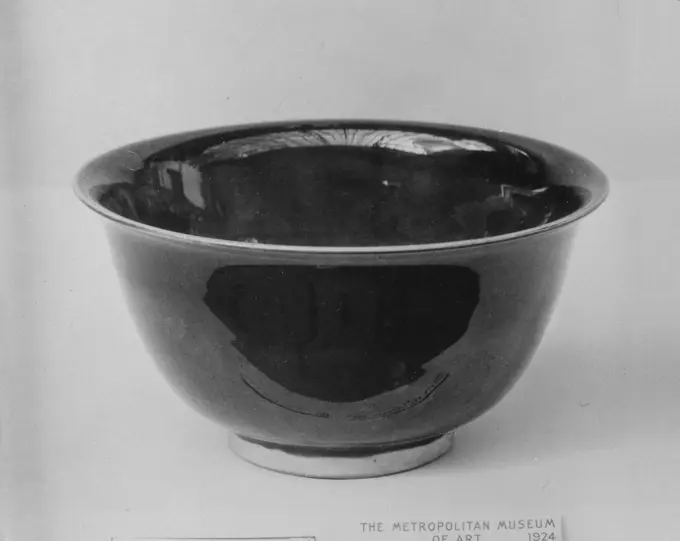
Bowl 1830 Eiraku Hozen. Bowl. Eiraku Hozen (Japanese, 1795-1854). Japan. 1830. Faience() covered with rich green glaze, craquelé (Kyoto ware). Edo period (1615-1868). Ceramics
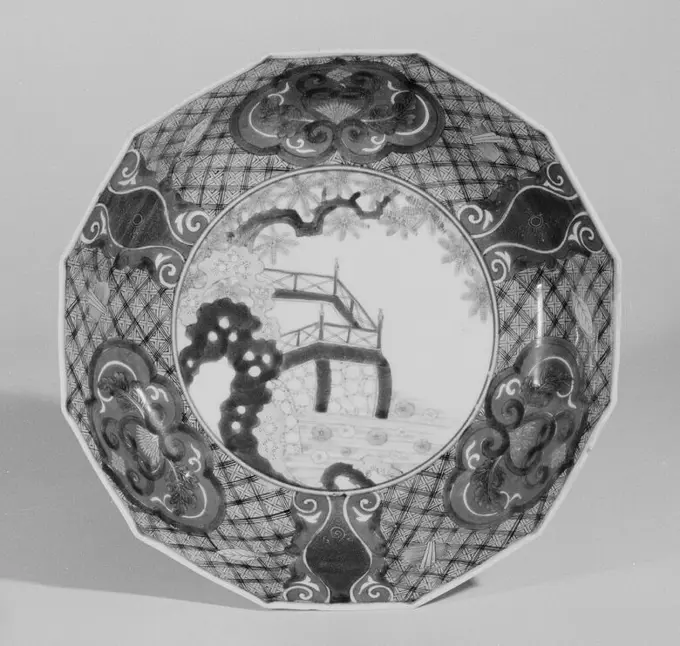
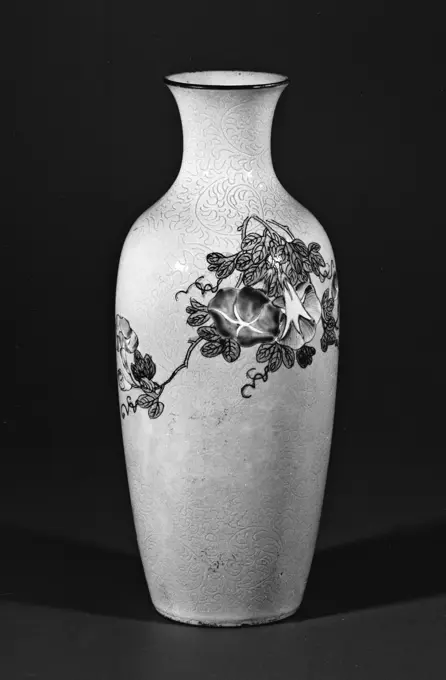
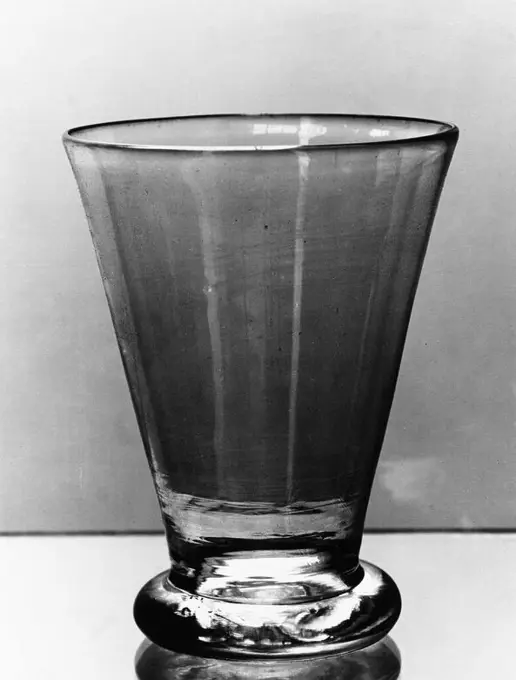
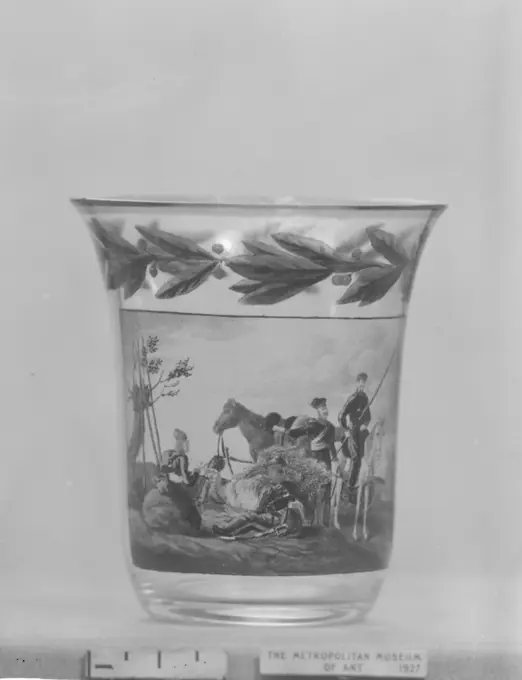
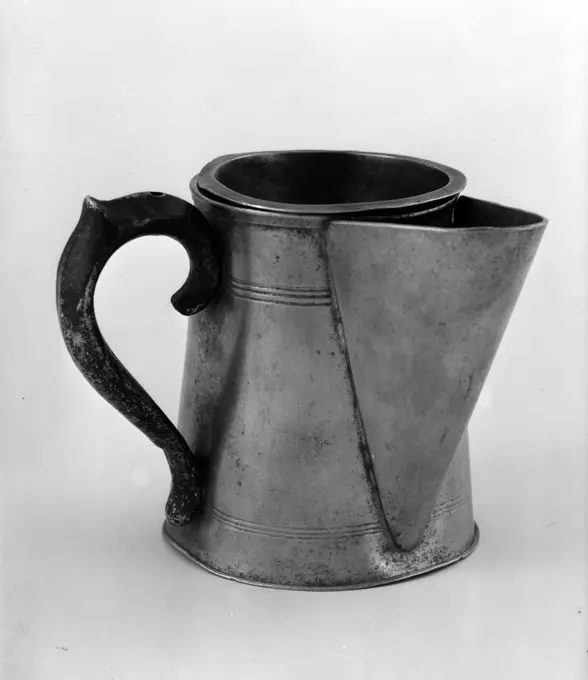
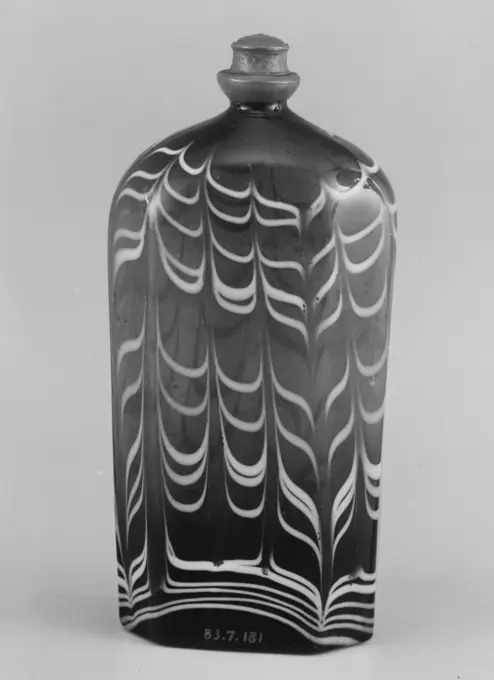
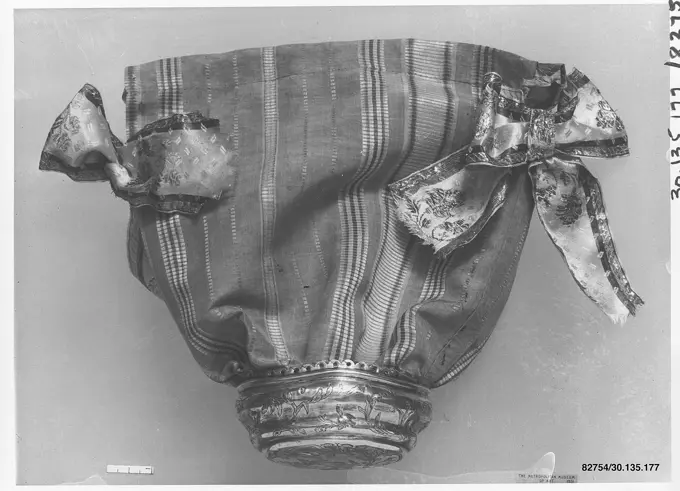
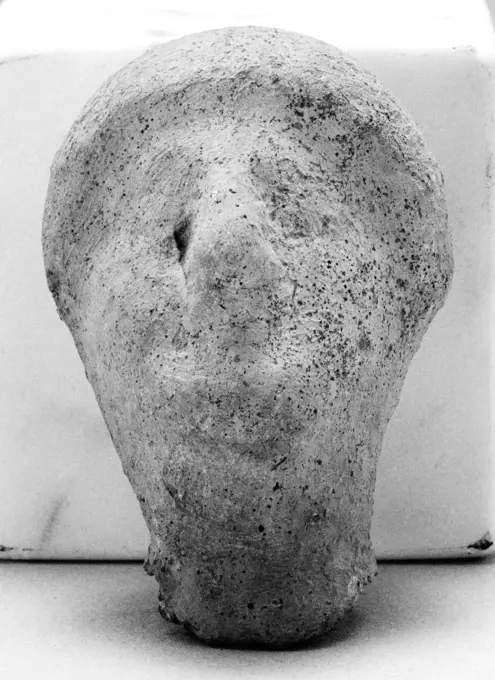
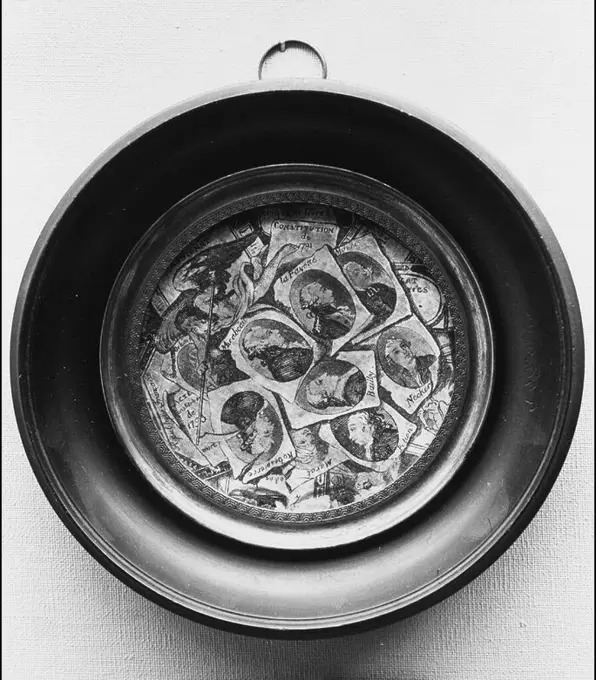
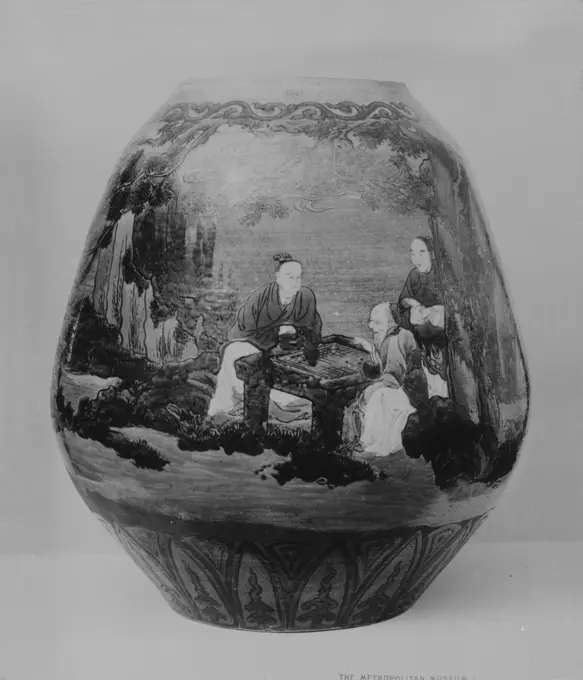
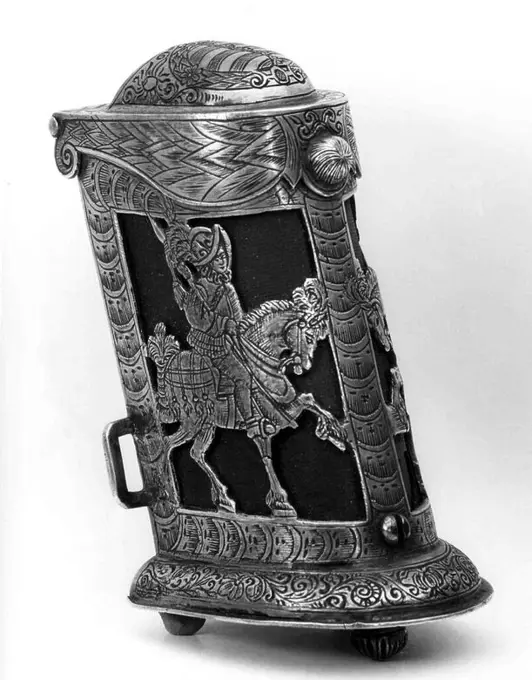
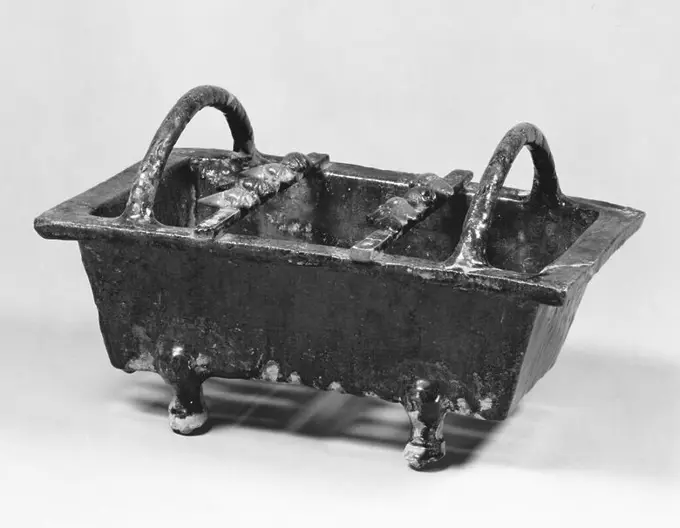
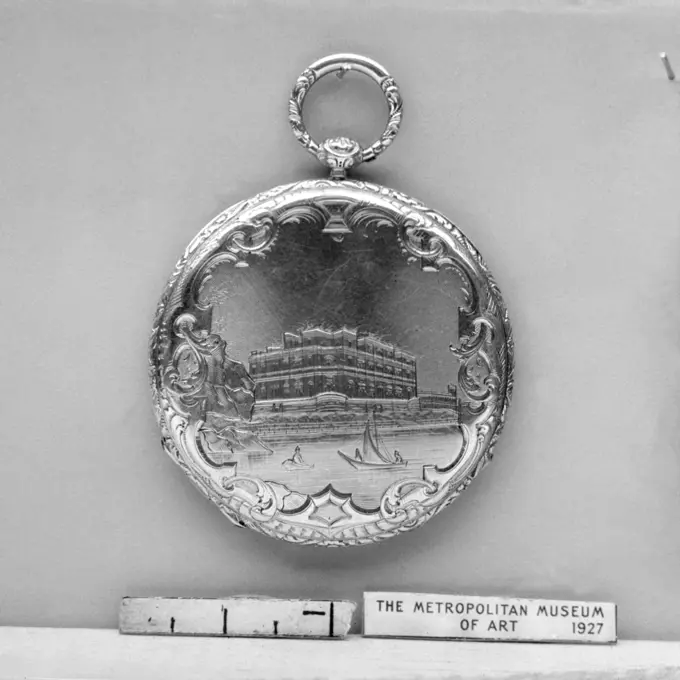
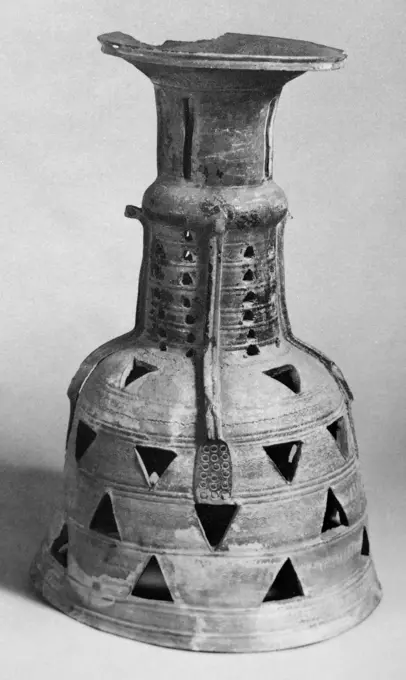
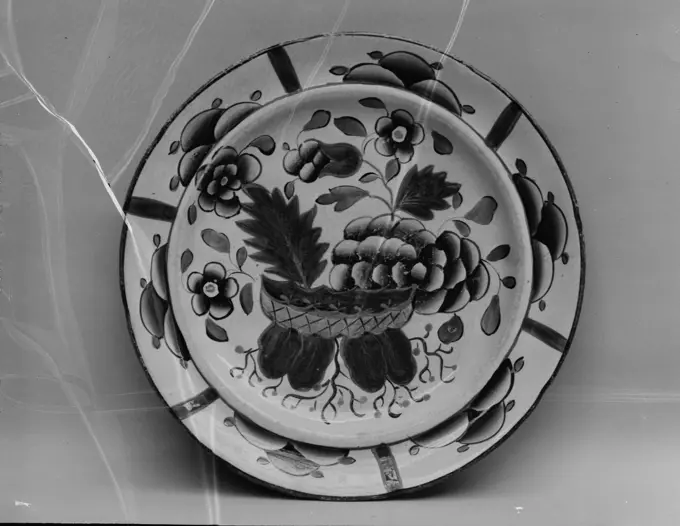
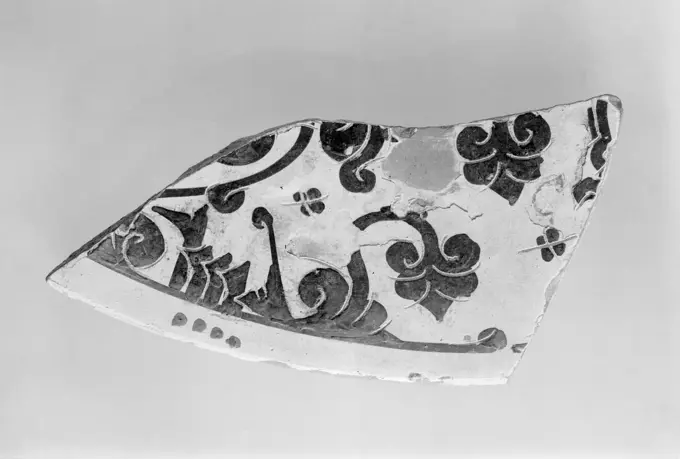
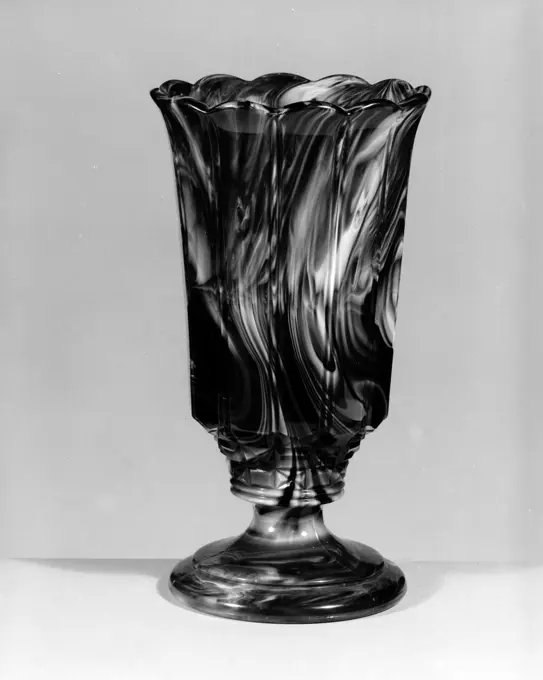
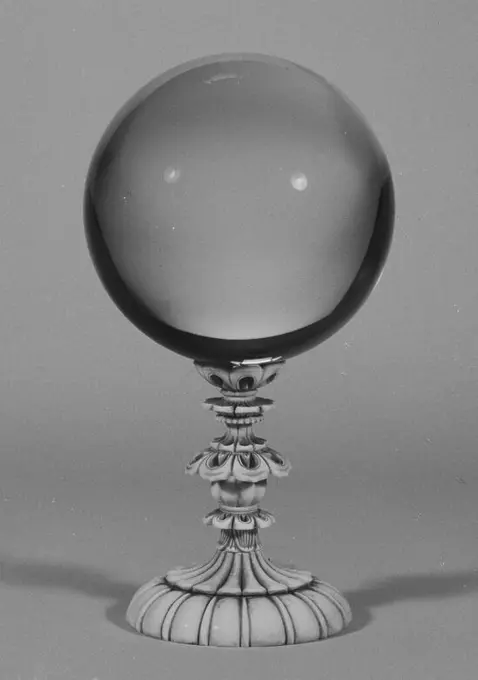
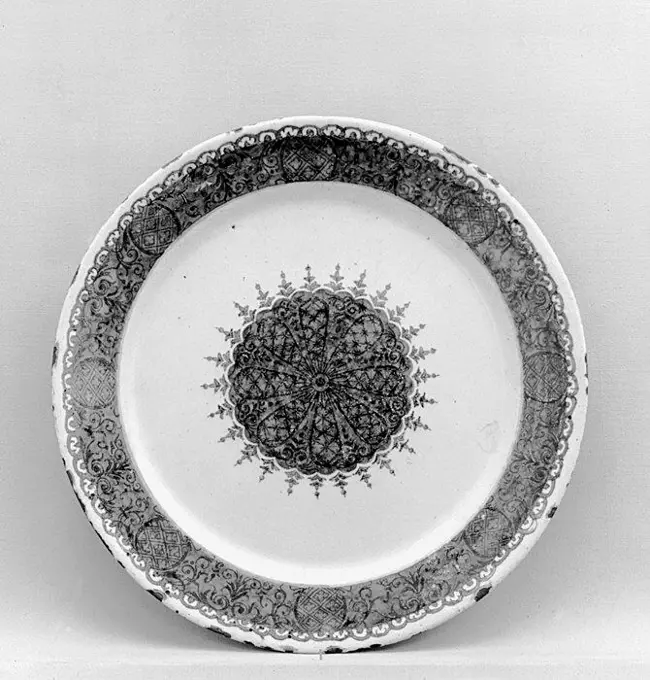
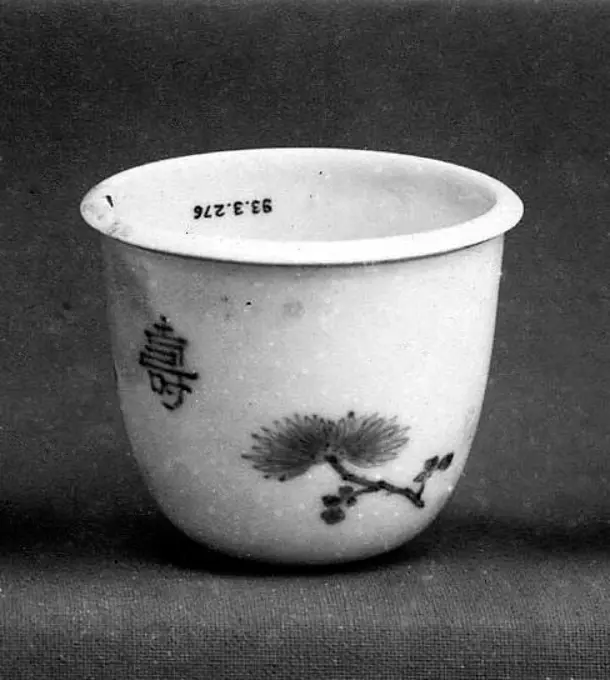
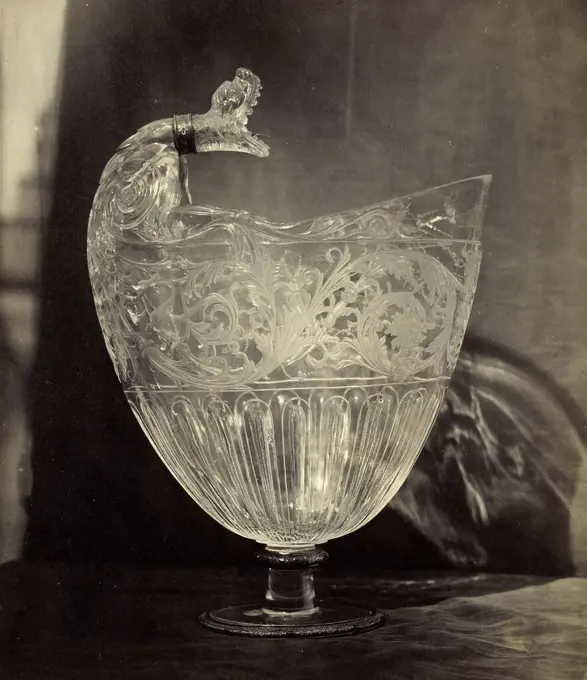
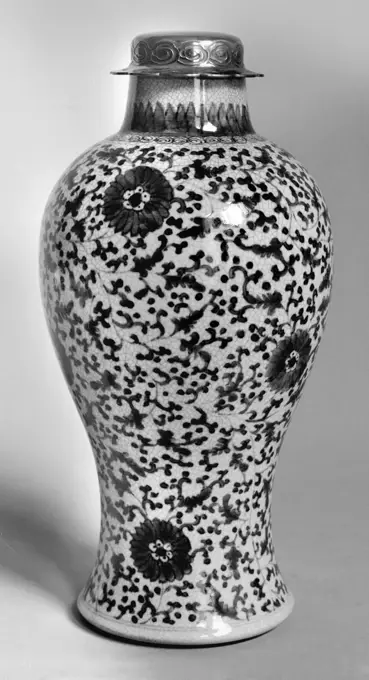
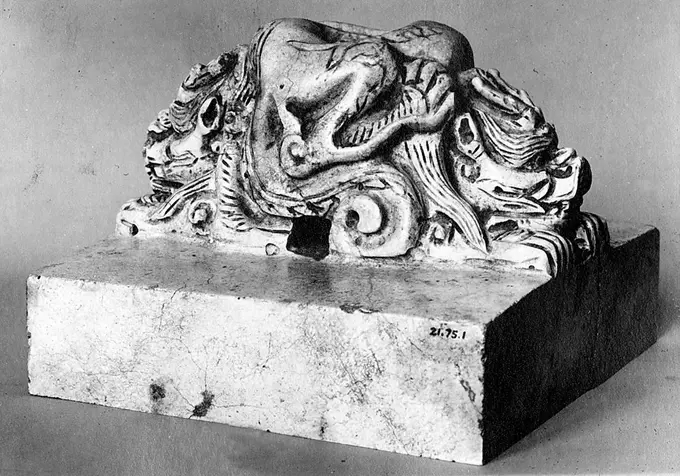
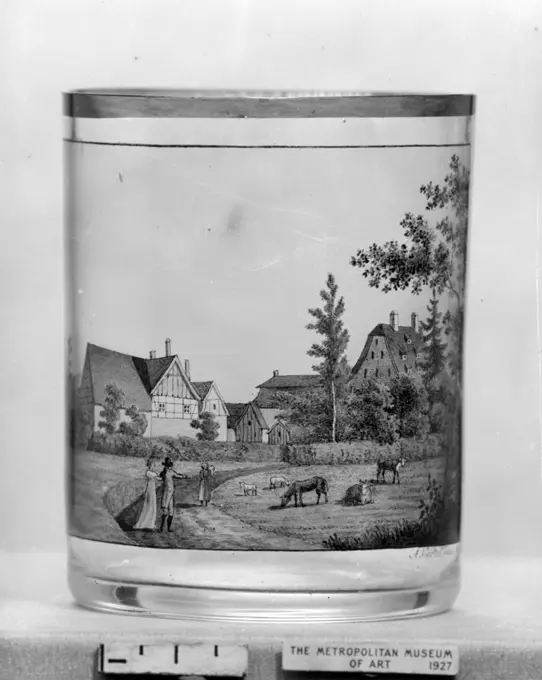
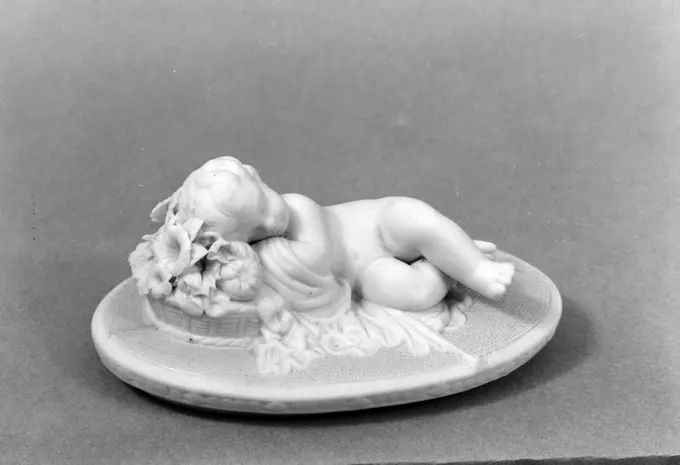
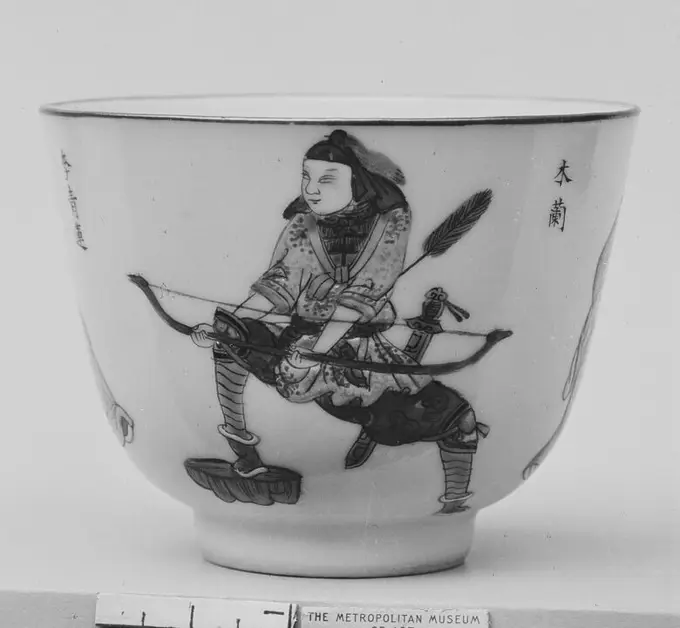
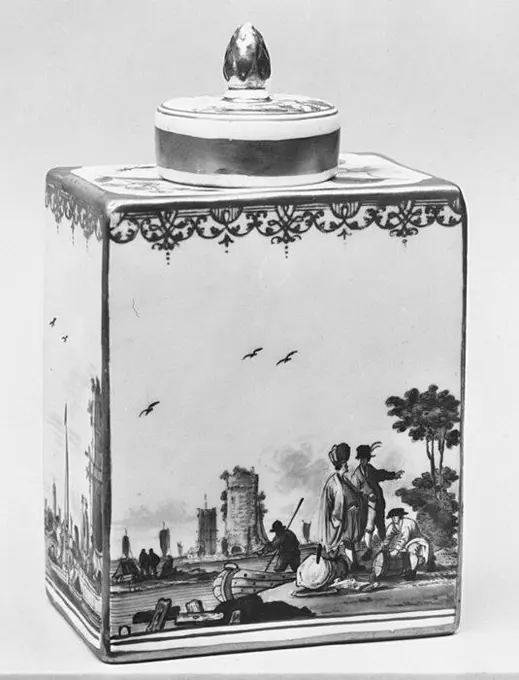
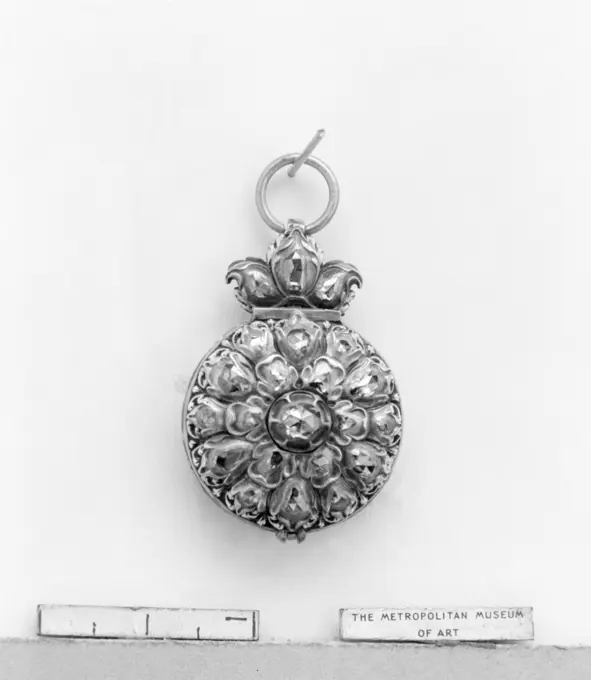
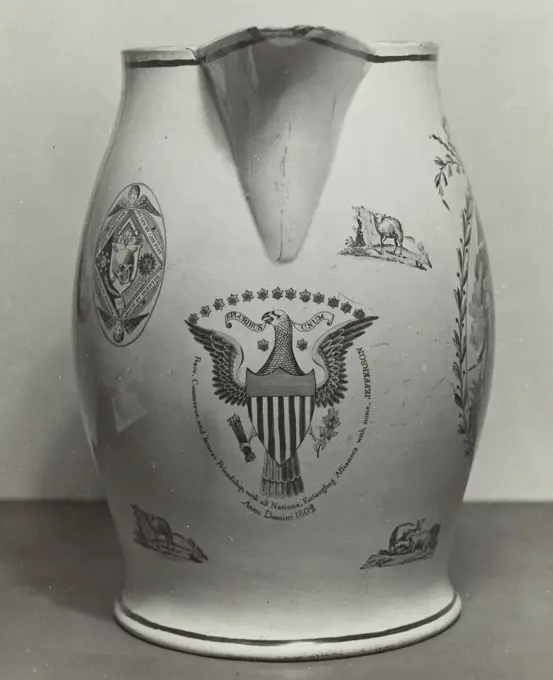
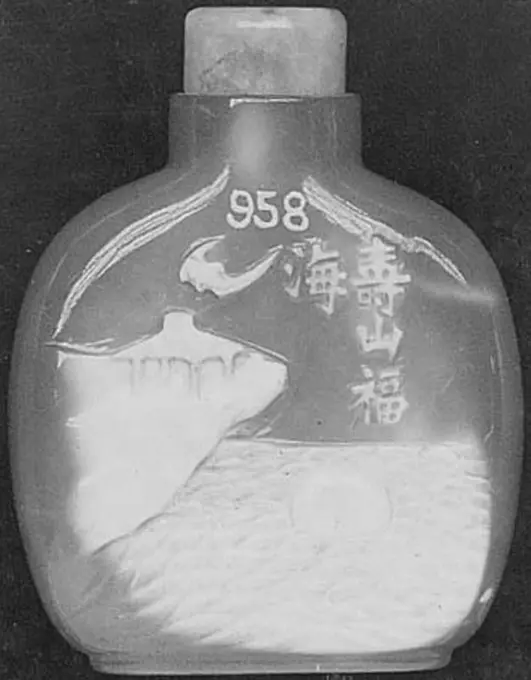
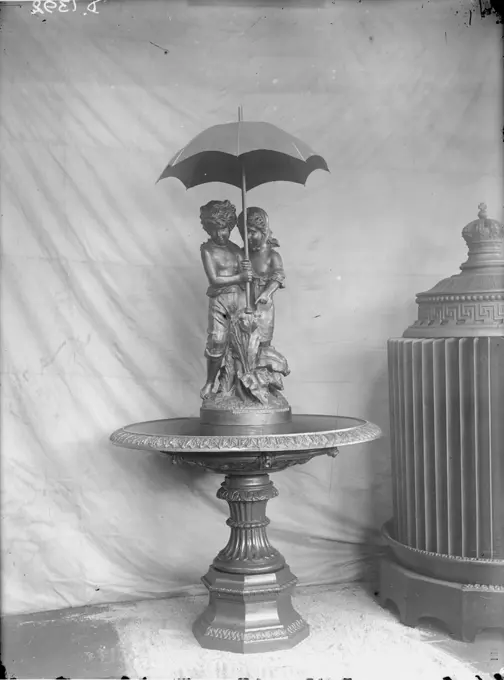
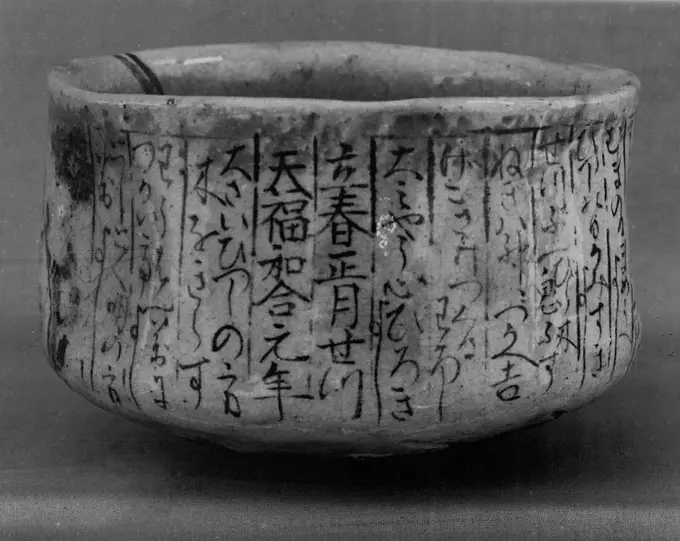
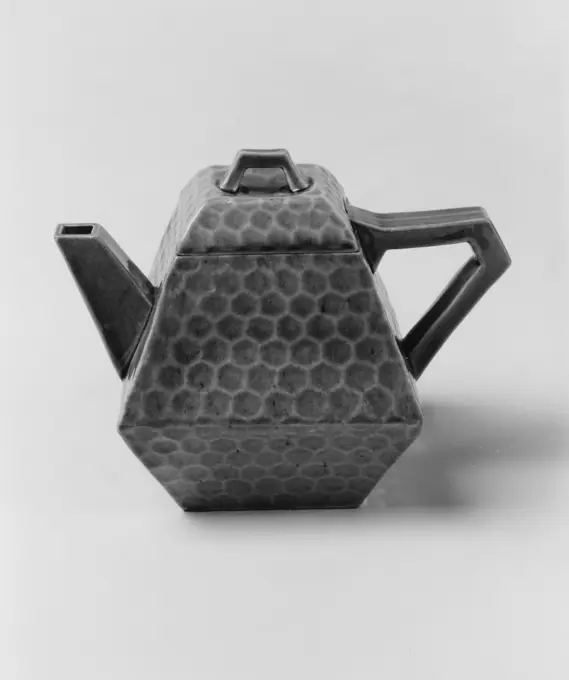
James Young, Sugar Basket (blue glass liner), 1789/90, silver.Plate. Culture: Japan. Dimensions: H. 2 1/4 in. (5.7 cm); Diam. 10 1/2 in. (26.7 cm). Date: early 18th century. Museum: Metropolitan Museum of Art, New York, USA.Vase with flowers 19th century China. Vase with flowers. China. 19th century. Porcelain painted in overglaze polychrome enamels over a yellow sgraffito ground of vegetal scrolls (Jingdezhen ware). Qing dynasty (1644-1911). CeramicsMug 18th century. Mug 5279Cup ca. 1775 Chantilly. Cup 188772 Factory: Chantilly, French, Saucer, ca. 1775, Soft-paste porcelain, Diam. 4 1/2 in. (11.4 cm.). The Metropolitan Museum of Art, New York. Gift of Alfred Duane Pell, 1902 (02.6.282)Tumbler. Culture: American. Dimensions: H. 5 1/8 in. (13 cm). Date: 1700-1800. Museum: Metropolitan Museum of Art, New York, USA.Anefo photo collection. Exhibition "The Chinese Porcelain Chest". Wan Li Porcelain. August 29, 1968Cruet late 17th century probably northern European (probably German). Cruet 461230Hot Water Plate 1761-93 Henry Will. Hot Water Plate. American. 1761-93. Pewter. Possibly made in Albany, New York, United States; Possibly made in New York, New York, United StatesBottle late 8th-9th century. Bottle. late 8th-9th century. Glass; free blown. Excavated in Iran, Nishapur. GlassJohn Langlands and John Robertson, Basket, 1784/85, silver.Beaker ca. 1815 Decoration possibly by Gottlob Samuel Mohn. Beaker. Bohemian with Austrian, Vienna decoration. ca. 1815. Glass. GlassSmall vase and mug with a plastic decorShaving Mug 1818-48 George Richardson. Shaving Mug. American. 1818-48. Pewter. Possibly made in Providence, Rhode Island, United States; Possibly made in Boston, Massachusetts, United States; Possibly made in Cranston, Rhode Island, United StatesCrystal engraved can, from the Louvre, Charles Thurston Thompson, c. 1866 - c. 1890.Bottle 18th century probably German. Bottle. probably German. 18th century. Glass; pewter. GlassDorothy bag base 1751-61 Possibly by Johann Christoph Eckart. Dorothy bag base 222497VaseVase 1830-70 American. Vase. American. 1830-70. Parian porcelain. Probably made in Bennington, Vermont, United StatesHuman Head. UnknownPrint. Dimensions: Diam. 2 1/2 in. (6.4 cm). Date: 1775-1883. Museum: Metropolitan Museum of Art, New York, USA.Ritual Object (Linga) ca. 11th century Indonesia (Java). Ritual Object (Linga) 37422Snuff Bottle 18th century China. Snuff Bottle. China. 18th century. Porcelain. Qing dynasty (1644-1911), Yongzheng period (1723-35). Snuff BottlesBrooch British 19th century View more. Brooch. British. 19th century. GoldBarber's basin 1701 Swiss, Winterthur. Barber's basin 201799Cup - "State House, Hartford". Dated: c. 1936. Dimensions: overall: 20.3 x 25.4 cm (8 x 10 in.) Original IAD Object: 3 5/8" in diameter; 2 1/2" high. Medium: black and white photograph. Museum: National Gallery of Art, Washington DC. Author: Helmut Hiatt.Horn 17th century French. Horn. French. 17th century. Glass. GlassMiniature Saucer 1835-50 American. Miniature Saucer. American. 1835-50. Lacy pressed glass. Made in New England, United StatesVase 1830 Japan. Vase. Japan. 1830. Porcelain decorated with colored enamels (Ao Kutani style). Edo period (1615-1868). CeramicsCartridge Box Made for the Bodyguard of the Prince-Elector of Saxony. Culture: German, Saxony. Dimensions: H. 5 in. (12.7 cm); W. 2 1/2 in. (6.4 cm). Date: ca. 1590-1600.The box originally held four paper cartridges, each with a premeasured powder charge and a bullet. To load the gun, the paper was torn open and the powder poured down the barrel, followed by the bullet, which was rammed down the barrel with the paper wrapped around it as wadding to ensure a tight fit. Museum: Metropolitan Museum of Art, New York, USA.Jug before 1830 George Phillips, Longport. Jug 188378 Factory: George Phillips, Longport, Jug, before 1830, Blue printed ware, Height: 5 1/4 in. (13.3 cm). The Metropolitan Museum of Art, New York. Gift of Mrs. Isaac Gibson Jaffray, in memory of her husband,1898 (98.1.51a, b)Model of a Brazier. Culture: China. Dimensions: H. 6 3/8 in. (16.2 cm); L. 10 13/16 in. (27.5 cm). Date: 1st-2nd century. Museum: Metropolitan Museum of Art, New York, USA.Candelabrum British 1795-1810 View more. Candelabrum. British. 1795-1810. Colorless, opalescent and amethyst glass, gilt bronze. Made in EnglandDish ring 1770 Christopher Haines. Dish ring. Irish, Dublin. 1770. Silver. Metalwork-SilverWatch mid-19th century Watchmaker: Louis Archinard Bovy. Watch 195598Incense Box. Artist: Dr. Bunkio Masaki (Japanese). Culture: Japan. Dimensions: H. 1 1/2 in. (3.8 cm). Date: 19th century. Museum: Metropolitan Museum of Art, New York, USA.Ewer and basin second half 18th century A. D.. Ewer and basin 192677Fan third quarter 18th century French. Fan. French. third quarter 18th century. Ivory, paper. FansA Stand for Jar from 5th~6th century Three Kingdoms Period of Korea. Stoneware. Three Kingdoms of Korea (57 BCE - 668)Cup with Butterflies. Culture: China. Dimensions: H. 1 5/8 in. (4.1 cm); Diam. 2 3/4 in. (7 cm). Date: 18th century. Museum: Metropolitan Museum of Art, New York, USA.Plate ca. 1825 British (American market). Plate. British (American market). ca. 1825. Earthenware, gaudy dutch. Made in Staffordshire, EnglandDish late 19th century China. Dish 50561Bottle 18th century Spanish. Bottle. Spanish. 18th century. Glass. GlassBowl.  Manufacturer: Whiting Manufacturing Company, American, 1866-1926Retailer: Theodore B. Starr, ca. 1890-1900Patch box mid-18th century Dutch. Patch box 195001Pot for Wine or Tea 19th century Japan. Pot for Wine or Tea. Japan. 19th century. Copper with silver spout. Meiji period (1868-1912). MetalworkFragment of a Plate 10th century. Fragment of a Plate. 10th century. Earthenware; white slip, incised and splashed with polychrome glazes under transparent glaze (sgraffito ware). Excavated in Iran, Nishapur. CeramicsSet of six liqueur cups 1780-81 Jacques Charles Chambert. Set of six liqueur cups. French, Versailles (Paris Mint). 1780-81. Silver. Metalwork-SilverPepper Caster after 1885 American. Pepper Caster. American. after 1885. Blown satin yellow glass. Probably made in United StatesPortrait of a Gentleman/Mourning Miniature Unknown. Portrait of a Gentleman/Mourning Miniature, late 18th century. Watercolor on ivory with human hair housed in metal locket with glass lenses, Recto (sight): 2 15/16 x 2 3/8 in. (7.5 x 6 cm).  Miniatures commissioned upon the death of a loved one epitomize the sentimental nature of these objects. In this double-sided locket, the finely rendered portrait of the deceased serves as a memento of the sitter, while the mourning scene on the reverse functions to memorialize his life. Mourning miniatures typically combined stock iconographya bereaved figure, tomb, and weeping willowwith individualized inscriptions. To further personalize the object, a lock or plait of the subject’s hair was set into the casework, or chopped hair was mixed into the paint used to depict leaves and grass, as in this example. American Art late 18th centuryCelery Vase 1870-90 Challinor, Taylor and Company. Celery Vase. American. 1870-90. Pressed purple marble glass. Made in Tarentum, Pennsylvania, United StatesCrystal Ball on Stand. Culture: China. Dimensions: H. ( with stand) 7 1/8 in. (18.1 cm); Diam. 3 7/8 in. (9.8 cm). Date: 20th century. Museum: Metropolitan Museum of Art, New York, USA.Plate ca. 1725-33 French, Rouen Faience, or tin-glazed and enameled earthenware, first emerged in France during the sixteenth century, reaching widespread usage among elite patrons during the seventeenth and early eighteenth centuries, prior to the establishment of soft-paste porcelain factories. Although characterized as more provincial in style than porcelain, French faience was used at the court of Louis XIV as part of elaborate meals and displays, with large-scale vessels incorporated into the Baroque garden designs of Versailles. Earlier examples of French faience attest to the strong influence of maiolica artists from Italy. Later works demonstrate the ways in which cities such as Nevers, Rouen, Lyon, Moustiers, and Marseille developed innovative vessel shapes and decorative motifs prized among collectors throughout Europe. While faience can be created from a wide mixture of clays, it is foremost distinguished by the milky opaque white color achieved by the addition of tin oxide Showcase with chinese blue-white porcelain including vases; Asian art, July 1957..Incense Burner 19th century Shunzan Japanese. Incense Burner 62639Box 1830-70 American. Box. American. 1830-70. Parian porcelain. Probably made in Bennington, Vermont, United StatesNesting Wine Cup 1820 Japan. Nesting Wine Cup. Japan. 1820. White porcelain decorated with blue under the glaze (Hirado ware). Edo period (1615-1868). CeramicsBeaker with cover 17th century German. Beaker with cover. German. 17th century. Glass, enamel. GlassFlask. Culture: American. Dimensions: H. 8 1/4 in. (21 cm). Maker: Dyottville Glass Works (1833-1923). Date: ca. 1848. Museum: Metropolitan Museum of Art, New York, USA.Crystals jug engraved with animal head, from the Louvre, Charles Thurston Thompson.Vase. Culture: Japan. Dimensions: H. 9 3/8 in. (23.8 cm). Date: 19th century. Museum: Metropolitan Museum of Art, New York, USA.Vase with floral scrolls late 17th-early 18th century China. Vase with floral scrolls. China. late 17th-early 18th century. Porcelain painted in underglaze cobalt blue (Jingdezhen ware), silver cover. Qing dynasty (1644-1911), Kangxi period (1662-1722). CeramicsThe Treasure of Pietroasele or Petrossa, found in Pietroasele, Buzau, Romania, the so-called Treasure of Athanarich, digitally restored reproduction o...Family urns from Wilsleben and Aschersleben, vintage engraved illustration. From the Universe and Humanity, 1910.Imperial seal date uncertain China. Imperial seal. China. date uncertain. Jade. Song dynasty (960-1279) or later. SealsCaddy spoon early 19th century Dutch. Caddy spoon 188264 Dutch, Caddy spoon, early 19th century, Silver, 3 1/2 in. (8.9 cm). The Metropolitan Museum of Art, New York. Gift of Mrs. Samuel P. Avery, 1897 (97.2.241)Globe 1860-80 American. Globe 4022Beaker 1810 August Viertel. Beaker. German with possibly Dresden or Austrian, Vienna decoration. 1810. Glass. GlassWine bottle Japan 1780Box Cover 1830-70 American. Box Cover. American. 1830-70. Parian porcelain. Probably made in Bennington, Vermont, United StatesTeabowl. Culture: Japan. Dimensions: H. 2 1/2 in. (6.4 cm); Diam. 3 1/4 in. (8.3 cm). Museum: Metropolitan Museum of Art, New York, USA.Tea caddy ca. 1740 Meissen Manufactory German. Tea caddy 188668 Factory: Meissen Manufactory, German, 1710present, Tea caddy, ca. 1740, Hard-paste porcelain, Height: 4 1/8 in. (10.5 cm). The Metropolitan Museum of Art, New York. Gift of Alfred Duane Pell, 1902 (02.6.130a, b)Brazier ca. 1735 Charles Frederich Kandler. Brazier 205679Beaker ca. 1780 German. Beaker. German. ca. 1780. Milk glass. GlassSwan (one of a pair) 1748 Meissen Manufactory German. Swan (one of a pair) 205892Pendants. Date: probably 14th-15th century. Museum: Metropolitan Museum of Art, New York, USA.Watch ca. 1690 possibly German. Watch 194137Helmut Hiatt, Liverpool Jug, c 1936 Liverpool JugSnuff bottle with stopper 18th-19th century China. Snuff bottle with stopper 41134Small statue (girl + boy + umbrella) on around table.Watch ca. 1720 French. Watch. French. ca. 1720. Enamel, shagreen. HorologyTeabowl 18th century Japan. Teabowl. Japan. 18th century. Clay covered with a transparent glaze and writing in black under the glaze (yellow Raku ware). Edo period (1615-1868). CeramicsCane handle possibly ca. 1740 Possibly Saint-Cloud factory. Cane handle 195206Liquid spreader with control device. Out-experimented in 1940.Teapot 1879-83 Chelsea Keramic Art Works This rare example of domestic tableware by Chelsea Keramic Art Works exemplifies the taste for Far Eastern motifs during the last quarter of the nineteenth century. Its angular forms and honeycomb surfaces emulate the shape and hand-hammered texture of Japanese metalwork but also reference the designs of Christopher Dresser. The soft celadon glaze is the successful result of the firms extensive experiments to imitate and perfect the monochromatic glazes found on Chinese ceramics.. Teapot 8362Ourisia gelatin silver negatives, black-and-white negativesVintage photograph. Tea serving tray set upScholarship Medal 1770-1830 American. Scholarship Medal 5131