Antique Jewelry and Accessories

Delicate artifacts including bracelets, amulets, and cases adorned with intricate designs, reflecting historical craftsmanship and artistic flair.
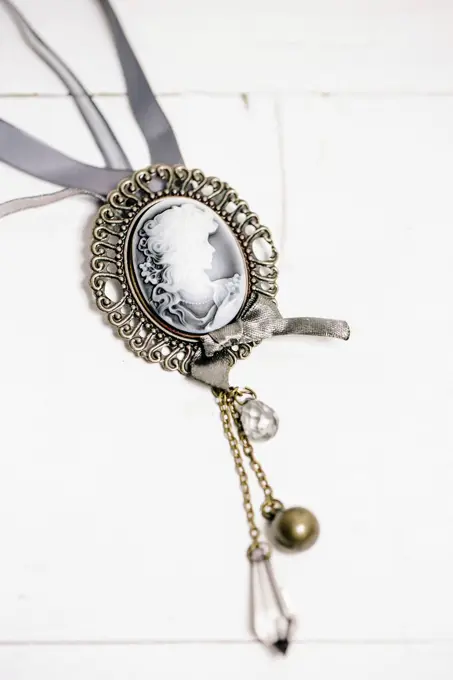
Old fashioned amulet with a picture of a young woman
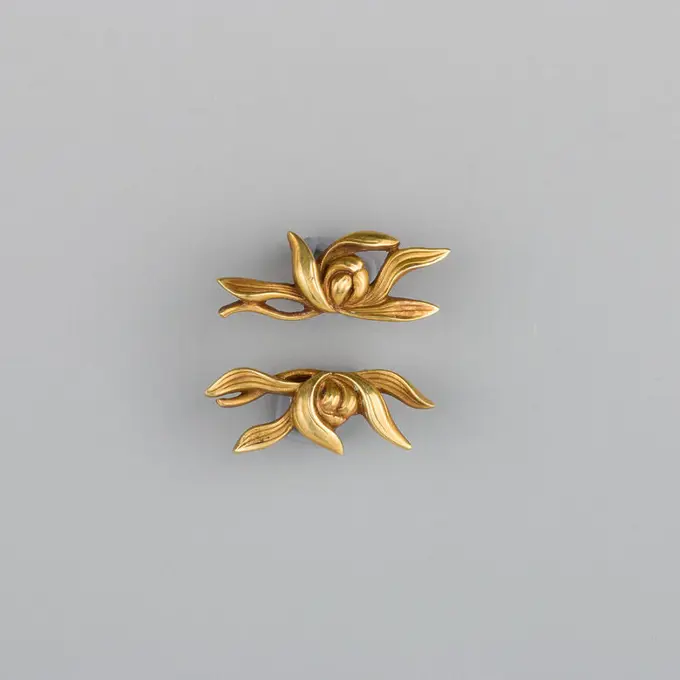
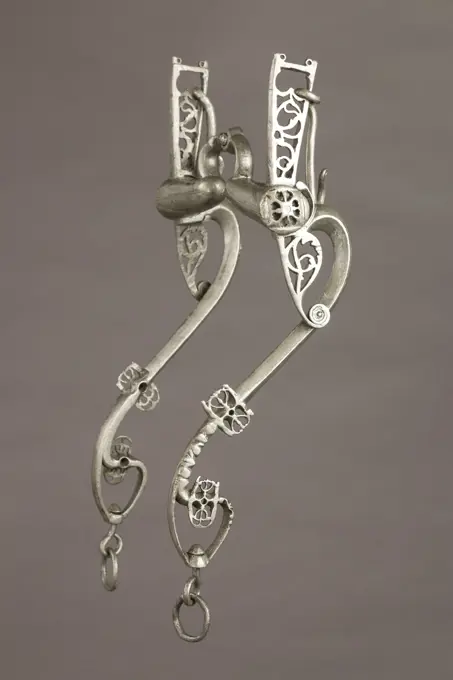
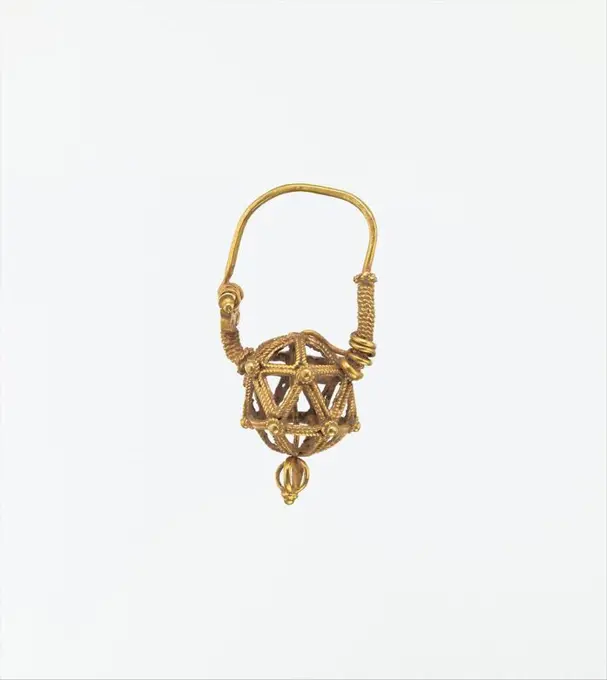
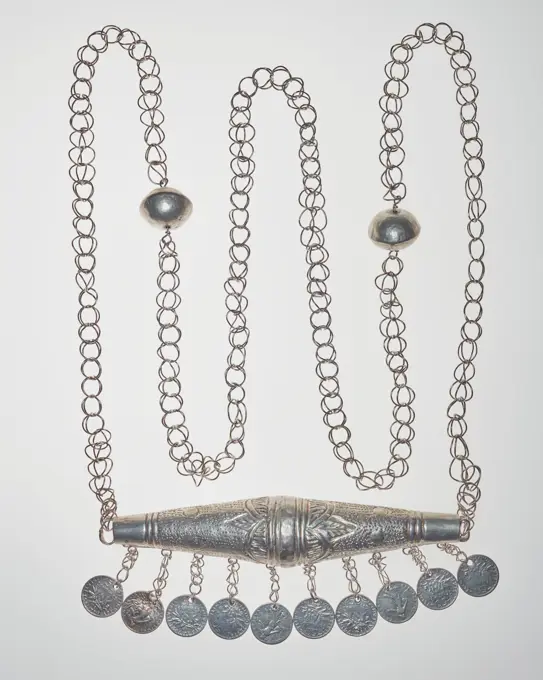
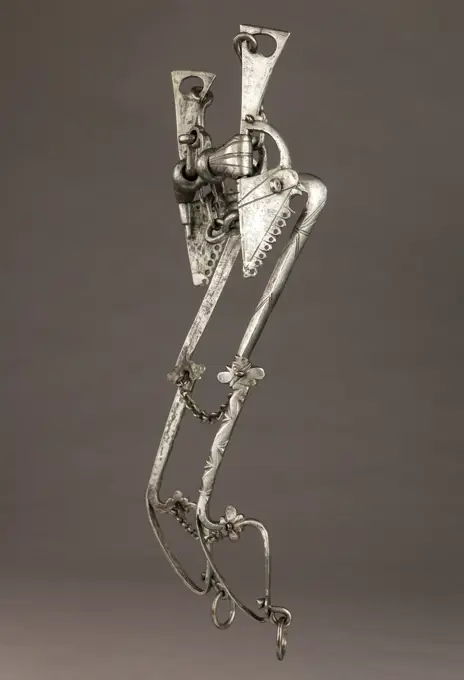
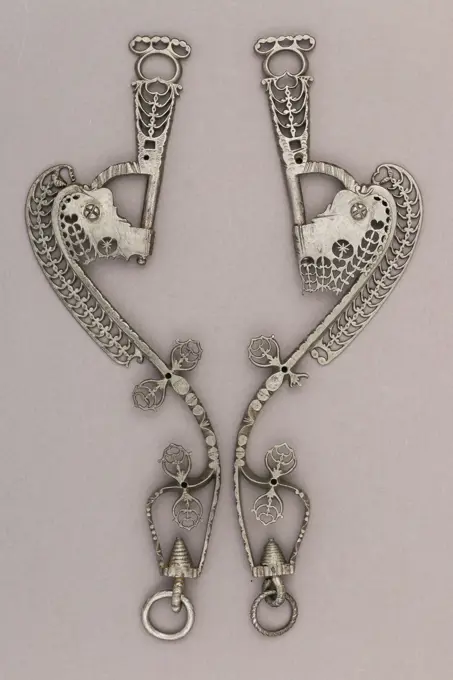
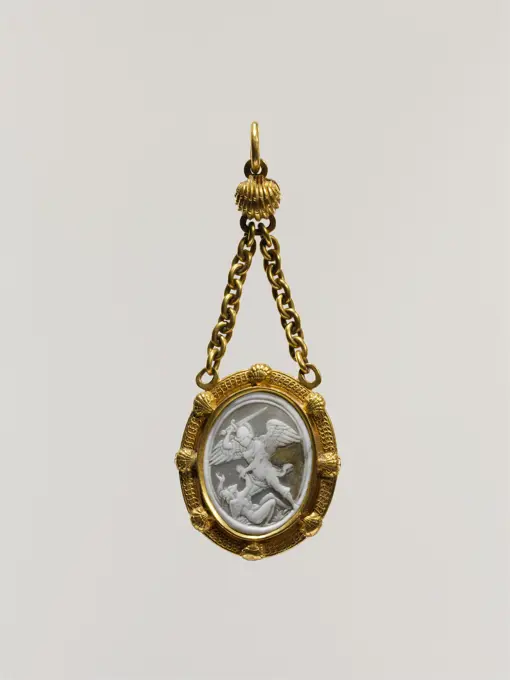
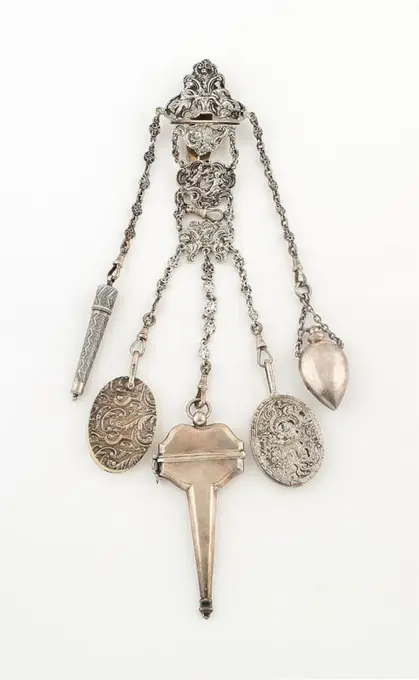
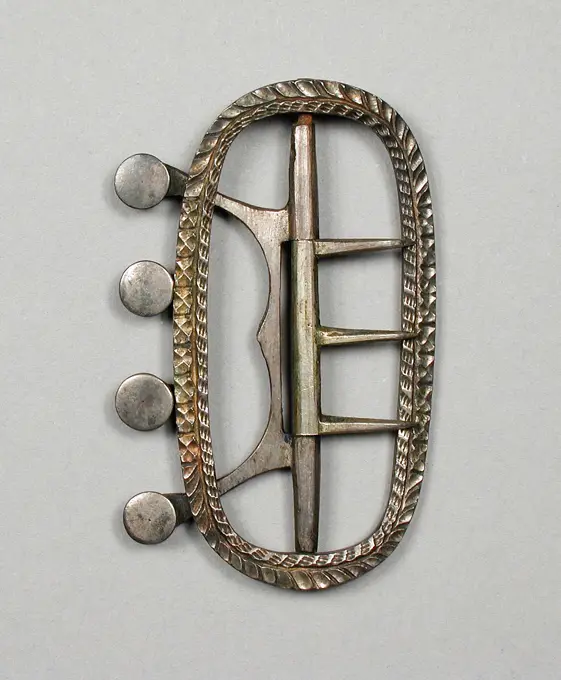
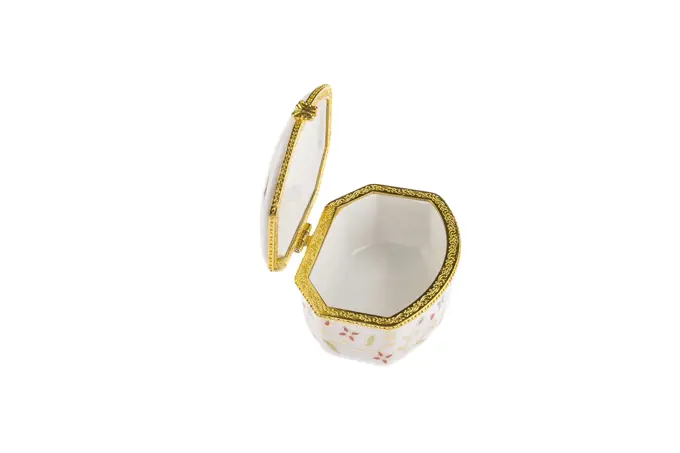
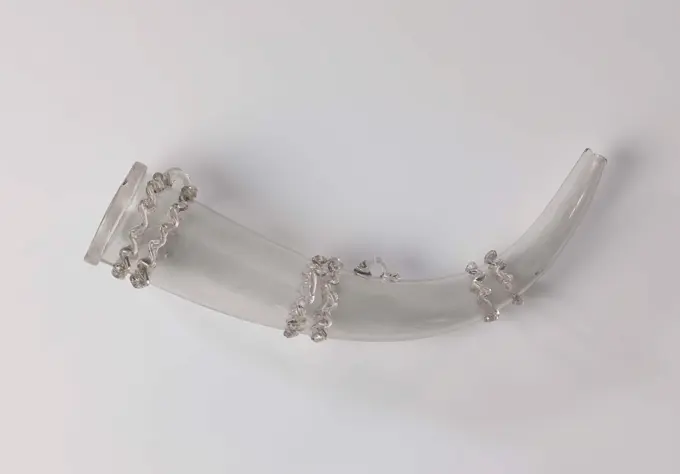
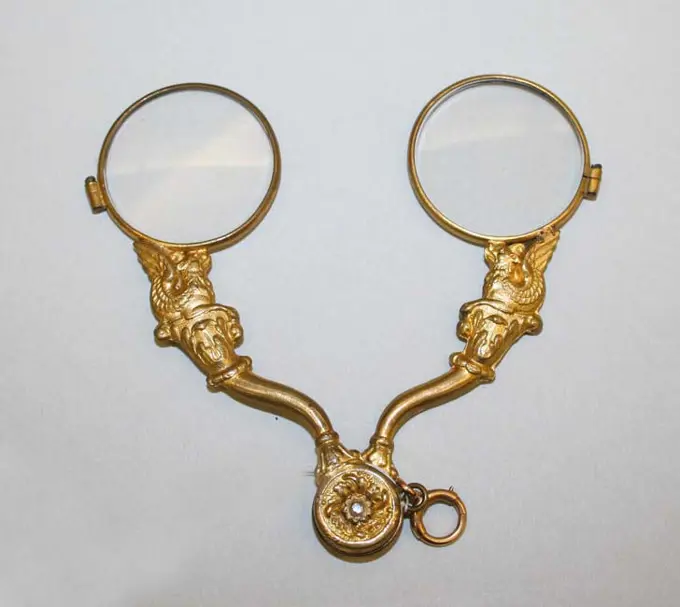
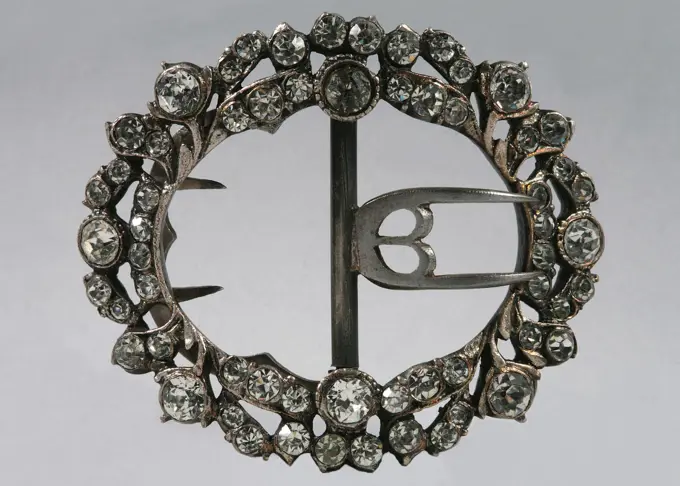
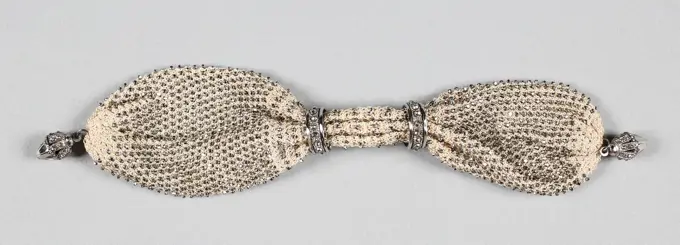
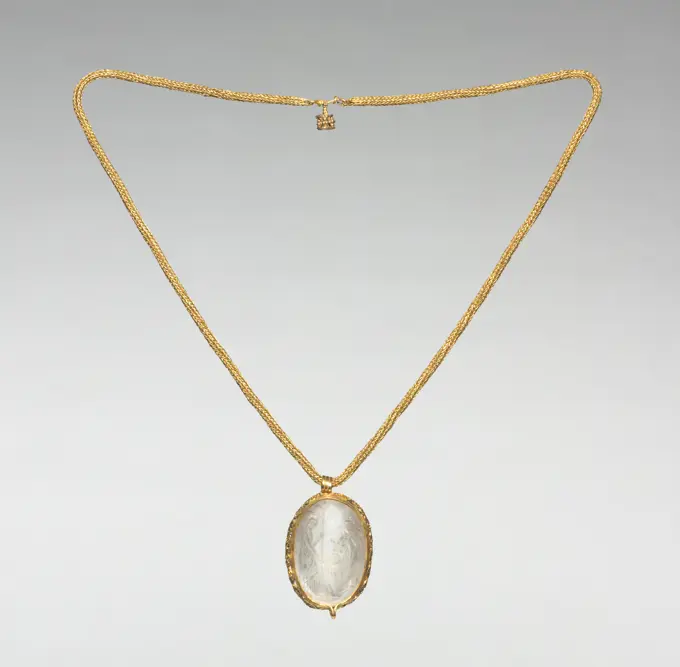
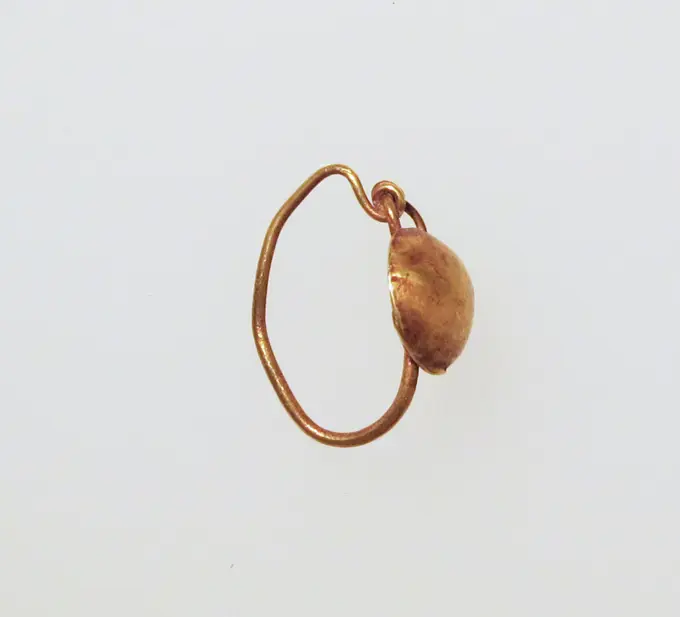
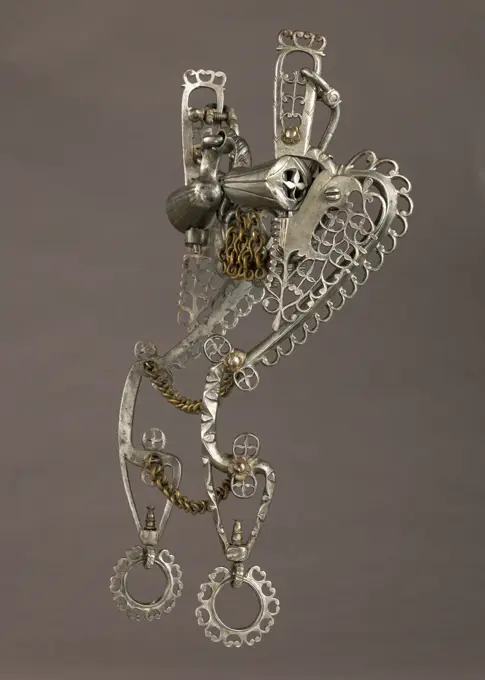
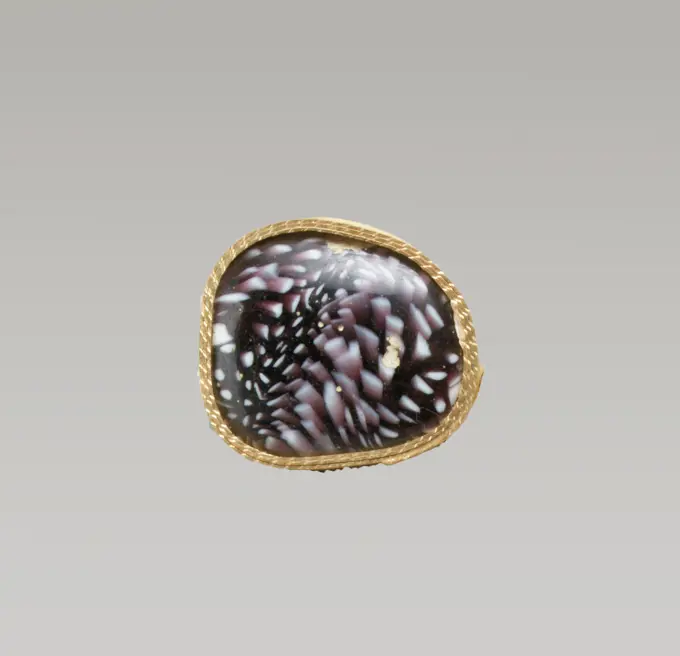
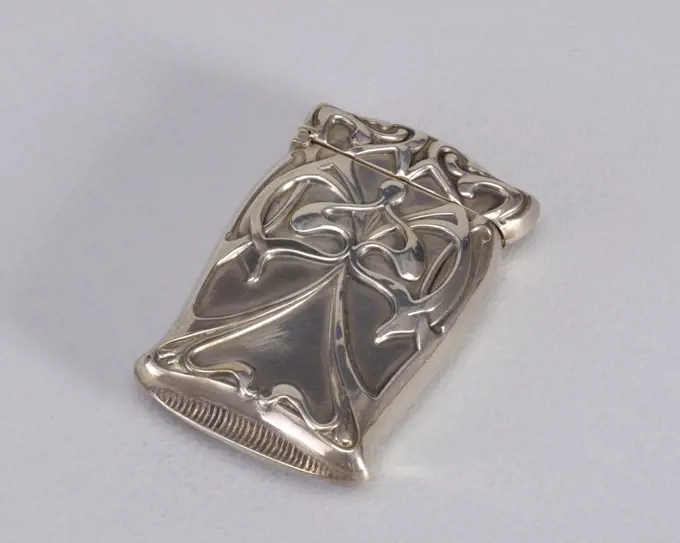
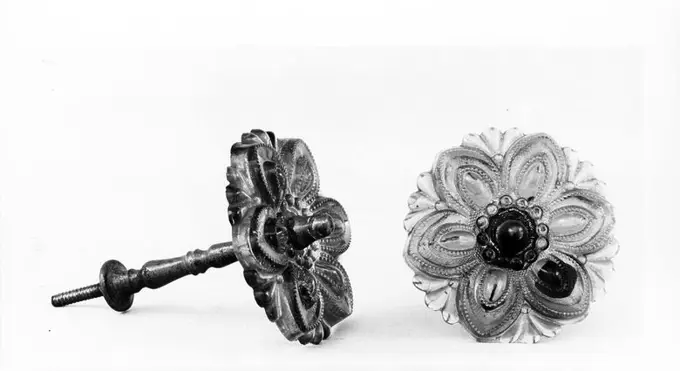
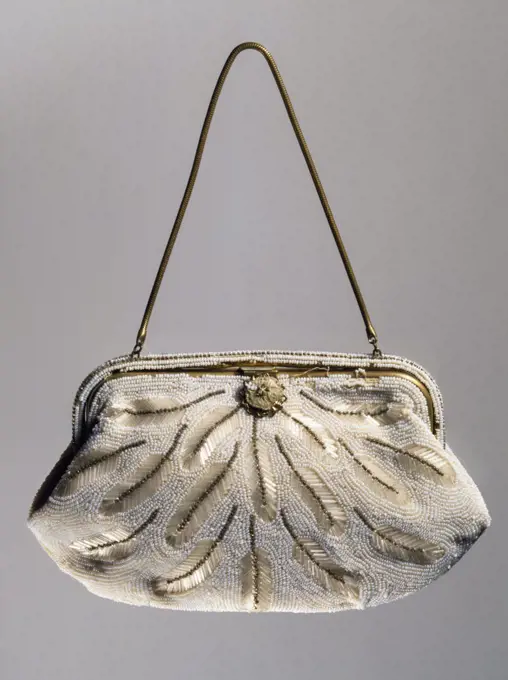
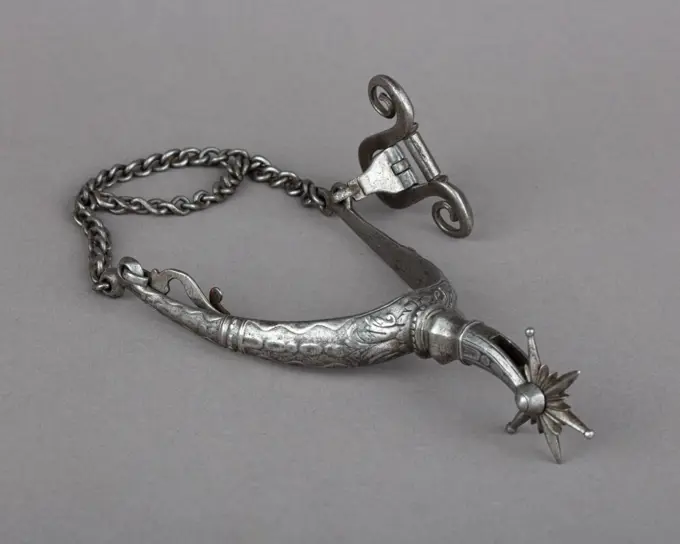
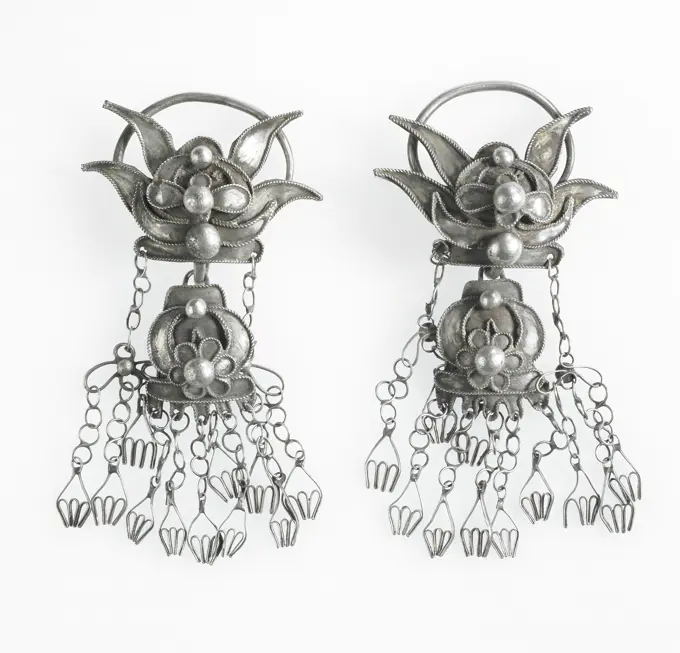
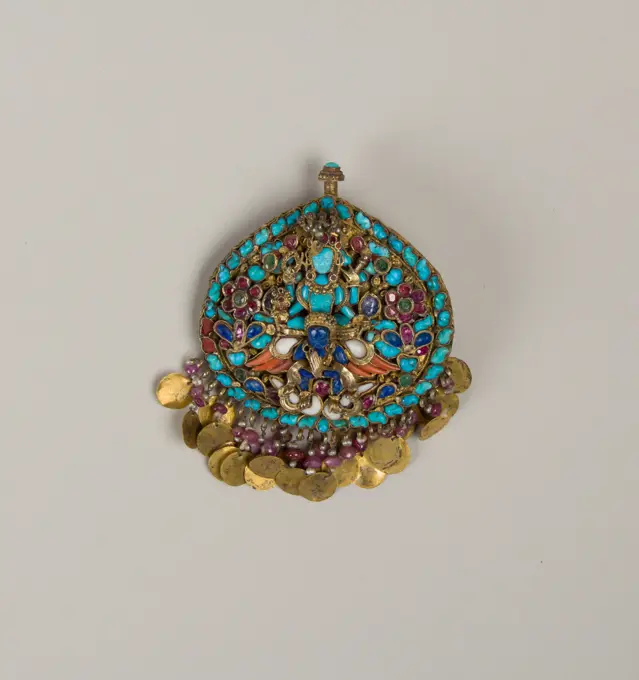
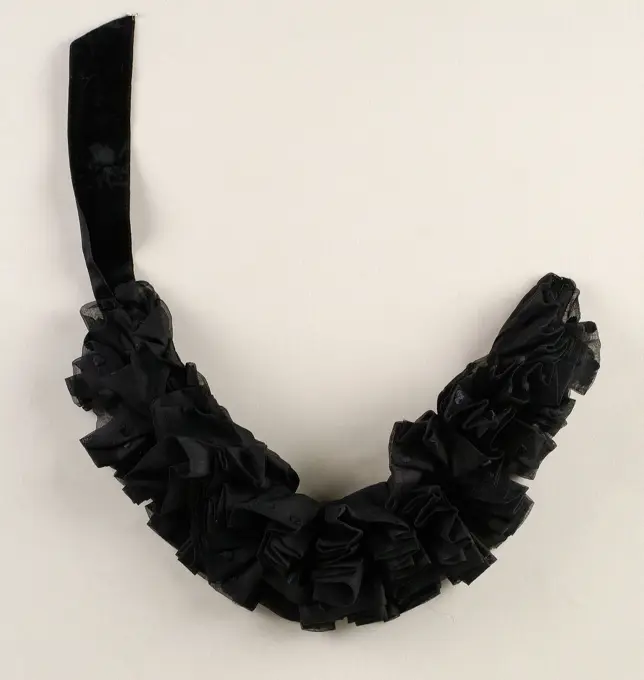
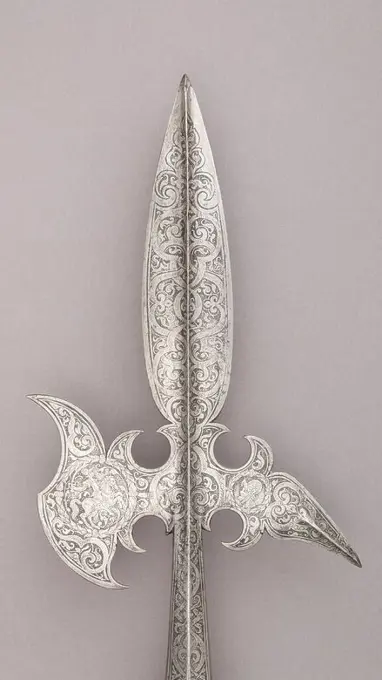
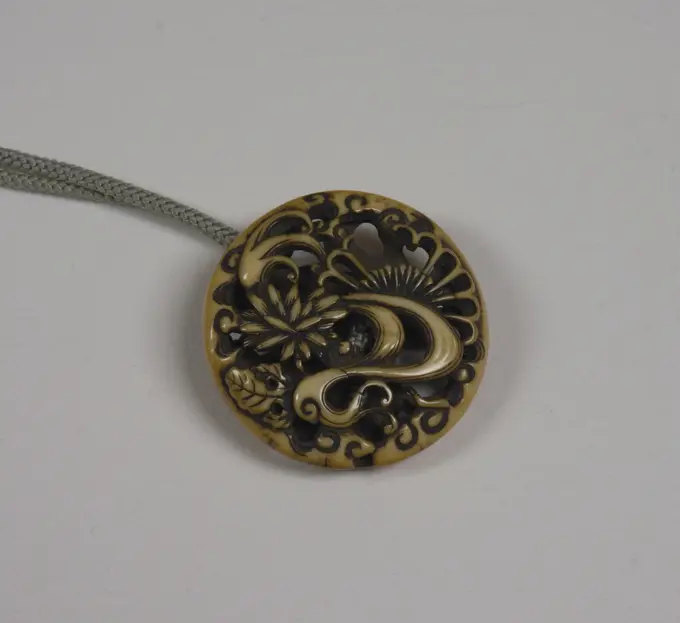
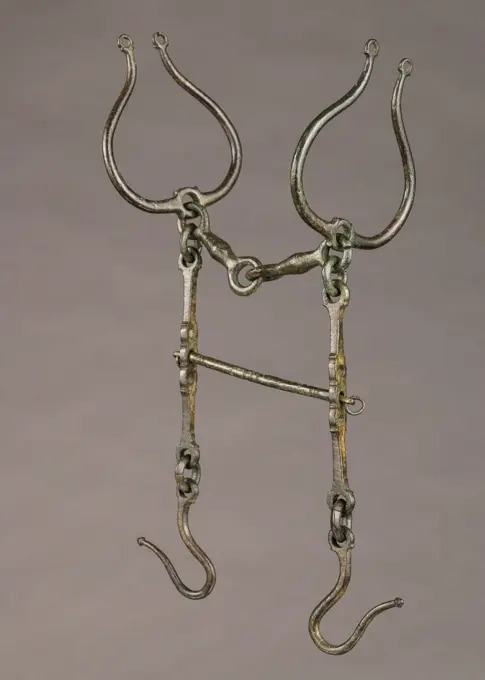
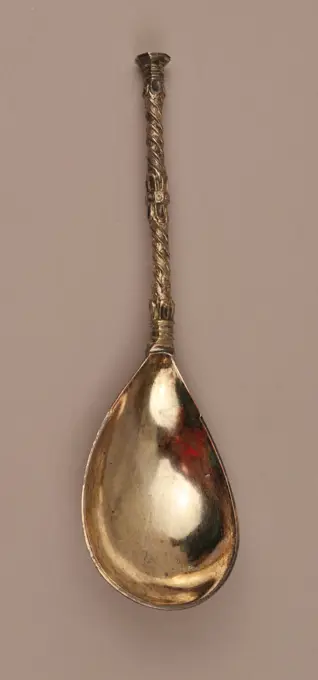
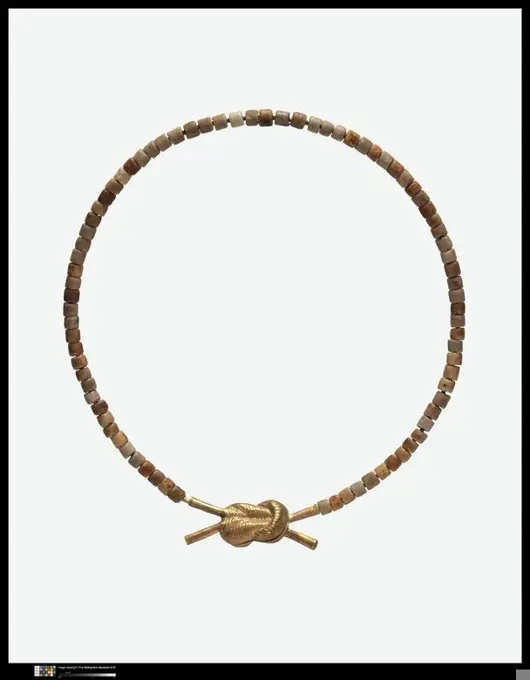
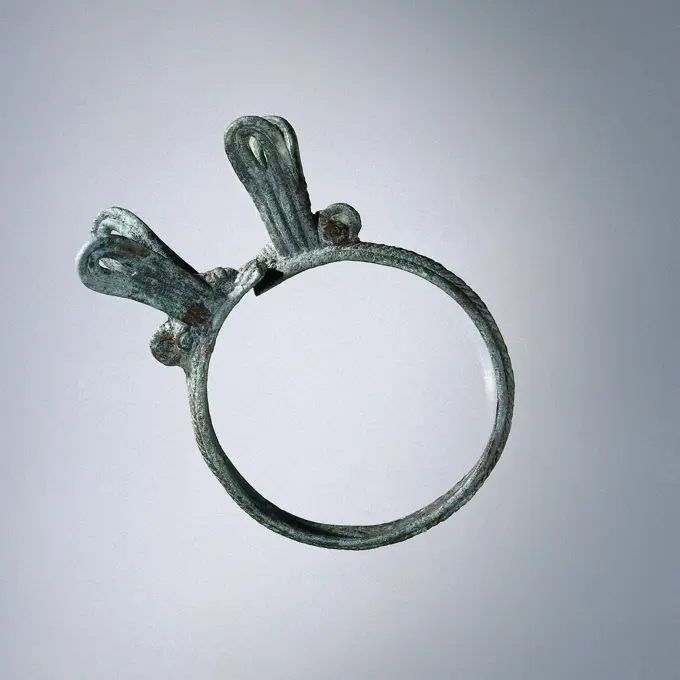
Armband, anonymous, -400 - -200 Bracelet decorated with two dragonfly-like critters, with high-up and slightly curled wings. Ban Chiang bronze (metal) Bracelet decorated with two dragonfly-like critters, with high-up and slightly curled wings. Ban Chiang bronze (metal)Old fashioned amulet with a picture of a young womanElongated, tapered case with cap, of leather divided into three compartments, coated with purple velvet and embroidered with gold and silver wire, freshwater pearls, and silver lovers. Elongated, tapered case with cap, of leather divided into three compartments, coated with purple velvet and embroidered with gold and silver wire, freshwater pearls, and silver lovers. The top of the shaft is incised and on the front and back with a golden impression with emblem: a burning heart, two entangled hands and a skull, surrounded by birds () Or insects (). The sides are decorated with small ornament. The top of the shaft is finished with red sealing bracket. The velvet is completely decorated with floral motifs in gold and silver wire, freshwater pearls, gold-plated silver canetile, silver lovers. The corners are trimmed with braided, gold-plated silver thread. At the bottom of the sleeve around a spiral of gold-plated silver wire is applied to which a braided jerk with three loops where threFloral Repoussé Decoration, Silver, Oblong, rounded sides and corners, featuring over-all repoussé floral decoration on stippled ground; reverse features some variation in floral decoration with monogram 'EM' engraved in small, open, central reserve. Small protruding button on side opens lid when depressed; lid hinged on opposite side. Striker on bottom., Baltimore, Maryland, USA, ca. 1875, containers, Decorative Arts, Matchsafe, MatchsafePair of Sword-Grip Ornaments (Menuki). Culture: Japanese. Dimensions: L. of each 7/8 in. (2.2 cm); Wt. of each 0.1 oz. (2.8 g). Date: 18th century. Museum: Metropolitan Museum of Art, New York, USA.Jewellery ring isolated on the white backgroundCurb Bit ca. 1700 German According to contemporary equestrian manuals, the mouthpiece of this bit was designed for a horse with good mouth, a thick tongue, with a mediocre support’ on the bit. If its general shape, with its leaf-shape scrolling combs, corresponds to most of the curb bits produced at that time in Western Europe, the pierced decoration is typical of the production of South-East Germany and Saxony in the 16th and 17th centuries. The relative lower quality of this pierced decoration, however, as well as the style of the almost abstract scrolling vines, indicate that this object belongs the late, declining period of this tradition.. Curb Bit. German. ca. 1700. Iron alloy, tin. Equestrian Equipment-BitsEarring. Dimensions: H. 3.2cm. Date: first half 11th century. Museum: Metropolitan Museum of Art, New York, USA.Belt second half 17th century Transylvanian. Belt. Transylvanian. second half 17th century. Silver gilt, enamel, pearls, and colored stones.Mirror, Cut glass, mirrored glass, metal, wood, Oval mirror surrounded by oval metal frame with row of square, faceted glass 'jewels'; wood backing; four mounting rings on reverse, allowing vertical or horizontal orientation., Ireland, late 18th-early 19th century, glasswares, Decorative Arts, MirrorNotNecklace with cylinderical ornament and coin pendants, late 19th century, 5/8 × 6 1/8 × 2 3/8 in. (1.59 × 15.56 × 6.03 cm) (ornament only), Silver, Benin, 19th century, More than one hundred years ago, the elite of the Danhomé Kingdom in West Africa would have worn these silver ornaments to adorn themselves and show off their wealth, and also to protect themselves from harm and evil. Fashioned by jewelers from imported silver coins, the ornaments were embellished with tiny sculptures that refer to past kings, heroic wars, and the Vodun religion. The coins attached to the ornaments date from between 1873 and 1910, bridging the last decades of the independent Kingdom and the first 15 years of French colonial rule.Curb Bit 17th century German According to contemporary equestrian manuals, this was a bit designed for large horses with a hard mouth, a thick tongue, thin lips and non-sensitive bars (part of the horses jaw without teeth). The gooseneck canons of the mouthpiece were meant to give more freedom to the tongue. The banquets, the parts of the cheekpieces where the mouthpiece is attached, can be opened to switch out the mouthpiece — a feature particularly appreciated on dressage bits in Germany. If the very long shanks look impressive, and would logically add more leverage effect, and so more strength, they would actually have been blocked at some point by the horses chest, reducing their impact. Curb bits were also at this time used with a very light hand, the well-trained horses responding by anticipation to the slightest move of the reins. This bit was very likely used for horse training and dressage.. Curb Bit. German. 17th century. Iron alloy, tin. Equestrian Equipment-BitsCheekpieces of a Curb Bit 17th century German, Munich Probably used for dressage or leisure riding, this bit, of which the mouthpiece is missing, is entirely adorned with chiseled and pierced vegetal and geometrical motifs, typical of the decoration used by the spur makers in the south east of Germany in the 16th and 17th centuries. Despite their name, spur makers were not only made spurs, but also small equestrian hardware like bits, stirrups, muzzles, cavessons or curry-combs, sometimes adorned with the same intricate decoration. The object is stamped on both sides with the control mark of Munich: a monk with upraised arms, the citys heraldic device. Cities control marks are rare on iron equestrian equipment, and Munich seems to be the only one in the 17th century to require this practice, which is also documented on contemporary stirrups (see for example 13.104).The banquets, the parts of the cheekpieces where the mouthpiece is attached, could have been opened to switch out the moTorque, 8 x 10 5/8 x 1 in. (20.32 x 26.99 x 2.54 cm), Silver, ChinaBadge of the Order of Saint Michael 17th century, with modern chains and links French Both sides of this pendant contain shell cameos with well-worn, almost mirror images of the archangel Michael putting down Satan. The badge belonged to a member of the French Royal Order of Saint Michael, which was founded by Louis XI in 1469. Badges with shell were reputedly presented to ecclesiastic members, whose numbers had swelled to one hundred before they were reduced to six by decree of Louis XIV in 1655 as part of a reform of the chivalric order.. Badge of the Order of Saint Michael 193653Necklace, before c. 1900, 17 3/4 in. (45.09 cm), Brass, United States, 19th-20th centuryChatelaine. London, England. Date: 1901-1904. Dimensions: 31.8 cm (12 1/2 in.). Silver. Origin: London. Museum: The Chicago Art Institute, Chicago, USA.Man's Stock Buckle. England, 1775-1795. Costumes; Accessories. MetalMeminial spoon, Anonymous, 1704 Memorial spoon of silver, the round scoop with pointed praise has a cast stabbing with a figure on the sides. Brand: Enkhuizen, (1680 or 1704) Kleine Leeuw and the annual letter R, Masterteken pl. On top of the torped stem, there is a naked putto on a barrel. Enkhuizen silver (metal) Memorial spoon of silver, the round scoop with pointed praise has a cast stabbing with a figure on the sides. Brand: Enkhuizen, (1680 or 1704) Kleine Leeuw and the annual letter R, Masterteken pl. On top of the torped stem, there is a naked putto on a barrel. Enkhuizen silver (metal)ChainFork of ground rock crystal with gold-plated silver. Fork, part of a table cutlery consisting of fork, knife and spoon, of ground rock crystal, mounted in sections on double, decorated gold-plated silver rosettes.Beautiful porcelain or ceramic vintage box for jewelry, isolated on white backgroundRing with band settings. Ring with band settings 243589Miser's purse, Medium: silk, metal Technique: crocheted, Crocheted white silk ornamented with gold beads in all-over checkerboard pattern. Two gold rings with foliate decoration control side opening; fancy gold drops at each end., France, early 19th century, costume & accessories, Miser's purseBROKE,, 1800 - 1900 A brooch in the form of a branch with flower of imitation diamonds in a gilded silver setting. In the middle a rosette, in which a stone cut like a brillant. Zeeland silver (metal) gilding A brooch in the form of a branch with flower of imitation diamonds in a gilded silver setting. In the middle a rosette, in which a stone cut like a brillant. Zeeland silver (metal) gildingRaw prawns isolated on white backgroundLeft: Silver Iberian torques fused. 3rd-1st centuries BC. From the province of Jaen, Andalusia; Right: Silver torques fused, deformed and welded. Vaccaei Culture 2nd-early 1st centuries BC. From the Treasury of Cerro de la Miranda (province of Palencia, Castile and Leon). National Archaeological Museum. Madrid. Spain.Silversmith: Jean George Grebe, Silver censer, censer ceremonial holder holder silver h 11.0 dm 5.0Cock lid, anonymous, c. 1725 - c. 1750  glassblower: Low CountriesNorthern Netherlands glass glassblowing  glassblower: Low CountriesNorthern Netherlands glass glassblowingLid of a large jar. Vaulted lid, awarded with articulated lid knob, consisting of two faceted knots and a faceted pear-shaped end. On the lid a engraved flower and leaf ornament.Two Chains. UnknownOriginal necklace, face with beard on stringSilver scissor case with flowers, pouch holder silver, sawn Body lid four eyes. Flower rank angel head filigree wrapping scissorsvintage ring vintage metal fashion ring with green gems on rocks Copyright: xZoonar.com/FelixxFurox 6211229Drinking horn. Smooth, curved, dibling tube, the wide side deposited with a glass thread, the narrow side ending in a disk and a double button. On the body two double and a triple corrugated glass thread and two eyes, along the top edge and on the double button remains of gilding.Bracelet, one of a pair, 3 3/8 x 3 7/16 x 5/8 in. (8.57 x 8.73 x 1.59 cm), Silver, ChinaNecklace, from a set of five, 10 1/2 x 9 3/4 x 1/2 in. (26.67 x 24.77 x 1.27 cm), Silver, ChinaLorgnette early 19th century French. Lorgnette 123789Boekband, anonymous, c. 1600 - c. 1615 Silver book binding in which notebook, with lock, key and inserted silver pen. Sailed and engraved front and back. On the inside a mirror, sundial and compass. Netherlands silver (metal) Silver book binding in which notebook, with lock, key and inserted silver pen. Sailed and engraved front and back. On the inside a mirror, sundial and compass. Netherlands silver (metal)Worn Shoe Sole Matchsafe; probably USA; silver, glass; 3.3 x 6.7 x 1.9 cm (1 5/16 x 2 5/8 x 3/4 in. )Tripodbowl.   Maker: John Coney, American, 1655-1722Case (Inr) with Design of Dragon among Clouds and Waves 19th century Japan. Case (Inr) with Design of Dragon among Clouds and Waves. Japan. 19th century. Lacquer, ivory, carved relief, incised, stained silver blue; Interior: roiro. Edo (1615-1868) or Meiji period (1868-1912). InrSilver loop. Garlands of flowers and foliage.Kozio Malcz, Karol (1797-1867), Silver Products Factory K.F. Malcza (Warsaw; Sreber label; 1828-1864); 1. PO. 19th century (1800-00-00-1850-00-00);Vest Chain. Culture: American. Dimensions: L. 6 1/4 in. (15.9 cm). Maker: Unger Brothers (1872-1919). Date: ca. 1900. Museum: Metropolitan Museum of Art, New York, USA.Small scholarship. XIXth. Gal1959.18.4Bourse. 1820 /1830. GAL1993.361.XOne of a Pair of Temple Pendants, with Confronted Birds (front) and Human Heads (back) 11th-12th century Kievan Rus' When Kievan Rus, a powerful new state to the north of the Byzantine Empire, accepted Christianity as its official religion in 988, the aristocracy also adopted the manners and dress of the Byzantine court. Local artists soon produced their own versions of Constatinopolitan fashions. This temple pendant of precious metals worked in cloisonné enamel or niello are local variants of the more intricately detailed works made for the Byzantine court.As in Byzantium, temple pendants may have been worn next to the face by both the men and the women of Rus. The works shown here were perhaps buried by their owners when the Mongol armies under Batu Khan sacked Kiev in 1240.. One of a Pair of Temple Pendants, with Confronted Birds (front) and Human Heads (back) 464577Sponge Box 1825-1835 Denmark. Silver .Navy Breast Insignia: Submarine Insignia (Enlisted). Country: UnknownPendant with Reverse Intaglio of the Anastasis, late 500s. Byzantium, late 6th century. Rock crystal, with gold mount and chain; part 1: 4.2 x 3.3 cm (1 5/8 x 1 5/16 in.); part 2: 25.8 cm (10 3/16 in.).Anonymous. Petit Palais, Museum of Fine Arts of the City of Paris.Crown of a hair comb;  1940s (1840-00-00-1849-00-00);Earring with plain loop and disc. Earring with plain loop and disc 243134Curb Bit first half 17th century South German The mouthpiece, composed of scatches (flattened canons) with a gooseneck port, was intended for a horse with a good mouth, a thick tongue, and which leans too much on the bit. The scatches also disarm the lips (moving them aside from the gums) without pressing them too much. The copper pendants, hanging from the watering chain above the mouthpiece, had the purpose of entertaining’ the horse, who, by playing with it with its tongue, would salivate and relax its jaw. Moreover, copper, reacting by electrolysis with the warmth and the moisture of the mouth, has a pleasant taste to horses. In contemporary equestrian manuals, these shanks are called à la gigotte, which means that the swivel ring’s hole is aligned (on the line’) with the axis of the banquet (piece to which the mouthpiece is attached), but the shank’s knee projects forwards. They were used on horses with a natural beautiful position but with week loins or being weary to hold it.Persian, Tiffany & Company, American, established 1853, Silver, parcel gilding, Asymmetrical flat bowl with one point, and five ogee lobes on one side and one on the other, the whole gilded. Stem, pierced in radiating design. Handle flat and angular, ending in thistle flower. Relief interlacing with trefoil reserve containing monogram JAD., ca. 1872-1904, cutlery, Decorative Arts, Ice cream knife, Ice cream knifeGlass mosaic bowl fragment late 1st century B.C.-early 1st century A.D. Roman Body fragment.Translucent purple and opaque white.Convex curving side or bottom.Marbled mosaic pattern formed from sections of a single cane in a purple ground with numerous white dots.Polished exterior; pitting of surface bubbles on exterior; dulling and creamy weathering on interior and edges.Possibly cut down in antiquity to roughly oval disk.. Glass mosaic bowl fragment. Roman. late 1st century B.C.-early 1st century A.D.. Glass; cast. Early Imperial. GlassMaker: Lewis Heck, American, 1755-1817, Pair of shoebuckles, ca.1785, Silver, steel or iron, 1 7/8 × 2 5/16 in. (4.76 × 5.87 cm), Made in Lancaster, Pennsylvania, American, 18thcentury, JewelryGolden color smileys arrayed on a chain in handTintinnabulum with oil lamps, by Unknown artist, 1st Century, Bronze. Italy: Campania: Naples: National Archaeological Museum: 1260. Whole artwork. Tintinnabulum man outsized phallus bells lampTorque, 14 1/4 x 13 3/8 x 1/2 in. (36.2 x 33.97 x 1.27 cm), Silver, ChinaStylized Tendrils, F.S. Gilbert, Silver, Oblong, with rounded corners, sloping sides, curved top and bottom, featuring stylized, intertwined tendrils in abstract motif, identical on both front and reverse. Lid hinged on side. Metal pinched and grooved on front and reverse at bottom to form striker., ca. 1905, containers, Decorative Arts, Matchsafe, Matchsafe. Mosquito nuisance of silver. The hook is attached to an oval shield with a engraved decoration of stylized leaf motif.Rectangular cuff knot of Niellozilver with block pattern, 1900 - 1925 Rectangular cuff knot of Niello silver with block pattern. West-Europa silver (metal). Niello (technique) Rectangular cuff knot of Niello silver with block pattern. West-Europa silver (metal). Niello (technique)Tie (France); silkMug; Hennell, Robert & Son (Fl. 1833-1849); 1846/47 (1846-00-00-1847-00-00);Tumor to the semi -characteristic cap of the fifth rank official;  19th century (1801-00-00-1900-00-00);Dish cross 1764-65 Samuel Herbert. Dish cross 192102ClocksCurtain Knob. Culture: American. Dimensions: H. 5 1/4 in. (13.3 cm); Diam. 3 in. (7.6 cm). Date: 1830-60. Museum: Metropolitan Museum of Art, New York, USA.Aker or brush. Aker or decorative brush, belonging to fifteen Akers or decorative brushes, including three pairs of stuck or knotted on cords with round flat binding. The brushes are different from size and manufactured linen thread that is stretched into numerous strands of buttons and is reinforced with a stiff. The brushes are composed of several layers of "bundles" with strands of buttons. BK-NM-5448-5-A T / M O.Bag beaded with white and golden small beads and glass little canes forming stylized feathers, French manufacture, 1930, fashion accessories, Italy, 20th century.Loop . A simple row of square stones.John H Tercuzzi, Bracelet, c 1938 BraceletJewellery ring isolated on the white background. In the late Middle Ages, many Dutch towns witnessed the emergence of societies of amateur orators and poets, the so-called rederijkers (derived from the French word rhétoriqueur, or rhetorician’). This ceremonial chain was worn by the dean of Missus Scholieren, the chamber of rhetoric in Veere. It is one of the oldest rhetorician chains to have survived.Piece of natural mineral gemstones of a certain typeHead Ornament first half 19th century This polychrome jewel was most likely worn as a head ornament and positioned around the area of the forehead. The use of turquoise and coral is typical of jewelry from Uzbekistan, and holds meanings related to protection and vitality. The selection of red and green glass rather than precious stones was a method to create a more economical product. The metal on the verso has separated from the base, and reveals how this jewel was constructed of a thin layer of gold wrapped around an organic compound, perhaps lac or pitch. Though the verso was not intended to be seen, the artist has imprinted delicate floral patterns on the gold leaf. This small detail would have been seen only by the wearer as she prepared to place this jewel on her head.. Head Ornament. first half 19th century. Gold leaf, turquoise, coral, glass. Made in present-day Uzbekistan, Samarqand. MetalRowel Spur second half 17th century German The body of this elegant spur is decorated with geometric designs and acanthus leaves in relief. Now overcleaned, the motifs used to stand out on a black background still preserved on the neck. The rowel alternates sharp and blunt points, moderating its severity.. Rowel Spur. German. second half 17th century. Iron alloy. Equestrian Equipment-SpursTwo Models of Anchor, Rijkswerf Vlissingen, After R.F. Hawkins, 1823 demonstration model Two almost identical models of a Hawkins patent anchor. This anchor has no ordinary anchor stick; This has been replaced by a short stick at right angles to the cross of the arms. The arms and anchor sticks turn together in the forked end of the shaft, forcing the anchor stick into the ground; The stick is brought into the correct position by a rope on a harp near the Ankerkruis, with which the anchor can also be lifted. The hands are in the same surface as the arms. There is a harp at the top of the shaft. model maker: Flushingafter design by: United Kingdompatentee: United Kingdom copper (metal)Pair of earrings, 3 1/2 x 2 1/2 x 7/8 in. (8.89 x 6.35 x 2.22 cm) (a)3 1/2 x 2 1/4 x 3/4 in. (8.89 x 5.72 x 1.91 cm) (b), Silver, ChinaEarring for a Deity Showing Vishnu Riding Garuda 17th-19th century Nepal. Earring for a Deity Showing Vishnu Riding Garuda. Nepal. 17th-19th century. Gilt silver, rubies, sapphires, lapis lazuli, coral, shell, pearls, and turquoise. JewelryRing with woman who sacrifices the altar of love, Anonymous, c. 1785 - c. 1800 jewellery Gold ring. Under glass a representation of a woman who sacrifices on the altar of love, of pearly on a blue soil. Below that the text: L'Amitié Vous la Donne. France (possibly) gold (metal). glass. mother of pearl  altar ~ non-Christian religionsCollar ca. 1895 American. Collar 168564Pair of Earrings, 4 7/8 x 3 1/8 x 1 1/8 in. (12.38 x 7.94 x 2.86 cm) (a)4 7/8 x 3 1/8 x 7/8 in. (12.38 x 7.94 x 2.22 cm) (b), Silver, ChinaHalberd. Culture: German. Dimensions: L. 99 1/8 in. (251.7 cm); L. of head 21 in. (53.4 cm); W. 11 in. (28 cm); Wt. 8 lbs. 6 oz. (3800 g). Date: late 16th century. Museum: Metropolitan Museum of Art, New York, USA.round antique empty picture frame. for print, website, poster, banner, logo, celebrationNetsuke of Chrysanthemum 19th century Japan. Netsuke of Chrysanthemum 60322Pocket watch in a heart shaped metal wire cage in handCurb Bit 2nd-1st century B.C. Thracian or East Celtic The mouthpiece of this bit consists in two spindle-shaped links articulated in the middle. They are connected on either side to very elegant lyre-shaped attachments for the bridle's cheekpieces. The two shanks, from which hooks hang for the reins, are connected by a horizontal bar acting as a curb, adjustable in three positions by the means of three perforations. The curb bar would have pressed the horses chin when reins were pulled back. The large lyre-shaped elements helped indicate the direction to the horse and held the bit in place in the mouth. The shape of these cheekpieces, as well as the rein hooks, are inspired from Hellenistic Greek and Macedonian bits, from which they evolved.This object is also an example of the earliest type of curb bit to have been invented. It seems to have developed in the Balkans among Thracian and Scordisci (Eastern Celts) cultures between the 3rd and 1st century B.C. These populations were knownTorque, 11 1/2 x 10 1/8 x 1 3/4 in. (29.21 x 25.72 x 4.45 cm) (with chain dangling), Silver, ChinaBracelet or Armlet 18th century. Bracelet or Armlet. 18th century. Gold, enamel, semi-precious stones. Made in India, Jaipur. JewelrySpoon 19th century, after 17th century original British, after Russian original This electrotype is after a seventeenth-century original in the Romanoff House, Moscow, at the time of reproduction.. Spoon. British, after Russian original. 19th century, after 17th century original. Silver on base metal. Metalwork-ElectrotypeBracelet; ivory, elastic/cordGrape shears, c. 1890, Gorham Manufacturing Company, Providence, Rhode Island, 1865-1967, 6 5/8 x 2 9/16 x 11/16 in. (16.83 x 6.51 x 1.75 cm) (closed), Sterling silver, steel, United States, 19th century. Buckle of silver in Art Nouveau style. Inspired by the French floral style.Box with stenciled Arabic pattern on side wall die cut template and 3D mockupwatch  isolated on a white                                  Clasp from the tomb of Senebtisi. Dimensions: clasp: l. 1.5 cm (9/16 in)diam. clasped: 16.5 cm (6 1/2 in). Dynasty: Dynasty 12, late-early 13. Date: ca. 1850-1775 B.C.. Museum: Metropolitan Museum of Art, New York, USA.