Antique Jewelry And Ornaments

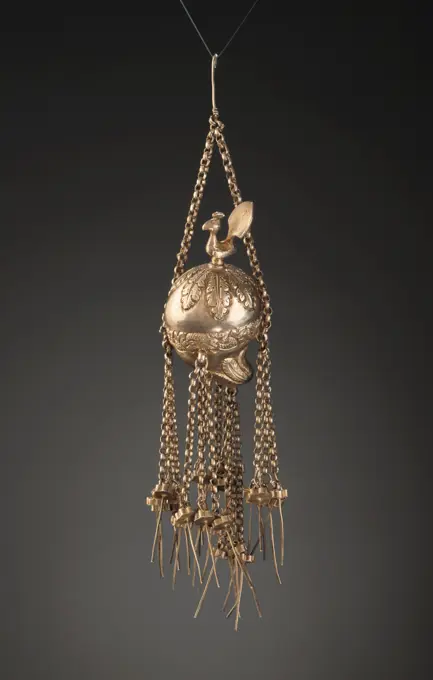
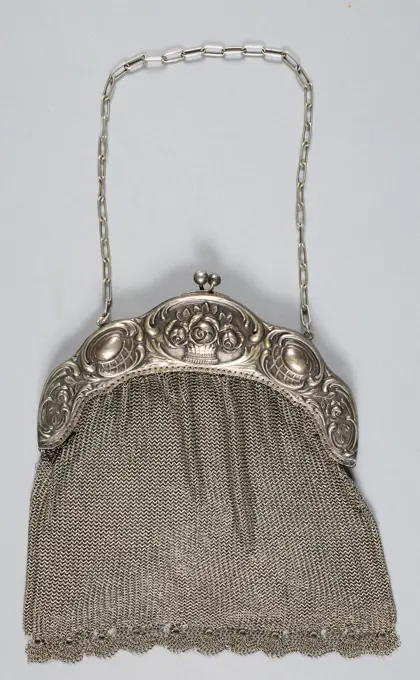
Intricate designs of antique jewelry pieces, including brooches and medals. The materials like gold and gemstones are detailed, showcasing craftsmanship from various eras.
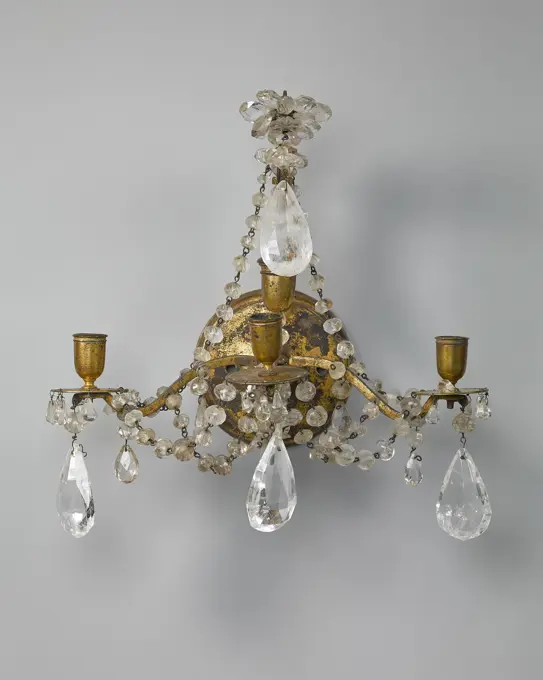
Anonymous, applies to three arms of light (dummy title), 1601. Golden brass, pearls and pendals in rock crystal. Carnavalet museum, history of Paris.
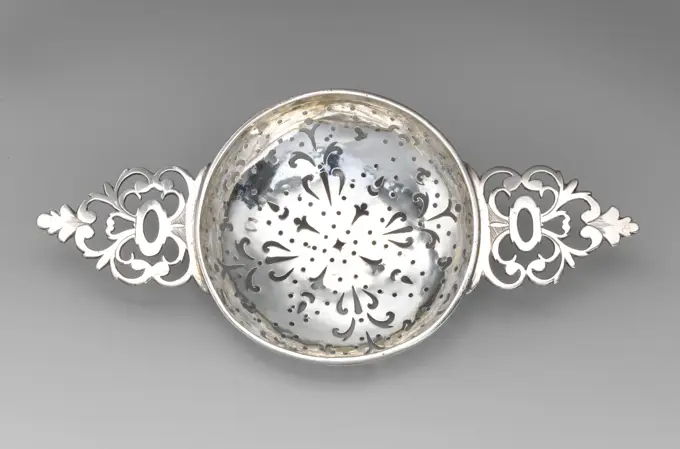
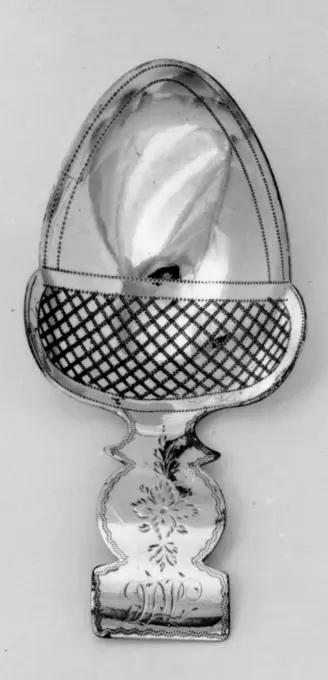
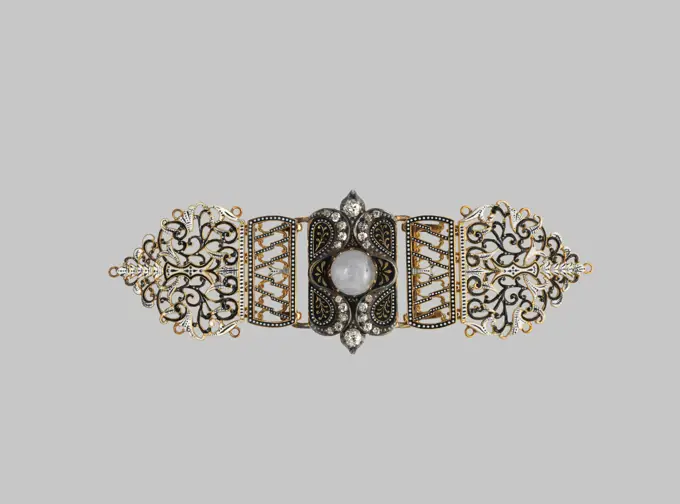
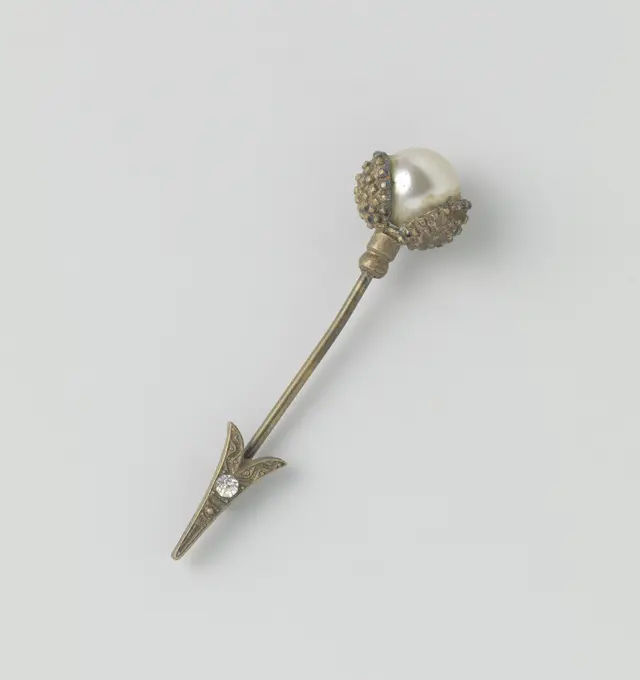
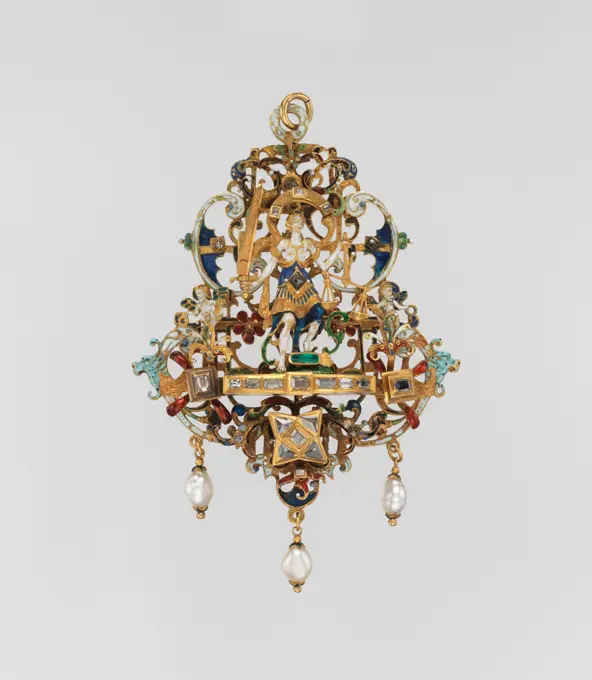
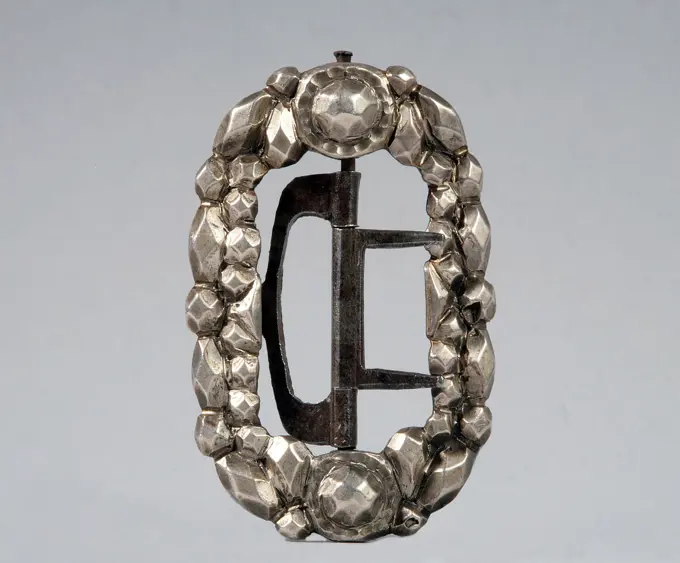
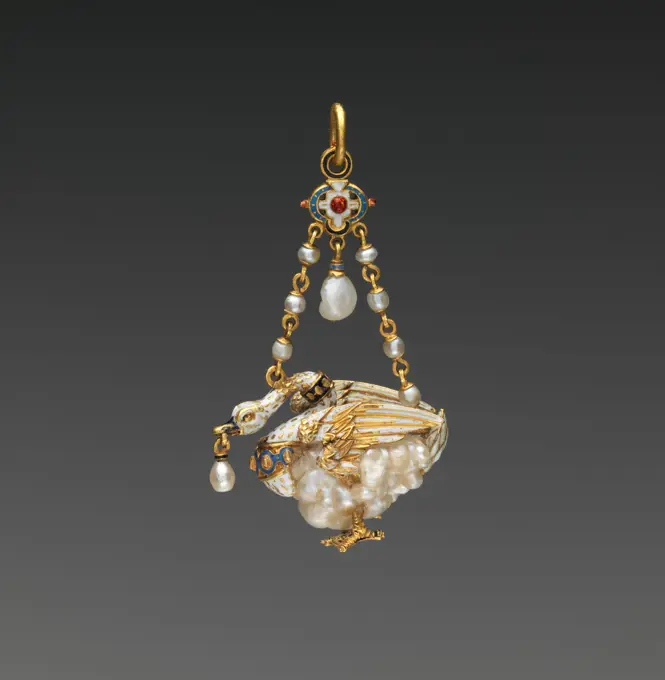
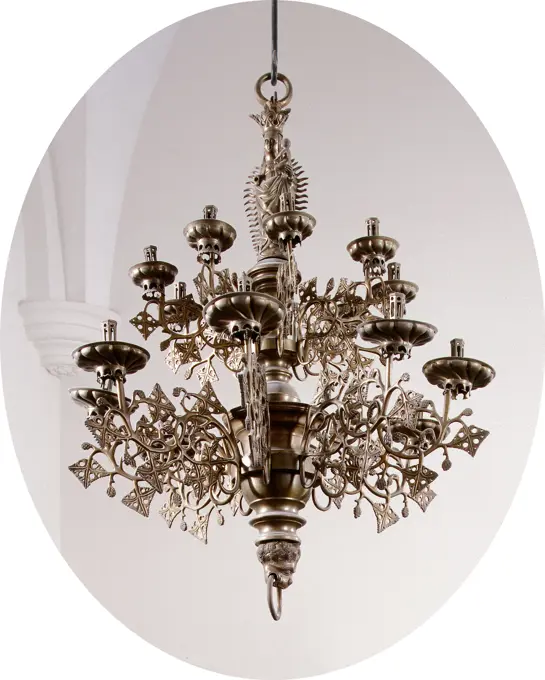
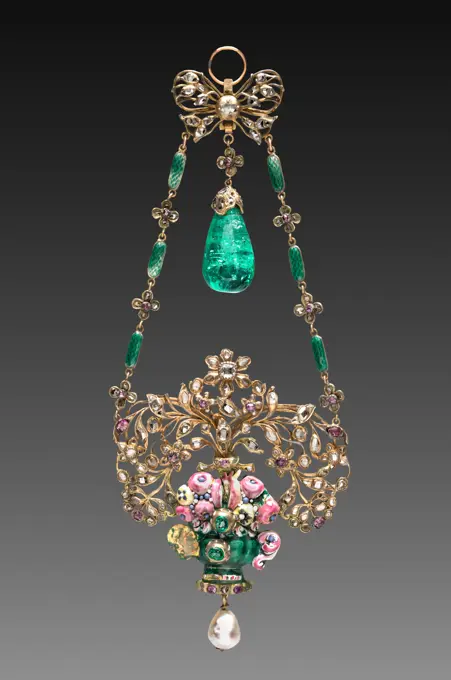
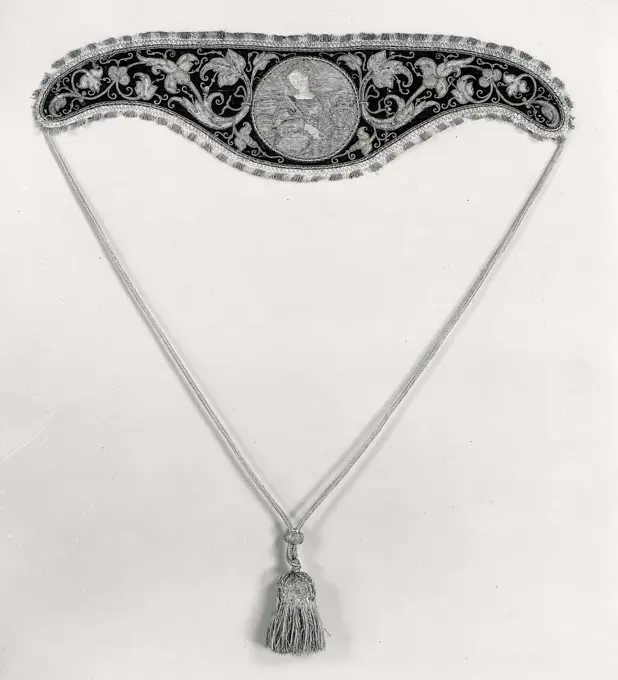
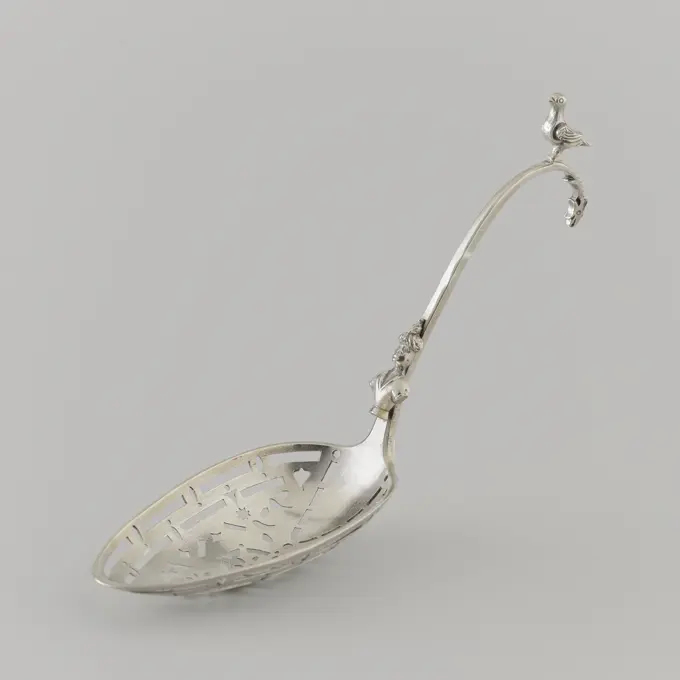
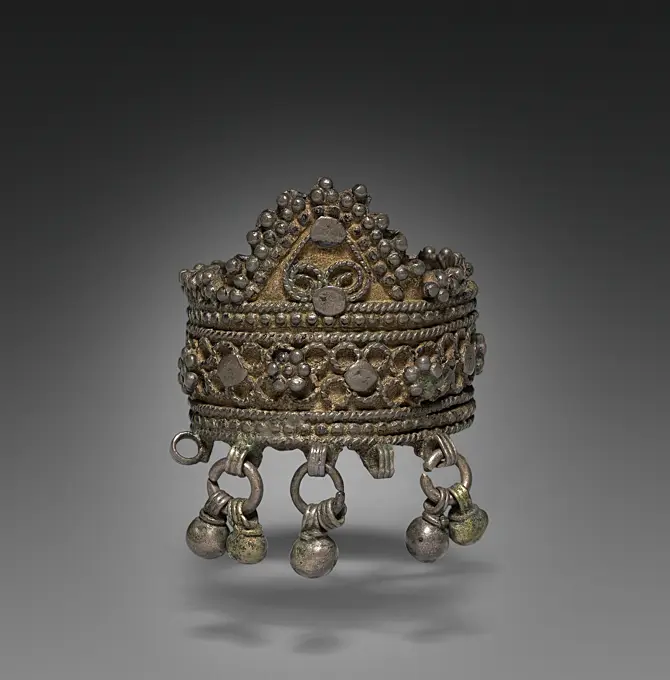
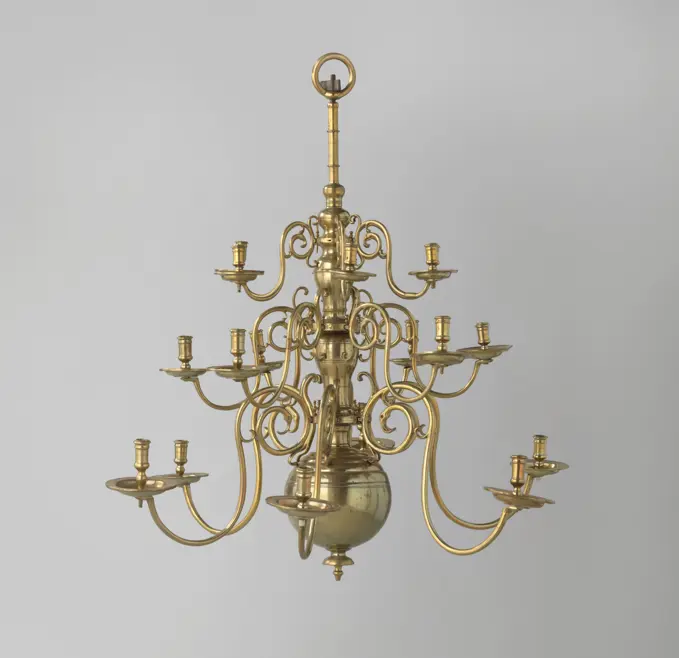
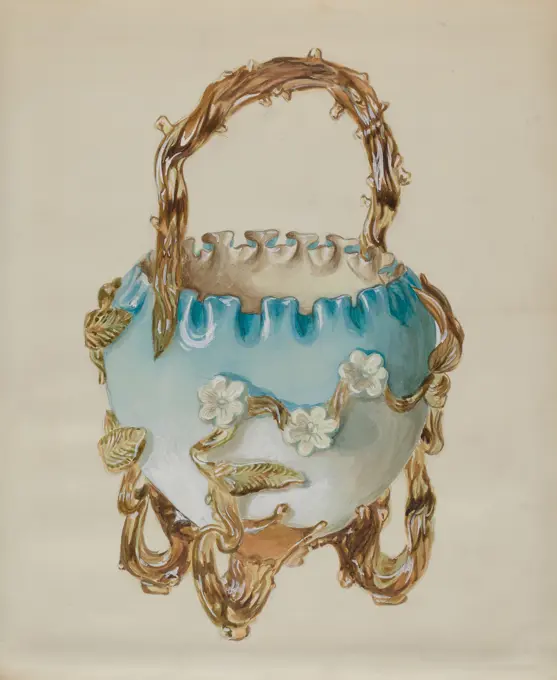
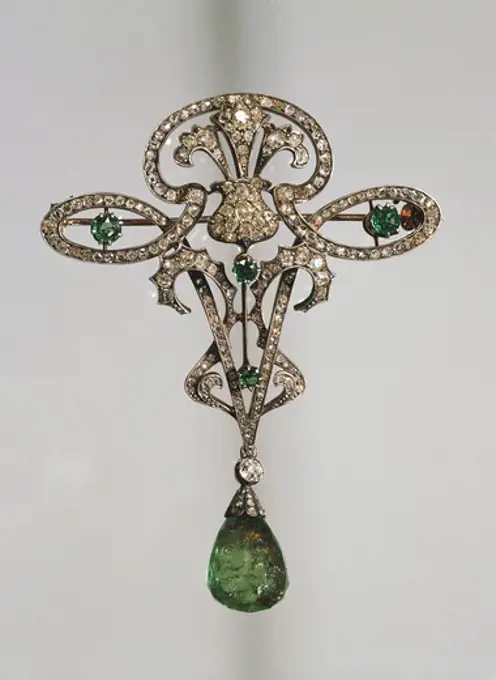
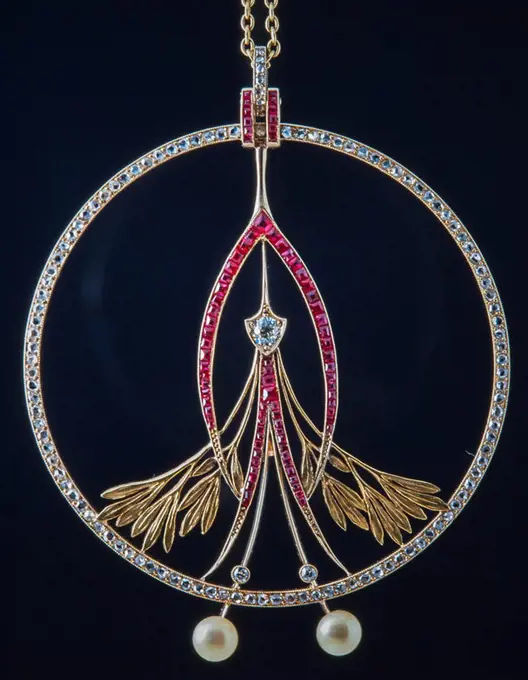
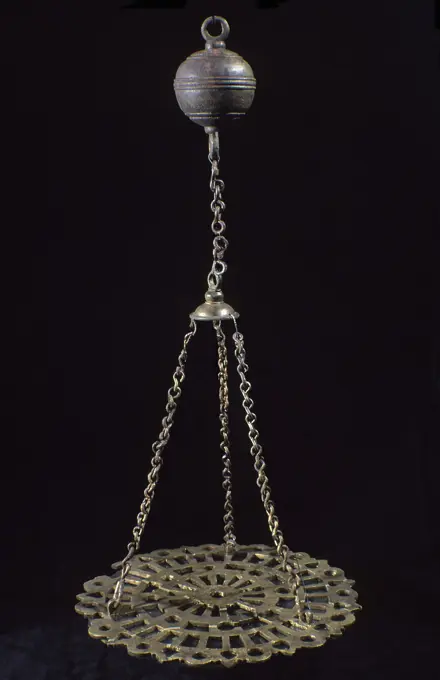
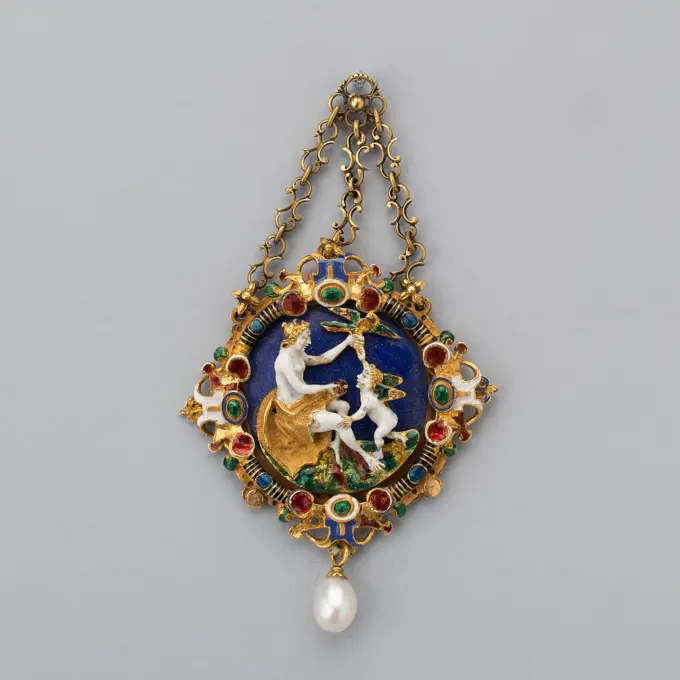
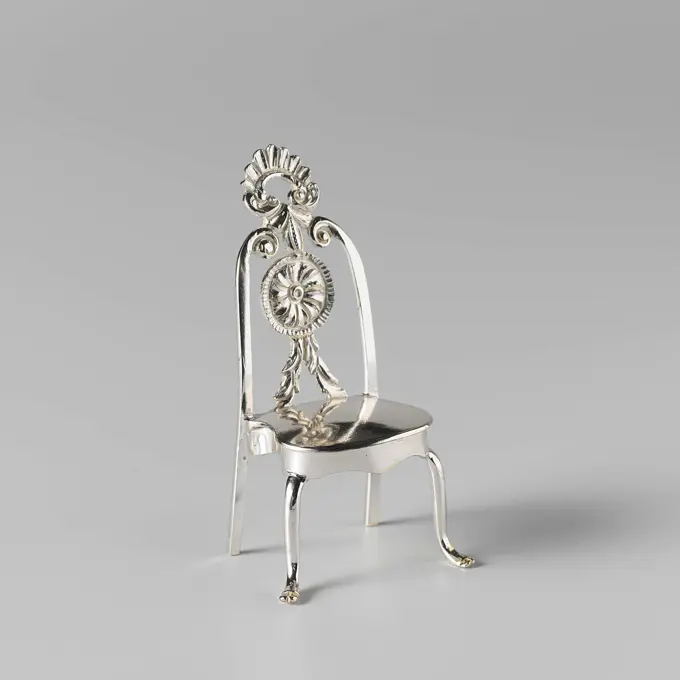
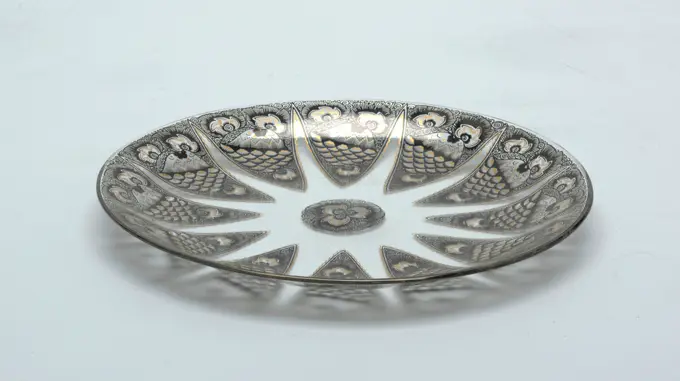
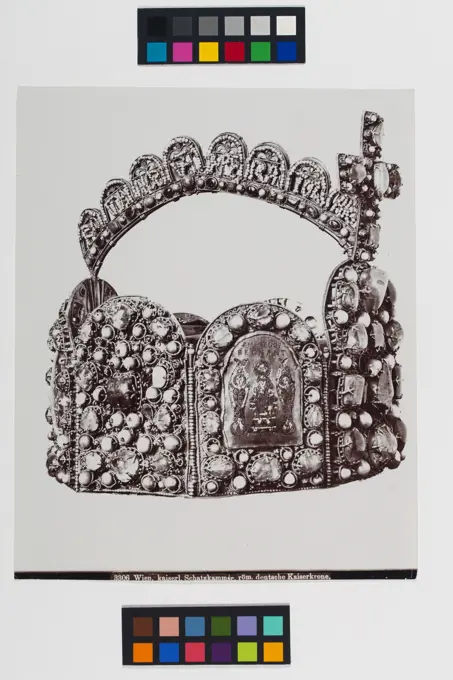
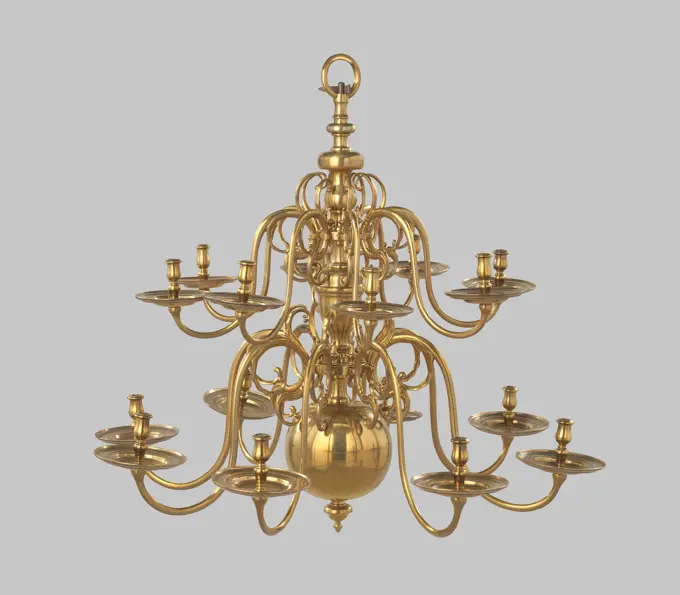
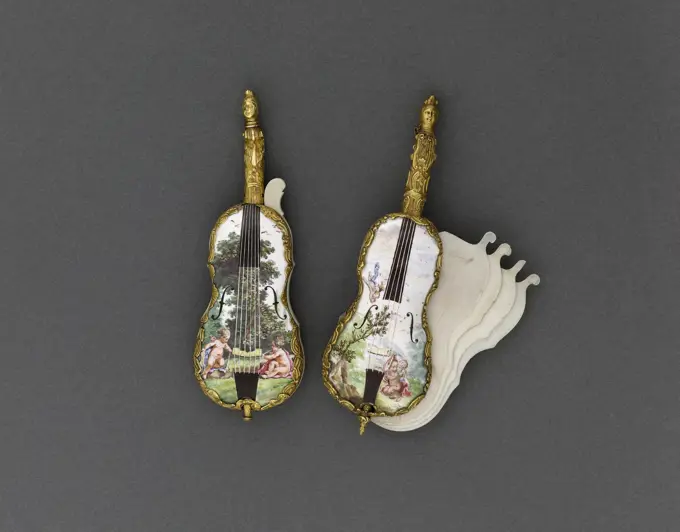
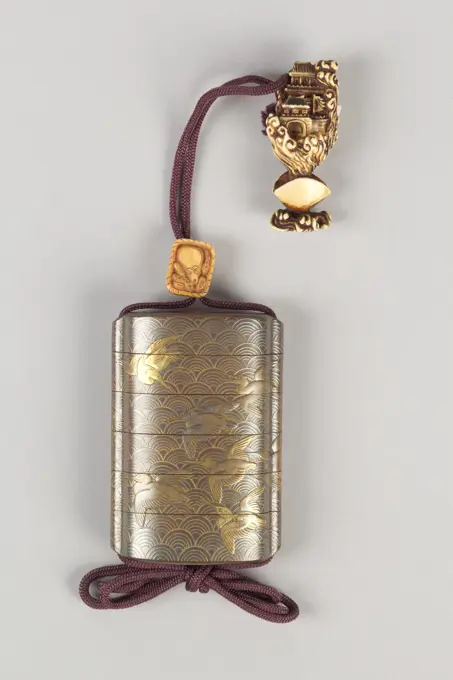
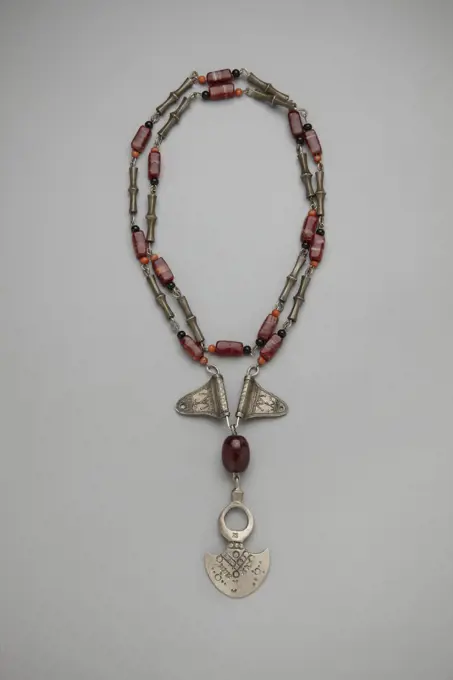
Anonymous, applies to three arms of light (dummy title), 1601. Golden brass, pearls and pendals in rock crystal. Carnavalet museum, history of Paris.Goldsmith's art, 18th century. Edwardian diamonds and pearls brooch.Goldsmith's art, Italy, 20th century. Floral-shaped gold brooch set with diamonds, early 1900.The Columbian Anacreontic SocietyMedal. Manufacturer: Columbian Anacreontic SocietyHonorand: William Dunlap, American, 1766-1839 Maker: UnknownDispenser for Tobacco Essence (Kimam) and Betel Leaf Quids. India, Rajasthan, 19th century. Tools and Equipment. Silver, repousséBelt buckle ca. 1900 Carlo Giuliano Italian This object and the group to which it belongs (see also 2014.713.1-.10) reflect the keen interest in historical styles in nineteenth-century Europe. Artists and designers looked to various artistic periods for forms and motifs. There was also an interest in reproducing works of art from earlier epochs with historical accuracyan approach that is particularly evident in the taste for so-called archaeological jewelry (jewelry based on excavated examples from antiquity), which reached its zenith in the middle of the century.The jewelry made during this period encompassed Etruscan, ancient Roman, early Christian, Byzantine, and medieval styles. The firm of Castellani in Rome both pioneered and dominated the production of archaeological jewelry. Founded by Fortunato Pio Castellani in 1814, the company was run by three generations of the family before closing in 1927. Castellani jewelry achieved enormous popularity in the highest circles of EuropeaBroochSplips of gold-plated silver. On top The bust of a moor. Cup and back are cut from black rock. The chest consists of a baroque pearl, including two crossed arrow kokers, occupied with diamonds. The hat is formed from a baroque pearl with diamonds and pearls and a large, diamond outlined pearl.Brooch, c. 1890-1910. America, New Jersey, Newark. Pearls, diamonds, enamel, gold, platinum; overall: 5.3 x 3.7 x 1.8 cm (2 1/16 x 1 7/16 x 11/16 in.).Sac. 1900. GAL2004.275.XSpoon 1599 or earlier Hungarian The birth of a child was a great event, especially during times with high infant mortality rates, and special gifts were associated with the occasion. A silver spoon was a common offering, because it was the first utensil that an infant would use on their own. Such spoons were often embellished with coats of arms, initials, and dates to record family history. Here, the year 1599 could be a later addition, as the style of the spoon suggests it was made at an earlier date.Wolfram Koeppe 2015. Spoon 237055Candlestick Lippmann, J.Hat pin with arrowhead and a knob of mother -of -pearl, anonymous, c. 1920 - c. 1930 Hat pin with arrowhead, inlaid with sharpened glass and a knob of round mother -of -pearl, caught in a split ball of copper. Netherlands pen: copper (metal). knop: mother of pearl. versiering: glass. paste (glass) forging / inlay (process) / grinding Hat pin with arrowhead, inlaid with sharpened glass and a knob of round mother -of -pearl, caught in a split ball of copper. Netherlands pen: copper (metal). knop: mother of pearl. versiering: glass. paste (glass) forging / inlay (process) / grindingJustice 16th century Northern European The size of this jewel and related ones (see also 17.190.892; 17.190.893; 32.100.306; and 41.100.26) is such that only the closest viewer could appreciate their full beauty and dexterous execution; they represent the finest craftsmanship for the wealthiest patrons. Each combines gold with natural treasures, such as pearls and gemstones. Bulbous baroque pearls cleverly suggest the fluffy down of a swans underbelly or a cloudy mass supporting the Crucifixion. Tiny figures are enameled in the round. Melding the secular and the sacred, these jewels were made to be worn: pinned to garments or hanging close to their owners skin. The animals might be heraldic devices; the swan, for example, could symbolize the Society of the Virgin Mary, called the Order of the Swan, which was founded in mid-fifteenth-century Brandenburg in Germany.[Elizabeth Cleland, 2017. Justice. Northern European. 16th century. Gold, partly enameled, set with diamonds and emeraldsThree-Piece Tea Service, Theodorus Gerardus Bentvelt, 1833 Silver sugar bowl, round -flattened model decorated with godrons. On the lid a "button" in the shape of a lion. The sugar bowl is part of a tea set consisting of teapot, milk jug and sugar bowl. Amsterdam silver (metal) Silver sugar bowl, round -flattened model decorated with godrons. On the lid a "button" in the shape of a lion. The sugar bowl is part of a tea set consisting of teapot, milk jug and sugar bowl. Amsterdam silver (metal)Goldsmith's art, Flanders, 16th century. Gold set with a baroque pearl and diamonds jewel in form of a tortoise, mm. 10x32.Application;  18th century (1701-00-00-1800-00-00);Silver loop, 1st title 950/1000th of 1794. GAL1990.148.13 Hallmark of "the association of goldsmiths" for 1794.Pendant in the form of a swan 16th century Northern European The size of this jewel and related ones (see also 17.190.892; 32.100.298; 32.100.306; and 41.100.26) is such that only the closest viewer could appreciate their full beauty and dexterous execution; they represent the finest craftsmanship for the wealthiest patrons. Each combines gold with natural treasures, such as pearls and gemstones. Bulbous baroque pearls cleverly suggest the fluffy down of a swans underbelly or a cloudy mass supporting the Crucifixion. Tiny figures are enameled in the round. Melding the secular and the sacred, these jewels were made to be worn: pinned to garments or hanging close to their owners skin. The animals might be heraldic devices; the swan, for example, could symbolize the Society of the Virgin Mary, called the Order of the Swan, which was founded in mid-fifteenth-century Brandenburg in Germany.[Elizabeth Cleland, 2017. Pendant in the form of a swan. Northern European. 16th century. Gold, parHarness Ornament Italian late 16th-early 17th century This large circular copper alloy plaque, cast with scrolls in faux-filigree and enameled, would have probably adorned a horse harness. A central rivet fixed it to the leather or textile while the two small holes, pierced on the top border, would be used for sewing it to its support so it could stay flat despite its weight. View more. Harness Ornament. Italian. late 16th-early 17th century. Copper alloy, gold, enamel. Equestrian Equipment-Horse Trappings. Candle arm belonging to a candle wreath of two heights with maria figure at the top. The arm is bent twice and is decorated with nine grape vegetables and five winger leaves. The round fat catcher is decorated at the bottom with fishing blozen motifs and has a downward edge of cross flowers in the middle, which masks the placement on the arm. The candle holder is sixted, opened, placed on three vertical styles, overtreen in a thread protrusion. This is the second arm of the lower ring, numbered with 7 round points. The candle holder is numbered with 2 diagonal notches.. Candle arm belonging to a candle wreath of two heights with maria figure at the top. The arm is bent twice and is decorated with nine grape vegetables and five winger leaves. The round fat catcher is decorated at the bottom with fishing blozen motifs and has a downward edge of cross flowers in the middle, which masks the placement on the arm. The candle holder is sixted, opened, placed on three vertical styles, overtreen in a thread protrusion. This is the second arm of the lower ring, numbered with 5 round points. The candle holder is unnumbered.Pendant, 1700s. Continental, 18th century. Metal and enamel; overall: 14.6 cm (5 3/4 in.).Powder flask 18th-19th century Indian, Gujarat, for the export market. Powder flask. Indian, Gujarat, for the export market. 18th-19th century. Green Turban shell, copper, metal. Natural SubstancesFate Malcz, Karol (1797 1867)Suspension from the earringArm with candle holder of candle crown of two heights, c. 1800 - c. 1875 Candle belonging to a brass candle crown of two heights. The S-shaped arm has a curl at the start, halfway through a dolphin head and turns outside into the flat thickening with a screw hole. The candle holder is secured with the fat catcher. The fat catcher is ribbed at the bottom of the opening and has a slightly excellent edge and is decorated with grooved hefty rings. The Cylindrian candle holder has a profiled and a little excellent edge, two grooved rings, a rib and a profiled hollow bottom, which turns into a protrusion with a thread with a center hole. This is the sixth arm of the upper position ring, unnumbered. Netherlands brass (alloy) casting Candle belonging to a brass candle crown of two heights. The S-shaped arm has a curl at the start, halfway through a dolphin head and turns outside into the flat thickening with a screw hole. The candle holder is secured with the fat catcher. The fat catcher is riJOYA-COLLAR DE BORLAS - S XIX MODERNISTA. Location: MUSEE D'ARTS DECORATIFS. MADRID. SPAIN.Votive crown of King Reciswinth from the treasure of Guazzazar, Paris France, digitally restored reproduction of an original from the 19th century, ex...Amice 16th or 17th century Spanish. Amice 461518Watch. Culture: French, Rouen. Dimensions: Overall: 1 1/2 × 1 1/8 in. (3.8 × 2.9 cm). Maker: Watchmaker: François Hubert (ca. 1592). Date: ca. 1592. Museum: Metropolitan Museum of Art, New York, USA.Spoon, cast and cloisonne enamelled gilt silver, Spoon (a-f): straight handle, twisted in mid-section, with raised geometric cloissons towards end in blue and turquoise, and on end a lantern form with dark blue panels. Back of bowl has raised cloissons of symmetrical stylized leaf and flower forms in blues, white, and transparent red and green, against hammered gilt ground., New York, New York, USA (case), Moscow, Russia, ca. 1890, cutlery, Decorative Arts, SpoonSugar Letel Of Driven Silver, Anonymous, 1783 Driven silver sugar spoon with an openwork container, and a curved stem. On top of the curved stem a pigeon. Brands: On the stem an ax and a crowned o in a shield. Annual letter T (1783). To lead. Leiden silver (metal) Driven silver sugar spoon with an openwork container, and a curved stem. On top of the curved stem a pigeon. Brands: On the stem an ax and a crowned o in a shield. Annual letter T (1783). To lead. Leiden silver (metal)Ring, 1800s. India. Silver; diameter: 2 cm (13/16 in.).Nose Ring, 20th Century. India. Silver; overall: 6.4 cm (2 1/2 in.).Stam of a candle crown in three heights, c. 1675 - c. 1725 The object consists of a wrought iron rod, an iron split pin and the next and parts of yellow copper worked on the lathe: the hanging ring, three last parts, the bulb, the button. The upper strain, decorated with grooved rings, is largely pipe -shaped and has a thickening at the bottom. The pipe has two ribs interrupted by four notches each. These notches are unnoticed at the top, or marked with one, two or three dots smashed. The middle rings decorated with grooved rings is spherical and marked there (), Then turns into a torn and partially repaired stand ring with openings for the six arms. They are unnoticed or indicated with a dots taken up to five. In the upper segment, the sphere is profiled in wide ribs. The widely protruding button forged on the rod ends on the almost flat bottom in a pear -shaped button. The more or less octagonal on top rang has a crack in the top end for the split pin, with which the whole can be attArm with candle holder of candle crown of three heights, c. 1675 - c. 1725 Candle belonging to a brass candle crown of three heights. The S-shaped arm has a curl and turns outside into the flat thickening with a screw hole. The candle holder is secured with the fat catcher. The fat catcher is ribbed at the bottom of the opening and also has two grooved rings and a single grooved ring once. The cylindrical candle holder, who has a profiled excellent edge, two grooved rings and a thickening, turns into a baluster with the end of threads at the bottom and a button in which the center hole can be seen. This is the second arm of the lower position ring, unnumbered. The pin, to attach the arm to the stand ring, has a baluster shape. Southern Netherlands (possibly) brass (alloy) casting Candle belonging to a brass candle crown of three heights. The S-shaped arm has a curl and turns outside into the flat thickening with a screw hole. The candle holder is secured with the fat catcher. The fat cOrange strainer 1722-23 British, London. Orange strainer. British, London. 1722-23. Silver. Metalwork-SilverPair of Torah finials (rimonim). Culture: Italian, Venice. Dimensions: Overall (.416 confirmed): 26 9/16 × 6 3/16 × 6 in., 90.965oz. (67.5 × 15.7 × 15.2 cm, 2579.1g);Overall (.417 confirmed): 26 11/16 × 6 × 6 in., 93.307oz. (67.8 × 15.2 × 15.2 cm, 2645.5g). Silversmith: Andrea Zambelli "L'Honnesta" (Italian, active 1732-1772). Date: ca. 1740-50.Exceptional for their size and precious material, these Torah finials are rare survivors of eighteenth-century Italian silver and a testimony to the artistic virtuosity of goldsmithing in Venice. In synagogues, the scroll of the Torah, the first five books of the Hebrew Bible, is often decorated with a set of silver ornaments including a crown, a shield, and finials mounted on the staves. Symbolizing the bond between community and faith, these are decorated with religious emblems like priestly garments, a miniature temple, a menorah, and the Tablets of the Law surrounded by lush floral ornamentation. Such rich embellishment is indicative of thSpittoon silver with chased flowers and leaves, Anonymous, c. 1650 - c. 1700Silver leaf, Francois Marcus Simons, 1803 Round unadorned leaf with a raised edge. Marked and dated. The Hague silver (metal) casting / sawing Round unadorned leaf with a raised edge. Marked and dated. The Hague silver (metal) casting / sawingBuckle in the form of two fish, Carl Christian Fjerdingstad, c. 1911 - c. 1914 Buckle of silver and moonstone, representing two fish with air bubbles. Skagen silver (metal). moonstone Buckle of silver and moonstone, representing two fish with air bubbles. Skagen silver (metal). moonstoneLluís Masriera / Anillo con esmalte y diamantes, siglo XX. Colección privada. Author: LLUÍS MASRIERA I ROSÉS.EVENTAIL. "Country scene, young shepherd sitting at the foot of a tree; couple standing near young shelter seated; young shepherdess". Aquarelle gouache on skin, ivory frame carved, repercussions and painted, inlays of scales and rhinestones. Paris, Carnavalet museum. 100087-25 Fashion accessory, EventailLoop.Robert Stewart, Ornamental Basket, c 1936 Ornamental BasketGoldsmith's art, 19th century. Diamonds and emeralds brooch, around 1890.Colgante, obra de Manuel Capdevila, 1937. Colección privada.Teaspoon, c. 1770-1780. Samuel II Drowne (American, 1749-1815). Silver; overall: 2.6 cm (1 in.).Nose Ring, 20th Century. India. Silver; overall: 6.4 cm (2 1/2 in.).Lazio Viterbo Viterbo Museo Civico49. Hutzel, Max 1960-1990 Views of paintings (Middle Ages through 18th c.), frescoes, a tabernacle, coffin, sculpture reliefs, portal fragments, busts, sculpture, tapestry found in the Pinacoteca, Second floor gallery and Second floor cloister sequences. Antiquities: Many views of Etruscan and Roman fragments, sculpture, sarcophagi, pottery, masks, jewelry and other objects found in the Storeroom sequence (inventory numbers on back of prints), and the Cloister, Second floor Cloister, Valle Giulia, Sala Romana and Sala Etrusca sequences. General Notes: There are eight separate numerical sequences for this location. The cloister as an architectural structure, rather than museum site, is documented in the record and file for S. Maria della Verita, Cloister, all views of which are stored in Medieval core collection. Five views from the Museo Civico Second floor cloister sequence are stored in Medieval. German-born photographer and scholar Max Hutzel (1911-LAMPARA DE BRONCE - SIGLO X - PROCEDENTE DE LA MEZQUITA DE ELVIRA - ATARFE. Location: MUSEO ARQUEOLOGICO-ARTE HISPANOMUSULMAN. GRANADA. SPAIN.Pendant with Venus and Cupid 1850-1875 Europe. Gold, enamel, and pearl .Pendant late 17th century probably Spanish. Pendant 197152Bowl. Unknown. The king’ or winner of the annual shooting contest of the Company of Arquebusiers in Vlissingen was awarded this chain. He was permitted to wear the chain and carry other tokens of honour (a bird and a rifle) at special ceremonies such as town and guild celebrations.Lluís Masriera / Broche diseñado como una libélula con esmalte plique-à-jour y engastado con zafiros, rubíes y diamantes, 1904. Colección privada. Author: LLUÍS MASRIERA I ROSÉS.Chair. Chair with smooth, folk-shaped seat and volutely front legs. The open backrest is crowned by a crest. The center of the backrest is formed by a rosette and leaf garlands. The chair is marked: STK. = Amsterdam, JRL. = 1779, Mt. = Jan Bronnet. The chair belongs to five identical copies (BK-NM-11177-170 to BK-NM-11177-174).Pair of Lappets (Joined) Made 1725-1735 France. Linen, needle lace of a type known as Point d'AlenÁon .Dessert Plate (Austria); Designed by Karl Massanetz (Czech, 1890-1918); Manufactured by J. & L. Lobmeyr GmbH (Austria); mouth-blown colorless glass, black ink feather-pen drawing"Assyrian Head" pattern Berry Spoon; Designed by Rogers Brothers Silver; Manufactured by Meriden Brittania Company; USA; silver-plated metal; L x W: 21 x 5.5 cm (8 1/4 x 2 3/16 in.)John Lilly, Caddy Spoon, 1832/33, silver.Watch ca. 1830-40 Watchmaker: Le Quin. Watch 195651Pendant Medallion with Michael Slaying the Dragon ca. 1470-80 French This badge marked a member of the Order of Saint Michael, founded by Louis XI of France in 1469. The order's motto describing the archangel, "Terror of the Immense Ocean," may explain the choice of mother-of-pearl.. Pendant Medallion with Michael Slaying the Dragon. French. ca. 1470-80. Mother of pearl, tempera, and silver. Sculpture-MiniatureBeauty fashion concept with earringsCircular ornaments were worn as pendants, sewn onto textiles, or pinned into hair. The decorative motif made of colorful gems depicting flowering plants was introduced during the reign of the Mughal emperor Shah Jahan (1628-58) and remained popular through the 1800s. Medallion, 1800s. India. Silver gilt with rubies and emeralds; diameter: 5.4 cm (2 1/8 in.).Knotttekist, Frans Rienks Baardt (Attributed To), 1640 Round knotty player of partially gilded silver on 4 gilded bol legs. The lid is openwork against a gilt background. The walls are decorated with quoted figures. Bolsward silver (metal). gilding (material) gilding Round knotty player of partially gilded silver on 4 gilded bol legs. The lid is openwork against a gilt background. The walls are decorated with quoted figures. Bolsward silver (metal). gilding (material) gildingFob late 18th century European. Fob 84181Arm of a candle crown in two heights, Anonymous, 1630 The S-shaped arm is provided with a ridge on the trunk side with an opening to secure it with a pin in the stand rings. At the trunk the arm is decorated on the end and to the center with two stylized dolphin heads and with three pairs of curls or leaves executed in lobe style. To the outside, the arm ends in a lip, in which a hole provided with a thread is applied, to confirm the candle holder and the fat catcher. The arm is cast using the same model as the other arms of the wreath. The cylindrical candle holder has two profiled ribs, two grooved rings and profiled excellent edge. The fat catcher is deepened twice at the top towards the center. At the bottom it is profiled around the hole on the somewhat spherical middle and ribbed on the edge and with two grooved rings. The fat catcher has been cast using the same model as the other fat catchers of this wreath. The pin is equipped with a vase -shaped button. This is the sixth arm Candle crown of two heights with eight arms and three shields, Anonymous, 1630 The object consists of a round wrought iron rod, an iron split pin and then cast and then on a lathe processed parts: the hanging ring, the tribe part with the upper position ring, the baluster, the tribe with the lower position ring, the bulb, the button, Three shields, twice eight arms with accompanying fat catchers, candle holders and pins. The round hanging ring turns at the bottom into a profiled hollow cylinder. The strain with the upper position ring is numbered 1 to 8 at the arm holes and decorated with fine grooved rings. Above the stand ring this part has the shape of a mushroom, transferring to a nodus. There are three holes in the hood of the mushroom, numbered 1, 2 or 3 for the placement of the shields. Under the stand ring, this part is modeled as a swelling nodus. The tribal part connects that the shape of a baluster, which is decorated with a heavy profiled rib. The strain with the lower posiGaming Purse (Italy); silk, leather, metallic threadLid of teapot, painted with a landscape with houses. Porcelain teapot lid, painted with a farmer on the land.st, castle - interior views - Schweizerhof - Imperial Treasury - secular treasury - Reichskrone, Josef Wlha -, photographerChair. Chair with smooth, folk-shaped seat and volutely front legs. The open backrest is crowned by a crest. The center of the backrest is formed by a rosette and leaf garlands. The chair is marked: STK. = Amsterdam, JRL. = 1779, Mt. = Jan Bronnet. The chair belongs to five identical copies (BK-NM-11177-169, BK-NM-11177-170, BK-NM-11177-171, BK-NM-11177-172 and BK-NM-11177-174).Fruit basket; Harris, Charles Stuart (Fl. 1852-1897), Harris, C.S. & Sons (London; company z Otnicz; Fl. 1817-1933); 1896/97 (1896-00-00-1897-00-00);Pendant 16th century German. Pendant. German. 16th century. Rock crystal, enameled gold, pearlCarved wooden arched profile with three palmetal ornaments, ornament wood carving sculpture visual material wood paintBox, 1800s. Turkey, 19th century. Jade, gilt metal, turquoise, emeralds (), rubies (); overall: 2 x 7.4 cm (13/16 x 2 15/16 in.).Bliżej Kultury Unger, Eugeniusz (Fl. 1900 1950), Tchórzewski (Fl. 1900 1940)Tassel (Italy); linenButton (France); mother-of-pearl, glass; 1931-59-618Iron baluster ca. 1730 British. Iron baluster. British. ca. 1730. Wrought iron. Metalwork-IronChair. Chair with smooth, folk-shaped seat and volutely front legs. The open backrest is crowned by a crest. The center of the backrest is formed by a rosette and leaf garlands. The chair is marked: STK. = Amsterdam, JRL. = 1779, Mt. = Jan Bronnet. The chair belongs to five identical copies (BK-NM-11177-169, BK-NM-11177-170, BK-NM-11177-171, BK-NM-11177-172 and BK-NM-11177-173).Arm of a candle crown in two heights, Anonymous, 1650 - 1675 chandelier The S-shaped arm is equipped with a ridge on the trunk side with an opening to secure it with a pin in the stand ring. At the trunk, the arm is decorated at the end with a stylized dolphin head and with two curls, the design of which is derived from the lobe ornament. To the outside, the arm ends in a thickening, in which a hole provided with a thread is applied to attach the candle holder with the fat catcher. The arm is cast using the same model as the other arms of the wreath and has the same size. The candle holder has a round narrowing upwards and in an excellent edge -transmitting vase shape on the baluster foot with a threaded end, in which the center hole at the bottom. The fat catcher is deepened once at the top to the middle. At the bottom she is profiled on the edge and around the hole on the somewhat spherical center. The fat catcher always has its own size and is cast with the help of the same model asArm of a candle crown in two heights, Anonymous, 1650 - 1675 chandelier The S-shaped arm is equipped with a ridge on the trunk side with an opening to secure it with a pin in the stand ring. At the trunk, the arm is decorated at the end with a stylized dolphin head and with two curls, the design of which is derived from the lobe ornament. To the outside, the arm ends in a thickening, in which a hole provided with a thread is applied to attach the candle holder with the fat catcher. The arm is cast using the same model as the other arms of the wreath and has the same size. The candle holder has a round narrowing upwards and in an excellent edge -transmitting vase shape on the baluster foot with a threaded end, in which the center hole at the bottom. The fat catcher is deepened once at the top to the middle. At the bottom she is profiled on the edge and around the hole on the somewhat spherical center. The fat catcher always has its own size and is cast with the help of the same model asArm of a candle crown in two heights, Anonymous, 1650 - 1675 chandelier The S-shaped arm is equipped with a ridge on the trunk side with an opening to secure it with a pin in the stand ring. At the trunk, the arm is decorated at the end with a stylized dolphin head and with two curls, the design of which is derived from the lobe ornament. To the outside, the arm ends in a thickening, in which a hole provided with a thread is applied to attach the candle holder with the fat catcher. The arm is cast using the same model as the other arms of the wreath and has the same size. The candle holder has a round narrowing upwards and in an excellent edge -transmitting vase shape on the baluster foot with a threaded end, in which the center hole at the bottom. The fat catcher is deepened once at the top to the middle. At the bottom she is profiled on the edge and around the hole on the somewhat spherical center. The fat catcher always has its own size and is cast with the help of the same model asArm of a candle crown in two heights, Anonymous, 1650 - 1675 chandelier The S-shaped arm is equipped with a ridge on the trunk side with an opening to secure it with a pin in the stand ring. At the trunk, the arm is decorated at the end with a stylized dolphin head and with two curls, the design of which is derived from the lobe ornament. To the outside, the arm ends in a thickening, in which a hole provided with a thread is applied to attach the candle holder with the fat catcher. The arm is cast using the same model as the other arms of the wreath and has the same size. The candle holder has a round narrowing upwards and in an excellent edge -transmitting vase shape on the baluster foot with a threaded end, in which the center hole at the bottom. The fat catcher is deepened once at the top to the middle. At the bottom she is profiled on the edge and around the hole on the somewhat spherical center. The fat catcher always has its own size and is cast with the help of the same model asBadge (probably from Horse Harness). Culture: Spanish. Dimensions: H. 2 3/4 in. (7 cm); W. 1 9/16 in. (4 cm); Wt. 1 oz. (28.3 g). Date: ca. 1400. Museum: Metropolitan Museum of Art, New York, USA.Assyrian Head Fish Knife; Designed by Rogers Brothers Silver; Manufactured by Meriden Brittania Company; USA; silver-plated metal; L x W: 30 x 7.5 cm (11 13/16 x 2 15/16 in.)Pair of earrings. unknown, craftsmanGerman anonymous. Tablet with a violin -shaped shelves. Porcelain. 18th century. Paris, Cognacq-Jay museum. 56642-6 Etui, musical instrument, porcelain, tablet, violinGolden ring isolated on the white backgroundCOLLAR PROCEDENTE DE ITALIA - 1958 - BISUTERIA - DISEÑO DE COPPOLA Y TOPPO. Location: PRIVATE COLLECTION.Necklace ca. 1790 German. Necklace 654854Woman's Amulet Box (Ga'u) 1701-1800 Tibet. Silver and turquoise .Flower branch, two pieces, c. 1400 - c. 1950 Two forged iron branches with flowers.  iron (metal) forging Two forged iron branches with flowers.  iron (metal) forgingCase (Inr) with Design of Seagulls Flying Over Waves 18th-19th century Japan. Case (Inr) with Design of Seagulls Flying Over Waves. Japan. 18th-19th century. Lacquer, silver ground, gold and silver hiramakie, takamakie; Interior: nashiji and fundame. Edo period (1615-1868). InrElizabeth Morley, Caddy Spoon, 1789/90, silver.Handscreen; pierced, painted, and gilded buffalo hide leaf, carved horn handleNecklace with CoralBeads, 19thcentury, Coral beads, silver, and black beads, 16 1/2 in. (41.91cm), Country Niger, Daga, 19thcentury, Jewelry