Antique Jewelry Collection

An assortment of antique jewelry pieces including rings and earrings, reflecting craftsmanship and historical significance.

Second cupboard of watch with the worship of the shepherds, Jan Marc Juntès, 1762 Vice of shark sheet with gold -plated copper nails. Amsterdam sharkskin. copper (metal) Vice of shark sheet with gold -plated copper nails. Amsterdam sharkskin. copper (metal)
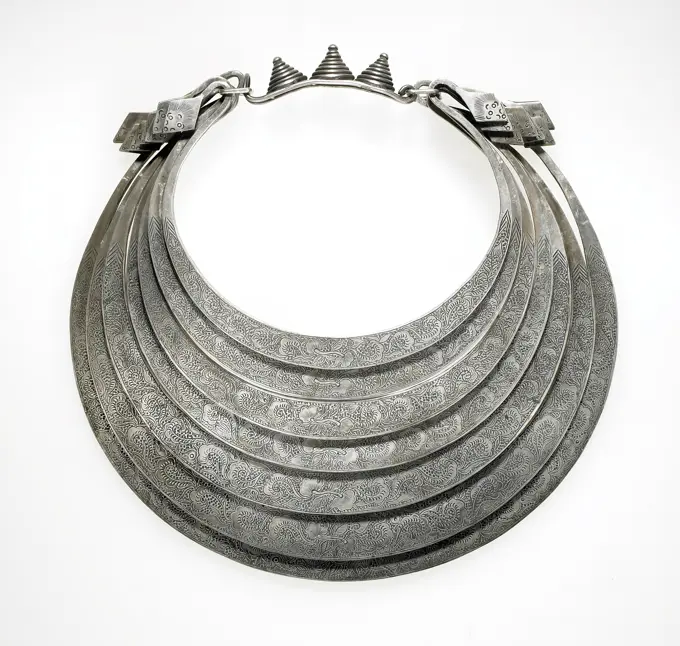
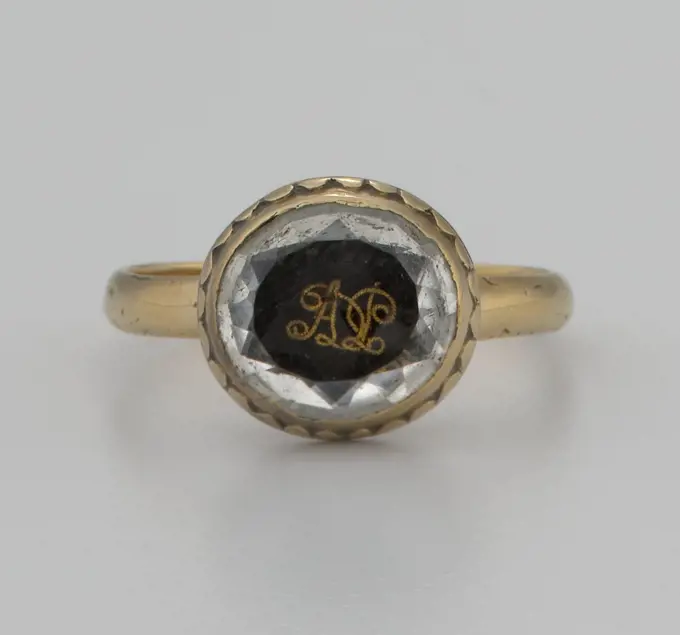
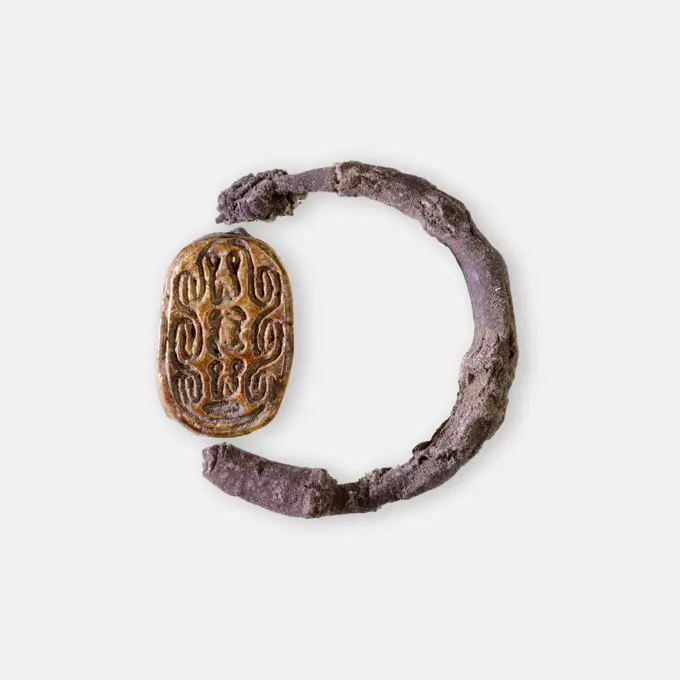
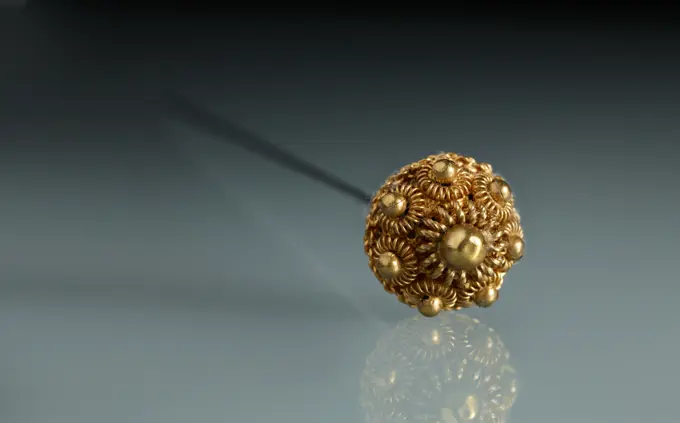
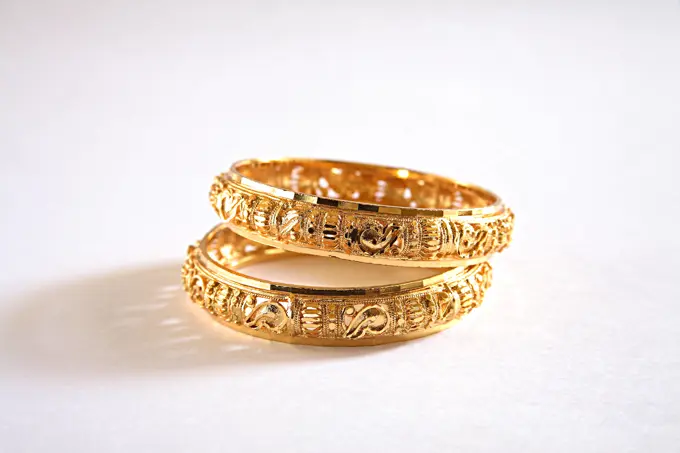
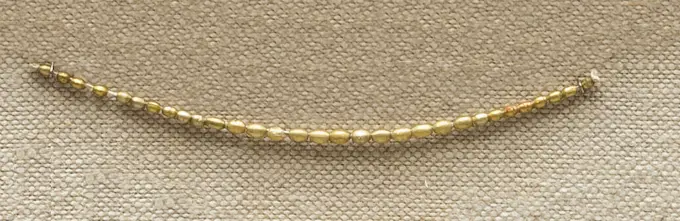
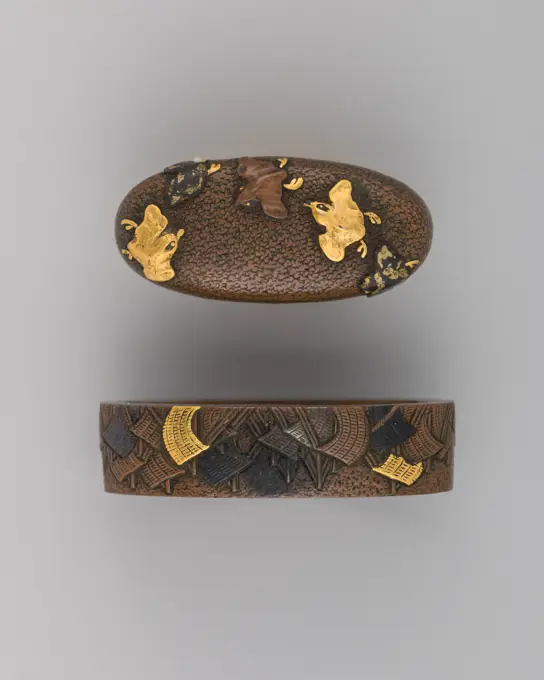
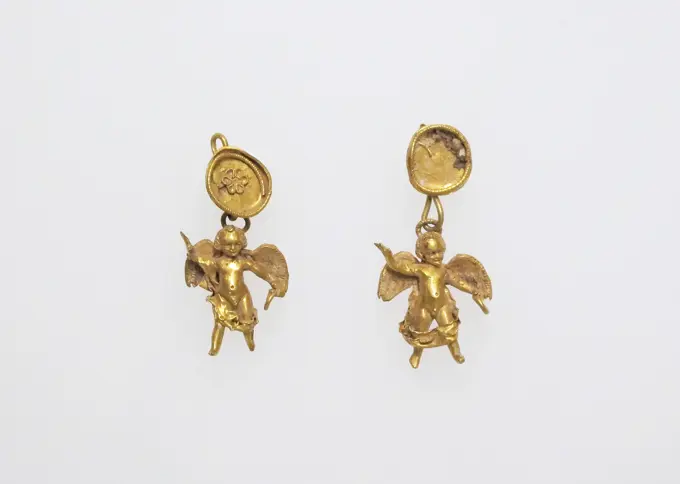
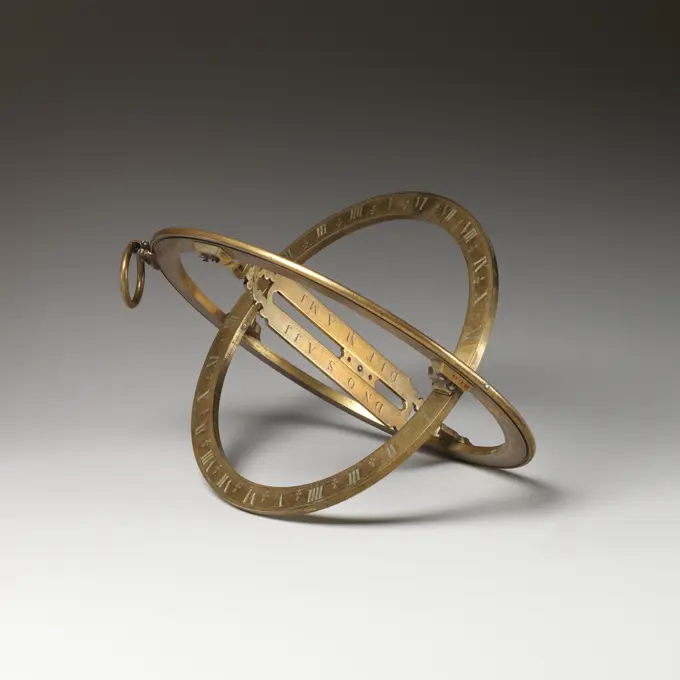
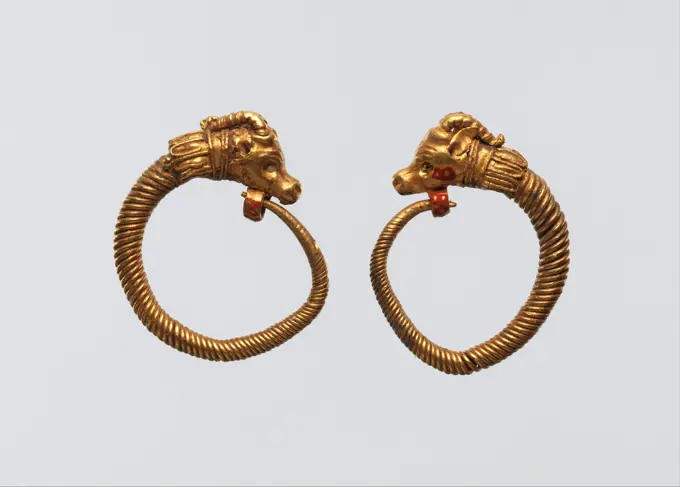
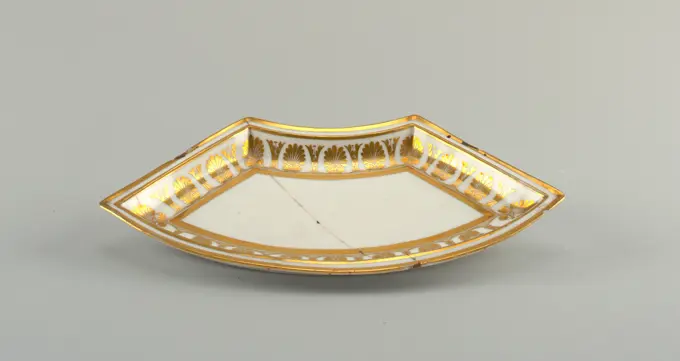
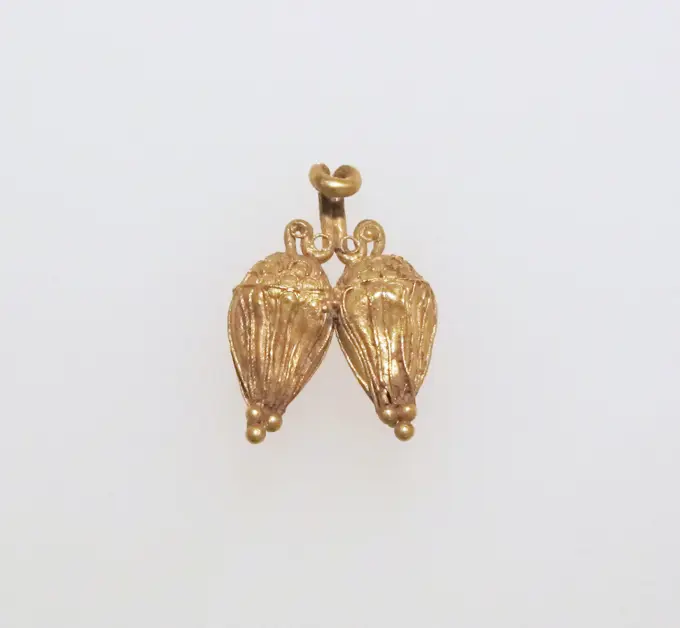
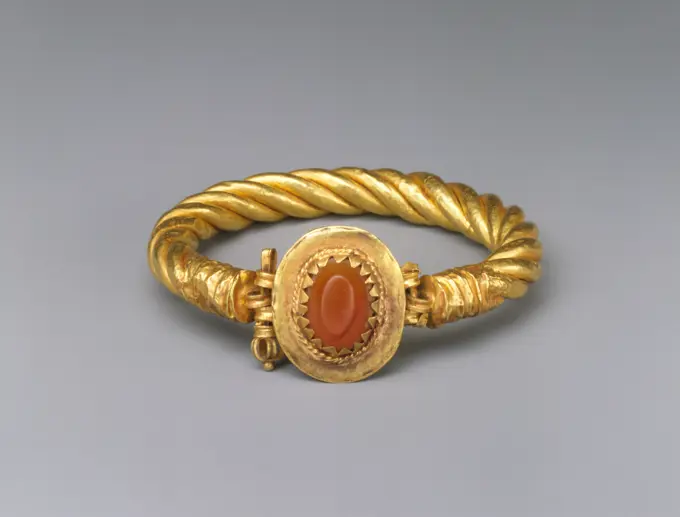
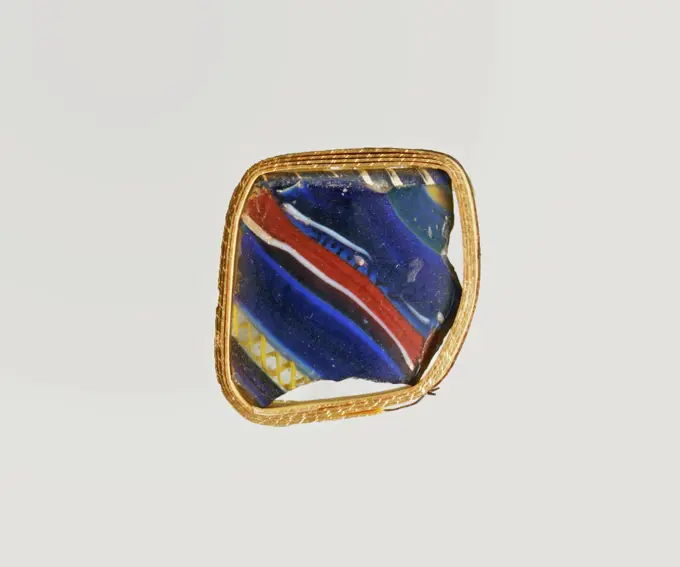
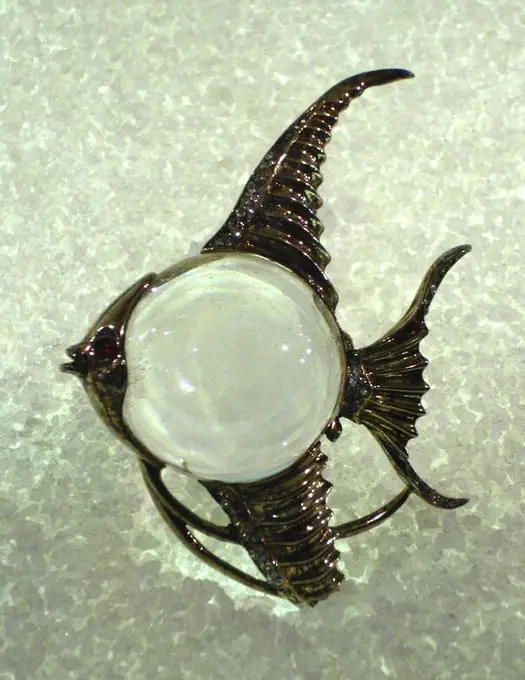
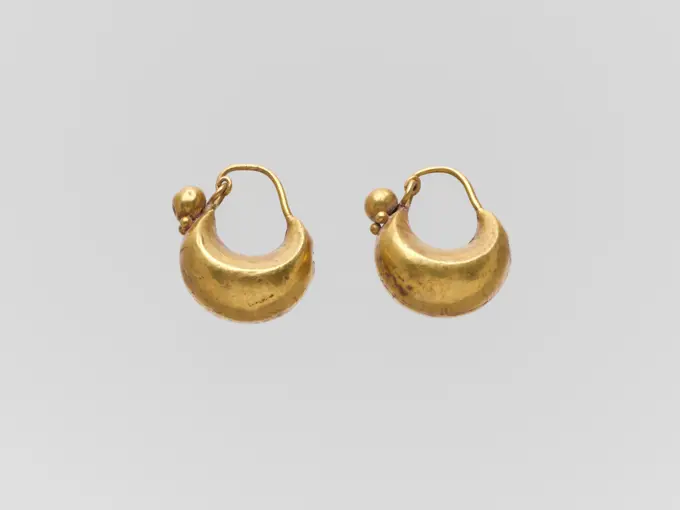
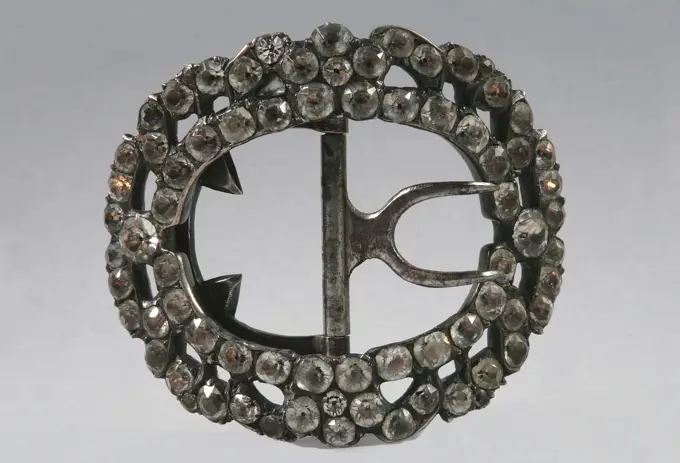
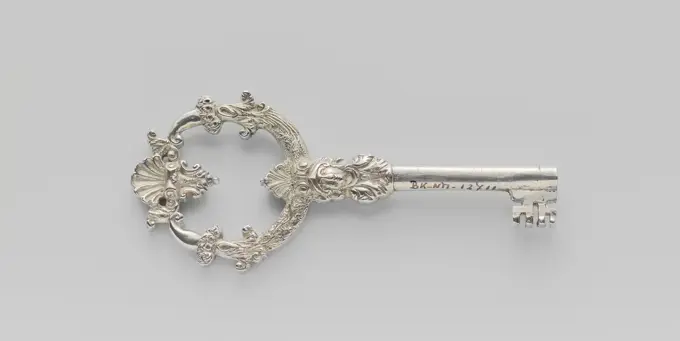
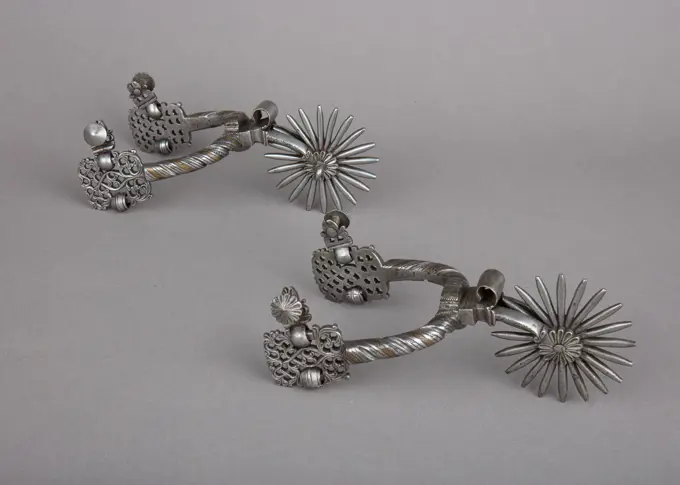
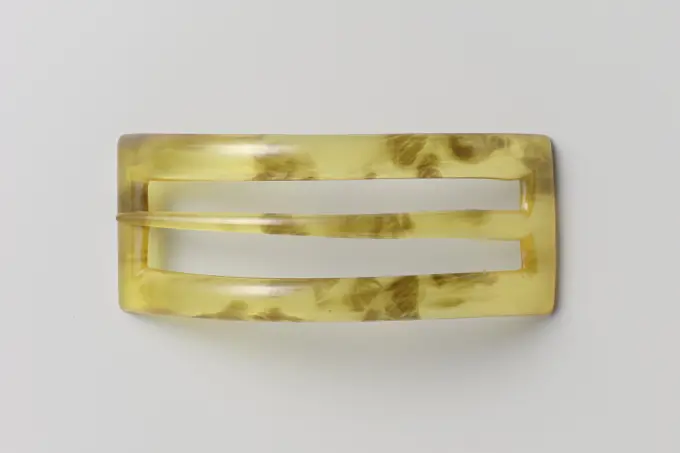
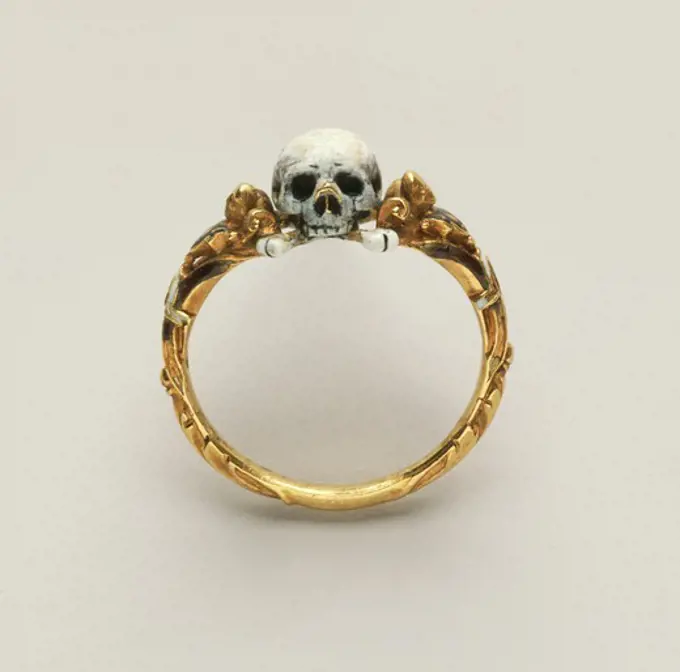
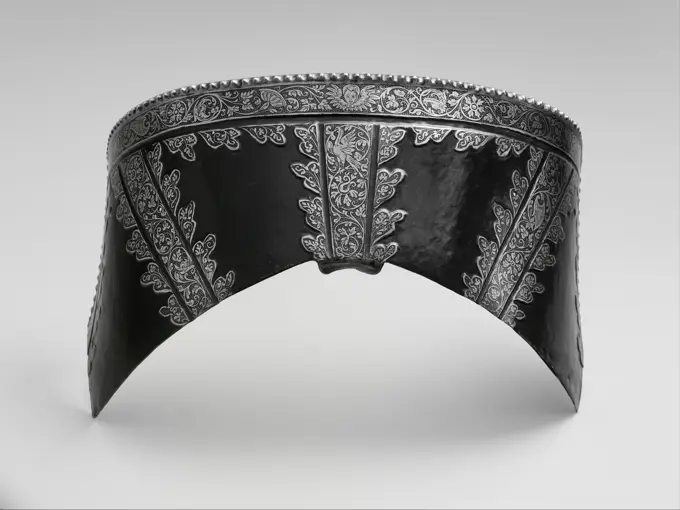
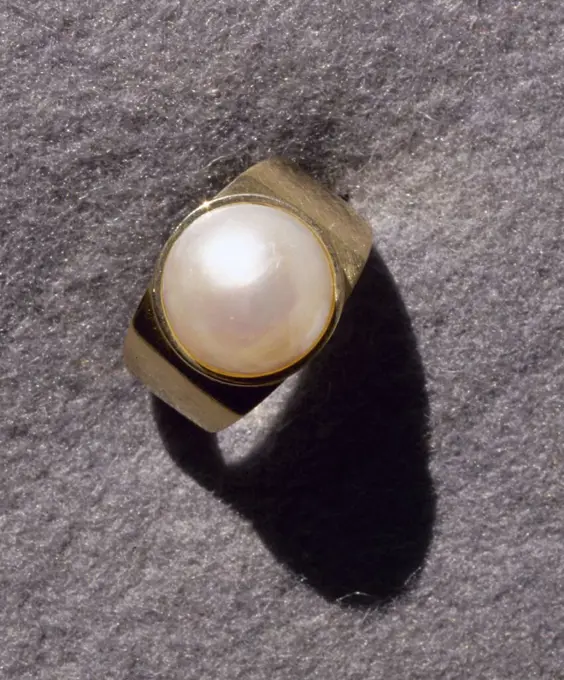
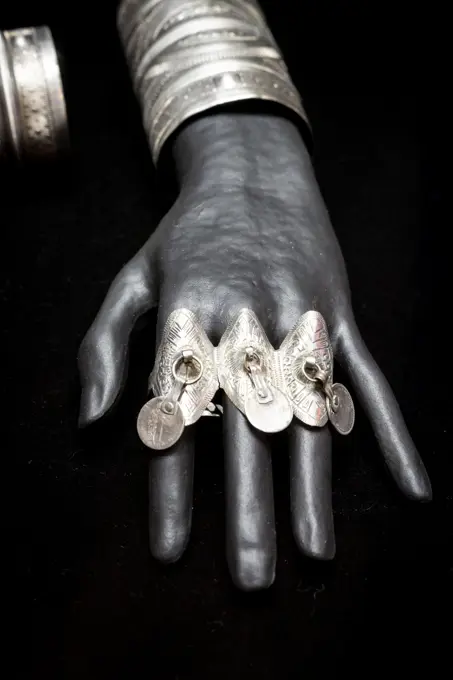
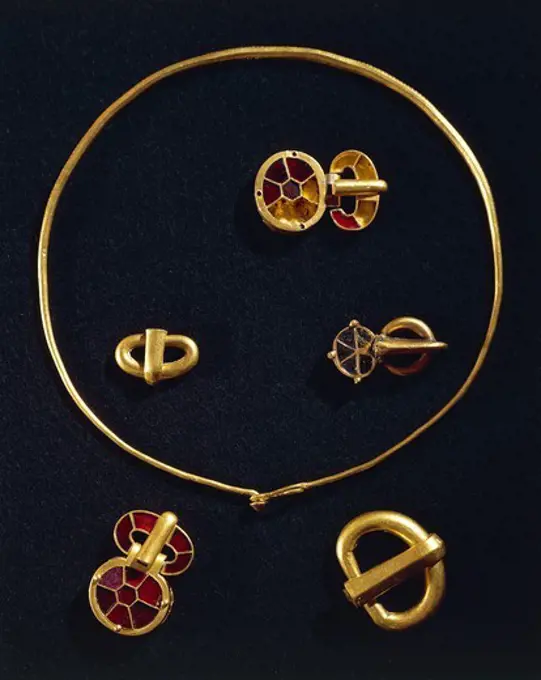
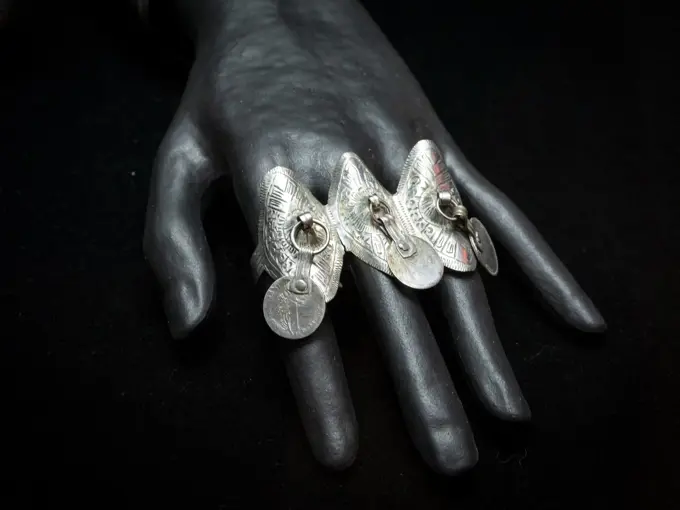
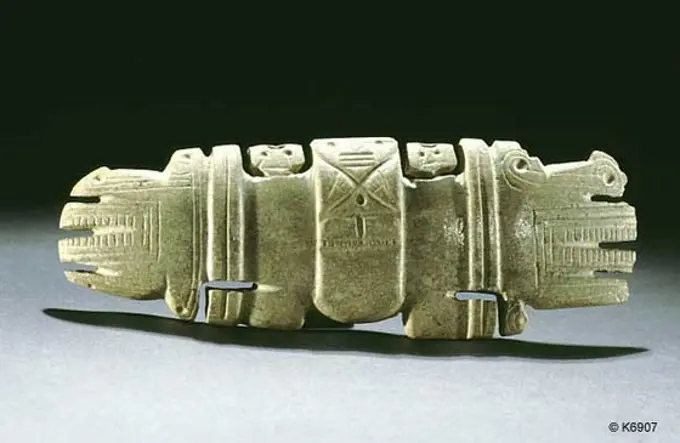
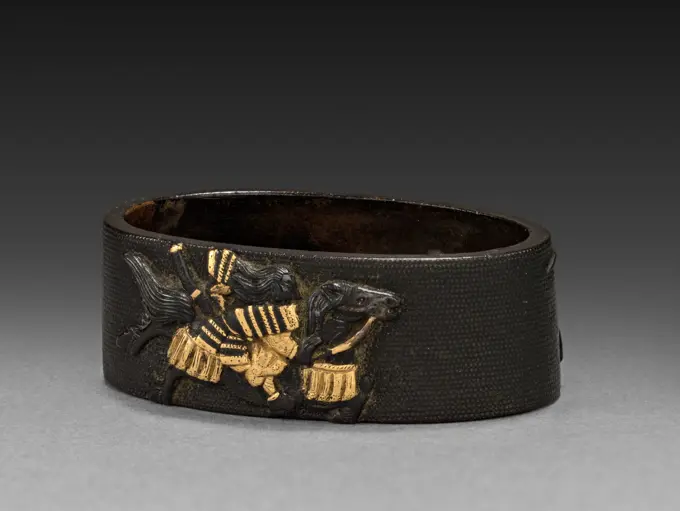
Diamonds on rings in seashell, close_upCoil ca. 7th-6th century B.C. Iran This silver coil was excavated at Tepe Nush-i Jan, an Iron Age hilltop site about 60 km sound of Hamadan in western Iran. Nush-i Jan was occupied in the 7th and 6th centuries B.C., and its occupants are generally thought to be the Medes, an Iranian people known from Assyrian, Achaemenid and Biblical sources. Though the textual sources portray them as a powerful empire, archaeological evidence for the Medes has yet to sustain this impression. Rather, they seem to have lived in scattered fortified sites in western and central Iran, without any clear capital. Nush-i Jan, one of the best known of these sites, features two temples, a columned hall, and a fort, where the coil was found.The coil was discovered in a bronze bowl containing 231 pieces of silver, including jewelry, ingots and scraps. At the time coins were not yet in use in Iran, and silver bullion was the primary form of money. The form of the silver did not matter, only the weight, so any silvTorque, 11 1/4 x 11 1/2 x 1 1/4 in. (28.58 x 29.21 x 3.18 cm), Silver, Chinasilver vase. Decorative silver metal vase isolated on whiteHonorand: Colonel Abraham de Peyster, American, 1657-1728, Mourningring, Gold, glass, 13/16 × 1/16 in. (2.06 × 0.24 cm, 3g), Probably made in New York, American, 18thcentury, JewelryBrooch, Lodewijk Willem van Kooten (II), c. 1908 - c. 1911 Brooch of gold and white email, with three sapphires. Amsterdam gold (metal). sapphire (mineral) Brooch of gold and white email, with three sapphires. Amsterdam gold (metal). sapphire (mineral)Oval brooch 'au firmament'. Enameled golden brooch with diamonds. Stretched oval of shape and surrounded by an edge of diamonds. The middle is blue enamelled, with a regular pattern with diamonds in it, representing a starry sky. (Originally the upper part of a ring.)Scarab Ring of Ruiu ca. 1504-1447 B.C. New Kingdom The burial the House Mistress Ruiu was found in the tomb of her father, Neferkhawet, which was excavated by the Museums Egyptian Expedition in 1935. On the left hand of Ruiu's mummy were three scarab rings. The scarabs were made of glazed steatite and the ring bands were silver. The scarabs had been mounted by passing a silver wire through a hole running from head to tail. The wire was then lashed to the ring with finer silver wire. Silver deteriorates over time when exposed to dampness, and the rings were badly corroded. The scarabs were all originally glazed blue, but the glaze has almost entirely disappeared from wear and from the damp conditions inside the tomb.This scarab is inscribed on the base with a scarab hieroglyph between two ka hieroglyphs over a neb-basket. the hieroglyphs are bordered by an oblong hooked scroll pattern. This design, especially the writing of the ka hieroglyphs, is typical of scarabs dating to the HyksosFew silver earrings set with diamond, anonymous, c. 1750 - c. 1850 A few silver earrings, each decorated with five rose slips (Amsterdam rose) diamonds. The back of the hangers is gold -plated, also the hinged ring with which the earrings can be put through the ear. Netherlands (possibly) Silver (Metal). Precious stones: Diamond (Mineral) gilding A few silver earrings, each decorated with five rose slips (Amsterdam rose) diamonds. The back of the hangers is gold -plated, also the hinged ring with which the earrings can be put through the ear. Netherlands (possibly) Silver (Metal). Precious stones: Diamond (Mineral) gildingWedjat Plaque; on opposite side Maat, Re, Upper and Lower Egyptian serpents over nub sign 664-332 B.C. Late Period. Wedjat Plaque; on opposite side Maat, Re, Upper and Lower Egyptian serpents over nub sign 548420Ring with lady with the unicorn. Gold, émail and diamond. In the middle of a diamond awarded heart between a white unicorn and a woman dressed in blue.Hat pin unknownConcept, kangan gold bangle worn on wrist on white background India Copyright: xNirmalaxMishra/DinodiaxPhotoxNecklaceString of 31 Beads 2nd century BC-2nd century AD Ptolemaic or Roman Period. String of 31 Beads. 2nd century BC-2nd century AD. Gilt glass. Ptolemaic or Roman Period. From EgyptReinforcing Abdominal Defense Italian ca. 1550 to 1575 This reinforcing abdonimnal defense is part of an unusually large armor garniture (acc. no. 27.159.1) from the armory of the Dos Aguas family in Valencia, Spain. The garniture contains pieces for use in battle and for the tilt in both the Italian and German fashions. The tilt was a tournament fought on horseback between two opponents armed with lances and separated by a lengthwise barrier.The armor as mounted is equipped with a helmet and vambraces (arm defenses) for the tournament. The buffe (chin defense), second breastplate (27.159.2), and manifer (reinforced left gauntlet) (27.159.6) would have been added to make the armor ready for exchange pieces for different forms of the tournament. For the German tilt, the trellised targe (shield) (27.159.7), small elbow defense (27.159.5), and small stomach defense (27.159.3) were added. For the Italian tilt, these elements were replaced by the form-fitting reinforce covering the left halSword-Hilt Collar and Pommel (Fuchigashira) 18th century Japanese A fuchigashira is a pair of matching sword fittings comprising the fuchi (collar at the base of the grip of the sword hilt) and kashira (pommel cap at the end of a sword hilt).. Sword-Hilt Collar and Pommel (Fuchigashira). Japanese. 18th century. Copper, copper-silver alloy (shibuichi), copper-gold alloy (shakud), gold, silver. Sword Furniture-Fuchi-KashiraStirrup-Shaped Ring with Oblong Bezel with Shankha Second half of the 9th-first quarter of the 10th century Indonesia (Java). Stirrup-Shaped Ring with Oblong Bezel with Shankha 50393Triangular EarOrnamentEarring with pendants of Eros Greek. Earring with pendants of Eros. Greek. Gold. Gold and SilverBroche of gold wire with flower with heart of blood coral, c. 1940 - c. 1950 Round brooch of gold thread in two colors with flour with a heart of blood coral with a cannon closure. Two blood corals have been incorporated in the brooch. the Bosch red coral (material) Round brooch of gold thread in two colors with flour with a heart of blood coral with a cannon closure. Two blood corals have been incorporated in the brooch. the Bosch red coral (material)Universal ring sundial 18th century William Collier. Universal ring sundial. British, London. 18th century. Brass. HorologyEarrings with ibex head terminal 4th-3rd century B.C. Ptolemaic Period Hoops formed of wound wire with animal head terminals are the commonest type of Hellenistic earring. The heads on these earrings have been referred to as those of gazelles, but is now thought more likely to be an ibex. Ibex-head earrings are well-known in Egypt, but also Asia Minor and Cyprus.The relatively simple decoration of these earrings points to an early Ptolemaic date.. Earrings with ibex head terminal 551296Dish with Gold Palmettes Dish; Manufactured by Meissen Porcelain Manufactory (Germany); hard paste porcelain, goldKurt Melzer, Ring, c 1936 RingBuckle with Hebe and Eagle 1775-1799 Burslem. Stoneware (jasperware) . Wedgwood Manufactory (Manufacturer)Gold earring with convex disc. Culture: Roman. Dimensions: Other: 1/2 in. (1.3 cm). Date: 2nd-3rd century A.D..Loop earring of an unsymmetrical type consisting of a plain wire loop with a concave disc. Museum: Metropolitan Museum of Art, New York, USA.Thimble and Container (Container), mid-18th century. England, mid-18th century. Enamel on metal; overall: 3 x 2.3 cm (1 3/16 x 7/8 in.); thimble: 1.8 x 1.6 cm (11/16 x 5/8 in.).LoopRing with a flintlock. This ring has a tiny, finely finished flintlock clamped between two pieces of rock crystal. Its function is unknown. The piece was probably made for a member of the Stadtholders family. It may have originally been fitted with a small barrel, which would have made it possible to shoot with the ring.Golden color crown model with pearls on white backgroundRing and a pair of earringsA few silver shoe spins, with a symmetrical decoration, J. Labberton (Possibly), 1805 A pair of silver shoe, with a symmetrical decoration. Schoonhoven silver (metal) A pair of silver shoe, with a symmetrical decoration. Schoonhoven silver (metal)Gold bangle india april 2011 India Copyright: xNirmalaxMishra/DinodiaxPhotoxA church of a metal church sword (Fuchi);  18th century (1701-00-00-1800-00-00);Clasp  Etruscan In the form of two pear shaped drops ornamented with filigree.. Clasp  245982Gold earring with head of a goat. Culture: Greek. Dimensions: Other: 1 in. (2.5 cm). Date: 4th-3rd century B.C..Circlet of twisted gold wire, which tapers from the animal's head at the front end to a hooked point which passes through a loop below its throat. Museum: Metropolitan Museum of Art, New York, USA.Loop .Amulet of the Lunar Crescent 1600 BCE-400 CE Egypt. Glass . Ancient Egyptian. Gold ring. In the form of a flat spiral. Here in Roman letters The inscription 'Sie must have Mi Lieden untrode lefen that Mi Banket Unde is not on you (let them, envisage me, tolerate me and let me (but).Pair of Earrings, Hammered Sheet 8th-12th century Indonesia (Central Java). Pair of Earrings, Hammered Sheet 64261Gold bracelet with a carnelian stone 3rd century A.D. Roman The hoop of the bracelet is made of four tubes spirally wound, terminating at each end in a corrugated sleeve. The setting for the stone is hinged to the capped ends of the sleeves. One hinge is permanently secured, while the other can be opened by removing a pin, allowing the bracelet to be sprung and slipped over the wrist. The carnelian is an ovoid cone, truncated at the top. The box setting has tapered sides. The stone is held in place by a serrated flange bordered by a twisted wire.. Gold bracelet with a carnelian stone. Roman. 3rd century A.D.. Gold and carnelian. Late Imperial. Gold and SilverDouble Ring Marcus and Co. American ca. 1895 This double ring features two bezel-set rose-cut diamonds flanking a central rectangular cabochon-cut green gem. All of the stones are foil-backed, and the mount is elaborately chased with Renaissance-style scrollwork. The inside of one band is marked 'M & Co.' for New York City jewelry firm Marcus & Company. Archaeological revival jewelry was fashionable at the time of this ring's manufacture; it takes its form from 4th century AD Roman examples. Prior to establishing Marcus & Co with his sons in 1892, German immigrant Herman Marcus (1828 - 1899) was employed by the prestigious New York City firms Tiffany & Co. and Black, Starr & Frost, and for a time partnered with the jeweler Theodore B. Starr. He was known for applying his knowledge of art and mythology to the jewels his company created. Upon his death in 1899 a remembrance published in The Jeweler's Circular” stated "Few men who have ever been in the jewelry trade in New York have beenCommemorative ring of the bachelor of the Iron CrossAmethyst precious stones ear rings, Tamil Nadu, India, AsiaRingLoop.Miniature basket, 1900-1942, 1 1/8 x 1 3/16 x 1 3/16 in. (2.9 x 3.0 x 3.0 cm), Natural plant fibers, United States, 20th centuryJosep Masriera / Pendiente de oro, plata y esmeraldas, realizado como examen de pasantía, 1838. Colección privada.Earring with Wire and Granules 8th-12th century Indonesia (Central Java). Earring with Wire and Granules 64329Loddereindoos, Carolus Wilhelmus ten Ham, 1786 Loddereindoos of silver, scalloped and straight -walled. The walls are decorated with busts, the lid with a tea drinking woman.  silver (metal) Loddereindoos of silver, scalloped and straight -walled. The walls are decorated with busts, the lid with a tea drinking woman.  silver (metal)Glass striped mosaic bowl fragment late 1st century B.C.-early 1st century A.D. Roman Rim fragment.Translucent cobalt blue, purple appearing opaque brick red, layered light blue and white appearing dull green blue, yellow, and white, with colorless glass.Applied coil rim with rounded, vertical lip; almost straight side, tapering slightly. Rim in blue with fine white and blue spiral threads; body decorated with parallel bands slanting from top left to bottom right, forming a regular pattern with colorless with spiral yellow thread, red, white and yellow stripes on a largely blue ground.Some pinprick bubbles; exterior polished, with pitting of surface bubbles; dulling and creamy weathering on interior; some iridescent weathering on edges.. Glass striped mosaic bowl fragment. Roman. late 1st century B.C.-early 1st century A.D.. Glass; cast. Early Imperial. GlassRibbed Penannular Earring ca. 1550-1425 B.C. Second Intermediate Period-Early New Kingdom. Ribbed Penannular Earring 590580BROCHE CON FORMA DE PEZ PROCEDENTE DE ESTADOS UNIDOS - 1945 - BISUTERIA - DISEÑO DE TRIFARI. Location: PRIVATE COLLECTION.Pair of gold boat-shaped earrings Roman 1st-2nd century CE Boat-shaped earrings with three balls attached at the fastening. View more. Pair of gold boat-shaped earrings. Roman. 1st-2nd century CE. Gold. Imperial. Gold and SilverJewellery ring isolated on the black backgroundLoop .Goldsmith's art, Italy, 16th century. Giovanni Bernardi (1494-1553), Rock crystal dish with gold mount and engraved scenes of Noah's Ark and gadrooning. Diameter cm. 30.3.Ring probably 19th century Chinese This collection of largely ethnographic jewelry includes examples from cultures in South America, North America, Europe, Asia, and Africa and dates from the Pre-Columbian period to the twentieth century. Owned by renowned art collector and fashion enthusiast Muriel Kallis Newman, the collection represents her knowledge and appreciation of a wide range of jewelry design and making traditions. Numerous items in her collection are composite artifacts made from various cultures and time periods reappropriated as modern jewelry creations by or for Muriel. It is important to note that Newman wore many of the pieces in the collection, interpreting them to suit and express her own singular, often avant-garde style.. Ring. Chinese. probably 19th century. glassBracelet, 1 1/2 x 2 3/8 x 2 3/8 in. (3.81 x 6.03 x 6.03 cm), Silver, United StatesKey of a tabernacle, Adriaen van der Weyden, 1749 Key to a tabernacle door. Cast silver and quoted. The ring is formed by two Acanthusvoluten, crowned by a shell, the part decorated with corners and vines (symbol of the sacrament). The upper part of the pipe carries a mask. Gouda silver (metal) casting Key to a tabernacle door. Cast silver and quoted. The ring is formed by two Acanthusvoluten, crowned by a shell, the part decorated with corners and vines (symbol of the sacrament). The upper part of the pipe carries a mask. Gouda silver (metal) castingPair of Rowel Spurs 18th century Mexican This pair of spurs, with heel bands decorated with copper inlays and pierced vegetal scrolls, was made for a Mexican charro (the Mexican cowboy) probably in the second half of the 18th century. If they still retain some of the characteristics of the spurs made in the earlier part of the century, like the curved neck and the numerous and slender points of the rowel, their proportions and the style of the heel band are already close to the types developed at the end of the 18th and in the 19th century. The rollers at the bottom of the terminals were for attaching a heel chain, an element disappearing from later examples, which only featured attaches for an upper strap. The loop on the external side of each rowel originally held a jingle bob, a small pendant jingling against the rowel when the wearer walks or rolls the spurs against the horses flanks.Charros were originally land, horse and cattle owners who had an high social and economical statusHair pin of spotted plastic, form of curved rectangle, c. 1875 - c. 1900 Hairpin of spotted golden -yellow unadorned plastic in the VROM of a curved rectangle, with three horizontal beams, the middle one of which is loose on one side and forms the pin. Netherlands (possibly) whole: cutting Hairpin of spotted golden -yellow unadorned plastic in the VROM of a curved rectangle, with three horizontal beams, the middle one of which is loose on one side and forms the pin. Netherlands (possibly) whole: cuttingGoldsmith's art, Germany, 17th century. Memento mori skull ring, around 1600-1625.PULSERA DE PLATA DE EPOCA CALIFAL -TESORILLO DE GARRUCHA. Location: INSTITUTO VALENCIA DE DON JUAN-COLECCION. MADRID. SPAIN.Gold earring with winged figure. Culture: Greek. Dimensions: Diam.: 13/16 in. (2.1 cm). Date: 3rd-2nd century B.C..Circlet of twisted gold wire, which tapers from the human figure's head at the front end to a hooked point which passes through a loop below its feet. Museum: Metropolitan Museum of Art, New York, USA.Curled EarOrnamentBROCHE CON FORMA DE TORTUGA PROCEDENTE DE ESTADOS UNIDOS - 1985/2005 - BISUTERIA - DISEÑO DE IRADJ MOINI. Location: PRIVATE COLLECTION.Archer's Ring 17th-18th century Indian. Archer's Ring. Indian. 17th-18th century. Jade. Archery Equipment-Archer's RingSheet with six cups and saucers. Elongated tray with a scalloped, thickened edge. The leaf is on four cone-shaped legs. Six identical cups and saucers are stored at the magazine. The magazine is marked: STK. = Amsterdam, JRL. = D (1738), Mt. = Willem of STRANT, a crowned o and an ax. The heads are on a foot and have an ear. Along the edge of the heads, a zig-zag line is engraved on the flat and along the edge of the dishes. The head and saucers are marked: Mt. = C.E. Hero and a sword.Loop . Cover covered with 3 rows of stones, diameter of the stones larger for central row, ardillon in the shape of a heart.Amazigh triple ring, Western High Atlas, Morocco, "Corral del Carbón" , "al-fundaq al-yadida", 14th century, Granada, Andalusia, Spain.Rock crystal oval. Culture: Greek. Dimensions: Overall: 13/16 x 11/16 in. (2 x 1.7 cm). Date: 3rd-2nd century B.C..Bust of Sarapis. Museum: Metropolitan Museum of Art, New York, USA.Cantle Plate 1563 German, Augsburg This cantle plate was part of an armor garniture belonging to the Count Palatine (Pfalzgraf) Wolfgang von Zweibrücken-Veldenz (1526-1569), who inherited the principality of Pfalz-Neuburg (also know as the New Palatinate) in 1559 from his cousin Ottheinrich (1502-1559), the Elector and Count Palatine of the Rhine. Along with Ottheinrich's large personal armory, the garniture remained in a castle in the capital of the principality, Neuburg on the Donau, until about 1800, when it and many other important armors were removed by Napoleonic officers. The garniture was eventually split up, its known surviving elements now being divided among four collections: a complete heavy cavalry armor for man and horse (including an armored saddle) and an infantry shield in the State Hermitage Museum, Saint Petersburg; a half armor for infantry or light cavalry in the Musée de l'Armée, Paris (G.135); a second shaffron and crinet in the Musée Royal de l'Armée, Brussels (ANILLO DE PERLAS CULTIVADAS. Location: PRIVATE COLLECTION. MADRID. SPAIN.Amazigh triple ring Amazigh triple ring, Western High Atlas, Morocco, Corral del Carbón , al-fundaq al-yadida, 14th century, Granada, Andalusia, Spain Copyright: xZoonar.com/TOLOxBALAGUERx 21956685Gold earring with ring and hook. Culture: Roman. Dimensions: Other: 1 1/8 in. (2.9 cm). Date: 2nd-3rd century A.D..Delta-shaped earrings have the free end of the hook-and-eye fastening prolonged beyond the eye into a long free hook with a convex disc in front of the fastening. Museum: Metropolitan Museum of Art, New York, USA.with Pocket Knife Matchsafe; England; silver, gilding, metal; 7.2 x 2 x 1.2 cm (2 13/16 x 13/16 x 1/2 in. )Ojime 19th century Japan. Ojime. Japan. 19th century. Edo period (1615-1868). OjimeA golden diadem (crown) of Bilge Khaan from the Turk period (7th- or 8th-century) on display at the National Museum of Mongolia in Ulaanbaatar, Mongolia.Button, pearl shell, copper and glass, Circular buttons with a central brilliant of white glass set in engraved leaves of seaweed type and milled edge., On card 29, France, 19th century, costume & accessories, Decorative Arts, Button, Button, pearl shell, copper and glass, Circular buttons with a central brilliant of white glass set in engraved leaves of seaweed type and milled edge., On card 29, France, 19th century, costume & accessories, Decorative Arts, ButtonBarbarian civilizations, France, 5th century. Goldsmith's art. Treasure of Pouan, princely burial of a Germanic warrior. Cloisonne' enamel and gold collar, belt buckles and clasps.Ring 1865-70 European. Ring 122439Anonymous. "Edelweiss de Bergmütze de Gebirgsjäger (mountain hunter)". Metal. 1933-1945. General Leclerc Museum of Hauteclocque and the Liberation of Paris, Jean Moulin Museum. 158813-12snake vertebrae necklace, Luzon mountain range, 19th century, snake vertebrae and plant fiber, Anthropology National Museum, Madrid, Spain.Pearl Button, 1770-1800.  Pearl button inscribed with rebus or initials CSW’ picked out with faceted mirror-glass stones. Drilled brass swaged-in shank.Ring with Circular Bezel with "Java Kuno" Inscription Second half of the 9th-first quarter of the 10th century Indonesia (Java). Ring with Circular Bezel with "Java Kuno" Inscription 50382Amazigh triple ring Amazigh triple ring, Western High Atlas, Morocco, Corral del Carbón , al-fundaq al-yadida, 14th century, Granada, Andalusia, Spain Copyright: xZoonar.com/TOLOxBALAGUERx 21956848Belt (Russia); silver, neillo, gilding, leather; Open: 83.5 x 3.8 x 4.5 cm (32 7/8 x 1 1/2 x 1 3/4 in.)Ear Ornament with Lozenge-Shaped Motif Last quarter of the 10th-last quarter of the 15th century Indonesia (Java). Ear Ornament with Lozenge-Shaped Motif 49958Vinaigrette box 1823 Thomas Shaw. Vinaigrette box 207459Viking gold collar with seven rings. 7th century. Migration period. From Vastergotland. Sweden. Historical Museum. Stockholm. Sweden.Lluís Masriera / Espejo de plata, 1915. Colección privada. Author: LLUÍS MASRIERA I ROSÉS.Ring, 1700s - 1800s. Sweden, 18th-19th century. Silver; diameter: 2 cm (13/16 in.).Stained glass component isolated on white background Pair of Stirrups. Culture: Tibetan or Mongolian. Dimensions: Stirrup (a); H. 5 7/8 in. (14.9 cm); W. 5 7/8 in. (14.9 cm); D. 3 1/4 in. (8.3 cm); Wt. 1 lb. 3.6 oz. (555.7 g); stirrup (b); H. 6 in. (15.2 cm); W. 6 in. (15.2 cm); D. 3 1/4 in. (8.3 cm); Wt. 1 lb. 2.5 oz. (524.5 g). Date: 15th-17th century.The unusual, possibly unique, combination of horn and iron as well as the superior quality of the high-relief chiseling of the dragonheads, and the extensive use of gold and particularly silver damascening over their iron surfaces set these stirrups apart. The plainness of the tread plates, however, and the sturdy construction overall show that they were intended for rigorous use. Museum: Metropolitan Museum of Art, New York, USA.EngagementRing, ca. A.D.200-256, Gold, 1.4 cm (9/16in.), Yale-French Excavations atDura-Europos, Excavated in Dura-Europos, Syria, Syrian,Dura-Europos, Roman, JewelryCrocodile pectoral, double-headedEarringSword-Hilt Collar (Fuchi), 1700-1850. Japan, Edo period (1615-1868). Shakudo; average: 3.9 x 2.3 cm (1 9/16 x 7/8 in.).