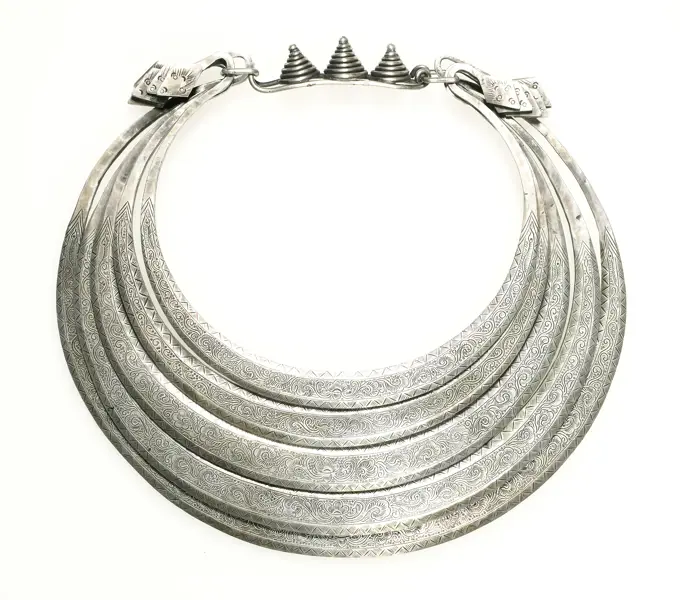
Antique Jewelry Collection

An assortment of antique jewelry pieces including rings and earrings, reflecting craftsmanship and historical significance.

Second cupboard of watch with the worship of the shepherds, Jan Marc Juntès, 1762 Vice of shark sheet with gold -plated copper nails. Amsterdam sharkskin. copper (metal) Vice of shark sheet with gold -plated copper nails. Amsterdam sharkskin. copper (metal)
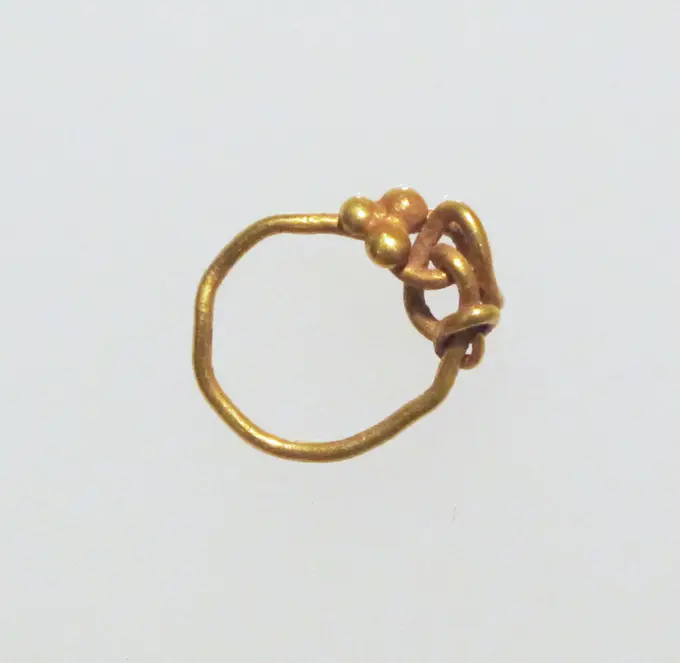
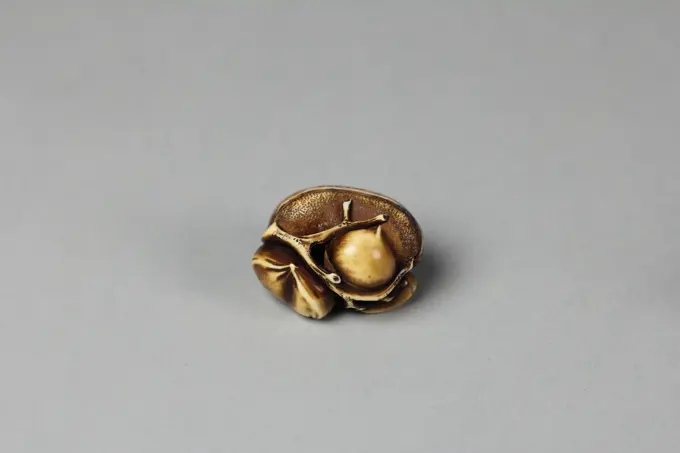
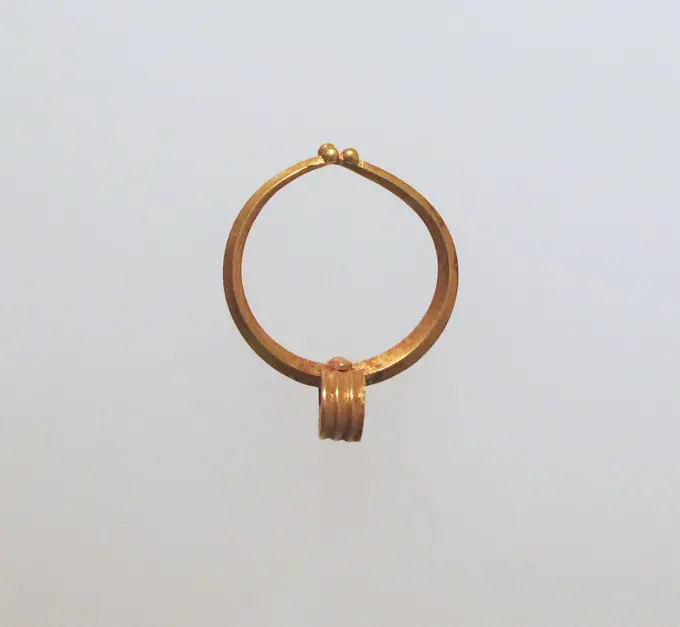
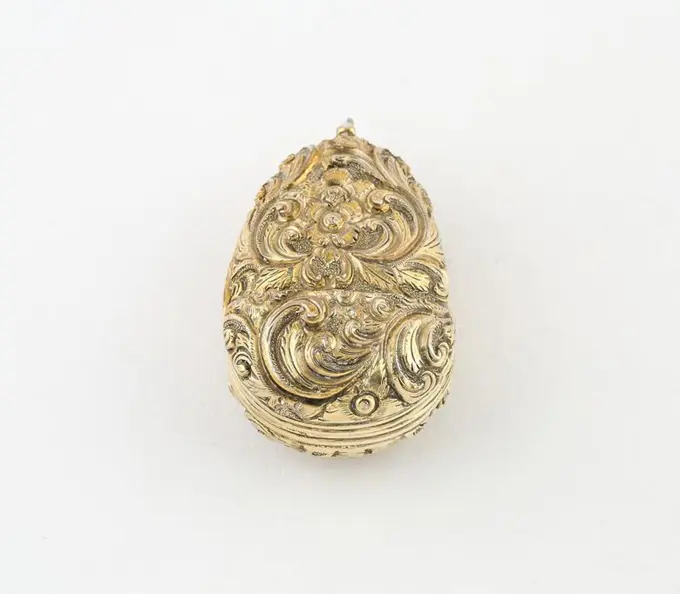
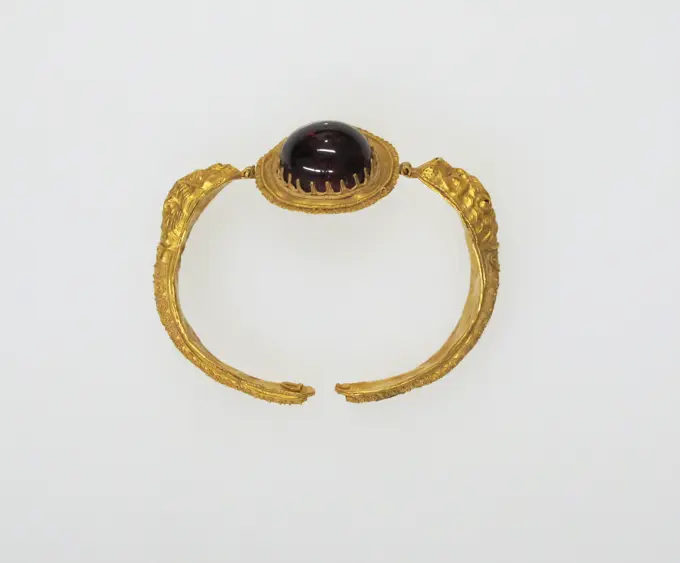
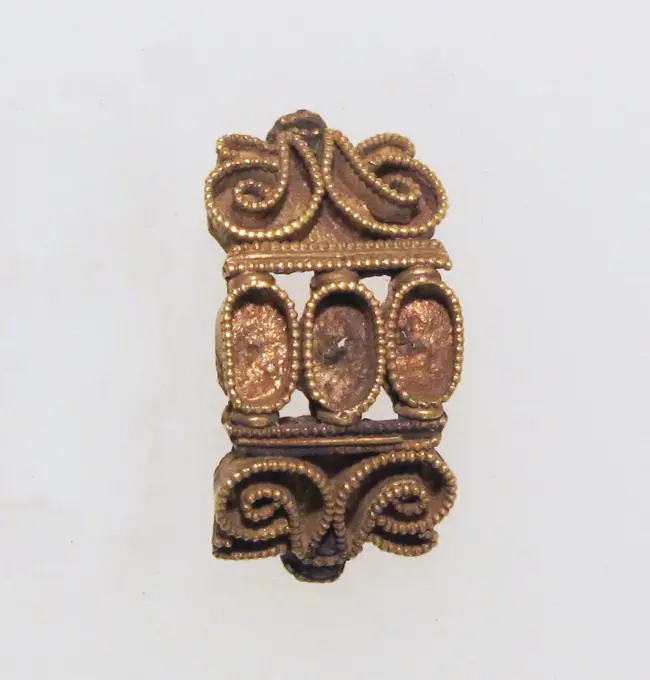
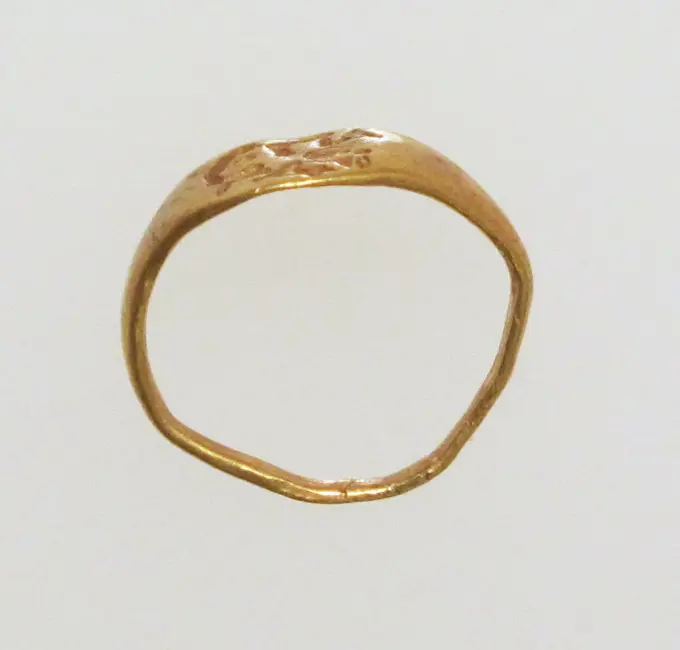
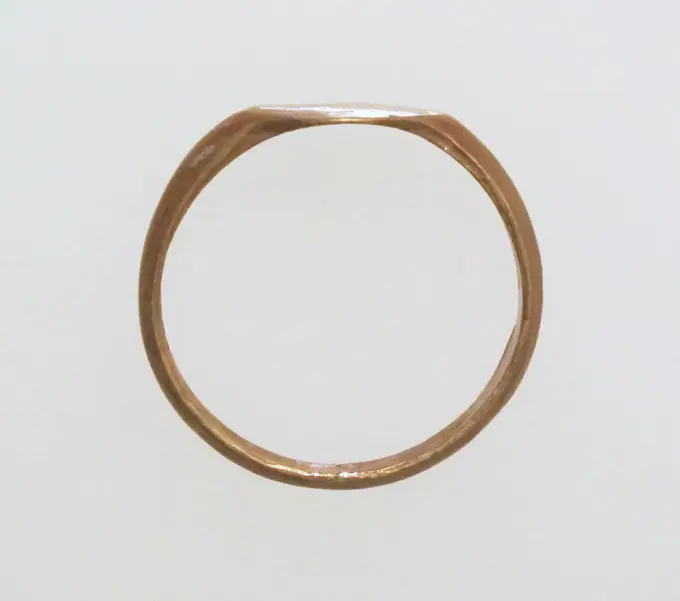
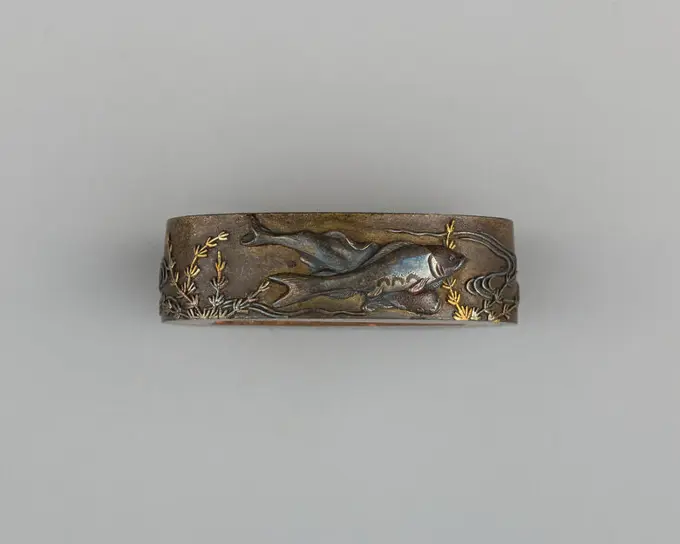
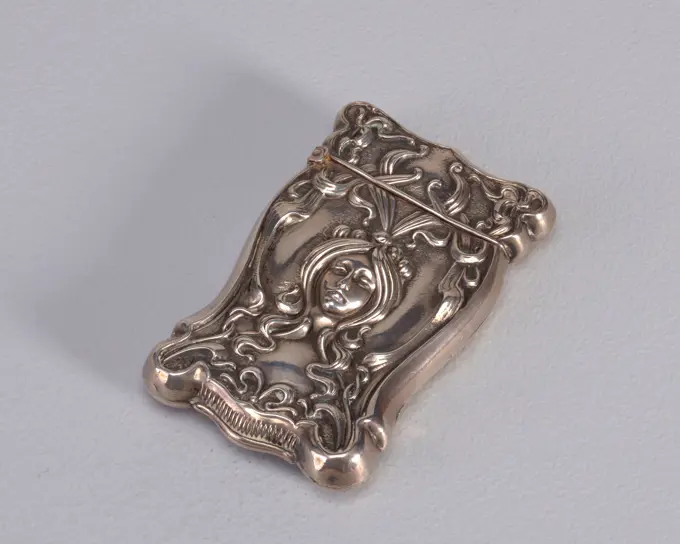
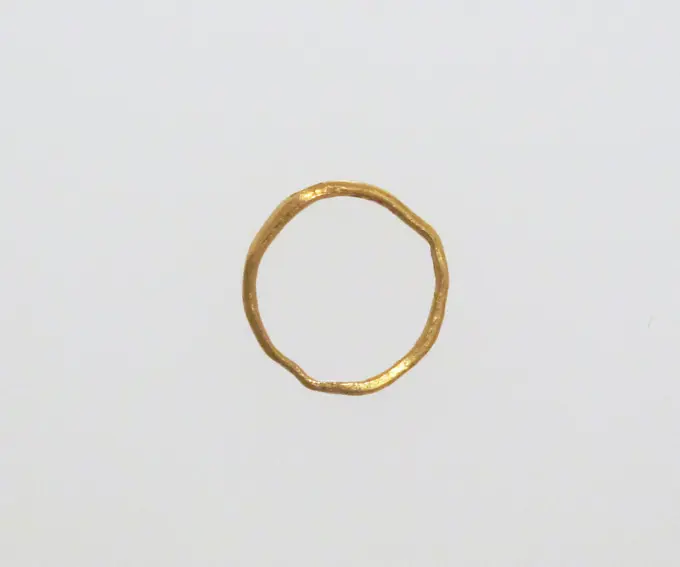
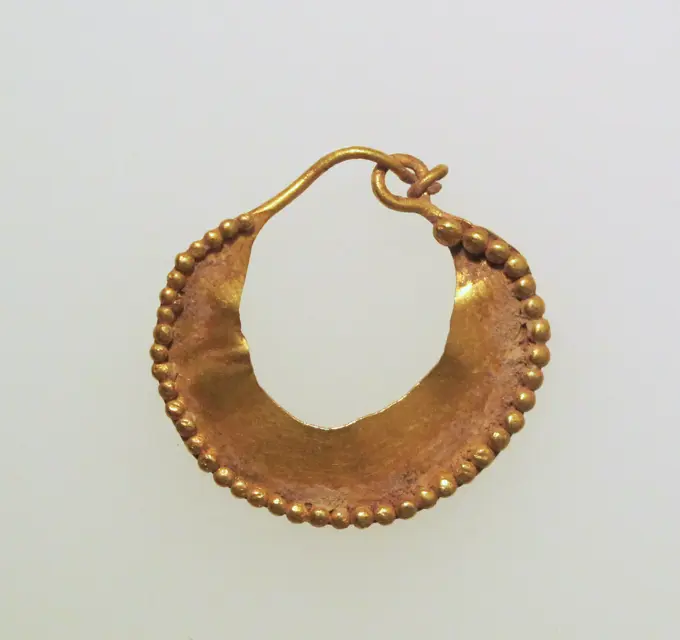
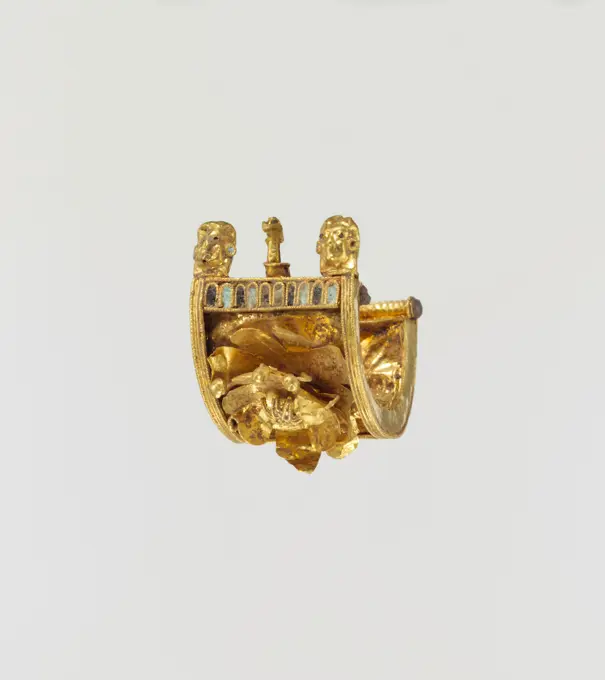
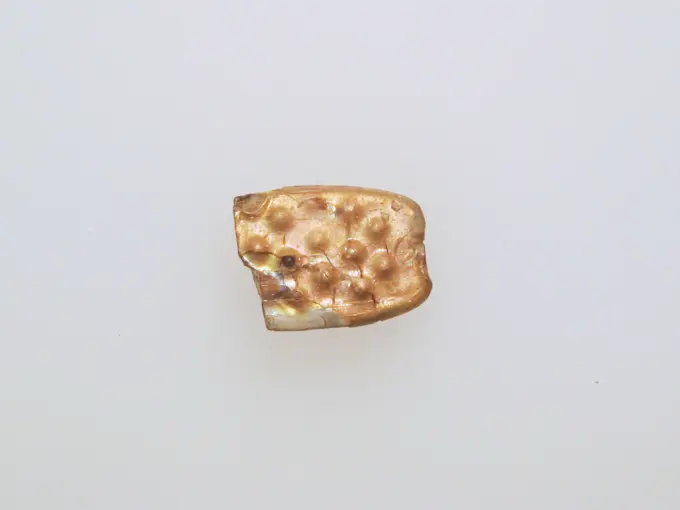
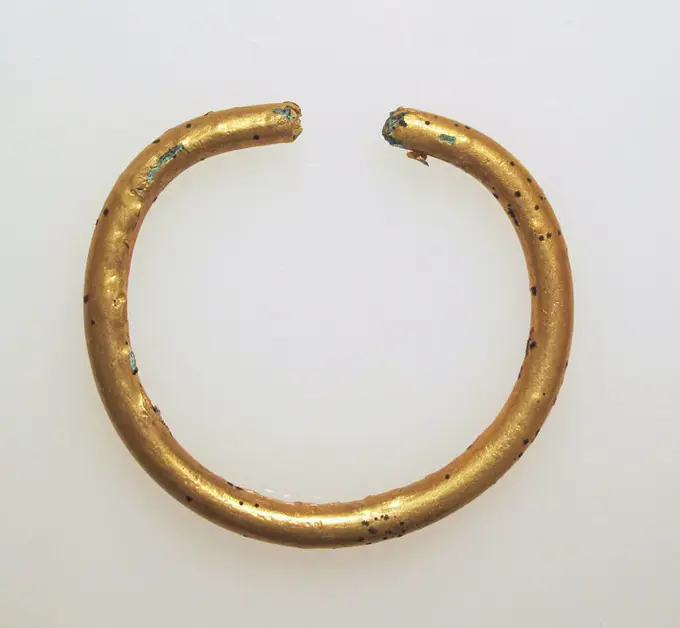
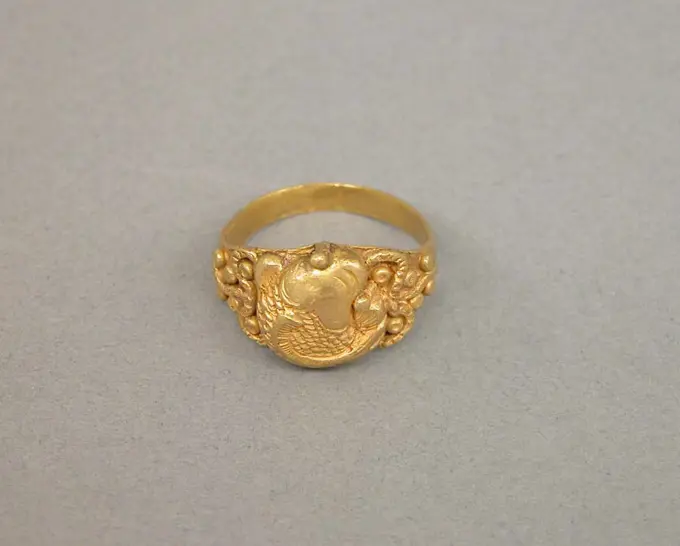
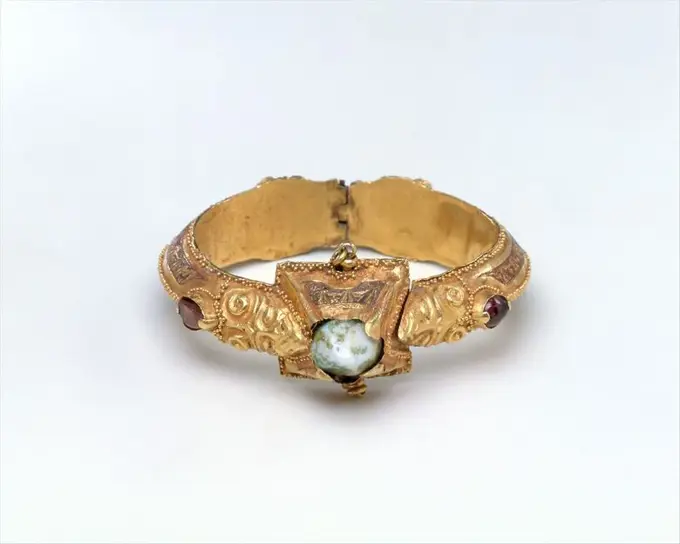
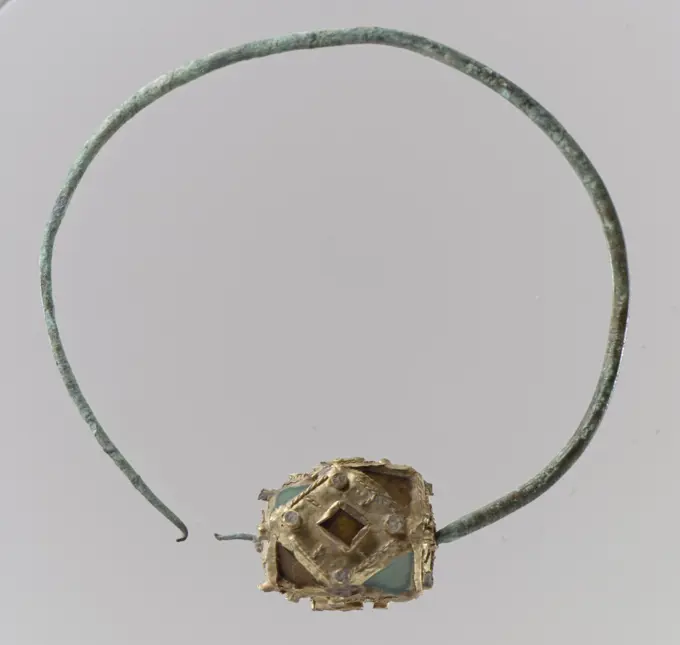
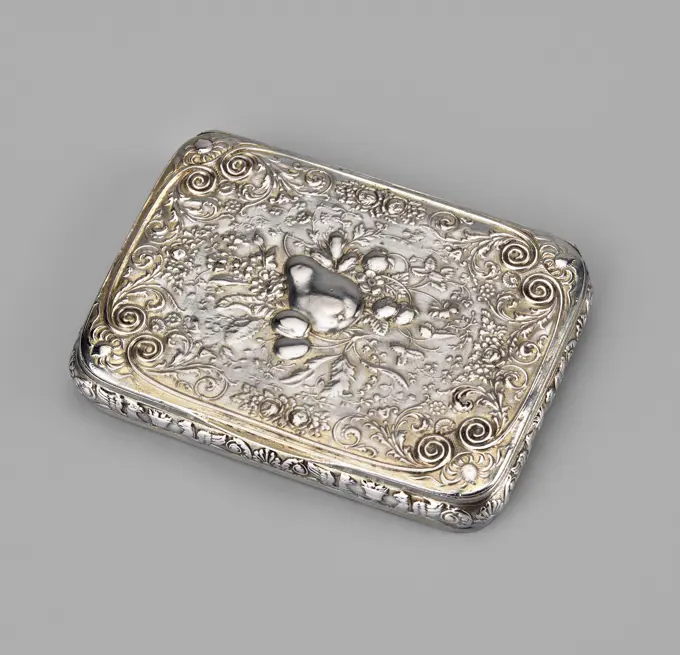
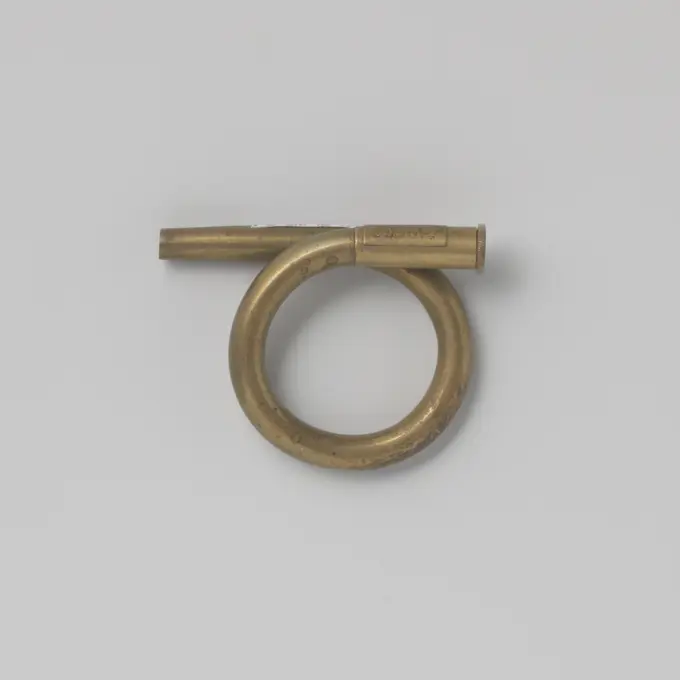
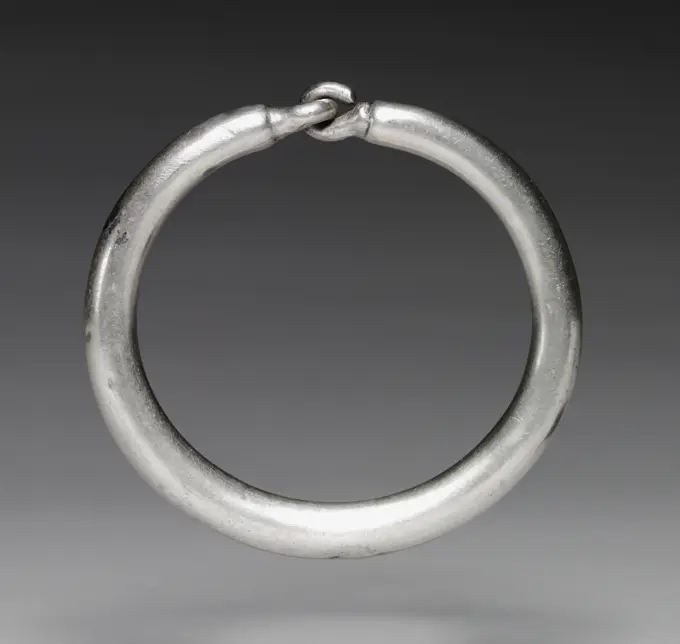
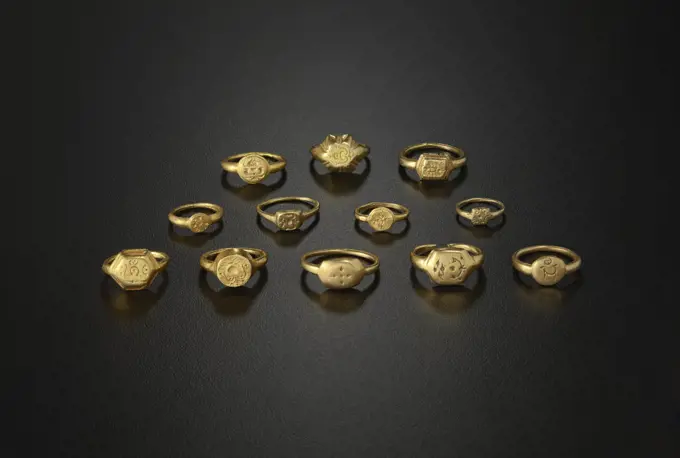
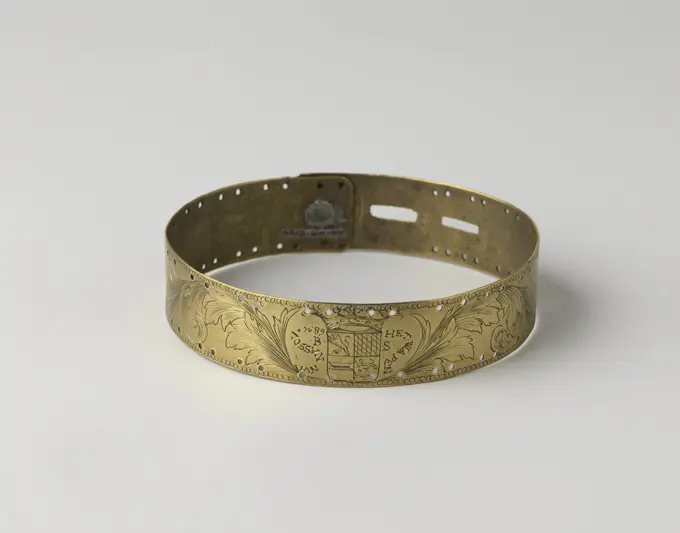
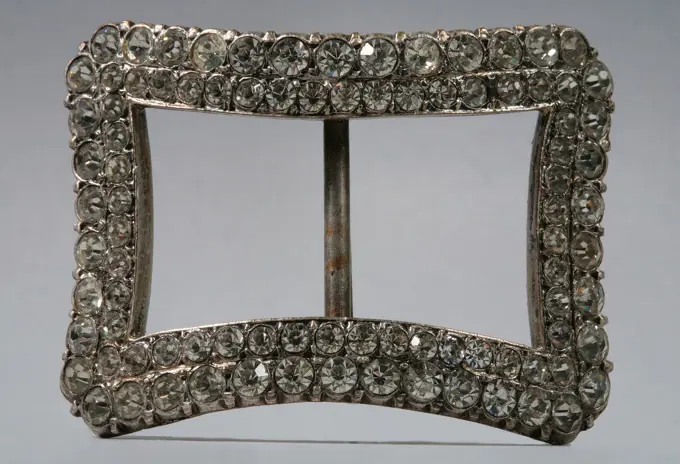
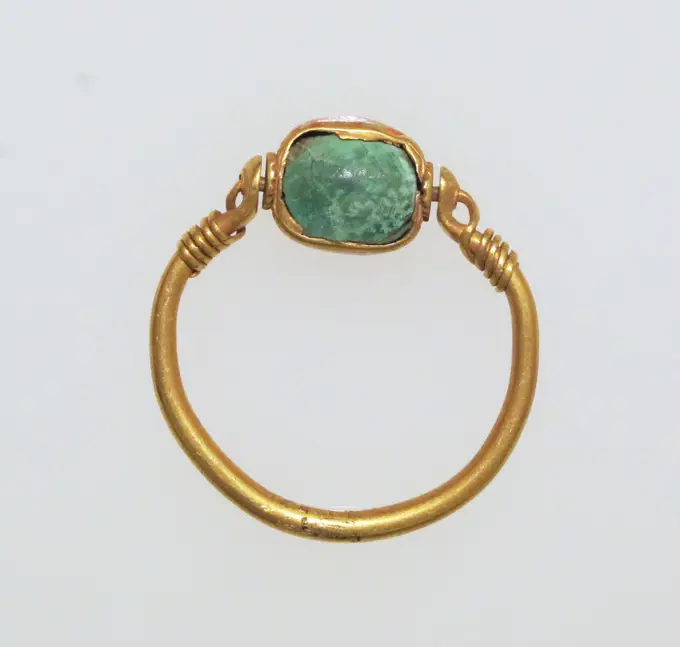
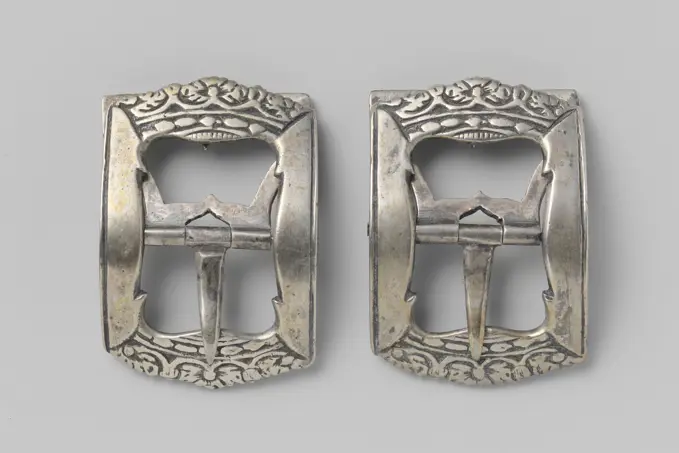
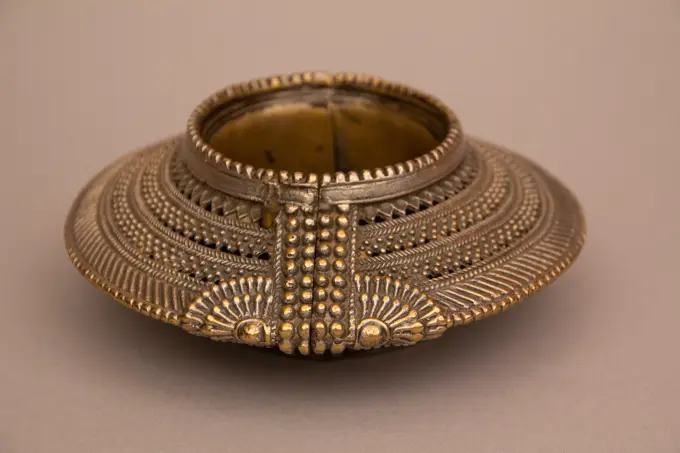
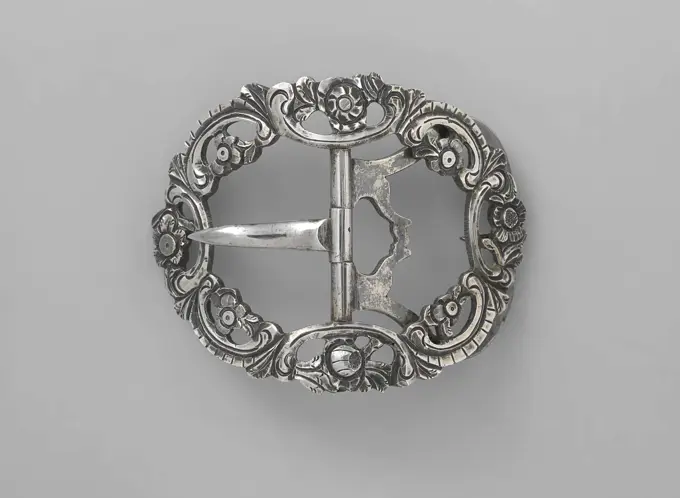
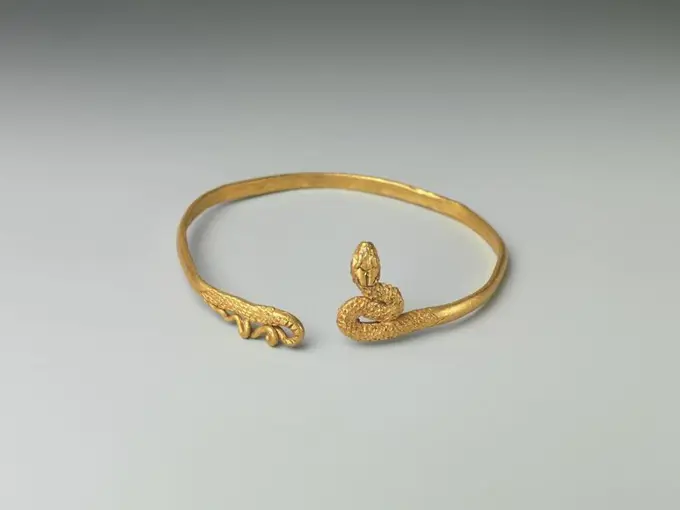
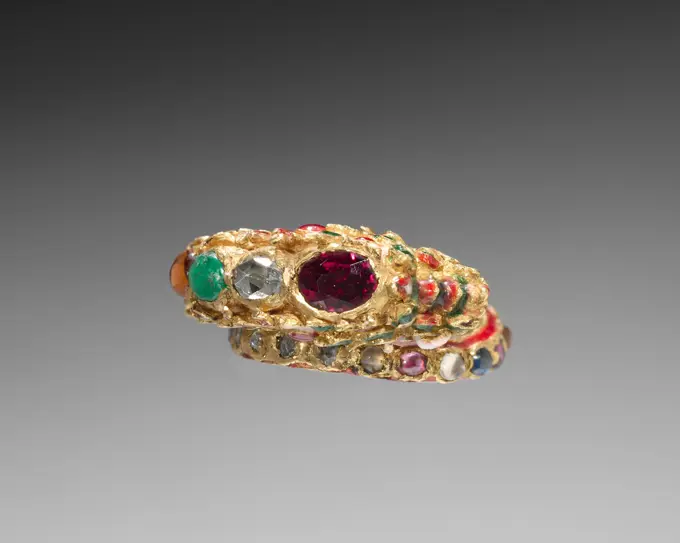
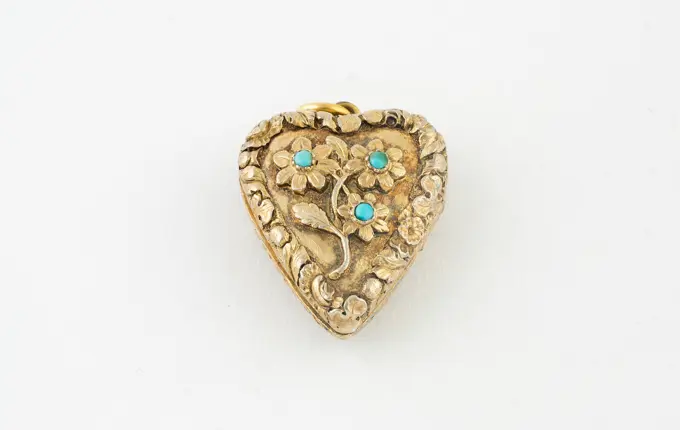
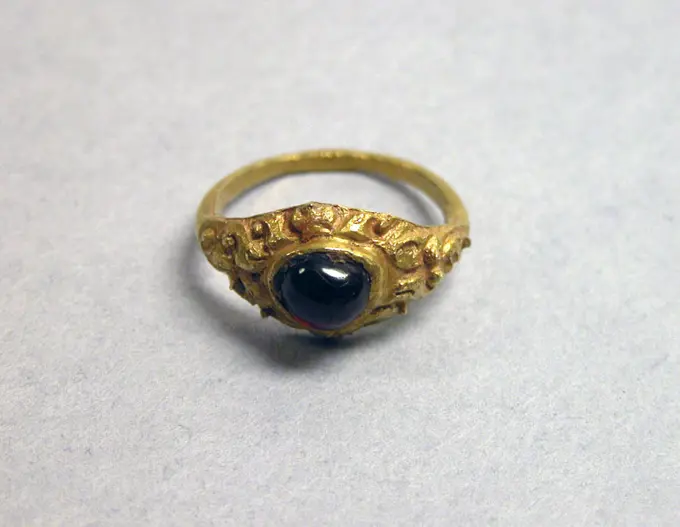
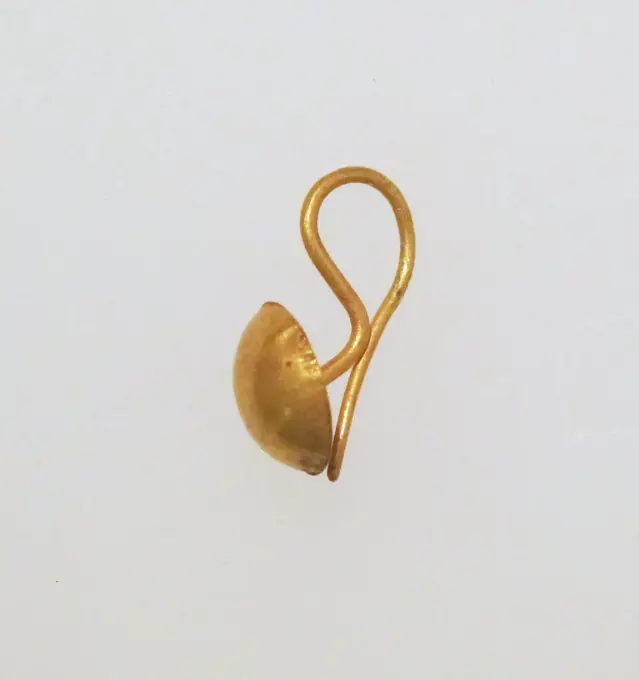
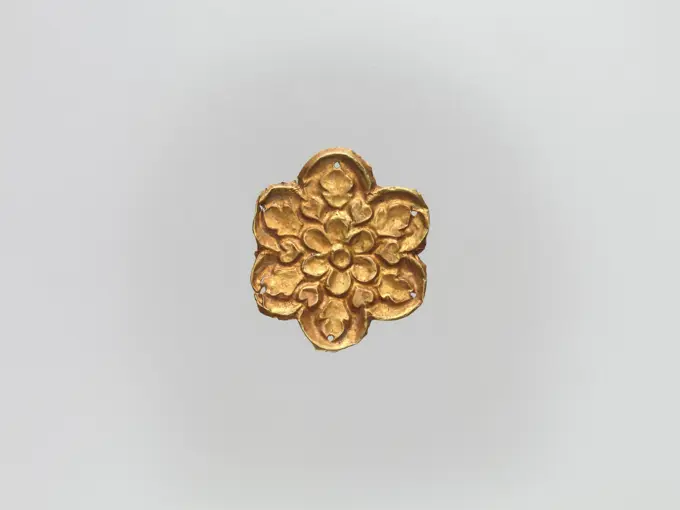
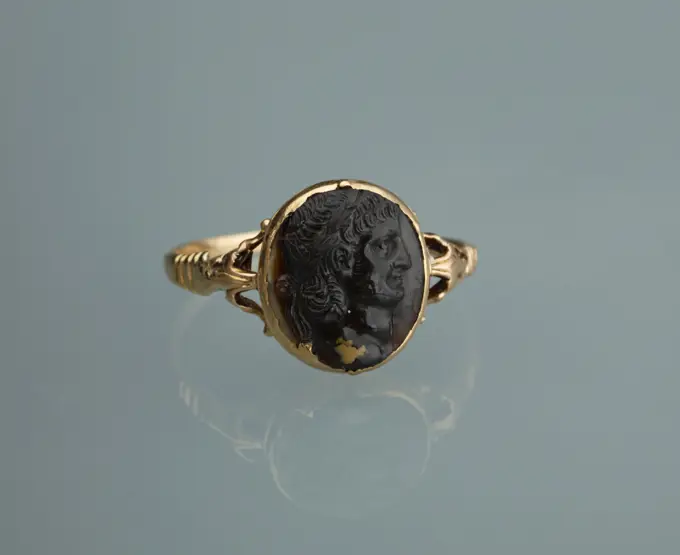
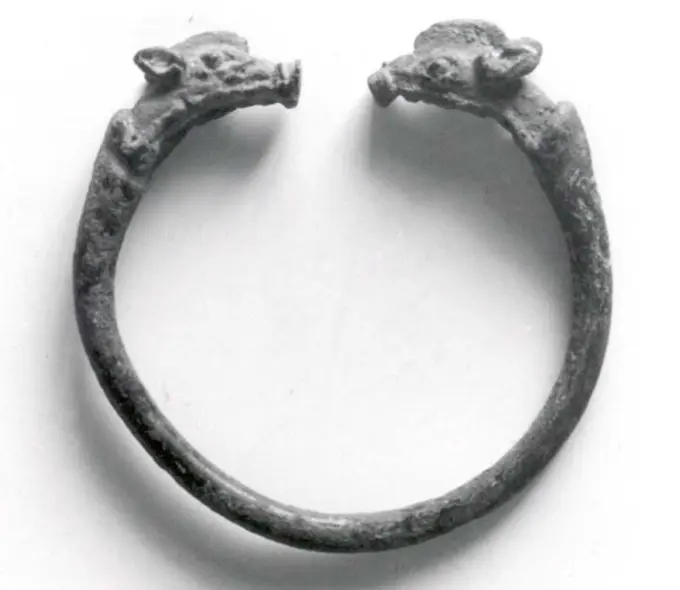
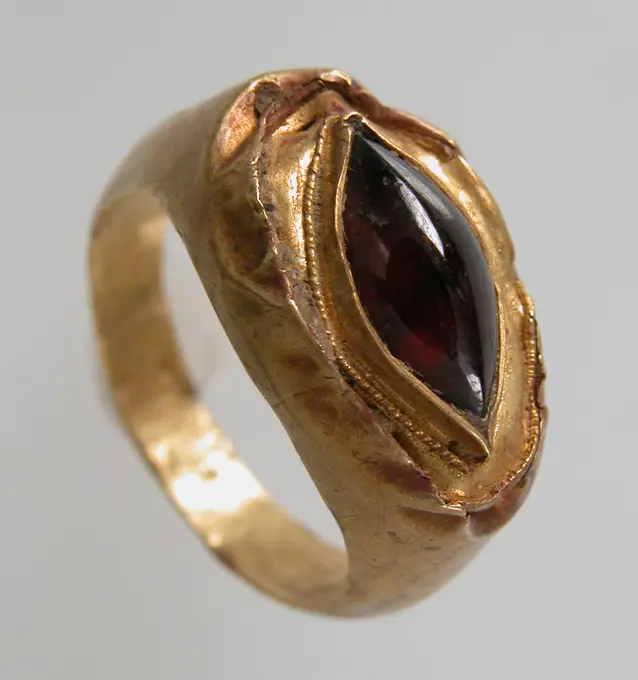
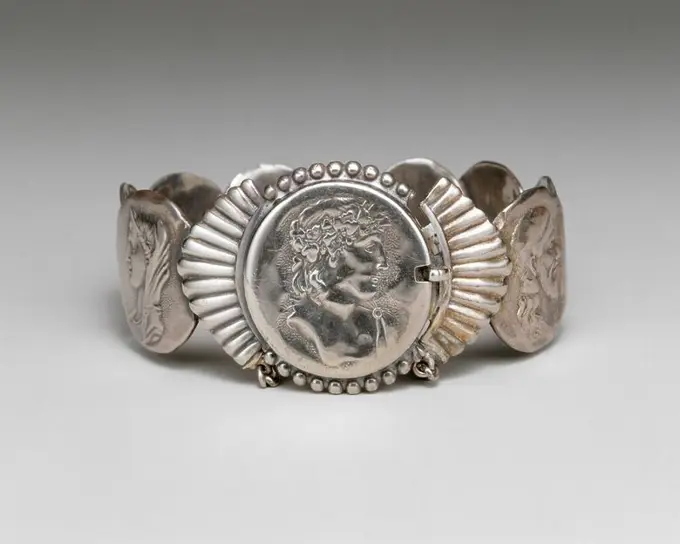
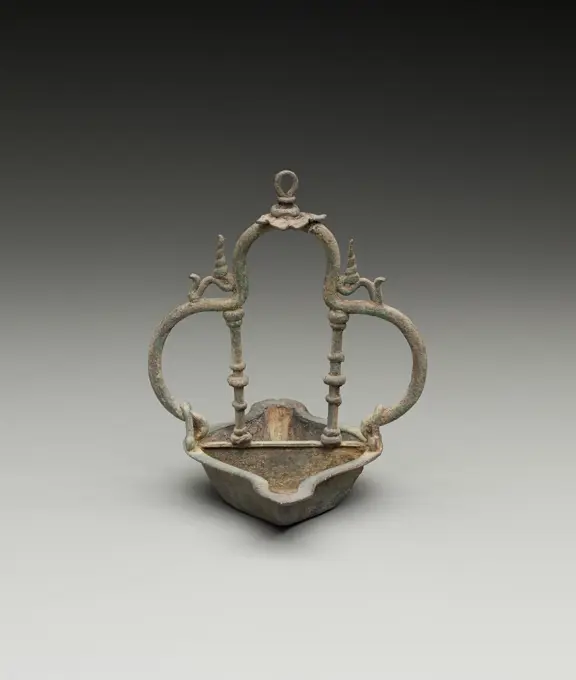
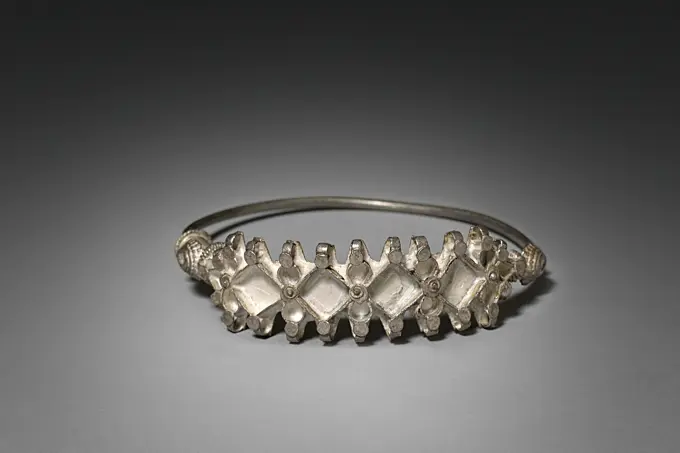
Ring with box setting. Ring with box setting 243642Earring-loop type. Earring-loop type 243150Netsuke of Group of Chestnuts 19th century Japan. Netsuke of Group of Chestnuts 59223Earring with plain loop and disc. Earring with plain loop and disc 243147Gold earring with head of an animal 4th-3rd century B.C. Greek. Gold earring with head of an animal 242857Pendant in the form of a crescent Cypriot. Pendant in the form of a crescent 242759Ear Ornament Second half of the 8th-second half of the 10th century Indonesia (Java). Ear Ornament 49973Vinaigrette. Probably Matthew Linwood; Probably Birmingham, England. Date: 1805-1825. Dimensions: 3.8 × 2.3 cm (1 1/2 × 7/8 in.). Silver gilt. Origin: Birmingham. Museum: The Chicago Art Institute, Chicago, USA.Second cupboard of watch with the worship of the shepherds, Jan Marc Juntès, 1762 Vice of shark sheet with gold -plated copper nails. Amsterdam sharkskin. copper (metal) Vice of shark sheet with gold -plated copper nails. Amsterdam sharkskin. copper (metal)Ring, spiral with snake heads. Ring, spiral with snake heads 243492Earring-loop type, plain. Earring-loop type, plain 243251Ring, 1800s. Cambodia, 19th century. Gold; diameter: 2.2 cm (7/8 in.).Ring, 1-200. Parthian, 1st-2nd Century. Gold; diameter: 0.8 x 1.1 x 0.2 cm (5/16 x 7/16 x 1/16 in.).Earring of simple form (pair) Cypriot. Earring of simple form (pair) 242592Bracelet 4th century B.C. Greek. Bracelet. Greek. 4th century B.C.. Gold, carbuncle. Late Classical. Gold and SilverRing, cloisonne. Ring, cloisonne 243483Gold ring with inscribed bezel 1st century B.C.-3rd century A.D. Roman. Gold ring with inscribed bezel 243510Earring-loop type, plain. Earring-loop type, plain 243247Ring. Ring 243527Sword-Hilt Collar (Fuchi). Culture: Japanese. Dimensions: H. 1 1/2 in. (3.8 cm); Wt. 0.9 oz. (25.5 g). Date: ca. 1615-1868. Museum: Metropolitan Museum of Art, New York, USA.Earring of simple form Cypriot. Earring of simple form 242593Female Mask with Tendrils Matchsafe; Manufactured by F.S. Gilbert; USA; silver; 6.8 x 4.2 x 1 cm (2 11/16 x 1 5/8 x 3/8 in. )Woman smoking Matchsafe; USA; cast and chased silverArcher's Ring. Culture: Turkish. Dimensions: L. 1 3/8 in. (3.5 cm); W. 1 in. (2.5 cm); Wt. 0.3 oz. (8.5 g). Date: 16th-17th century. Museum: Metropolitan Museum of Art, New York, USA.Earring with carnelian rosettes Roman. Earring with carnelian rosettes 245885Ring, by 1969. Africa, Guinea Coast, Ivory Coast, Senufo. Copper alloy;Gold ring, from Bologna, ItalyEarring with filigree Cypriot. Earring with filigree 242672Ring Roman. Ring 246001Sponge Box. Probably Dirk Hendrik Greup, Sr.; Dutch, active 1834-37; Probably Schoonhoven, Netherlands. Date: 1837. Dimensions: 3.5 x 3.8 cm (1 3/8 x 1 1/2 in.). Silver. Origin: Netherlands. Museum: The Chicago Art Institute, Chicago, USA.Ring met inscriptie souvenir, anonymous, c. 1840 - c. 1860 Ring of gold with a decoration of braided hair. The golden letters are placed in white and black enamel: Souvenir. Marked on the inside C.V.W. Germany (possibly) gold (metal).. glass Ring of gold with a decoration of braided hair. The golden letters are placed in white and black enamel: Souvenir. Marked on the inside C.V.W. Germany (possibly) gold (metal).. glassGold earring with head of a lion 4th-3rd century B.C. Greek. Gold earring with head of a lion 242889Earring, crescent-shaped. Earring, crescent-shaped 243311Gold and enamel a baule earring 6th century B.C. Etruscan This earring represents one of the most common types in Etruscan jewelry but with exceptionally elaborate embellishment. The curved body consists of two metopes, both of which contain floral ornaments. The flower at the top was made separately and attached; the more stylized motif below was made of wire fused to the underlying surface. The very top of the object preserves two heads showing women wearing tiny disk earrings inlaid with enamel; there will originally have been a third. Immediately below is a band of tongues in alternately lighter and darker blue enamel. The whole conception is markedly architectonic, on the one hand, and executed with the most delicate means, on the other.. Gold and enamel a baule earring. Etruscan. 6th century B.C.. Gold, enamel. Archaic. Gold and SilverJewellery ring isolated on the white backgroundRing bezel with scaraboid. Ring bezel with scaraboid 243576Gold-glass bead 2nd half of 1st century B.C.-1st first of 1st century A.D. Roman, Egyptian Colorless.Flat with rounded edges and corners. Hole vertically through bead.Enclosed in a thin layer of gold foil; on upper surface, female figure in relief, facing front, right arm raised, left hand on breast (possibly Isis); on underside, pattern of raised dots in horizontal rows (two dots in top, third and fifth row, three dots in second and fourth rows).Broken at bottom, with lower half of figure missing, but with weathered edge; dulling, cracking, and slight iridescent weathering.. Gold-glass bead. Roman, Egyptian. 2nd half of 1st century B.C.-1st first of 1st century A.D.. Glass; layered and molded. Late Republic or Early Imperial. GlassEarring 6th-7th century Langobardic or Byzantine () Fashionable in Italy for at least a century before the arrival of the Langobards, earrings of the “basket” variety, like the many shown in this case, quickly became part of Langobardic women’s dress.. Earring 468999Pair of bracelets, Anonymous, c. 1750Scale, oval, from rock crystal. The two ears and the feet of gold-plated silver with precious stones. Oval scale from rock crystal. The two ears and the feet of gold-plated silver with precious stones.Bracelet, gilded bronze. Culture: Cypriot. Dimensions: Other: 2 7/16 × 2 3/4 × 1/4 in. (6.3 × 7.1 × 0.6 cm). Museum: Metropolitan Museum of Art, New York, USA.Bracelet, one of a pair, 2 1/8 x 2 5/8 x 2 13/16 in. (5.4 x 6.67 x 7.14 cm), Silver, ChinaEarring or spiral 5th century B.C. Cypriot Worn in the upper lobe of the ear.. Earring or spiral 242777Ring with Oval Bezel and Raised Design of Fish Second half of the 8th-second half of the 10th century Indonesia (Java). Ring with Oval Bezel and Raised Design of Fish 50399Bracelet. Dimensions: Max. Diam. 3 in. (7.6 cm). Date: 12th century. Museum: Metropolitan Museum of Art, New York, USA.Earring 7th century () Frankish. Earring. Frankish. 7th century (). Silver (loop); gold, chrysoprase, glass, pearls. Made in Northern France. Metalwork-SilverEarring with plain loop and disc. Earring with plain loop and disc 243131Snuffbox. Nast, Ludwik - wdowa Julia (Warszawa ; firma złotnicza ; fl. ca 1839-ca 1855), goldsmithPair of knee buckles, Silver, gold, glass pastes, iron, probably England, 18th century, jewelry, Decorative Arts, Buckle, BuckleEarring, loop type. Earring, loop type 243235Ring with Discus of Vishnu Second half of the 8th-second half of the 10th century Indonesia (Java). Ring with Discus of Vishnu 50157Pearl and Gilt Button, 1790-1800. Made in Birmingham, maker unknownFlower-Shaped Clothing Plaque. Culture: China (Xinjiang Autonomous Region, Central Asia). Dimensions: Diam. 1 1/4 in. (3.2 cm). Date: 7th-9th century.The nomadic communities of Central Asia used such plaques to embellish clothing and horse trappings. As these nomadic cultures herded animals and were constantly moving, their artistic production was expressed in portable objects that marked the wearer's status and wealth. The outstanding preservation of these fragile ornaments suggests they were used in conjunction with burials, where the body was aggrandized with valuable textiles and augmented with gold. Although it is difficult to date and place these objects geographically, their presence in Central Asia and has a long, established history. Museum: Metropolitan Museum of Art, New York, USA.Ring with turtle (cocktail ring), c. 1952 - c. 1953 Gold ring with amethyst and diamonds. The oval cut amethyst is caught in a high setting and is asymmetrical framed by diamonds. The ring is going on the shape of a turtle. The ring is made on behalf of an unknown private individual. Amsterdam gold (metal). amethyst (mineral). diamond (mineral) grinding / grinding Gold ring with amethyst and diamonds. The oval cut amethyst is caught in a high setting and is asymmetrical framed by diamonds. The ring is going on the shape of a turtle. The ring is made on behalf of an unknown private individual. Amsterdam gold (metal). amethyst (mineral). diamond (mineral) grinding / grindingWaldhoorn bracket. Waldhoorn bracket. Signature: as.2. Brooch of gold with a sapphire in the middle and two diamonds on either side.Roman civilization, goldsmithery, Ring with engraved gem, From Lac, AlbaniaBracelet, 2nd-1st Century BC. Greece, late Hellenistic period. Silver; diameter: 8.3 cm (3 1/4 in.).Bracelet; Eastern Mediterranean; 4th - 13th century; Glass; 7 cm (2 3,4 in.)Gold ring, Anonymous, 1911 Gold ring. Consisting of a smooth band, on top occupied with 3 sapphires and 2 brilliants. Inscription: E.A.J. January 26, 1911.  gold (metal). diamond (mineral). sapphire (mineral) Gold ring. Consisting of a smooth band, on top occupied with 3 sapphires and 2 brilliants. Inscription: E.A.J. January 26, 1911.  gold (metal). diamond (mineral). sapphire (mineral)Ring, 8th-10thcentury, Gold; cast, filed, repousse, 1.995 × 2.065 × 1.705 cm, 8.352 g (13/16 × 13/16 × 11/16 in., 8.352g), Made in Java, Indonesia, Java, Early Classic Period(650-1000), JewelryRing, 1800s. Cambodia, 19th century. Gold with rubies; diameter: 2.6 cm (1 in.).Finger ring, Wrought gold, baroque pearls, Three irregular freshwater pearls aligned vertically and framed within a border of gold flowers and leaves, mounted on a thin gold band., Park Ridge, Illinois, USA, 1905-14, jewelry, Decorative Arts, Finger ringSilver ankle bracelet Bracelet; India; chased silverLluís Masriera / Aguja de pañuelo, 1913. Colección privada. Author: LLUÍS MASRIERA I ROSÉS.Collar with the weapon of Nassau, Anonymous, 1689 The object cut from plate consists of a band, in which an eye is soldered on one end and three openings have been applied to the other, which fit on it. Along the edge were made two by two round holes. The tire has a engraved decoration consisting of a coat of arms with graven crown, surrounded by a symmetrical tendrils of Acanthus leaf. The weapon is celebrated: 1 a climbing lion, 2 vertically and diagonated, 3 a incised, partly shaded Dwarsbalk (), 4 two ranging lions. On either side of the Schild B and S and the weapon of Nassov * 1689. The weapon is attributed to Anna Isabella van Beijeren van Schagen (deceased 1716). The holes in the band probably indicate that he was originally sewn on leather or other material. The band has no eye to confirm a chain. Netherlands brass (alloy) cutting / soldering / engraving The object cut from plate consists of a band, in which an eye is soldered on one end and three openings have been applied toLoopRing with cable border, green paste. Ring with cable border, green paste 243554Gold ring on white background,Gold price value in marketHollow Anklet with Pellets and Decorated Ends 300 B.C.-A.D. 400 Thailand. Hollow Anklet with Pellets and Decorated Ends. Thailand. 300 B.C.-A.D. 400. Bronze. Late period. JewelryShoe spur of silver, the sides of which have the shape of a crown, in flat relief, c. 1714 Shoe spur of silver, the sides of which are the shape of a crown, in flat relief. A hinged closure at the rear. Sneek whole: Silver (Metal) forging Shoe spur of silver, the sides of which are the shape of a crown, in flat relief. A hinged closure at the rear. Sneek whole: Silver (Metal) forgingPair of Anklets (Kara) 19th century. Pair of Anklets (Kara). 19th century. Brass; silver-plated. Attributed to India. JewelryBracelet (USA); gold, turquoise, pearlsRing with Inset Purple Oval-shaped Stone Second half of the 8th-second half of the 10th century Indonesia (Java). Ring with Inset Purple Oval-shaped Stone 50200Stylized Tendrils Matchsafe; Manufactured by F.S. Gilbert; USA; silver; 6.7 x 4.3 x 1.2 cm (2 5/8 x 1 11/16 x 1/2 in. )Belt Buckle, 1930s, 3 5/8 x 2 1/8 in. (9.21 x 5.4 cm), Silver, turquoise, United States, 20th centuryRing with Inset Clear Stone Second half of the 8th-second half of the 10th century Indonesia (Java). Ring with Inset Clear Stone. Indonesia (Java). Second half of the 8th-second half of the 10th century. Gold with stone. Central Javanese period. JewelryBuckle from silver. An oval silver buckle decorated with rocaille ornament of flowers and leaves. Signature.Snake bracelet for a child. Dimensions: L. 4.5 × W. 3.5 cm (1 3/4 × 1 3/8 in.). Date: 332-30 B.C. or later.Snake bracelets are known in the eastern Mediterranean and Greece from the 8th-7th centuries BC. They only appear in Egypt with the Hellenistic Period, and then continue to be found in the Roman Period. Museum: Metropolitan Museum of Art, New York, USA.Finger Ring 7th century Frankish. Finger Ring. Frankish. 7th century. Copper alloy. Metalwork-Copper alloyRod Finial Clip with Makara Motif Second half of the 9th-first quarter of the 10th century Indonesia (Java). Rod Finial Clip with Makara Motif 40129Ring in the Form of a Dragon, 18th Century. India (), Burma (), Malay (). Gold, enamel and gems; diameter: 1.8 cm (11/16 in.).Vinaigrette 1816-1827 Birmingham. Silver gilt and turquiose .Stirrup-shaped Ring with Purple Stone Second half of the 8th-second half of the 10th century Indonesia (Java). Stirrup-shaped Ring with Purple Stone. Indonesia (Java). Second half of the 8th-second half of the 10th century. Gold with purple stone. Central Javanese period. JewelryEarring-hook type with disc. Earring-hook type with disc 243399Ear Ornament Second half of the 8th-second half of the 10th century Indonesia (Java). Ear Ornament. Indonesia (Java). Second half of the 8th-second half of the 10th century. Gold. Central Javanese period. JewelryFlower-Shaped Clothing Plaque 7th-9th century China (Xinjiang Autonomous Region, Central Asia) The nomadic communities of Central Asia used such plaques to embellish clothing and horse trappings. As these nomadic cultures herded animals and were constantly moving, their artistic production was expressed in portable objects that marked the wearers status and wealth. The outstanding preservation of these fragile ornaments suggests they were used in conjunction with burials, where the body was aggrandized with valuable textiles and augmented with gold. Although it is difficult to date and place these objects geographically, their presence in Central Asia and has a long, established history.. Flower-Shaped Clothing Plaque. China (Xinjiang Autonomous Region, Central Asia). 7th-9th century. Gold. Period of Tibetan Empire. MetalworkBracelet. UnknownRingAnonymous. Box (snuffer or drageoir). Agate, gold, enamel, diamonds, mounted on silver. 1740-1760. Paris, Cognacq-Jay museum. 144731-3Bracelet with boar terminals ca. 8th-7th century B.C. Iran. Bracelet with boar terminals 322870Finger Ring with Oval Bezel 7th century Frankish. Finger Ring with Oval Bezel 465258 Frankish, Finger Ring with Oval Bezel, 7th century, Gold, garnet cabochon, Overall: 13/16 x 11/16 x 3/8 in. (2.1 x 1.7 x 1 cm) bezel: 5/16 x 3/16 in. (0.8 x 0.4 cm). The Metropolitan Museum of Art, New York. Gift of J. Pierpont Morgan, 1917 (17.192.195)Bracelet. Culture: American. Dimensions: L. 2 1/2 in. (6.4 cm). Maker: George W. Shiebler & Co. (1876-1907). Date: ca. 1880. Museum: Metropolitan Museum of Art, New York, USA.Foot Ornament (padasara), 1800s. South India, Mysore. Silver; diameter: 14 cm (5 1/2 in.).OilLampKnife leftring from the wreck of the East Indiesman Hollandia. Knife-Handle, Ferrule; ring, circular.Nose Ring, 20th Century. India. Silver; overall: 6.4 cm (2 1/2 in.).Shoe spur of Stras, set in a double oval silver -colored stand, c. 1750 - c. 1900 Shoe spur of Stras, set in a double oval silver -colored stand. A vertical confirmation at the back. France (possibly) Basic: Metal. Stones: Paste (Glass) forging / grinding Shoe spur of Stras, set in a double oval silver -colored stand. A vertical confirmation at the back. France (possibly) Basic: Metal. Stones: Paste (Glass) forging / grindingGold earring with convex disk 2nd century A.D. Roman. Gold earring with convex disk. Roman. 2nd century A.D.. Gold. Imperial. Gold and SilverTorque, 10 x 10 1/4 x 1 1/8 in. (25.4 x 26.04 x 2.86 cm), Silver, China