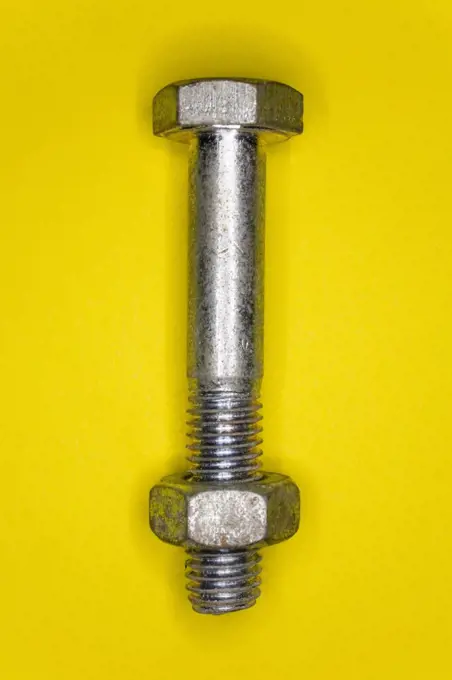
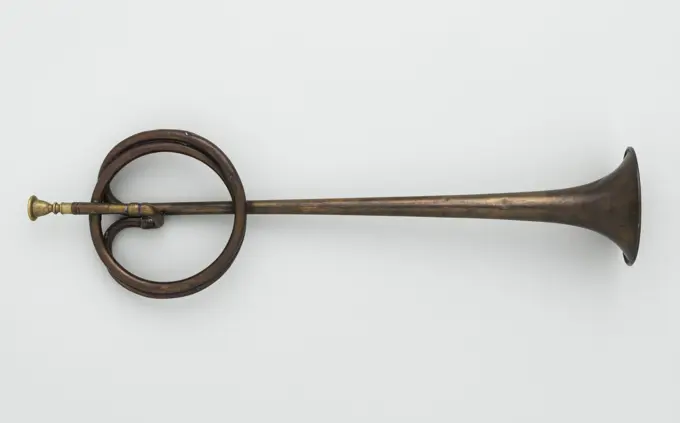
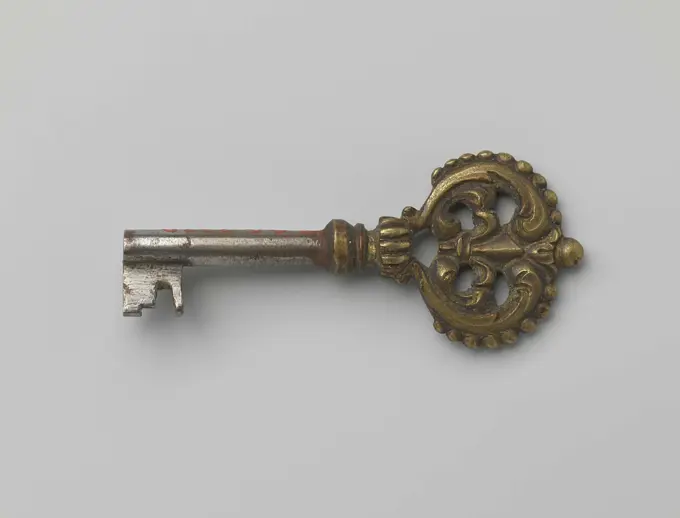
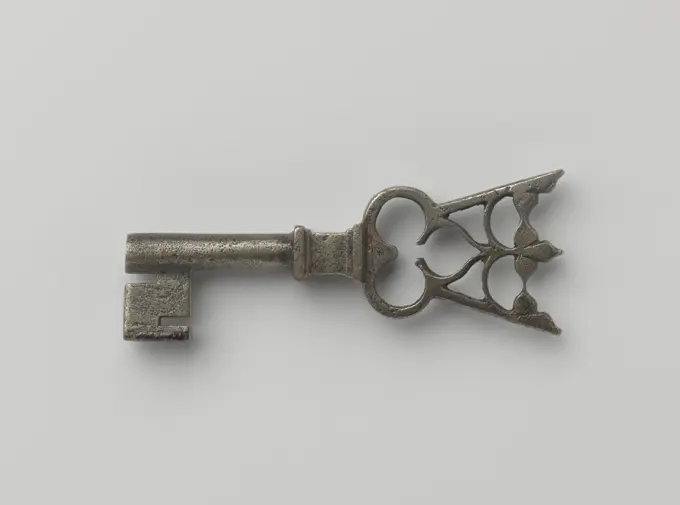
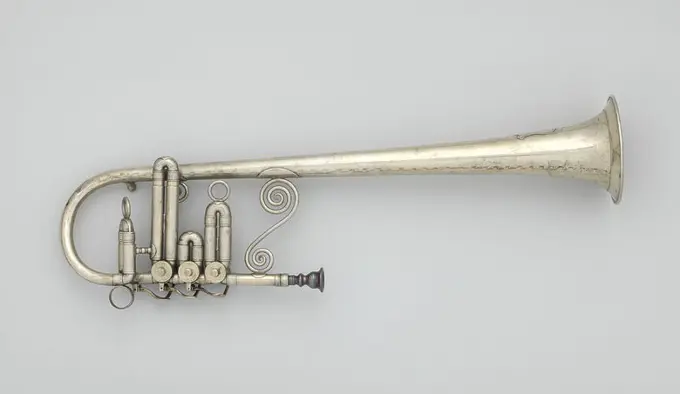
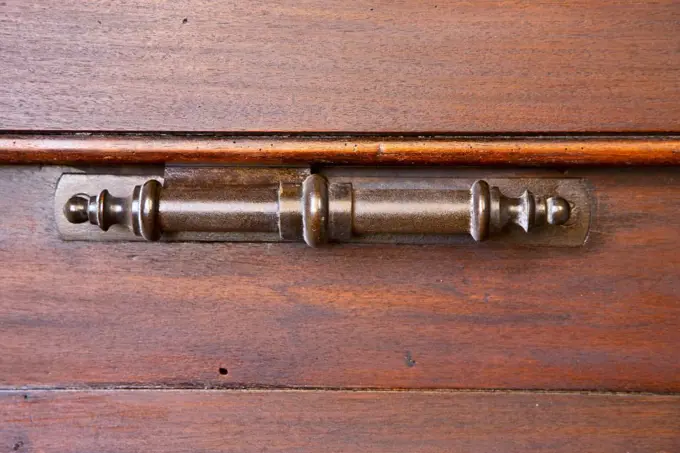
Antique Keys Collection

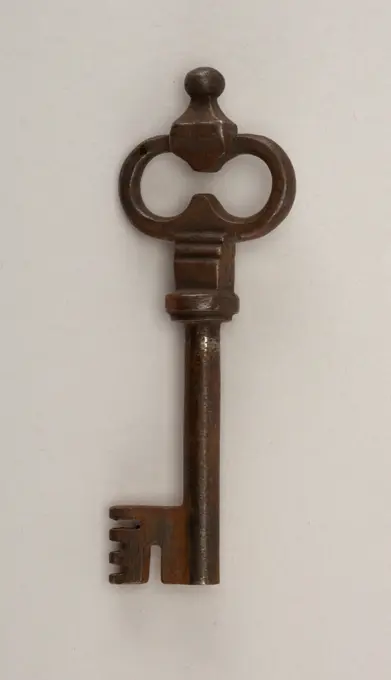
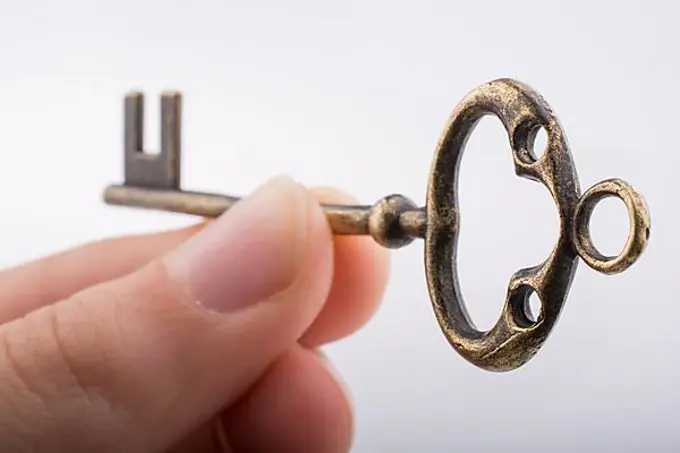
A set of vintage pipe keys from various eras, showcasing intricate designs, decorative motifs, and unique shapes, reflecting historical craftsmanship.

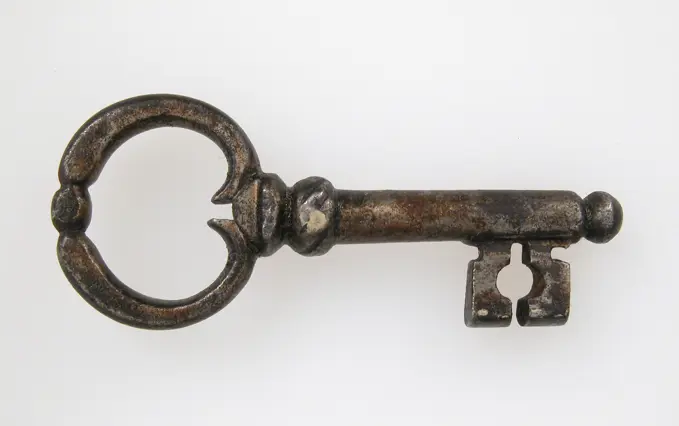
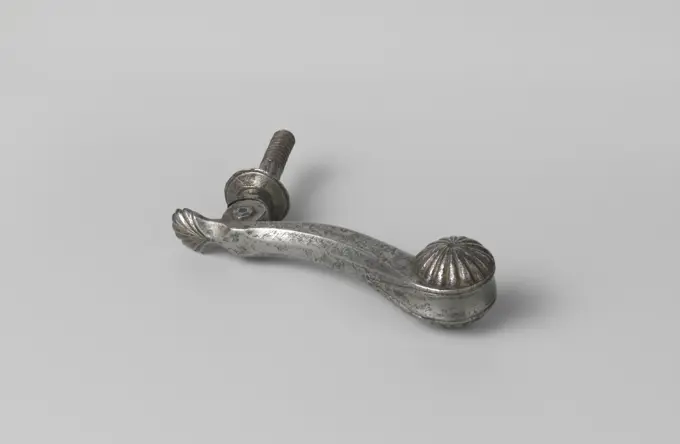
Steel socket wrench, c. 1300 - c. 1500 Steel socket wrench with open beard, ring on the top. France steel (alloy) Steel socket wrench with open beard, ring on the top. France steel (alloy)
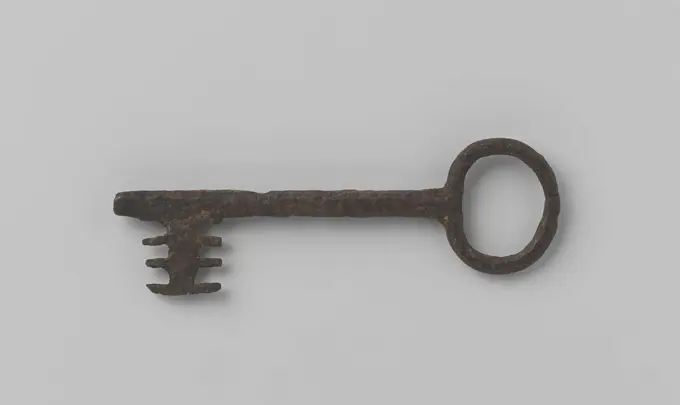
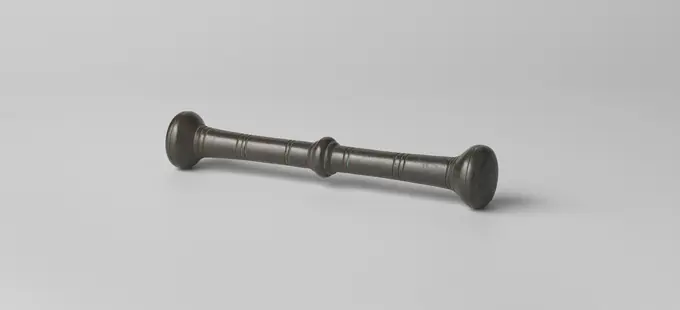
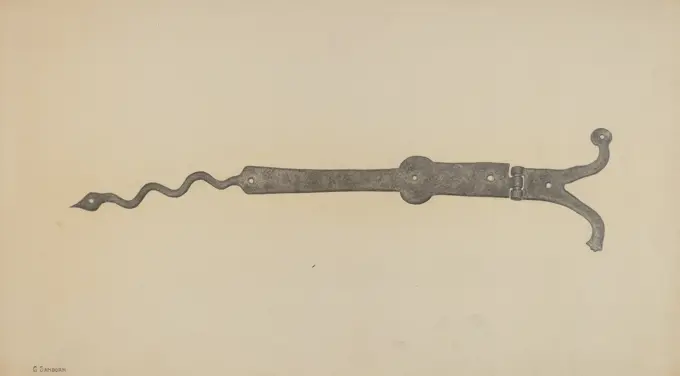
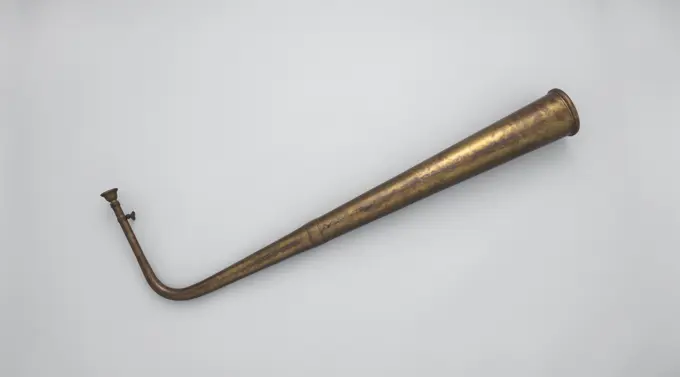
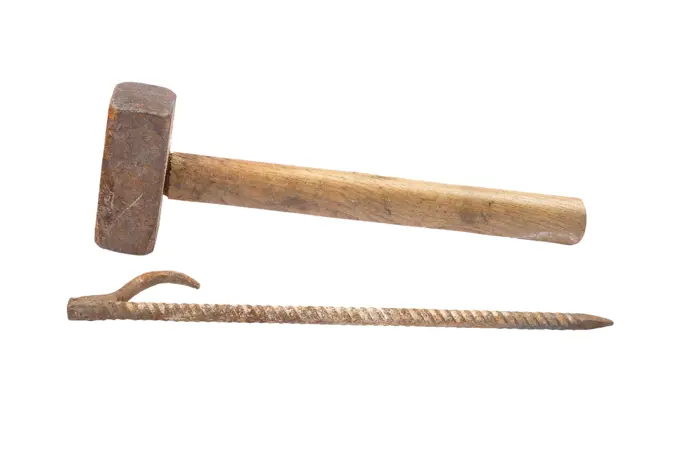
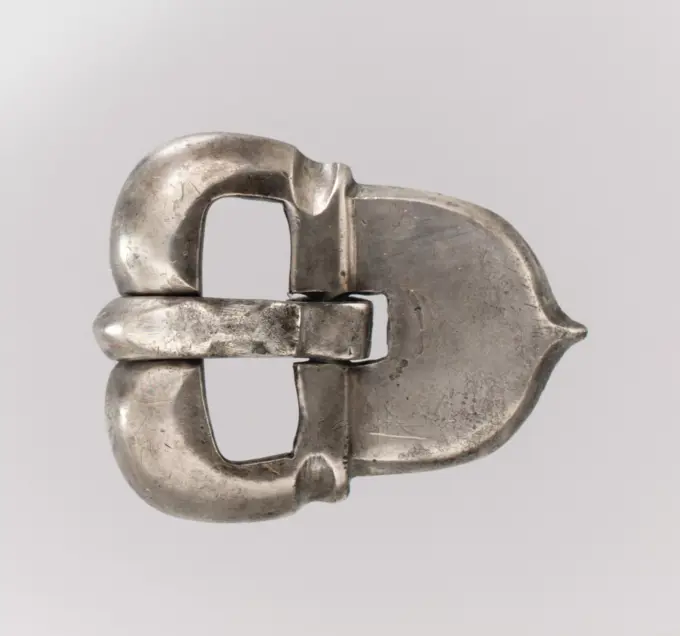
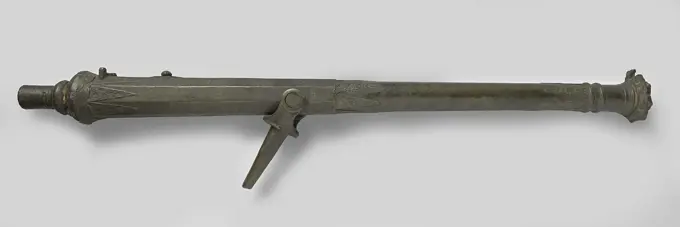
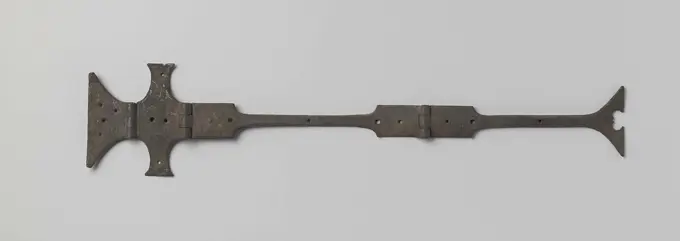
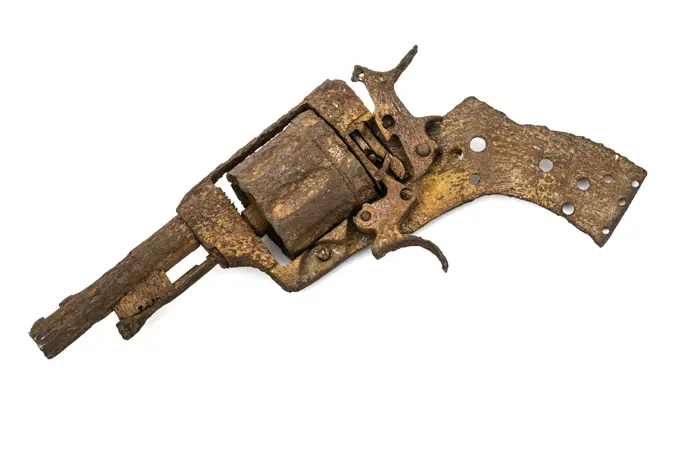
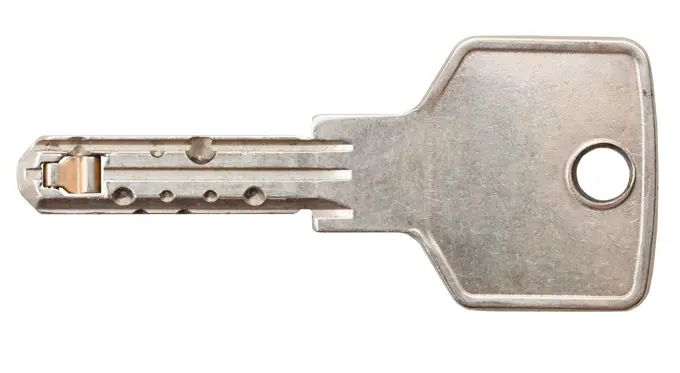
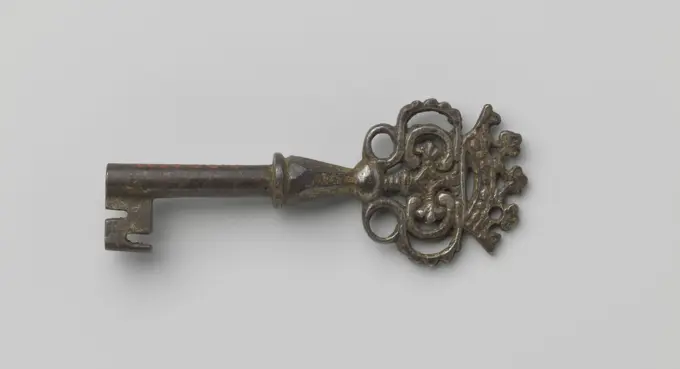
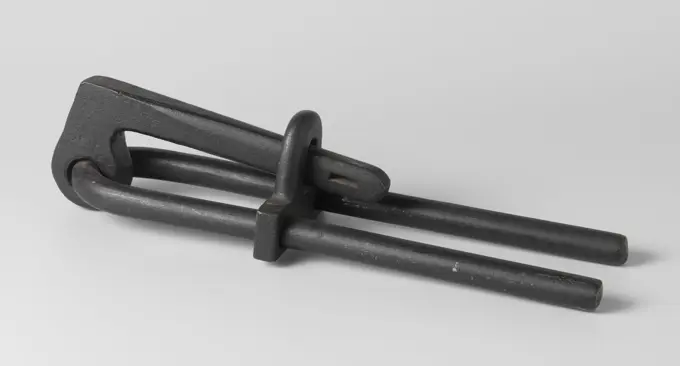
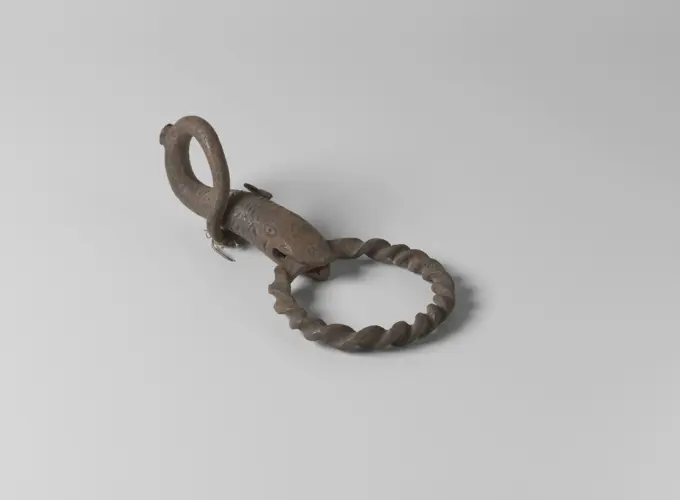
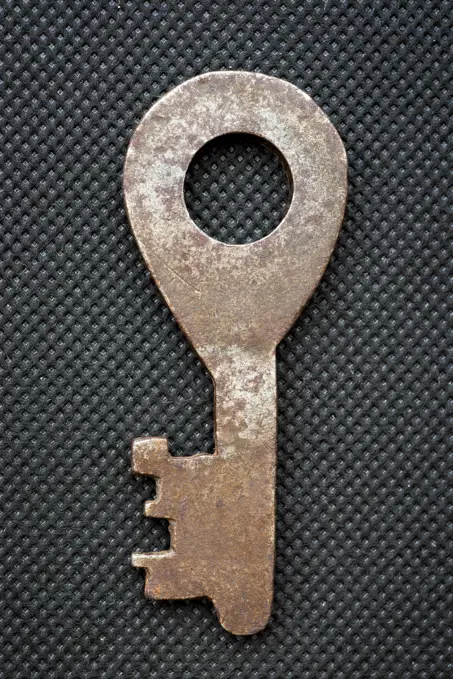
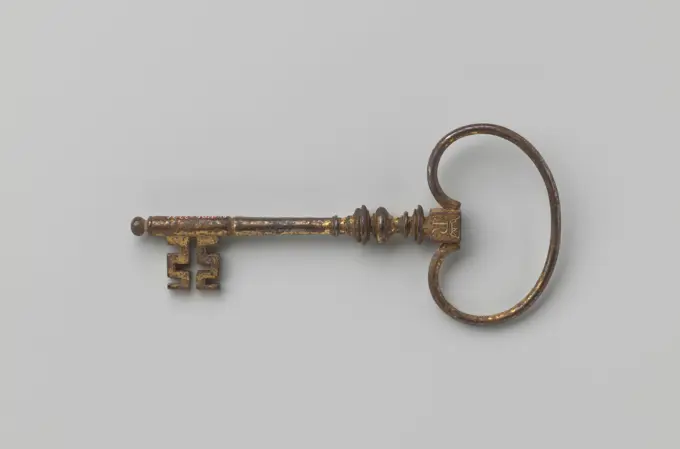
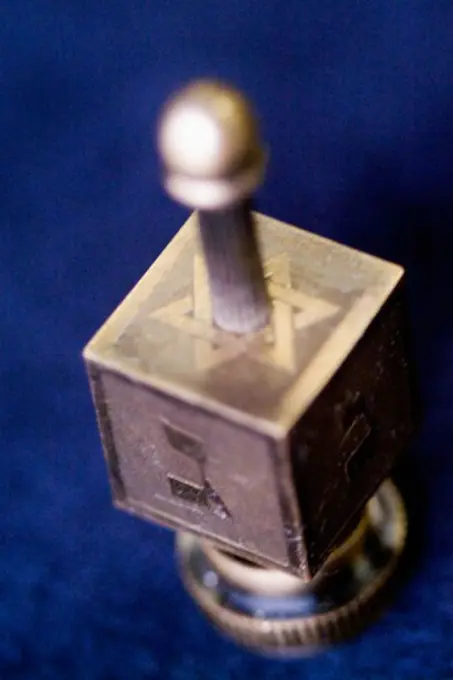
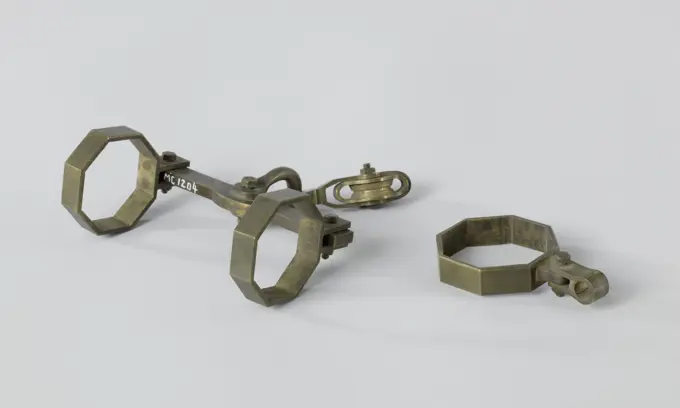
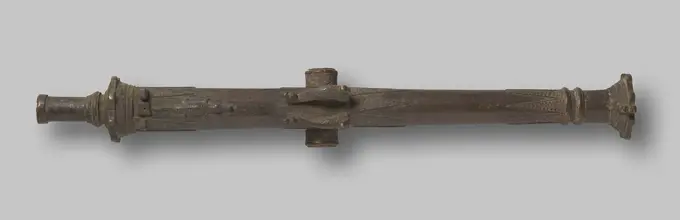
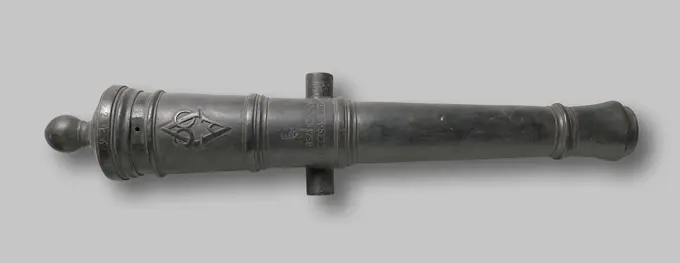
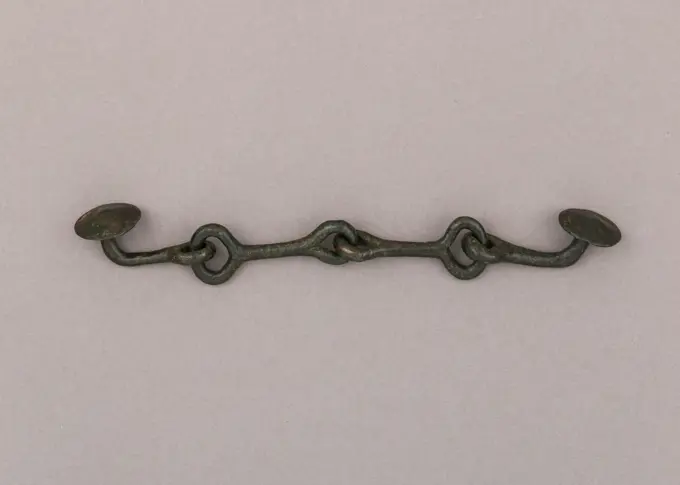
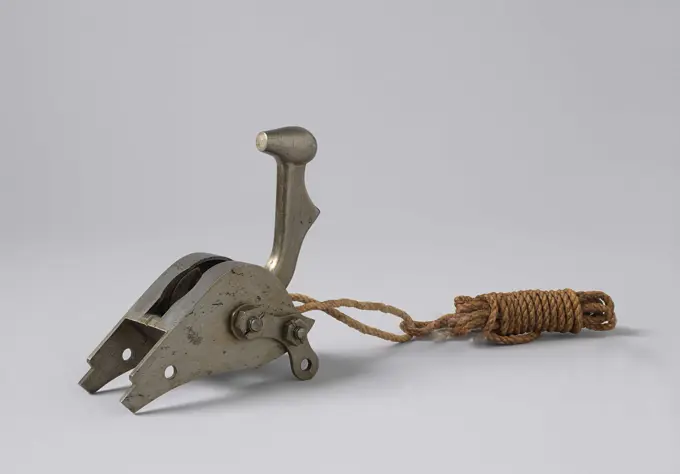
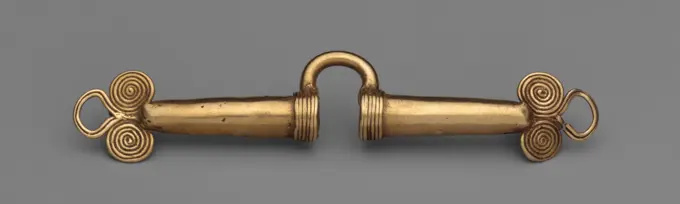
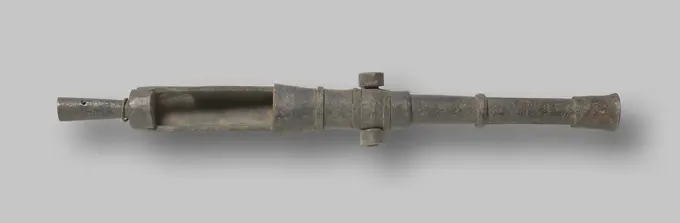
Pipe key, c. 1600 - c. 1625 Pipe key with ring -shaped eye decorated by simple leaf motif. There is an openwork spiral between the discs of the capital. The beard has a cross and star-shaped occupation.  iron (metal) Pipe key with ring -shaped eye decorated by simple leaf motif. There is an openwork spiral between the discs of the capital. The beard has a cross and star-shaped occupation.  iron (metal)Pijpsleutel.Forged pipe wrench from a piece. The shaft is decorated with an irregular spiral. The eye bean-shaped cut.Key 1480-1500 German The decoration of Gothic iron locks and keys was often elaborate and of the highest standard of workmanship. The motifs were frequently drawn from Gothic architecture, reproducing on a miniature scale complicated tracery patterns and even tiny statuettes. A number of these tiny locks were compound, with some of the mechanisms concealed from view, and required two or even three keys used in sequence to open them. It has been suggested that the greatly expanded use of locks on doors, or coffrets and other types of storage chests was a result of the increasing urbanization of life and the new emphasis on material wealth and private ownership which developed in the late Middle Ages.. Key 463322Sleutel.Key with openwork flat egg-shaped handle and with a dual beard.Sleutel.Key with around eye and double row teeth on the beard. The shaft passes by the beard.Stamper van brons.Bronze pestle has thickened ends, a profiled knot in the middle and a stem decorated with grooves.Steel socket wrench, c. 1300 - c. 1500 Steel socket wrench with open beard, ring on the top. France steel (alloy) Steel socket wrench with open beard, ring on the top. France steel (alloy)Spiral Key early 16th century German The decoration of Gothic iron locks and keys was often elaborate and of the highest standard of workmanship. The motifs were frequently drawn from Gothic architecture, reproducing on a miniature scale complicated tracery patterns and even tiny statuettes. A number of these tiny locks were compound, with some of the mechanisms concealed from view, and required two or even three keys used in sequence to open them. It has been suggested that the greatly expanded use of locks on doors, or coffrets and other types of storage chests was a result of the increasing urbanization of life and the new emphasis on material wealth and private ownership which developed in the late Middle Ages.. Spiral Key 463333Key;  19th century (1801-00-00-1900-00-00);Key. Bored key whose eye consists of two closed C-volutes, placed above uivorous ending and at the bottom of a pyramid, which rests on a ball. The shaft is over and later becomes triangular.Pipe key, c. 1600 Pipe key whose ring -shaped eye above the disc on the capital encloses a pointed increase. Short shaft.  iron (metal) Pipe key whose ring -shaped eye above the disc on the capital encloses a pointed increase. Short shaft.  iron (metal)Key, c. 1400 - c. 1500 Key whose handle is formed by a stylized konn, clamped in the upward -facing foothills of a not completely closed ring. The key breast on either side of the key is two -fold. The key is grooved with transverse lines.  iron (metal) Key whose handle is formed by a stylized konn, clamped in the upward -facing foothills of a not completely closed ring. The key breast on either side of the key is two -fold. The key is grooved with transverse lines.  iron (metal)Sleutel.Key with grip consisting of two leaf volutes a coat of arms and crown. The beard is Z-shaped.Gordon Sanborn, Hinge, c 1939 HingePijpsleutel.Pipe key whose handle consists of two backs placed and styled by two characters.Key, c. 1600 Key with a widening, ring -shaped eye. This rests on the flat top of an oval disk that turns into the shaft after a profiling.  iron (metal) Key with a widening, ring -shaped eye. This rests on the flat top of an oval disk that turns into the shaft after a profiling.  iron (metal)Ohotniche Rogi sounding A 1873-89 N. N. Federov. Ohotniche Rogi sounding A. Russian. 1873-89. Brass. Moscow, Russia. Aerophone-Lip Vibrated-hornPijpsleutel.Pipe key with a round handle and consisting of leaf volutes, in the middle, forming an 8 and resting on a stripped bullet.Bronze cannon, 3 ponder, VOC Amsterdam, Anonymous, 1740 - in Or Before 1743 cannon Rotary bass of 3 pounds for rear loading with a separate room. From the wreck of the East Indians Hollandia, perished in 1743. The iron mik and tail have disappeared due to the long stay in the salty seawater. Netherlands iron (metal)Sleutel.KEY with square stem, bending at the end striker and in an eye. The beard is twofold.Pijpsleutel.Pipe key with a three-pass-shaped eye and symmetrically incised beard. The shaft exhibits two of the following thickening in the middle.Key 15th century German The decoration of Gothic iron locks and keys was often elaborate and of the highest standard of workmanship. The motifs were frequently drawn from Gothic architecture, reproducing on a miniature scale complicated tracery patterns and even tiny statuettes. A number of these tiny locks were compound, with some of the mechanisms concealed from view, and required two or even three keys used in sequence to open them. It has been suggested that the greatly expanded use of locks on doors, or coffrets and other types of storage chests was a result of the increasing urbanization of life and the new emphasis on material wealth and private ownership which developed in the late Middle Ages.. Key 468860Vorschlaghammer und Eisenstange - Sledge hammer and iron rod Vorschlaghammer und Eisenstange - Sledge hammer and iron rod Copyright: xZoonar.com/lantapixx 7236720Key, c. 1800 - c. 1900 Four gathering keys, the shafts of which were drilled to the four figures of the card game. The keys are numbered on the key breast by Middel van Putjes.  iron (metal) Four gathering keys, the shafts of which were drilled to the four figures of the card game. The keys are numbered on the key breast by Middel van Putjes.  iron (metal)Batter ..Key from bronze. Bronze key with cross beard, round ring, on which a point.Shoe Buckle 7th century Byzantine. Shoe Buckle. Byzantine. 7th century. Silver. Metalwork-SilverBisschopssleutel.Flat key so-called "bishop key" with two inverted cross shapes in the hexagonal handle carved and with a dual beard.Bronze front loader on Mik. The loop has a flower-shaped mouth, the middle part is round and the rear portion octagonal. The tail is cave for a wooden rug; To the tail a rattan binding. On either side of the Zundgat a square button for a zund cover. Before the Zundgat a diamond-shaped ornament with a direction button on it, and at the mouth an elevated grain with split. The eyes of the mik are completely forged around the taps, so that the piece cannot be lifted out of the mik.Key 15th century German The decoration of Gothic iron locks and keys was often elaborate and of the highest standard of workmanship. The motifs were frequently drawn from Gothic architecture, reproducing on a miniature scale complicated tracery patterns and even tiny statuettes. A number of these tiny locks were compound, with some of the mechanisms concealed from view, and required two or even three keys used in sequence to open them. It has been suggested that the greatly expanded use of locks on doors, or coffrets and other types of storage chests was a result of the increasing urbanization of life and the new emphasis on material wealth and private ownership which developed in the late Middle Ages.. Key 468829Pipe key, c. 1600 - c. 1699 Pipe key with ring -shaped eye, wide shaft and threefold beard, consisting of small loves.  iron (metal) Pipe key with ring -shaped eye, wide shaft and threefold beard, consisting of small loves.  iron (metal)Key, c. 1600 - c. 1699 Key with handle in the form of a large lying diamond. The shaft is marked XXVIIII.  iron (metal) Key with handle in the form of a large lying diamond. The shaft is marked XXVIIII.  iron (metal)Key 15th century German The decoration of Gothic iron locks and keys was often elaborate and of the highest standard of workmanship. The motifs were frequently drawn from Gothic architecture, reproducing on a miniature scale complicated tracery patterns and even tiny statuettes. A number of these tiny locks were compound, with some of the mechanisms concealed from view, and required two or even three keys used in sequence to open them. It has been suggested that the greatly expanded use of locks on doors, or coffrets and other types of storage chests was a result of the increasing urbanization of life and the new emphasis on material wealth and private ownership which developed in the late Middle Ages.. Key 463375Screw and nutNatural Trumpet in D late 19th century French or Italian. Natural Trumpet in D. French or Italian. late 19th century. Brass. France; Italy. Aerophone-Lip Vibrated-trumpet / trombonePipe key. Pipe key whose handle has been composed of two acanthus leaves a French lily rejected. The circumference is bordered by a pearl necklace and is crowned by a bullet. Handle and key chest of copper, shaft and beard of iron.Pipe key, c. 1400 - c. 1500 Pipe key whose handle is cloverleaf -shaped and ends in a floured crown. Under the handle is a profiled four -sided capital. France iron (metal) Pipe key whose handle is cloverleaf -shaped and ends in a floured crown. Under the handle is a profiled four -sided capital. France iron (metal)Sleutel.Key whose handle is formed by a stylized corner, clamped in the upward-facing foothills of a not completely closed ring. The key chest on either side of the key is twofold. The key is grooved with transverse lines.Over-the-Shoulder Soprano Horn in E-flat. Culture: American. Dimensions: Height: 21 15/16 in. (55.8 cm)Diameter (Of bell): 4 5/16 in. (10.9 cm)Weight: 1.4 lbs. (635.036 g). Maker: John F. Stratton (American). Date: ca. 1880.This is a typical late model over-the-shoulder horn with string action rotary valves. The instruments were used in military bands that were positioned in front of marching soldiers. The bells pointed backwards so the soldiers following the band could hear them. The instruments were common during the Civil War and were advertised by musical instrument manufacturers as late as the 1880s. Museum: Metropolitan Museum of Art, New York, USA.Key, c. 1400 - c. 1950 Key whose bronze grip is formed by two perpendicular to each other, crossing flat rings that pass into a point at the top. The rings are decorated by protruses and lines of lines. Shaft and two -fold beard of iron.  iron (metal). bronze (metal) Key whose bronze grip is formed by two perpendicular to each other, crossing flat rings that pass into a point at the top. The rings are decorated by protruses and lines of lines. Shaft and two -fold beard of iron.  iron (metal). bronze (metal)Key, so -called double key, engraved, with two beards and a square but in which the sawn -out initials AGP, 1700 - 1800 Key, so -called double key, engraved, with two beards and a square but in which the sawn -out initials AGP.  iron (metal) Key, so -called double key, engraved, with two beards and a square but in which the sawn -out initials AGP.  iron (metal)vedano olona abstract  rusty brass brown knocker in a  door  closed wood lombardy italy  vareseKey. Drilled key whose handle consists of two broken C-volutes a four-bladder leaf. The grip rests on a vase-shaped capital, which rests on the disc-shaped and grooved key breast. The short shaft is three of them.Horse bit with cheekpieces in form of a horse and wheel ca. 8th-7th century B.C. Iran. Horse bit with cheekpieces in form of a horse and wheel 322847Key; 1909-2-242Pipe key. Pipe key whose handle consists of a circular border, in which a disk is located on one side with S.H. With cross, on the other side with X.P. Release.Pijpsleutel.Venetian key "With rose in the round handle on which a cross-shaped rebellion is with eye. The capital is ribbed.Hengsel van vertind ijzer.Handle handle handle. Consisting of four parts, connected by one-case hinges. The parts are successively: a trape form; an elongated cross; a long plate with two wide, square ends; A long plate with a wide, square end on one side and on the other side in the form of a Greek Y.Marrow () spoon first half 18th century German, Augsburg. Marrow () spoon 188220 German, Augsburg, Marrow () spoon, first half 18th century, Silver gilt, 5 5/8 in. (14.3 cm). The Metropolitan Museum of Art, New York. Gift of Mrs. Samuel P. Avery, 1897 (97.2.196)Old rusty pistol, Isolated on white background Old rusty pistol, Isolated on white background Copyright: xZoonar.com/OleksandrxKostiuchenkox 8903446Door beater, c. 1400 - c. 1950 A door beater.  iron (metal) A door beater.  iron (metal)Sleutel.Key with handle consisting of sheets S volutes. The capital is bullet-shaped and the key chest a round high disk. A S-shaped beard is located on the clover-plate-shaped short shaft.steel door key for pin tumbler lock steel door key for pin tumbler lock isolated on white background Copyright: xZoonar.com/ValeryxVoennyyx 5660636Padlock-click; Kwiatkowski, Ignacy (Fl. Ca 1870); around 1870 (1860-00-00-1880-00-00);Pipe key, c. 1700 Pipe key whose handle consists of S and C-Voluten, a cross-shaped motif excluded and covered by a Duke crown. The key breast is facet -shaped. England (possibly) iron (metal) Pipe key whose handle consists of S and C-Voluten, a cross-shaped motif excluded and covered by a Duke crown. The key breast is facet -shaped. England (possibly) iron (metal)Planets-manager. Cornalet Collection Sites 2013-2016. Numismatic.Industry technology housework laundry concept. New heater for washing machine. New internal part ready to be installed.. New heater for washing machine.Sleutel.Crafted key.Two-piece bronze mold for plate, cast molding tool tools base metal bronze wood iron, cast twisted Two-piece bronze mold for casting small board with profile edge Rotterdam tin foundry tin stainer tin Meeuws Druy craft Forms originate from the 18th century Rotterdam tinnegieter J Druy. The large molds that were not signed or dated were the property of the tinker guild and were rented to the small tin caster.Slip Hook, anonymous, 1881 slip hook Iron slip hook for Spanwant screws, consisting of a U-shaped iron with an L-shaped hook in the bend. The hook is secured on the legs of the iron with an eye that runs over the legs of the iron with a cross piece. Netherlands iron (metal). brass (alloy). wood (plant material)Get ordered ring, held by a fish, presumably part of an caller, anonymous, c. 1600 - c. 1699 Forged Iron Taken Ordered ring held by a fish with curled tail, probably a calling tractor. unknown iron (metal) forging Forged Iron Taken Ordered ring held by a fish with curled tail, probably a calling tractor. unknown iron (metal) forgingYeah - Opatat to fish; W Admimir, Niko Aj Gawri (Fl. 1898-1917); 1890 (1890-00-00-1890-00-00);rusty key vintage rusty key on black soft background Copyright: xZoonar.com/YuryxZapx 13016056Can Hook, George Stebbing, in or before 1825 can hook Molenaar to unload empty barrels. This consists of a shaft with a ring at the top and arms turning in the other, forked end. One of the arms has a hole to reduce its weight, so that the arms usually hang vertically; For example, she was lowered by a hole in a barrel, the arms were set horizontally and the barrel could be lifted. Portsmouth iron (metal). bronze (metal). copper (metal)Thunderbolt (Vajra; Tibetan: Dorje). Tibet, circa 1900. Tools and Equipment. CopperBronze model of a cart with farmyard group 2nd century B.C.-1st century A.D. Etruscan or Roman This farmyard group consists of a cart, a plough, two bulls, two oxen, two sheep, two goats, and two pigs. All fourteen pieces are said to have been found together and probably comprised a votive offering or a child's toy. The plough was cast in one piece of bronze, but the joints of the wooden original model are still all indicated. The wheels of the cart are of a type used by the Etruscans. The shape of the cart has parallels in Roman iconography. For example, it is similiar in style to carts used for the transportation of food or baggage on the Column of Trajan in Rome from the second century A.D.. Bronze model of a cart with farmyard group 248157Escutcheon, Brass, England, ca. 1710, metalwork, Decorative Arts, EscutcheonKey, c. 1600 - c. 1699 Key with a large bean-shaped eye, formed by a down-desired C-Volute. This is attached to a square block with the ends in which a Rtogkroon is engraved on both sides. The upper part of the shaft is a baluster -shaped profiled and ends in a button at the bottom. Beard two -fold.  iron (metal) Key with a large bean-shaped eye, formed by a down-desired C-Volute. This is attached to a square block with the ends in which a Rtogkroon is engraved on both sides. The upper part of the shaft is a baluster -shaped profiled and ends in a button at the bottom. Beard two -fold.  iron (metal)Double key;  XVIIw. (1601-00-00-1700-00-00);Poker (part of a set) ca. 1675 British This set of fire tools 68.141.156-.159) was probably made for John Maitland on the occasion of his wedding to the Countess of Dysart. In 1647 Maitland raised an army to rescue Charles I. After the Battle of Worcester, when he was taken prisoner by Commonwealth troops, he was sent to the Tower. After his release (166) he became Prime Minister and Secretary of State. On May 1, 1672, he was created Marquess of March and Duke of Lauderdale, and on June 3 he was installed at Windsor as Knight of the Garter.. Poker (part of a set). British. ca. 1675. Silver, iron. Metalwork-Silver In CombinationClose up of a Jewish dreidelStang, c. 1800 - 1950  Rod with rolls and the figure '5' on copper poks.  copper (metal). metal   NetherlandsBedboard with Adam and Eva in paradise. The object consists of six parts: the bin, the lid, the lid edge, the shrew, the stem and the eye. The bin has rotations on the inside and outside and a folded edge. The convex lid, of which the center point has been visible, which is caught in a bin's adjacent edge, has a representation of Adam and EVA in the middle in paradise (Genesis 3, 1-8), around it a border with holes And the inscription is Godt with us who can equal us 1625 with a French lily as interpunction. The stem is at the foot, in the middle and at the end of decorative pieces with O.A. a flat nodus between two balusters placed against each other and a spherical part, decorated with a profiled rib. The lid edge is probably made in later time. The handle is broken down on the bucket.Cut. An arrested single cut (tinned).Three Models of Yard Hoops, anonymous, 1866 demonstration model Three models of Rabanden. The loose raband has a bracket. The other two are connected by a metal transverse piece, on which a disk of a gin is attached in the middle. Netherlands (possibly) brass (alloy)Key;  18th century (1701-00-00-1800-00-00);Close-up of nail in woodTurning bass n ° 141, Brézin, 1812 cannon Smooth cannon with round grape, smooth kulas band with on top (in the middle of the Zundgat). To the right of that hole. On the back of the bottom piece triangular thickening with a round hole in the middle (under a hole in Kulasband). Zundgat in peer -shaped circumference. Halfway through fracture and two smooth taps with bottom piece. Smooth collar and flared head. Randy head/mouth a notch. No dolphins. Paris bronze (metal) castingSeven-piece bronze mold for the head of spreader, cast molding tool tools base metal bronze, cast twisted Seven-piece bronze mold for casting the top with spreader grits from spreader Rotterdam tin foundry tin pewter Meeuws Druy craft Molds are from the originally 18th-century Rotterdam tinnegieter J Druy. The large molds that were not signed or dated were the property of the tinker guild and were rented to the small tin caster.. An elongated padlock with etched flowers, with key.Baudouin, Master of Manouvre or Bosco's whistle of the French Navy (title awarded), 1915. Metal of the Maillechort type. Museum of the Liberation of Paris - General Leclerc Museum - Jean Moulin Museum.Bronzen lilla.Bronze lilla, decorated with triangles of leaf ornament to mouths and tapping. The ears in the form of dolphins. Above the Zundgat a crocodile figure.Ceremonial Knife (Tumi) 15th century Inca. Ceremonial Knife (Tumi) 308770Bronzen kanon, VOC Amsterdam.Bronze cannon with smooth round grape, around Zundgat, slightly flattened, two fractures, tapping and no dolphins and flared trump. On base piece The weapon of the VOC Amsterdam.Bronze Kanon, VOC Amsterdam, Pieter Seest, 1758 cannon Bronze cannon with smooth round grape, round Zundgat, slightly flattened, two fractures, tapping and no dolphins and flared tromp. On the bottom piece the weapon of the VOC Amsterdam. Amsterdam bronze (metal) casting  Amsterdamrusty vintage wooden chair custer over white, clipping pathSnaffle Bit 11th-7th century B.C. Italic The snaffle bit is the simplest type of horse bit, and has an effect on the bars (part of the horses jaw without teeth) and the corners of the lips. The mouthpiece of this example is composed of two links jointed in the middle, with two articulated buttons for the reins. This bit was originally possibly completed by larger metal rings or cheekpieces made of perishable material, like wood or bone. The cheekpieces help indicate the direction to the horse and keep the rings from pulling through the horse's mouth. The headstall would have probably been connected to these missing rings or cheekpieces as well.Horse bits like this one were buried in male graves with other pieces of horse tack and weapons. This type of bit is found in late Bronze age and early Iron age contexts from the Caucasus to the Italian peninsula. This example is said to have been excavated in Andria, Italy, but many similar bits have also been found in the Koban necropolis, CauPullHand holding a key on a white backgroundModel of an Anchor, anonymous, c. 1850 instruction model Model of a chain anchor, consisting of a shaft, arms with hands and a wooden anchor stick; The anchor ring has been replaced by a harp. Scale 1:10 (estimate). Netherlands wood (plant material). iron (metal). brass (alloy)Vintage ironing appliance Vintage electric ironing applicance Copyright: xZoonar.com/YannxPoirierx 8964250Gunlock (percussion). Iron percussion lock with retrieval rope. The hammer has two quadrants at the shaft, which is mounted between two cheeks. A double retrieval rope is attached to the quadrants. The housing is mounted at the back of the kulas and the cheeks, which come to both sides of the lock hardening, with a bolt thoroughly locked through it.Key To Success  isolated on blue backgroundHKB - Korfbalbond. Silver-colored Pin from the Korfbalbond HKB with long turned pen.Nose Ornament A.D. 1-1000 Zenú This nose ornament is made of cast metal consisting of gold or a gold-copper alloy. The object was fabricated by lost-wax casting by Zenú metalworkers in the Caribbean Lowlands of present-day Colombia. (For more information on lost-wax casting, please see Metropolitan Museum of Art 2008.569.13a, b). All of the details of the ornament were designed originally in wax. While some Zenú nose ornaments are relatively flat in their extensions (e.g., Metropolitan Museum of Art 1977.187.13), the extensions of the present example have dimensionality, created by shaping the wax model around a ceramic core that was removed after the metal was cast. The core was located in the two cavities seen on the reverse of the ornament. The open back of the ornament would have facilitated the removal of this material. Some ceramic figurines from the Caribbean Lowlands show a person wearing a similar nose ornament with the loop threaded through the noses septum but whether this spanner  on a white backgroundGold jewellery, from The Leubingen Burial Mound, Thuringia, Germany. Goldsmith art. Unetice Culture, 20th-18th.Ethiopian Coptic Christian processional cross. Brass 20th centurySwivel Gun.Wrought iron rear loader on mik, incomplete. The loop has a trumpet-shaped mouth, two tires, an egg-shaped tapping piece, the open room part with slot at the bottom, and a hollow tail to which a chain hangs. Wrought iron cargo room with tapering neck and a handle; The room has a caliber of 2.9 cm. The wedge is missing. The Mik is also made of wrought iron.ka;  after. 16th century (1550-00-00-1550-00-00);