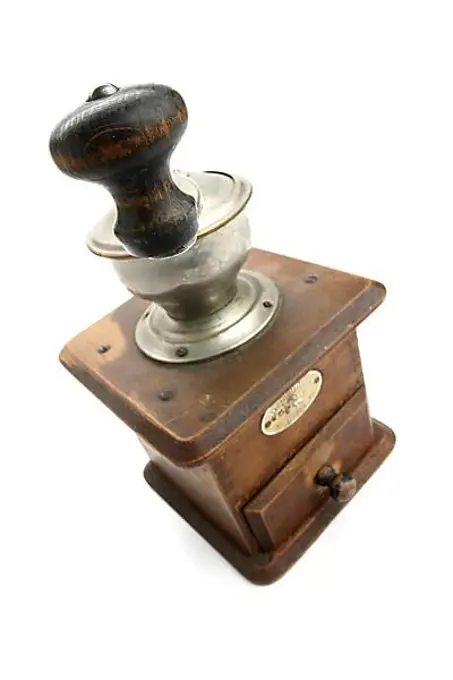
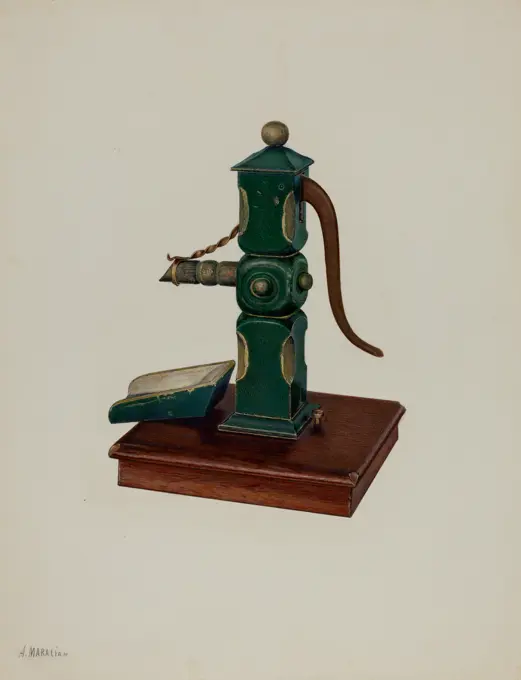
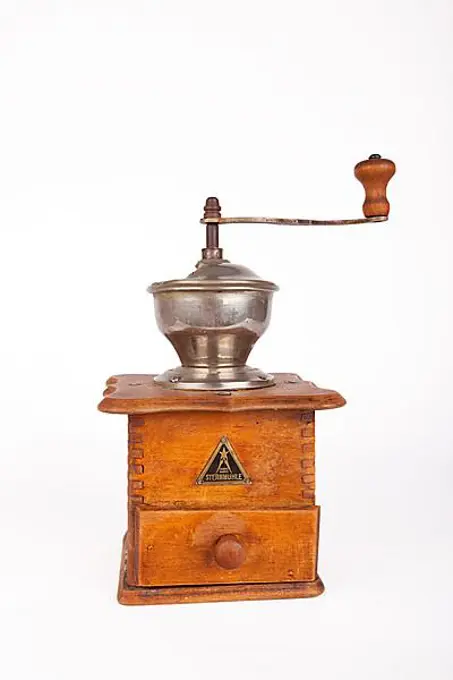
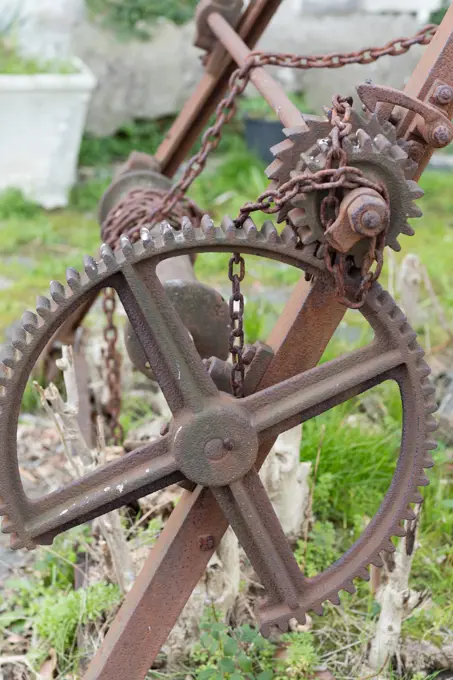
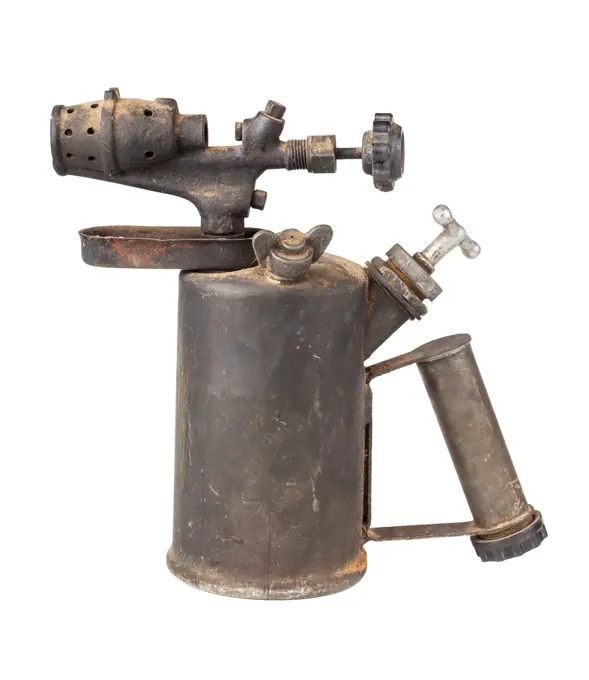
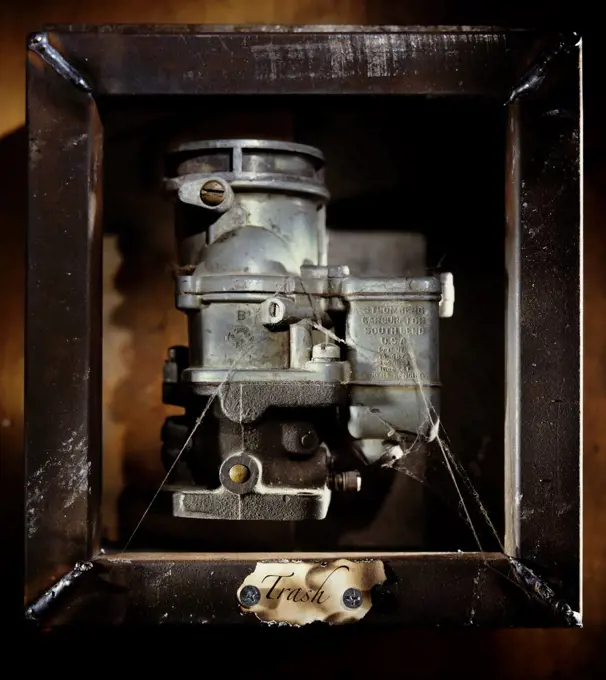
Antique Mechanical Models

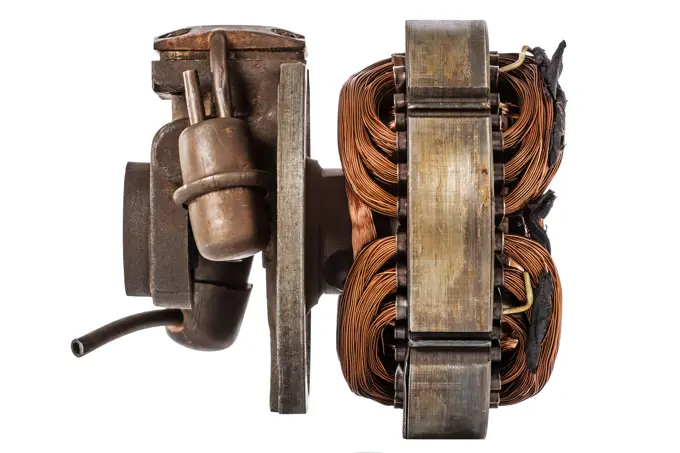
Detailed models of vintage iron, cannons, and centrifuges highlighting craftsmanship and engineering from different eras.

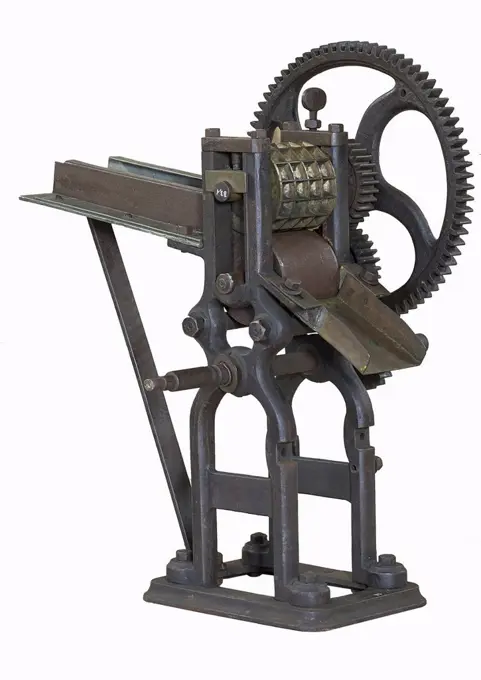
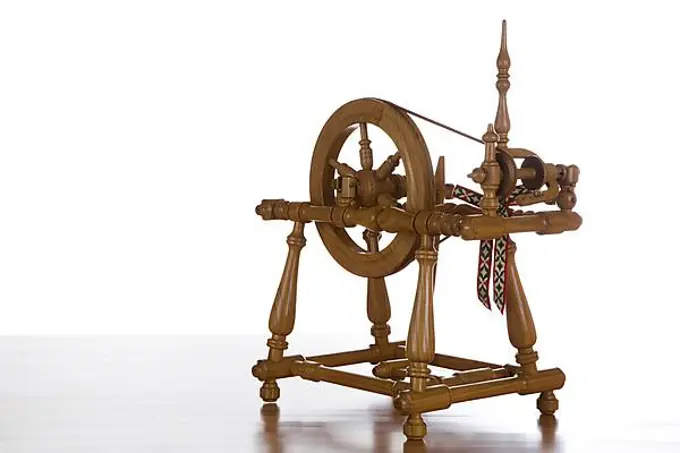
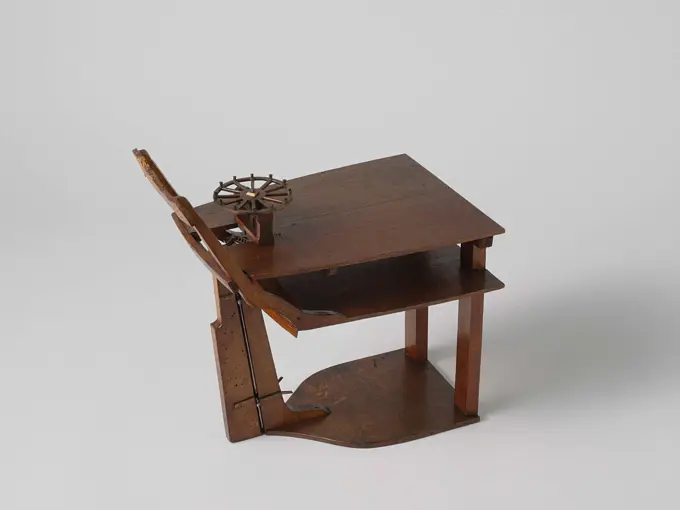
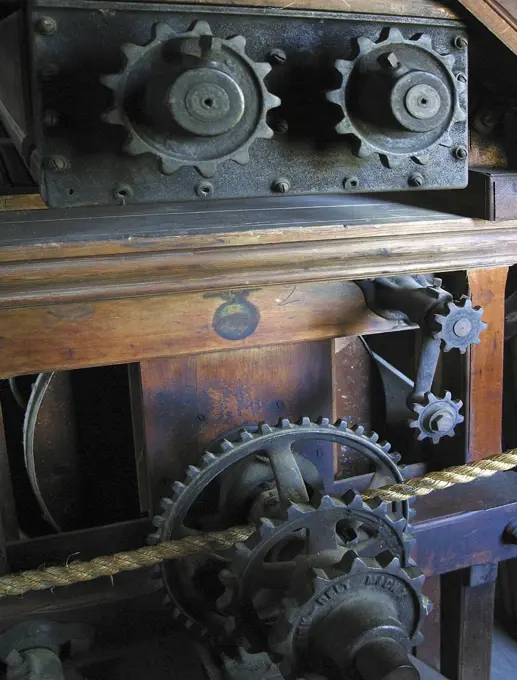
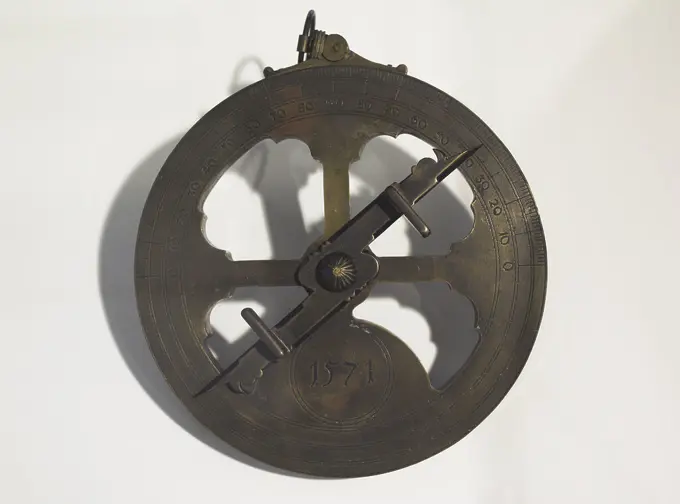
Tackle-Board and Sledge for Rope Making. A rope shop consisting of a pivot for beating and tensioning the strands and a slide for beating the rope. The pivot is on a heavy base board and has a framework for four strands; A large gear that drives three small gears in the corners is operated with a steam. The hooks to which the strands are attached are mounted on the axes of the gears and the wheeler ensures that the outer three run faster than the middle, which is also running in the other direction. The sled has four wheels; The mechanism has only a hook, whereby the movement of the crank is transferred via a large to a small gear.
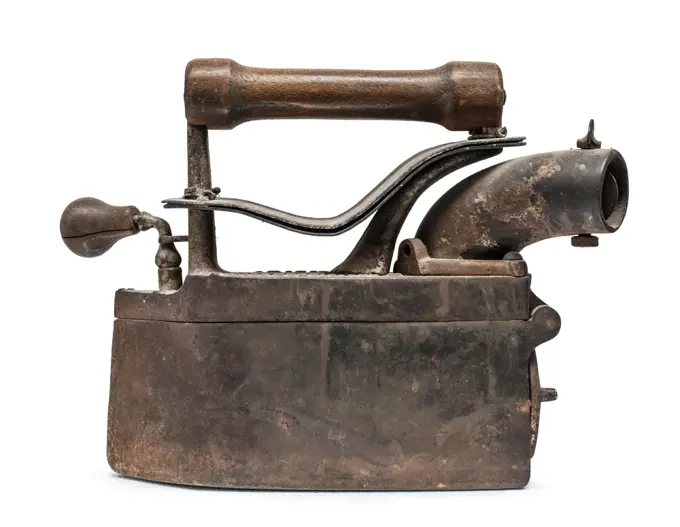
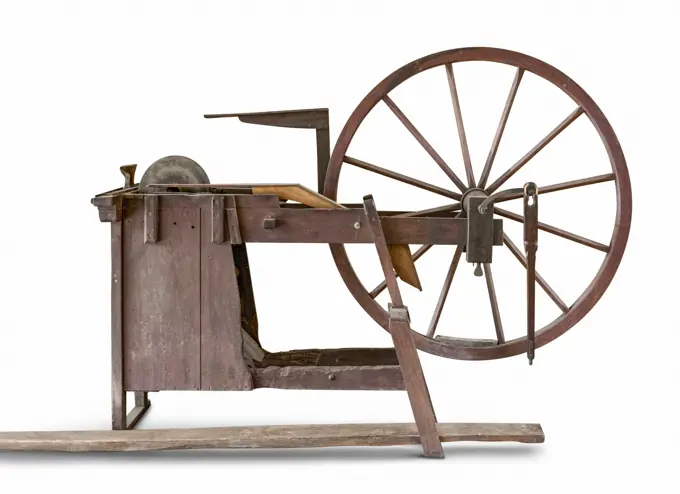
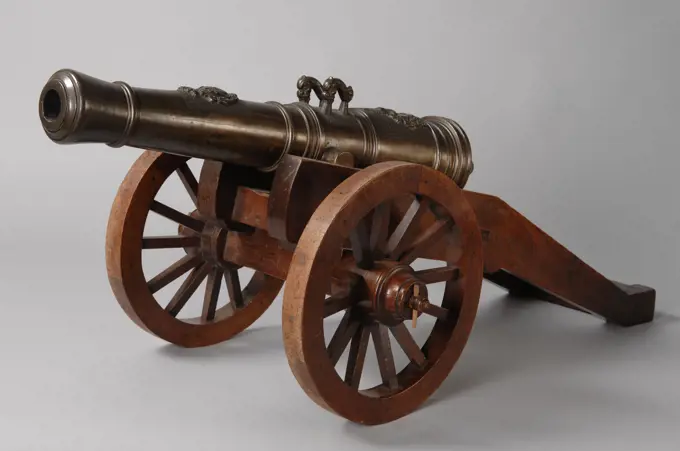
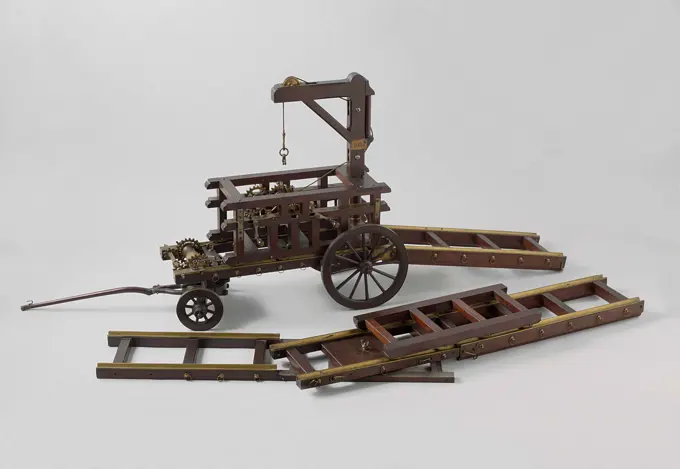
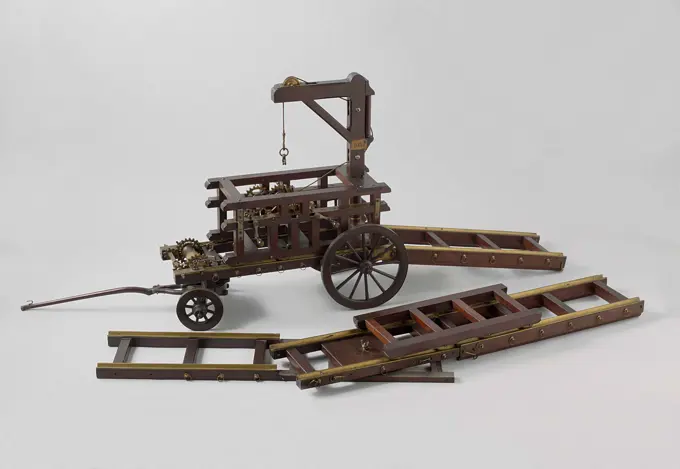
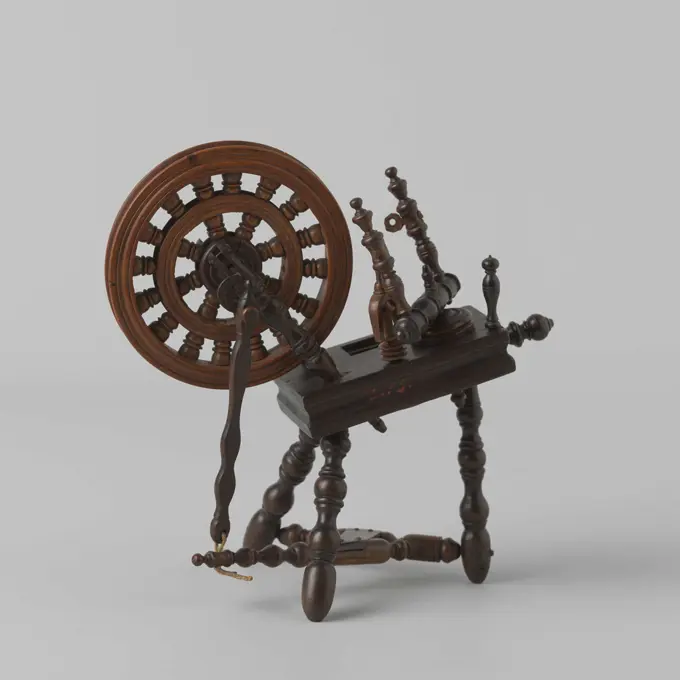
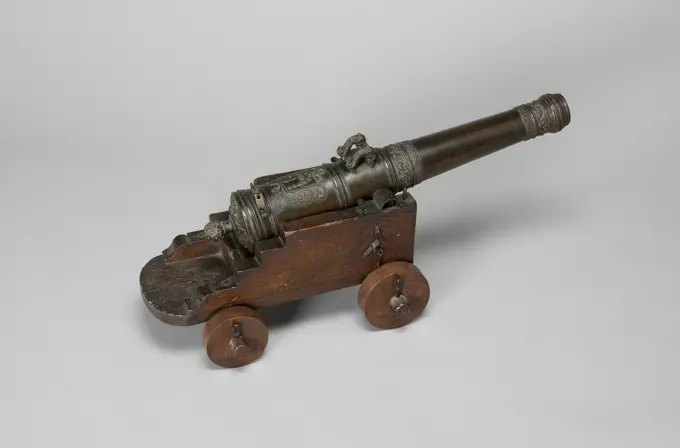
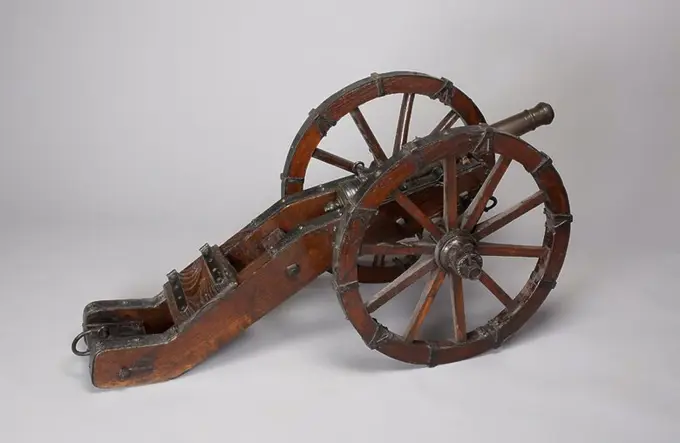
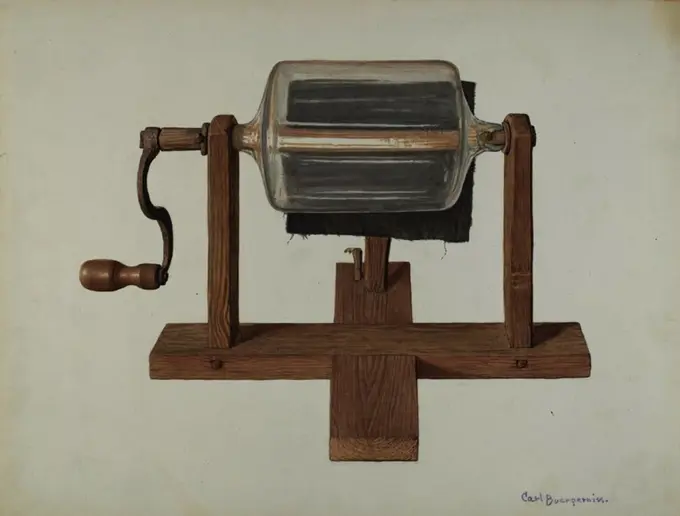
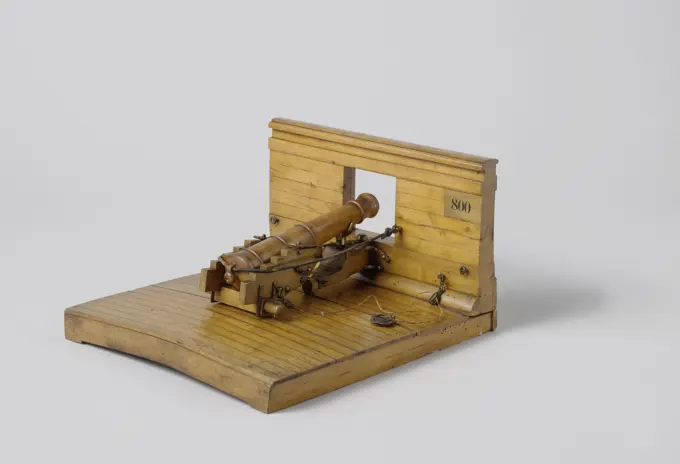
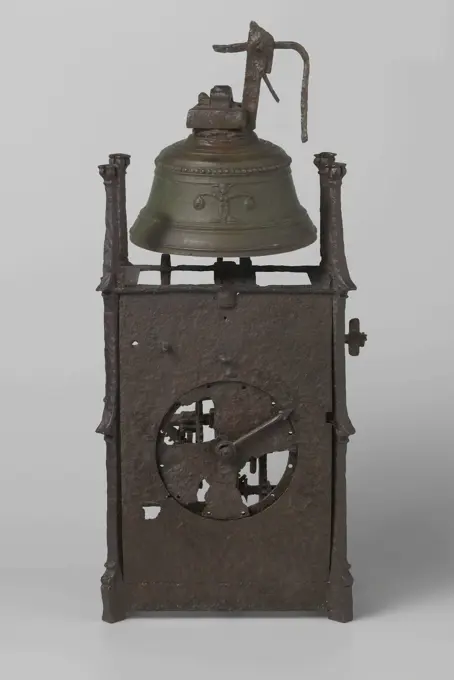
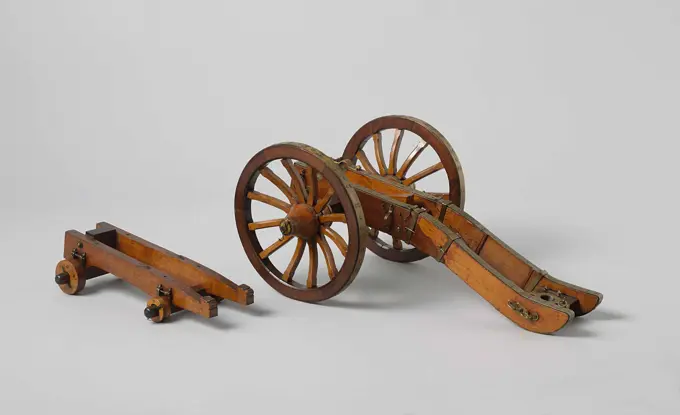
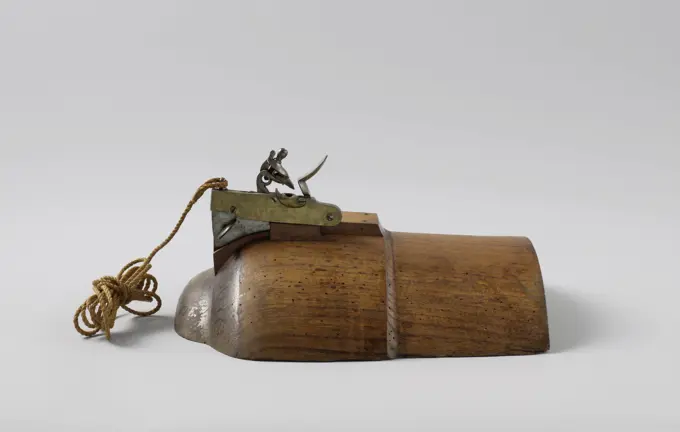
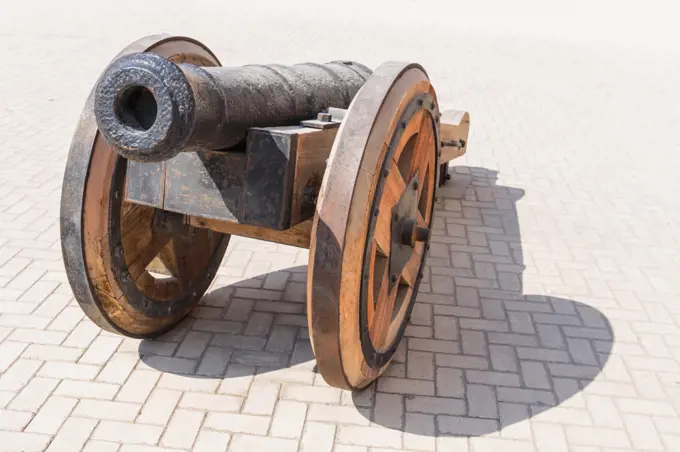
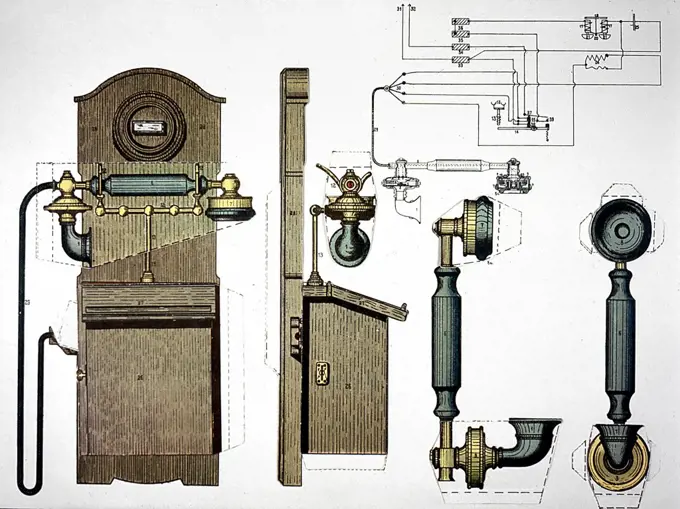
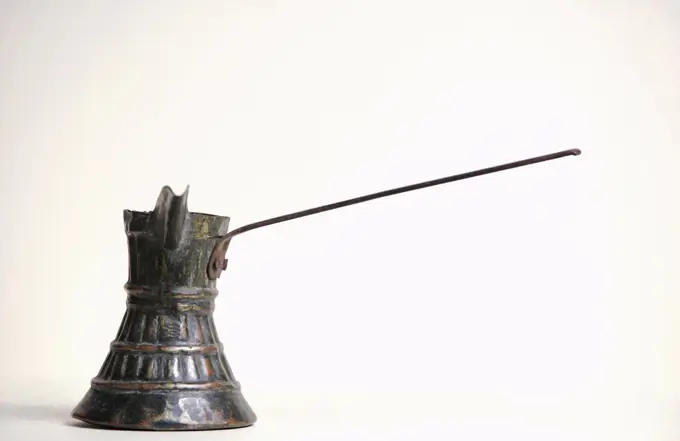
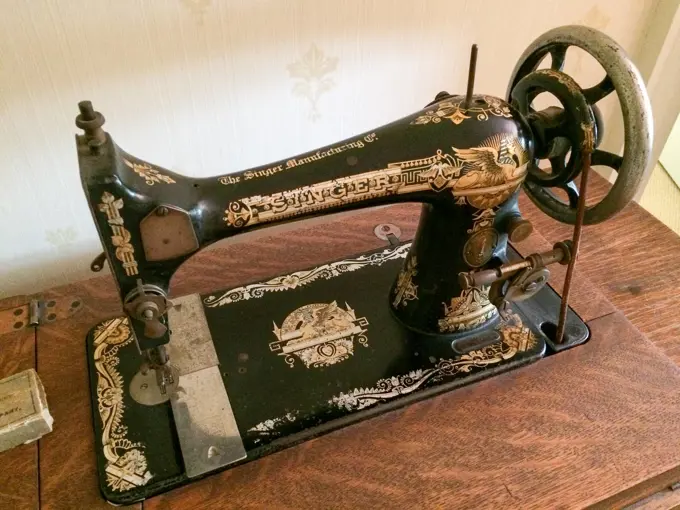
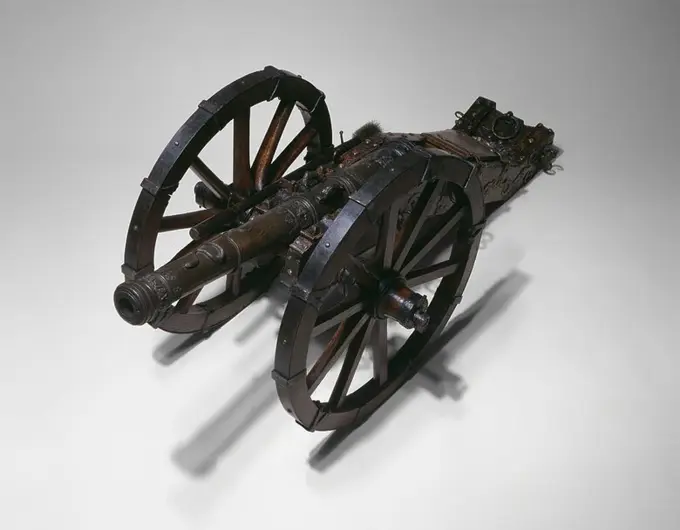
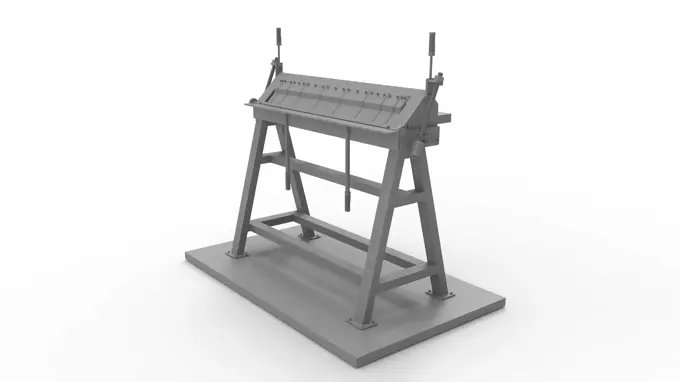
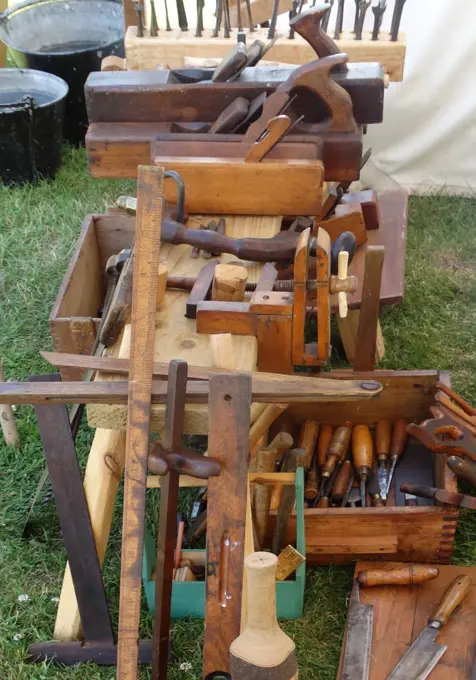
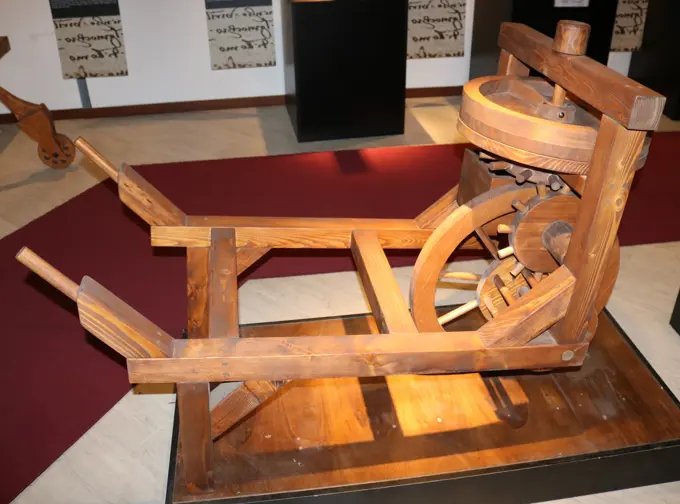
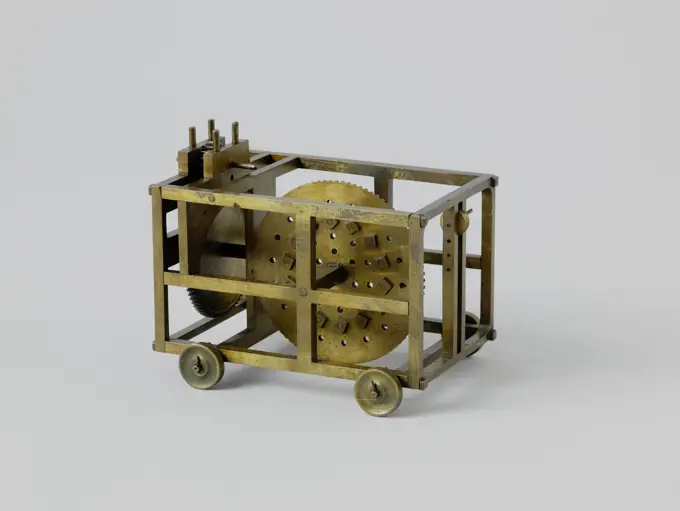
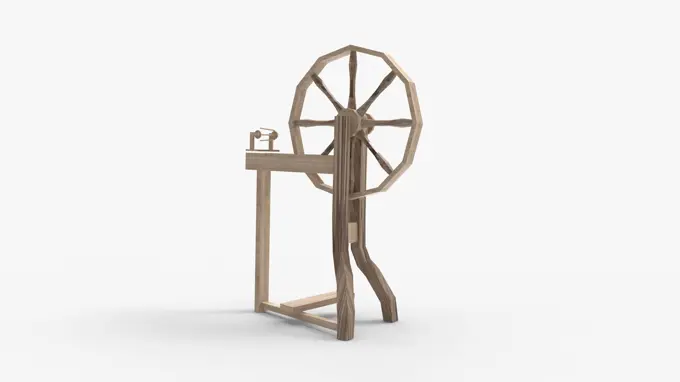
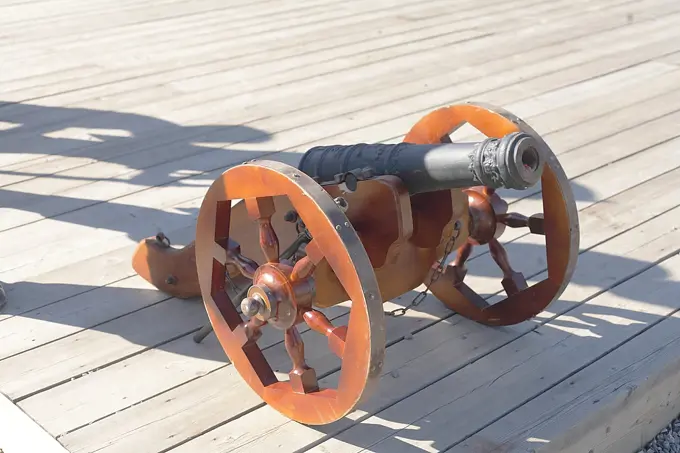
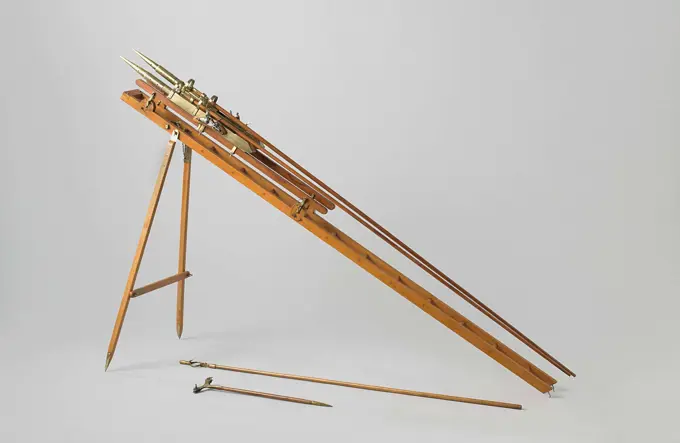
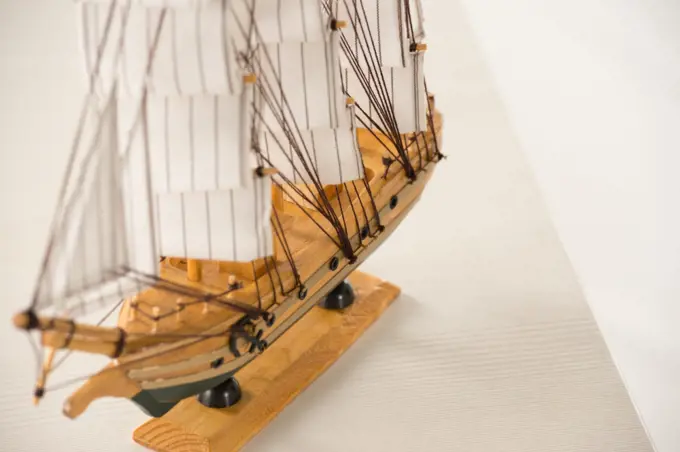
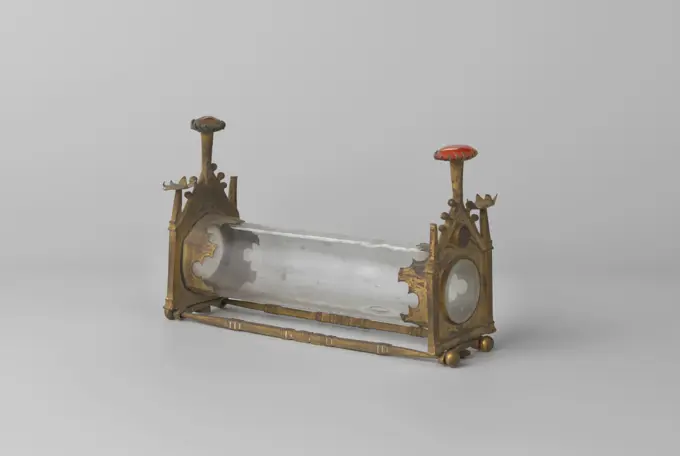
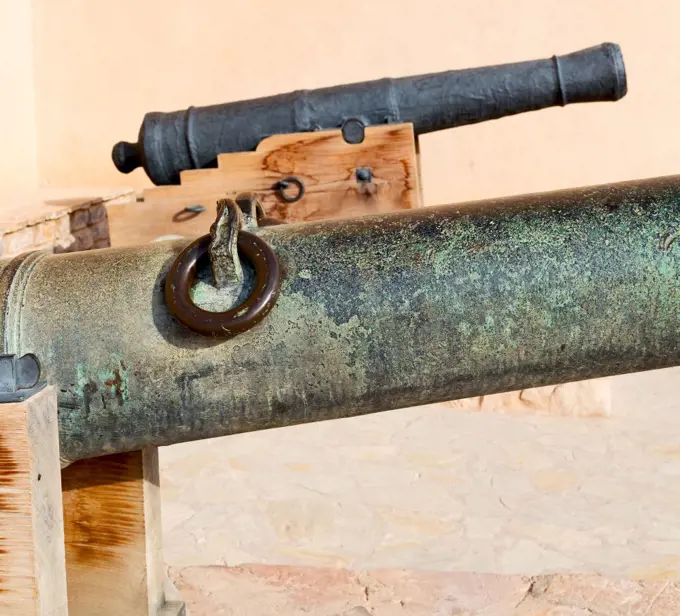
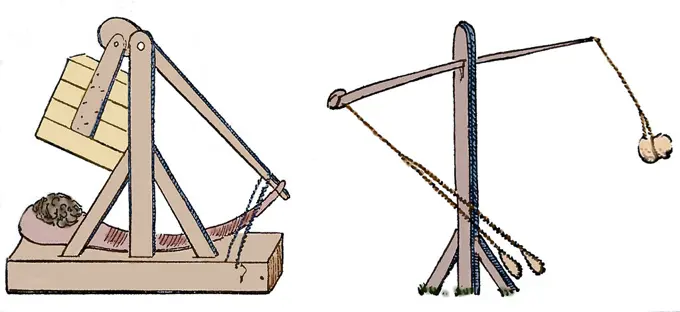
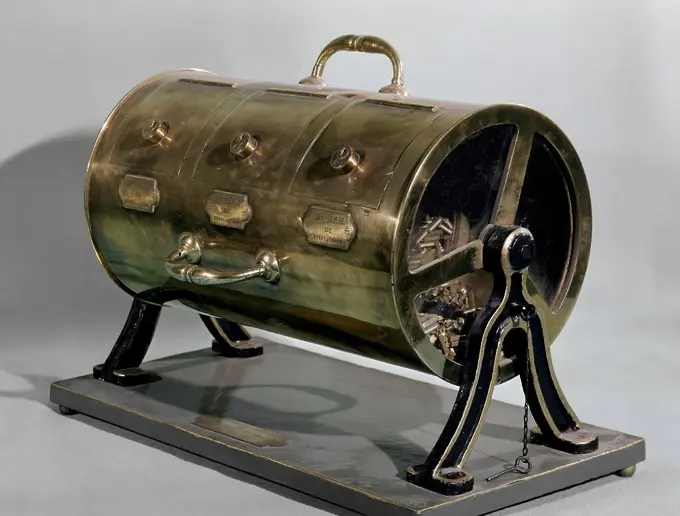
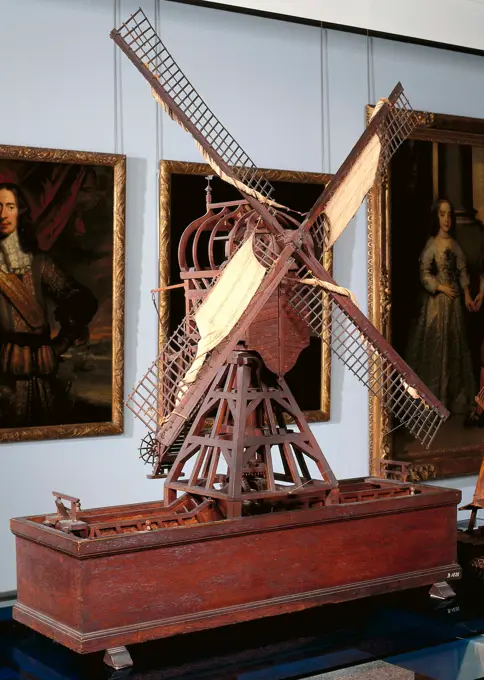
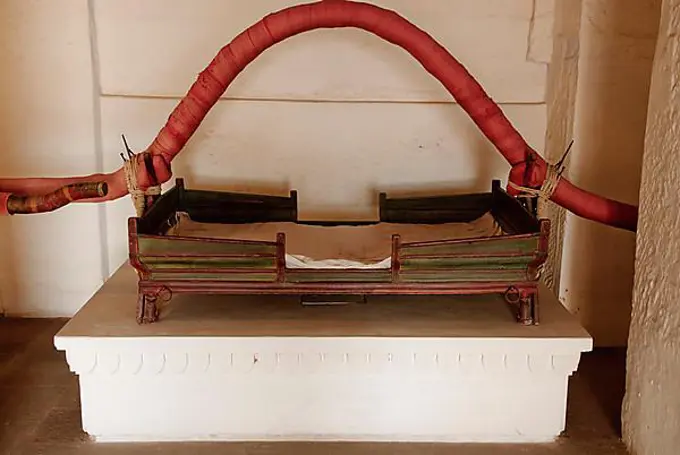
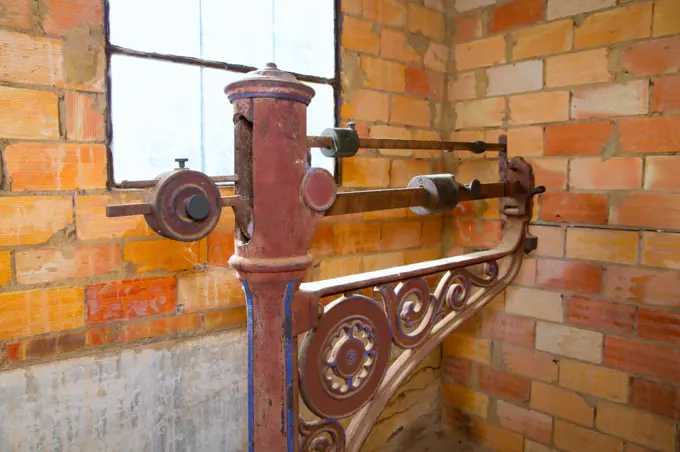
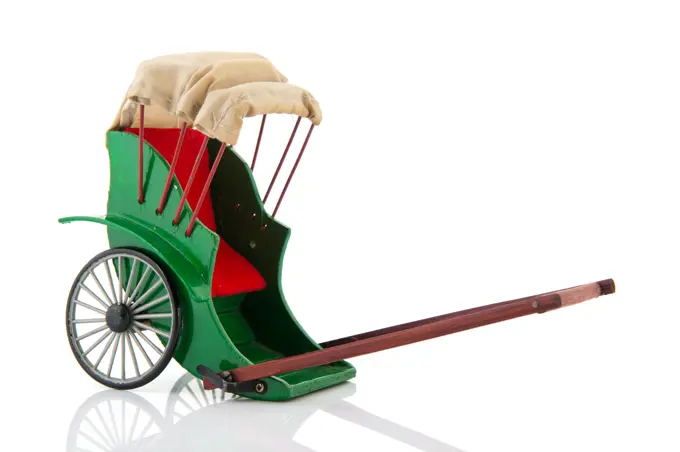
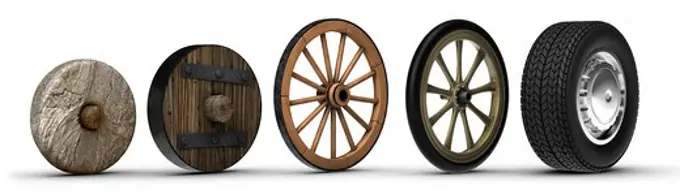
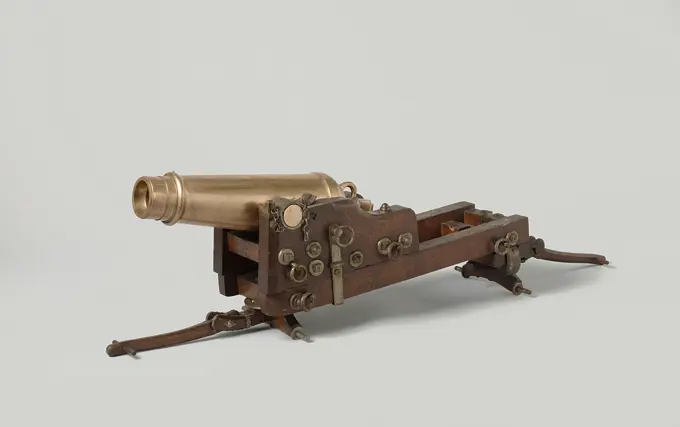
Model or A 60-pounder CARRONADE ON A SLIDE.MODEL OF A CARRONADE of 60 pounds with tapping, on a sliding slide for a coastal battery, with two front trucks. The 51 cm long loop has a 50 mm caliber, a simple zund hole in the highest jewelry tire, and a flat dense grape, including the elevation screw in the soleplate is mounted. The affit consists of two parallel cheeks connected by a small calf, two heavy cross beams and the sole plate. The carriage consists of two parallel beams under the cheeks connected by a crossbar for and two rear, between which two wheels with their axes radially relative to the spindle bolt. The affit becomes i.g. Two brackets held on the slide. Two front trucks are added to the model, one in front of the front, a front: the wheels are missing. They can run and must be moved by manpower. Scale 1: 4 (derived).Model of an Archimedean Screw, anonymous, c. 1780 - c. 1808 demonstration model Working model of a mortar mill. The auger is placed vertically in a wooden container and is driven with a roading with a crank. The worked water runs over a short lip and back in the container. Netherlands (possibly) wood (plant material). brass (alloy). iron (metal)Spinning wheel of oak, anonymous, 1650 Spinning wheel of oak wood with a pivot of pivot. Northern Netherlands (possibly)Netherlands (possibly) wood (plant material). oak (wood). walnut (hardwood). spruce (wood) Spinning wheel of oak wood with a pivot of pivot. Northern Netherlands (possibly)Netherlands (possibly) wood (plant material). oak (wood). walnut (hardwood). spruce (wood)Candy machine of the 1920s on white background, Industrial Museum Lauf an der Pegnitz, Middle Franconia, Bavaria, Germany, EuropeVintage iron white isolatedModel or a 30-pounder Gun On deck. Model of a canon of 30 pounds on rolling horse on ship's part, with all its accessories. The loop is painted from wood and black, has a length of 63.4 cm and a 34 mm caliber; The grape is flat from behind and has a pants. The rolling horse, of the narrower than rear, consists of two cheeks with four stages, connected by a sloping calf, a breastpiece with breast valve and the axis, which are connected to the sole plate in the length. The double wooden wheels are all of the same size. Adjustment block and Stelwig are found separately and added to the model, as well as the loading utensils consisting of a powder scoop, two wipers (one of wool, one of hole hair), a crasser, a scraper and a setter. The deck on which the model is oblique, the ship's wall has a diagonal bandage, the gate has a rectangular porthole. Other accessories are three cannonballs in a rack on the ship's wall, two carets in the same rack, two stock barrels, a card suits, a powder, a pHistoric grinding wheel Historic grinding wheel isolated in white back with shadow Copyright: xZoonar.com/AchimxPrillx 22101790Two models of a 30-pounder gun on deck. Two identical models of a canon of 30 pounds on Marshall affuit on a ship part with part of the shipwanding, incomplete. The wooden loop, long 22.5-23 cm, is not exchanged; It has a flat grape with pants ring. The affit consists of two parts. The front piece sits with a spindle bolt in heavy brass brackets on the gate threshold; It is a heavy wooden block with a transverse roller underneath for the baking and a heavy metal mik on top of which the loop is in the saddle. The rear insuit, more narrower, consists of two cheeks with four stairs each, connected by a diagazing calf, a ball behind and a bolt by both cheeks in the middle. The tapes are applied to the cheeks. The response is attached to the cheeks with brackets. The model has wooden wheels. The hoist is incomplete. A slicing runs from the sides of the gate through the pants ring; A second stroke is attached to the cheeks of the rear insert and is around the mik on which the loop rests. ScaThree Models of Guns on Slides and Pivots of a Coastal Battery, anonymous, c. 1800 - c. 1850 demonstration model. gunmodel Three models of cannons on rotating members, from a coastal battery, incomplete. The sleds consist of a rectangular frame with brass batter, the beams in the longitudinal direction with upright ends, lying on a long crossbar in the middle; The pivot bolt is applied in the middle of this crossbar. By screwing it through the beam, the cane is lifted onto the pivot bolt. The frames have wheels on the corners and the ends of the crossbar, the axes of which are radial relative to the pivot bolt. The upper deputies consist of two cheeks with three staircases, connected by a slanted calf, a crossbar, the sole plate and three bolts across. The Stelwig has been replaced by an Eleve screw on which a metal spring is located. The ash bodies have been replaced by round axes right through the cheeks, which slide over the sledge: the front axle has holes for hand spokes, with whiJohannes Specht (1699 - 1763), Decorative gun, or signal gun, ornamental cannon signal gun cannon bronze, to tapping 30.0 cast bored Pre-loading gun on affuit From the rear: Flat round knob in the middle high arched (the grape) followed by smooth back loop. Kulas with inscription and figure profile bands between which one motif of cloverleaf in the middle of trefoil motif around the sun. First tapping piece family weapon in cartouche of scrolls and tendrils. Second tapping piece on top of two handles in the form of dolphins on the sides round taps. Front barrel emblem of the Admiralty on the Maze in cartouche. Tromp cylindrically widening with mouth opening inwards. At transitions from the first taper piece to the second taper piece and from the second taper piece to the front taper section, the profile strips run down. Around family weapon and around the handles and the emblem: matted rectangular surfaces Kulas IOHANNES SPECHT ROTTERDAM 1740 metal castor Admiralty on the Maze shootingModel of An Artillery Crane On Tracks. Model of a heavy tap on eight wheels, a slide and a loading platform, walking in traces, and a cart. The hoist has two winches, with booms on either side; By resisting the drums with sprockets, the winches can be combined, but the mechanism is now defective. The arm of the crane is about its axis; The rope runs over a disc through the king to the back, between two vertical rollers and over a disc back to the front and over a disc at the end of the arm. A ring and double hook are attached to the end. There are three rail pieces, one of which is a turntable with ball bearing. One carriage is a window with eight wheels such as the tap; The other is a loading platform with traces, which must be placed upside down on the other rail pieces with bullets in the tracks, which function as ball bearings. The rail pieces and the loading platform have rings on the sides for dragging and fixing with rope. One track can be attached to the cart, which has a winchModel of An Artillery Crane On Tracks. Model of a heavy tap on eight wheels, a slide and a loading platform, walking in traces, and a cart. The hoist has two winches, with booms on either side; By resisting the drums with sprockets, the winches can be combined, but the mechanism is now defective. The arm of the crane is about its axis; The rope runs over a disc through the king to the back, between two vertical rollers and over a disc back to the front and over a disc at the end of the arm. A ring and double hook are attached to the end. There are three rail pieces, one of which is a turntable with ball bearing. One carriage is a window with eight wheels such as the tap; The other is a loading platform with traces, which must be placed upside down on the other rail pieces with bullets in the tracks, which function as ball bearings. The rail pieces and the loading platform have rings on the sides for dragging and fixing with rope. One track can be attached to the cart, which has a winchModel of an 18-Pounder Carronade on a Slide, anonymous, 1785 - 1820 demonstration model Model of a carronade on sliding, incomplete. The carronade has a caliber of 2.6 cm. The loop has a final exaltation with visor, a visor on the middle jewelry tape and a front tire, a brush ring and an eleve screw through the grape. The upper slide has a light trape-shaped body with brass batter and rings, the front and back are completed. Against the back the baking tub in brass batter, on top of a brass plate to support the eleve screw and the ears on the front through which the tapas runs; The vertebral bolt is missing. The submerged consists of a wooden frame with brass batter, which is slightly forward and is rounded in front; A little backwards, a locking plate is applied to the bottom, which guarantees the sled in the longitudinal direction against the ship's wall. In this part the gap for the pivot bolt is applied in the gate threshold; The gate threshold is missing. The frame rests on two boTackle-Board and Sledge for Rope Making. A rope shop consisting of a pivot for beating and tensioning the strands and a slide for beating the rope. The pivot is on a heavy base board and has a framework for four strands; A large gear that drives three small gears in the corners is operated with a steam. The hooks to which the strands are attached are mounted on the axes of the gears and the wheeler ensures that the outer three run faster than the middle, which is also running in the other direction. The sled has four wheels; The mechanism has only a hook, whereby the movement of the crank is transferred via a large to a small gear.Model of a 12-Pounder Carronade on a Slide, anonymous, 1800 demonstration model Model of a carronade on afuit. The 19.7 long carronade has a caliber of 17 mm. The inscriptions are engraved on the barrel, along with crossed anchors and palm branches. The loop has a final increases, a visor on the middle jewelry tire and a front tire, a brush ring and an eleve screw through the grape. The upper slide has a light trape-shaped body with brass batter and rings, the front and back are completed. Against the back the baking tub in brass batter, on top of the track in front of the elveers screw and the front the ears that run the tapas; The vertebral bolt is missing. The submerged is a wooden window, rounded at the front, with a slot in front of the vertebral leg and partially fitted with brass and equipped with a pivot bolt that rests in a block; A slightly backwards, a locking plate is applied to the bottom. At the back, the deducted is supported by an excellent crossbar, with wheels with thFurniture. Spinning wheel in thumbnail of rosewood and black walnut.Old sewing machine  isolated on a white backgroundModel Field Cannon with Carriage 1677 France. Bronze and wood .Centrifuge -Spinning-wheelDigible pressure press. Designed by Alexander Lagerman onkring 1850.Model Field Cannon with Carriage. Austrian. Date: 1644. Dimensions: Length overall of cannon: 23 3/8 in. (57.4 cm)Bore: 15/16 in. (2.4 cm)Length of carriage: 38 15/16 in. (99 cm)Width at cheek: 5 5/8 in. (14.3 cm)Width at trail: 8 1/2 in. (21.7 cm)Diameter of wheels: 22 1/16 in. (56 cm)Width between outer surface of hubs: 21 1/8 in. (53.7 cm)Overall length of mounted cannon: 47 1/4 in. (120 cm)Weight of cannon: 30 lb. 8 oz.Weight of carriage: 55 lb. 15 oz. Bronze, iron, and wood. Origin: Austria. Museum: The Chicago Art Institute, Chicago, USA.RELOJ DE SONERIA S XVIII. Location: MUSEO DE HISTORIA DE MADRID-RELOJES. MADRID. SPAIN.Model of an Artillery Crane on Tracks, anonymous, c. 1800 - c. 1857 demonstration model Model of a heavy crane on eight wheels, a sled and a loading platform that run in tracks, and a cart. The hoist has two winches, with cracks on either side; By moving the drums with gears, the winches can be combined, but the mechanism is now defective. The arm of the tap revolves around his axis; The rope runs over a disc through the king to the back, between two vertical rollers and over a disc back to the front and over a disc at the end of the arm. A ring and double hook are attached to the end. There are three tracks, one of which is a turntable with ball bearing. One sledge is a window with eight wheels such as the tap; The other is a loading platform with traces, which must be placed upside down on the other tracks with bullets in the tracks, which function as ball bearings. The tracks and the loading platform have rings on the sides for dragging and fixing with rope. One track can be attacheSpinning Wheel For Making Yarn From Wool Fibers. Vintage Rustic . Spinning Wheel For Making Yarn From Wool Fibers. Vintage Rustic EquipmentModel of a Hoist or GIN, Jan Marten Kleman, c. 1793 - c. 1807 demonstration model Model of a composite Driepootbok: The mechanism consists of a crank with a screw without end, which drives the Windas. The hoist goes from the axle through a disc in the top to the heavy block on which a lead weight hangs, and back to the top. One of the hind legs is equipped with staggered knees, probably footrests for climbing the goat. Amsterdam wood (plant material). copper (metal). brass (alloy). iron (metal). lead (metal). ivory. ropeElectric Generator. Dated: c. 1940. Dimensions: overall: 30.5 x 40.7 cm (12 x 16 in.). Medium: watercolor, graphite, and colored pencil on paperboard. Museum: National Gallery of Art, Washington DC. Author: Carl Buergerniss.Model or steering gear. Technical model with rough representation of a stern with wrinkled mirror and hollow wulf and two decks. Straight stir with a dedicated quadrant mounted on the square stirring head. The steering wheel is mounted horizontally; A small gear on the axle grabs in the rudder's quadrant.Old coffee grinderTravel camera produced by Otto Beck, wooden construction, dimensions 13 x 18 cm, used for portable photography in the late 19th century.Model of a 30-Pounder Gun on Deck, c. 1828 demonstration model. gunmodel Model of a cannon of 30 pounds on Marshall-Dekuit on a ship's part with part of the ship's wall, incomplete. The wooden loop, 22.5-23 cm long, is not drilled; It has a flat grape with a brush ring. The Affuit consists of two parts. The front part is stuck with a pivot bolt in heavy brass brackets on the gate threshold; It is a heavy wooden block with a transverse roller underneath for baking and a heavy metal mik on top of which the loop lies in the saddle. The rear -off, becoming narrower from the front, consists of two cheeks with four stairs each, connected by a sloping calf, an axle shift behind and a bolt through both cheeks in the middle. The taps are fitted against the cheeks. The axle body is attached to the cheeks with brackets. The hoist is incomplete. A brush runs from the sides of the gate through the brush ring; A second breach is attached to the cheeks of the back -off and lies around the map on whic. This clock was originally intended as merchandise for sale or as a gift. It was hung up in the Save House’ as the only means of providing a sense of time during the long, polar nights. On 3 December 1596, it froze. Barentsz and Van Heemskerck shoved a parting letter into the gunpowder horn when they left. Three centuries later, the horn was rediscovered with the letter still inside. The letter cannot be exhibited due to its fragility.Vintage Ancient italian olive oil machine used to make oil, oil mill Ancient italian olive oil machine used to make oil Copyright: xZoonar.com/albertoxgiacomazzix 13048316Model of a Prototype Dispatch Vessel, anonymous, c. 1833 scale model. demonstration model Model of a catamaran propelled on handklower. The two floats are connected to each other with slats at the ends and each have a place for a driver. The pre-moving mechanism consists of a single scoop wheel with counter-weights, set in motion on each side by means of handles. Both floats have a rudder, the helmet sticks of which are connected to each other with a hinged rod; They are operated with a steering talie that runs over disks. Amsterdam wood (plant material). brass (alloy). iron (metal). ropeModel of a Carriage for a 4-pounder gun.Model from an affit for a gun of 4 pounds for use to land and on a ship; The course itself is missing, as well as a few attributes. The central body consists of two cheeks connected by a long soleplate and a calf. The Stelwig runs into a groove in the soleplate, where it cannot be scanned; Under against the wedge, a rack is mounted so that the wedge is moved forward and backwards with a crank with a screw-without end. In the composition of field ratter, the cheeks are extended to a tail, which is attached with brackets, with spindle hole. An asgle is pushed through the front cheeks on which two large wheels are set. To transform it into ship's poster, tail, ash and wheels are removed and the body put on a small bench. This subface consists of two low cheeks connected by a vertical calf and the axis, which are attached to the cheeks with removable brackets. The wooden wheels are double and the rear wheels are smaller than the front wheels. Scale 1Model of a Masting Sheer, 's Lands Werf Hellevoetsluis (Possible), c. 1797 - c. 1807 demonstration model Model of a mastbok on a ground board that represents a bank. The two legs, connected to a heavy crossbar and a hood, leaning ahead and are retained by two braces and six stages. The legs are on a wall with a semicircular recess. The Stagen are attached to hooks in the ground with Juffer blocks, which are placed in an arc behind a work platform. The braces have slot -shaped traces on the platform, in which they can be guaranteed in several places. The platform covered an open hiding place, and can be removed, making the pile -ray visible. A wooden roll on the front edge of the platform and the servant behind the platform probably helped to manipulate the round wood. The two hoists are driven by treadmills, one on each side. The rope runs from the axis of his treadmill through a three -disc block at the top and a double hoist block, from the three -disc block back through a servant atretro old coffee grinder with vintage wooden backgroundTelescope on a tripod with a clock on a wallHistorical illustration, 19th Century, firstr Phonograph by Thomas Alva EdisonGunlock (percussion) on a dummy breech of a 30-pounder carronade. Percussion lock on wooden kulas of a 30 pound carronade. The heavy lock plate is mounted on the right-hand side against the lock hardener with two bolts across, and two screws in the kulas. The hammer is running in a right angle to the loop. The head of the hammer has a slot for the flame from the Zundgat when fired. In the shaft a hole for the retraction rope is applied, in the lock plate a disc through which the rope is led to the rear. The wooden kulas is that of a 30 pound carronade.Wooden cigarette dispenser with a bird from the 1950s, Industrial Museum, Lauf an der Pegnitz, Middle Franconia, Bavaria, Germany, EuropeWooden cradle of Eastern type in viewJewelry Box ca. 2051-1981 B.C. Middle Kingdom This box is divided into two compartments, each closed with a sliding lid. The end batton of each lid has a hole for fitting a small knob. The two knobs could be tied together to seal the box.The box was found in a tomb that also contained a "seweret" bead (25.3.252) and an exquisite "sa" amulet (25.3.253).. Jewelry Box. ca. 2051-1981 B.C.. Wood. Middle Kingdom. From Egypt, Upper Egypt, Thebes, Deir el-Bahri, Temple of Mentuhotep II, North Triangular Court, Pit 23 (tattooed woman), MMA excavations, 1922-23. Dynasty 11Old Cast Iron Plough Plane Ancient cast iron plough plane on an isolaed background Copyright: xZoonar.com/AndreyxSkatx 21790203Candy machines, 1920s, Industrial Museum Lauf an der Pegnitz, Middle Franconia, Bavaria, Germany, EuropeUSA, Indiana, Billie Creek Village during the Covered Bridge Festival in fallNautical astrolabe, 1571. María Pita House Museum. Corunna, Galicia, Spain.Gunlock (flintlock) on a dummy breech or a 30-pounder carronade, Rijkswerf Vlissingen, 1820 flintlock. scale model Flint lock on wooden model of the Kulas of a carronade of 30 pounds. The lock has a brass house with iron slot mechanism, rooster and pandess. The lock is mounted on the right side of the Zundgat with a pin in the lock support and a bolt right through it. Pan and pandel are short; The pan has a hole through which the flame is led to the Zundgat. The deduction is original. Flushing wood (plant material). brass (alloy). iron (metal). ropeold cast-iron cannon Small cupplate for tinker hammers, hammers from tin foundry, toolbox cupboard holder iron oak wood metal stain glass putty, Elongated cupboard with removable window, at the front containing three glass windows. Iron bolts copper lock and hinges. Receding front. Iron wackets with eye on the back for suspension. Internally, two parallel beams serve as storage compartments for the hammers tinkerry tin stainer tin storage craft store Meeuws Originating from the Meeuws collection.l isolated rusted letter with gears on black l isolated rusted letter with gears on black Copyright: xZoonar.com/OxanaxRishnyakx 8950462Wall mounted telephone. From Henri Desarces 'Grande Encyclopedie Practique' c1910. Chromolithograph.Oriental coffeepot, close-upantique singer sewing machine antique singer sewing machine black and gold perfect condition Copyright: xZoonar.com/StevexDunningx 15366172Model or a two-blade propeller. Model of a normal two-leaf screw in a frame on a base board; Two-leaf version of NG-MC-557. The sheets are flat. The screw can be turned around with a swell. The model has an urgency of 210 mm, a diameter of 195 mm, the hub is 40 mm long and has a diameter of 23 mm. Scale 1:10 (derived).Model Field Cannon (Serpentine). Possibly by Hans Reischperger; Austrian, Vienna, active 1595. Date: 1590-1600. Dimensions: Barrel L. 85.8 cm (33 3/4 in.) Caliber: 3.3 cm (1 1/4 in.) Carriage L.: 97.2 cm (38 1/8 in.)Front W.: 13.4 cm (5 1/4 in.)Trail W. at base: 21 cm (8 1/4 in.)Diameter of Wheels: 57.5 cm (22 5/8 in.)Distance between outside of hubs: 52.1 cm (20 1/2 in.)L. of mounted cannon from muzzle to end of trail: 143.7 cm (53 in.)Overall L: 59.7 × 8.9 cm (23 1/2 × 3 1/2 in.)Cannon Wt.: 53 lb. 4 oz. Bronze, iron, wood, and paint. Origin: Vienna. Museum: The Chicago Art Institute, Chicago, USA.Arsen Maralian, Toy Pump, 1935 1942 Toy PumpOld broken coffee mill on white backgroundModel of an Ordinary Jack Screw. Model of a normal coach, decorated with batter. The model is operated with a crank. On the other hand there is a jack and on top of a T-shaped jack. The mechanism, which works with a worm screw, is withdrawn from the face; There is a viewing hole in front. Two handles on the sides.Pulley in cemetery,detail Pulley in the cemetery of the 366 pits . The number 366 comes from the fact that each pit was used to house the dead of that day . Copyright: xZoonar.com/MassimoxLamax 8818413Vintage blowtorch Vintage rusty blowtorch isolated on white background Copyright: xZoonar.com/AndreyxEreminx 5714629Printing press used by Benjamin Franklin (1706-1790), U. S. statesman and scientist. Colored engraving.Thread-colored camera by Adolf Miethe, producing 6.5 x 9 cm photographs, wooden construction, produced after 1899.3D rendering of a sheet metal bending machine engineering machine computer model isolated on white background 3D rendering of a sheet metal bending machine engineering machine computer model isolated on a white background. Copyright: xZoonar.com/HugoxKurkx 18293902MUSEO-PEBETERO DE LA NECROPOLIS -OLMO BELLO S VII AC-. Location: MUSEO DE ARTE ETRUSCO VILLA GIULIA. Rome. ITALIA.18th century colonial American carpentry tools 1776Model of A Jolly Boat, Rijkswerf Rotterdam, c. 1819 ship model. instruction model Tension model on a standard. Overnaadse Ankle Riems sloop, peaked around with almost flat seam and flat mirror; A foreclosure, four row rods and railway sticks and an open cabin with side rods, settingboard and extra doft. The pre -stem has been copied. Simple rudder; The brass tie is bent upwards. There are still a boat hook and four rowing stirs on individual parts. Rotterdam wood (plant material). brass (alloy)model of an Odometer that Leonardo da Vinci drew on the first folio of his Codex Atlanticus, folio 1 r. 1504. This is a machine calculated distance travelled. This machine, however, was already known in antiquity, given that Leonardo did nothing more than re-elaborate the Odometer devised by Heron Alexandrinus, a Greek inventor who lived in the First century AD. Unlike the former one, the Odometer that Leonardo designed was shaped a little like a push cart and had a toothed wheel mechanism. Each time the wheel on die ground turned, the vertical toothed wheel turned once, in turn actuating a horizontal wheel. The latter contained metal balls or stones, which fell through a hole into a bucket: counting them at the end of the journey allowed the distance travelled to be calculated.Model of a Cart for Rope Making, anonymous, anonymous, c. 1800 - c. 1825 demonstration model Wagag for the Rouwslaan, consisting of a brass frame on wheels, equipped with a needle. The large wheel of the needle is set up in the longitudinal direction and has a large number of holes applied in concentric circles for supports on which rope is rolled up. The cart has only one turn hook. Netherlands brass (alloy). iron (metal)Engine compressor chiller, isolated on white background Engine compressor chiller, isolated on white background Copyright: xZoonar.com/OleksandrxKostiuchenkox 9750191Historical cannonAladdin Industries Inc., International Paper Company. American stove (Stove, Cooking, Gasoline, M-1942 modified, 1-burner). Metal, cardboard, painting, 1942-1945. General Leclerc Museum of Hauteclocque and the Liberation of Paris, Jean Moulin Museum. Aladdin Industries Inc, American brandRemains of an old stamping battery in Karangahake of the past gold rush time, Coromandel peninsula, New ZealandModel Field Cannon with Carriage. Austrian. Date: 1693. Dimensions: Length of cannon: 18.4 cm (27 3/4 in.)Caliber: 3.8 mm (1 1/2 in.)Distance between ends of trunnions: 18.4 cm (7 1/4 in)Height of carriage: 19 cm (7 7/16 in.)Width of carriage: 21.4 cm (8 3/8 in.)Diameter of wheels: 12.4 cm (4 7/8 in)Length overall: 70.5 cm (27 3/4 in.)Weight of cannon: 89 lbs. 3 oz.Weight of carriage: 20 lb. 4 oz. Bronze, iron, wood, and copper. Origin: Austria. Museum: The Chicago Art Institute, Chicago, USA.Light of Asia' mechanical bank, c. 1880s, Attributed to J. & E. Stevens Company, Cromwell, Connecticut, 1843-1950s; Manufacturer: OR Kyser & Rex Company, Philadelphia, c. 1879-1898, 3 5/8 x 3 3/8 x 1 3/4 in. (9.21 x 8.57 x 4.45 cm), Iron, pigment, 19th centuryold framed carburator stomberg labeled as trash3d rendering of a spinning wheel isolated in studio background 3d rendering of a spinning wheel isolated in a studio background Copyright: xZoonar.com/HugoxKurkx 14714937'Wanzer' Treadle Sewing Machine in Tailor Shop, Halifax Citadel (Fort George), Halifax, Nova Scotia, CanadaPadlock with key. Padlock, very composed, with key. Signature.Antique cannon outdoors at a day on wooden planks ready for shotModel or Two Congreve Rockets with Launching Gear. Model of two fire skirts to design of confeve on a launcher or chair, for use to land. The rockets themselves consist of a punished cylinder, the tip of which is the fire bomb and the rear portion the rocket motor; Outer the cylinder is a long stabilization stick attached. The seat consists of a ladder-shaped frame that forms a tripod together with two legs; A running ring is applied to the frame, which can be beaten around the pre-mast of a slop and there is the movement of the frame when lifting and lowering for aiming and loading. On every leg of the frame a bar with a metal room and flint slot is mounted with a set of brackets. The flint locks have tractors with holes for a traction rope. The head of the rocket is placed in the room under two brackets. The spark of the flint slot is cleaned in the room through a plate to get behind in the rocket. This model is provided with two lonsticks: one for a single wick with a round bracket Tinplate Toy Dog Cart Motorcar, 1900-1910. Manufacturer: Gebrüder BingDetail shot of a historic metal cash registerWooden ship toy model on white table against white backgroundLokomotive aus Holz Lokomotive aus Holz Copyright: xZoonar.com/angetax 6232070Relieke holder, Cylindrical with yellow and red stone, anonymous, c. 1200 - c. 1400 Reliekhouder of gilded copper. A cylindrical glass is contained in a filled copper frame, consisting of two raised panels and a two horizontally placed pins that carry the cylinder glass. The panels of the frame are decorated with pinnacles and with three raised pins, which end in a rosette shape, in which stones are applied. Only the two middle ones are still present. One side has a yellow stone, the other an orange-red stone. Two rosettes were broken down on both sides. Germany (possibly) copper (metal). glass casting / gilding Reliekhouder of gilded copper. A cylindrical glass is contained in a filled copper frame, consisting of two raised panels and a two horizontally placed pins that carry the cylinder glass. The panels of the frame are decorated with pinnacles and with three raised pins, which end in a rosette shape, in which stones are applied. Only the two middle ones are still present. One sidecastle and cannon near the wall in oman muscat the old Catapult. Ancient stone hurling machines.Sewing machine 1890: Wheeler & Wilson for tailors, by Bacle, digitally restored reproduction of an original 19th century pattern.Model from Buitenmolen van Vuren, Jacobus Exalto, 1832 scale model Model of a wipwater mill with openwork hood and hull. Close subdivision that has been painted gray with a border in brick motif above it. On the hood 4 copper plates on which the dating and the inscription. Inscription: Mr. N. Bom. / Carpenter is. Exalto / outdoor mill from Vuren. Dated: anno 1832. Gorinchem copper (metal). wood (plant material). oak (wood)BOMBO DE COBRE DE CEDULAS LIBRES DOBLE. Location: BANCO HIPOTECARIO. MADRID. SPANIEN.Model of a water mill. Oak model of a water mill.Sedan, Meherangarh Fort, Jodphur, Rajasthan, India, AsiaBrace, 1600s-1700s. Europe, 17th-18th century. overall: 9 x 27.7 cm (3 9/16 x 10 7/8 in.).steelyard roman balance romaine grunge antique in a brickwallPulled rickshaw Green empty Pulled rickshaw isolated over white background Copyright: xZoonar.com/IvonnexWierinkx 7565606Dome-shaped, walnut and beechwood, The double staircase spiralling into a single central staircase that gives out onto a balcony with turned balusters supporting a railing, all below a domed top composed of openwork joined wood strips with open arch raised on turned columns from a stepped base with criss-cross openwork strips arranged to form a demi-lune platform, France or Italy, mid-19th century, models and prototypes, Decorative Arts, Architectural Staircase Model, Architectural Staircase ModelIllustration showing the evolution of the wheel starting from a stone wheel and ending with a steel belted radial tire. Shot on a white background.New Zealand, South Island, West Coast, Ross, Ross Goldfields Heritage Centre, street art made from mining equipmentvintage coffee mill isolated on white background