Antique Medals and Coins

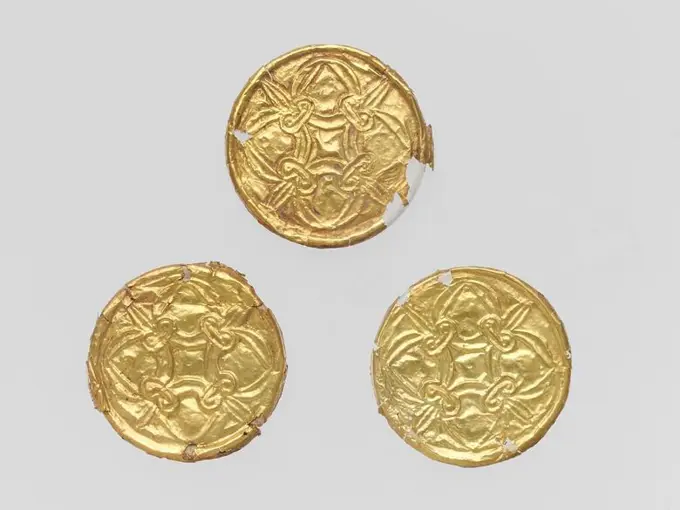
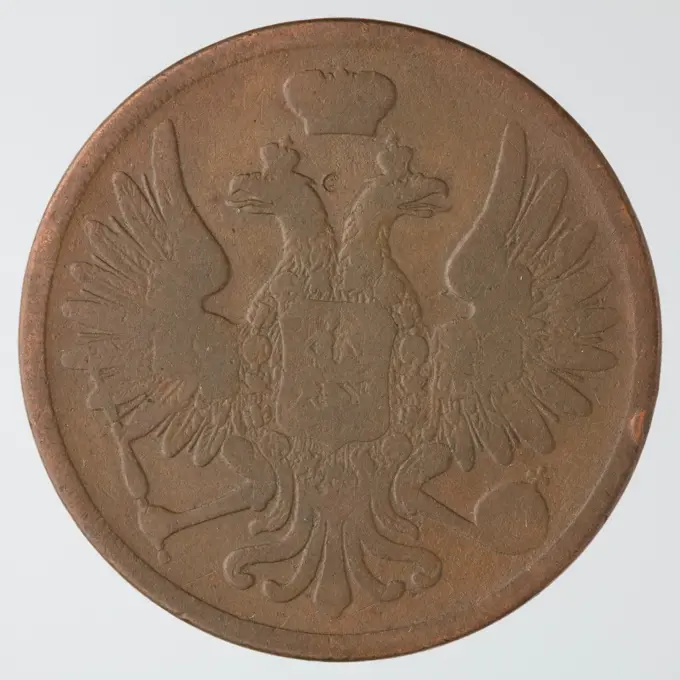
A selection of historical medals and coins from a museum collection, showcasing intricate designs and varying states of preservation.
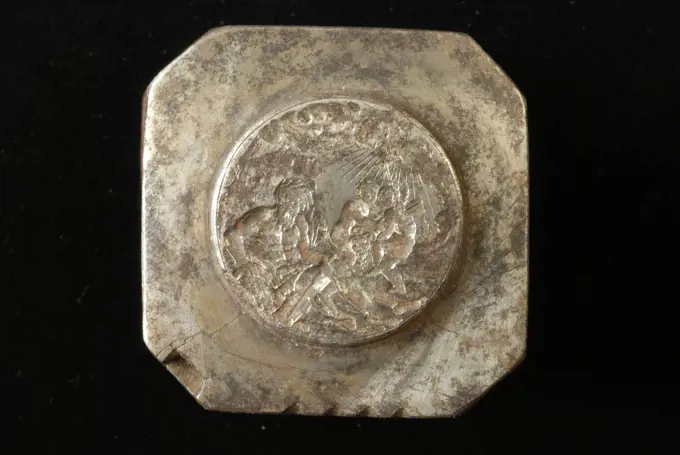
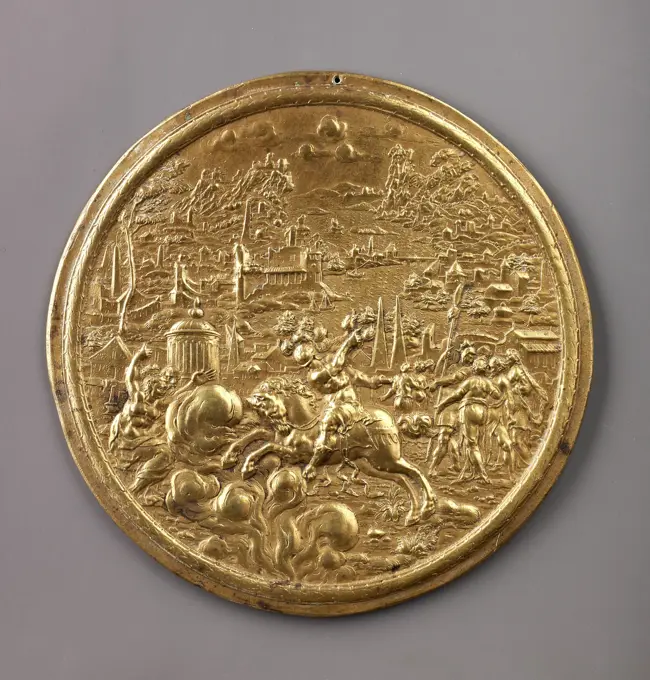
Stamp (set) for medals from the vroedschap van Rotterdam town council in 1705, stamp of stamp steel, bas relief Stamp for the front of the city council of Rotterdam in 1705 depicting the Maasgod lying with the left arm leaned on an urn from which water flows; behind them angels who carry horn of plenty (symbol of abundance and imperishable happiness) and Mercury staff (god of commerce); radiant sun shining through the clouds Rotterdam government council board trade symbol allegory vroedschap Maas
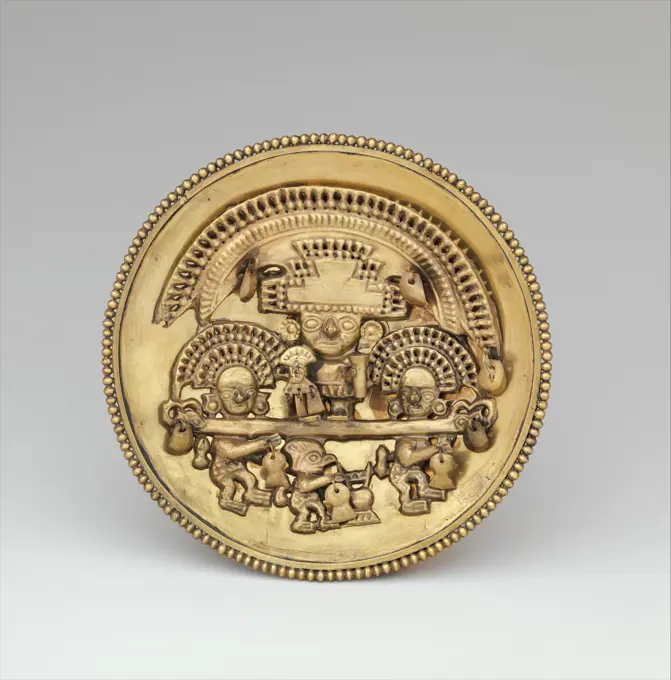
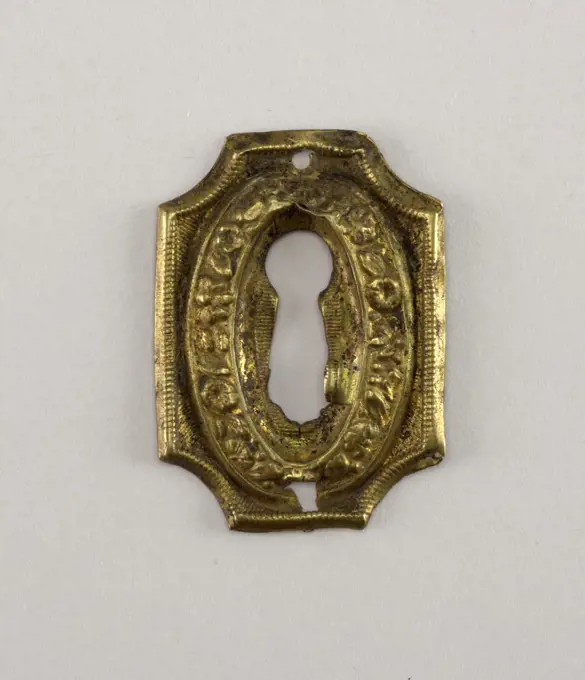
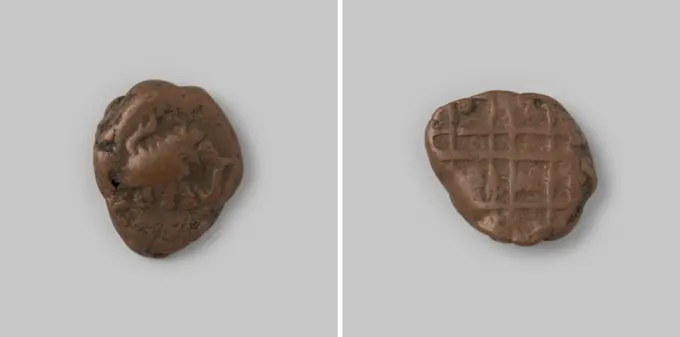
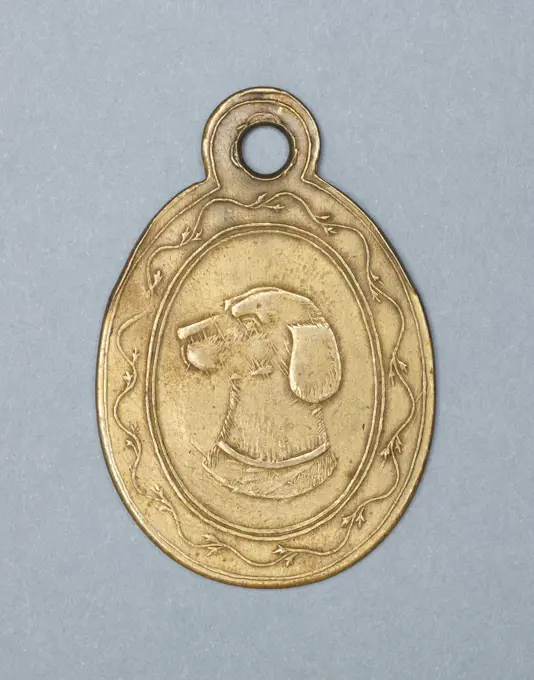
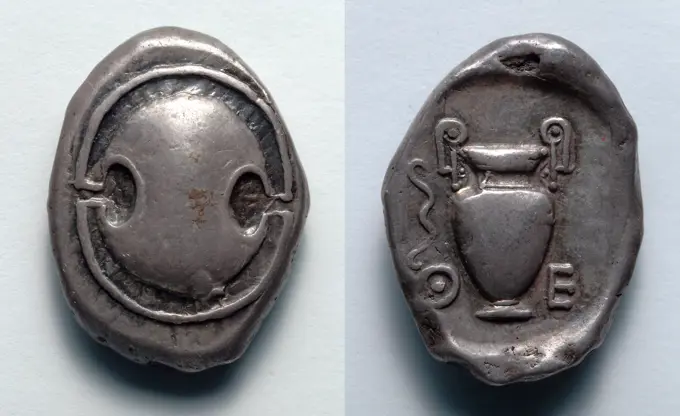
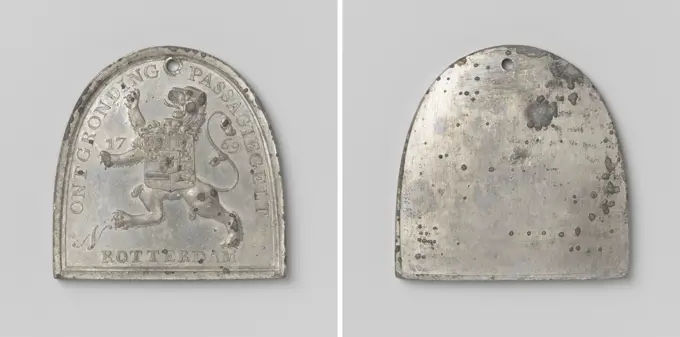
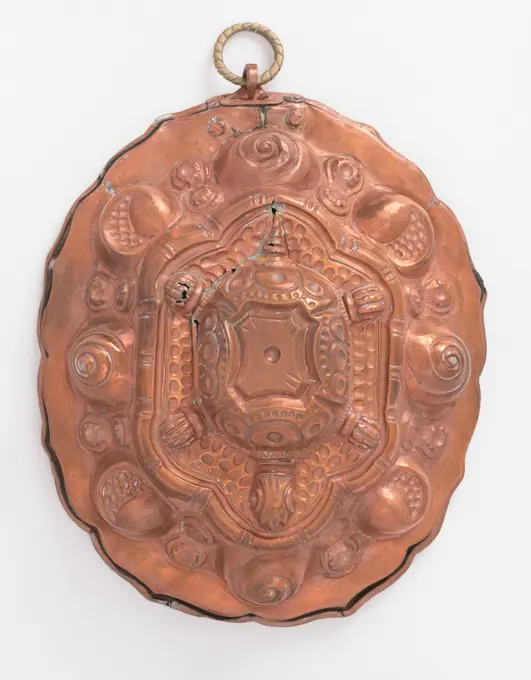
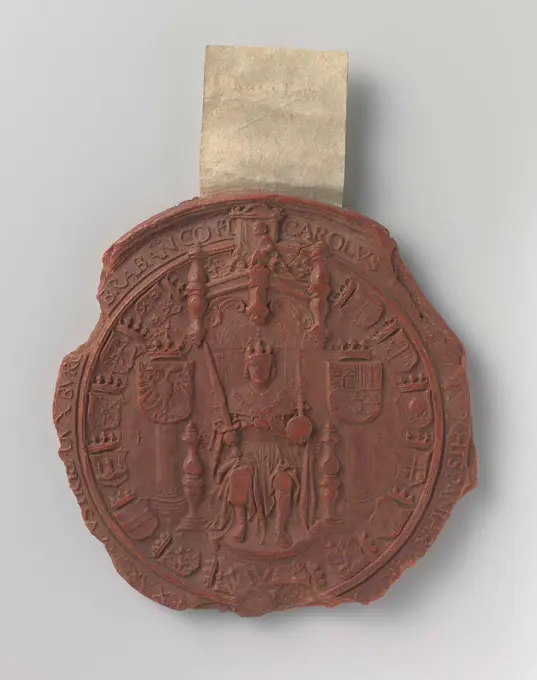
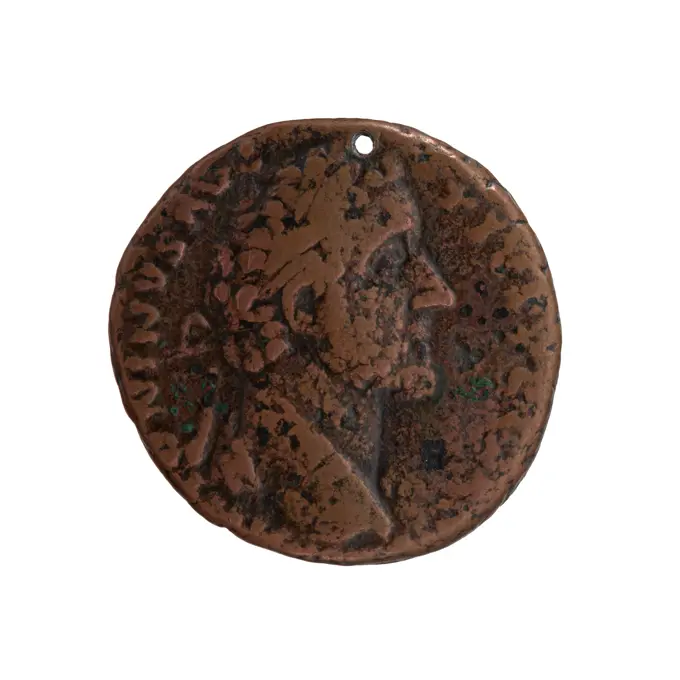
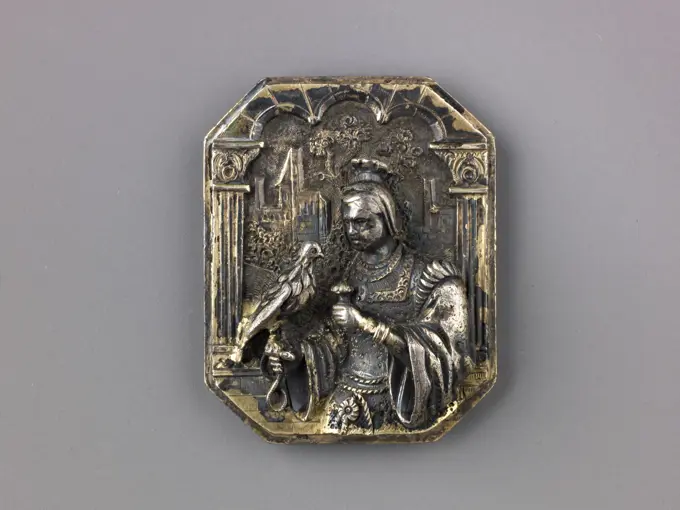
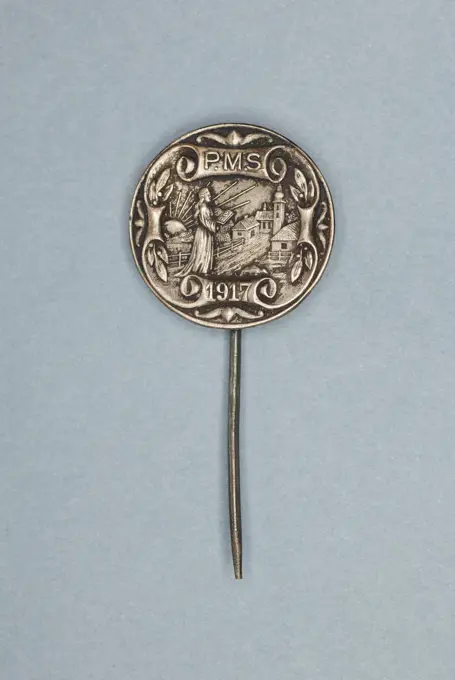
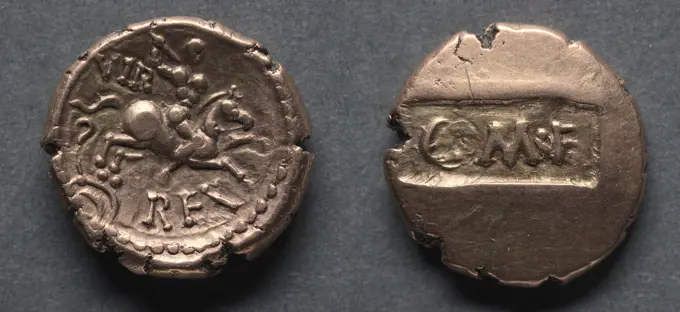
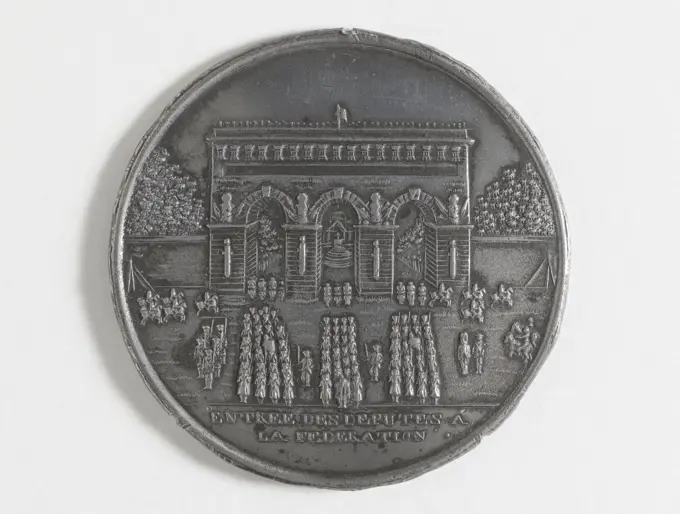
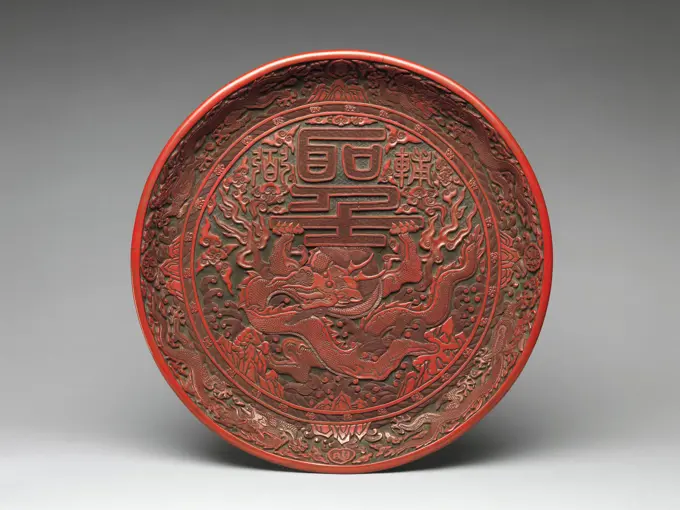
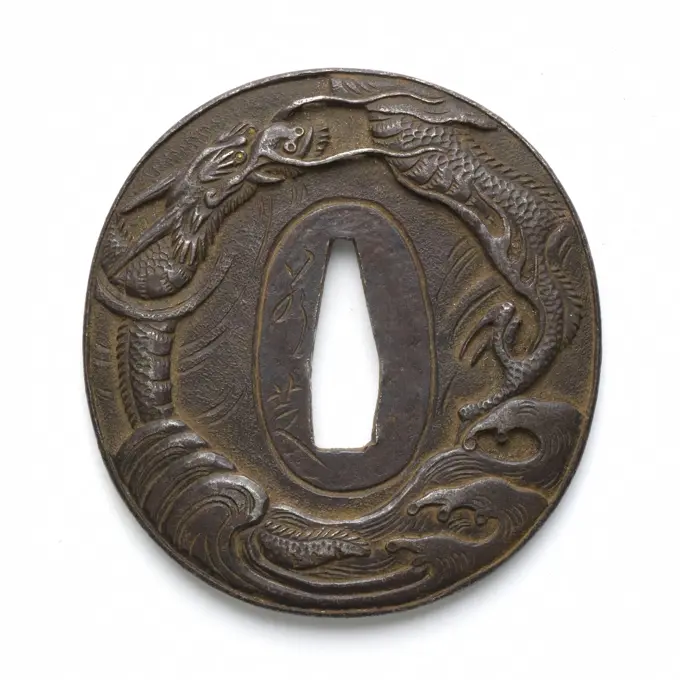
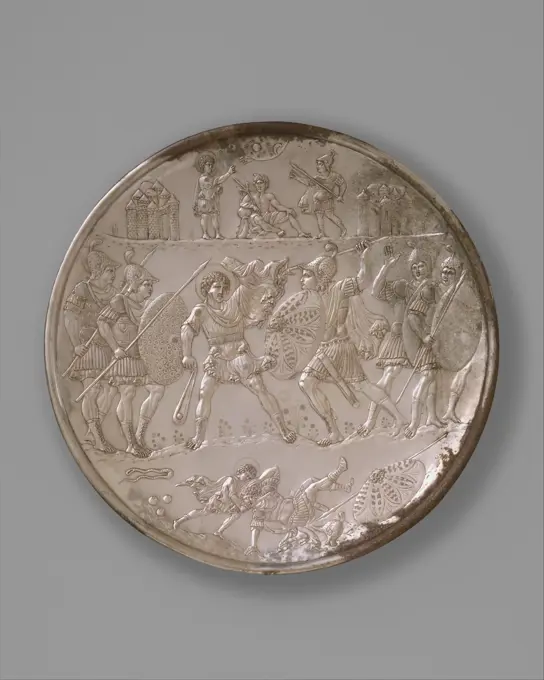
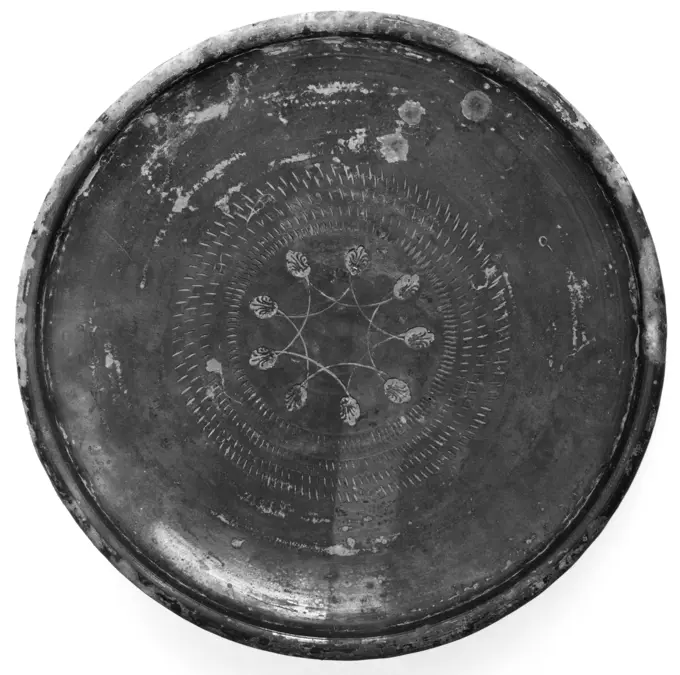
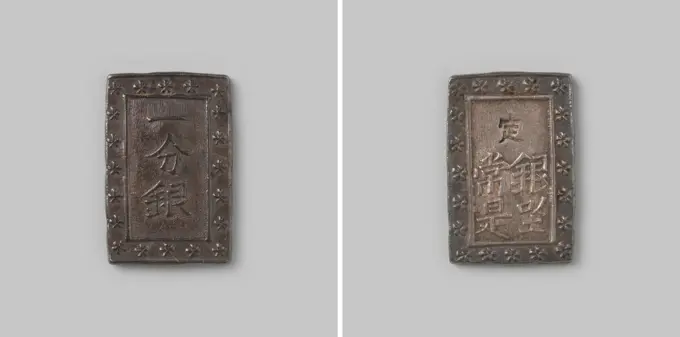
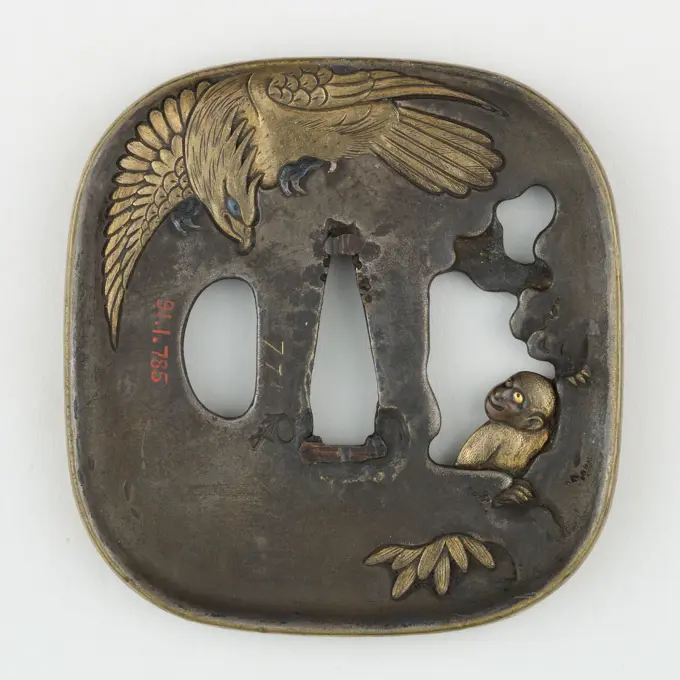
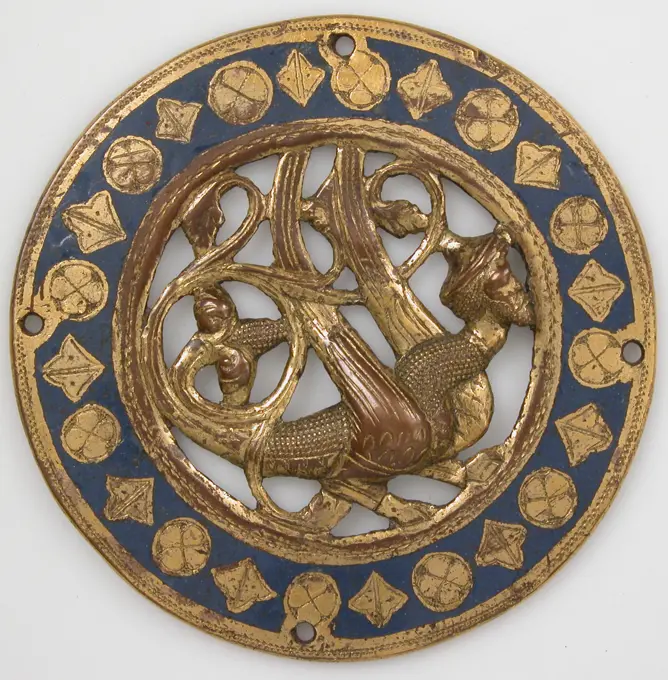
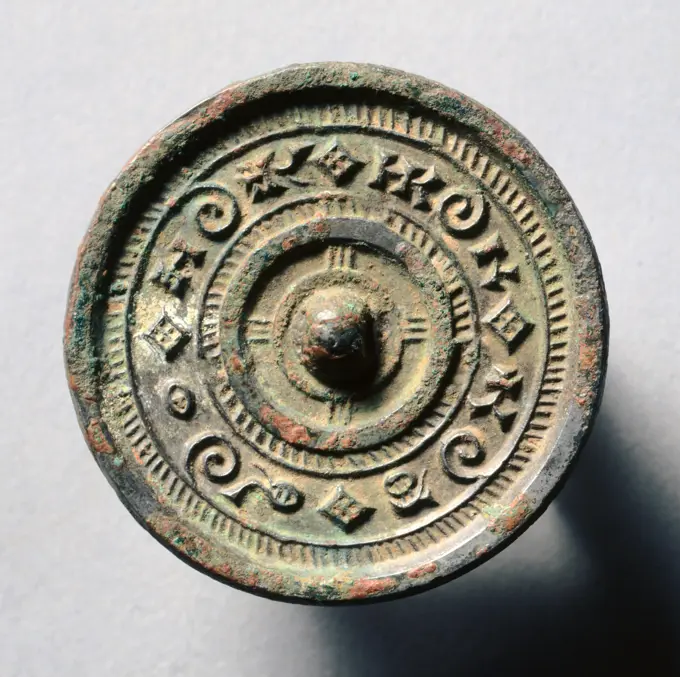
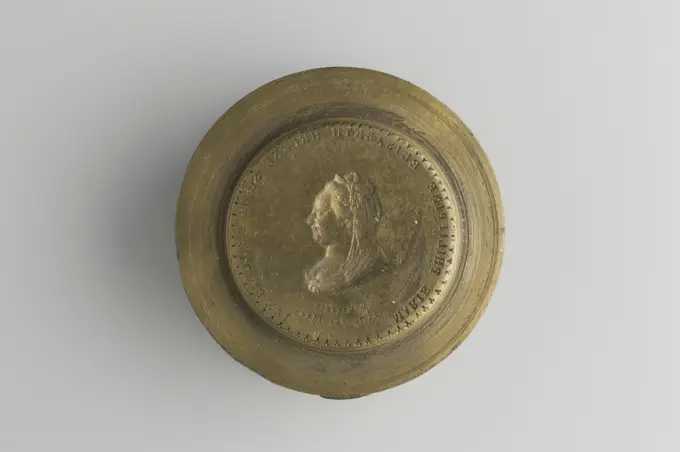
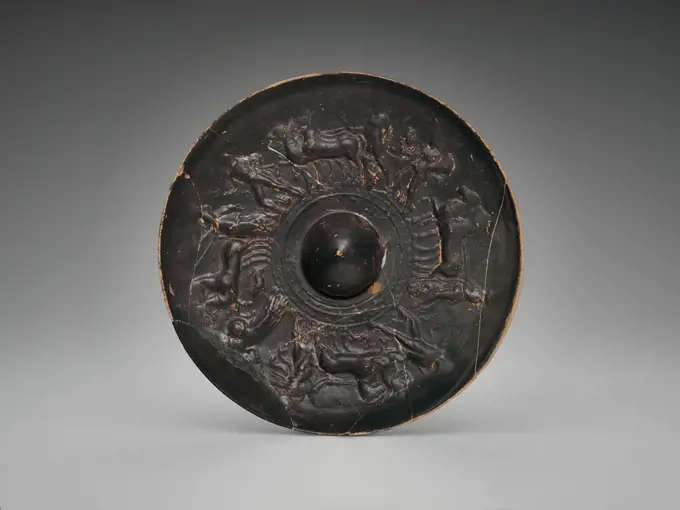
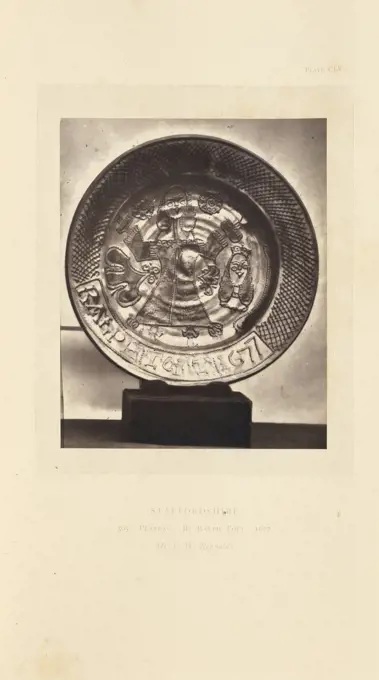
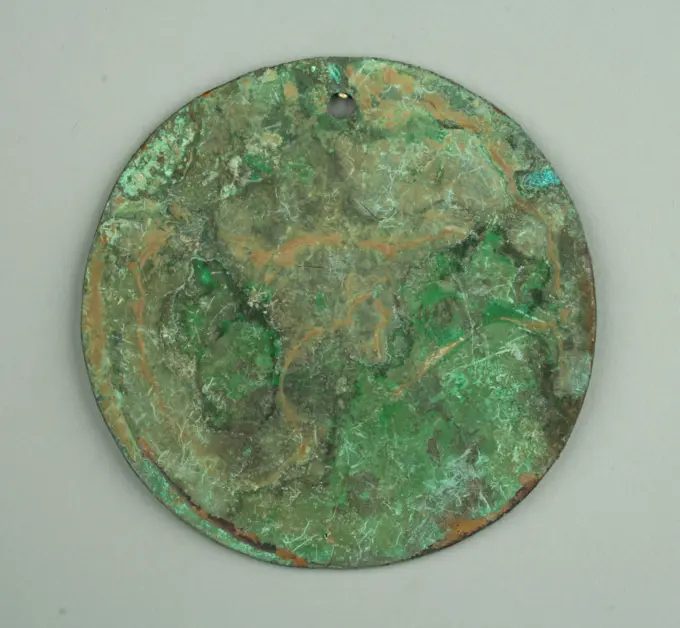
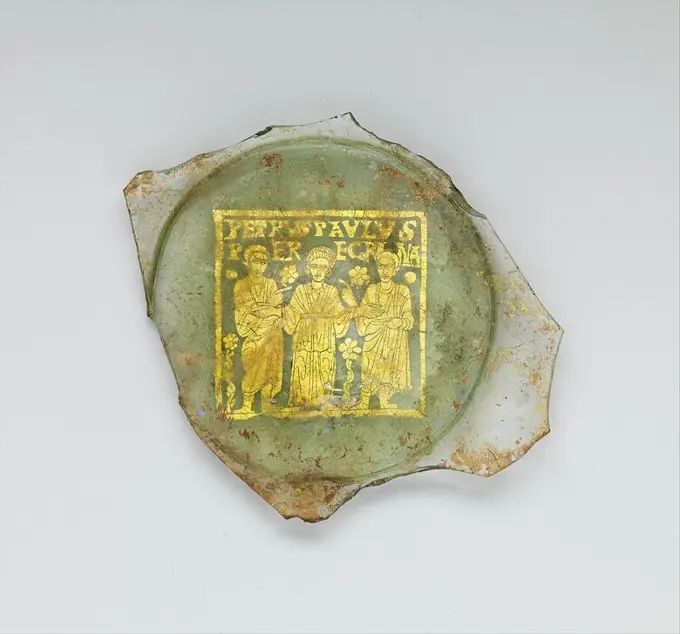
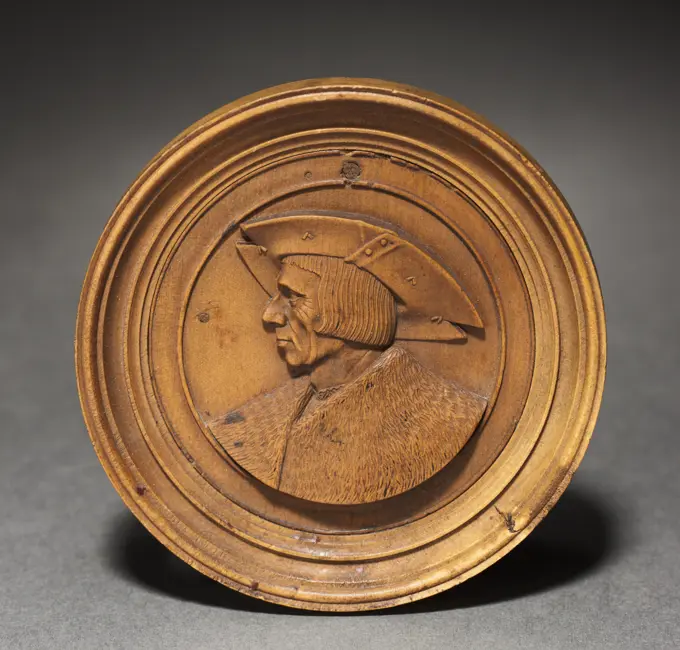
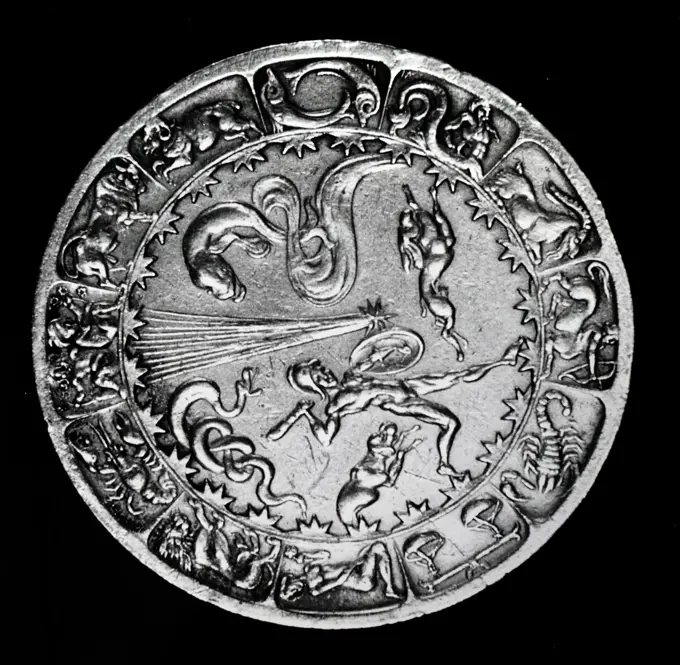
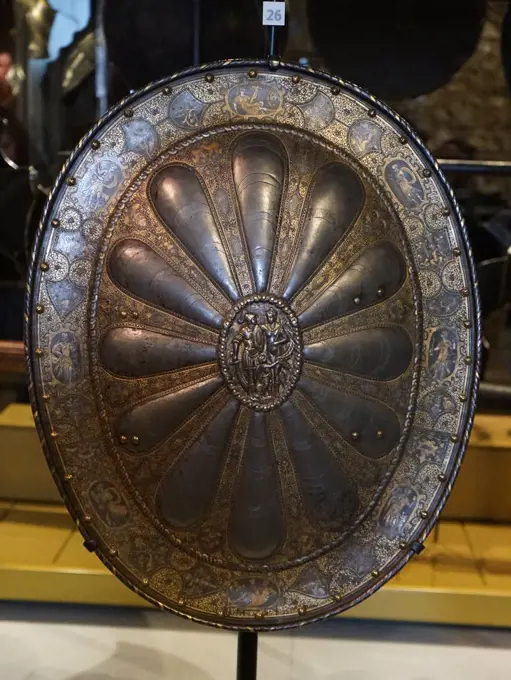
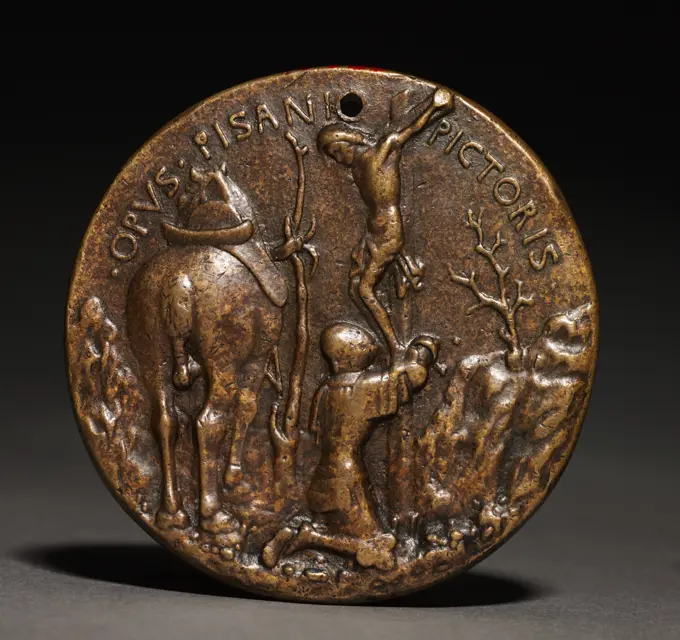
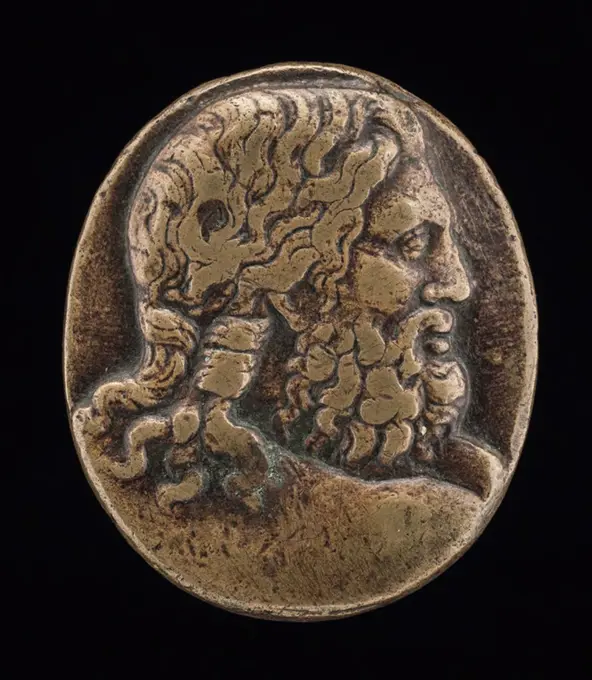
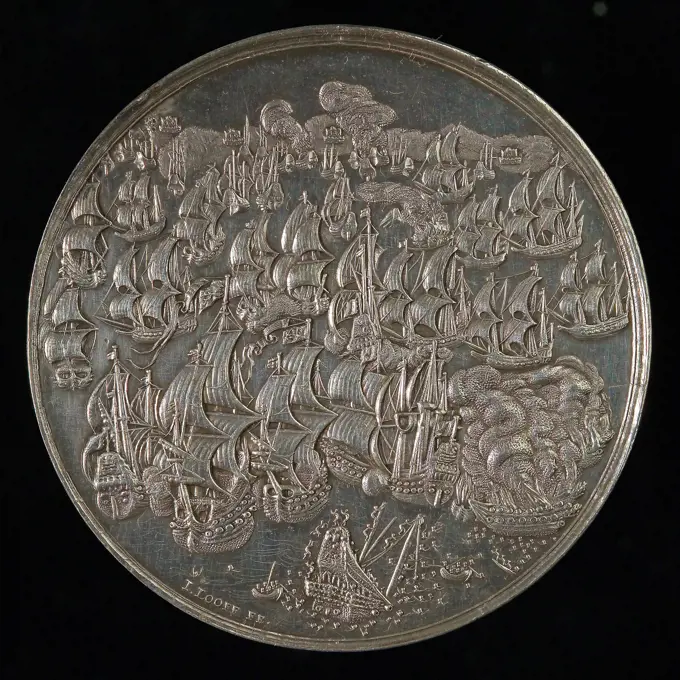
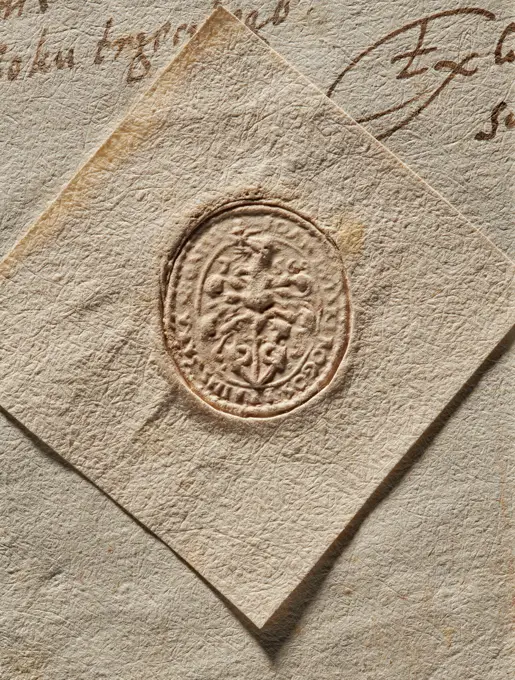
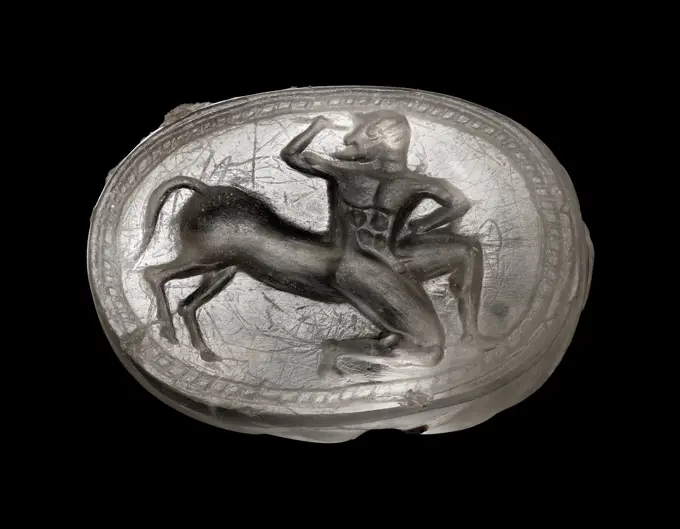
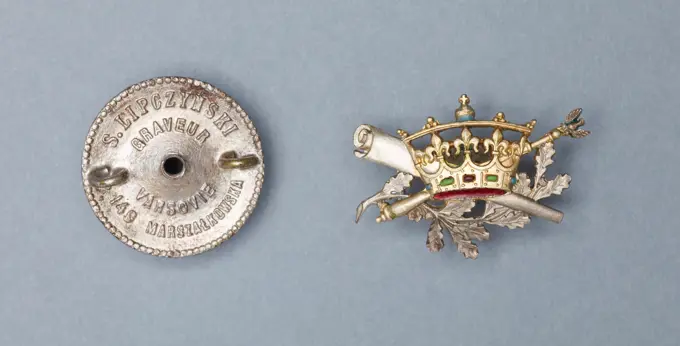
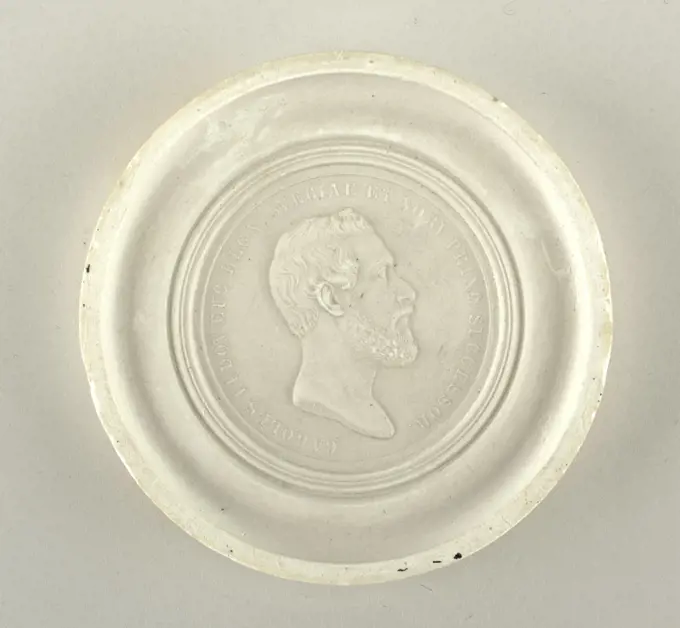
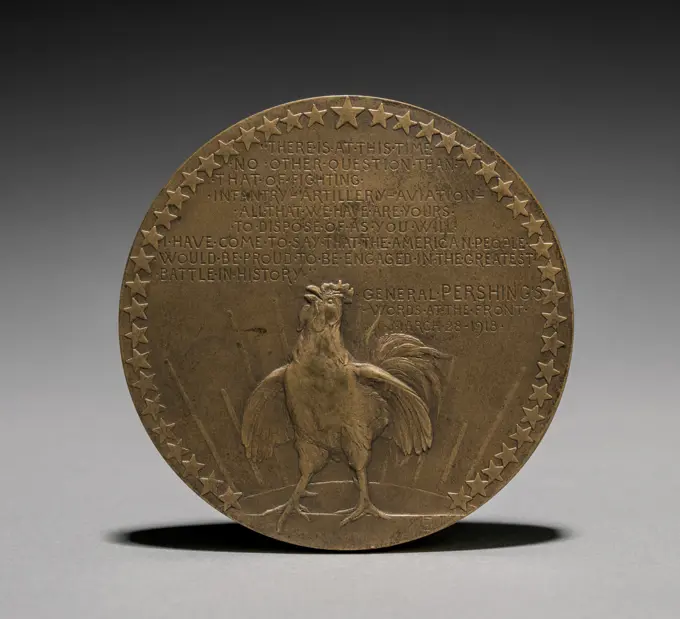
Mirror. Culture: China. Dimensions: Diam. 5 5/8 in. (14.3 cm). Museum: Metropolitan Museum of Art, New York, USA.Earflare with Multifigure Scene A.D. 1350-1470 Chimú Ear ornaments were an important component of courtly regalia in the ancient Andes from at least the first millennium B.C. to the arrival of the Spaniards in the sixteenth century. Some of the most spectacular examples in the late pre-Hispanic period were made at Chan Chan, capital of the Chimú Empire, in the Moche Valley on Perus North Coast. This pair of earspools features nearly the same composition on each ornament. The principal figure, likely a depiction of political leader known as a cacique or lord in sixteenth-century Spanish texts, wears a large crescent headdress and stands on a litter (a type of conveyance used to carry an individual, or individuals), born aloft by two smaller-scale figures with similar, but smaller headdresses. The lord himself wears large round ear ornaments that have a central boss and decorated borders. His tunic—the primary male garment in the late prehispanic Andes, worn over a loincloth—is embellisKeyhole escutcheon, Brass, Rectangular, with concave circular corners; shaped keyhole in oval reserve., England, ca. 1800, metalwork, Decorative Arts, Keyhole escutcheonAkhtar uit mysore in India coin Copper mint. Front: running elephant to the right. Reverse: Pattern of perpendicular each other standing straight lines. Mysore copper (metal) striking (metalworking)Kraków sign of dog fees No. 973Plaquette of gilded bronze with show Pallas Athens, Hans von Aachen (Circle of), 1600 - 1699 Plaquette of gilded bronze. It is presented: Pallas Athens introduces painting into the circle of the muses. Taken from a design by Hans von Aachen. Note: The still unknown maker of the plaque must probably be searched for at the court of Rudolf II in Prague. A silver copy is located in an Amsterdam private collection. Furthermore, a number of lead copies are known. State: very accurate and sharp.  bronze (metal). gilding (material) casting / gilding Plaquette of gilded bronze. It is presented: Pallas Athens introduces painting into the circle of the muses. Taken from a design by Hans von Aachen. Note: The still unknown maker of the plaque must probably be searched for at the court of Rudolf II in Prague. A silver copy is located in an Amsterdam private collection. Furthermore, a number of lead copies are known. State: very accurate and sharp.  bronze (metal). gilding (material) casting / gildiStater: Boiotian Shield (Obverse); Volute Krater (Reverse), 395-387 BC. Greece, 4th century BC. Silver; diameter: 2.5 cm (1 in.).Dinar of an Unidentified King. India, 300-500. Tools and Equipment; coins. GoldTextile Fragment 3rd-4th century. Textile Fragment. 3rd-4th century. Wool, linen; plain weave, tapestry weave. Made in Egypt. TextilesPhotograph showing the honor sign of the Austrian army awarded to Count M. C. O'Donell, savior of Emperor Franz Joseph I, taken in 1853 on salt paper, depicting military decoration and ceremonial objects.Groot Schippers Guild of Franeker, Gildepenning van Beern Jansen, Anonymous, 1645 medal Brass octagonal medal. Front: to the left sailing ship between letters G and P inside cable edge. Reverse: Coat of arms above inscription Binnen Kabrand Franeker brass (alloy) engraving  FranekerFragment of a Dish 12th-13th century. Fragment of a Dish 447189Pilgrim's Badge 14th-16th century French. Pilgrim's Badge. French. 14th-16th century. Lead. Metalwork-LeadSaying in Rotterdam, Penning intended as evidence for peat carriers, fillers or tunners to be allowed to enter peat from the newlyered veins, Anonymous, 1769 identification medal One-sided lead medal with round top and rectangular underside, and hole in it. Front: Standing lion with coat of arms on chest between the year within Kerschrift. Reverse: Blanco. Rotterdam lead (metal) casting  RotterdamDish. Culture: German. Dimensions: Overall: 15 1/4 x 1 7/16 in. (38.7 x 3.6 cm). Date: early 16th century. Museum: Metropolitan Museum of Art, New York, USA.Pilgrim's Badge 14th-16th century French. Pilgrim's Badge. French. 14th-16th century. Lead. Metalwork-LeadPendant. Unknown 1st-2nd century A.D. This pendant is made of gold glass mounted on a circular bronze setting. A bird perched on a twig decorates the pendant. The surface is weathered and cracked.Fireplace with image. Fireplace with windows, in which medallions with mans and female bra.Weapon of King Willem I. Coat of arms of Willem I Frederik, King of the Netherlands in round black table with hook and rear glass. Two standing crowned lions hold coat of arms high. Below buckle with 'Honi' and 'Pense'. Below two banderoles, one of which is illegible. The bottom 'your Maintiendrai'. Curtains draped on either side above which crown. On blue background. On the back list a label with text stuck.PEBETERO ROMANICO. Location: VICTORIA AND ALBERT MUSEUM. LONDON. ENGLAND.Food Mold (France); copper, tinBruttium, Rhegium, Tetradrachin; CA 450 425 BC Menna RhegiumFalse Coin, Iithuanian Half Groschen, Alexander Jagiellon (1501 1506)Carnavalet museum, tokens collectionPlaque of Sword Pommel. Culture: North Italian. Dimensions: Diam. 2 5/8 in. (6.7 cm); Wt. 3 oz. (85 g). Date: ca. 1500. Museum: Metropolitan Museum of Art, New York, USA.Wax Seal of Emperor Charles V. Seal with stamp in red was. Front: emperor at seat under the ball. He holds the sword in the right hand and the Rijksappel in the left hand. Keizerskroon. Left and right of the throne coat of arms. Along the edge also coats of arms. Reverse: Coat of arms.Quarter Daalder, emergency coin from Groningen, beaten during the siege, Anonymous, 1672 coin. siege coin Unilateral, diamond -shaped emergency coin of Groningen, with rounded corners. Front: Crowned coat of arms between value indication within the change. Reverse: Blanco Groningen silver (metal) striking (metalworking)  GroningenGold roundel. Culture: Cypriot. Dimensions: Diam.: 1 7/16 in. (3.7 cm). Date: ca.1600-1050 B.C..Made of hammered sheet metal, these gold roundels would have adorned a cloth or garment, probably a funerary shroud. Similar examples have been found in the Royal Shaft Graves at Mycenae and in Mycenaean tombs on the island of Rhodes. Museum: Metropolitan Museum of Art, New York, USA.Carnavalet Museum, Medals CollectionMold for a Eulogia (Blessing) Bread, 600s-900s. Byzantium, Palestine, Byzantine period, 7th-10th century. Wood; diameter: 8.8 x 1.9 cm (3 7/16 x 3/4 in.).Orangist Oproer in Middelburg, carrying sign in honor of Willem V, Prince of Oranje -Nassau made from Overijsselse Dang, Nicolaas Wonneman, 1766 - 1787  Silver and Copper Gilded Carriage Sign On Upper and Bottom Decorated with openwork ribbons. Front: on red velvet surface: anchor; On top shaft, between two rosettes, letter V; on the left end of anchor stick letter o, on the right -hand letter r; In the middle of shaft letter S; Just above Ankerkruis: head of man on two crossed oak branches under the year ribbed edge. Reverse: inscription. Match silver (metal). copper (metal). velvet (fabric weave) striking (metalworking) / engraving / gilding  MiddelburgThree Kopiejki Kingdom of Poland Mint WarsawAS (with a hole); Antoninus Pius (86-161; Roman emperor 138-161); 155-157 (155-00-00-157-00-00);Saying in Rotterdam, Penning intended as evidence for peat carriers, fillers or tunners to be allowed to enter peat from the newlyered veins, Anonymous, 1769 identification medal One-sided lead medal with round top and rectangular underside, and hole in it. Front: Standing lion with coat of arms on chest between the year within Kerschrift. Reverse: Blanco. Rotterdam lead (metal) casting  RotterdamWoman Holding a Falcon and a Flower 19th century German This octagonal plaquette was made in the nineteenth century in a Renaissance style.. Woman Holding a Falcon and a Flower. German. 19th century. Gilt silver, remnants of solder on the reverse.. PlaquettesPlanets-manager. Cornalet Collection Sites 2013-2016. Numismatic.Commemorative badge of a graduate of the Male Junior High School Jan Zamojski Polish school matrixMirror Back with Great Goddess, 400-550. Guatemala(), Escuintla, Teotihuacán style, Classic Period. Slate, pigment; other side originally inlaid with polished pyrite mirror; overall: 20.1 x 0.2 cm (7 15/16 x 1/16 in.).Verica Stater: Sunken Tablet (obverse); Horse and Rider (reverse), c. AD 10-40. England (Ancient Britain), 1st century A.D.. Gold; diameter: 1.7 cm (11/16 in.). Verica was the youngest son of Commius. He is identified as the Bericus whom the historian Sion Cassius refers to as being in exile, and appealing to Claudius for help. Commius was king of the Atrebates. When Caesar was planning his first visit to Britain, some Britons sent him envoys with offers of hostages and allegiance to Rome. Caesar received them favorably and retained no hostages but sent Commius and his high commissioner with instructions to persuade the Britons to ally themselves with Rome, and to expect Caesar in person in a few weeks time. This took place in 55 BC. It is therefore possible that Verica was either born fairly late in his father's life or that he was illegitimate. However that may be, his reign can with reasonable accuracy be placed as being in the first and second quarters of the first century AD.Festival of the Federation ". Etain. July 14, 1790. Paris, Carnavalet Museum. Droit The deputies, stored in three columns, are preparing to cross a three -door triopmhe arc. Moarchy fall, tin, medal, first anniversary, taking the Bastille, republic, French revolutionTray with dragon and Chinese characters 1522-1566 China This tray is one of the finest products of the official workshops of the Jiajing era. It was probably made in the early part of the reign before Daoist imagery began to dominate at court. The dragon in the center holds up the Chinese character sheng, which means divine” or imperial majesty.” The characters above it (fu on the right and bi on the left) generally signify to add” or to support.” While they can be used to refer to the emperor’s chief ministers, in this case they may refer to the dragon, a well-known symbol of imperial authority.. Tray with dragon and Chinese characters 40224Commemorative badge Mutual insurance of buildings from fire Drewnicki, Romuald (Fl. 1905)Tsuba. Japan. Fer. Paris, Muse Cernuschi. Assessment, armaments, Asian art, Japanese art, weapon custody, art object, metallic object, armament piece, tsubaSeal Impression, Bishop. Culture: Netherlandish. Dimensions: Overall (with parchment ribbons): 3 1/2 x 3 x 5/16 in. (8.9 x 7.6 x 0.8 cm)wax only: 2 13/16 x 5/16 in. (7.1 x 0.8 cm). Date: 14th century. Museum: Metropolitan Museum of Art, New York, USA.Plate with the Battle of David and Goliath 629-30 Byzantine In 628-29 the Byzantine emperor Herakleios (r. 610-41) successfully ended a long, costly war with Persia and regained Jerusalem, Egypt, and other Byzantine territory. Silver stamps dating to 613-29/30 on the reverse of these masterpieces place their manufacture in Herakleioss reign. The biblical figures on the plates wear the costume of the early Byzantine court, suggesting to the viewer that, like Saul and David, the Byzantine emperor was a ruler chosen by God. Elaborate dishes used for display at banquets were common in the late Roman and early Byzantine world; generally decorated with classical themes, these objects conveyed wealth, social status, and learning. This set of silver plates may be the earliest surviving example of the use of biblical scenes for such displays. Their intended arrangement may have closely followed the biblical order of the events, and their display may have conformed to the shape of a ChristogramPRICE CAUTION OMMERSCHANS, house coin beaten at the burden of the society of beneficiality worth five cents. Unilateral coin. Front: value indication within pearl edge. Reverse: Blank.Campanian Black Dish. UnknownIchi Bu Gin = Silver Ichi BU from the Empire Japan, from the Tenpo era ,, 1837 coin Silver rectangular mint. Front: two flower motifs twisted to each other, between which value indication: ichi = one, indicated by a lying line on the right and on the left the charter for BU. Reverse: inside rectangle among each other placed characters with the sign for the Tenpo era.  silver (metal) striking (metalworking)Sword Guard (Tsuba) Depicting Eagle Preying on Monkey (捕食猛禽図鐔) 19th century Japanese This tsuba shows on the obverse an eagle preying on a monkey who is hiding under a tree. The eagle is interpreted in bas-relief and highlighted in gold and occupies the entire upper left corner of the plate. The monkey, who is highlighted in gold as well, is carefully looking up, clinching to the tree, and being both visible on the obverse and reverse. The rim is wide and gilded.. Sword Guard (Tsuba) Depicting Eagle Preying on Monkey (捕食猛禽図鐔) 25704Medallion before 1227 French These medallions probably come from a large traveling chest that belonged to Cardinal Guala Bicchieri. A collector and bibliophile, he purchased several such coffrets in Limoges and took them to his residence near Turin. Later the medallions were used as decorative elements on the choirstalls of the Church of Saint Sebastian in Biella, a dependency of one of the cardinals foundations. At an unknown date, the originals were replaced by copies.. Medallion 464659Twenty -five year old government anniversary of King William III 1874, J.M. Van Kempen (firm), 1874 history medal Partly gilded in the form of an Oranjeboom for which a crowned lion between two palm branches and a text ribbon. Voorschoten silver (metal)Silver gilt Dessert Stand or Tazza, 1807-1808. Silversmith: Benjamin Smith. Sponsor: Rundell, Bridge & RundellMirror with Concentric Circles, late 3rd Century BC - early 1st Century. China, Western Han dynasty (202 BC-AD 9). Bronze; diameter: 5.9 cm (2 5/16 in.); overall: 0.6 cm (1/4 in.); rim: 0.3 cm (1/8 in.).Fragment; silk; Warp x Weft: 27 x 22.9 cm (10 5/8 in. x 9 in.)Grahal-Manzara. Carnavalet 2013-2016 collection sites. Numismatics. Coin bust of Marie Philippine Elisabeth, sister of Louis XVI, right.Self-sacrifice of Marcus Curtius ca. 1596-1600 Paulus Willemsz. van Vianen Netherlandish. Self-sacrifice of Marcus Curtius. Paulus Willemsz. van Vianen (Netherlandish, Utrecht ca. 1570-ca. 1613/14 Prague). German, Munich. ca. 1596-1600. Gilt copper alloy; incused cast. PlaquettesDisk representing Theodose the First handing over a roll to his sons Arcadius and Honorius.. 4th century. Silver object from the late roman time. History Academy of Madrid. Location: ACADEMIA DE LA HISTORIA-COLECCION. MADRID. SPAIN. THEODOSIUS I THE GREAT. Arcadius. HONORIO FLAVIO.Phiale mesomphalos (libationsaucer), Middle 3rd to early 2nd century B.C., Ceramic. Black glazed, 7 5/16 in. (18.5cm), Greek, South Italian,Calenian, Hellenistic, Containers -CeramicsWillem V, Prince of Oranje -Nassau, Anonymous, 1787 - 1795  One -sided silver oval open -worked carrying sign. Front: breastpiece man inside pearl edge. Reverse: Blanco Netherlands silver (metal) striking (metalworking)Plate; William Chaffers (English, 1811 - 1892); London, England, Europe; 1871; Woodburytype; 11.4 x 9.2 cm (4 1,2 x 3 5,8 in.)Dang of the VOC from the city of Utrecht, 1770, United Oostindische Compagnie, 1770 coin Copper mint. Front: on beam, including garland, placed, crowned coat of arms of the city of Utrecht. Reverse: monogram of the VOC, above which mint sign and including the year. Smooth edge. Utrecht copper (metal) striking (metalworking)Pátera de Otanes Pátera de Otanes, silver and gold, between the 1st century AD. C. and the 4th century AD. C., replica, Castro Urdiales, Museum of prehistory and archeology MUPAC, Santander, Cantabria, Spain Copyright: xZoonar.com/Tolox 21880595Presenting medal of the Rademakers, Kuipers, Draaards and Schrtijnwerkersgilde in 's-Hertogenbosch 1664 ,, 1664 history medal. medal Round brass picture, engraved on the front a coat of arms with cupboard, ton, chair and wheel, on the reverse the year 1664 and the name J.G. Mirande, with carrier eye  brass (alloy) engravingRound Plaque 3rd century B.C.-A.D. 2nd century Vicús. Round Plaque 315524Planets-manager. Cornalet Collection Sites 2013-2016. Numismatic.Round PiloncitoCoinTextile Fragment 5th-6th century. Textile Fragment 445218Plate Base with Peregrina between Saints Peter and Paul. Culture: Roman. Dimensions: Overall: 4 1/2 x 5 1/4 x 1/2 in. (11.5 x 13.3 x 1.2 cm)diameter of foot: 3 7/8 in. (9.8 cm). Date: mid-300s.Pelegrina, flanked by Saints Peter and Paul, stands in a flowery landscape, possibly representing paradise. Museum: Metropolitan Museum of Art, New York, USA.Carnavalet museum, tokens collectionSword Guard (Tsuba) with Dandelion, c. 1615-1868. Japan, possibly Edo period (1615-1868). Iron; diameter: 7 cm (2 3/4 in.).Back of an early Russian bronze mirror. Artist: UnknownFragment majolica dish, blue on white, details yellow, middle eight-pointed star, dish crockery holder soil find ceramic earthenware glaze, Cooked on the underside covered with clear lead glaze. Polychrome archeology adorn serving foodMirror Greek, Cypriot. Mirror. Greek, Cypriot. Bronze. BronzesWatch ca. 1550 Watchmaker: Leopold Reicheneder. Watch 194117Repoie from India van Akbar, 963-1014 = 1555-1605, beaten in Lahore in 988 = 1580 ,, 1580 coin Silver square mint. Front: Inside upright squarein Arabic characters Inscription in three lines: first part of the Kalima = creed. In the corners outside the square inscriptions: names of the four successors of Mohammed. Between the first and second line year: 988. This copy could also be a copy of the aforementioned Ropie, used as a temple token.  silver (metal) striking (metalworking)Portrait of a Man, early 1500s. Germany, early 16th century. Boxwood; diameter: 8 cm (3 1/8 in.).Round Plaque. Culture: Vicús. Dimensions: Diam. 3 1/8 in. (8 cm). Date: 3rd century B.C.-A.D. 2nd century. Museum: Metropolitan Museum of Art, New York, USA.Medal commemorating the reappearance of Halley's Comet in 1910. Discovered by Edmond Halley (1656-1742) an English astronomer, geophysicist, mathematician, meteorologist, and physicist. Dated 20th centuryGaming Piece , c.1700. Martin Brunner (German, 1659-1725). Wood; diameter: 6.1 cm (2 3/8 in.); overall: 1.3 cm (1/2 in.).Bronze mirrors from a tomb near Miyachidake, Chikuzen, Japan. Dated 8th CenturyMedieval mirrors from the Eastern Islamic world, made from cast copper alloy. Dated 11th CenturyInscribed 50 Deben Weight Third Intermediate Period-Late Period ca. 1070-525 B.C. View more. Inscribed 50 Deben Weight. ca. 1070-525 B.C.. Diorite. Third Intermediate Period-Late Period. From Egypt. Dynasty 26Carnavalet Museum, Medals CollectionSiege of Groningen and Taking Coevorden. Silver medal. Front: face on city and besiegers during shelling with links middle inscription. Reverse: Map of city within subcont.Steel Parade shield, decorated with the figure of Mars, Venus and Cupid, as well as, scenes depicting Flora, Fauna, Cornucopiae and grotesques. Dated 16th CenturyPRISON PRESENCIES OMMERSCHANS, house coin beaten at the society of beneficiality worth 25 cents. Unilateral, rectangular coin with chickened corners. Front: two brands above value indication; In Hoek Above: Letter O, in Hoek Between: Letter S. down side: blankPortrait Medal of Domenico Novello Malatesta (reverse), c. 1445. Pisanello (Italian, Ferrara, c. 1395-1455). Bronze; diameter: 8.3 cm (3 1/4 in.).Jupiter obverse. Dated: second half 15th century. Dimensions: overall (oval): 4.2 x 3.6 cm (1 5/8 x 1 7/16 in.) gross weight: 44 gr. Medium: bronze//Light brown patina. Museum: National Gallery of Art, Washington DC. Author: Master IO. F. F.J. Looff, Medal on the naval battle at Duins on 16 September 1639, penny footage silver, the naval battle, signed Duins Ex-collection W.K.F Zwierzina.Planets-manager. Cornalet Collection Sites 2013-2016. Numismatic.signet seal of Jan Dulski, Starost of Rogoźno and Brańsk. Dulski, Jan ; (fl. ca 1576), signatoryBronze mirror-cover depicting Aphrodite and Pan playing knucklebones accompanied by Eros. Made in Corinth. Dated 350 BCButton ca. 1770 French. Button. French. ca. 1770. brassCentaur; 525 - 500 B.C; Rock crystal; 2.2 × 1.6 × 1.2 cm (7,8 × 5,8 × 7,16 in.)Commemorative badge of the University of Warsaw Lipczy Ski, Stanis AW (1867 1939)Handscreen, Block-printed paper leaf with applied lithograph, turned wood handle, Hexagonal handscreen with a circular medallion in the center with a classical scene, surrounded by floral borders in green and white., early 19th century, costume & accessories, HandscreenCese coin, Museum of Romanization, Calahorra, La Rioja, Spain, Europe.Grahal-Manzara. Carnavalet 2013-2016 collection sites. Numismatics.Medallion, plaster, profile of man w/ goatee, Netherlands, mid-19th century, Decorative Arts, MedallionPershing Medal (reverse), 1900s. Charles Philippe Germain Aristide Pillet (French, 1869-1960). Bronze; diameter: 7 cm (2 3/4 in.).