Antique Medals and Coins

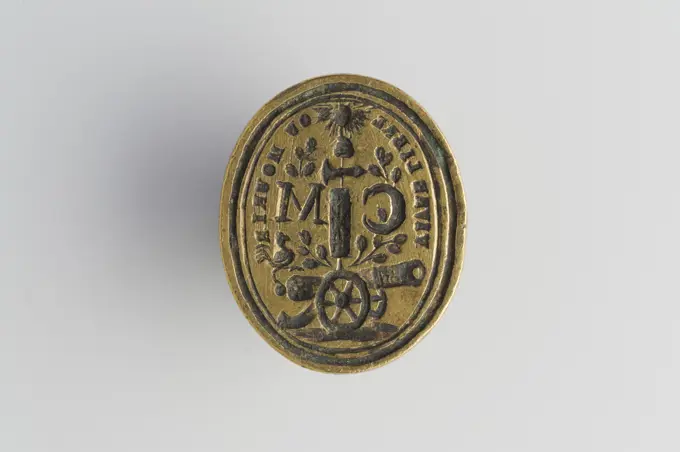
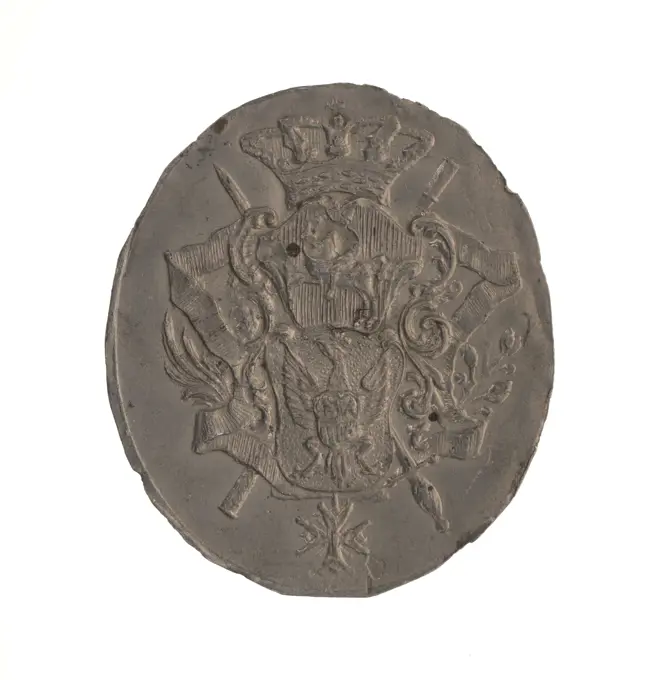
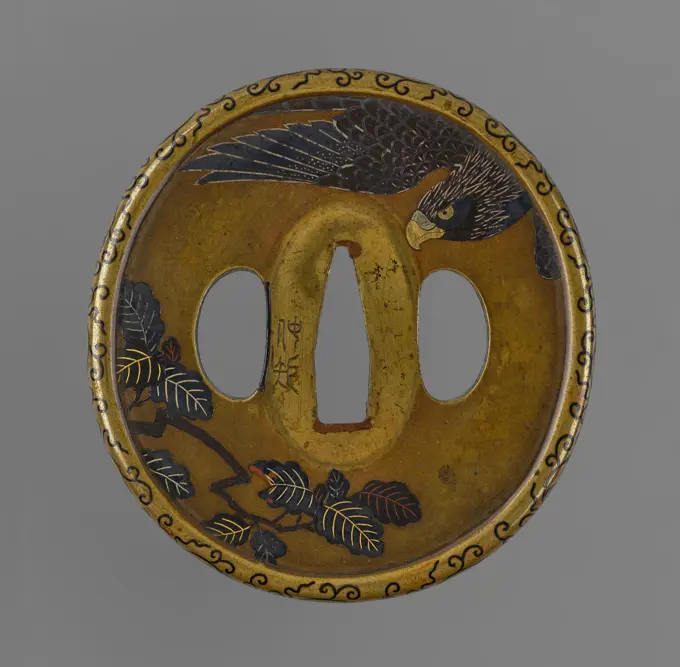
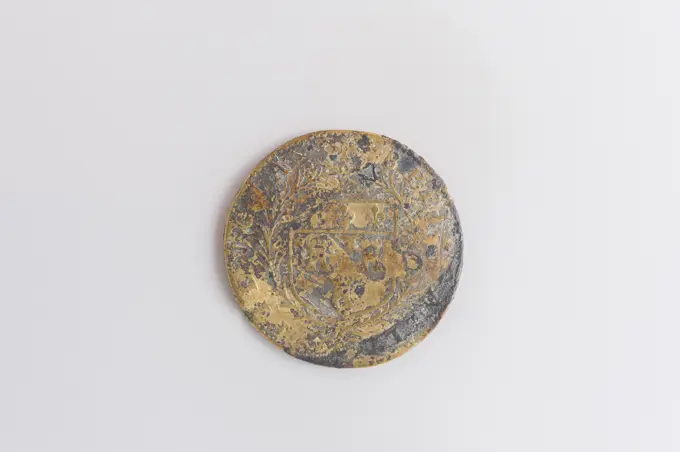
A selection of historical medals and coins from a museum collection, showcasing intricate designs and varying states of preservation.
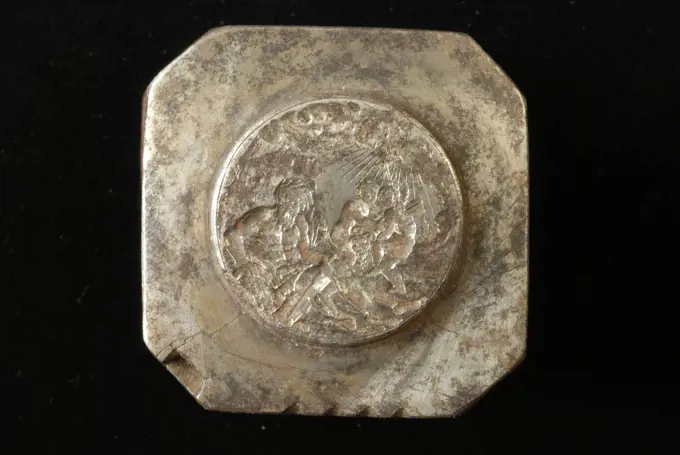
Stamp (set) for medals from the vroedschap van Rotterdam town council in 1705, stamp of stamp steel, bas relief Stamp for the front of the city council of Rotterdam in 1705 depicting the Maasgod lying with the left arm leaned on an urn from which water flows; behind them angels who carry horn of plenty (symbol of abundance and imperishable happiness) and Mercury staff (god of commerce); radiant sun shining through the clouds Rotterdam government council board trade symbol allegory vroedschap Maas
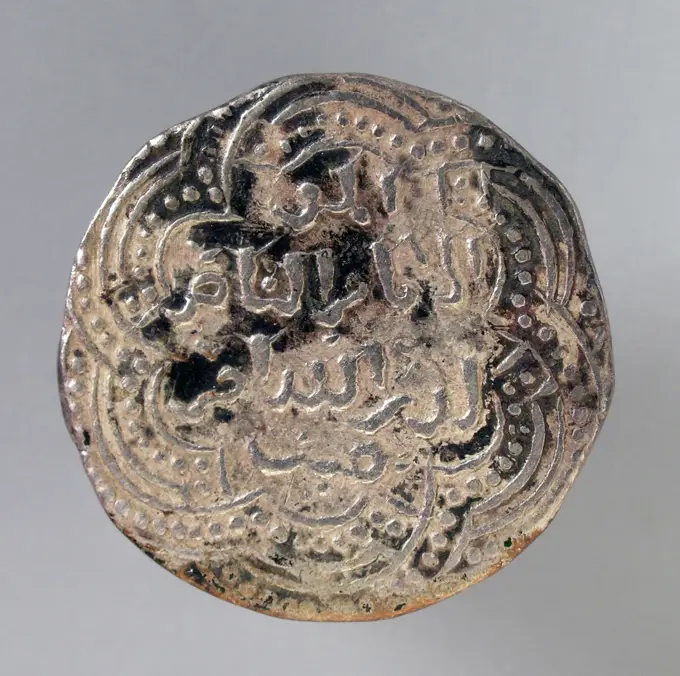
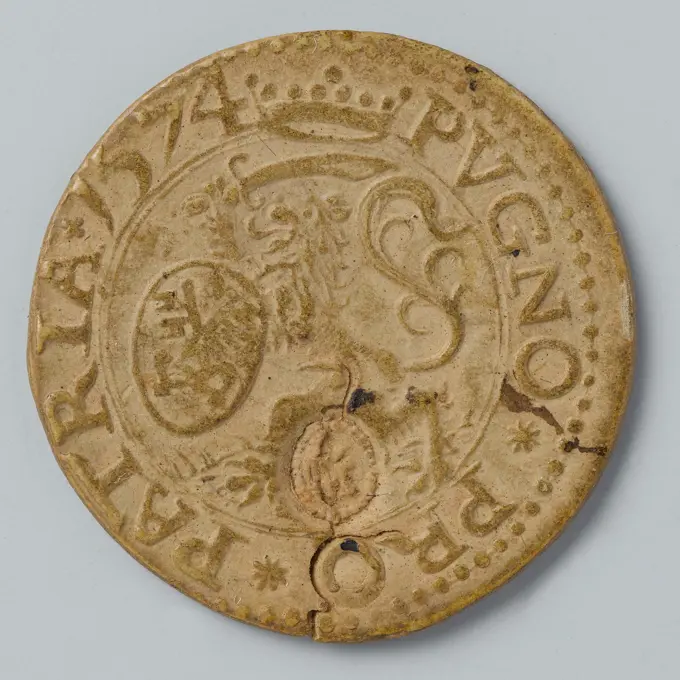
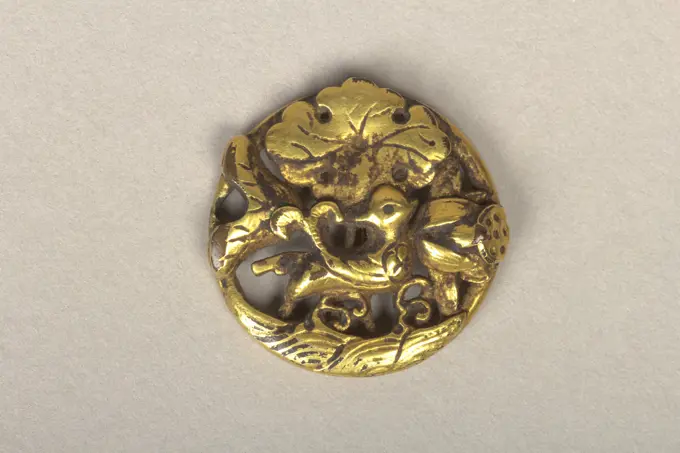
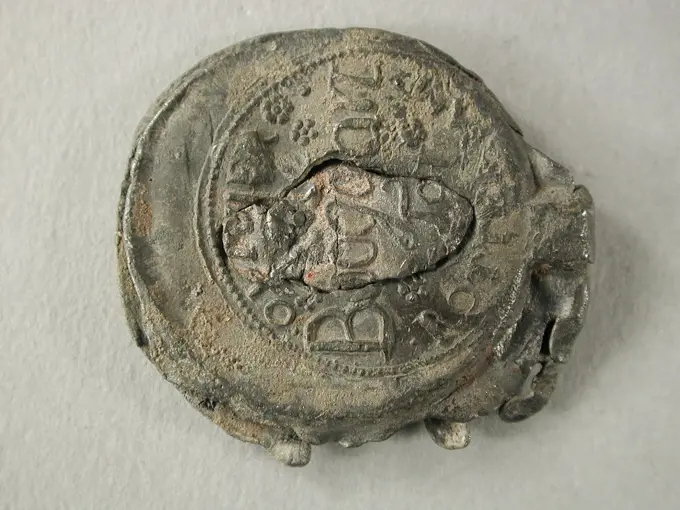
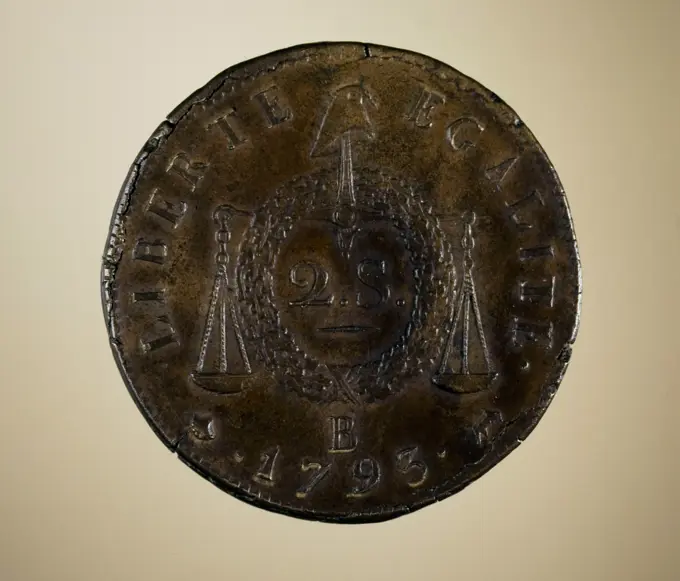
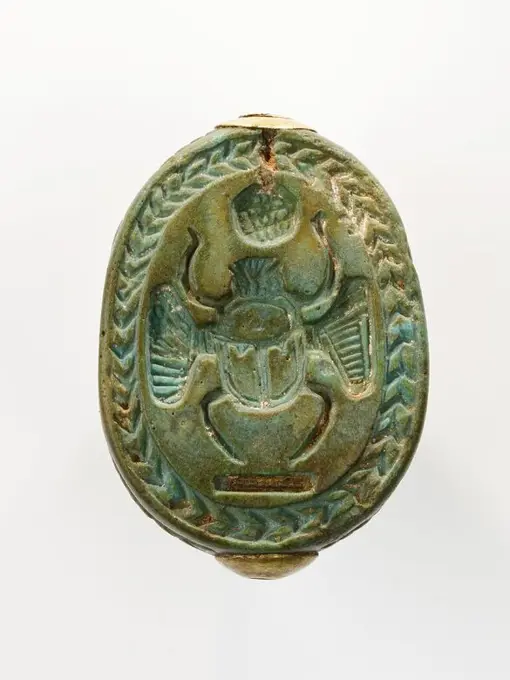
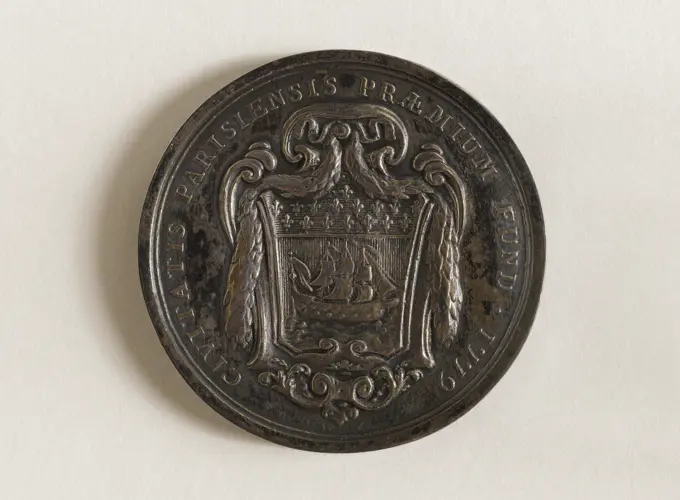
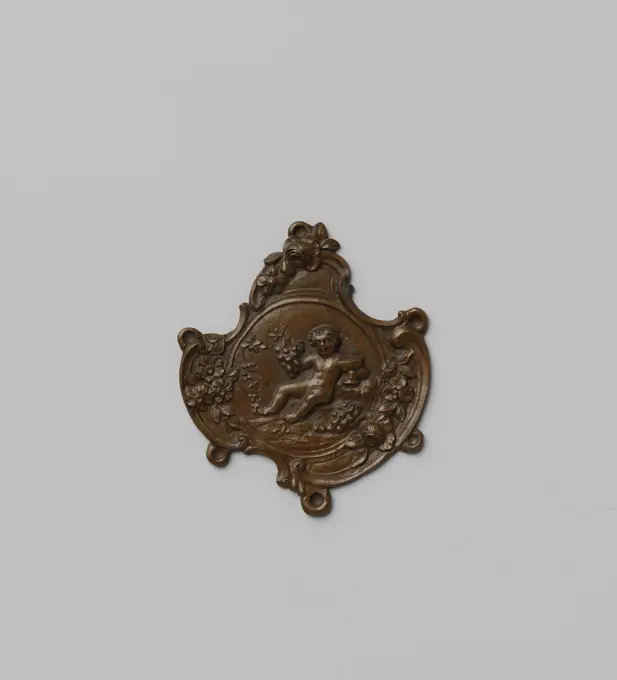
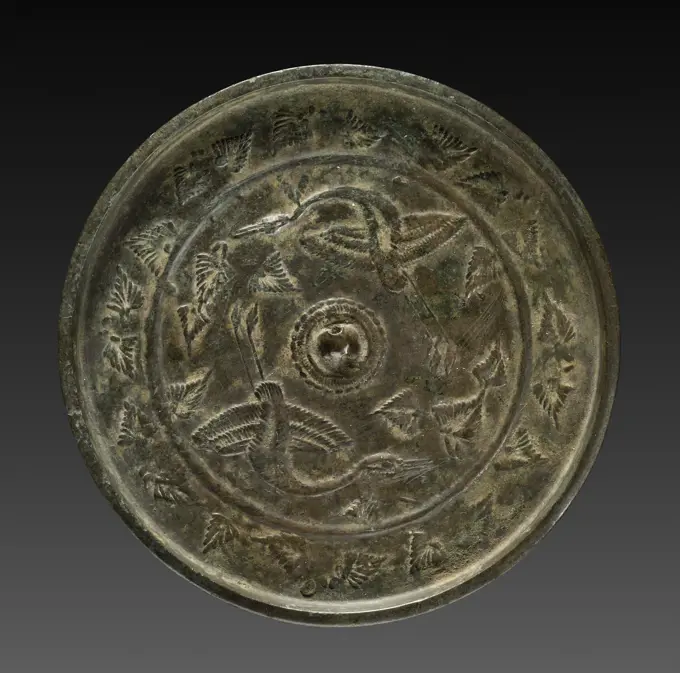
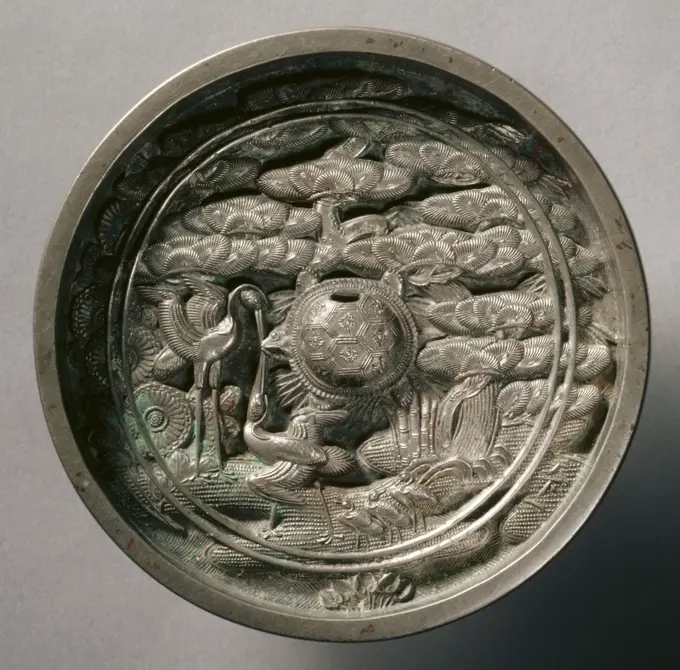
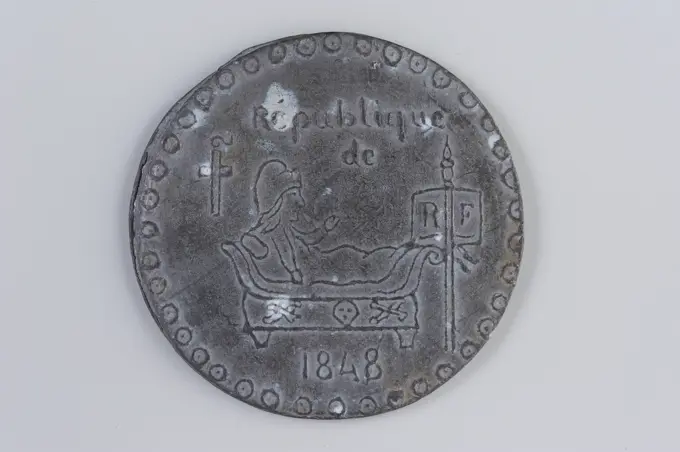
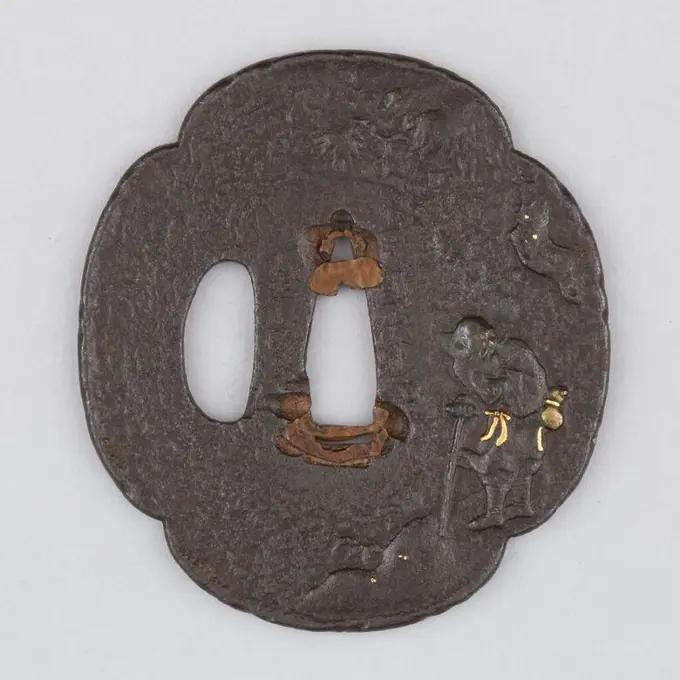
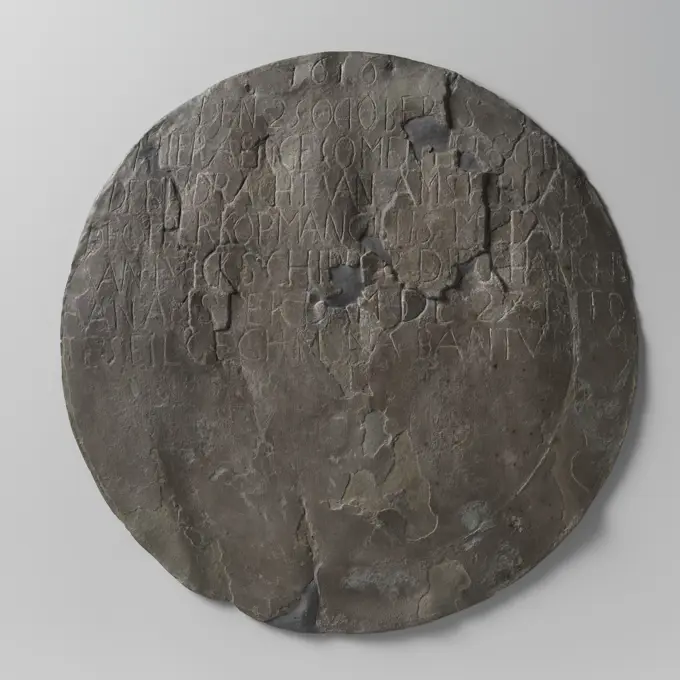
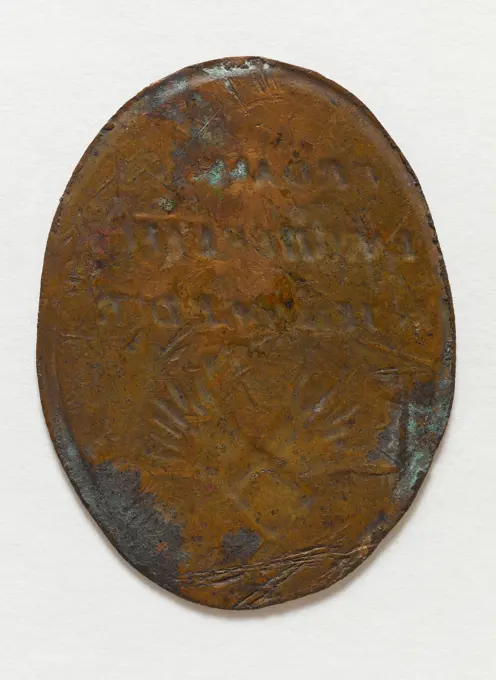
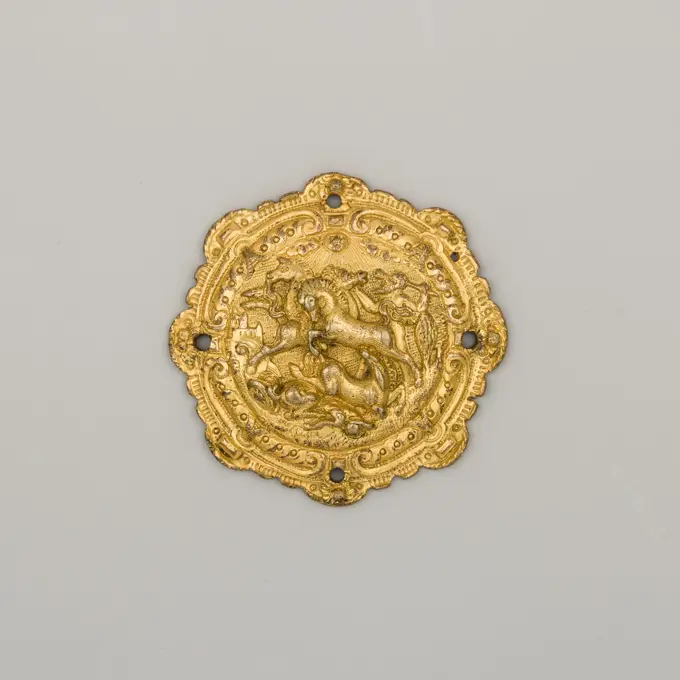
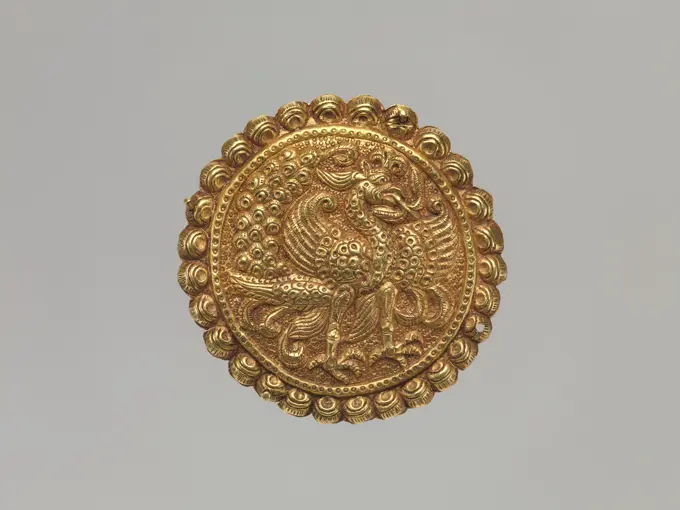
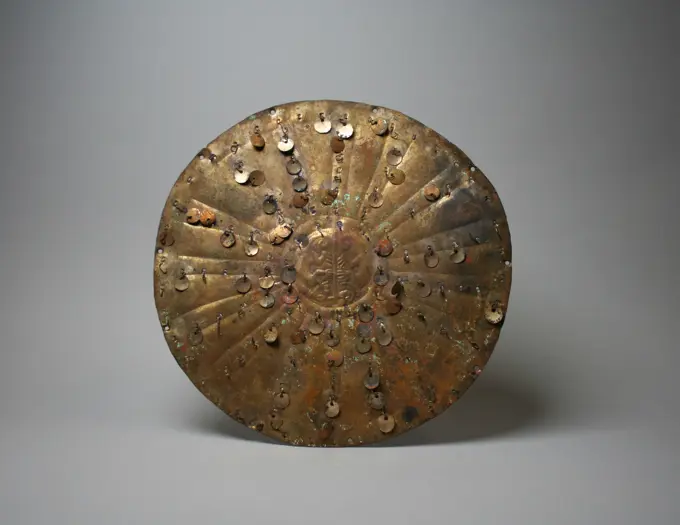
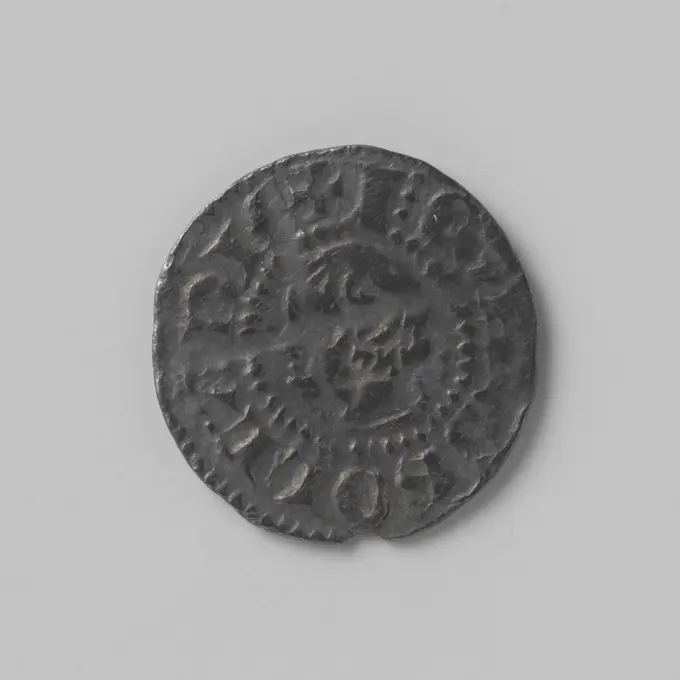
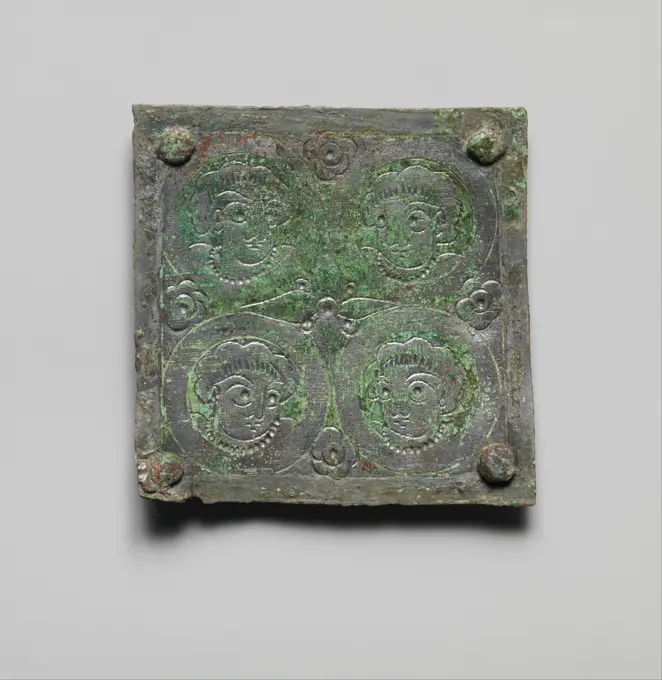
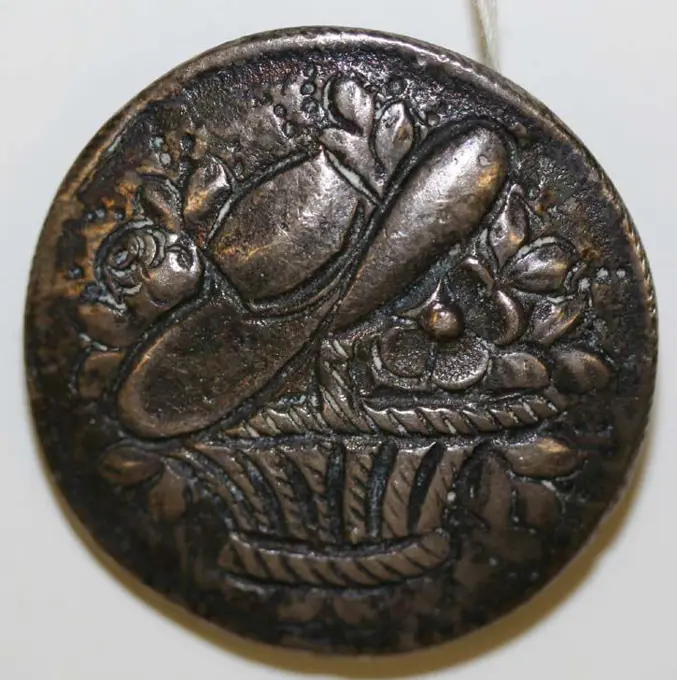
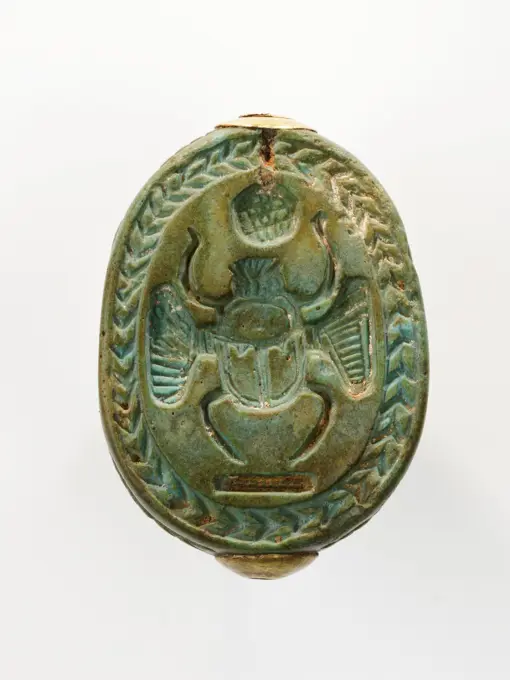
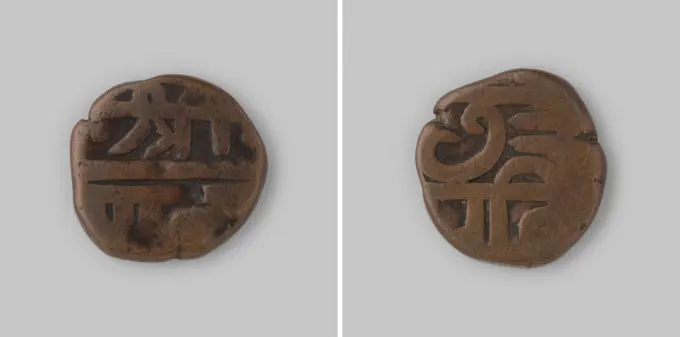
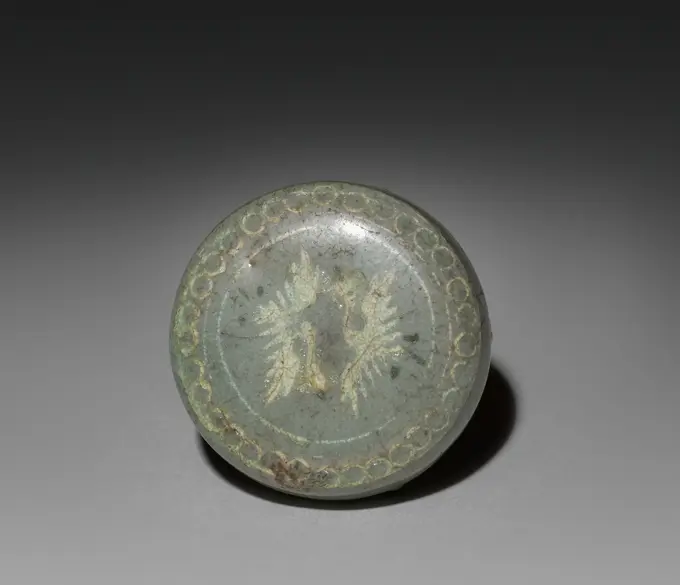
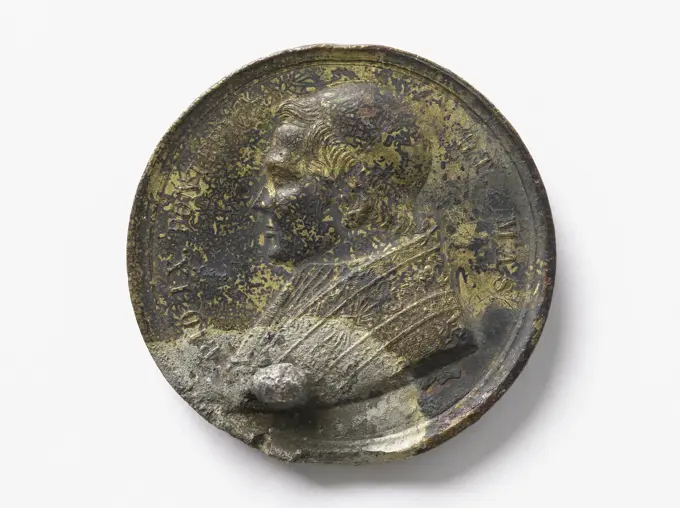
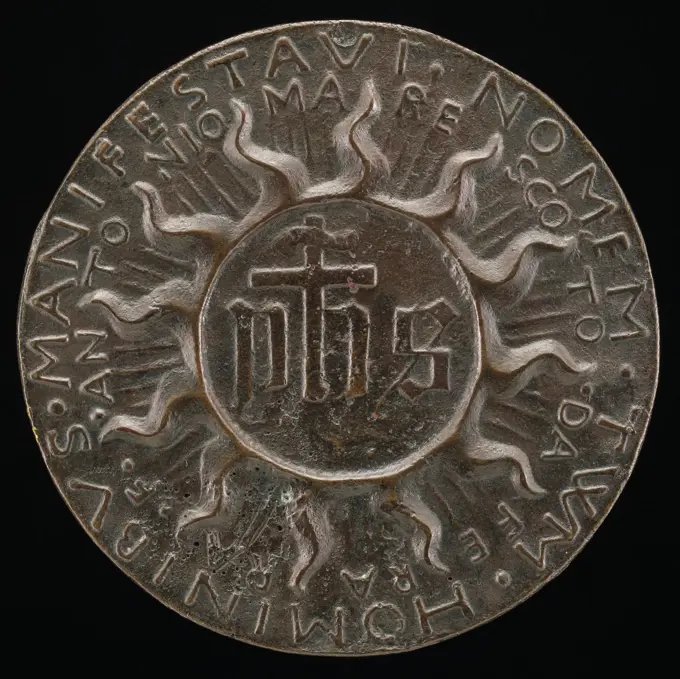
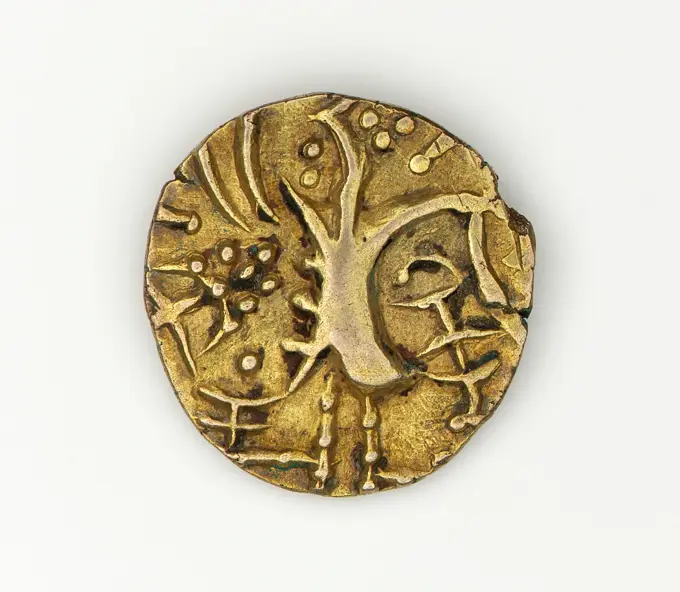
Carnavalet Museum, Medals CollectionCarnavalet Museum, Medals CollectionCarnavalet Museum, Medals CollectionCarnavalet museum, tokens collectionMirror with birds and lions 8th century China. Mirror with birds and lions. China. 8th century. Bronze with silver inllay. Tang dynasty (618-907). MirrorsCarnavalet Museum, Medals CollectionCarnavalet Museum, Medals CollectionCarnavalet Museum, Medals CollectionStamp (set) for medals from the vroedschap van Rotterdam town council in 1705, stamp of stamp steel, bas relief Stamp for the front of the city council of Rotterdam in 1705 depicting the Maasgod lying with the left arm leaned on an urn from which water flows; behind them angels who carry horn of plenty (symbol of abundance and imperishable happiness) and Mercury staff (god of commerce); radiant sun shining through the clouds Rotterdam government council board trade symbol allegory vroedschap MaasPlanets-manager. Cornalet Collection Sites 2013-2016. Numismatic.Dirham. Syria, Damascus (attributable to), 1196-1218/592-615 A.H.. Tools and Equipment; coins. Coincrown penny; Zygmunt I Stary (King of Poland; 1506-1548); 1527 (1527-00-00-1527-00-00);Carnavalet Museum, Medals CollectionEmergency mint from Leiden, Beaten during the Spanish Siege in 1574. Emergency mint from Leiden: Twenty penny. Made from compressed sheets of disco. Quarter guilders. Front: climbing lion to the left, the sword lifting in the right-hand front paw and a shield on which two keys (weapon of the city Leiden) in the left front paw. Above a crown and under a collapsed brand (lion) with circumcision. Reverse: within Lauwerkrans inscription in four rules.Cover of tin for ink pot, anonymous, c. 1590 - c. 1596 lid Tin lid, inkpot.  lead (metal) casting  Nova Zembla. Saving HuysImitation Geuzen medal for three hundred -year commemoration of the intake of Briel by the Watergeuzen 1872 ,, 1872 history medal Oval medal of silver -plated brass with four bear eyes, imitation of a geuzen medal: on the front the portrait of King Philips II with a change, on the reversed hands on a begging bag, with a change, miniature cuddly naps hang on the bottom three bearing eyes.  brass (alloy) castingCarnavalet museum, medal collection Law bust of Louis-Napoléon Bonaparte on the left; Reverse Eagle with deployed wings holding in its greenhouses.Ornament with Decoration of Bird among Lotuses Korea. Ornament with Decoration of Bird among Lotuses. Korea. Gold. Goryeo dynasty (918-1392). JewelryTrademark with Rotterdam text and Boogaart, quality mark found in lead metal, Lead lead with text on the front in pearl ring text of Rotterdam with the name Boogaart and flowers around and on the other side text and figures divided over three horizontal blocks . Closed up, in writing letters Boogaart to ROTTERDAM O I VI  archeology Rotterdam railway tunnel authentication government textile trade textile trade trade guild Soil discovery: trajectory rail tunnel Rotterdam.Carnavalet Museum, Medals CollectionCarnavalet Museum, Medals CollectionPriests of the Radziwiłł seal with the Trójby coat of arms and the coat of arms Pogoń;  18th century (1790-00-00-1810-00-00);Hand guard, Umetada, 1600 - 1900  Japan iron (metal). gold (metal). silver (metal)  Japan iron (metal). gold (metal). silver (metal)Ivory disk with rosette ca. 1600-1050 B.C. Cypriot Ivory was imported to Cyprus from the Near East or Egypt. The rosette was a popular decorative motif originally inspired by designs on Syrian and Phoenician minor arts and textiles.. Ivory disk with rosette. Cypriot. ca. 1600-1050 B.C.. Ivory. Late Bronze AgeReligious carrying sign with Maria van Einsiedeln ,, c. 1750 - c. 1850 history medal Small oval brass medal with a wavy edge, with eye and carrying ring, on the front Maria van Einsiedeln with a change, the view of a church with a change on the downside.  brass (alloy) striking (metalworking)International Anesthesiologists Symposium badge in Budapest unknown labelMerchandise. Among the merchandise intended for the Asian market were pewter salt-cellars and a splendidly ornamented ewer. The pewter medallions in wooden frames were meant to serve as wall decorations.Jelec (Tsuba); Murakami Jochiku ( -Ca 1790-1800), Murakami; 2. PO. 18th century (1750-00-00-1800-00-00);False Coin, Penny, 1013 1025, Mieszko II (1025 1031)AS; 97 (97-00-00-97-00-00);Libertas (personification), standing libertas (iconogr.), Nerwa (Roman emperor - 96-98), Nerwa (Roman emperor - 96-98) - iconography, scepter, pileus, message (provenance), laurel wreathsGrahal-Manzara. Carnavalet 2013-2016 collection sites. Numismatics.The Lomellini Basin, 1618-1620. Made in Italy .Augustin Dupré (1748-1833). Part of 2 floors in the scales, 1793 (reverse). Paris, Carnavalet museum. 51812-18 2 floors, balance, medal, currency, numismatics, reverse, roomFALSE COIN, 1/12 Speaker, 1763, Frederick Christian of Saxony (1763)Mirror. Culture: Japan. Dimensions: Diam. 5 in. (12.7 cm). Museum: Metropolitan Museum of Art, New York, USA.Prince Shōtoku Daishi on Horse. I'ueimon (Japan, active early 18th century). 1702, 5th month. Metal. BronzeAccount token at the account table, 14th century Account token at the account table, 14th century ". Copper.Carnavalet museum, tokens collectionSeal Stone late 15th-early 16th century. Seal Stone. late 15th-early 16th century. Nephrite. Attributed to Iran. SealsWax seal or Philip the Good, Duke of Burgundy. Stamp with stamp in red wash. Front: arm with four quarters, held by two standing lions. Helmet sign with French lily. Reverse: Coat of arms.Scarab. Dimensions: L. 2.5 cm (1 in); w. 1.7 cm (11/16 in); h. 1 cm (3/8 in). Dynasty: Dynasty 18, early. Reign: reign of Ahmose I-Thutmose II. Date: ca. 1550-1479 B.C..This scarab was found in the same coffin as the statuettes of Amenemhab (26.7.1413a, b) and Huwebenef (26.7.1414a, b). An interesting mixture of designs indicates the lively individuality of artworks made during this transitional period. The back type, which has no indication of the beetle's wing cases, is typical of Second Intermediate Period scarabs found in the Nile Delta, and the rope pattern framing the design on the base had been used since the Middle Kingdom; both of these designs continued into early Dynasty 18. The winged scarab on the base is a new feature that becomes more common during the reigns of Hatshepsut and Thutmose III. The notches on the beetle's carefully delineated wing cases are found regularly on the backs of scarabs dating to their joint reign. Museum: Metropolitan Museum of Art, New York, USAHamdanids, Nasir Ad Dawla and Sajf Ad DAWLA, Dirham, AR RAqqah; 332 AH (943/944)Carnavalet Museum, Medals CollectionRescue price Benjamin Duvivier (1730-1819). Rescue price. Medal, 1779.Model for a decorative element of a chatelaine, anonymous, c. 1750 - c. 1775 The model driven out of plate for a mold is equipped with a medallion surrounded by rococo ornament with a putto with grape vros and chalice. Six eyes along the edges to attach links. Amsterdam copper (metal) The model driven out of plate for a mold is equipped with a medallion surrounded by rococo ornament with a putto with grape vros and chalice. Six eyes along the edges to attach links. Amsterdam copper (metal)Mirror, 794-1185. Japan, Heian period (794-1185). Bronze; diameter: 12.2 cm (4 13/16 in.).Hogeschool van Leiden, Penning by the curators honored, Martin Holtzhey, 1738  Silver medal. Front: Minerva with shield, spear and an open book is under olive tree in which three coats of arms hang; To the right of her owl. Ridder: Laurel and climbing branch with two ribbons tied together into a wreath; within that empty field Amsterdam silver (metal) striking (metalworking)  LeidenVinaigrette with Harbor Scene 1841-1852 Birmingham. Silver and silver gilt .Beer protection guild of Amsterdam, Gildepenning by Jan de Doot, Anonymous, c. 1600 - c. 1800 medal Brass oval guild pin. Front: Crowned barrel inside blower. Reverse: inscription inner leafkrans. Amsterdam brass (alloy) engraving  AmsterdamBowl 12th-13th century. Bowl 446198Plaque with Pyramus and Thisbe and scenes from the life of the lost son. Round plaque of tin. Central is engraved in a circle from Pyramus and Thisbe at a fountain. Why four scenes from the life of the lost son, clockwise from the bottom left: the son says goodbye to his father, the son partying at the table, the son as a pig farmer and the son returns to his father at his knees. The scenes are mutually separated by a cariatide.Mirror with Dragon and Bird Arabesque 206 BCE-9 CE China. Bronze .English play medal Type Spade Guinea 1768 ,, 1768 - 1850 history medal Brass medal with porter, on the front the portrait of King George III to the right, on the reverse a crowned coat of arms with a change.  brass (alloy) striking (metalworking)Mirror with Pine, Bamboo, and Cranes, early 1600s to mid-1800s. Japan, Edo period (1615-1868). Bronze; diameter: 11.8 cm (4 5/8 in.); overall: 1.8 cm (11/16 in.); rim: 1.8 cm (11/16 in.).Carnavalet museum, medal collection Louis-Napoléon Bonaparte's right to the left; Reversal head of the Republic on the right wearing the Phrygian cap, between two branches of bay leaf and oak, surmounting a beam of a lictor, a lion, a phylactère, a balance and a stylized plant pattern.Carnavalet museum, medal collection Right registration on seven lines; Reverse The Republic is lying in a bed, between a crucifix and a spike decorated with a banner; All in a frieze of pointed circles.Sword Guard (Tsuba). Culture: Japanese. Dimensions: H. 2 3/4 in. (7 cm); W. 2 1/2 in. (6.4 cm); thickness 1/8 in. (0.3 cm); Wt. 2.4 oz. (68 g). Date: 18th century. Museum: Metropolitan Museum of Art, New York, USA.Fanam for Madras in India of the English East India Company (EIC) ,, 1700 - 1807 coin Silver coin. Front: brand of the EIC, with the letters G, C and E. downside: unthinkable characters. Smooth edge. Chennai silver (metal) striking (metalworking)Plastic Replica Hartogh dish, 1966  Replica in plastic from the Hartogh dish. On the back: 'Central Research Laboratory for Objects of Art and Science Holland'. Amsterdam .Religious carrying sign with Maria van Loreto ,, c. 1750 - c. 1850 history medal Silver medal with carrier, on the front Maria van Loreto with a change, two angels on the downside for the holy house of Loreto, with cut -cut teeth and reversal.  silver (metal) striking (metalworking)Scarab Scarab Beetle with Hieroglyphs (cobras, anx-signs, nbw-sign) 1950 BCE-1773 BCE Egypt. Glazed steatite . Ancient EgyptianCarnavalet Museum, Medals CollectionBeer carrier guild from Amsterdam. Brass medal. Front: woman with branch hoppe in raised right and shield with a carrying bob in the left hand inside. Downside: two men, who hold between them in barrel to carrying; Cross-section: EmptyMEDAILLATE Cr�rorene by the city of Meaux A Nicolas Tronchon, owner has pit Martin, in recognition of the grain relief offered by him in times of scarcity, November 6, 1789 Anonymous. Medal awarded by the city of Meaux to Nicolas Tronchon, owner in Fosse Martin, in recognition of the grain relief offered by him in times of scarcity. Bronze, November 6, 1789.Medal of the Arch Diocese of NewYork. Artist: J. E. Roine Manufacturer: Medallic Art Company, American, founded 1903Model for a Klamp from a book lock with flowers in a rococo ornament, anonymous, c. 1750 - c. 1775 Model of Red buyer for a mold from a bold of a book lock. The show shows flowers in a rococo ornament, among other things formed by two inside-in C-Voluten in the upper corners. The top is straight. Amsterdam copper (metal) cutting Model of Red buyer for a mold from a bold of a book lock. The show shows flowers in a rococo ornament, among other things formed by two inside-in C-Voluten in the upper corners. The top is straight. Amsterdam copper (metal) cuttingPlaquette with Hercules and Diomedes late 16th century German, probably Augsburg The central part of this ornamental boss depicts Hercules fighting the carnivorous mares of Diomedes in a landscape suggested by trees and a castle on the left. This scene is copied from an original composition found on a circular plaquette by Moderno (Galeazzo Mondella) dated 1508 showing the Death of Hippolytus, son of Theseus. Hercules and a fifth horse were added to Modernos scene, which shows four horses and Hippolytus at the bottom falling from his chariot, to transform it into Hercules and Diomedes (Hippolytus being reinterpreted as Diomedes killed by his own horses).German bronze founders would regularly use Italian medals or plaquettes as models for their works, including decorative elements, like this one, for various objects like powder flasks or pistols (a use suggested by the four holes on the rim). They also produced similar bosses for decorating the sides of horse bits.This scene seems to hCarnavalet museum, medal collectionBliżej Kultury Aegae AeolisPlaque with Phoenix 7th-9th century China (Xinjiang Autonomous Region, Central Asia) The nomadic communities of Central Asia used such plaques to embellish clothing and horse trappings. As these nomadic cultures herded animals and were constantly moving, their artistic production was expressed in portable objects that marked the wearers status and wealth. The outstanding preservation of these fragile ornaments suggests they were used in conjunction with burials, where the body was aggrandized with valuable textiles and augmented with gold. Although it is difficult to date and place these objects geographically, their presence in Central Asia and has a long, established history.. Plaque with Phoenix. China (Xinjiang Autonomous Region, Central Asia). 7th-9th century. Gold. Period of Tibetan Empire. MetalworkDisc 6th-7th century Moche (Loma Negra) This gilded copper disk, made by artists of the Moche culture in northern Peru, was originally cut from a larger sheet of hammered copper and then gilded (Schorsch, 1998). Two creatures, rendered in repousse, face each other in the roundel in the center of the disk, and embossed rays of two different widths extend from the center to the outer rim. Within each of the narrower rays, circular gilded dangles hang from thin wires attached at the back. Several perforations along the outer rim of the disk may have been used with threads to bind the object to a backing. Most of the metal is now covered with a slight patina as well as a few points of corrosion, but one can imagine how, when first made, this piece must have reflected the sunlight, creating a dazzling display of movement and light. The technical sophistication required for the creation of objects such as this one once led scholars to refer to this period as the Master Craftsmen Era (CastilCarnavalet Museum, Medals CollectionStanisław August Poniatowski (1764-1795), Crown Penny, Trojak's Rehearsal, Kraków; 1768 Mint of Kraków, Stanis Aw August Poniatowski (1732 1798)Carnavalet museum, medal collectionDutch Penning van Jan I, 1296-1299, Jan I (Graaf van Holland), 1298 - 1299 coin. penny Silver coin. Front: head to left. Reverse: Long -grown Cross. Dordrecht silver (metal) striking (metalworking)Grahal-Manzara. Carnavalet 2013-2016 collection sites. Numismatics.Planets-manager. Cornalet Collection Sites 2013-2016. Numismatic.Tinned-Copper Plaque with a Personification 350-400 Byzantine Charming curly-haired youths, possibly personifying the months and the seasons, decorate these plaques that were once attached to a larger object, perhaps a casket.. Tinned-Copper Plaque with a Personification 466170Button 18th century French. Button 128744Indie, ğunagadh, Rasul muḥmmad Khān (AH 1309 1329 / VS 1948 1968 / 1891 1911 AD), DOKDO, 1908 (VS 1965)Scarab ca. 1550-1479 B.C. New Kingdom This scarab was found in the same coffin as the statuettes of Amenemhab (26.7.1413a, b) and Huwebenef (26.7.1414a, b). An interesting mixture of designs indicates the lively individuality of artworks made during this transitional period. The back type, which has no indication of the beetle's wing cases, is typical of Second Intermediate Period scarabs found in the Nile Delta, and the rope pattern framing the design on the base had been used since the Middle Kingdom; both of these designs continued into early Dynasty 18. The winged scarab on the base is a new feature that becomes more common during the reigns of Hatshepsut and Thutmose III. The notches on the beetle's carefully delineated wing cases are found regularly on the backs of scarabs dating to their joint reign.. Scarab. ca. 1550-1479 B.C.. Egyptian blue, gold. New Kingdom. From Egypt, Upper Egypt, Thebes, Asasif, Tomb CC 37, Hall (C), burial 24, Carnarvon/Carter excavations, 1911. Dynasty Paisa from India of the Marathas of Tanjore, 1650-1850 ,, 1650 - 1850 coin Copper mint. Front: In two lines. Reverse: In two lines, inscription in Nagari signs.  copper (metal) striking (metalworking)Carnavalet Museum, Medals CollectionBliżej Kultury unknown labelMirror, 317- 581. China, Six Dynasties period (317-587). Bronze; diameter: 16 cm (6 5/16 in.).Box and Cover (lid), 918-1392. Korea, Goryeo period (918-1392). Celadon; outer diameter: 3.6 cm (1 7/16 in.); height with lid: 2.2 cm (7/8 in.). Celadons, spoons, seals, and bronze mirrors were the most common burial objects in tombs during the Goryeo period (918-1392). Once used to contain color powder, rouge and eyebrow gel for makeup, this small container was one of the standard goods that furnished elites' tombs. Goryeo-period women and men used the grain powder of rice or millet for whitening their skin, safflower extract for rouge, and plant ash or soot for eyebrow gel. Yet, natural-looking make-up seems to have been the most favorable one in Korea according to the travelogue by Xu Jing (1091-1153), the Chinese diplomat who visited Korea in 1123.Pie Ix Pius IX. Bronze ,.Button. UnknownAntonio Marescotti, The Trigram IHS in a Flaming Halo (reverse), c 1444 1462 The Trigram IHS in a Flaming Halo reverseIndie, ğunagadh, Rasul muḥmmad Khān (AH 1309 1329 / VS 1948 1968 / 1891 1911 AD), DOKDO, 1908 (VS 1965)Leather (Holland), ca. 1700; leather, stamped, silvered, paintedAccess to the Hortus Medicus in Amsterdam 1696, 1696 - 1699 history medal. medal Cast copper medal with Aesculapius on the front and on the reverse an altar on which the crowned city coat of arms, a caduceus and cornucopiae from which herb branches, in the name of F.L. Interest rate 1798  brass (alloy) castingEngraved Gem. UnknownCarnavalet museum, tokens collection. Almost round tsuba with a large mon in silver (Unome-Zogan) at the front, a number of smaller mon in gold and silver (nunome-sooga) n on a green enamelled fond; At the rear a diamond shaped field with stylized tendrils in silver inlays; Under the central opening a round hole (Udenuki-ana).Insigne for room watchers, no. 3, 1889 - 1890  Silver, diamond -shaped, gilded insignia for the room guard of the Rijksmuseum Amsterdam on a carrying ring. Three corners with a pendant. Front: the weapon of the Netherlands (crowned coat of arms flanked by two climbing lions) including inscription. Reverse: inscription and number. Utrecht silver (metal). gilding (material) striking (metalworking) / gilding  AmsterdamDinar of Yasavarmana. India, Jammu and Kashmir, Kashmir region (), 5th century or later. Tools and Equipment; coins. Debased goldPlate, Royal Arms of France late 15th century South Netherlandish. Plate, Royal Arms of France. South Netherlandish. late 15th century. Brass. Metalwork-BrassTobacco box with royal arms of Great Britain 1679-97 British. Tobacco box with royal arms of Great Britain. British. 1679-97. Boxwood and silver. Metalwork-Silver In CombinationSmall Box (He) with Elderly Woman and Young Boy Tending Bamboo in a Garden. China, Qing dynasty, Qianlong mark and period, 1736-1795. Furnishings; Accessories. Carved red lacquer on wood core