Antique Metal Artifacts

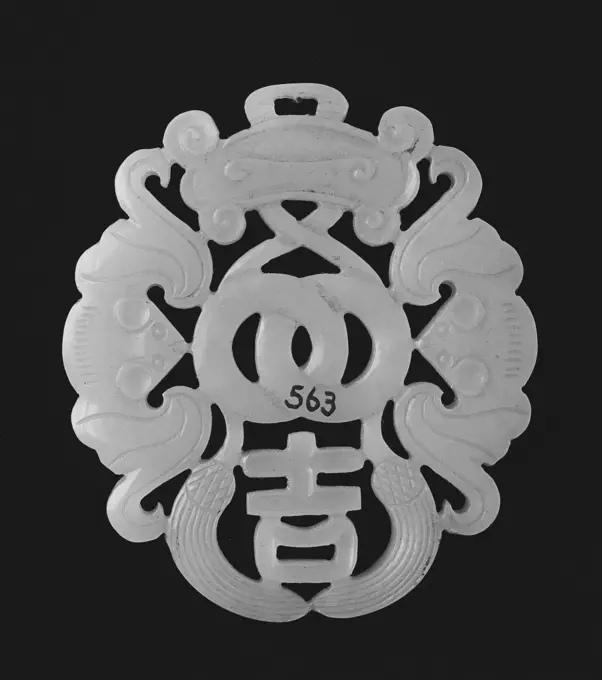
Collection of ancient metal objects, including coins and amulets, showcasing historical craftsmanship. Reflects cultural significance and artistic heritage.
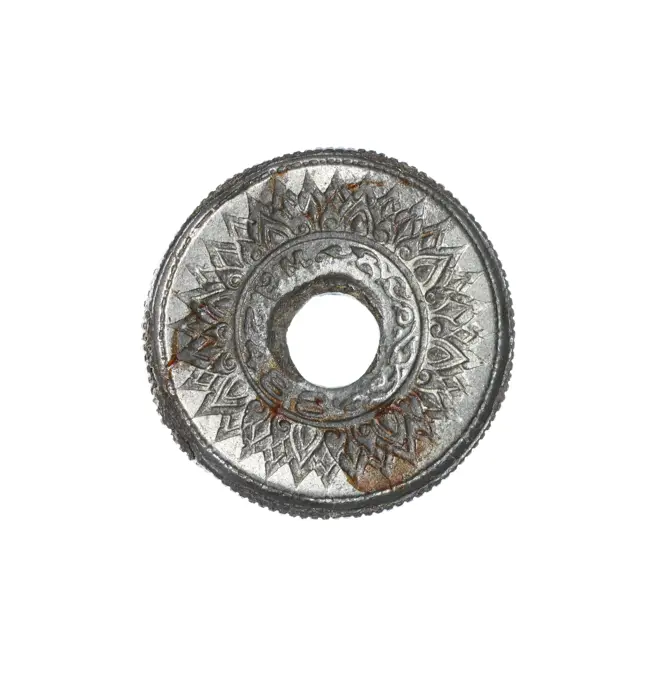
Tajlandia, Rama VIII (1935-1946), 5 SATANG, 1945 AD (2488 BE)
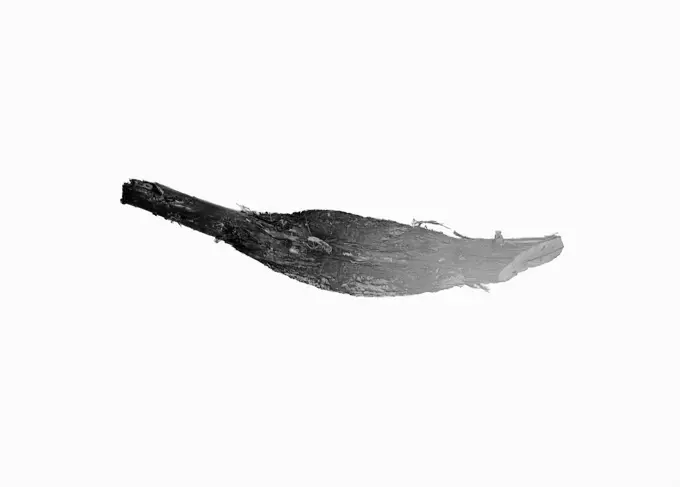
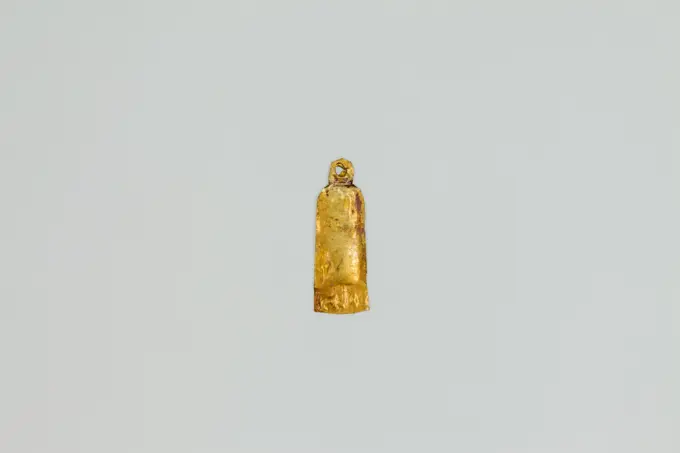
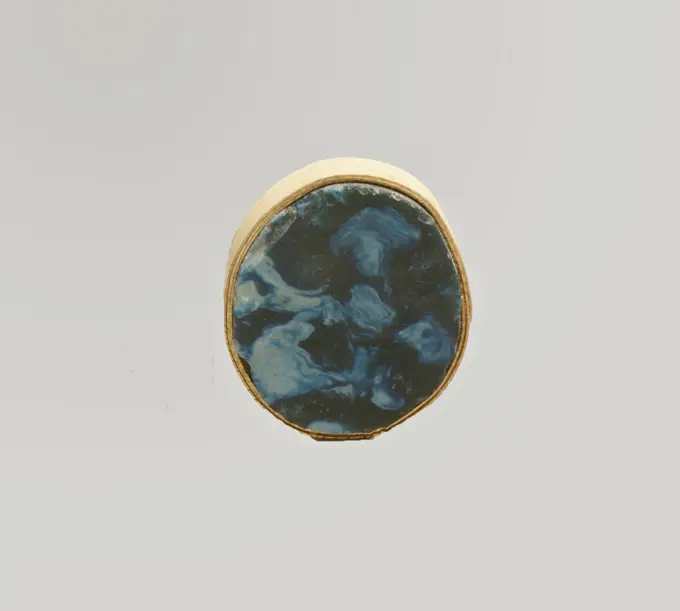
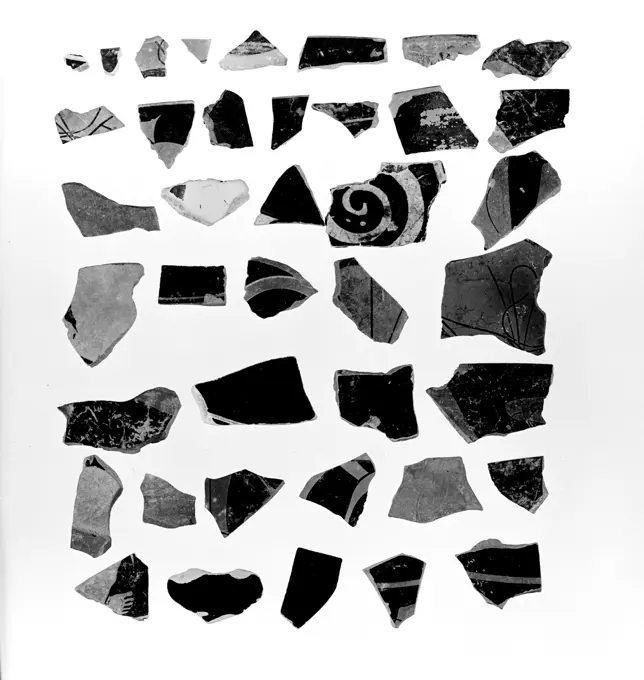
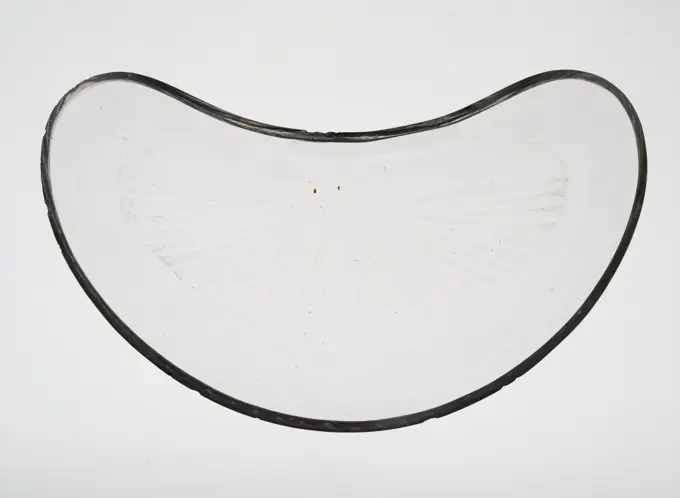
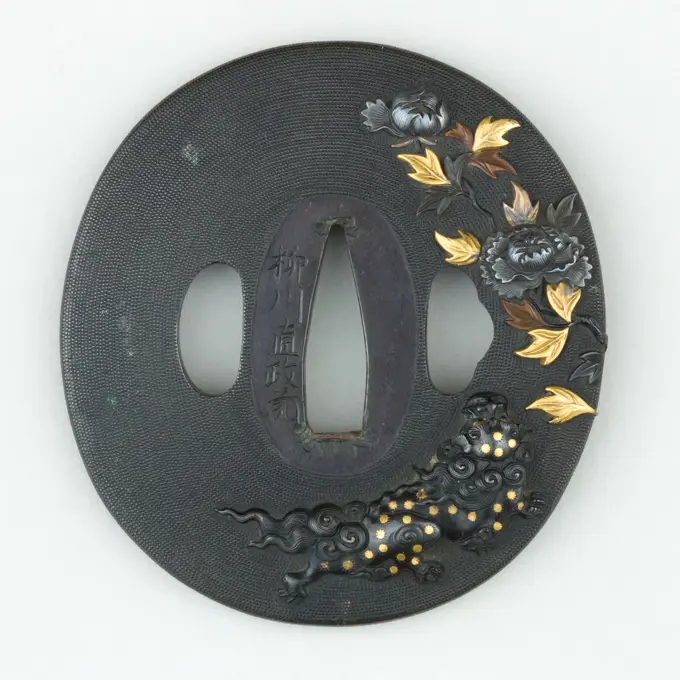
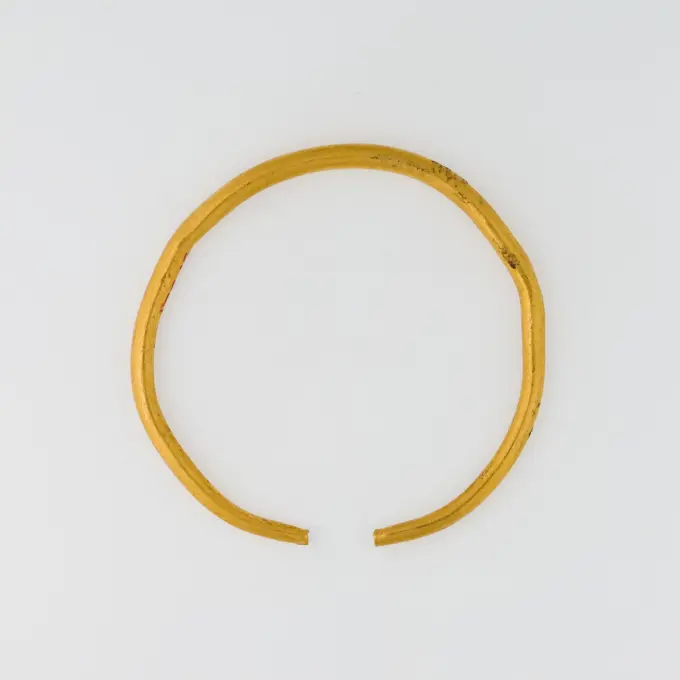
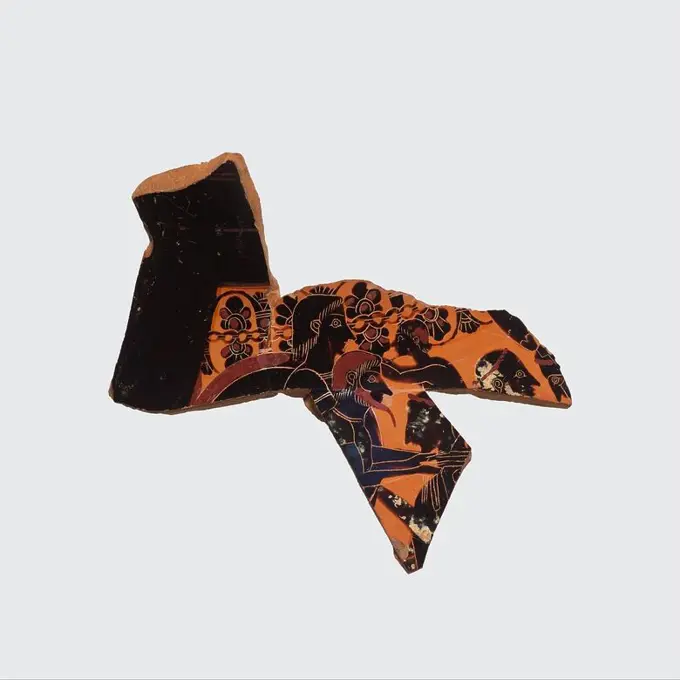
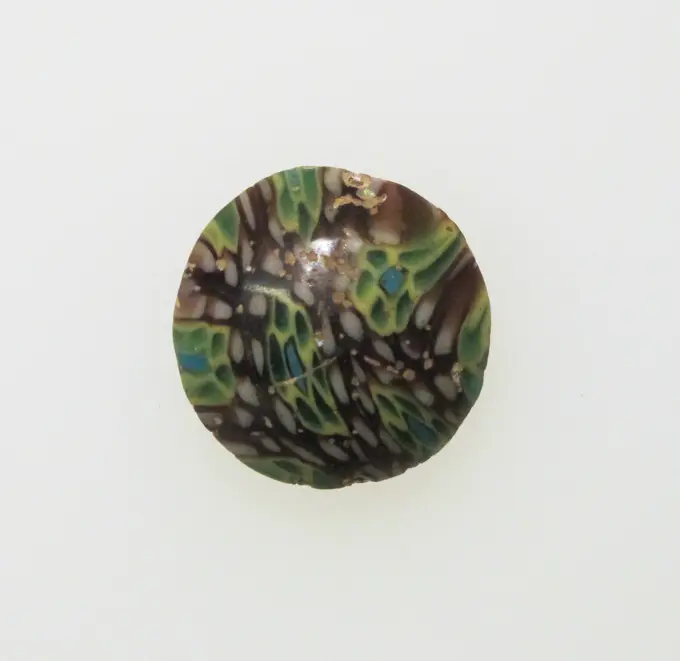
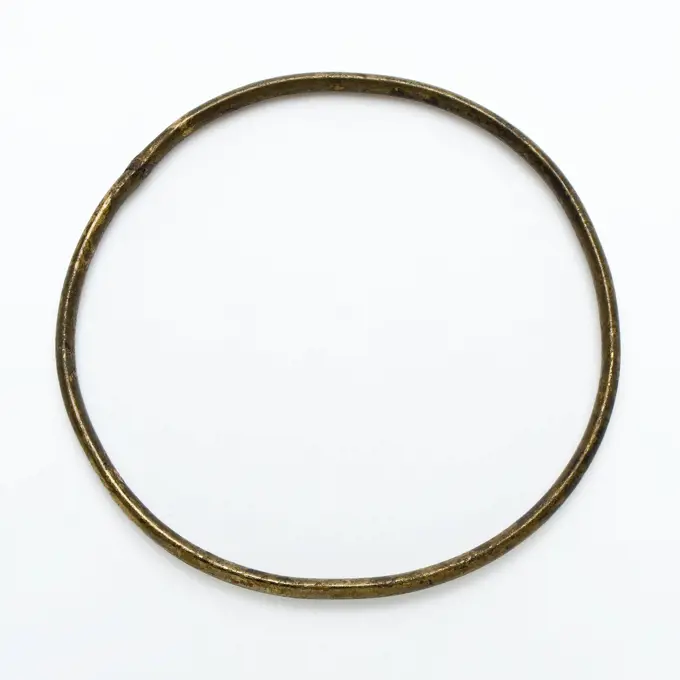
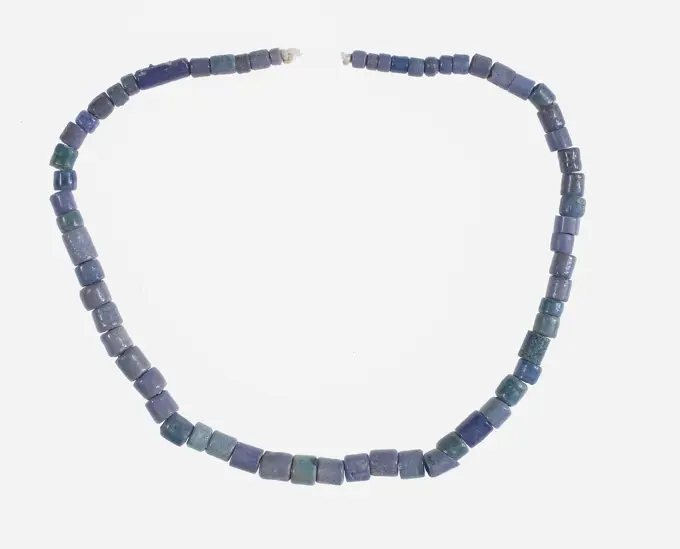
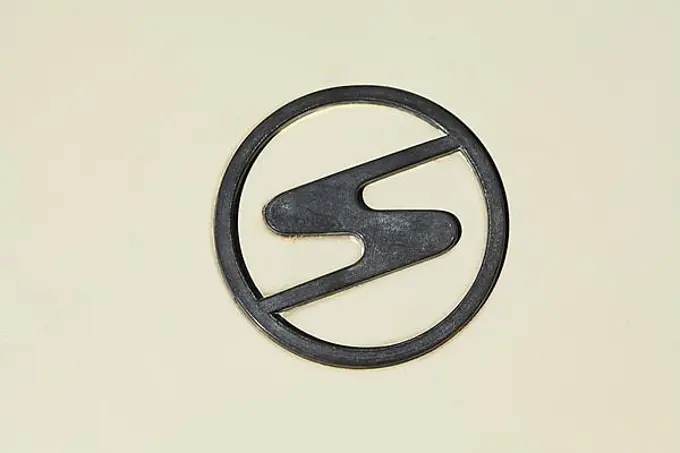
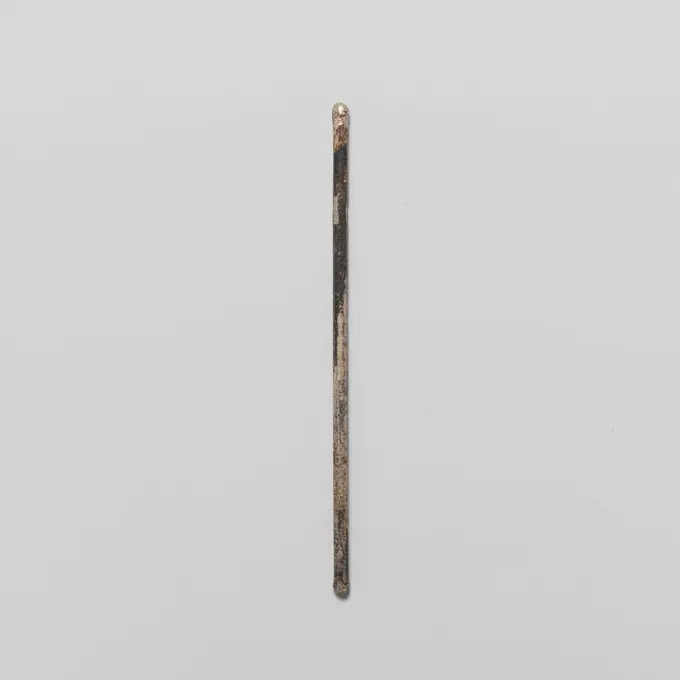
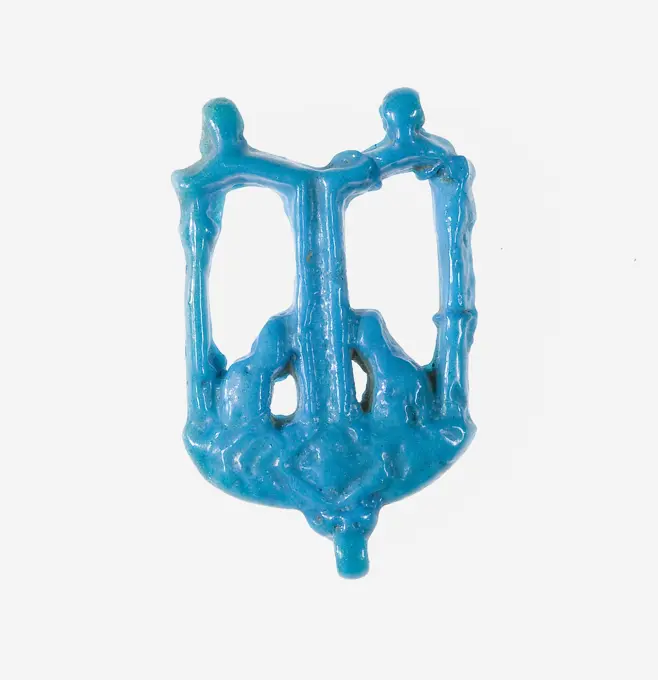
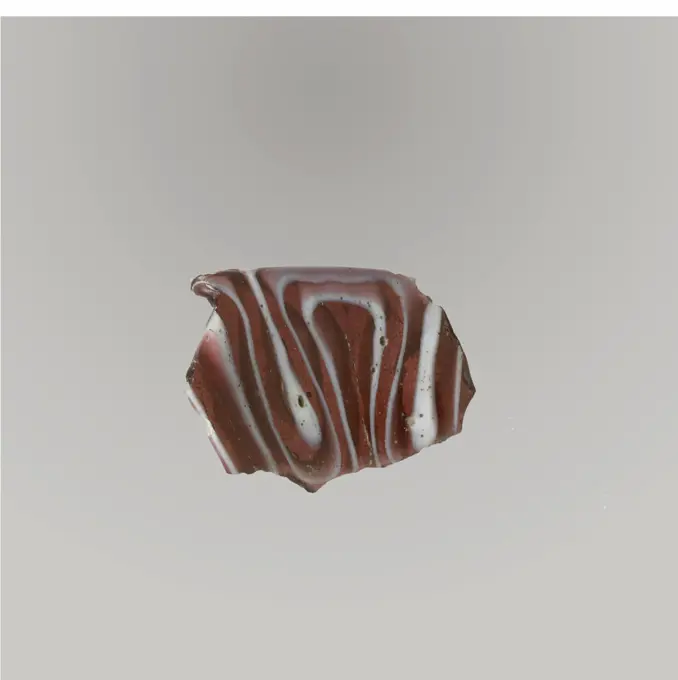
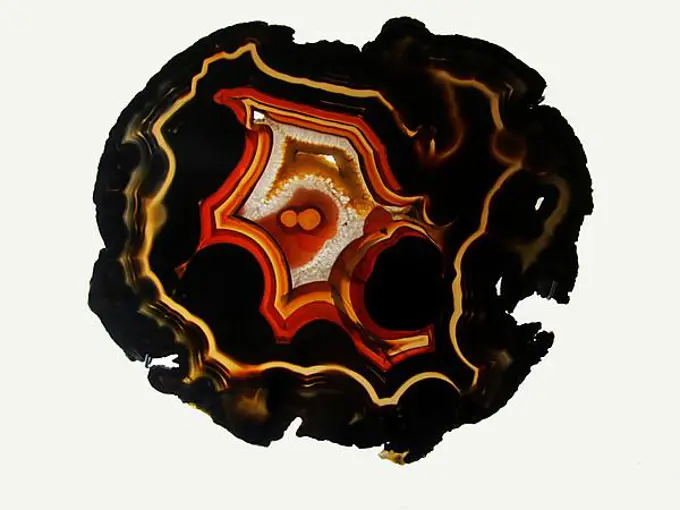
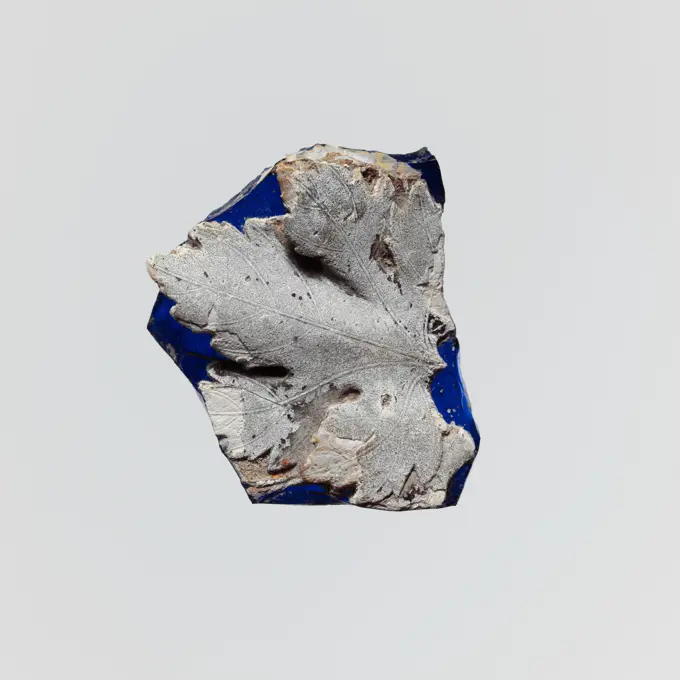
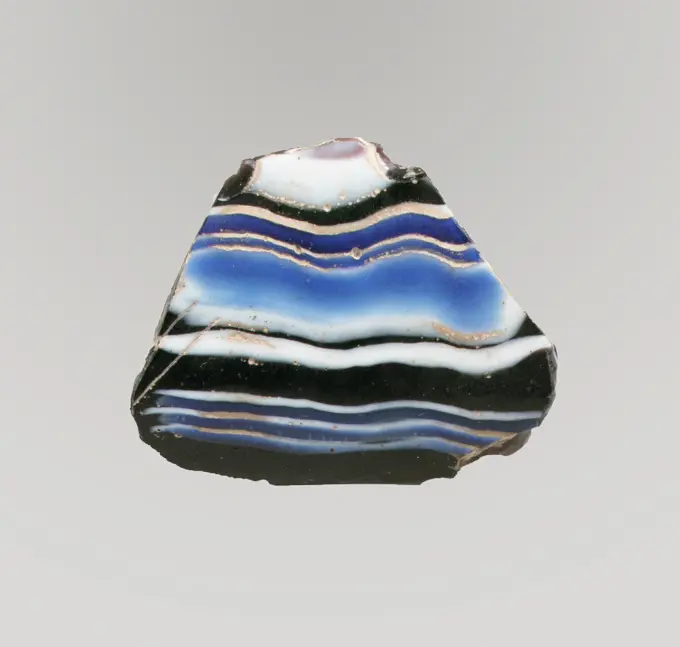
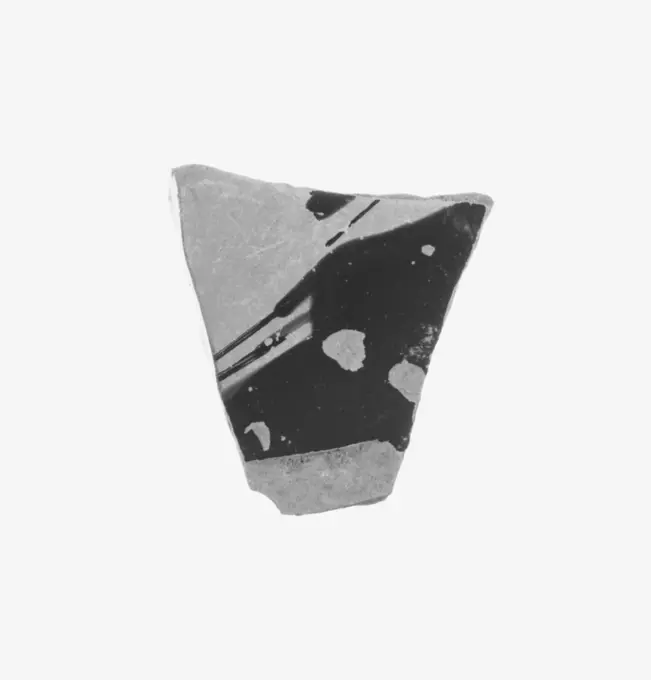
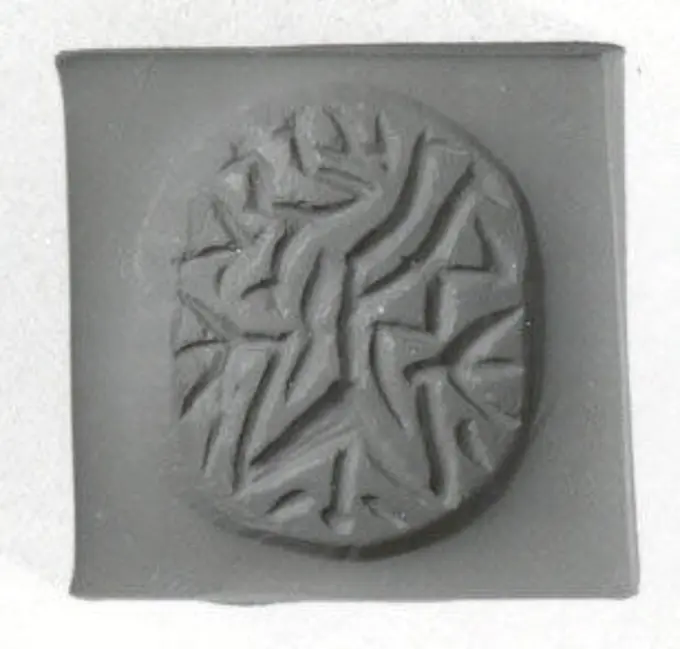
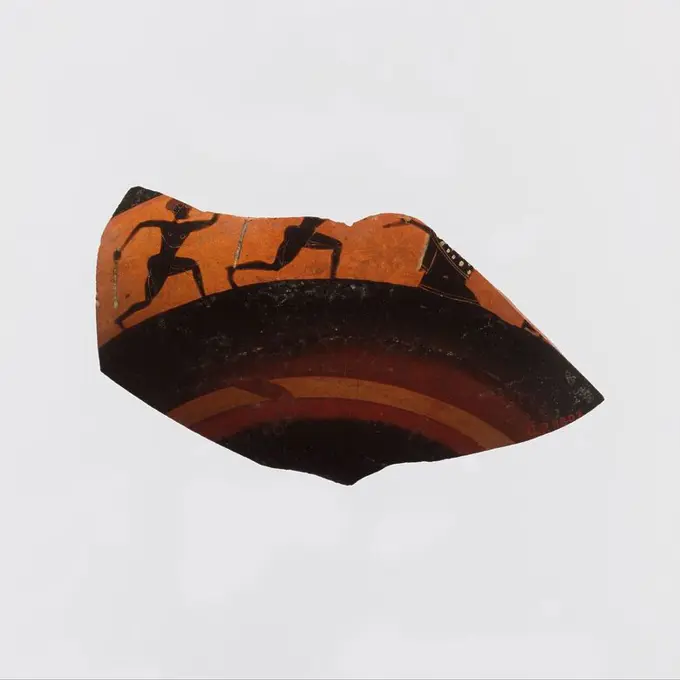
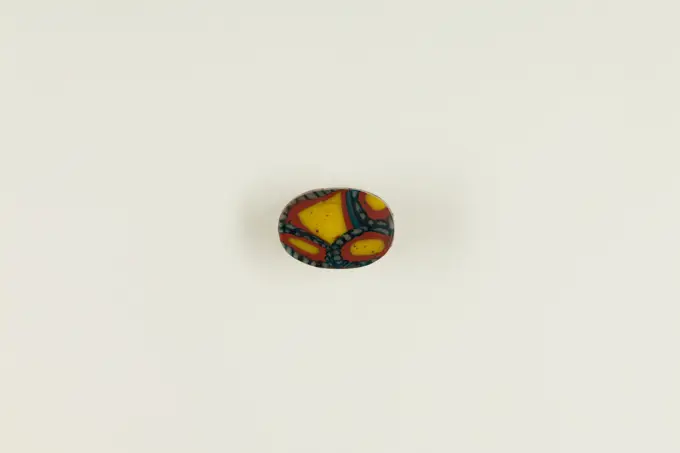
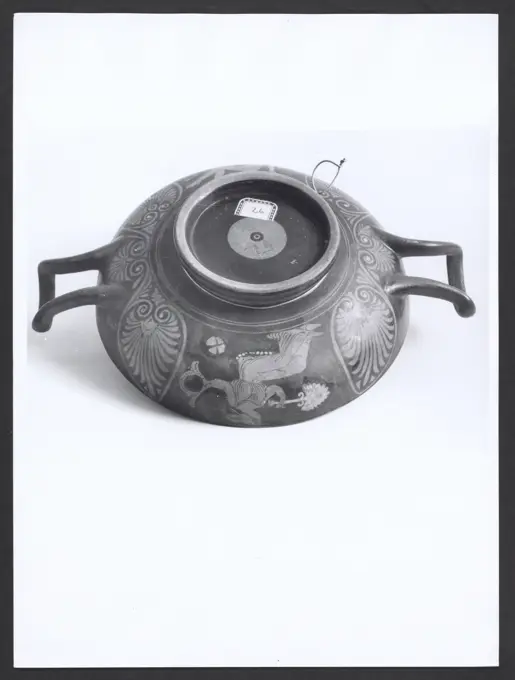
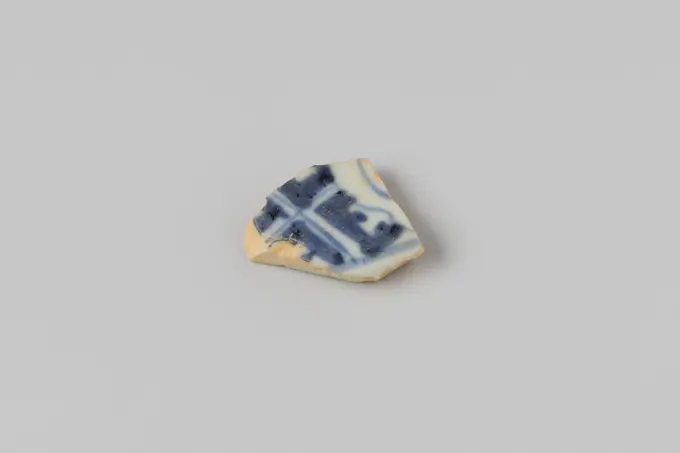
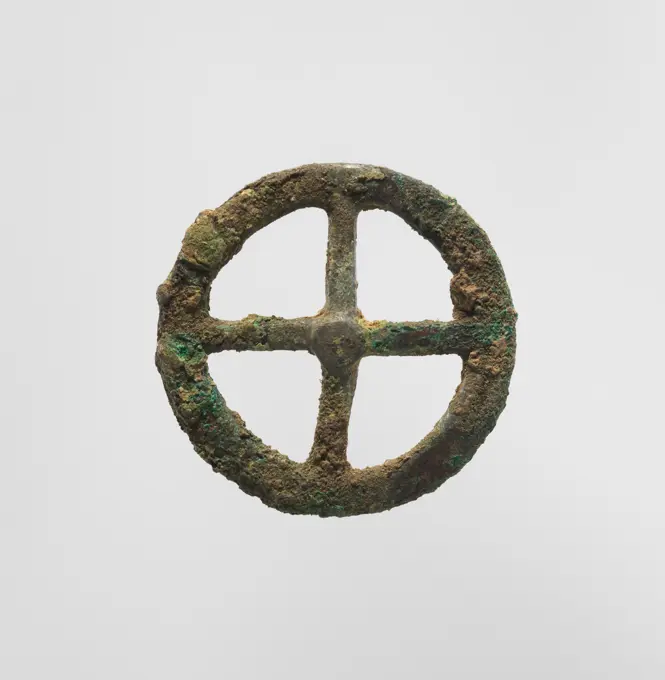
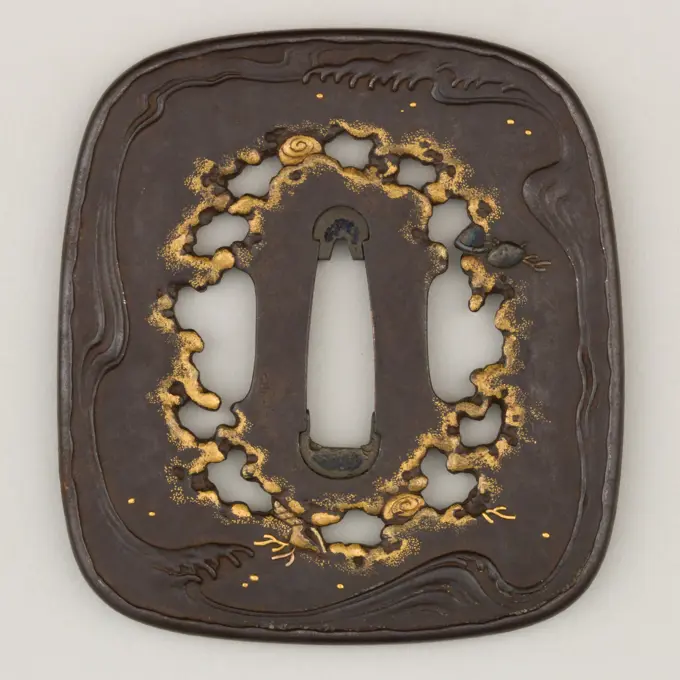
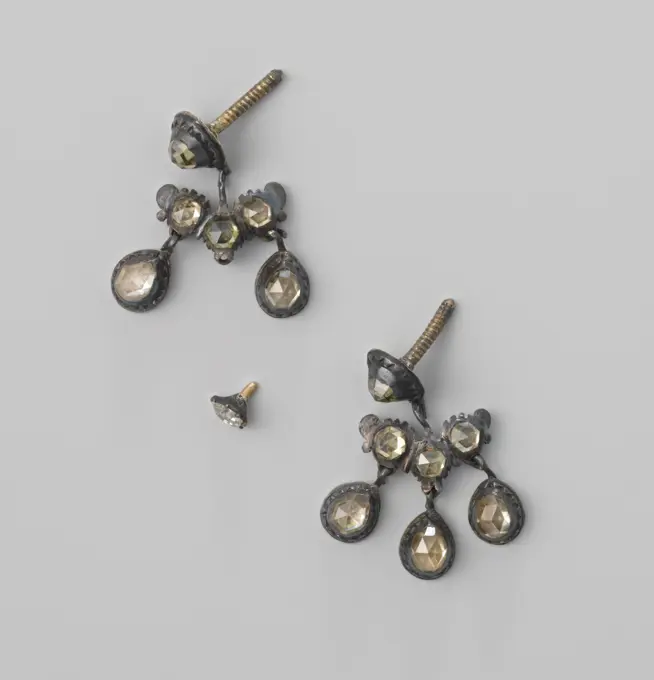
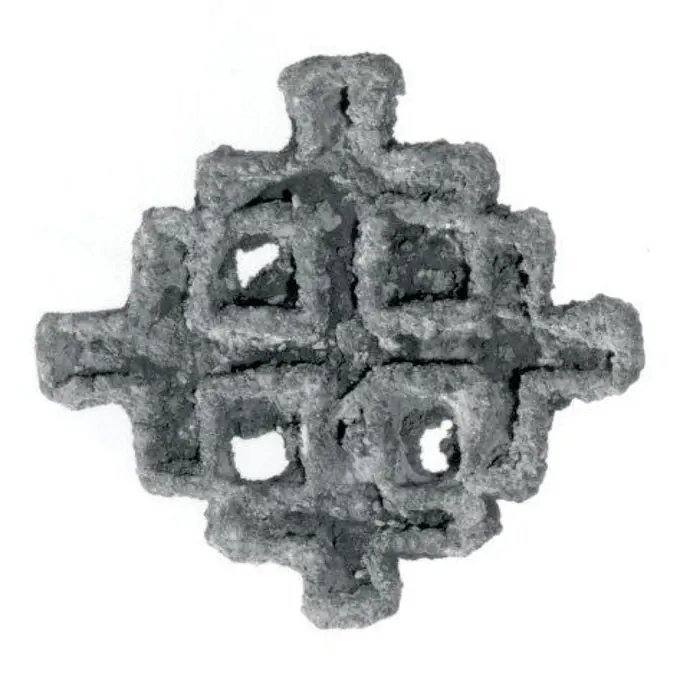
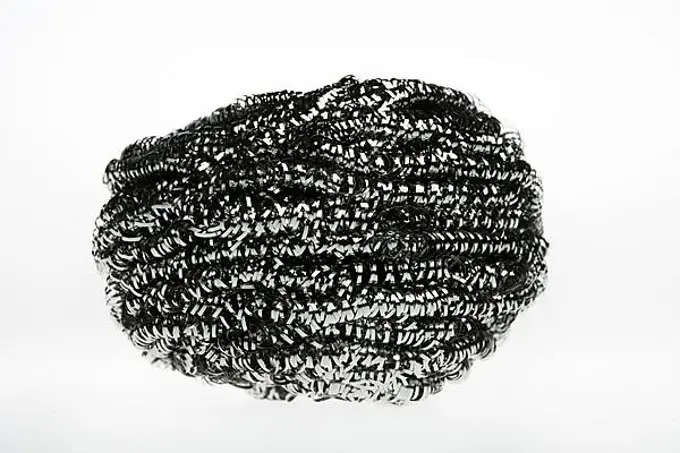
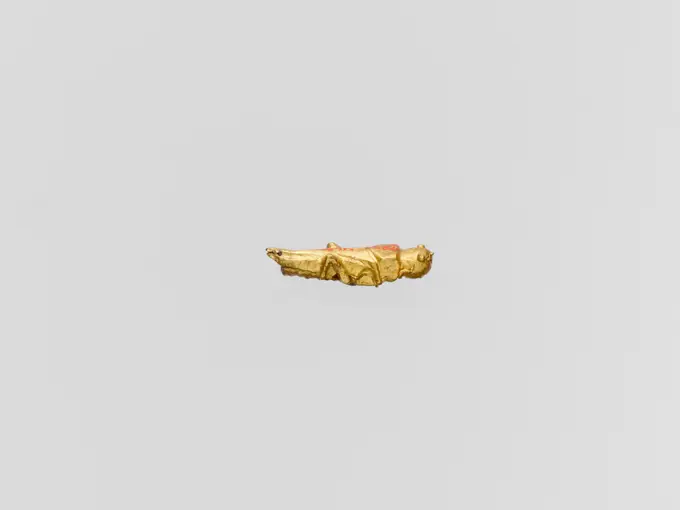
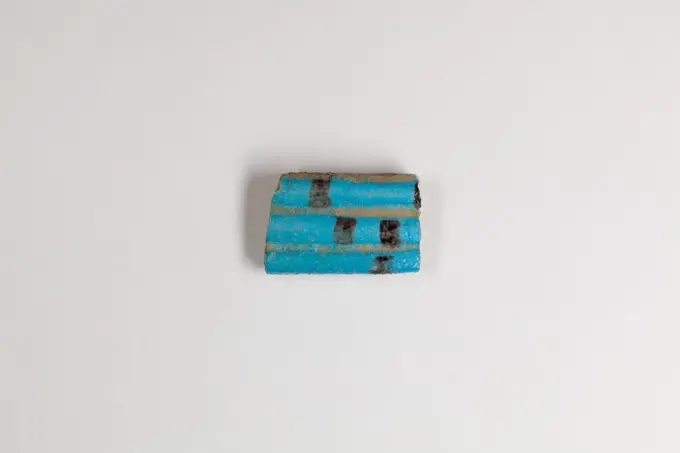
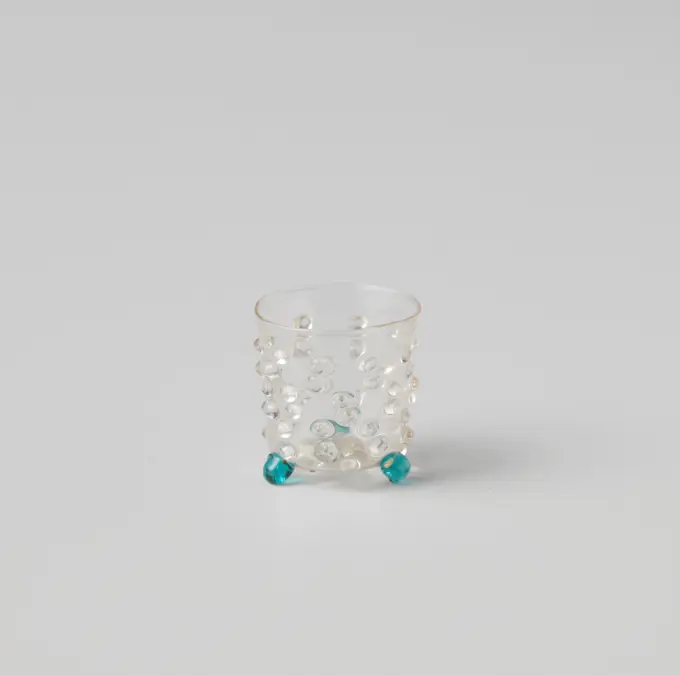
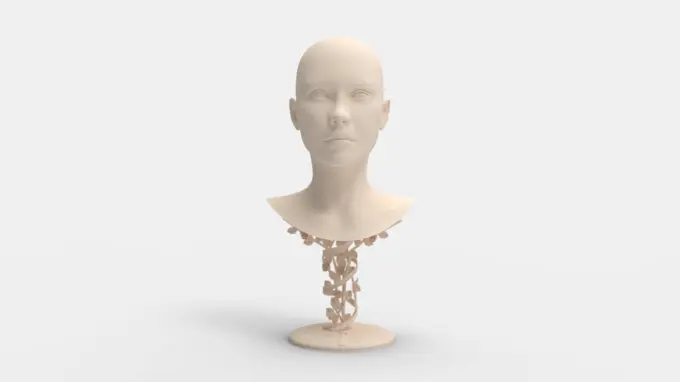
Burnt matchstick on white backgroundGlass mosaic bowl fragment late 1st century B.C.-early 1st century A.D. Roman Rim fragment.Translucent purple, opaque yellow and red, and colorless.Applied coil rim with rounded, vertical lip; almost straight, thicker side at top, then curving inward at bottom. Rim in purple with a white spiral thread; body decorated with parallel, slanting, vertical bands, forming a regular repeated pattern in purple, colorless, red, yellow, colorless, and yellow.Pinprick bubbles; polished exterior; pitting of surface bubbles on exterior; dulling and iridescent weathering on interior and rim; some weathering on edges.. Glass mosaic bowl fragment 257341Collection of the Dutch Heidematschappij. Forest protection, fruit bodies, rust, juniper. undatedThree pearls. Agate. Provenance: Vietnam. Paris, Cernuschi museum. 78817-27 Jewel, archeological object, pearlRetro cartoon with texture. Isolated on White.Aper amulet 664-380 B.C. Late Period. Aper amulet 561524Detailed and colorful image of glass crystalGlass mosaic inlay fragment late 1st century B.C.-early 1st century A.D. Roman Uncertain color, appearing black, blue, and opaque white.Thick, flat oval, with vertical edges.Marbled mosaic pattern in a black ground with mixed blue and white swirls.Some large chips around edges; polished upper side; pitting of surface bubbles on upper side; dulling on underside and edges.Probably part of a revetment panel or inlay.. Glass mosaic inlay fragment. Roman. late 1st century B.C.-early 1st century A.D.. Glass; cast. Early Imperial. GlassPlaque Condorhuasi 500 BCE-450 CE Metalworkers hammered gold to make this plaque, which is part of the Condorhuasi tradition of Northwest Argentina. This tradition ranges from approximately 500 B.C. to A.D. 450. A person likely would have worn this plaque in burial. Objects like this one only may have been accessible to a few people. This is suggested by the emerging differences in materials with which people were buried at this time in Northwest Argentina. The plaque is approximately hexagonal, although it can be considered part of an assemblage usually referred to as "oval plaques" (see, for example, A. González 1992, 14). It displays a consistent thickness across its surface, and shows a very slight overall concavity, with the obverse side slightly raised. There are two elliptical holes at the top of the plaque. At the center, there is an hourglass-shaped area of metal that has been removed. Compared to the outer edges of the plaque, which are rounded and relatively smooth, the edgeBead, openwork. Dimensions: L. 1.7 cm (11/16 in.); w. 1.6 cm (5/8 in.). Dynasty: Dynasty 18. Date: ca. 1550-1295B.C.. Museum: Metropolitan Museum of Art, New York, USA.Inlay. Culture: Iran. Dimensions: 0.13 in. (0.33 cm). Date: ca. 8th-7th century B.C.. Museum: Metropolitan Museum of Art, New York, USA.Attic Red-Figure Kylix Fragment. UnknownBracelet. Culture: Djenné peoples. Dimensions: Diameter 3-1/2 in.. Date: 11th-16th century. Museum: Metropolitan Museum of Art, New York, USA.Letter O isolated Halloween alphabet sign. Vector capital o symbol of bones. O letter isolated typography font icon of bonesSalad bowl;  the beginning of the 20th century (1900-00-00-1910-00-00);Dove on the Wing with Olive Branch ca. 1860 George Gammon Adams. Dove on the Wing with Olive Branch 206382Sword Guard (Tsuba) 1757 Japanese A tsuba is a sword guard and part of a sword mounting. It is mounted between the swords blade and grip to protect the users hands.. Sword Guard (Tsuba) 34907Set of vintage plastic buttonsHoop Earring ca. 1648-1540 B.C. Second Intermediate Period. Hoop Earring. ca. 1648-1540 B.C.. Gold. Second Intermediate Period. From Egypt; Possibly from Eastern Delta. Dynasty 15Attic Red-Figure Kalpis Fragment. UnknownStamp seal (in the shape of a human head) with animal 12th - 7th century B.C. Syro-Anatolian-Levantine. Stamp seal (in the shape of a human head) with animal 327217Fragment of a terracotta amphora (jar). Culture: Greek, Attic. Dimensions: length 6in. (15.3cm). Date: ca. 540 B.C..Departure of a warrior in a chariotThe subject may be the departure of Amphiaraos. Museum: Metropolitan Museum of Art, New York, USA.Retro cartoon with texture. Isolated on White.Pinhead Roman Round, multi colored millefiori pinhead.. Pinhead. Roman. Glass. GlassCopper bracelet, thin and smooth-walled, bracelet jewelery clothing accessory clothing soil find copper metal, d 0,3 Metal bracelet Yellowish metal mottled by oxidation Soldered connection Pretty thin. Smooth-wall archeology Rotterdam rail tunnel wear adorn prosperity status Soil discovery: railway tunnel 1988-1993.String of Short Cylindrical Beads ca. 1390-1353 B.C. New Kingdom. String of Short Cylindrical Beads. ca. 1390-1353 B.C.. Faience. New Kingdom. From Egypt, Upper Egypt, Thebes, Malqata, Palace of Amenhotep III, MMA excavations, 1910-12. Dynasty 18Trabant logo on a Trabant, classic car, Germany, EuropeBuckle first half 6th century Visigothic. Buckle. Visigothic. first half 6th century. Copper alloy, with glass. Metalwork-BronzeSword Guard (Tsuba). Culture: Japanese. Dimensions: H. 2 7/8 in. (7.3 cm); W. 2 3/4 in. (7 cm); thickness 3/16 in. (0.5 cm); Wt. 3.7 oz. (104.9 g). Date: ca. 1615-1868. Museum: Metropolitan Museum of Art, New York, USA.Bracelet A.D. 1st millennium (). Bracelet 325117Glass stirring rod. Culture: Roman. Dimensions: Overall: 5 9/16in. (14.1cm)Other: 3/16in. (0.5cm). Date: ca. 1st-4th century A.D..Uncertain color.Solid, cylindrical rod, slightly thickened at either end into small knobs.Intact; thick, black enamel-like weathering, with small patches of pitting and iridescence. Museum: Metropolitan Museum of Art, New York, USA.Heb-Sed Amulet ca. 1390-1352 B.C. New Kingdom. Heb-Sed Amulet. ca. 1390-1352 B.C.. Faience. New Kingdom. From Egypt, Upper Egypt, Thebes, Malqata, South Village, MMA excavations, 1910-11. Dynasty 18Implement. UnknownBORD, TELDERD MET Het wing pattern decor, Meissener porcelain manufactory, 1901 Plate of painted porcelain. The board is painted in green and blue with the Flügelmuster. The board belongs to a service (BK-1976-65-1 to BK-1976-65-34) and is marked. Float porcelain Plate of painted porcelain. The board is painted in green and blue with the Flügelmuster. The board belongs to a service (BK-1976-65-1 to BK-1976-65-34) and is marked. Float porcelainHare Pendant 1100 BCE-900 BCE China. Jade .Shards of Kommen from V.O.C. ship De 'Witte Leeuw', Before 1613 bowl Shards of Kommen from V.O.C. ship De 'Witte Leeuw'.  porcelain   Sint-HelenaNose ornament 13th-16th century Colombia. Nose ornament. Colombia. 13th-16th century. Gold. Colombia, Cocha or Chaco, Atrato River. Metal-OrnamentsEarring 6th century Japan. Earring. Japan. 6th century. Gilt bronze. Kofun period (ca. 300-710). Jewelry. Hair comb of turtle with narrow, slightly wagging back, thirty teeth.Vase fragment 1st century B.C.-1st century A.D. Roman Woman.. Vase fragment 250319Gilt terracotta wreath with flowers and berries 3rd century B.C. Greek, South Italian, Tarentine With rosettes as clasps.. Gilt terracotta wreath with flowers and berries. Greek, South Italian, Tarentine. 3rd century B.C.. Terracotta. Hellenistic. TerracottasGlass mosaic bowl fragment late 1st century B.C.-early 1st century A.D. Roman Rim fragment.Translucent purple and opaque white.Outsplayed rim with downturned, rounded lip; broad, concave neck, flaring outward at bottom. Spiral mosaic pattern formed from lengths of a single cane in a purple ground with wavy white threads.Polished interior; pitting of surface bubbles on interior; dulling, some pitting, and faint iridescent weathering on exterior, rim, and jagged edges. Horizontal tooling marks on exterior around neck.. Glass mosaic bowl fragment. Roman. late 1st century B.C.-early 1st century A.D.. Glass; cast. Early Imperial. GlassAgate sliceGlass cameo fragment late 1st century B.C.-mid-1st century A.D. Roman Translucent cobalt blue with overlay in opaque white.Fragment of cylindrical body with concave curving side.On exterior, in deep relief in white a large vine leaf, carved in fine detail, showing veins and texture of the leaf surface.Broken on all sides with weathered edges; dulling, pitting of surface bubbles, some brilliant iridescence, and thick creamy brown weathering on white overlay. Rotary grinding marks on interior.. Glass cameo fragment 249602isolated metal figure isolated metal figure Copyright: xZoonar.com/OxanaxRishnyakx 5202047Plate. Bronze. 6th century BC. J.-C.NORD DU HEBEI and west of the Liaoning. Paris, Cernuschi museum. 59515-3 ANTIQUITE, BRONZE, antique, plaqueHangtreeft, Frederik van Strant (II), 1734 Treets with handle and a horseshoe -shaped ring on three legs. The Treft is marked: stk. = Amsterdam, Jrl. = Z (1734), Mt. = Frederik van Strant II and an ax. Amsterdam silver (metal) Treets with handle and a horseshoe -shaped ring on three legs. The Treft is marked: stk. = Amsterdam, Jrl. = Z (1734), Mt. = Frederik van Strant II and an ax. Amsterdam silver (metal)3D rendering of a fountain park furniture water isolated on white 3D rendering of a fountain park furniture water isolated on white studio background Copyright: xZoonar.com/HugoxKurkx 15247808Retro cartoon with texture. Isolated on White.Letterpress-Buchstabe C 3D aus gealtertem Metall Aged metal letterpress Letter C 3D rendering illustration isolated on white background Copyright: xZoonar.com/MilicxDjurovicx 22691405Glass mosaic ribbed bowl fragment late 1st century B.C.-early 1st century A.D. Roman Body fragment.Translucent deep purple appearing black, cobalt blue, and opaque white.Outsplayed neck; slightly curving side tapering downward.Ribbon mosaic pattern formed from sections of a single cane in purple ground with irregular wavy white and blue threads in parallel horizontal lines; on exterior, three vertical shallow ribs, fairly widely spaced, with flattened tops and rounded outer edges.Polished interior; pitting of surface bubbles and cracks on interior; dulling and patches of creamy iridescent weathering on exterior and jagged edges.. Glass mosaic ribbed bowl fragment. Roman. late 1st century B.C.-early 1st century A.D.. Glass; cast and tooled. Early Imperial. Glass1/8 Tical of Fuang from Thailand, 1650-1850 ,, 1650 - 1850 coin Silver, grain -shaped mint. Equipped with one consequence (KRA): fish hook .  silver (metal) castingcolored stones, precious gems, glass balls, french green, Vector illustration. colored stones, precious gems, glass balls, french green,Glass Fragment 13th century French. Glass Fragment 466496Fragment sheet metal from the wreck of the East Indieschief Hollandia. Parts or artifacts; eroded fragments: Materials; Copper.Glass Fragment 12th-13th century French. Glass Fragment. French. 12th-13th century. Glass. Made in Chartres, France. Glass-StainedHölzerne Tafel mit Fuß - Wooden plate with leg Hölzerne Tafel mit Fuß - Wooden plate with leg Copyright: xZoonar.com/lantapixx 9305479Attic Red-Figure Kalpis Fragment. UnknownSnuffBox.   Maker: Daniel Parker, American, 1726-1785Carinated hemispheroid seal ca. 4000-3500 B.C.. Carinated hemispheroid seal. ca. 4000-3500 B.C.. Chlorite or steatite, brown-black. Chalcolithic. Northern Mesopotamia, Syria or southwestern IranFragment of a kylix: band-cup (drinking cup). Culture: Greek, Attic. Dimensions: width 3 3/8in. (8.6cm). Date: ca. 550-525 B.C..Two youths running toward a standing figure. Museum: Metropolitan Museum of Art, New York, USA.Scarab 30 B.C.-A.D. 364 Roman Period. Scarab 551619Campania Caserta Capua Museo Campano067. Hutzel, Max 1960-1990 Medieval: Byzantine architectural fragments; parchment fragments with miniatures (12th century) from Montecassino; painted wooden crucifix (13th century); Carolingian crucifixes; Bishop's miter (11th century) of gold and silver damask; fresco (13th century). Post-medieval: Architecture (15th century). Formerly the Palazzo Antignano. Unusual Catalan/Moorish-style portal; Paintings on panel and canvas (15th-18th centuries); marble intarsia (16th century); marble sculpture: busts of Christ and Mary (17th century); sculpture of saints in marble and in wood (15th century); painted and gilded sculpture in wood; marble grave sculpture (16th century); sarcophagus with allegorical carvings; gold reliquary "Rosa d'Oro"; crucifix made of elephant tusk Specific Location: Pianterreno Antiquities: Italic sculpture (seated women holding babies); inscription. Photo campaign #1: 533 photos. Roman relief and sculpture; cinerary urns; Greek aShard of a plate from the wreck of the East India Hollandia.Porcelain, Plate, Type 2; Fragm or base, sim. Or 1980-27H507.Emilia-Romagna Ferrara Ferrara Museo Civico di Schifanoia25. Hutzel, Max 1960-1990 General Notes: INCOMPLETE RECORD--NEGATIVES PROCESSED, PRINTS FILED German-born photographer and scholar Max Hutzel (1911-1988) photographed in Italy from the early 1960s until his death. The result of this project, referred to by Hutzel as Foto Arte Minore, is thorough documentation of art historical development in Italy up to the 18th century, including objects of the Etruscans and the Romans, as well as early Medieval, Romanesque, Gothic, Renaissance and Baroque monuments. Images are organized by geographic region in Italy, then by province, city, site complex and monument.Obovaria retusa. Creator: Couch, Karen J. Subjects: mussels; clam; clams; line art; Illustrations; illustrations.  . 1998 - 2011.Bransoleta. unknown, craftsmanpolished circle from natural Ophite rock isolted polished circle from natural Ophite serpofite, serpentine rock isolted on white background Copyright: xZoonar.com/ValeryxVoennyyx 14986325Four-Spoked Votive Wheel 100-300 Roman. Four-Spoked Votive Wheel. Roman. 100-300. Copper alloy. Made in Gaul. Metalwork-CopperSword Guard (Tsuba) 19th century Japanese A tsuba is a sword guard and part of a sword mounting. It is mounted between the swords blade and grip to protect the users hands.. Sword Guard (Tsuba) 34954. Disk decorated with two dragons.Stock Buckle. Culture: American. Dimensions: 2 1/8 x 1 1/16 in. (5.4 x 2.7 cm). Date: 1770-1810. Museum: Metropolitan Museum of Art, New York, USA.Few earrings of silver, anonymous, c. 1750 - c. 1850 A few silver earrings. Decorated with 3 small stones with 3 larger stones hanging in a setting. One pendant has a loose stone.  silver (metal) A few silver earrings. Decorated with 3 small stones with 3 larger stones hanging in a setting. One pendant has a loose stone.  silver (metal)Livreiknoop of silver with weapon Teding van Berkhout, Hendricus de & Zn. Really, c. 1853 - c. 1866 Livreiknoop of silver with weapon teding from Berkhout. Bolle front in which the weapon is beaten. The weapon of Berkhout (1815): in gold seven red bugs, a standing silver crane in a blue release. Equipped with a copper eye at the back. Utrecht whole: Silver (Metal). Eye: Copper (Metal) Livreiknoop of silver with weapon teding from Berkhout. Bolle front in which the weapon is beaten. The weapon of Berkhout (1815): in gold seven red bugs, a standing silver crane in a blue release. Equipped with a copper eye at the back. Utrecht whole: Silver (Metal). Eye: Copper (Metal)Compartmented stamp seal ca. late 3rd-early 2nd millennium B.C. Bactria-Margiana Archaeological Complex. Compartmented stamp seal 326509Fragmentary Attic Red-Figure Cup. Attributed to Dokimasia Painter (Greek (Attic))Silver Balloon Letter O, Realistic 3D Rendering on a black backgroundHousehold item, scouring padtablecloth blanket bed color icon vector. tablecloth blanket bed sign. isolated symbol illustration. tablecloth blanket bed color icon vector illustrationPendant China. Pendant. China. Nephrite. Qing dynasty (1644-1911), Qianlong period (1736-95). JadeBlack mask on wooden table border isolated on white background with copy space. Mask with masquerade decorationsSweden, Blekinge, Blekinge, Karlskrona, Karlskrona, external marina (depicted, town).Sweden, Blekinge, Blekinge, Karlskrona, Karlskrona, External War Gogs (depicted, City)Umbel Pendant ca. 1390-1353 B.C. New Kingdom. Umbel Pendant. ca. 1390-1353 B.C.. Faience. New Kingdom. From Egypt, Upper Egypt, Thebes, Malqata, Palace of Amenhotep III, MMA excavations, 1910-11. Dynasty 18Black audio CD, cutoutAttic Black-Figure Neck Amphora Fragment. UnknownFragments of a terracotta kylix (drinking cup). Culture: Greek, Attic. Dimensions: b.: 1 9/16 × 2 7/8 in. (4 × 7.3 cm)c.: 7/8 × 15/16 in. (2.2 × 2.4 cm)d.: 2 3/8 × 2 1/8 in. (6 × 5.4 cm)a.: 1 9/16 × 2 1/16 × 1/8 in. (3.9 × 5.2 × 0.3 cm). Date: ca. 515 B.C..Exterior, gods in OlymposThough fragmentary, the cup is exceedingly significant. It is signed by Euthymides as both painter and potter. None of the figural decoration of the interior is preserved, but the surviving pieces show that it was covered with a coral red slip. The subject of the exterior may have been the birth of Athena.The other fragments belonging to the cup are 1982.386 and L.1983.49, lent by the Monumenti, Musei e Gallerie Pontificie. Museum: Metropolitan Museum of Art, New York, USA.Female Bust Applique. UnknownStatuette of a woman votary, 5 . Culture: Greek, Laconian. Dimensions: Height: 1 1/8 in. (2.9 cm). Date: ca. 700-500 B.C.. Museum: Metropolitan Museum of Art, New York, USA.Gold capsule in the form of a grasshopper 6th-4th century B.C. Cypriot A recurrent object of the Archaic and Classical periods--part amulet, part jewelry--is the small capsule worn as a pendant. It is a Phoenician type particularly well represented in Carthaginian jewelry. The purpose of the capsule was to hold a text that would protect or assist the wearer. It is unclear whether the examples found in Cyprus were made there or imported from the Levant.. Gold capsule in the form of a grasshopper. Cypriot. 6th-4th century B.C.. Gold. Archaic-Classical. Gold and SilverGrahal-Manzara. Carnavalet 2013-2016 collection sites. Numismatics.Glass Fragment ca. 1500 French (). Glass Fragment. French (). ca. 1500. Pot metal glass. Glass-StainedAluminum foil imageLid of toothy tray. Lid of a toothy tray with blue Saxon pattern, unnoticed.Vase fragment ca. 1981-1640 B.C. Middle Kingdom. Vase fragment. ca. 1981-1640 B.C.. Faience. Middle Kingdom. From Egypt, Memphite Region, Lisht North, MMA excavations. Dynasty 12-13Loop. Strip of stylized floral patterns.Cup decorated with warts and studs, on three bolts. Cup of clear colorless glass decorated with warts and studs, standing on three blue bolts.Cup decorated with warts and studs, on three bol feet, anonymous, c. 1675 - c. 1699 Cup of clear colorless glass decorated with warts and studs, standing on three blue bol feet. Amsterdam (possibly) glass Cup of clear colorless glass decorated with warts and studs, standing on three blue bol feet. Amsterdam (possibly) glass3d rendering of a human face mannequin isolated in studio background 3d rendering of a human face mannequin isolated in a bright background Copyright: xZoonar.com/HugoxKurkx 14815682metal construction figure metal construction figure Copyright: xZoonar.com/OxanaxRishnyakx 6029951Winged Beetle, late period of Egypt, XXVI dynasty, 664-525 BC. C. Greenwood, Calouste Gulbenkian Foundation, ("Fundação Calouste Gulbenkian"), Lisbon, Portugal.