Antique Metal Artifacts

Collection of ancient metal objects, including coins and amulets, showcasing historical craftsmanship. Reflects cultural significance and artistic heritage.
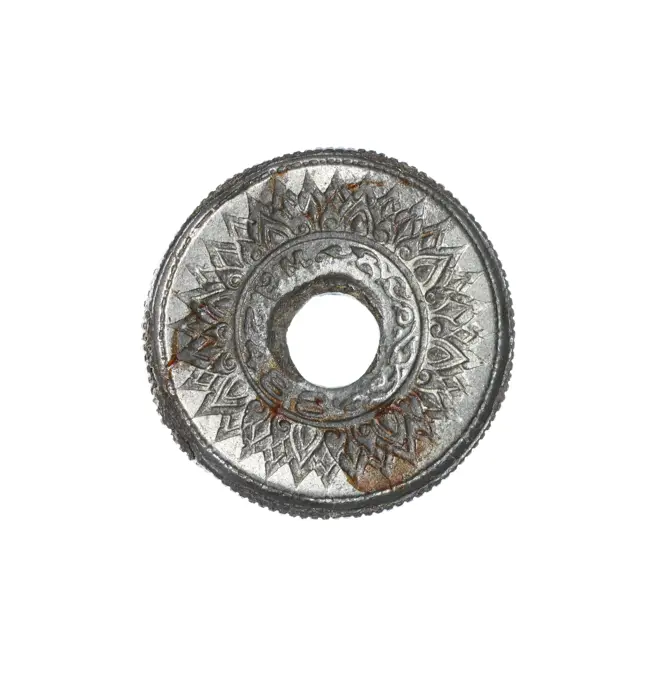
Tajlandia, Rama VIII (1935-1946), 5 SATANG, 1945 AD (2488 BE)
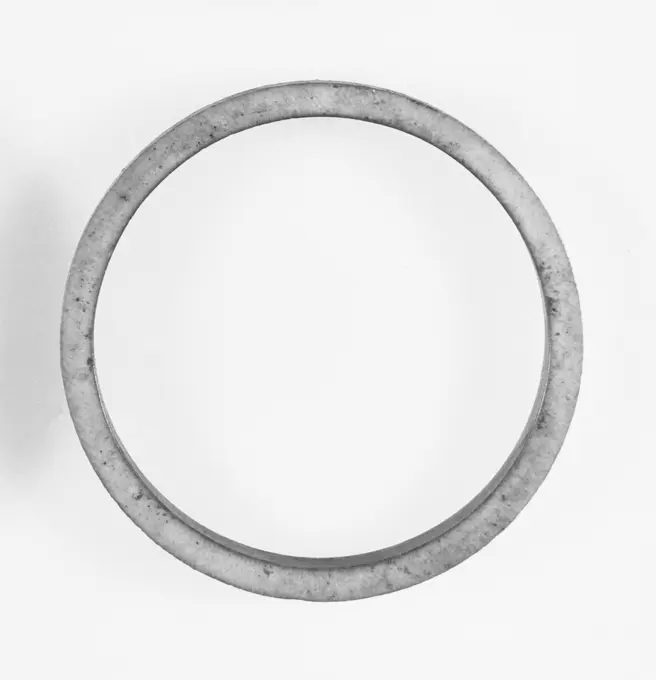
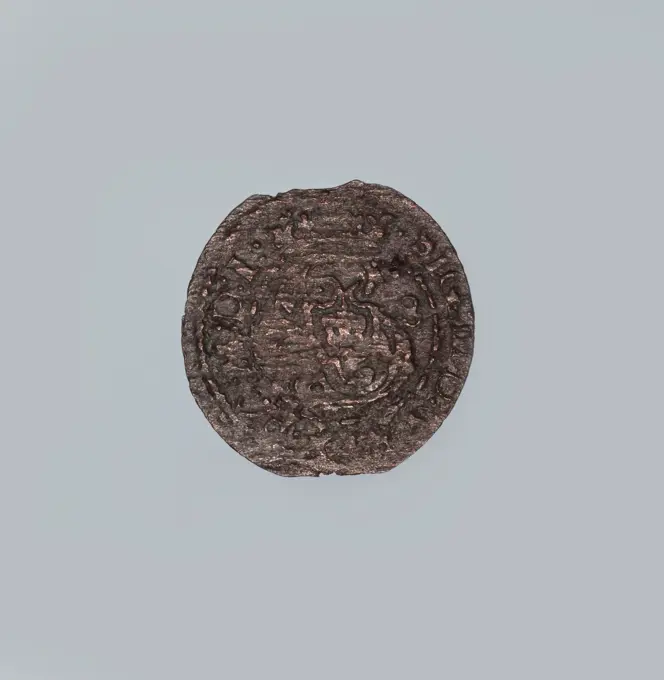
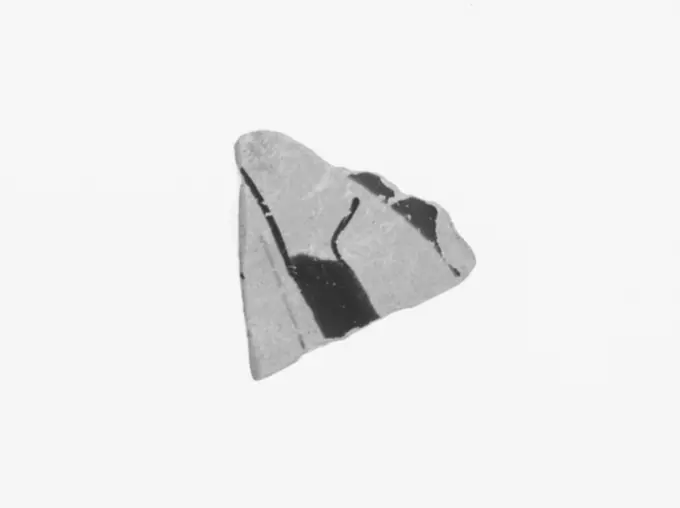
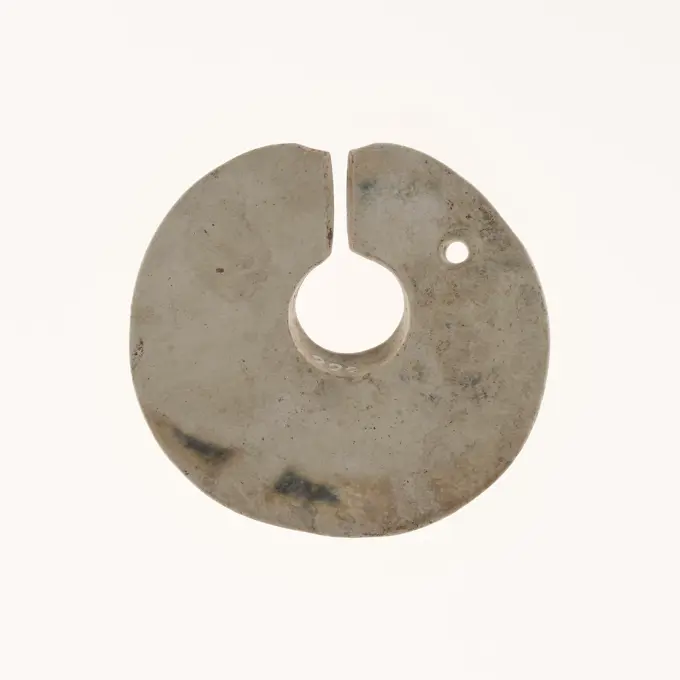
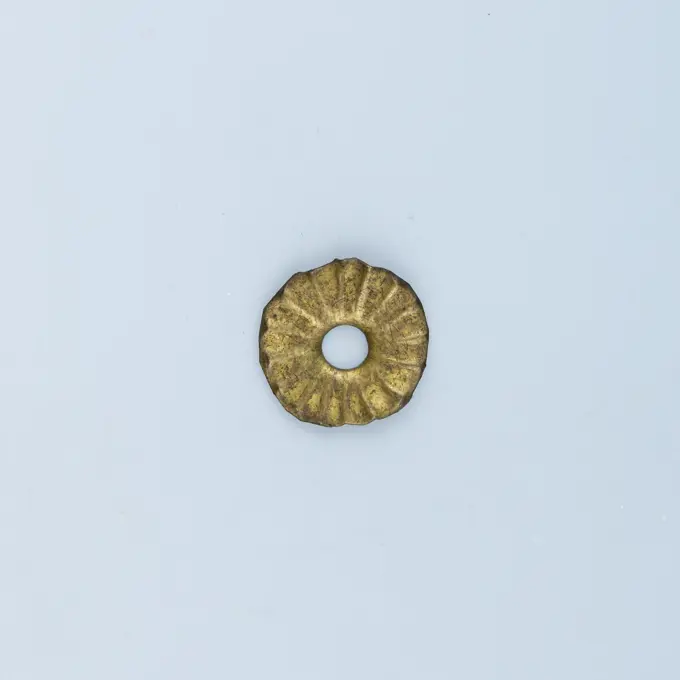
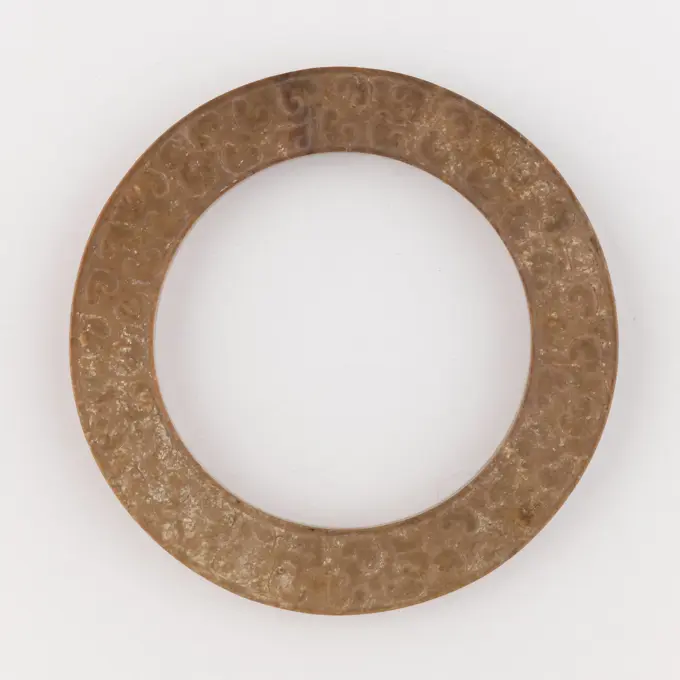
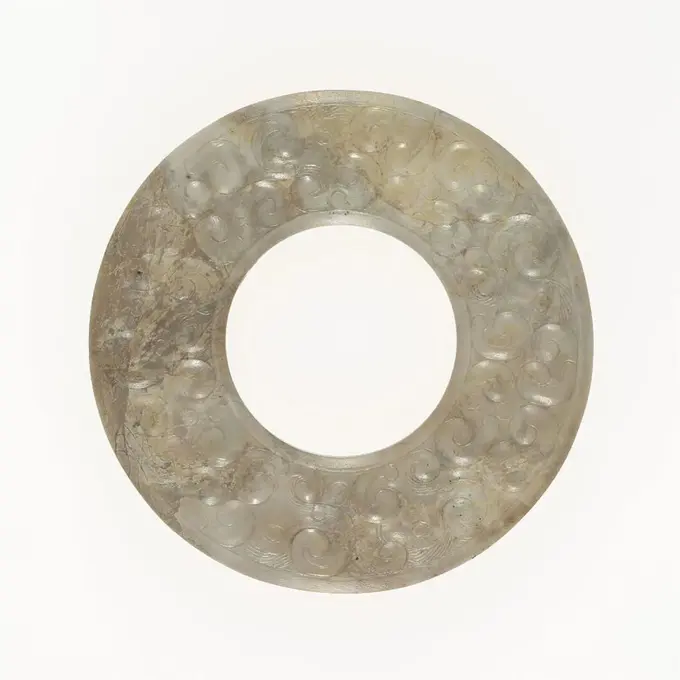
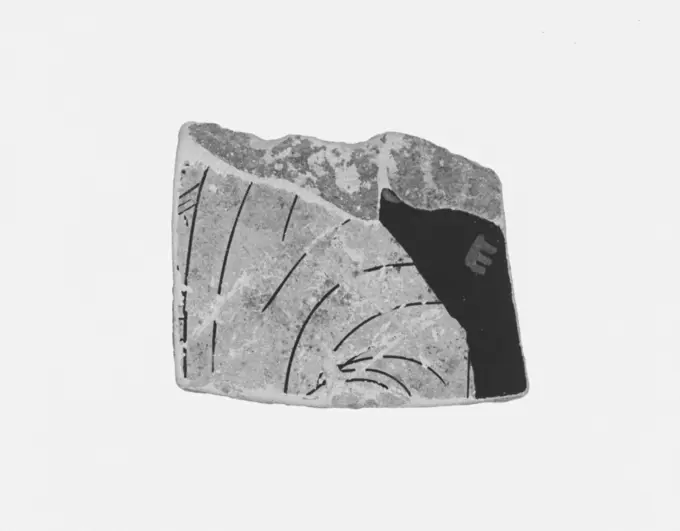
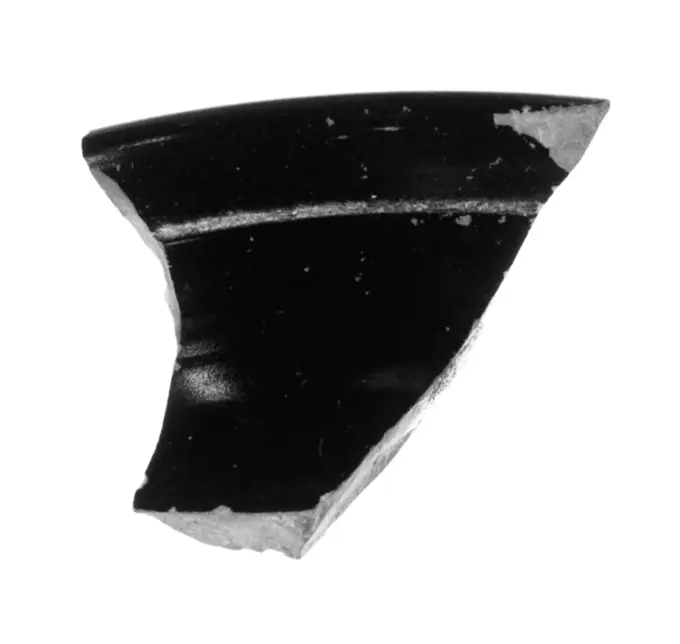
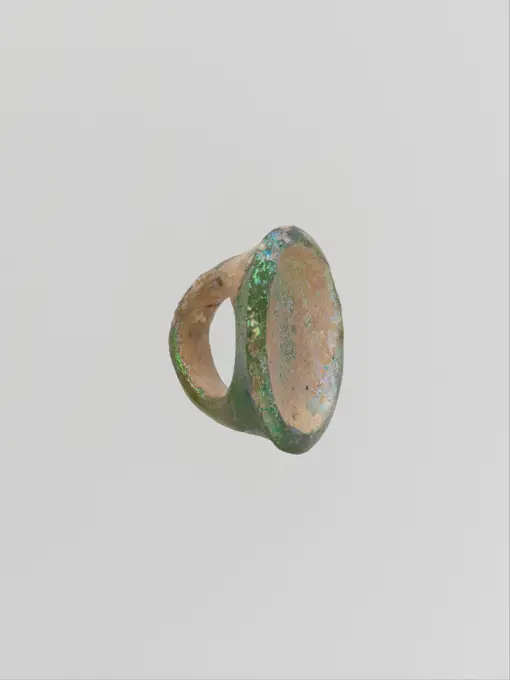
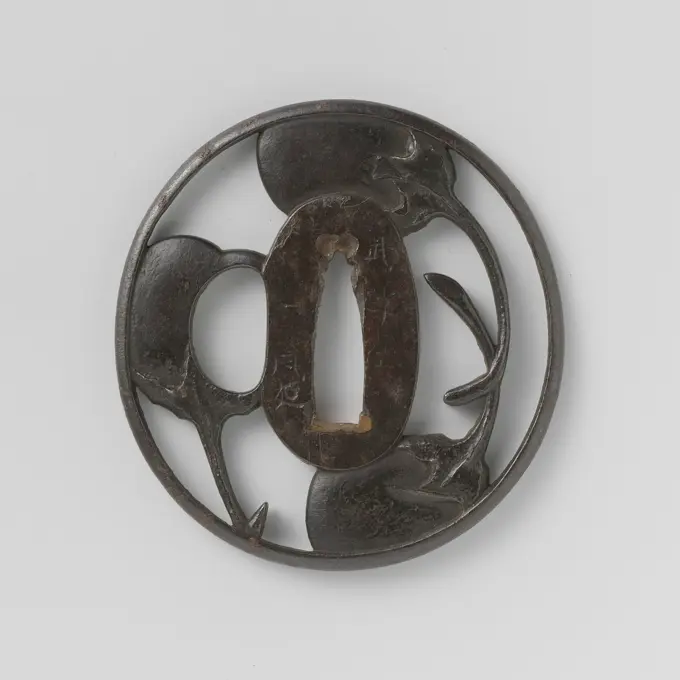
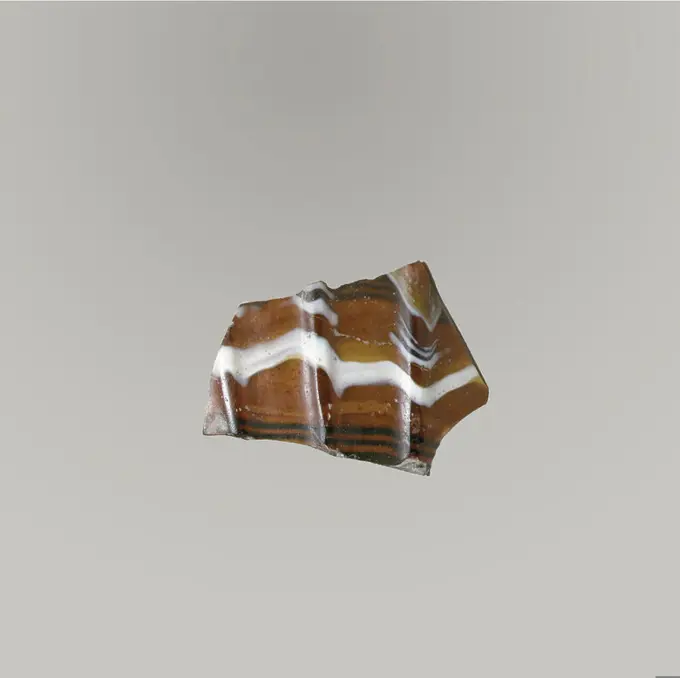
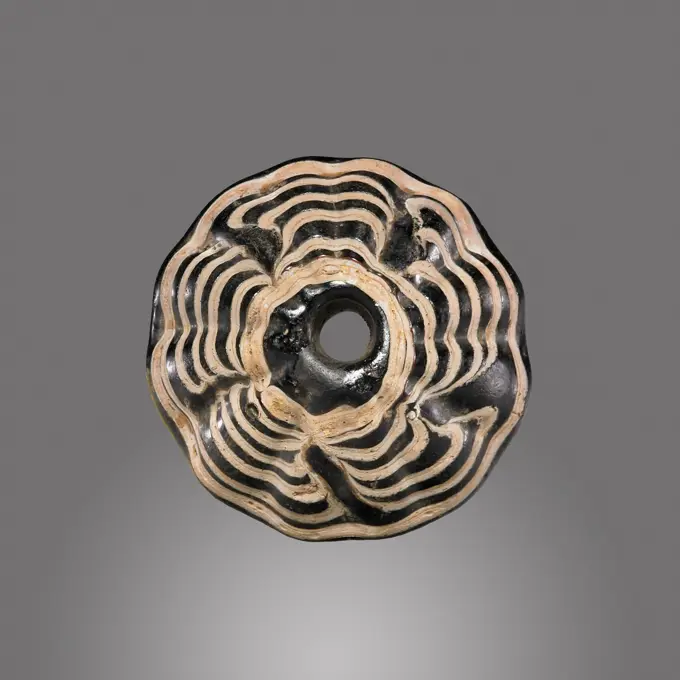
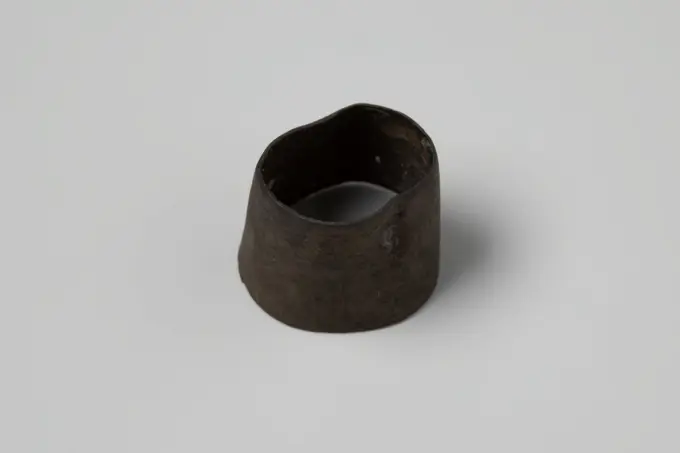
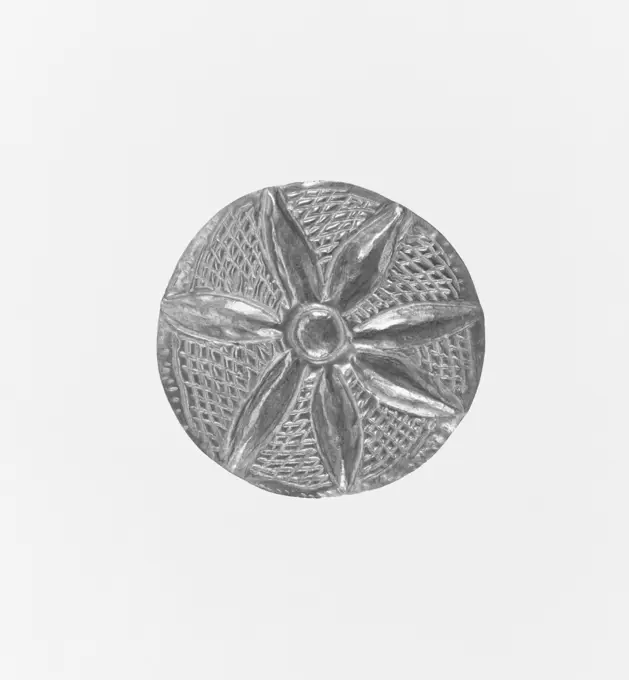
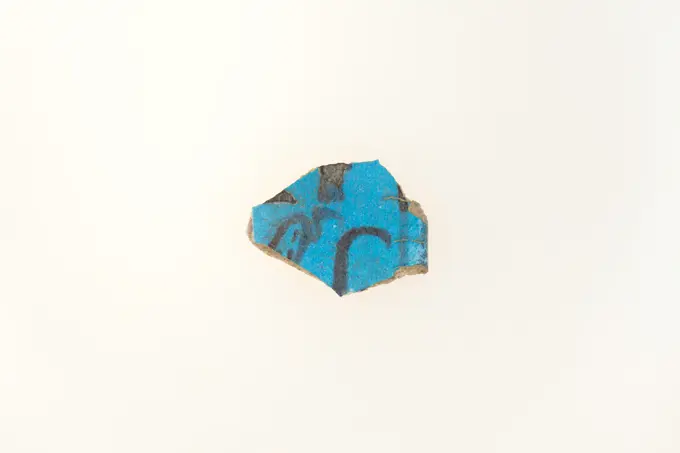
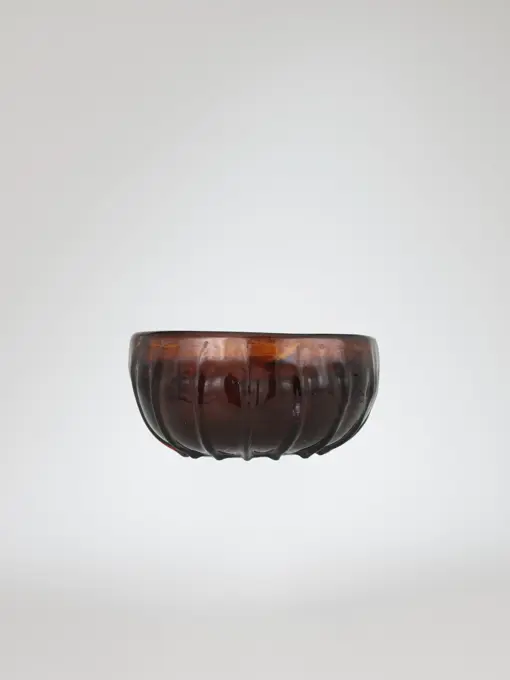
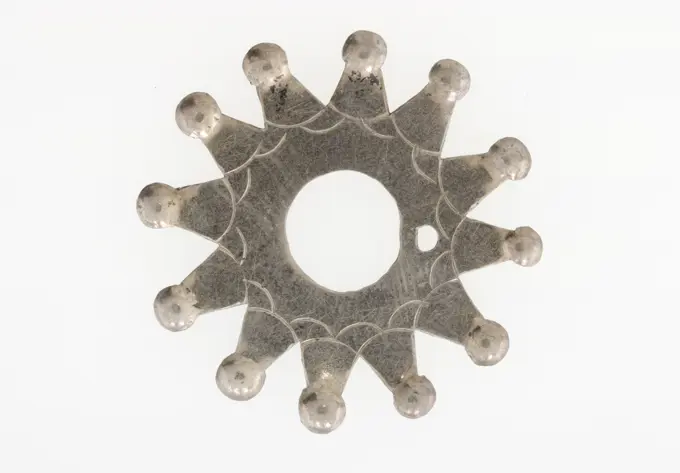
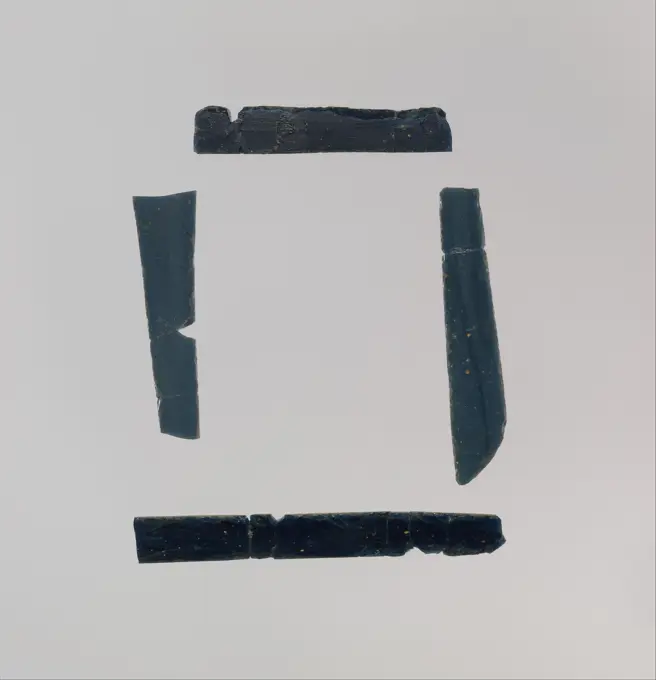
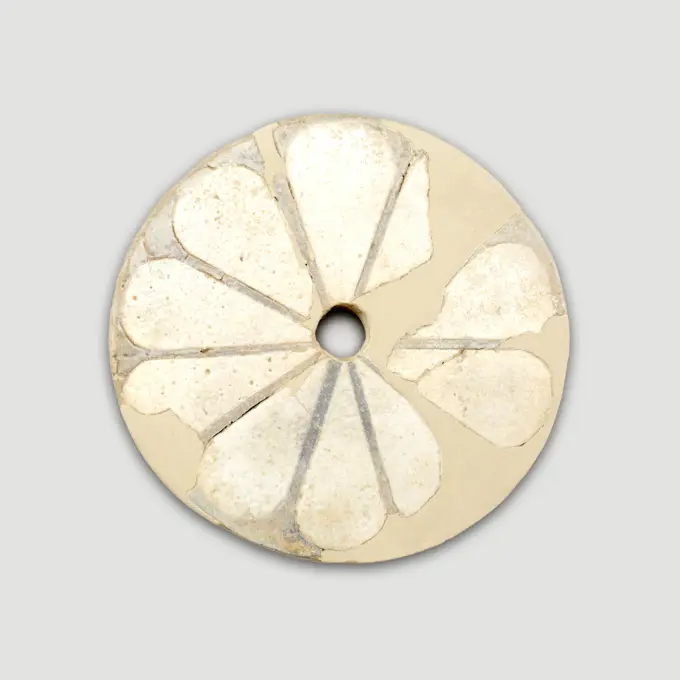
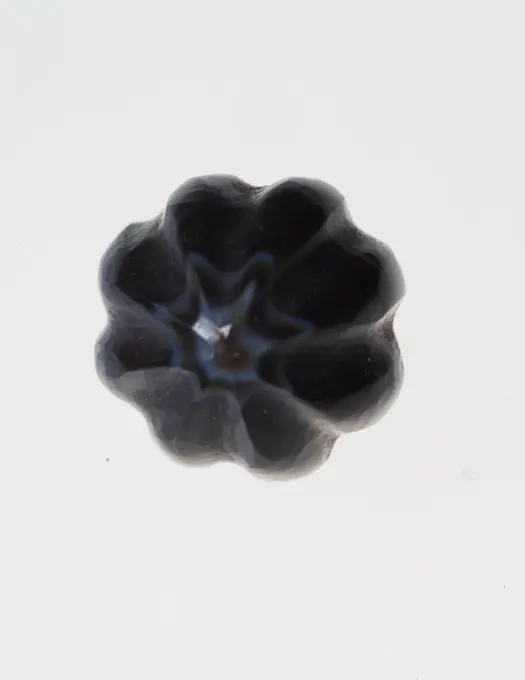
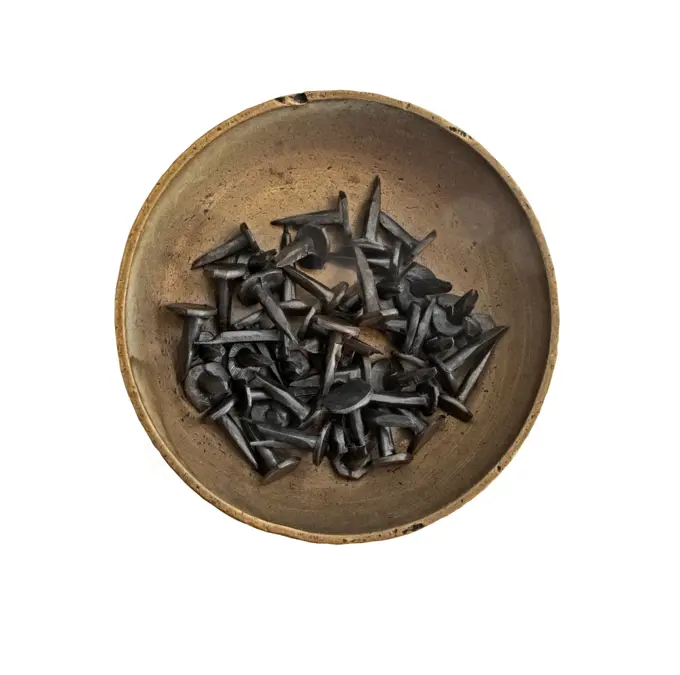
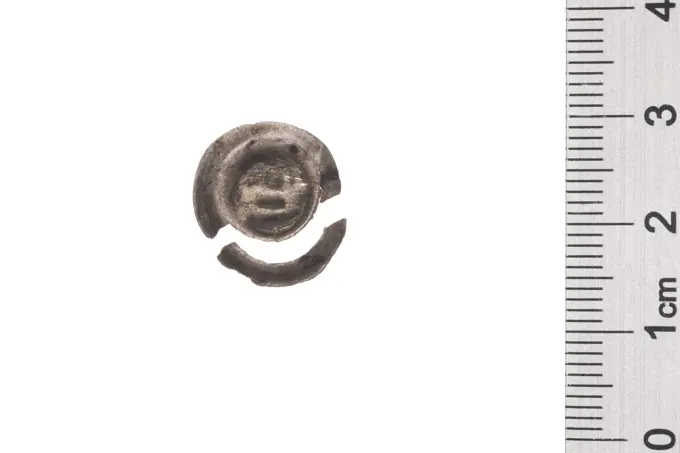
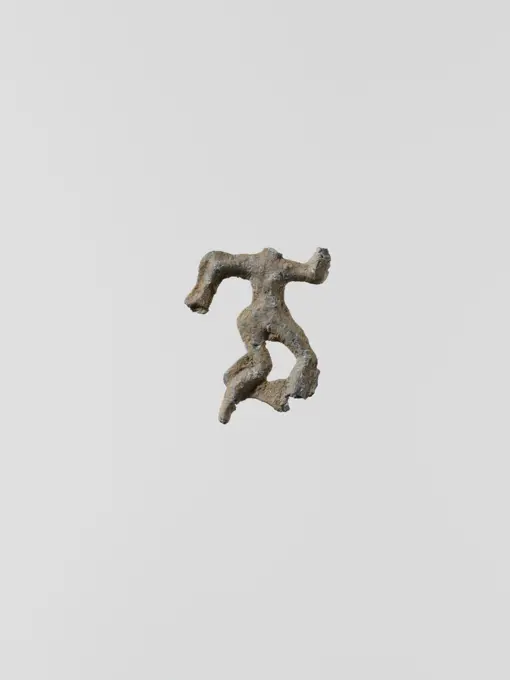
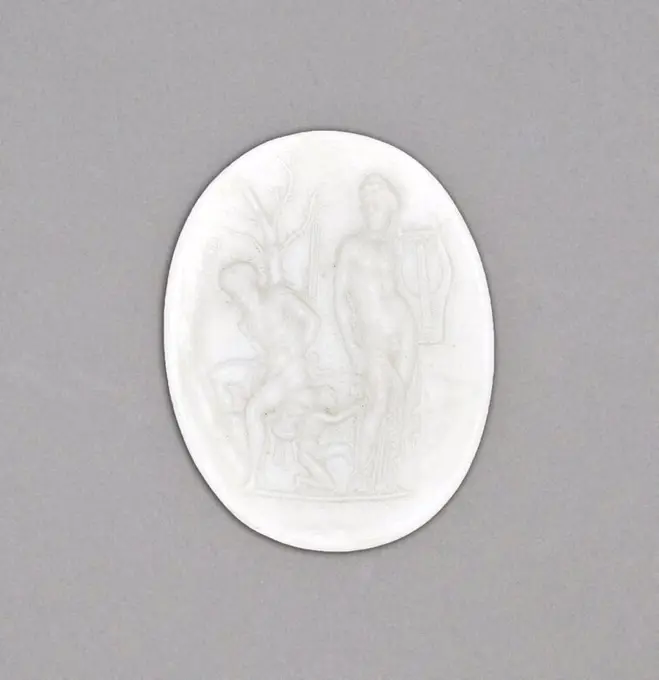
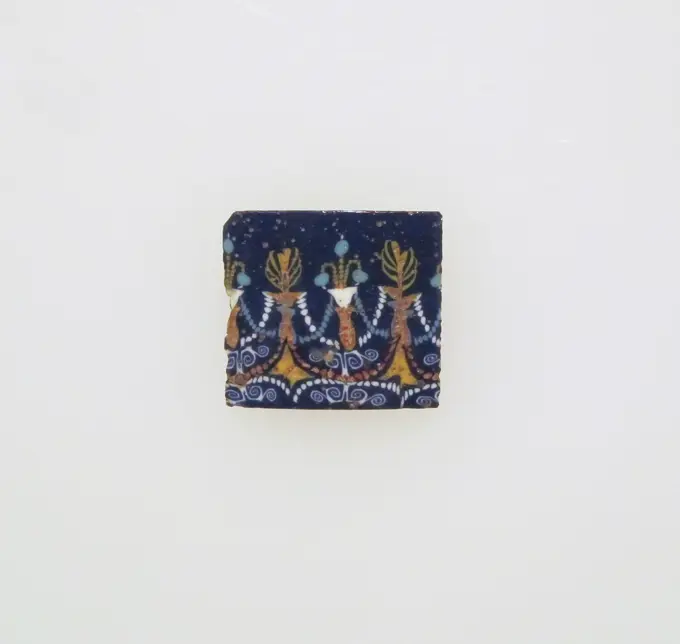
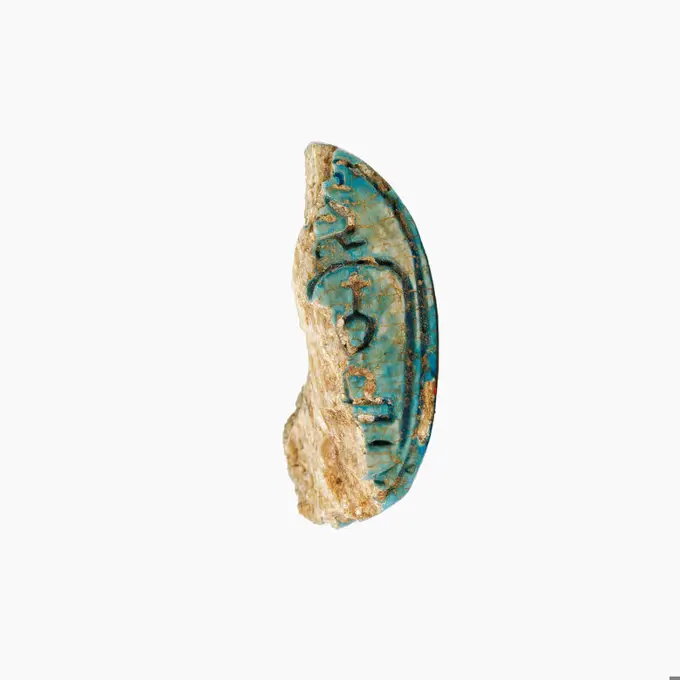
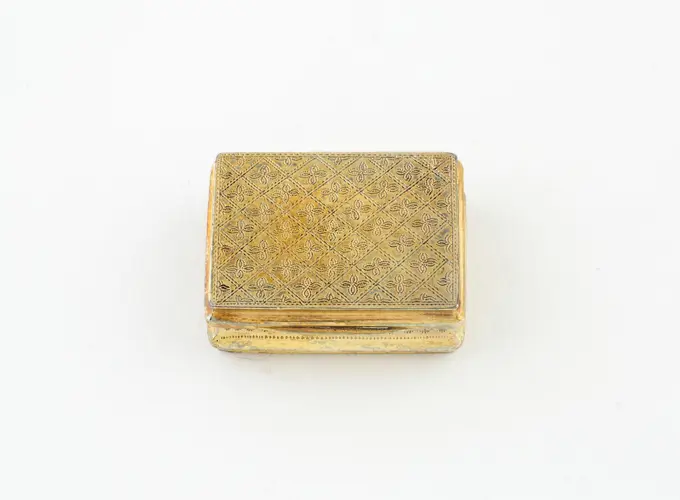
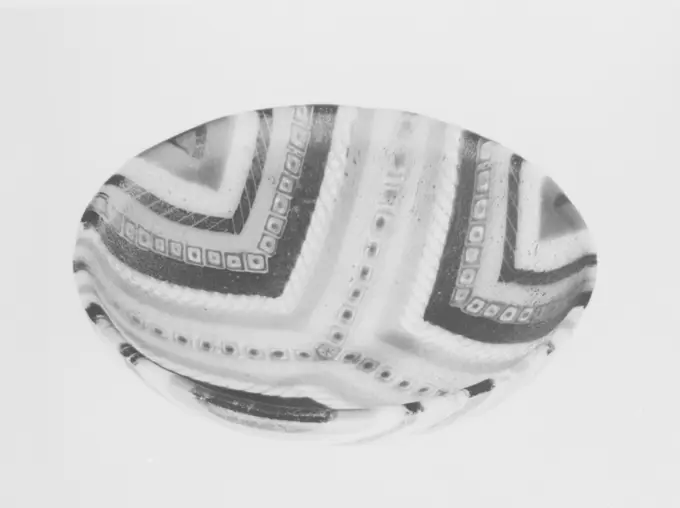
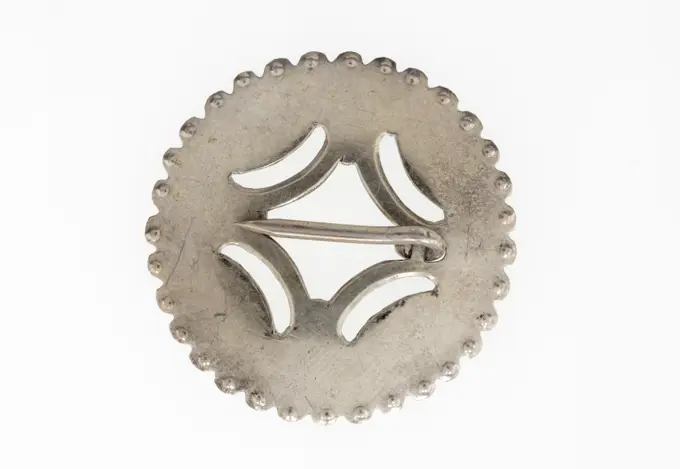
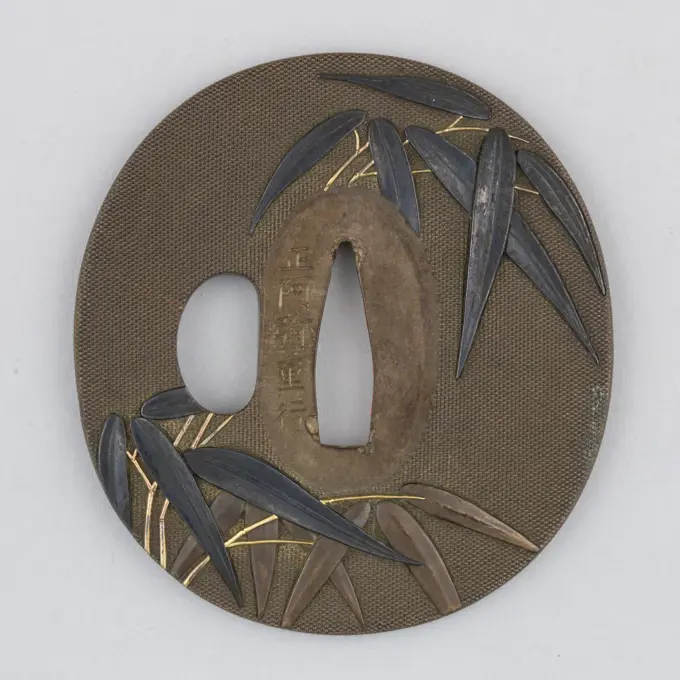
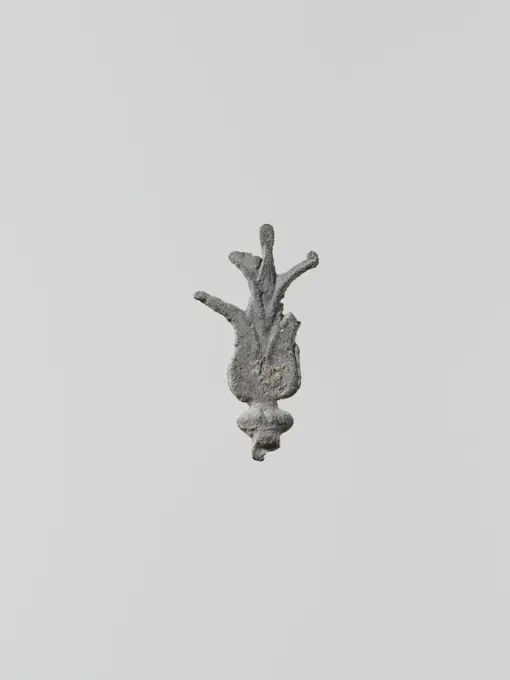
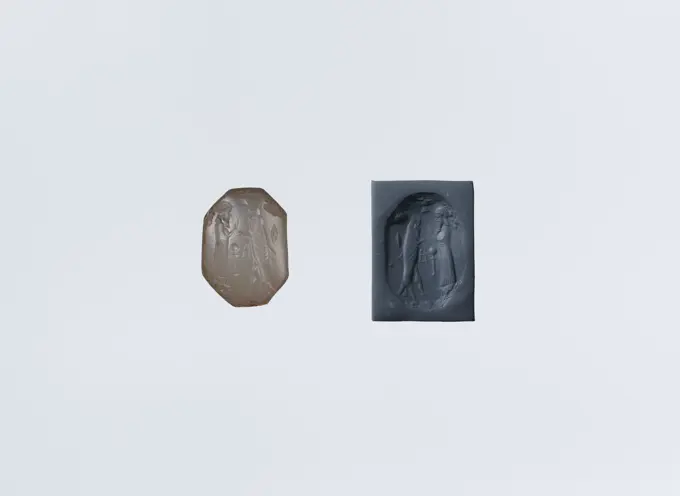
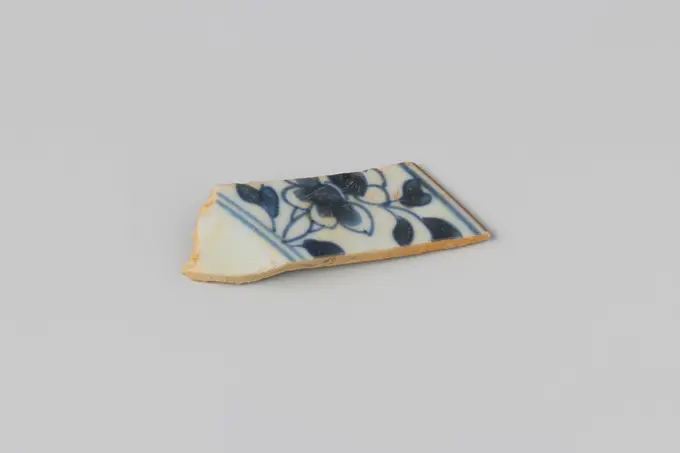
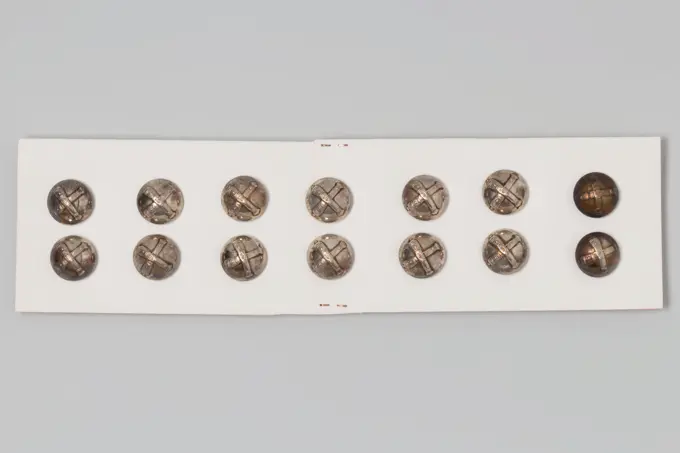
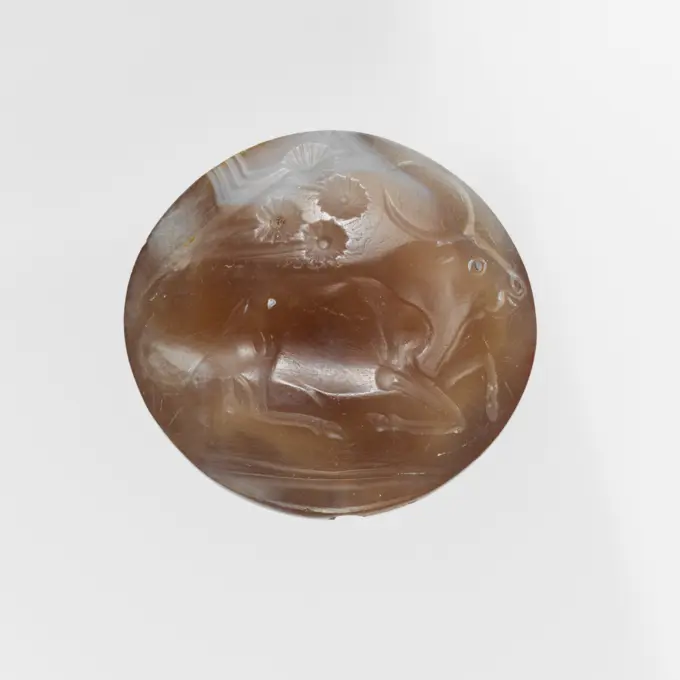
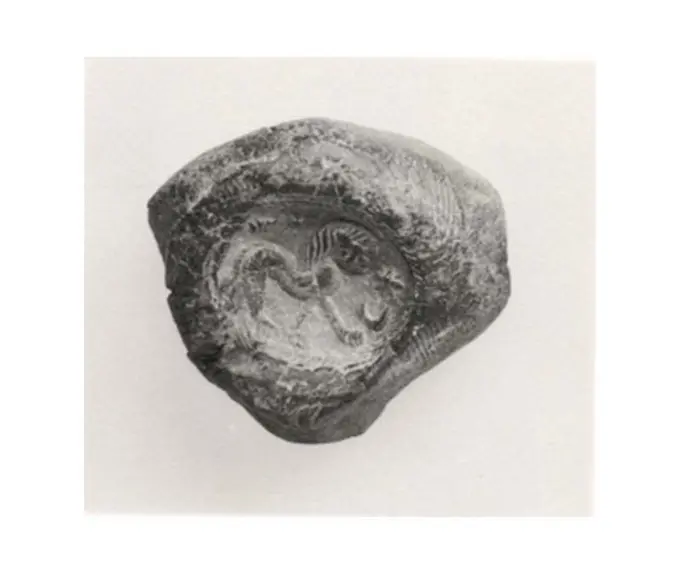
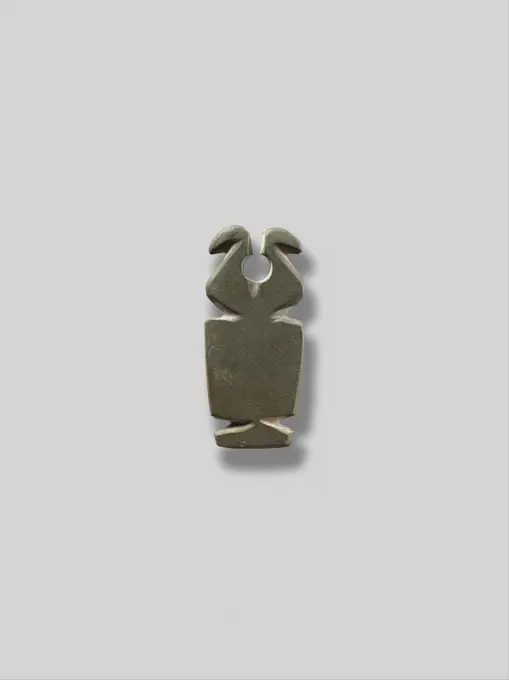
Tajlandia, Rama VIII (1935-1946), 5 SATANG, 1945 AD (2488 BE)Amulet emphasizing a pair of horns ca. 3650-3300 B.C. Naqada II The object's small size and abstract representation of a pair of cattle horns, suggests its idnetification as an amulet.. Amulet emphasizing a pair of horns 547363Tsuba (Japan); ironBracelet. UnknownVinaigrette 1845-1855 Birmingham. Silver and silver gilt .False coin, IIthuanian shilIIng, Sigismund III Vasa (1587 1632)Lid Fragment. UnknownHand Guard, TAKASE YOSHITOSHI, 1800-1900 Oval tsuba, completely covered with stylized waves in Takabori with golden drops; The Kogai-Hitsu is filled with Shakudo; Signed "Takase Yoshitoshi". Japan .. gold (metal) Oval tsuba, completely covered with stylized waves in Takabori with golden drops; The Kogai-Hitsu is filled with Shakudo; Signed "Takase Yoshitoshi". Japan .. gold (metal)Attic Red-Figure Cup Fragment. UnknownSlit Ring (jue) 5000 BCE-3000 BCE China. Jade .Rosette dated 1585 Italian. Rosette. Italian. dated 1585. Brass. Miscellaneous-Buckles & OrnamentAnnaeau. Jade, China, Iv-Iie s. to. J.-C. Par musée musée malée. Ring, circle, Asian civilization, Chinese civilization, disc, jadeWilliam III, King of the Netherlands, Anonymous, 1940 - 1945 coin Bronze Insigne, made from ajour processed coin of two and half a cent, of which only sculptor and edge have been left; Safety pin has been soldered to this at the rear. Front: Crowned Lion with sword and arrow bundle inside pearl edge and reversal. Reverse: part of representation on original mint visible. Utrecht bronze (metal). metal striking (metalworking) / soldering  NetherlandsRing. China. Date: 500 BC-400 BC. Dimensions: Diam. 2 1/16 in.; 11/16 in. flesh; 1/4 in. thickness. Jade. Origin: China. Museum: The Chicago Art Institute, Chicago, USA.Sword Guard (Tsuba) late 18th-early 19th century Japanese A tsuba is a sword guard and part of a sword mounting. It is mounted between the swords blade and grip to protect the users hands.. Sword Guard (Tsuba) 26381Red-Figure Skyphos Fragment (part of 93.AE.54). Kleophrades Painter (Greek (Attic), active 505 - 475 B.C.)Brooch -Glass Fragment 17th-18th century European. Glass Fragment. European. 17th-18th century. Glass. Glass-StainedAttic Red-Figure Stamnoid Fragment. Attributed to the Brygos Painter (Greek (Attic), active about 490 - 470 B.C.)Glass finger ring 3rd-2nd century B.C. Greek, Eastern Mediterranean Colorless with pale blue green tinge.Broad hoop with D-shaped cross section with beveled edges, broadening into large oval bezel, concave on upper surface, with raised rim sloping outwards.The bezel would have been decorated with an inlay, probably also in glass, imitating a gem.Intact but slight chips on rim of bezel and inlay missing; pitting, patches of thick creamy weathering, and brilliant iridescence.The piece is similar to another large Hellenistic ring displayed here (91.1.1518). The surface of the glass is now covered with brilliant iridescent weathering.. Glass finger ring. Greek, Eastern Mediterranean. 3rd-2nd century B.C.. Glass; cast and cut. Hellenistic. Glass1/32 tical of pai uitThailand,1650-1850, , 1650 - 1850 coin Silver, grain -shaped mint. Equipped with one set of (KRA): Water Pot .  silver (metal) castingTwo fingers amulet. Dimensions: l. 8.1 cm (3 3/16 in). Dynasty: Dynasty 26-30. Date: 664-332 B.C.. Museum: Metropolitan Museum of Art, New York, USA.Sword Guard (Tsuba) late 18th-early 19th century Japanese A tsuba is a sword guard and part of a sword mounting. It is mounted between the swords blade and grip to protect the users hands.. Sword Guard (Tsuba) 26358Sword Guard, late 1700s. Japan, Edo period (1615-1868). Iron with gold inlay (Myochin type); diameter: 7.4 cm (2 15/16 in.).Hand guard, Kazuki (possibly), 1700 - 1900 Almost round tsuba with in open -owned positive silhouette and increased relief three aubergines; Signed "bushu ju kazuki" (). Japan iron (metal) Almost round tsuba with in open -owned positive silhouette and increased relief three aubergines; Signed "bushu ju kazuki" (). Japan iron (metal)Glass mosaic ribbed bowl fragment. Culture: Roman. Dimensions: Other: 1 7/16 x 1 7/8 in. (3.7 x 4.8 cm). Date: late 1st century B.C.-early 1st century A.D..Body fragment.Translucent honey brown, cobalt blue, and opaque white.Convex curving side tapering downward.Ribbon mosaic pattern formed from sections of a single cane in brown ground with irregular wavy white and blue threads in parallel lines; on exterior, three vertical ribs, fairly widely spaced, with flattened tops, expanding downward.Polished exterior; pitting of surface bubbles on exterior; creamy iridescent weathering on interior; iridescence on jagged edges. Museum: Metropolitan Museum of Art, New York, USA.Drumstick holder from a drummers belt plate, c. 1823 musical instrument. elements (of musical instruments). percussion instrument. stick plate Stokplaat from brass for Tamboer major Netherlands copper (metal)Bronze annular earring. Culture: Minoan. Dimensions: Diameter 7/8 in. (2.1 cm). Date: 2nd millennium B.C..Bronze hoop earring. Museum: Metropolitan Museum of Art, New York, USA.heller. Głogów, issuerPlanets-manager. Cornalet Collection Sites 2013-2016. Numismatic.Spindlewhorl. UnknownMessenlift ring from the wreck of the East Indians Hollandia, Anonymous, 1700 - in Or Before 1743  Knife-handle, ferrule; broad ring, circular. Netherlands copper (metal)   SecondGrahal-Manzara. Carnavalet 2013-2016 collection sites. Numismatics.Round Applique with Seven-Pointed Star. UnknownCarnavalet museum, tokens collectionTsuba, Mixed and inlaid metals, Circle of open fans, 18th century, metalwork, Decorative Arts, TsubaEngraved Scaraboid. UnknownMil or Wen from Hong Kong by Queen Victoria, 1863 ,, 1863 coin Bronze mint. Front: Round recess all around in the middle four crucifixed Chinese characters, including the right line = a. Reverse: all around recess in the middle year. Below value indication: One Mil, above which the letters VR = Victoria Regina. Smooth edge.  bronze (metal) striking (metalworking)Menat fragment ca. 1479-1458 B.C. New Kingdom. Menat fragment. ca. 1479-1458 B.C.. Faience. New Kingdom. From Egypt, Upper Egypt, Thebes, Deir el-Bahri, Hatshepsut Hole, MMA excavations, 1922-23. Dynasty 18Czarka; Non -like Lona Huta; XVII or 19th century (1600-00-00-1900-00-00);Glass spindle whorl. Culture: Roman. Dimensions: H.: 3/8 in. (0.9 cm)Diam.: 1 in. (2.6 cm). Date: ca. 1st-2nd century A.D..Translucent greenish yellow.Domed body, with ridges on sides and circular groove at top; slight lip at center around hole; flat bottom but with shallow, spiral grooves; vertical hole, larger on bottom.One weathered chip in bottom near edge; cracks running across body; dulling and creamy iridescent weathering.Made by winding trail in a spiral around rod. Museum: Metropolitan Museum of Art, New York, USA.Engraved Gem; Roman Empire; 1st century; Green chalcedony; 1 × 0.7 × 0.3 cm (3,8 × 5,16 × 1,8 in.)Brooch -Furniture elements ca. 9th-8th century B.C. Assyrian These dark blue strips of glass were found at Arslan Tash, together with a large group of carved ivory furniture inlays. The color of these pieces suggests that a metal ore such as copper or cobalt was added to the glass matrix. They may have been intended to imitate lapis lazuli, a dark blue semiprecious stone mined in northeastern Afghanistan that was prized by the Assyrians. These pieces were probably manufactured by Phoenician craftsmen who were expert at inlaying glass into ivories. Two pieces take the shape of long feathers, although the tip of one does not survive. These pieces may have been inlaid into cloisons (walled cells) within the wing of a fantastic creature such as a sphinx on a carved ivory furniture inlay, which was then joined to a piece of wooden furniture. The two rectangular strips may have been set directly into a piece of furniture.Arslan Tash, ancient Hadatu, was an Aramaean town located in northern Syria jusTiles and ornaments from the palace of Ramesses II ca. 1279-1213 B.C. New Kingdom, Ramesside. Tiles and ornaments from the palace of Ramesses II. ca. 1279-1213 B.C.. Faience. New Kingdom, Ramesside. From Egypt, Eastern Delta, Qantir (Piramesse), Palace of Ramesses II, Private apartments. Dynasty 19Retro cartoon illustration. On plain white background.Buttonvintage brass tray with tacks nails over white, clipping pathbracteate heller. Świdnica, issuerFibula, fragment 7th-6th century B.C. Etruscan Round piece with hole in center, surrounded by small perforations.. Fibula, fragment. Etruscan. 7th-6th century B.C.. Amber. Archaic. Miscellaneous-AmberMessenlift ring from the wreck of the East Indians Hollandia, Anonymous, 1700 - in Or Before 1743  Knife-handle, ferrule; id. NG 1980-27H426. Netherlands copper (metal)   SecondBrooch -Statuette of a runner Greek, Laconian. Statuette of a runner 251662 Greek, Laconian, Statuette of a runner, Lead, Height: 7/8 in. (2.2 cm). The Metropolitan Museum of Art, New York. Gift of A. J. B. Wace, 1924 (24.195.96)Attic Red-Figure Cup Fragment. UnknownSword Guard (Tsuba). Culture: Japanese. Dimensions: H. 2 7/8 in. (7.3 cm), W. 2 3/4 in. (7 cm); thickness 3/16 in. (0.5 cm); Wt. 2.4 oz. (68 g). Date: 18th century. Museum: Metropolitan Museum of Art, New York, USA.Baluster late 18th-early 19th century British. Baluster 196887Medallion with Apollo and Marsyas. Wedgwood Manufactory; England, founded 1759. Date: 1775-1799. Dimensions: 4 × 3 × .5 cm (1 9/16 × 1 3/16 × 3/16 in.). Stoneware (jasperware). Origin: Burslem. Museum: The Chicago Art Institute, Chicago, USA.Glass mosaic inlay late 1st century B.C.-1st century A.D. Roman Translucent cobalt blue ground; decoration in opaque white, turquoise blue, yellow, and red.Square, slightly convex plaque, forming a cylindrical shape, with sharp edges at top and bottom.Symmetrical motif of intricate design incorporating palmettes, scrolls, and swags.Intact, but broken edges at both sides; upper side ground and polished with pitted surface bubbles; on underside, dulling and creamy weathering.. Glass mosaic inlay. Roman. late 1st century B.C.-1st century A.D.. Glass. Early Imperial. GlassPart of a scarab of Neferhotep I. Dimensions: L. 2.6 × W. 0.9 × H. 1 cm (1 × 3/8 × 3/8 in.). Dynasty: Dynasty 13-17. Date: ca. 1802-1550 B.C..Fragment of a scarab inscribed with "Son of Re, Neferhotep (I).". Museum: Metropolitan Museum of Art, New York, USA.Attic Black-Figure Vase Fragment. UnknownAttic Black-Figure Cup Fragment. UnknownBi Disc Plaque, 2nd-3rd century, 10 x 10 in. (25.4 x 25.4 cm), Gilt bronze, China, 2nd-3rd centuryMemorial Plaque Empty Commemorative Plaque in Black Marble Stone Copyright: xZoonar.com/MarkoxBericx 8704691Bowl. UnknownBrooch -heller. Wołów, issuerLicorice, close-upBead with Spirals 1000 BCE-700 BCE China. Jade .. Almost round tsuba with openwork decoration of a spider web in a positive silhouette; The Ryo-Hitsu are filled with shakudo.Vinaigrette 1828-1839 London. Silver gilt .Wreaths, 11 Greek, Laconian. Wreaths, 11 251729 Greek, Laconian, Wreaths, 11, Lead, 4 fragments. The Metropolitan Museum of Art, New York. Gift of A. J. B. Wace, 1924 (24.195.163)Spherical knot of silver plated copper, on which two crossed guns are relieved; Part of a militia uniform. Signature as a peripheral: "P. Mansvelt & Z. 'S Hage". Salvaged in a box at a sash; Note in box: "W. Six 1859-1928 / 14 Knoops Schutterij Uniform / 1885".Bowl ca. 1881 Italian, Venice (Murano). Bowl. Italian, Venice (Murano). ca. 1881. Glass. GlassBrooch -Sword Guard (Tsuba) early 19th century Japanese A tsuba is a sword guard and part of a sword mounting. It is mounted between the swords blade and grip to protect the users hands.. Sword Guard (Tsuba) 29945Lead ornament in the form of a bud 6th-5th century B.C. Greek, Laconian Small flat votive figurines of cast lead have been found in great quantities at the ancient sanctuaries of Laconia; over one hundred thousand, dating from the seventh century B.C. to the Classical period, were dedicated to the goddess Artemis Orthia in Sparta.. Lead ornament in the form of a bud 251699 Greek, Laconian, Lead ornament in the form of a bud, 6th5th century B.C., Lead, Height: 1 in. (2.6 cm). The Metropolitan Museum of Art, New York. Gift of A. J. B. Wace, 1924 (24.195.133)Swan group (Swan Group). Set of miniature vases: "Exaleiptron without cover". Ceramics with black figures, without incisions, purplish red highlights, 550-540 BC. AD Museum of Fine Arts of the City of Paris, Petit Palais. 99932-19 Antiquity, ceramic with black figures, rehabilitated red purplish, vieme life VI 6th 6th 6th century before av. JC, ancientFrame;  Unspile (0-00-00-0-00-00);Cylindrical sealAnonymous. "Schirmmütze de la Heer". Aluminum. 1933-1945. General Leclerc Museum of Hauteclocque and the Liberation of Paris, Jean Moulin Museum. 158813-15Stamp seal (octagonal pyramid) with cultic scene late 8th - 7th century B.C. Assyrian This stamp seal shows an encounter between two figures who can be identified as male because of their long beards. The seal, carved with an octagonal face in the hard, lustrous stone chalcedony, appears in the photograph at left; at right is a modern impression in modelling clay of the image carved in intaglio into the seal face. In the impression, the figure at right wears a long garment with fringe at the hem and raises his hand to his face, palm inward, in a respectful gesture of greeting. The figure at left wears a fish-skin cloak and carries a bucket, shown as a square formed by incised lines with a handle at top. The fish-skin cloak identifies him as an šipu (ah-shee-pu), a priest who tended to sick people by exorcising the evil spirits that were thought to be causing their illness. The fish-skin cloak connects this figure with the primordial land of sweet waters, the Apsu, the domain of the wiShard of a plate from the wreck of the East India Hollandia.Porcelain, Plate, Type 3; Fragm or Rim, SIM. Or 1980-27H3202C.Spherical button of silver -plated copper, on which two crossed guns in relief; Part of an artillery uniform, P. Mansvelt & Zn, 1885 Marked as a margin: "P. Mansvelt & z. 'S Hage". The Hague copper (metal) Marked as a margin: "P. Mansvelt & z. 'S Hage". The Hague copper (metal)Bracelet ca. 3850-2960 B.C. Predynastic Period. Bracelet 571545Brooch -Brooch -Mourning brooch in floral shape made of glass and silver, c. 1880 - c. 1900 Mourning brooch in flower shape of black glass on a brochure of silver with a hook closure. Schoonhoven glass. silver (metal) Mourning brooch in flower shape of black glass on a brochure of silver with a hook closure. Schoonhoven glass. silver (metal)Agate Lentoid ca. 1500-1450 B.C. Minoan couchant bull. Agate Lentoid 248575Bowl (England); enameled tôleBuckle 2nd-4th century Spanish. Buckle. Spanish. 2nd-4th century. Bronze, gilt. Miscellaneous-Buckles & OrnamentNaczynko. nieznany warsztat północno mezopotamski, workshopOpenwork Ornament. China. Date: 1600 BC-1045 BC. Dimensions: 2 5/8 × 1 1/2 × 1/4 in. Jade. Origin: China. Museum: The Chicago Art Institute, Chicago, USA.Shield ca. 1500 British. Shield 27942Grahal-Manzara. Carnavalet 2013-2016 collection sites. Numismatics.False coin, crown shilIIng, John II Casimir (1649 1668)Terracotta mortarium fragment late 2nd century A.D. Roman Mortaria were the grinding and mixing bowls commonly used by the Romans. Most were made in plain, unslipped wares, and tiny bits of grit were often added to the inside of the bowl to aid the grinding process. This fragmentary rim, however, is an example in finer ware, terra sigillata, decorated with barbotine, or relief decoration. Such vessels suggest that some food preparation was carried out at the table, in front of the host and his dining companions.. Terracotta mortarium fragment. Roman. late 2nd century A.D.. Terracotta; East Gaulish terra sigillata. VasesBrooch -Attic Black-Figure Cup Fragment. UnknownBeads, 6 Roman. Beads, 6. Roman. Glass. GlassSealing ca. 7th century A.D. Sasanian. Sealing 323404