Antique Metal Pitchers

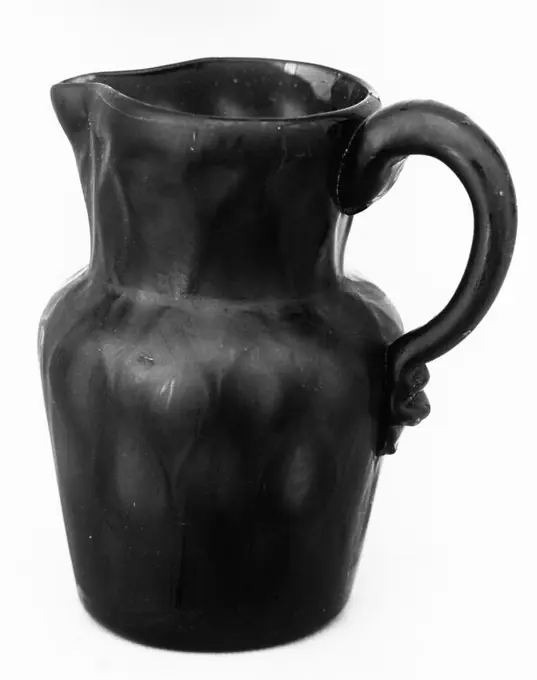
A series of vintage pewter and silver pitchers with ornate designs, reflecting craftsmanship from different historical periods.
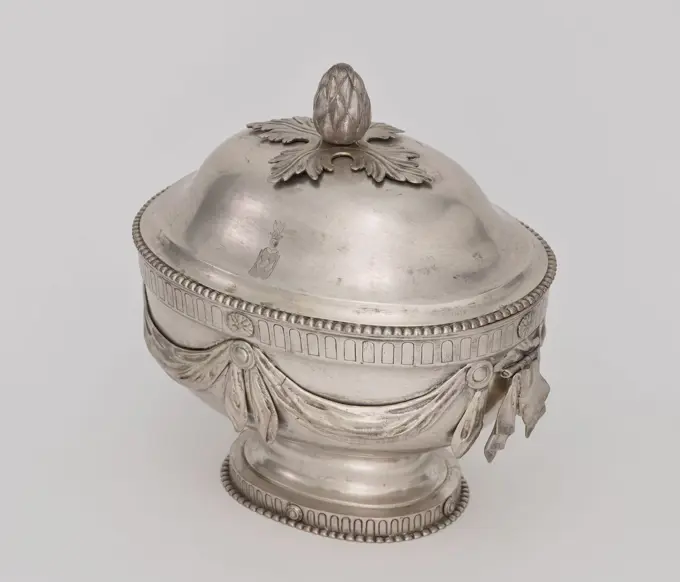
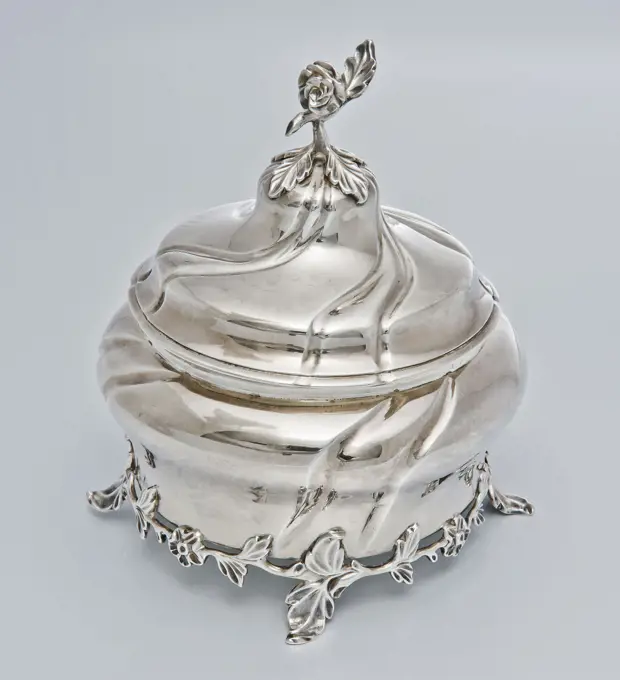
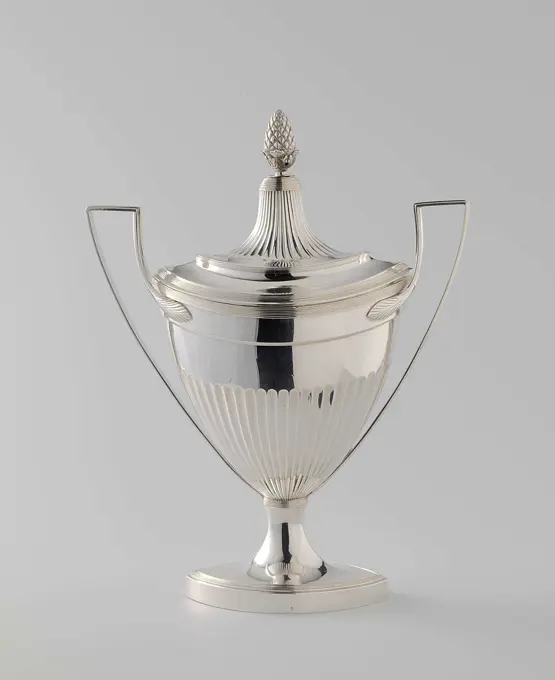
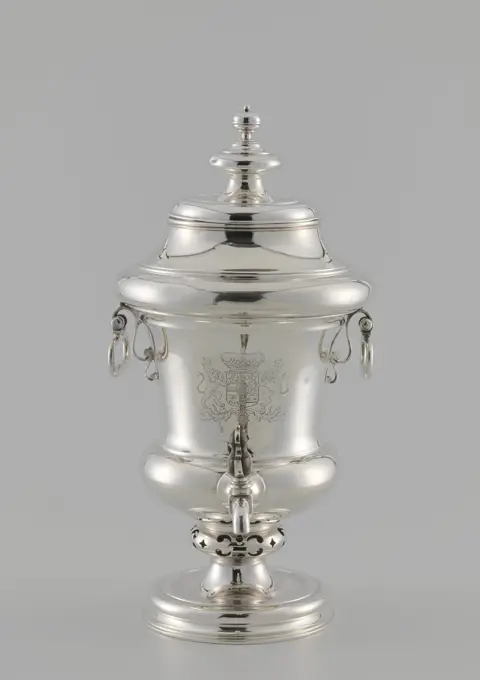
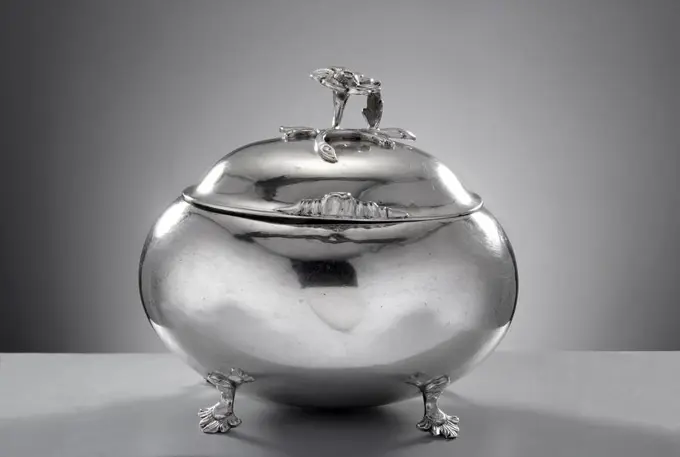
Soup vase; Stanecki, Szymon (1746-1813); 1790-1795 (1790-00-00-1795-00-00);
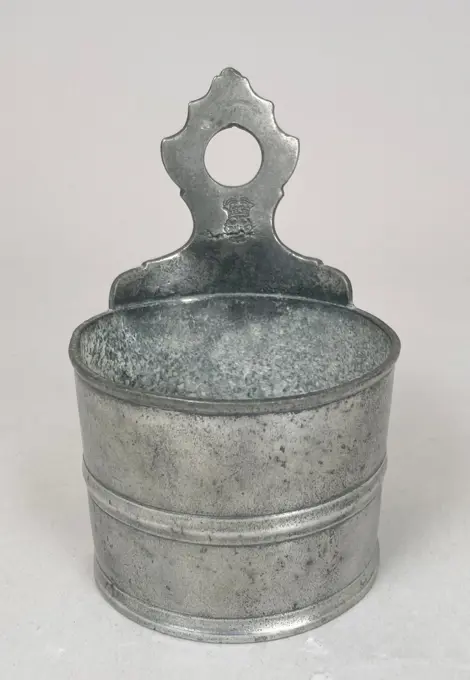
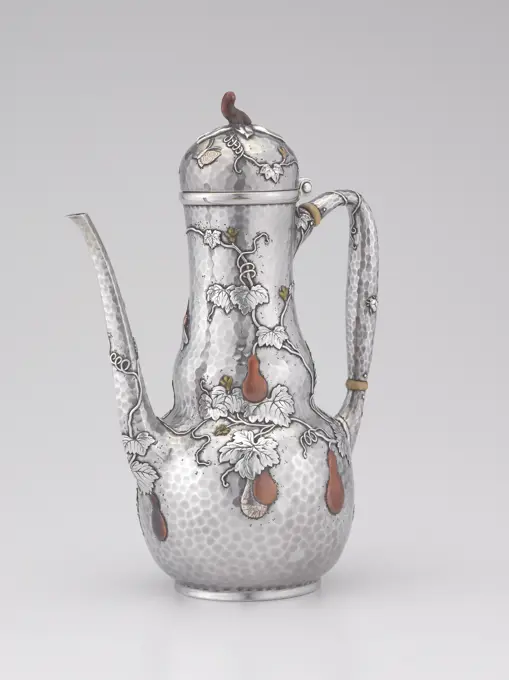
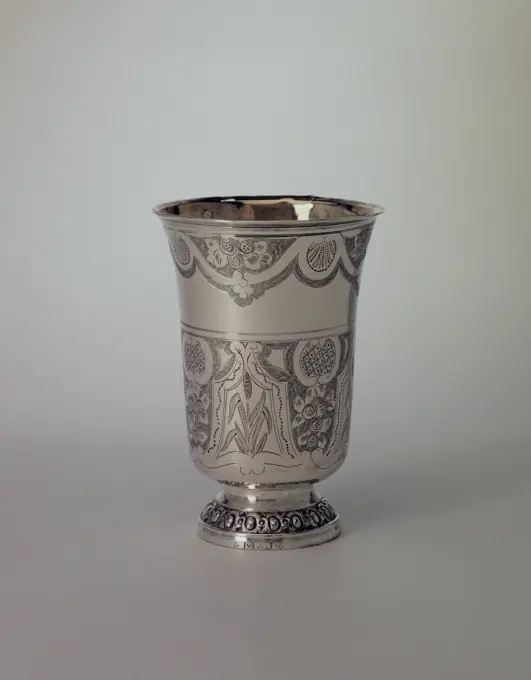
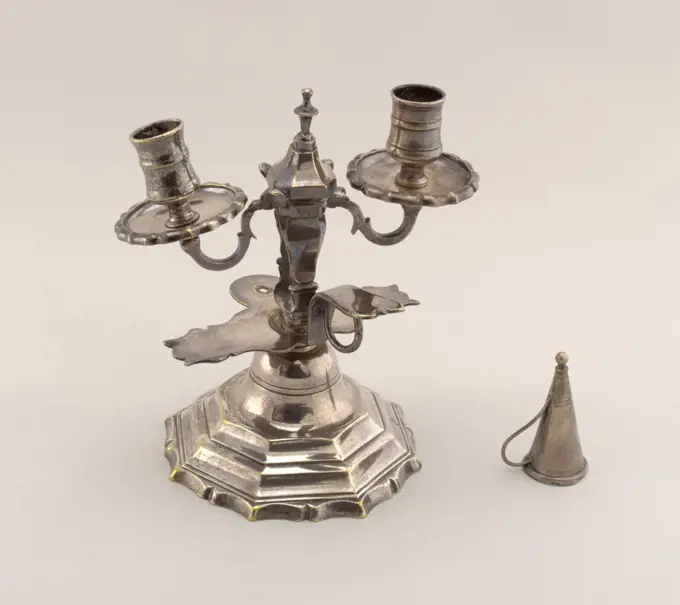
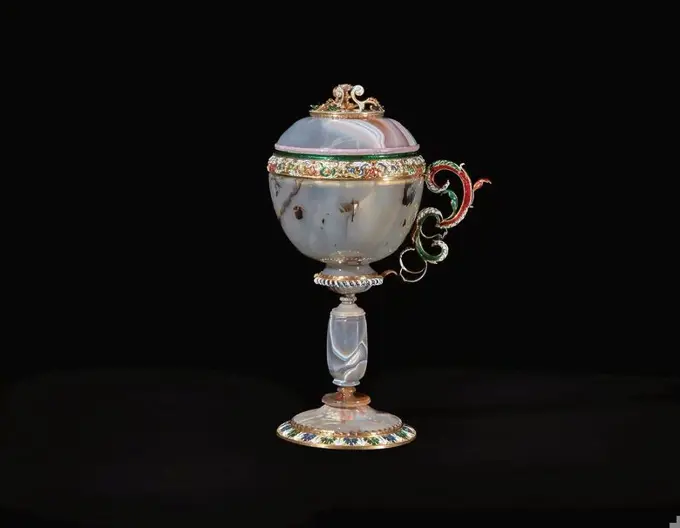
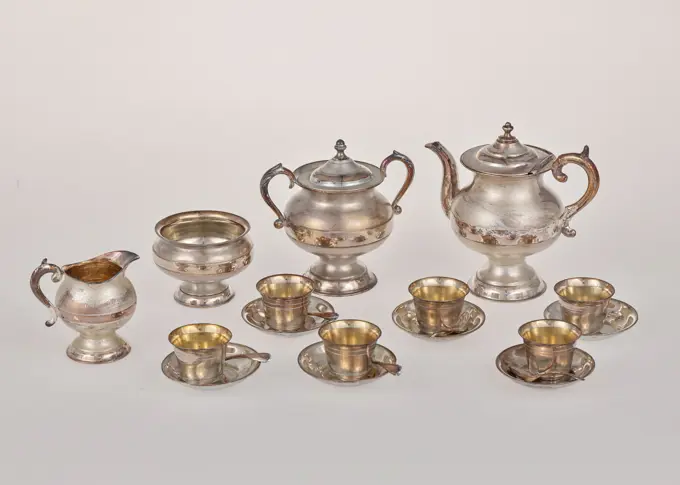
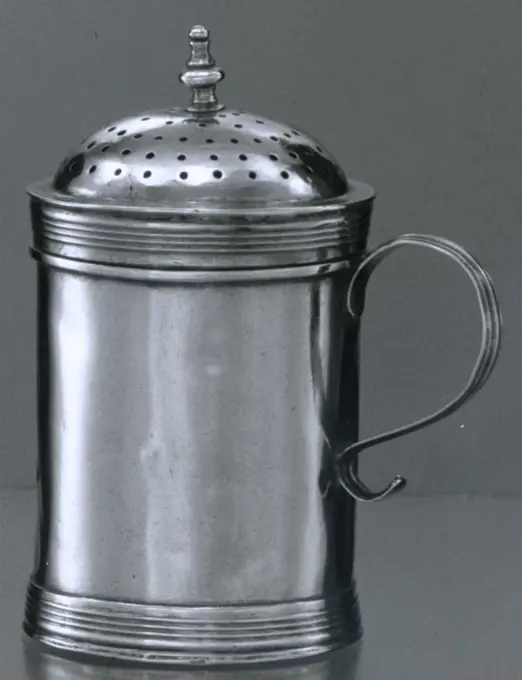
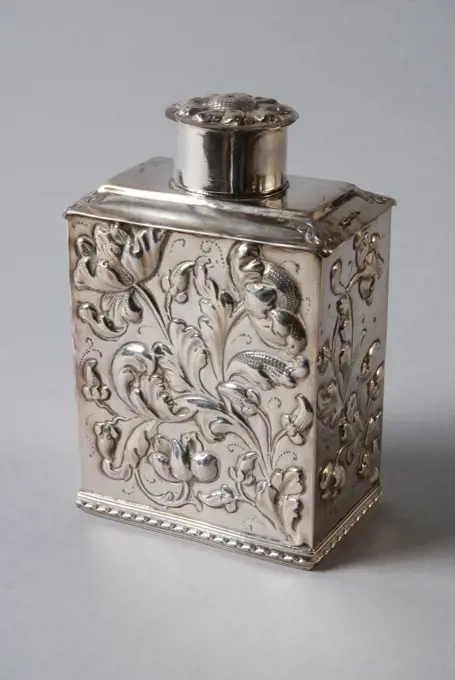
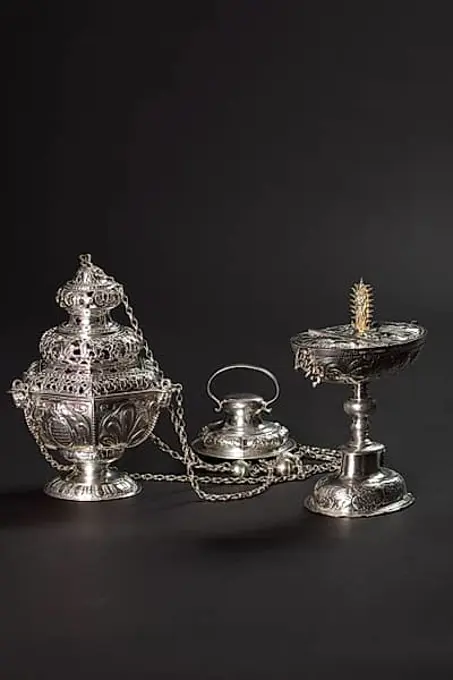
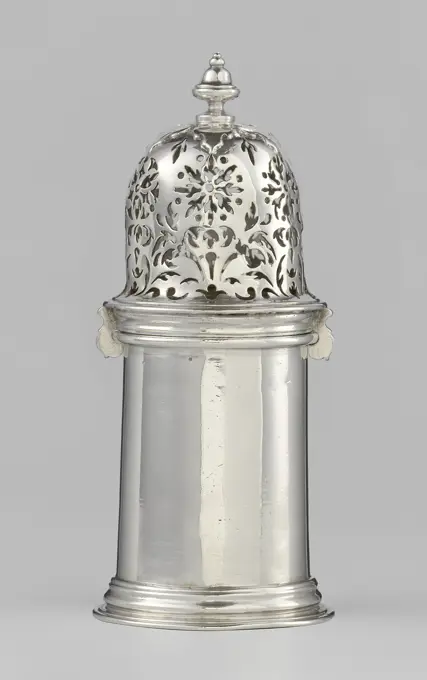
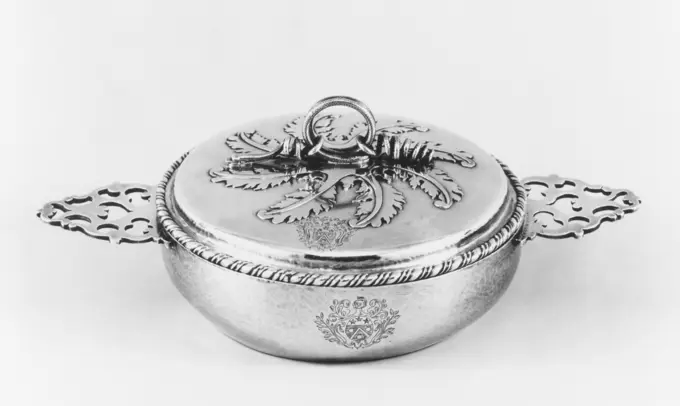
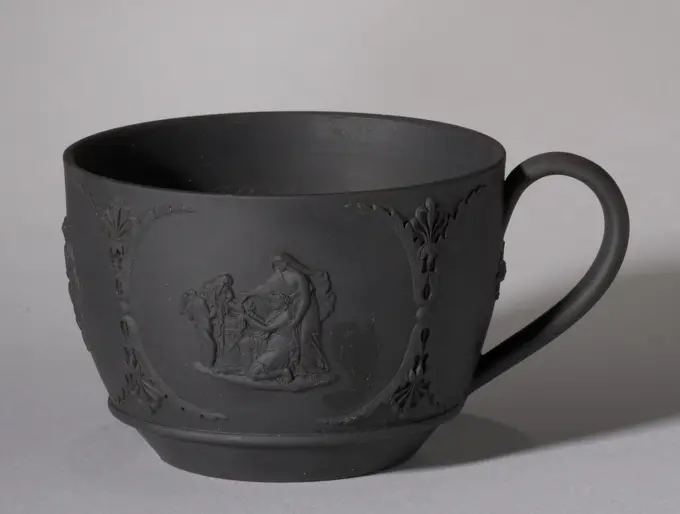
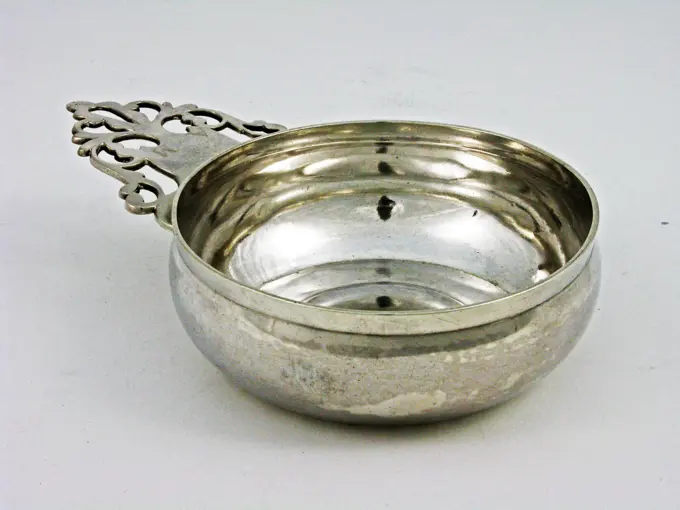
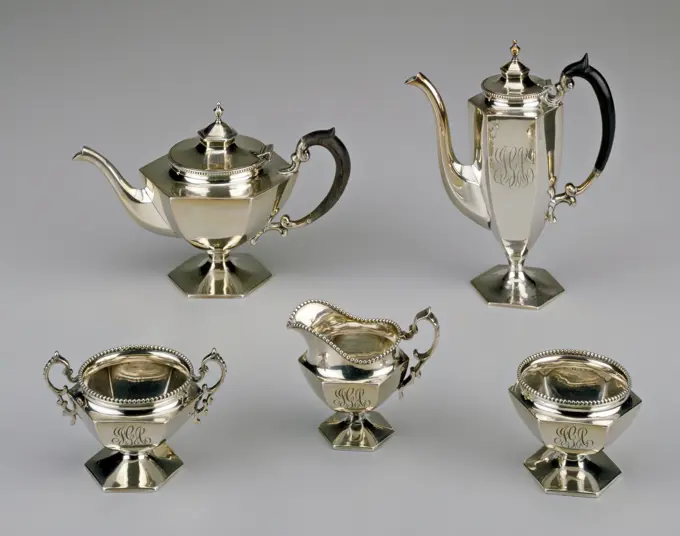
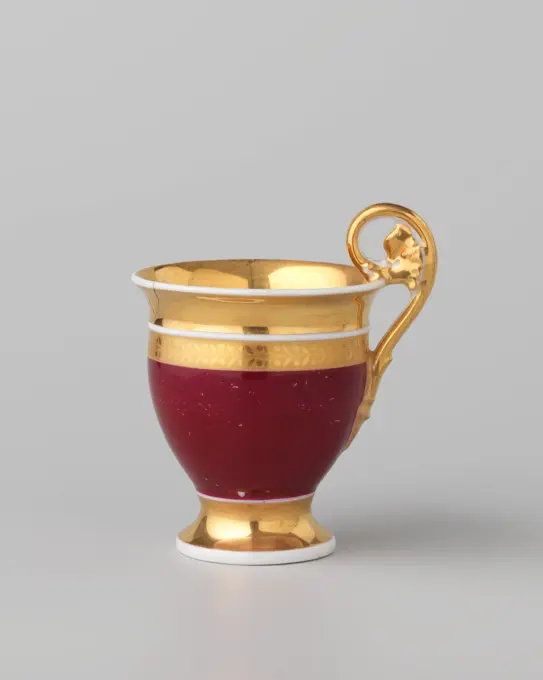
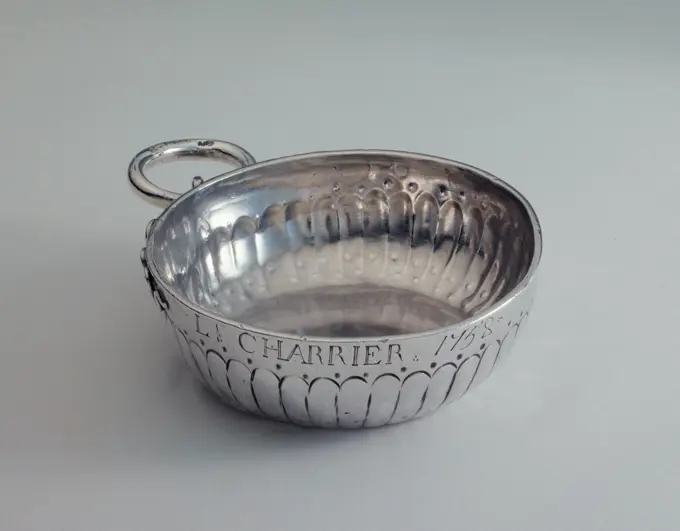
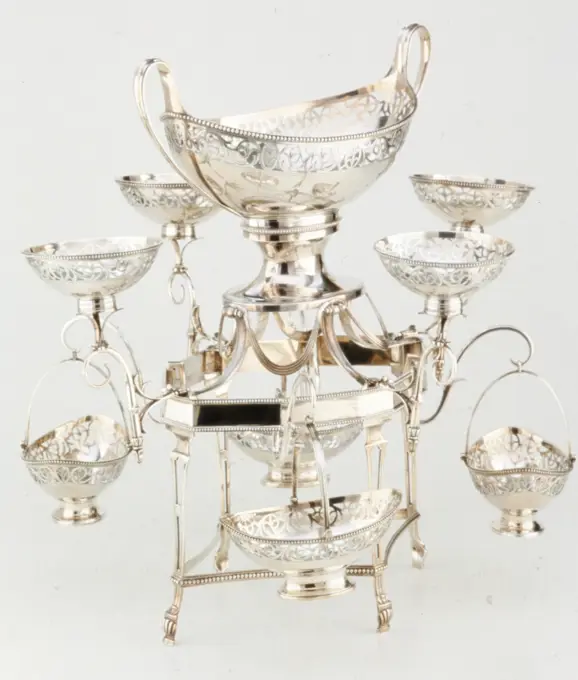
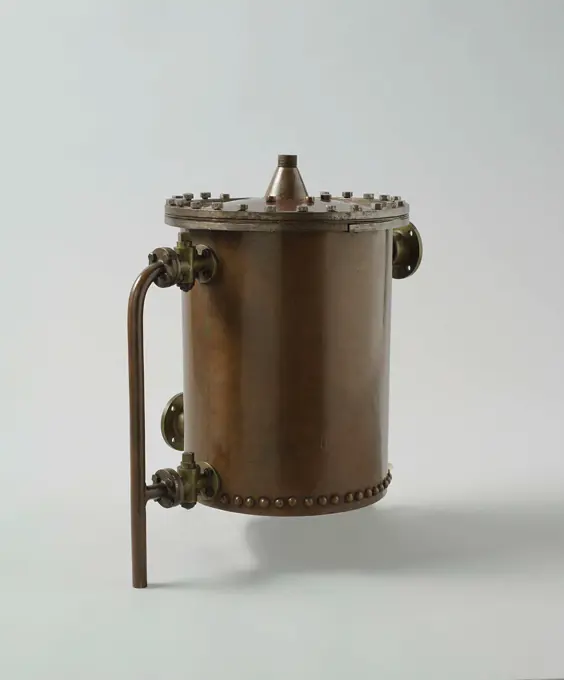
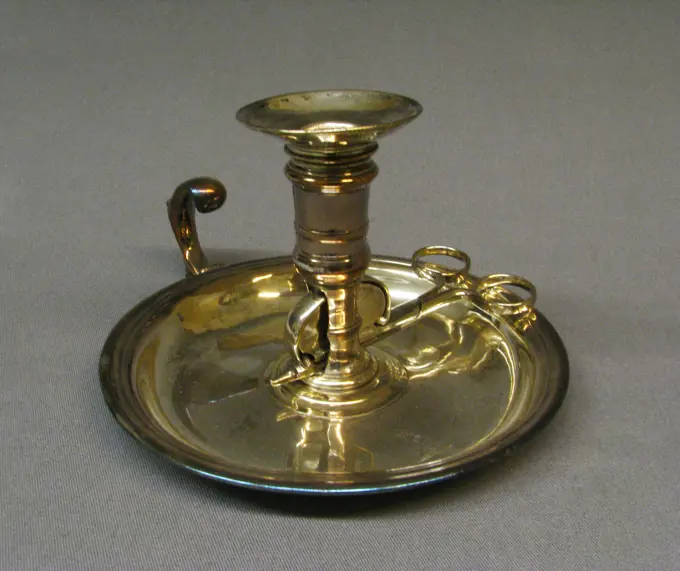
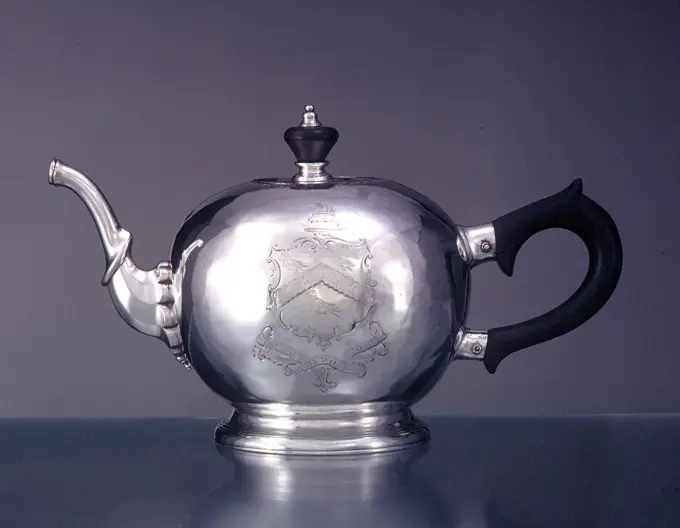
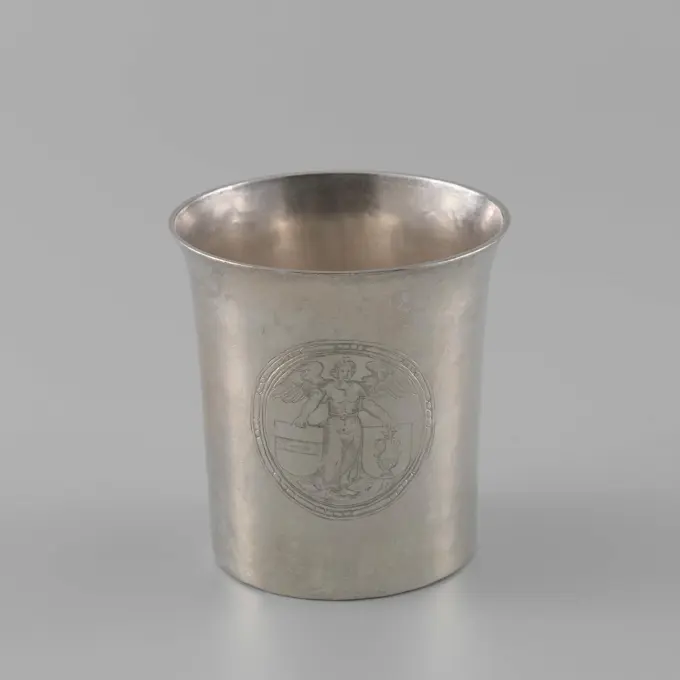
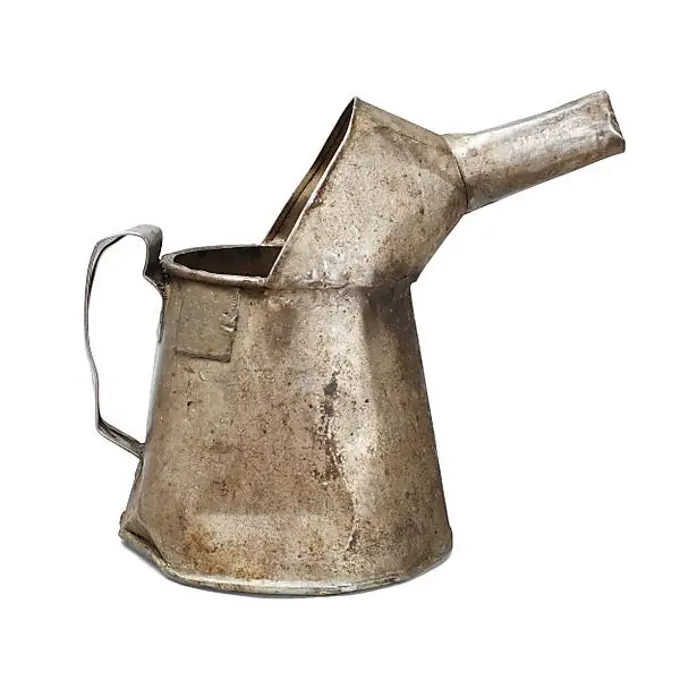
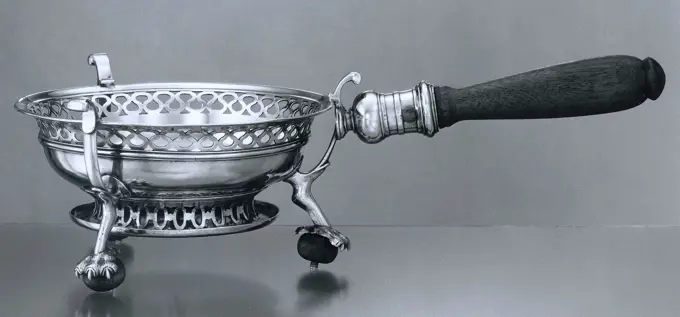
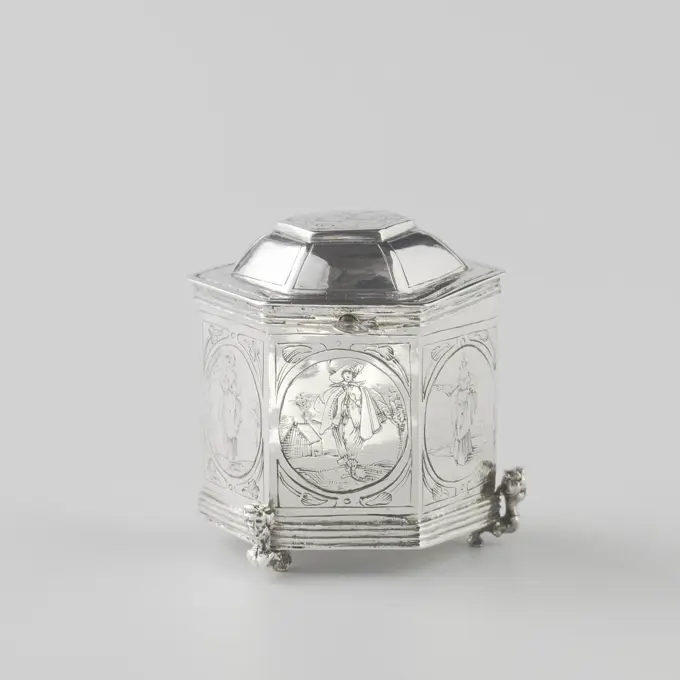
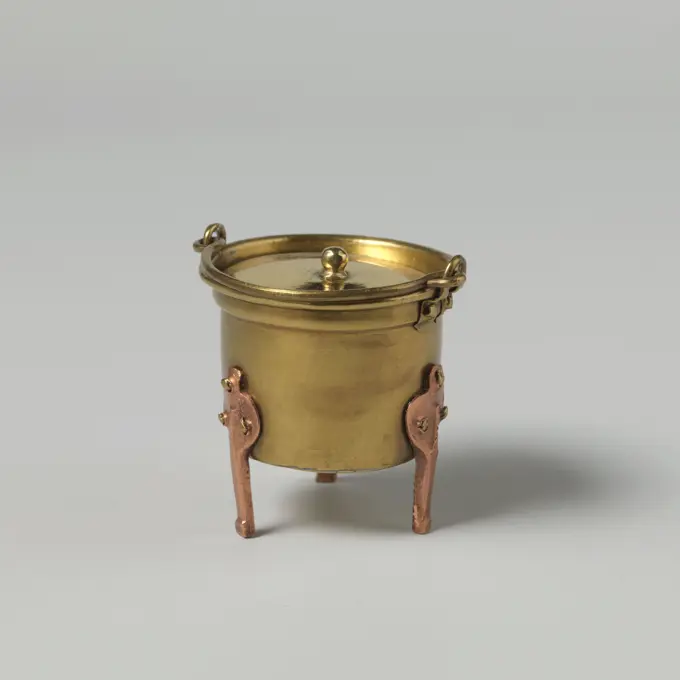
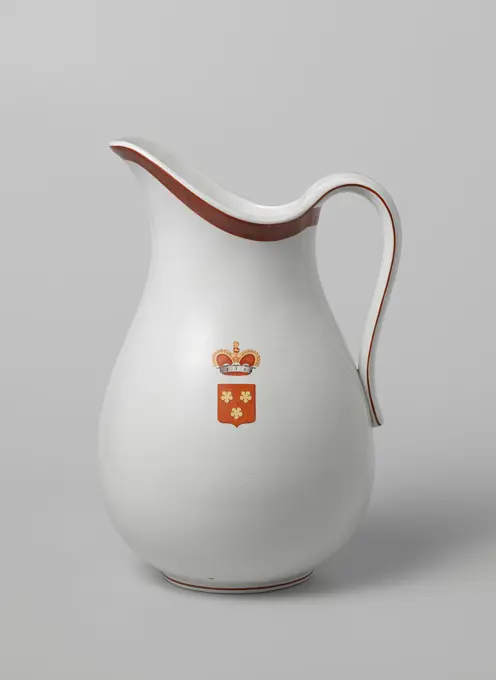
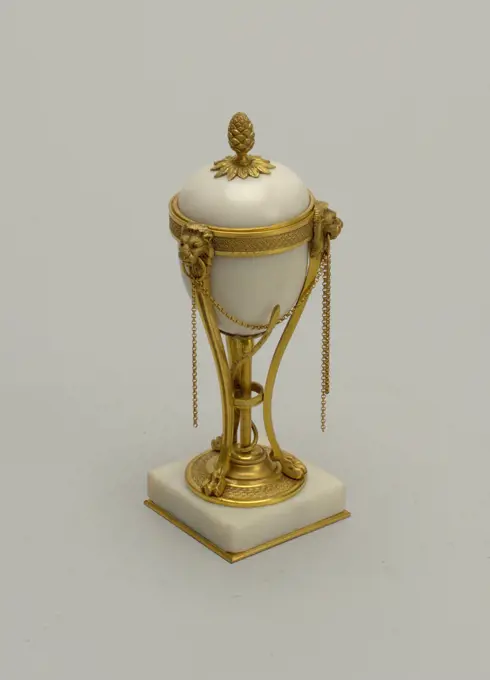
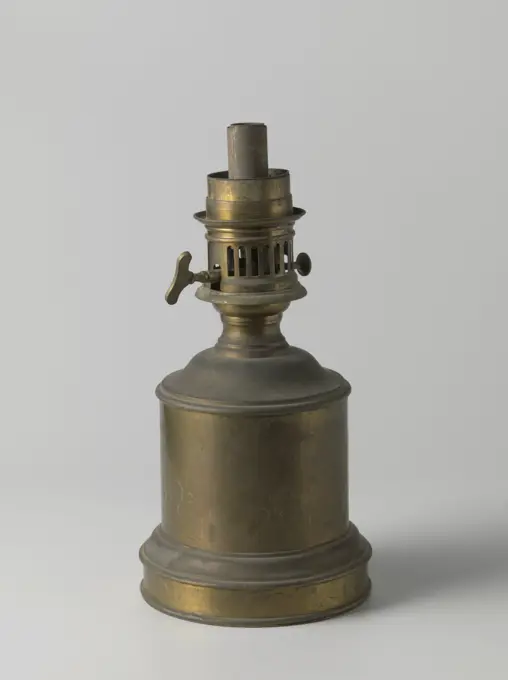
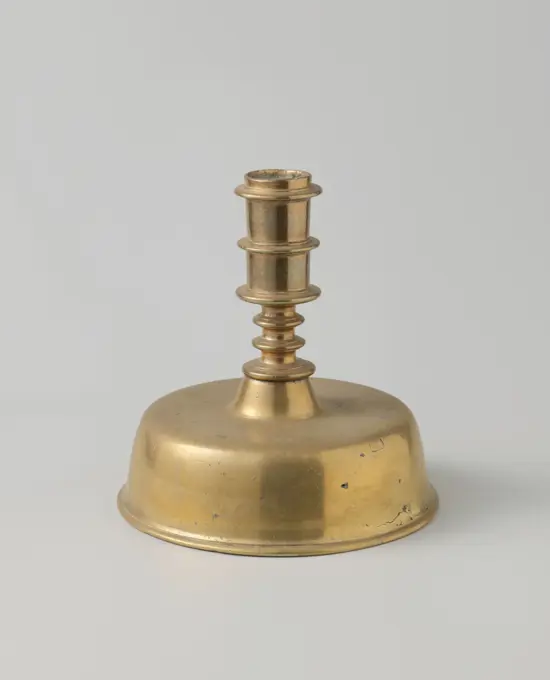
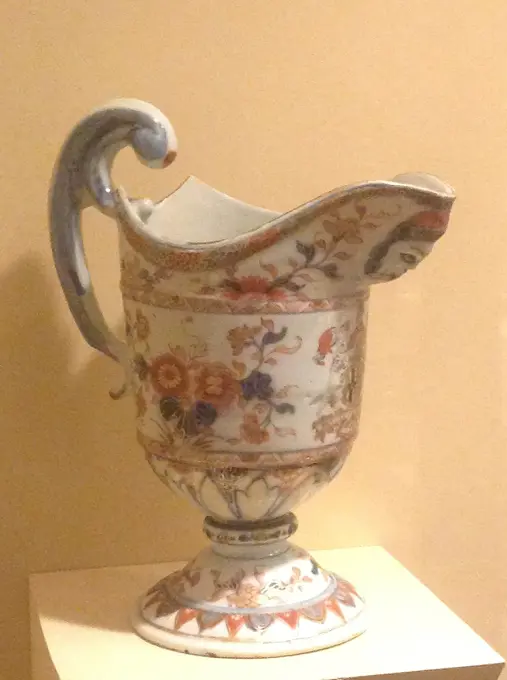
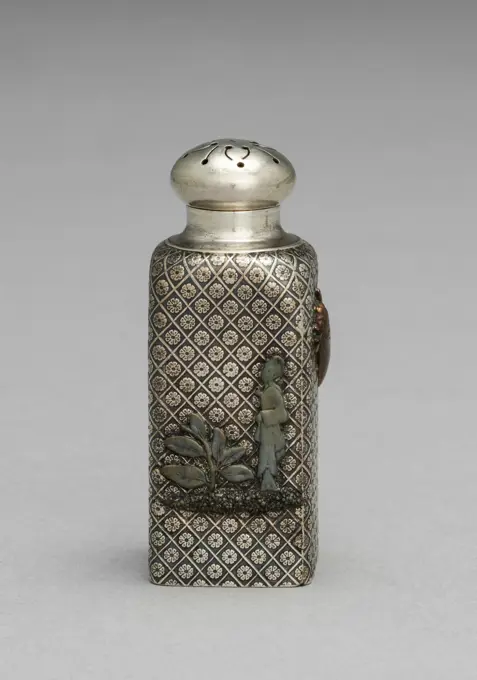
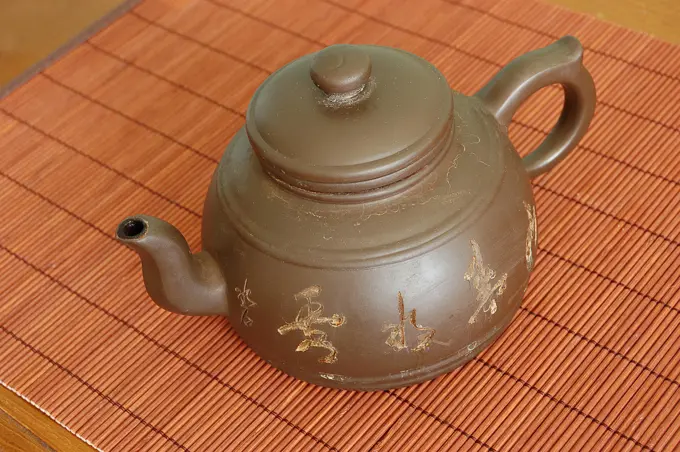
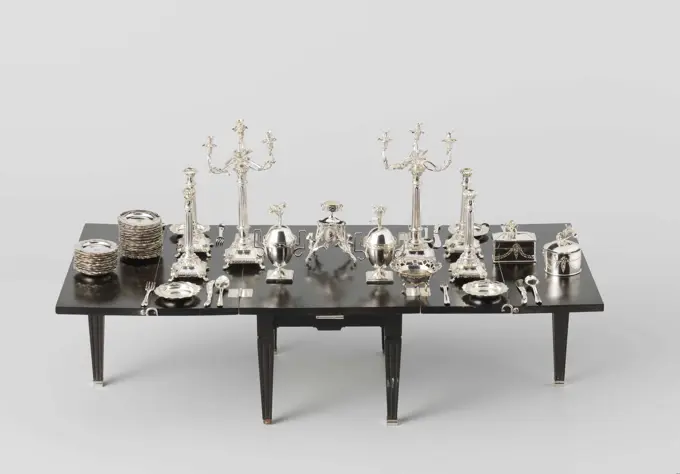
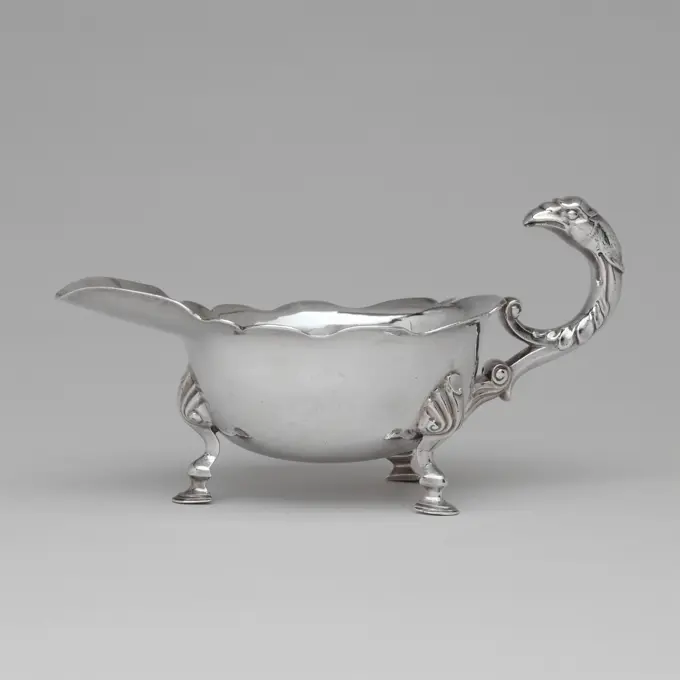
Sauceboat 1740-50 Elias Boudinot Sauceboats, usually made in pairs, were popular dining accessories in eighteenth-century America. This examples mate is in the Philadelphia Museum of Art.. Sauceboat 7200Salt box Dutch or Flemish 18th century View more. Salt box. Dutch or Flemish. 18th century. Pewter. Metalwork-PewterCoffeepot. Manufacturer: Tiffany and Company, American, founded 1837René-Pierre Ferrier. "Cup". Money. 1789. Museum of Fine Arts of the City of Paris, Petit Palais. 74381-14 Money, silverware, gobletCandlestick with snuffers, Silver, brass, Chamber candlestick with stepped base, scalloped at bottom. Two s-curve branches support ringed sockets. Finial at center. Ring handle with thumb rest. Candle snuffer is a small hollow cone with ball finial. Undecorated snuffer used to extinguish the flame and trim the wick of a candle., France, ca. 1720, metalwork, Decorative Arts, Candlestick with snuffersTeapot, from a coffee and tea service, 1823, attributed to Joseph Angell, British, English, active 1804-1848, 9 x 11 1/2 x 7 1/4in. (22.9 x 29.2 x 18.4cm), Silver, England, 19th centuryAnonymous / 'Agate cup with one handle'. 1650 - 1675. Agate, Enamel, Gold. Museum: Museo del Prado, Madrid, España.Benjamin Burt, Strainer, c. 1765, silver.Sanded spreader of an ink set from Tin, 1850 - 1900 Tin sand spreader with cylindrical body. The top is open with small circles that form a star. Netherlands tin (metal) casting Tin sand spreader with cylindrical body. The top is open with small circles that form a star. Netherlands tin (metal) castingCup and saucer, from a children's tea service, c. 1875, James Tuff, 1 1/8 x 2 1/16 x 2 1/16 in. (2.86 x 5.24 x 5.24 cm), Silver plated pewter, United States, 19th centuryPunch Bowl. Tiffany and Company; American, founded 1837; Chasing by Eugene J. Soligny; American, c. 1833-1901; New York, New York. Date: 1873. Dimensions: 41.9 × diam. 67.3 cm (16 1/2 × diam. 26 1/2 in.). Silver. Origin: New York City. Museum: The Chicago Art Institute, Chicago, USA. Author: Tiffany and Company.PepperBox.   Maker: John Edwards, American, 1671-1746Rectangular tea caddy with waisted top and short round neck extendable flat bottom, round cap, tea caddy holder silver, driven Rectangular van with constricted top face short round neck, extendable flat bottom, round cap (C) outside (debossed) serve teaCenser and incense boat, goldsmithing and textile art from the 16th to the 20th century, St., Sankt, SaintPitcher to the Paści Supper; Norblin and Spóża (Warsaw; Platernicza label; 1831-1939); around 1883 (1879-00-00-1888-00-00);Strooibus, Adam Loofs, 1688 Strooibus, cylindrical barrel with a bell -shaped cap, rests on a profiled base. Marked and dated. The Hague silver (metal) casting Strooibus, cylindrical barrel with a bell -shaped cap, rests on a profiled base. Marked and dated. The Hague silver (metal) castingTankard. Cornelius Kierstede; American, 1674-1757; New York, New York. Date: 1698-1722. Dimensions: 16.5 × 19.1 × 12.7 cm (6 1/2 × 7 1/2 × 5 1/4 in.); 868.1 grams. Silver. Origin: New York. Museum: The Chicago Art Institute, Chicago, USA.Creampitcher.   Maker: John Bayly Sr., American, active 1750-89Bowl with cover (Écuelle) 1681-82 L.G.. Bowl with cover (Écuelle) 200068Tobacco box with a mounted pearl-nut plaque with scenes regarding salt extraction in the lid. The round, six-pitched box rests on three leaf-shaped legs that comprise the profiled bottom edge. The box widens itself to the lid. A round pearly plate is mounted in the lid. Depicted are different stages of salt extraction: in the foreground throwing three men's salt in a barrel, to the left thereof is a man in a hut to weigh the salt; In the background a sailing ship sailed at sea with the God Hermes above that; Two men wear a basket with salt the mine and two men chop with a pickaxe and a scoop of salt in the mine. In the box there is the original pewter inner plate.Sauceboat. Culture: British, London. Dimensions: 3 1/2 × 5 in. (8.9 × 12.7 cm). Date: 1771-72. Museum: Metropolitan Museum of Art, New York, USA.Cup, 1800s. Wedgwood Factory (British). Black basalt; diameter of mouth: 8.3 cm (3 1/4 in.); overall: 6 cm (2 3/8 in.).Porringer 1754-1790 Bancroft Woodcock. Porringer. American. 1754-1790. Silver. Made in Wilmington, Delaware, United StatesCoveredpitcher.   Maker: David Moseley, American, 1752-1818Coffee pot, from a five-piece children's tea service, c. 1863-1912, Bigelow, Kennard & Co., 5 7/8 x 4 13/16 x 1 7/8 in. (14.92 x 12.22 x 4.76 cm), Sterling silver, United States, 19th-20th centuryCup with gold borders on a red ground, anonymous, c. 1800 - c. 1824 Porcelain head on spreading foot and with a high, curled ear, covered on the glaze with red and gold. The outer wall is covered with red and the foot, edge, ear and part of the inner wall with gold. On the outer edge a flower vank in one of the golden tires. Empire. France (possibly) porcelain. glaze. gold (metal) painting / gilding / vitrification Porcelain head on spreading foot and with a high, curled ear, covered on the glaze with red and gold. The outer wall is covered with red and the foot, edge, ear and part of the inner wall with gold. On the outer edge a flower vank in one of the golden tires. Empire. France (possibly) porcelain. glaze. gold (metal) painting / gilding / vitrificationPair of Salt Dishes. Tiffany and Company; American, founded 1837; New York, New York. Date: 1862-1873. Dimensions: 4.2 × 8 cm (1 5/8 × 3 1/8 in.). Silver. Origin: New York City. Museum: The Chicago Art Institute, Chicago, USA. Author: Tiffany and Company.René Forest. "Taste-vin". Money. 1756-1758. Museum of Fine Arts of the City of Paris, Petit Palais. 74384-30 Silver, silverware, bottleneck, name, tatevin, engravingCream Jug. Culture: American or British. Dimensions: H. 3 1/2 in. (8.9 cm). Date: 1780-1820. Museum: Metropolitan Museum of Art, New York, USA.Epergne, 1790-1791, James Young, British, (London, England) active 1760 - 1793, 18 3/4 x 17 5/8 x 20 3/4 in. (47.6 x 44.8 x 52.71 cm), Silver, England, George IIIEwer, Cut blown glass, Round body on splayed circular foot, tapered neck, scalloped lip with pouring spout, loop handle; sides cut with wide pillar flutes, prism cutting on neck and below it faceted stem and slightly domed foot, bottom of foot cut with radiating flutes., possibly Ireland, ca. 1810, glasswares, Decorative Arts, EwerMilkkan, peer -shaped, Willem Schiff (attributed to), 1778 - 1779 Silver milk jug. The pear -shaped and four vertical grooves lobbed vessel rests on three branches with leaves at the start. The leaf -shaped lid has a reclining branch with fruit as a button. The curved ear is made of ebony. Nijmegen silver (metal). ebony (wood) casting Silver milk jug. The pear -shaped and four vertical grooves lobbed vessel rests on three branches with leaves at the start. The leaf -shaped lid has a reclining branch with fruit as a button. The curved ear is made of ebony. Nijmegen silver (metal). ebony (wood) castingRococo confectioner; Krätzmer, Alexander Friedrich (1743-1803); 1771 (1770-00-00-1771-00-00);Sugar (vessel), Rocaille (ornament), rococo (style), purchase (provenance)Distilling apparatus. Distiller or condenser for obtaining fresh water from salt water, with handwritten explanation on paper (NG-MC-1108-2). The system has two separate water flows: cold sea water from outside the ship comes the external, cylindrical barrel downstairs and, heat, leaving the device from above and is again led outside the ship; Steam is initiated and divided into a number of pipes through the top in a number of pipes, in which it is cooled by the sea water in the external vessel and, once condensed, it is tapped under like fresh water. Two faucets are fitted in the wall of the external vessel, connected to a pipe. The closures of the external vessel and the distillation pipes are arranged with bolts and nuts.Chamber candlestick with snuffers 1738-39 James Gould. Chamber candlestick with snuffers. British, London. 1738-39. Silver. Metalwork-SilverCover of Trekpot Mobilization 1939, N.V. Porcelain and tile factory Mosa, c. 1939 lid Button of the lid in the form of a helmeted soldier's head. Maastricht porcelain vitrification  Dutch East Indies, TheTeapot ca. 1846 William F. Ladd. Teapot. American. ca. 1846. Silver. Made in New York, New York, United StatesSilversmith: Cornelis de Haan, Round silver tobacco pot of the Surgeons Guild, with lid, on legs, tobacco spot pot holder metal silver, Round wide baluster-shaped pot on four legs, constricted bell-shaped lid with knob cockerel city coat of arms' s-Gravenhage climbing lion C (debossed bottom) Rotterdam Surgeons guild F. Nolst J. Hofman H. van Putten N. Hoijkaes 1778 smoking save tobacco tobacco boxWilliam G. Forbes, Tea Service, silver.. .Quickly from stoneware. Cylindrical body that narrowed itself to curved. Decorated with 3 printed strips with 3 times the same weapon between tendrils. With remains of a pewter lid.Teapot, c. 1730-1740, Adrian Bancker, American, 1703 - 1772, 7 1/2 x 7 1/2 in. (19 x 19.05 cm), Silver, ebony, United States, 18th centuryTankard with two coats of arms and the Downfall, anonymous, c. 1575 - c. 1599 Beer mug of stoneware with a cylindrical body, slightly narrowing to the edge, and C-shaped, pewter ear. Profiles under the edge and above the foot. On the belly three times in relief a printed and imposed medallion, between which lion heads. On the left a representation of the fall, where the tree of knowledge is on a potter's disc (guild sign). In the middle the coat of arms of the Nuremberg family Kiefhaber with the brand 'D i.h.'. On the right the weapon of the graves Schlick von Bassano. Below a narrow band with alternating lion heads and winged angel heads. Ingeggere, wavy lines on the foot and two tires above the medallions. The beer mug is caught in a pewter frame with lid and spreading foot. Waldenburg. Waldenburg Stoneware. Glaze. frame: tin (metal) vitrification Beer mug of stoneware with a cylindrical body, slightly narrowing to the edge, and C-shaped, pewter ear. Profiles under the edge and above. Round, widespread boiler with lid and handle. The handle is stained in two places. The lid is decorated and has a rosette-shaped button. The side wall of the boiler is six-spoiled by vertical lines. The boiler has been marked: STK. = Amsterdam, MT. = Attributed to Abraham Effemans and an ax.Vector illustration of a Russian samovar.John Coney, Tankard, c. 1710, silver.Maker's Mark C over W, possibly Charles Wheeler, Caster, 1681/82, silver.Teapot.   Maker: John Potwine, American, 1699-1792Tea caddy with spoon (one of a set of three) 1762-63 John Swift. Tea caddy with spoon (one of a set of three). British, London. 1762-63. Silver. Metalwork-SilverTap jug in the form of a garden vase with one tap and two handles. With the engraved weapon of Stadholder William IV, Isaiaas Engouw, 1720 Can in the form of a garden vase with one tap and two handles. At the front, the weapon of Stadholder William IV is engraved. Marked and dated. The Hague silver (metal). ebony (wood) casting / engraving Can in the form of a garden vase with one tap and two handles. At the front, the weapon of Stadholder William IV is engraved. Marked and dated. The Hague silver (metal). ebony (wood) casting / engravingMiniature pipkin. Culture: British, London. Dimensions: Overall: 1 1/16 × 1 7/16 in. (2.7 × 3.7 cm). Maker: David Clayton (British, active 1689). Date: ca. 1720-30. Museum: Metropolitan Museum of Art, New York, USA.Sauce Pan c 1833-1846 Philadelphia. Silver and ebony . Bailey & KitchenBlaker from brass decorated with standing figures and a lion's head, anonymous, c. 1575 - c. 1600 The object consists of a round fat catcher and a candle holder, who are driven and engraved with engraved ornament, and a cast steel with a decoration of, among other things, four standing figures and two heads in medallions and a lion's head. The stem has an eye, on which the Blaker can be hung. The stem has sounded with red copper nails to the restored fat catcher. Southern Netherlands brass (alloy). nagels: copper (metal) casting / engraving The object consists of a round fat catcher and a candle holder, who are driven and engraved with engraved ornament, and a cast steel with a decoration of, among other things, four standing figures and two heads in medallions and a lion's head. The stem has an eye, on which the Blaker can be hung. The stem has sounded with red copper nails to the restored fat catcher. Southern Netherlands brass (alloy). nagels: copper (metal) casting / engravingBowl with Beaded Rim 4th-5th century Byzantine Bowls like this with beaded rims that show they were used for eating, not drinking, have been excavated throughout the Byzantine world.. Bowl with Beaded Rim. Byzantine. 4th-5th century. Silver. Made in Constantinople. Metalwork-SilverPint Mug. England. Date: 1835-1845. Dimensions: 11.4 × 10.2 × 8.3 × 12.1 cm (H. 4 1/2 × D. base 4 × D. top 3 1/4; depth with handle 4 3/4 in.). Pewter. Origin: England. Museum: The Chicago Art Institute, Chicago, USA.Tankard (Walzenkrug). Germany, Westerwald (), circa 1725. Furnishings; Serviceware. Stoneware, pewter mountsFeeding cup 1707-8 Thomas Holland I. Feeding cup 205013Chamber candlestick 1762-63 John Parker British. Chamber candlestick 232280. Kroes of silver, decorated with an engraved medallion, in which a woman's figure holds the weapon of Vlissingen and the Markiezaat Veere.Old, dirty and dented metallic oil can on whiteStop with Stop belonging to oil and vinegar set consisting of two bottles and a stray bus in Spuntovale Holder, Fa. Diemont, 1803 The bottle has a drop -shaped, facet pattern. Amsterdam silver (metal). glass The bottle has a drop -shaped, facet pattern. Amsterdam silver (metal). glassCoffeepot 1710-1720 Meissen. Red stoneware lacquered black, with unfired colors and gilding . Meissen Porcelain Manufactory (Manufacturer)ChafingDish.   Maker: John Coney, American, 1655-1722Copper Mijnlamp that Willem Drees received as prime minister during a visit to the State Mines in 1955, Anonymous, c. 1950 - Before 1955 lamp Copper mine lamp on hook. Top part consists of mesh behind 5 bars. Middle part of glass behind 5 bars. Lower part barrel for fuel. Inscription on a picture at the front. Netherlands copper (metal). iron (metal). glass   NetherlandsKnottedoos, Willem Olthof, c. 1642 - c. 1663 Silver knotty box, on three legs. The sides are engraved with standing figures. Two hands and a flaming heart are engraved on the lid. Leeuwarden silver (metal) Silver knotty box, on three legs. The sides are engraved with standing figures. Two hands and a flaming heart are engraved on the lid. Leeuwarden silver (metal). Vaulted lid with transferring edge and composite button. On the lid a narrow yellow breeze wound with ivy drinks.Saucepan or cooking kettle on three legs, with lid, anonymous, c. 1700 - c. 1799 Cooking pan or cooker of the yellow buyer; Bake with a rim sliced around the iron ring, loose lid. Amsterdam copper (metal). iron (metal) Cooking pan or cooker of the yellow buyer; Bake with a rim sliced around the iron ring, loose lid. Amsterdam copper (metal). iron (metal)Silversmith's art, Portugal, 18th century. Aiguiere-casque, silver helmet-shaped ewer with siren-shaped handle. Made in Lisbon.Can, part of a toilet garnish. Can with spherical body, part of a toilet garnish of pottery. Decorated with red piping and Arenberg Duke arm with crown in red and yellow.Cassolette (perfume burner or essence vessel), Marble, gilt bronze, Part a, square marble plinth supporting gilt bronze tripod with lions feet and heads; snake twisted around center stem; marble bowl mounted in wide band; double chains hanging from ring held by lions' heads. Part b, dome-shaped marble lid with gilt bronze pine cone finial; interior fitted with gilt bronze nozzle for candle (can be inverted to act as candle holder)., France, ca. 1785-90, metalwork, Decorative Arts, Cassolette (perfume burner or essence vessel)Lamp, c. 1850 - c. 1870 lamp. oil lamp Oil lamp or moderator lamp, incomplete. Netherlands (possibly) copper (metal). brass (alloy)Flat round base for table bell, anonymous, c. 1600 - c. 1800  Low Countries wood (plant material)  Low Countries wood (plant material)Aluminum kettle Old aluminum kettle with wooden handle isolated on white background Copyright: xZoonar.com/AndreyxEreminx 5715917Basin, anonymous, c. 1322 - c. 1350 The object driven from one plate has an almost flat bottom and a straight -up wall, which chooses at the top to the outside and ends in a profiled edge. The bottom, the inside and outside of the wall have stabbed, engraved and punched ornament. On the flat a leaves of stylized peaked leaves surrounded around field with circles and fish, which seem to move to the center point. The wall has a Frisian on the protruding part, in which words have been applied to a background of extended praise in Mammeluk-Naskhi script from the Mammeluk period, which, among other things, relate to power, victory, fame and happiness. The inscriptions are interrupted three times by a round field, in which a coat of arms or a man's figure sitting on a throne is included in a background of a praise or a man's figure. On the upper and peaked shield, the coat of arms of Elisabeth of Carinthia (ca. 1300-CA. 1350): Shared I slanted, 1 and 4 with posts, 2 and 3 with eagle, II 1 shsamovar the russian samovar on white background. Copyright: xZoonar.com/OleksandrxPakhayx 2255115Candlestick, Anonymous, 1550 - 1600 candlestick The object consists of two parts: the foot and the trunk with candle holder. They were cast and then turned. The very wide base has a profiled edge. The horizontal part can serve as a fat catcher. The increase around the middle is the start for the round short trunk, which is decorated with three profiled buttons, the lower of which is slightly wider. The trunk forms one whole with the round candle holder, which is equipped with three profiled buttons. At the bottom of the foot you can observe how the trunk sounded in the foot. The grooves are also visible, which were created on the lathe when turning. Spain brass (alloy) castingTygEwer with arms of James Brydges, first Duke of Chandos, c. 1719, 10 1/4 x 8 9/16 x 4 7/8 in. (26.04 x 21.78 x 12.38 cm), Porcelain, China, Chinese exportHanging Water Vessel, anonymous, c. 1200 - c. 1500 Hanging water barrel. Round barrel with layered lid. A chain is attached to it. East Java bronze (metal) Hanging water barrel. Round barrel with layered lid. A chain is attached to it. East Java bronze (metal)teetasse,silbern,orientalisch,tasse,tassen,teetassen,silber ** tea cup,silver,oriental,tea cups,silvers,orientals r6k-ig6Candlestick of brass. The object is composed of two parts: the foot and the trunk with candle holder. They are poured and then turned. The high, profiled Konian foot is provided on top of a raised edge, so that he can also serve as a fat catcher. The stem is riveted on the conical center part and then turned off at the bottom. The strain, which is decorated with four knots and one of which is a slightly greater, is at the top of a profiled substantially cylinder-shaped holder. Foot and trunk are decorated with shivers. The holder is shortened in a repair, leaving the rectangular openings. The strain is soldered at the bottom.The handlant. Handledarntje Van Messing.Cup.   Maker: Obadiah Rich, American, 1809-1888Viskorf, Abraham Vilelle, 1778 Double -conical bucket on a round foot. There are six rows of holes and engraved lines in the wall. The bucket has a fixed handle. The bucket is marked: stk. = Amsterdam, Jrl. = T (1778), Mt. = Abraham Vilelle and an ax. Amsterdam silver (metal) Double -conical bucket on a round foot. There are six rows of holes and engraved lines in the wall. The bucket has a fixed handle. The bucket is marked: stk. = Amsterdam, Jrl. = T (1778), Mt. = Abraham Vilelle and an ax. Amsterdam silver (metal)Rococo sugar-bowl. Krätzmer, Alexander Friedrich (1743-1803), goldsmithBiscuit box with cover ca. 1870 Christopher Dresser British, Scottish The pattern is a variation on a design inspired by frost on a window pane that Christopher Dresser published in 1873 as a design for stained glass. It also represents Dresser's "idea of power, energy, force, or vigour" in a single pattern. The common earthenware material combined with the silver-plated mounts appealed to Dresser's desire to create affordable yet well-designed goods for the growing consumer market.. Biscuit box with cover 208085Salt Shaker, c.1875-1885. Gorham Manufacturing Company (American, founded 1831). Silver and mixed metals; overall: 7.5 x 3 x 3 cm (2 15/16 x 1 3/16 x 1 3/16 in.).Traditional Moroccan tea potVery old style metal ewer water jar in viewDaniel Smith and Robert Sharp, Pair of Dishes and Covers, 1782/83, silver.used asian teapot of brown clay over bamboo mat used asian teapot of brown clay over bamboo mat Copyright: xZoonar.com/mettushotbox.rux 1241643Plate. Round eating sign with scalloped edge. Guird builds are engraved on the edge. A flower is engraved in the middle of the board. The sign has been labeled: stk. = Amsterdam, jrl. = X (1782) and mt. = Foot 430. The plate is a copy from a set consisting of 36 identical plates (BK-NM-11177-189 up to / m. NM-11177-224).Piet Hein or the Sweers family. One of three almost identical silver crucifiers, slightly to the flat bottom. The upper edge gilt and with engraved inscription: "T'welck was in front of glass NV Silver and gold / that gave God by Pier Hein Diet Silver first Wan Stovt / Ex Gaza Captiva". On the bottom Language weapon, on one side of the helmet 16, on the other 29, under the shield inscription: "* Every * ZYN * TYT *". Marked; edge: steering wheel (R. gerobulus); Utrecht. Dated; Edge: 1629 and annual letter I (1629 or 1602). See NG-525-A, C and D.. Round eating sign with scalloped edge. Guird builds are engraved on the edge. A flower is engraved in the middle of the board. The sign has been labeled: stk. = Amsterdam, jrl. = X (1782) and mt. = Foot 430. The plate is a copy from a set consisting of 36 identical plates (BK-NM-11177-189 up to / m. NM-11177-224).. Round eating sign with scalloped edge. Guird builds are engraved on the edge. A flower is engraved in the middle of the board. The sign has been labeled: stk. = Amsterdam, jrl. = X (1782) and mt. = Foot 430. The plate is a copy from a set consisting of 36 identical plates (BK-NM-11177-189 up to / m. NM-11177-224).. Round eating sign with scalloped edge. Guird builds are engraved on the edge. A flower is engraved in the middle of the board. The sign has been labeled: stk. = Amsterdam, jrl. = X (1782) and mt. = Foot 430. The plate is a copy from a set consisting of 36 identical plates (BK-NM-11177-189 up to / m. NM-11177-224).Close-up of a vaseClose-up of mortar and pestleTankard 1728 German. Tankard 195815Coffee Pot, Bait Al Zubair Museum, Muscat, Oman, Asia