Antique Metal Pitchers

A series of vintage pewter and silver pitchers with ornate designs, reflecting craftsmanship from different historical periods.
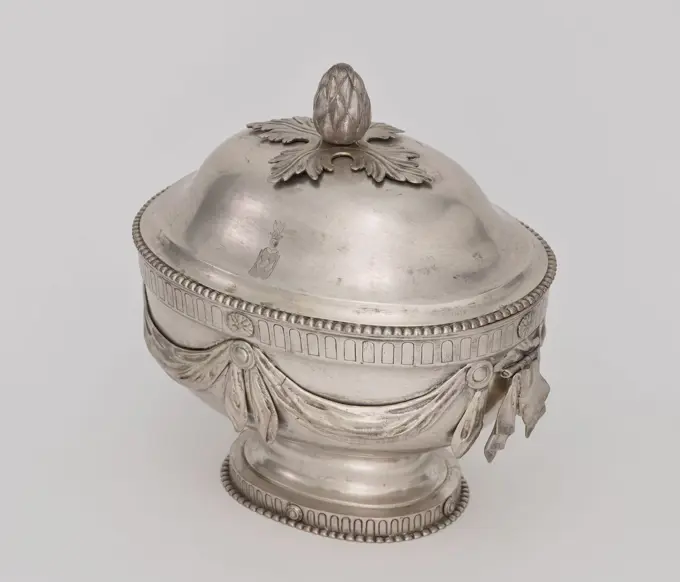
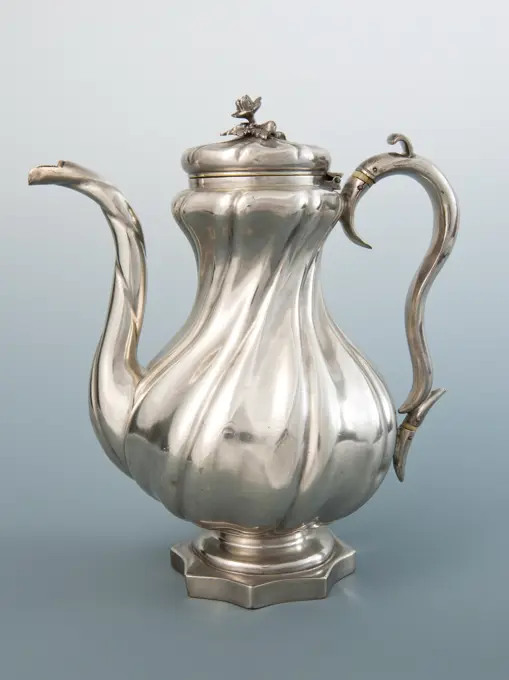
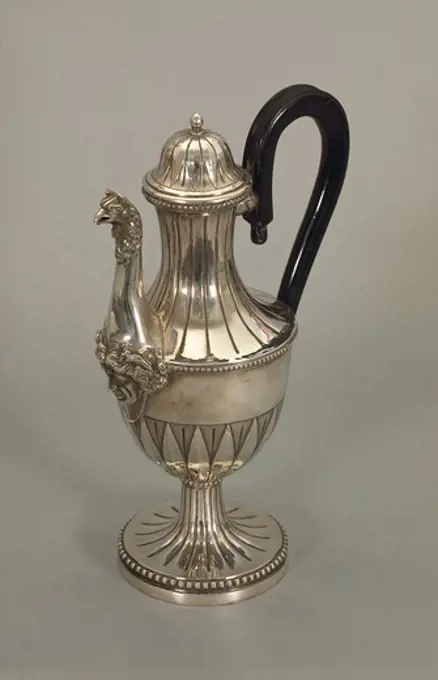
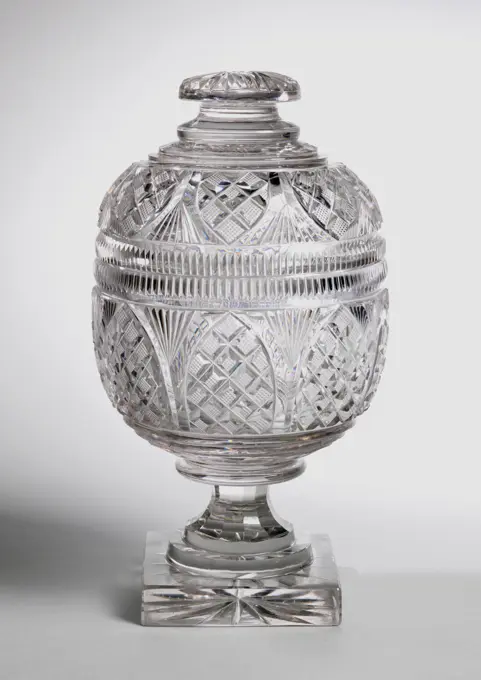
Soup vase; Stanecki, Szymon (1746-1813); 1790-1795 (1790-00-00-1795-00-00);
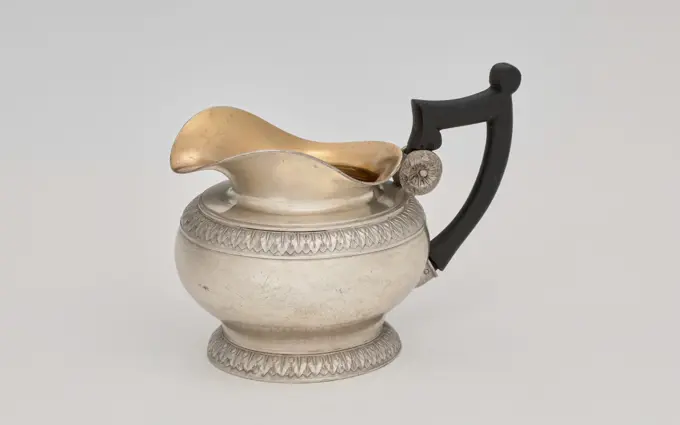
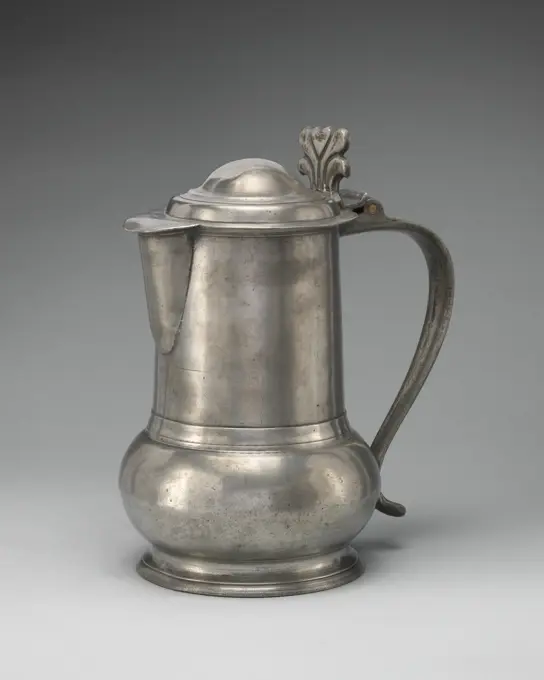
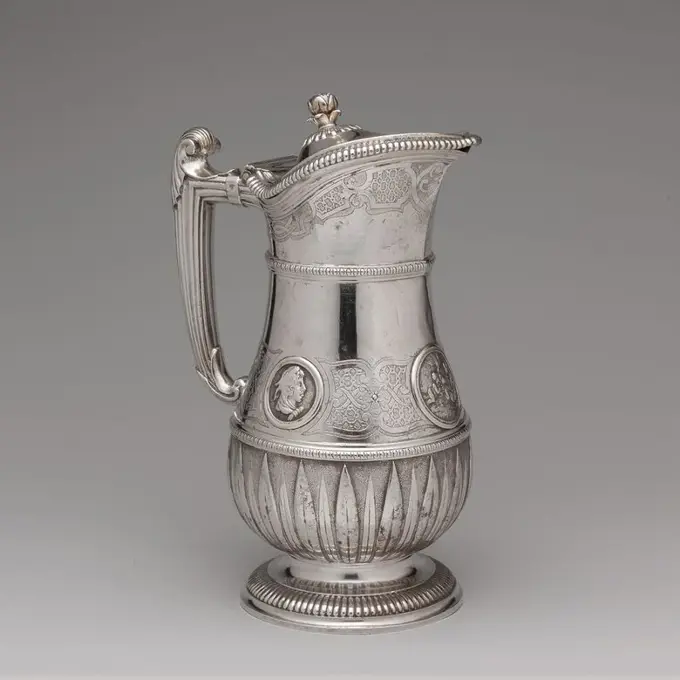
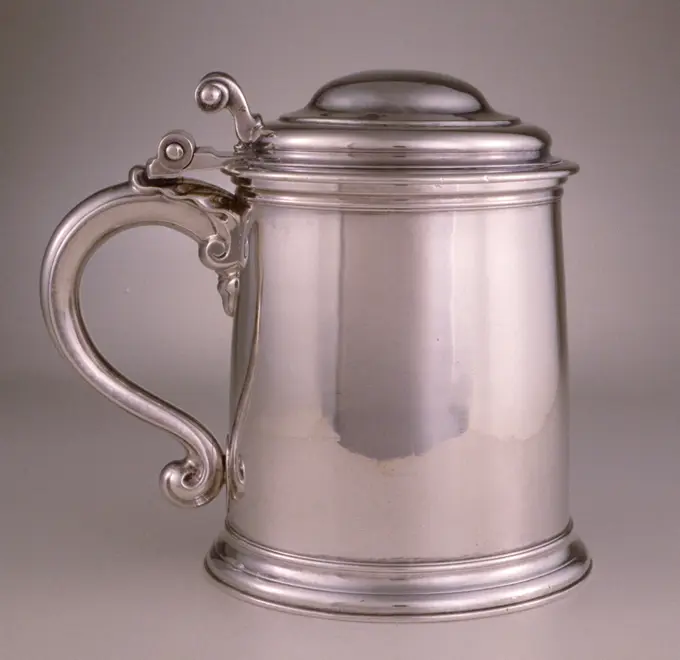
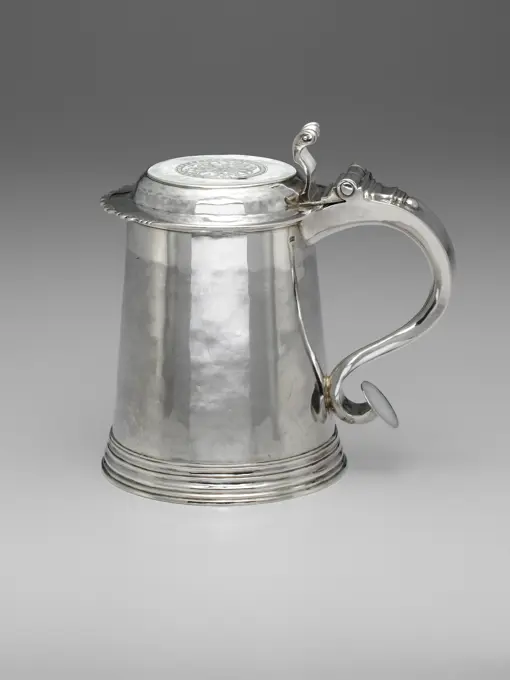
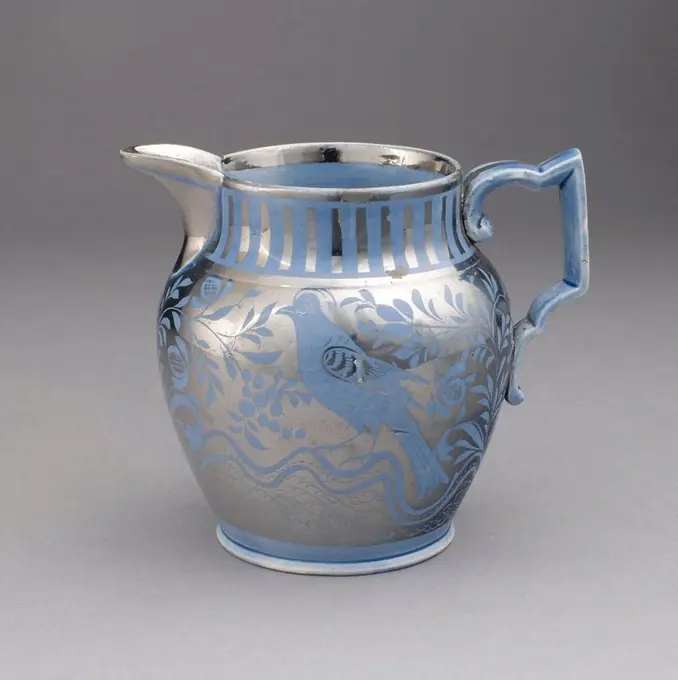
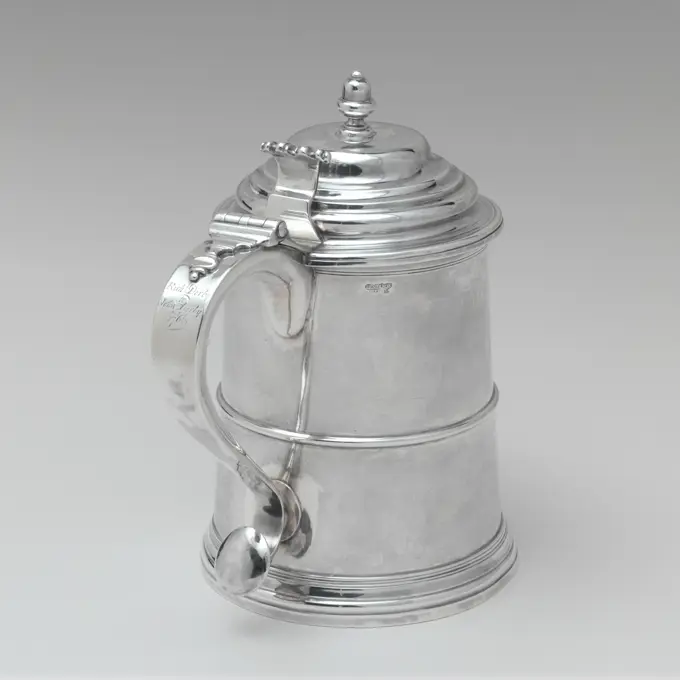
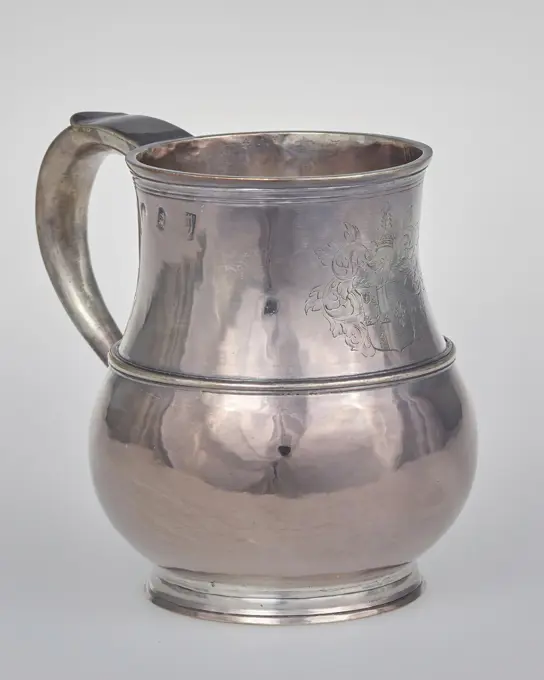
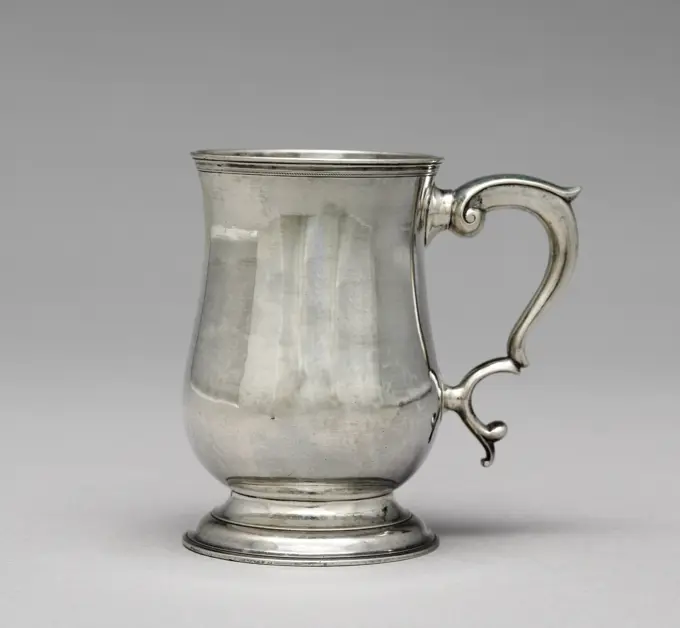
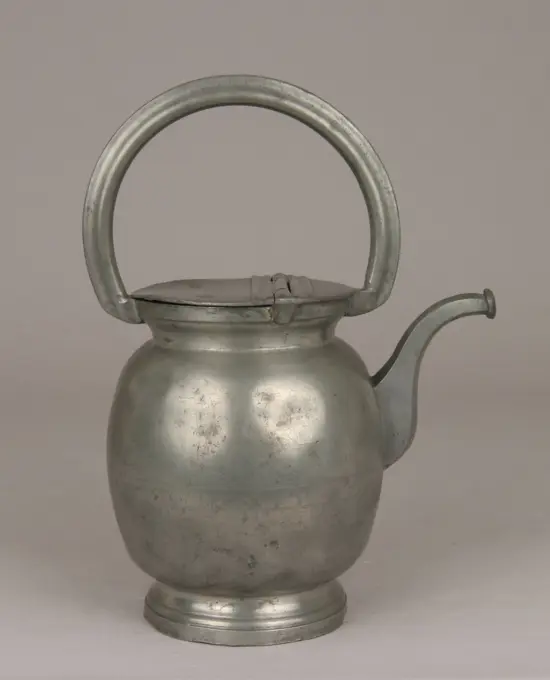
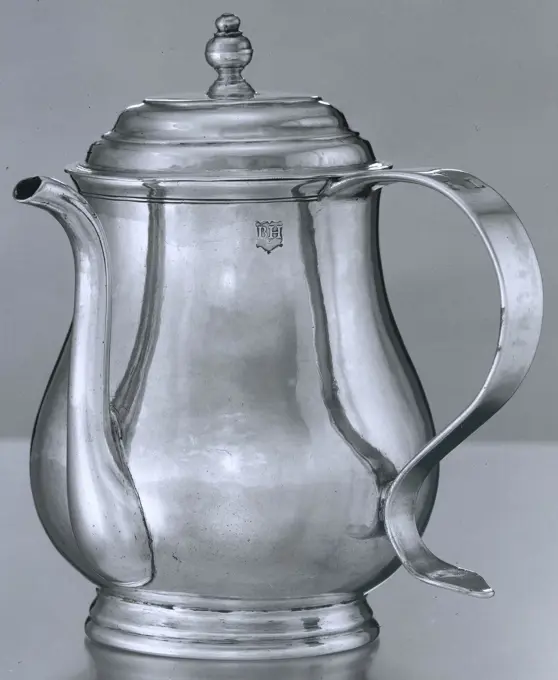
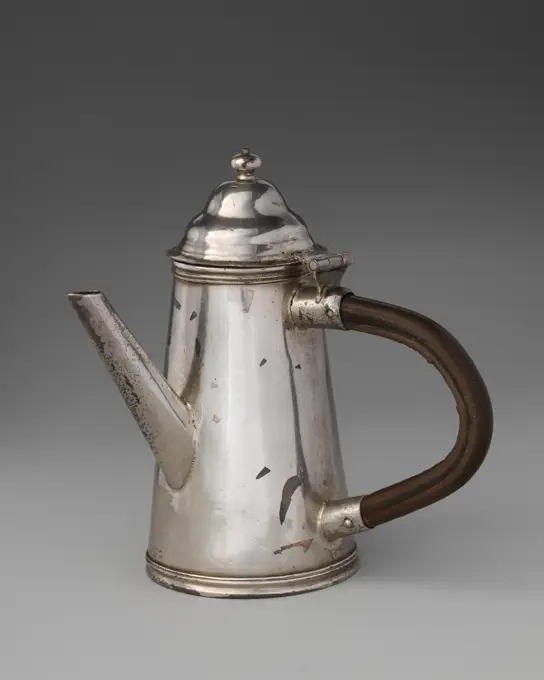
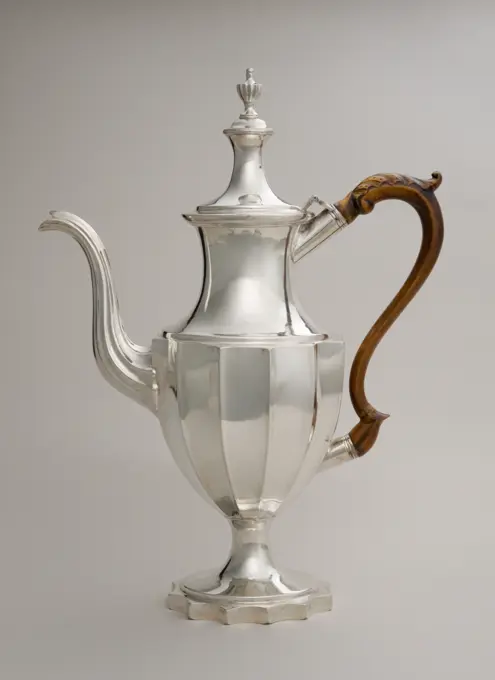
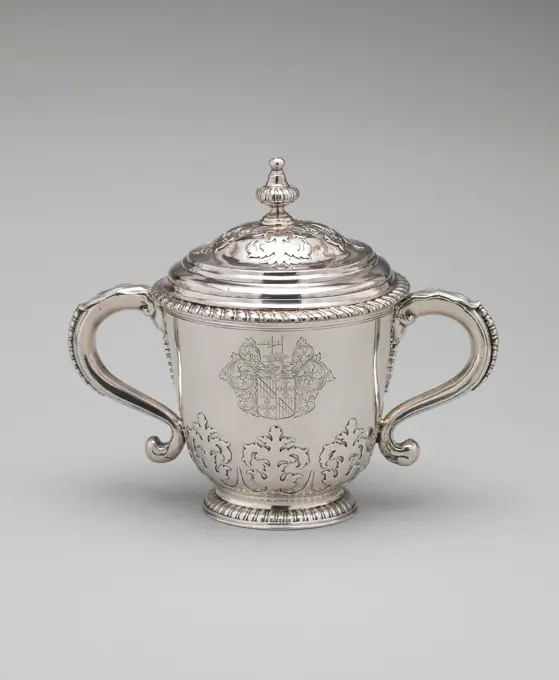
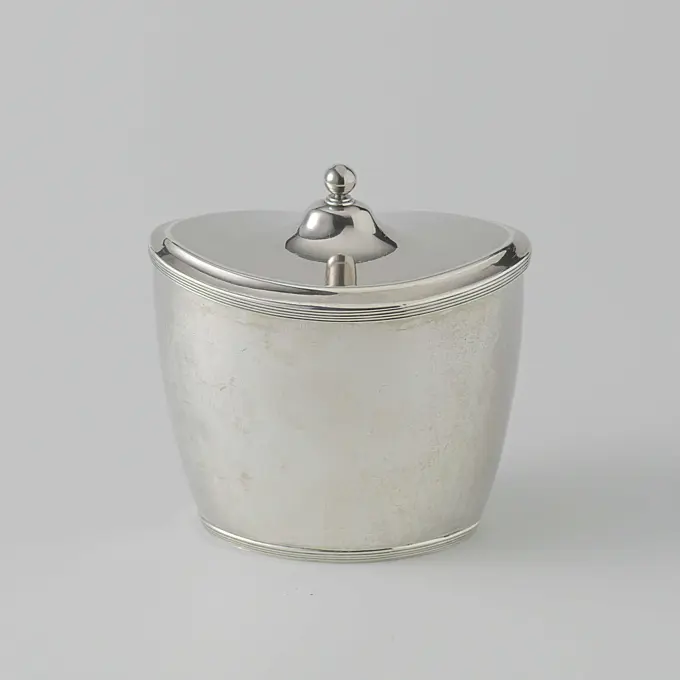
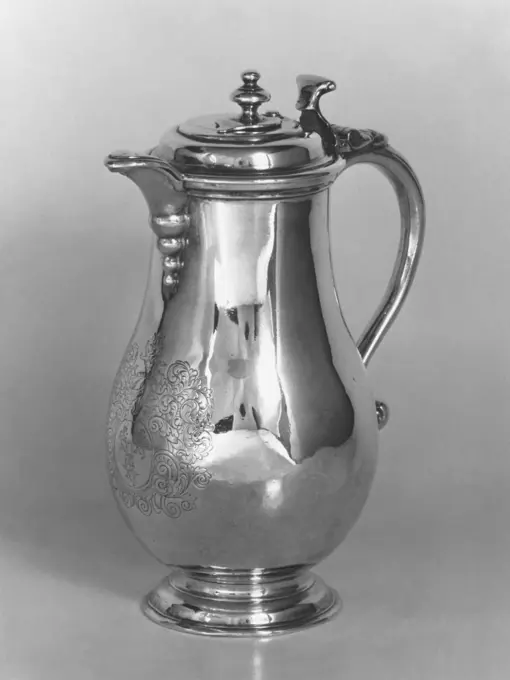
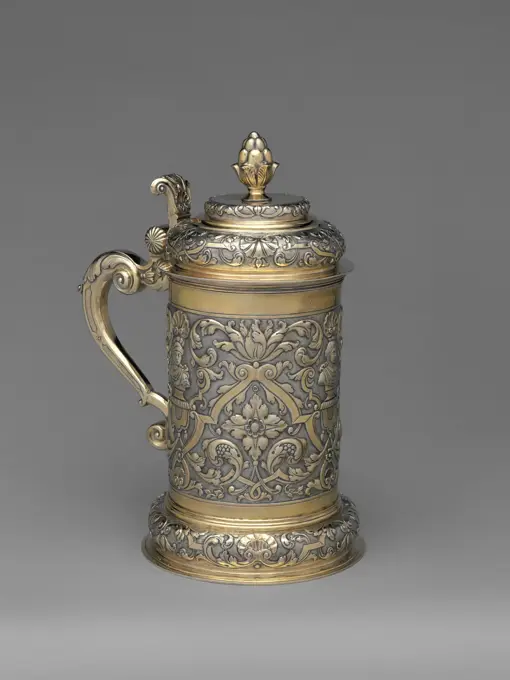
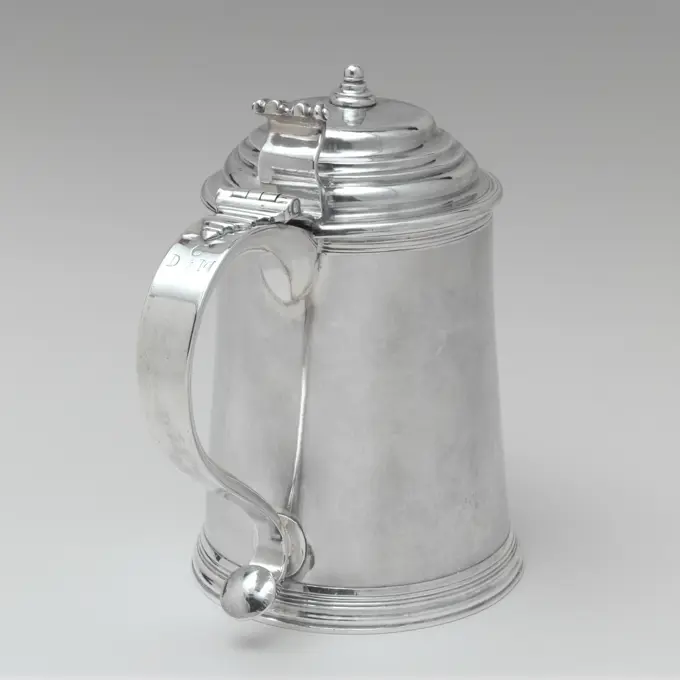
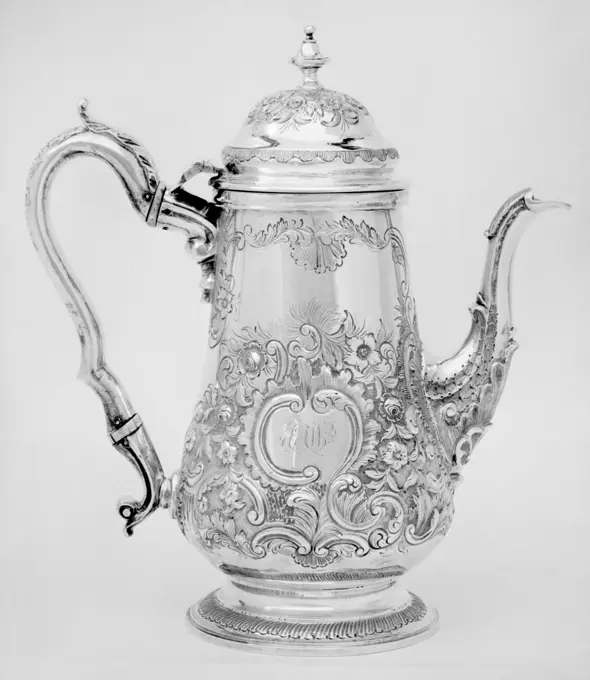
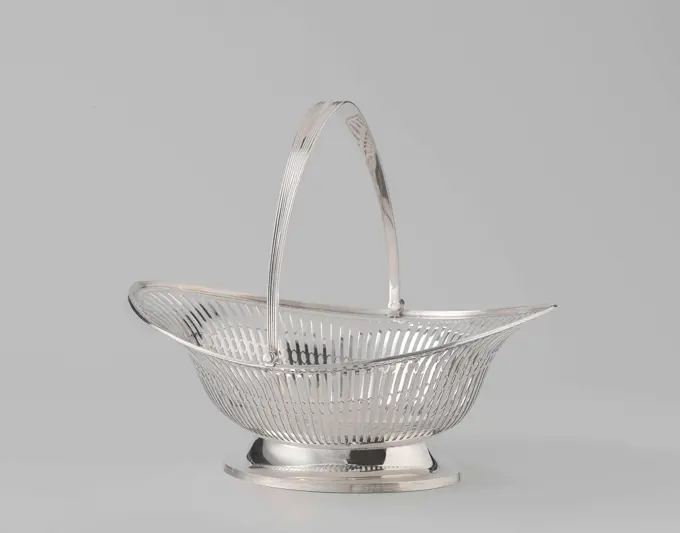
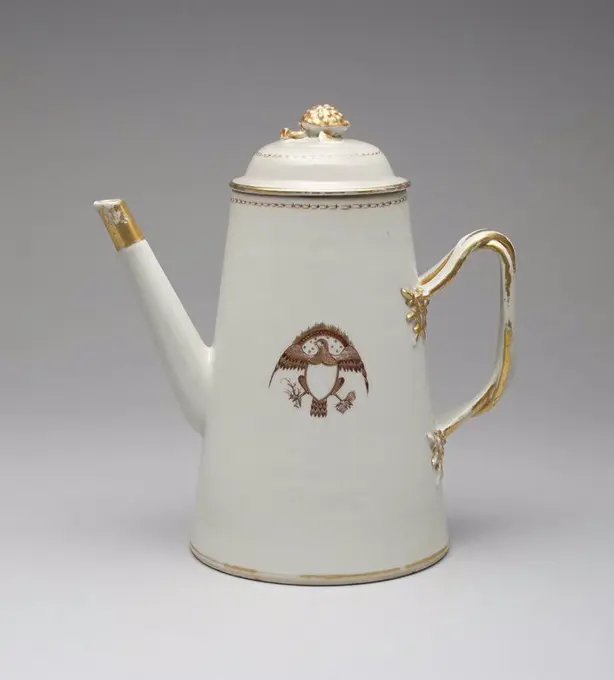
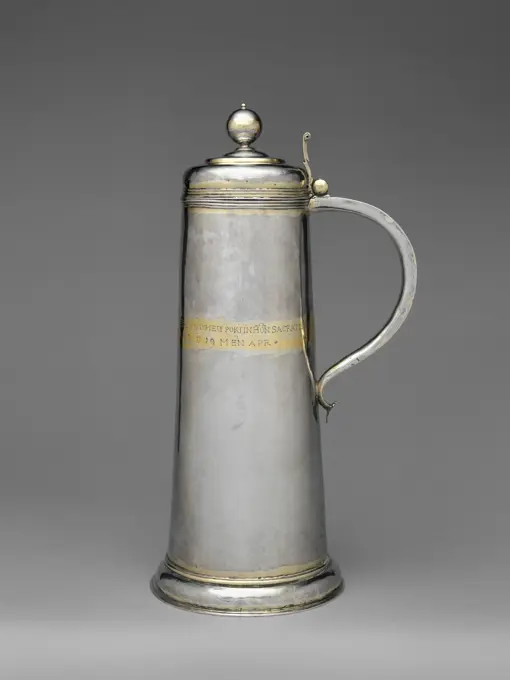
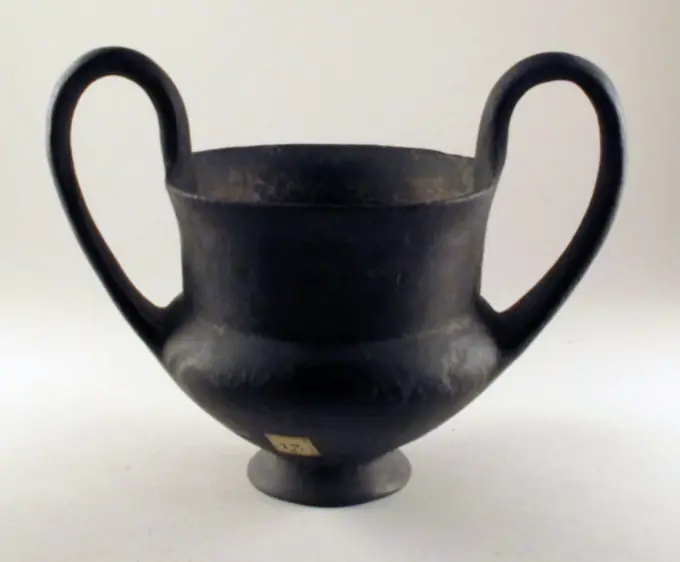
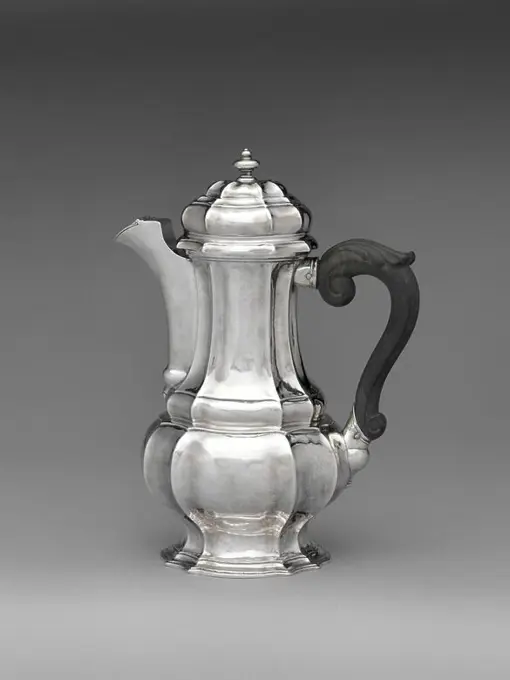
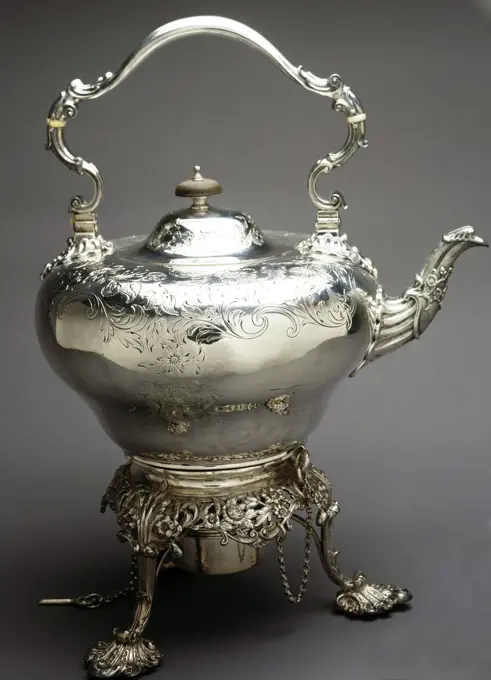
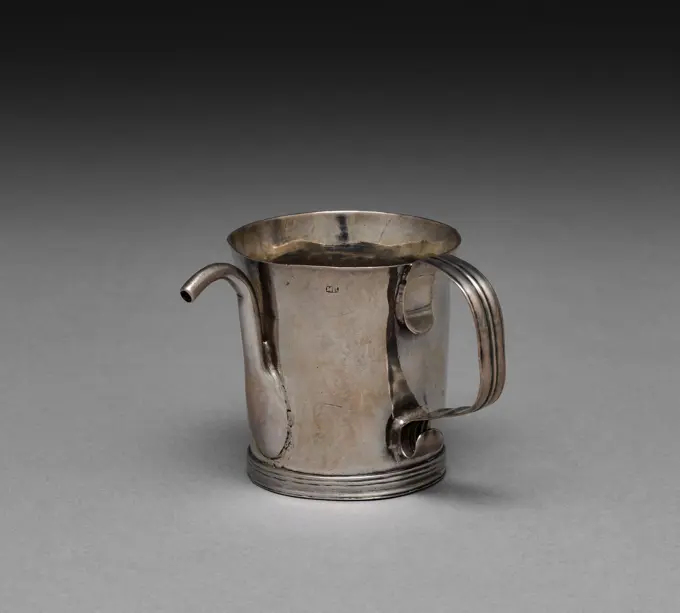
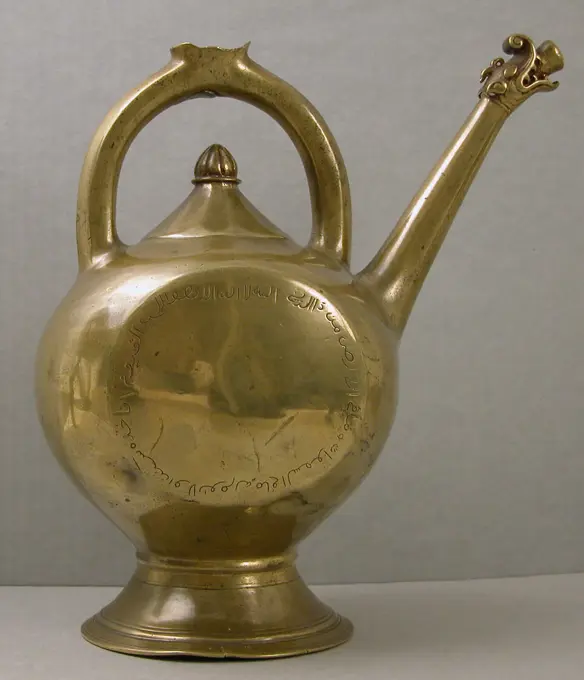
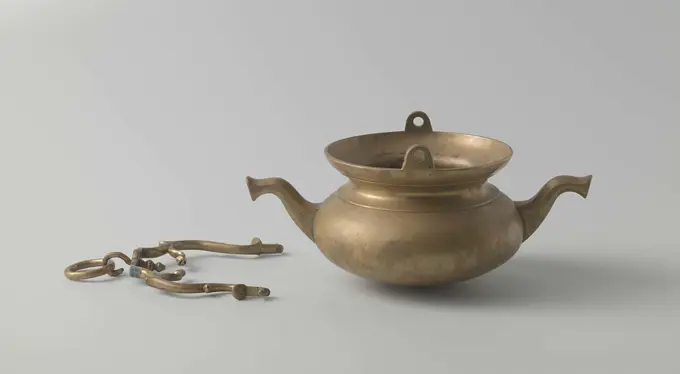
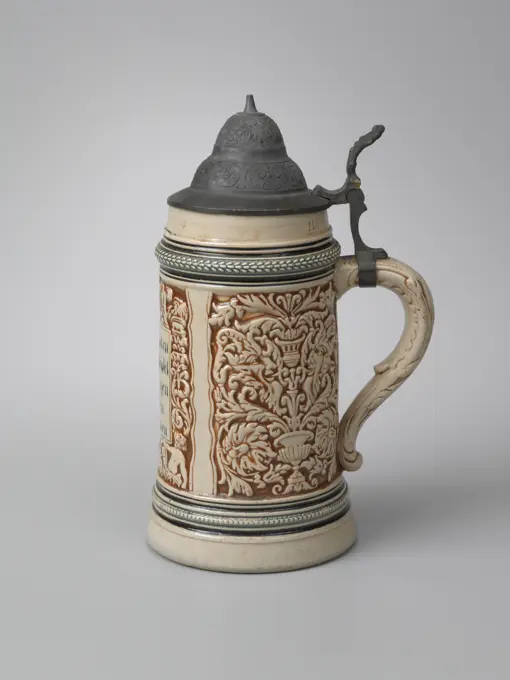
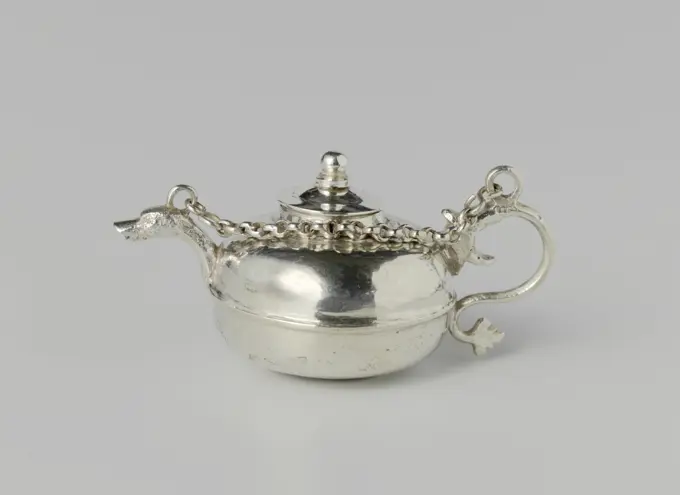
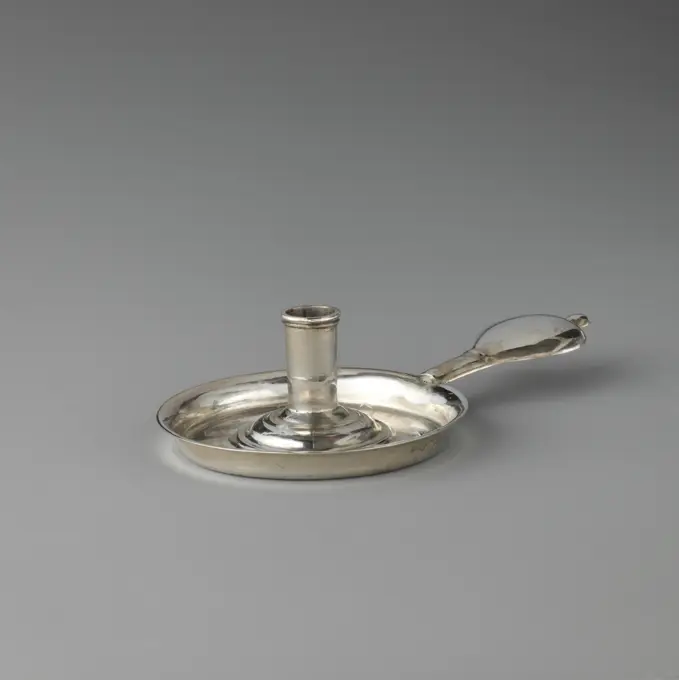
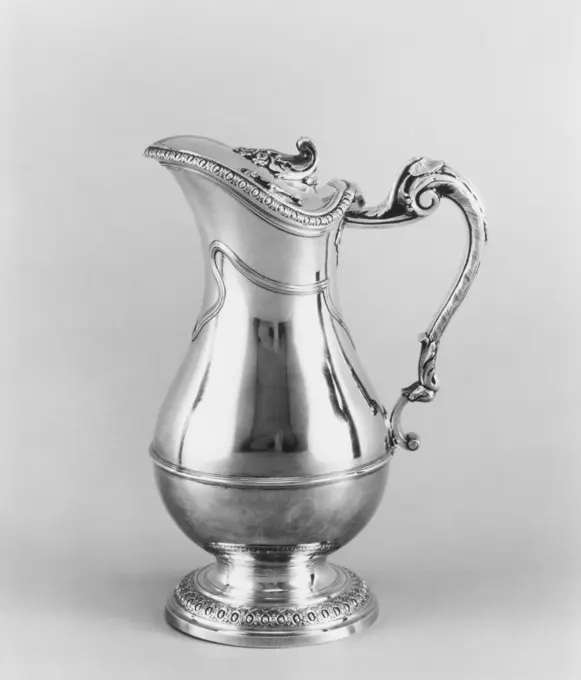
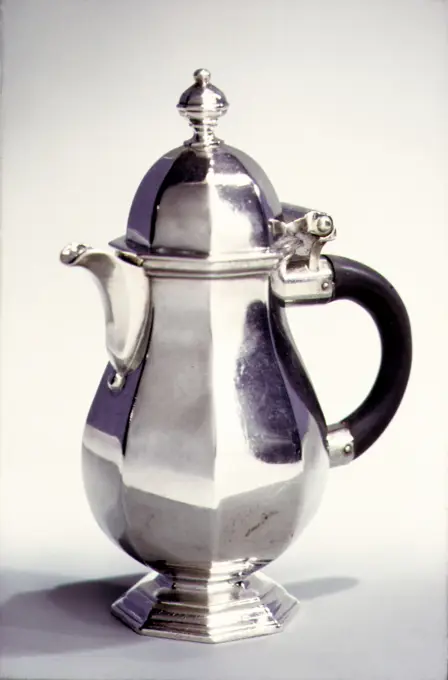
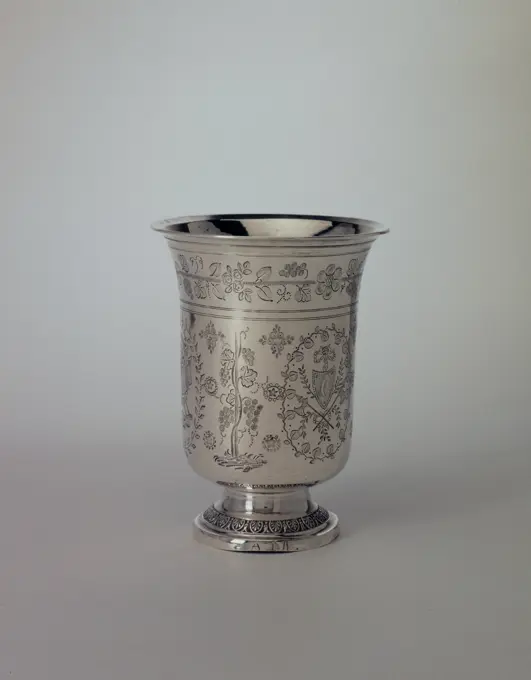
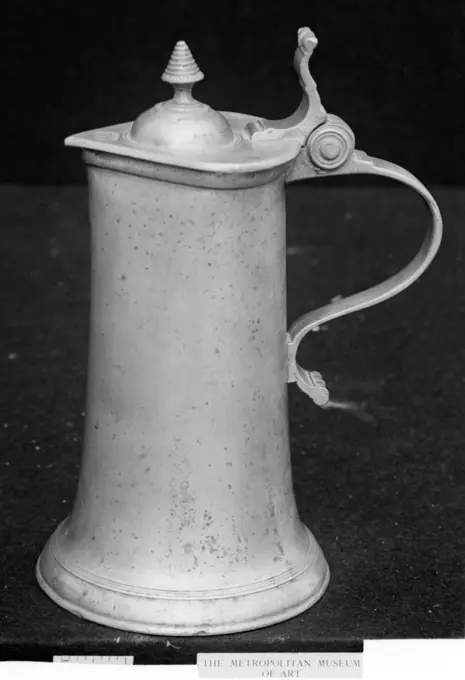
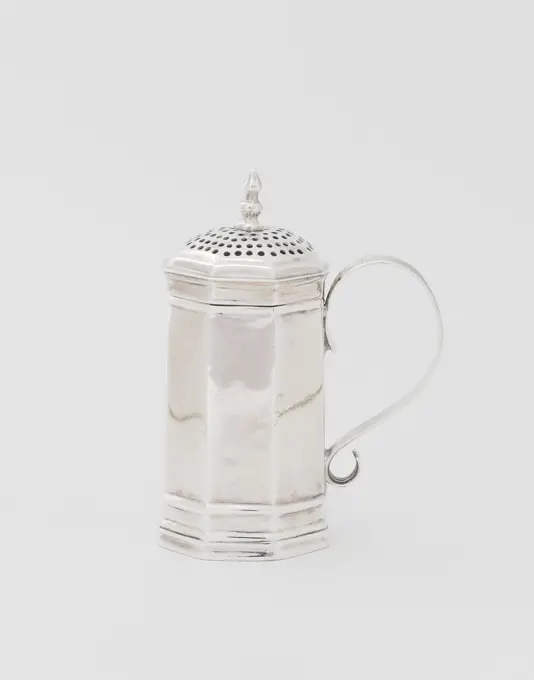
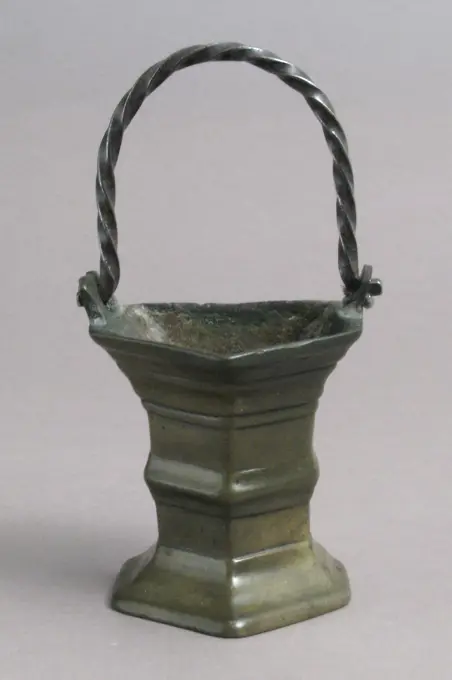
Pitcher Daniszewski, JanMilk jug. Klimaszewski, Tomasz (ca 1776-1839), creatorMustardPot.   Maker: John Moulinar, American, born 1722Church flagon ca. 1725-50 Edmund Harvey. Church flagon. British, York. ca. 1725-50. Pewter. Metalwork-PewterKocio to the chin of wine; Maevers, August (Ca 1828- Ca 1850); after. 19th century (1840-00-00-1859-00-00);Tankard 1733-34 Richard Gurney. Tankard. British, London. 1733-34. Silver. Metalwork-SilverSoup vase; Stanecki, Szymon (1746-1813); 1790-1795 (1790-00-00-1795-00-00);Nathaniel Hurd, Cann, c. 1765, silver.Ewer. Culture: French, Paris. Dimensions: Height: 7 3/4 in. (19.7 cm). Maker: Léopold Antoine (master 1706, active 1706-1729). Date: 1727-29. Museum: Metropolitan Museum of Art, New York, USA.Paul de Lamerie, Tankard, 1716/17, silver.Teakettle and spirit lamp with stand 1744/45 Paul de Lamerie British English merchants carried luxury goods of all kinds to the American colonies, where they set a fashionable standard that was emulated by local artisans. These three pieces - teakettle, basket and bowl - formed part of a larger service that was owned by a prosperous merchant in Philadelphia. David Franks, the son of a prominent Jewish family in New York, married Margaret Evans in 1744, and this service was likely purchased to mark their marriage. The silversmith, Paul de Lamerie, was the head of a flourishing workshop, and these rococo pieces were in the vanguard of London taste. Listen to experts illuminate this artwork's story Listen Play or pause #407. Teapots Supported by Bloomberg Philanthropies We're sorry, the transcript for this audio track is not available at this time. We are working to make it available as soon as possible.. Teakettle and spirit lamp with stand 202056Creamer ca. 1810 Lewis and Smith. Creamer 5820Tankard.   Maker: Myer Myers, American, 1723-1795Miniature cup 1714-15 William Fleming. Miniature cup. British, London. 1714-15. Silver. Metalwork-SilverPitcher. England, Leeds. Date: 1810-1820. Dimensions: H. 10.5 cm (4 1/8 in.). Lead-glazed earthenware with lustre decoration. Origin: Leeds. Museum: The Chicago Art Institute, Chicago, USA.Tankard 1763 Benjamin Burt American Early American tankards, used for drinking beer or ale, survive in some quantity. Eighteenth-century Boston examples feature a tall tapered body, applied midband, and domed cover with finial. An inscription engraved on the handle of this tankard documents its presentation from the Salem sea captain and merchant Richard Derby to his son John on New Years Day 1763.. Tankard 8187Jar 1815-1825 Staffordshire. Lead-glazed earthenware with lustre decoration .Cann, one of a pair, c. 1707, attributed to John Fletcher, active 1670-1708, 4 1/4 x 4 3/4 x 3 1/2in. (10.8 x 12.1 x 8.9cm), Silver, England, Queen AnneCann, c. 1750. America, 18th century. Silver; overall: 10.7 cm (4 3/16 in.); with handle: 11 cm (4 5/16 in.); without handle: 7.2 cm (2 13/16 in.).Silversmith's art, Italy, 18th century. Vase-shaped silver coffeepot.Milk or water pot (dourne) possibly Antoine Dumas French 19th century View more. Milk or water pot (dourne). French, Nimes. 19th century. Pewter. Metalwork-PewterUnknown, Stoneware Jug with Silver Mounts, mid 16th century, silver and stoneware with silver mounts.Jug ca. 1655 Johann Schaper German. Jug 200894SpoutCup.   Maker: Benjamin Hiller, American, 1688-1745Creampot.   Maker: Joseph Richardson, Sr., American, 1711-1784Miniature coffeepot 18th century David Clayton British Listen to experts illuminate this artwork's story Listen Play or pause #413. Retail Value. High and Low Supported by Bloomberg Philanthropies We're sorry, the transcript for this audio track is not available at this time. We are working to make it available as soon as possible.. Miniature coffeepot. British, London. 18th century. Silver, cane. Metalwork-Silver-MiniatureCreamJug.   Maker: John Will, American, 1696-1775Cream Pot. Myer Myers; American, 1723-1795; New York, New York. Date: 1765-1776. Dimensions: 14 × 6.7 × 10.8 cm (5 1/2 × 2 5/8 × 4 1/4 in.); 169.1 grams. Silver. Origin: New York City. Museum: The Chicago Art Institute, Chicago, USA.Cream Jug, c. 1780. John Coburn (American, 1725-1803). Silver; with handle: 12.4 x 11 cm (4 7/8 x 4 5/16 in.).Coffeepot. Lewis Herne (England, active circa 1755-1818/1822)Francis Butty (England, active London circa 1757-1773). 1763. Furnishings; Serviceware. Silver with woodChilds cup.   Maker: A. Himmells Silverware Manufactory, American, active ca. 1853-77Retailer: Hyde and Goodrich, active ca. 1829 - 1866Miniature teapot with cover 1780 Probably by Johannes van Geffen. Miniature teapot with cover. Dutch, Amsterdam. 1780. Silver. Metalwork-Silver-MiniatureSauce bowl with the crowned alliance weapon of Veel -van Wijhe, Bernt Wolffsen (attributed to), 1718 - 1719 Sausom, oval, spouts at the ends and ribbed ears attached to the middle of the two sides. Along the corrugated top edge a imposed profile, including the crowned alliance weapon of Shared-van Wijhe in engraving work, consisting of two oval shields: 1 on a crossbar two turned out of boars; 2 A climbing lion in a field littered with blocks. Nijmegen silver (metal) engraving Sausom, oval, spouts at the ends and ribbed ears attached to the middle of the two sides. Along the corrugated top edge a imposed profile, including the crowned alliance weapon of Shared-van Wijhe in engraving work, consisting of two oval shields: 1 on a crossbar two turned out of boars; 2 A climbing lion in a field littered with blocks. Nijmegen silver (metal) engravingTeapot with the alliance weapon Nagel-Pallandt, fa. Ash. Bonebakker and Son, 1852 The crockery consists of a teapot, a milk jug, and a sugar tray. These are all rounded rectangular. They rest on a right -wing base with accolade -shaped vaulted sides. Above that, the vaulted, rejuvenating foot rises, which carries the sphere vaulted barrel. Foot and barrel are separated by a profile edge. The barrel is decorated on the corners with wide lobes. In the top of the vessel of the teapot is a large opening in which the quadrangular, curved, rejuvenating lid fits. This is crowned by a button in the shape of a flower branch. The lid edge is made up of leaf voltuties. The S-shaped bent spout is decorated with wrapped leaves. The conductings of the C-shaped highly curved ebony ear are decorated with acanthus leaves and volutes. Above the vessel of the milk jug, the slightly incised neck rises, which turns into the wide peat with a border built from leaf volumes, which is interrupted at the front.Joseph Richardson Jr., Coffeepot, c. 1795-1800, silver and wood.Two-handled cup with cover 1696-98 Thomas Bolton. Two-handled cup with cover 205009Tap, cylindrical, with two handles, anonymous, c. 1800 - c. 1825 The object consists of a house with a door and two handles, a reservoir with tap and lid with a raised opening. The glass pear -shaped reservoir with copper tap and a light that would be missing according to the description made at the time. Netherlands brass (alloy) casting The object consists of a house with a door and two handles, a reservoir with tap and lid with a raised opening. The glass pear -shaped reservoir with copper tap and a light that would be missing according to the description made at the time. Netherlands brass (alloy) castingKan, anonymous, c. 1550 - c. 1600 Can with ribbed, slightly inserted soil. Printed, spherical body with a ribbed thread and melted smooth threads. The neck ends in a three -step mouth. Irregularly formed high upright ear. Venice glass glassblowing Can with ribbed, slightly inserted soil. Printed, spherical body with a ribbed thread and melted smooth threads. The neck ends in a three -step mouth. Irregularly formed high upright ear. Venice glass glassblowing. The oval bus has a light vaulted, widening body, which slightly higher on the sides. Over the bus closes a hinged, vaulted lid with a stink wall and a straight bottom edge. It is crowned by a round button on a profiled foot. Filet edges run along the bottom of the bus and along the lower edge of the lid. (Catalog Amsterdam gold and silver, catalog number 159)Teapot, from a four-piece coffee and tea set, c. 1875, William Fairbourne and Sons, Sheffield, England, dates unknown, 5 5/8 x 9 13/16 x 5 11/16 in. (14.29 x 24.92 x 14.45 cm), Silverplated metal, ivory, England, 19th centuryCovered Bowl with Diamond Pattern Bowl; Ireland; glassDouble cup, anonymous, anonymous, c. 1300 Dwell of gilded silver, consisting of a belly and upper part; With low, hexagonal base, a flattened round lid button and a ring -shaped ear. Along the Plintrand a series of rosettes. On the bottom of the barrel a medallion on which a silver eagle against black enamelled stock. On the lid a medallion with sitting lion against a blue stock, surrounded by a silver slender on red soil. Southern Germany (possibly) silver (metal). gilding (material) gilding Dwell of gilded silver, consisting of a belly and upper part; With low, hexagonal base, a flattened round lid button and a ring -shaped ear. Along the Plintrand a series of rosettes. On the bottom of the barrel a medallion on which a silver eagle against black enamelled stock. On the lid a medallion with sitting lion against a blue stock, surrounded by a silver slender on red soil. Southern Germany (possibly) silver (metal). gilding (material) gildingJohn Gibbons, Jug (altered or spurious), 1725/26, silver.Chocolate pot 1706-8 David King. Chocolate pot 197716Tankard mid-18th century Michael May II This elegantly proportioned, gilded tankard is a late example of its type. The maker, who was a member of a well-known dynasty of goldsmiths, applied a harmonious decoration of late Baroque strapwork surrounding three bases imitating short lengths of decorative drapery, called lambrequins, each supporting an ancient bust. A cast pinecone finial surmounts the double-domed lid like a miniature monument.LiteratureImportant Silver. Sale cat., Sothebys, New York, April 7, 1987, n.p., no. 40.Judit H. Kolba. Hungarian Silver: The Nicolas M. Salgo Collection. London, 1996, pp. 108-9, no. 86.ReferencesElemér Kőszeghy. Magyarországi ötvösjegyek a középkortól 1867-ig / Merkzeichen der Goldschmiede Ungarns vom Mittelalter bis 1867. Budapest, 1936, nos. 130 [town mark, 264 [makers mark.[Wolfram Koeppe 2015. Tankard 237040Tankard 1735-45 Jonathan Clarke. Tankard 8191Teapot and Stand. William Vincent; English, active 1790; London, England. Date: 1790. Dimensions: 15.2 x 26.7 cm (6 x 10 1/2 in.). Silver and wood. Origin: London. Museum: The Chicago Art Institute, Chicago, USA.Coffeepot 1774-75 John Swift II. Coffeepot 197379Basket. .Coffee Pot with Cover. China; Chinese, made for the American market. Date: 1790-1800. Dimensions: 24.5 × 14.1 cm (9 5/8 × 5 9/16 in.). Porcelain. Origin: China. Museum: The Chicago Art Institute, Chicago, USA.Sugar bowl, anonymous, c. 1814 - c. 1898 Cup-shaped sugar bowl with two S-shaped handles and a lid with a button. The wall of the pot is decorated with acanthus leaf and rocaille eater Amen in relief on a roughened surface. The sugar bowl is marked with a sword. The sugar bowl is stored as part of a coffee and tea table (BK-NM-11177-158). Netherlands silver (metal) Cup-shaped sugar bowl with two S-shaped handles and a lid with a button. The wall of the pot is decorated with acanthus leaf and rocaille eater Amen in relief on a roughened surface. The sugar bowl is marked with a sword. The sugar bowl is stored as part of a coffee and tea table (BK-NM-11177-158). Netherlands silver (metal)Communion jug 1639 Hungarian The Latin inscription on this highly restrained and elegantly proportioned jug reads in translation: "The noble lord Andreas Zakany, deputy-lieutenant of the renowned Borsod County, and his wife, the noble lady Helena Poki, had this made for the Evangelical church of Szendrő on 19 April 1639, in honor of the Most Holy Blood of Jesus Christ, the Son of God." Unadorned jugs or flagons capable of holding at least one liter of wine were used for refilling chalices shared among by a Protestant congregation during Communion.LiteratureEuropean Silver. Sale cat., Sothebys, Geneva, November 14, 1984, n.p., no. 33.Judit H. Kolba. Hungarian Silver: The Nicolas M. Salgo Collection. London, 1996, p. 49, no. 27.ExhibitedA Magyar történeti ötvösmű-kiállítás lajstroma. Exh. cat. Országos Magyar Iparművészeti Múzeum. Budapest, 1884, room 4, case 3, p. 68, no. 71.ReferencesEva Toranová. Goldschmiedekunst in der Slowakei. Translated by Helene Katrinaková. Hanau, 1982, p. 220Terracotta calyx-krater (bowl for mixing wine and water). Culture: Greek, Boeotian. Dimensions: H.: 8 5/16 x 8 5/16 in. (21.1 x 21.1 cm). Date: late 5th century B.C..Black-glazed with stamped decoration. Museum: Metropolitan Museum of Art, New York, USA.Kantharos 7th-6th century B.C. Etruscan Without decoration.. Kantharos. Etruscan. 7th-6th century B.C.. Terracotta; bucchero. VasesCoffeepot. Culture: Hungarian, rsekjvr. Dimensions: Overall: 9 1/8 x 4 1/16 in. (23.2 x 10.3 cm). Date: ca. 1740.Coffee was first brought to Europe from Arabia. The Viennese claim that they looted sacks of coffee beans after the Ottomans withdrew following a failed siege in 1683. It was an Armenian merchant, possibly born in Istanbul, who founded Austria's first coffeehouse in 1685. Precious silverware was the perfect medium to serve this exotic beverage to fashionable and affluent patrons. The maker's knowledge of contemporary Italianate Baroque architecture is clearly visible in the coffeepot's shape: the body rests like a palace tower on an oval stand. The bold curved spout is closed with a hinged cover to keep the contents warm.LiteratureFine European Silver. Sale cat., Sotheby's, London, July 6, 1981, p. 44, no. 166.Judit H. Kolba. Hungarian Silver: The Nicolas M. Salgo Collection. London, 1996, p. 102, no. 79.ReferencesElemr Koszeghy. Magyarorszgi tvTeapot. Joseph Jackson; American, active 1803-1831; Baltimore, Maryland; Richmond, Virginia. Date: 1815-1831. Dimensions: 13.3 × 7.9 cm (5 1/4 × 3 1/8 in.). Silver. Origin: Maryland. Museum: The Chicago Art Institute, Chicago, USA.USA, Florida, Jacksonville, Cummer Museum of Art and Gardens, Silver Tea Kettle with Detachable Urn by Paul Storr, 1792, (1771-1844)Ewer with cover second half 19th century After a design by Reinhold Vasters German Detailed studies for the ewer are among the designs by the Aachen goldsmith Reinhold Vasters preserved in the Victoria and Albert Museum in London.. Ewer with cover. After a design by Reinhold Vasters (German, Erkelenz 1827-1909 Aachen). probably French. second half 19th century. Rock crystal, silver gilt, enamel, diamonds. Natural Substances-Rock CrystalPomander, anonymous, c. 1600 - c. 1625 Pomander van Zilver, on profile edge and open in six segments. The segments are closed with sliding lids. On the hexagonal outside, a engraved decoration of tendrils and birds. silversmith: NetherlandsNorthern Netherlands silver (metal) engraving Pomander van Zilver, on profile edge and open in six segments. The segments are closed with sliding lids. On the hexagonal outside, a engraved decoration of tendrils and birds. silversmith: NetherlandsNorthern Netherlands silver (metal) engravingProbably William Abdy I, Mustard Pot, 1779/80, silver and blue glass.Incense vessel with round and peaked lid, anonymous, c. 1400 - c. 1500 The parts have been cast and added, with the exception of the chains. The spherical tub is sounded on a renewed round foot. The open -worked swiveled cone -shaped lid has a button. Lid and tubs have three pairs of eyes. The triangular ring carrier has a hole for the lid chain. The chains have been renewed. Northern Netherlands brass (alloy) casting The parts have been cast and added, with the exception of the chains. The spherical tub is sounded on a renewed round foot. The open -worked swiveled cone -shaped lid has a button. Lid and tubs have three pairs of eyes. The triangular ring carrier has a hole for the lid chain. The chains have been renewed. Northern Netherlands brass (alloy) castingProbably John Horsley, Teapot, 1774/75, silver.Sugar Bowl (part of a set). J.T. and E.M. Edwards; American, 1852-1864; Chicago, Illinois. Date: 1852-1864. Dimensions: 20.3 × 10.5 cm (8 × 4 1/8 in.). Silver. Origin: Chicago. Museum: The Chicago Art Institute, Chicago, USA.Richard Green, Teapot, 1716/17, silver.Drinking jug with a soil medallion, anonymous, 1500 - 1600 Drinking can of tin. The stand ring turns into a baluster -shaped body, which flows at the top into a straight -up lip edge. The light vaulted lid has an imposed tire from the middle, which turns into the hammer -shaped thumb rest. Via a one -a -cash hinge it turns into a round handle. On the inside, a medallion is applied to the bottom with a cross and French lilies. Northern Netherlands tin (metal) casting Drinking can of tin. The stand ring turns into a baluster -shaped body, which flows at the top into a straight -up lip edge. The light vaulted lid has an imposed tire from the middle, which turns into the hammer -shaped thumb rest. Via a one -a -cash hinge it turns into a round handle. On the inside, a medallion is applied to the bottom with a cross and French lilies. Northern Netherlands tin (metal) castingAthenic” cup.  Manufacturer: Gorham Manufacturing Company, American, founded 1831Jar And Cover (Ireland); glassSpout Cup, c. 1720. Moody Russell (American, 1694-1761). Silver; overall: 8 x 10.7 cm (3 1/8 x 4 3/16 in.); without handle: 7.4 cm (2 15/16 in.); with spout: 10.4 cm (4 1/8 in.).Can with two fucks on the thumb handle. The can be composed of the following parts: the hull, the lid (cast and turned), the handle, the spout and the thumb trust (cast). The cylinder-shaped hull has a spherical upper part and widens at the bottom. The bottom has a center point. The hull has a wide rib in the middle of the lower half, flanked by two narrow ribs, as well as two narrow ribs resp. Up and down. In the overflowing transition to the spherical portion of the hull, somewhat the form of widening is repeated at the bottom. The spherical portion is on the front from top to under disclosed by the striker tapering from above flat spout. A small triangular opening has been saved on the inside. The spout reaches the top of the short neck at the top, which ends in a somewhat excellent lip edge. On the other hand, the handle is attached, which is over more or less round and nods down with a blunt angle and then bends down. Against the lip edge, the one-handed hinge is on the handle forKettle Ewer with Dragon-Headed Spout late 16th-early 17th century Arabic Inscription (from the Qur'an, Sura 2 al‑Baqara: 255): "God, there is no God but He, the Living, the Everlasting. Slumber seizes Him not, neither sleep; to Him belongs all that is in the heavens and the earth." Although this type of ewer was also made in Iran, the pronounced verticality, elongated spout, and Timurid-style dragon of this example point to a northern Indian origin. It was later inscribed with a Qur'anic verse and the name of its owner, 'Abdullah Muhammad.. Kettle Ewer with Dragon-Headed Spout 448450Lavabo.The object is composed of the following molded parts: the boiler, the handle, the hook, the ring. The boiler has a flatbolle shape, a holready neck and a bol round up to the top flooded collar. The two tilted cross-section octagonal spouts are placed in each other's extension. Perpendicular to it located on the horizontal-flat edge of the boiler's from above round attachments. The handle bends inside and outwards and has a straight bar at the top, with a round widening in the middle, in which an opening. It is decorated with curls, two of which finish in bird heads. In the two vertical ends, pins have been applied to be able to attach the boiler to the handle. The hook which is arranged at the top of the shipment of the handle is provided with a button that is built up from three sections. The hook comprises the hanging ring. At the bottom of the boiler is in the middle the bolland finished cast pressure, which in the middle has a center point.BeerSteinWater Pitcher (part of set with 1973.769a-g). Gorham Manufacturing Company; American, founded 1831; Providence, Rhode Island. Date: 1900. Dimensions: 22.2 × 12.7 cm (8 3/4 × 5 in.). Silver. Origin: Providence. Museum: The Chicago Art Institute, Chicago, USA.Preview, Frederik Van Strant (II), 1736 Round migratory jar with S-shaped, processed handle and a straight spout. The lid has a high, profiled button. The draft jar is marked: stk. = Amsterdam, Jrl. = B (1736), Mt. = Frederik van Strant II and an ax. Amsterdam silver (metal) Round migratory jar with S-shaped, processed handle and a straight spout. The lid has a high, profiled button. The draft jar is marked: stk. = Amsterdam, Jrl. = B (1736), Mt. = Frederik van Strant II and an ax. Amsterdam silver (metal)Ketel, anonymous, c. 1680 - c. 1720 Flat round boiler with a spout in the shape of a hose head. The handle is S-shaped. On the spout and on the handle there is a ring, to which a chain is attached that runs over the lid. The lid has a spherical button. The boiler is not marked. Netherlands silver (metal) Flat round boiler with a spout in the shape of a hose head. The handle is S-shaped. On the spout and on the handle there is a ring, to which a chain is attached that runs over the lid. The lid has a spherical button. The boiler is not marked. Netherlands silver (metal)Covered tankard German (Nuremberg), Silver-gilt, about 1630Miniature chamberstick 18th century David Clayton British Listen to experts illuminate this artwork's story Listen Play or pause #413. Retail Value. High and Low Supported by Bloomberg Philanthropies We're sorry, the transcript for this audio track is not available at this time. We are working to make it available as soon as possible.. Miniature chamberstick. British, London. 18th century. Silver. Metalwork-Silver-MiniatureMaker's mark RT pellet below, Tankard, c. 1690, silver.Teapot.   Maker: Ebenezer Moulton, American, 1768-1824Can. Beer kan () From stoneware, with pewter lid and blue decoration. Labeled f.h.i. 1758.Silversmith's Art, Italy 20th century. Silver teapot. Design by Argenteria Fratelli Alignani, approximately 1935.Tripod Bowl with Cover. Culture: China. Dimensions: H. 5 in. (12.7 cm). Museum: Metropolitan Museum of Art, New York, USA.Silversmith's Art, Italy 20th century. Eros and Luigi Genazzi, Silver carafe with ebony handle and scratched surface. Designer Corrado Corradi and Ignazio Gardella.Deldare Pitcher, c. 1910, Buffalo Pottery, Buffalo, New York, 6 x 5 1/8 x 4 3/16 in. (15.24 x 13.02 x 10.64 cm), Glazed ceramic, United States, 20th centuryBottle 1725-1735 Bohemia. Glass .Silversmith's Art, Italy 20th century. Silver tureen. Alessi manufacturing, 1930.Sauce boat, one of a pair, Sir William Chambers, English, 1723-1796, 4-3/4 x 4-5/16 x 9-11/16 in. (12.1 x 11.0 x 24.6 cm), Silver, EnglandCream Pitcher (England); pressed glassEwer 1753-54 François Joubert. Ewer. French, Paris. 1753-54. Silver. Metalwork-SilverJug (Ireland); glass; 20.7 x 18 x 11 cm (8 1/8 x 7 1/16 x 4 5/16 in.); Bequest of Walter Phelps Warren; 1986-61-129Cup.   Maker: William Thomson, American, 1777-1833Modiolus - naczynie do picia. unknown, authorMilk jug 1712-13 Simon Pantin I British. Milk jug 205211Bell Salt. London, England. Date: 1601-1602. Dimensions: H. 18.4 cm (7 1/4 in.). Silver gilt. Origin: London. Museum: The Chicago Art Institute, Chicago, USA.Tea Strainer 1845 Andrew Ellicott Warner. Tea Strainer. American. 1845. Silver. Made in Baltimore, Maryland, United StatesThéodore Tonnelier. "Cup". Money. 1809-1819. Museum of Fine Arts of the City of Paris, Petit Palais. 74383-6 Money, silverware, gobletPossibly Benjamin Stephenson overstamping another, Teapot and Stand, 1790-95, silver.Flagon 18th century Johann I. Zimmermann. Flagon 190805Pepper Box c 1725-1750 Barnstable. Silver . Moody RussellHoly Water Basin 15th-16th century Netherlandish. Holy Water Basin. Netherlandish. 15th-16th century. Brass, with later iron handle. Metalwork-Brass