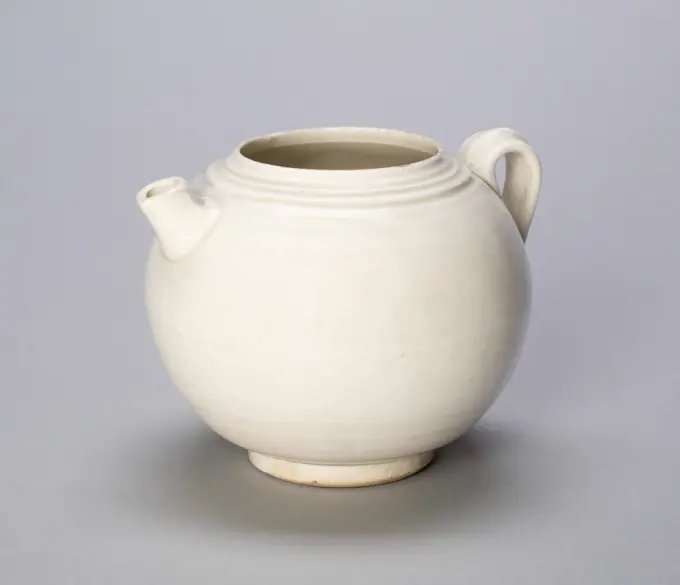
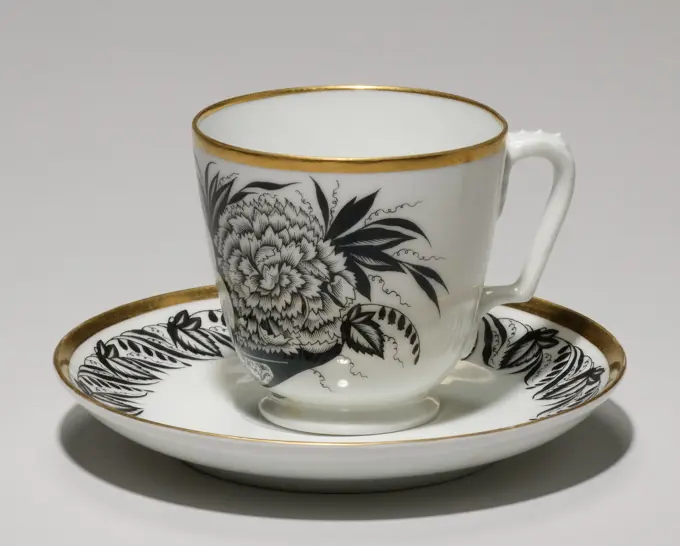
Antique Porcelain Tableware

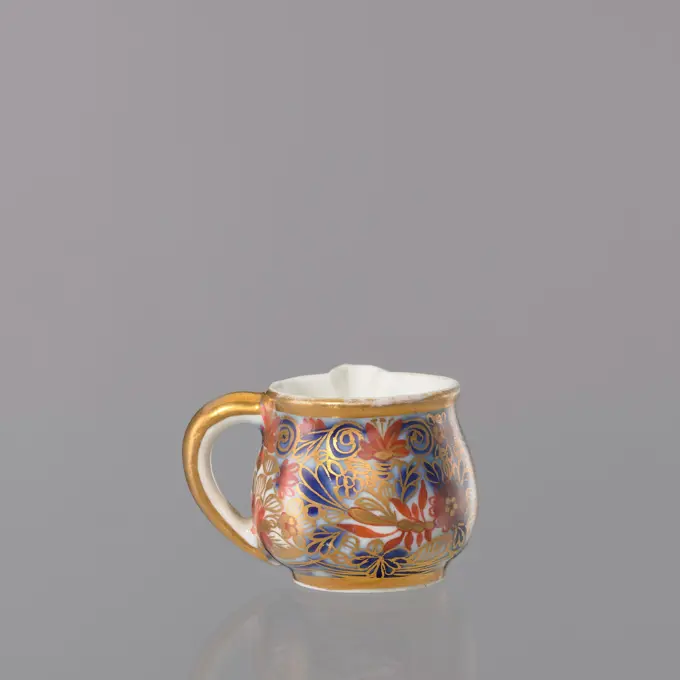
A collection of exquisite porcelain items including cream pots, jugs, and cups, featuring intricate designs and gilding from German porcelain factories of the 18th century.
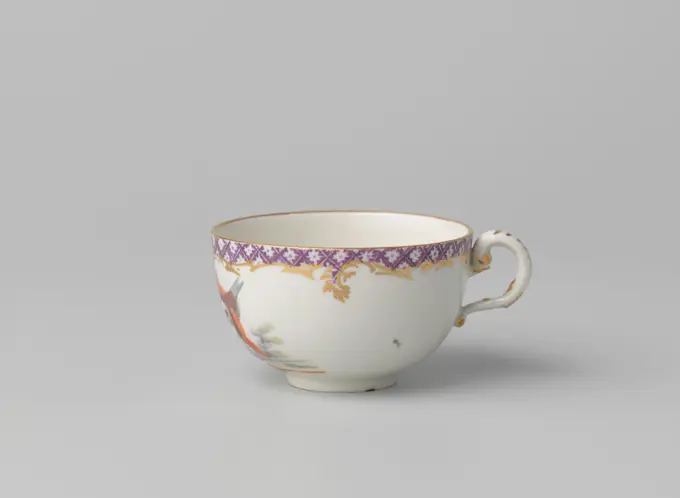
Cup with birds in a landscape, Ansbach, c. 1765 Porcelain head and a curled ear in the shape of a leaf vank, painted on the glaze in enamel colors and gold. Birds in a landscape on the outer wall. The outer edge with a band with servetwork, including Golden Ranks. Sprinkling flowers on the bottom. Golden Rand. Marked on the underside with the A and I. Ansbach porcelain. glaze. gold (metal) painting / gilding / vitrification Porcelain head and a curled ear in the shape of a leaf vank, painted on the glaze in enamel colors and gold. Birds in a landscape on the outer wall. The outer edge with a band with servetwork, including Golden Ranks. Sprinkling flowers on the bottom. Golden Rand. Marked on the underside with the A and I. Ansbach porcelain. glaze. gold (metal) painting / gilding / vitrification
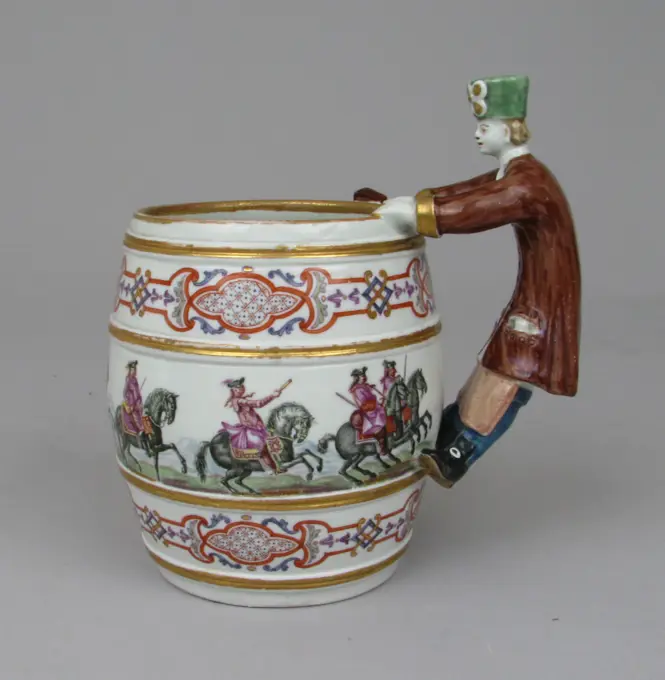
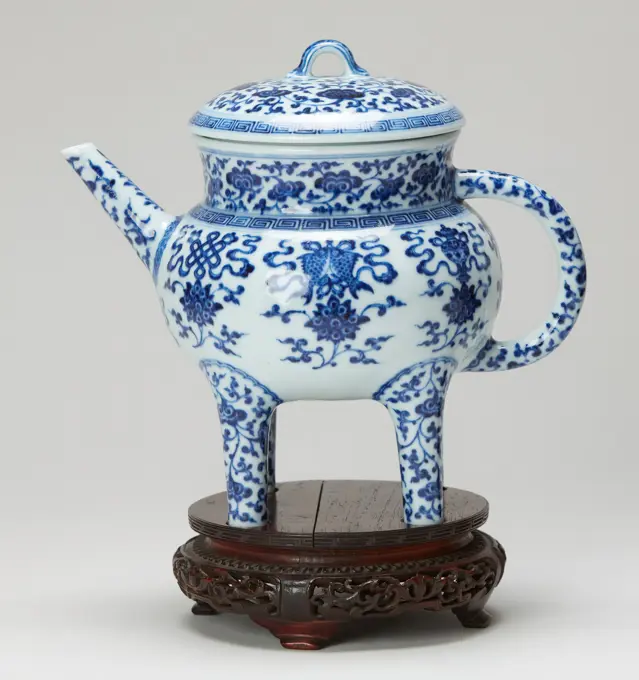
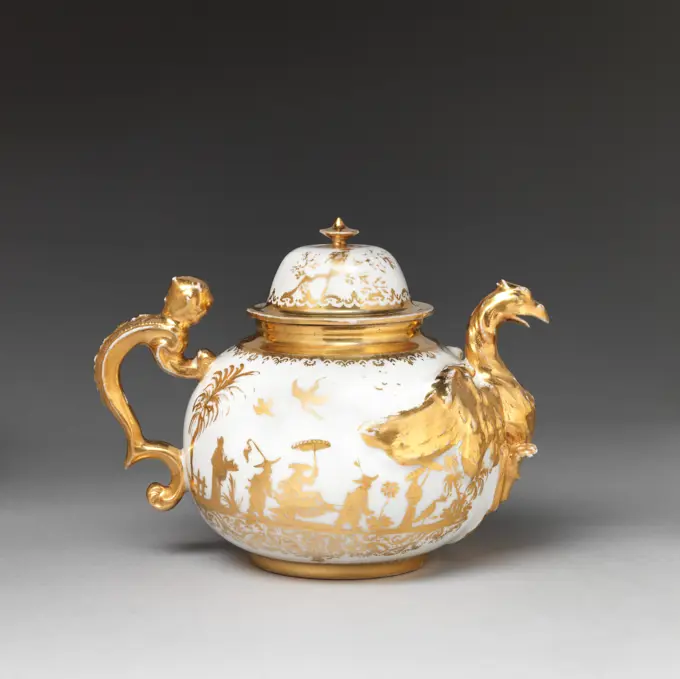
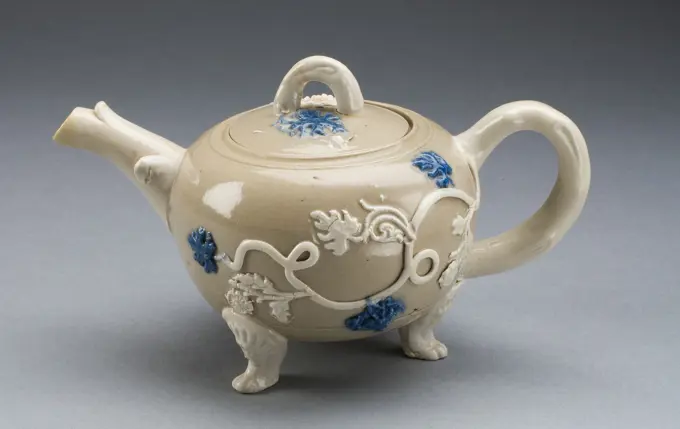
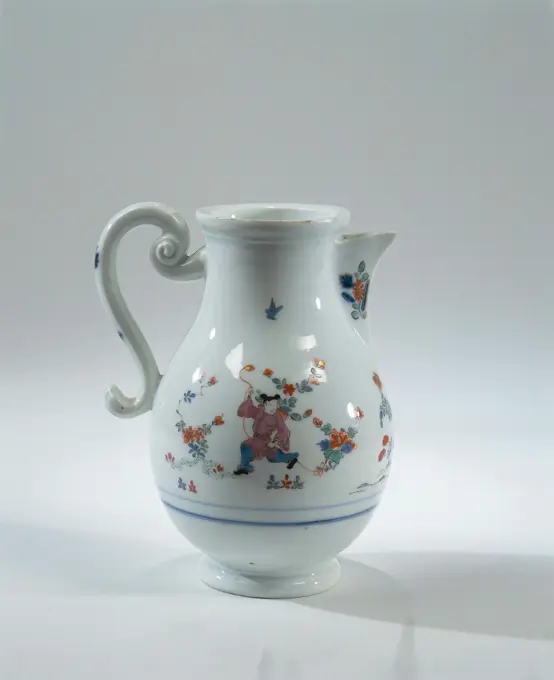
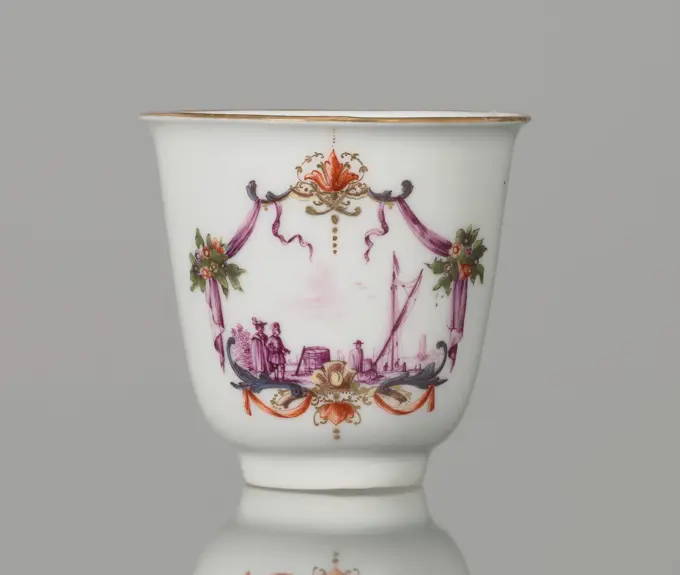
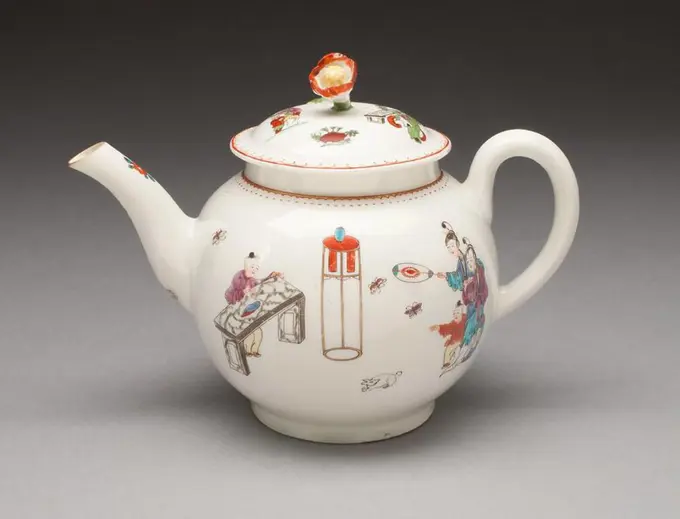
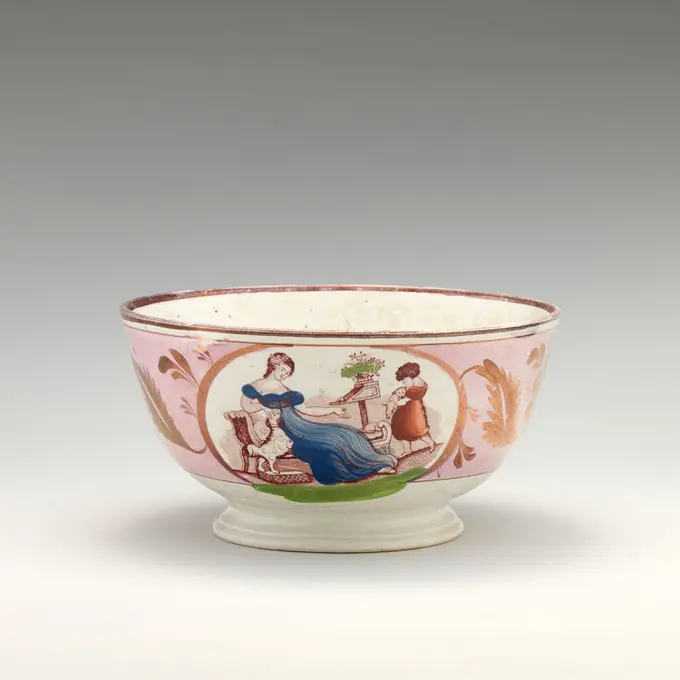
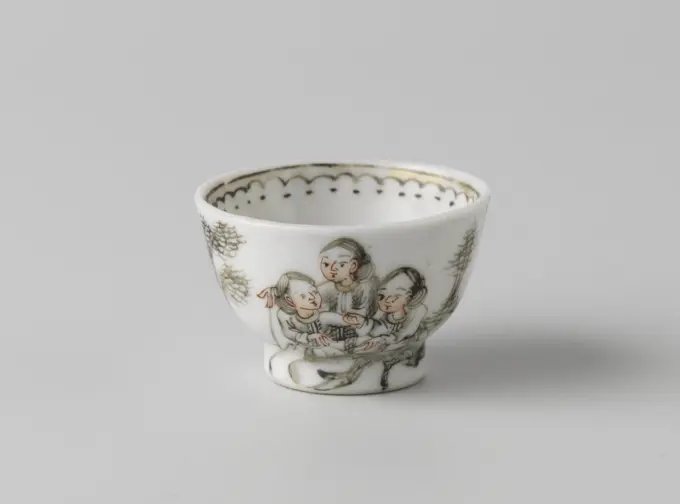
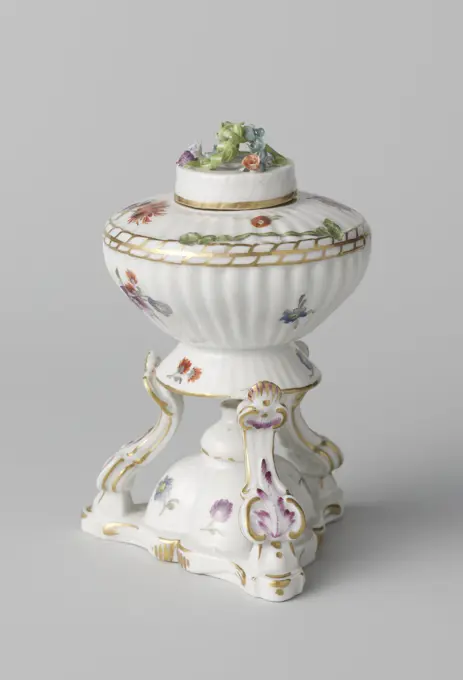
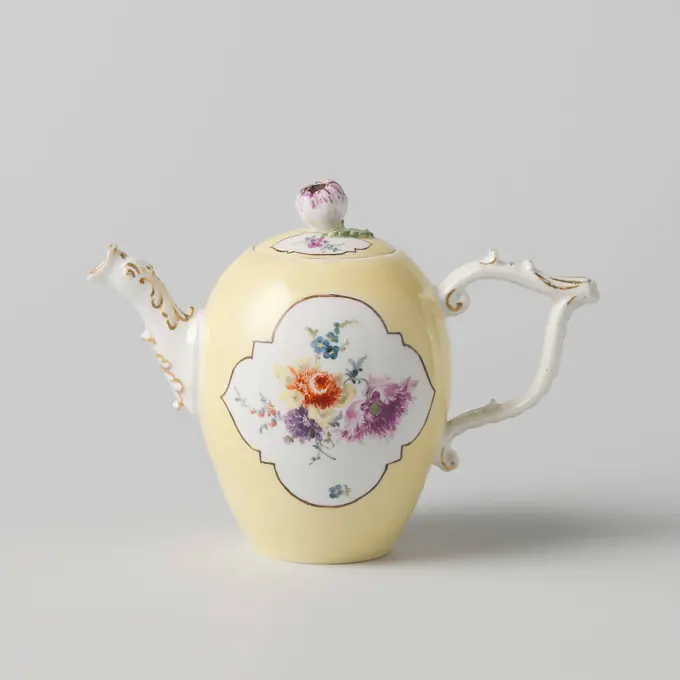
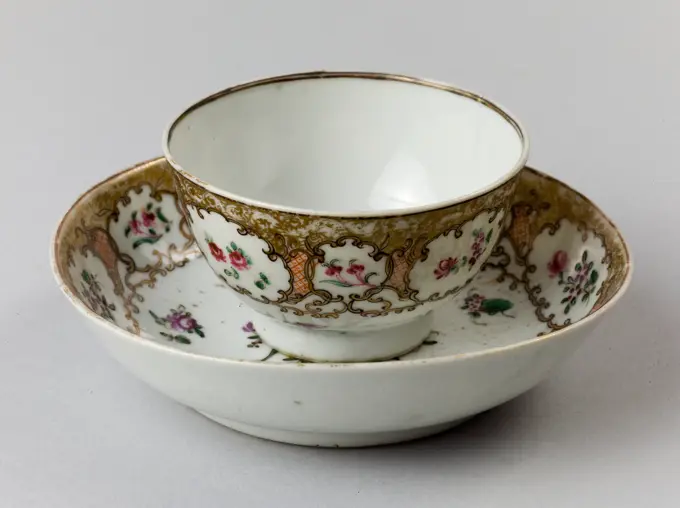
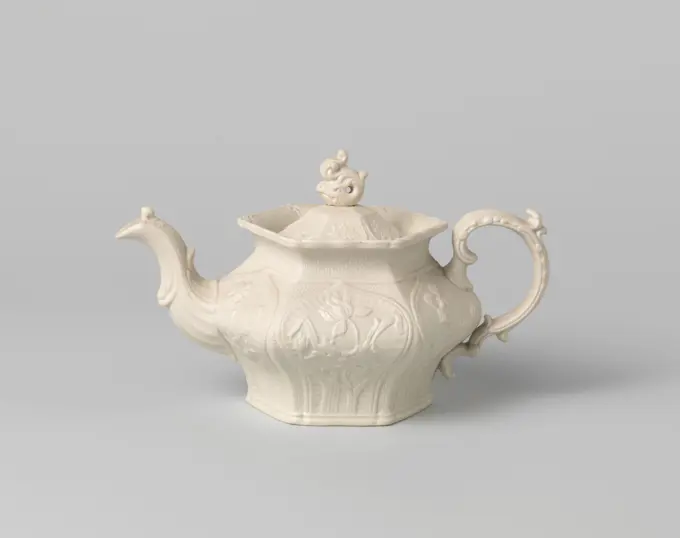
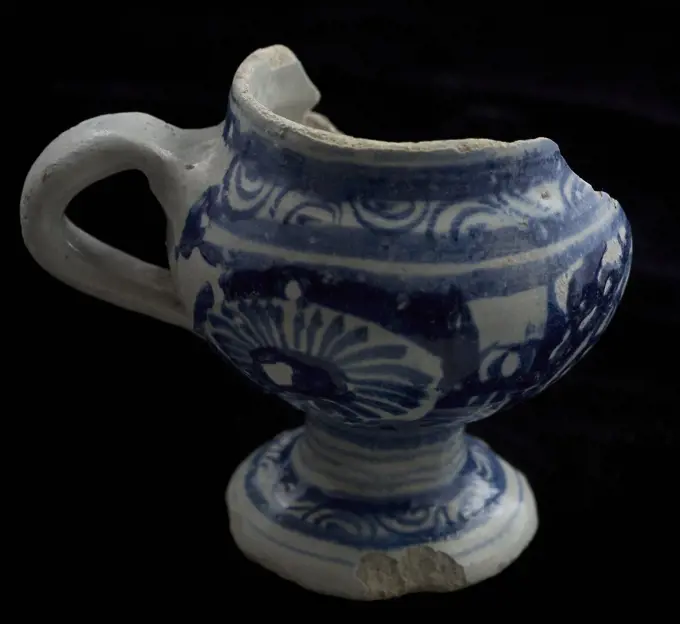
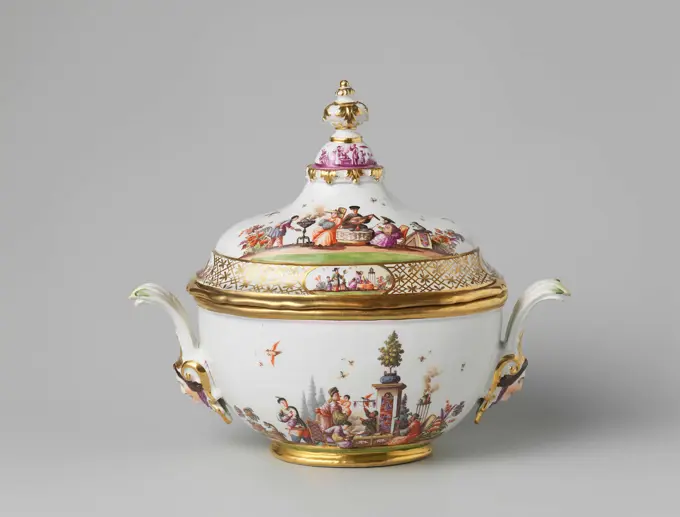
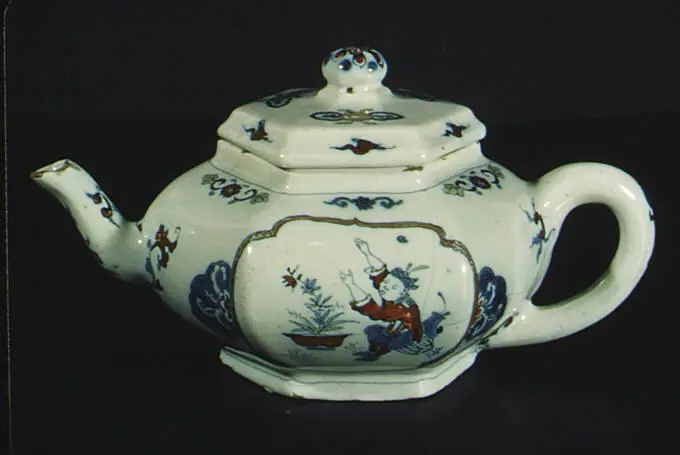
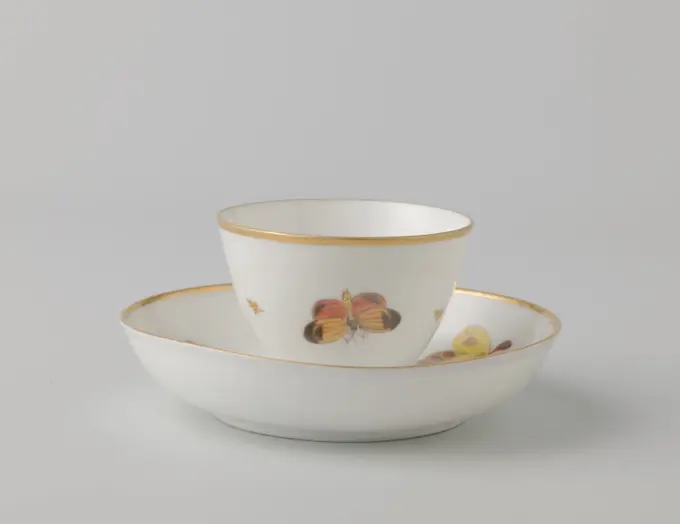
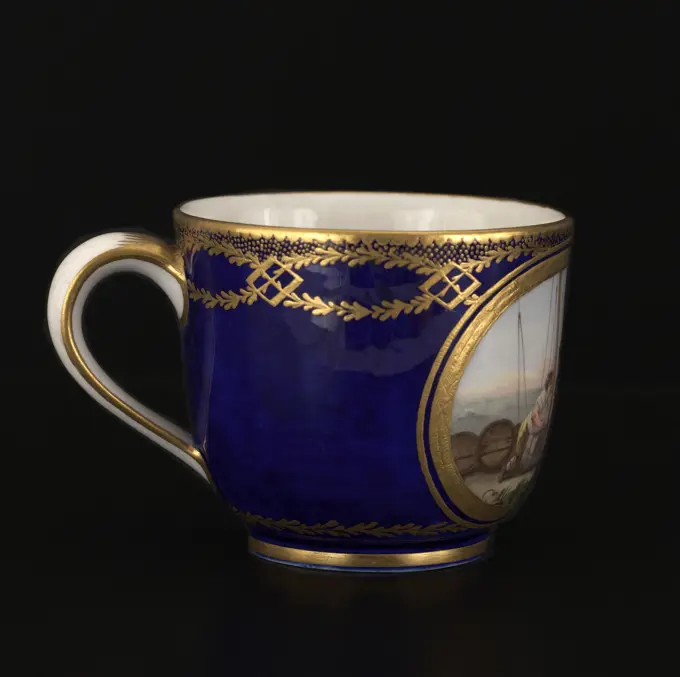
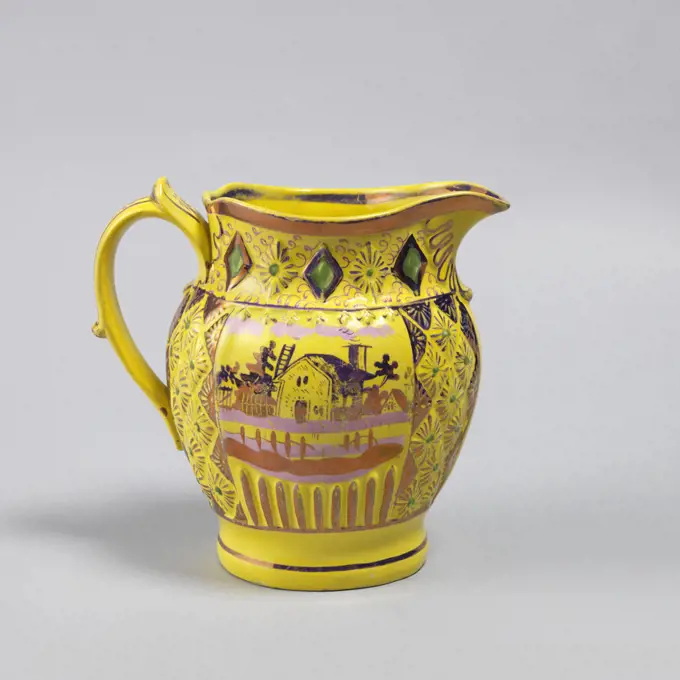
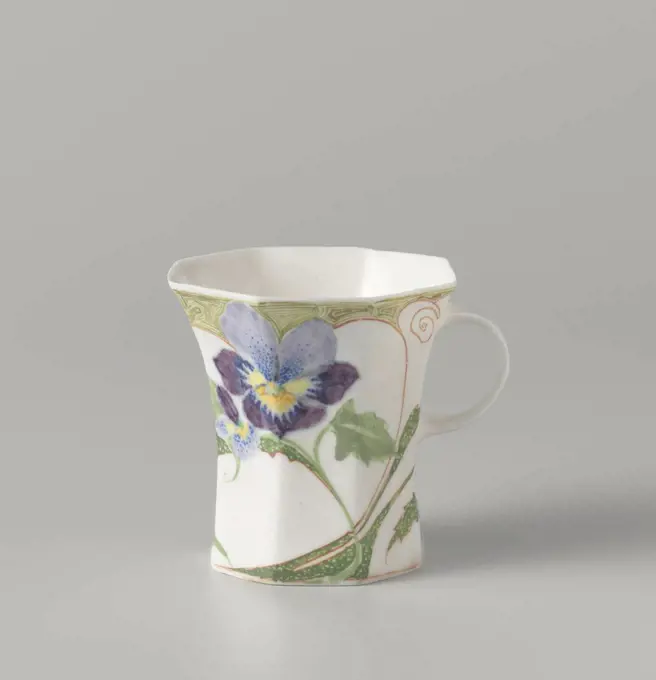
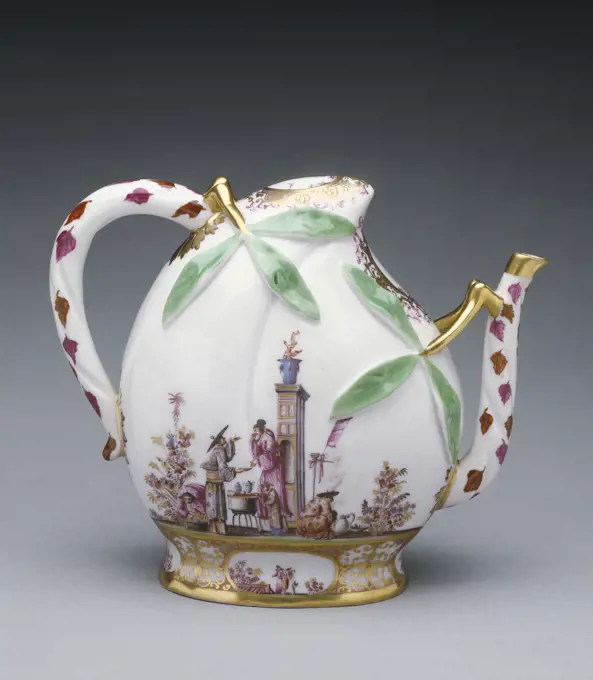
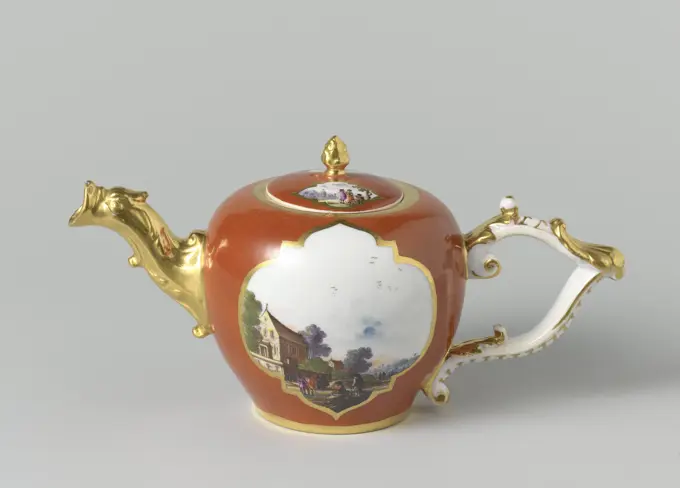
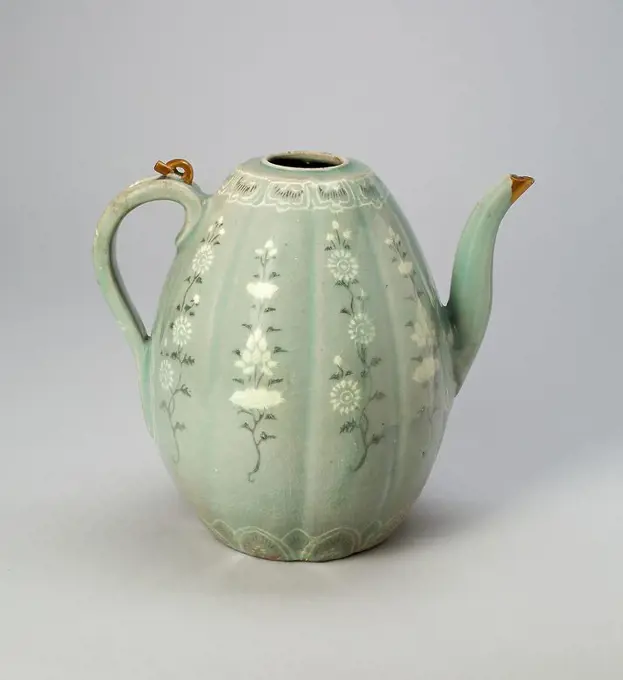
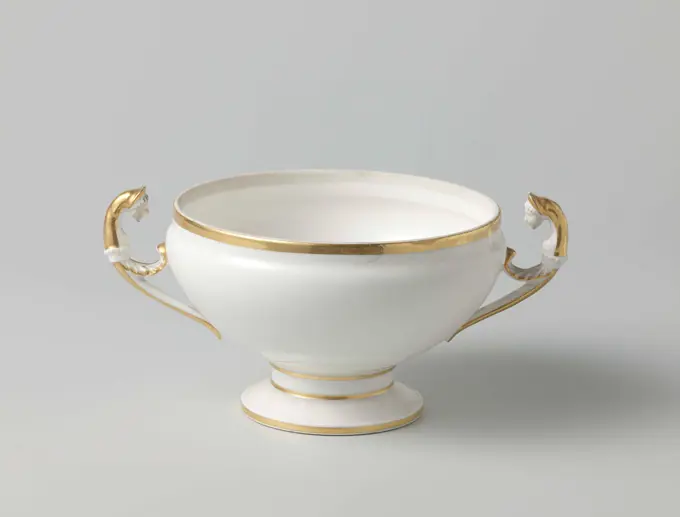
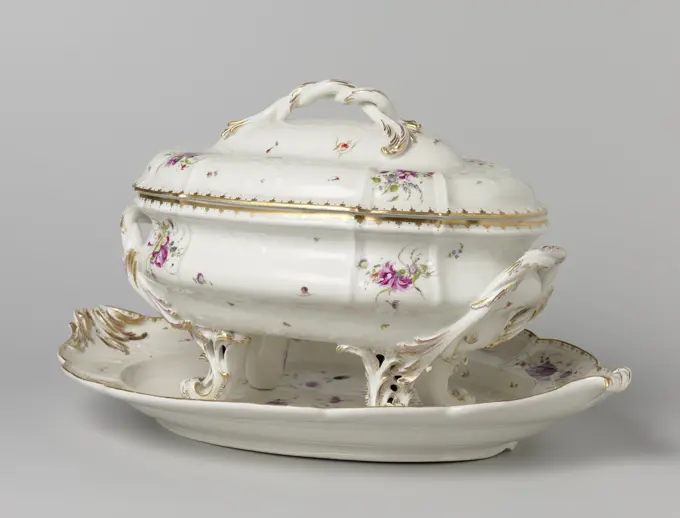
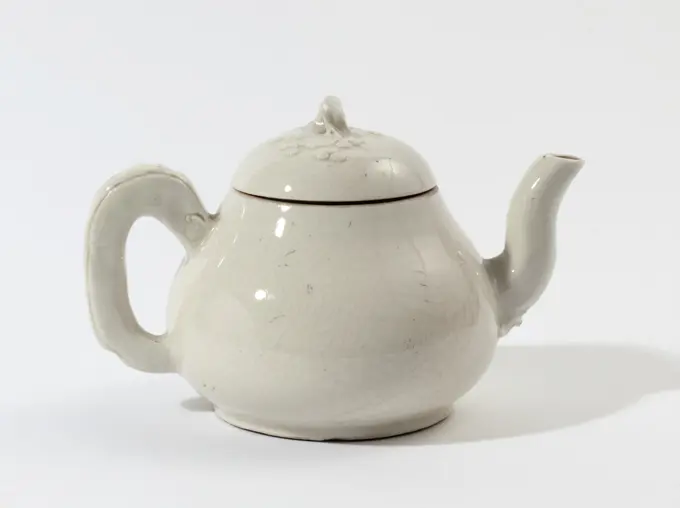
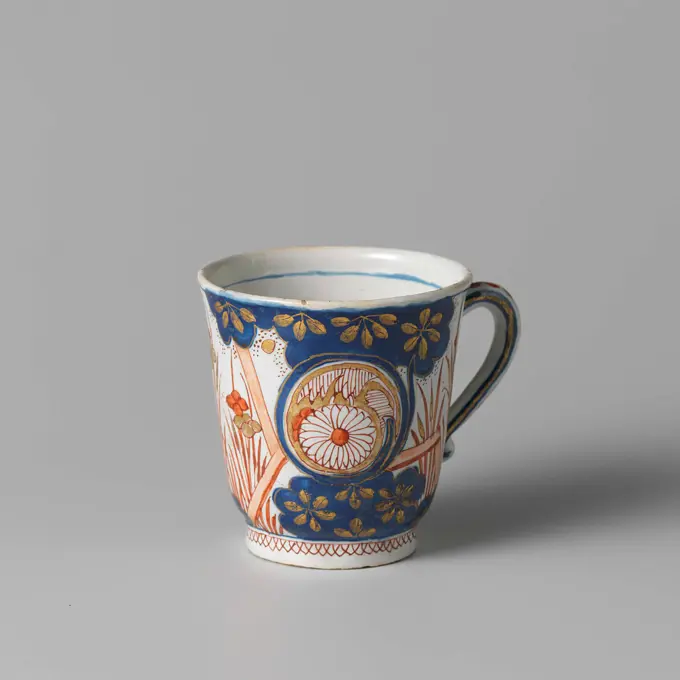
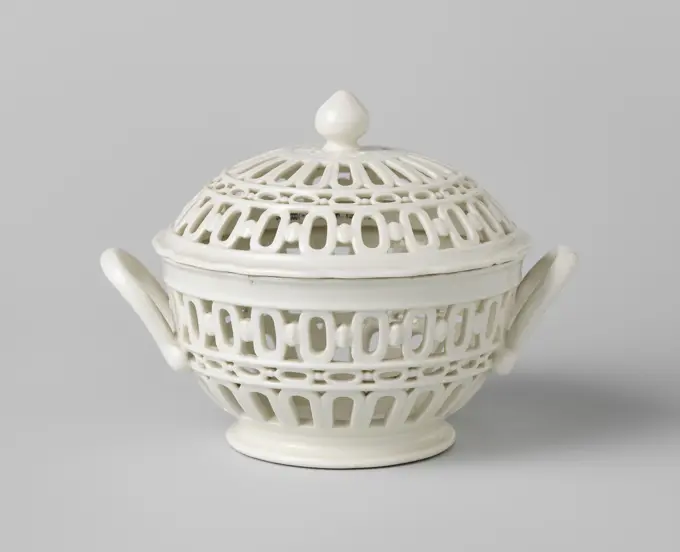
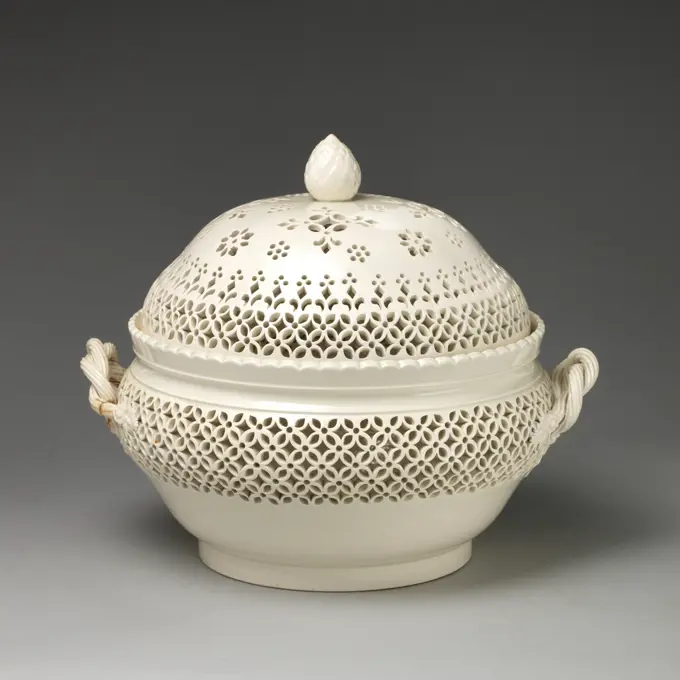
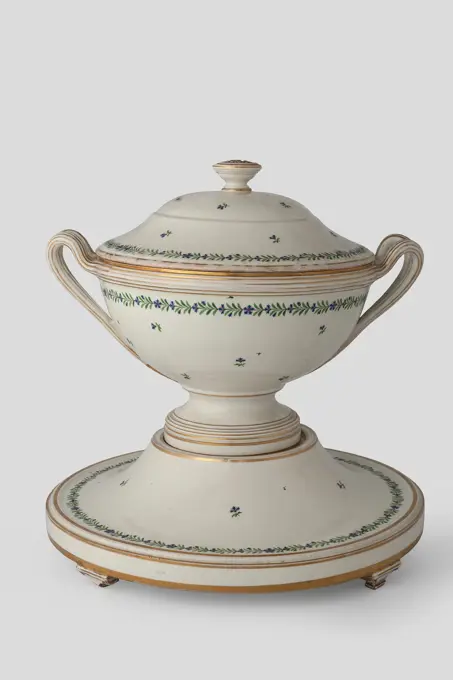
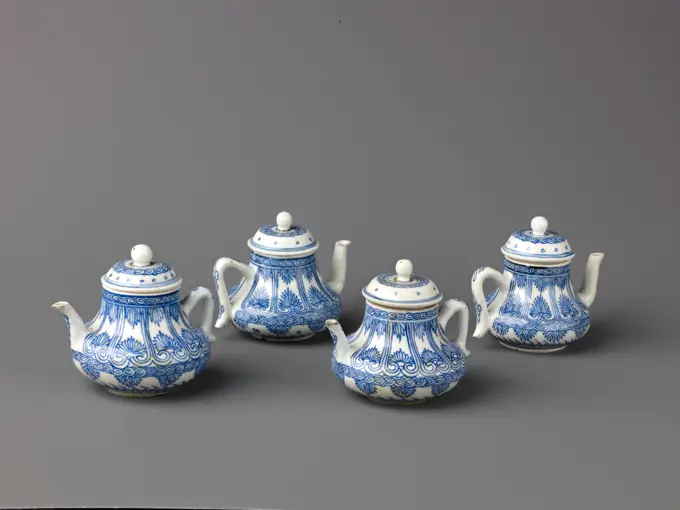
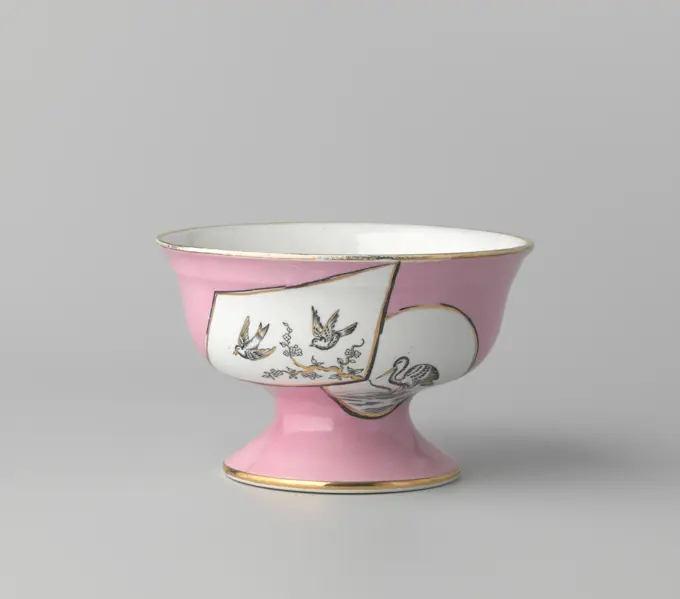
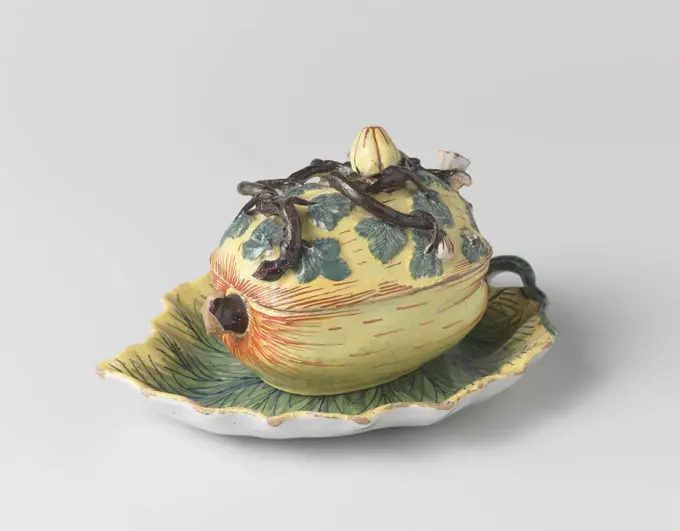
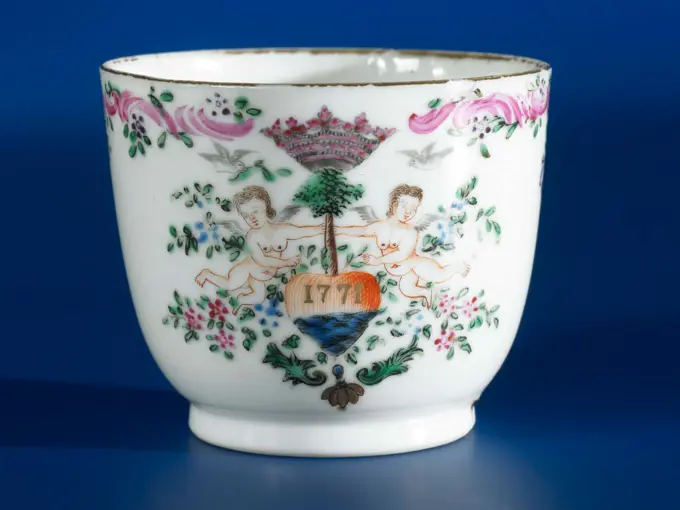
Cup with handle with a crowned, illegible monogram surrounded by two flower sprays, anonymous, c. 1750 - c. 1774 Porcelain ear head, painted on the glaze in blue, red, pink, green, yellow, black and gold. On the outer wall a crowned, unreadable monogram surrounded by two flower branches; Around the ear flower vines with a cartouche with a landscape and four medallions with plants. European performance in email colors. China porcelain. glaze. gold (metal) painting / gilding / vitrification Porcelain ear head, painted on the glaze in blue, red, pink, green, yellow, black and gold. On the outer wall a crowned, unreadable monogram surrounded by two flower branches; Around the ear flower vines with a cartouche with a landscape and four medallions with plants. European performance in email colors. China porcelain. glaze. gold (metal) painting / gilding / vitrificationJuG, the PORIANHOOFT, C. 1685 - c. 1690 Can of faïence, multi -colored painted with Chinese figures. Delft . Can of faïence, multi -colored painted with Chinese figures. Delft .Teapot with Urn Pattern, Fürstenberg Porcelain Manufactory, German, established 1747, hard paste porcelain, vitreous enamel, gold, Cylindrical, slightly outcurved spout, rectangular strap handle, slightly domed cover with pineapple finial. Decoration, in pale colors, of an urn with foliate rinceaux, and bands of foliage in color and gilding. Bottom unglazed., Germany, 1780-1800, ceramics, Decorative Arts, teapot, teapotTea set consisting of a teapot, a sugar bowl, a rinse bowl and twelve cups and saucers painted multicolored with trophies hanging on blue bows. The trophies relate to various professions. Signature in black: Amstel (the Amstel N. 805 sugar pace and reel). Different ingrangled marks in the headlines and saucers.Ice Pail, c. 1795. Derby (Crown Derby Period) (British). Porcelain; overall: 21.6 x 24.2 cm (8 1/2 x 9 1/2 in.).Tankard ca. 1735 Vienna Representations of coopers, appropriate for figural handles of barrel-shaped tankards, are known on six surviving examples made at Du Paquier. Barrel-shaped tankards in three sizes are frequently mentioned in the list of prizes in a lottery of Du Paquier porcelain held in 1735 and are almost always referred to as Wermuth-Fass or Wermuth-Vässel (literally, Wermuth barrel”). Wermuth was a popular type of beer or wine flavored with bitter wormwood.. Tankard. Austrian, Vienna. ca. 1735. Hard-paste porcelain. Ceramics-PorcelainTea sets, multi-colored painted with flowers and ears of corn. Porcelain, consisting of teapot, milk jug, sugar bowl, flush bowl and five cups and six dishes, multi-colored painted with flowers and ears. Different objects with ingrangled numbers such as: 165, 90, 188, 8 and 3.Creamer 1750-1760 Worcester. Soft-paste porcelain with underglaze blue decoration . Worcester Royal Porcelain Company (Manufacturer)Toilet box on chassis, multicolored painted with a kakiemon decor, Meissener Porzellan Manufaktur, c. 1730 Toilet box with lid, on a frame, made of painted porcelain. Box and chassis have the shape of a five pass. The lid is painted with a dancing woman between two standing and two sitting figures. Up and below the show along the edge, clouds, rocks, a tree and a flower branch are painted. Flower branches are painted on the wall and on the flat and legs of the chassis and flowers. The toilet box and frame are marked. Float porcelain Toilet box with lid, on a frame, made of painted porcelain. Box and chassis have the shape of a five pass. The lid is painted with a dancing woman between two standing and two sitting figures. Up and below the show along the edge, clouds, rocks, a tree and a flower branch are painted. Flower branches are painted on the wall and on the flat and legs of the chassis and flowers. The toilet box and frame are marked. Float porcelainEwer, 18th century, 8 3/4 x 9 1/4 x 6 1/8 in. (22.23 x 23.5 x 15.56 cm), Porcelain with cobalt blue decoration under a clear glaze, China, 18th century, This unusual four-legged covered ewer takes the general form of a type of ancient bronze wine vessel termed ho. The work is a fine example of the use of an ancient bronze shape in combination with designs painted in underglaze blue-and-white. The rare decorative pattern consists of numerous ling-chih fungus (the fungus of immortality) set against an overall tendril design. The eight Buddhist emblems (conch, umbrella, canopy, unending knot, double fish, lotus, wheel of the law, and vase), each appearing above a lotus blossom, encircle the belly of the vessel. In combination, the symbols signify Buddhist values and a wish for good health and long life. The inclusion of Buddhist symbols suggests that this vessel might have been intended for Buddhist rituals.Anonymous. "Butter and cover at the snail". Earthenware. Paris, Museum of Romantic Life. BEURRIER. Lead-glazed earthenware (creamware) .Teapot ca. 1715-20, decoration ca. 1725 Meissen Manufactory German. Teapot. German, Meissen with Augsburg decoration. ca. 1715-20, decoration ca. 1725. Hard-paste porcelain. Ceramics-PorcelainTeapot 1750-1755 Staffordshire. Salt-glazed stoneware, with applied decoration and polychrome enamelsCoffeepot ca. 1838 Manufactured by Tucker Factory. Coffeepot 2147. Milk jug from painted porcelain. The can be painted with a contour chinoiserie with two riders on one side and a running boy with a basket with flowers on the back, pulling a flower branch on a rope behind on the other side. The milk jug has been marked and the lid is missing.Octagonal teapot with a seascape with European ships, anonymous, c. 1725 - c. 1749 Cover of octagonal porcelain teapot, painted in underlaze blue. The lid with leaf vines and a band with leaves. A stylized flower on the lid. Blue White. Japan porcelain. glaze. cobalt (mineral) painting / vitrification Cover of octagonal porcelain teapot, painted in underlaze blue. The lid with leaf vines and a band with leaves. A stylized flower on the lid. Blue White. Japan porcelain. glaze. cobalt (mineral) painting / vitrificationOLLA O PUCHERO VIDRIADO Y DECORADO EN VERDE Y AZUL CON PLATO-S XX. Location: ALFARERIA. SPAIN.Fili Anka Wysoka Kielichowa; Koenigliche Porcellain Fabrique, Meissen (1710-1763); around 1750 (1745-00-00-1755-00-00);Teapot. Worcester Porcelain Factory; Worcester, England, founded 1751. Date: 1755-1765. Dimensions: H. 14 cm (4 1/4 in.). Soft-paste porcelain with polychrome enamels. Origin: Worcester. Museum: The Chicago Art Institute, Chicago, USA. Author: Worcester Royal Porcelain Company.Covered Turen with Groups or Flowers and Ornamental Border. Porcelain terrine, painted on the glaze in blue, red, pink, green, yellow, black and gold. On the outer wall of the bowl three flower groups with peony, aster and bamboo; On the outer edge a wide decorative bond with flower branches on napkin work and dependent lotus drinks with lucky symbols (musical stone, ruyi motif); a large flower group on the bottom and three flower groups on the inner wall; The inner edge with a band Ruyi motifs. Family Rose.Teapot 1755-1765 Staffordshire. Salt-glazed stoneware, polychrome enamels .Bowl. Culture: British, Newcastle. Dimensions: 3 1/2 × 6 5/8 in. (8.9 × 16.8 cm). Factory: Possibly Dawson & Co.. Date: early 19th century. Museum: Metropolitan Museum of Art, New York, USA.Milk jug with a woman and a putto in a medallion, Fürstenberg, c. 1785 - c. 1795 Porcelain milk jug with a cylindrical body, triangular spout from the wall and angular ear, painted on the glaze in sepia and gold. On the belly twice a medallion with a classically dressed woman, kneeling with an object in her hands, and in the other a putto with a flower garland. Above the medallions a garland with a bond with a leaf shelf above it. The base of the spout is modeled in a flower, with a painted rosette above it. The ear with golden lines, dots and floral motifs. Golden line on the neck. Lid with a leaf vank and lid button in the shape of a pine cone. Marked on the underside with F-I and Bö and D1. Fürstenberg porcelain. glaze. gold (metal) painting / gilding / vitrification Porcelain milk jug with a cylindrical body, triangular spout from the wall and angular ear, painted on the glaze in sepia and gold. On the belly twice a medallion with a classically dressed woman, kneeling with an objecSauceboat lid - EML  John Ridgway & Company, 1830-1855 John Ridgway & Company, 1830-1855Terrine, multi -colored painted with chinoiseries, Meissener Porzellan Manufaktur, after Pieter Schenk (II), c. 1730 - c. 1735 Terrine of painted porcelain. The terrine has two ears and the lid a flower bud with leaves as a button. Two contour chinoiseries were painted on the terrine: one with four and one with two children playing. The terrine is marked. Float porcelain Terrine of painted porcelain. The terrine has two ears and the lid a flower bud with leaves as a button. Two contour chinoiseries were painted on the terrine: one with four and one with two children playing. The terrine is marked. Float porcelainCup with four people in a landscape, anonymous, c. 1750 - c. 1774 Porcelain head with straight wall, painted on the glaze in red, black and gold. Four people, two standing and two sitting, depicted in a landscape with trees, rocks, plants and a building; A decorative band on the edge. A crack in the wall. Encre de Chine. China porcelain. glaze. gold (metal) painting / gilding / vitrification Porcelain head with straight wall, painted on the glaze in red, black and gold. Four people, two standing and two sitting, depicted in a landscape with trees, rocks, plants and a building; A decorative band on the edge. A crack in the wall. Encre de Chine. China porcelain. glaze. gold (metal) painting / gilding / vitrificationPair of Incense Burners, Porcelain Factory The Hague, c. 1777 - c. 1790 Incense burner, a ribbed jar on three legs in the form of rocaille volutes and leaves in relief resting on a triangular base. The painting consists of a spray pattern of small flowers. Marked with a stork in blue under the glaze. N.B. Ansbach's hard porcelain painted in The Hague. The Hail Hate Company: Ansbach porcelain Incense burner, a ribbed jar on three legs in the form of rocaille volutes and leaves in relief resting on a triangular base. The painting consists of a spray pattern of small flowers. Marked with a stork in blue under the glaze. N.B. Ansbach's hard porcelain painted in The Hague. The Hail Hate Company: Ansbach porcelainTeapot with lid, painted multi-colored with Deutsche Blumen in crafted fours in a yellow fond. Teapot with lid of painted porcelain, the egg-shaped pot has a double bent ear, a spout and a lid with a button. The pot is covered with a yellow fond with saved fours in which Deutsche Blumen. The pot has been marked.Anonymous. "Tea and saucer of the India Company". Porcelain. Paris, Museum of Romantic Life. PORCELAINCup and Saucer, porcelain factory The Hague, c. 1777 - c. 1790 Head, multicolored painted with a decor of vegetables and fruits surrounded by sprinkles. Marked with a stork in blue under the glaze. N.B. German porcelain painted in The Hague. The Hail Hate Company: Ansbach porcelain Head, multicolored painted with a decor of vegetables and fruits surrounded by sprinkles. Marked with a stork in blue under the glaze. N.B. German porcelain painted in The Hague. The Hail Hate Company: Ansbach porcelainBourdalou (France); Possibly by Sèvres Porcelain Manufactory (France); enameled and gilt porcelain; 10.5 x 22.3 x 10.2 cm (4 1/8 x 8 3/4 x 4 in. )Covered tureen with groups of flowers and ornamental border, anonymous, c. 1800 - c. 1899 Terrine of porcelain with lid, painted on the glaze in blue, red, pink, green, yellow, black and gold. On the outer wall of the bowl three flower groups with peony, aster and bamboo; On the outer edge a wide decorative band with flower branches on servetwork and hanging lotus vines with lucky symbols (musical stone, Ruyi motif); On the bottom a large flower group and three flower groups on the inner wall; The inner edge with a band Ruyi motifs. The lid with the same decoration with a flower rosette on the lid button and on the edge a strap with flower vines on servetwork. Famle Rose. China porcelain. glaze. gold (metal) painting / gilding / vitrification Terrine of porcelain with lid, painted on the glaze in blue, red, pink, green, yellow, black and gold. On the outer wall of the bowl three flower groups with peony, aster and bamboo; On the outer edge a wide decorative band with flower branches onTureen 1720-1730 Vienna. This is one of a group of ten tureens of differing size said to have been made for a Prince de Rohan in about 1725. These tureens are among the first to have been made in silver or porcelain, as tureens did not become an essential element in table services until the next decade.. Hard-paste porcelain, polychrome enamels, and gilding . Du Paquier Porcelain Manufactory (Manufacturer)Cup with putti on clouds, Ansbach, 1785 Porcelain head (tea head) with a C-shaped ear, painted on the glaze in pink (Camaïeu) and gold. Two putti on a cloud on the outside wall. One has a bouquet, the other a book with the date '1785'. To sprinkle the show in gold. The inner edge with a twisted band, on which garlands and flower branches hang. Golden line on the foot and golden edge. Marked on the underside with the stork. porcelain company: GermanyThe Hague porcelain. glaze. gold (metal) painting / gilding / vitrification Porcelain head (tea head) with a C-shaped ear, painted on the glaze in pink (Camaïeu) and gold. Two putti on a cloud on the outside wall. One has a bouquet, the other a book with the date '1785'. To sprinkle the show in gold. The inner edge with a twisted band, on which garlands and flower branches hang. Golden line on the foot and golden edge. Marked on the underside with the stork. porcelain company: GermanyThe Hague porcelain. glaze. gold (metal) painting / gildinJug with lid. Horodnica (faience and porcelain factory; 1807-2012); 1846 (1846-00-00-1846-00-00);Teacup, Coffee Cup, and Saucer. Worcester Porcelain Factory; Worcester, England, founded 1751. Date: 1775-1780. Dimensions: Teacup H: 5.1 cm (2 in.); Coffee cup: H. 6.7 cm (2 2/3 in.); Saucer: diam. 13.9 cm (5 1/2 in.). Soft-paste porcelain with polychrome enamels and gilding. Origin: Worcester. Museum: The Chicago Art Institute, Chicago, USA. Author: Worcester Royal Porcelain Company.Soup tureen with a lid. Ćmielów (fabryka fajansu i porcelany ; 1804-), factoryTeapot, hexagonal, gres blanc, with cartouches with flowers in relief, Peter Regout, c. 1870 - c. 1890 Teapot of glazed earthenware, Gres Blanc. The hexagonal pot is decorated in relief with six UI-shaped cartouches with flowers, against a matted background. The C-shaped ear is made up of stylized leaves. The S-shaped spout is equipped with volute-like relief decorations. Maastricht . vitrification Teapot of glazed earthenware, Gres Blanc. The hexagonal pot is decorated in relief with six UI-shaped cartouches with flowers, against a matted background. The C-shaped ear is made up of stylized leaves. The S-shaped spout is equipped with volute-like relief decorations. Maastricht . vitrificationFragment mustard pot on foot with one ear, blue on white, on the belly chinese daisies, mustard pot pot crockery holder earth discovery ceramics pottery glaze tin glaze, archeology indigenous pottery craft stonewareTureen and stand. Meissener Porzellan ManufakturMeissen, c. 1730-1735hard-paste porcelainTeapot ca. 1680-85 Rochus Jacobsz Hoppesteyn. Teapot. Dutch, Delft. ca. 1680-85. Tin-glazed earthenware. The Young Moor's Head Factory (Het Oude Moriaenshooft) (1761-1769). Ceramics-PotteryPair Of Cache-pots (France); soft-paste porcelain, underglaze decoration; 1906-23-8-a,bTeapot 1755-1765 Staffordshire. Salt-glazed stoneware, polychrome enamels .Dish painted with butterflies and dragonflies, Porcelinfabriek aan den Amstel, 1784 - 1809 Dish, multi -colored painted with butterflies and dragonflies. Marked: Amstel. Ouder-Amstel porcelain Dish, multi -colored painted with butterflies and dragonflies. Marked: Amstel. Ouder-Amstel porcelainCup With Handle From The 'SwellenGrebel Service' With a Double Crowned Monogram and a Border With Floral Scrolls. Porcelain earhead, painted on the glaze in blue, red, pink, green, yellow, black and gold. On the outer wall a crowned, double mirror monogram with 'mva' and 'hedd' surrounded by shell motifs, curlwork and flower branches; The outer edge with a bond with flower drinks. European performance in email colors.Jean-Louis Morin. Bouillard cup. Porcelain, 1765-1770. Paris, Cognacq-Jay museum. 79169-5 Anse, threatening art, blue, gilding, porcelain, fog cup, dishes, 18th 18th 18th 18th 18th 18th 18th centuryPitcher, Stoneware, Yellow pitcher with embossed with pink lustre decoration, curved spout and loop handle with feathered treatment. Depiction of house in a landscape surrounded embossed floral diamond pattern., England, 18th-mid-19th century, ceramics, Decorative Arts, PitcherSoup tartrine with lid of hard-baked pottery, wedgood creamware .. Soup tartrine with lid of hard-baked pottery. The terrine is on a foot and has high, C-shaped ears. The top of the ears has the shape of a (papyrus) Leaf that lies against the terrine. From the leaf a flower walks into relief on either side of the terrine. The lid is vaulted and has a flat button in the shape of a flower. The terrine and lid are painted with black lines and a rank with flowers and fruits. The terrine has been marked: Wedgwood.Cup, part of a set, painted with violins, N.V. Haagsche Plateelfabriek Rozenburg, C.W.J. 't Hart, 1913Cup And Saucer (possibly France); glazed, gilt and enameled porcelainWine Pot; Studio of Johann Gregor Höroldt (German, 1696 - 1775), Meissen Porcelain Manufactory (German, active 1710 - present); Meissen, Germany; about 1725; Hard-paste porcelain, polychrome enamel decoration, and gilding; 14 x 17 x 8.9 cm (5 1,2 x 6 11,16 x 3 1,2 in.)Teapot, multi -colored painted with water landscapes in saved four passes in an Oranjerode Fond, Meissener Porzellan Manufaktur, c. 1735 Teapot of painted porcelain. The teapot is covered with an Oranjerode Fond, in which accolade -shaped four passes are saved with (water) landscapes with European figures, sometimes with bales and ships. The teapot is marked. Float porcelain Teapot of painted porcelain. The teapot is covered with an Oranjerode Fond, in which accolade -shaped four passes are saved with (water) landscapes with European figures, sometimes with bales and ships. The teapot is marked. Float porcelainMelon-Shaped Ewer with Stylized Floral Scrolls. Korea. Date: 1201-1300. Dimensions: H. 20.6 cm (8 1/8 in.). Stoneware with celadon glaze and underglaze inlaid decoration of black and white clays, with gold repair. Origin: Korea. Museum: The Chicago Art Institute, Chicago, USA.Scale with lid (B), with golden tires and ears decorated with women's heads. Scale with lid (B) of porcelain, decorated with golden tires and with women's heads on the high-headed ears. Signature: CO 61.Tureen and Stand, porcelain factory Frankenthal, c. 1759 - c. 1762 Oval terrine on porcelain dish on four feet and with two handles in the form of leaf vines. Painted in underly glaze blue and on the glaze blue, red, pink, green, yellow, black and gold. On the outside wall bouquets of various flowers in email and in relief. Above the feet also a modeled band with flower vines in relief. A decorative band on the edge. The lid with the same decoration; Handle in the form of a twisted leaf vank. Marked on the underside with the lion, Jah (Joseph-Adam Hannong), X, I and IH. Frankenthal porcelain. glaze. gold (metal) painting / gilding / vitrification Oval terrine on porcelain dish on four feet and with two handles in the form of leaf vines. Painted in underly glaze blue and on the glaze blue, red, pink, green, yellow, black and gold. On the outside wall bouquets of various flowers in email and in relief. Above the feet also a modeled band with flower vines in relief. A decorative band on tGourd -shaped teapot. Porcelain, Qing dynasty (1644-1911). Provenance: China, Fujian, Dehua. Paris, Cernuschi museum. 78847-7 Chinese ceramic, Qing dynasty, gourd form, porcelain, theiere, dishesCap Stand (France); tin-glazed earthenwareCup of faience. Cup of faience, painted multi-colored with flower and leaf decoration.Cup with handle with a crowned, illegible monogram surrounded by two flower sprays, anonymous, c. 1750 - c. 1774 Porcelain ear head, painted on the glaze in blue, red, pink, green, yellow, black and gold. On the outer wall a crowned, unreadable monogram surrounded by two flower branches; Around the ear flower vines with a cartouche with a landscape and four medallions with plants. A chip and a crack in the edge. European performance in email colors. China porcelain. glaze. gold (metal) painting / gilding / vitrification Porcelain ear head, painted on the glaze in blue, red, pink, green, yellow, black and gold. On the outer wall a crowned, unreadable monogram surrounded by two flower branches; Around the ear flower vines with a cartouche with a landscape and four medallions with plants. A chip and a crack in the edge. European performance in email colors. China porcelain. glaze. gold (metal) painting / gilding / vitrificationLid. The lid are completely open.Teapot with Dark Celadon Glaze, Meissen Porcelain Manufactory, German, active from 1710 to the present, hard paste porcelain, vitreous enamel, Celadon-glazed teapot molded with broken reeding pattern and with strapwork handle, Germany, 1730-1735, ceramics, Decorative Arts, teapot, teapotMilk jug with Imari decoration. Baranówka (manufaktura porcelany ; 1804-post 1900 ). The mustard pot, which is equipped with a blue glass inner bin, has a S-shaped curved ear and a hinged lid. The right-handed body widens upwards. It is closed on top and bottom edge by a profile edge. The wall is completely open with engraved flower branches. The molded ear, which is decorated with curly-curling volutes, has been hurled irregularly. The vaulted lid has an engraved decoration of leaf raft with a flower. In the edge there is a recess for a spoon that cuts through this decoration. The cast lid knob has the shape of a flower. The bottom of the inner bin has a sharpened decoration of a stylized flower.Chestnut basket with cover ca. 1780 British, Leeds. Chestnut basket with cover. British, Leeds. ca. 1780. Creamware. Ceramics-PotteryCover of a teapot, Fürstenberg, c. 1775 - c. 1785 lid Cover of a teapot painted on the glaze in gold. Decorated with a band of half gold bulbs; Round lid button. Lid is originally not part of the teapot. Fürstenberg porcelain. glaze. gold (metal) painting / gilding / vitrificationBourdaloue (France); tin-glazed earthenwareVeriera with birds and insects. Churfuerstliche Porcellain Fabrique, Meissen (1763/74-1814), manufactureFood Warmer (Veilleuse) Food Container, c. 1758- 1760. Meissen Porcelain Factory (German), probably by Georg Christoph Lindemann (German). Porcelain; overall: 23 x 18.2 x 19.6 cm (9 1/16 x 7 3/16 x 7 11/16 in.).Humps with a bird and flower branches. Flat bottom, smooth, wide stand ring, virtually cylindrical body, smooth, C-shaped ear. On the body in white, red, blue, yellow, green and black a singing bird tussem flower branches. Under the show a double trim, above a double trim with a scoop.Pitcher, one of a pair, c. 1810-1820, 6 7/8 x 5 7/8 x 4in. (17.5 x 14.9 x 10.2cm), Porcelain, gilt, England, 19th centuryTea Caddy With a Crowned, illegible monogram surrounded by two Flower sprays. Porcelain tea bus with four times lobed wall and edge and four short feet, painted on the glaze in blue, red, pink, green, yellow, black and gold. On the outside wall a crowned, unreadable monogram surrounded by two flower branches; Between the monograms Flower drinks with a cartouche in it with a landscape and four medallions with plants. On the shoulder a bond with flower drinks. The lid knob in the shape of a shishi (lion dog); On the lid flower drinks and cartouches with landscapes or flower branches. A baking tear in the edge. European performance in email colors.Soup tureen with a lid and a base. Kaiserliche Porzellanmanufaktur in Wien (1744-1864), factoryLid of butter fleet, manufacture Oud-Loosdrecht, c. 1774 - c. 1778 Porcelain lid. Lightly curved smooth wall and lid. Lid with profiled edge and slightly raised and profiled centerpiece with button. On both sides of the fleet and twice on the lids a landscape ground in Sepia without, with one or with two figures. Loosdrecht porcelain Porcelain lid. Lightly curved smooth wall and lid. Lid with profiled edge and slightly raised and profiled centerpiece with button. On both sides of the fleet and twice on the lids a landscape ground in Sepia without, with one or with two figures. Loosdrecht porcelainPitcher (England); lead-glazed earthenware with green underglaze decorationCup with birds in a landscape, Ansbach, c. 1760 - c. 1800  Porcelain head with ear, painted on the glaze in email colors. Two birds in a landscape on the outside wall. Various insects around it. Also an insect on the soil. Marked on the underside with the A Ansbach porcelain. glaze. painting / vitrificationTeapot Made 1815-1825 Paris. Hard-paste porcelain, polychrome enamels, and gilding . Denuelle Porcelain Manufactory (Manufacturer)Small covered wine pot or teapot 1662-1722 Chinese This small, pear-shaped vessel, similar to three others in the Robert Lehman Collection (1975.1.15-17), has eared handles and curving spouts. The lids may be original to the pots. The pots and lids are painted in a linear style with classic scrolls and pendant petal-panels containing floral motifs, along with both pendant and upright leaf forms. The character yu (jade) is written in underglaze blue, with no encircling element, on each of the bases. The bodies of these four vessels are a bit softer than that of the similar piece 1975.1.1718, and the glazes are creamier in tone. There are chips on the vessels.. Small covered wine pot or teapot 460932Globular Ewer 907 CE-1099 China. Ding-type ware; glazed porcelain .Teapot, anonymous, c. 1720 - c. 1730 Trekpot from Faïence. The pot is hexagonal and has a high right handle. The handle consists of two dragons. Multicolored painted in imitation of the Japanese Kakiemon decoration. Delft . Trekpot from Faïence. The pot is hexagonal and has a high right handle. The handle consists of two dragons. Multicolored painted in imitation of the Japanese Kakiemon decoration. Delft .Egg glass; Koenigliche Porzellan Manufaktur (KPM; Berlin; 1763-1918); 1780-1800 (1832-00-00-1850-00-00);vintage tea pot and cups on white backgroundLid, blue, with scalloped wall, Peter Regout, c. 1860 - c. 1890 Cover of earthenware, blue stone. The spherical, scalloped lid has a glans -shaped button, which contains an air hole. Maastricht . Cover of earthenware, blue stone. The spherical, scalloped lid has a glans -shaped button, which contains an air hole. Maastricht .Teapot ca. 1765 British, Staffordshire Listen to experts illuminate this artwork's story Listen Play or pause #407. Teapots Supported by Bloomberg Philanthropies We're sorry, the transcript for this audio track is not available at this time. We are working to make it available as soon as possible.. Teapot. British, Staffordshire. ca. 1765. Salt-glazed stoneware with enamel decoration. Ceramics-PotteryCupboard bowl on foot, with a pink fond with white surfaces and a range, on which birds. Cupboard bowl on foot of pottery, the outside with a pink fond with three white surfaces and a range, on which birds are shown in a black transframe, with gold. The top edge and the foot edge of the bowl have a golden trim.Teacup and Saucer. Worcester Porcelain Factory; Worcester, England, founded 1751. Date: 1765-1775. Dimensions: H. 6.3 cm (2 1/2 in.); diam. 12.1 cm (4 3/4 in.). Soft-paste porcelain, underglaze blue, polychrome enamels and gilding. Origin: Worcester. Museum: The Chicago Art Institute, Chicago, USA. Author: Worcester Royal Porcelain Company.Loving cup -Mustard pot in the form of a barrel, anonymous, c. 1740 - c. 1765 Mustard pot (A) with lid (B) in the form of a ton multicolour painted with flower branches. Delft . Mustard pot (A) with lid (B) in the form of a ton multicolour painted with flower branches. Delft .Tuit jug with egg -shaped body, anonymous, c. 1700 Flat stain ring, egg -shaped body transferred to a straight neck. Curved spout and hollow, C-shaped ear. England glass glassblowing Flat stain ring, egg -shaped body transferred to a straight neck. Curved spout and hollow, C-shaped ear. England glass glassblowingHead, painted with figures in landscapes. Part of a crockery. Cup of porcelain, painted multi-colored with figures in landscapes. Part of a crockery. Marked with two crossed swords and rebel: MHS.OLLA O PUCHERO VIDRIADO Y DECORADO EN VERDE Y AZUL SIN TAPA-S XX. Location: ALFARERIA. SPAIN.Cup and Saucer, 1881-1917. St. Petersburg Imperial Porcelain Factory (Russian). Porcelain; overall: 7.7 cm (3 1/16 in.).Terrine of multi-colored padded faience, in the form of a pumpkin. Terrine in the form of a pumpkin. With accompanying lid and underfaith.. Cup, painted multi-colored with chinoiseries and loose flower branches along the edges. Marked with two crossed swords and three dumplings in underglazing blue.Pitcher; Shuzan (CA 1880-1920), Yasuda Kyoto Tokiji Goshigaish; 19th/20th century (1891-00-00-1910-00-00);Inkwell. Wedgwood Manufactory; England, founded 1759. Date: 1815-1825. Dimensions: 6.8 × 8.3 × 7.3 cm (2 11/16 × 3 1/4 × 2 7/8 in.). Porcelain with polychrome enamels and gilding. Origin: Burslem. Museum: The Chicago Art Institute, Chicago, USA.. Porcelain earhead, painted on the glaze in blue, red, pink, green, black and gold. On the outside wall a crowned heart with the date '1771'. The heart is held by two angels and includes through flower branches and leaf refines. In addition to the crown two birds. On the outer edge a bond with flower drinks. A crack in the wall. European performance in email colors.Dish with leaf decoration in purple and gold and with calendar second half 1811 on the flat. Dish of porcelain, decorated with leaves in purple and gold and with a calendar for the second half of 1811 on the flat.Pitcher British 19th centuryCup and saucer ca. 1745 Capodimonte Porcelain Manufactory The gift of the Hans Syz Collection in 1995 endowed the Museum with nearly three hundred examples of European and Asian ceramics meticulously acquired by Swiss-born collector Dr. Syz (1894-1991) to chart the migration of models and patterns from East to West. Documenting a continuous process of influence and adaptation, these pieces provide a discriminating review of the nuances of stylistic change resulting from three centuries of trade.. Cup and saucer 208411