Antique Porcelain Tableware

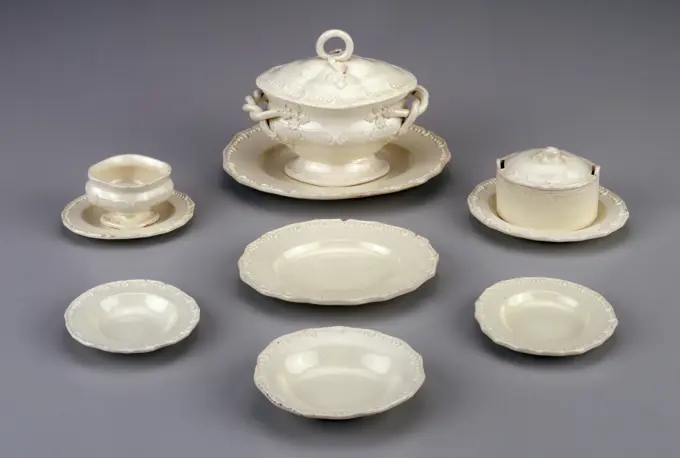
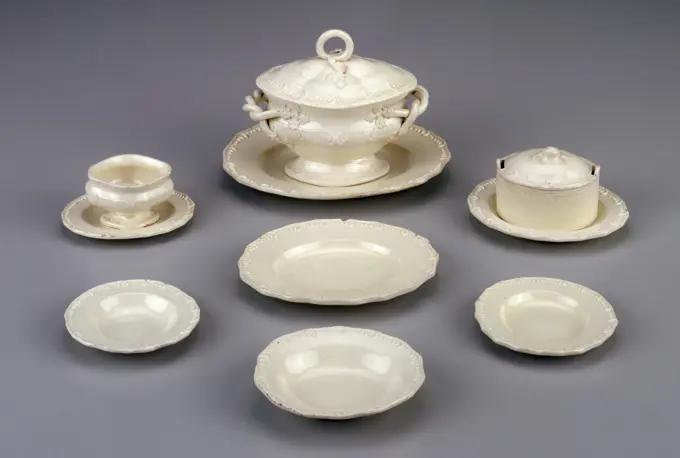
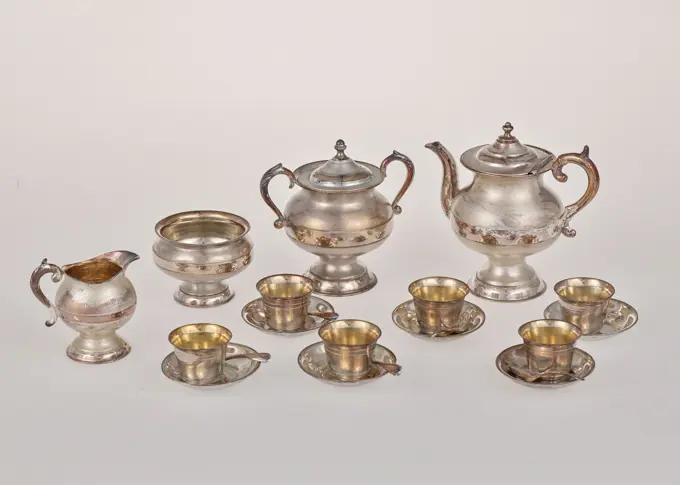
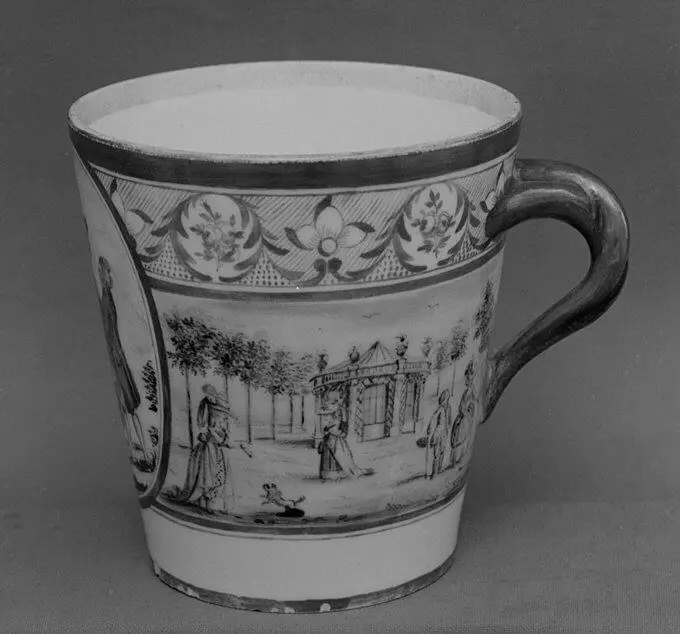
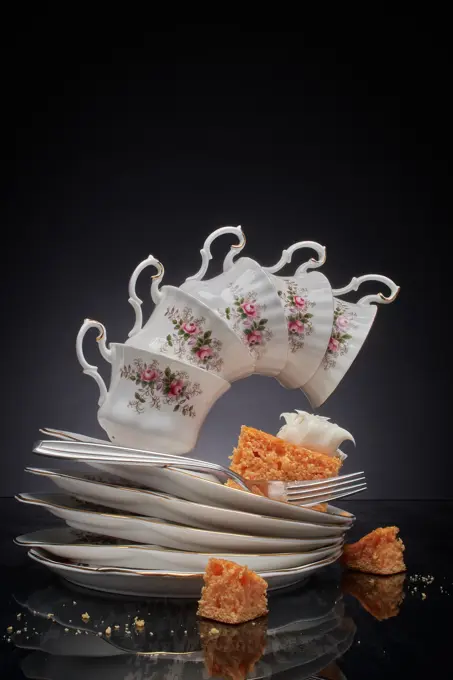
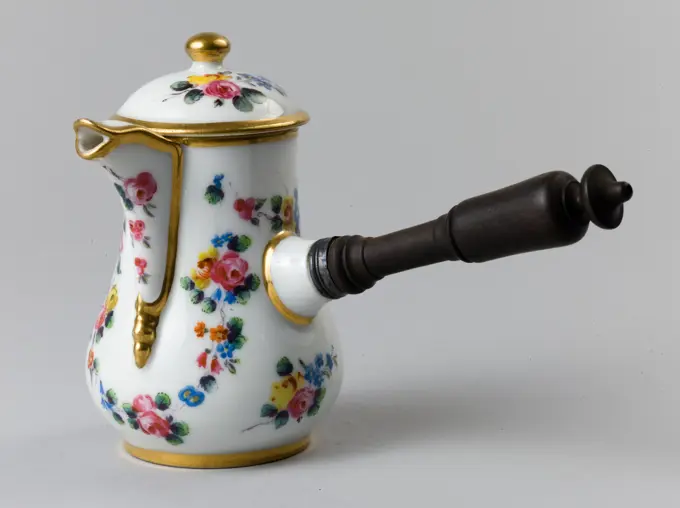
A collection of exquisite porcelain items including cream pots, jugs, and cups, featuring intricate designs and gilding from German porcelain factories of the 18th century.
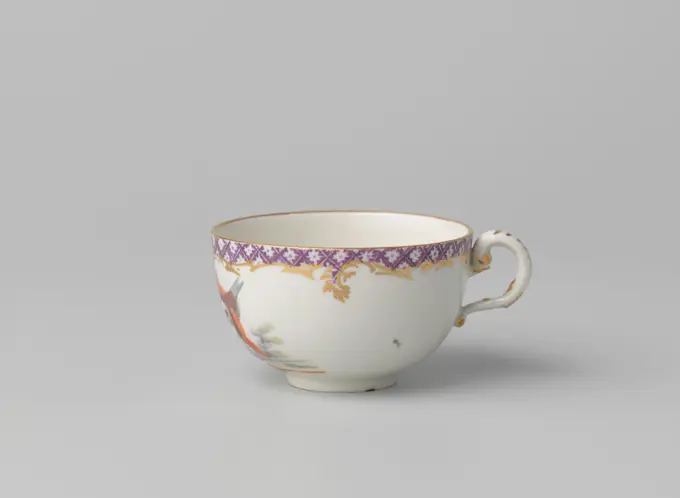
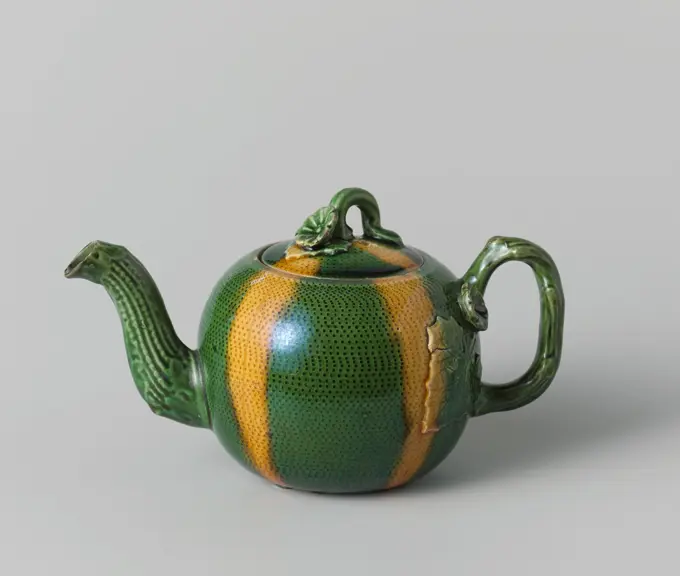
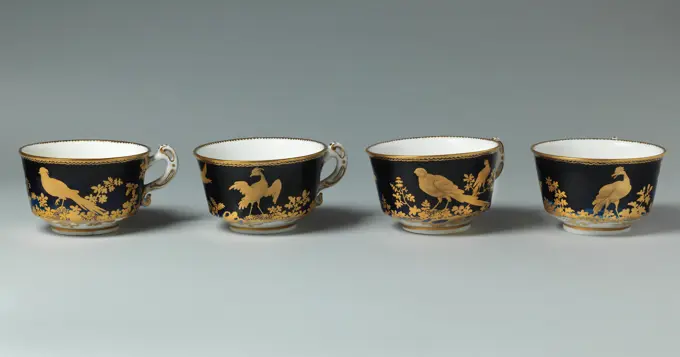
Cup with birds in a landscape, Ansbach, c. 1765 Porcelain head and a curled ear in the shape of a leaf vank, painted on the glaze in enamel colors and gold. Birds in a landscape on the outer wall. The outer edge with a band with servetwork, including Golden Ranks. Sprinkling flowers on the bottom. Golden Rand. Marked on the underside with the A and I. Ansbach porcelain. glaze. gold (metal) painting / gilding / vitrification Porcelain head and a curled ear in the shape of a leaf vank, painted on the glaze in enamel colors and gold. Birds in a landscape on the outer wall. The outer edge with a band with servetwork, including Golden Ranks. Sprinkling flowers on the bottom. Golden Rand. Marked on the underside with the A and I. Ansbach porcelain. glaze. gold (metal) painting / gilding / vitrification
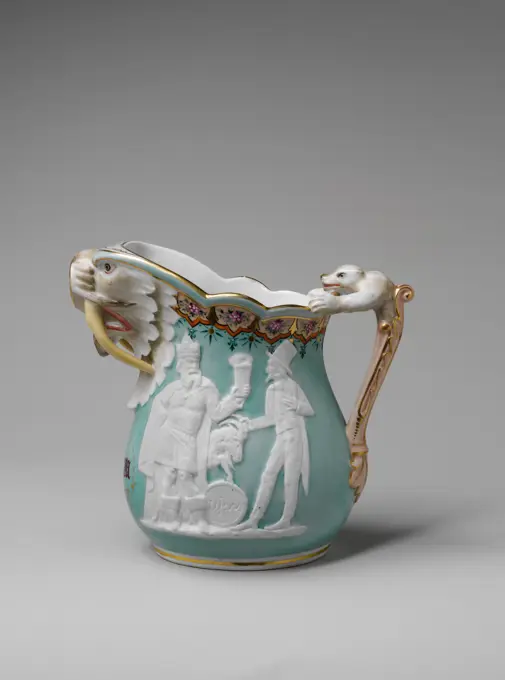
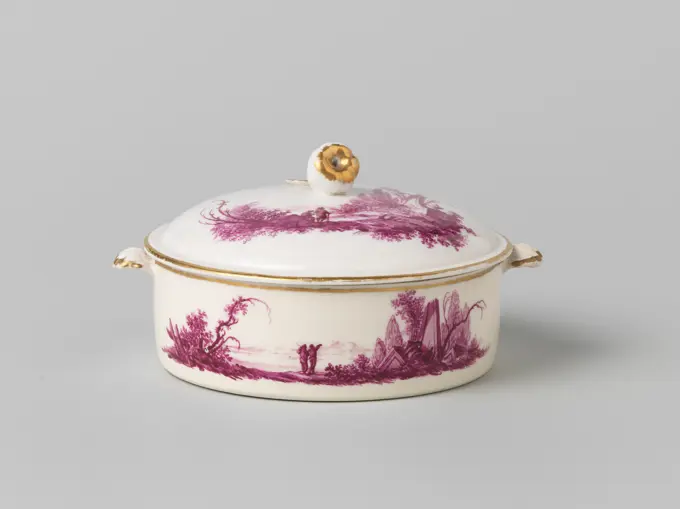
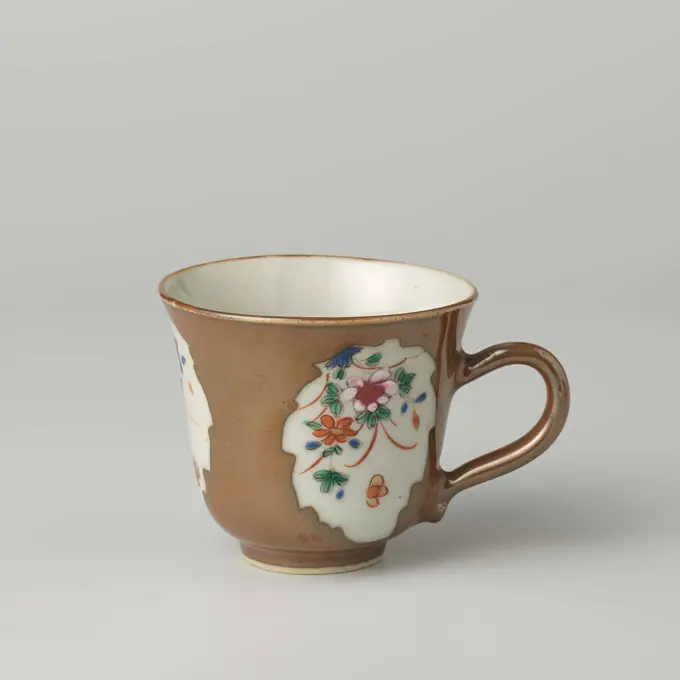
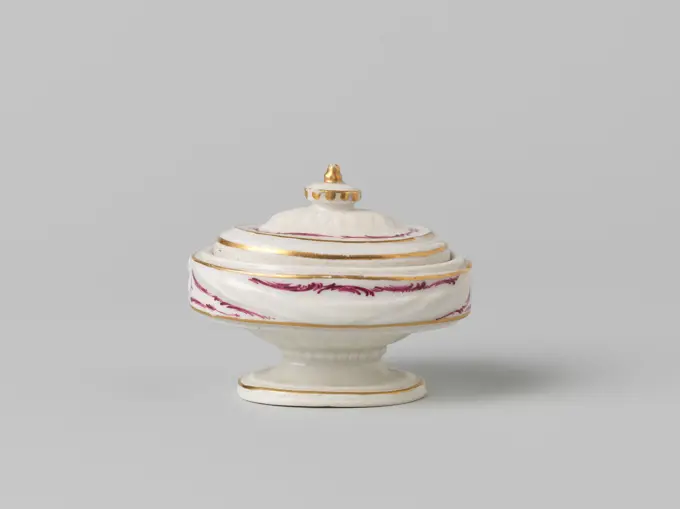
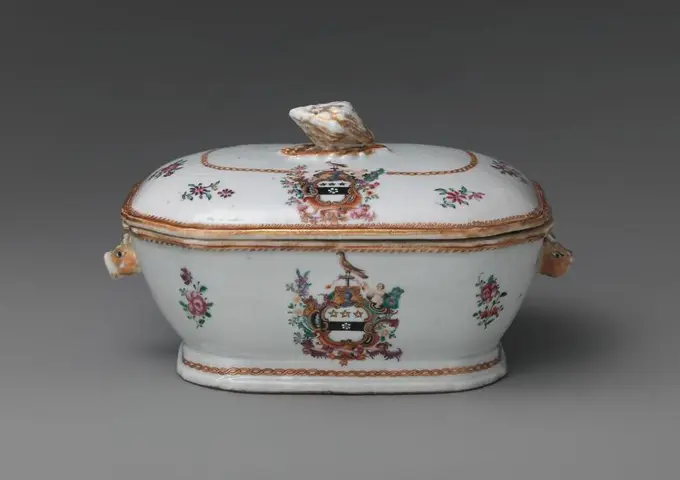
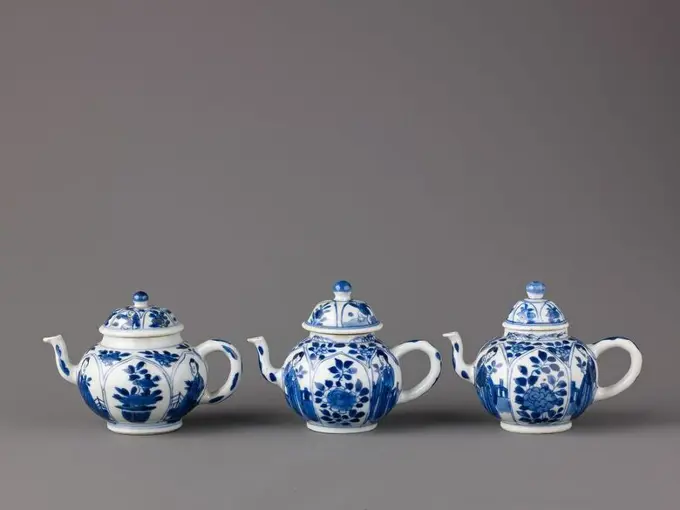
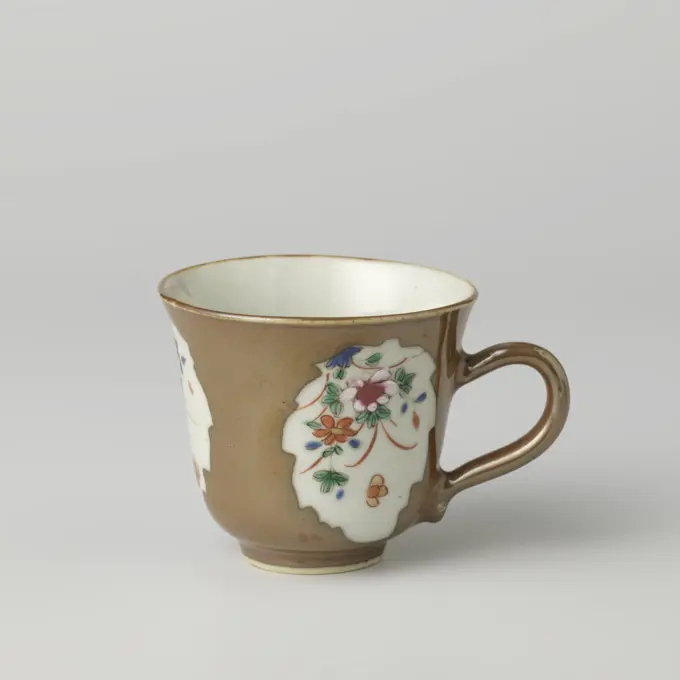
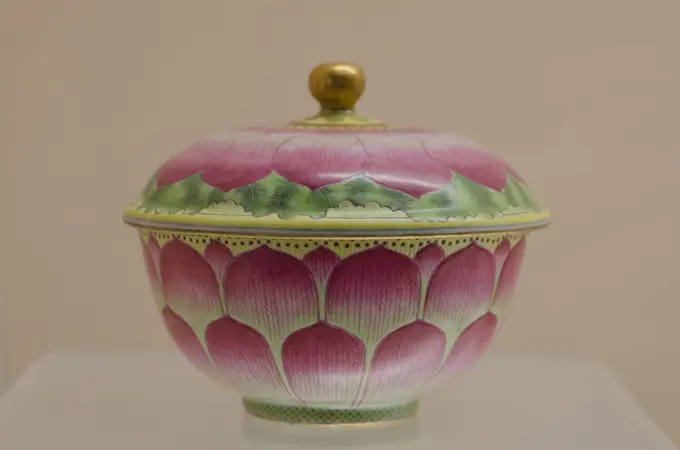
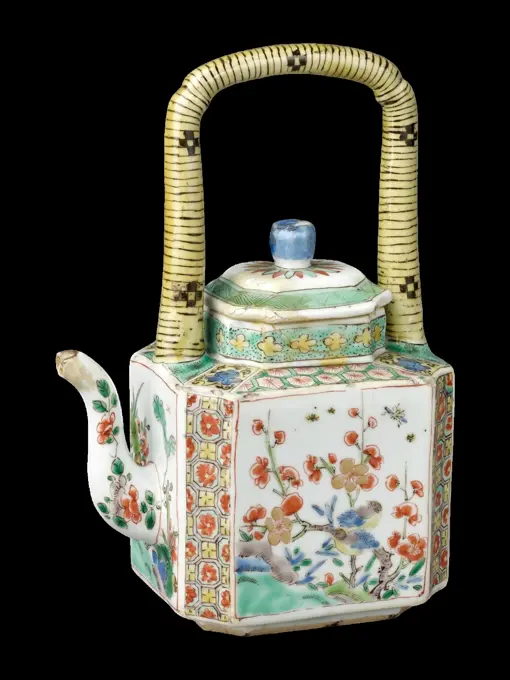
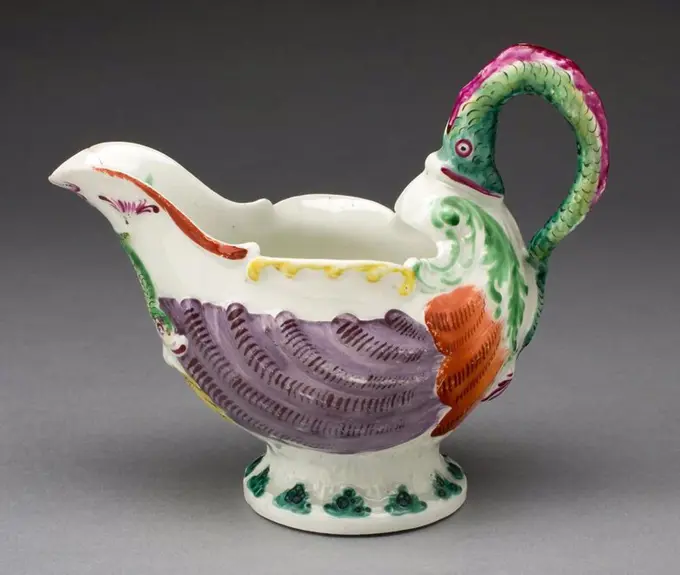
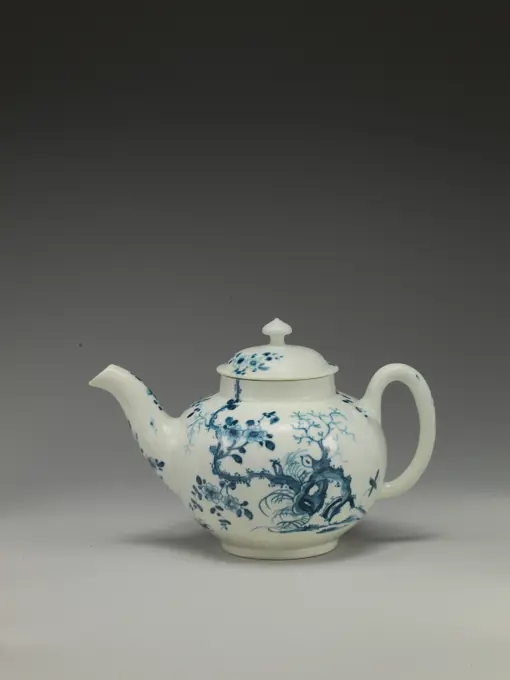
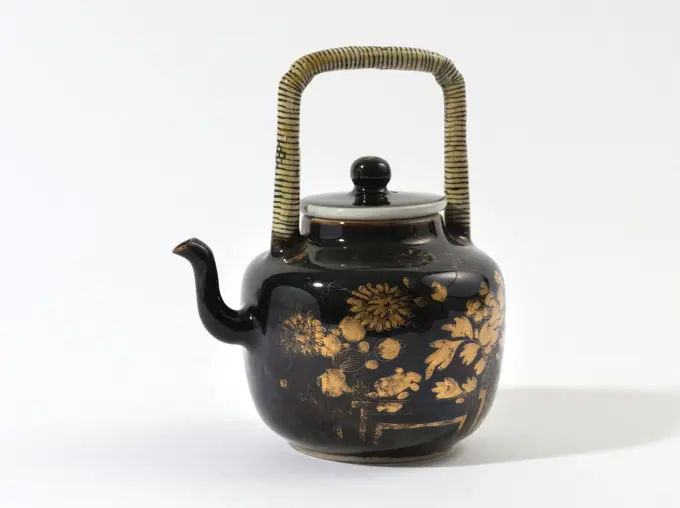
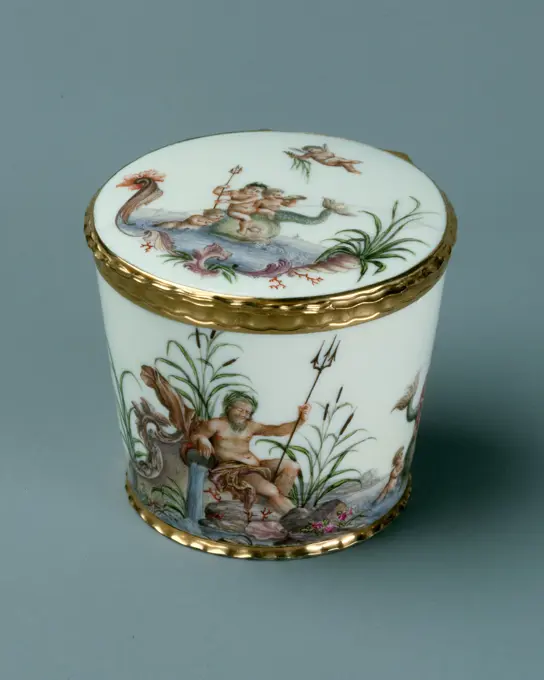
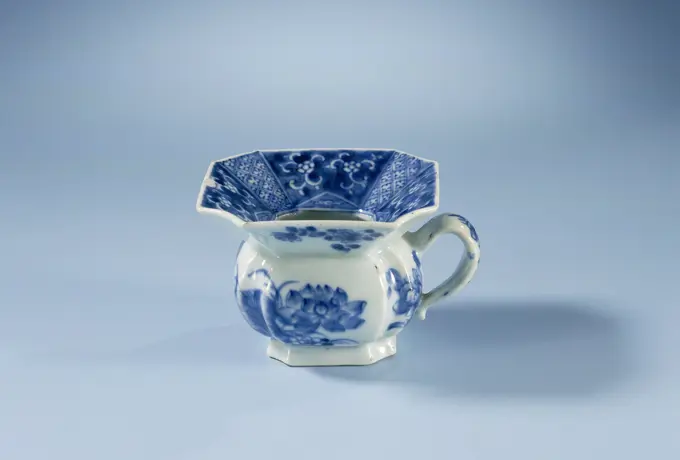
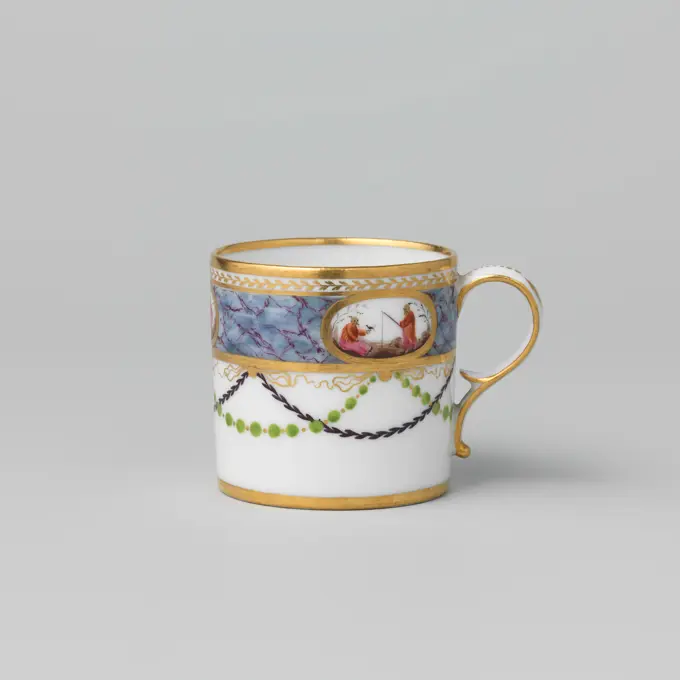
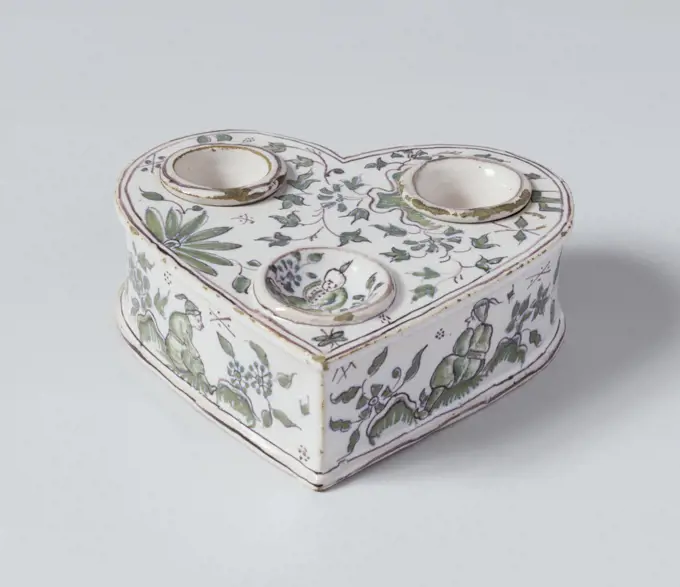
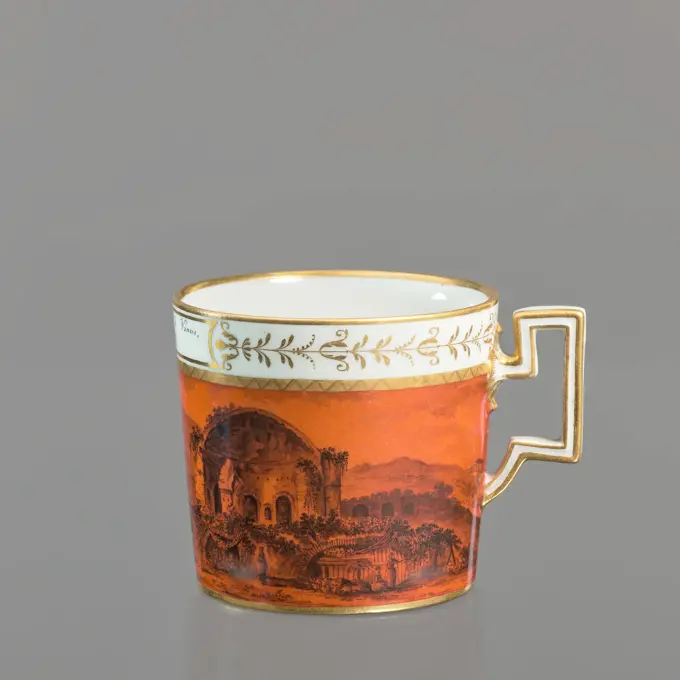
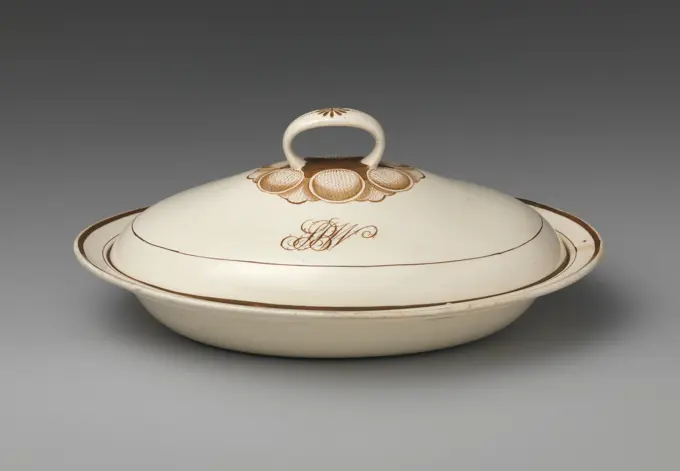
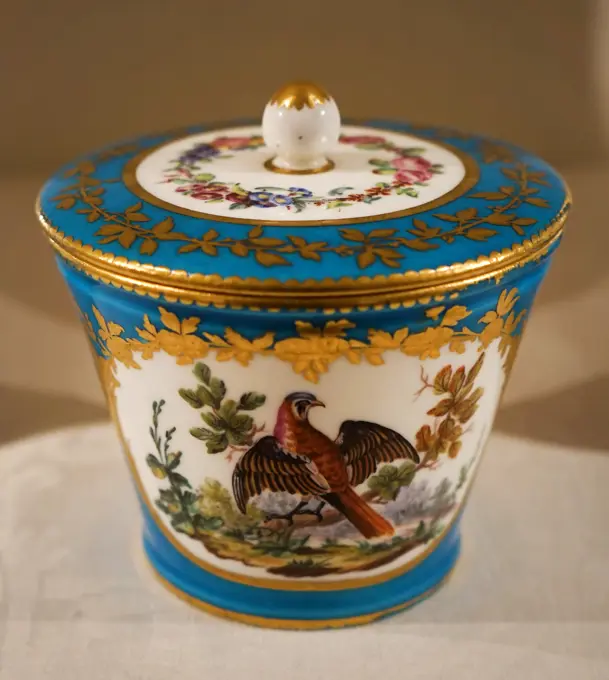
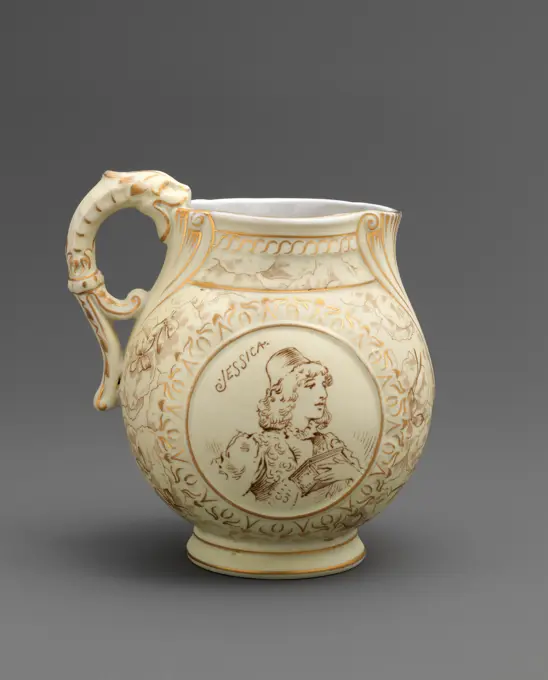
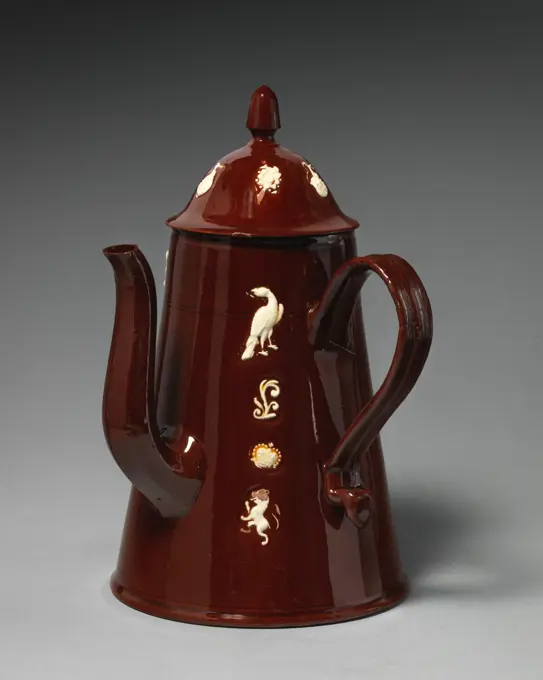
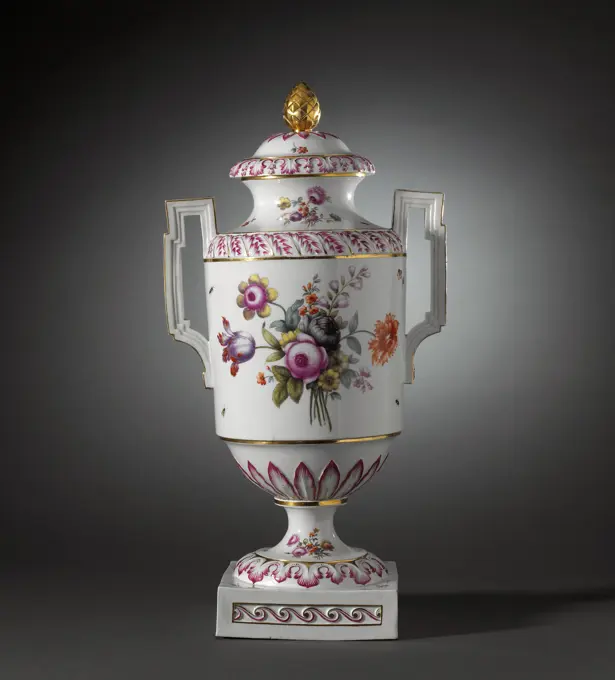
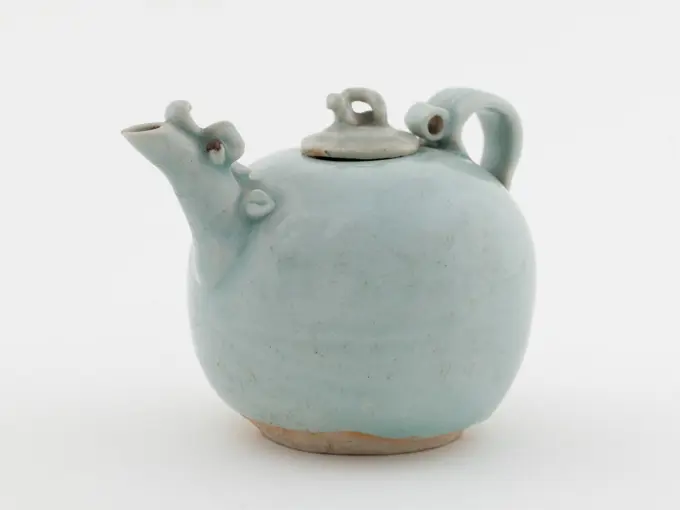
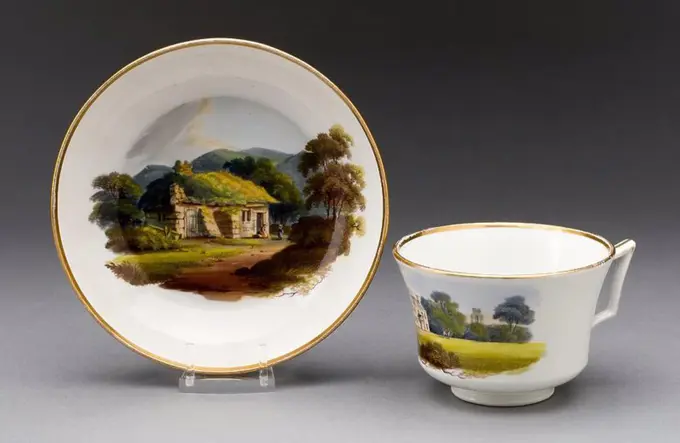
Lidded tureen. Meissener Porzellan ManufakturMeissen, c. 1730-1735hard-paste porcelainArdiniera; Szewczyk Franciszek; around 1885 (1881-00-00-1890-00-00);Anonymous, Buire (common name), 1800. Rose family. Cernuschi Museum, Asia Museum of Asia in the city of Paris.Two flower pot holders (cache-pots), anonymous, c. 1730 - c. 1770 Faïence flower pot holder. With ears in the form of cobblestones. Blue painted with landscapes. Delft . Faïence flower pot holder. With ears in the form of cobblestones. Blue painted with landscapes. Delft .Cup, c. 1800-1810. France, 19th century. Porcelain; overall: 5.8 x 8.3 cm (2 5/16 x 3 1/4 in.).Pitcher 1875-85 Union Porcelain Works Bret Harte (1836-1902) rivaled Mark Twain in the field of late-nineteenth-century American popular literature. The decoration on one side of this pitcher is inspired by Hartes 1870 poem, "The Heathen Chinee," satirizing the gambling life in California mining camps. On the front of the pitcher, the designer Karl Müller depicted Hartes frontiersman Bill Nye confronting the Chinese immigrant, Ah Sin, during a card game. While the poem was written as an indictment of anti-Chinese racism, Hartes message backfired, and the public read his emphasis on xenophobia literally. Similarly, Mullers design reinforced negative stereotypes at a time of growing anti-immigrant sentiment in the country. On the other side of the pitcher, Muller departs from the Harte poem by depicting the character of King Gambrinus, the mythical Flemish inventor of beer, offering Brother Jonathan, the American "everyman" (and predecessor of Uncle Sam), a glass of foaming brew. TheCup with insects, flower sprays and grapevines, Rue Thiroux Parijs, c. 1797 - c. 1798 service (set) Porcelain head with a cylindrical wall and C-shaped ear, painted on the glaze in enamel colors and gold. The outer wall is covered with colored insects (butterflies, beetles, dragonflies, etc.) and in gold flower branches and grape vines. Golden edge and ear. Marked on the bottom with 2. Paris porcelain. glaze. gold (metal) painting / gilding / vitrificationTeapot with cover early 19th century British. Teapot with cover. British. early 19th century. Black basalt ware. Ceramics-PotteryTrumpet-shaped beakervase with flower baskets and auspicious symbols, anonymous, c. 1850 - c. 1899 Trumpet -shaped cup vessel of porcelain, painted in underly glaze blue and on the glaze in blue, red, pink, green, black and gold. On the wall an openwork handle basket. The basket is filled with flower and fruit branches (peony, chrysanthemum, prunus, fingercitroen, magnolia). The other side with a flower vase with 'crackled ice' on a low table. The vase is surrounded by happiness objects (table with books, a Qin and objects of a scholar, Ruyi-Skeptter, fan, incense burner and roles). On the outer edge, an irregular bond with peony drinks on 'frogs', leaf vines, chrysanthnums, flower stoves and peach blossom 'Crackled ICE'. Around the foot a bond with chrysanthnums. Decoration differs from the other parts of the cabinet set. Bekervaas is part of Kaststel AK-RBK-15919. Famle Rose. China porcelain. glaze. cobalt (mineral) painting / gilding / vitrification Trumpet -shaped cup vessel of porKop, De Greek A, 1700 - 1725 Head of faience. Multicolored painted with flower and leaf decoration. Delft . Head of faience. Multicolored painted with flower and leaf decoration. Delft .Wine Glass Rinser, Wedgwood, English, established 1759, Glazed earthenware, Circular; two shaped ear handles with relief foliate decoration, and two lips. Brown banding about top and bottom, brown touches on handles, and brown crest composed of bearded mans head with Phyrigian cap, under one lip., Etruria, England, late 18th century, ceramics, Decorative Arts, Wine Glass Rinser. Vase of painted porcelain. The vase is cylindrical and has an outstanding mouth edge. The painting consists of multicolored flower bouquets. Vase is part of a seven-part cabinet set.Teapot ca. 1760 Chinese, for European market The gift of the Hans Syz Collection in 1995 endowed the Museum with nearly three hundred examples of European and Asian ceramics meticulously acquired by Swiss-born collector Dr. Syz (1894-1991) to chart the migration of models and patterns from East to West. Documenting a continuous process of influence and adaptation, these pieces provide a discriminating review of the nuances of stylistic change resulting from three centuries of trade.. Teapot 208402Sugar bowl KorzecPitcher (England); Manufactured by Wedgwood (United Kingdom), Norton Spritz; glazed earthenware (majolica”); 14 x 15.5 x 13 cm (5 1/2 x 6 1/8 x 5 1/8 in.)Butter filled, painted with river landscapes with figures and monuments. Butterfish from porcelain. Shell-shaped ears, fruit with leaf on the lid as a button. On both sides and on the lid painted with river landscapes with figures and monuments in beet red. Ornament in gold on the ears and lid bud. Golden trim along mouth and lid edge.Arita (Ceramic Production Center), Aiguière (Suichu) (username), 1700. Porcelain, decoration painted in the covered, polychromy on the covered, and gold; European golden mount. Cernuschi Museum, Asia Museum of Asia in the city of Paris. Golden floral foliage on a red background - stylized flowers and leaves, painted in polychromy on the belly and on the lid.Roberta Spicer, Pitcher, c 1940 PitcherSake set, 20th century, Unknown Japanese, 1 x 2 11/16 x 2 11/16 in. (2.54 x 6.83 x 6.83 cm), Imari ware; porcelain, enamels, Japan, 20th centurySake set, 20th century, Unknown Japanese, 1 1/8 x 5 1/4 x 5 1/4 in. (2.86 x 13.34 x 13.34 cm), Imari ware; porcelain, enamels, Japan, 20th centuryDutch crockery Dutch souvenir crockery for drinking coffee or tea Copyright: xZoonar.com/IvonnexWierinkx 7469835Teapot 1820 Japan. Teapot 51107Chocolate Cup With Flower Sprays in Panels on a Brown Glaze. Porcelain chocolate head, covered with a brown glaze and painted in blue, red, pink, green, yellow and black. At the front covered with a brown glaze with four leaf-shaped cartouches with flower branches. Famille Rose with monochrome brown.Toilet box with seed beads in relief, the inside painted with figures in a river landscape. Toilet box from porcelain. On the body to buttons hanging draperies embossed, around seed beads are painted in beet red. On the lid a vase-shaped button, around which an oval rosette embossed. Seed beads in beets are painted red around this rosette. The inside of the lid is painted with figures in a river landscape with church tower in beets red. Golden piping.An old antique white metal jug for water standing on a wooden table AustriaCovered Sauce Tureen. Culture: Chinese, for American market. Dimensions: 4 3/8 x 6 3/4 in. (11.1 x 17.1 cm). Date: 1785-90.This object belongs to a large dinner service (10.149.1-.248) bearing the Townley family coat-of-arms. The service, probably ordered by Justice Samuel Chase (1741-1811) of Annapolis, Maryland, displays the enamel-painted arms of Margaret Townley, Chase's aunt. Museum: Metropolitan Museum of Art, New York, USA.Small covered wine pot or teapot. Artist: Chinese , Qing Dynasty, Kangxi period. Culture: Chinese. Dimensions: Height with lid: 3 7/16 in. (8.7 cm.) to 3 1/2 in. (8.8 cm.). Date: 1662-1722. Museum: Metropolitan Museum of Art, New York, USA.Cup, painted with a landscape with cattle. Cup, painted with landscape with cattle. Signature: Amstel in blue.Chocolate cup with flower sprays in panels on a brown glaze, anonymous, c. 1730 - c. 1760 Porcelain chocolate head, covered with a brown glaze and painted in blue, red, pink, green, yellow and black. At the front covered with a brown glaze with four leaf -shaped cartouches with flower branches saved. Famle rose with monochrome brown. China porcelain. glaze. painting / vitrification Porcelain chocolate head, covered with a brown glaze and painted in blue, red, pink, green, yellow and black. At the front covered with a brown glaze with four leaf -shaped cartouches with flower branches saved. Famle rose with monochrome brown. China porcelain. glaze. painting / vitrificationChina, Shanghai, Shanghai Museum. Ancient china and porcelain collection. Jingdezhen ware covered lotus flower bowl, Qing Dynasty circa AD 1821-1850.Antike chinesische achteckige Teekanne - Qing-Dynastie Porzellan - Sammlerstücke Detailed antique Chinese teapot with an octagonal body and lid, dating from the Qing Dynasty. Features colorful floral and geometric patterns on porcelain. Represents historical Chinese artistry. LicenseRF Copyright: xZoonar.com/GallóxGusztávx 23406734Terrine, at a fixed lower part, with a green edge and golden Greek band. Terrine of pottery, at a fixed subset, round, scalloped, with green edge and golden Greek band.Sèvres Porcelain Manufactory, Covered Cup and Socketed Saucer, porcelain: 1780; decoration: later (not 18th century), soft-paste porcelain.Cream Boat. Worcester Porcelain Factory; Worcester, England, founded 1751. Date: 1760-1770. Dimensions: 12 x 13.7 cm (4 3/4 x 5 3/8 in.). Soft-paste porcelain with polychrome enamels. Origin: Worcester. Museum: The Chicago Art Institute, Chicago, USA. Author: Worcester Royal Porcelain Company.Dejurner (tea service)Compote - Coalport China Company  Coalport China CompanyCup with in vignette allegorical representation of gratitude. Cup of porcelain, crem-colored with vignette in sepia in which an allegorical representation of the gratitude. Inscription: La Reconaissance.Cup with text: a la plus belle. Cup of porcelain, mahogany-colored decorated and with a medallion in which the text: a la plus belle.Cup (part of a service) 18th century Meissen Manufactory German. Cup (part of a service) 209396Teapot ca. 1770 Worcester factory The gift of the Hans Syz Collection in 1995 endowed the Museum with nearly three hundred examples of European and Asian ceramics meticulously acquired by Swiss-born collector Dr. Syz (1894-1991) to chart the migration of models and patterns from East to West. Documenting a continuous process of influence and adaptation, these pieces provide a discriminating review of the nuances of stylistic change resulting from three centuries of trade. Listen to experts illuminate this artwork's story Listen Play or pause #407. Teapots Supported by Bloomberg Philanthropies We're sorry, the transcript for this audio track is not available at this time. We are working to make it available as soon as possible.. Teapot. British, Worcester. ca. 1770. Soft-paste porcelain with underglaze blue. Worcester factory (British, 1751-2008). Ceramics-PorcelainMilkus, blue, with leaves and flowers in relief. Milkus of bluine, with embossed leaves and flowers over the entire surface. The top edge of the can be scalloped.Teapot in the form of an octagonal pavilion ca. 1745 British, Staffordshire Listen to experts illuminate this artwork's story Listen Play or pause #407. Teapots Supported by Bloomberg Philanthropies We're sorry, the transcript for this audio track is not available at this time. We are working to make it available as soon as possible.. Teapot in the form of an octagonal pavilion. British, Staffordshire. ca. 1745. Salt-glazed stoneware. Ceramics-Pottery. Coffee cup, purple painted with winged putti floating on clouds. Along the edge a guilloches band with dependent flour glulands. Marked with a stork in blue under the glaze. N.B. German porcelain painted in The Hague.Tea-pot. "Black family" porcelain, Qing dynasty (1644-1912). Provenance: China. Paris, Cernuschi museum. 78836-15 Asian art, Chinese art, art of living, fine ceramic, Ching dynasty, Qing dynasty, Tsing dynasty, porcelain, service to the, theiere, dishesSnuffbox ca. 1744-50 Meissen Manufactory German In eighteenth-century Europe, Paris led the production of high-quality luxury goods. Parisian goldsmiths made a wide range of small, personal articles such as snuffboxes; étuis to hold sealing wax, tweezers, or utensils for sewing; souvenirs, which contained thin ivory tablets for note taking; and shuttles for knotting lace. Gold snuffboxes and boxes decorated with portrait miniatures were prized and frequently given as royal gifts, often to ambassadors or members of the court in lieu of cash payments for their services. Coveted and admired, these boxes were produced from a variety of materials. The best were skillfully made of gold and embellished with diamonds, enameled decoration, lacquer, and other luxurious materials. By the middle of the century, the taking of snuff had become an entrenched social ritual, and the snuffbox, too, had become an important social prop. Snuffboxes were considered highly fashionable accessories, with some Octagonal spittoon with lotus plants and willow, anonymous, c. 1720 - c. 1725 Octagonal wagging porcelain with ear, a sphere body and pressed corners, painted in underlaze blue. On the wall flowering lotus plants, a willow and two flower branches on either side of the ear; the outside of the edge with four flower branches; the inside of the edge with servetwork and flower vines saved in blue; A flower branch on the ear. A chip in the edge. Blue White. China porcelain. glaze. cobalt (mineral) painting / vitrification Octagonal wagging porcelain with ear, a sphere body and pressed corners, painted in underlaze blue. On the wall flowering lotus plants, a willow and two flower branches on either side of the ear; the outside of the edge with four flower branches; the inside of the edge with servetwork and flower vines saved in blue; A flower branch on the ear. A chip in the edge. Blue White. China porcelain. glaze. cobalt (mineral) painting / vitrificationMilk pot ca. 1776-80 Probably Ansbach Pottery and Porcelain Manufactory. Milk pot 188994 Factory: Probably Ansbach Pottery and Porcelain Factory, German, Decorator: Decorated at The Hague, Milk pot, ca. 177680, Hard-paste porcelain, Height: 5 7/8 in. (14.9 cm). The Metropolitan Museum of Art, New York. Rogers Fund, 1906 (06.352a, b)Cup MiTeapot ca. 1790-1800 Chinese, for British or American market. Teapot 185931Coffee pan lid, painted multi-colored with Chinese in crafted fours in a violet fond. Lid of painted porcelain. Four four-casses have been saved with flowers in the cover of the lid.Head, painted with water landscape with castle/palace, c. 1778 - c. 1782 Porcelain head, multicolored painted with water landscape in green and brown with figures in blue, red -brown and purple on the bank and with a large castle/palace on the other side with light blue windows and roofs. Gold pisses along the edges, the ear is also decorated in gold. Loosdrecht porcelain Porcelain head, multicolored painted with water landscape in green and brown with figures in blue, red -brown and purple on the bank and with a large castle/palace on the other side with light blue windows and roofs. Gold pisses along the edges, the ear is also decorated in gold. Loosdrecht porcelainTeapot of hard baked earthenware., Anonymous, c. 1760 - c. 1765 Teapot of hard baked earthenware, covered with lead glaze in green and yellow. The wall at the ear a rosette with a leaf in relief. The ear has the shape of a branch. Burst earthenware. lead glaze Teapot of hard baked earthenware, covered with lead glaze in green and yellow. The wall at the ear a rosette with a leaf in relief. The ear has the shape of a branch. Burst earthenware. lead glazeBeautiful cup with flower and piece of sugar beautiful white mug with a flower and a piece of sugar isolated on white Copyright: xZoonar.com/mrivsergx 10439446Covered Vegetable Dish, c. 1865, Minton's Pottery and Porcelain Factory, British, Ceramic, England, 19th centurySugar bowl. Culture: American. Designer: Designed by Karl L. H. Müller (ca. 1820-1887). Dimensions: 4 3/4 x 4 1/2 in. (12.1 x 11.4 cm). Manufacturer: Manufactured by Union Porcelain Works (1863-ca. 1922). Date: ca. 1876.The figural finials--a Chinese man on the teapot and an African sugarcane picker on the sugar bowl--allude to the presumed contents of the vessels in this eccentric Rococo Revival tea set (69.194.7-.14). Museum: Metropolitan Museum of Art, New York, USA.Cup with marbled edge and vignettes with chinoiseries. Cup of porcelain with blue marbled edge in which vignettes with multicolored chinoiseries.Teacups (8) (part of a service) ca. 1758-69 Chelsea Porcelain Manufactory The gilding on these pieces (see 54.163.7a, b-.34) is of a very high order, with tooled work on a thick application of honey gilding selectively matte and burnished for a lively design of pheasants, peacocks, and swallows in a landscape. The deep bowl was for little cakes.. Teacups (8) (part of a service). British, Chelsea. ca. 1758-69. Soft-paste porcelain. Chelsea Porcelain Manufactory (British, 1745-1784, Gold Anchor Period, 1759-69). Ceramics-PorcelainTwo Sauceboats and Two Covered Tureens from the Washington Memorial Service c 1800 China. Chinese porcelain made especially for export to the United States often displays painted imagery of subjects that appealed to wealthy American consumers, including armorial and marine studies and commemorative events. Part of a larger suite, these four pieces were commissioned around 1800 in remembrance of the nationís first president, who died in 1799. Symbols such as the weeping willow, tomb, and eagle, all depicted on these wares, reflect the contemporary mourning for Washington.. Porcelain .Inkstand, Varages Pottery Factory, French, active 18th century, Tin-glazed earthenware, Heart-shaped inkstand (a) with two cylindrical containers (b,c) at top left and right, and circular depression at bottom center; green foliage decoration throughout, figure in depression near point., ca. 1770, ceramics, Decorative Arts, InkstandTeacup. Manufacture nationale de porcelaine de Sevres (1756-), factory, Sevres, factoryCan of translucent, cast porcelain, with leaf motifs in relief, anonymous, 1700 - 1900 Can of translucent, cast porcelain, alabaster white, with leaf mothes in relief decorated. Note: cracked. England porcelain Can of translucent, cast porcelain, alabaster white, with leaf mothes in relief decorated. Note: cracked. England porcelainTeacup with the Temple of Venus in Pouzzoli. Kaiserliche Porzellanmanufaktur in Wien (1744-1864), factoryCovered Dish 1750-75 British Creamware, so-called for its cream-colored body, is a refined earthenware with a lead-based glaze that was developed in Staffordshire, England around 1750. Due to its light color and glossy glaze, it was ideal for dinnerware. Economically affordable to produce, creamware was imported to America in large quantities. Although much creamware was used in America, it is rare to find pieces associated with a particular family. This dinner service (36.22.1 -.38) bears the initials SBW” for Samuel Blachley Webb. The set was imported from England in 1774 by Webb, who was an aide-de-camp and military secretary to General George Washington.. Covered Dish 2385Mug; Manufactured by Samuel Moore & Co; glazed earthenware with transfer-printed decoration, hand-colored and lustred; 12.4 x 13 x 9.4 cm (4 7/8 x 5 1/8 x 3 11/16 in.); 1960-21-1Czarka with the characters of Chi Czyków, saucer with chi Koenigliche Porcellain Fabrique, Meissen (1710-1763); around 1725 (1720-00-00-1730-00-00);Earthenware head with standing ear decorated with radial decoration and silt decoration, cup drinking utensils tableware holder earth discovery ceramics pottery clay engobe glaze lead glaze, hand turned stamped ring glazed glazed earthenware cup ocher-colored shard cuff-shaped mouth rim bandoor stand with traces of traces archeology indigenous pottery import serving drink table room servingTeapot with quasi-European ship and chop boat, c. 1730, 4 5/16 x 6 x 3 5/16 in. (10.95 x 15.24 x 8.41 cm), Porcelain, China, Chinese exportObject from a Dessert Service 'The Razumovsky Service', made from soft-paste porcelain. Dated 18th CenturyPitcher, "Alsatian" line ca. 1891-92 Chesapeake Pottery The Chesapeake Pottery was an important late-19th and early-20th century firm located in Baltimore, Maryland. The pottery created a number of novel glazes and forms during the 1880s and 90s, including the line to which this pitcher belongs, the then-new Avalon china body. This slip-cast pitcher is decorated in the "Alsatian" pattern, distinguished by its allover transfer-printed, floral decoration further embellished with portraits in gold enamel. This was part of a larger toilet set decorated with scenes from "The Merchant of Venice"; the two sides depict portraits of Jessica and Portia painted in gold enamel in the central reserve.. Pitcher, "Alsatian" line. American. ca. 1891-92. Semi-porcelain ware. Made in Baltimore, Maryland, United StatesSauce Tureen and Stand, from a Child's Dinner Service, c. 1775, 1 1/4 x 2 13/16 x 2 5/16in. (3.2 x 7.1 x 5.9cm), Creamware, England, 18th centurySauce Tureen, from a Child's Dinner Service, c. 1775, 1 7/8 x 2 13/16 x 2 5/16in. (4.8 x 7.1 x 5.9cm), Creamware, England, 18th centuryTea Pot with lid from Solitaire Set, c. 1785, Höchst Porcelain Factory, Höchst am Main, Germany, 1746-1796, 4 x 4 3/4 x 2 7/8 in. (10.2 x 12.1 x 7.3 cm), Porcelain, Germany, 18th centuryAnonymous. "Chapter". Painted sheet, iron. 1750. Paris, Carnavalet museum. 101429-3Cup and saucer, from a children's tea service, c. 1875, James Tuff, 1 1/8 x 2 1/16 x 2 1/16 in. (2.86 x 5.24 x 5.24 cm), Silver plated pewter, United States, 19th centuryCup late 18th century La Courtille. Cup 188762 Factory: La Courtille, French, 1771ca. 1840, Cup, late 18th century, Hard-paste porcelain, Height: 3 13/16 in. (9.7 cm). The Metropolitan Museum of Art, New York. Gift of Alfred Duane Pell, 1902 (02.6.270)Teacups, dessert plates and cakeToy teapot and cup set Toy teapot and cup set Copyright: xZoonar.com/yogeshxmorex 7500942Teapot. Cylindrical teapot decorated with a multicolor portrait of a man in a medallion. Marked with an M.Cup, decorated with insects. Cup of porcelain, part of a tea set, decorated with golden edges, insects in colors and golden spreading flowers. Note: Some parts of the tea set are marked with the letters GB, rue Thirou à Paris. Note: Different heads damaged; One with broken ear.Milkkan, multicolored painted with Deutsche Blumen in saved four passes in a yellow stock, Meissener Porzellan Manufaktur, c. 1765 Pear -shaped milk jug of painted porcelain. The jug has a SNEB, an S-shaped ear and stands on three legs bent out. The edge is lobed. The jug is covered with a yellow stock with four passes in which Deutsche Blumen. The jug is marked. Float porcelain Pear -shaped milk jug of painted porcelain. The jug has a SNEB, an S-shaped ear and stands on three legs bent out. The edge is lobed. The jug is covered with a yellow stock with four passes in which Deutsche Blumen. The jug is marked. Float porcelainCoffeepot ca. 1740 Style of John Astbury The stamped and applied ornaments in white clay include a lion rampant, an eagle, sprays of flowers and of acorns, deer, and a basket of fruit.. Coffeepot. British, Staffordshire. ca. 1740. Lead-glazed red earthenware, with black glaze. Ceramics-PotteryCup with insects, flower sprays and grapevines, Rue Thiroux Parijs, c. 1797 - c. 1798 service (set) Porcelain head with a cylindrical wall and C-shaped ear, painted on the glaze in enamel colors and gold. The outer wall is covered with colored insects (butterflies, beetles, dragonflies, etc.) and in gold flower branches and grape vines. Golden edge and ear. Marked on the underside with I. Paris porcelain. glaze. gold (metal) painting / gilding / vitrificationCovered vase with birds on a branch and bouquets, Fürstenberg, c. 1785 - c. 1790 Porcelain lid vase on a spreading foot ending in a square pedestal and with a cylindrical body with a round shoulder and narrowing to the foot. Spreading neck with a flat edge and high, angular ears. Painted on the glaze in blue, red, pink, green, yellow, purple, black and gold. On the belly two birds on a branch in a landscape and a bouquet of different flowers. In between sprinkling flowers and insects. The narrowing part to the foot with a band with modeled raised leaf motifs in relief. The shoulder and the foot with the same decoration as on the abdomen with a bond with leaf vines in relief. A flower or insect on the corners of the pedestal. The sides with a curly motif in Bas-relief. Golden Rand. Marked on the bottom with the F and A.F. Fürstenberg porcelain. glaze. gold (metal) painting / gilding / vitrification Porcelain lid vase on a spreading foot ending in a square pedestal and with a cylindricalLid, blue, with flowers and leaves in relief, Petrus Regout, 1860 Cover of earthenware, blue stone. The lid with a relief of leaves and flowers, the lid button in the shape of a chalice. Maastricht . Cover of earthenware, blue stone. The lid with a relief of leaves and flowers, the lid button in the shape of a chalice. Maastricht ."Jewelled" Cup and Saucer Cup And Saucer; Manufactured by Coalport Porcelain Factory; Retailed by Davis Collamore & Co.; England; hard paste porcelain, vitreous enamel, goldTeapot Ceramic teapot isolated with clipping path included Copyright: xZoonar.com/Baloncicix 7292434MugVerseuse. Porcelain. China, Song Dynasty. Paris, Cernuschi museum. 72687-20 Asian art, ancient ceramic, covered, Song dynasty, Email, glacure, Chinese object, Chinese pottery, terracotta, terracotta emaillee, theiere, verses, xeme x 10th 10th 10th century, 11th 11th 11th 11th 11th 11th century XII 12th 12th 12 CENTURYToilet Services, English Stoneware, Plate 51, showing patterned washing bowls, jugs and soap dishes.      Date: circa 1880sPotpourri. Saint-Cloud Porcelain Manufactory (France, Saint-Cloud, circa 1693 - 1766). France, Saint-Cloud, circa 1740. Furnishings; Accessories. Soft-paste porcelain with glaze and enamelHouse pot, part of a toilet garnish, Villeroy & Boch Ceramic Werke K.G., after 1874 House pot with ear, part of a toilet garnish of earthenware. Decorated with red piping and the weapon of the Duke of Arenberg with crown in red and yellow. Wallerfangen earthenware House pot with ear, part of a toilet garnish of earthenware. Decorated with red piping and the weapon of the Duke of Arenberg with crown in red and yellow. Wallerfangen earthenwareCup and Saucer. Wedgwood Manufactory; England, founded 1759. Date: 1810-1820. Dimensions: Cup: 6 × 10.8 cm (2 3/8 × 4 1/4 in.); diam. 9.2 cm (3 5/8 in.); Saucer: H. 2.9 cm (1 1/8 in.); diam. 14.1 cm (5 9/16 in.). Porcelain with polychrome enamels and gilding. Origin: Burslem. Museum: The Chicago Art Institute, Chicago, USA.Turnen and stand, Weesper Porcelain Factory, c. 1764 - c. 1768 Porcelain lid. Vaulted and lobed. The lid button in the form of a putto that reverses a basket with flowers. On the lid, around the basket, appliqued flowers. The lid is multi -colored with flower bouquets. Weesp porcelain Porcelain lid. Vaulted and lobed. The lid button in the form of a putto that reverses a basket with flowers. On the lid, around the basket, appliqued flowers. The lid is multi -colored with flower bouquets. Weesp porcelainCup with an ornamental border, anonymous, c. 1800 - c. 1824 Porcelain head with a cylindrical wall and C-shaped ear, painted on the glaze in gold. The outer wall is with golden lines divided into two wide tires with a pendulum of stars in the top, half moon shapes with dots and triangles. Golden line and dots on the ear. Marked on the underside with C. ear is partially missing. Empire. France porcelain. glaze. gold (metal) painting / gilding / vitrification Porcelain head with a cylindrical wall and C-shaped ear, painted on the glaze in gold. The outer wall is with golden lines divided into two wide tires with a pendulum of stars in the top, half moon shapes with dots and triangles. Golden line and dots on the ear. Marked on the underside with C. ear is partially missing. Empire. France porcelain. glaze. gold (metal) painting / gilding / vitrificationTea Bowl and Saucer 1695-1705 Augsburg. Silver-gilt, cast, embossed, and chased and enamels on copper . Matthäus Baur, IIManufacture of Sèvres. "Miniature chocolate maker with lid". Porcelain, wooden handle and metal. 1774-1774. Paris, Museum of Romantic Life. PORCELAINCup with handle with the arms of the Van Idsinga and Kien families, anonymous, c. 1750 - c. 1774 Porcelain ear head, painted on the glaze in blue, red, pink, green, yellow, purple, black and gold. On the wall the alliance weapon of the Idsinga and Kien families. The weapon to the left of the Idsinga family has a blue background with a silver rose or flower and a few golden clovers. The weapon to the right of the Kien family is divided into four parts: 1. and 4. A blue background with a golden twill, 2. and 3. A golden background with a black moon. In the middle of the weapon is a heart shield with a blue background and a golden fleur-de-lis. A crown is depicted on top of the weapons. The weapons are depicted on a golden cartouche with shell and leaf work in Louis XIV style. Behind it an ermine cloak in red and white. The whole is supported by two unicorns on a pedestal. Sprinkling flowers on the wall; the edge with a switch pattern. Weapon porcelain with email colors. China porcelain. Teegeschirr - Tea service Teegeschirr - Tea service Copyright: xZoonar.com/lantapixx 5829717Cup and Saucer 1797 Meissen. Hard-paste porcelain with polychrome enamel decoration . Meissen Porcelain Manufactory (Manufacturer)Cup, belonging to coffee and tea service, painted with women or putti in ovals against red fond. Head, belonging to a coffee and tea set, painted multi-colored with ovals in which women's figures or putti in brown on a soil against a red fond. Along the edges a golden flower and leaf drink. Flammed f of 1, 2, 3 and 10 separated by a lying indent in underglazing blue.