Antique Silver Dishware

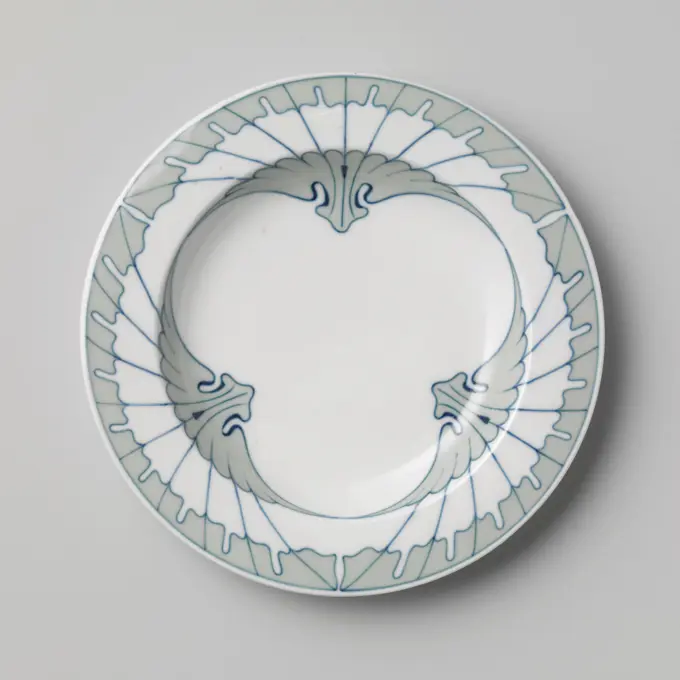
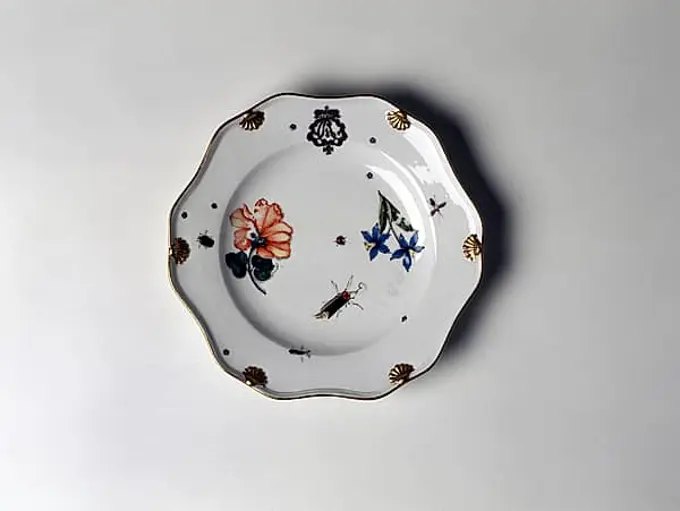
Elegant antique dishware made of silver and pewter, featuring intricate designs and historical craftsmanship.

A UROPLE; Lilpop, Karol Jerzy (Fl. 1820-1833); beginning of the 19th century (1801-00-00-1810-00-00);
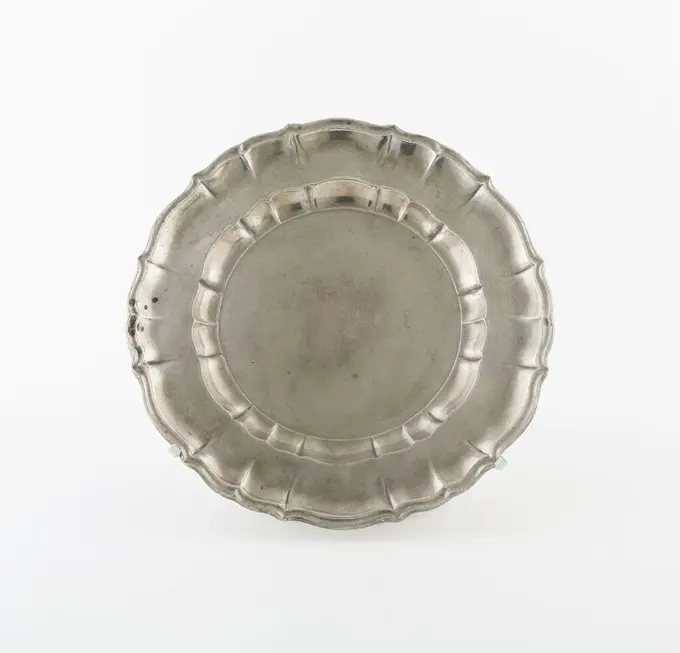
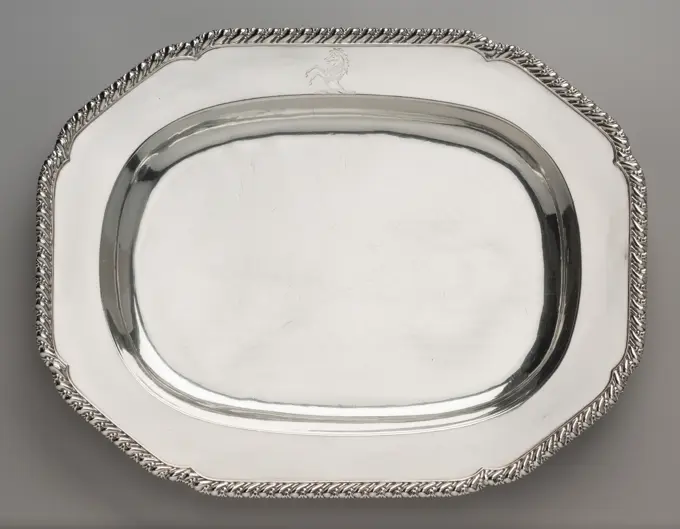
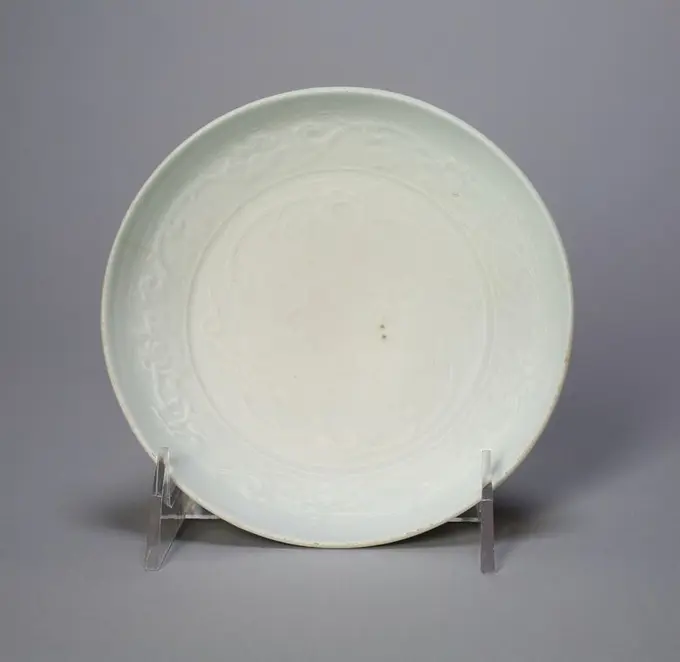
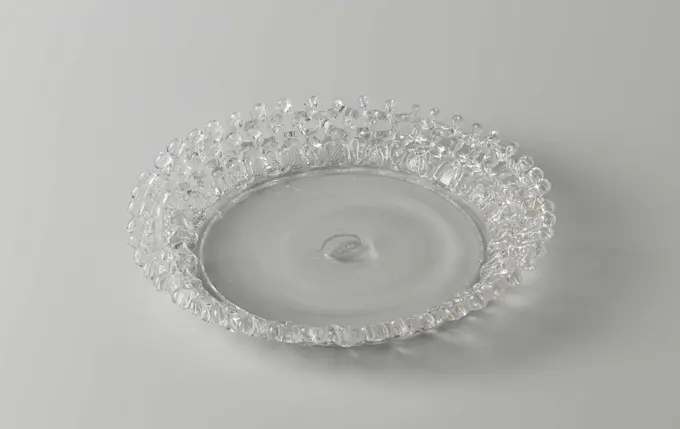
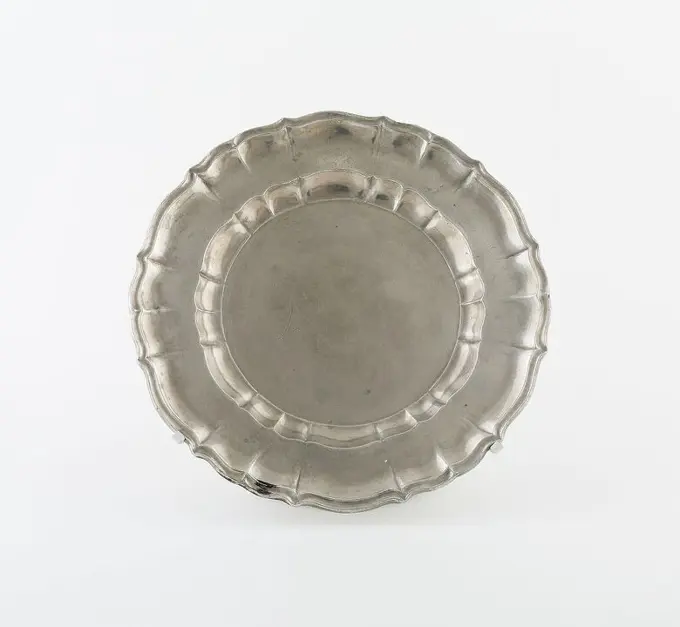
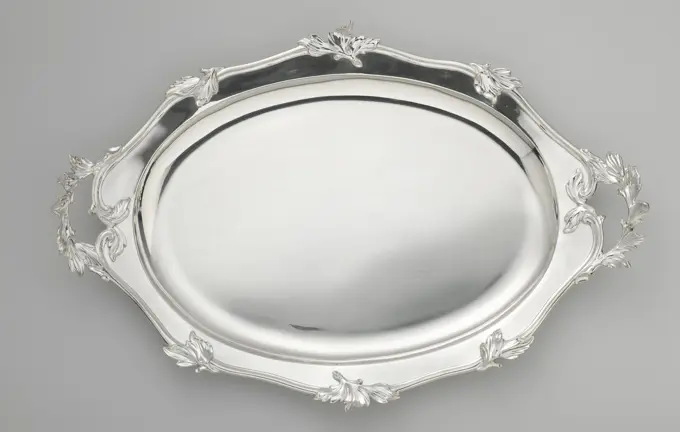
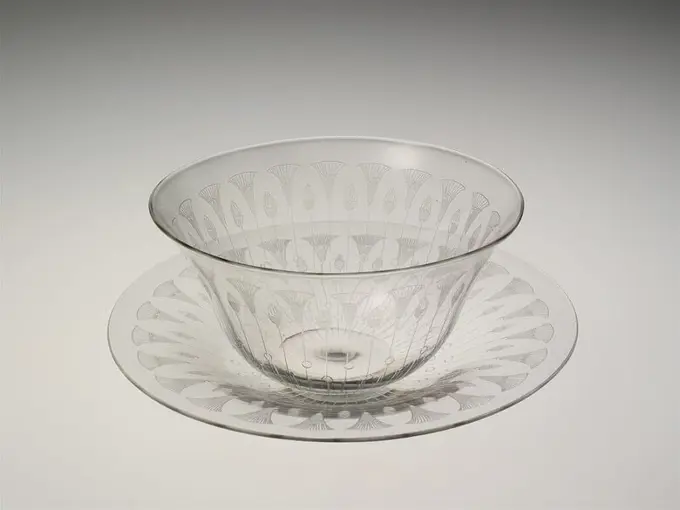
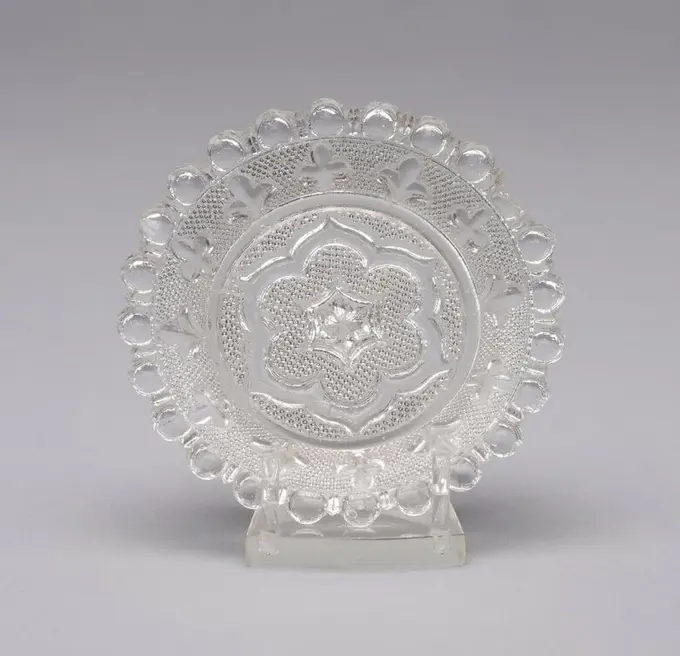
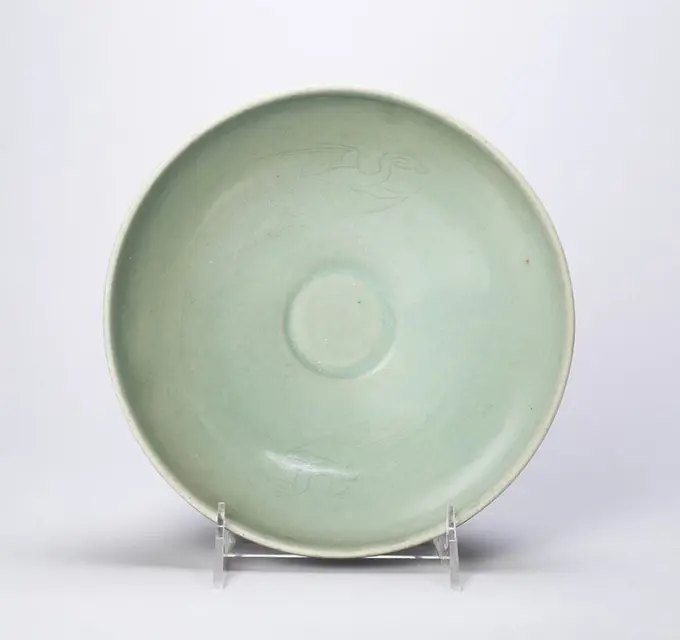
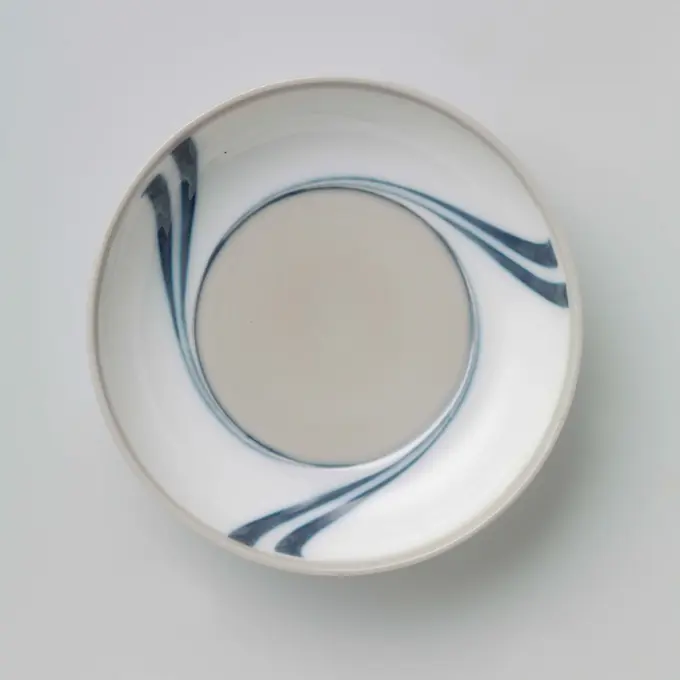
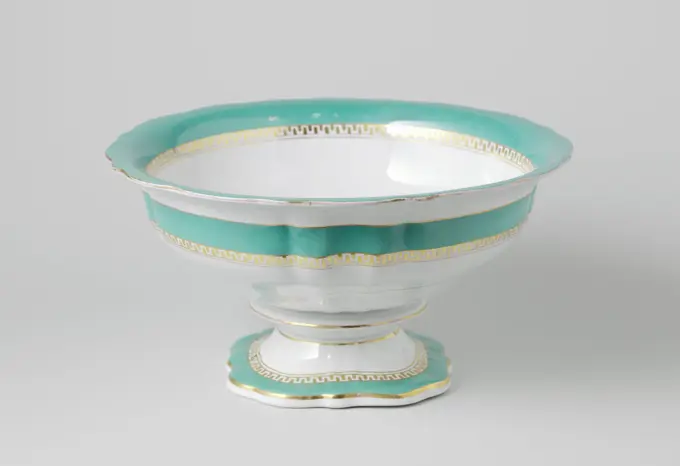
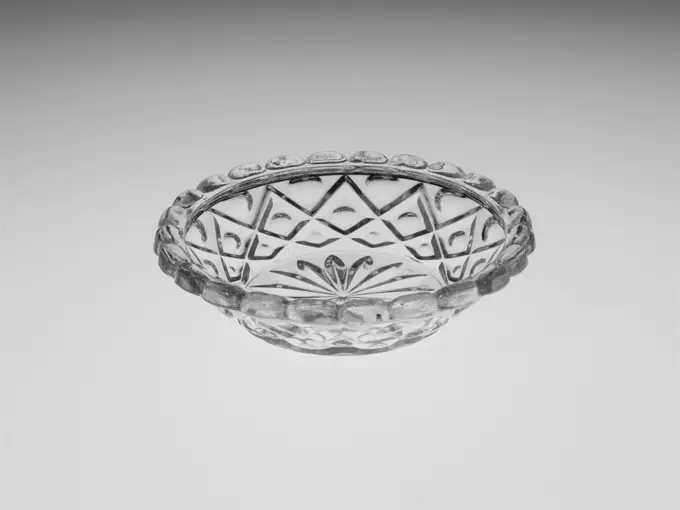
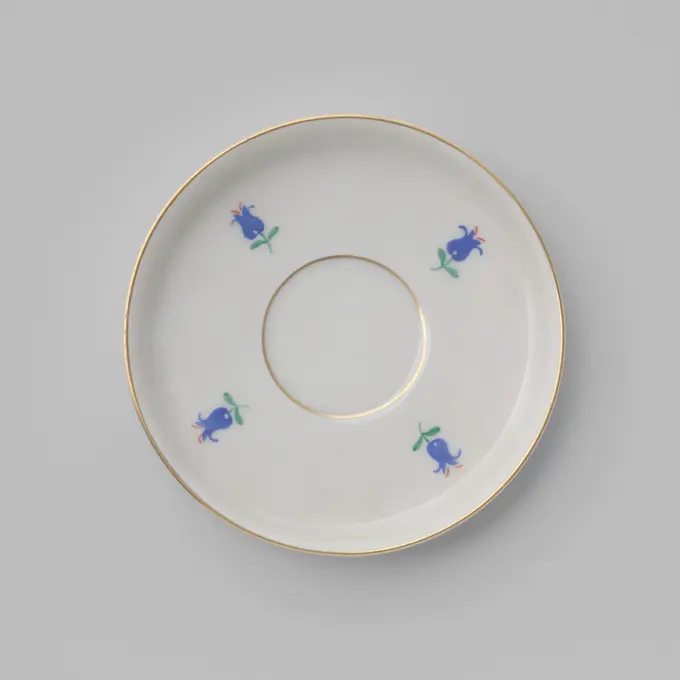
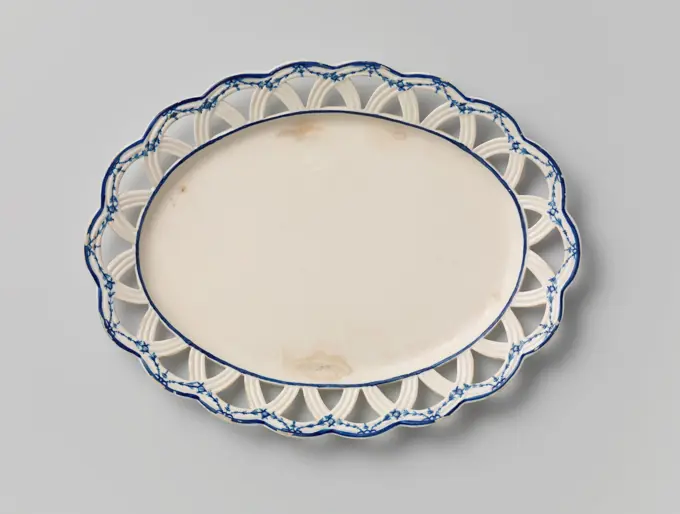
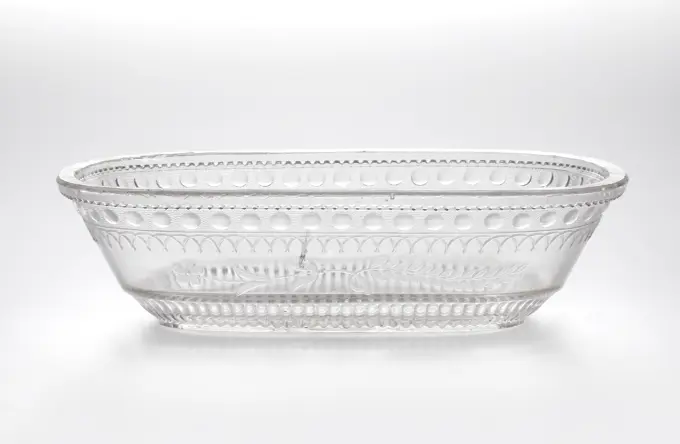
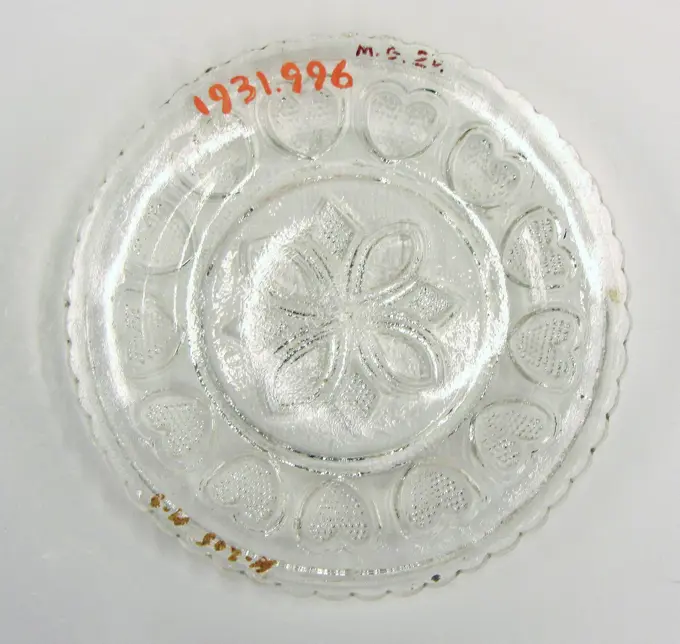
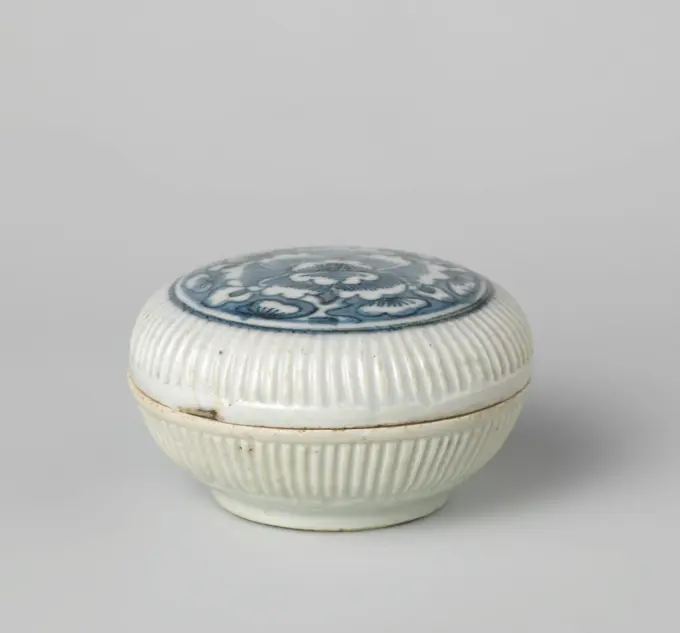
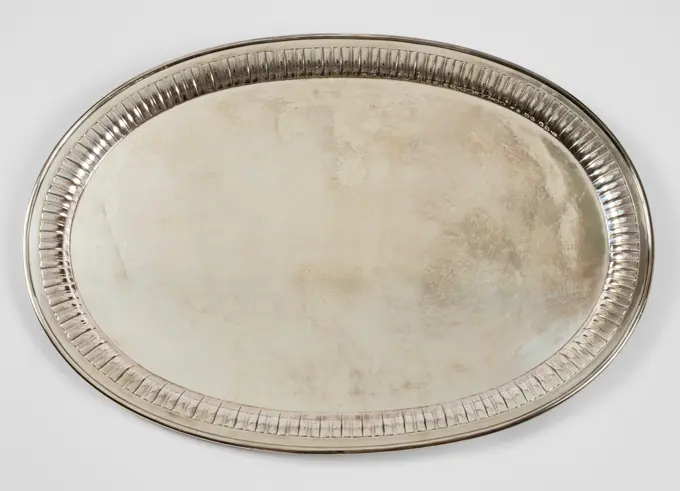
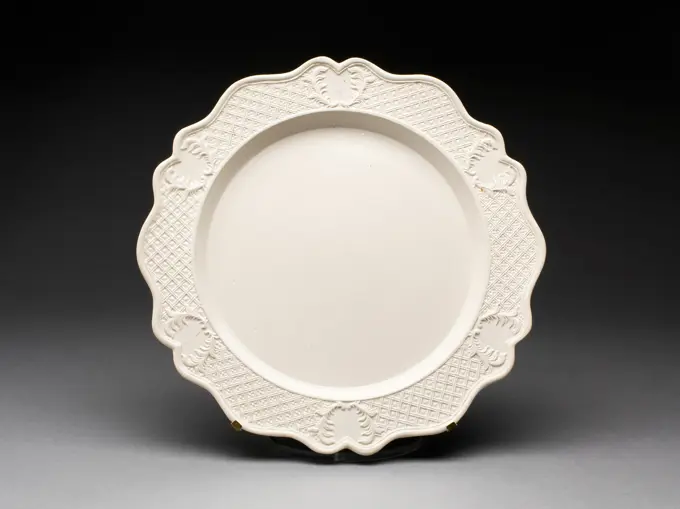
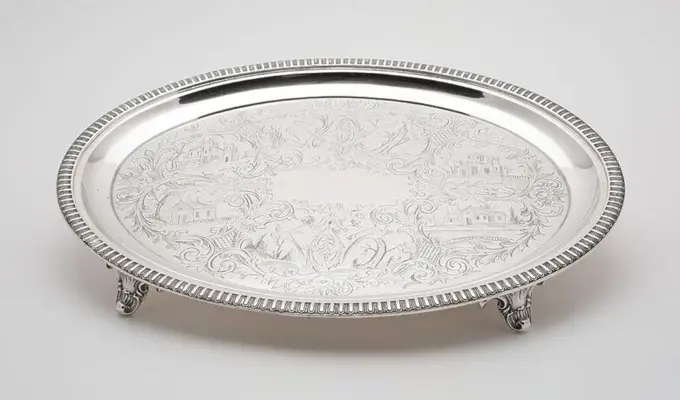
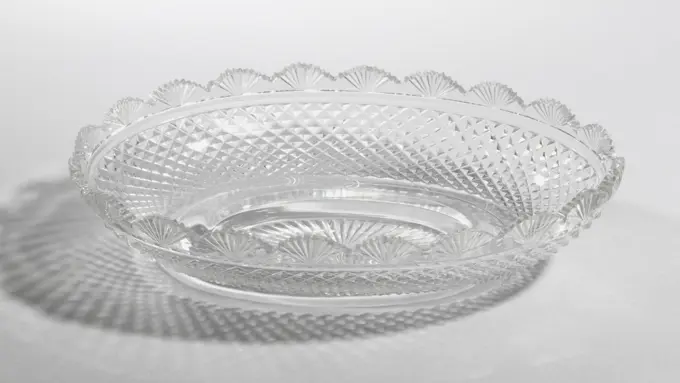
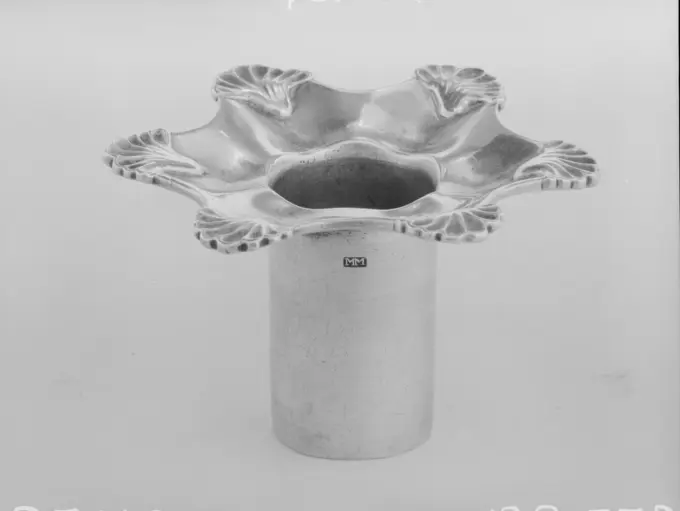
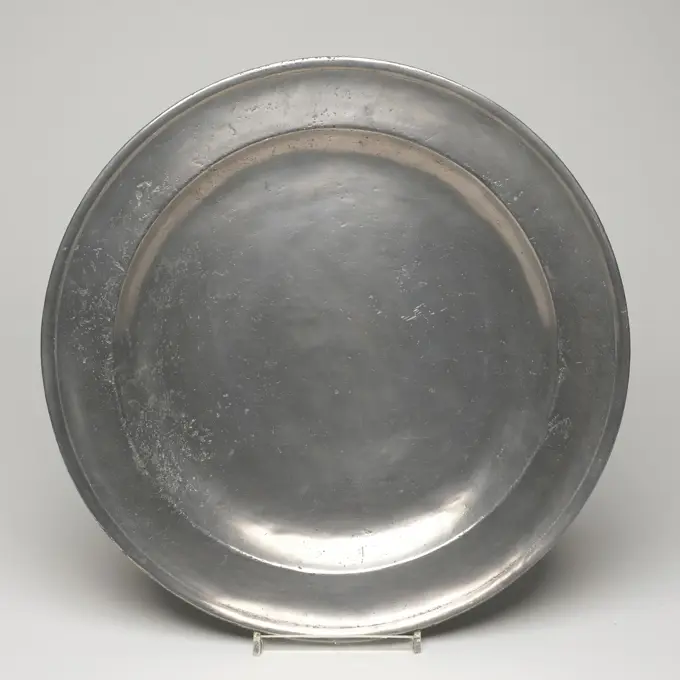
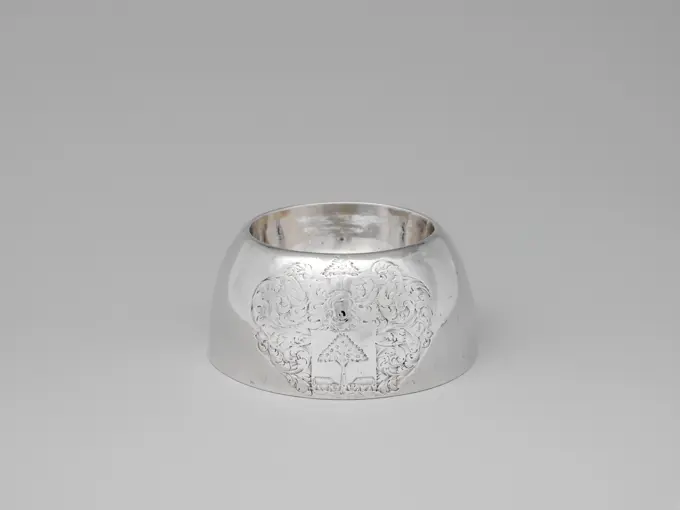
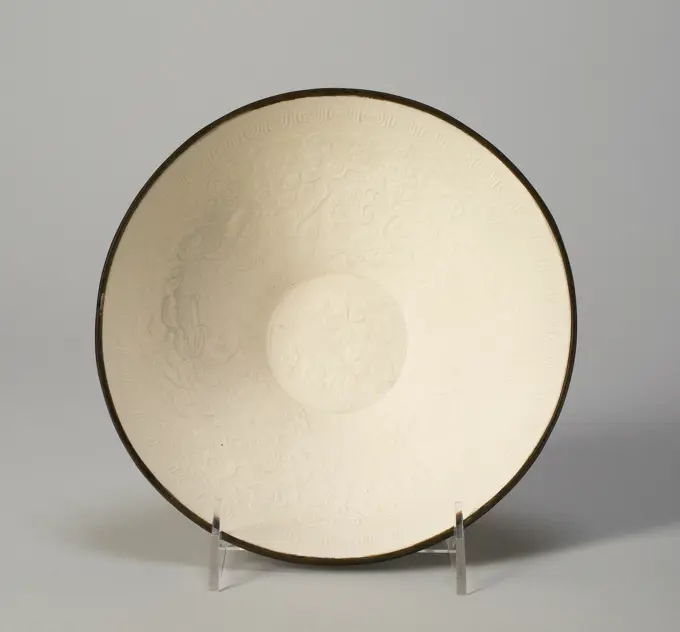
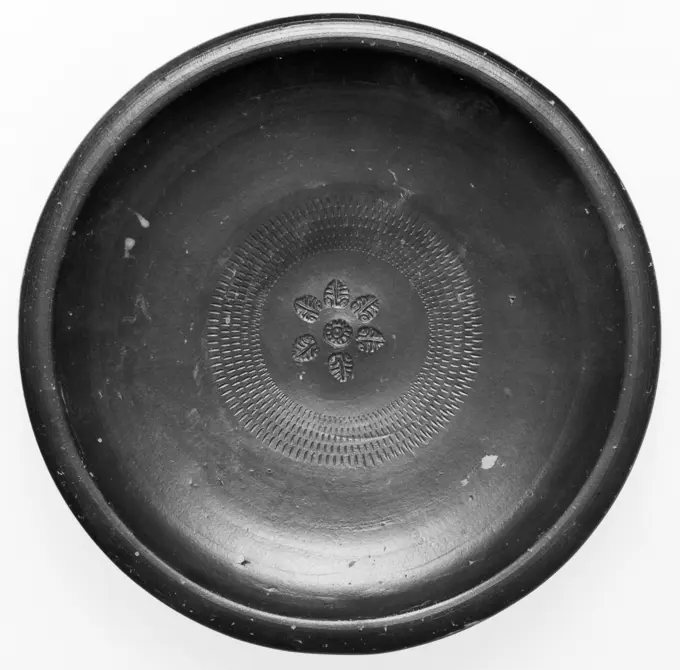
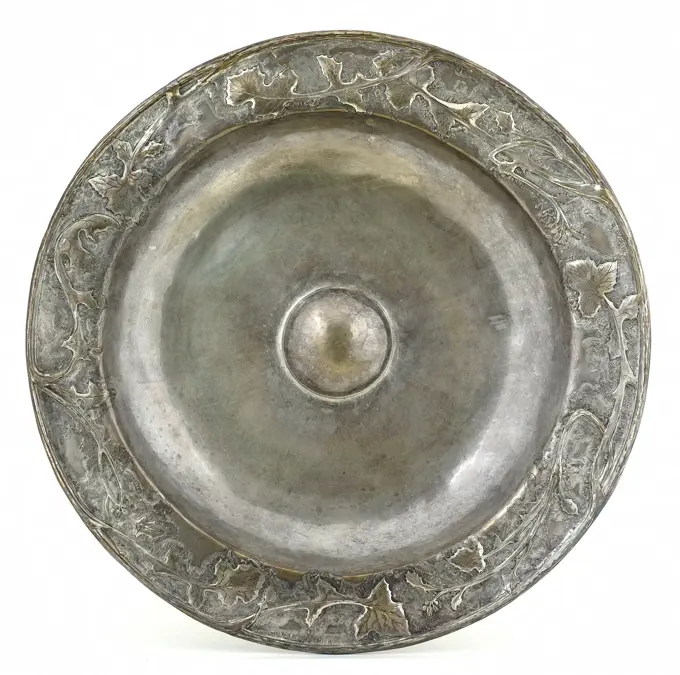
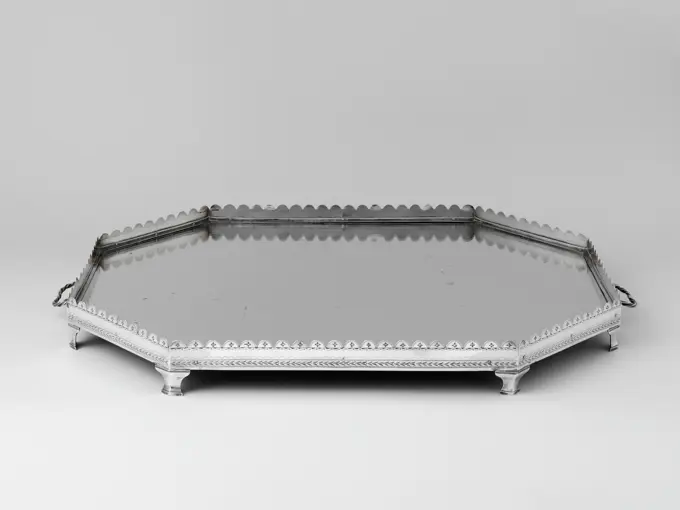
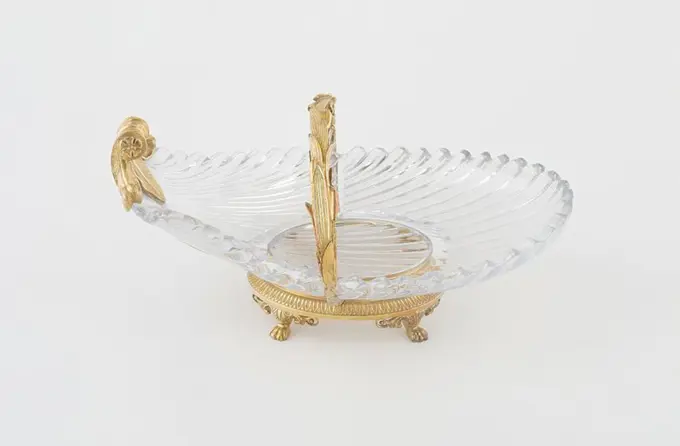
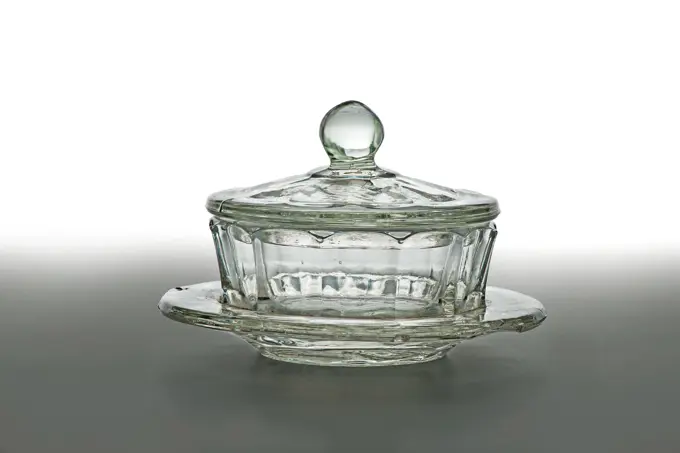
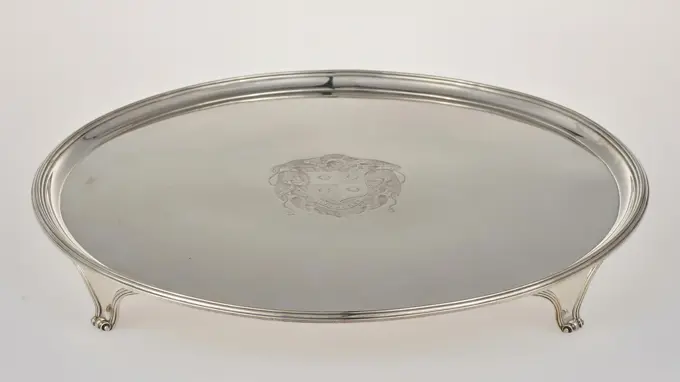
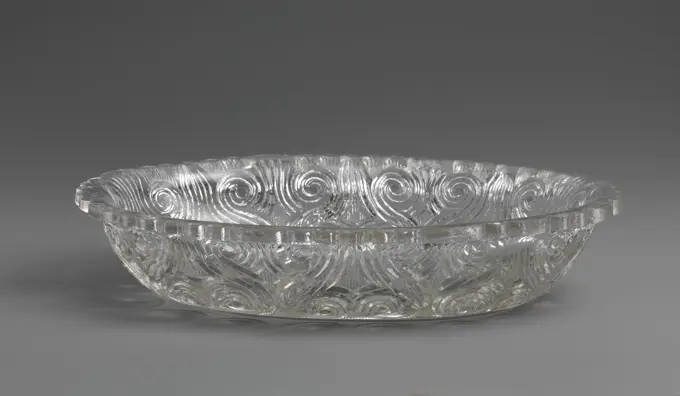
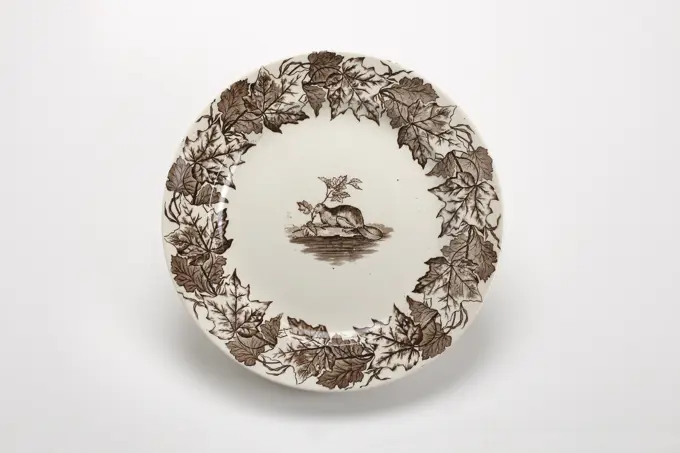
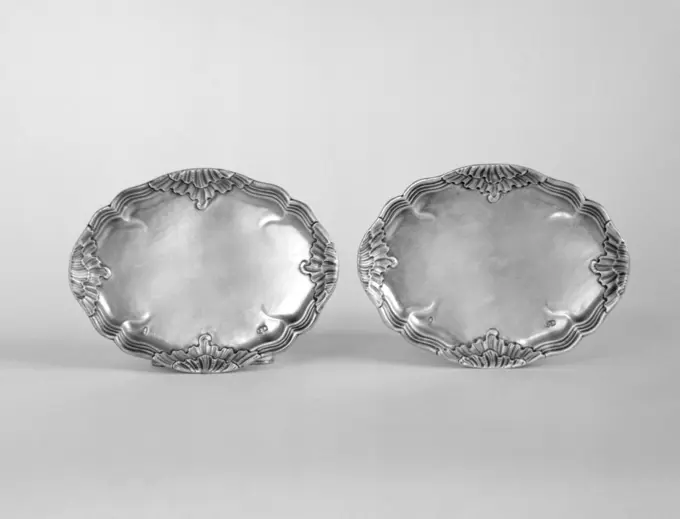
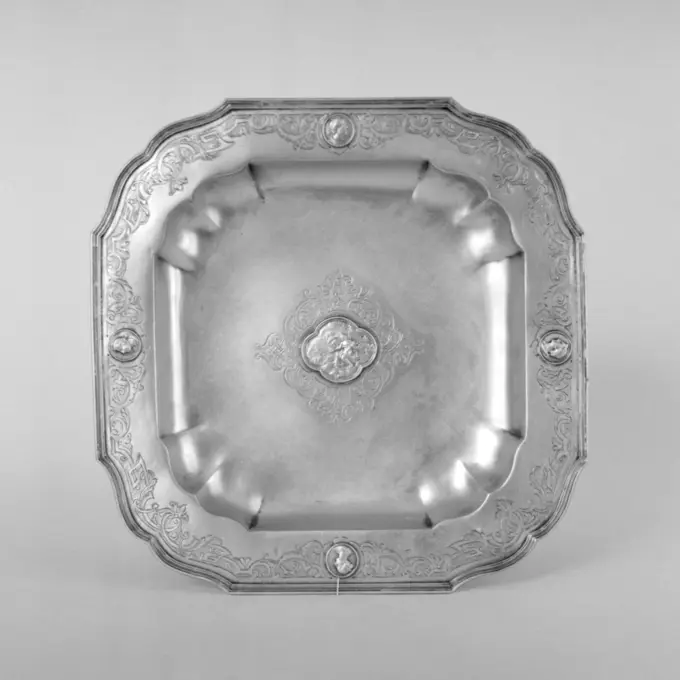
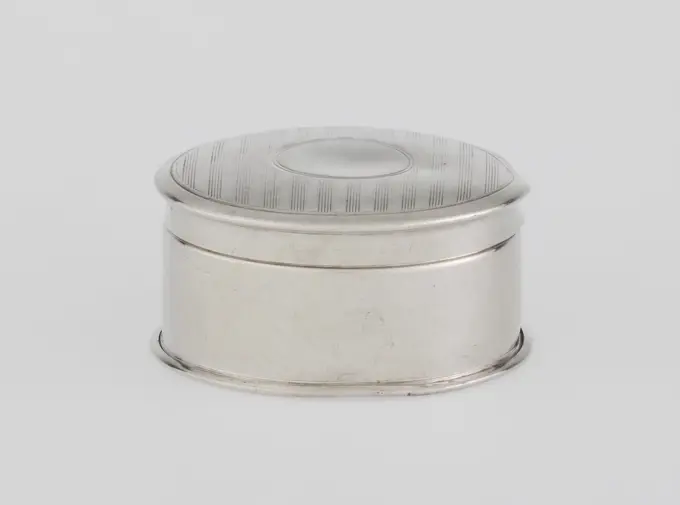
Plate. Anton Singer; Austrian, active c. 1745; Austria. Date: 1740-1750. Dimensions: 2.2 × 24.1 cm (1 × 9 1/2 in.). Pewter. Origin: Austria. Museum: The Chicago Art Institute, Chicago, USA.John W. Forbes, Platter, one of three, c. 1810, silver.Water bowl, anonymous, 1680 Underemotel of silver. The dish has a corrugated circumference and eight high swellings on which flowers are driven in relief, deteriorated and separated by dry and hard lobe ornament. The slightly hollow sunk flat is surrounded by a dent series. Batavia silver (metal) Underemotel of silver. The dish has a corrugated circumference and eight high swellings on which flowers are driven in relief, deteriorated and separated by dry and hard lobe ornament. The slightly hollow sunk flat is surrounded by a dent series. Batavia silver (metal)Wilhelmina and Wellington. Dish of porcelain. The dish has a wide golden trim along the edge and in the middle of a kind of field of gold, in which a trophy has been inserted. European porcelain.. Porcelain lid with annular button, painted on the glaze in black and gold. Three flour branches on the lid; within the annular button an orchid; The outer edge with a bond with a decorative pattern. Originally no part of the tea service. European performance in Encre de Chine.A UROPLE; Lilpop, Karol Jerzy (Fl. 1820-1833); beginning of the 19th century (1801-00-00-1810-00-00);Waiter 1738-1739 London. Silver . Edward FelineBowl with Stylized Floral Scrolls. China. Date: 1300-1368. Dimensions: H. 4.2 cm (1 5/8 in.); diam. 14.0 cm (5 1/2 in.). Luanbai ware; porcelain with transparent or opaque white glaze. Origin: China. Museum: The Chicago Art Institute, Chicago, USA.Onderschotel.Smooth bottom, raised edge of slippery wires in a fillet pattern, deposited with a thick, murdered wire. Horse at Basket (BK-NM-2151-2).Plate. Anton Singer; Austrian, active c. 1745; Austria. Date: 1740-1750. Dimensions: 2.2 × 24.1 cm (1 × 9 1/2 in.). Pewter. Origin: Austria. Museum: The Chicago Art Institute, Chicago, USA.Pearl button with scalloped outline, 1770-1800. Produced in Birmingham.Subtotel, decorated with leaf branches, Engelbart Joosten, 1763 - 1764 Subject of silver, oval with corrugated edge. Edge and ears decorated with leaf branches. The Hague silver (metal) casting / engraving Subject of silver, oval with corrugated edge. Edge and ears decorated with leaf branches. The Hague silver (metal) casting / engravingServing plate - P. T. Legaré-Limitée Quebec. Demandez notre catalogue Alfred Colley Limited Alfred Colley LimitedSet: plate Glassworks J. Stolle NiemenSalver c 1715 Boston. Edward Winslow was one of the most prolific and original silversmiths of the 18th century. His work consistently redefined accepted forms for silver objects. This three-lobed platter is rare in American 18th-century design and has no known prototype. Most likely the serving surface was used to hold four small, stemmed wine glasses and was placed on the dining table after a meal.. Silver . Edward WinslowToy dessert plate - W. T. Copeland & Sons, 1868-1931 W. T. Copeland & Sons, 1868-1931Bowl (Ireland); glass; 6.5 x 29.7 x 24.5 cm (2 9/16 x 11 11/16 x 9 5/8 in.); Bequest of Walter Phelps Warren; 1986-61-181Toy soup plate - W. T. Copeland & Sons, 1868-1931 W. T. Copeland & Sons, 1868-1931Dish with Dragons, Peonies, and Stylized Clouds 960 CE-1279 China. Ding ware; porcelain with underglaze molded decoration; copper rim .Bowl and plate. Culture: American. Dimensions: Bowl:2 1/2 in. (6.4 cm)Body diameter: 5 1/8 in. (13 cm)Plate:1 in. (2.5 cm)Body diameter: 6 1/2 in. (16.5 cm). Manufacturer: C. Dorflinger and Sons (American, White Mills, Pennsylviania, 1881-1921). Date: ca. 1908-12.The glass factories founded by Alsatian émigré Christian Dorflinger were arguably among the most significant glass factories in operation from the mid to late nineteenth century. His first factory was in Brooklyn, New York, from which he relocated his operations to White Mills, Pennsylvania, where this object was made. His products were renowned both for the fine quality of the glass and for their accomplished cutting. In contrast to the deeply cut and finely engraved decoration embellishing other works by the firm, the simple, flat pattern on this bowl and plate was achieved by acid etching. The decoration is in the "Kalana Lily" pattern, a design of stylized Egyptian papyrus in repeat. Museum: Metropolitan Museum of ArBox of silver, partially plated, with lid of mother-of-pearl with sliced relief with representation of Diana and Callisto. Oval box of silver, partially plated and with mother-of-pearl lid. The silver is unfromed. The lid is sliced in relief and shows the representation of Diana and Callisto. The lid is signed and dated.Toy dessert plate - Inconnu / UnknownJoseph Lownes, Salver, c. 1800, silver.Cup plate. American; Midwest. Date: 1830-1835. Dimensions: diam. 8.1 cm (3 3/16 in.). Pressed glass. Origin: Midwest. Museum: The Chicago Art Institute, Chicago, USA.Bowl with Pair of Flying Phoenixes. Korea. Date: 1101-1200. Dimensions: H. 8.3 cm (3 1/4 in.); diam.: 19.5 cm (7 5/8 in.). Stoneware with celadon glaze and underglaze incised decoration. Origin: Korea. Museum: The Chicago Art Institute, Chicago, USA.Dish from the 'Saxonia' coffee and tea set. Dish of porcelain, painted in blue and gray. The dish is part of the Saxonia coffee and tea set. The dish has been marked.Scale on foot with green edge and golden Greek band, Petrus Regout, c. 1865 Scale on foot of earthenware, scalloped, with green edge and golden Greek band. Maastricht earthenware Scale on foot of earthenware, scalloped, with green edge and golden Greek band. Maastricht earthenwaregranite hexagon white design on white background minimal. 3D renderingSauce Dish 1850-60 American With the development of new formulas and techniques, glass-pressing technology had improved markedly by the late 1840s. By this time, pressed tablewares were being produced in large matching sets and innumerable forms. During the mid-1850s, colorless glass and simple geometric patterns dominated. Catering to the demand for moderately-priced dining wares, the glass industry in the United States expanded widely, and numerous factories supplied less expensive pressed glassware to the growing market. At the Exhibition of the Industry of All Nations at New Yorks Crystal Palace in 1853, for example, the New England Glass Company exhibited 130 pieces of one design, "consisting of bowls, tumblers, champagnes, wines, and jelly glasses." This object belongs to one such service. Although the glass manufactory is not known, the glassware is very typical of the large services that were very popular with Americas middle class in the nineteenth century.. Sauce Dish 7139Saucer bowl with flowers, Pirkenhammer, c. 1935 Porcelain dish with a slightly deepened center and low, raised wall, painted on the glaze in blue, red, green and gold. On the flat a gold medallion around the deepened center and around four blue flowers. Golden Rand. Marked on the underside with the crossed hammers with crown, the text 'Epiag Pirkenhammer Czechoslovakia' and the number 5857. Carlsbad porcelain. glaze. gold (metal) painting / gilding / vitrification Porcelain dish with a slightly deepened center and low, raised wall, painted on the glaze in blue, red, green and gold. On the flat a gold medallion around the deepened center and around four blue flowers. Golden Rand. Marked on the underside with the crossed hammers with crown, the text 'Epiag Pirkenhammer Czechoslovakia' and the number 5857. Carlsbad porcelain. glaze. gold (metal) painting / gilding / vitrificationSet: plate Glassworks J. Stolle Niemen. Round unforeseen leaves with a raised edge. Signature and dated.Blackboard from the coffee and tea service 'Saxonia'. Porcelain plate, painted in blue and gray. The sign belongs to the Saxonia coffee and tea service. The plate has been marked.Subtotel of English hard baked earthenware, Boch, Boch, c. 1775 - c. 1810 Dish of hard baked pottery. The dish has a scalloped edge and is painted in blue, with a flower guide country along the edge. The dish is kept as a subpotel in a basket (BK-1978-108-A), but they do not belong together. NEW arch (country) earthenware Dish of hard baked pottery. The dish has a scalloped edge and is painted in blue, with a flower guide country along the edge. The dish is kept as a subpotel in a basket (BK-1978-108-A), but they do not belong together. NEW arch (country) earthenwareOval bowl; Michaelis, Johann C. (Fl. Ca 1800-Ca 1830); 1920s (1820-00-00-00-1829-00-00);Snuffbox. unknown, authorBasket of silver with hinged handle, 1806 Oval barge -shaped basket with upright handle. On a straight lower edge, a faintly bent wall rises. The wall is decorated with openwork leaf motifs and above it with an openwork and engraved edge of Acanthus leaves. The top edge is trimmed with a pearl edge. The hinged curved handle broadens upwards, and is decorated with straight lines and a window. Rotterdam silver (metal) forging Oval barge -shaped basket with upright handle. On a straight lower edge, a faintly bent wall rises. The wall is decorated with openwork leaf motifs and above it with an openwork and engraved edge of Acanthus leaves. The top edge is trimmed with a pearl edge. The hinged curved handle broadens upwards, and is decorated with straight lines and a window. Rotterdam silver (metal) forgingSaucer 1855 Sèvres Manufactory French. Saucer 202625Candy dish -CupPlate. Maker, probably by: Boston and Sandwich Glass Works, American, 1826-88Bowl, 18th-19th century, 2 x 5 1/8 x 5 1/8in. (5.1 x 13 x 13cm), Glass, United States, 18th-19th centuryRound box with ribbed sides and a flower in the cover, anonymous, c. 1500 - c. 1599 Lid of round box made of porcelain with ribbed wall, painted in underlaze blue. On the lid a medallion with a flower and leaves saved in a blue soil. Two cracks in the edge of the lid. Ming porcelain in blue and white. China porcelain. glaze. cobalt (mineral) painting / vitrification Lid of round box made of porcelain with ribbed wall, painted in underlaze blue. On the lid a medallion with a flower and leaves saved in a blue soil. Two cracks in the edge of the lid. Ming porcelain in blue and white. China porcelain. glaze. cobalt (mineral) painting / vitrificationTray; Designed by Johan Rohde (Danish, 1856 - 1935); Manufactured by Georg Jensen Sølvsmedie (Denmark); silver; Overall: 2 x 58.4 x 41.4 cm (13/16 x 23 x 16 5/16 in.); 1982-41-4Plate Made 1750-1759 Staffordshire. Salt-glazed stoneware .Dish, purple red fond with golden piping. Dish of porcelain, part of a coffee set, with purple red fond and golden piping along the edge a wide golden trim in which a engraved leaf drink. No brand.Salver. William Gale & Son; American, 1850-58; 1862-66; New York, New York. Date: 1852. Dimensions: 2.9 × 36.9 × 26.7 cm (1 1/4 × 14 1/2 × 10 1/2 in.). Silver. Origin: New York City. Museum: The Chicago Art Institute, Chicago, USA.Plate of tin with scalloped edge. Plate of tin. The scalloped edge is double profiled. On the bottom of the flat, three times fin is inserted.Basin 1775-1785 London, City of. Pewter . Thomas ComptonA plateDinner plate with English arms (one of a group of four) 1715 Richard Bayley Set of four circular dinner plates with English arms, London 1715 with maker's mark of Richard Bayley, which are part of a larger set, of which The Met was given twelve by Mrs Charles Wrightsman in 2012 (2012.205.17). In the eighteenth century, dinner plates were often supplied in sets of 36 - enough to serve three courses to a table of twelve.. Dinner plate with English arms (one of a group of four). British, London. 1715. Silver. Metalwork-Silver. Paphom with horizontal, shell-shaped handles. A six-lasting star in a circle is engraved in the bowl. The bowl has a stand ring. The Brandewijnkom has been labeled: STK. = Amsterdam, JRL. = F (1740), Mt. = Frederik from STRANT II, the letter U (Rerkur Middelburg) and a ax.Plate; Koenigliche Porzellan Manufaktur (KPM; Berlin; 1763-1918); 1870-82 (1823-00-00-1832-00-00);Bowl (Ireland); glass; 6.2 x 25.3 x 16.7 cm (2 7/16 x 9 15/16 x 6 9/16 in.); Bequest of Walter Phelps Warren; 1986-61-200Bobeche 1755-60 Myer Myers American This bobeche matches the one belonging to Myer Myers candlestick (1972.3.1a,b and .2). Engraved inscriptions reveal that these candlesticks, originally from a set of four, were a gift to Catherine Livingston from her maternal grandparents, Pieter and Sarah Van Brugh. They were probably made around 1759, when Catherine married the wealthy merchant John Lawrence. Only the most prosperous Americans could afford silver candlesticks such as these, which appear to have been cast from an English model.. Bobeche. American. 1755-60. Silver. Made in New York, New York, United StatesDrawer Pull. Dimensions: Diam. 2 1/8 in. (5.4 cm). Date: 1810-60. Museum: Metropolitan Museum of Art, New York, USA.Plate, 18th century, 13 1/4 x 13 1/4 in. (33.66 x 33.66 cm), Pewter, England, 18th centuryButter dish -Bowl late 15th-early 16th century Italian, Venice (Murano). Bowl 201679Trencher Salt 1690-1710 Bartholomew Le Roux By about 1700, as mores changed and salt became more easily obtainable, small individual saltcellars set one to each trencher, or plate, supplanted the large standing salt of medieval origin. These trencher salts are among the earliest American examples known. They are exceptional not only for their exquisite design and workmanship but also because they have survived as a pair. Their form is a simple and beautifully proportioned composition, which balances the concave hemisphere of the well with the convex curve of the sides. Embracing the front of each salt is a cartouche containing the de Peyster family coat of arms and crest and engraved with characteristically luxuriant, New York early-Baroque acanthus foliage. The maker, Bartholomew Le Roux I, left Holland (where he probably trained) for London in 1685 and not long thereafter moved to New York. He was the first of three generations of New York silversmiths; a coffeepot (right; 1997.498.1Armband -Dish (USA); Made by Louis Comfort Tiffany (American, 1848-1933); favrile glassFor a half -ticks; Koenigliche Porzellan Manufaktur (KPM; Berlin; 1763-1918); approx. 1800 (1832-00-00-1850-00-00);Very old tin plate, isolated on whiteOval dish of hard baked pottery; Creamware., Anonymous, c. 1785 - c. 1792  Oval dish of hard baked pottery with a multicolored decoration on the glaze. On the flat, a flower wreath is painted within which the monogram D.S.K.JR.1792. Birandes and Festonen run from the edge. The edge is open. England earthenwareNappy - Inconnu / UnknownBowl with Stylized Peony Spray 1115-1199 China. Ding ware; porcelain with underglaze mold-impressed decoration; metal rim .Campanian Black Dish. UnknownPlate. Culture: British. Dimensions: Diam. 8 1/4 in. (21 cm). Date: ca. 1835. Museum: Metropolitan Museum of Art, New York, USA.Plejerko with a cover;  19th/20th century (1890-00-00-1910-00-00);Bowl -Henri Husson / Adrien-Aurélien Hébrard. Plateau. Harted, pushed and chiseled silver, silver frog. 1909-1914. Museum of Fine Arts of the City of Paris, Petit Palais. 75295-15 Martele silver, chisel, silver frog, tray, regrowthPlateau Benjamin Halsted American 1790-1805 Table centerpieces constructed of silver and mirrored glass were rarely made in America; only three are known today, one of which is in the American Wings collection (see 1993.167). This octagonal example marked by the New York silversmith Benjamin Halsted displays the clean, spare lines of Neoclassical design. Its eight cast feet are soldered to a sheet copper base, onto which are pinned engraved silver borders and a simple inner molding that secures the mirrored expanse. The twisted wire handles were added later to facilitate lifting and carrying. Benjamin Halsted is best known for his short-lived partnership with New York silversmith Myer Myers. Halsted's mark, which appears primarily on flatware, is seldom encountered on objects of this scale and sophistication. According to family tradition, the plateau was made for Daniel Crommelin Verplanck (1761-1834, see 49.12), eldest son of Judith Crommelin and Samuel Verplanck, whose household fuTwo Sweetmeat Dishes. Possibly by Jean Baptiste Claude Odiot; French, 1753-1850; Paris, France. Date: 1819-1838. Dimensions: H. 22.2 cm (8 3/4 in.). Silver gilt and glass. Origin: Paris. Museum: The Chicago Art Institute, Chicago, USA. Author: MARTIN-GUILLAUME BIENNAIS.Supper dish for The English Reformed Church, Johannes Schiotling, 1771 A silver bread dish with an engraved monogram ECA and comprehensive engraved inscriptions. Amsterdam silver (metal) A silver bread dish with an engraved monogram ECA and comprehensive engraved inscriptions. Amsterdam silver (metal)Spoon TRAY WITH A European, Tea Drinking Couple. Rectangular, hexagonal pattipan of porcelain with lobed wall, painted on the glaze in black and gold. On the flat a European couple each with a cup surrounded by leaf rights; On the wall flower drinks on napkin; The inner edge with a meander pattern on which half flowers. European performance in Encre de Chine.Dough basket; Levi & Salaman (Birmingham; company Z Otnicz and Platernicza; Fl. 1870-1968); 1909/10 (1909-00-00-1910-00-00);Butter dish with a cover. unknown, glass worksSalver, one of a pair, 1795-1796, Robert Sharp, British, 1 11/16 x 16 1/16 x 16 1/16 in. (4.3 x 40.8 x 40.8 cm), Silver, England, 18th centuryDram Cup ca. 1680 John Coney. Dram Cup 9983Plate with green edge and golden Greek band, Petrus Regout, c. 1865 Plate of earthenware, scalloped, with green edge and golden Greek band. Maastricht earthenware Plate of earthenware, scalloped, with green edge and golden Greek band. Maastricht earthenwareSaucer with gold borders, anonymous, c. 1790 - c. 1800  Porcelain dish, painted with golden tires. France porcelain. glaze. gold (metal) painting / gilding / vitrificationDish 1828-32 Probably Boston & Sandwich Glass Company America's greatest contribution to glassmaking technology was the invention of the glass press by which a vessel could be formed and decorated in one motion with the use of a mold and a plunger. In the earliest years, designers mimicked the geometric patterns on cut glass. Soon, they broke free of the limitations of those cut patterns with the new-found ability to introduce designs that would not have been technically possible in cut glass. This oval dish is a superb example of that critical moment. Rather than diamonds and squares, typical of cut patterns of the day, the dish features bold S-scrolls. The dish is also innovative in its background design of fine ribbing, which contributes to the overall brilliance.. Dish. American. 1828-32. Glass. Probably made in Massachusetts, United StatesHead and saucer with a multi -colored landscape in a medallion saved in a geometric pattern, Weesper Porcelain factory, c. 1759 - c. 1771 Cup and saucer with a multi -colored landscape in a medallion spared in a purple geometric pattern. Not marked. Weesp porcelain Cup and saucer with a multi -colored landscape in a medallion spared in a purple geometric pattern. Not marked. Weesp porcelainNappy - Greek Key & Wedding Ring Pattern Burlington Glass Works Burlington Glass WorksDinner plate - Maple Thomas Furnival & Sons Thomas Furnival & SonsDish. Culture: China. Dimensions: Diam. 6 5/8 in. (16.8 cm). Date: late 17th-early 18th century. Museum: Metropolitan Museum of Art, New York, USA.Small tray (one of a pair) 1757-59 Johann Martin Satzger I. Small tray (one of a pair) 206236Snuff box, shell-shaped. Snuff box of silver. The shell-shaped box, with a straight back, has a hinged lid. There is a shell driven in a flat edge. Profile bands walk along the bottom edge of the box and along the lid. At the bottom of the box are the letters i.e.d. Engraved.Dish, painted with the crocus decor, Meisser Porzellan Manufaktur, 1896 Dish of painted porcelain. The dish is painted in green and brown. The dish is marked. Float porcelain Dish of painted porcelain. The dish is painted in green and brown. The dish is marked. Float porcelainOval frame Retro style silver frame in oval shape Copyright: xZoonar.com/Baloncicix 12132539Square salver 1695-1700 Paul Solanier Paul Solanier was among the most gifted masters in the German imperial city of Augsburg, a leading producer of silver objects. As well as complicated display pieces, his workshop produced a great deal of utilitarian silver.. Square salver 206292Pudely for pills or candies; Hutton & Sons Ltd (Shefield, Birmingham, London; company Z Otnicz and Platernicza; Fl. 1800-1930); 1917/18 (1917-00-00-1918-00-00);Bekken, Manufactuur Oud -Loosdrecht, 1774 - 1784 Porcelain pelvis. Painted in light purple and gold with meander edges and cannelures. Loosdrecht porcelain Porcelain pelvis. Painted in light purple and gold with meander edges and cannelures. Loosdrecht porcelainHandkerchief Made 1860-1869 France. Linen, plain weave; cut work in needle lace filling; embroidered with cotton in back, buttonhole, eyelet, padded overcast, and padded satin stitches; edged with cotton, bobbin straight lace of a type known as Valenciennes .Soepbord, Tag Met Het wing pattern decor, Meissener porcelain manufactory, 1901 Plate of painted porcelain. The board is painted in green and blue with the Flügelmuster. The board belongs to a service (BK-1976-65-1 to BK-1976-65-34) and is marked. Float porcelain Plate of painted porcelain. The board is painted in green and blue with the Flügelmuster. The board belongs to a service (BK-1976-65-1 to BK-1976-65-34) and is marked. Float porcelainBowl ca. 1700. Bowl 448258Butter tub with floral scrolls, Etienne Blancheron, c. 1790 - c. 1800 Porcelain butter fleet on a fixed base, painted on the glaze with gold. Both the fleet and the dish are oval, where the dish has a lobed wall. On the outer wall of the fleet and the inner wall of the bowl a flower drink. Gold tires on the edges. No foot ring. maker: Paris (possibly)Netherlands (possibly) porcelain. glaze. gold (metal) painting / gilding / vitrification Porcelain butter fleet on a fixed base, painted on the glaze with gold. Both the fleet and the dish are oval, where the dish has a lobed wall. On the outer wall of the fleet and the inner wall of the bowl a flower drink. Gold tires on the edges. No foot ring. maker: Paris (possibly)Netherlands (possibly) porcelain. glaze. gold (metal) painting / gilding / vitrificationCompote 1860-80 Bakewell, Pears and Company. Compote 2226Saucer with gold borders on a red ground, anonymous, c. 1800 - c. 1824 Porcelain saucer, covered on the glaze with red and gold. The wall and edge are covered with tires of red and gold, with a flower drink on the edge. Golden line closely. Empire. France porcelain. glaze. gold (metal) painting / gilding / vitrification Porcelain saucer, covered on the glaze with red and gold. The wall and edge are covered with tires of red and gold, with a flower drink on the edge. Golden line closely. Empire. France porcelain. glaze. gold (metal) painting / gilding / vitrificationBrühl, Augustusburg Castle