Antique Silverware

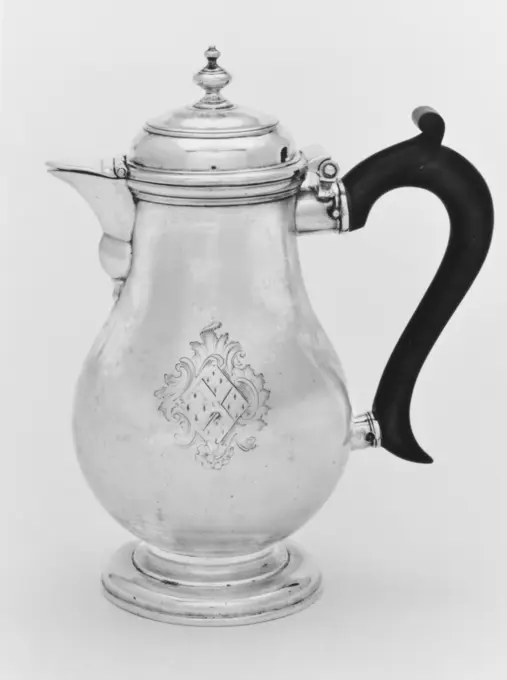
A selection of antique silver jugs and pots from the 18th century, showcasing intricate designs and craftsmanship. Includes a covered cream jug and more.

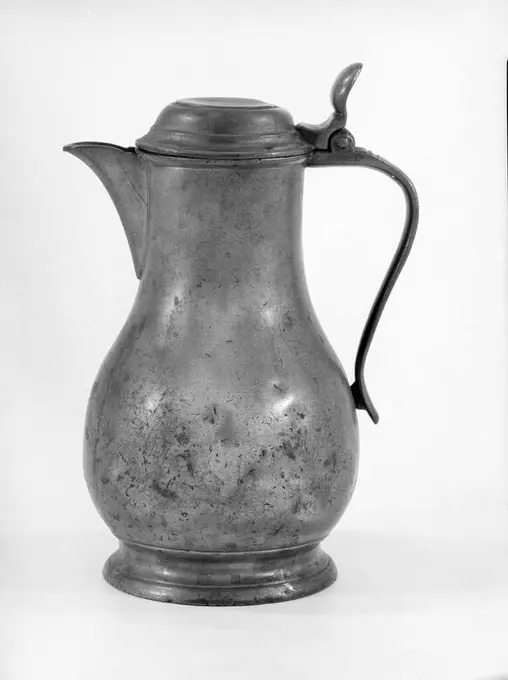
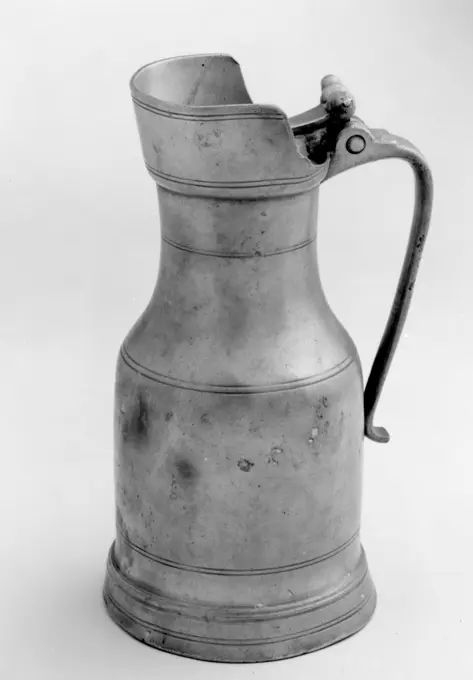
Pear -shaped jug of tin with lid, anonymous, 1725 - 1775 Shakkan van Tin. The conical foot carries a pear -shaped body, decorated with some profiled, horizontal lines. Upwards the body walks out and has a small pour. The flat lid runs in a point and is around at the thumb rest. The thumb rest is formed by two acorns and runs into the handle through a one -cash hinge. The lid is probably from later date. France tin (metal) casting Shakkan van Tin. The conical foot carries a pear -shaped body, decorated with some profiled, horizontal lines. Upwards the body walks out and has a small pour. The flat lid runs in a point and is around at the thumb rest. The thumb rest is formed by two acorns and runs into the handle through a one -cash hinge. The lid is probably from later date. France tin (metal) casting
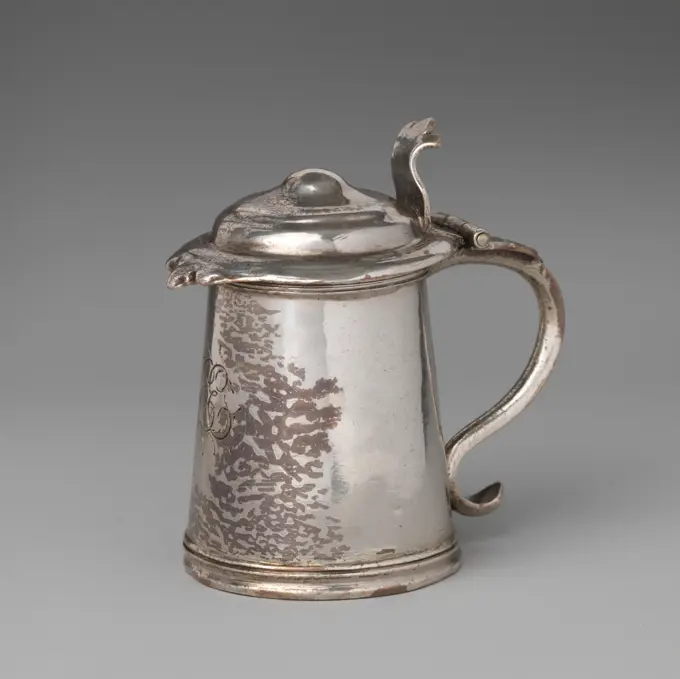
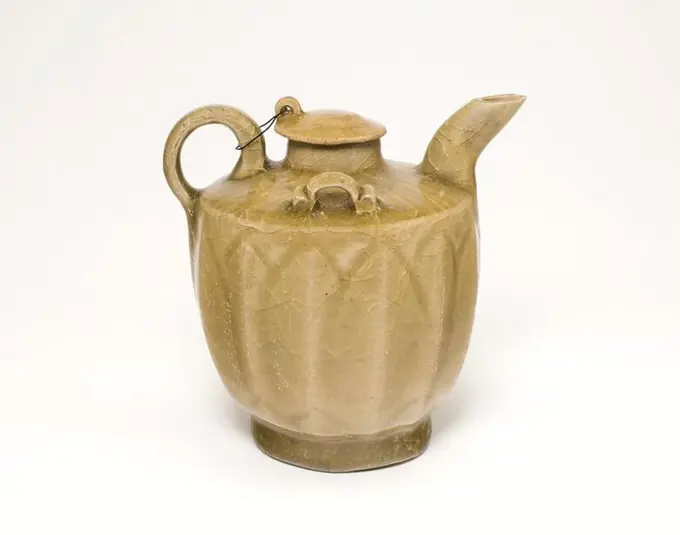
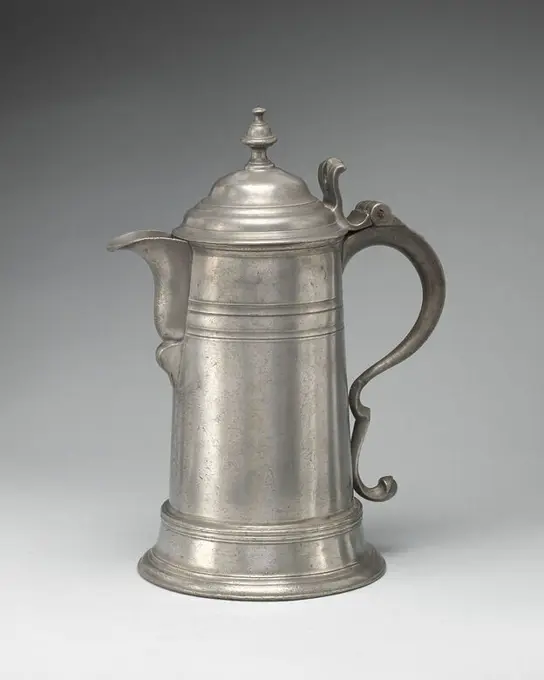
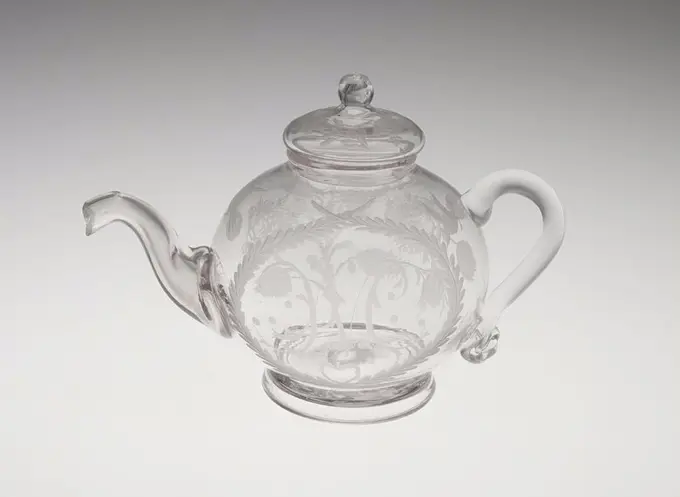
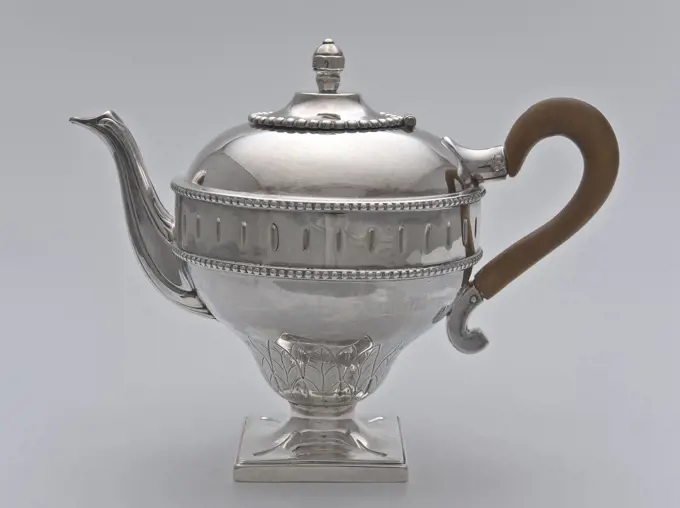
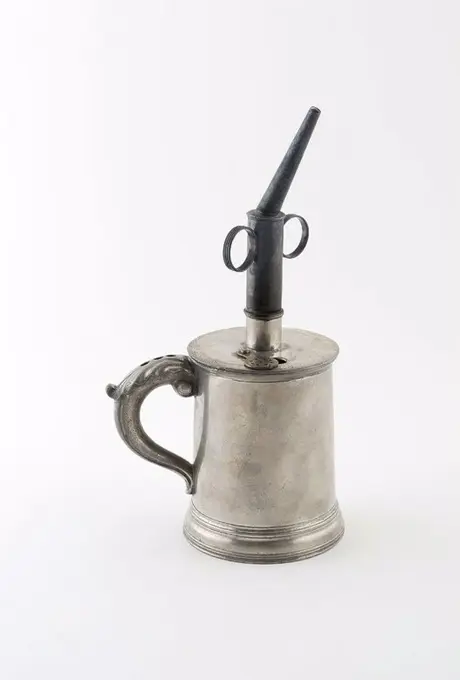
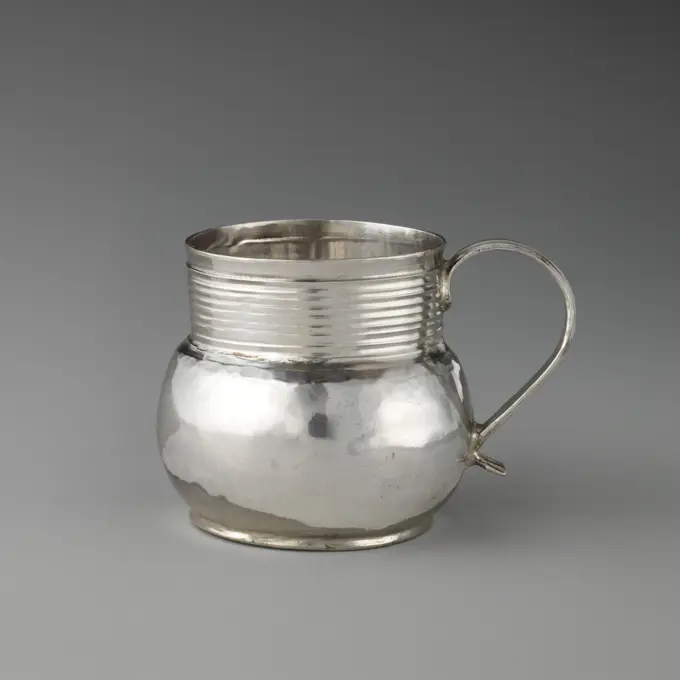
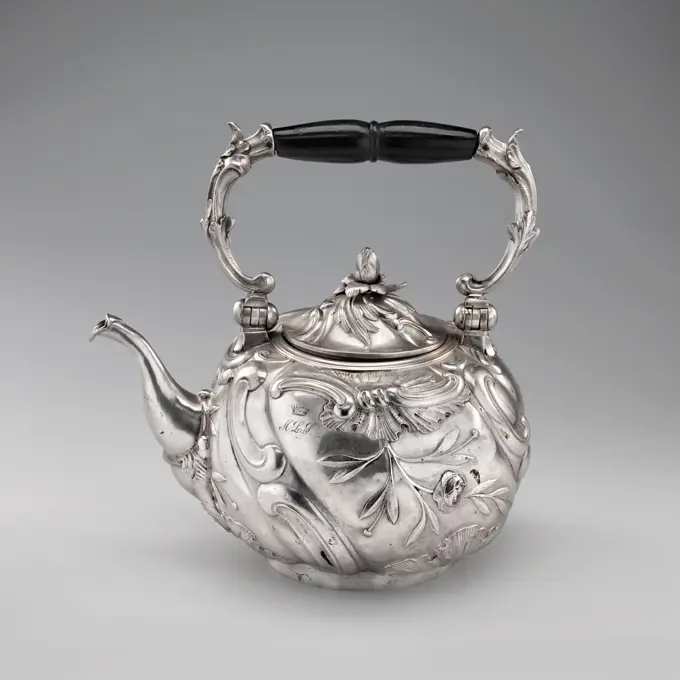
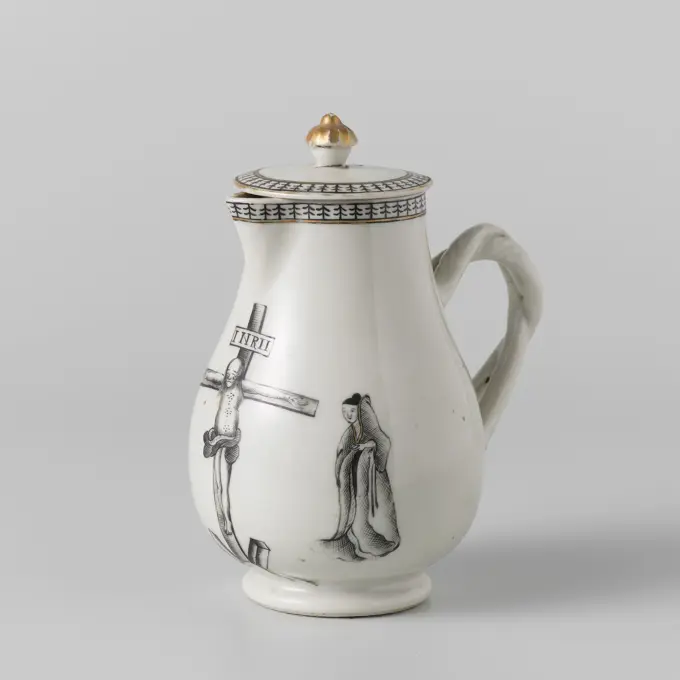
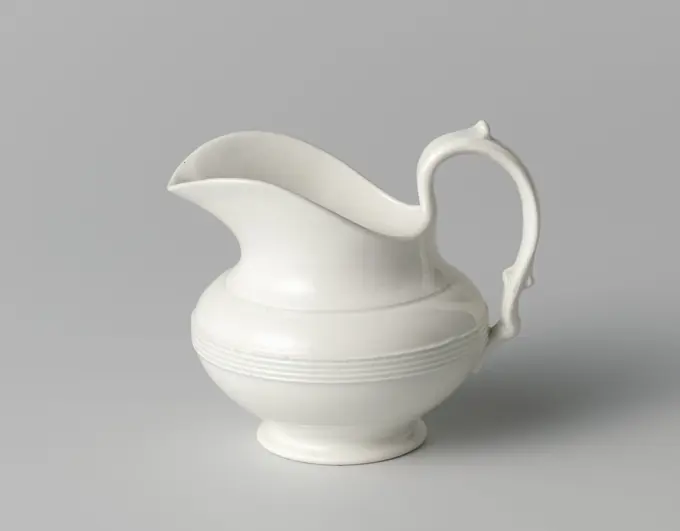
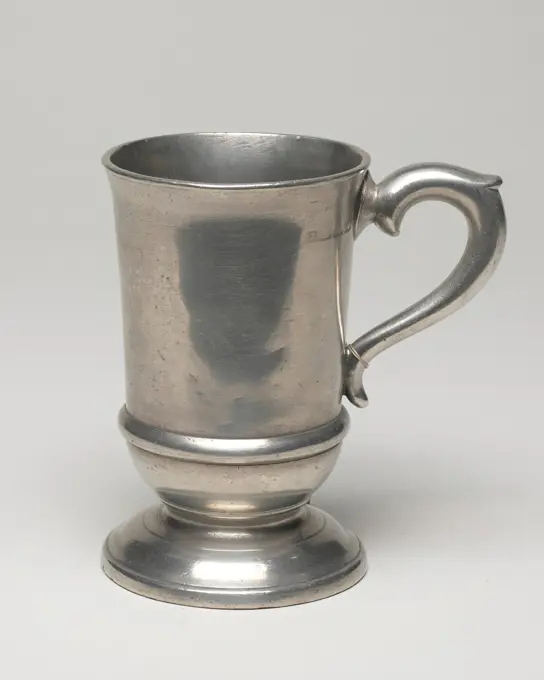
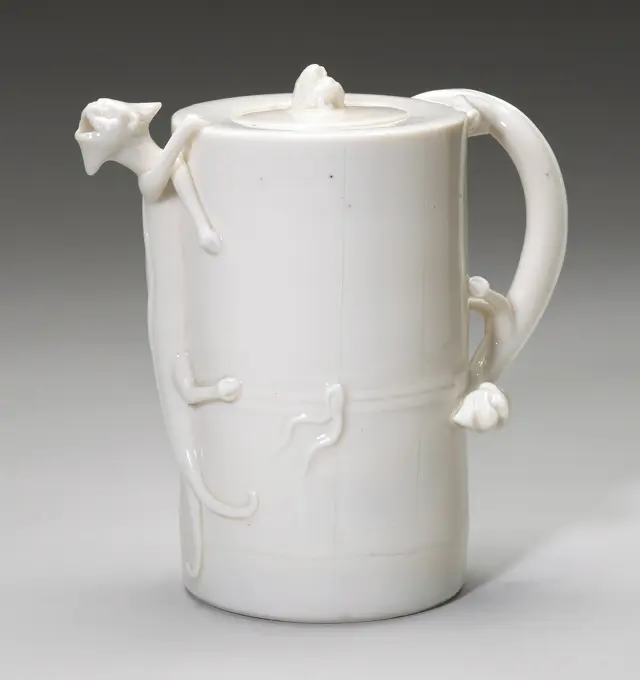
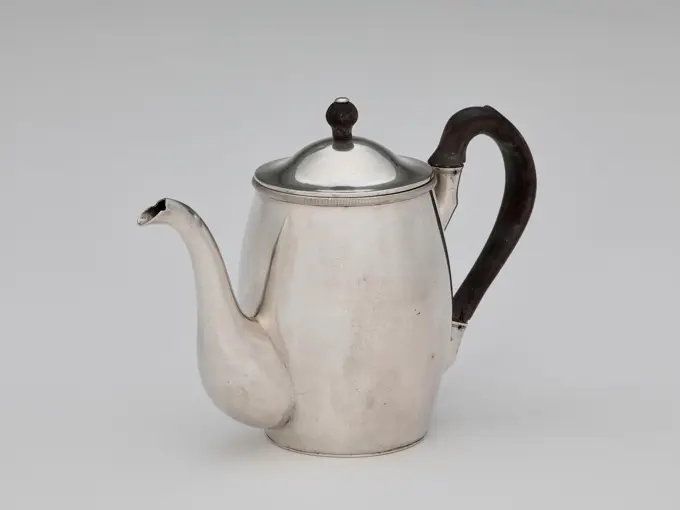
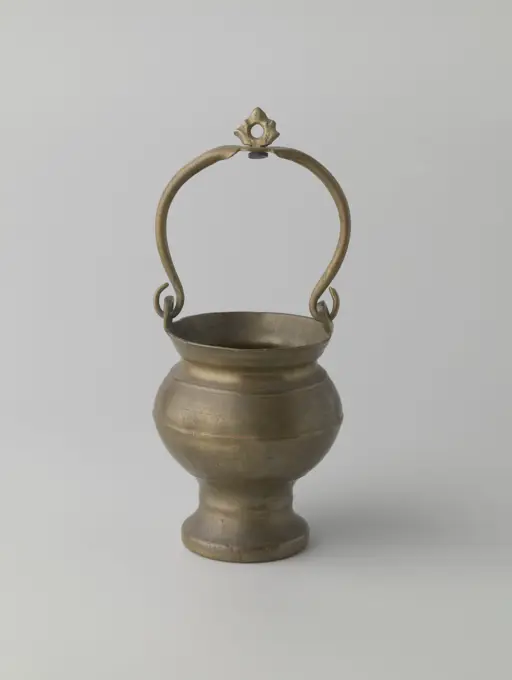
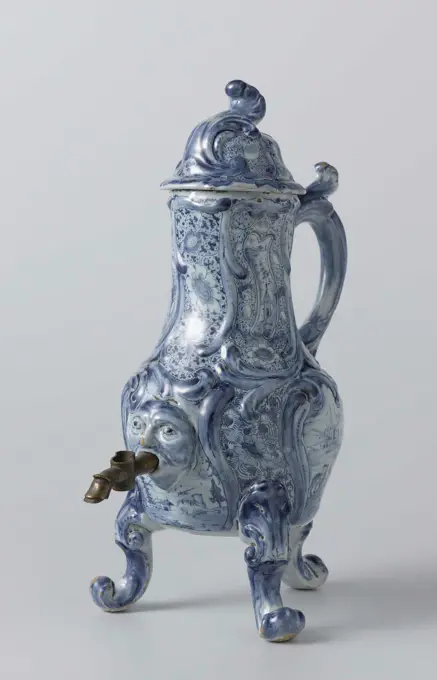
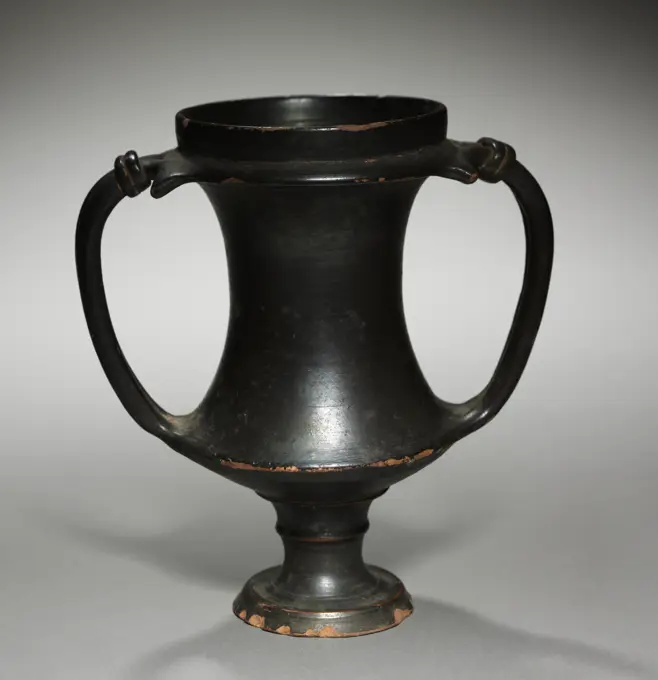
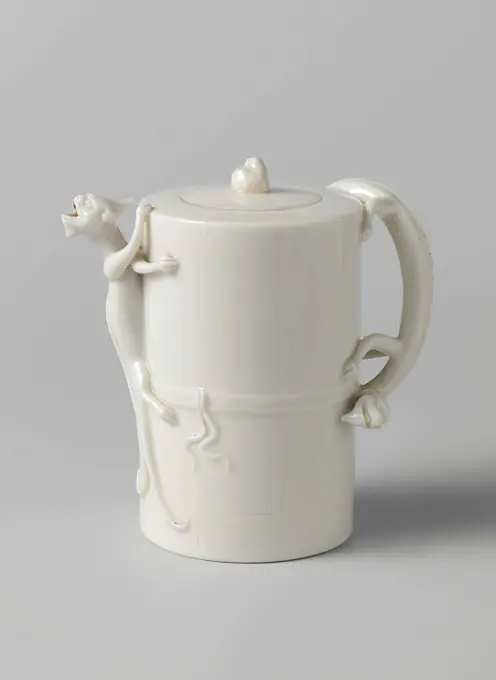
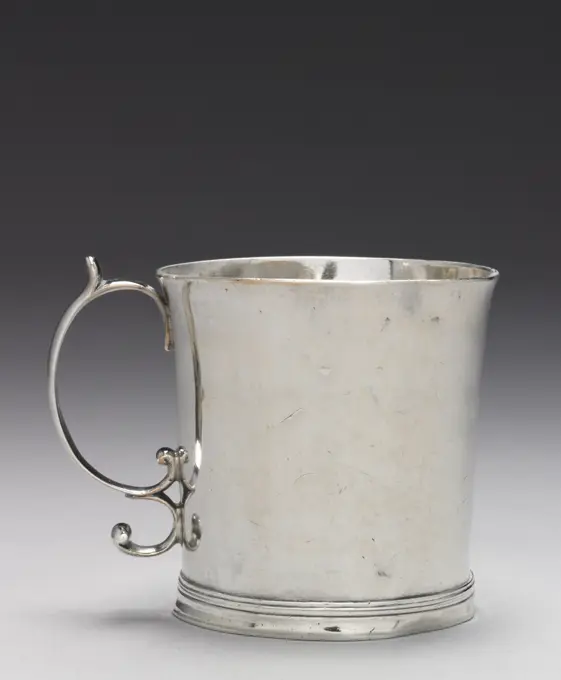
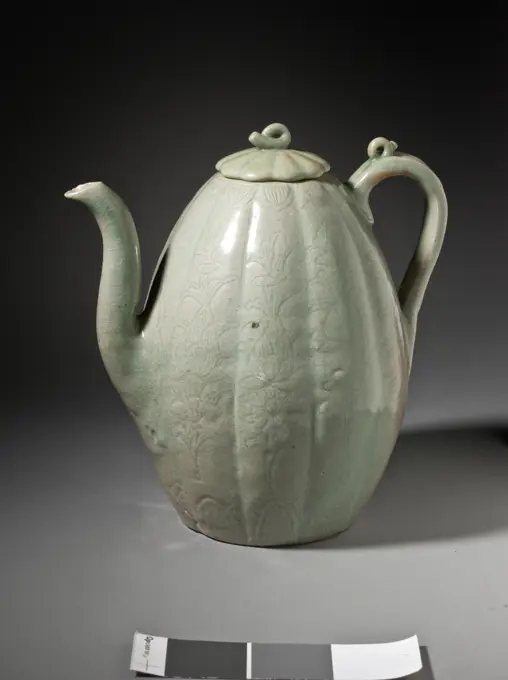
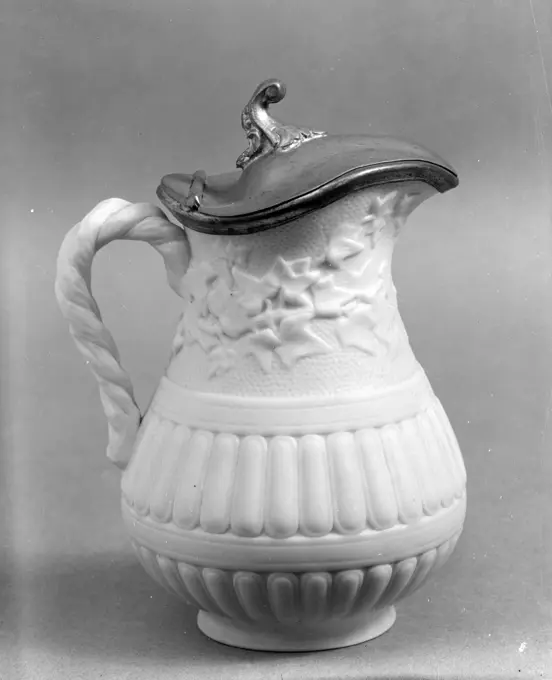
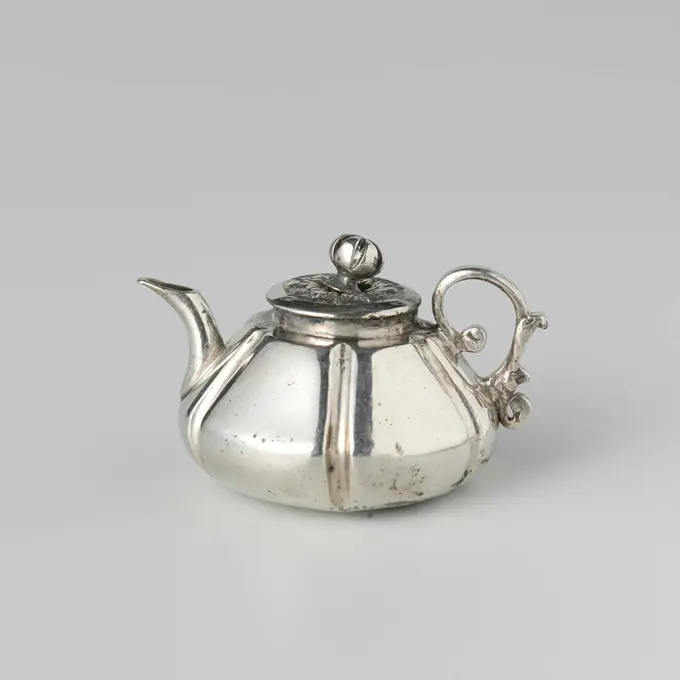
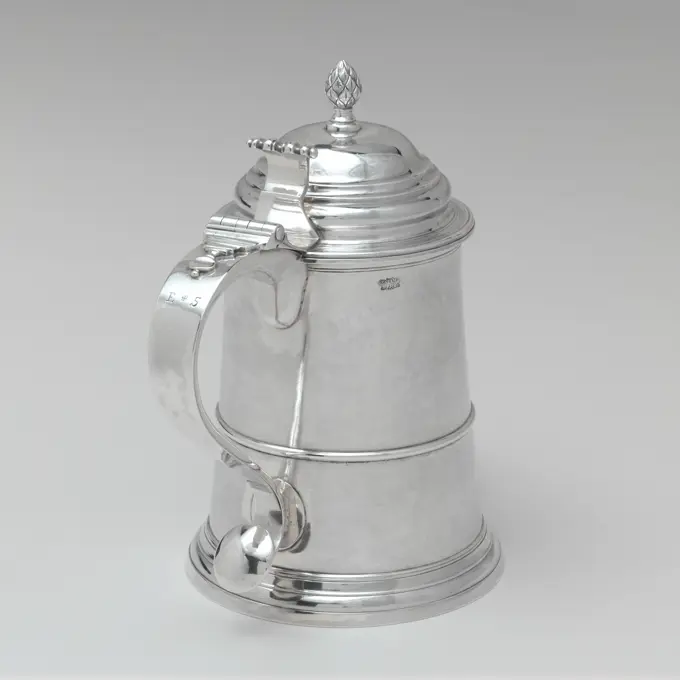
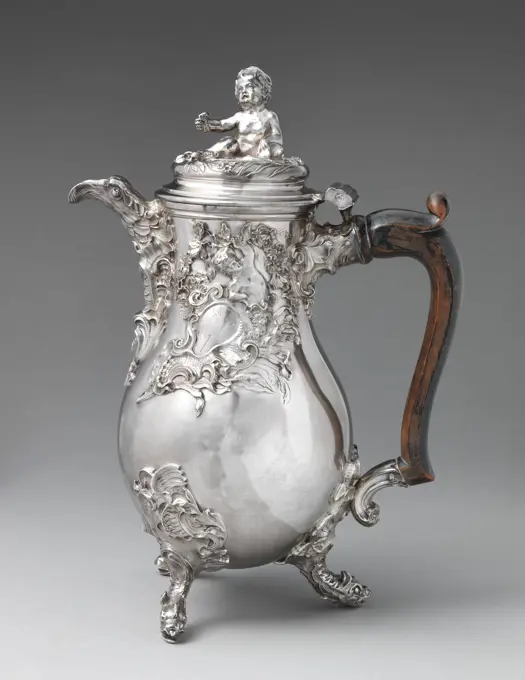
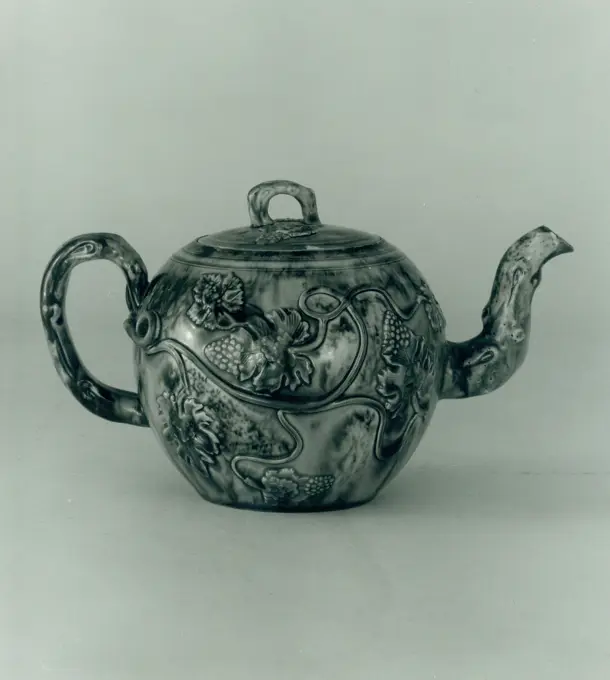
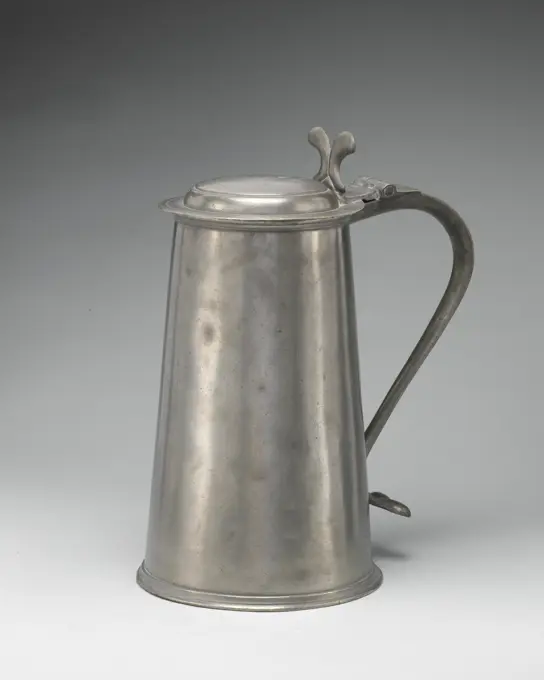
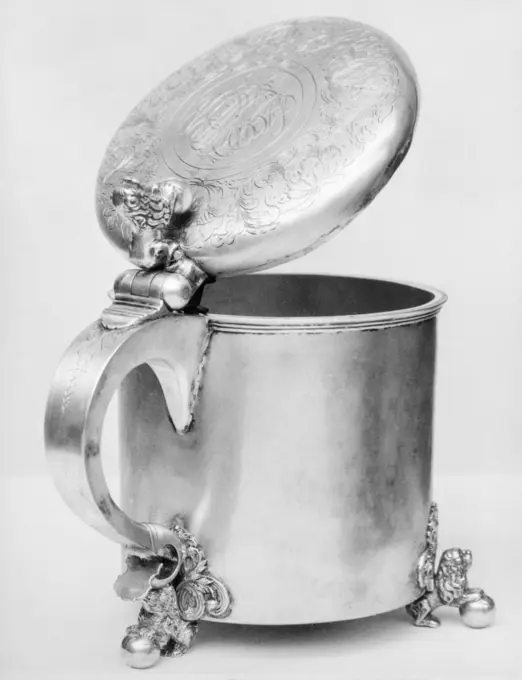
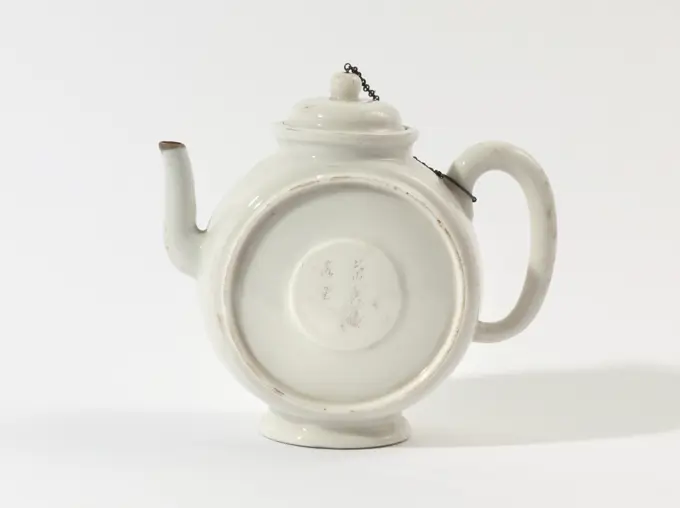
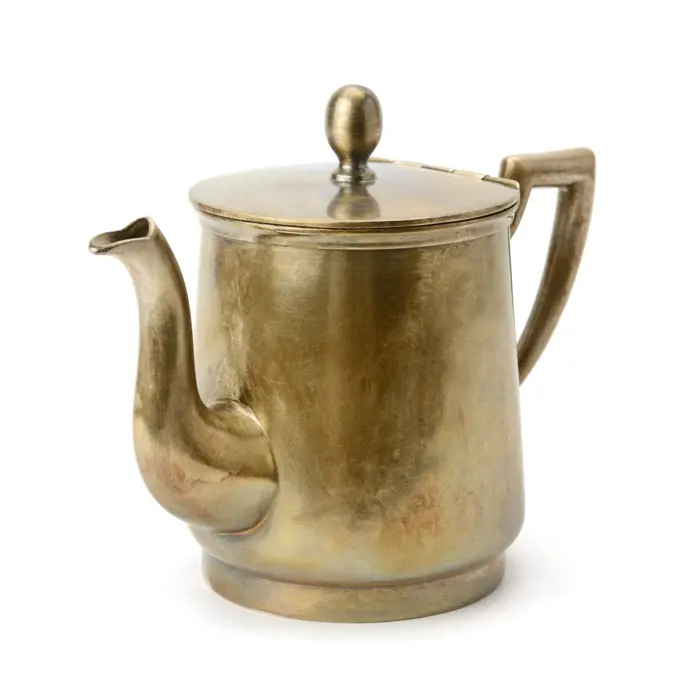
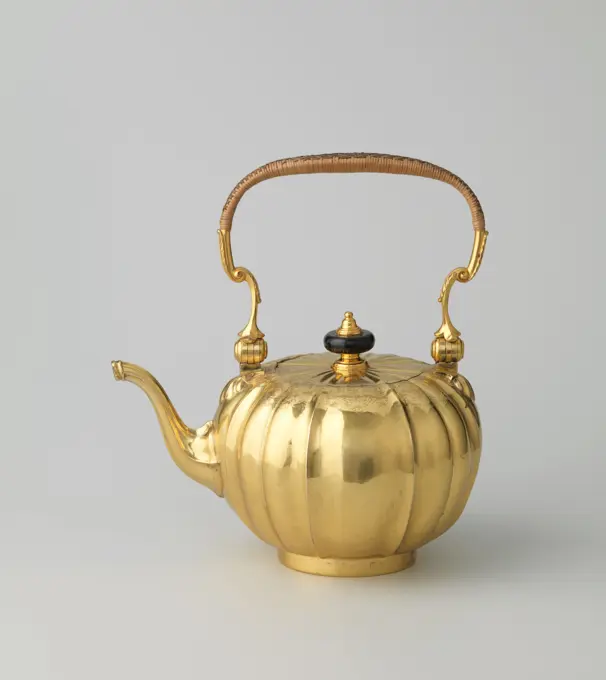
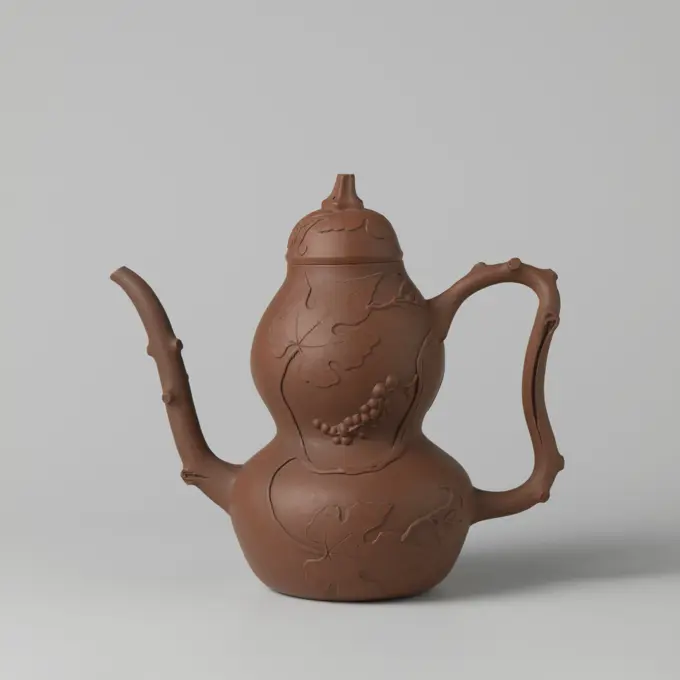
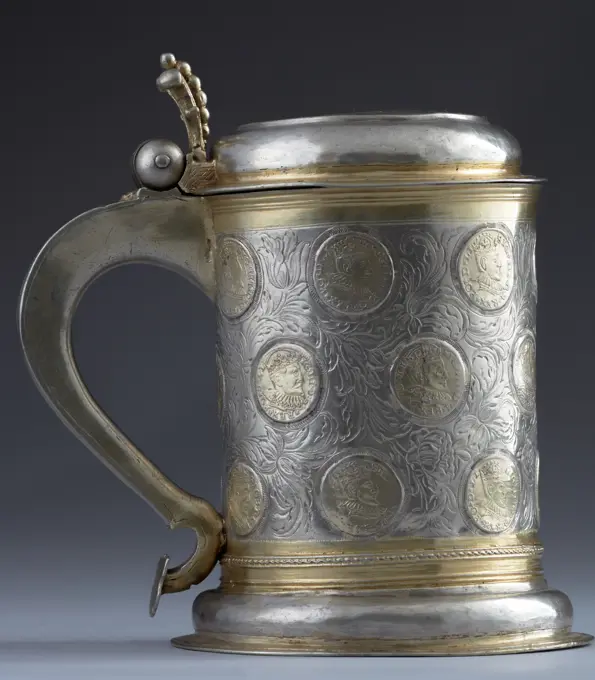
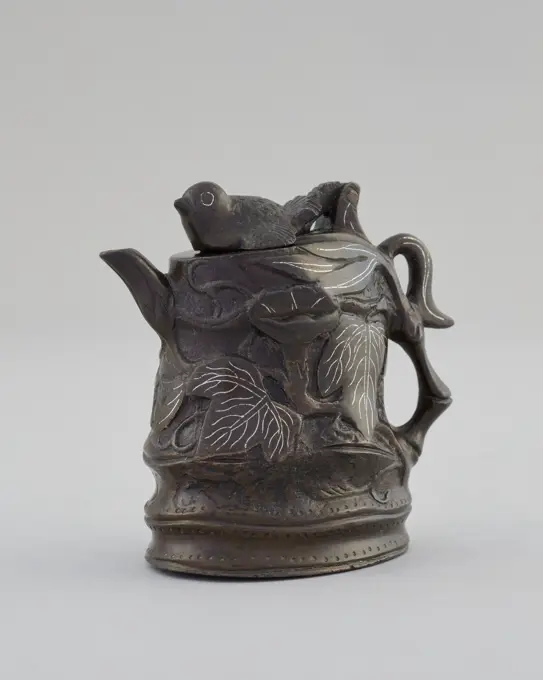
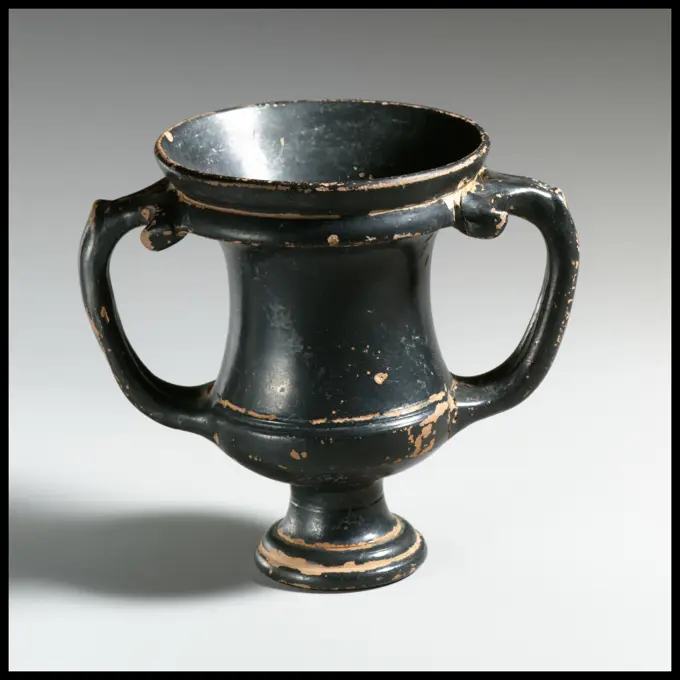
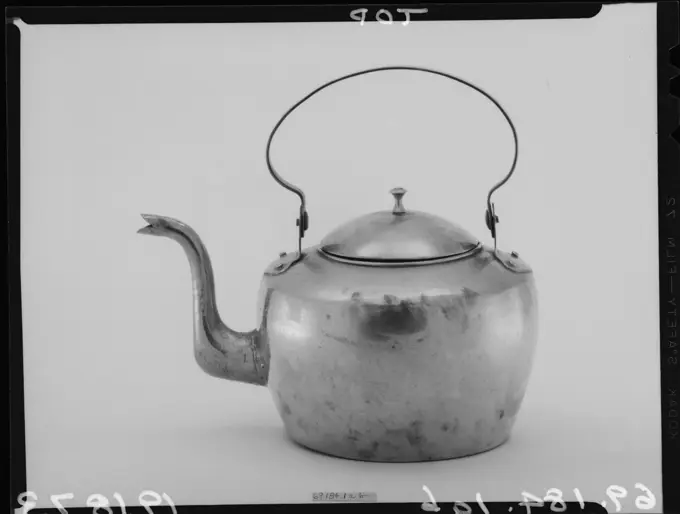
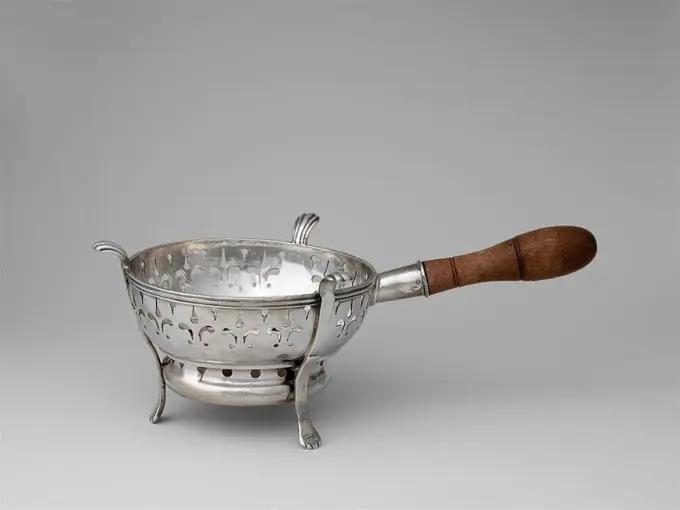
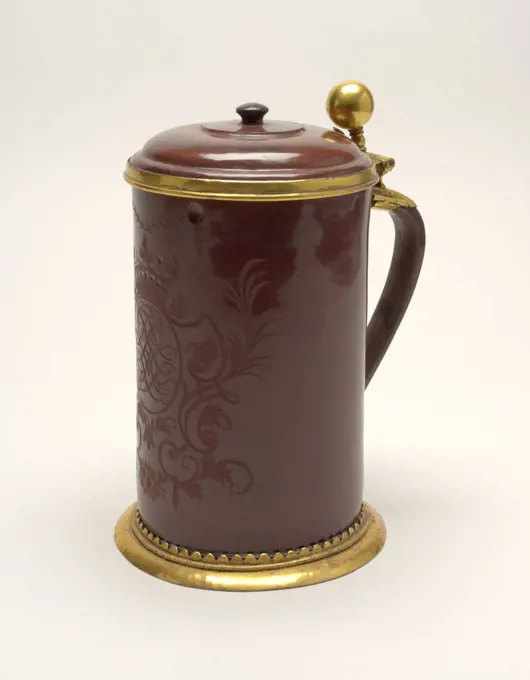
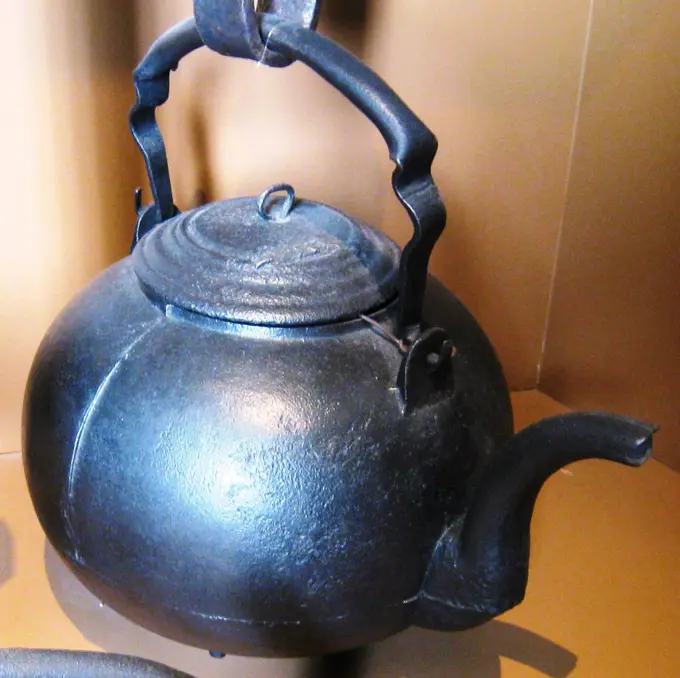
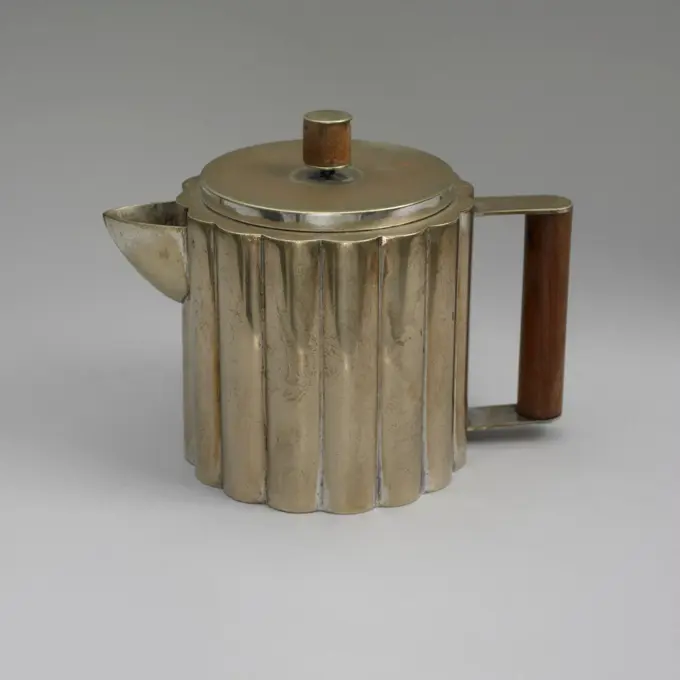
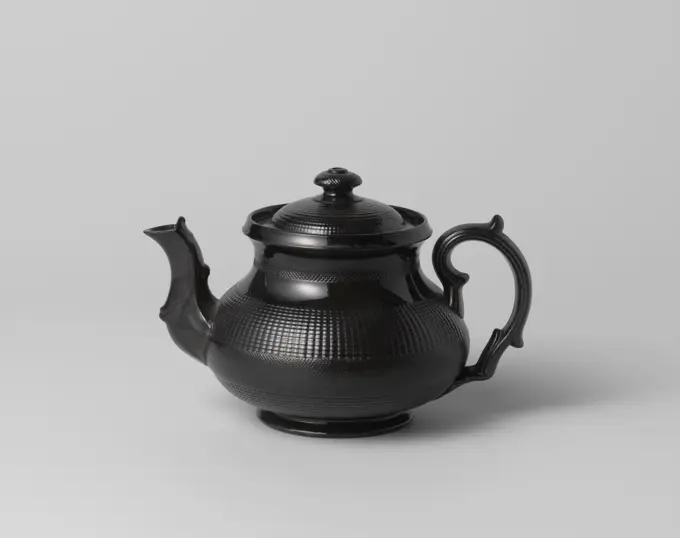
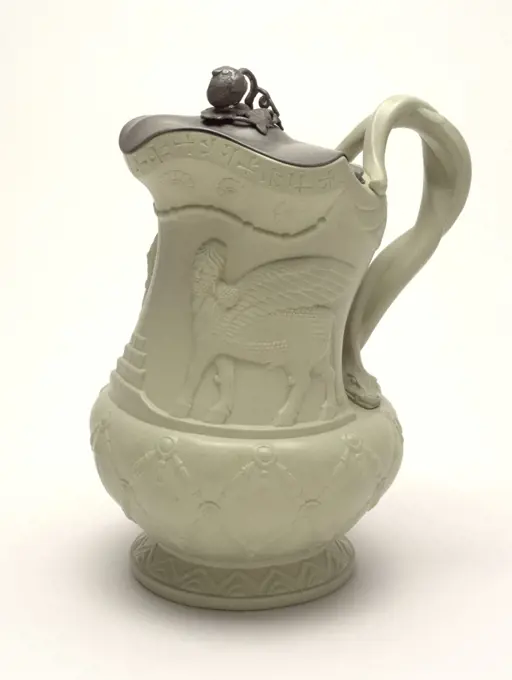
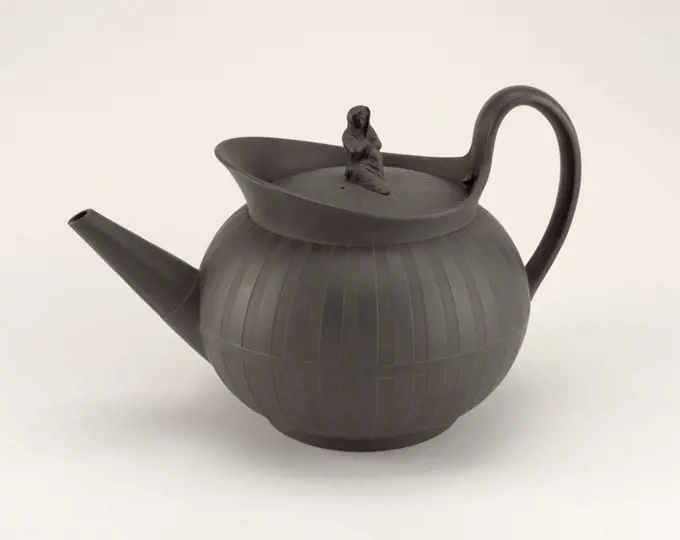
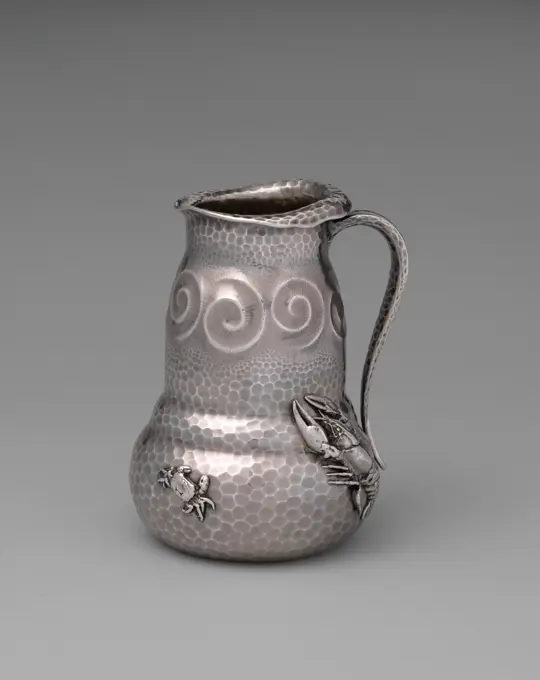
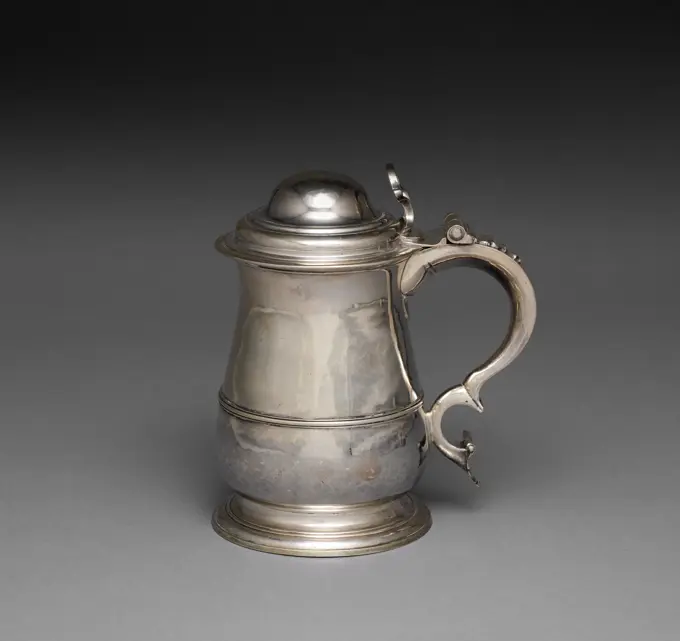
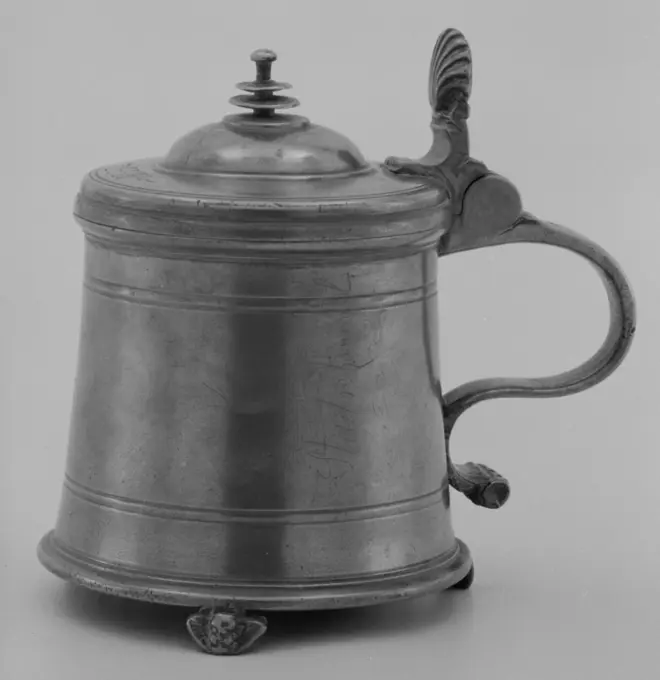
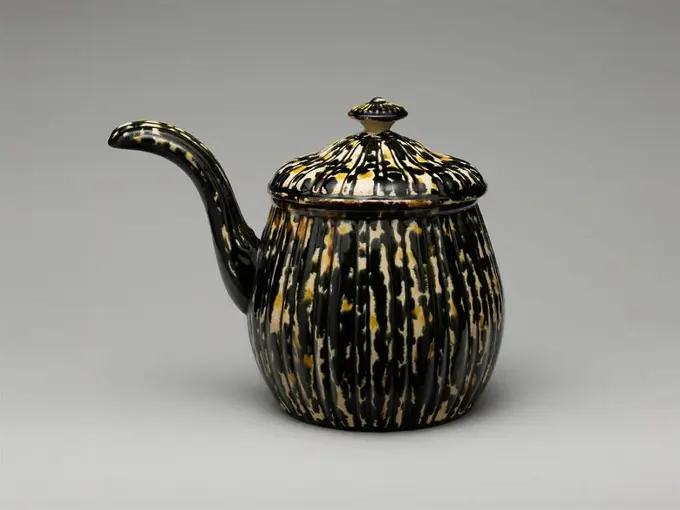
Covered Cream Jug, c. 1740-1760. Europe, probably England, 18th century. Silver; overall: 11.2 cm (4 7/16 in.); with handle: 8.6 cm (3 3/8 in.); without handle: 5.6 cm (2 3/16 in.); without cover: 8.3 cm (3 1/4 in.).Sour cream jug with a cover. Holke, Marcin (fl. ca 1765-ca 1792), goldsmithCoffeepot 1745-60 Samuel Edwards. Coffeepot 2137Miniature tankard late 18th century David Clayton British. Miniature tankard. British, London. late 18th century. Silver. Metalwork-Silver-MiniatureCovered Ewer with Upright Lotus Petals. China. Date: 960 AD-1279. Dimensions: 11.6 × 11.7 × 9.2 cm (4 9/16 × 4 5/8 × 3 5/8 in.). Stoneware with underglaze molded, carved, and applied decoration. Origin: China. Museum: The Chicago Art Institute, Chicago, USA.Mug, Silver, Baluster-form mug with scroll handle. Engraved 'WEF' with asterick under the E., Colonial America, ca. 1760, metalwork, Decorative Arts, MugPear -shaped jug of tin with lid, anonymous, 1725 - 1775 Shakkan van Tin. The conical foot carries a pear -shaped body, decorated with some profiled, horizontal lines. Upwards the body walks out and has a small pour. The flat lid runs in a point and is around at the thumb rest. The thumb rest is formed by two acorns and runs into the handle through a one -cash hinge. The lid is probably from later date. France tin (metal) casting Shakkan van Tin. The conical foot carries a pear -shaped body, decorated with some profiled, horizontal lines. Upwards the body walks out and has a small pour. The flat lid runs in a point and is around at the thumb rest. The thumb rest is formed by two acorns and runs into the handle through a one -cash hinge. The lid is probably from later date. France tin (metal) castingCoffee Pot Made 1760-1770 Staffordshire. Lead-glazed earthenware (creamware) .Tankard, c. 1725. Edward Winslow (American, 1669-1753). Silver; with handle: 18.6 x 19 cm (7 5/16 x 7 1/2 in.).Silversmith's Art, Italy 20th century. Silver coffeepot. Alessi manufacturing, 1922.Jug; Holke, Marcin (Fl. Ca 1765-Ca 1792); before 1792 (1767-00-00-1792-00-00);Church flagon. Culture: British. Dimensions: Height: 11 3/4 in. (29.8 cm). Date: 18th century. Museum: Metropolitan Museum of Art, New York, USA.Teapot. Bohemia, Czech Republic. Date: 1775-1785. Dimensions: 11.3 × 10.8 cm (4 7/16 × 4 1/4 in.). Glass. Origin: Bohemia. Museum: The Chicago Art Institute, Chicago, USA.Tin guild can for the recruitment guild. Jug of tin, of the weaver guild. The foot is decorated with profiled tires. Above it the baluster-shaped jug with inscription and rank motifs and a generative medallion with a weapon. The top is closed with a vaulted lid with a button. The simple thumb trust runs over in the decorated handle through a double-shred hinge, which curls slightly down.Silversmith's Art, England 19th century. Paul Storr, Silver pot with wooden handle, George VI style. London, 1826.Teapot ca. 1790 Simeon A. Bayley. Teapot 8360Jug of Tin (Rembrandtkan), Anonymous, 1600 - 1700 Drinking jug by Tin, a so -called Rembrandtkan. Profiling on the abdomen, neck and lip edge and on the transition from stand ring to belly. The jug is closed with a slightly arched, profiled lid. The thumb rest consists of two bullets and passes into the handle via a single hinge, which bends slightly out at the bottom. A dollar has been applied to the inside. pewterers: Delft (possibly)Dordrecht (possibly) tin (metal) casting Drinking jug by Tin, a so -called Rembrandtkan. Profiling on the abdomen, neck and lip edge and on the transition from stand ring to belly. The jug is closed with a slightly arched, profiled lid. The thumb rest consists of two bullets and passes into the handle via a single hinge, which bends slightly out at the bottom. A dollar has been applied to the inside. pewterers: Delft (possibly)Dordrecht (possibly) tin (metal) castingSilversmith: Douwe Eysma, Silver teapot with wooden handle, inverted pear-shaped belly decorated with lance-shaped leaf motifs, grooves and beaded edges, with spout, on flat square foot, teapot tableware holder silver wood, cast engraved debossed Inverted pear shaped body on square foot wooden ear faint s-shaped profiled spout flat arched lid with hinge round upper surface with profiled button hole in lid the bottom of the foot (beaten) serve before tea drink drink teaInhaling Mug. Joseph Henry; English, active 1750-1780; London, England. Date: 1765-1775. Dimensions: 25.4 × 9.8 × 14 cm (10 (H. with spout) × 3 7/8 × 5 1/2 in.). Pewter (mug), silver (spout), brass (steam hold cover). Origin: England. Museum: The Chicago Art Institute, Chicago, USA.Miniature mug 1683/84 B M British Listen to experts illuminate this artwork's story Listen Play or pause #413. Retail Value. High and Low Supported by Bloomberg Philanthropies We're sorry, the transcript for this audio track is not available at this time. We are working to make it available as soon as possible.. Miniature mug. British, London. 1683/84. Silver. Metalwork-Silver-MiniatureRococo's teapot; Bandau, Johann Georg I (1734-1812); around 1770 (1765-00-00-1775-00-00);monograms, rocaille (ornament), rococo (style), purchase (provenance)Pitcher (Pot à Chenille) French probably late 19th century View more. Pitcher (Pot à Chenille). French. probably late 19th century. Pewter. Metalwork-PewterMiniature teapot 1838-50 French The production of miniature silver furniture and tea, coffee, and chocolate equipment was a specialty of goldsmiths known as "toy men." The miniatures were probably intended for dollhouses. From the mid-eighteenth century in England until the present, porcelain and fine earthenware miniatures have been made as well.. Miniature teapot. French. 1838-50. Silver, wood. Metalwork-Silver-MiniaturePear-shaped milk jug with a crucifixion scene, anonymous, c. 1780 Pear-shaped milk jug of porcelain with entered, braided C-shaped ear, small, triangular spout, painted on the glaze in black and gold. On the outside a representation of the crucifixion with the two Maria's; The edge with a band with a decorative pattern. Part of a tea set. European performance in Encre de Chine. China porcelain. glaze. gold (metal) painting / gilding / vitrification Pear-shaped milk jug of porcelain with entered, braided C-shaped ear, small, triangular spout, painted on the glaze in black and gold. On the outside a representation of the crucifixion with the two Maria's; The edge with a band with a decorative pattern. Part of a tea set. European performance in Encre de Chine. China porcelain. glaze. gold (metal) painting / gilding / vitrificationMilkkan, cream -colored, with a tire with horizontal ridges on the belly, Peter Regout, c. 1801 - c. 1879 Milkkan of earthenware, creamware, with a band with horizontal ridges on the belly. Maastricht earthenware Milkkan of earthenware, creamware, with a band with horizontal ridges on the belly. Maastricht earthenwareCan with spout in the form of a lion, anonymous, 1800 - 1900 The jug is composed of the following parts: the foot, the hull (in two halves), the neck, handle, the hinge section that replaces the thumb rest, the lid, the button (cast), the spout (cast and accorded) . The round hull is on a high round base, which widens itself at the bottom. The hull has a belly with the same cross -section as the foot, and a high narrow neck, which makes something upwards. A profiled round button has been applied to the bulky lid on the raised middle. The edges of the neck and lid are not diagonally profiled inwards. The spout has the shape of a lion. The handle, which swings out out and slightly inside, has a small one -a -a -a -a -a -a -sealing hinge and ends at the bottom in a three -leaf. Foot, hull, neck and lid are decorated with roughly profiled ribs. The thumb rest is missing. Handle, thumb rest and lid button are sounded. West-Europa brass (alloy) casting The jug is composed of the following paTeapot.   Maker: Nelson Hall, 1821-1904Maker, workshop of: Hall and Cotton, AmericanMug 1759-60 John Langlands. Mug. British, Newcastle. 1759-60. Silver. Metalwork-SilverMug ca. 1825 Abraham Fellows. Mug 5337Measure, 1826, 5 1/8 x 4 3/4 x 3 1/4in. (13 x 12.1 x 8.3cm), Pewter, England, 19th centuryFlagon. Culture: Scottish, Glasgow. Dimensions: Overall: 9 5/8 × 9 in. (24.4 × 22.9 cm). Maker: Stephen Maxwell (Scottish, active Glasgow, 1781-84). Date: 1788.The inscription on this flagon indicates that it and a pewter chalice (65.199.5) belonged to the same congregation under the ministry of John Fairly. Museum: Metropolitan Museum of Art, New York, USA.Ewer, 17th-18th century, 6 5/8 x 6 15/16 x 3 5/8 in. (16.83 x 17.62 x 9.21 cm), Blanc-de-chine porcelain, China, 17th-18th centuryBeer mug. Beer mug with round belly and a hinged lid on the narrower neck. The handle is S-shaped. De Bierpul has been marked: STK. = Amsterdam, Mt. = Citroen 970.Tankard c 1700-1720 New York. Silver . Cornelius Kierstede (Maker)Milk jug, brown with light spots, Peter Regout, c. 1801 - c. 1879 Milkkan of earthenware with brown lust glaze. Light spots on the belly. Maastricht earthenware. luster glaze vitrification Milkkan of earthenware with brown lust glaze. Light spots on the belly. Maastricht earthenware. luster glaze vitrificationJug, Ruth” pattern.   Maker: Cork, Edge & Malkin, British, 1860-1871Cream Jug, c. 1750-1770. Samuel Casey (American, 1724-1780). Silver; overall: 9.9 cm (3 7/8 in.); with handle: 10.8 cm (4 1/4 in.); without handle: 7 cm (2 3/4 in.).Coffee pot; Lipnicki, Dominik (Fl. 1813-1832); 1920s (1820-00-00-00-1829-00-00);Can of silver, round on square, straight -walled base. Decorated with meander edge. Ear of wood, anonymous, 1785 - 1800 Round can be made of silver on a square right -wing base. The wooden ear is placed opposite the pour. Decorated with a meander edge. Lausanne silver (metal) Round can be made of silver on a square right -wing base. The wooden ear is placed opposite the pour. Decorated with a meander edge. Lausanne silver (metal)Cup with wide ear and hinging lid, crucible cup drinking utensils tableware holder tin, cast Cylindrical cup with stand ring and wide wide swivel ear and two-pivot hinged lid with two embossed bands on the body and rod with relief as thumb rest. mark on bottom: rose with crown in which H M drink crockery pulPitcher, 18th-19th century, 6 3/4 x 7 1/2 x 4 3/4in. (17.1 x 19 x 12.1cm), Glass, United States, 18th-19th centuryWantwater bucket, round, anonymous, c. 1600 - c. 1699 The object is composed of the following parts: the bucket (cast and turned), the handle and the eye (cast). The round bucket (with center hole in the flat bottom) consists of a hollow round shaft, a full -round upper part and a hollow round shaft with vertically cut edge. The bucket is decorated with ribs and grooved rings. The handle is attached in the vertical on the edge on the edge, the handle is attached, in which a extended eye is riveted at the top. Handle and eye are replacements from later time. Neurenberg (possibly) brass (alloy) casting The object is composed of the following parts: the bucket (cast and turned), the handle and the eye (cast). The round bucket (with center hole in the flat bottom) consists of a hollow round shaft, a full -round upper part and a hollow round shaft with vertically cut edge. The bucket is decorated with ribs and grooved rings. The handle is attached in the vertical on the edge on the edge, th. Faience tap jugCup ca. 1730-40 Vienna. Cup 185912Black-Gloss Kantharos or Karchesion (Drinking Cup), 400-200 BC. Etruscan. Ceramic; overall: 16 cm (6 5/16 in.); diameter of rim: 8.3 cm (3 1/4 in.); diameter of foot: 5.8 cm (2 5/16 in.).Cylindrical Wine Ewer With Dragon-Shaped Spout and Handle. Vine of porcelain with lid, covered with a translucent white glaze. Cylindrical can with flat lid with knob in the form of a cured dragon; on the body a slightly absorbed rectangle and modeled belt; The spout and the ear in the form of a chilong (corneless dragon). Unglazed underside. Blanc De Chine.Wantwater bucket, round, anonymous, c. 1450 - c. 1500 The bucket is poured with the handle. These have been added. The casting hole is visible in the flat bottom of the bucket. The handle has been cast and added. The round bucket bends upwards conically and is decorated with a rib in the middle and two shill above it. The handle steps have the shape of women's heads. The non -original handle has somewhat the shape of a three -leaf and is decorated with two dragon heads. Southern Netherlands brass (alloy) casting The bucket is poured with the handle. These have been added. The casting hole is visible in the flat bottom of the bucket. The handle has been cast and added. The round bucket bends upwards conically and is decorated with a rib in the middle and two shill above it. The handle steps have the shape of women's heads. The non -original handle has somewhat the shape of a three -leaf and is decorated with two dragon heads. Southern Netherlands brass (alloy) castingMosterdpot, Anonymous, 1908 - 1909 Oval mustard pot of silver, in Louis XVI style. With corrugated top edge and a vaulted lid. Along the top and bottom an openwork edge. London silver (metal). binnenpot: glass Oval mustard pot of silver, in Louis XVI style. With corrugated top edge and a vaulted lid. Along the top and bottom an openwork edge. London silver (metal). binnenpot: glassDaniel Russell, Tankard, c. 1735, silver.Mug, 1680-1710. John Coney (American, 1656-1722). Silver; with handle: 8.9 x 11.6 cm (3 1/2 x 4 9/16 in.).Melon-form Ewer with Lotus Design. Korea, Goryeo dynasty (918-1392), 12th century. Furnishings; Serviceware. Stoneware with incised decoration under green glazeSyrup Jug 1830-70 American. Syrup Jug. American. 1830-70. Parian porcelain, pewter. Probably made in Bennington, Vermont, United StatesPitcher. Artist: After Frederick Bassett (1740-1800). Dimensions: 9 3/4 x 7 1/4 in. (24.8 x 18.4 cm). Date: 1700-1800. Museum: Metropolitan Museum of Art, New York, USA.Teapot. Round teapot with a broad base and upwards sloping. The wall is six-spempety in clamps. The ear is S-shaped. The lid and the button of the lid have been edited. The teapot is labeled: STK. = Amsterdam, Mt. = Attributed to Frederik from STAND I. See also BK-14913-V and BK-1977-56.Tankard ca. 1765 Benjamin Burt American. Tankard 8188Oval stand; Mappin & webb (London; Silver workshop; 1775-1963); 19th century (1801-00-00-1900-00-00);Jug British 19th centuryCream Pitcher c 1810-1840 Baltimore. Blown glass . Artist unknownSilver mustard pot, round, with four openwork edges. Inner box of blue glass., Anonymous, c. 1780 - c. 1800 Silver mustard pot with lid and blue glasses inner box. Cylindrical with openwork edge in four edges set one above the other in which alternately citized flower and leaf motifs, and striker oval, connected with citized plaques. Lid vaulted, halfway through a pearl edge. Initials L.P. engraved. Button as a flower with a detached leaf rosette underneath. Ear loop -shaped. Utrecht silver (metal). glass Silver mustard pot with lid and blue glasses inner box. Cylindrical with openwork edge in four edges set one above the other in which alternately citized flower and leaf motifs, and striker oval, connected with citized plaques. Lid vaulted, halfway through a pearl edge. Initials L.P. engraved. Button as a flower with a detached leaf rosette underneath. Ear loop -shaped. Utrecht silver (metal). glassTwo-Handled Sauceboat. Edward Feline; English, active 1730/35; England. Date: 1730-1731. Dimensions: 10.5 × 20.3 × 16.8 cm (4 1/8 × 8 × 6 5/8 in.). Silver. Origin: England. Museum: The Chicago Art Institute, Chicago, USA.Pitcher;  19th century (1801-00-00-1900-00-00);Ampul of silver on hexagonal base, anonymous, c. 1685 - c. 1700 Ampul of silver, on a hexagonal base. The semicircular barrel turns into a straight high neck. The ear has the shape of a Hazewindhond. Possibly a imitation. Netherlands (possibly) silver (metal) Ampul of silver, on a hexagonal base. The semicircular barrel turns into a straight high neck. The ear has the shape of a Hazewindhond. Possibly a imitation. Netherlands (possibly) silver (metal)Flagon 18th century French, Nemours. Flagon 208079Coffeepot Paul de Lamerie British 1737-38 View more. Coffeepot. British, London. 1737-38. Silver. Metalwork-SilverUnknown , probably English, Teapot and Cover, c. 1760, earthenware.Flagon ca. 1702 William Wood. Flagon. British. ca. 1702. Pewter. Metalwork-PewterTankard ca. 1660 Hanss Lambrecht III Hanss Lambrecht III was one of the leading goldsmiths in the Hanseatic town of Hamburg. Several of his inventive creations are preserved in royal treasuries, including the Kremlin Museum in Moscow. Already famous during his lifetime, he is known for taking floral decoration to its apex, and Lambrechts pieces radiate the best of this "full-blown" ornamental pattern applied to objects of harmonious proportions.. Tankard 197010Peg tankard 1711 Bendix Aagsen Lund. Peg tankard 195230Tankard.   Maker: Jonathan Clarke, American, 1705-1770Caster 1721-22 Edward Turner. Caster 204493Tea-pot. White porcelain, Qing dynasty (1644-1912). Provenance: China. Paris, Cernuschi museum. 78837-9 Asian art, Chinese art, art of living, fine ceramic, Ching dynasty, Qing dynasty, Tsing dynasty, porcelain, service to the, theiere, dishesold copper kettle isolated on whiteGalvanoplastic reproduction of a melon -shaped boiler, fa. Elkington & Co., after 1868 - Before 1878 Galvanoplastic reproduction of a melon -shaped boiler. Gilded. London copper (metal). silver (metal) gilding Galvanoplastic reproduction of a melon -shaped boiler. Gilded. London copper (metal). silver (metal) gildingPitcher. Dated: c. 1939. Dimensions: overall: 40.6 x 30.5 cm (16 x 12 in.). Medium: watercolor, graphite, and colored pencil on paperboard. Museum: National Gallery of Art, Washington DC. Author: John Tarantino.Jug 1555 John Harryson. Jug 204945Teapot in the form of a bottle gourd, anonymous, c. 1700 Calebas-shaped jug of red stoneware with a long, S-shaped spout and a curved C-shaped ear. The wall and lid with grape vines in relief. The ear and the spout are in the form of gnarled branches. Yixing. China stoneware Calebas-shaped jug of red stoneware with a long, S-shaped spout and a curved C-shaped ear. The wall and lid with grape vines in relief. The ear and the spout are in the form of gnarled branches. Yixing. China stonewareMug ca. 1770-1800 American. Mug 5314Przeszo Przyszoci Steelbrecher, Daniel (fl. Ca 1705)Miniature pourse in the shape of a bamboo fagot. Bronze, silver thread inlays. Cernuschi Museum, Asia Museum of Asia in the city of Paris.CreamerTerracotta kantharos (drinking cup) 3rd century B.C. Attributed to the Group of Vatican G.116 The piece is characteristic of "Malacena" fabric.. Terracotta kantharos (drinking cup) 245600Teapot.   Maker: Garrett (Gerrit) Schanck, 1768-1795Teakettle 1800-1830 J. Dunn. Teakettle. 1800-1830. CopperChafing Dish. Culture: American. Dimensions: Overall: 3 13/16 x 10 1/8 in. (9.7 x 25.7 cm); 12 oz. 2 dwt. (376.7 g)Lip: W. 5 1/16 in. (12.9 cm)At knops: W. 5 1/2 in. (14 cm)At feet: W. 4 1/4 in. (10.8 cm). Maker: Peter Van Dyck (1684-1750). Date: ca. 1725.Originally a continental form, the silver chafing dish appeared in England by the fifteenth century. These vessels were more frequently made in copper, brass, iron, or pewter than in silver. Consisting of a pierced bowl with a removable grate, three scrolled knops to support a plate or bowl, and a wood baluster-form handle, the standard eighteenth-century model was fueled by hot coals. The initials "S" over "I S" engraved beneath this chafing dish are those of the original owners, John Schuyler (1705-1773) and his first wife, Sara Walter (1704-1734), who were married on January 20, 1729. Museum: Metropolitan Museum of Art, New York, USA.Böttger Stoneware Tankard, Meissen Porcelain Manufactory, German, active from 1710 to the present, Johann Friedrich Böttger, German, 1682 - 1719, stoneware, silver, gold, Cylindrical, slightly tapering toward top. Flat domed cover with simple button knob, held by ring mounting and hinge on shoulder of curving flat strap handle. Mount on foot, with triangular tongues holding the base of the tankard. Exterior of tankard, and both surfaces of cover, polished. Tankard engraved on face with interlacing cipher in framework of scrolls, under a crown., Meissen, Saxony (present-day Germany), ca. 1715, ceramics, Decorative Arts, tankard, tankardKettleTeapot Teapot; Designed by Ilonka Karasz ((American, born Hungary, 1896-1981)); Manufactured by Paye & Baker Manufacturing Company (United States); USA; silver plated, nickel, walnutTeapot, black, decorated with rib edges, Petrus Regout, c. 1860 - c. 1880 Teapot of Zwartsteen. The body with ribbed edges close together. The S-shaped spout with volutes in relief. The C-shaped handle ends at the bottom in a stylized leaf. Maastricht . Teapot of Zwartsteen. The body with ribbed edges close together. The S-shaped spout with volutes in relief. The C-shaped handle ends at the bottom in a stylized leaf. Maastricht .Can with five chinese with a dog and a bird. Can of earthenware with black transfer decor, painted with ocherloster. On the outside a representation of five Chinese with a dog and a bird in a garden. On the ear and along the top edge of inside and outside abstract motifs and geometric figures.Sake Pourer, c. 1915-40. Seifū Yohei IV (Japanese, 1872-1951). One of a pair of sake pourers; porcelain with yellow glaze and bamboo lid handles;Nineveh, Ridgway & Abington, Molded stoneware, metal (lid), Jug with spreading foot and twisted handle in the form of a snake. Molded relief decoration showing Assyrian lamassu. Cuneiform below lip. Metal lid with floral knob., England, ca. 1851, ceramics, Decorative Arts, Jug, JugChinese tea pot isolated on white backgroundTeapot.   Maker: Stevens and Lakeman, active ca. 1819 - 1830. Stoneware tea set with salt glaze, consisting of a teapot, comfoor, bin, milk jug and sugar bowlBlack Basalt Teapot with Sybil Finial, Wedgwood, English, established 1759, stoneware, Of squat globular form with tapering cylindrical spout, loop handle joined to upturned and everted lip around circular mouth; body decorated with vertical stripes and one narrow horizontal band; circular lid decorated with radiating strips; finial in form of sitting, robed female figure., England, 18th century, ceramics, Decorative Arts, teapot, teapotPitcher ca. 1880 Tiffany & Co. Tiffany & Co. began retailing and producing silver early in its history, quickly establishing itself as the preeminent silversmithing firm in the United States. This pitcher exemplifies the unprecedented innovation and creativity that characterized Tiffany & Co.'s work during the 1870s and 1880s. Under the direction of Edward C. Moore (1827-1891), the silver division at Tiffany & Co. produced a diverse array of exquisitely wrought and highly original silver, which in turn attracted many of the finest craftsmen and designers to the firm. Indeed, Charles Osborne (1847-1920), who is credited with designing this pitcher, left his position as the chief designer at one of Tiffanys competitors, the Whiting Manufacturing Company, in order to learn from and work with Moore at Tiffany & Co. The silver that resulted from this mentorship and collaboration is among the finest produced during the second half of the nineteenth century.. Pitcher. American. ca. 1880. SilTankard, c. 1760. England, 18th century. Silver; overall: 25.3 x 20 cm (9 15/16 x 7 7/8 in.); without handle: 13.9 cm (5 1/2 in.).Footed tankard 1666-99 Christoph Pfannenstill. Footed tankard. Austrian. 1666-99. Pewter. Metalwork-PewterCovered bean pot. Culture: American. Dimensions: 8 3/4 in. (22.2 cm). Manufacturer: Lyman, Fenton & Co. (1849-52). Date: 1849-52. Museum: Metropolitan Museum of Art, New York, USA.Jug with cover 1711-12 John Chartier The arms within a lozenge are those of an unmarried lady of the Wynne family of Wales, probably engraved about 1740-50. The jug is inscribed on the underside: The legacy of John Williams of Revelvack.. Jug with cover. British, London. 1711-12. Silver, wood. Metalwork-Silver