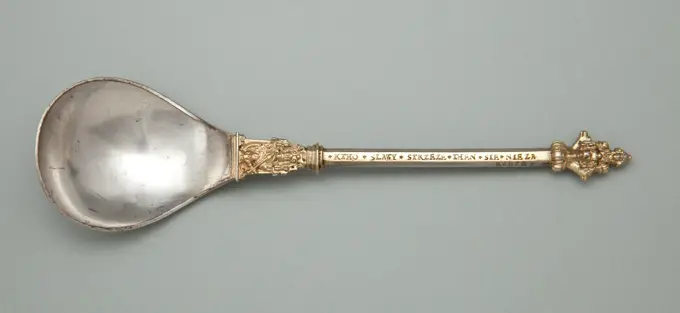
Antique Silverware Collection

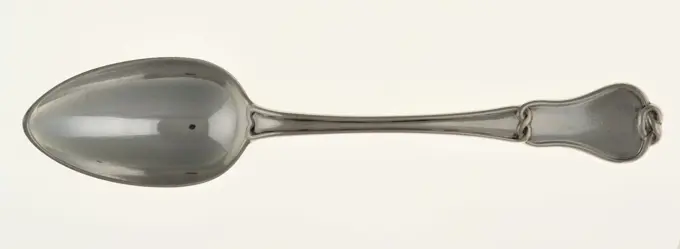
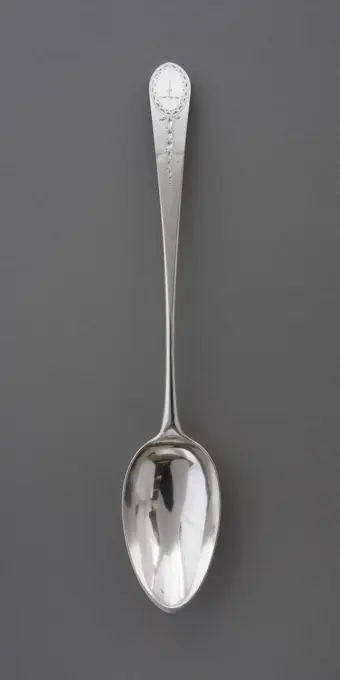
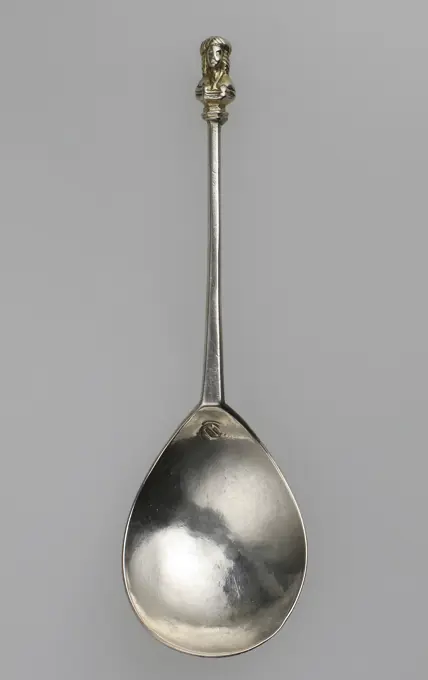
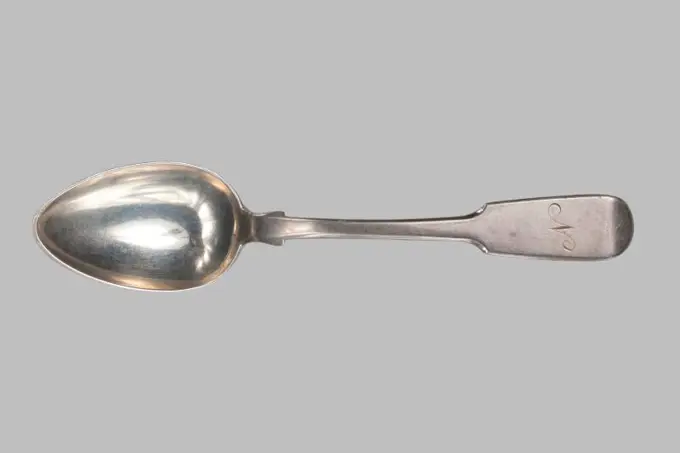
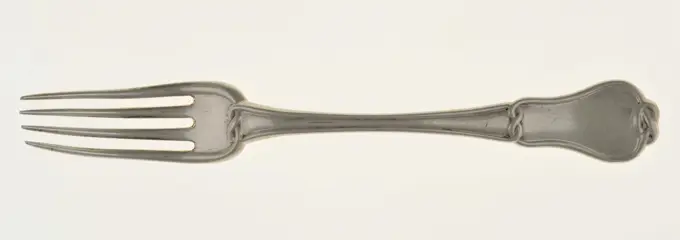
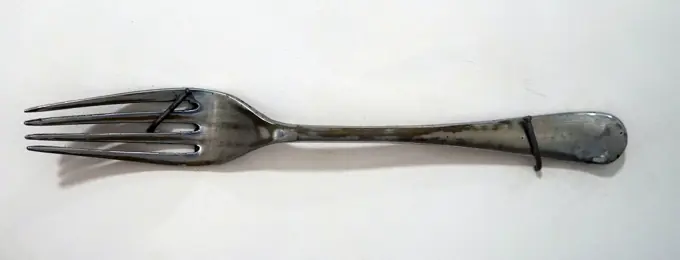
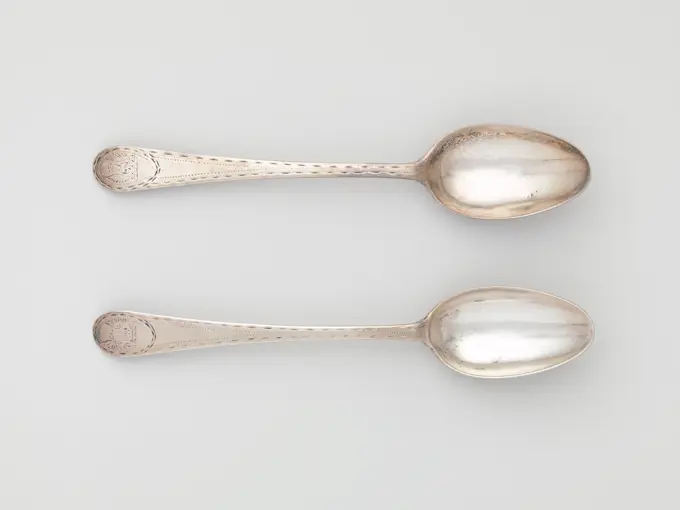
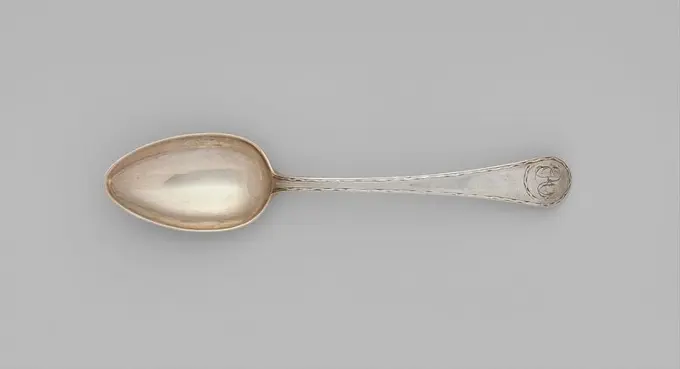
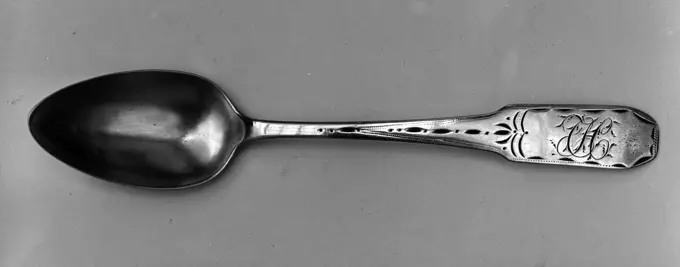
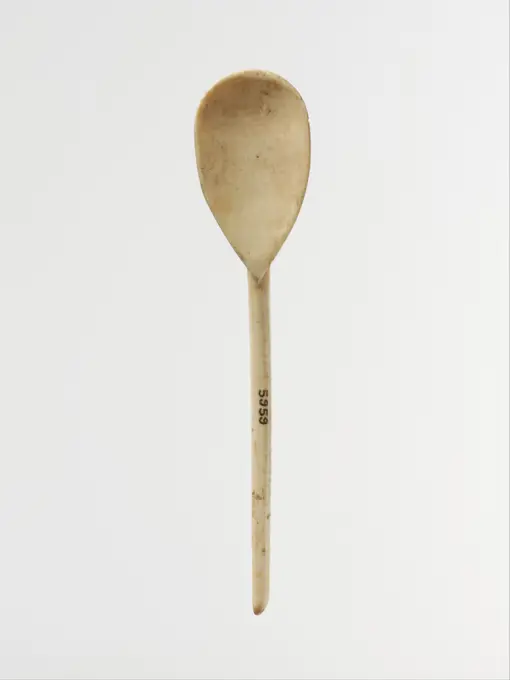
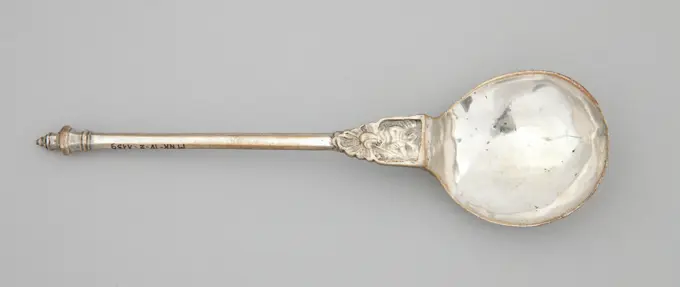
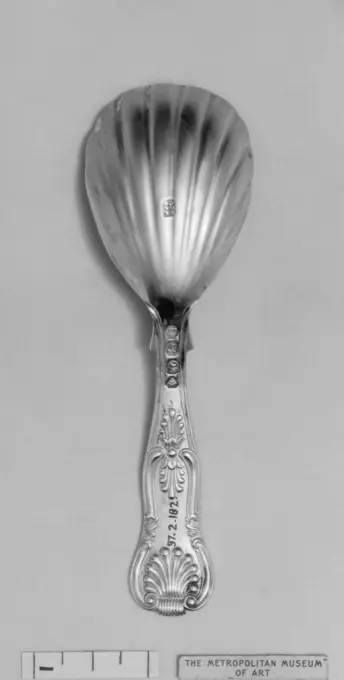
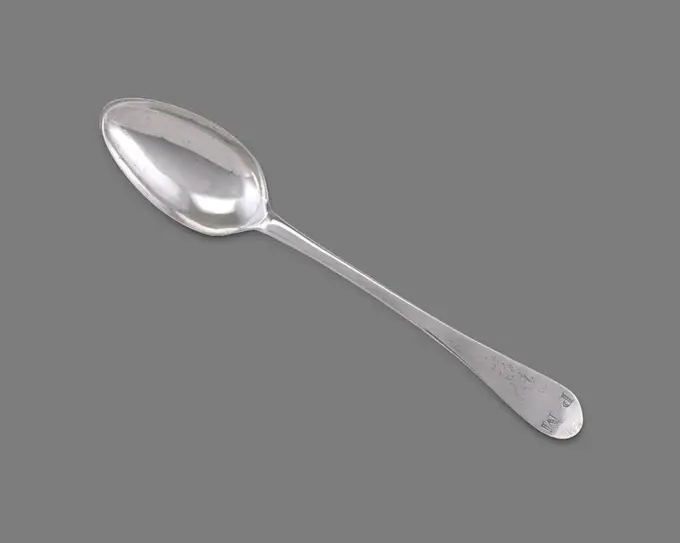
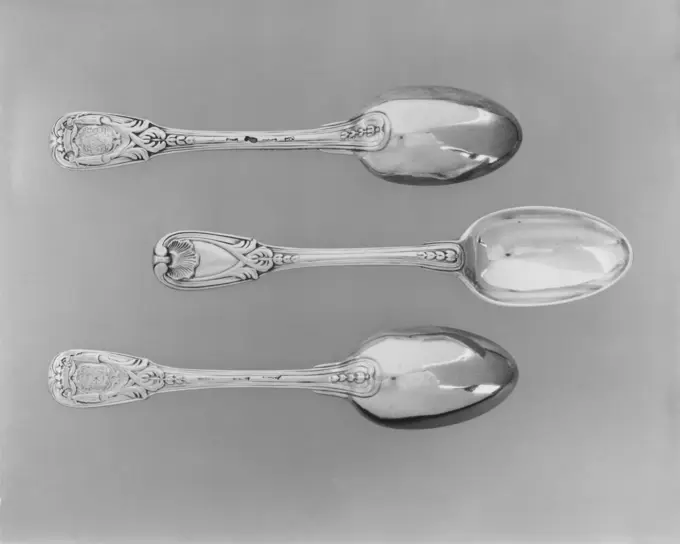
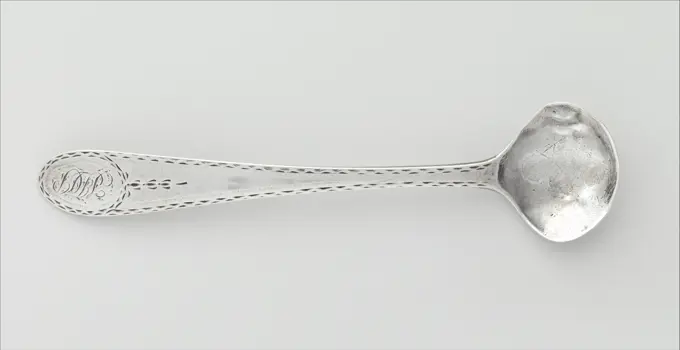
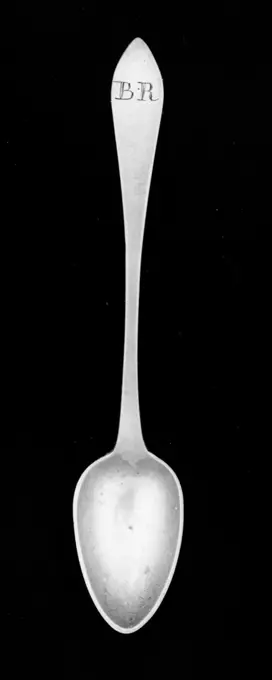
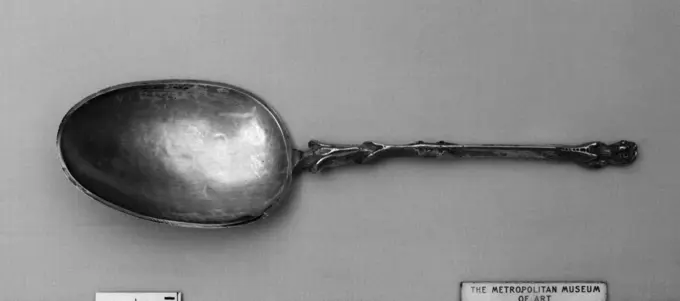
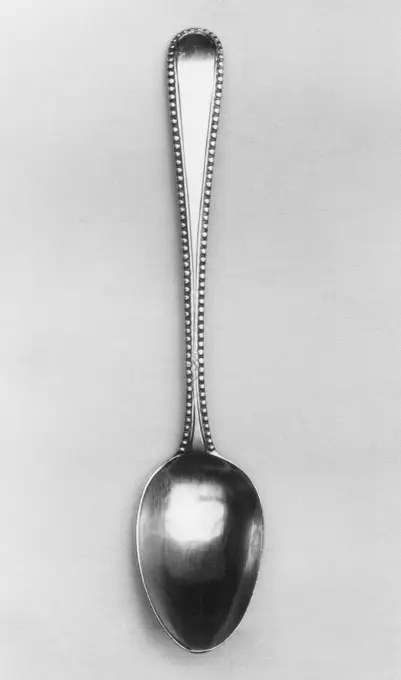
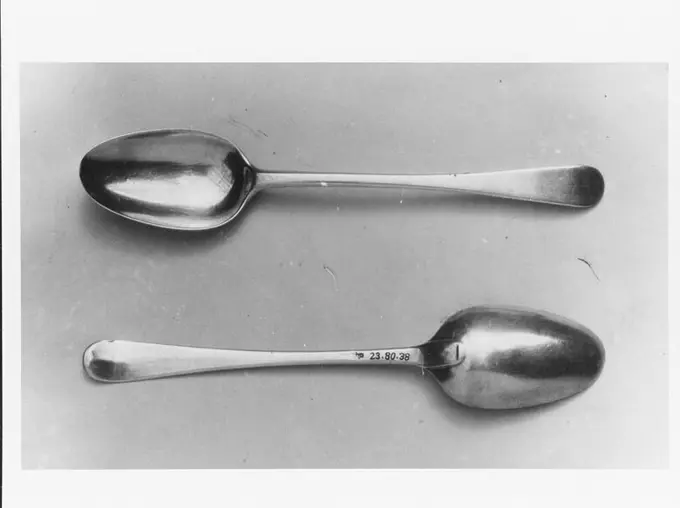
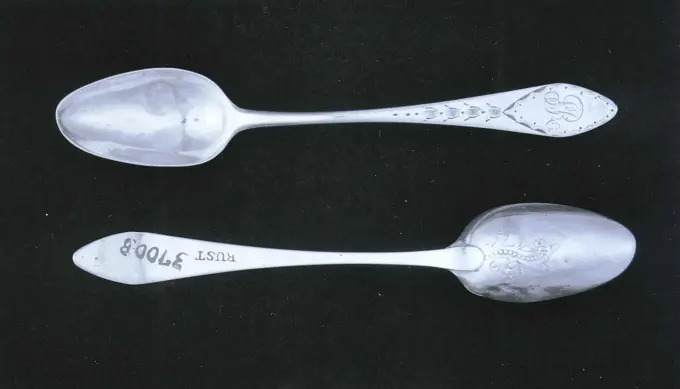
An array of antique silver spoons showcasing intricate designs and craftsmanship. Each piece reflects a timeless elegance and historical significance.

spice;  20th century (1901-00-00-2000-00-00);
spice; 20th century (1901-00-00-2000-00-00);
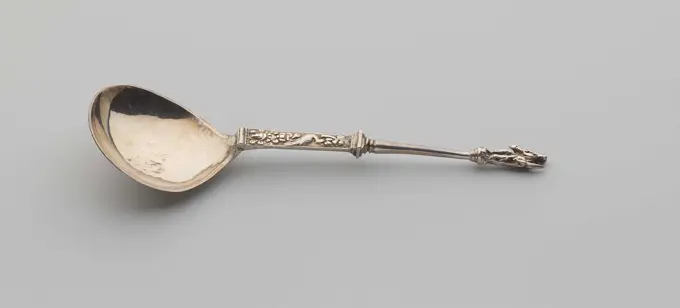
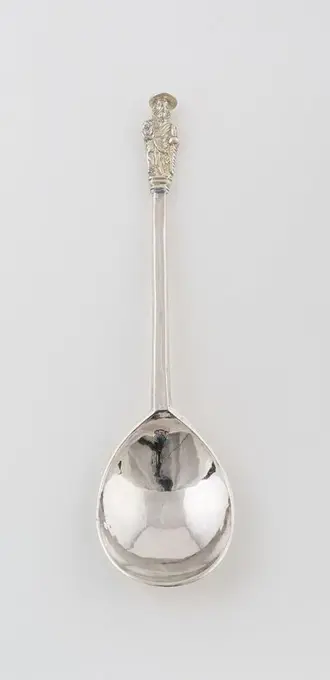
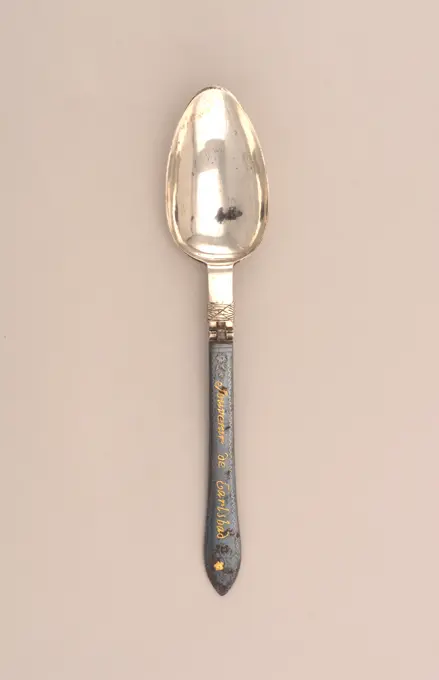
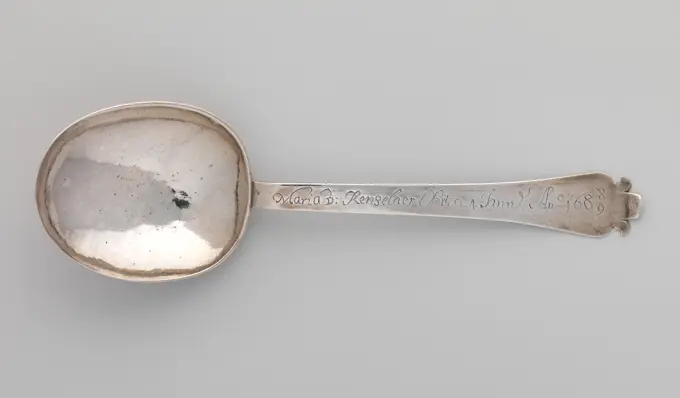
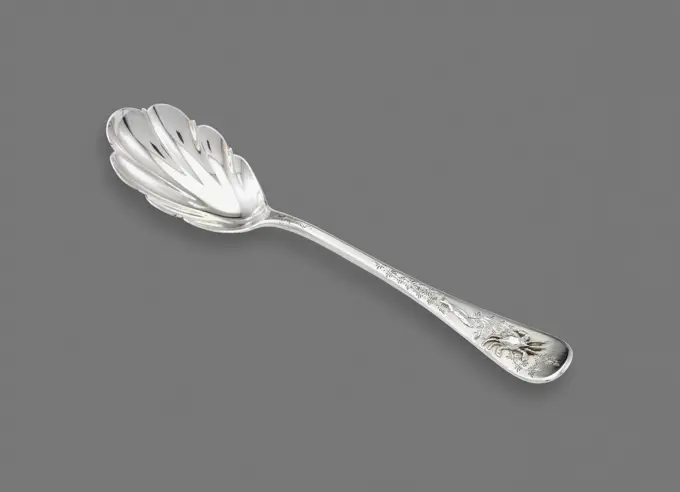
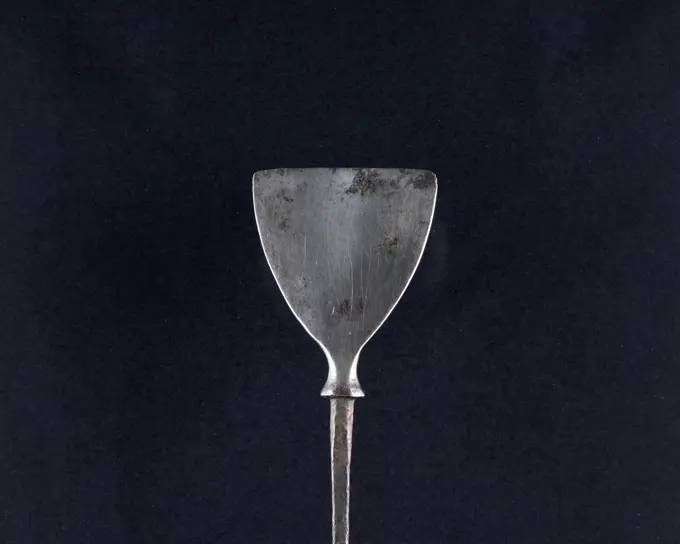
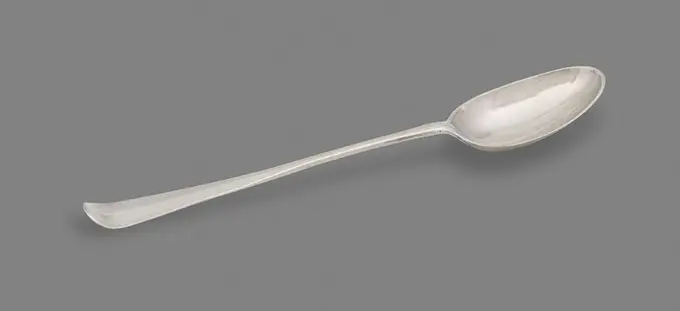
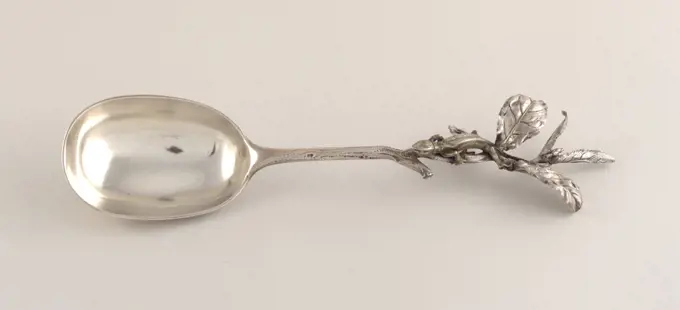
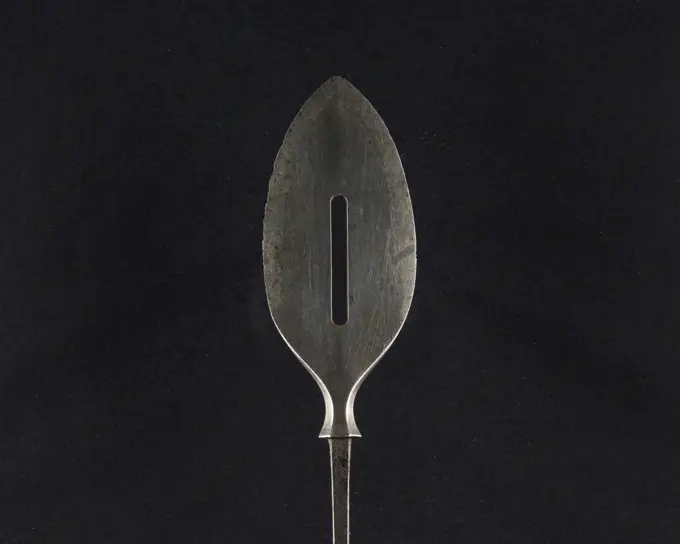
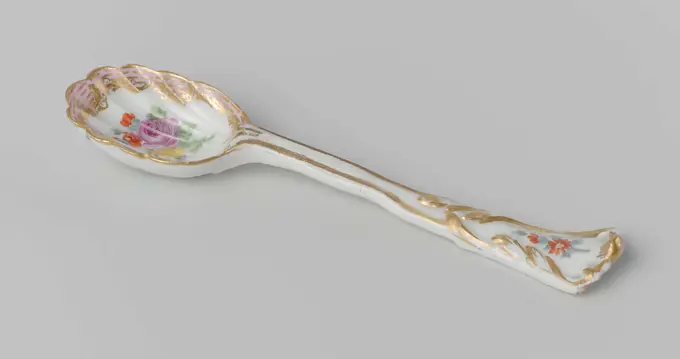
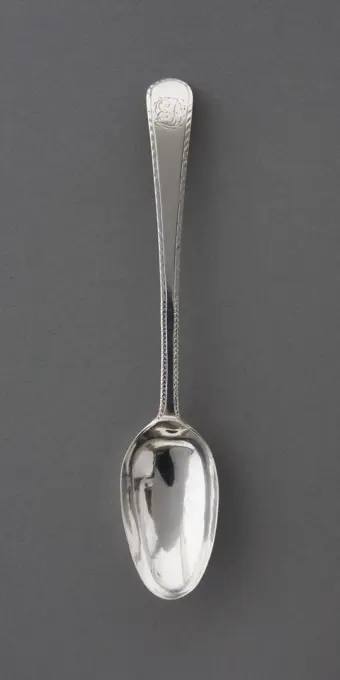
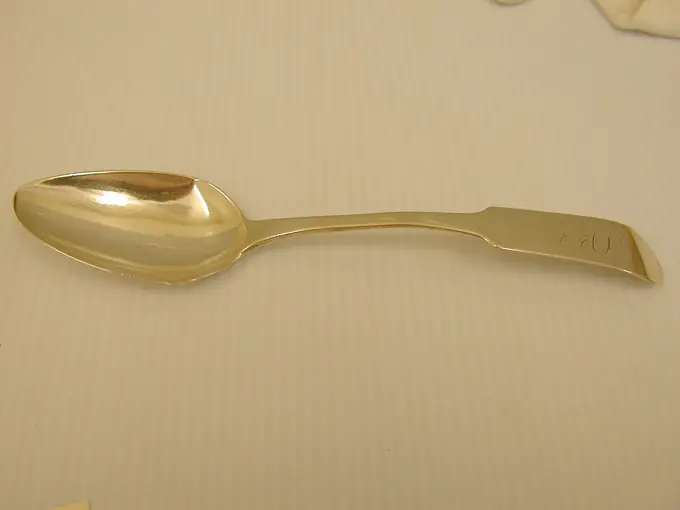
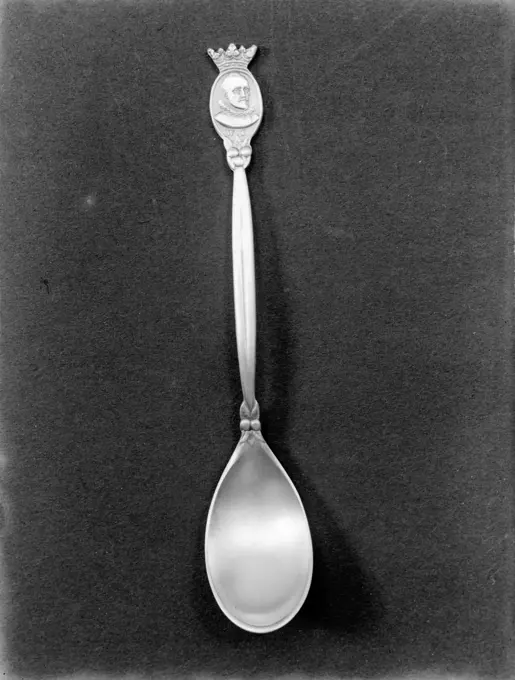
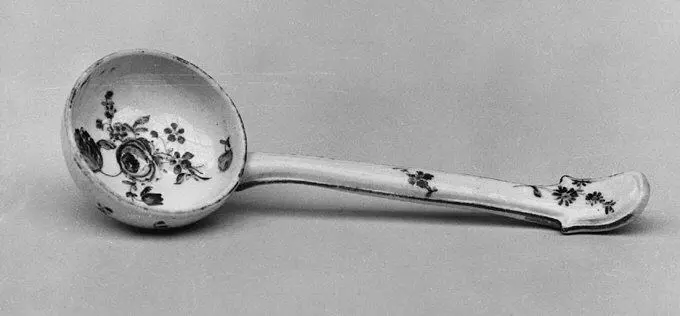
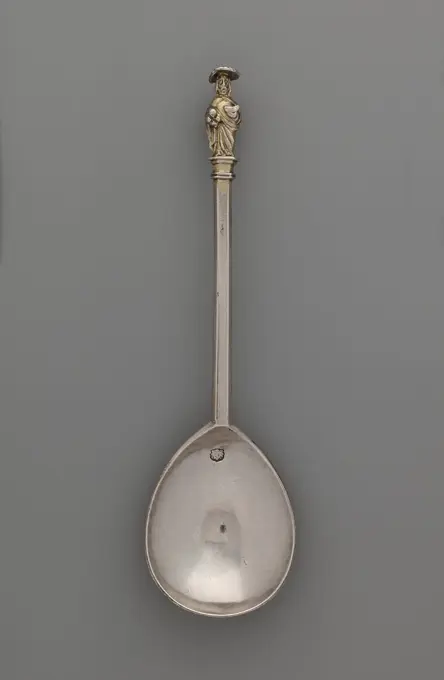
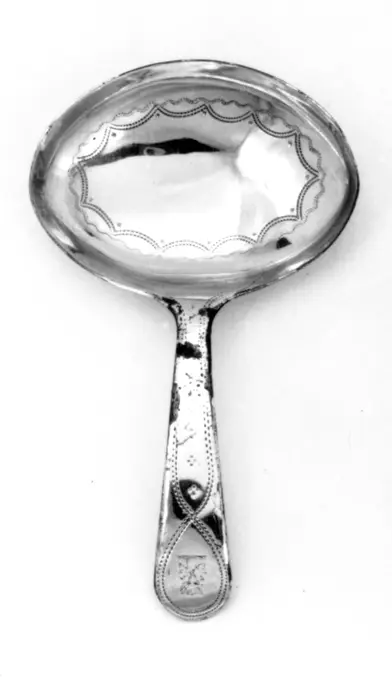
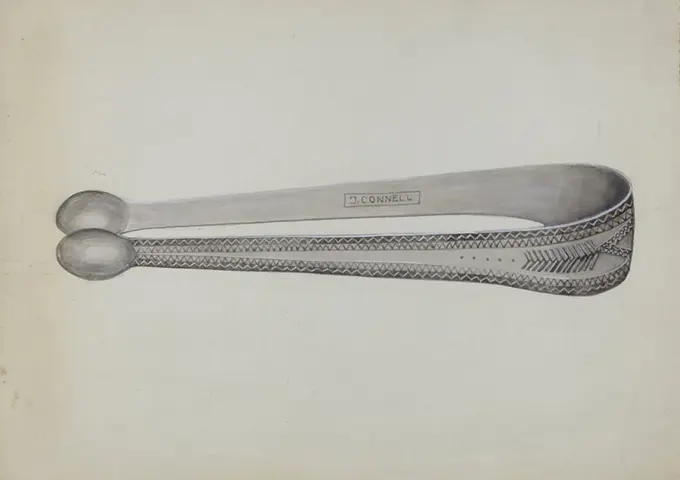
a hundred;  19th century (1800-00-00-1810-00-00);Serving spoon, Whiting Manufacturing. Co., Silver, Sphynx-like figure and lotus leaf decoration at tip of handle; spade-shaped blade., ca. 1875, cutlery, Decorative Arts, Serving spoonSpoon with a three -lobe end, anonymous, c. 1775 - c. 1800 Oval spoon with a wide sprouting stem. De Steel has a lobby end. The spoon is not marked. Netherlands silver (metal) Oval spoon with a wide sprouting stem. De Steel has a lobby end. The spoon is not marked. Netherlands silver (metal)a hundred; Malcz, Karol (1797-1867), Silver Products Factory K.F. Malcza (Warsaw; Sreber label; 1828-1864); 1852 (1852-00-00-1860-00-00);Daniel van Voorhis, Stuffing Spoon, c. 1790, silver.spice;  20th century (1901-00-00-2000-00-00);Salt spoon 19th century possibly French. Salt spoon 188257Jam Spoon Spoon; Designed by Charles Rennie Mackintosh (Scottish, 1868-1928); Client: Miss Catherine Cranston (Scottish, 1849-1934); Scotland; silver-plated nickel; Length: 16.5 cm (6 1/2 in.)Table Spoon 1698 Koenraet Ten Eyck. Table Spoon 8112Tea Spoon 1760-75 Myer Myers American. Tea Spoon 8466Teaspoon.   Maker: Sayre and Richards, American, active 1802-13Spoon ca. 1670-80 John Hull. Spoon 13502Maidenhead Type Spoon probably late 15th century British Maidenhead spoons seem to have made their appearance in the late fourteenth century. That some were indented to represent the Virgin Mary is revealed in an inventory of Durham Priory, in 1446, in which "ij coclearia argentea at deaurata unius sectae, cum ymaginibus Beatae Mariae in fine eorundem" ("two partially gilded silver spoons with the image of the Holy Mary at their ends"), and again in a much later of 1525 in which spoons "knopped with the image of our Lady" are mentioned. In the present example, the Virgin, dressed in the fashion of the first half of the fifteenth century, wears an elaborate rolled headdress and a dress with a V-shaped neckline and a raised collar. These two spoons, although both probably of provincial workmanship since they bear no clearly identifiable London silver mark, are good examples of two of the most popular types of spoons in the late fourteenth centuries. The other most common types were the dTeaspoon,  1881Tablespoon.   Maker: George Ridout, American, active ca. 1751STOP fork; Malcz, Karol (1797-1867), Silver Products Factory K.F. Malcza (Warsaw; Sreber label; 1828-1864); 1852 (1852-00-00-1860-00-00);Medicine spoon 1858-59 T. J., London. Medicine spoon 188218 Maker: T. J., London, ca. 1858, Medicine spoon, 185859, Silver, Length: 5 1/8 in. (13 cm). The Metropolitan Museum of Art, New York. Gift of Mrs. Samuel P. Avery, 1897 (97.2.194)Ladle 1755-75 Probably William Hollingshead. Ladle 4663cutlery which Mahatma Gandhi used in his last home in New Delhi India. At 5:17 pm on 30 January 1948, Gandhi was with his grandnieces in the garden of the former Birla House (now Gandhi Smriti), on his way to address a prayer meeting, when Nathuram Godse fired three bullets from a Beretta 9 mm pistol into his chest at point-blank range.Coffee yield;  20th century (1901-00-00-2000-00-00);Twotablespoons. Maker, attributed to: William Thompson, American, active ca. 1795 - 1824Coffee Spoon ca. 1795 David Vinton. Coffee Spoon 19094Teaspoon c 1805-1815 Albany. Silver . Issac HuttonServing Spoon. Bailey & Kitchen; American, c. 1832-1846; Philadelphia, Pennsylvania. Date: 1827-1851. Dimensions: 32.1 × 6 cm (12 5/8 × 2 5/16 in.). Silver. Origin: Philadelphia. Museum: The Chicago Art Institute, Chicago, USA.John Vernon, Salt Shovel, c. 1800, silver.Spoon. Culture: American. Dimensions: L. 8 in. (20.3 cm). Maker: Paul Revere Jr. (American, Boston, Massachusetts 1734-1818 Boston, Massachusetts). Date: ca. 1787. Museum: Metropolitan Museum of Art, New York, USA.Tea Spoon 1825 James D. Stout. Tea Spoon 8449Spoon 16th century German, Freiburg im Breisgau. Spoon 188192 German, Freiburg im Breisgau, Spoon, 16th century, Silver, enameled, Length: 6 1/2 in. (16.5 cm). The Metropolitan Museum of Art, New York. Gift of Mrs. Samuel P. Avery, 1897 (97.2.168)Bone spoon 1st-2nd century A.D. Roman With oval bowl.. Bone spoon 244077Teaspoon.  Maker: Myer Myers, American, 1723-1795SpoonDessertSpoon.  Manufacturer: Philo B. Gilbert, American, ca. 1818-1875Lepel.Spoon of silver, with an egg-shaped container. The flat, curved stem wise to the rounded end.Teaspoon, c. 1730. Philip Syng (American, 1703-1789). Silver; overall: 4 cm (1 9/16 in.).Mathias Lamar, Tea Spoon, c. 1790, silver.Spoon with Lion's Head, silver, gold, Spoon has large pointed bowl with stylized lion's head on the back. Flared stem with engraved decoration, on front scrolls and leaves (acanthus), on the back an elephant surrounded with scrolls and leaves (acanthus)., Germany, mid-19th century, cutlery, Decorative Arts, spoon, spoonTea Spoon 1775-1800 Daniel Van Voorhis. Tea Spoon 8475Teaspoon.   Maker: Khecheong, Chinese, active ca. 1840-70Fork; Rossdeutscher & Reisig (Wrocław 19th century (1800-00-00-1848-00-00);Bokkenpootlepel, goat's spoon spoon cutlery silver, forged cast Oval bake three-sided handle with end of goat's tail rat tail back side (fried) foodSpoon. Silver spoon with stem crowned by an apostle with sword (Paulus). Brands: Two characters unclocked, which are dropped to the bin L.I. Groningen, annual letter X (1629). The lower part of the handle is flat and calculated with O.A. a mask and a peacock.Apostle Spoon: St. Simon Zelotes. London, England. Date: 1637-1638. Dimensions: 19.8 x 5.2 cm (7 13/16 x 2 1/16 in.). Silver; figure gilded. Origin: London. Museum: The Chicago Art Institute, Chicago, USA.Pewter spoon with twisted stem and a cup, 1600 - 1700 Tin spoon with twisted stem. The stem is decorated from the container with two ovals, followed by a twisted part and ends in a cup on both sides. unknown tin (metal) casting Tin spoon with twisted stem. The stem is decorated from the container with two ovals, followed by a twisted part and ends in a cup on both sides. unknown tin (metal) castingSpoon 1770-1800 Paul Revere Jr. American. Spoon 7809Folding Spoon (Germany); steel, silver, gold; L x W: 19.2 x 3.8 cm (7 9/16 x 1 1/2 in.); The Robert L. Metzenberg Collection, gift of Eleanor L. Metzenberg; 1985-103-241Seal-top spoon ca. 1580 British, provincial (Ilchester) or Welsh. Seal-top spoon 209233Funeral spoon ca. 1688 American Funeral spoons were presented to family members or close friends upon the burial of loved ones. The inscription on the front of this spoons handle refers to Maria Van Rensselaer, who died in 1688 or 1689. Maria had married Jeremias Van Rensselaer in 1662 but was herself a Van Cortlandt. The initials “M G” are those of Marias great-granddaughter, Magdelena Douw, who married Harme Gansevoort in 1740. This utensil, therefore, represents the intertwining of several prominent New York families of Dutch descent.. Funeral spoon 3860Spoon, 6th-7th century, 7 3/4 x 1 1/2 in. (19.69 x 3.8 cm), Silver, 6th-7th centuryLepel.Spoon of silver, with striker oval bowl and peak tapered stem. The handle is engraved at the top with a flower drink and an oval medallion.Moody Russell, Tea Spoon, c. 1760, silver.Sugar Spoon c 1870-1875 New York City. Silver . Tiffany and CompanyArrowhead (Yanone) 18th century Japanese Although today Japanese warriors are renowned most for their swordsmanship, archery, especially from horseback, has been an essential part of samurai warfare and culture for centuries. Arrows were fitted with heads of varying shape according to their intended use in war, the hunt, or target practice. Arrowheads made for use on the battlefield incorporated different designs intended for specialized purposes such as the piercing of armor or to cause maximum damage to horses and unarmored personnel.Large arrowheads, pierced and elaborately chiseled with landscapes, birds, flowers, dragons, and Buddhist divinities, were created to be admired for the beauty of their metalwork and design rather than for use in archery. Such highly elaborate examples may have been made for presentation or as a votive offerings to a shrine.. Arrowhead (Yanone). Japanese. 18th century. Steel. Archery Equipment-ArrowheadsServing Spoon. John Bayly; American, active 1754-1783; Philadelphia, Pennsylvania. Date: 1754-1775. Dimensions: 3.2 × 35.6 cm (1 5/16 × 14 in.); width of bowl: 6.7 cm (2 5/8 in.). Silver. Origin: Philadelphia. Museum: The Chicago Art Institute, Chicago, USA.SpoonsLadle, c. 1790-1800. George Aiken (American, 1765-1832). Silver; overall: 5.9 cm (2 5/16 in.).Spoon, Charles Victor Gibert, French, Silver, Lizard crawling along a twisted leafy branch., ca. 1890, cutlery, Decorative Arts, SpoonCaddy spoon 1832-33 John Lias. Caddy spoon 188206 Maker: John Lias, active 1791 after 1837, Maker: Henry Lias, active 1818 after 1848, died 1877, Maker: Charles Lias, active 1823 after 1846, Caddy spoon, 183233, Silver, Length: 4 1/2 in. (11.4 cm). The Metropolitan Museum of Art, New York. Gift of Mrs. Samuel P. Avery, 1897 (97.2.182)Pair ofTeaspoons.   Maker: Joseph Copp, American, 1732-1813Tablespoon, c. 1785. Paul Revere II (American, 1735-1818). Silver; overall: 20 x 4.4 cm (7 7/8 x 1 3/4 in.).Fork with the Helmet Clifford, Hendrik Helweg, 1832 The fourth fork is on both the top and bottom by means of only praise to the flat, curved stem, which broadens to the spatula-shaped end. At the top and bottom of the handle are surrounded by a double file edge, which has been swept up at the end. The Clifford helmet is engraved on the underside of the spatula. Amsterdam silver (metal) The fourth fork is on both the top and bottom by means of only praise to the flat, curved stem, which broadens to the spatula-shaped end. At the top and bottom of the handle are surrounded by a double file edge, which has been swept up at the end. The Clifford helmet is engraved on the underside of the spatula. Amsterdam silver (metal)STOP fork;  End of the 18th century (1880-00-00-1880-00-00);Tin spoon, almost round scoop blade, rose mark and initials C , spoon cutlery soil find tin metal, cast Figs-shaped bowl small needle or rat tail as transition to hexagonal handle with straight hexagonal handle tip Marked in the blade for the attachment of the stem marks in bowl: crowned Tudor rose with crown where AP left of the property letters C and right eat metal archeologySpoon. Richard Humphreys; American, 1750-1832; b. Tortula Island, BWI d. Philadelphia, PA; Philadelphia, Pennsylvania. Date: 1770-1790. Dimensions: 13.3 × 2.5 cm (5 1/4 × 1 in.). Silver. Origin: Philadelphia. Museum: The Chicago Art Institute, Chicago, USA.Anonymous. "Spoon". Metal, silver, 3rd century BC .. Museum of Fine Arts in the city of Paris, Petit Palais. 99931-16 Antiquity, silver, iiieme 3rd 3rd 3rd century, metal, ancientJam spoon. Adams, Stephen I (fl. ca 1758-1802), goldsmithSet of six spoons 1766-67 Jacques Anthiaume. Set of six spoons 200242Fork with the Helmet Clifford, Hendrik Helweg, 1832 The fourth fork is on both the top and bottom by means of only praise to the flat, curved stem, which broadens to the spatula-shaped end. At the top and bottom of the handle are surrounded by a double file edge, which has been swept up at the end. The Clifford helmet is engraved on the underside of the spatula. Amsterdam silver (metal) The fourth fork is on both the top and bottom by means of only praise to the flat, curved stem, which broadens to the spatula-shaped end. At the top and bottom of the handle are surrounded by a double file edge, which has been swept up at the end. The Clifford helmet is engraved on the underside of the spatula. Amsterdam silver (metal)William Simes, Two Tea Spoons, c. 1800, silver.Confiture spoon with oval container and stem ending in oak leaves, anonymous, 1779 Spoon -horend with mustard pots (15739a, b). Oval scoop and stalk that ends in two crossed oak leaves with acorn in between. Brand: Amsterdam, Master sign C.B. (attributed to Caspar Binking). Numbered A and B. Amsterdam silver (metal) Spoon -horend with mustard pots (15739a, b). Oval scoop and stalk that ends in two crossed oak leaves with acorn in between. Brand: Amsterdam, Master sign C.B. (attributed to Caspar Binking). Numbered A and B. Amsterdam silver (metal)Fork isolated  on white background cutoutSalt Spoon 1790-1806 Benjamin Halsted. Salt Spoon 18237TwoTeaspoons.   Maker: O.H. Moses, American, active 1839-1841G. Lenhart, Tea Spoon, c. 1790, silver.Owl head spoon probably 1708 Dutch, Enkhuizen. Owl head spoon 188103 Dutch, Enkhuizen, Owl head spoon, probably 1708, Silver, L. 6-15/16 in. (17.6 cm.); W. 1-7/8 in. (4.8 cm.). The Metropolitan Museum of Art, New York. Gift of Mrs. Samuel P. Avery, 1897 (97.2.68)Coffee spoon late 18th-early 19th century possibly Dutch. Coffee spoon 188125 possibly Dutch, Coffee spoon, late 18thearly 19th century, Silver gilt, 4 7/8 in. (12.4 cm). The Metropolitan Museum of Art, New York. Gift of Mrs. Samuel P. Avery, 1897 (97.2.90)Arrowhead (Yanone) Japanese 18th century Although today Japanese warriors are renowned most for their swordsmanship, archery, especially from horseback, has been an essential part of samurai warfare and culture for centuries. Arrows were fitted with heads of varying shape according to their intended use in war, the hunt, or target practice. Arrowheads made for use on the battlefield incorporated different designs intended for specialized purposes such as the piercing of armor or to cause maximum damage to horses and unarmored personnel.Large arrowheads, pierced and elaborately chiseled with landscapes, birds, flowers, dragons, and Buddhist divinities, were created to be admired for the beauty of their metalwork and design rather than for use in archery. Such highly elaborate examples may have been made for presentation or as a votive offerings to a shrine. View more. Arrowhead (Yanone). Japanese. 18th century. Steel. Archery Equipment-ArrowheadsLepel, veelkleurig beschilderd met bloemboeketten..Spoon from painted porcelain. The spoon is painted with flower bouquets and along the edge a wide strip with stripes in gold on a rose fond, always trimmed with a Rocaille ornament in gold. The spoon has been marked.Spoon ca. 1690-early 18th century British. Spoon. British. ca. 1690-early 18th century. Silver. Metalwork-SilverJohn D. Germon, Set of Six Teaspoons, c. 1785, silver.Tablespoon.   Maker: Peter P. Hayes, 1786-1842  Maker: John Adriance, AmericanSpoon, Molded and engraved sheet silver, Pointed oval bowl with fiddle form handle, the terminal engraved with monogram., Hagerstown, Maryland, USA, 1820-42, cutlery, Decorative Arts, SpoonTeaspoon.   Maker: Daniel Dupuy, Jr., American, 1753-1826Poll photo collection. Product photos; silverware. Spoon with Willem de Zwijger of the Fa. Gerritsen & van Kempen in Zeist. January 1, 1930. Utrecht (province), ZeistLadle ca. 1756-59 Frankenthal Porcelain Manufactory. Ladle. German, Frankenthal. ca. 1756-59. Hard-paste porcelain. Ceramics-PorcelainApostle spoon: St. Matthew. Culture: British, London. Dimensions: Overall: 2 × 7 3/16 in. (5.1 × 18.3 cm). Maker: William Cawdell (British, 1560-1625). Date: 1592/93.The set (67.166.1-.13) includes a master spoon with a figure of Christ and twelve apostle spoons. Martin Hewitt who made the Saint Andrew spoon had served his apprenticeship under William Cawdell. Both were specialist spoonmakers. Museum: Metropolitan Museum of Art, New York, USA.Joseph Taylor, Caddy Spoon, 1796/97, silver.Maker: John Coney, American, 1655-1722, Spoon, ca.1690-1700, Silver, 7 3/8 in. (18.7cm), Made in Boston, Massachusetts, American, 17thcentury, FlatwareSpoon, Charles Victor Gibert, French, Silver, Handle in the form of a frog diving from a leaf., ca. 1890, cutlery, Decorative Arts, SpoonTea Spoon. Culture: American. Dimensions: L. 5 1/4 in. (13.3 cm). Maker: Daniel Van Voorhis (1751-1824). Date: 1775-1800. Museum: Metropolitan Museum of Art, New York, USA.Strainer ladle, Kings pattern.  Maker: Bailey and Company, American, 1846-1878dining fork with one green pea isolated dining fork with one green pea isolated on white background Copyright: xZoonar.com/ValeryxVoennyyx 8079112Spoon probably mid-17th century Giert Reber. Spoon 188088 Maker: Giert Reber, recorded 164356, Spoon, probably mid-17th century, Silver, 6 15/16  2 1/8 in. (17.6  5.4 cm). The Metropolitan Museum of Art, New York. Gift of Mrs. Samuel P. Avery, 1897 (97.2.53)Dessert fork with the Helmet Clifford, Roelof Helweg, 1806 The fourth fork is on both the top and bottom by means of only praise to the flat, curved stem, which broadens to the spatula-shaped end. At the top and bottom of the handle are surrounded by a double file edge, which has been swept up at the end. The Clifford helmet is engraved on the underside of the spatula. Amsterdam silver (metal) The fourth fork is on both the top and bottom by means of only praise to the flat, curved stem, which broadens to the spatula-shaped end. At the top and bottom of the handle are surrounded by a double file edge, which has been swept up at the end. The Clifford helmet is engraved on the underside of the spatula. Amsterdam silver (metal)FiveTeaspoons.   Maker:? RustOld used spoon on a rustic wooden tableSilver Sugar Tongs. Dated: c. 1936. Dimensions: overall: 24.9 x 36 cm (9 13/16 x 14 3/16 in.) Original IAD Object: 5 13/16" long; 1/2" wide. Medium: graphite and gouache on paper. Museum: National Gallery of Art, Washington DC. Author: John R. Towers.Elizabeth Morley, Caddy Spoon, 1812/13, silver.Folding spoon, Silver, gold, Large oval-shaped spoonbowl with floral engraving on the back of bowl. Flat handle flaring towards the end. Hinge and small sliding band, bowl bends towards handle. End of handle has a decorative border on front and inscription on back., possibly Germany, ca. 1827, cutlery, Decorative Arts, Folding spoonSpoonRockledge Silver Service Dinner Fork; Designed by George Washington Maher (American, 1864-1926); Manufactured by Gorham Manufacturing Company (United States); Client: Ernest L. and Grace King; USA; silver; L x W x D: 20 x 2.9 x 3 cm (7 7/8 x 1 1/8 x 1 3/16 in.)