Antique Spoons Collection

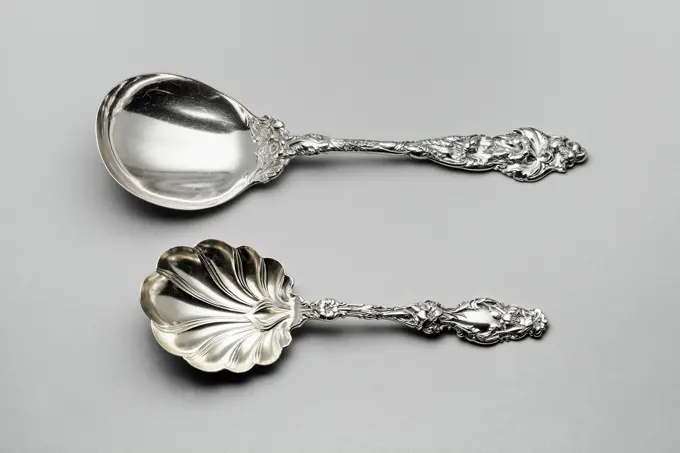
A range of antique silver spoons, each with unique designs, showcasing craftsmanship from different eras.

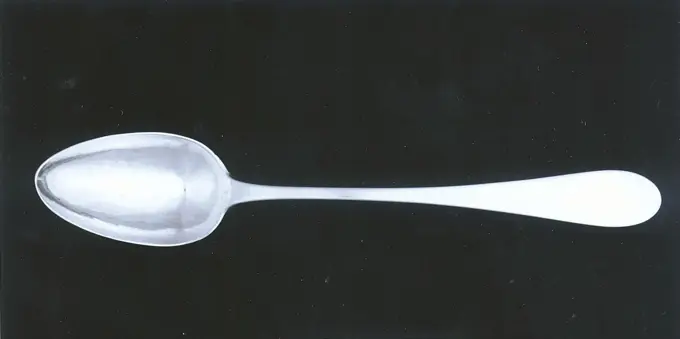
Dessert spoon with the Helm sign Clifford, Cornelis Loeff (attributed to), 1793 The egg -shaped container is connected to the flat, bent stem by means of single praise, which broadens to the rounded end and that shows a faint rib on the top over the middle. The Clifford helmet sign is engraved on the bottom of the stem. Amsterdam silver (metal) The egg -shaped container is connected to the flat, bent stem by means of single praise, which broadens to the rounded end and that shows a faint rib on the top over the middle. The Clifford helmet sign is engraved on the bottom of the stem. Amsterdam silver (metal)
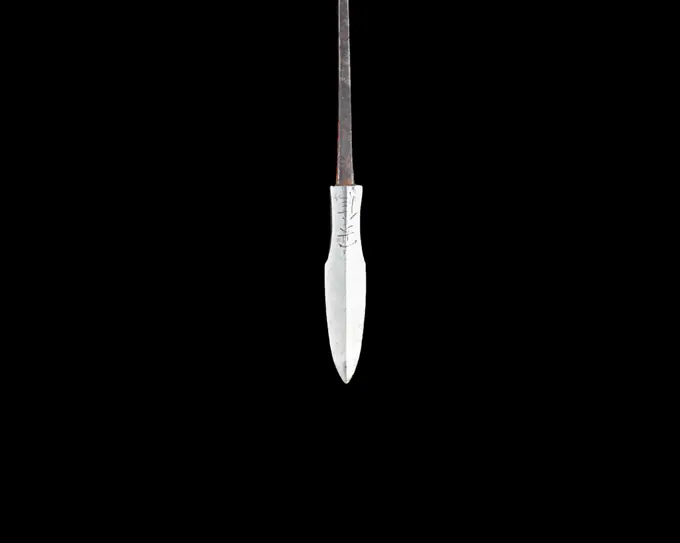
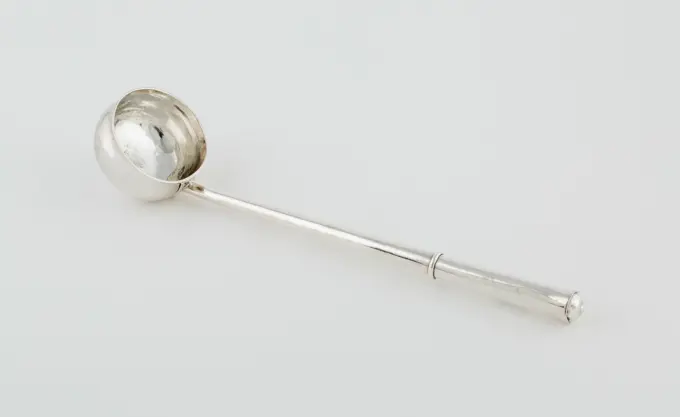
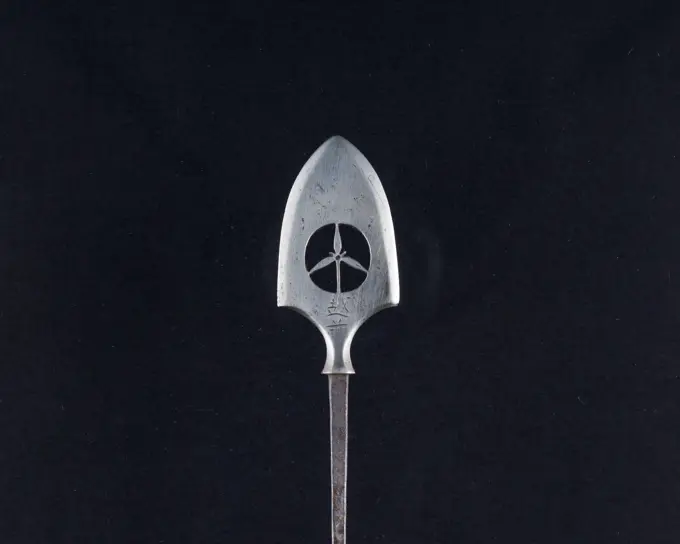
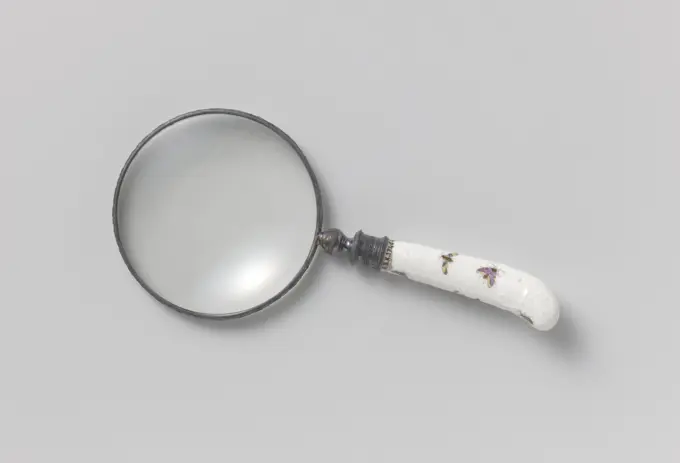
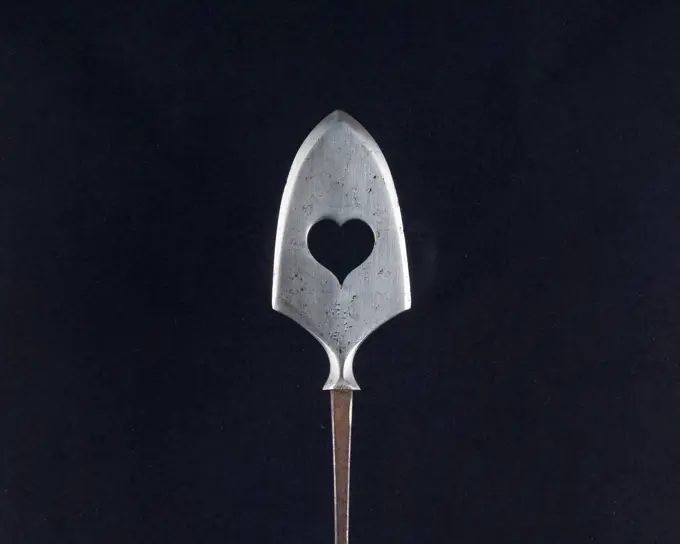
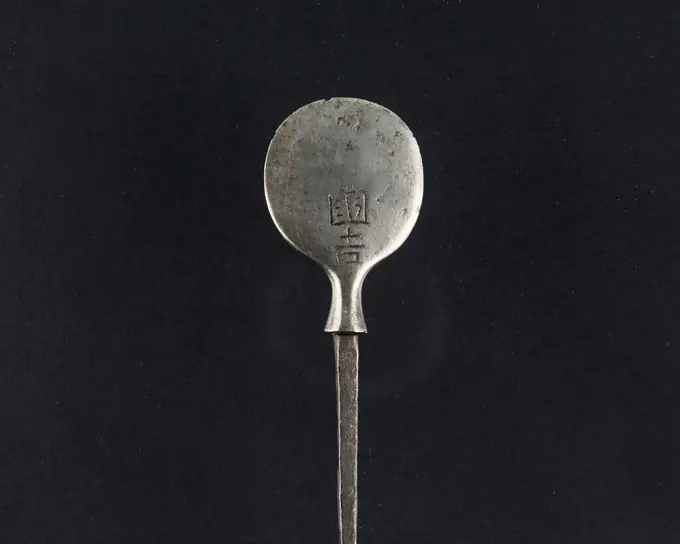
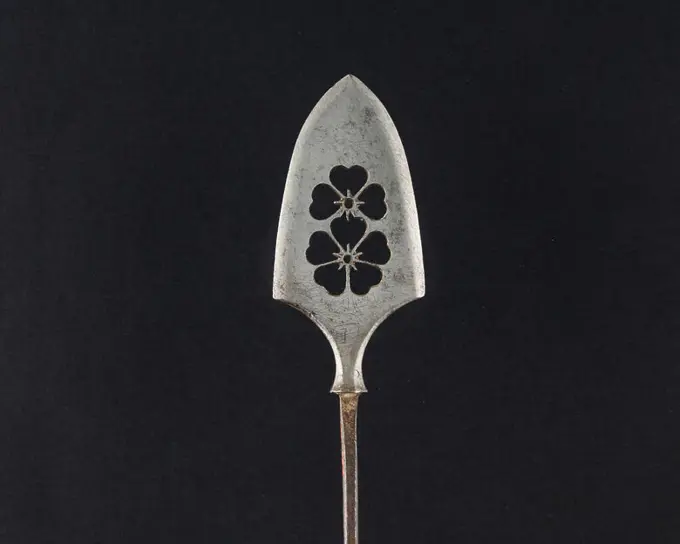
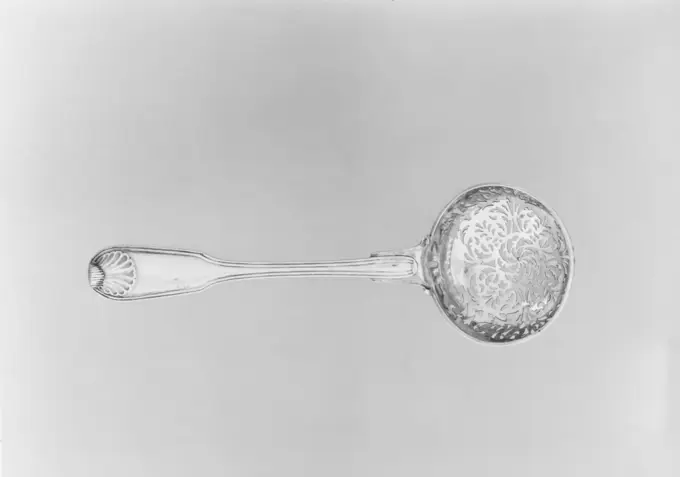
Arrowhead (Yanone). Culture: Japanese. Dimensions: L. 6 5/8 in. (16.8 cm); L. of head 2 3/8 in. (6 cm); W. 1 3/8 in. (3.5 cm); Wt. 0.9 oz. (25.5 g). Date: 18th century. Museum: Metropolitan Museum of Art, New York, USA.Arrowhead (Yanone) 16th-19th century Signed Kanenobu Japanese Although today Japanese warriors are renowned most for their swordsmanship, archery, especially from horseback, has been an essential part of samurai warfare and culture for centuries. Arrows were fitted with heads of varying shape according to their intended use in war, the hunt, or target practice. This arrowhead and others like it also in the Metropolitan Museum's collection (acc. nos. 32.75.489, .494, .503, .506, .519, .562, .586, .591, .614, .657, .658) were made for use on the battlefield, with different designs intended for specialized purposes such as the piercing of armor or to cause maximum damage to horses and unarmored personnel. On the other hand, highly elaborate examples (acc. nos. 32.75.318, .321, .327, .330, .334, .337, .339, .340, .398, .399, .403, .406, .409, 36.25.2616) were made as gifts or for ceremonial purposes.This arrowhead is of a shape referred to as the armor piercer” (yoro? toshi).. Arrowhead (Black plastic soup ladle, isolated on whiteStrainer spoon 18th century Possibly by Elias Cachart. Strainer spoon 192174Tiny white heart on wooden cooking spoonLadle 1719 London. Sterling silver . William Looker (Producer)A little wooden spoon isolated on white backgroundUnknown, Tea Spoon, c. 1790, silver.wooden spoon isolated on white backgroundCreme und Gel Textur Striche isoliert auf weißem Hintergrund. Gesichtscreme, Gel oder Körperlotion Hautpflege. Gesichtscreme kosmetisches Produkt Abstrich Swatch Cream and gel texture strokes isolated on white background. Facial creme, gel or body lotion skincare. face cream cosmetic product smear swatch Copyright: xZoonar.com/IrinaxKvyatkovskayax 22736492Oregano in a spoon over a blured wooden background with copy spaceArrowhead (Yanone). Culture: Japanese. Dimensions: L. 6 1/4 in. (15.9 cm); L. of head 2 3/4 in. (7 cm); W. 1 3/8 in. (3.5 cm); Wt. 1.1 oz. (31.2 g). Date: 18th century. Museum: Metropolitan Museum of Art, New York, USA.Arrowhead (Yanone) 18th century Japanese Although today Japanese warriors are renowned most for their swordsmanship, archery, especially from horseback, has been an essential part of samurai warfare and culture for centuries. Arrows were fitted with heads of varying shape according to their intended use in war, the hunt, or target practice. Arrowheads made for use on the battlefield incorporated different designs intended for specialized purposes such as the piercing of armor or to cause maximum damage to horses and unarmored personnel.Large arrowheads, pierced and elaborately chiseled with landscapes, birds, flowers, dragons, and Buddhist divinities, were created to be admired for the beauty of their metalwork and design rather than for use in archery. Such highly elaborate examples may have been made for presentation or as a votive offerings to a shrine.. Arrowhead (Yanone). Japanese. 18th century. Steel. Archery Equipment-ArrowheadsLoupe with a handle of porcelain, painted with plants and birds, Meissener Porzellan Manufaktur, c. 1800 - c. 1900 Loupe with a handle of painted porcelain. The magnifier is caught in a gilded silver frame. The handle is painted with two birds on a plant, four butterflies and two other insects. The ends of the handle are decorated in relief with an Ozier pattern. The handle is not marked. Float porcelain. silver (metal) Loupe with a handle of painted porcelain. The magnifier is caught in a gilded silver frame. The handle is painted with two birds on a plant, four butterflies and two other insects. The ends of the handle are decorated in relief with an Ozier pattern. The handle is not marked. Float porcelain. silver (metal)food wooden spoon cartoon. organic top, ladle kitchenware, utensil handle food wooden spoon sign. isolated symbol vector illustration. food wooden spoon cartoon vector illustrationArrowhead (Yanone) 18th century Japanese Although today Japanese warriors are renowned most for their swordsmanship, archery, especially from horseback, has been an essential part of samurai warfare and culture for centuries. Arrows were fitted with heads of varying shape according to their intended use in war, the hunt, or target practice. Arrowheads made for use on the battlefield incorporated different designs intended for specialized purposes such as the piercing of armor or to cause maximum damage to horses and unarmored personnel.Large arrowheads, pierced and elaborately chiseled with landscapes, birds, flowers, dragons, and Buddhist divinities, were created to be admired for the beauty of their metalwork and design rather than for use in archery. Such highly elaborate examples may have been made for presentation or as a votive offerings to a shrine.. Arrowhead (Yanone). Japanese. 18th century. Steel. Archery Equipment-ArrowheadsHairbrush. Manufacturer Attributed to: William B. Kerr and Company, American, 1855-1927 After: William-Adolphe Bouguereau, French, 1825-1905frying pan isolated on white backgroundTablespoon.   Maker: J. Merchant, American, active ca. 1795Egg beater, elevated viewArrowhead (Yanone). Culture: Japanese. Dimensions: L. 9 7/8 in. (25.1 cm); L. of head 2 1/8 in. (5.4 cm); W. 1 1/2 in. (3.8 cm); Wt. 1.4 oz. (39.7 g). Date: 18th century. Museum: Metropolitan Museum of Art, New York, USA.Corolla kitchen utensils isolated. Manual device for cream churningArrowhead (Yanone). Culture: Japanese. Dimensions: L. 8 1/2 in. (21.6 cm); L. of head 3 in. (7.6 cm); W. 1 3/8 in. (3.5 cm); Wt. 1.1 oz. (31.2 g). Date: ca. 1615-1868. Museum: Metropolitan Museum of Art, New York, USA.Wooden spoons on folded napkinFishServer.   Maker: Khecheong, Chinese, active ca. 1840-70Berry Spoon 1902 New York City. Silver . Whiting Manufacturing CompanyChamber candlestick 1760-62 David Herbert. Chamber candlestick 200095Poll photo collection. Product photos; silverware. Teaspoons of the fa. Gerritsen & Van Kempen in Zeist. January 1, 1930. Utrecht (province), ZeistCloves.Green Plastic Spoon With Baby Foodiron fork  wrapped in a measuring tape on a blue background, top viewChamber candlestick mid-18th century possibly French. Chamber candlestick 200093Leerer Metalllöffel auf einem monochromen braunen Hintergrund Empty metal spoon on a monochrome brown background. Cutlery on the dining table LicenseRF Copyright: xZoonar.com/TetianaxChernykovax 23261849Honey isolated on white background. HoneyDry care brush icon cartoon vector. Spa body. Woman shower. Dry care brush icon cartoon vector. Spa bodyHand holding a Retro teaspoonSamuel Drowne, Four Tea Spoons, c. 1790, silver.set of stainless steel kitchenwareTelephone dangling by cordMoon-Shaped Pendant. Culture: Indonesia (Java). Dimensions: H. (from base to tip of ends) 1 3/4 in. (4.4 cm); W. 4 in. (10.2 cm). Date: 8th-early 9th century or earlier. Museum: Metropolitan Museum of Art, New York, USA.Sugar spoon 1767-68 Probably by Jacques Pecatier. Sugar spoon 200235