Antique Stoneware Jugs

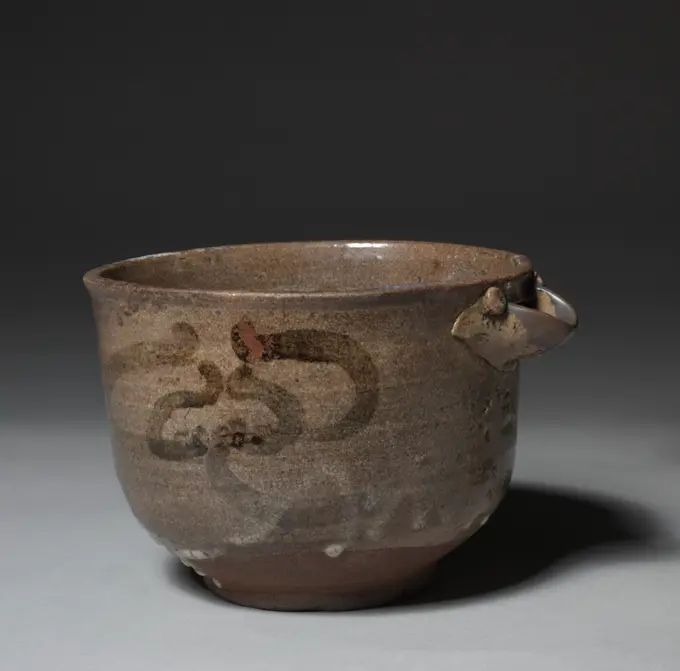
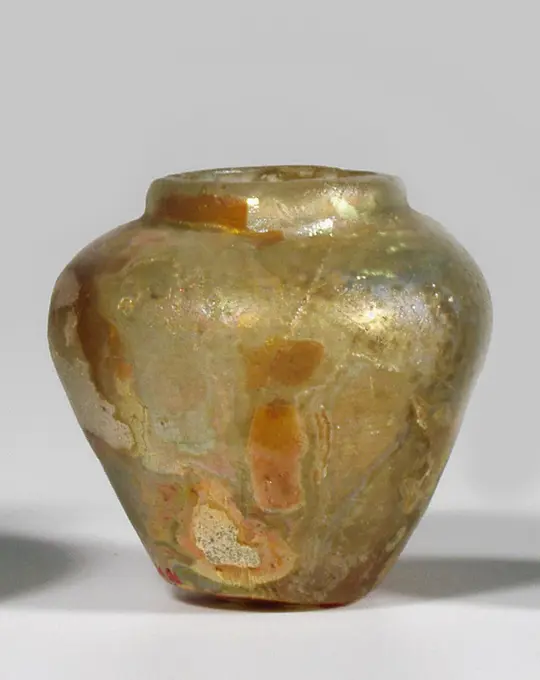
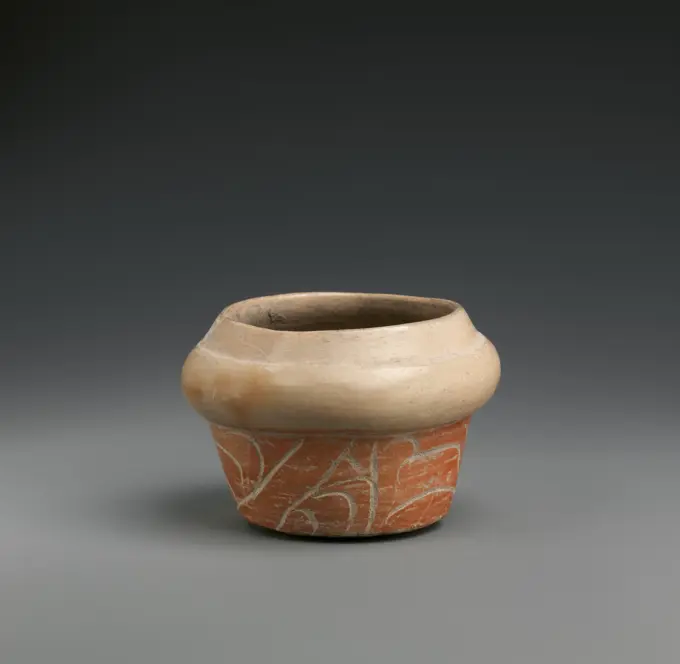
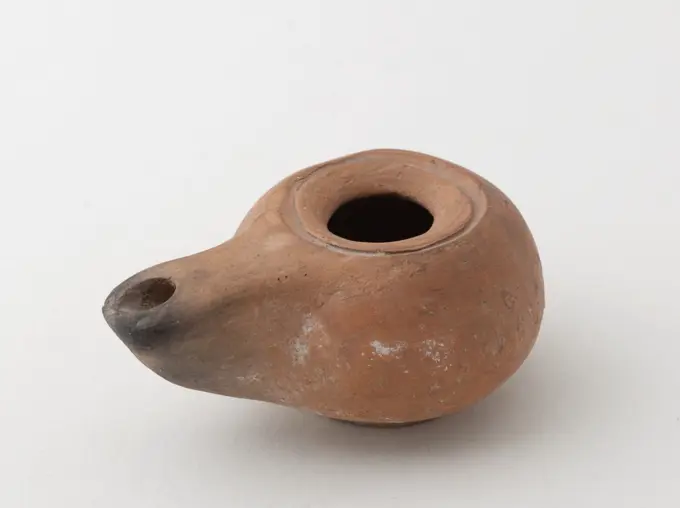
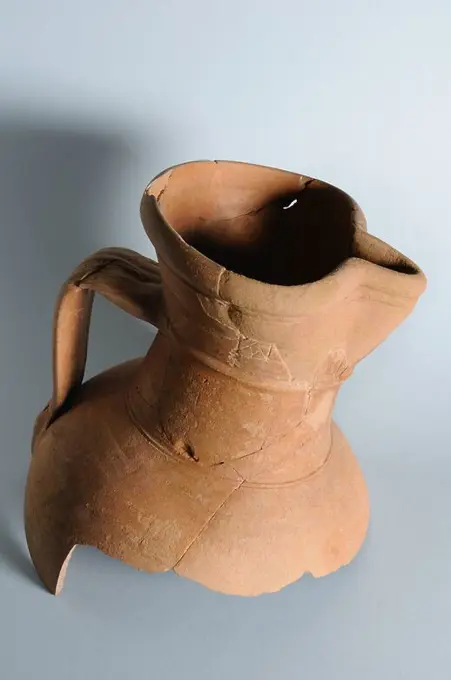
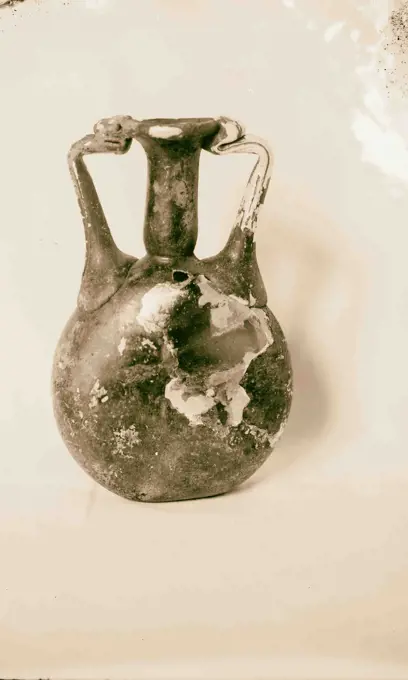
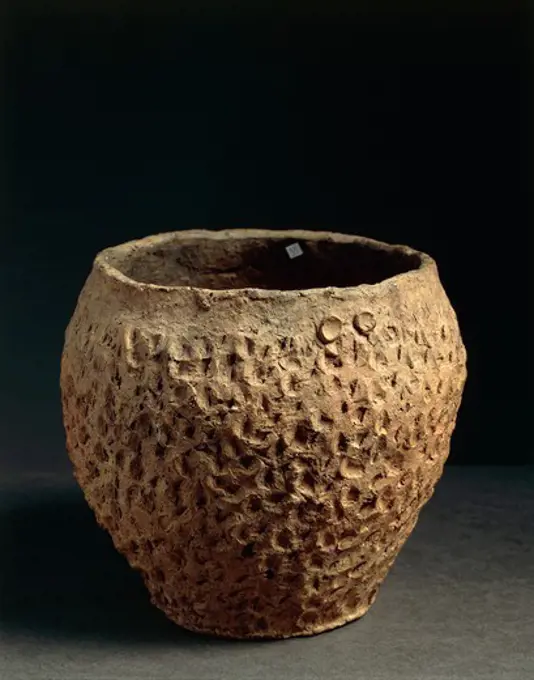
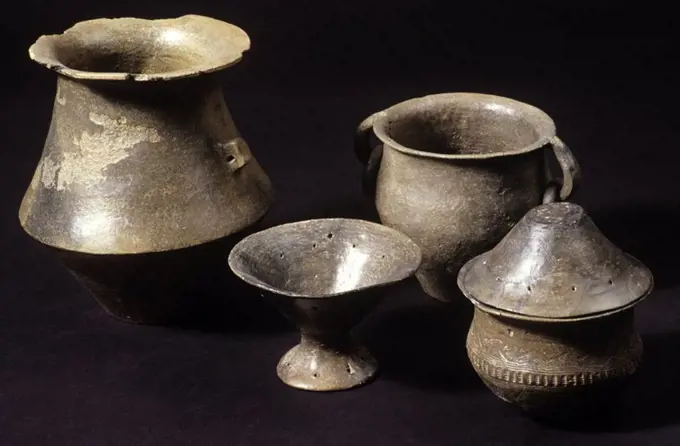
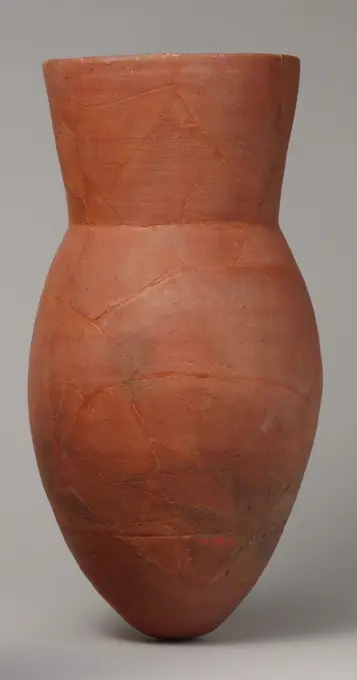
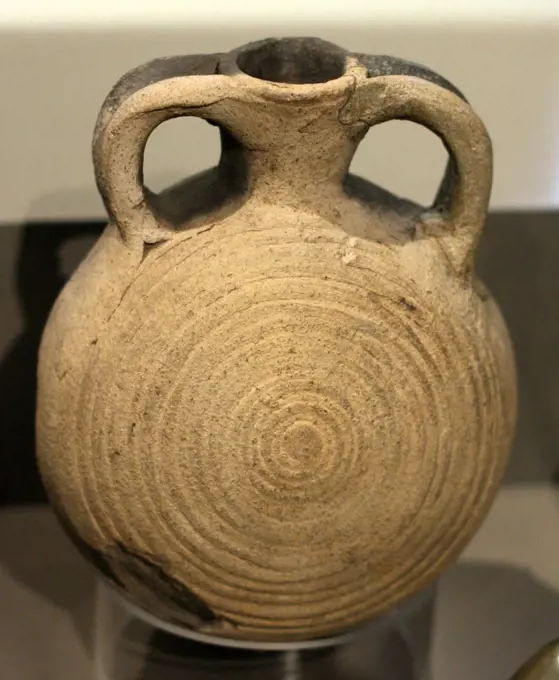
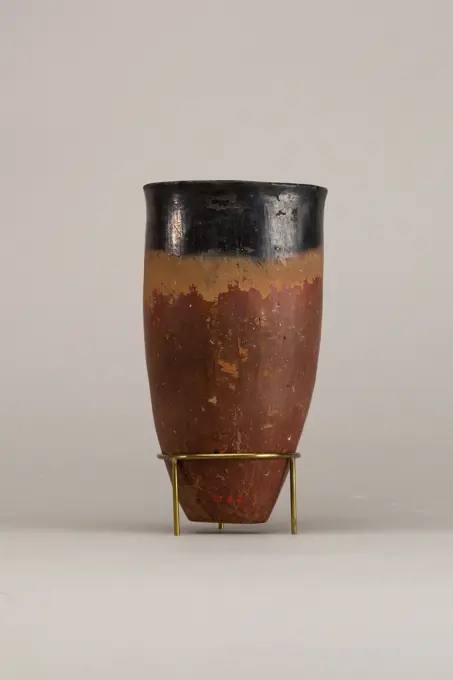
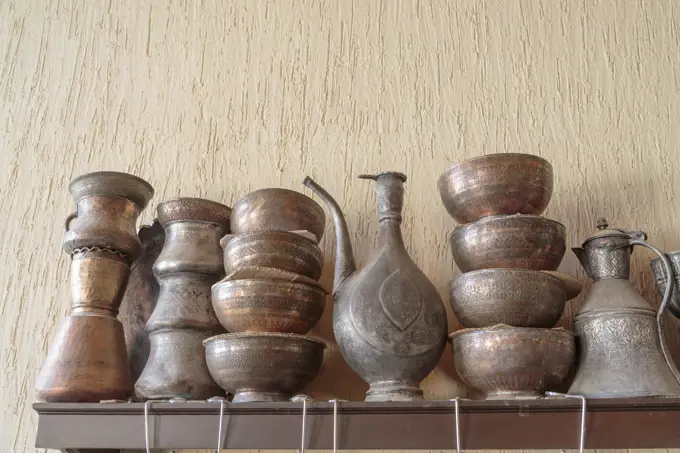
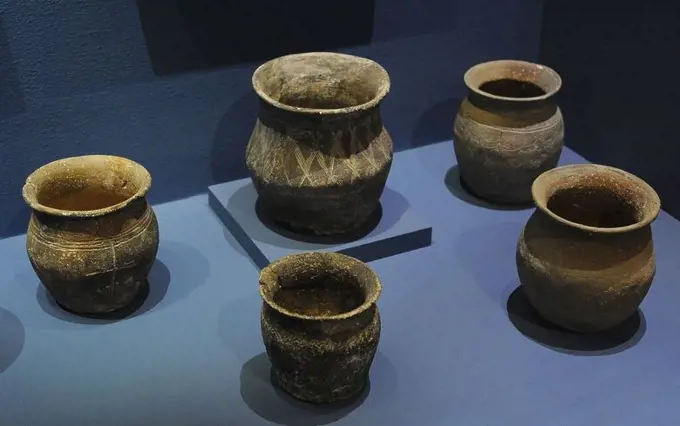
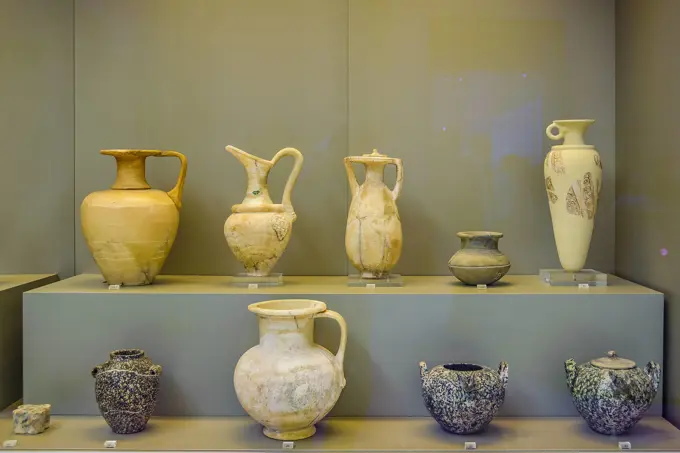
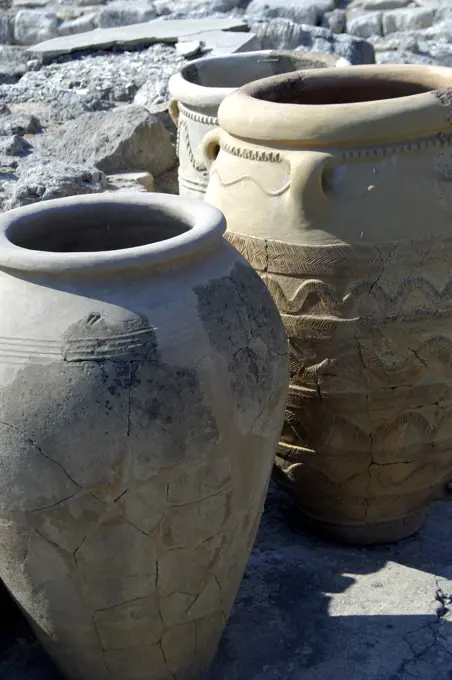
Various historical jugs made from stoneware and terracotta, featuring unique shapes and decorations from different periods.
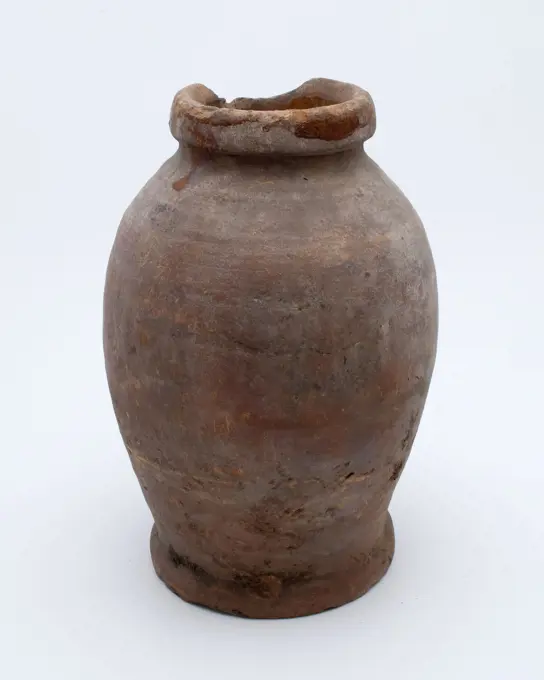
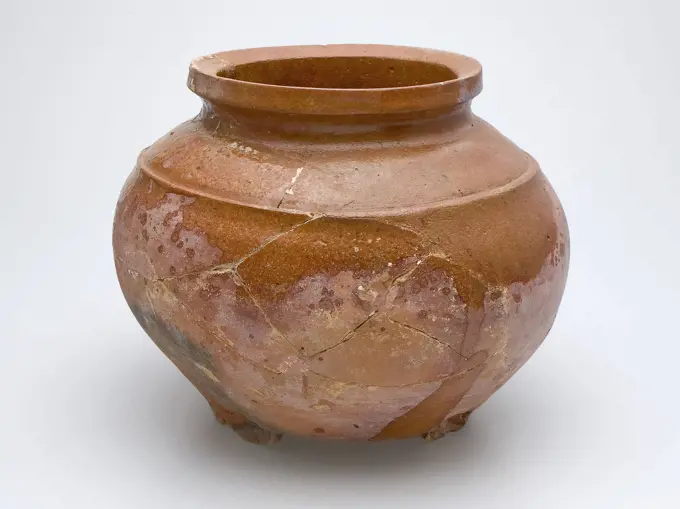
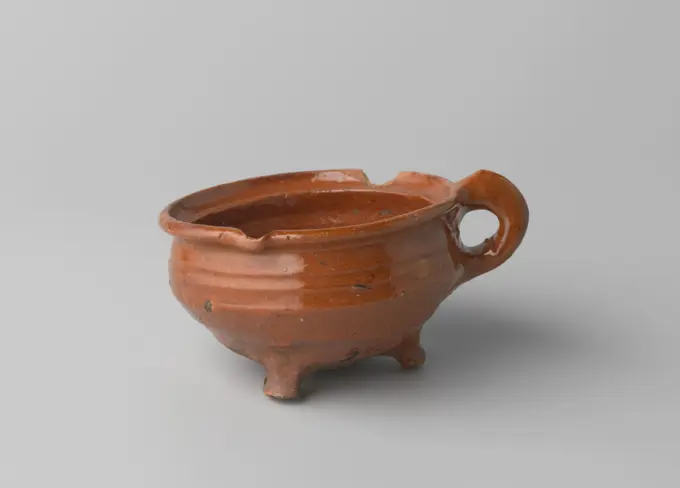
Pottery pot on stand, baluster shape, used in the sugar industry, sugar bowl pot holder soil find ceramic earthenware glaze lead glaze, opening 8.0 hand turned glazed baked Pottery pot on stand. Baluster shape with round shoulder and narrow neck opening. Straight neck edge around and thickened along the outside. Blurred turnings. Red shard internal glazed Here sugar cones were made archeology indigenous earthenware sugar confectionery sugar industry
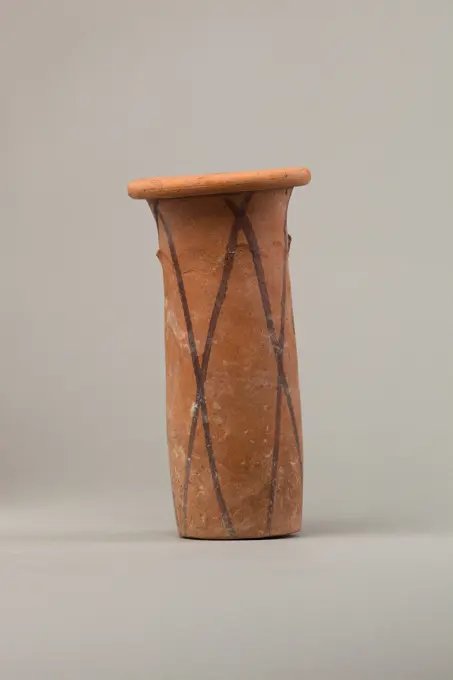
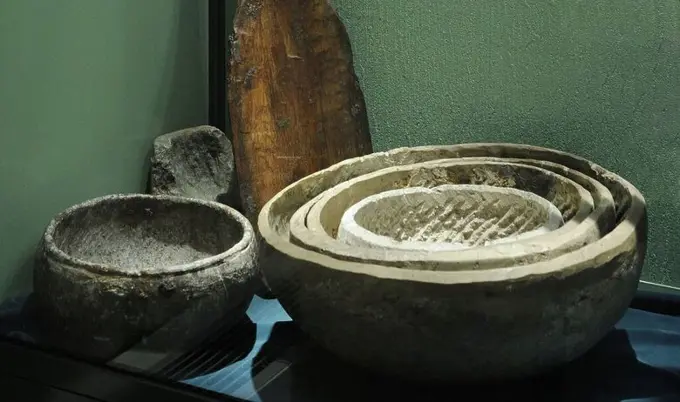
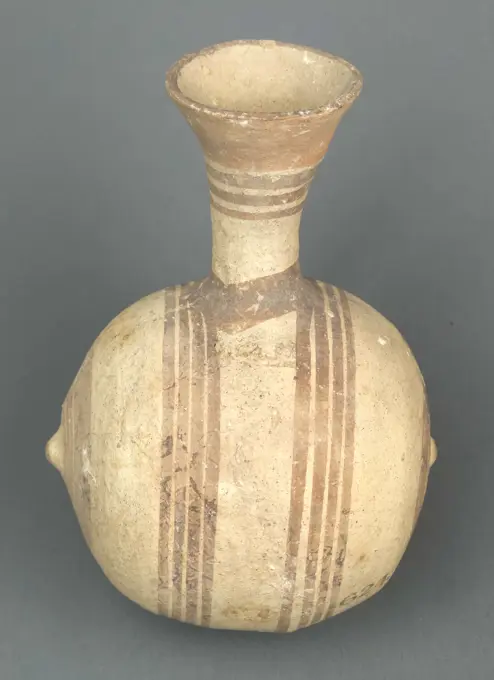
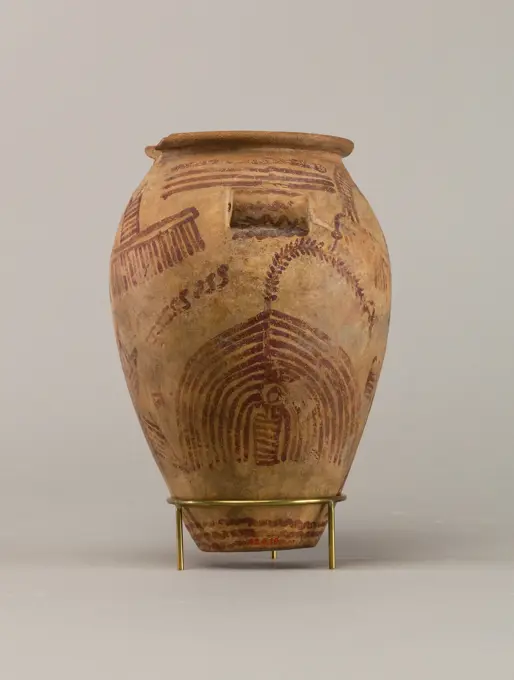
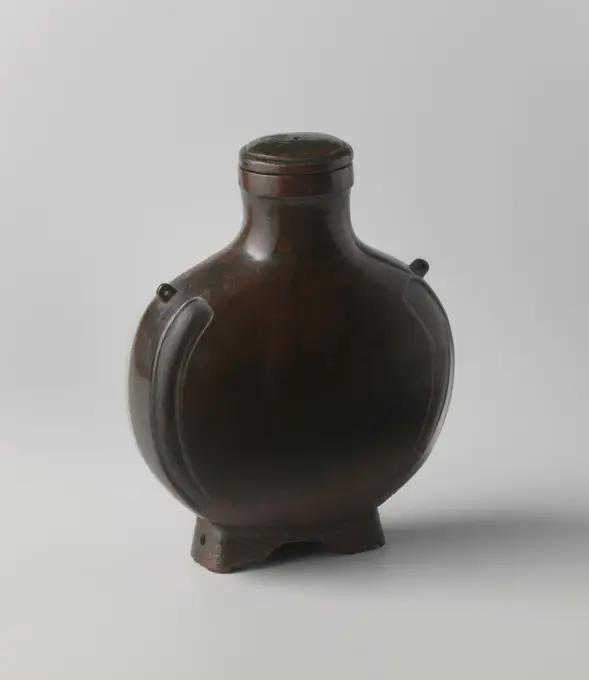
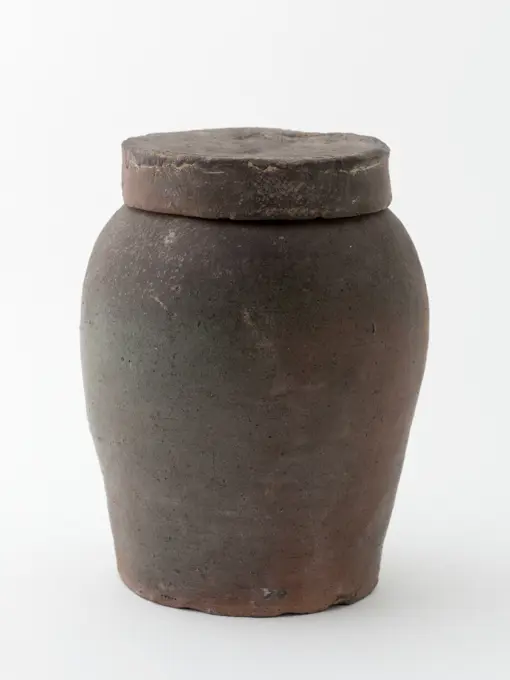
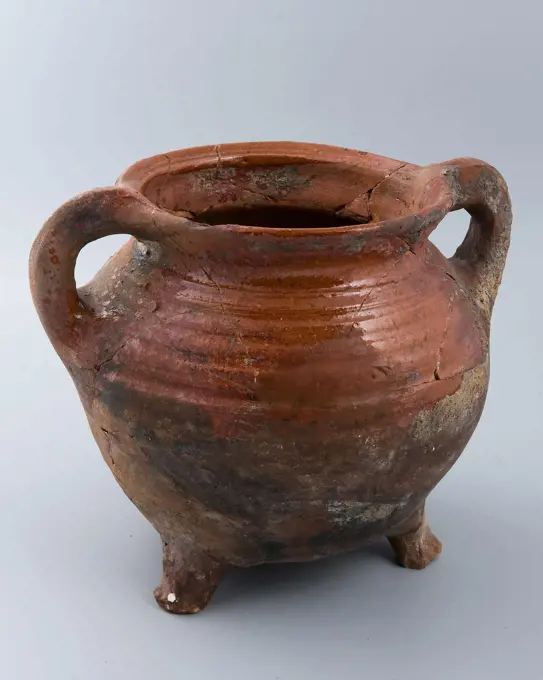
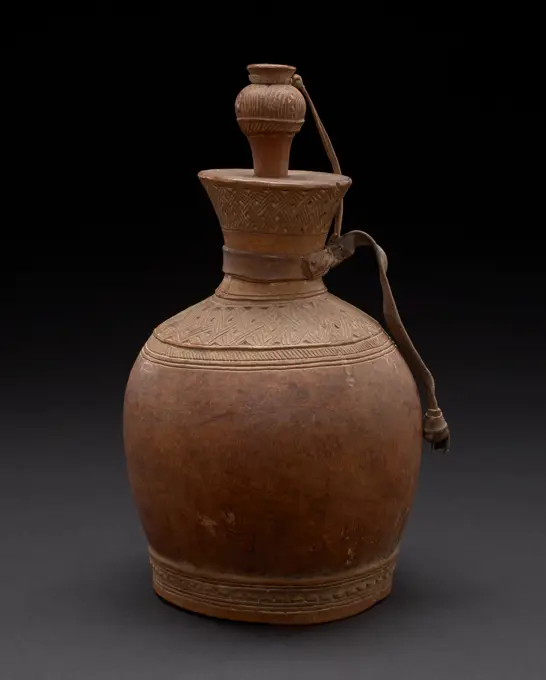
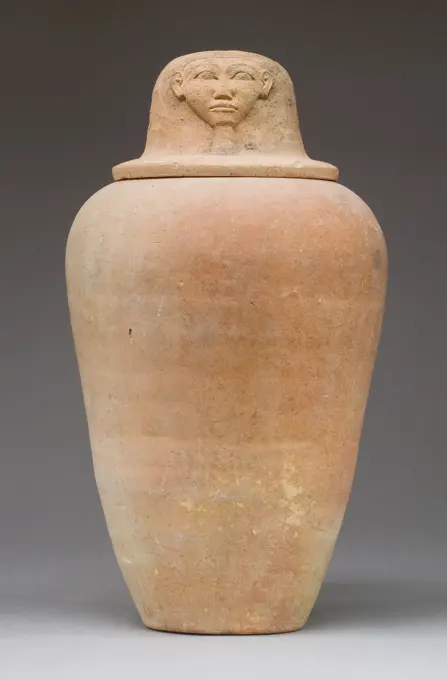
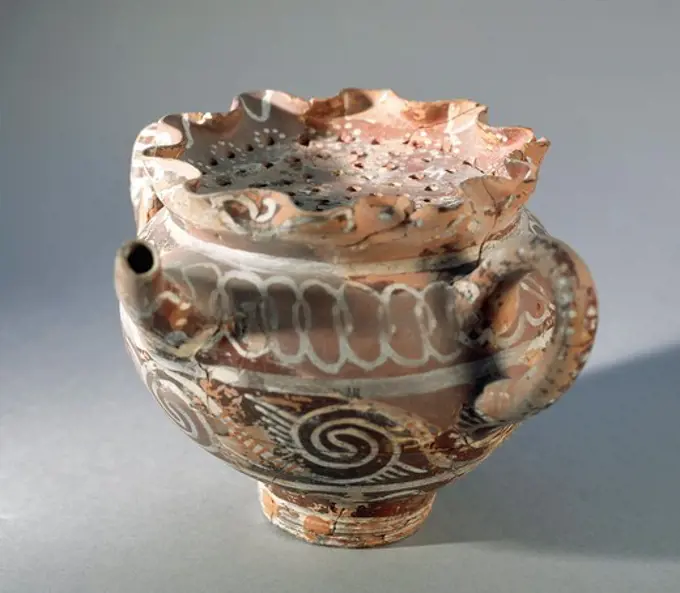
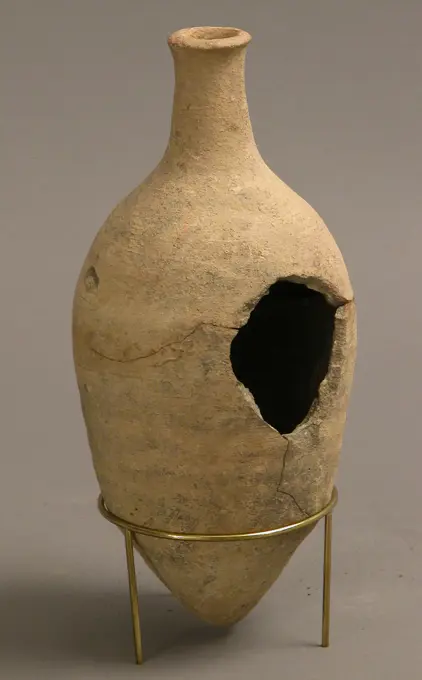
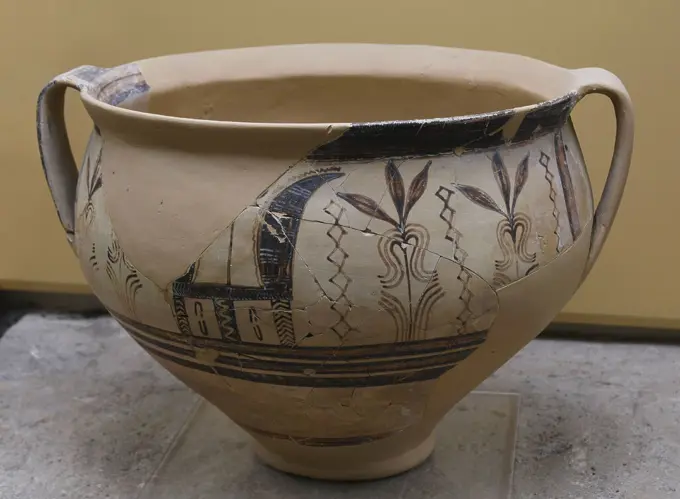
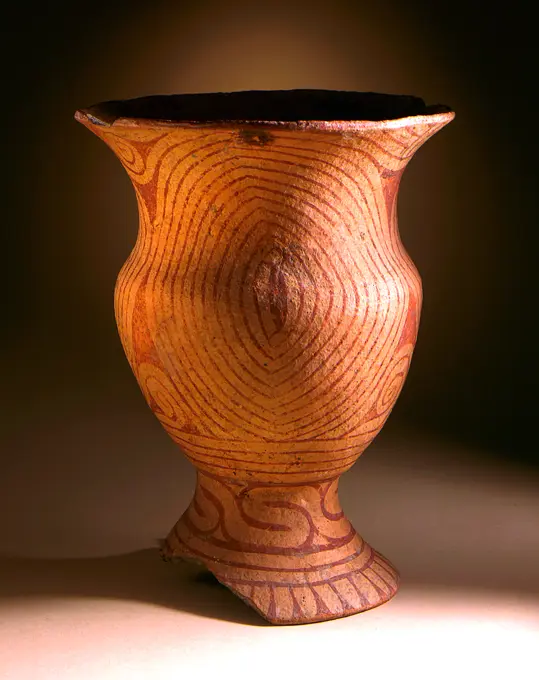
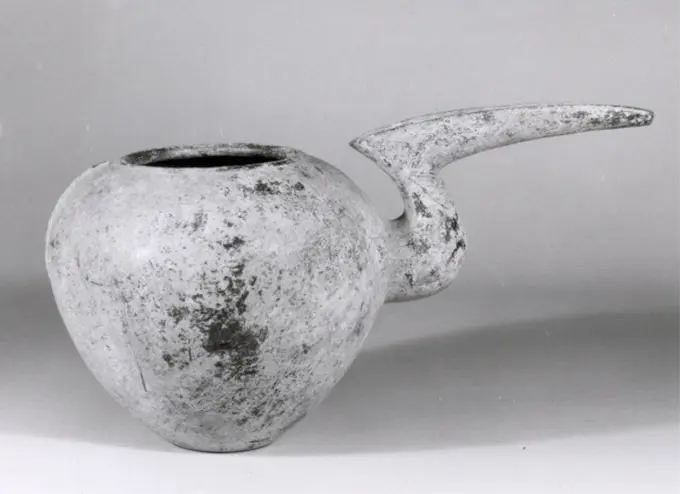
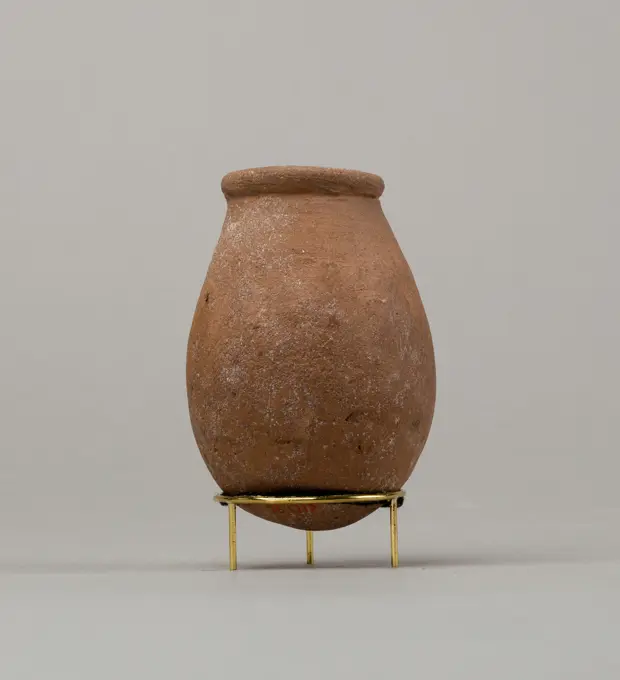
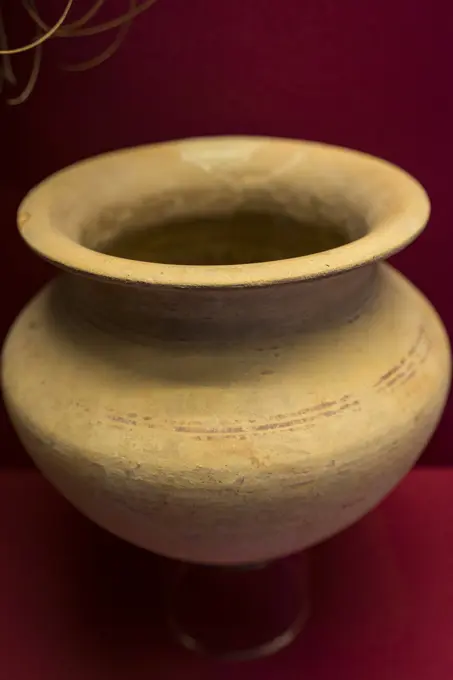
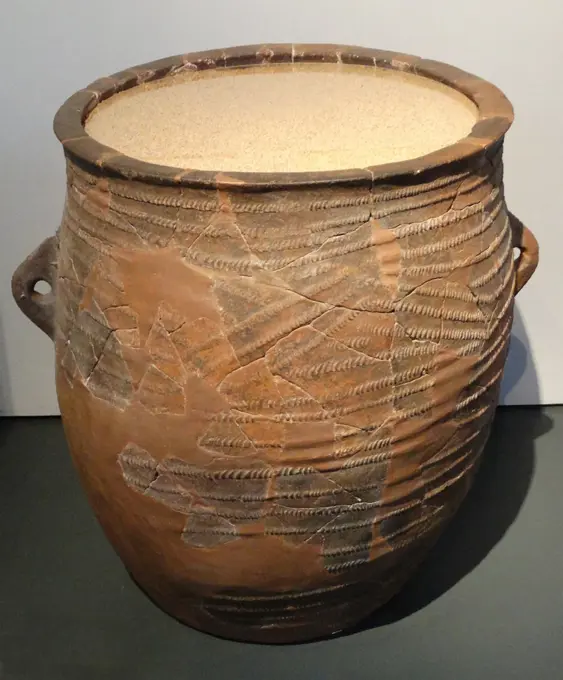
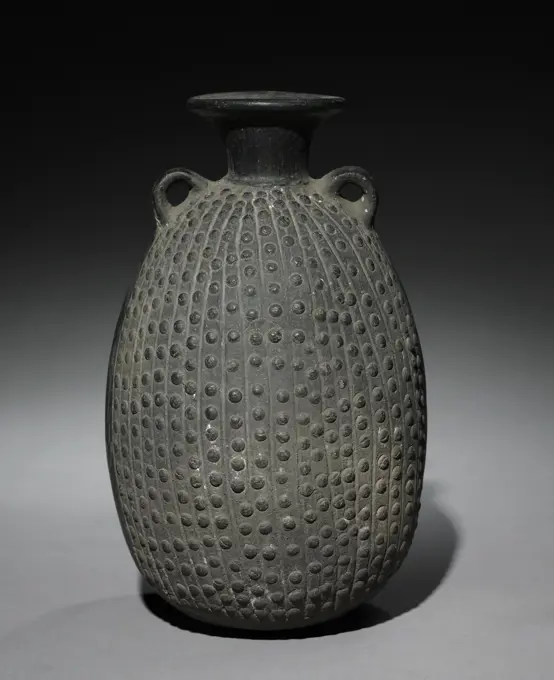
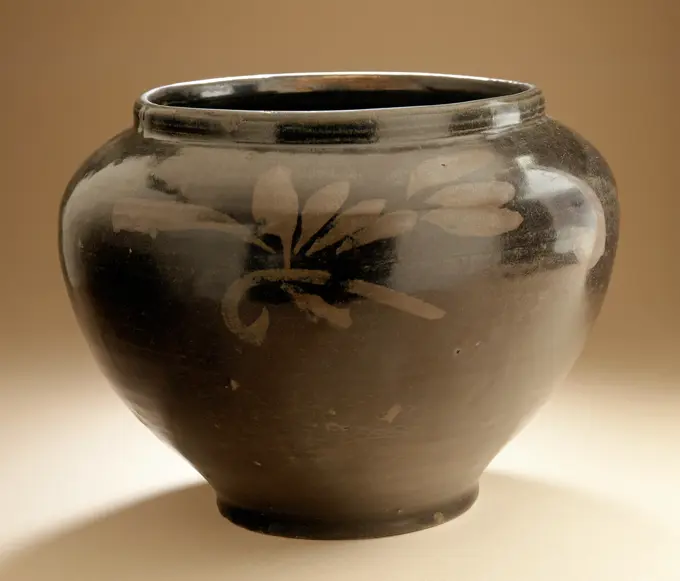
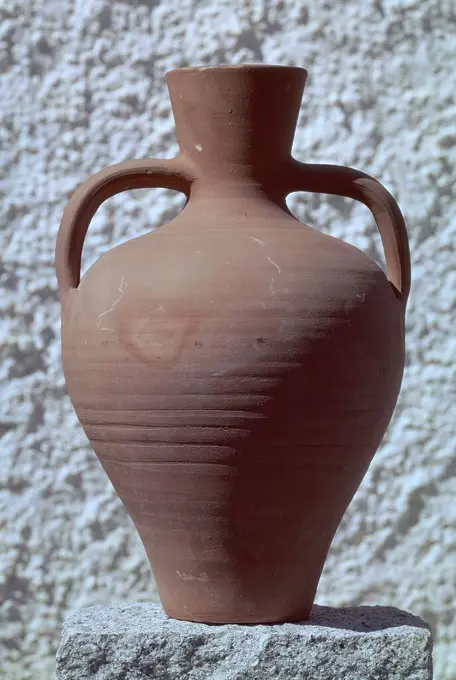
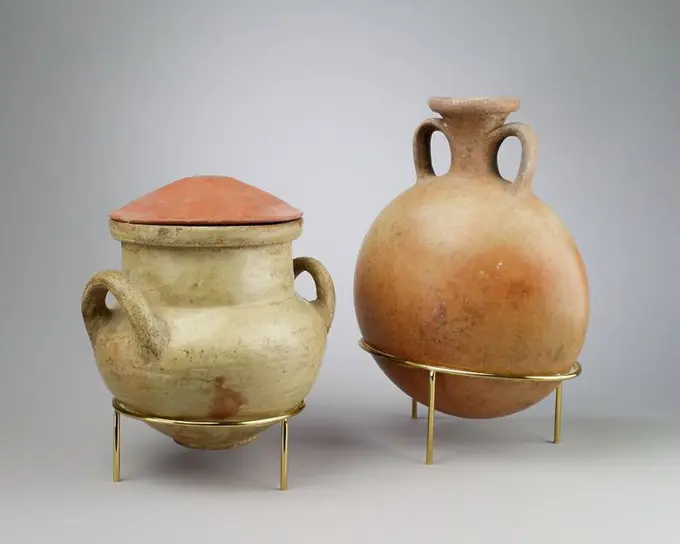
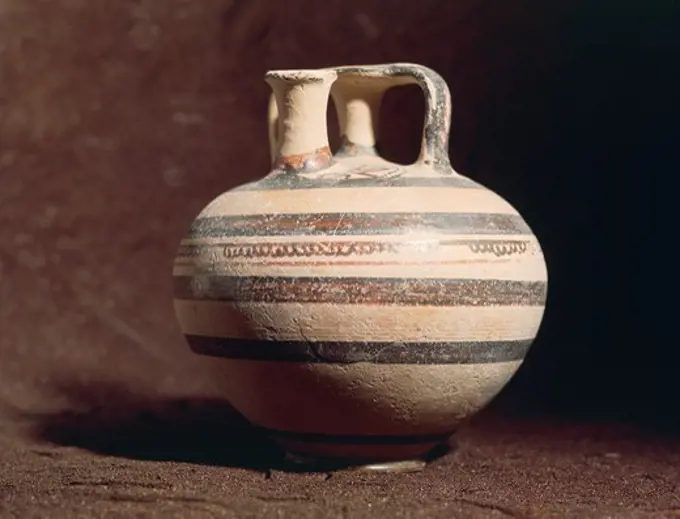
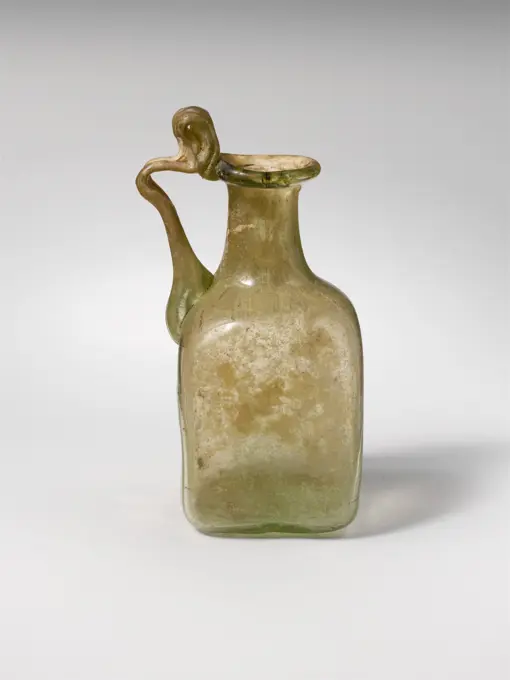
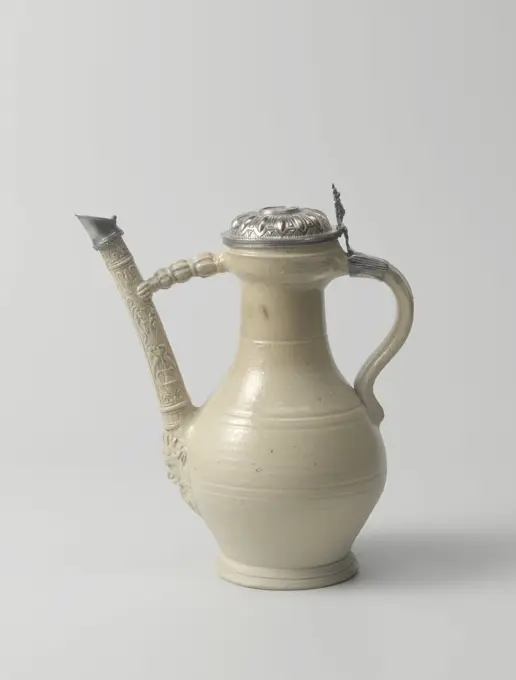
Vessel with a hieratic inscription;  around 2686- 2181 BC ; Old state (-2686-00-00--2181-00-00);Jug, barrel-shaped 850-750 B.C. Cypriot Narrow bands and concentric circles.. Jug, barrel-shaped. Cypriot. 850-750 B.C.. Terracotta. Cypro-Geometric III. VasesDecorated ware jar illustrating boats ca. 3850-2960 B.C. Predynastic Period. Decorated ware jar illustrating boats. ca. 3850-2960 B.C.. Pottery, paint. Predynastic Period. From EgyptImitatie Bianhu, Anonymous, 1700-1900 Flattened pilgrim bottle, Bianhu, imitation of a similar object from the HAN period. China bronze (metal) Flattened pilgrim bottle, Bianhu, imitation of a similar object from the HAN period. China bronze (metal)TankardJar and lid ". Terracotta. Vietnam-Xe-Xive s. Paris, Cernuschi museum. 72187-24 Lid, jar, Vietnamese object, terracottaLargeJarPottery grape on three legs, two sausage wheels, coarse twisted arms on the shoulder, grape cooking pot tableware holder kitchen utensils earthenware ceramics pottery glaze lead glaze, hand turned glazed baked Red brown shard. brown-purple and blotchy black Two ears neck with slanting top edge rotations on shoulder on which some lead glaze Internal only lead glaze under the neck opening. Clearing. Restoration is repainted in color Triangularly sculpted legs in which many holes have been pierced probably to prevent part jumping of the legs in case of sudden heating archeology underground pit Rotterdam City center Stadsdriehoek Groenendaal indigenous pottery food food preparation cooking kitchen Soil discovery: underground pit Groenendaal first 50 meters from the well. Found 1975-09-11.ceramic flask, Visigoth - early medieval, Valladolid Museum , Castile and Leon, Spain.Jar - Welding & Belding Welding & BeldingAmfora. warsztat nubijski, workshop. Pear-shaped vase of light green and yellow jade, decorated with bronze-derived archaizing decor. The vase has two small ears.Bottle with stopper, first half of 20th century, Unknown Somali, 8 11/16 × 6 × 6 in. (22.07 × 15.24 × 15.24 cm), Wood, leather, plant fibers, Somalia, 20th century, This carved wooden bottle and stopper from Somalia with its interlacing geometric patterns is called 'weyso' or 'quluc'. 'Weyso' also means 'ablution' (ceremonial washing), which is one of the bottles functions: to hold the water used to wash the face, hands, and feet before offering prayers to God. The bottle may have also been used by a faith-based healer. After writing Quranic verses or religious formulas on a wooden board, the healer washes off the words and signs, and captures the water. This water can be used to heal or protect the believer.Canopic Jar with an Image Representing the Hieroglyph for Face ca. 1550-1450 B.C. New Kingdom The lid of this canopic jar is decorated with a human face styled after the traditional form of the hieroglyph "hr," the word for face in ancient Egyptian.. Canopic Jar with an Image Representing the Hieroglyph for Face. ca. 1550-1450 B.C.. Pottery, paint. New Kingdom. From Egypt, Upper Egypt, Thebes, Dra Abu el-Naga. Dynasty 18, earlyolla de provisiones con danzantes, , siglo I a.C. Procedente de Numancia, Garray, museo Numantino de Soria, Soria, Comunidad Autónoma de Castilla, Spain, Europe.Earthenware ball pot with short neck, black gray, misbaksel with crack in the neck, ball pot pot holder soil find ceramic pottery, hand shaped pottery bullet pot gray shard unglazed Misbaste: during baking is the neck edge and the shoulder torn archeology Rotterdam City Triangle High Street indigenous pottery food prepare cook store pottery craft old women's house Soil discovery: Hoogstraat During the demolition of the Old Women's House in 1912.Kamares style vase with spout and filter, from Palace of Phaistos, GreeceJug 4th-7th century Coptic. Jug 475756Wellhead with Water Bucket. China. Date: 25 AD-220 AD. Dimensions: H. 22.4 cm (8 13/16 in.); diam.15.1 cm (6 in.). Earthenware with green lead glaze. Origin: China. Museum: The Chicago Art Institute, Chicago, USA.Krater depicting an altar with horns of consecration and a double axe (labrys) flanked by palm trees. 1375-1350 BC. Museum of the Ancient Agora. Athens, Greece.Pot. Thailand, Ban Chiang culture, 3rd century B.C.-2nd century A.D.. Furnishings; Cookware. Low-fired ceramic with painted decorationBirdSingle Spout Bottle with Strap Handles 15th-early 16th century Inca. Single Spout Bottle with Strap Handles 309401Spouted pitcher late 2nd millennium B.C. Iran. Spouted pitcher 326042Rough ware jar ca. 3850-2960 B.C. Predynastic Period. Rough ware jar. ca. 3850-2960 B.C.. Pottery. Predynastic Period. From Egypt, Southern Upper Egypt, Hierakonpolis (Nekhen), Fort Cemetery (Hk 27), Tomb 47, MMA excavations, 1934-35Lamp, North Africa; 5th - 4th century B.C; Terracotta; 5.6 × 10.3 × 10.3 cm (2 3,16 × 4 1,16 × 4 1,16 in.)Spouted jug, anonymous, c. 1580 Can of stoneware on high foot with a spherical body and wide neck. The C-shaped ear is attached to the neck and shoulder. From the abdomen a long, straight spout, connected to the neck by means of a bridge. A printed and imposed, crowned bearded man on the basis of the spout in relief. The spout is decorated in relief with decorative tires. The jug is caught in a pewter frame with lid. Raeren. Rae Stoneware. Glaze. Engobe. frame: tin (metal) vitrification Can of stoneware on high foot with a spherical body and wide neck. The C-shaped ear is attached to the neck and shoulder. From the abdomen a long, straight spout, connected to the neck by means of a bridge. A printed and imposed, crowned bearded man on the basis of the spout in relief. The spout is decorated in relief with decorative tires. The jug is caught in a pewter frame with lid. Raeren. Rae Stoneware. Glaze. Engobe. frame: tin (metal) vitrificationLow pot of red pottery on stand fins with sparing lead glaze, ledge over the shoulder, storage jar pot holder soil find ceramic earthenware glaze lead glaze, hand-turned glazed baked Round earthenware pot on stand fins. Flattened bottom. Richelle over the shoulder. Short upstanding neck edge. Red shard and sparing lead glaze archeology Save Blicksteyn Heenvliet Bernisse indigenous pottery store Soil trap Heenvliet Blicksteyn 2nd house.Iberian ceramics from Castellones de Ceal Iberian ceramics from Castellones de Ceal, Iberian culture, Archeological Museum. Úbeda, Jaén province, Andalusia, Spain Copyright: xZoonar.com/BartomeuxBalaguerxRotgerx 21702752Storage jar, blue faience. circa 2nd cent. AD.Spouted Bowl with Flower Design, late 1500s. Japan, Momoyama period (1573-1615). Glazed stoneware with slip decoration (Karatsu ware); diameter: 17.2 cm (6 3/4 in.); overall: 12.5 x 19.1 cm (4 15/16 x 7 1/2 in.).Vial. unknown, craftsmanEwer 8th-9th century. Ewer 449883Bowl 12th-9th century BC Olmec This red-orange and white bowl with a restricted neck, reportedly from Tlatilco, Mexico, contains abstract designs gauged in the red slip on the lower portion of the bowl.. Bowl. Olmec. 12th-9th century BC. Ceramic. Mexico, Mesoamerica. Ceramics-ContainersCzarka. nieznany warsztat północno mezopotamski (ca 2600-ca 2350 a.C.), workshopjarra celtibera , siglos IV-I a.C, Cerro de San Miguel, Arnedo, Museo de la Romanización, Calahorra, La Rioja , Spain, Europe.Wavy-handled jar with cross-lined decoration ca. 3100-2649 B.C. Early Dynastic Period. Wavy-handled jar with cross-lined decoration. ca. 3100-2649 B.C.. Pottery, paint. Early Dynastic Period. From Egypt, Fayum Entrance Area, Tarkhan, Tomb 20, BSAE excavations 1911-1913Lugged jar depicting two boats. Dimensions: h. 20 cm (7 7/8 in). Date: ca. 4500-4000 B.C. (). Museum: Metropolitan Museum of Art, New York, USA.Lamp. 88, bd de Port-Royal (1882), coll. MAGNE. Terracotta. High Empire. Lying beak, without handle. Paris, Carnavalet museum. Elongate beak, High-Empire, Lamp, Oil lamp, without handle, terracottaCeltiberian vessel, 4th-1st century BC, Cerro de San Miguel, Arnedo, Museum of Romanization, Calahorra, La Rioja, Spain, Europe.Storage jar from Beersheba and Golan, over 6,500-5,500 years ago. Made from pottery.Glass beaker Roman 3rd-4th century CE Translucent pale blue green.Flaring rim, with uneven, cracked-off edge; bell-shaped body with side expanding downwards and then slants inwards; low, solid ring base; small, uneven bottom, with pontil scar and kick on interior.Faint wheel-abraded horizontal lines in bands down body.Intact, except for chip on underside of rim; many pinprick bubbles and a few black impurities in rim; slight dulling and iridescent weathering on exterior, soil encrustation, thick creamy yellow weathering, and brilliant iridescence on interior. View more. Glass beaker. Roman. 3rd-4th century CE. Glass; blown and cut. Late Imperial. GlassBlown glass flask, with blue handles. Roman, eastern Mediterranean, 4th century AD Found in a tomb at Gurob, EgyptDarkware Vessel, late 1400s. Peru, North Coast, Chimú style (900-1470). Black ware; overall: 22.6 x 13.7 x 13.9 cm (8 7/8 x 5 3/8 x 5 1/2 in.).. Tea bowl of stoneware, covered with an orange-burned glaze. A crack in the wall has been repaired with gold lacquer. Raku (red).cremation tomb, funerary urn, late bronze 11th-9th century BC, Iberian Museum of Jaén, Jaén province, Andalusia, Spain.CANTARO DE CUELLO PEQUEÑO Y GRAN ASA CON VIDRIADO PARCIAL EN LA UNION DEL ASA. Location: ALFARERIA. Órjiva. GRANADA. SPAIN.Roman pots from Reins, Terra Sigillata, France, 4th century. Artist: Unknown.Jar (Ping) with Floral Sprays. China, Henan Province, middle Northern Song dynasty, about 1000-1100. Furnishings; Serviceware. Cizhou ware type, wheel-thrown stoneware with black glaze and brown painted decorationPUCHERO CON TAPA-SIN VIDRIAR Y CON DECORACION INCISA-ARTE POPULAR S XX. Location: ALFARERIA. Toledo. SPAIN.CANTARO PARA AGUA CON PITON-BARRO BLANCO SIN VIDRIAR-CUELLO ANCHO-S XX. Location: ALFARERIA. SPAIN.CANTARO DE CERAMICA. Location: ALFARERIA. Fraga. HUESCA. SPAIN.Black Basalt Coffeepot, Wedgwood, English, established 1759, stoneware, Tall, slightly swelling body, long loop handle, short spout; high domed lid with finial in the form of a draped female figure. Sides of body (lower portion) and lid with basket-weave texture; wide band top section of body plain., late 18th century, ceramics, Decorative Arts, coffeepot, coffeepotJug late 8th-first 9th century. Jug 449070Prehistoric pot from Avebury. Windmill Hill. ENGLAND.Egyptian Art. Cups and vases in alabaster. Contained perfume. National Archaeological Museum. Madrid. Spain.cremation tomb cremation tomb, funerary urn, late bronze 11th-9th century BC, Iberian Museum of Jaén, Jaén province, Andalusia, Spain Copyright: xZoonar.com/BartomeuxBalaguerxRotgerx 21704766Lentoid Bottle (Pilgrim Flask). Dimensions: H. 27 × Diam. 20 cm (10 5/8 × 7 7/8 in.). Dynasty: Dynasty 18. Reign: reign of Akhenaten. Date: ca. 1353-1336 B.C..These are marl-clay pots excavated in the North Suburb at Amarna. The lentoid flask (29.7.1) is a type that originates outside Amarna itself. It probably came with particular trade contents: many such lentoid flasks from Amarna show a pitting on the interior that suggests their special contents was somewhat corrosive. The two-handled jar (29.7.2) is lidded with a small upside down silt-clay dish. It had a brown contents when excavated. The jar was found in a house with many others, some sunk into the floor for storage, and plentiful remains of pigments in the house suggested to the excavators that it belonged to a painter. Museum: Metropolitan Museum of Art, New York, USA.Cup, miniature 5th-2nd century B.C. Etruscan Yellow clay with two handles; no decoration.. Cup, miniature. Etruscan. 5th-2nd century B.C.. Terracotta. Classical (). VasesCANTARO PARA AGUA - CUELLO ANCHO CON DOS ASAS - SIGLO XX. Location: ALFARERIA. Saragossa Zaragoza. SPAIN.Bowl 9th-10th century. Bowl 449675Globular necked jar ca. 1981-1550 B.C. Middle Kingdom-Early New Kingdom. Globular necked jar 543977BOTIJA-CANTARO EN TIERRA BLANCA SIN VIDRIAR -2 ASAS PITORRO Y CUELLO ALTO. Location: ALFARERIA. Lorca. MURCIA. SPAIN.Cook pot with inscription: Margrietien Bartolds in Deo Spes Mea Ano 1635, Anonymous, 1635 The pot cast in its entirety shows a casting seam in the middle between the ears. The hull is almost flat round and at the bottom. There a thickening marks the round casting hole. The hull is decorated with three decorative rings and the inscription in Latin Majuskels: Margrietien Bartolds in Deo Spes Mea Ano 1653. Torrum and neck form a blunt angle. The outside, thickened upper half of the neck, takes the place of the lip edge. The grape stands on three legs, which are triangular in diameter, and whose impetus is always decorated with three crosses. The two sharp -angles in each other's extended lying ears are placed on the hull and against the neck. One leg has been renewed. Northern Netherlands bronze (metal) casting The pot cast in its entirety shows a casting seam in the middle between the ears. The hull is almost flat round and at the bottom. There a thickening marks the round casting hole. Celtic civilization, 6th century b.C. Terracotta jar.Prehistory, Italy, Bronze Age. Stirrup jar from Porto Perone, Taranto.Bowl. Mexico, Gulf Coast, Olmec, 1200-500 BCE. Stone. StoneJARRA PARA AGUA-ORDINARIA-BARRO BLANCO SIN VIDRIAR-ARTE POPULAR S XX. Location: ALFARERIA. Vera. Almería. SPAIN.Red -made pottery cooking pot, on 3 legs, with ear, on the inside with lead glaze, edge damaged, anonymous, 1500 - 1799   earthenware. glaze   earthenware. glazeTriple vessel ca. 17th-16th century B.C. Iran. Triple vessel. Iran. ca. 17th-16th century B.C.. Ceramic. Middle Bronze Age. Iran, Dinkha TepeGlass bottle 1st-3rd century A.D. Roman Small, one-handled square bottle.Translucent yellow green; handle in same color.Rim folded out, round, and in, and pressed into sides of mouth; cylindrical neck, expanding downwards; sloping shoulder; square body with uneven sides and rounded lower corners; flat bottom; two-ribbed handle attached to shoulder, drawn up and out, turned in horizontally, and trailed on to outer edge of rim with loop above.On one side, raised pattern resembling lettering, and fainter raised lines on two other sides; on bottom, a square pattern in raised outline, flanked to one side by lettering ().Intact; some pinprick and larger bubbles; areas of creamy weathering and iridescence.. Glass bottle 245272Jar, 13th-14th century, 4 1/4 x 4 13/16 in. (10.8 x 12.22 cm), Kan-chou ware Stoneware with combed and appliqué decoration and brown glaze, China, 13th-14th centuryCeramic painted blue color. Dated in 15th century B.C. New kingdom. The State Hermitage Museum. St. Petersburg. Russia.Dish;  New PABisque ceramic jar with a handle and inscription, trilobed mouth. Height 25 cm Diameter mouth 16 cm (13 th ) - Medieval period from the archaeological site of the "Calle Seises " in Alcalá de Henares - "Burgo de Santiuste Museum" (Madrid). SPAIN.Antique Roman glass. 1898Prehistory, Poland, Iron Age. Bell Beaker culture. Ceramic cinerary urn. From Siwek.Spouted jug, anonymous, c. 1580 Can of stoneware on the stand ring with a spherical body and wide neck. The C-shaped ear is attached to the neck and shoulder. From the abdomen a long, straight spout, connected to the neck by means of a bridge. A printed and imposed, crowned bearded man on the basis of the spout in relief. The spout is decorated in relief with a stylized flower vase and flower vines. The jug is caught in a silver frame with lid. On the lid a weapon and the inscription 'Oostdick' and the city choir of Zierikzee. Siegburg. Siegburgsilversmith: Zierikzee Stoneware. Glaze. frame: Silver (Metal) vitrification Can of stoneware on the stand ring with a spherical body and wide neck. The C-shaped ear is attached to the neck and shoulder. From the abdomen a long, straight spout, connected to the neck by means of a bridge. A printed and imposed, crowned bearded man on the basis of the spout in relief. The spout is decorated in relief with a stylized flower vase and flower vines. TCONJUNTO DE RECIPIENTES DE CERAMICA DE CUERDA SECA, PRECEDENTES DE LA ALCAZABA DE VASCOS (NAVALMORALEJO, TOLEDO). ARTE MUDEJAR, ANDALUSI. EN EL MUSEO DE SANTA CRUZ.Conical Glass Beaker 4th-5th century Frankish. Conical Glass Beaker. Frankish. 4th-5th century. Glass. Glass-VesselsJar from Tutankhamun's Embalming Cache ca. 1336-1327 B.C. New Kingdom. Jar from Tutankhamun's Embalming Cache. ca. 1336-1327 B.C.. Pottery, hematite wash. New Kingdom. From Egypt, Upper Egypt, Thebes, Valley of the Kings, Embalming Cache of Tutankhamun (KV 54), Davis/Ayrton excavations, 1907-08. Dynasty 18Drinking vessels, bottle Ceramics, glass6-7 century France, several localities in Rhineland - PalatinateCup-shape Vessel, c. late 4000-early 3000 BCE, 4-3/8 x 4-11/16 x 4 in. (11.1 x 11.9 x 10.2 cm), Earthenware, China, 40th-30th century BCE, These evenly potted, grey earthenware handled cups appear to have been shaped partly on the wheel. The thin, burnished walls and round strap handles are clearly articulated. The vessels most likely came from Shandong or Henan provinces in north China.Cup late 17th-18th century. Cup 444492Black-topped red ware beaker ca. 3850-2960 B.C. Predynastic Period. Black-topped red ware beaker. ca. 3850-2960 B.C.. Pottery. Predynastic Period. From EgyptAryballosPitcher salvaged from the Great Chelsea Fire of 1908 , Fires. Chelsea Public Library Archive CollectionAzerbaijan, Lahic. A collection of engraved bowls and kettles.JARRA DECORADA Y PINTADA CON PATINA ROJIZA-SIN VIDRIAR-S XX ARTE POPULAR. Location: CERAMICA SANGUINO. SPAIN.Pottery from early medieval graves. Biskupija, Vrlika-Zdus, Kasic-Razbojine. Croatia. Museum of Croatian Archaeological Monuments. Split. Croatia.CANTARO O AMBOA CON CANILLA-BARRO COCIDO CON REFUERZOS DECORADOS-VASIJA VINO. Location: ALFARERIA. SPAIN.Cup with Pinecone Reliefs; Asia Minor; 50 B.C. - A.D. 50; Terracotta; 8.3 × 13.3 × 9 cm (3 1,4 × 5 1,4 × 3 9,16 in.)Terracotta jug. Culture: Cypriot. Dimensions: H. 7 1/2 in. (19.1 cm). Date: 600-480 B.C..Vertical circles and tree ornament. Museum: Metropolitan Museum of Art, New York, USA.Jug with a lion's head and medallions, anonymous, c. 1650 - c. 1699 Jug of stoneware on a high base with an egg -shaped body and a narrow neck with pinched spout. The C-shaped ear is attached to the neck and belly. Profiles on the neck and foot. Partly covered with cobalt blue. On the belly in relief five rows with printed and imposed medallions with a stylized leaf motif, saved in blue. Above the foot three large, breached leaves with rosettes in three medallions each. On the neck a modeled lion's head with a medallion on either side. Attached to the ear a frame; Lid is missing. Westerwald. Westerwald Stoneware. Glaze. Cobalt (Mineral). frame: tin (metal) vitrification Jug of stoneware on a high base with an egg -shaped body and a narrow neck with pinched spout. The C-shaped ear is attached to the neck and belly. Profiles on the neck and foot. Partly covered with cobalt blue. On the belly in relief five rows with printed and imposed medallions with a stylized leaf motif, saved in blueCyprus, Limassol, Terracotta jugs found in Amatunte (Cyprus)Vajilla romana de cerámica. Can Serra Museu de Mataró.Scandinavia. Viking Age. Bowl from Hedmark and soapstone bowls from Aust-Agder.Vase, 1800s. Japan, Edo period (1615-1868) to Meiji period (1868-1912). Ivory; overall: 25.1 cm (9 7/8 in.).Ceramic Greek, Archaeological Museum of Athens Ceramics greek displayed at archaeological musuem of athens Copyright: xZoonar.com/DanielxFerreira-LeitesxCiccarinox 17036071Europe, Greece, Crete (aka Kriti), Heraklion (aka Iraklion). Archaeological site of Knossos, c.1900 B.C., pottery.