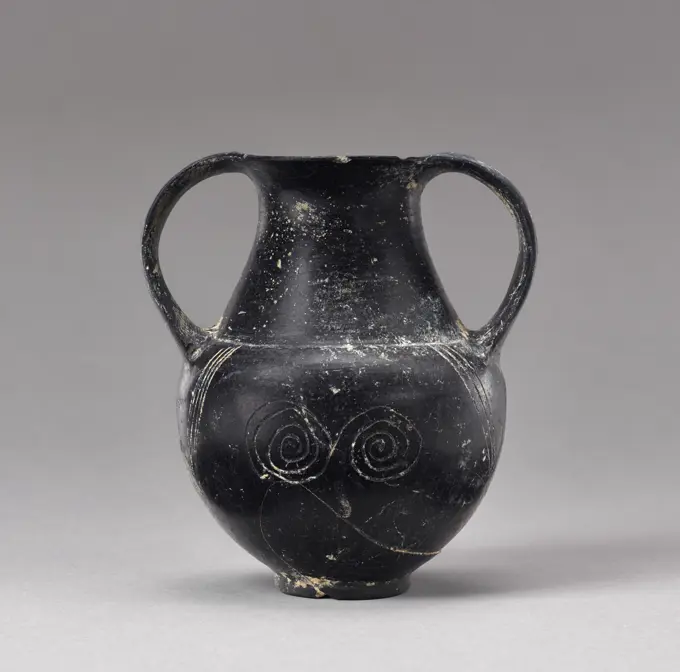
Antique Stoneware Jugs

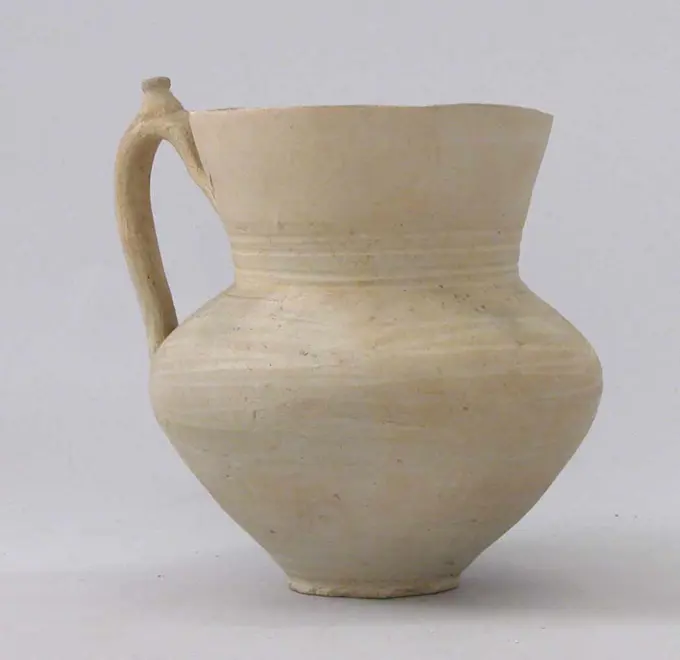
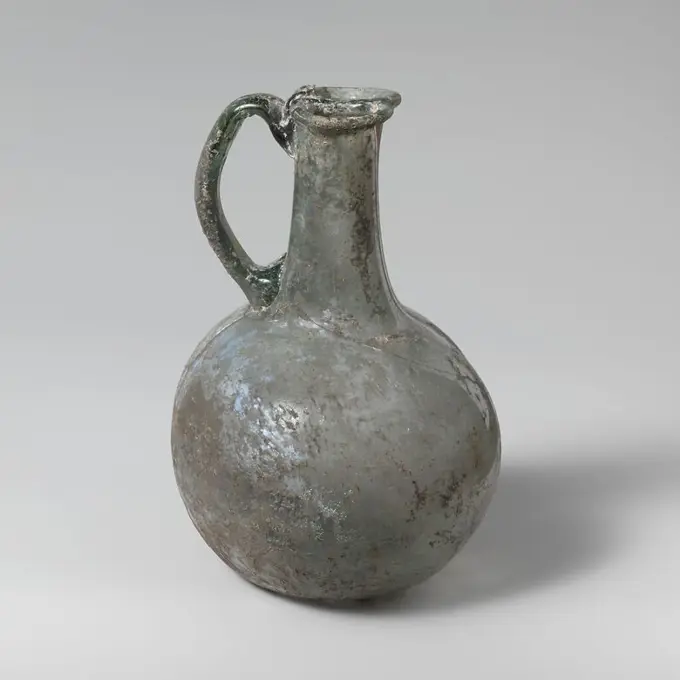
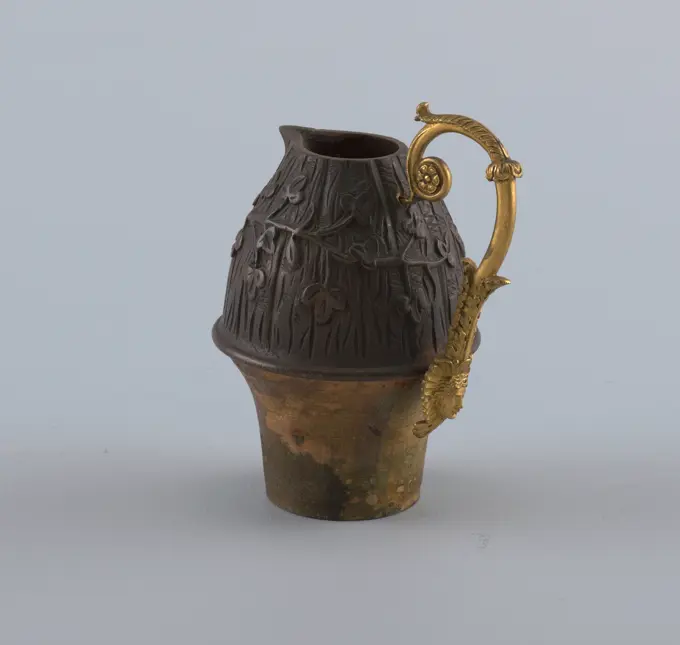
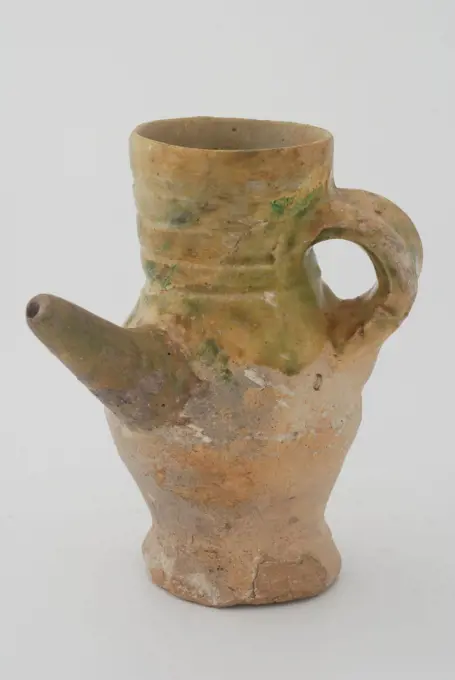
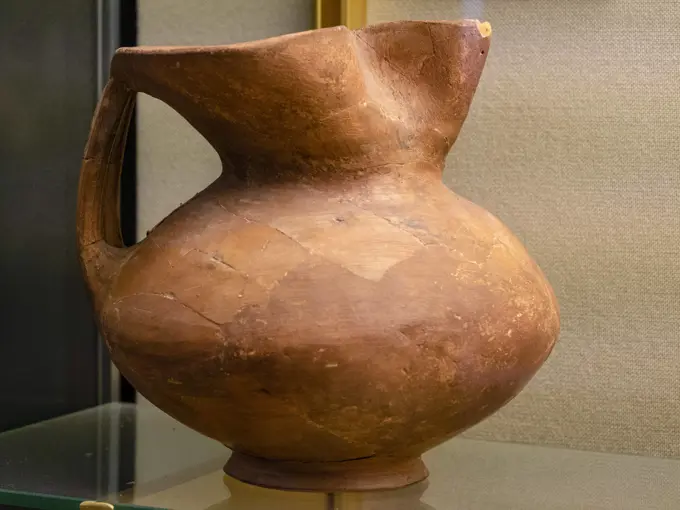
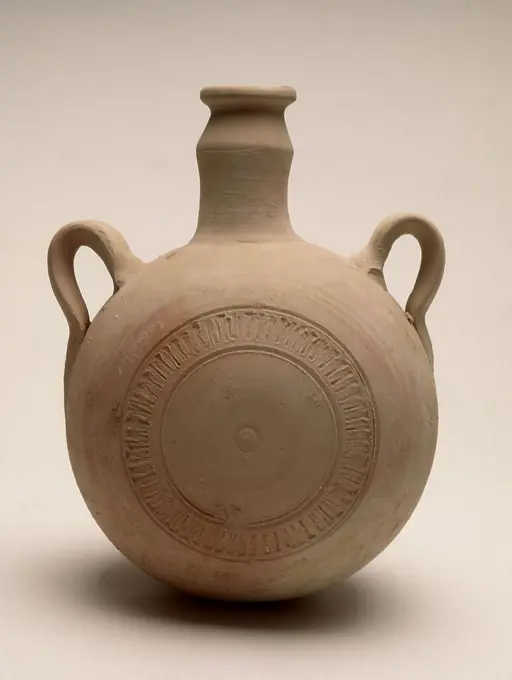
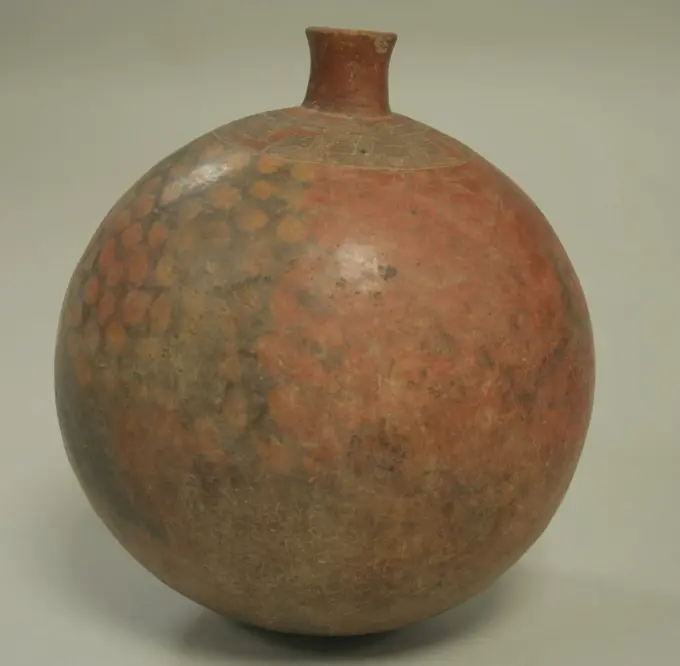
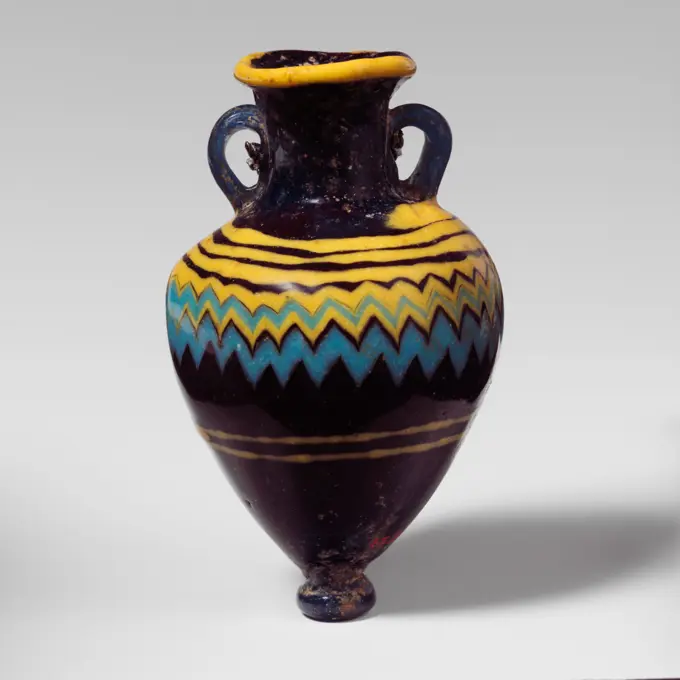
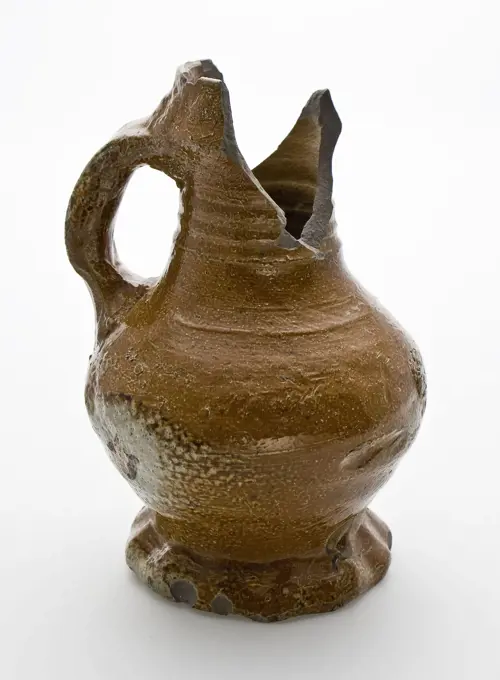
Various historical jugs made from stoneware and terracotta, featuring unique shapes and decorations from different periods.
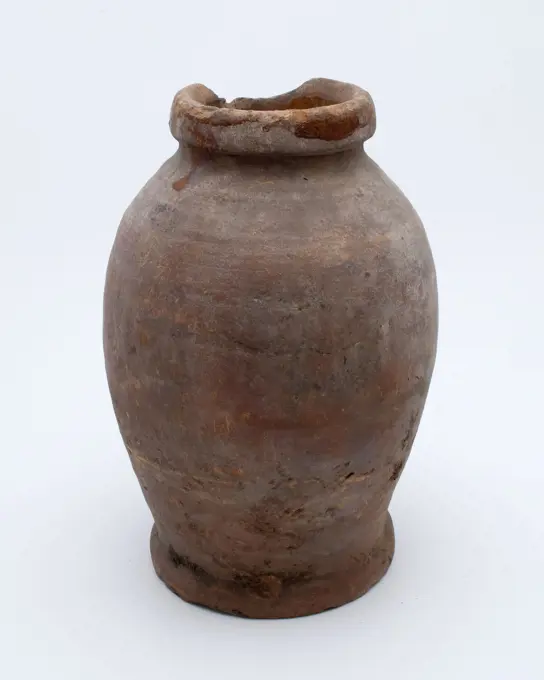
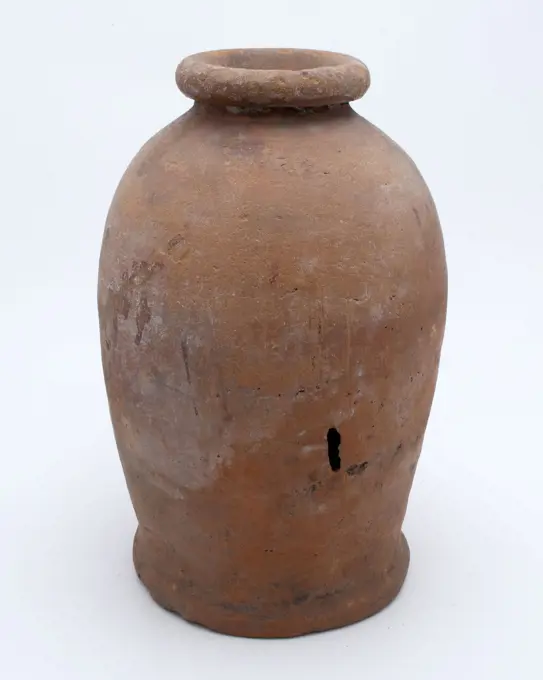
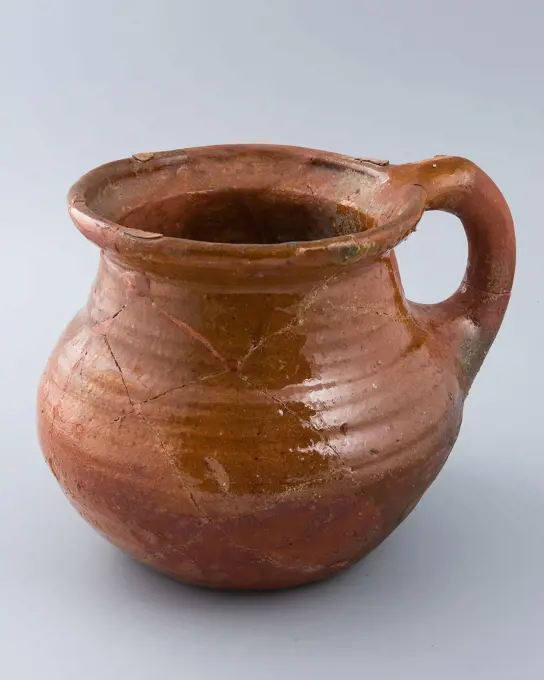
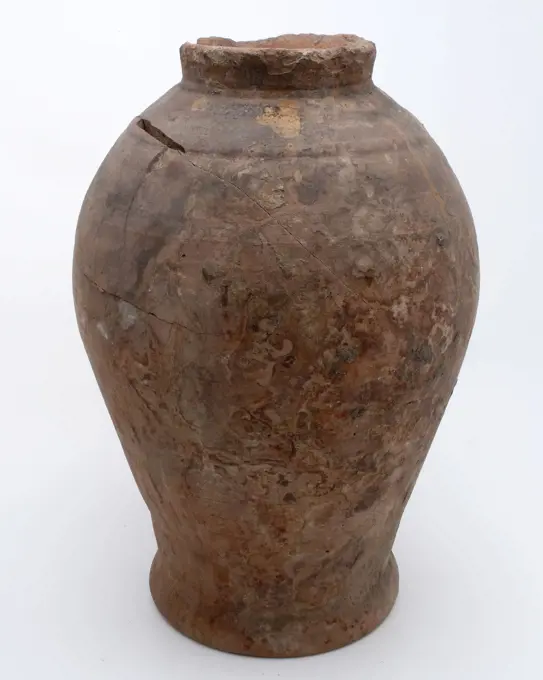
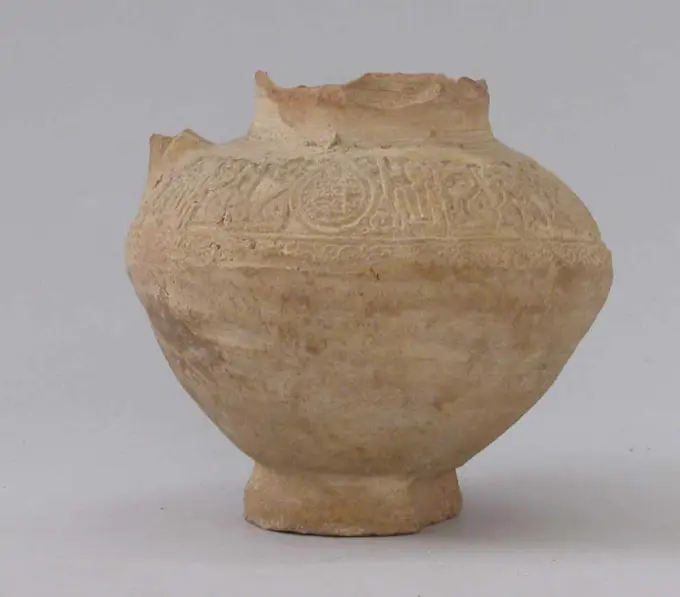
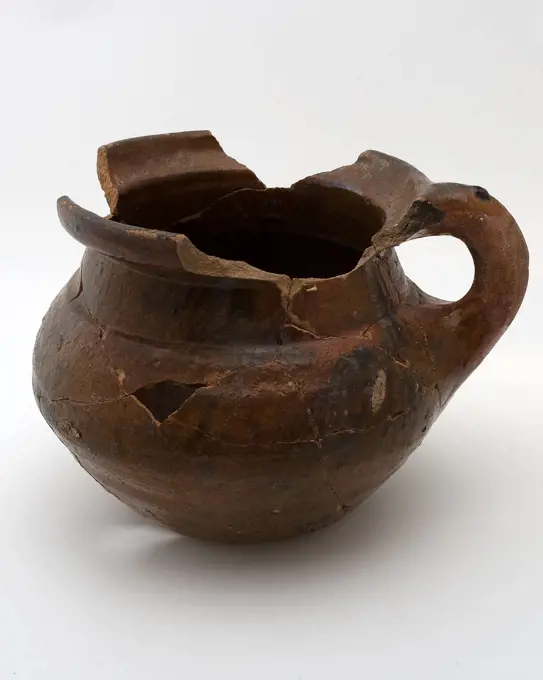
Pottery pot on stand, baluster shape, used in the sugar industry, sugar bowl pot holder soil find ceramic earthenware glaze lead glaze, opening 8.0 hand turned glazed baked Pottery pot on stand. Baluster shape with round shoulder and narrow neck opening. Straight neck edge around and thickened along the outside. Blurred turnings. Red shard internal glazed Here sugar cones were made archeology indigenous earthenware sugar confectionery sugar industry
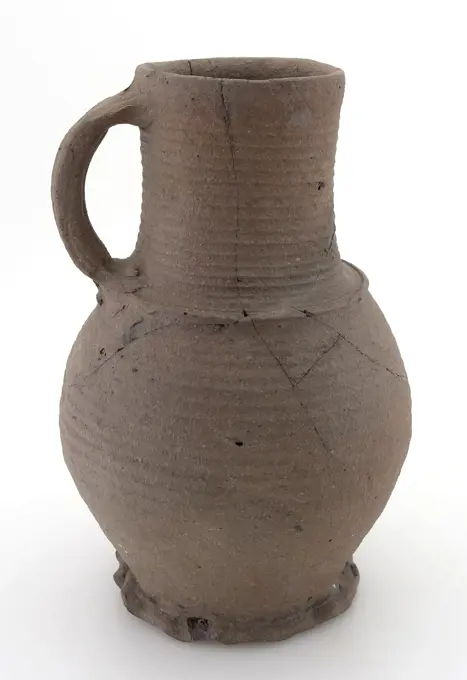
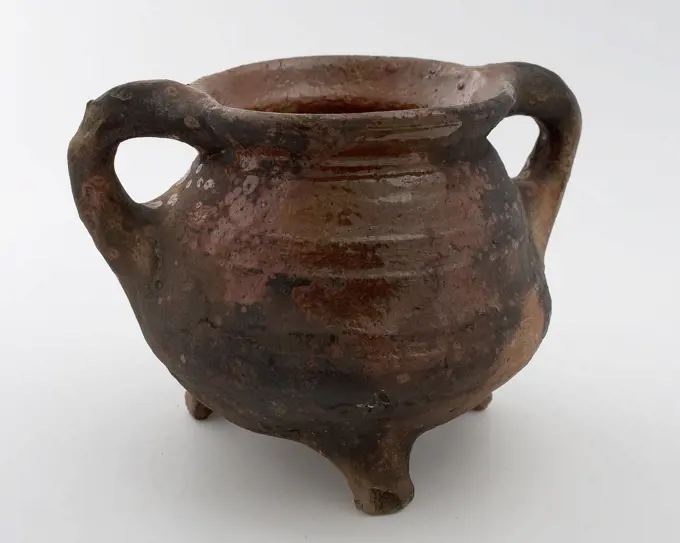
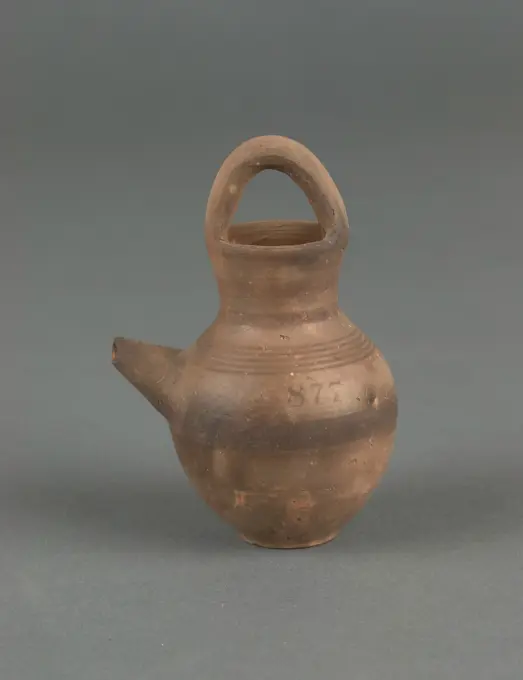
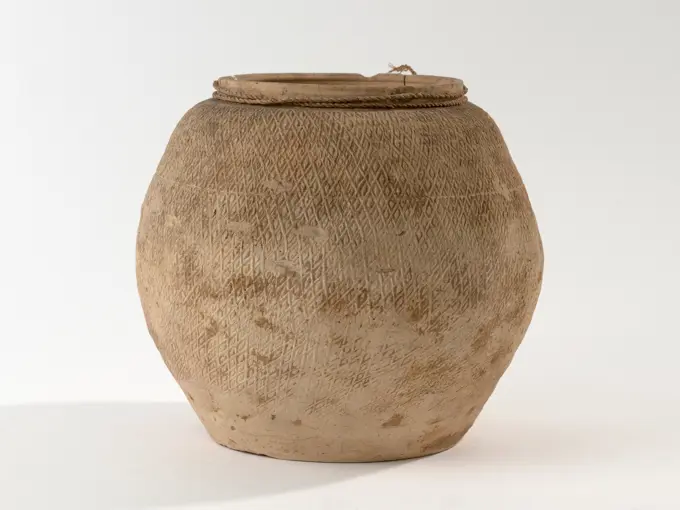
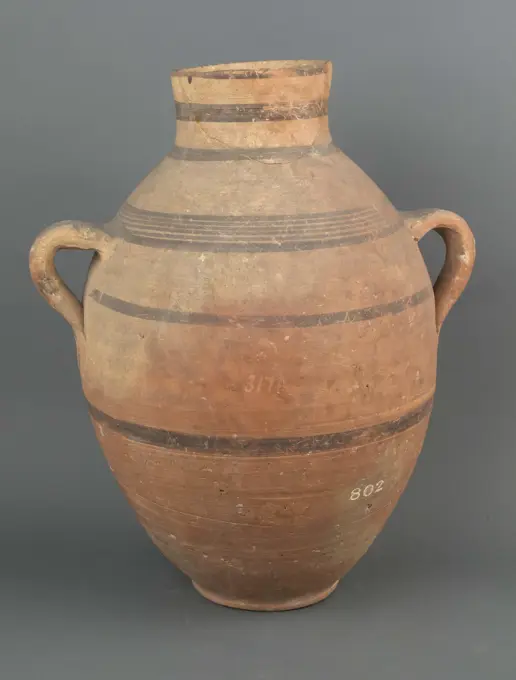
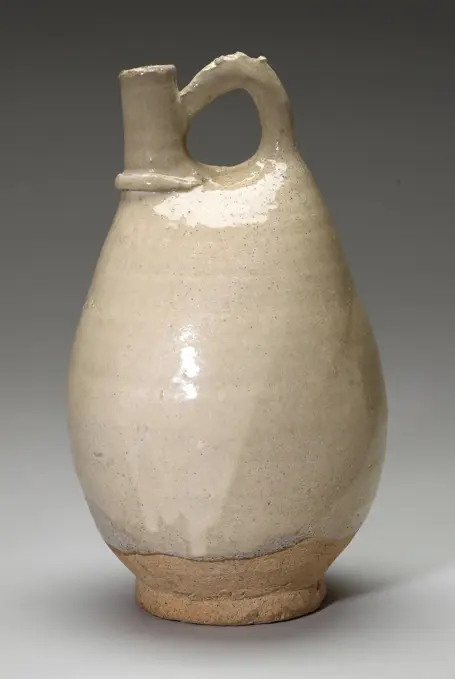
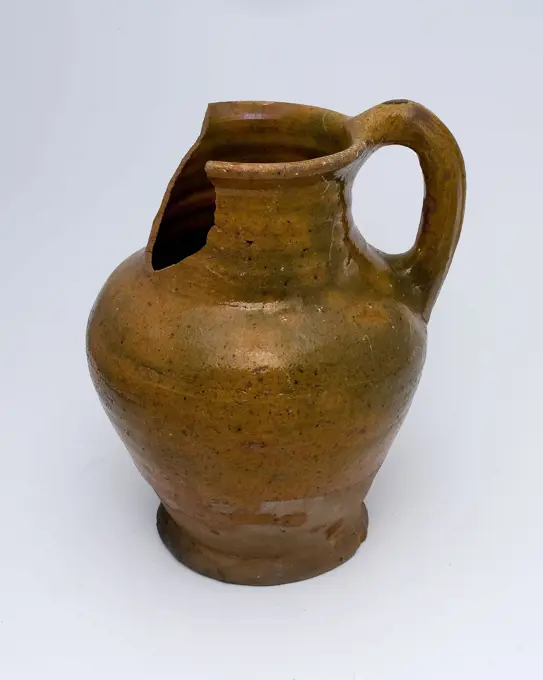
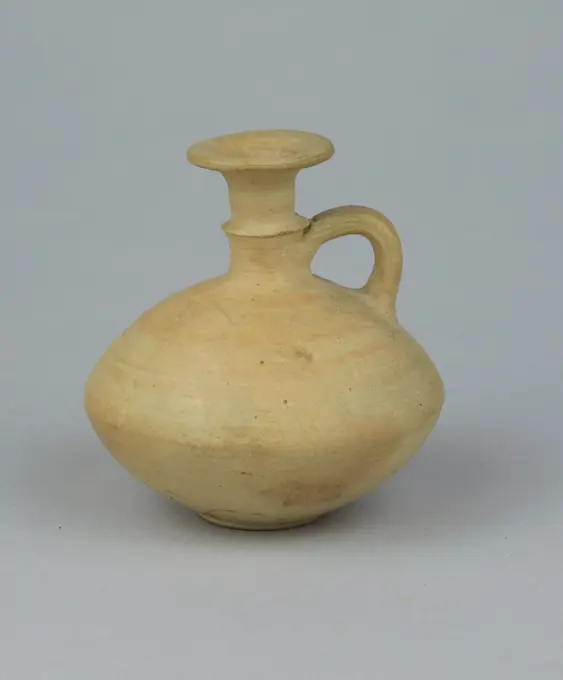
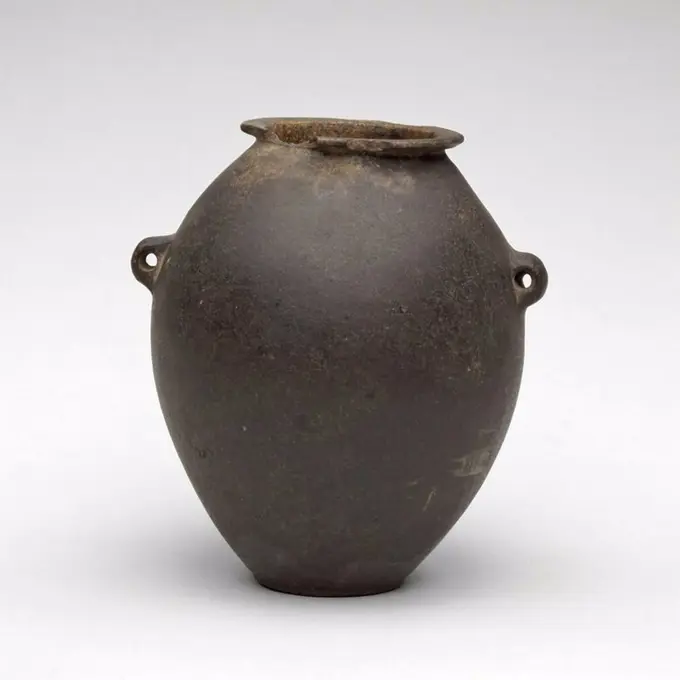
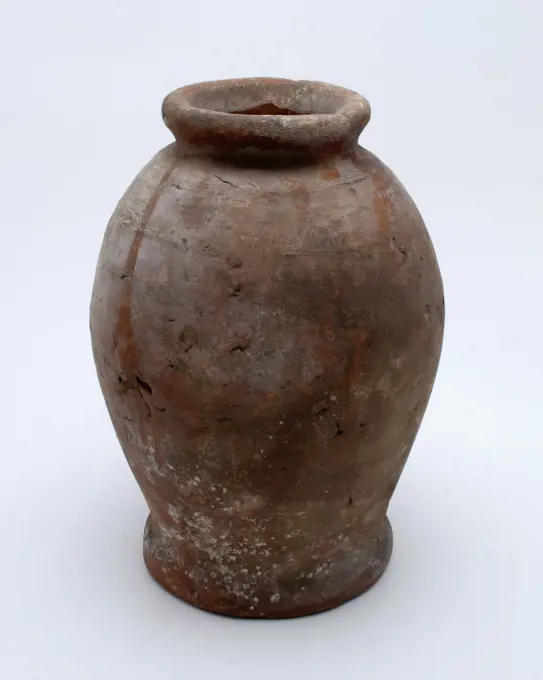
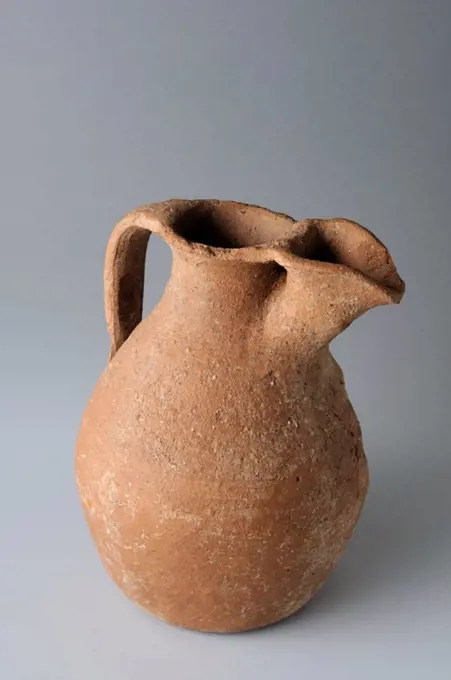
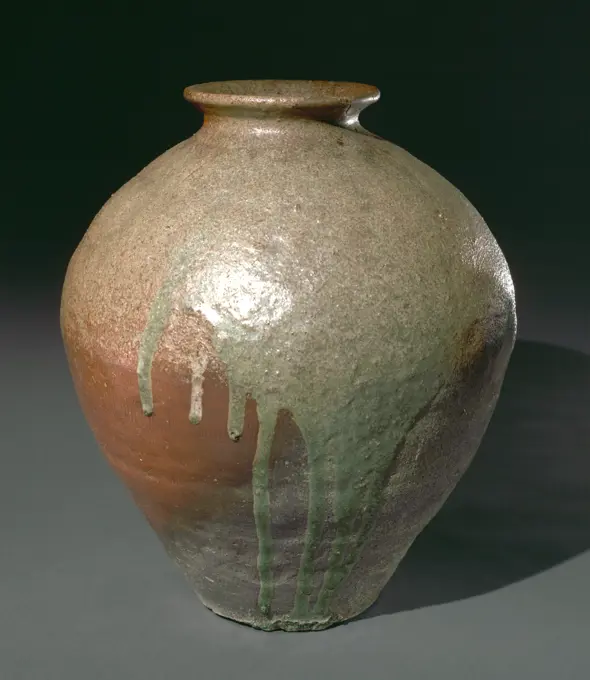
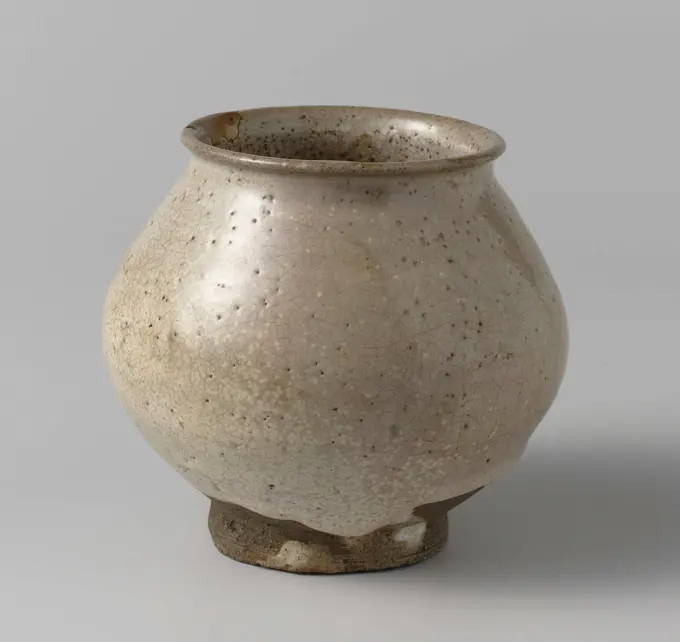
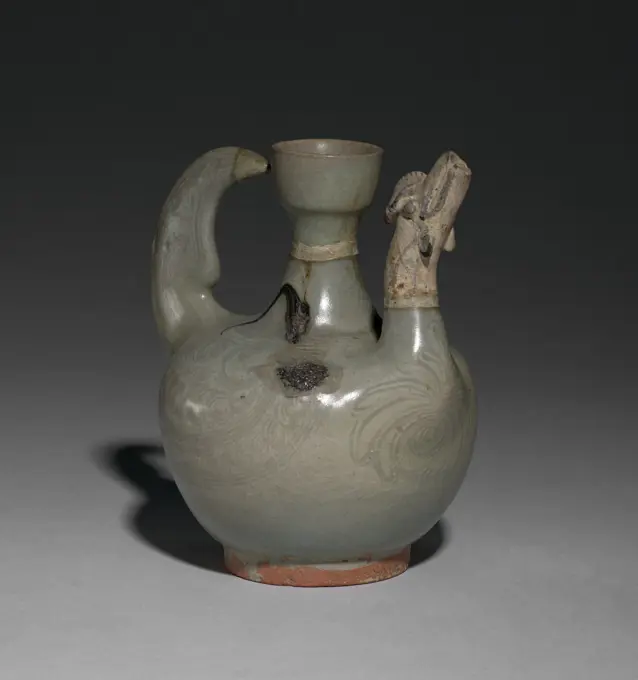
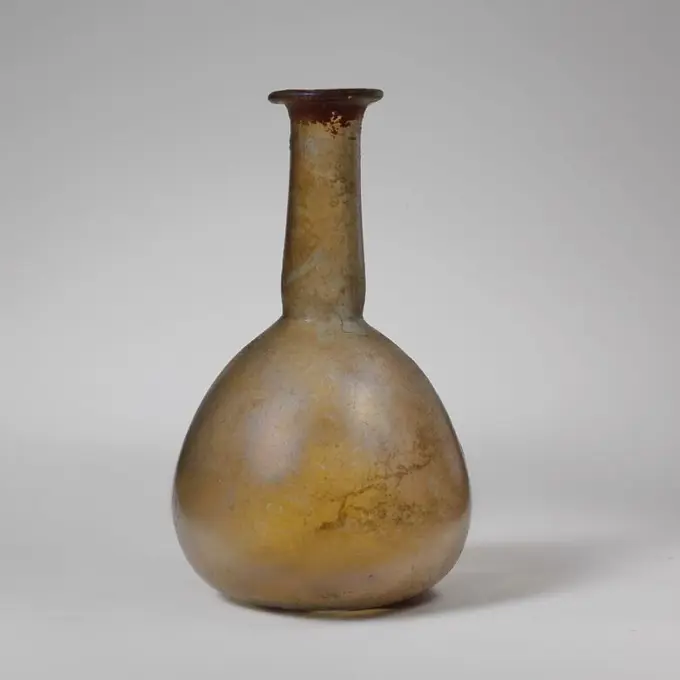
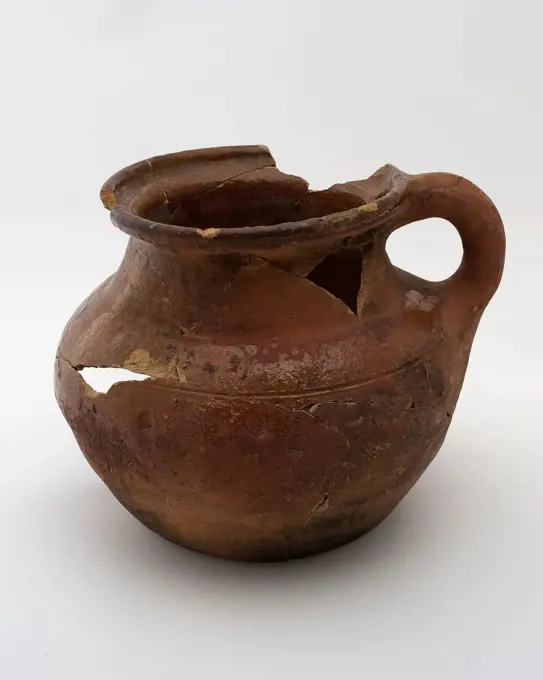
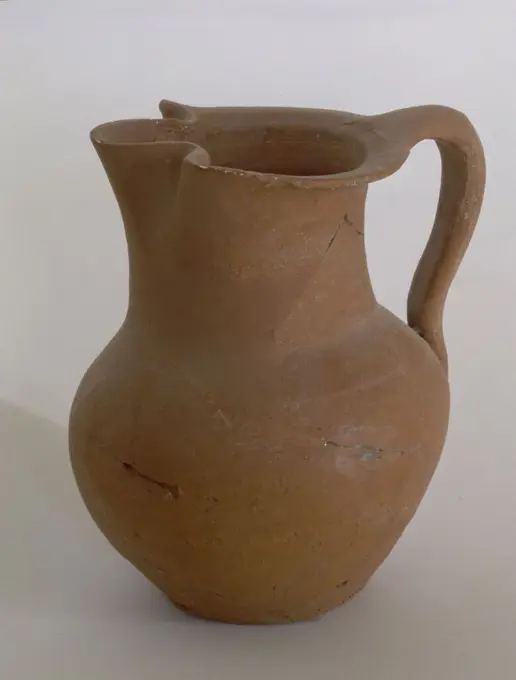
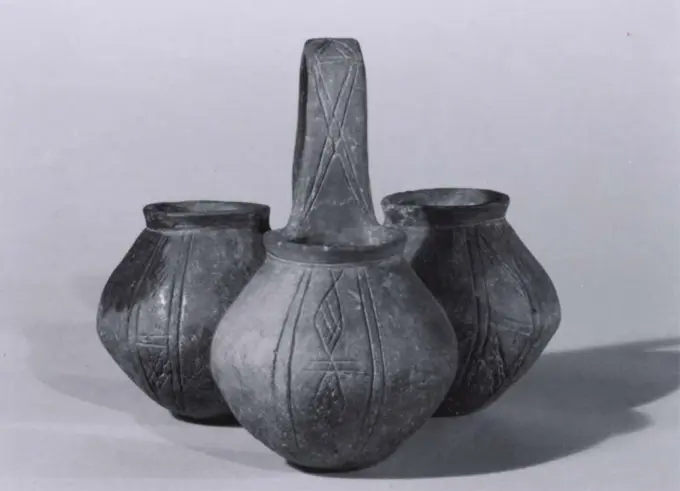
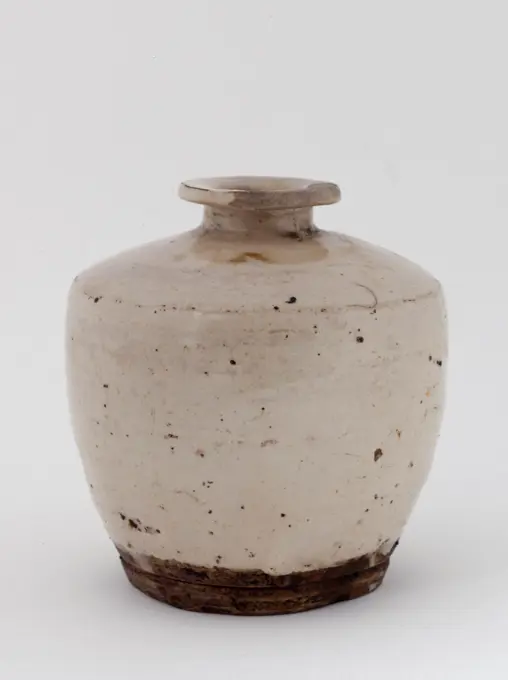
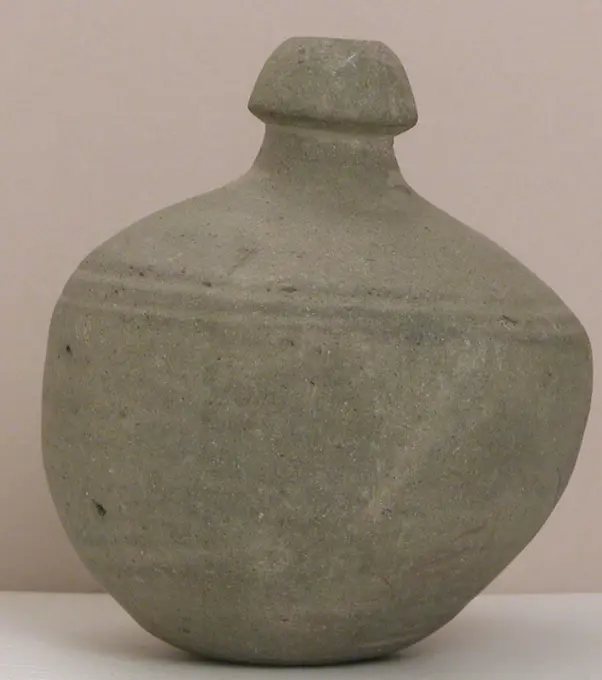
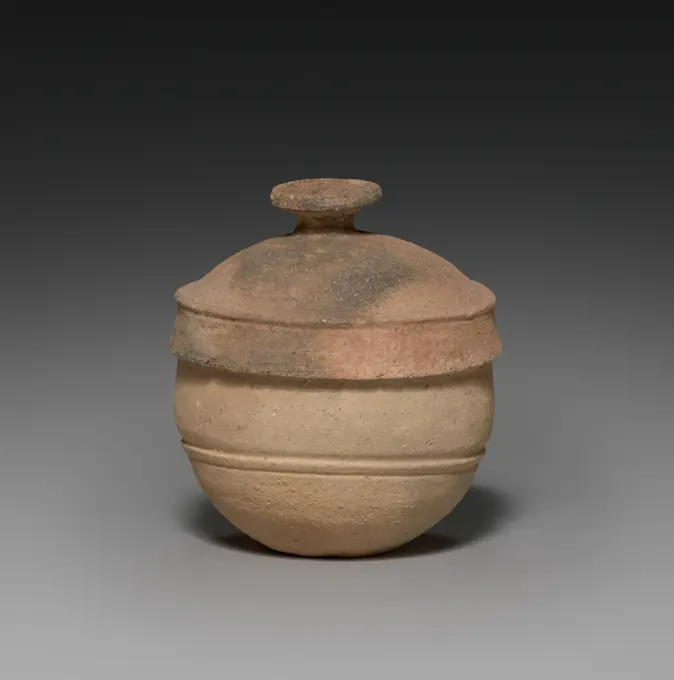
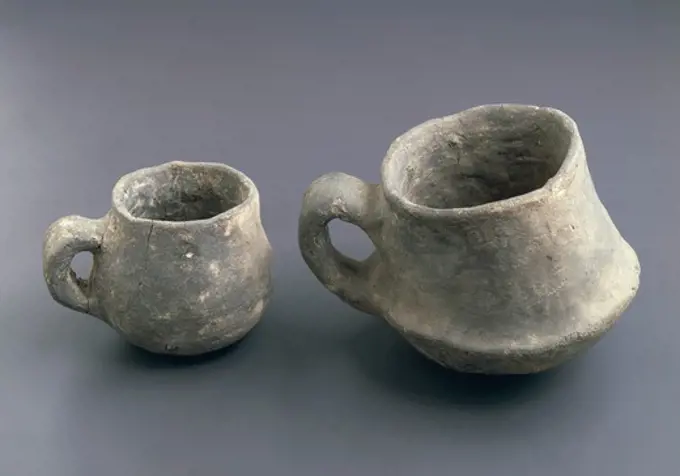
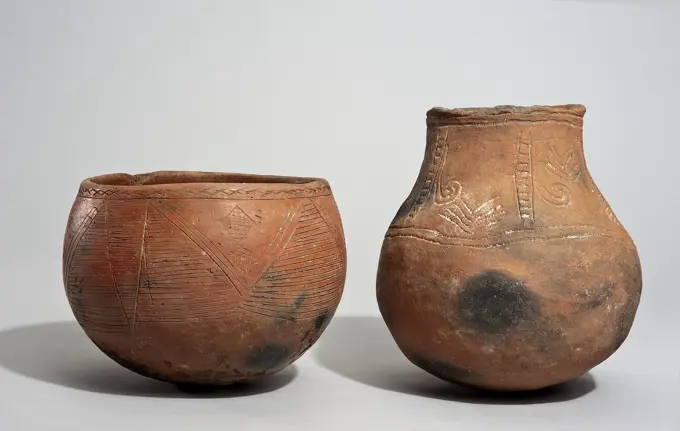
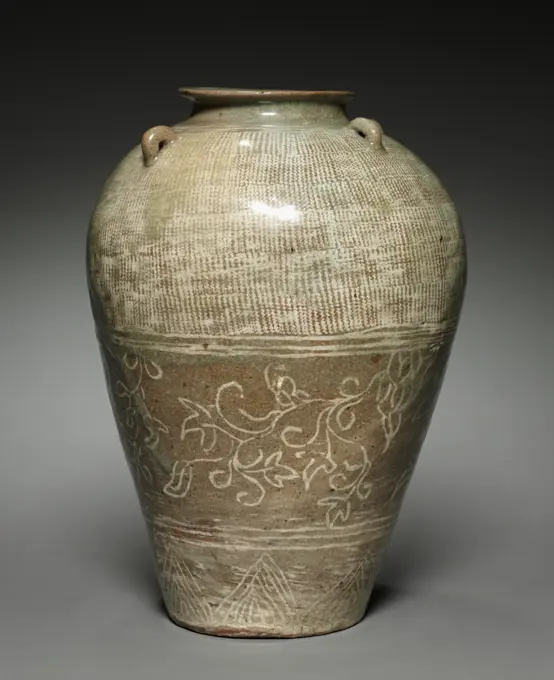
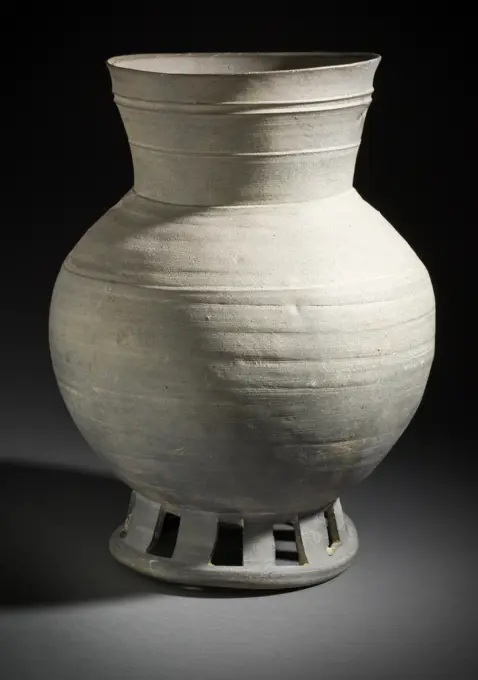
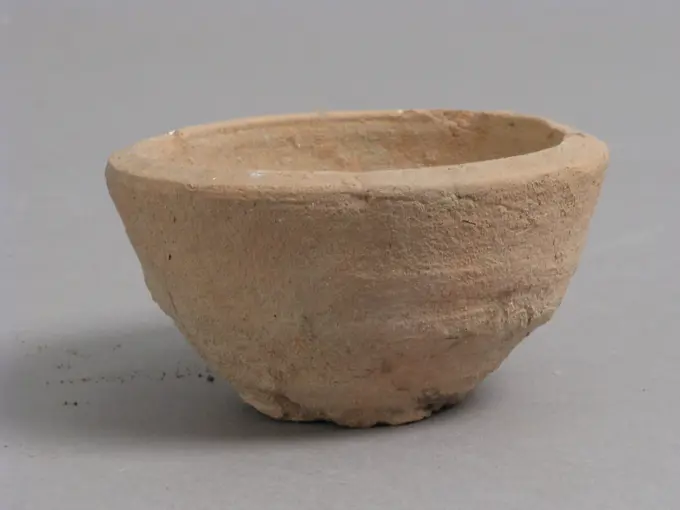
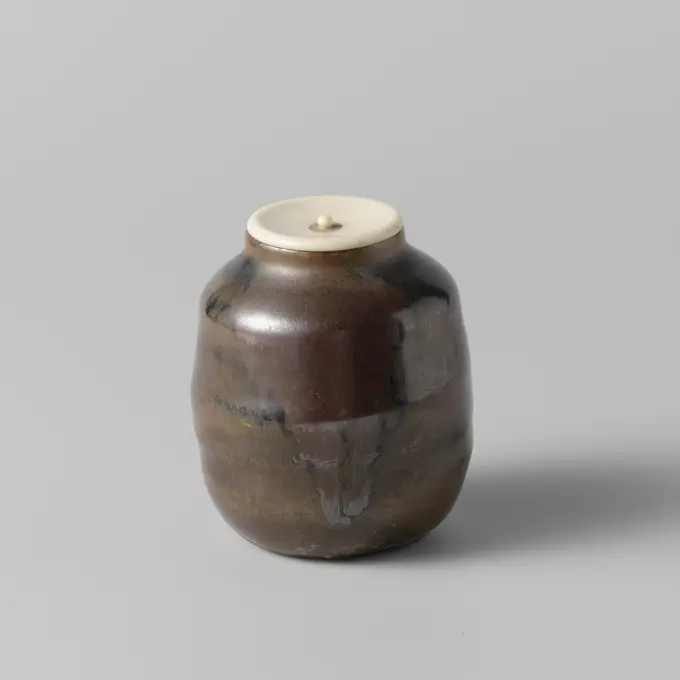
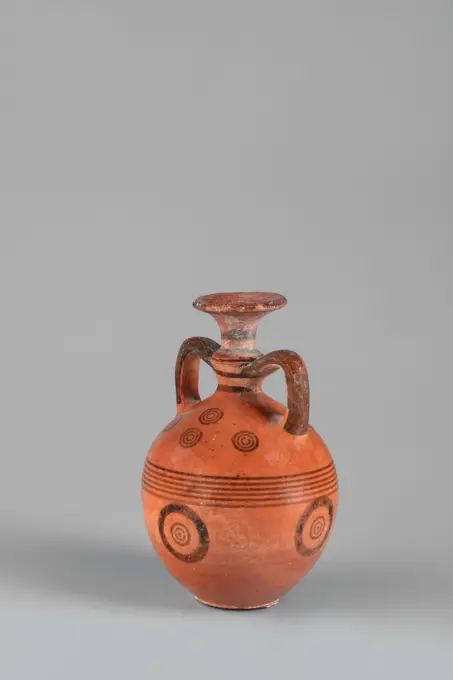
Jug with three handles, anonymous, c. 1550 - c. 1599 Jug of stoneware on corrugated foot with an egg -shaped body and wide neck. Three C-shaped ears attached to the neck and shoulder. Profile on the neck. Covered with a brown Engobe. The jug is decorated with hiring on the abdomen and neck. Raeren. Rae stoneware. glaze. engobe vitrification Jug of stoneware on corrugated foot with an egg -shaped body and wide neck. Three C-shaped ears attached to the neck and shoulder. Profile on the neck. Covered with a brown Engobe. The jug is decorated with hiring on the abdomen and neck. Raeren. Rae stoneware. glaze. engobe vitrificationJug Cypriot One-handled jug with flaring mouth; unpainted clay.. Jug. Cypriot. Terracotta. VasesCANTARO DE CUELLO CORTO Y ASA ANCHA CON DECORACION INCISA - ARTE POPULAR S XX. Author: NICOLAS GUERRA GOMEZ (s XX) ALFARERO. Location: ALFARERIA. CAMPO REAL. MADRID. SPAIN.Potty of earthenware, anonymous, c. 1400 - c. 1950 Broken pot, but restored, some squeezes, edge and bottom of ditto () At the foot. The pot belongs a pot or an excerpt with invnr. BK-NM-1699.  earthenware Broken pot, but restored, some squeezes, edge and bottom of ditto () At the foot. The pot belongs a pot or an excerpt with invnr. BK-NM-1699.  earthenwareJar 9th-10th century. Jar 449622Pottery cooking jug, grape-model, red shard, sparingly glazed, two sausage rolls, on three legs, cooking pot crockery holder kitchenware earth discovery ceramics earthenware glaze lead glaze, hand-turned baked glazed earthenware cooking jug grape-model red shard sparingly glazed two sausages on three legs archeology Rotterdam indigenous pottery food preparation cooking food cuisine fire Soil discovery: brand Rotterdam.Cut. Terracotta, Vietnam, 10th-12th century. Provenance: Vietnam. Paris, Cernuschi museum. 78605-18 Archeology, Vietnamese art, cut, container, terracotta, archeological vestige, XEME X 10th 10th 10th century, XIIIEM XIIIth 13th 13th 13th 13Prehistory, Italy, Iron Age. Golasecca culture. Vase.Jar; glassPottery pot on stand, baluster shape, used in the sugar industry, sugar bowl pot holder soil find ceramic earthenware glaze lead glaze, opening 8.0 hand turned glazed baked Pottery pot on stand. Baluster shape with round shoulder and narrow neck opening. Straight neck edge around and thickened along the outside. Blurred turnings. Red shard internal glazed Here sugar cones were made archeology indigenous earthenware sugar confectionery sugar industryJug or 'Jacobakan', anonymous, c. 1500 - c. 1549 Ribbed, narrow can (Jacobakan) of stoneware on a corrugated base with an egg -shaped body and the neck with a slightly wider, cylindrical edge. The C-shaped ear is attached to the edge and the neck. The jug is decorated with turning rings. Siegburg. Rae stoneware. glaze vitrification Ribbed, narrow can (Jacobakan) of stoneware on a corrugated base with an egg -shaped body and the neck with a slightly wider, cylindrical edge. The C-shaped ear is attached to the edge and the neck. The jug is decorated with turning rings. Siegburg. Rae stoneware. glaze vitrificationJuglet 750-600 B.C. Cypriot. Juglet. Cypriot. 750-600 B.C.. Terracotta. Cypro-Archaic I. VasesJar. Terracotta, Vietnam, 10th-12th century. Provenance: Vietnam. Paris, Cernuschi museum. 78605-10 Archeology, Vietnamese art, jar, container, terracotta, archeological vestige, XEME X 10th 10th 10th century, 13th XIIII 13th 13th 13th 13Amphora 480-400 B.C. Cypriot Pale red clay with horizontal black bands.. Amphora. Cypriot. 480-400 B.C.. Terracotta. Cypro-Classical I. VasesPilgrim Bottle, 960-1127, 11 3/4 in. (29.85 cm), Ceramic, China, 10th-12th centuryPottery pouring jug, glazed on stand, with standing ear, water jug crockery holder soil find ceramic earthenware glaze lead glaze, hand turned glazed baked Pottery jug red shard with standing ear vague rings on the neck Glazed inside and outside except the foot Double conical in shape with gradual narrowing to the foot Buckling on the transition from the belly to the neck Fascinating upper edge archeology indigenous pottery serve serve drinking table water kitchen roomVesselVisigothic pottery. Bowl. 7th century. From Illescas, province of Toledo, Spain. Museum of Visigoth Councils and Culture. Toledo, Castile-La Mancha, Spain.Pot 4th-7th century Coptic. Pot 476277Juglet 600-400 B.C. Cypriot Handle-ridge jug with angular body; unpainted clay.. Juglet. Cypriot. 600-400 B.C.. Terracotta. Cypro-Archaic II-Cypro-Classical I. VasesVessel with Lug Handles. Egyptian. Date: 4000 BC-2250 BC. Dimensions: 9.8 × 8 × 7 cm (3 7/8 × 3 1/4 × 2 3/4 in.). Stone. Origin: Egypt. Museum: The Chicago Art Institute, Chicago, USA. Author: Ancient Egyptian.Pottery pot on stand, baluster shape, used in the sugar industry, sugar bowl holder soil find ceramic earthenware glaze lead glaze, opening, hand turned glazed baked Pottery pot on stand. Baluster shape with round shoulder and narrow neck opening. Thick and round neckline with necking Red shard internal glazed Sugar cones were made here Misbaksel; the pot is leak in the sidewall is hole archeology indigenous pottery sugar confectionery sugar industry pottery craftStoneware jug be on pinched foot, slim model with cylindrical neck, jug crockery holder soil find ceramic stoneware, standing surface 8.8 hand-turned baked Stoneware jug gray shard gray beige bandoor profiled neck protruding ring around transition neck shoulder rotations around the lower half of the abdomen and pinched foot. Lightly curled body and cylindrical neck. Neck greatly deformed archeology import pottery serving drink serving serve wine beerCeramic jar with globular body with a handle and spout. 11.8 x 8, 7 cm (7 th CE ) - Visigoth period from the "Afflicted Necropolis - Villa del Val" - Archaeological site of Complutum in Alcalá de Henares ( Madrid ). SPAIN.Pottery cooking pot, grape-model, two vertical sausages, on three legs, cooking pot crockery holder kitchen utensils earthenware ceramics earthenware glaze lead glaze, hand-turned glazed fried Wide grape pot with wide neck opening convex belly three legs Above the middle of the belly clear turns Two vertical sausages . Red shard inside and outside sparingly glazed archeology Rotterdam railway tunnel indigenous earthenware food food preparation cooking kitchen Soil discovery: railway tunnel Rotterdam.Storage Jar: Tamba Ware, 1400s. Japan, Muromachi period (1392-1573). Stoneware with natural ash glaze; diameter: 39 cm (15 3/8 in.); overall: 45 cm (17 11/16 in.).Pottery pot on stand, baluster shape, used in the sugar industry, sugar bowl pot holder soil find ceramic earthenware glaze lead glaze, hand turned glazed baked Pottery pot on stand. Baluster shape with round shoulder and narrow neck opening. Rubbing thick neck edge Blurred spindles on the shoulder Red shard internal glazed Sugar cones made here in archeology indigenous pottery sugar confectionery sugar industryJug of stoneware with the fall. Ultic jug of stoneware, on a foot, with an ear and a cylindrical high, narrow neck. The belly is decorated with a medallion within which the fall. The neck is decorated with a beard man in relief.. Pot of stoneware with a pear-shaped body and short, slightly spreading neck, partly covered with a cracked cream-colored, slightly grayed glaze. The lower part of the pot is unglazed. In the edge two golden lacquer repairs. Two old labels on the bottom with 'Korea, Ido / Vente Bing Nr. 42 'and' W138 '.Pouring Vessel, late 1200s-1300s. Siam, Sawankhalok ware, late 13th-14th Century. Stoneware; overall: 16.6 cm (6 9/16 in.).Pottery jug be placed on five stand fins, red shard, silt decoration and standing ear, water jug crockery holder soil find ceramic earthenware glaze lead glaze clay, hand-turned glazed decorated fried lemonade Pottery can be used on stand fins. Red shard very sparingly glazed and decorated with some yellow arches on the shoulder applied in sludge technology. Ball model jug with straight neck on which cuff collar Standing sausage ear slightly above the edge excellent archeology indigenous pottery pouring food prepare water drink cookingJar, 25-220. China, Zhejiang province, Eastern Han dynasty (25-220). Stoneware with impressed decoration; diameter of mouth: 23.2 cm (9 1/8 in.); overall: 36 cm (14 3/16 in.).Pottery jar on stand, baluster shape, used in the sugar industry, sugar pot pot holder soil find ceramic earthenware glaze lead glaze, hand turned glazed baked Pottery pot on stand ring, Baluster shape with round shoulder and narrow neck opening. Thick and round neckline. Red shard internal glazed In this, sugar cones were made. Small loose fragment in the pot present from hole in the sidewall, archeology indigenous earthenware sugar confectionery sugar industryGlass perfume bottle. Culture: Roman. Dimensions: 4 3/4in. (12.1cm)Other: 2 13/16 in. (7.2 cm)Diam. of rim: 1 1/16 in. (2.7 cm). Date: 1st-2nd century A.D..Colorless.Rim folded out, over, and in onto outer edge of mouth; cylindrical neck, expanding downward and tooled in around base; tall bulbous body; flat bottom.Intact; some pinprick bubbles; deep, iridescent weathering. Museum: Metropolitan Museum of Art, New York, USA.Pottery chamber pot with curved bottom, with sausage ear, rings around neck and shoulder, pot holder sanitary soil found ceramic earthenware glaze lead glaze, hand turned glazed baked Red shard. Earthenware chamber pot with arched soul Standing sausage ear Coarse spinning yarns all over the body. Completely glazed except for two fields to the right of the ear Conical shape with smooth transition to the neck. Outstanding top edge. Restoration is repainted in color. Baked strange pottery on all sides archeology underground pit Rotterdam Stadscentrum Stadsdriehoek Groenendaal indigenous pottery sleeping night hygiene room drains Soil discovery: underground pit Groenendaal cesspit found 1975-09-11.Pottery room comfort on curved floor, conical neck, rim with lid slot, pot holder sanitary earthenware ceramics earthenware glaze lead glaze, hand-turned glazed earthenware pot on vaulted bottom. Red shard and sparingly glazed. conical neck and outstanding top edge with lid groove. Standing sausage ear Decorated with one groove around the shoulder. Deep finger impression in the edge at the site of the attachment of the ear. Typical gray lime scale on the inside and lightly treated at the bottom archeology Geervliet Bernisse indigenous pottery drains night room sleeping hygiene toilet Soil discovery: Geervliet pit 1 underlayer demolition Trouw.Earthenware pot on stand, baluster shape, used in the sugar industry, sugar pot pot holder soil find ceramic earthenware glaze lead glaze, hand-turned glazed earthenware pot on stand. Baluster shape with round shoulder and narrow neck opening. Slanted neck edge. Red shard internally glazed. Turning around the shoulder. Here sugar cones were made archeology indigenous earthenware sugar confectionery sugar industryFlask 1400-1600 British This unusually shaped container probably required a cord, threaded through the two piercings, to facilitate pouring or to suspend it for storage.. Flask 468396Stoneware jug, ball model with wide vertical ear, on squeeze foot, can crockery holder soil find ceramic stoneware, hand-turned baked Stoneware can ball model with wide vertical ear on squeeze foot slightly widened edge at the top of the neck. Rotating the hair over the entire height on the neck fine turning lips thickened ring on the transition from neck to belly. Gray shard scraped pottery. Kan is gray brown in color archeology Rotterdam Noord Agniesebuurt castle Weena indigenous pottery import drink pouring table room Soil discovery: found at the foundations of the gate of Castle Weena Rotterdam found during excavation work for the construction station in 1905.MUSEO-JARRITO ROJIZO-HISPANO MUSULMAN. Location: MEDINA AZAHARA / MADINAT AL-ZAHRA-MUSEO-CERAMICA. PROVINCIA. CORDOBA. SPAIN.Glass double-bodied bottle with handle. Culture: Roman, Syrian. Dimensions: Overall: 5 5/8in. (14.3cm). Date: 2nd-4th century A.D..Translucent blue green; handle in same color.Everted tubular rims, folded over and in; cylindrical necks, expanding downwards; globular bodies, pressed together, forming flat inner wall; thick, slightly concave bottom, with central pontil mark; thick rod handle, applied as a large pad to base of neck over join of bodies, drawn up in a curving loop, and trailed onto top of necks and over upper lip of rims.Cracked and broken with three large holes in one body; few bubbles; dulling, some limy encrustation, brownish weathering, and iridescence.The bottle was made by joining vertically two separately blown vessels. Parallels are rare but are known from both the western and eastern halves of the Roman Empire. It is uncertain what liquids it contained but traditionally it is known as an "oil and vinegar" bottle. Museum: Metropolitan Museum of Art, New York, USJar, 1573-1614, Unknown Japanese, 5 1/2 x 3 1/2 x 3 1/2 in. (13.97 x 8.89 x 8.89 cm), Pottery, glaze, Japan, 16th-17th centuryGlass perfume bottle 2nd-3rd century A.D. Roman Colorless with greenish tinge.Rim folded out, over, and in, flattened on top; cylindrical neck expanding downward; bulbous body with convex sides; slightly concave bottom.Intact; many bubbles; pitting, weathering, and brilliant iridescence.. Glass perfume bottle 239611Pitcher - lagynos;  Hellenistic period (-323-00-00--30-00-00);Antical Art Collection, Piątkowski A., PurchaseJug (France); bronze (gilt), gold, wood()Glass jar. Culture: Roman. Dimensions: Overall: 3 1/2 x 3 1/16in. (8.9 x 7.8cm). Date: late 3rd-4th century A.D..Translucent pale yellowish green, with purple streaks.Plain, rounded rim; flaring neck; conical body, rounded at base; flat bottom, with kick at center. Thick, heavy glass.Single horizontal trail wound unevenly three times around upper body, then spiral up to end below rim; on body, spiral pattern of pre-inflated molded ribsIntact; pinprick and several large bubbles; little exterior weathering; soil encrustion with weathering and iridescence on interior. Museum: Metropolitan Museum of Art, New York, USA.Terracotta kantharos (drinking cup with high handles) 7th century B.C. Greek, Attic From the Hymettos deposit (see 30.118.1). Terracotta kantharos (drinking cup with high handles). Greek, Attic. 7th century B.C.. Terracotta. Geometric. VasesSuction jug or small jug with spout, yellow shard, mottled green glazed, bottle jug holder soil find ceramic stoneware lead glaze glaze, spout, baked glazed stoneware feeding bottle slender can on coarsely shaped stand ring and cylindrical neck decorated with few rotations over the neck and shoulder yellow shard partly covered with mottled greenish lead glaze archeology Heenvliet Bernisse drink Soil discovery: Heenvliet Branderf eastside slot II Found 1971-06-12.Prehistory, Italy. Castelluccio culture. Pottery vessels with geometric decorations. From Sicily Region.Ewer 9th-10th century This ceramic ewer was excavated a Qasr-i Abu Nasr, an archaeological site now attached to modern Shiraz in southern Iran. The small town and fortress were located at a strategic point at the intersection of protective mountains, water sources, and along roads entering the plain. The site was occupied, at least intermittently, from the Parthian period (3rd century B.C.-3rd century A.D.) to the Muzaffarid period (13th-14th century A.D.). The major occupation, including the extensive fortress, dates to the Late Sasanian period (6th-7th century A.D.). Qasr-i Abu Nasr was excavated by archaeologists from The Metropolitan Museum of Art for three seasons from 1932-1935, enticed by the presence of standing monumental doorways of the Achaemenid period (550-330 B.C.). Research was focused mostly on the sites pre-Islamic remains, even though the material evidence confirmed the continued occupation in the Islamic period. The excavation revealed that the Achaemenid doorways wCup 9th-10th century. Cup. 9th-10th century. Earthenware; unglazed. Excavated in Iran, Nishapur. CeramicsKeltischer Krug vom Typ Oinochoe Celtic jar of type Oinochoe, IV-I centuries BC, Cerro de San Miguel, Arnedo, Museo de la Romanización, Calahorra, La Rioja , Spain, Europe Copyright: xZoonar.com/BartomeuxBalaguerxRotgerx 22946217BOTIJA SIN VIDRIAR - CUELLO ALTO Y ANCHO Y UN ASA - ARTE POPULAR S XX. Location: ALFARERIA. Seville. SPAIN.Jar 11th-12th century. Jar 451694Ewer. Jazira, 12th-13th century. Ceramics. Earthenware, moldedTripartite vessel ca. 2700-2400 B.C. Yortan. Tripartite vessel 325377Jug (Bartmann jug) with a roundel in a medallion, anonymous, c. 1625 - c. 1749 Jug (beard fancier bush) of stoneware on the standing surface with a spherical body and narrow neck. The C-shaped ear is attached to the neck and shoulder. Profiles on the neck. Covered with a brown Engobe. On the front of the abdomen in relief a printed and imposed medallion with a rosette. On the neck, continuously on the shoulder, a bearded man. On either side of the bearded man on the shoulder a stamped V-shape. Frechten. Cheek stoneware. glaze. engobe vitrification Jug (beard fancier bush) of stoneware on the standing surface with a spherical body and narrow neck. The C-shaped ear is attached to the neck and shoulder. Profiles on the neck. Covered with a brown Engobe. On the front of the abdomen in relief a printed and imposed medallion with a rosette. On the neck, continuously on the shoulder, a bearded man. On either side of the bearded man on the shoulder a stamped V-shape. Frechten. Cheek stoneware.Heavy pottery pot on wide stand ring, round and stocky model, sugar bowl holder ceramic earthenware glaze lead glaze, opening 14.0 hand-turned glazed earthenware pot on stand. Heavy. Round and stocky model Standing collar. Red shard internally glazed Was probably used in the sugar indigenous pottery industry sugar refining industryEarthenware bowl, thick red shard, glazed inside, on stand, ear bowl bowl crockery holder soil find ceramic earthenware glaze lead glaze, hand turned glazed baked Pottery ear bowl thick red shard inside covered with lead glaze horizontal set sausage ear standring archeology indigenous pottery food porridge kitchen tablewareJar ". Sandstone, white slip under transparent cover. China, Song Dynasty (960-1279) / Yuan (1279-1368). Paris, Cernuschi museum. Chinese art, Chinese ceramic, container, Song dynasty, Yuan dynasty, Song time, Yuan, GRES, jar, container, terracottaSpheroconical Vessel 9th-10th century. Spheroconical Vessel 449915Small pot of red -baking earthenware, on the inside with lead glaze, edge damaged, anonymous, 1500 - 1799   earthenware. glaze   earthenware. glazeBOTIJA DE CAMPO SIN VIDRIAR- S XX ARTE POPULAR. Location: ALFARERIA. CORDOBA. SPAIN.Vessel ca. 2700-2600 B.C. (). Vessel 324127Globular ceramic vessel from EltarajalSingle Spout Bottle with Resin Paint 5th-2nd century B.C. Paracas. Single Spout Bottle with Resin Paint. Paracas. 5th-2nd century B.C.. Ceramic, pigment. Peru. Ceramics-ContainersConical ointmentGlass amphoriskos (perfume bottle) 5th century B.C. Greek, Eastern Mediterranean Translucent purple but streaked with light blue especially around lower body, with handles and base-knob also in translucent light blue; trails in opaque yellow and turquoise blue.Inward-sloping rim-disk; cylindrical neck; uneven angular shoulder; ovoid body, tapering downwards to pointed bottom; applied small circular base-knob with rounded edge and small indent at center of slanting bottom; two strap handles applied to top of shoulder and drawn up and in, forming oval rings on sides of neck.One yellow trail attached at edge of rim-disk; another thick yellow trail applied to shoulder and wound in a spiral around to top of body, then tooled into a close-set zigzag pattern on upper body, where a turquoise blue trail is added, mingling with the yellow; below this, a third fine yellow trail wound horizontally twice around lower body.Intact; slight dulling and pitting, with small patches of iridescent weatheriBottle. Culture: Sasanian. Dimensions: 3.25 in. (8.26 cm). Date: ca. 3rd-7th century A.D.. Museum: Metropolitan Museum of Art, New York, USA.Lamp ca. 1900-1850 B.C. Middle Kingdom. Lamp. ca. 1900-1850 B.C.. Coarse light red pottery. Middle Kingdom. From Egypt, Memphite Region, Lisht North, cemetery south of pyramid below House A2:2, Pit 477, MMA excavations, 1913-14. Dynasty 12, midCorn Popper with Incised Geometric Motif Made 650 BCE-150 BCE Peru. Ceramic and pigment . ParacasSmall brown stoneware jug with pinched foot, jug crockery holder soil find ceramic stoneware clay engobe glaze salt glaze, surface 6.0 hand turned glazed baked Stoneware jug gray shard brown engobe and salt glaze locally brindled bandoor protruding ring under the mouth rim rotations around the neck pinched foot archeology import pottery pouring serve save packagingLidded Jar, AD 400s-500s. Korea, Silla (57 BC-935) or Kaya (AD 42-562) period. Red earthenware with incised band designs; overall: 13.5 cm (5 5/16 in.); outer diameter: 9.2 cm (3 5/8 in.).Black Pottery Tripod Jar, 2000 BCE - 1400 BCE, 11 3/16 x 7 3/8 in. (28.4 x 18.73 cm), Earthenware with burnished surface, China, Lower Xiajiadian (2200-1600 BCE), The Xiajiadian culture in northeast China is known for its black ware vessels. The elongated tripod form with partly hollow udder-shaped legs is one of the most characteristic forms of this culture. Evenly potted, the upper part of the hand-built vessel may have been finished on a potter's wheel.Vessel 4th-7th century Coptic. Vessel 478506Prehistory, Italy, Neolithic. Lagozza culture. Cups.Boka bowl, decorated vessel;  IV-VI century; Postmeroic period (301-00-00-600-00-00);Egyptian ceramics, transmission (provenance), rescue excavations, IV Qatract (Sudan)Prehistory, Italy, Bronze Age. Castelluccio culture. Segesta style terracotta vase. From Sicily Region.Glass perfume bottle. Culture: Roman. Dimensions: 2 13/16 in. × 1 in. (7.1 × 2.6 cm)Diam. of rim: 3/4 in. (1.9 cm). Date: 1st-2nd century A.D..Colorless.Tubular rim, folded out, over, and in; tapering cylindrical neck with tooled indent around base; slender conical body; pushed-in bottom.Broken and repaired with pieces missing around body and bottom; many pinprick bubbles; dulling and iridescence on exterior; thick soil encrustation on inside of neck and iridescent weathering on interior of body. Museum: Metropolitan Museum of Art, New York, USA.Bulgaria, Sofia, Natsionalen Istoritcheski Muzej, Ceramic vase with graffiti from PernikTerracotta jug. Culture: Cypriot. Dimensions: H. 7 5/16 in. (18.6 cm). Date: ca. 2500-1900 B.C..Globular with handle, concentric circles and groups of lines. Museum: Metropolitan Museum of Art, New York, USA.Jug with Flattened Spout ca. 1300 Italian. Jug with Flattened Spout 463533JarJar with Scroll Design, 1400s. Korea, Joseon dynasty (1392-1910). Buncheong ware with incised, stamped, and slip-inlaid decoration; overall: 37.6 cm (14 13/16 in.).Pottery room comfort on vaulted bottom, stocky model with large neck opening, glazed, pot holder sanitary earthenware ceramic earthenware glaze lead glaze, hand-turned glazed baked earthenware chamber pot on vaulted bottom. Red shard and fully glazed except for the ear conical neck and top edge with shallow lid slot. Standing sausage ear. Stubby model with large neck opening. Buckling on the transition from shoulder to neck Glaze layer darkened by overheating and staying in the ground two gray spots sintered glaze archeology Geervliet Bernisse indigenous pottery draining night room sleeping hygiene toilet Soil discovery: Geervliet pit 1 underlayer demolition Trouw.Terracotta miniature dish with two handles 7th-6th century B.C. Greek, Laconian With two handles.. Terracotta miniature dish with two handles 251759 Greek, Laconian, Terracotta miniature dish with two handles, 7th6th century B.C., Terracotta, H. 3 5/8 in. (9.2 cm). The Metropolitan Museum of Art, New York. Gift of A. J. B. Wace, 1924 (24.195.193)Bowl 4th-7th century Coptic. Bowl 478835Pucharek. unknown, authorJar with Pierced Ring Foot. Korea, Three Kingdoms period, Old Silla kingdom (57 B.C.-A.D. 668), 5th-7th century. Furnishings; Serviceware. Wheel-thrown and cut stonewareBowl 4th-7th century Coptic. Bowl 478846Tea caddy with a goldenbrown glaze, anonymous, c. 1600 - c. 1800 Dust bar or Chare with an ivory lid, partially covered with a golden brown enamel. The lower part of the bus is unglazed. Old label on the inside with 'kinkwazan'. Kinkazan. Japan stoneware. glaze. deksel: ivory vitrification Dust bar or Chare with an ivory lid, partially covered with a golden brown enamel. The lower part of the bus is unglazed. Old label on the inside with 'kinkwazan'. Kinkazan. Japan stoneware. glaze. deksel: ivory vitrificationJug. Culture: Roman. Dimensions: H. 6.91 cm..One-handled jug with traces of greenish glaze. Museum: Metropolitan Museum of Art, New York, USA.Bottle with Incised and Sgraffito Fish Design, 1400s-1500s. Korea, Joseon dynasty (1392-1910). Stoneware with incised design (Buncheong ware); outer diameter: 17 cm (6 11/16 in.); overall: 30.6 cm (12 1/16 in.).Butelka. unknown, authorLarge globular pot, Indigenous civilization of the Dominican Republic.Black-Topped Beaker, 4500-3000 BC. Egypt, Predynastic Period, Naqada I-IIb period. Nile silt pottery; diameter: 12 cm (4 3/4 in.); overall: 14 cm (5 1/2 in.).Spiral Amphoriskos. UnknownFunerary amphora depicting prothesis (layilng out) and lamentation over dead c.800 b.c.Terracotta barrel-shaped jar. Culture: Roman. Dimensions: H. 6 3/16 in. (15.7 cm). Date: 2nd-3rd century A.D..The incised grooves around the body imitate the hoops around a wooden barrel. Museum: Metropolitan Museum of Art, New York, USA.Jar ca. 10th-9th century B.C. Iran. Jar 325927