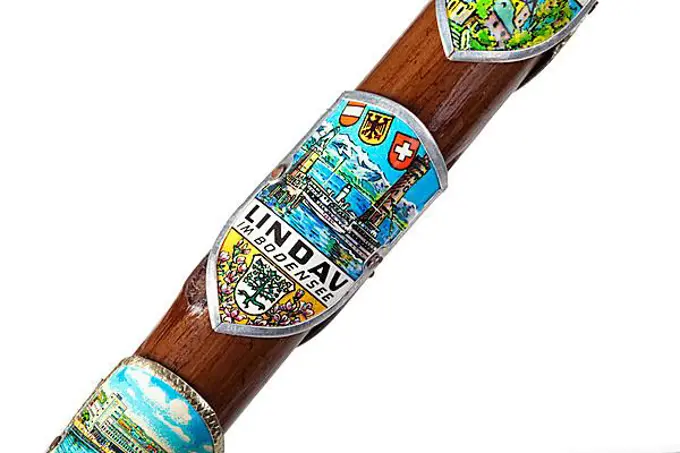
Antique Swords and Sheaths

Display of historical weaponry including decorative swords and sheaths, featuring unique designs and materials reflecting their origins.
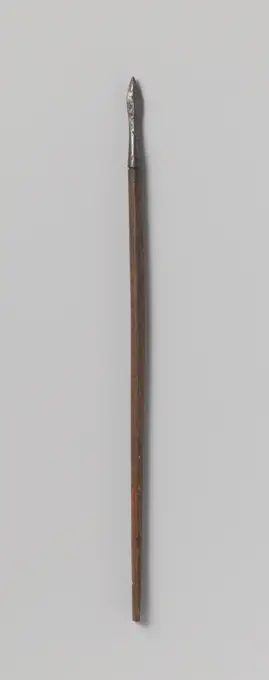
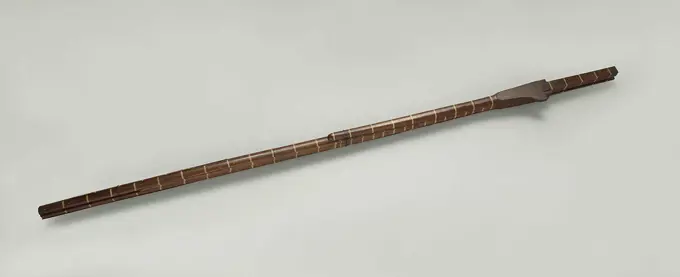
War leg, anonymous, 1476 - 1500  War leg from the arsenal of the PatroUlus church in Soest in Westphalia. Wooden shaft with wrought iron point. The wooden springs are missing. Westphalia (possibly) Point: Iron (Metal). Arrow: Wood (Plant Material) cutting / forging  Soest (Utrecht). Westphalia
War leg, anonymous, 1476 - 1500 War leg from the arsenal of the PatroUlus church in Soest in Westphalia. Wooden shaft with wrought iron point. The wooden springs are missing. Westphalia (possibly) Point: Iron (Metal). Arrow: Wood (Plant Material) cutting / forging Soest (Utrecht). Westphalia
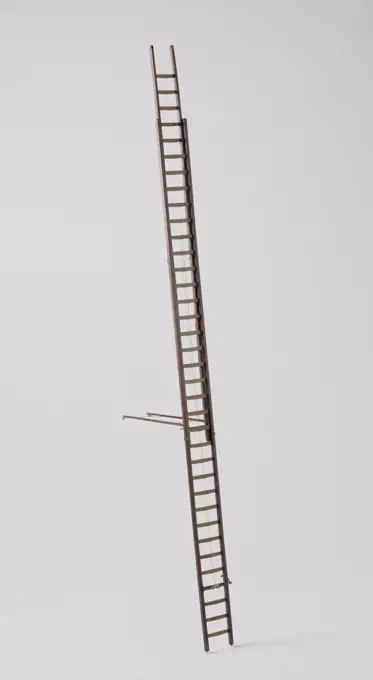
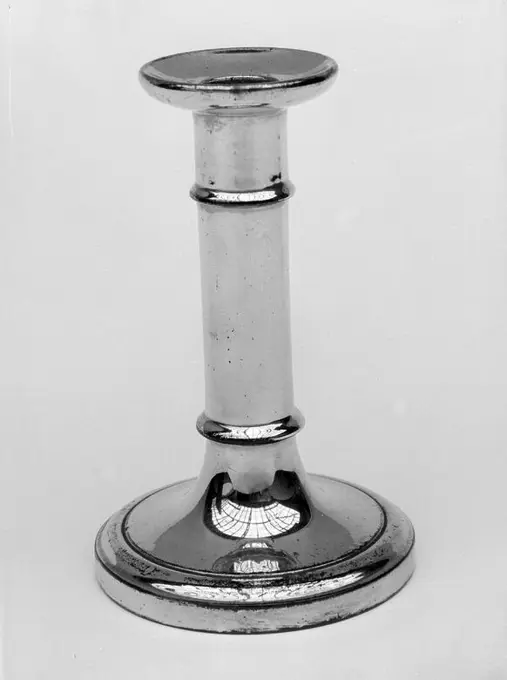
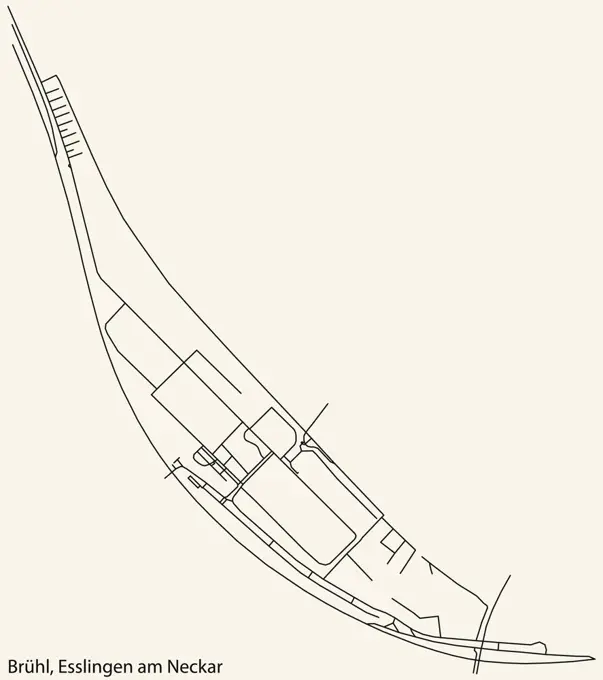
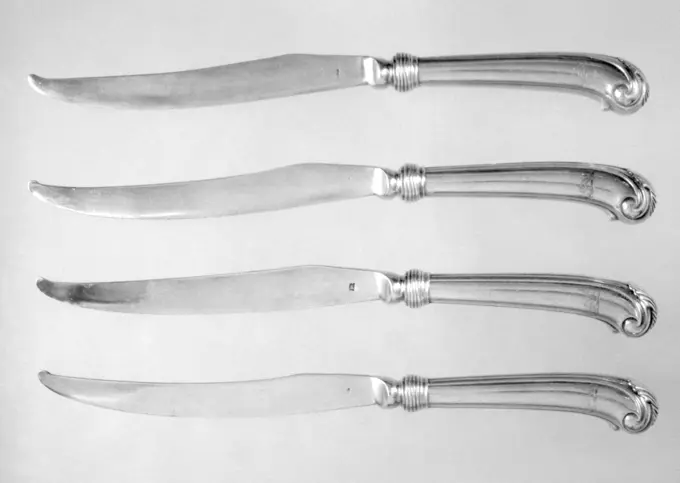
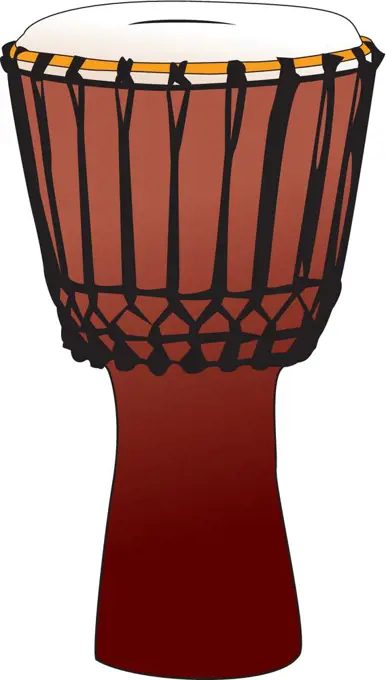
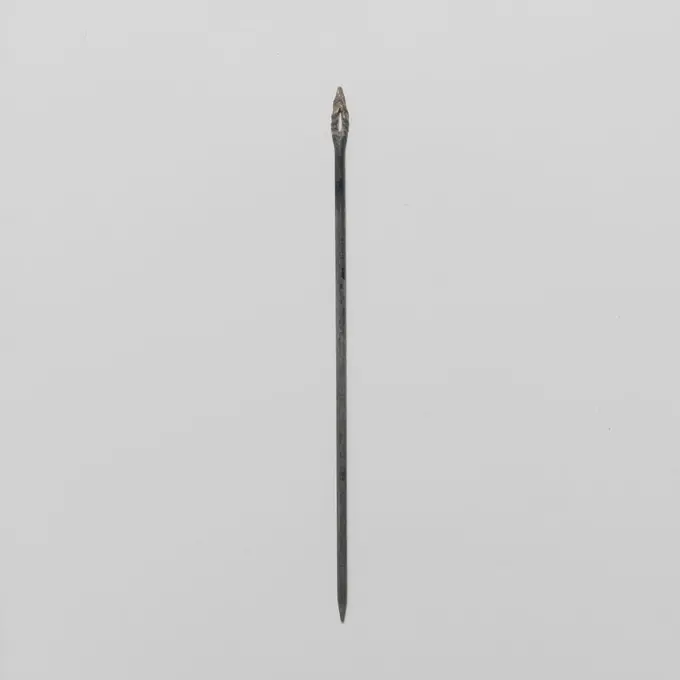
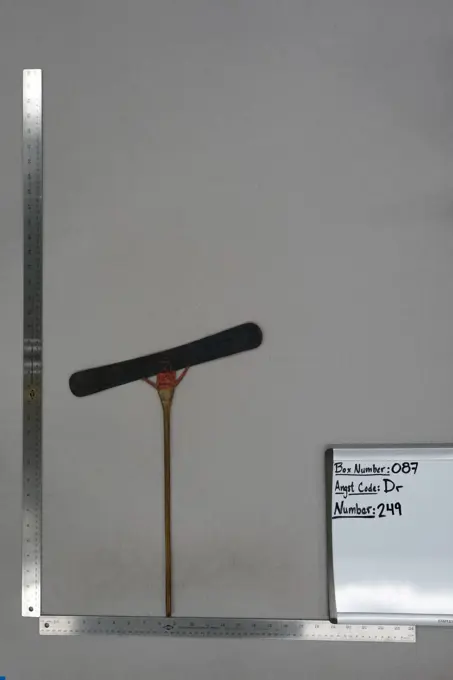
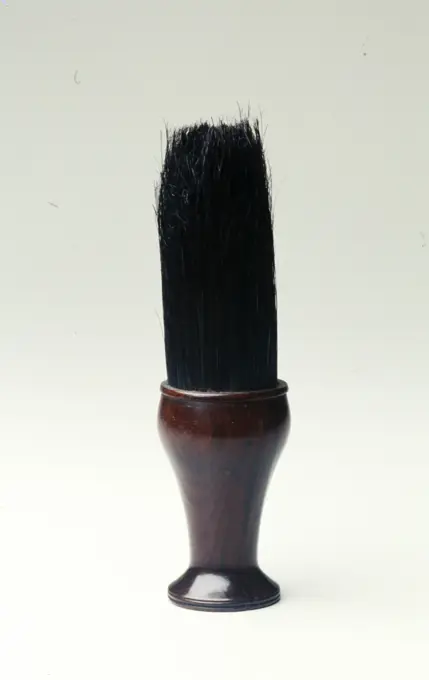
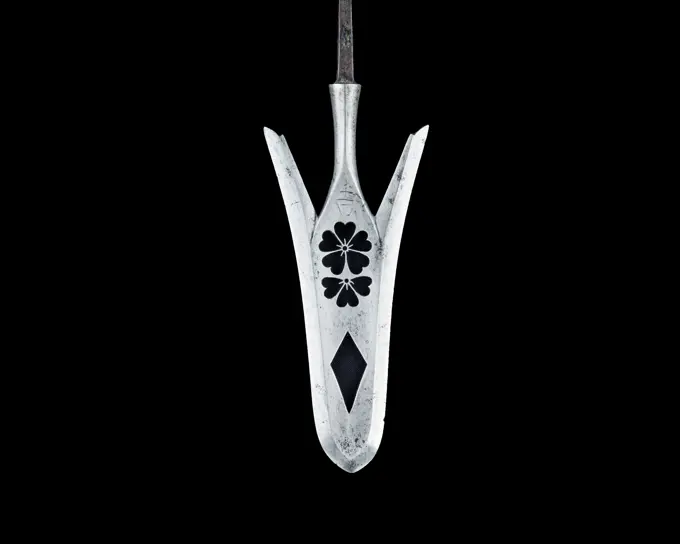
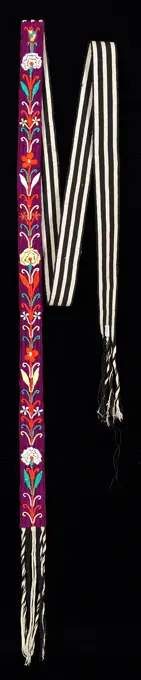
Barber illustration of professional hair coloring brush. Hairdressing salon item.. Barber illustration of professional hair coloring brush.Model of a ladder, Petrus van der Loo, 1840 - 1858Iron blade with engraved silver handle, open end, knife cutlery soil find iron silver gold metal, forged cast engraved Iron knife Crafted silver handle. Engraved decoration. Cutaway end. Depicted are an Amor underneath Adam and Eve cartouche for text underneath man with bundle spears and garment over the arm. The downside shows: flower man and woman at well (Jesus at the well) cartouche for text and below that scene of person with cup on the hand next to small devil or child. Left gilding in the button no readable texts archeology cutting eating table bible religion Adam Eve Jesus ChristFish fork;  1890 (1888-00-00-1888-00-00);scraper. isolated of wall scraper over white (clipping work path included).Socket wrench, six -sided, with two handles of leg, c. 1400 - c. 1950   iron (metal). bone (material)   iron (metal). bone (material)electric guitar on stand isolated on white backgroundHistorical photograph, tendrils of a pumpkin (Cucurbita), Karl Blossfeldt, Urformen der Kunst, The original artYellow pencil isolated on white background Clarinet in A 19th century Probably by Louis Auguste Giboreau Belgian. Clarinet in A. Belgian. 19th century. Boxwood, brass, ivory, ebony. Liege, Belgium. Aerophone-Reed Vibrated-single reed cylindricalAmerican gas mask M17, dismantled.Projectile from weapon mortar on white background is insulated. Vector illustration of the amunition from weapon mortarModel of a Made Mast.Round mast with square top, ears, sand bowls and driving bed, damaged. The mast itself consists of a mast king surrounded by eight cheeks; Four cheeks are quite heavy, the four filling the corners are very thin. The heavy cheeks front and rear are thicker and widen at the height of the homer and form the driving bed and the flat back; The heavy cheeks on the sides walk all the way up, where they form the square top together with the king. The cheeks and mast king are connected to sliding with neuten and welding; The tub tires have been eliminated. The sand scales have been extended and broadened and form the ears. Scale 1:12 (Scale by model).Bullet 3D render Isolated on a gray background. Bullet 3D renderCandlestick. Culture: British. Dimensions: H. 6 1/4 in. (15.9 cm). Date: 1800-1830. Museum: Metropolitan Museum of Art, New York, USA.Saz late 19th century Turkish. Saz. Turkish. late 19th century. Wood. Turkey. Chordophone-Lute-plucked-frettedGreen decorative vaseGlass Fragment 17th century South Netherlandish. Glass Fragment. South Netherlandish. 17th century. Pot metal glass. Glass-StainedDetailed navigation black lines urban street roads map of the BRUHL MUNICIPALITY of the German regional capital city of Esslingen, Germany on vintage beige backgroundSix knives first half 18th century Paul de Lamerie British. Six knives 202075Several vanilla podswalking stick-dagger  isolated on a white backgroundMan and oil barrelDjembe - tamtam percussion drumAntique dishware and exponents from antiquity. Isolated golden goblet with ornaments and decorations. Cup for beverages and drinks, religious rituals and spiritual ceremonies. Vector in flat style. Golden vintage goblet with ornaments, retro cupGlass needle. Culture: Roman. Dimensions: H. 6 1/8 in. (15.5 cm); diameter 3/16 in. (0.5 cm). Date: 1st century A.D..Translucent light blue, with opaque white trail.Solid rod, circular in cross section, tapering at one end to point, the other worked into two prongs to form the eye of the needle and then joined and drawn up to a point.The head of the needle is decorated with an opaque trail, applied at point and wound spirally down, ending just below the eye.Intact, except for tip of the head of the needle; most of surfaces covered with thin whitish weathering.Although examples have been found in Roman contexts at sites spread across the entire Empire, their precise purpose remains unclear. They may have served as hairpins or, possibly, cosmetic applicators. They are unlikely to have been used as real needles. Museum: Metropolitan Museum of Art, New York, USA.Blue striped necktie icon. Isometric of blue striped necktie vector icon for web design isolated on white background. Blue striped necktie icon, isometric styleFir tree, Christmas tree in light grayJewelry on a mannequin.Fir tree, Christmas tree in beigeBristle brush on scratched metallic background copy room construction conceptAbstract chinese chopsticksAttic Red-Figure Kylix Fragments. Douris (Greek (Attic), active 500 - 460 B.C.)"Navajo Style" Belt/Sash, c 1890-1917. America, Native North American, Southwest, Navajo, Post-Contact, Early Period. Warp face plain weave with supplementary warp float; cotton and wool; overall: 298 x 9 cm (117 5/16 x 3 9/16 in.).Construction red crane hook isolated on white backgroundBass horn, anonymous, c. 1810 - c. 1830 BasHoorn in ashes with nine holes, the first, fourth and ninth are equipped with flat, round valves. The last valve is on the thumb side. Two pipes in V-shape. Mouthpiece is missing.  copper (metal) BasHoorn in ashes with nine holes, the first, fourth and ninth are equipped with flat, round valves. The last valve is on the thumb side. Two pipes in V-shape. Mouthpiece is missing.  copper (metal)Brush with red oil paint on isolated background, bristles Brush with red oil paint on isolated background, bristles Copyright: xZoonar.com/DANKOxNx 22988555Ladder leaning on stack of coinsFeather of guinea fowl, isolated on white background Feather of guinea fowl, isolated on white background Copyright: xZoonar.com/OleksandrxKostiuchenkox 9779696Window hanger, painted glass with three rings, stained glass window pane glasspainting material glass paint lead metal, stained glass Rectangular window pane painted glass mounted in lead at the top with two hanging rings Yellow flat with three interwoven rings.Shadow Puppet (Wayang Kulit) of a Prop (Ricikan), from the set KyaiDrajatStanding Brush, 19th century, 8 1/4 x 2 7/16 in. (21 x 6.19 cm), Huang hua-li, natural bristles, China, 19th centuryArrowhead (Yanone) 16th-19th century Signed on the blade by Yoshitoshi Japanese Although today Japanese warriors are renowned most for their swordsmanship, archery, especially from horseback, has been an essential part of samurai warfare and culture for centuries. Arrows were fitted with heads of varying shape according to their intended use in war, the hunt, or target practice. This arrowhead and others like it also in the Metropolitan Museum's collection (acc. nos. 32.75.489, .494, .503, .506, .519, .562, .591, .614, .657, .658, .659) were made for use on the battlefield, with different designs intended for specialized purposes such as the piercing of armor or to cause maximum damage to horses and unarmored personnel. On the other hand, highly elaborate examples (acc. nos. 32.75.318, .321, .327, .330, .334, .337, .339, .340, .398, .399, .403, .406, .409, 36.25.2616) were made as gifts or for ceremonial purposes.This barbed arrowhead, known as the "stomach-ripper" (wata kuri), is pierdried goji berries in a metal measuring tablespoon isolated on whiteWomans belt (Faja), 20th century, 93 x 1 5/8 in. (236.2 x 4.1 cm), Cotton, wool, silk; embroidery on a warp faced ground, Guatemala, 20th centuryWalking stick with a hiking badge from Lindau on Lake Constance, Bavaria, Germany, Europe