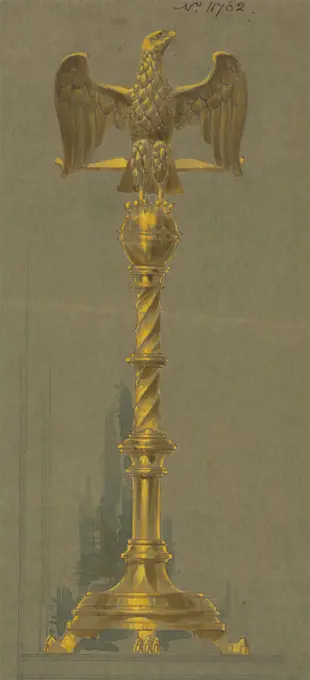
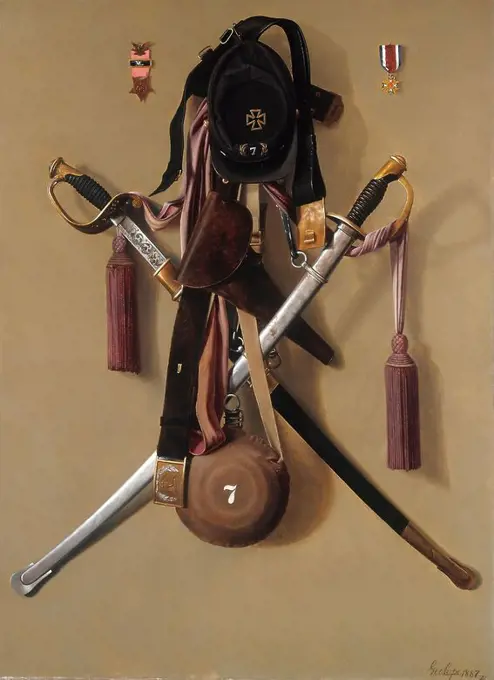
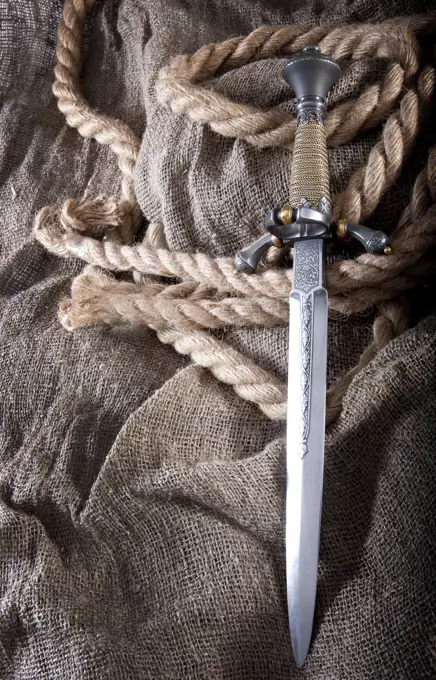
Antique Swords and Weapons

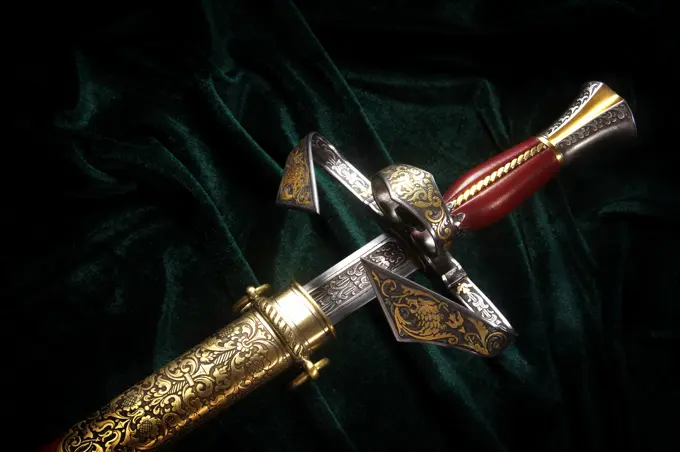
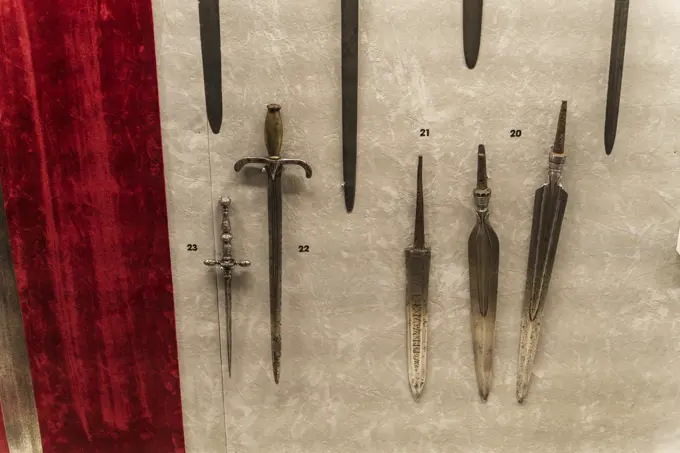
A curated selection of antique swords, including sabers, rapiers, and halberds, showcasing unique craftsmanship from different eras and cultural backgrounds.
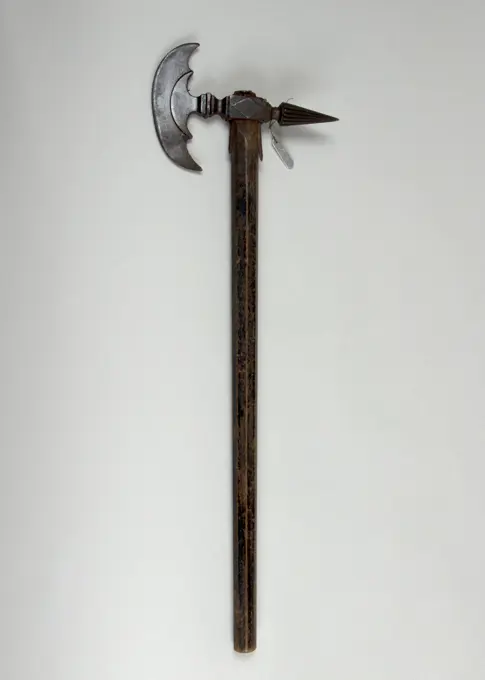
Axe 19th century Turkish. Axe. Turkish. 19th century. Steel, wood. Shafted Weapons
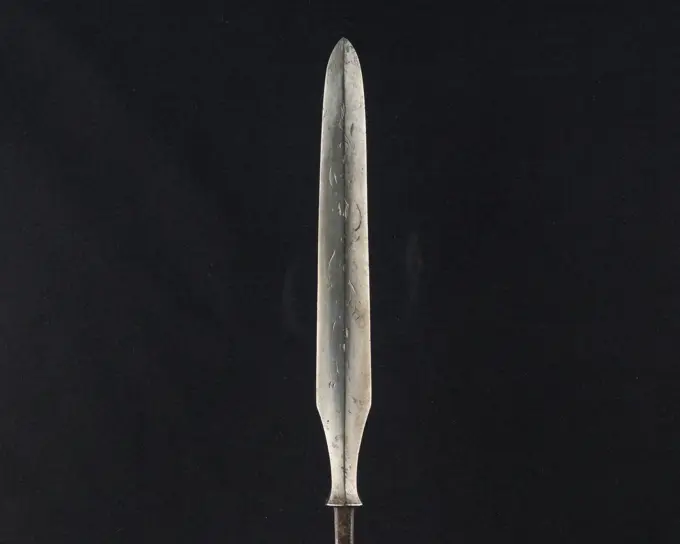
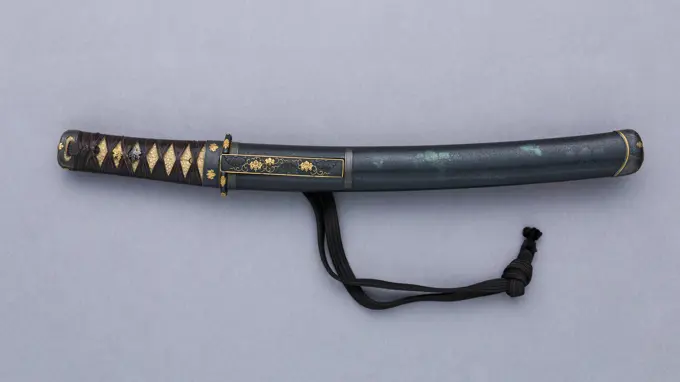
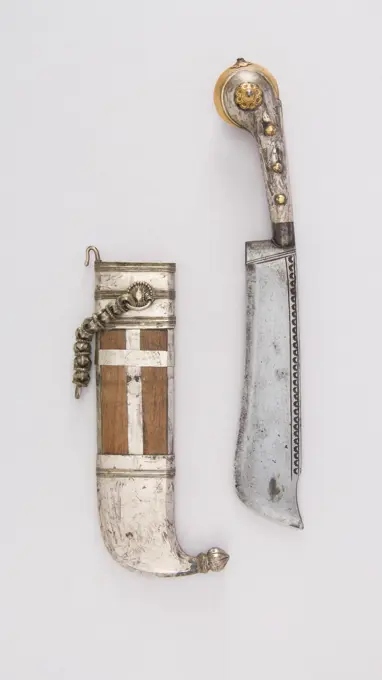
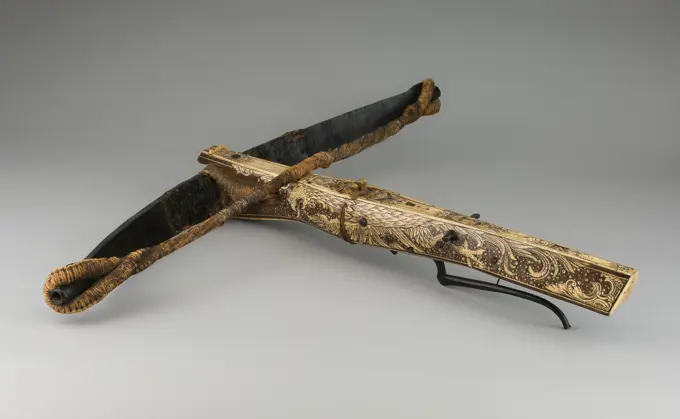
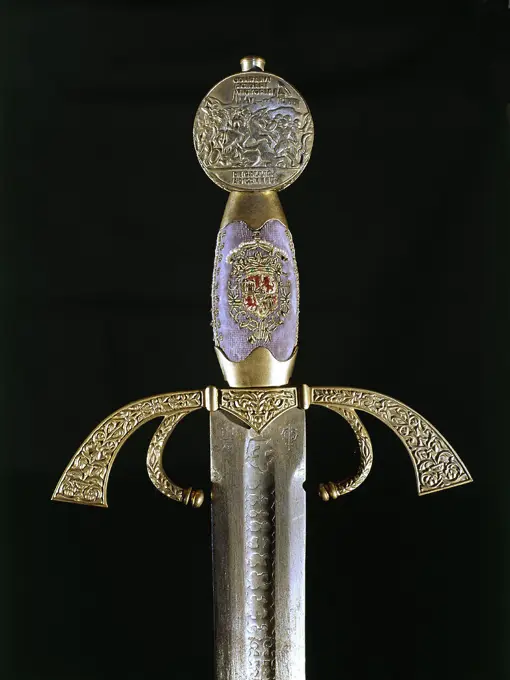
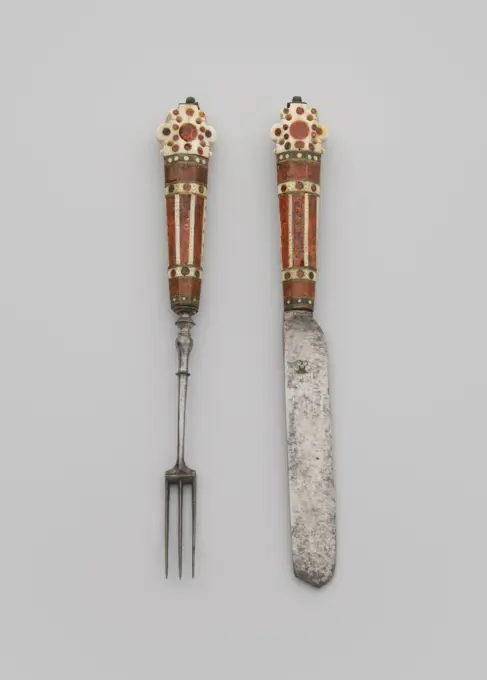
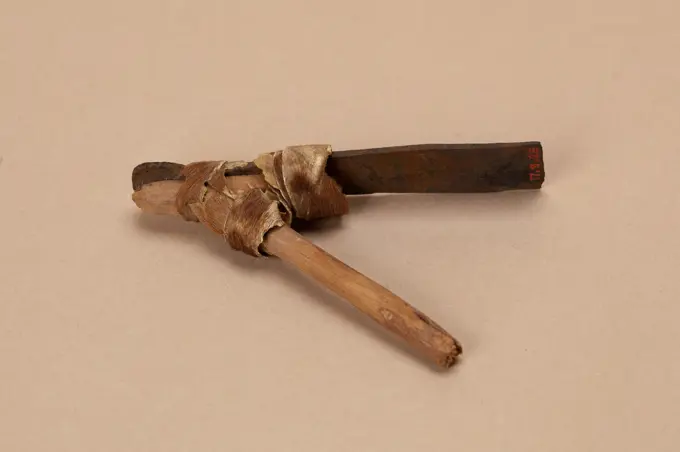
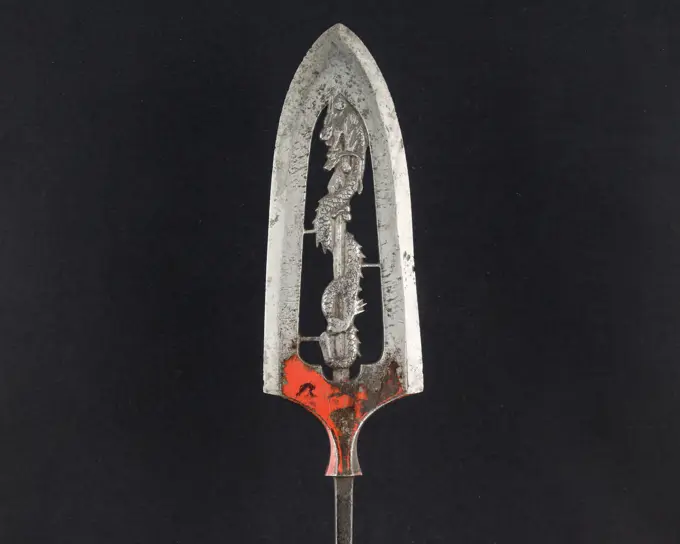
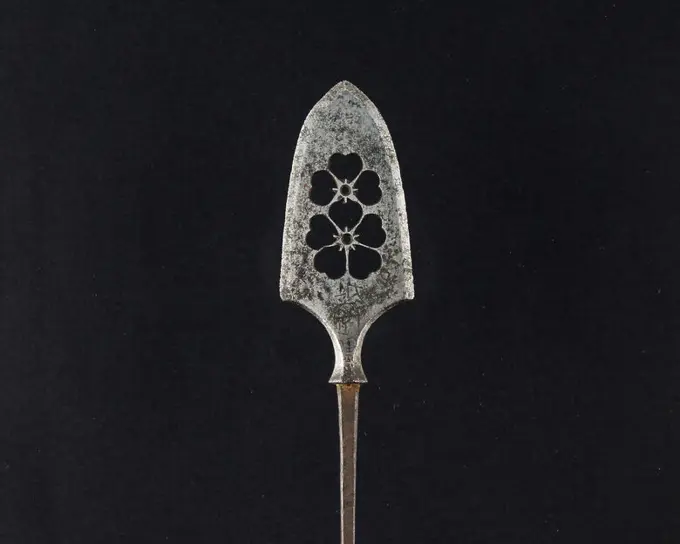
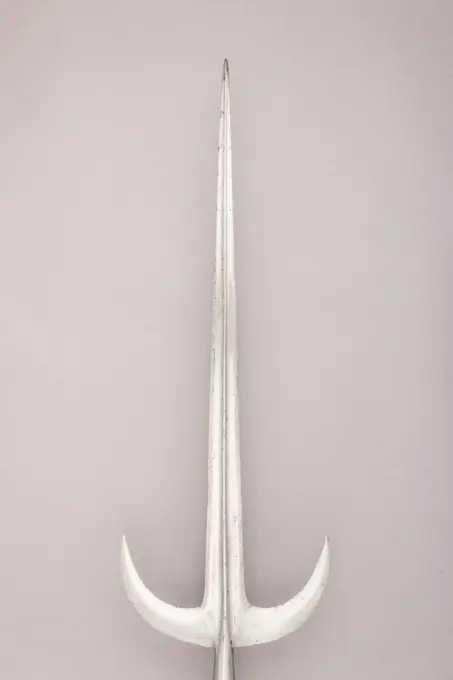
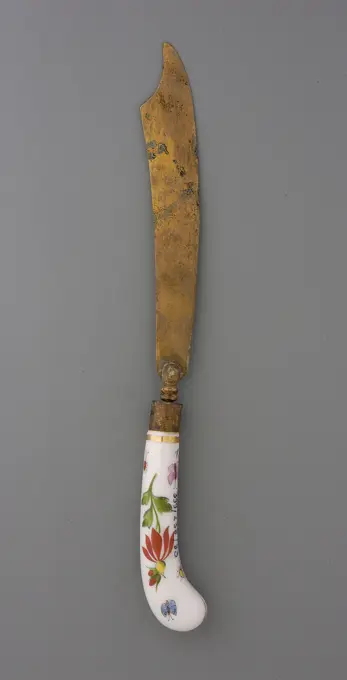
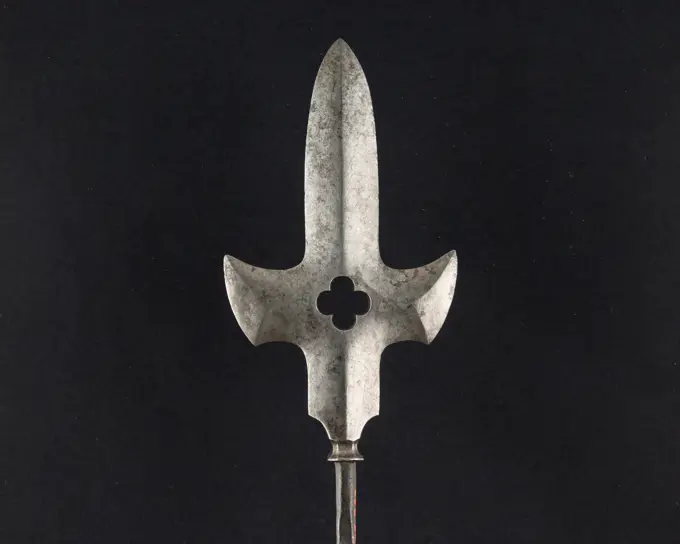
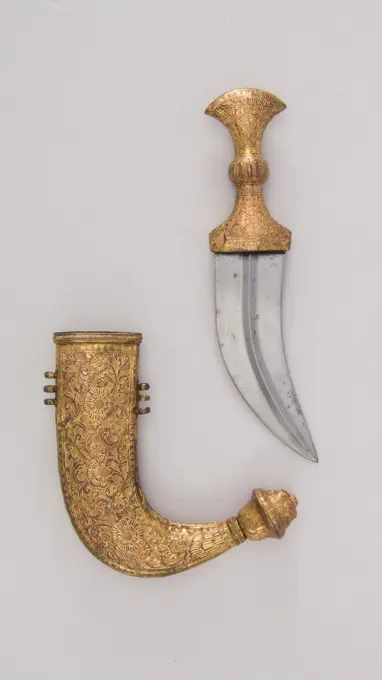
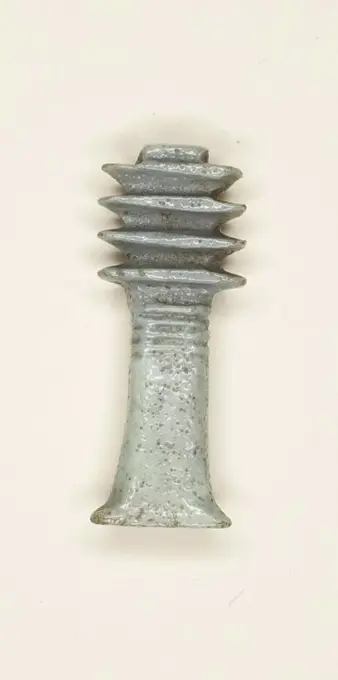
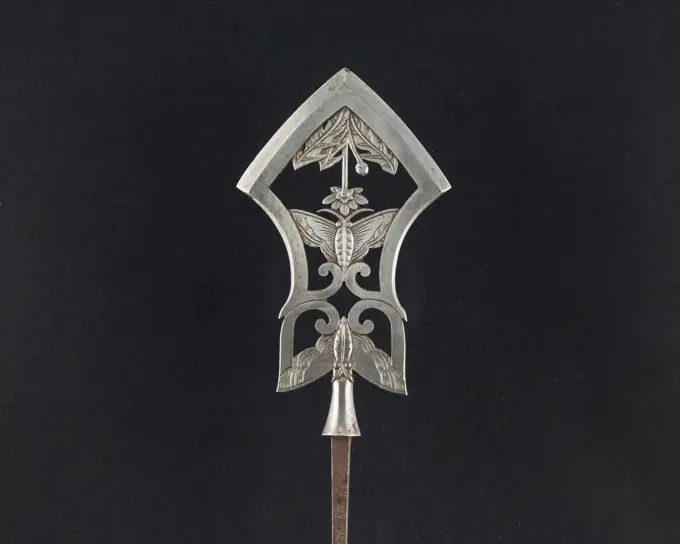
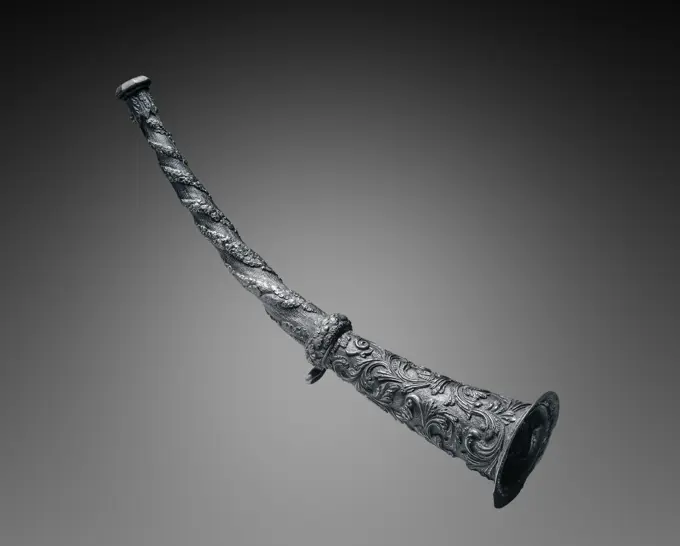
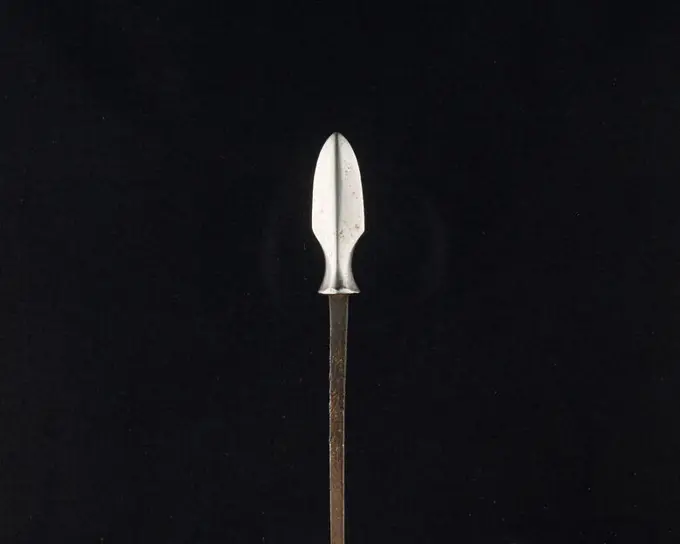
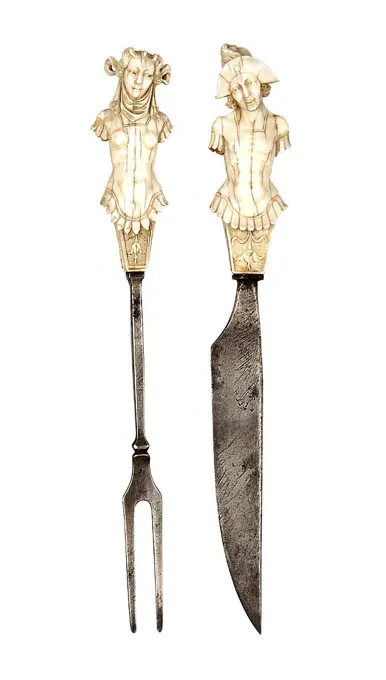
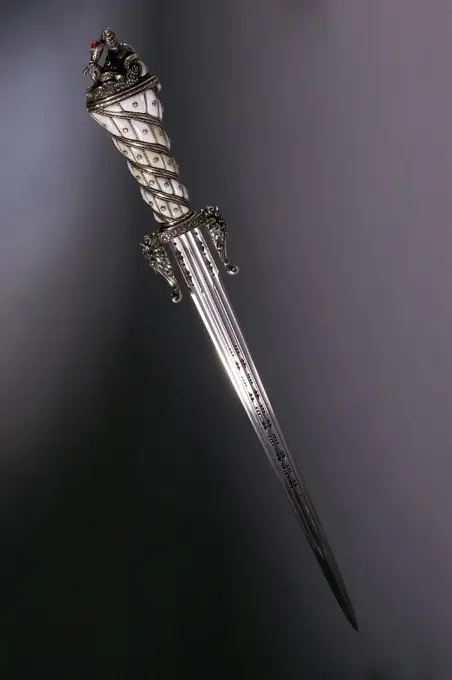
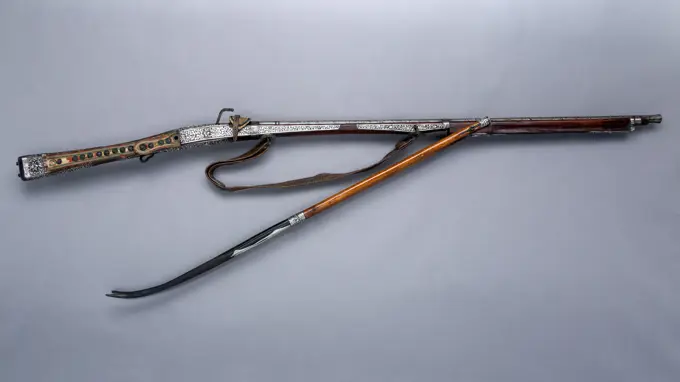
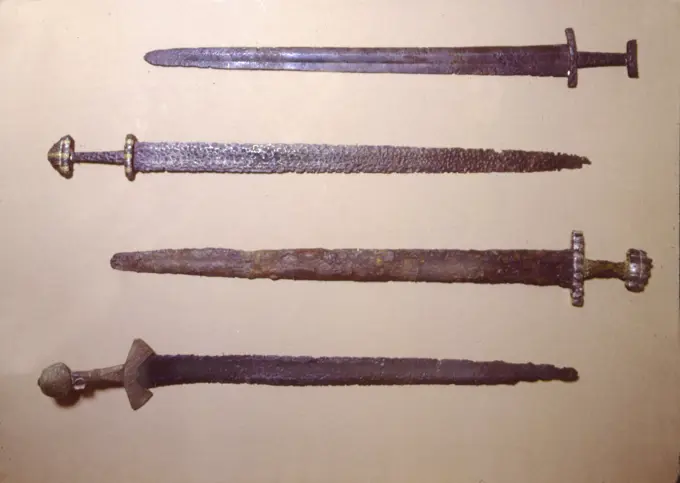
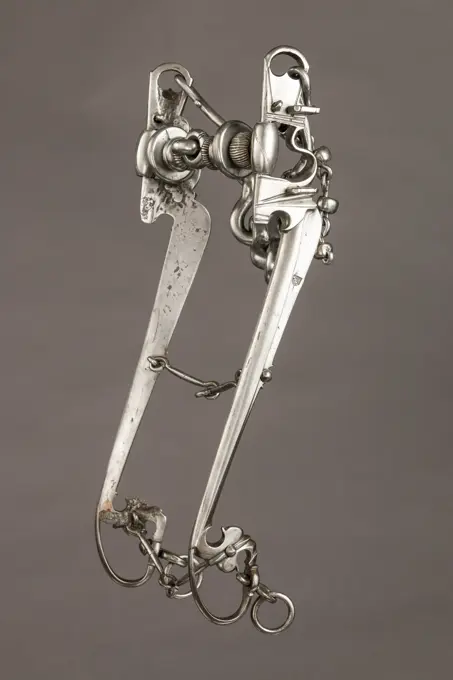
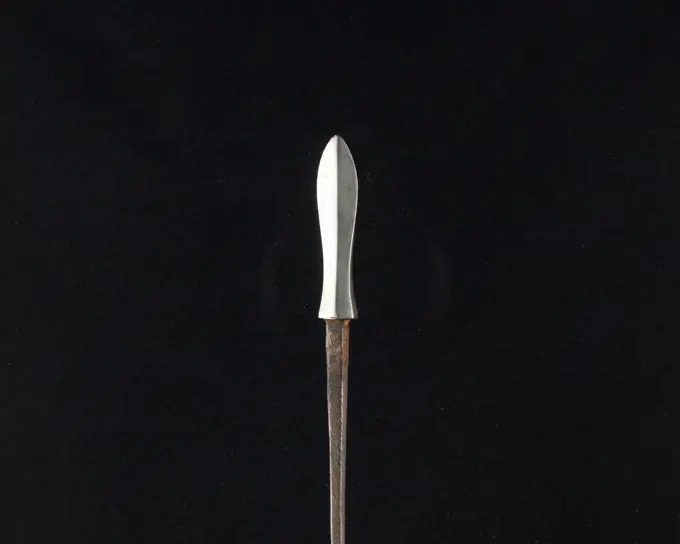
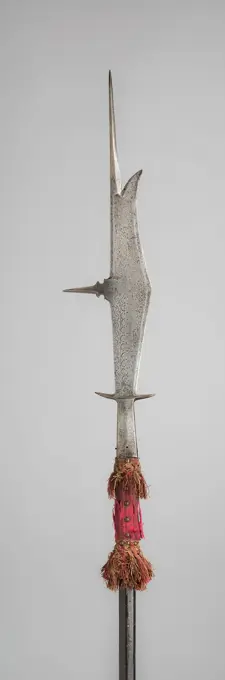
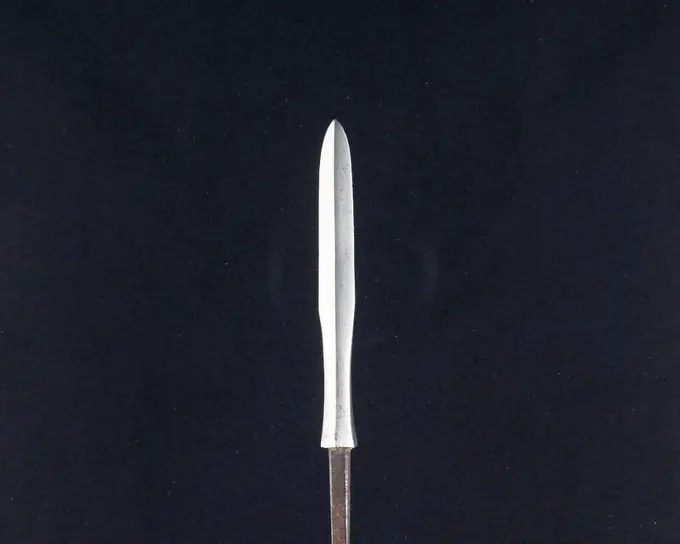
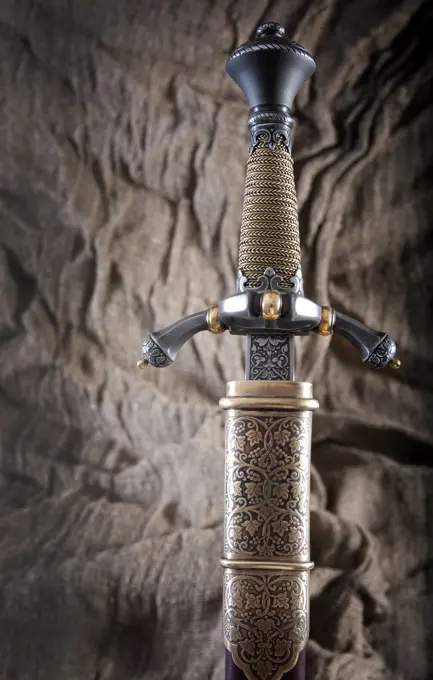
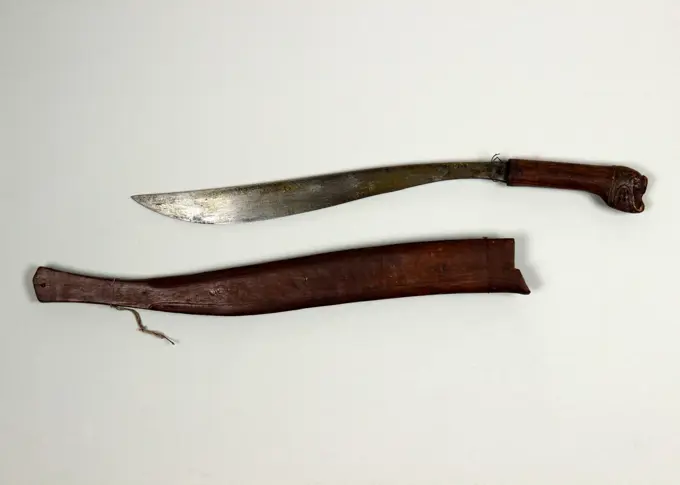
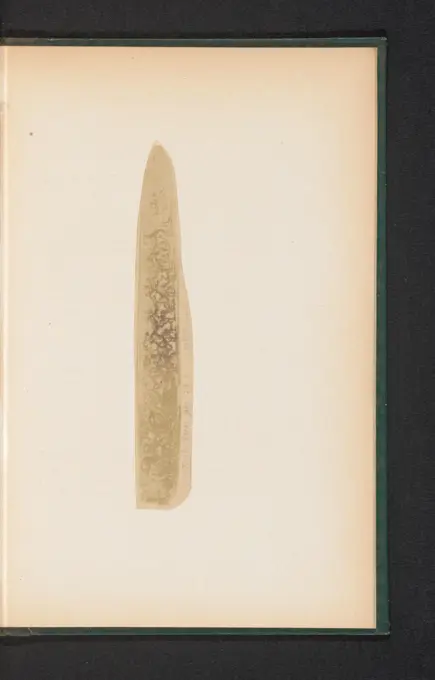
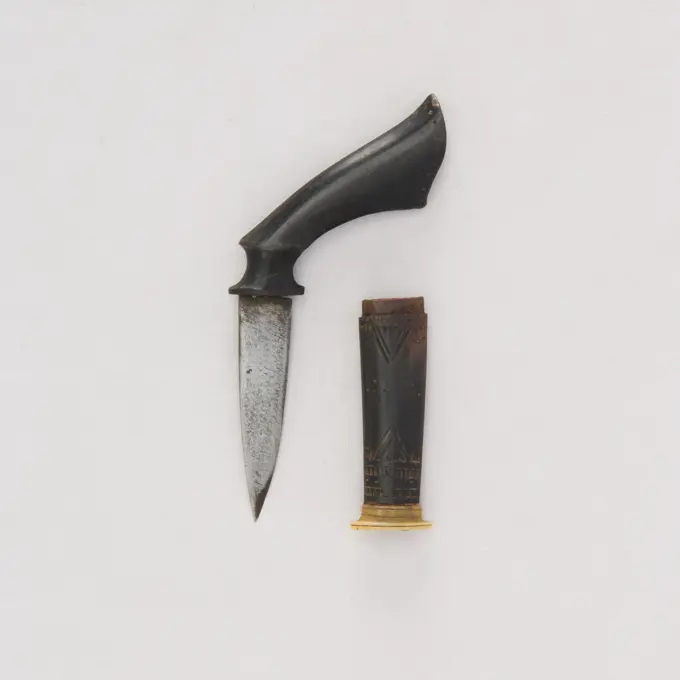
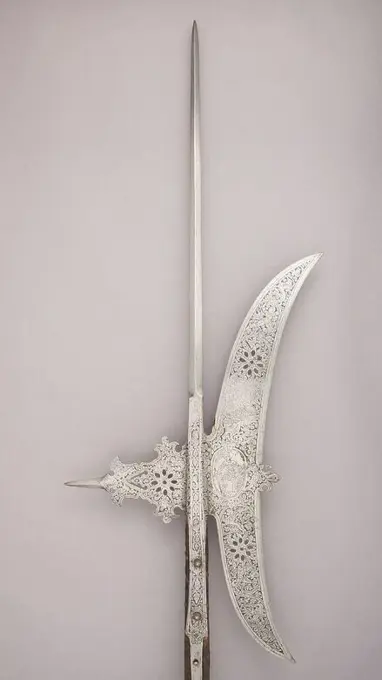
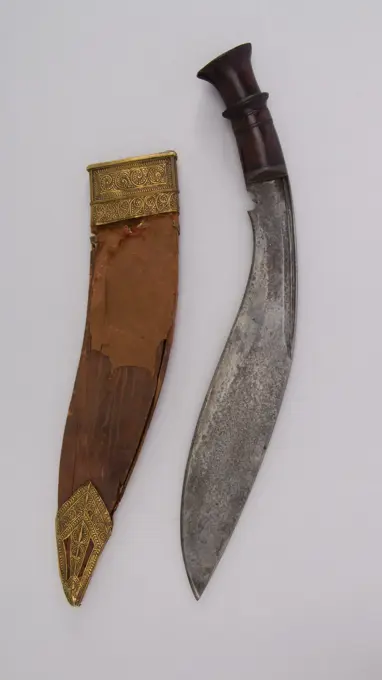
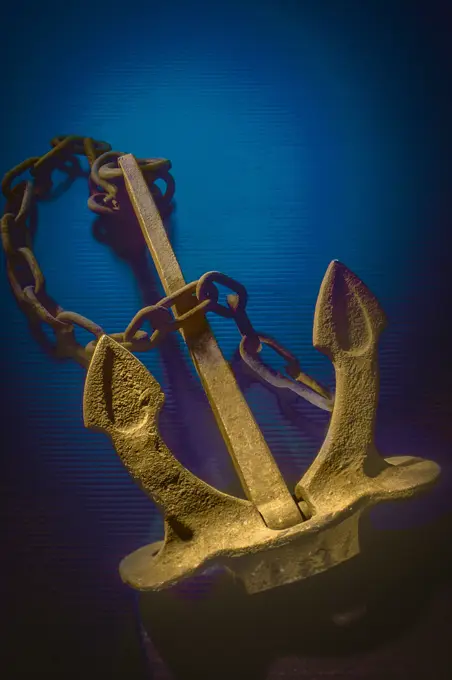
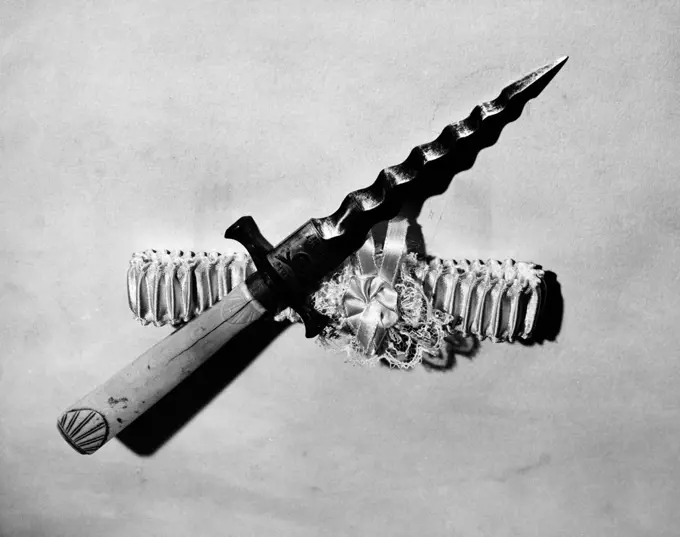
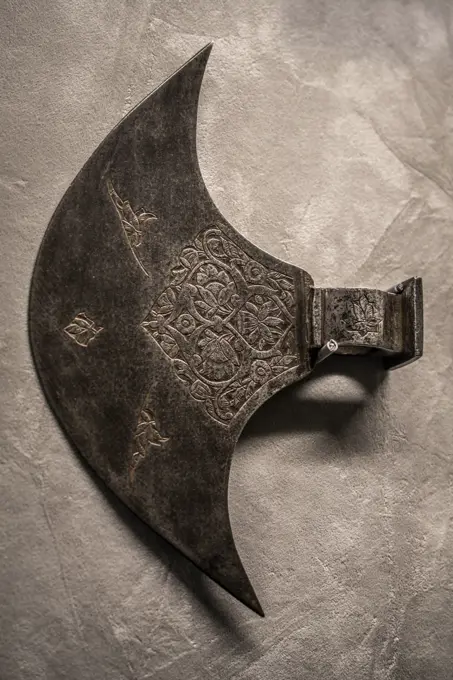
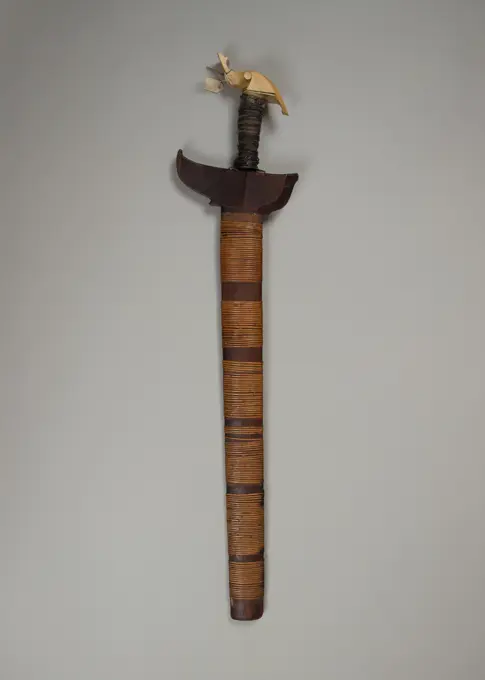
Kris with Sheath 18th-19th century Philippine, Mindanao. Kris with Sheath 31270Arrowhead (Yanone) 18th century Japanese Although today Japanese warriors are renowned most for their swordsmanship, archery, especially from horseback, has been an essential part of samurai warfare and culture for centuries. Arrows were fitted with heads of varying shape according to their intended use in war, the hunt, or target practice. Arrowheads made for use on the battlefield incorporated different designs intended for specialized purposes such as the piercing of armor or to cause maximum damage to horses and unarmored personnel.Large arrowheads, pierced and elaborately chiseled with landscapes, birds, flowers, dragons, and Buddhist divinities, were created to be admired for the beauty of their metalwork and design rather than for use in archery. Such highly elaborate examples may have been made for presentation or as a votive offerings to a shrine.. Arrowhead (Yanone). Japanese. 18th century. Steel. Archery Equipment-ArrowheadsBlade for a Dagger (Tant) with Mounting (Chisagatana) mid- to late 19th century Japanese The chisagatana-type mounting is distinguished by the inclusion of a small tsuba (sword guard), a fitting typically omitted from dagger (tant) mountings. The grip is covered with ray skin and wrapped with baleen, and the black-lacquered scabbard is decorated with engraved butterflies and paulownia flowers, which are highlighted with crushed abalone shell.. Blade for a Dagger (Tant) with Mounting (Chisagatana). Japanese. mid- to late 19th century. Steel, copper-gold alloy (shakud), copper-silver alloy (shubuichi), wood, lacquer, abalone shell, ray skin, silk, whale bone (baleen). DaggersKnife (Pichangatti) with Sheath 18th-19th century Indian, Kodagu (Coorg). Knife (Pichangatti) with Sheath 31533Carving knife 18th century Southern German. Carving knife. Southern German. 18th century. Steel, silver, leather or wood. Metalwork-SteelCrossbow Made 1730-1750 Germany. Deadly accurate within a range of about 50 yards, the crossbow remained a popular hunting and target-shooting weapon long after the invention of firearms. Both nobility and common citizens joined crossbow guilds or societies that organized regular competitions. This crossbow decorated with a double-headed eagle is one of several that belong to such a group. It weighs over 21 lbs., representing the largest size used, and can shoot targets up to 70 yards out.. Steel, fruitwood, staghorn, leather, and hemp .ESPADA DEL GRAN CAPITAN - SIGLO XV/XVI - RENACIMIENTO. Location: CASTILLO. La Calahorra. GRANADA. SPANIEN.Knife (possibly Scotland); agate, silver, steel; L x W: 21 x 2 cm (8 1/4 x 13/16 in.); The Robert L. Metzenberg Collection, gift of Eleanor L. Metzenberg; 1985-103-129Two Knives with Sheath 18th-19th century Indian. Two Knives with Sheath 31431Corner part of a stove (fragment), 1660 Cast iron corner part of a stove. Decorated with a lion's head and other motives. Germany iron (metal) casting Cast iron corner part of a stove. Decorated with a lion's head and other motives. Germany iron (metal) castingTwo Knives with Sheath. Culture: Indian. Dimensions: Knife (a); L. with sheath 11 1/8 in. (28.3 cm); L. without sheath 10 7/8 in. (27.6 cm); W. 1 1/8 in. (2.9 cm); Wt. 3.9 oz. (110.6 g); sheath (b); Wt. 1.5 oz. (42.5 g); small knife (c); L. 7 1/8 in. (18.1 cm); W. 7/16 in. (1.1 cm); Wt. 1.2 oz. (34 g). Date: 18th-19th century. Museum: Metropolitan Museum of Art, New York, USA.Goat's Foot Lever 1600 Europe. Steel .Sword with Scabbard and Belt Hook 18th century Chinese. Sword with Scabbard and Belt Hook. Chinese. 18th century. Steel, gold, brass, shark skin, wood, textile. SwordsKnife with a amber ivory lifts in Foedraal, Anonymous, 1600 - 1625 A knife with a amber ivory and silver buttons. Königsberg ivory. silver (metal) A knife with a amber ivory and silver buttons. Königsberg ivory. silver (metal)Paper knife. unknown, craftsmanModel adze ca. 1981-1802 B.C. Middle Kingdom. Model adze. ca. 1981-1802 B.C.. Copper, wood, animal hide. Middle Kingdom. From Egypt, Middle Egypt, Asyut (Lykopolis), Tomb of Ankhef (Tomb 9), Khashaba excavations. Dynasty 12Dagger with Sheath 19th century Philippine, Mindanao. Dagger with Sheath 27831Dagger (Khanjarli). Culture: Indian. Dimensions: H. 10 3/4 in. (27.3 cm); W. 3 1/2 in. (8.9 cm); Wt. 11.4 oz. (323.2 g). Date: 17th-18th century. Museum: Metropolitan Museum of Art, New York, USA.Fork of sharpened rock crystal with gilded silver, anonymous, 1600 - 1650 Fork, part of a table cutlery consisting of fork, knife and spoon, of sharpened rock crystal, mounted in sections on double, decorated gilded silver rosettes. Freiburg silver (metal). Fork, part of a table cutlery consisting of fork, knife and spoon, of sharpened rock crystal, mounted in sections on double, decorated gilded silver rosettes. Freiburg silver (metal).Symbolic key of the New Warsaw City. Jankowski Franciszek, goldsmithHalberd 16th century German. Halberd. German. 16th century. Steel, wood (oak). Shafted WeaponsSchool slab of sliced oak, c. 1400 - c. 1950   wood (plant material)   wood (plant material)Knife (Netherlands); steel, enamel; L x W: 18.7 x 1.6 cm (7 3/8 x 5/8 in.); The Robert L. Metzenberg Collection, gift of Eleanor L. Metzenberg; 1985-103-64Arrowhead (Yanone) 18th century Japanese Although today Japanese warriors are renowned most for their swordsmanship, archery, especially from horseback, has been an essential part of samurai warfare and culture for centuries. Arrows were fitted with heads of varying shape according to their intended use in war, the hunt, or target practice. Arrowheads made for use on the battlefield incorporated different designs intended for specialized purposes such as the piercing of armor or to cause maximum damage to horses and unarmored personnel.Large arrowheads, pierced and elaborately chiseled with landscapes, birds, flowers, dragons, and Buddhist divinities, were created to be admired for the beauty of their metalwork and design rather than for use in archery. Such highly elaborate examples may have been made for presentation or as a votive offerings to a shrine.. Arrowhead (Yanone). Japanese. 18th century. Steel, lacquer. Archery Equipment-ArrowheadsSmallsword, known as a Mourning Sword ca. 1790 British The deeply blued steel hilt is set with faceted steel beads, giving the impression of jewels. Beaded steel smallsword hilts, blued to nearly jet black, were in fashion in England during the Neoclassical period and are thought to have been worn with formal dress at times of mourning.. Smallsword, known as a Mourning Sword. British. ca. 1790. Steel, textile. SwordsArrowhead (Yanone). Culture: Japanese. Dimensions: L. 8 1/8 in. (20.6 cm); L. of head 2 7/8 in. (7.3 cm); W. 1 1/4 in. (3.2 cm); Wt. 1 oz. (28.3 g). Date: ca. 1615-1868. Museum: Metropolitan Museum of Art, New York, USA.Runka ca. 1520 Italian. Runka 25932Sturgeon Spear. Dated: c. 1938. Dimensions: overall: 35.3 x 24.4 cm (13 7/8 x 9 5/8 in.). Medium: watercolor, graphite, and colored pencil on paperboard. Museum: National Gallery of Art, Washington DC. Author: Samuel Faigin.Group of miniatures 12th-15th century Chimú or Chancay. Group of miniatures 315750Yeah to fish; Korzec (Porcelain and faience manufacture; 1790-1832); 19th century (1801-00-00-1901-00-00);Arrowhead (Yanone) 18th century Japanese Although today Japanese warriors are renowned most for their swordsmanship, archery, especially from horseback, has been an essential part of samurai warfare and culture for centuries. Arrows were fitted with heads of varying shape according to their intended use in war, the hunt, or target practice. Arrowheads made for use on the battlefield incorporated different designs intended for specialized purposes such as the piercing of armor or to cause maximum damage to horses and unarmored personnel.Large arrowheads, pierced and elaborately chiseled with landscapes, birds, flowers, dragons, and Buddhist divinities, were created to be admired for the beauty of their metalwork and design rather than for use in archery. Such highly elaborate examples may have been made for presentation or as a votive offerings to a shrine.. Arrowhead (Yanone). Japanese. 18th century. Steel. Archery Equipment-ArrowheadsKnife (Phia Kaetta). Culture: Sri Lankan. Dimensions: L. 8 13/16 in. (22.4 cm); W. 1 in. (2.5 cm); Wt. 2.4 oz. (68 g). Date: 18th-19th century. Museum: Metropolitan Museum of Art, New York, USA.Combined Priming Flask and Wheel-Lock Spanner, c. 1600-1650. Germany or Austria, first half of 17th Century. Horn with brass and steel mounts; overall: 18.1 x 5.7 cm (7 1/8 x 2 1/4 in.).Model of the old dagger with a white background, souvenirDoes not SquadDagger (Jambiya) with Sheath 19th century Indian. Dagger (Jambiya) with Sheath. Indian. 19th century. Steel, copper, gold, wood. DaggersAmulet of a Djed Pillar. Egyptian. Date: 1070 BC-656 BC. Dimensions: 1.9 × 0.6 × 0.6 cm (3/4 × 1/4 × 1/4 in.). Faience. Origin: Egypt. Museum: The Chicago Art Institute, Chicago, USA. Author: Ancient Egyptian.Pair of Spurs Made 1400-1600 Hungary. Steel and leather .Arrowhead (Yanone) 18th century Japanese Although today Japanese warriors are renowned most for their swordsmanship, archery, especially from horseback, has been an essential part of samurai warfare and culture for centuries. Arrows were fitted with heads of varying shape according to their intended use in war, the hunt, or target practice. Arrowheads made for use on the battlefield incorporated different designs intended for specialized purposes such as the piercing of armor or to cause maximum damage to horses and unarmored personnel.Large arrowheads, pierced and elaborately chiseled with landscapes, birds, flowers, dragons, and Buddhist divinities, were created to be admired for the beauty of their metalwork and design rather than for use in archery. Such highly elaborate examples may have been made for presentation or as a votive offerings to a shrine.. Arrowhead (Yanone). Japanese. 18th century. Steel. Archery Equipment-ArrowheadsScabbard for Sword, 1800s. Tibet. Iron and silver with bone, turquoise, leather and brass; overall: 79.4 cm (31 1/4 in.); blade: 66.7 cm (26 1/4 in.).Partisan of Wolfgang Wilhelm of Bavaria, Count Palatine of the Rhine dated 1615 German. Partisan of Wolfgang Wilhelm of Bavaria, Count Palatine of the Rhine 26724BASTON DE MANDO DE ALCALDE DE INDIAS - VARAYOC - PLATA Y MADERA - 1917. Location: MUSEO DE AMERICA-COLECCION. MADRID. SPANIEN.Hunting Horn, c. 1675-1725. Italy, late 16th-early 17th century. Steel, embossed; overall: 28.5 cm (11 1/4 in.).Halberd dated 1659 Spanish. Halberd 25844Smallsword with Scabbard. Culture: probably Dutch. Dimensions: L. with scabbard 38 1/8 in. (96.8 cm); L. without scabbard 37 7/8 in. (96.2 cm); L. of blade 31 5/8 in. (80.3 cm); W. 4 in. (10.2 cm); D. 2 3/4 in. (7 cm); Wt. 1 lb. 3 oz. (538.6 g); Wt. of scabbard 2 oz. (56.7 g). Date: ca. 1650-60. Museum: Metropolitan Museum of Art, New York, USA.Knife with silver lifts with filigrein covered, anonymous, c. 1800 A knife with silver handle with filigrein covered, in which initials and a Karolyntje ().  silver (metal) filigree A knife with silver handle with filigrein covered, in which initials and a Karolyntje ().  silver (metal) filigreeFork, Anonymous, 1800 - 1900 Fork with two long teeth and a silver handle. Northern Netherlands (possibly)Noord-Duitsland (possibly) silver (metal) Fork with two long teeth and a silver handle. Northern Netherlands (possibly)Noord-Duitsland (possibly) silver (metal)Model of the old dagger with a white background, souvenirArrowhead (Yanone). Culture: Japanese. Dimensions: L. 5 in. (12.7 cm); L. of head 1 1/2 in. (3.8 cm); W. 1/2 in. (1.3 cm); Wt. 0.6 oz. (17 g). Date: 18th century. Museum: Metropolitan Museum of Art, New York, USA.Figurous ivory cutlery. Of great workmanship, this cutlery is from the exotic and precious material ivory. Inspired by the model of an ancient cult pillar, the handles of knives and fork sculpturally understood and carved in the form of a male and female Herme. The muscular upper body of the figures are clearly distinguished among the Roman body panels, while the respective headdress corresponds completely to contemporary mode at the court. Within a Höfische Kunstkammer, such representative showflies illustrated the creative potential of man and the richness of their owner.Medieval dagger Medieval dagger. It was often used by pirates Copyright: xZoonar.com/sibrikovx 2414987Medieval times. 13th-14th century. Weapons. 1: Spear. 2. Sword. 3. Halberd. Crown of Castile. Spain.Arrowhead possibly 15th-17th century probably Tibetan. Arrowhead. probably Tibetan. possibly 15th-17th century. Iron. Ngari. Archery Equipment-ArrowheadsMatchlock Musket (me mda') barrel, probably 18th-19th century; stock and other fittings, probably mid-19th-early 20th century Tibetan Matchlock muskets were first introduced into Tibet during the 16th or 17th century, probably via China and India or through other trade routes or diplomatic contacts. Although more technologically advanced forms of firearms were known in Tibet by the late 19th century, matchlocks continued to be used regularly well into the 20th century. Most Tibetan matchlocks are plain, functional hunting weapons, with little or no ornament (see 36.25.2173 and 36.25.2174). There are a few rare Tibetan firearms that, by their decoration, can be identified as votive or ritual objects (see 2001.34 and 2005.143). The third broad category of Tibetan firearms, to which this example belongs, comprises muskets with varying degrees of decoration, but fully functional and intended for secular use. The workmanship of the embossed silver plaques covering its stock has many paralleViking swords. 9th- 10th cent.Curb Bit ca. 1550 German, Saxony, possibly Dresden According to contemporary equestrian manuals this bit would have been used on a young horse still under training. This is indicated by the use of a mouthpiece without high port (allowing the horse to cushion the bit with its tongue, protecting the bars, the part of the jaw without teeth, to be constantly in contact with the rollers), combined with two long weak’ shanks. The term weak’ means that the swivel ring’s hole for the reins is placed behind the axis of the banquet (piece to which the mouthpiece is attached). Weak shanks, having a lower leverage effect, were used on horses lowering their head and nose too much. The banquets can also be opened to switch out the mouthpiece, a feature particularly appreciated on dressage bits in Germany.If the long shanks look impressive, their length in fact reduces their reaction time and would actually have been blocked at some point by the horse’s chest, explaining their use on young horses. Arrowhead (Yanone) 18th century Japanese Although today Japanese warriors are renowned most for their swordsmanship, archery, especially from horseback, has been an essential part of samurai warfare and culture for centuries. Arrows were fitted with heads of varying shape according to their intended use in war, the hunt, or target practice. Arrowheads made for use on the battlefield incorporated different designs intended for specialized purposes such as the piercing of armor or to cause maximum damage to horses and unarmored personnel.Large arrowheads, pierced and elaborately chiseled with landscapes, birds, flowers, dragons, and Buddhist divinities, were created to be admired for the beauty of their metalwork and design rather than for use in archery. Such highly elaborate examples may have been made for presentation or as a votive offerings to a shrine.. Arrowhead (Yanone). Japanese. 18th century. Steel. Archery Equipment-ArrowheadsBill (Ronca) 1500-1600 Italy. Steel, wood, silk, and brass .Arrowhead (Yanone). Culture: Japanese. Dimensions: L. 9 3/8 in. (23.8 cm); L. of head 3 1/4 in. (8.3 cm); W. 3/8 in. (1 cm); Wt. 0.9 oz. (25.5 g). Date: 18th century. Museum: Metropolitan Museum of Art, New York, USA.smart dagger smart dagger of the medieval soldier. It was used for hunting Copyright: xZoonar.com/ValeryxxSibrikovx 6664337Halberd Head with Naga and Blades ca. second half of the 13th century Indonesia (Java). Halberd Head with Naga and Blades. Indonesia (Java). ca. second half of the 13th century. Copper alloy. Eastern Javanese period, Singasari kingdom. MetalworkGrinder. Dated: 1935/1942. Dimensions: overall: 45.1 x 33.8 cm (17 3/4 x 13 5/16 in.). Medium: watercolor, graphite, and colored pencil on paper. Museum: National Gallery of Art, Washington DC. Author: Nicholas Amantea.Jungle Knife (Parang) with Sheath 18th-19th century Malayan. Jungle Knife (Parang) with Sheath. Malayan. 18th-19th century. Wood. KnivesAncient artifacts and weapons in the Dubai Museum, Dubai, United Arab Emirates.Basket-Hilted Broadsword (Schiavona) Made 1775-1800 Venice. Steel, silver, wood, and coral .iron falcata, V before Christ to I after Christ, Iberian Peninsula, Álava Armory Museum, Vitoria, Basque Country, SpainFork (probably Italy); silver; L x W: 10.4 x 1.9 cm (4 1/8 x 3/4 in.); The Robert L. Metzenberg Collection, gift of Eleanor L. Metzenberg; 1985-103-254-dHalberd of Christian II of Saxony (reigned 1601-11). Culture: German. Dimensions: L. 103 in. (261.62 cm); L. of head (excluding straps) 22 1/2 in. (57.15 cm); W. 11 3/4 in. (29.85 cm); Wt. 5 lb. 8 oz. (2495 g). Date: dated 1601.This staff weapon was carried by the bodyguards of the Prince-Electors of Saxony. Museum: Metropolitan Museum of Art, New York, USA.Photo production of a print of a children's bacchanal, Bibois, After Anonymous, c. 1852 - in or before 1857 photograph   photographic support salted paper print children's bacchanalKnife with Sheath 18th-19th century Indonesian, Sulawesi, possibly Phillipine. Knife with Sheath 31478Roman swords. 1st cent. AD.The sword of Zygmunt August, crushed at the funeral in Krakow, il. Z: Aleksander Przedziecki, Edward Rastawiecki, "Patterns of the Medaline Art and from the Renaissance era after the end of the 17th century in former Poland" (Warsaw, 1855-1858), Series 2, tab. IN; Dembowski, Leon (1823-1904), EPKOWSKI, Ludwik (1829-1905), Walter, H., Fajans, Maksymilian (Warsaw; Litographic and photographic inn; 1853-1892), Fajans, Maksymilian (1825-1890) , Przedziecki, Aleksander (1814-1871), Rastawiecki, Edward (1804-1874), Unger, Józef (Warsaw; printing, publishing house, prince Garnia; 1841-Ca 1877); 1855-1858 (1855-00-00-1858-00-00);perforated and decorated goat metacarpus, paleolithic art, La Garma A, Ribamontan al Monte, Museum of prehistory and archeology (MUPAC), Santander, Cantabria, Spain.Halberd. Culture: Italian. Dimensions: L. 8 ft. 8 1/2 in. (265.4 cm); L. of head 36 5/8 in. (93 cm); W. 14 1/2 in. (36.8 cm); Wt. 8 lbs. 9 oz. (3883.9 g). Date: ca. 1575. Museum: Metropolitan Museum of Art, New York, USA.smart dagger smart dagger of the medieval soldier. It was used for hunting Copyright: xZoonar.com/VALERY-SIBRIKOVx 14134270'Great Sword of State with scabbard', 1953. Artist: Unknown.Max Schwartz, Andiron, c 1953 AndironKnife (Kukri) with Sheath 19th century Indian or Nepalese, Gurkha. Knife (Kukri) with Sheath. Indian or Nepalese, Gurkha. 19th century. Steel, wood, leather, gold. Knivesiron medieval weapon cartoon. iron medieval weapon sign. isolated symbol vector illustration. iron medieval weapon cartoon vector illustrationAncient sabre Ancient sabre. A smart variant of the fighting weapon Copyright: xZoonar.com/ValeryxxSibrikovx 2424038Saber (Peidao) with Scabbard. Culture: Chinese. Dimensions: H. with scabbard 37 in. (94 cm); H. without scabbard 34 1/2 in. (87.6 cm); H. of blade 28 3/4 in. (73 cm); W. 3 1/4 in. (8.3 cm); D. 2 7/8 in. (7.3 cm); Wt. 1 lb. 5.1 oz. (598.2 g); Wt. of scabbard 9 oz. (255.1 g). Date: late 18th-19th century. Museum: Metropolitan Museum of Art, New York, USA.Above: pointer (or yad) with vegetal motifs and Hebrew inscription, used to follow the reading of the Torah (Jewish Law). Centre: pointer (or yad) with Hebrew inscription and spice receptacle. From Italy, 20th century. Bottom: pointer (or yad). 19th-20th centuries. From Morocco. Deposit of the Jewish Community of Madrid. Sephardic Museum. Toledo. Castile-La Mancha. Spain.metal on wall made in 3DMetal Anchor, India, Asia Copyright: xAnilxDave/DinodiaxPhotoxDagger. Culture: China. Dimensions: L. 4 in. (10.2 cm). Date: 18th century. Museum: Metropolitan Museum of Art, New York, USA.High angle view of a Stocking Stiletto, 1870Weapons. 17th century. Europe. Halberds, swords, crossbow, pistol and shield. Engraving, 19th century. General History of Spain. Montaner y Simon Editor, 1879. M. Pujades. Color.Facade anchor, from home in Hattem ,, c. 1600 - c. 1699 A facade anchor of a demolished 17th century house in Hattem. Hattem iron (metal) forging  Hattem A facade anchor of a demolished 17th century house in Hattem. Hattem iron (metal) forging  HattemCarrying sign, anonymous, c. 1850 - c. 1899 medal Metal carrier with ribbon.  penning: metal. lint: textile materialsax with flower engraving, middle east, 18th century, Álava Armory Museum, Vitoria, Basque Country, Spainsmart dagger of the medieval soldier. It was used for huntingÁlava Armory Museum, Vitoria, Basque Country, Spainmedieval weapon set cartoon. battle blade, metal ancient, sharp iron, war knight, old medieval weapon vector illustration. medieval weapon set cartoon vector illustrationDesigns executed for Jones and Willis, metal and wood-workers and church furniture manufacturers of Birmingham and London, George Edmund Street, 1824-1881, British, undated, Black ink, graphite, watercolor and gouache on thick, smooth, green wove paper, Sheet: 10 3/8 × 4 7/8 inches (26.4 × 12.4 cm), architectural subjectMiniature knife 1690-1710 German, probably Augsburg. Miniature knife 202778-Finial Style of Jean-Baptiste-Claude Odiot French early 19th century View more. Finial. French. early 19th century. Gilt bronze. Metalwork-Gilt BronzeCivil War Regalia of Major Levi Gheen McCauley. George Cope; American, 1855-1929. Date: 1887. Dimensions: 127 × 92.7 cm (50 × 36 1/2 in.). Oil on canvas. Origin: United States. Museum: The Chicago Art Institute, Chicago, USA.smart dagger smart dagger of the medieval soldier. It was used for hunting Copyright: xZoonar.com/ValeryxxSibrikovx 6664336Coin Cabinet in the Residence Palace