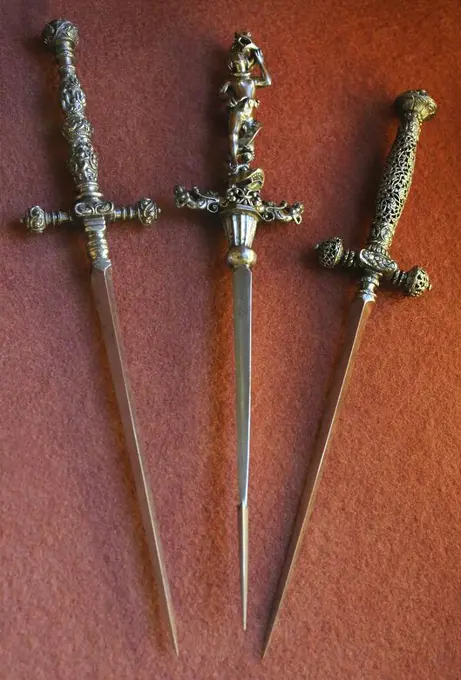
Antique Swords and Weapons

A curated selection of antique swords, including sabers, rapiers, and halberds, showcasing unique craftsmanship from different eras and cultural backgrounds.
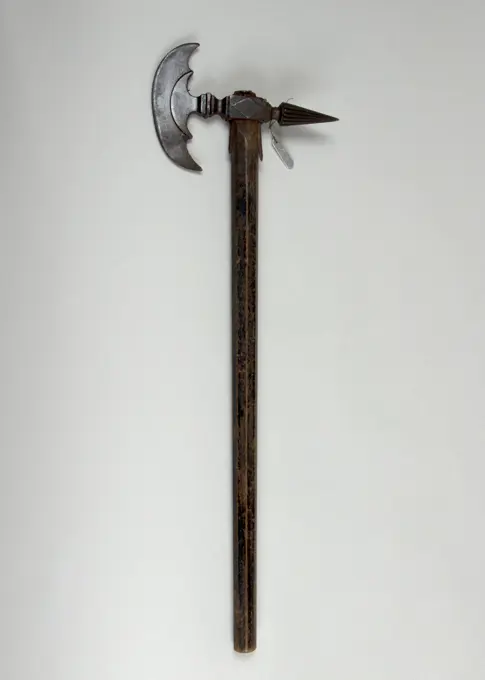
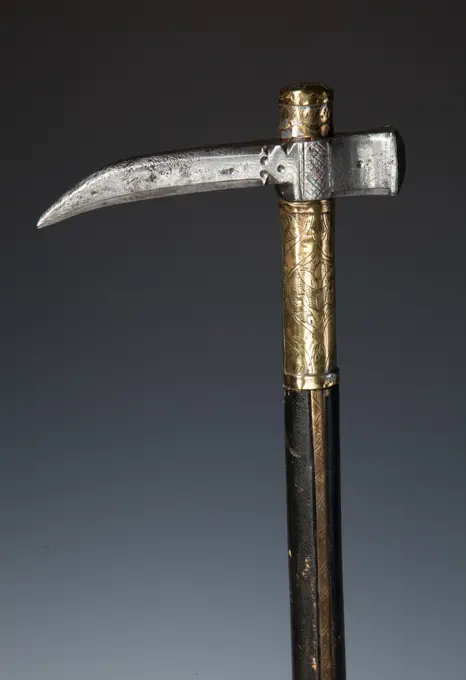
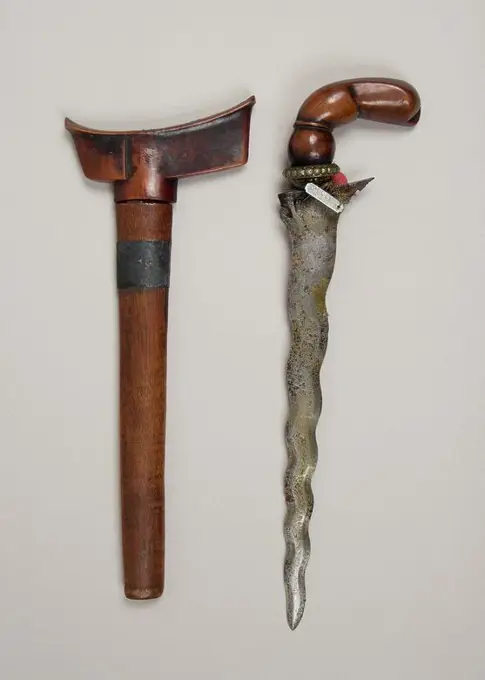
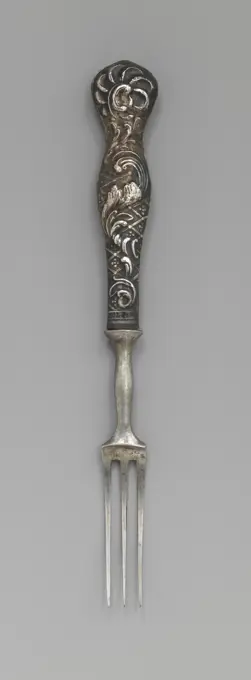
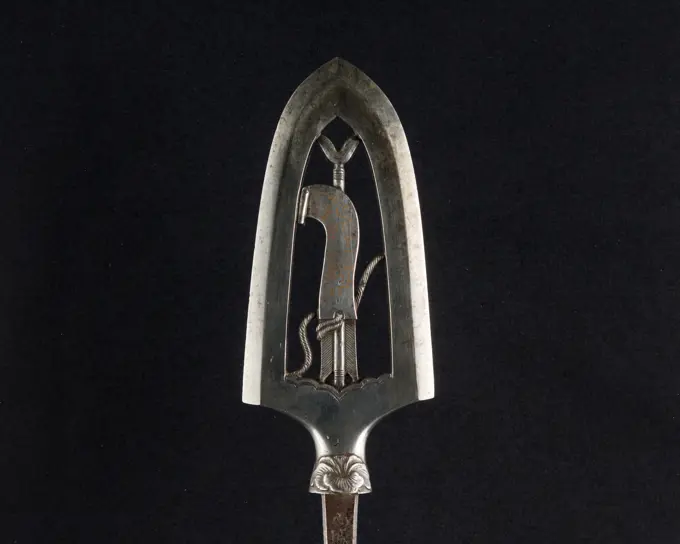
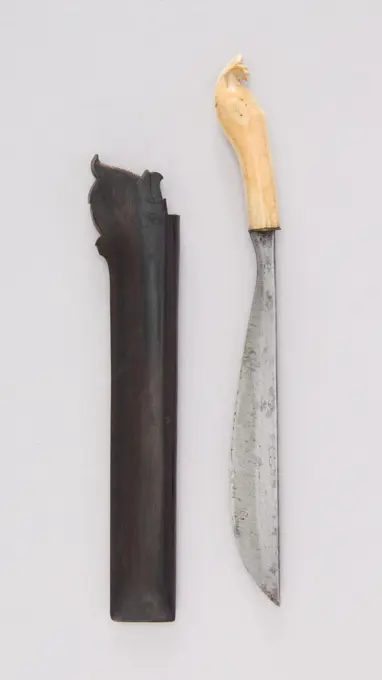
Axe 19th century Turkish. Axe. Turkish. 19th century. Steel, wood. Shafted Weapons
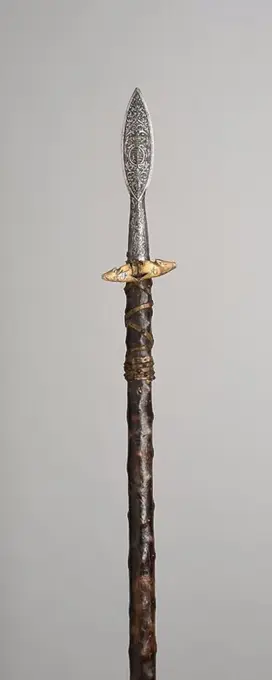
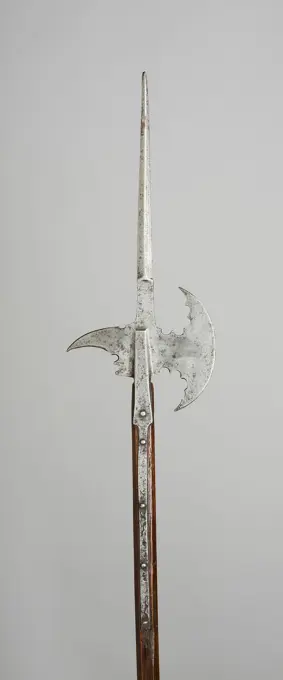
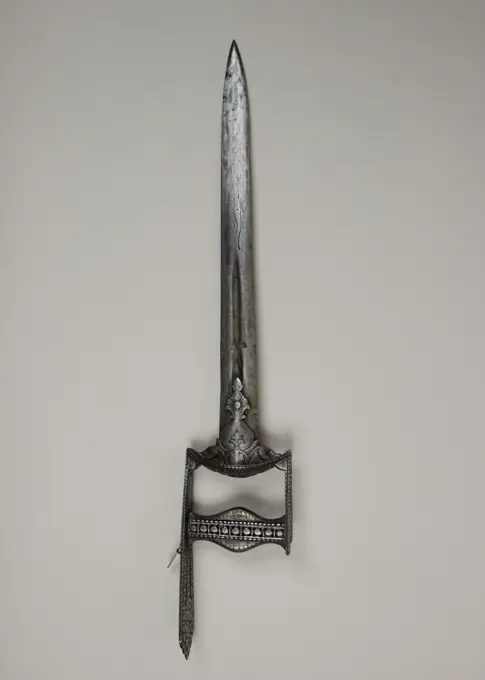
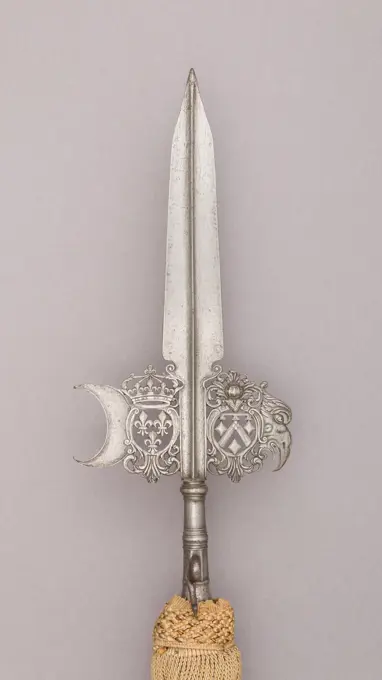
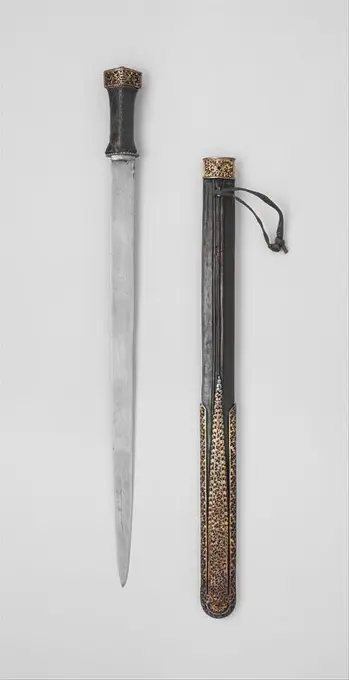
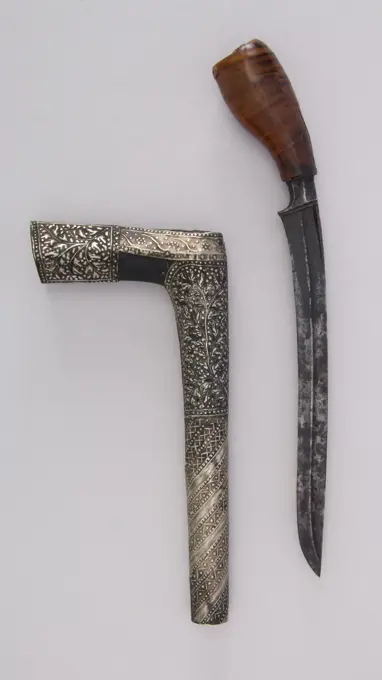
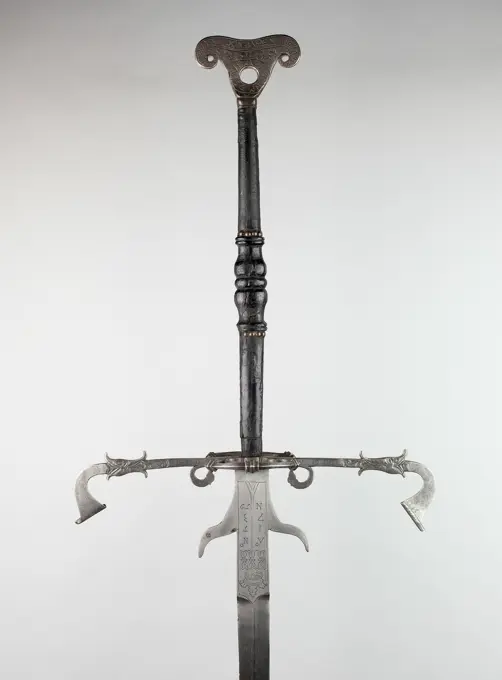
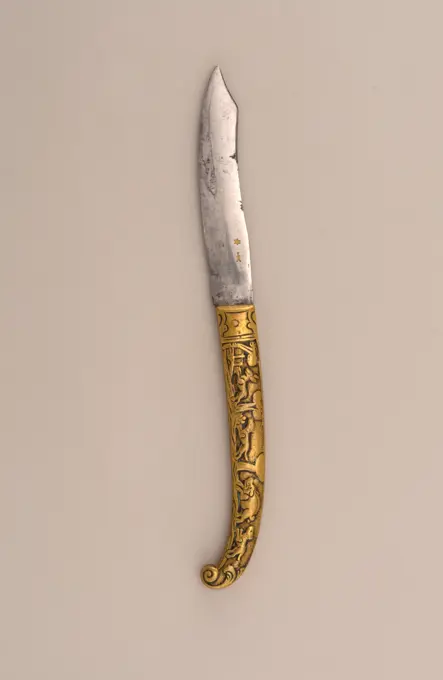
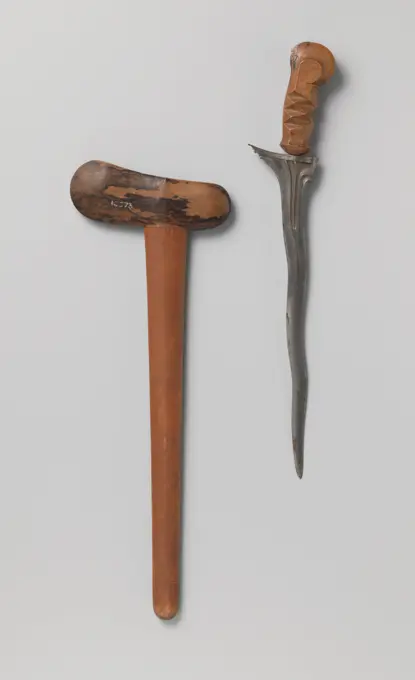
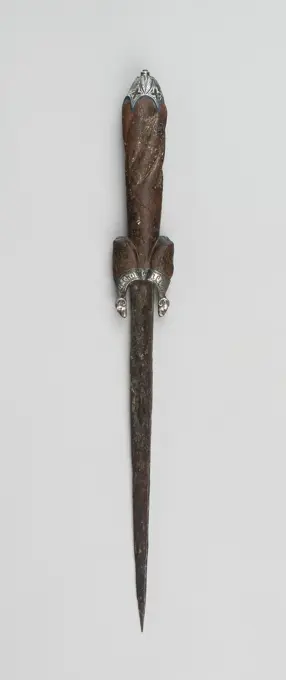
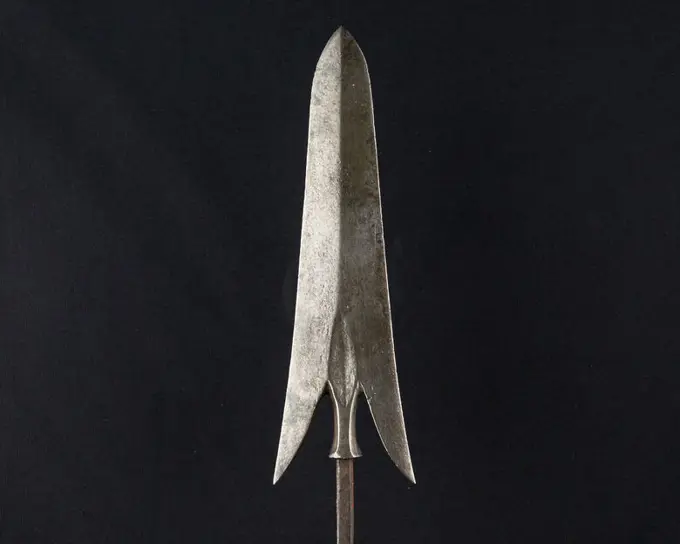
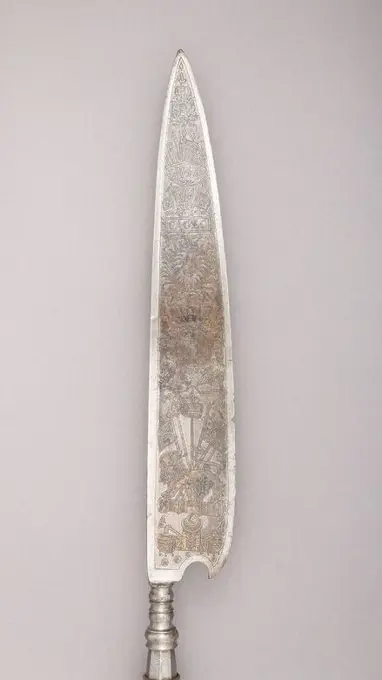
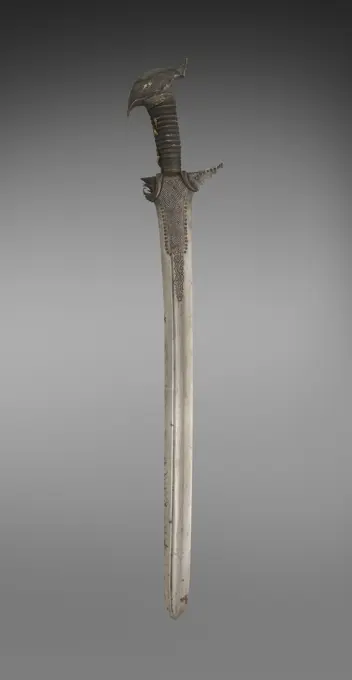
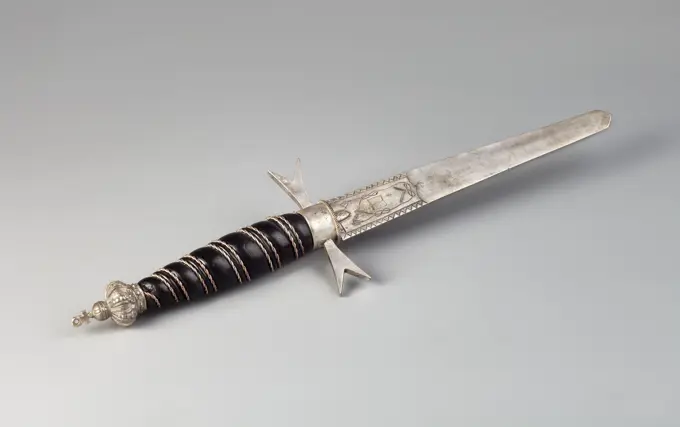
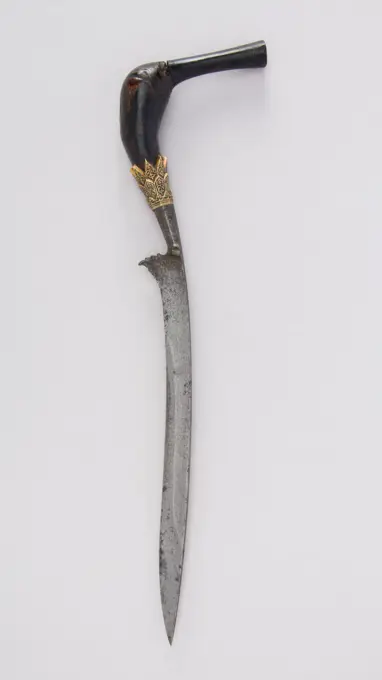
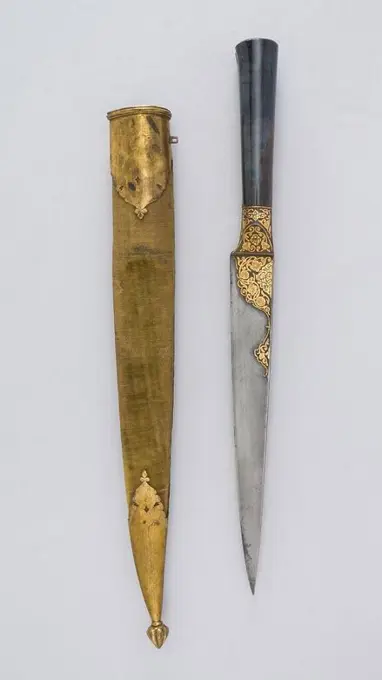
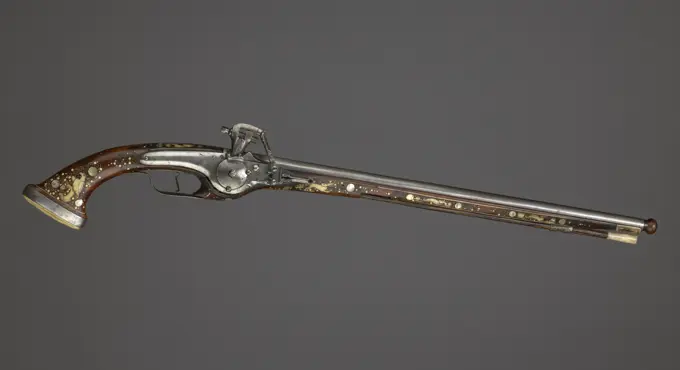
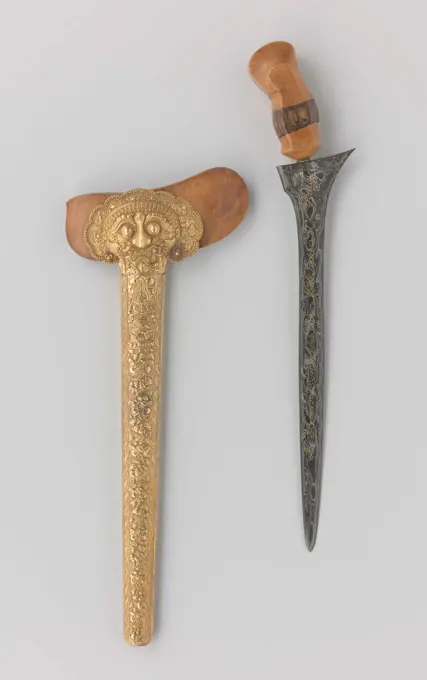
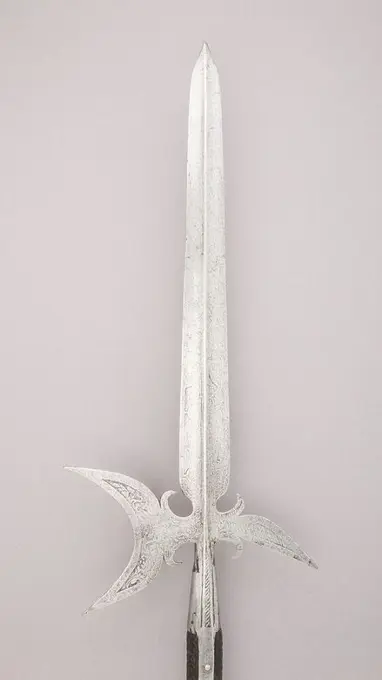
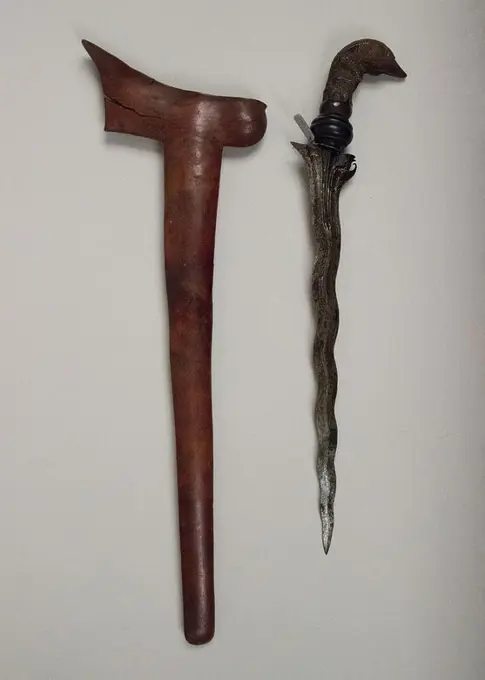
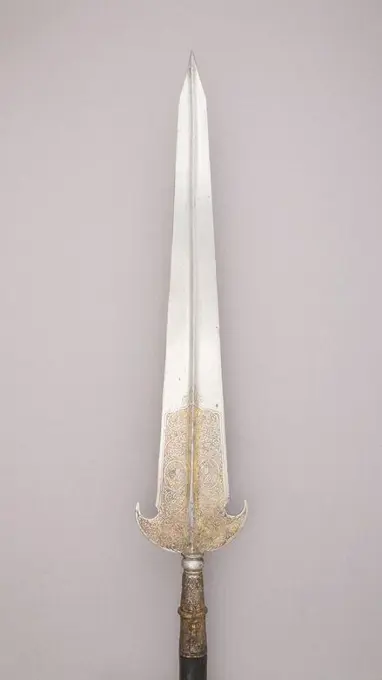
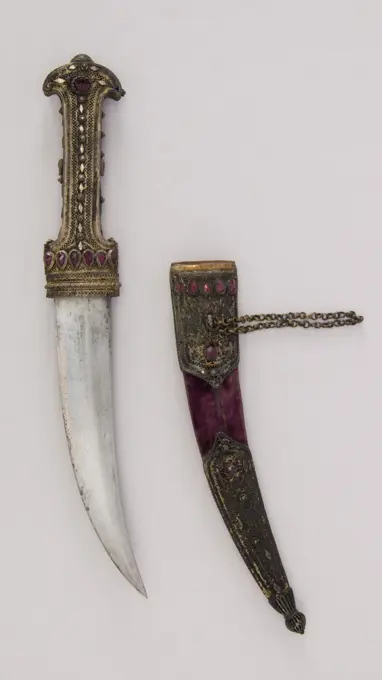
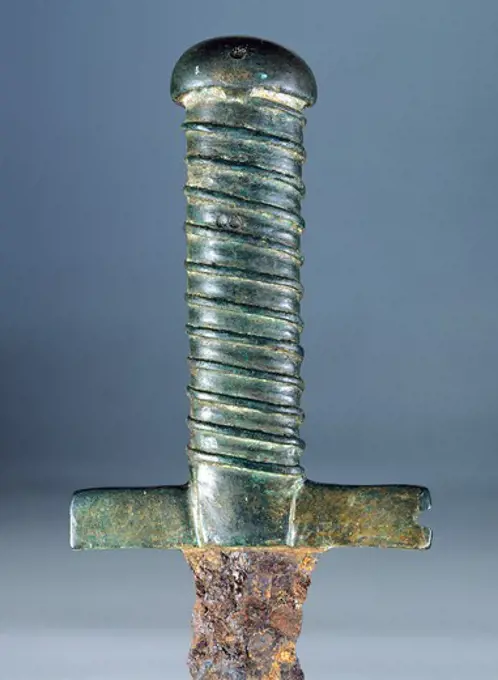
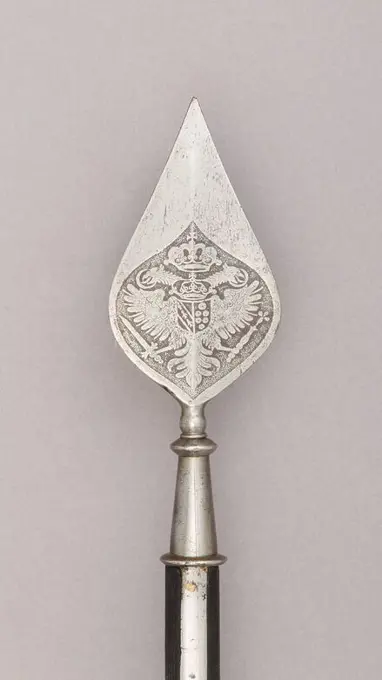
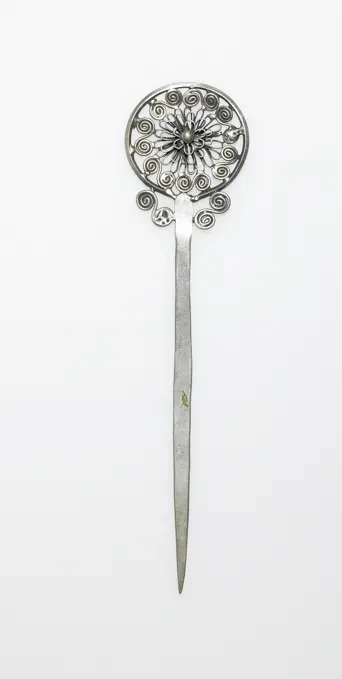
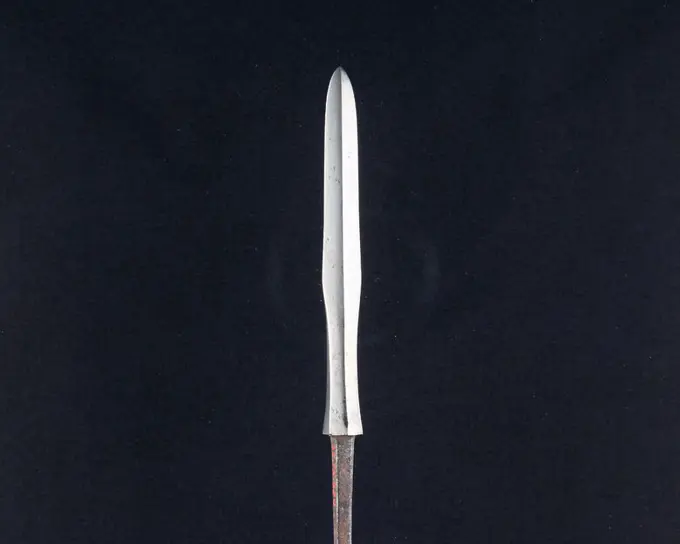
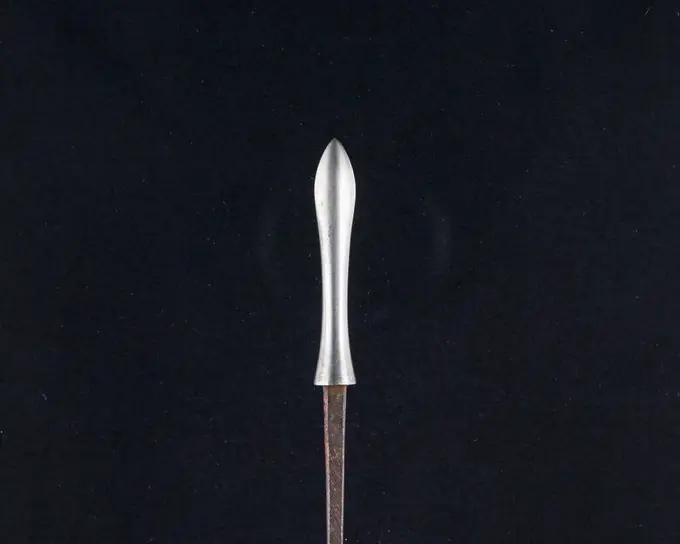
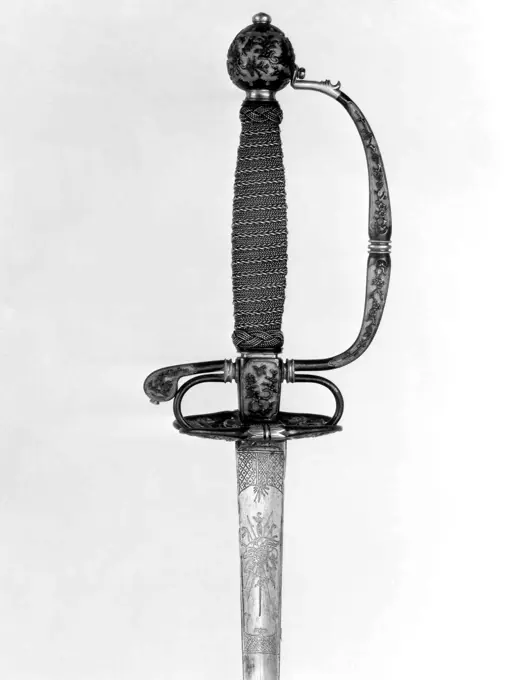
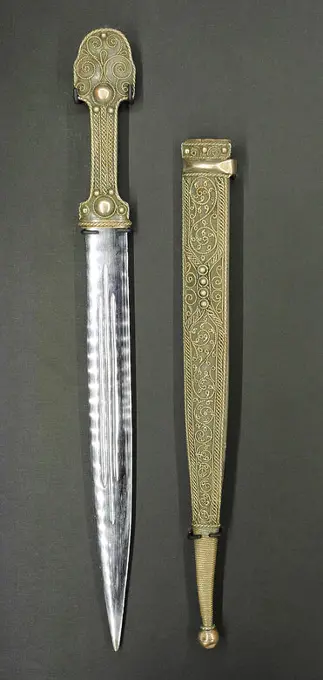
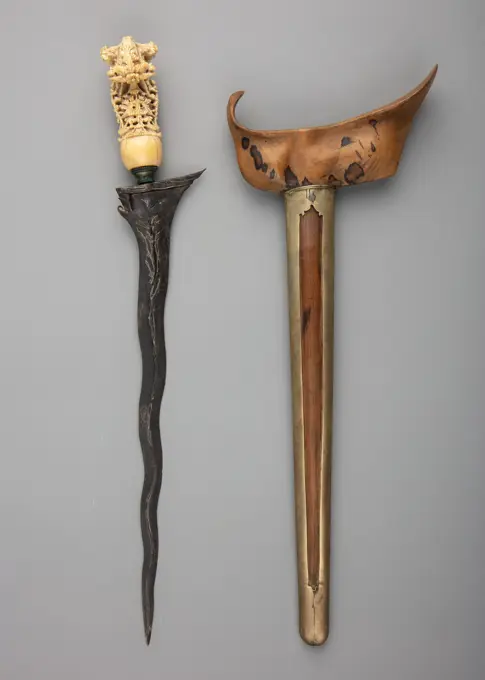
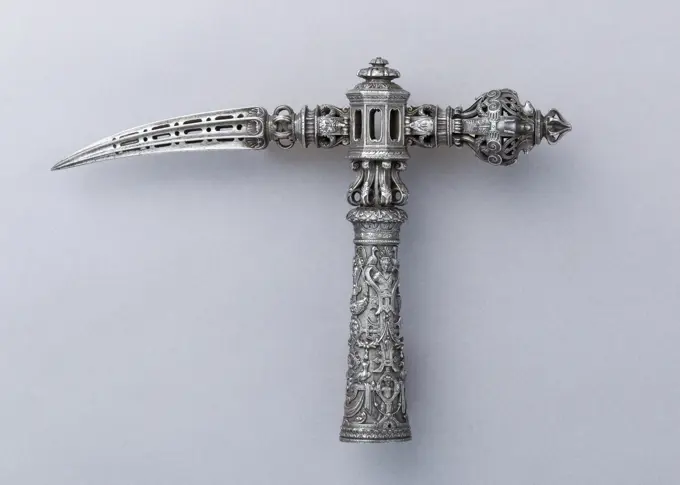
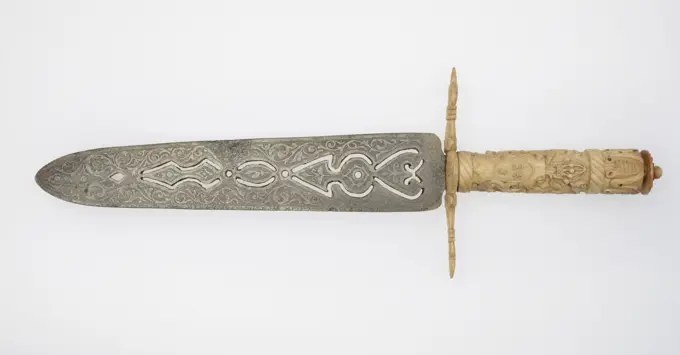
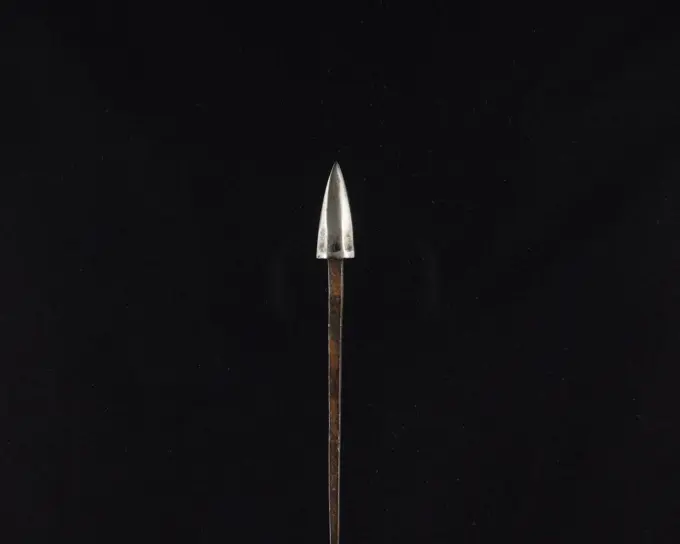
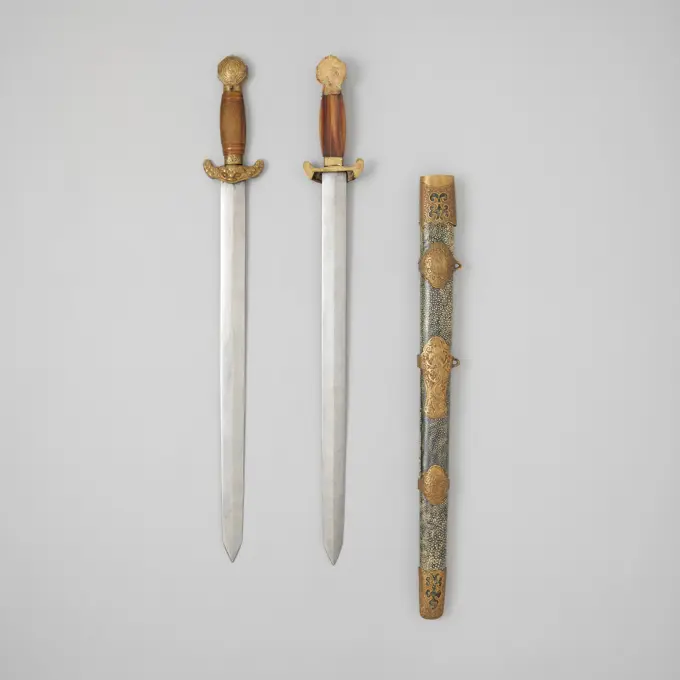
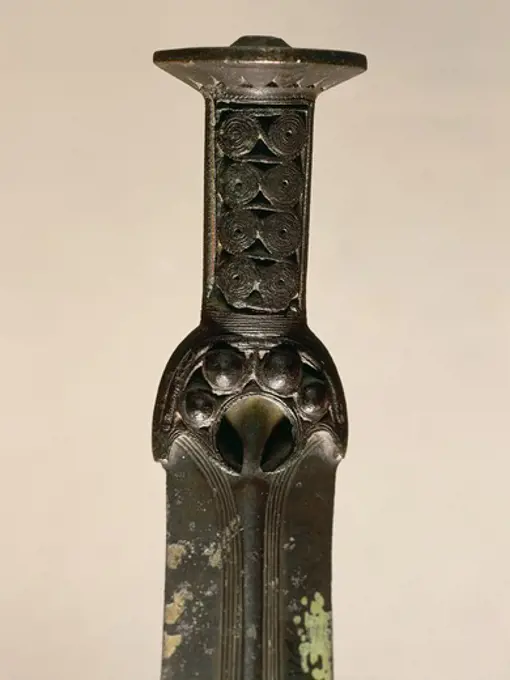
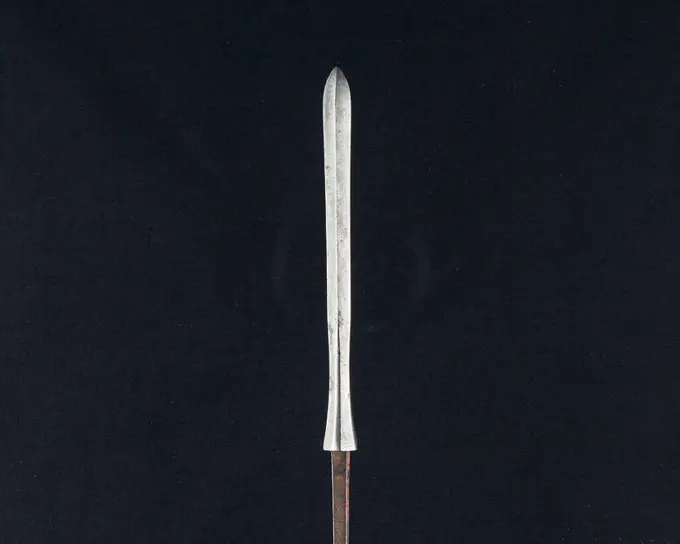
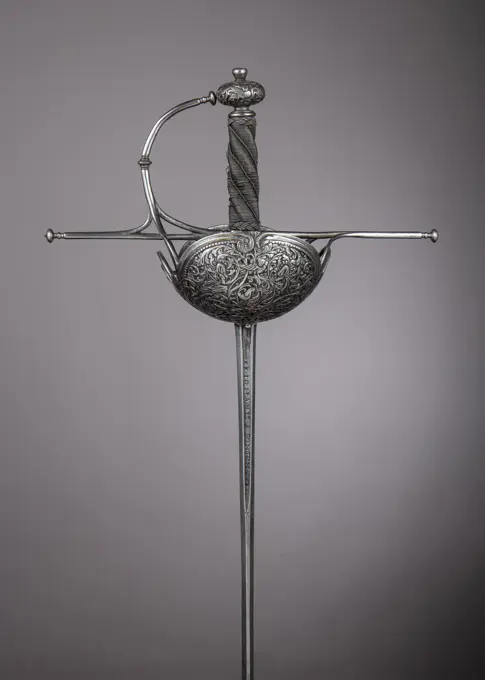
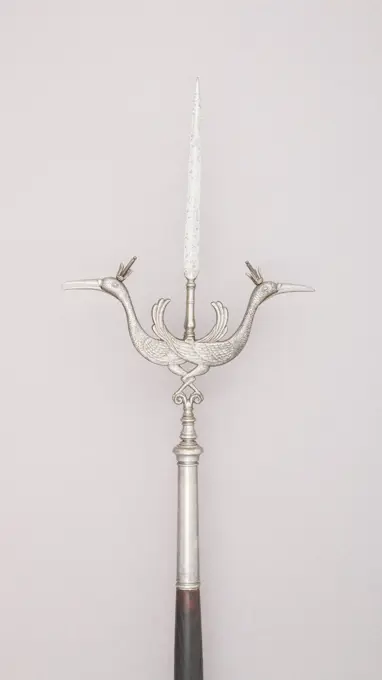
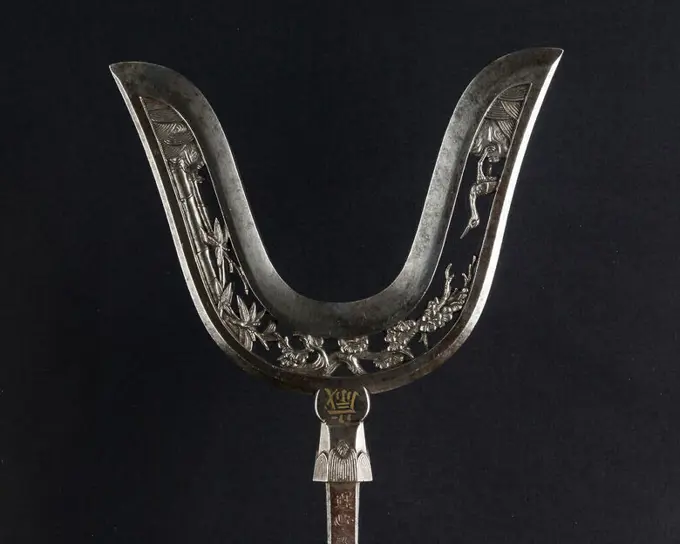
Sabel of the Minister Cavalerie No. 2, Anonymous, 1815 sabre Sabel der Heavy Cavalry No. 2, Right with one groove and half a blade. Iron hilt with two side brackets. Marked: AKN 2 H N 78 and A 2 N 765, 1815. The sheath is missing and the blade is broken.  Kling, handle hood, bracket: Iron (metal). Pump plate: Iron (metal). Handle: Leather   NetherlandsBoar Spear. Austrian. Date: 1680-1700. Dimensions: L. 149.9 cm (59 in.)Wt. 3.5 lb. Steel, brass, staghorn, leather, wood, and silk velvet. Origin: Austria. Museum: The Chicago Art Institute, Chicago, USA.Rapier German ca. 1600 The rapier was the principal civilian sidearm throughout the sixteenth and seventeenth centuries. Designed for cut-and-thrust fencing of progressively complex techniques, the rapier is characterized by a double-edged blade with an acute point and an elaborate guard for the hand. The guards, usually of iron or steel, were subject to a variety of embellishment. They were engraved, chiseled, gilded, damascened, and encrusted in gold and silver in keeping with fashionable styles. Unless otherwise noted, the materials, attributions, and dating given here refer to the hilts. Rapier blades, invariably of steel, bear a variety of makers marks denoting their origin in the two principal centers of blademaking, Toledo in Spain and Solingen in Germany. View more. Rapier. German. ca. 1600. Steel. SwordsKnife (England); steel, silver, gold, ivory, bone; L x W: 22.5 x 1.7 cm (8 7/8 x 11/16 in.); The Robert L. Metzenberg Collection, gift of Eleanor L. Metzenberg; 1985-103-83Halberd 1525-1550 Italy. Steel and wood (oak) .Dagger (Katar) 18th-19th century hilt, South Indian; blade, European. Dagger (Katar) 31475Hunting Hangar with Calendar Blade 1534 Munich. Steel with gilding, wood, and brass wire .Dessert Knife, c. 1880. Maison Cardeilhac (French). Gilt silver and ivory ; overall: 25.2 x 1.9 x 1.3 cm (9 15/16 x 3/4 x 1/2 in.).Axe 19th century Turkish. Axe. Turkish. 19th century. Steel, wood. Shafted WeaponsPartisan 17th century French. Partisan 32378Spontoon 17th century French. Spontoon 26721Sword and Scabbard. Culture: Southern or eastern Tibetan. Dimensions: L. with scabbard 33 3/4 in. (85.7 cm); L. without scabbard 32 in. (81.3 cm); L. of blade 26 1/4 in. (66.7 cm); W. 2 1/2 in. (6.4 cm); Wt. 1 lb. 13 oz. (822 g); Wt. of scabbard 1 lb. 8.7 oz. (700 g). Date: 16th-18th century. Museum: Metropolitan Museum of Art, New York, USA.Hunting cordlasDagger (Chilanum) 17th century South Indian. Dagger (Chilanum) 31727Knife (Bade-bade) with Sheath 18th-19th century Minangkabau. Knife (Bade-bade) with Sheath 31858Kris with Sheath 16th-19th century Sumatran. Kris with Sheath 31379StuffTwo-Handed Sword for the Bodyguard of Julius, Duke of Brunswick-Lüneburg and Prince of Wolfenbüttel Made 1560-1580 Northern Germany. Iron, steel, brass, wood, and leather .Object ID #18804057; brass, steel; L x W: 19.7 x 1.6 cm (7 3/4 x 5/8 in.); The Robert L. Metzenberg Collection, gift of Eleanor L. Metzenberg; 1985-103-258Lucerne Hammer ca. 1520 Swiss. Lucerne Hammer. Swiss. ca. 1520. Steel, wood (ash). Shafted WeaponsPollaxe ca. 1470 French, Burgundy. Pollaxe 26713Kris van Bali with Schede, Anonymous, c. 1800 - c. 1899 kris Kris van Bali with the steel of the blade is damed as flames, with yellow sheath painted on one side. Taken on the Expedition of Lombok in 1894. Bali kling: iron (metal). greep, schede: wood (plant material)   LombokBalische kris, anonymous, c. 1500 - c. 1900 Kris, with flamed wooden sheath and ivory transverse piece. Steel ring with ruby red stones. Bali iron (metal). nickel (metal). wood (plant material). ivory. precious stone (material) Kris, with flamed wooden sheath and ivory transverse piece. Steel ring with ruby red stones. Bali iron (metal). nickel (metal). wood (plant material). ivory. precious stone (material)Knife, Steel, horn, gilding, Sabre-shaped blade, the shoulder etched and gilded. Waisted bolster, octagonal, engraved with stylized leaves. Horn handle tapering towards the point, oval in section, carved horizontal bands near bolster., probably Germany, early 18th century, cutlery, Decorative Arts, KnifeKnife (Kard) with Sheath 19th century Persian. Knife (Kard) with Sheath. Persian. 19th century. Steel, silver, irovy, velvet. KnivesBallock Dagger 1450-1500 Germany. Steel, silver, and wood .Arrowhead (Yanone). Culture: Japanese. Dimensions: L. 15 7/8 in. (40.4 cm); L. of head 6 1/4 in. (15.9 cm); W. 1 7/8 in. (4.8 cm); Wt. 4.8 oz. (136.1 g). Date: 18th century. Museum: Metropolitan Museum of Art, New York, USA.Partisan ca. 1620 Italian. Partisan 26782Shooter from a wall anchor of a house in Arnhem, Anonymous, c. 1400 - c. 1950 Shooter from a wall anchor, made of Gothic style. Coming from a house on the corner of Rijnstraat and Weverstraat in Arnhem. unknown iron (metal) Shooter from a wall anchor, made of Gothic style. Coming from a house on the corner of Rijnstraat and Weverstraat in Arnhem. unknown iron (metal)Cousa. Culture: German. Dimensions: L. 8 ft. 5 1/2 in. (257.8 cm); L. of head 27 1/8 in. (68.9 cm); W. 4 1/2 in. (11.4 cm); Wt. 6 lbs. 10.4 oz. (3016.4 g). Date: dated 1741. Museum: Metropolitan Museum of Art, New York, USA.Officers' label of the cavalry with sheath and ornament on the shot, Julien Coulaux, 1822 sabre Officers' label, French. The Kling says' Coulaux Freres. Klingenthal '. The handle is covered with leather and was walled with brass wire. The sheath is made of steel. Two loose rings. Cavalry and Marechaussee. Holling up to 17 cm. Klingenthal (Alsace) iron (metal). copper (metal). greep: brass (alloy). greep: leather. schede: steel (alloy)   NetherlandsSword (Panabas). Culture: Philippine, Malabang. Dimensions: H. 27 3/8 in. (69.5 cm); H. of blade 15 in. (38.1 cm); W. 3 in. (7.6 cm); Wt. 2 lb. 2.2 oz. (969.6 g). Date: 18th-19th century. Museum: Metropolitan Museum of Art, New York, USA.Dagger (Pesh-kabz) 19th century Iranian Although intended for ceremonial use, this dagger features discretely carved talismanic inscriptions of the kind found on arms and armor that were designed for battle. It bears a gold inlaid vase with flowers on both sides of the blade. Within the vase are Arabic inscriptions reading "Blessings from Allah" and "Victory from Allah.". Dagger (Pesh-kabz) 31701Combined Wheellock Spanner, Turnscrew, and Adjustable Powder Measure 1600-1700 Europe. Iron .Short Sword and Scabbard. Culture: Tibetan. Dimensions: L. with scabbard 24 in. (61 cm); L. without scabbard 20 5/8 in. (52.4 cm); L. of blade 16 1/2 in. (41.9 cm); W. 1 3/4 in. (4.5 cm); Wt. 12.1 oz. (343 g); Wt. of scabbard 13 oz. (368.5 g). Date: 18th-19th century. Museum: Metropolitan Museum of Art, New York, USA.PLUMA. Location: PRIVATE COLLECTION. MADRID. SPAIN.Sword (Kris), Before 1916. Philippines. overall: 71.3 x 11.1 x 3.2 cm (28 1/16 x 4 3/8 x 1 1/4 in.); scabbard: 56.1 x 5.1 x 1.8 cm (22 1/16 x 2 x 11/16 in.).Spear. Culture: Italian. Dimensions: L. 94 1/2 in. (240 cm); L. of head 24 1/4 in. (61.6 cm); W. 13 3/8 in. (34 cm); Wt. 5 lbs. 8.4 oz. (2506.1 g). Date: 15th century. Museum: Metropolitan Museum of Art, New York, USA.Maso dagger;  around 1900 (1895-00-00-1905-00-00);Circus and carbon (Masonic emblems), Masonic Lodge, Freemasonry, Cord (Masonic symbol), FreemasonryKnife (Bade-bade) 16th-19th century Sumatran, Acheen. Knife (Bade-bade) 31669Dagger (Kard) with Sheath. Culture: Persian, Qajar. Dimensions: L. with sheath 18 7/8 in. (47.9 cm); L. without sheath 15 in. (38.1 cm); W. 1 1/4 in. (3.2 cm); Wt. 1 lb. 0.3 oz. (462.1 g); Wt. of sheath 4.4 oz. (124.7 g). Date: ca. 1800.The hilt and the blade are both decorated in gold with religious inscriptions, including some fo the ninety-nine names of Allah. Museum: Metropolitan Museum of Art, New York, USA.One of a pair of pistolsCombined Axe-Flintlock Gun-Dagger Made 1660-1680 Silesia. Just as other European centers were turning away from dense inlay decoration, the taste flourished in the region of Silesia, on the border between eastern Germany and Poland. The pieces generally featured folk-inspired motifs, with hunting dogs pursuing rabbits, foxes, and deer. Mother-of-pearl was also favored as an inlay, adding flashiness.Though its practicality might be questioned, the combination axe-gun-dagger was a common curiosity weapon that was widely collected in the region.. Steel, fruitwood, staghorn, and mother-of-pearl .Kris of Governor-General Baud.J.C. Baud, Governor-General of the Dutch East Indies, was presented with this kris by Mangkoe Adie Ningrat, ruler of Pamekasan, during his inspection tour on Java and Madura in 1834. The exchange of gifts between native rulers and Dutch officials was important in maintaininggood diplomatic relations. A kris, as a symbol of power that protected its wearer against evil, was a highly appropriate gift.Halberd. Culture: German. Dimensions: L. 93 3/4 in. (238 cm); L. of head 25 in. (63.5 cm); W. 10 1/2 in. (26.6 cm); Wt. 6 lbs. 3 oz. (2810 g). Date: ca. 1600. Museum: Metropolitan Museum of Art, New York, USA.Spontoon 18th century Italian. Spontoon. Italian. 18th century. Steel, wood (ash). Shafted WeaponsDaggerSmallsword Made 1730-1760 France. Smallswords, though developed as civilian weapons to be worn with formal court dress, were also used by infantry officers and high-ranking field commanders in battle. Designed for military use, this example is fitted with a coliche-marde blade, which has a widened section at the fort near the hilt to strengthen the blade against heavy attacks.. Steel, gilding, silver, and wood .Kris with Sheath. Culture: Malayan. Dimensions: L. with sheath 24 1/4 in. (61.6 cm); L. without sheath 18 9/16 in. (47.1 cm); L. of blade 14 3/4 in. (37.5 cm); W. 4 1/4 in. (10.8 cm); Wt. 7.4 oz. (209.8 g); Wt. of sheath 9.4 oz. (266.5 g). Date: 18th-19th century. Museum: Metropolitan Museum of Art, New York, USA.Knife with a sheathPartisan. Culture: French. Dimensions: L. 98 1/4 in. (249.6 cm); L. of head 28 9/16 in. (72.5 cm); W. 5 7/16 in. (13.8 cm); Wt. 5 lbs. 12.1 oz. (2611 g). Date: ca. 1625. Museum: Metropolitan Museum of Art, New York, USA.Sword. Culture: China. Dimensions: L. 22 1/8 in. (56.2 cm). Date: ca. 4th-3rd century B.C.. Museum: Metropolitan Museum of Art, New York, USA.Dagger (Katar) 18th century Indian. Dagger (Katar) 31540Partisan ca. 1740 Austrian. Partisan 27023Dagger (Jambiya) with Sheath 18th-19th century Maltese. Dagger (Jambiya) with Sheath 31749Dagger with Sheath 18th-19th century Philippine, Mindanao. Dagger with Sheath 31560Hunting cordlasKnife (Piha Kaetta) with Sheath 18th-19th century Sri Lankan. Knife (Piha Kaetta) with Sheath 31555Crutch Dagger (Zafar Takieh, "Cushion of Victory") with Sheath 18th-19th century Indian, Mughal. Crutch Dagger (Zafar Takieh, "Cushion of Victory") with Sheath 31401Iron and bronze sword, from the region of Cerkassy, Ukraine, Cimmerian Civilization, 8th Century BC.Lance. Culture: Austrian. Dimensions: L. 75 1/4 in. (191.1 cm); L. of head 8 1/2 in. (21.6 cm); W. 3 1/8 in. (7.9 cm); Wt. 1 lb. 14.4 oz. (861.8 g). Date: 18th century. Museum: Metropolitan Museum of Art, New York, USA.Dagger 18th-19th century Indian, Mughal. Dagger. Indian, Mughal. 18th-19th century. Steel, jade, gold, diamond, emerald, ruby, agate. DaggersHair pin, 7 x 1 3/4 x 1/4 in. (17.78 x 4.45 x 0.64 cm), Silver, ChinaArrowhead (Yanone). Culture: Japanese. Dimensions: L. 10 1/8 in. (25.7 cm); L. of head 3 5/8 in. (9.2 cm); W. 5/16 in. (0.8 cm); Wt. 1.1 oz. (31.2 g). Date: 18th century. Museum: Metropolitan Museum of Art, New York, USA.Caucasian knife with a vaginaKnife, steel, Integral. Saber-shaped blade, curved end. Pistol-butt handle with overall spiral pattern. End decorated with molded concentric rings and central button., Europe, ca. 1760, cutlery, Decorative Arts, KnifeDagger (Jambiya) with Sheath 18th century Syrian. Dagger (Jambiya) with Sheath. Syrian. 18th century. Steel, brass, silver, leather. DaggersArrowhead (Yanone). Culture: Japanese. Dimensions: L. 7 in. (17.8 cm); L. of head 2 1/8 in. (5.4 cm); W. 3/8 in. (1 cm); Wt. 0.8 oz. (22.7 g). Date: 18th century. Museum: Metropolitan Museum of Art, New York, USA.Kris with Sheath. Culture: Indonesian. Dimensions: L. with sheath 14 1/4 in. (36.2 cm); L. without sheath 13 5/8 in. (34.6 cm); L. of blade 11 1/4 in. (28.6 cm); W. 3 1/4 in. (8.3 cm); Wt. 7.7 oz. (218.3 g); Wt. of sheath 3.3 oz. (93.6 g). Date: 18th-19th century. Museum: Metropolitan Museum of Art, New York, USA.Halberd of Wolf Dietrich von Raitenau, Prince-Archbishop of Salzburg (reigned 1587-1612) dated 1589 German. Halberd of Wolf Dietrich von Raitenau, Prince-Archbishop of Salzburg (reigned 1587-1612). German. dated 1589. Steel, wood, textile, copper alloy. Shafted WeaponsBronze Lime Spoon 15th-mid-16th century Peru; north coast (). Bronze Lime Spoon 309230Table fork 1812 () German. Table fork. German. 1812 (). Steel, silver. Metalwork-SteelHunting cordlasCeremonial Arrowhead (Yanone) dated 1645 Umetada Motoshige Japanese Large arrowheads, pierced and elaborately chiseled with landscapes, birds, flowers, dragons, and Buddhist divinities, were created to be admired for the beauty of their metalwork and design rather than for use in archery. This arrowhead is dated 1645 and signed by Umetada Motoshige (died 1675), a member of the Umetada school of swordsmiths, tsuba makers, and iron chiselers. It belongs to a group of more than thirty similarly signed and dated pieces in the Metropolitan Museum's collection (including acc. nos. 32.75.318, .321, .327, .330, .334, .337, .339-.340, .398-.399, .406, .409) that may have been made for presentation or as a votive offering to a shrine.. Ceremonial Arrowhead (Yanone). Japanese. dated 1645. Steel. Archery Equipment-ArrowheadsKris and Scabbard, 1800s. Indonesia, Bali. Metal; overall: 49.4 cm (19 7/16 in.).Guarded Dagger (Katar) 16th century Indian, Thanjavur; blade, European. Guarded Dagger (Katar) 31408Carving knife and fork 17th century French. Carving knife and fork. French. 17th century. Steel, bronze, mother-of-pearl over wood. Metalwork-SteelKnife (Golok) with Sheath 18th-19th century Malayan. Knife (Golok) with Sheath. Malayan. 18th-19th century. Ivory, wood. KnivesKnife; ivorySabre with scabbardSmallsword Hilt and Blade ca. 1730 hilt, Japanese, possibly Dejima; blade, European Sword hilts of European fashion made of shakudō, an alloy of copper and gold patinated to the blue-black color that was used in Japan for small decorative objects such as sword mountings, were probably fabricated for the Dutch East India Company at their trading post on the Japanese island of Deshima. Hilt elements like these were then exported to Holland, where they were fitted with grips and blades.. Smallsword Hilt and Blade 22933Rapier Italian ca. 1565-75 The rapier was the principal civilian sidearm throughout the sixteenth and seventeenth centuries. Designed for cut-and-thrust fencing of progressively complex techniques, the rapier is characterized by a double-edged blade with an acute point and an elaborate guard for the hand. The guards, usually of iron or steel, were subject to a variety of embellishment. They were engraved, chiseled, gilded, damascened, and encrusted in gold and silver in keeping with fashionable styles. Unless otherwise noted, the materials, attributions, and dating given here refer to the hilts. Rapier blades, invariably of steel, bear a variety of makers marks denoting their origin in the two principal centers of blademaking, Toledo in Spain and Solingen in Germany. View more. Rapier. Italian. ca. 1565-75. Steel, wood. Swords-HuntingFirst World War (1914-1918). Khanjali (kama), dagger used in the Caucasian units of the Russian army. Latvian War Museum. Riga. Latvia.Wheellock Rifle. East German of Polish (Silesia, possibly Teschen). Date: 1625-1650. Dimensions: L. 106.7 cm (42 in.)Barrel L. 80 cm (31 1/2 in.)Caliber .55Wt. 6 lb. 8 oz. Steel, fruitwood, staghorn, mother-of-pearl. Origin: Germany. Museum: The Chicago Art Institute, Chicago, USA.Kris with Sheath 18th-19th century Madurese. Kris with Sheath. Madurese. 18th-19th century. Steel, pelet wood (possibly kajoe), ivory (elephant), copper alloy. Madura, Jawa Timur. KrissesRapier hilt, German; blade, Spanish late 16th century The rapier was the principal civilian sidearm throughout the sixteenth and seventeenth centuries. Designed for cut-and-thrust fencing of progressively complex techniques, the rapier is characterized by a double-edged blade with an acute point and an elaborate guard for the hand. The guards, usually of iron or steel, were subject to a variety of embellishment. They were engraved, chiseled, gilded, damascened, and encrusted in gold and silver in keeping with fashionable styles. Unless otherwise noted, the materials, attributions, and dating given here refer to the hilts. Rapier blades, invariably of steel, bear a variety of makers marks denoting their origin in the two principal centers of blademaking, Toledo in Spain and Solingen in Germany. View more. Rapier. hilt, German; blade, Spanish. late 16th century. Steel. SwordsHead of a Ceremonial War Hammer ca. 1550 to ca. 1625 possibly Italian or French War hammers were carried as a sidearm by armored cavalrymen for much of the sixteenth century and generally have a hammer-like head opposite a spike or beak: one designed to strike a concussive blow, much like a mace, and the other to pierce or puncture. This example, although entirely of steel, is a ceremonial or symbolic weapon, distinguished by its extensive and exceptionally fine chiseled decoration.. Head of a Ceremonial War Hammer. possibly Italian or French. ca. 1550 to ca. 1625. Steel. Shafted WeaponsPseudo Renaissance daggerArrowhead (Yanone) 18th century Japanese Although today Japanese warriors are renowned most for their swordsmanship, archery, especially from horseback, has been an essential part of samurai warfare and culture for centuries. Arrows were fitted with heads of varying shape according to their intended use in war, the hunt, or target practice. Arrowheads made for use on the battlefield incorporated different designs intended for specialized purposes such as the piercing of armor or to cause maximum damage to horses and unarmored personnel.Large arrowheads, pierced and elaborately chiseled with landscapes, birds, flowers, dragons, and Buddhist divinities, were created to be admired for the beauty of their metalwork and design rather than for use in archery. Such highly elaborate examples may have been made for presentation or as a votive offerings to a shrine.. Arrowhead (Yanone). Japanese. 18th century. Steel. Archery Equipment-ArrowheadsKohl Stick. Iran, circa 150 B.C.-A.D. 225. Tools and Equipment. Bronze, castKnife (possibly Indonesia); steel; L x W: 20.4 x 2.5 cm (8 1/16 x 1 in.); The Robert L. Metzenberg Collection, gift of Eleanor L. Metzenberg; 1985-103-21Sword (Talwar) with Scabbard 18th century Indian. Sword (Talwar) with Scabbard. Indian. 18th century. Steel, silver, leather. SwordsDouble Sword with Scabbard 18th-19th century Chinese. Double Sword with Scabbard 27929Prehistory, Sweden, Bronze Age. Dagger from Segerstad. Detail of the hilt.Arrowhead (Yanone). Culture: Japanese. Dimensions: L. 11 in. (27.9 cm); L. of head 4 in. (10.2 cm); W. 1/4 in. (0.6 cm); Wt. 1.1 oz. (31.2 g). Date: 18th century. Museum: Metropolitan Museum of Art, New York, USA.smart dagger of the medieval soldier. It was used for huntingCup-Hilted Rapier ca. 1650-75 Johann Bongen The rapier was the principal civilian sidearm throughout the sixteenth and seventeenth centuries. Designed for cut-and-thrust fencing of progressively complex techniques, the rapier is characterized by a double-edged blade with an acute point and an elaborate guard for the hand. The guards, usually of iron or steel, were subject to a variety of embellishment. They were engraved, chiseled, gilded, damascened, and encrusted in gold and silver in keeping with fashionable styles. Unless otherwise noted, the materials, attributions, and dating given here refer to the hilts. Rapier blades, invariably of steel, bear a variety of makers marks denoting their origin in the two principal centers of blademaking, Toledo in Spain and Solingen in Germany.. Cup-Hilted Rapier. hilt, Italian, probably Naples; blade, German, Solingen. ca. 1650-75. Steel, iron, wood. probably Naples; Solingen. SwordsLinstock 17th century possibly French. Linstock 26710Ceremonial Arrowhead (Yanone). Culture: Japanese. Dimensions: L. 11 1/4 in. (28.6 cm); L. of head 4 3/4 in. (12.1 cm); W. 5 in. (12.7 cm); Wt. 6.4 oz. (181.4 g). Steel-chiseler: Umetada Motoshige (Japanese, Edo period, died 1675). Date: dated 1645.Large arrowheads, pierced and elaborately chiseled with landscapes, birds, flowers, dragons, and Buddhist divinities, were created to be admired for the beauty of their metalwork and design rather than for use in archery. This arrowhead is dated 1645 and signed by Umetada Motoshige (died 1675), a member of the Umetada school of swordsmiths, tsuba makers, and iron chiselers. It belongs to a group of more than thirty similarly signed and dated pieces in the Metropolitan Museum's collection (including acc. nos. 32.75.318, .321, .330, .334, .337, .339-.340, .398-.399, .403, .406, .409) that may have been made for presentation or as a votive offering to a shrine. The decoration includes symbols of long life and happiness: pine, bamboo, a cStilettoes. Ca. 1650. Brescia or Veneto, Italy. Knights' Hall. The State Hermitage Museum. Saint Petersburg. Russia.