Antique Tableware and Bowls

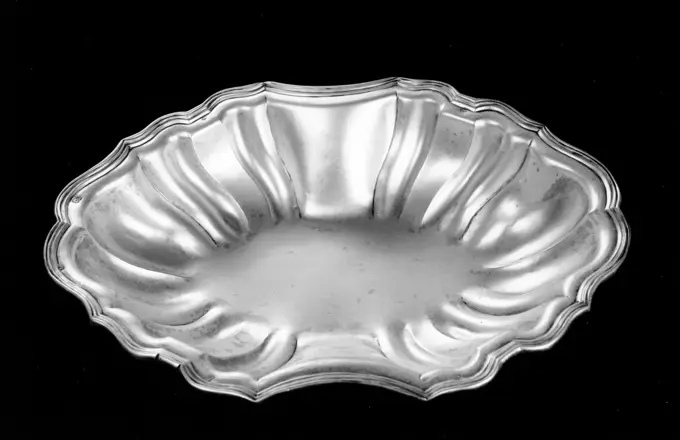
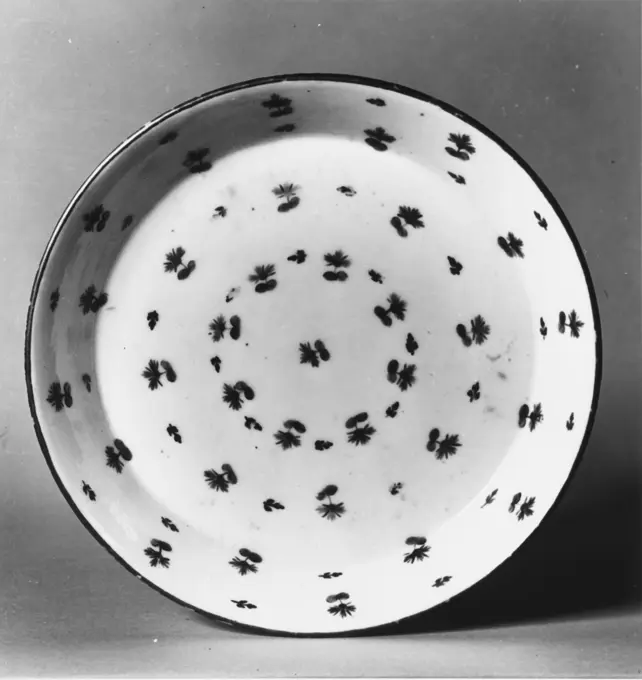
A selection of antique bowls and plates, showcasing intricate designs from different cultures, including faience and Chinese porcelain.

Cup late 16th-early 17th century China. Cup. China. late 16th-early 17th century. Porcelain painted in underglaze blue. Ming dynasty (1368-1644). Ceramics
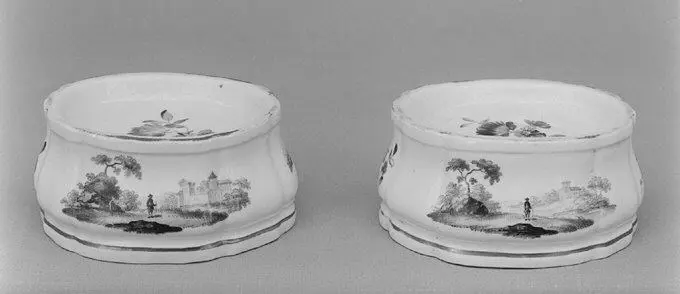
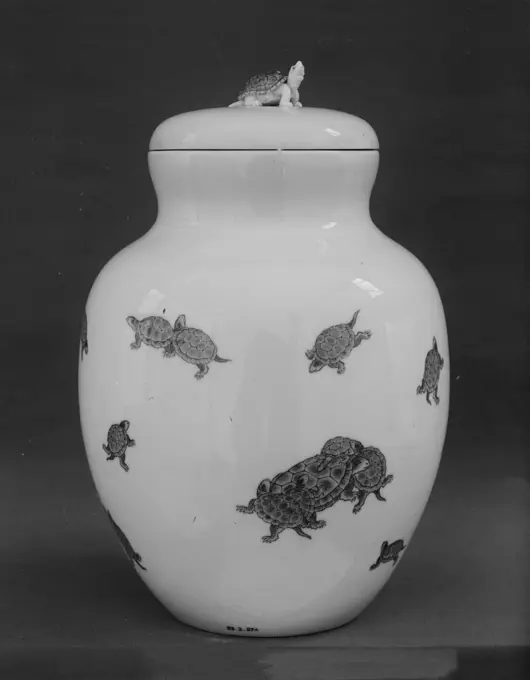
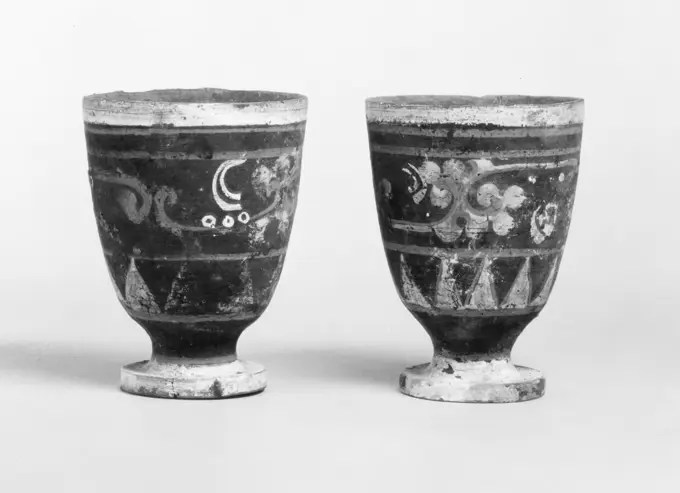
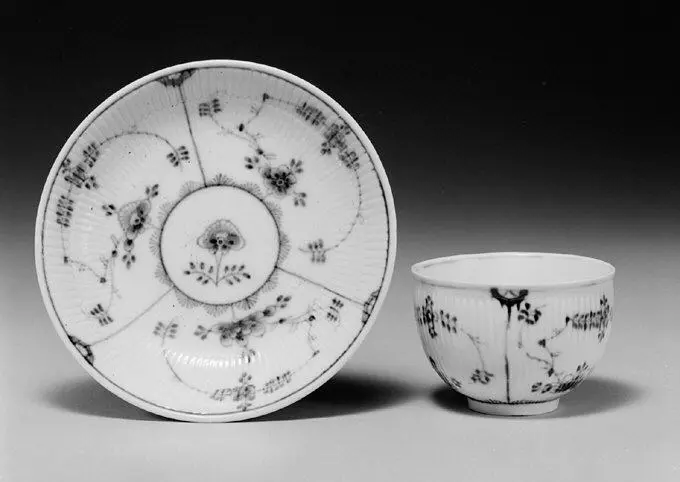
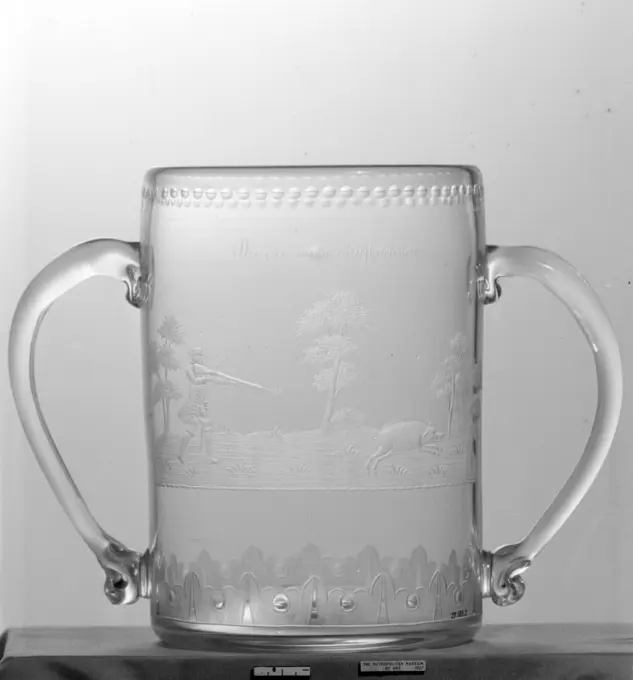
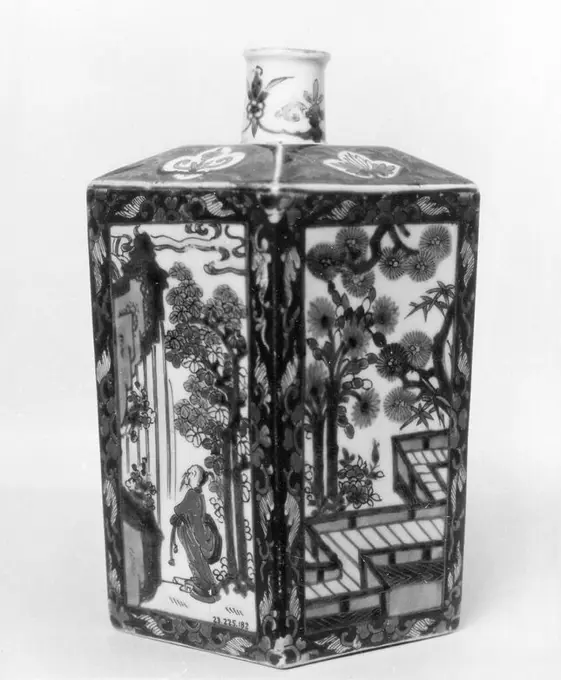
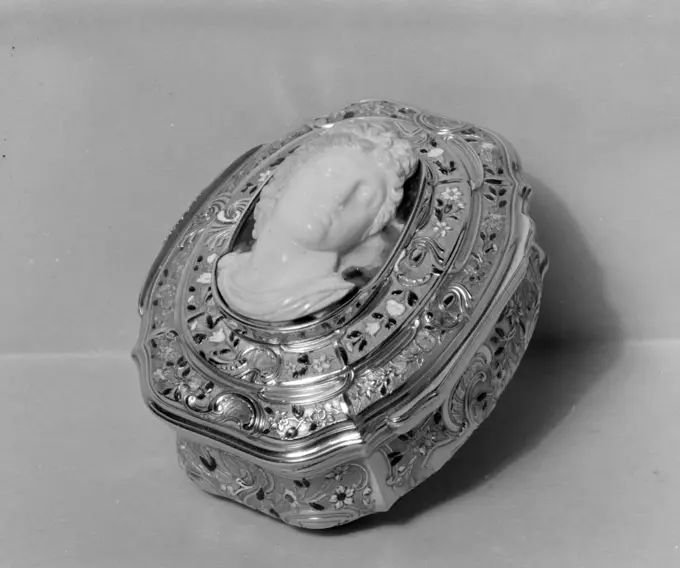
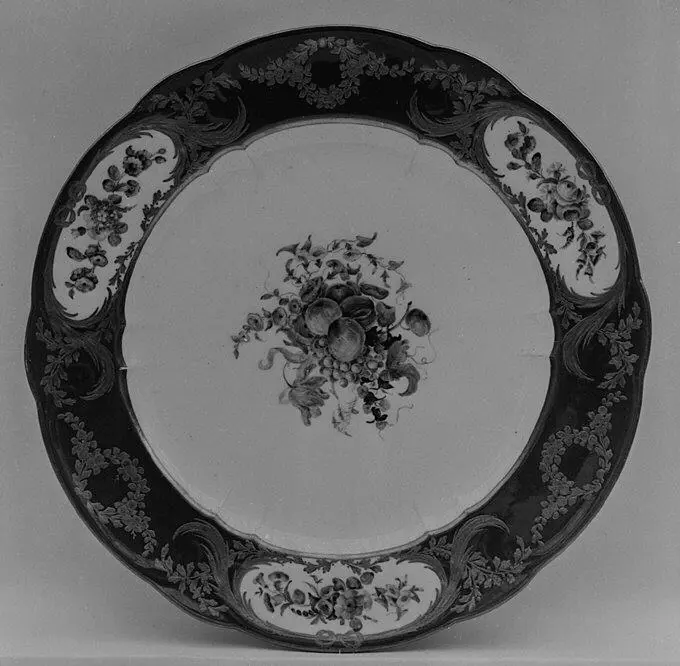
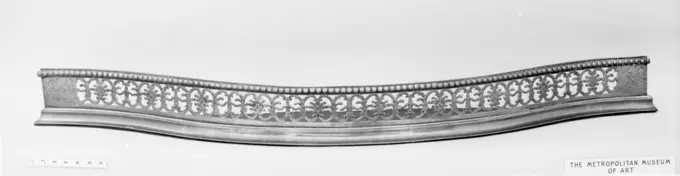
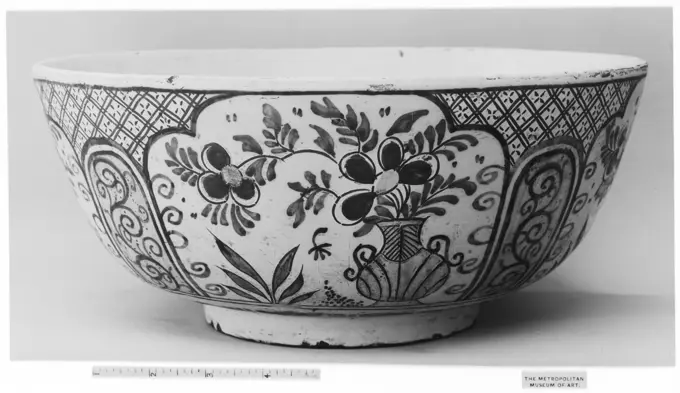
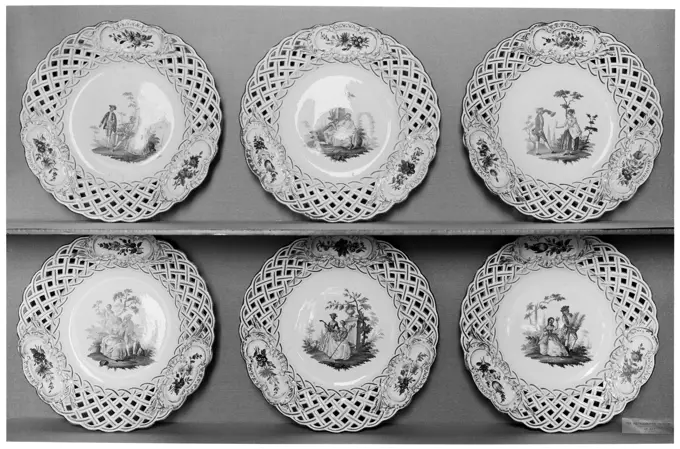
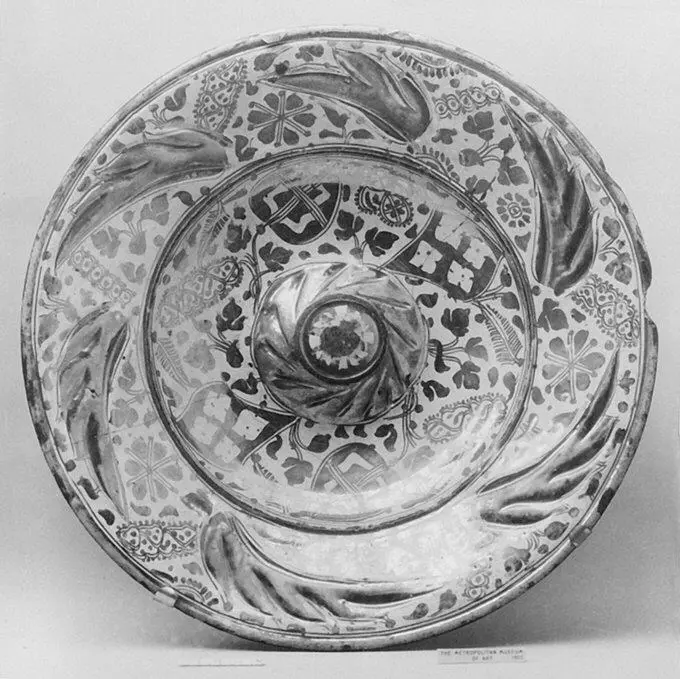
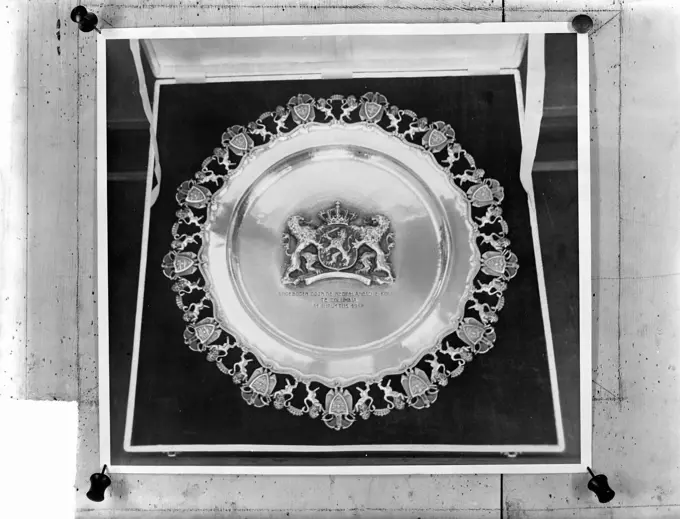
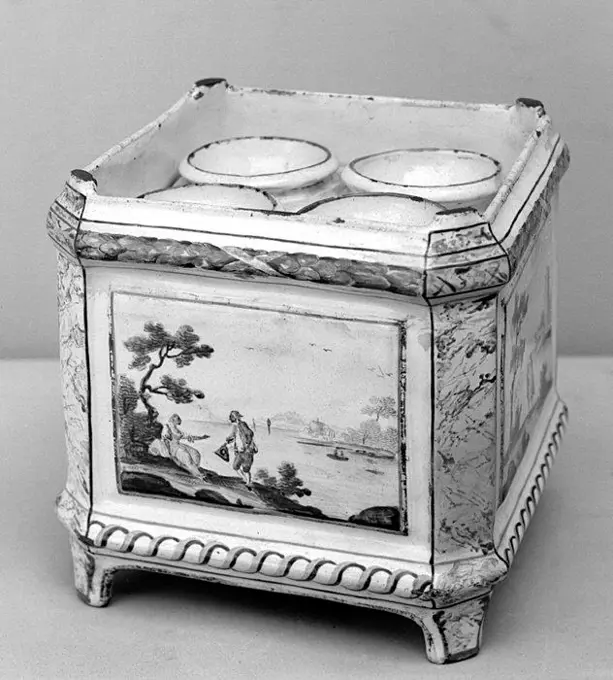
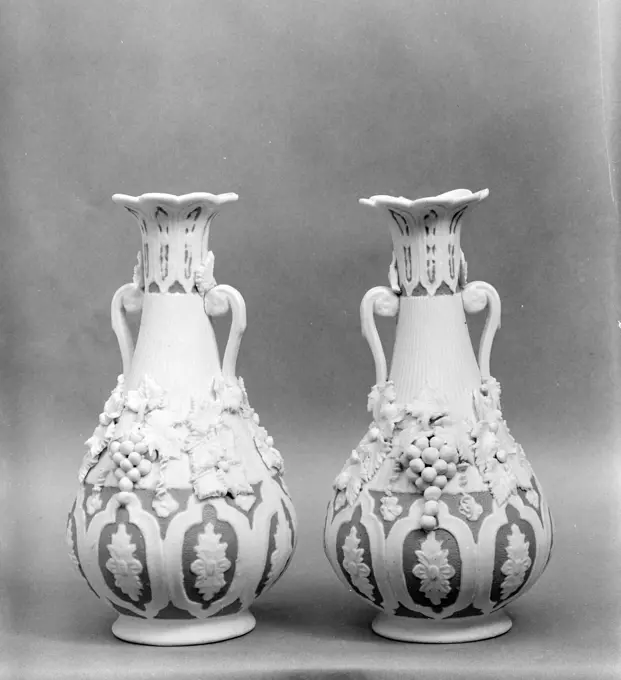
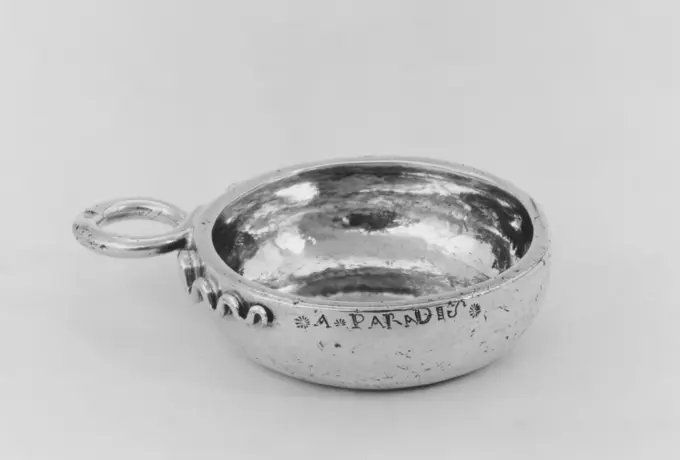
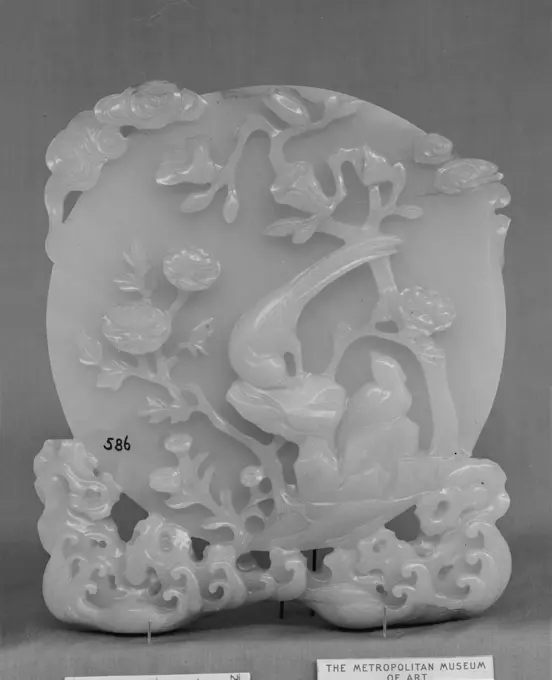
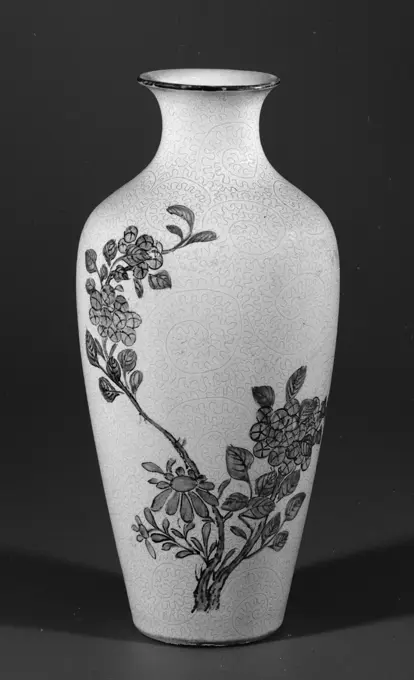
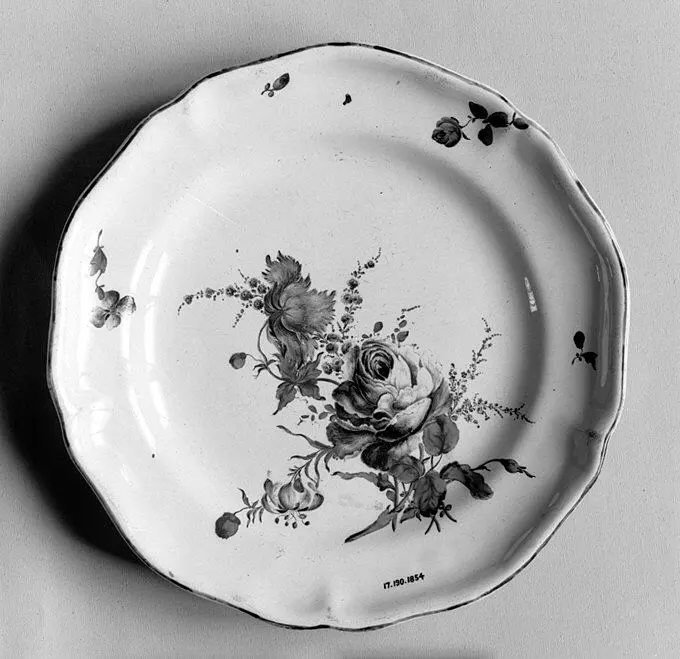
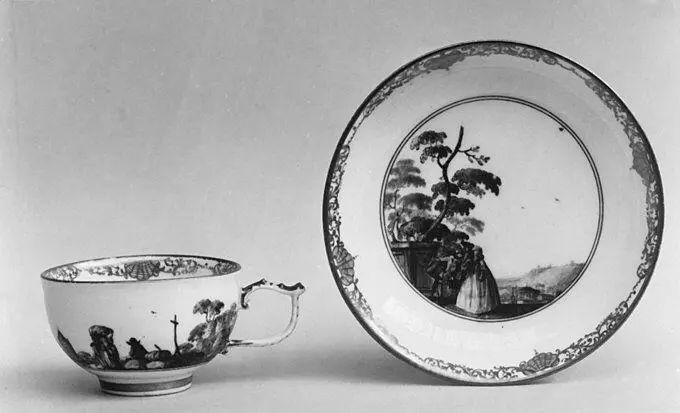
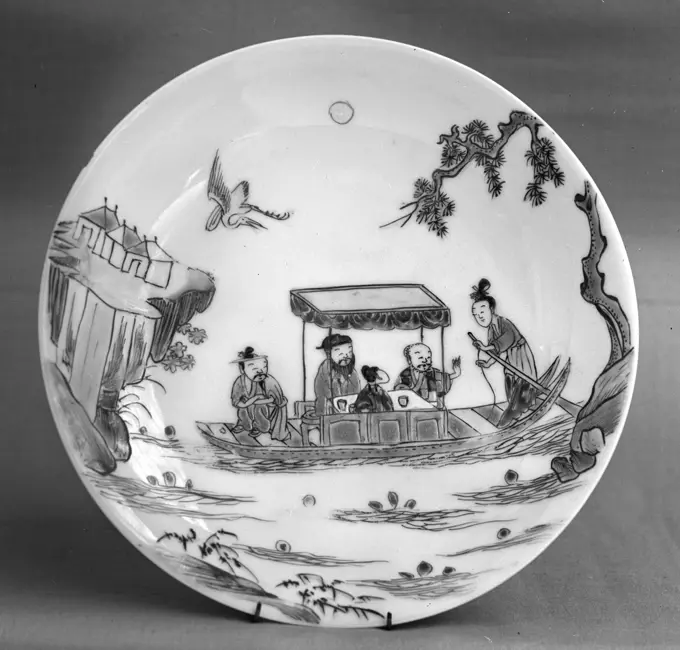
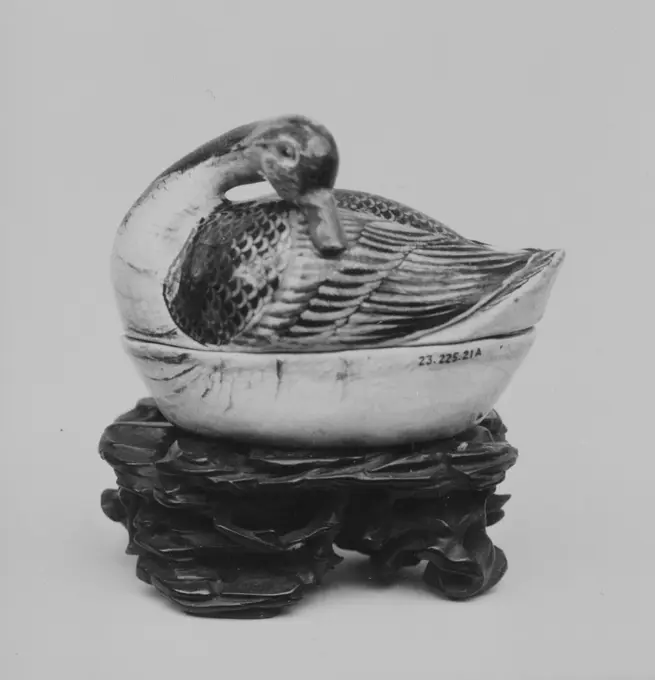
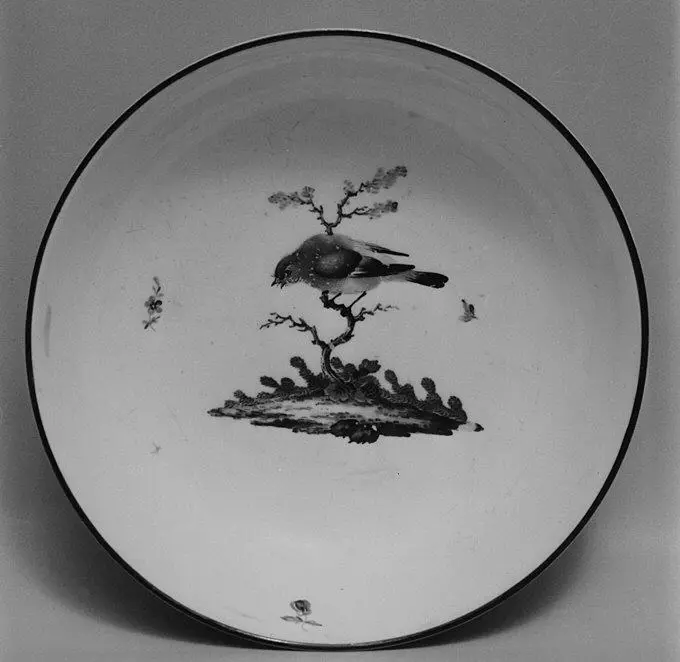
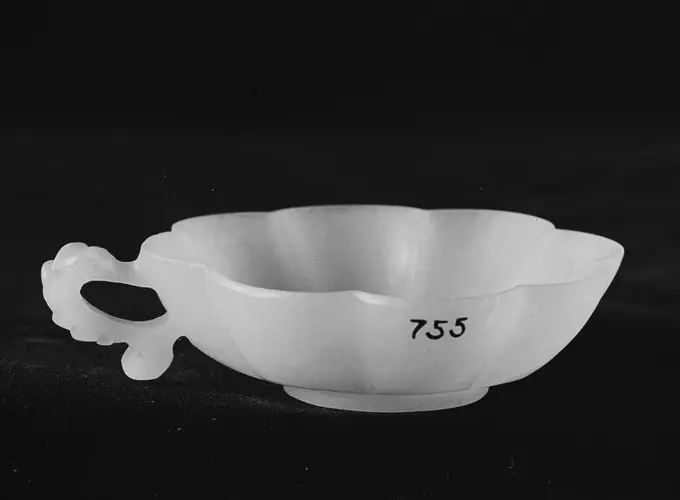
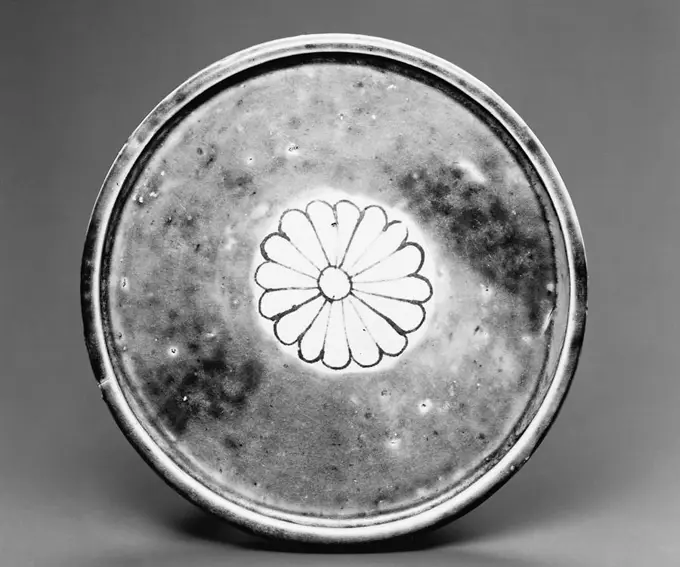
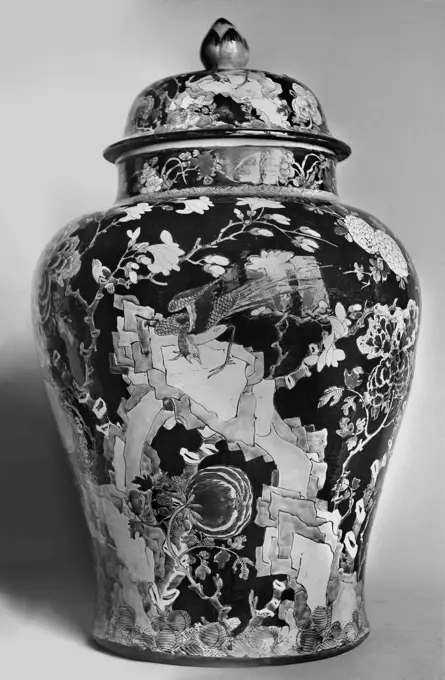
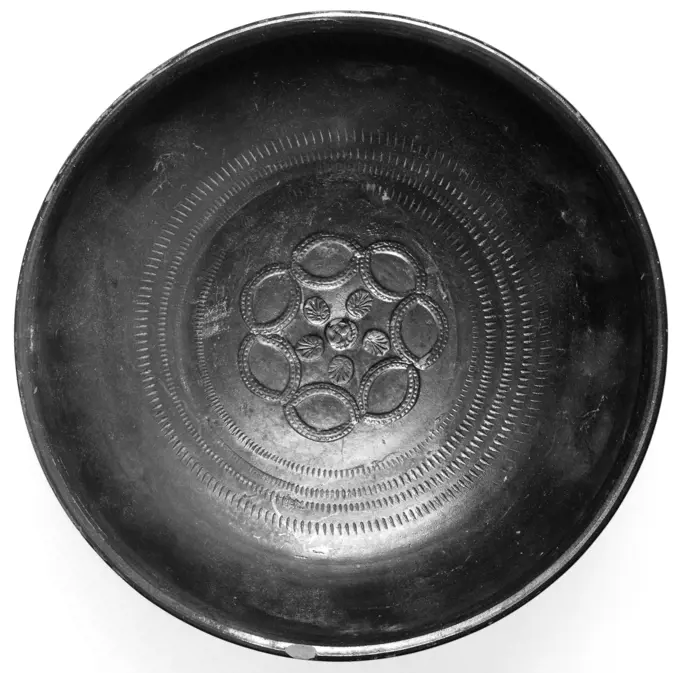
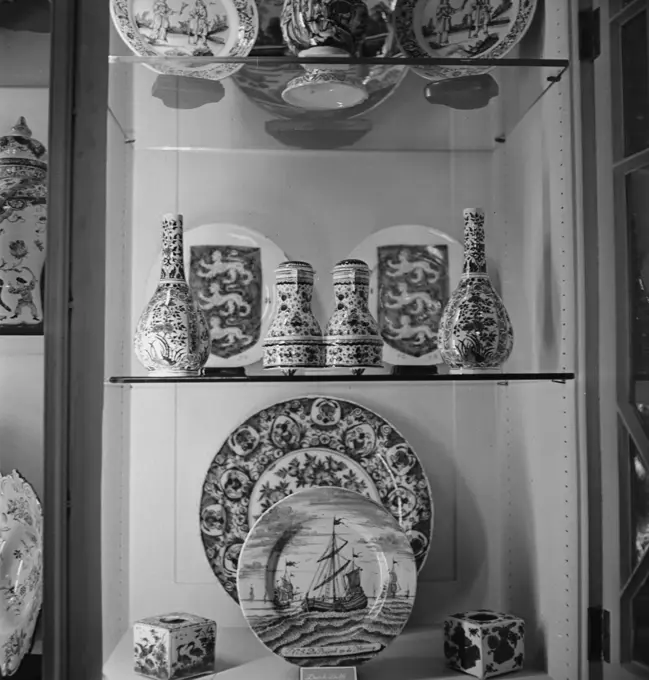
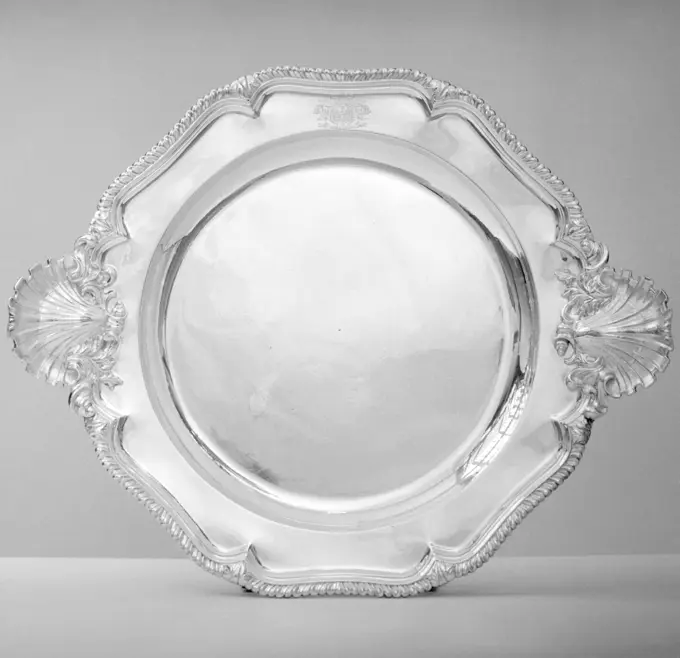
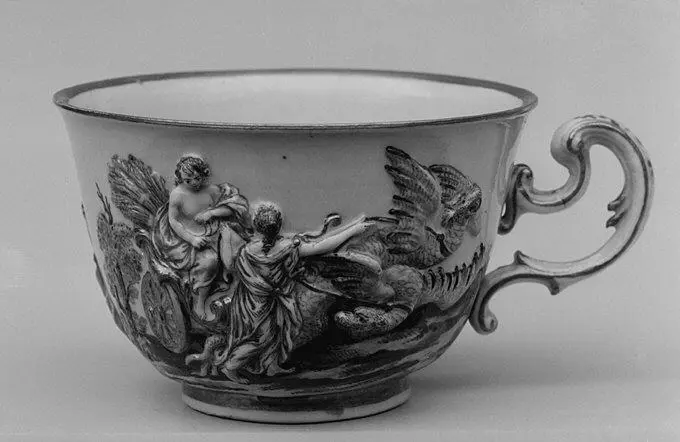
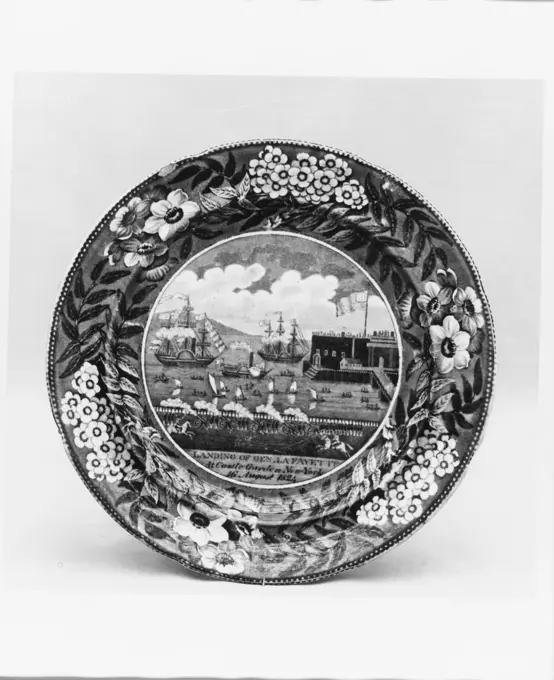
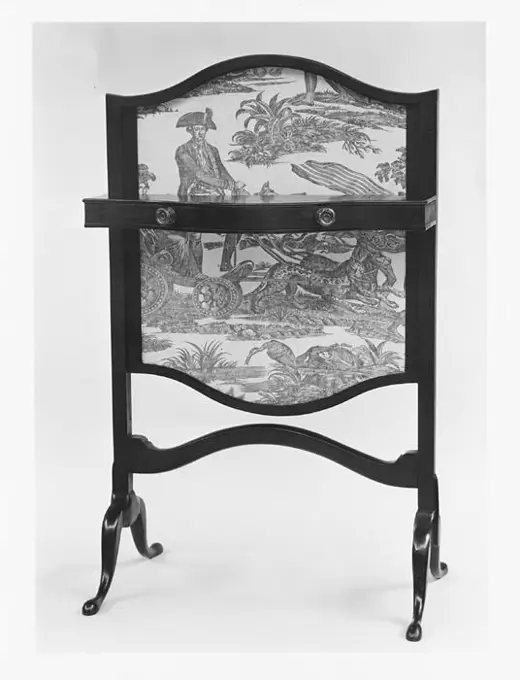
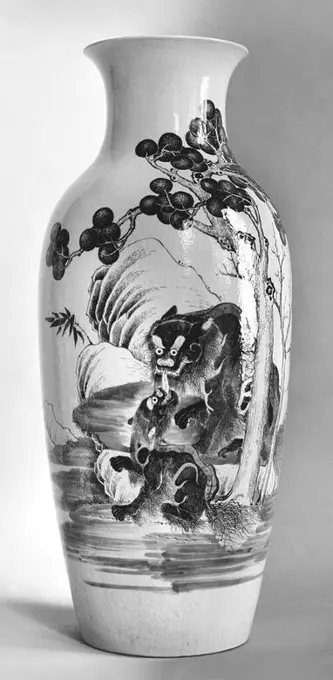
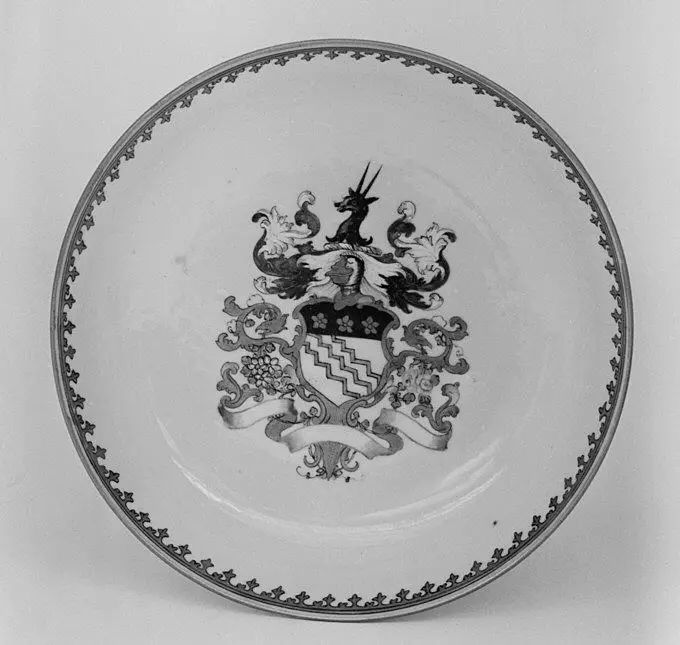
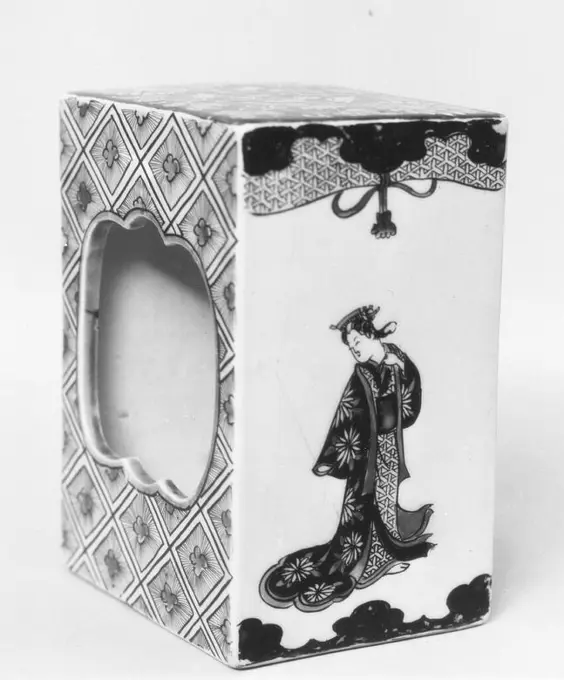
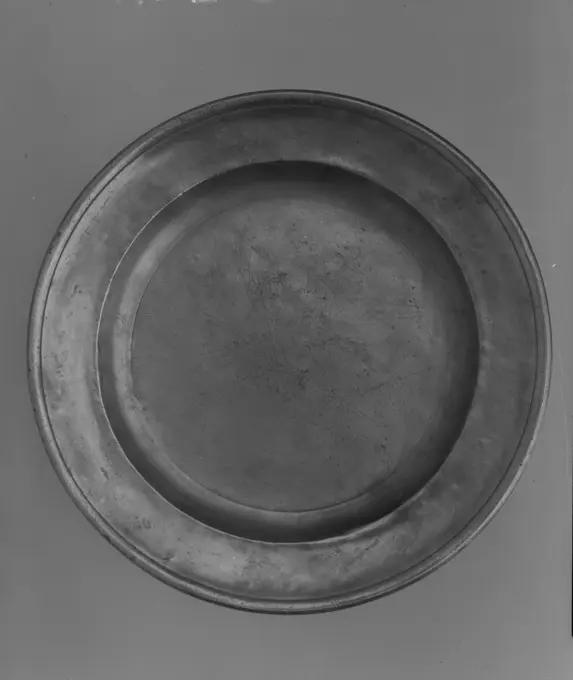
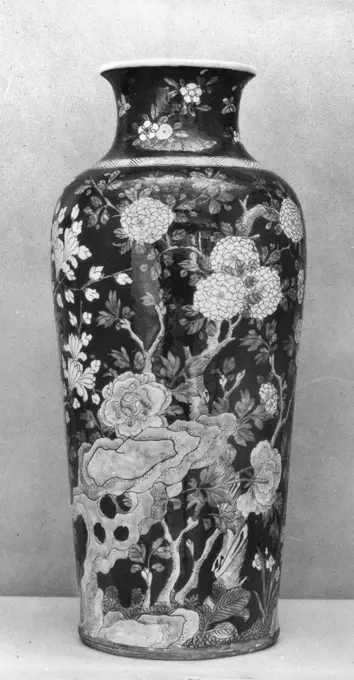
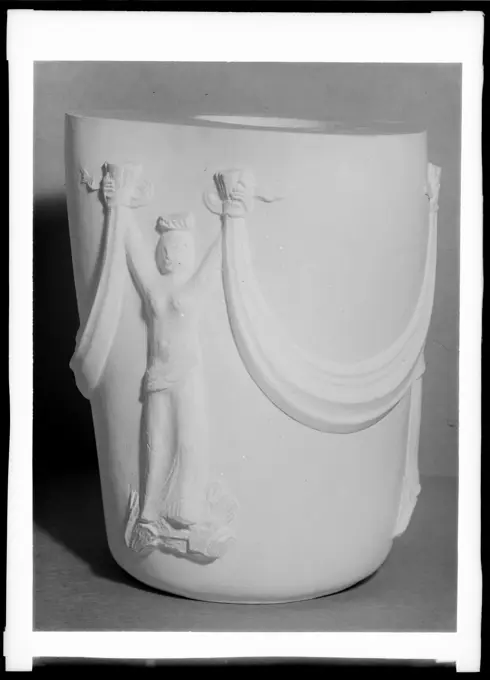
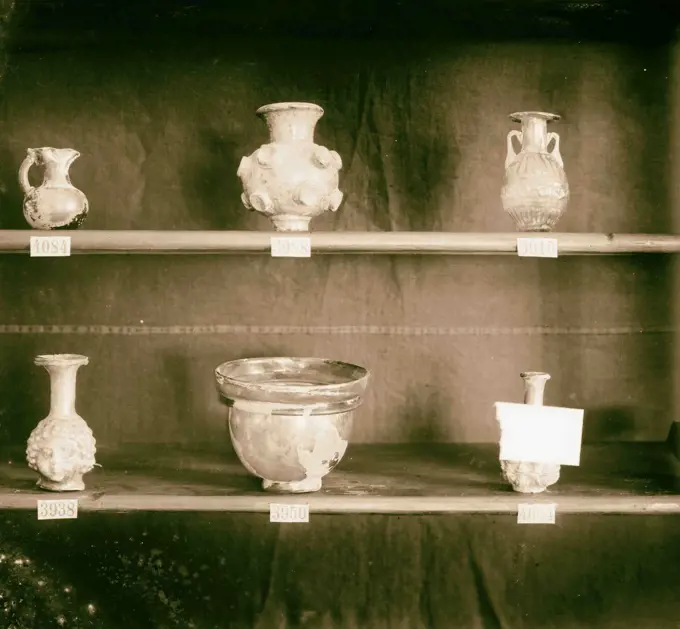
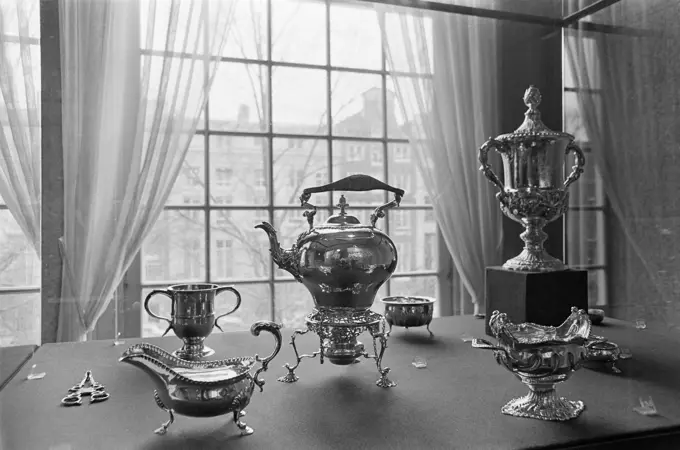
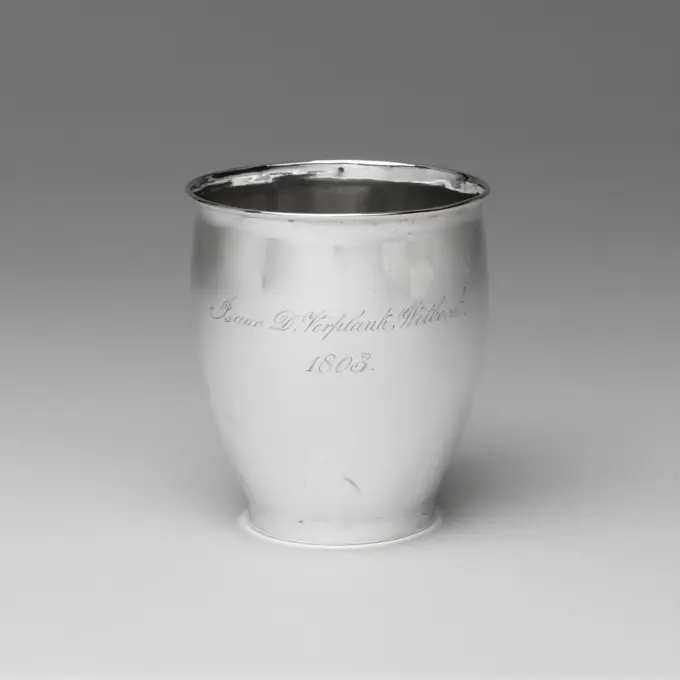
Cup German 19th centuryBowl. Culture: China. Dimensions: H. 3 in. (7.6 cm); Diam. 8 1/4 in. (21 cm). Museum: Metropolitan Museum of Art, New York, USA.Toothpick Holder after 1883 Probably New England Glass Company. Toothpick Holder 8756Pair of saltcellars 1771 Frankenthal Porcelain Manufactory. Pair of saltcellars 188775 Factory: Frankenthal Porcelain Manufactory, German, Factory owner: Karl Theodor period, 17621800, Pair of saltcellars, 1771, Hard-paste porcelain, each: 1 1/2  2 1/2 in. (3.8  6.4 cm). The Metropolitan Museum of Art, New York. Gift of Alfred Duane Pell, 1902 (02.6.285, .286)Jar with Cover 1820 Japan. Jar with Cover. Japan. 1820. White porcelain decorated with blue under the glaze (Hirado ware). Edo period (1615-1868). CeramicsPuzzle jug ca. 1760 British, Staffordshire. Puzzle jug 199570Beaker (Ranftbecher) ca. 1820 Anton Kothgasser Austrian. Beaker (Ranftbecher) 196019Large Plate China. Large Plate 40801Bowl Gurupy river, Brazil, Pre-Columbian, potteryGoblet (one of a pair) China Instead of being glazed, some tomb pottery was decorated with pigments applied after firing to mimic the form and decor of vessels made of more precious materials such as lacquer or bronze.. Goblet (one of a pair) 44336Teabowl and saucer ca. 1775 Frankenthal Porcelain Manufactory The gift of the Hans Syz Collection in 1995 endowed the Museum with nearly three hundred examples of European and Asian ceramics meticulously acquired by Swiss-born collector Dr. Syz (1894-1991) to chart the migration of models and patterns from East to West. Documenting a continuous process of influence and adaptation, these pieces provide a discriminating review of the nuances of stylistic change resulting from three centuries of trade.. Teabowl and saucer 208433Two-handled cup ca. 1720 German, Potsdam. Two-handled cup. German, Potsdam. ca. 1720. Glass; coin. GlassBox with Chain 13th-14th century China. Box with Chain 61104Square Flask. Culture: Japan. Dimensions: H. 7 3/8 in. (18.7 cm); W. sq. 3 1/2 in. (8.9 cm). Date: 18th century. Museum: Metropolitan Museum of Art, New York, USA.Snuffbox 1738-39 Noel-Charles Laget In eighteenth-century Europe, Paris led the production of high-quality luxury goods. Parisian goldsmiths made a wide range of small, personal articles such as snuffboxes; étuis to hold sealing wax, tweezers, or utensils for sewing; souvenirs, which contained thin ivory tablets for note taking; and shuttles for knotting lace. Gold snuffboxes and boxes decorated with portrait miniatures were prized and frequently given as royal gifts, often to ambassadors or members of the court in lieu of cash payments for their services. Coveted and admired, these boxes were produced from a variety of materials. The best were skillfully made of gold and embellished with diamonds, enameled decoration, lacquer, and other luxurious materials. By the middle of the century, the taking of snuff had become an entrenched social ritual, and the snuffbox, too, had become an important social prop. Snuffboxes were considered highly fashionable accessories, with some merchants adBowl 18th century Japan. Bowl 63699Coffeepot ca. 1770 Liverpool Though it is decorated in an Asian style with a domestic scene of a Chinese family, this baluster-shaped coffeepot is a form that developed in Europe with no precedent in the Far East. Coffee was introduced into Britain in the 17th century, and by the early 18th century, the tall coffeepot with spout and domed cover was established as the standard form. The sparing use of colored decoration on a white body left largely exposed and undecorated was inspired by the Japanese Kakiemon style. It can also be seen in the nearby Worcester teapot and vase that are also primarily white.. Coffeepot 198481Plate (part of a service) 1784 Sèvres Manufactory French. Plate (part of a service) 197969Fender 18th century British. Fender 191957Creamer. Culture: American. Dimensions: 6 1/8 x 6 1/2 x 3 11/16 in. (5.4 x 11.6 x 10 cm); 7 oz. 17 dwt. (244.4 g). Maker: William B. Heyer (active ca. 1807-22). Retailer: Hyde and Nevins (active ca. 1814-19). Date: ca. 1815. Museum: Metropolitan Museum of Art, New York, USA.Bowl 18th century De Porceleyne Bijl. Bowl. Dutch, Delft. 18th century. Tin-glazed earthenware. Ceramics-PotteryPossibly William Chawner II, Caddy Spoon, 1822/23, silver.Plate (one of six) Manufactory Meissen Manufactory German late 19th century View more. Plate (one of six). German, Meissen. late 19th century. Hard-paste porcelain. Ceramics-PorcelainPlate 17th century Spanish, Valencia Tin-glazed earthenware, of which lusterware is one type, was developed in the Middle East in the ninth and tenth centuries to imitate the porcelains produced in China. The opaque white glaze concealed the clay body, which could range from pale buff to brick red, allowing for brilliant effects created by painting the white surface with metal oxides that fired to a range of colors. This technique, as well as the use of metallic lusteran iridescent, coppery painted glazespread throughout the Muslim world, arriving among the potters of Valencia in the thirteenth century. The so-called Hispano-Moresque lusterware, with its fusion of Islamic and Gothic styles and motifs, often in shaped imitating those of metal vessels, was treasured by the elite in Spain during the fifteenth century and exported to the courts of Europe. The Valencian industry declined in the late sixteenth century, as colorful Italian Renaissance maiolica gained in popularity among theDish with Peaches 18th century Japan. Dish with Peaches 52328Plate 1800-1830 Chinese. Plate. Chinese. 1800-1830. Porcelain. Made in ChinaAnefo photo collection. HABL gift. Kolinie Columbia at H. M. Wilhelmina. September 21, 1948Jardinière ca. 1753-95 French, Sceaux Faience, or tin-glazed and enameled earthenware, first emerged in France during the sixteenth century, reaching widespread usage among elite patrons during the seventeenth and early eighteenth centuries, prior to the establishment of soft-paste porcelain factories. Although characterized as more provincial in style than porcelain, French faience was used at the court of Louis XIV as part of elaborate meals and displays, with large-scale vessels incorporated into the Baroque garden designs of Versailles. Earlier examples of French faience attest to the strong influence of maiolica artists from Italy. Later works demonstrate the ways in which cities such as Nevers, Rouen, Lyon, Moustiers, and Marseille developed innovative vessel shapes and decorative motifs prized among collectors throughout Europe. While faience can be created from a wide mixture of clays, it is foremost distinguished by the milky opaque white color achieved by the addition of tin Dish China. Dish. China. Porcelain with reserve decoration and slight relief on "powder blue" ground. Qing dynasty (1644-1911), Yongzheng mark and period (1723-35). CeramicsPlate (one of a set of two of graduated size) 1771-72 Edme-Pierre Balzac. Plate (one of a set of two of graduated size) 200338Vase 1849-58 United States Pottery Company Named in reference to the ancient marble quarry on the Greek island of Parros, parian has a higher proportion of feldspar than conventional porcelain, resulting in a vitrified biscuit body that resembles white statuary marble. Stylish and affordable, parian statuary and hollowware were extremely popular household ornaments in the mid-nineteenth century. This vase (one of a pair, 47.90.12) was likely made by the United States Pottery Company, which exhibited parian to great acclaim at the 1853 New York Crystal Palace Exhibition in New York.. Vase. American. 1849-58. Parian porcelain. Made in Bennington, Vermont, United StatesWine taster ca. 1780 Mathieu-Vincent Delarbre (or de Larbre). Wine taster 197008Two plates. William Chaffers (English, 1811 - 1892)Dish. Culture: China. Dimensions: Diam. 10 1/4 in. (26 cm). Museum: Metropolitan Museum of Art, New York, USA.Table Screen with Pheasant and Magnolia 18th century China. Table Screen with Pheasant and Magnolia. China. 18th century. Jade (nephrite). Qing dynasty (1644-1911). JadeVase with flowers 19th century China. Vase with flowers. China. 19th century. Porcelain painted in overglaze polychrome enamels over a white sgraffito ground of vegetal scrolls (Jingdezhen ware). Qing dynasty (1644-1911). CeramicsPedestal early 19th century Japan. Pedestal. Japan. early 19th century. White porcelain crackled and decorated with enamels, iron red and gold (Kiyomizu ware). Edo period (1615-1868). CeramicsShowcase with chinese squirrch porcelain including scales and bowls; Asian art, July 1957..Plate 1770-74 French, Lunéville Faience, or tin-glazed and enameled earthenware, first emerged in France during the sixteenth century, reaching widespread usage among elite patrons during the seventeenth and early eighteenth centuries, prior to the establishment of soft-paste porcelain factories. Although characterized as more provincial in style than porcelain, French faience was used at the court of Louis XIV as part of elaborate meals and displays, with large-scale vessels incorporated into the Baroque garden designs of Versailles. Earlier examples of French faience attest to the strong influence of maiolica artists from Italy. Later works demonstrate the ways in which cities such as Nevers, Rouen, Lyon, Moustiers, and Marseille developed innovative vessel shapes and decorative motifs prized among collectors throughout Europe. While faience can be created from a wide mixture of clays, it is foremost distinguished by the milky opaque white color achieved by the addition of tin oxide Cup; Huta Kryszta around 1720-1730 (1720-00-00-1730-00-00);Desa, motto, genre scene, symbolic scene, purchaseCup and saucer ca. 1740 Meissen Manufactory German. Cup and saucer 199220Cup ca. 1740 Meissen Manufactory German. Cup. German, Meissen. ca. 1740. Hard-paste porcelain. Ceramics-PorcelainSaucer with figures in boat late 18th century China. Saucer with figures in boat. China. late 18th century. Porcelain painted in overglaze polychrome enamels (Jingdezhen ware). Qing dynasty (1644-1911), Qianlong period (1736-95). CeramicsIncense box and cover 1850 Japan. Incense box and cover. Japan. 1850. Faience decorated in colored enamels. Edo period (1615-1868). CeramicsDish ca. 1844-ca. 1846 William Ridgway, Son & Co.. Dish. British (American market). ca. 1844-ca. 1846. Earthenware, transfer-printed. Made in Staffordshire, EnglandSaucer (part of a service) ca. 1770 Frankenthal Porcelain Manufactory. Saucer (part of a service) 196957Plate ca. 1835 British. Plate. British. ca. 1835. Earthenware, lusterware. Made in EnglandBowl 18th-19th century Japan. Bowl 63044Wine Bottle. Culture: Japan. Dimensions: H. 6 1/4 in. (15.9 cm); Diam. 5 in. (12.7 cm). Date: 1780. Museum: Metropolitan Museum of Art, New York, USA.Wine Cup. Culture: India. Dimensions: Diam. of rim. 2 1/4 in. (5.7 cm); W. at handle 1/8 in. (7.9 cm); Diam. of foot 1 1/16 in. (2.7 cm). Date: 18th century. Museum: Metropolitan Museum of Art, New York, USA.Plate ca. 1800 Japan. Plate 63693Covered jar with birds and flowers 19th century China. Covered jar with birds and flowers. China. 19th century. Porcelain painted inpolychrome enamels over black ground (Jingdezhen ware, famille noire). Qing dynasty (1644-1911). CeramicsDish China. Dish 40797Campanian Black Bowl; Campania, South Italy, Europe; 323 - 31 B.C; Terracotta; 6.3 x 18.1 cm (2 1,2 x 7 1,8 in.)Anefo photo collection. Hie Holland England / Anefo London series. Delft Porcelain, Loaned Mr. Vanderkar, Exhibited Netherlands House, Charles Street, London. Crest Porceinal Exhibition Delft Pottery .. 1943. Britain, LondonDish (one of a graduated set of seven) 1741-42 Paul de Lamerie British. Dish (one of a graduated set of seven). British, London. 1741-42. Silver. Metalwork-SilverBox with Hinged Cover 19th century China. Box with Hinged Cover. China. 19th century. Painted enamel. Qing dynasty (1644-1911). EnamelsTea cup (part of a service) ca. 1760 Doccia Porcelain Manufactory Italian. Tea cup (part of a service) 196908Cup and saucer ca. 1735 Meissen Manufactory German. Cup and saucer 199158Plate ca. 1824-34 James and Ralph Clews British This blue and white transfer-printed earthenware plate made by the Staffordshire firm of James & Ralph Clews features a view of the triumphal landing of General Lafayette (1757-1834) in New York Harbor on August 16, 1824 where he was met by the American naval ship Chancellor Livingston" and escorted to Castle Garden for a huge celebration by thousands of patriotic well-wishers.. Plate. British (American market). ca. 1824-34. Earthenware, transfer-printed. Made in Staffordshire, Stoke-on-Trent, EnglandBrush pot with Daoist paradise 18th century China. Brush pot with Daoist paradise 42084Red Glazed Cup; Pergamon, Asia Minor; 1st century B.C; Terracotta; 7.7 × 10 cm (3 1,16 × 3 15,16 in.)Cup 18th century Chinese with European decoration. Cup 205405Rodman Nichols House, Salem: interior, china , Tableware. Samuel Chamberlain Photograph Negatives Collection12/31/1905. The Golden Rose - gift from Pope Pius Xi to Queen Victoria Eugenie.Paten 1718-19 John Sanders. Paten 195252Firescreen 1770-1800 American. Firescreen 3678Vase. Culture: China. Dimensions: H. 20 1/2 in. (52.1 cm); Diam. of rim 5 3/4 in. (14.6 cm); Diam. 8 1/4 in. (21 cm); Diam. of base 5 7/8 in. (14.9 cm). Museum: Metropolitan Museum of Art, New York, USA.Apothecary Jar withLidPlate with Flower and Bird Decor 1680-1700 Japan. Plate with Flower and Bird Decor 50340Saucer (part of a service) 1750-60 Chinese, for British market. Saucer (part of a service) 201039Porringer late 17th-18th century possibly French The sttyle of the handles and fleur-de-lis in struck mark suggest a French origin.. Porringer. possibly French. late 17th-18th century. Pewter. Metalwork-PewterDish with Scholar in a Landscape ca. 1655-70 China Landscape imagery was particularly popular in Chinese ceramics of the mid-seventeenth century, a period often described as transitional, when imperial control of the great kiln complex at Jingdezhen faltered and the lack of oversight allowed potters to develop new shapes and styles of decoration.. Dish with Scholar in a Landscape. China. ca. 1655-70. Porcelain painted with cobalt blue under a clear glaze (Jiangxi Province; Jingdezhen ware). Qing dynasty (1644-1911), Shunzhi period (1644-61). CeramicsSquare Lamp (andon) with Design of an Idealized Woman Behind a Curtain. Culture: Japan. Dimensions: H. 5 1/4 in. (13.3 cm); W. 3 in. (7.6 cm); L. 3 7/8 in. (9.8 cm). Date: 1760. Museum: Metropolitan Museum of Art, New York, USA.Tankard 1865. Tankard. 1865. Wood, silverBowl 18th century China. Bowl. China. 18th century. Jadeite. Qing dynasty (1644-1911). JadeCaddy (part of a set) 1735-40 Meissen Manufactory German. Caddy (part of a set) 199169William Darker, Salver, 1725/26, silver.Dish 1780-90 Chinese. Dish. Chinese. 1780-90. Porcelain. Made in ChinaPlate 1810-26 J. and D. Hinsdale. Plate. American. 1810-26. Pewter. Made in Middletown, Connecticut, United StatesDavid Willaume II, Salver, 1737/38, silver.Basin 1728-29 Christophe-François Lacompart. Basin 200219Vase with flower and rock 19th century China. Vase with flower and rock. China. 19th century. Porcelain painted in polychrome enamels over black ground (Jingdezhen ware, famille noire). Qing dynasty (1644-1911). CeramicsCover or stand early 18th century Johann Christoph Hünning I. Cover or stand 192121Wine bottle cooler (one of a pair) ca. 1730-35 Chantilly. Wine bottle cooler (one of a pair). French, Chantilly. ca. 1730-35. Tin-glazed soft-paste porcelain, silver. Chantilly (French). Ceramics-PorcelainVase with Flowers China. Vase with Flowers 44032Bowl. Culture: China. Dimensions: H. 3 1/8 in. (7.9 cm); W. 8 1/8 in. (20.6 cm). Date: 18th century. Museum: Metropolitan Museum of Art, New York, USA.Plate ca. 1875 Félix Bracquemond French. Plate 487347Dish (one of a pair) ca. 1800-1810 Chinese, for British market. Dish (one of a pair) 202248Vase with a plastic decor, Martin Gerlach jun, Photographer, Josef Hoffmann -, artistRose Bowl after 1885 American or British. Rose Bowl. American or British. after 1885. Blown satin opaque cranberry glass. Possibly made in United States; Possibly made in West Midlands, EnglandPlate (part of a service) 1770-85 Chinese, probably for Swedish market. Plate (part of a service) 201169Antique glass 1898, Middle EastMaker's Mark GB, Dish, c. 1780, silver.Maker's mark V.J., Chocolate Jug and Cover, c. 1780, silver.Anefo photo collection. English silver exhibition. April 19, 1966Showcase with vases of Chinese transition porcelain; Asian art, July 1957..Beaker 1800-1830 Isaac Hutton American. Beaker 400Dish ca. 1780 French, possibly. Dish 3325Dish ca. 1770 British (American market). Dish. British (American market). ca. 1770. Stoneware. Made in Staffordshire, England