Antique Tableware and Bowls

A selection of antique bowls and plates, showcasing intricate designs from different cultures, including faience and Chinese porcelain.

Cup late 16th-early 17th century China. Cup. China. late 16th-early 17th century. Porcelain painted in underglaze blue. Ming dynasty (1368-1644). Ceramics
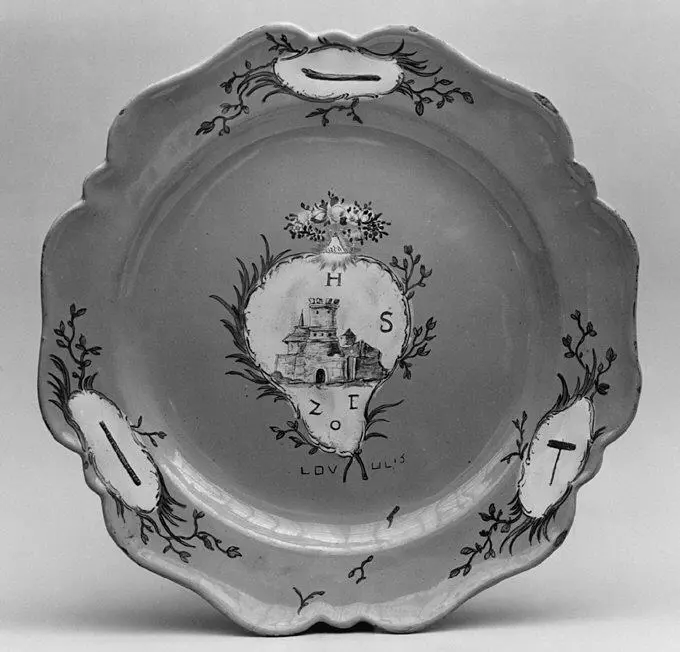
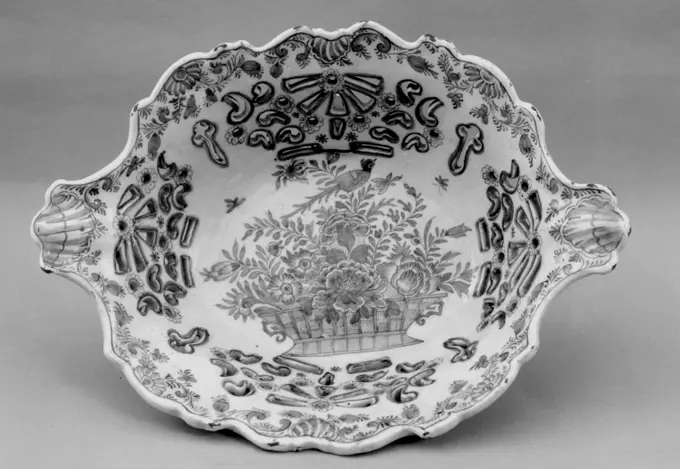
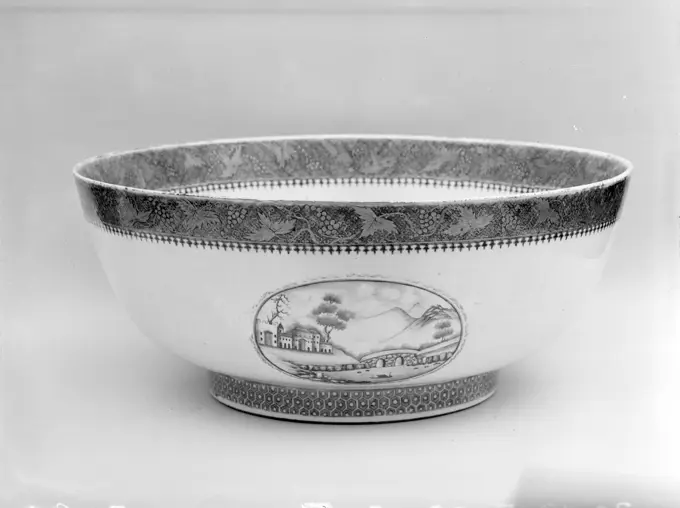
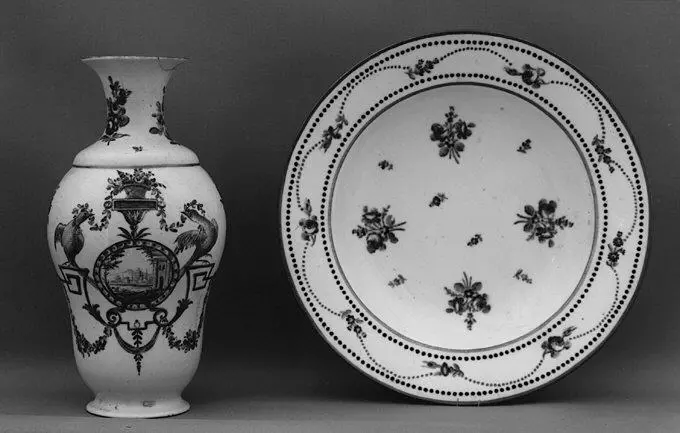
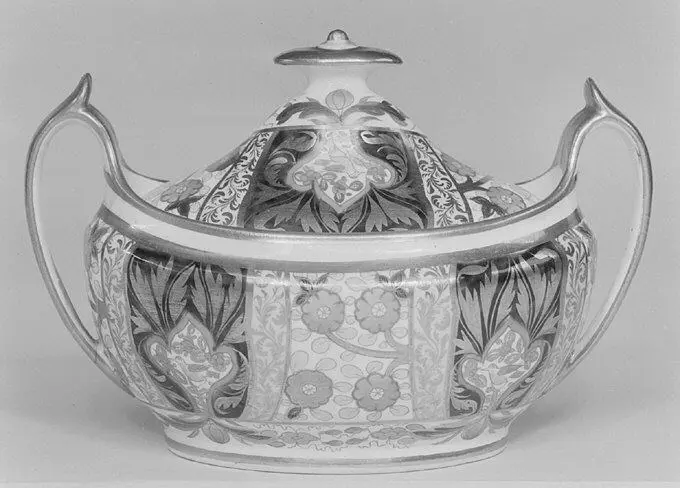
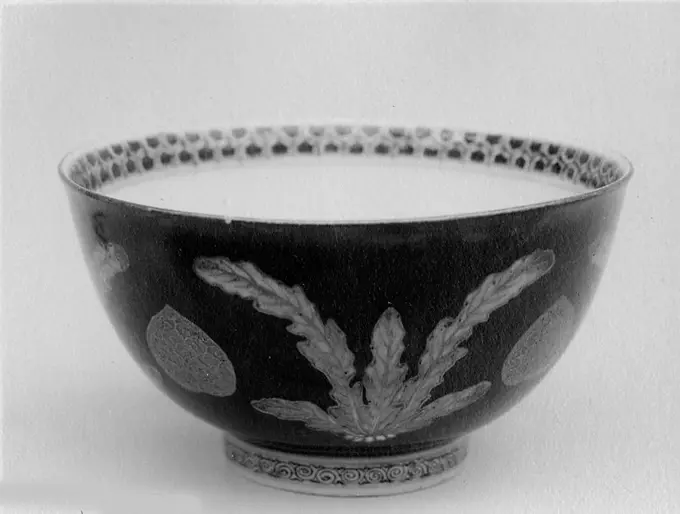
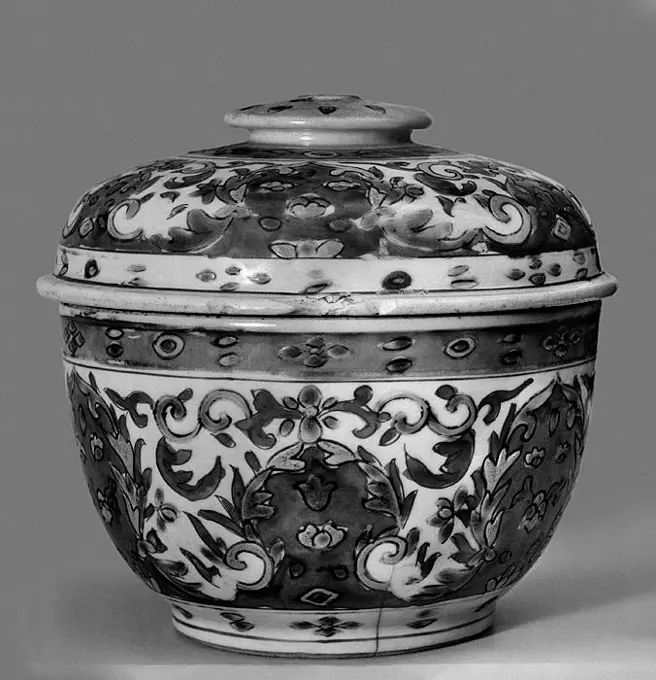
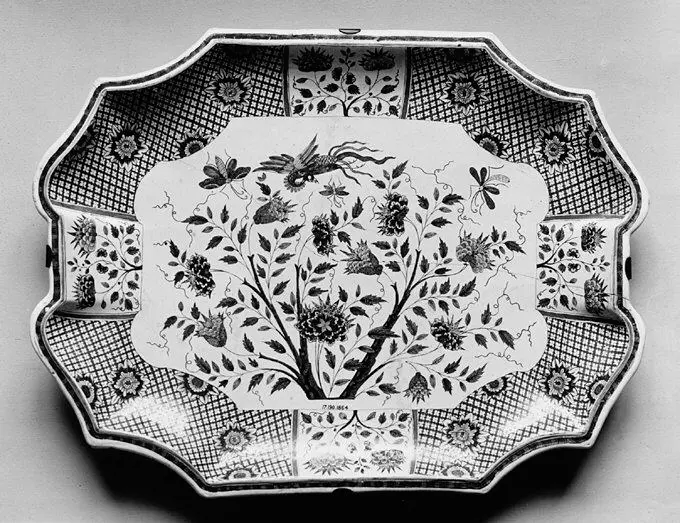
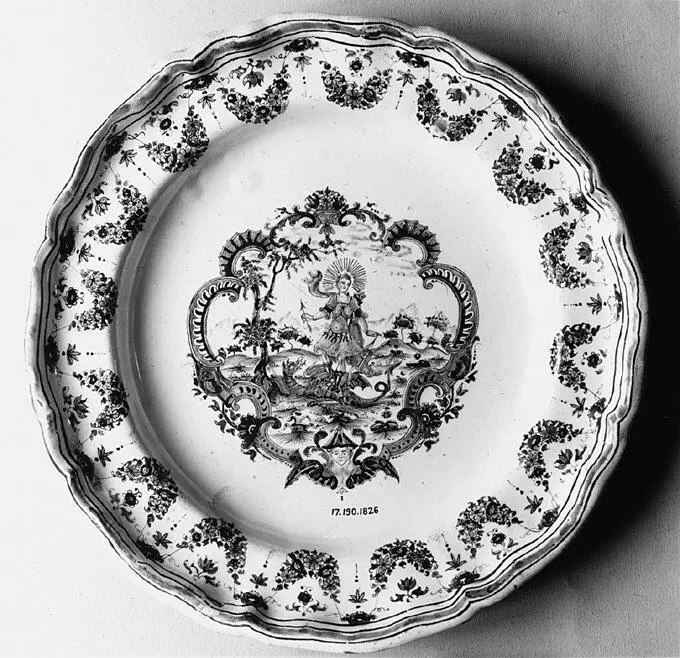
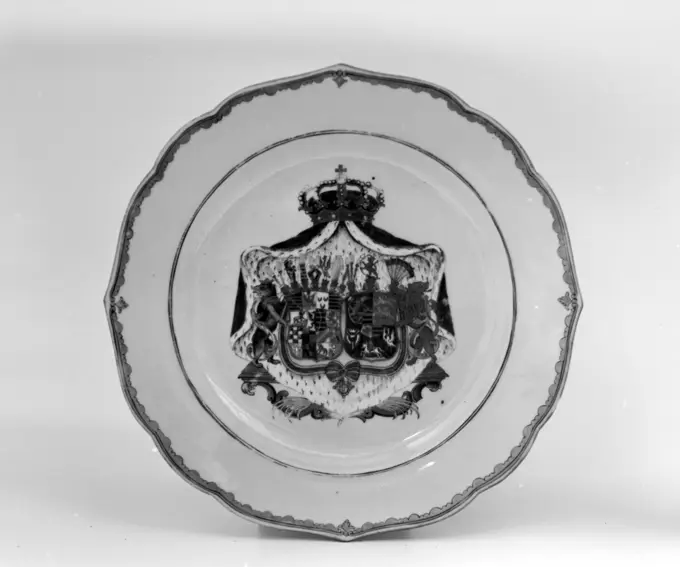
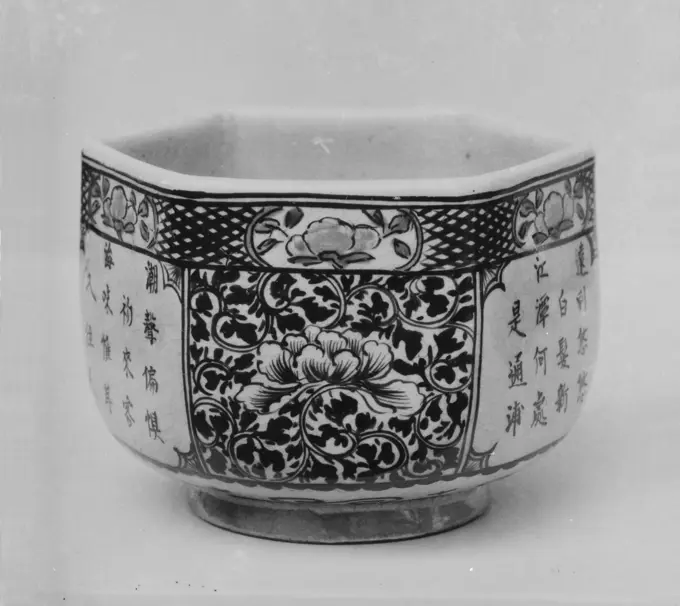
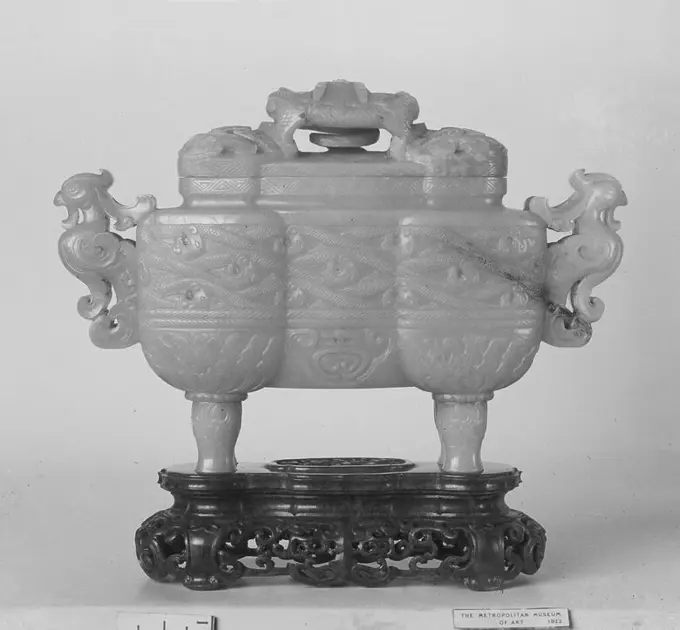
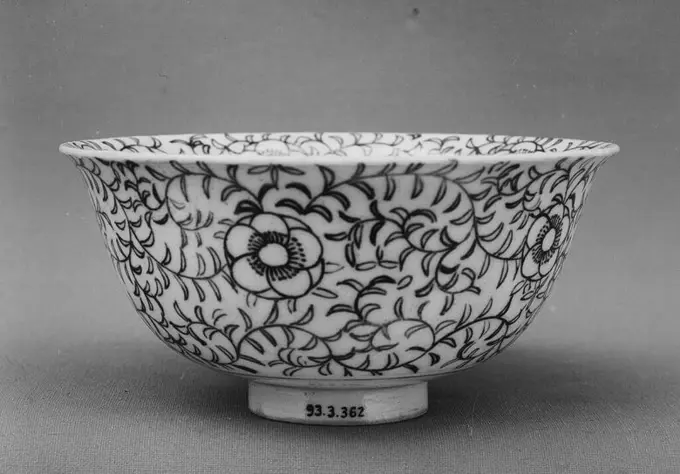
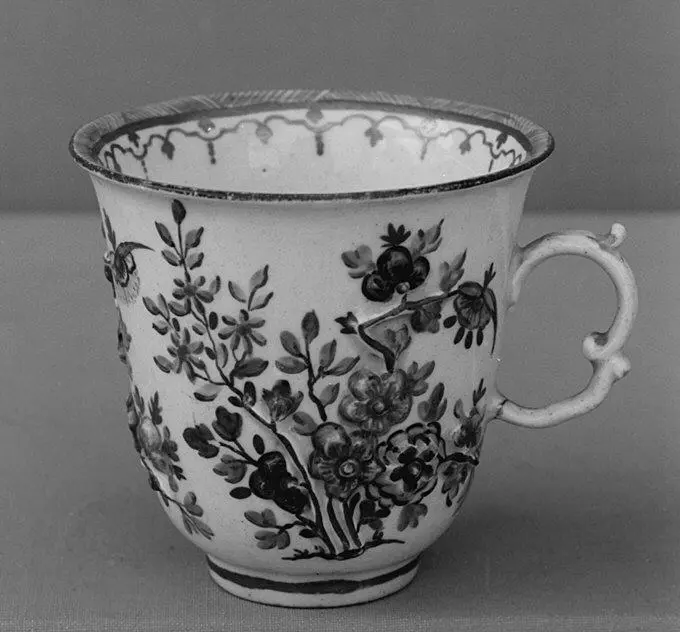
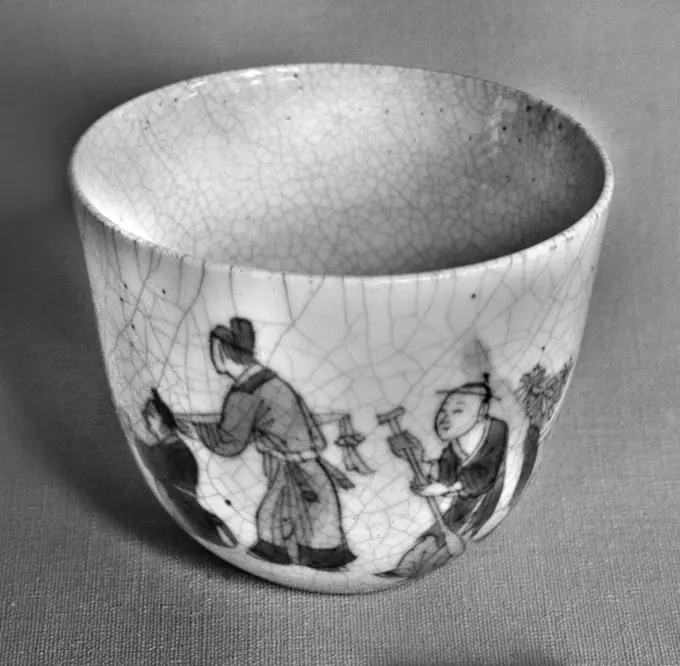
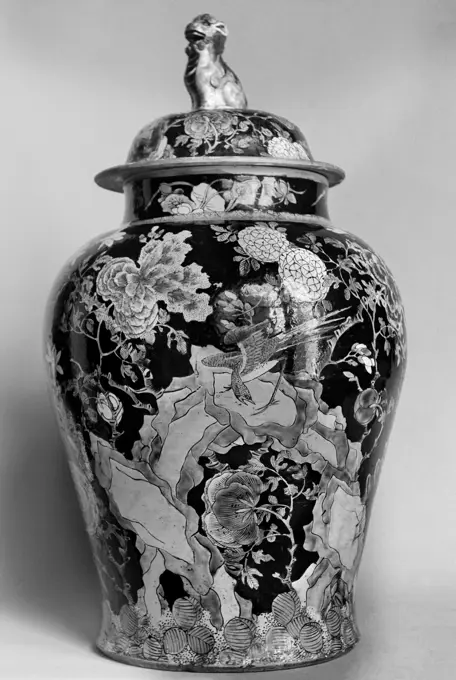
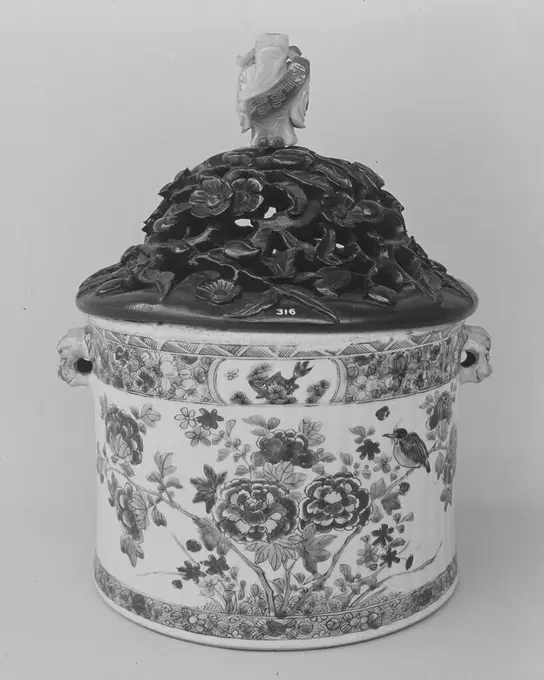
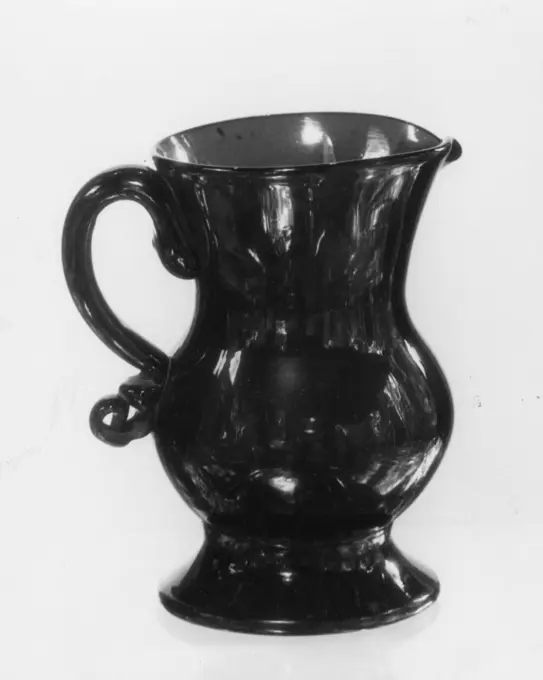
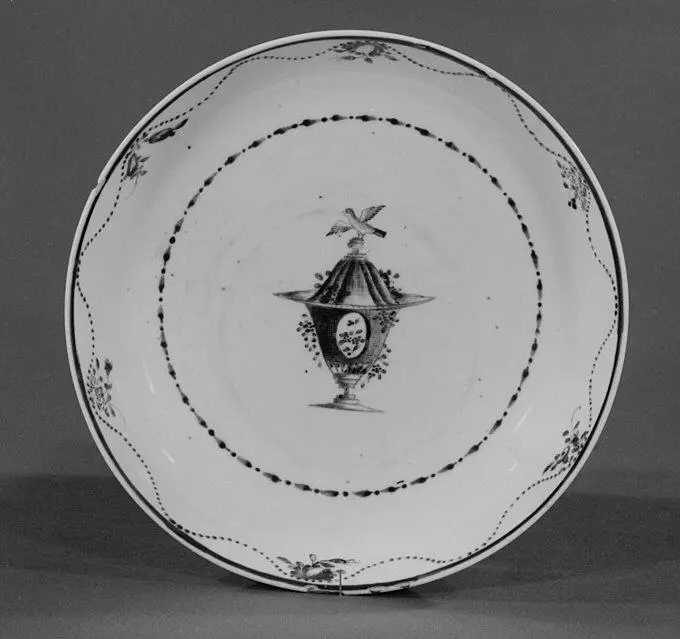
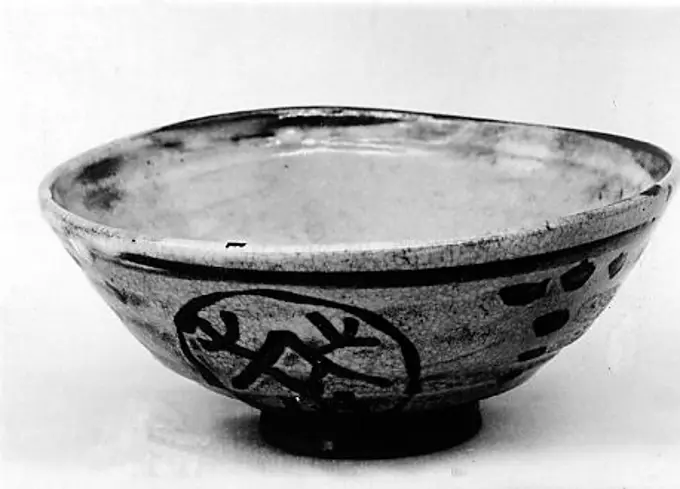
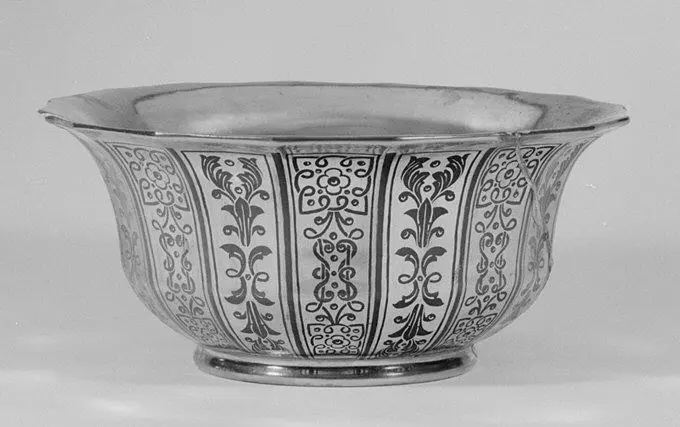
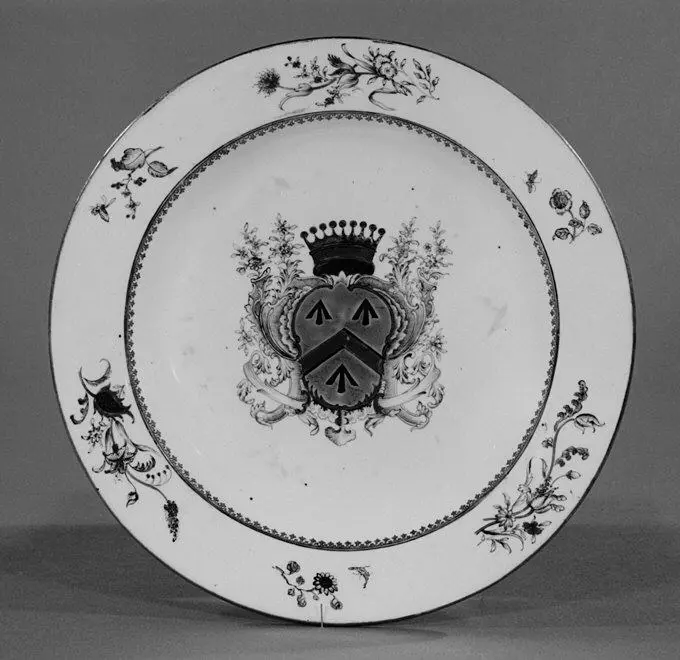
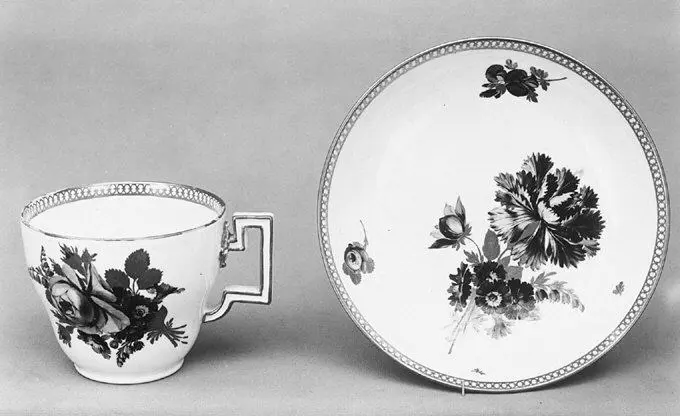
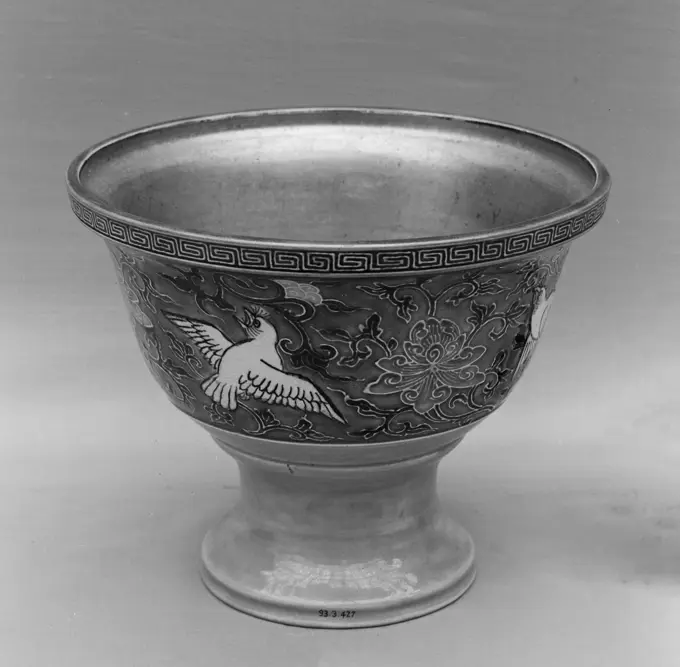
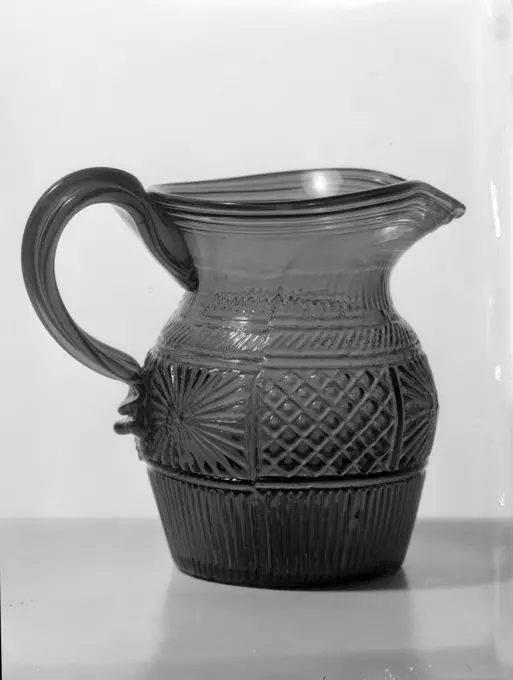
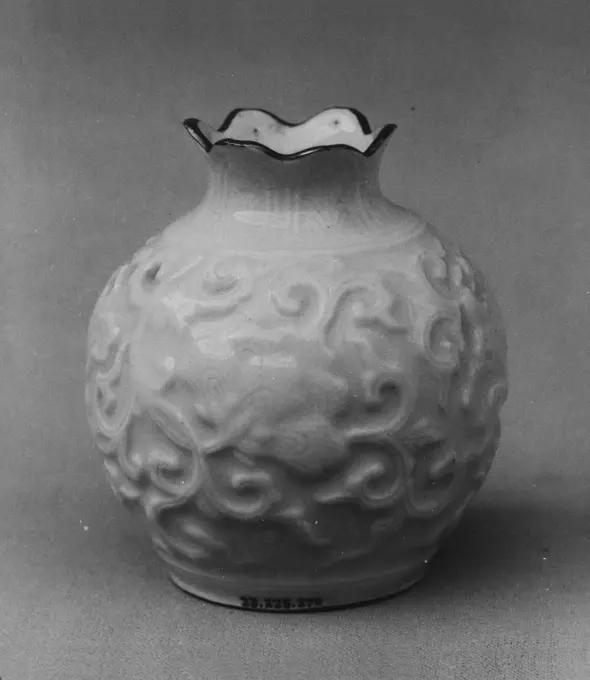
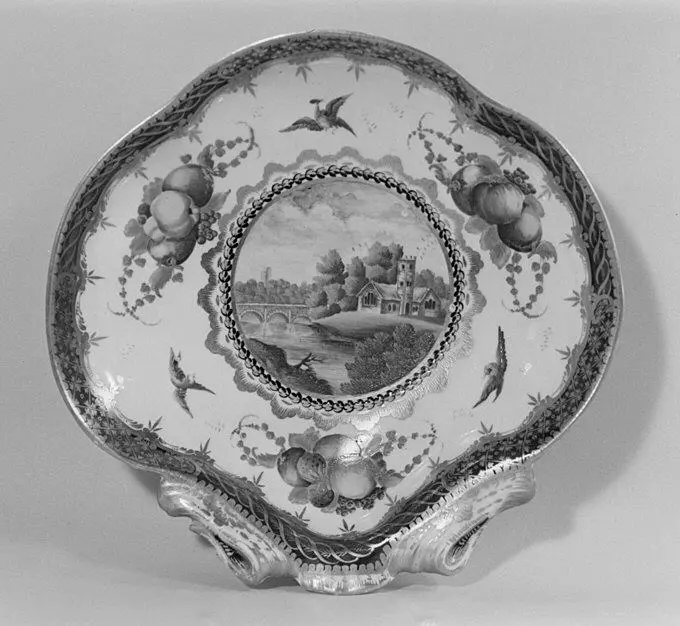
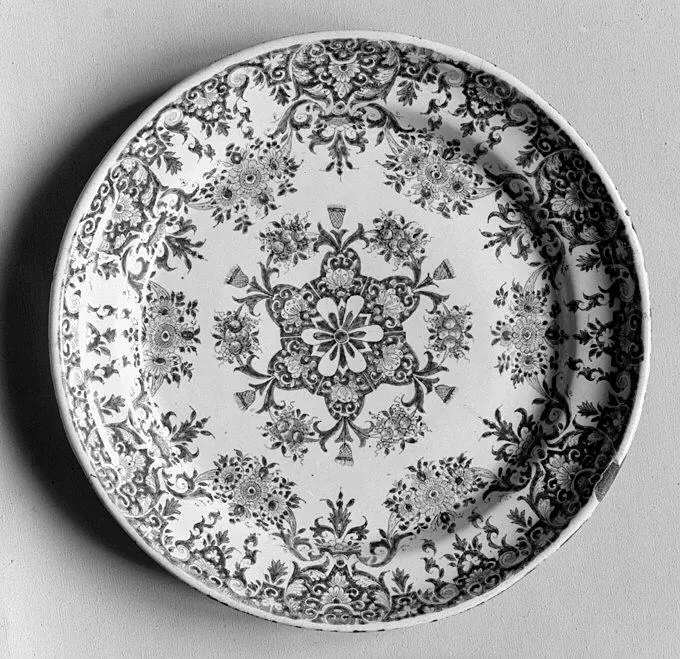
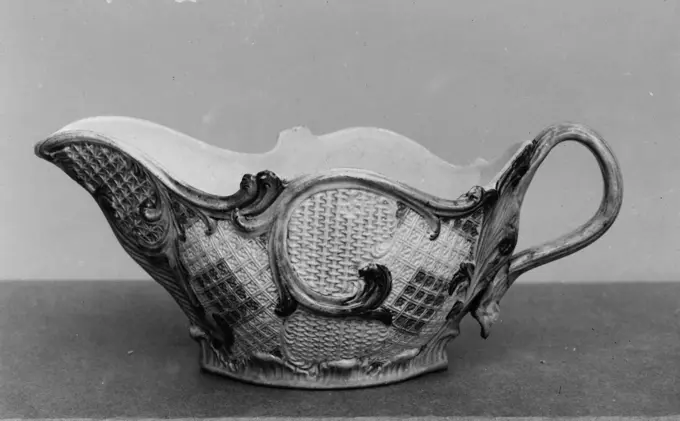
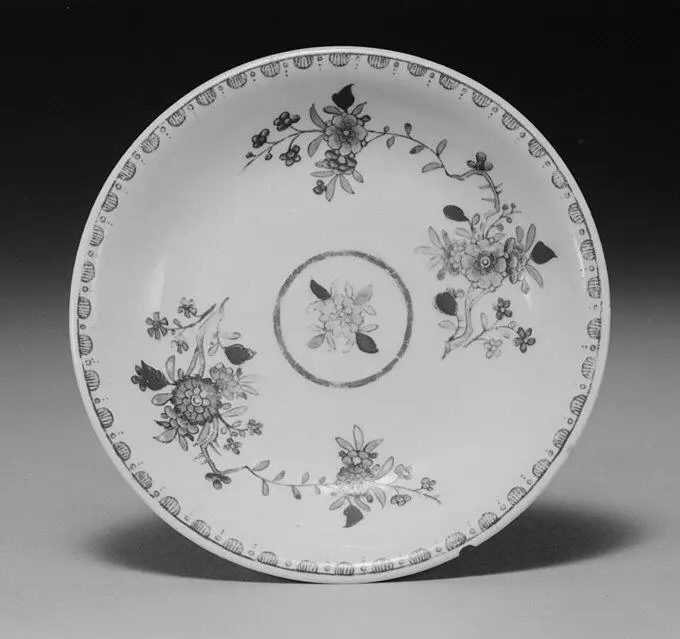
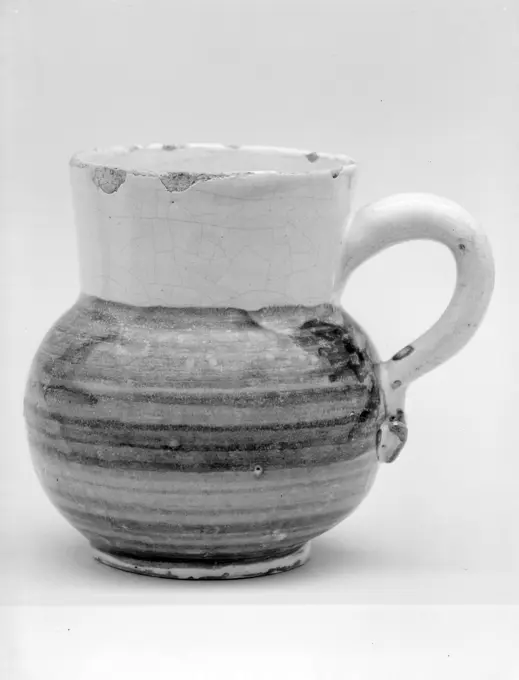
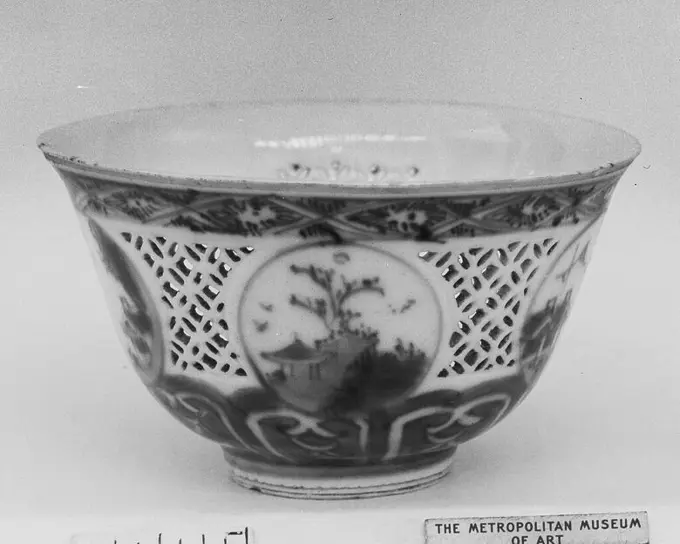
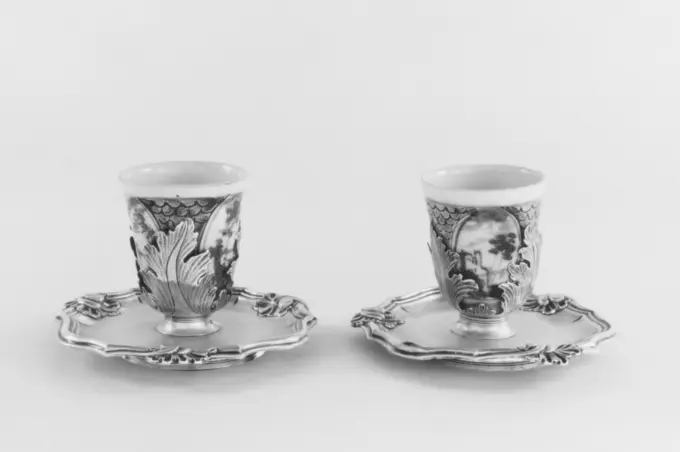
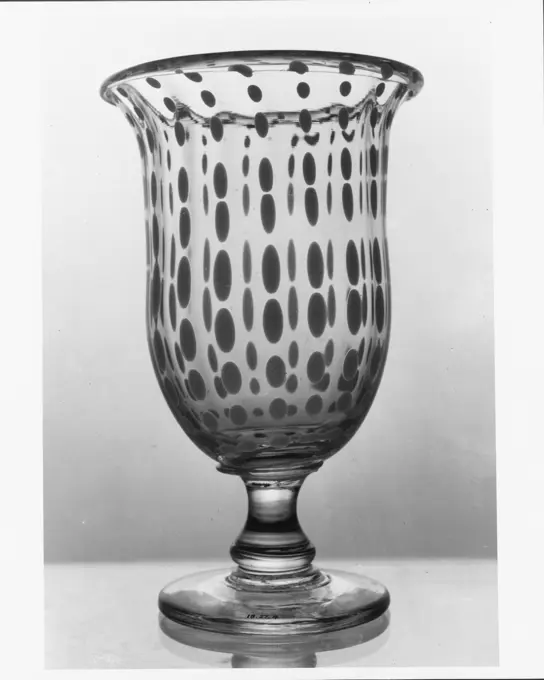
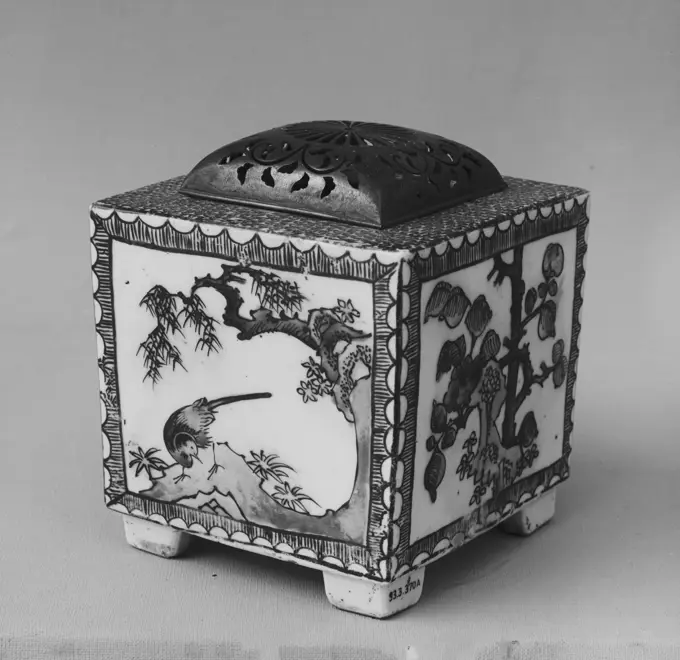
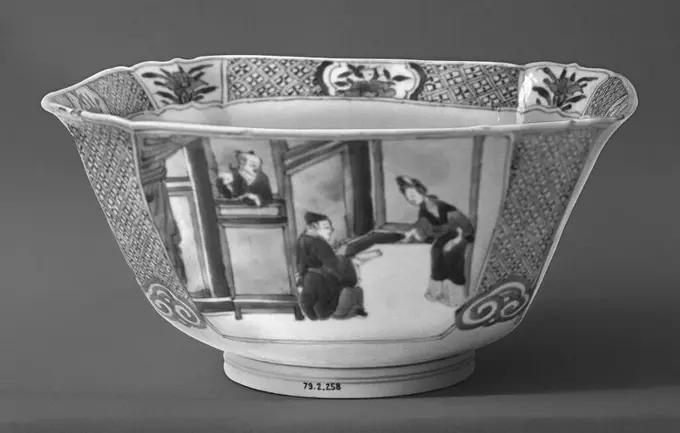
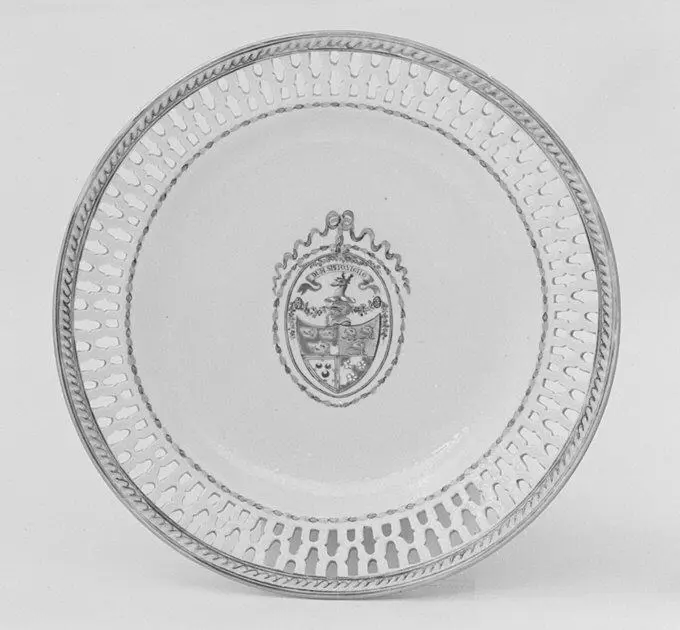
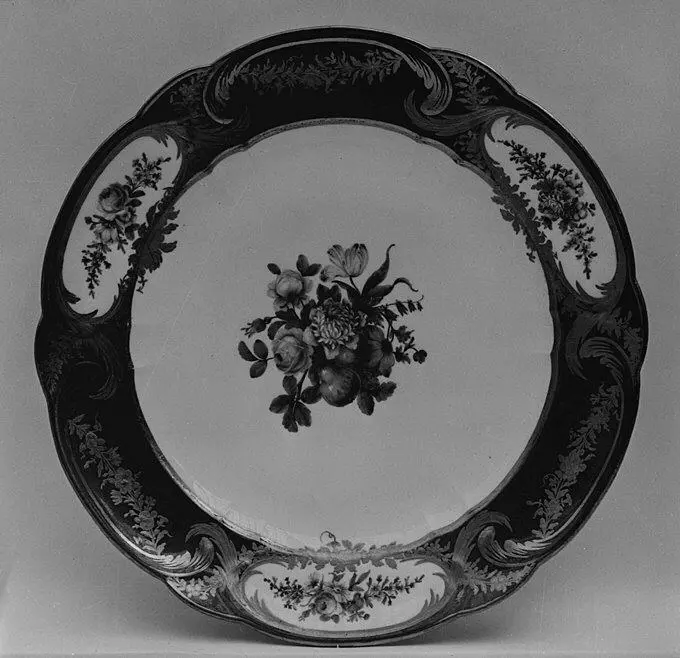
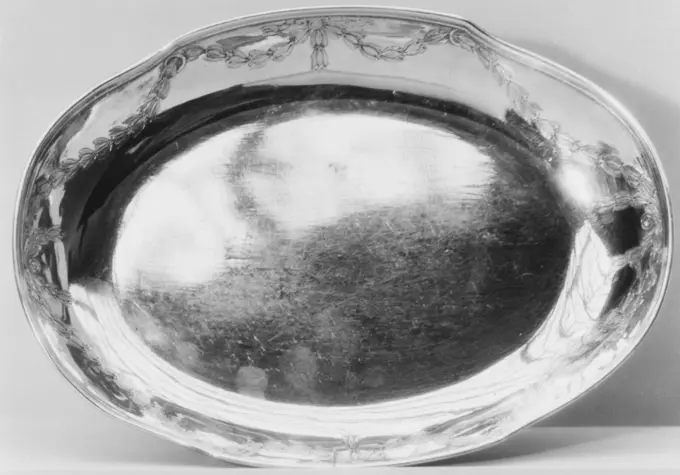
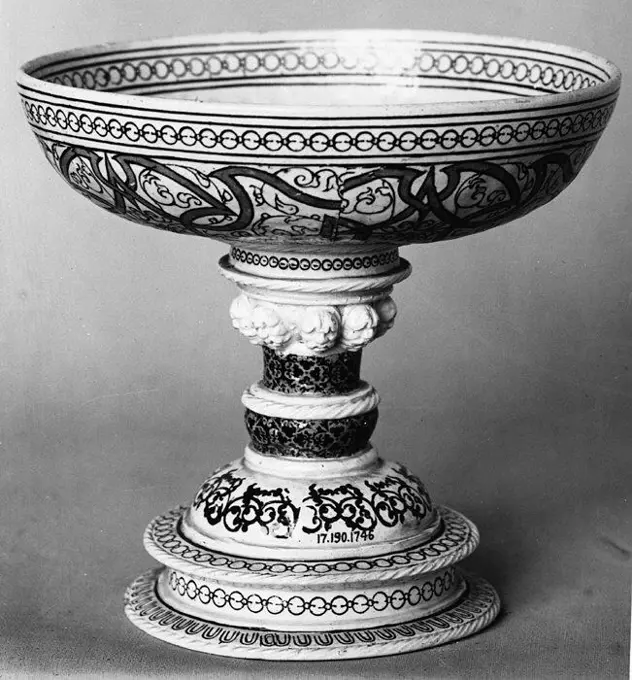
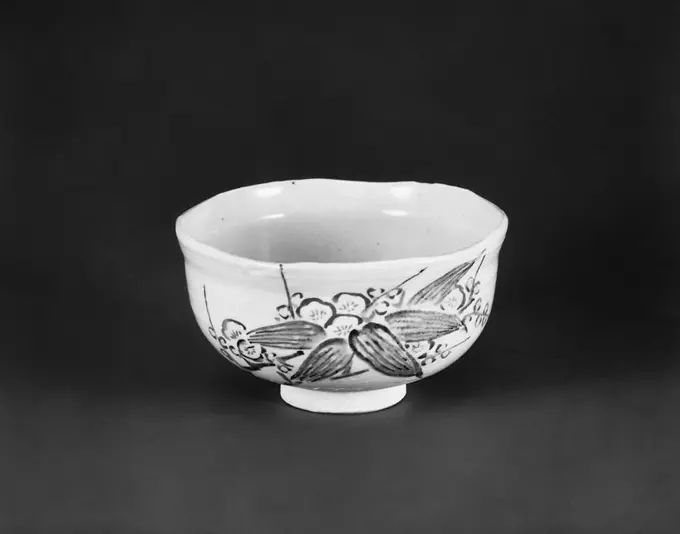
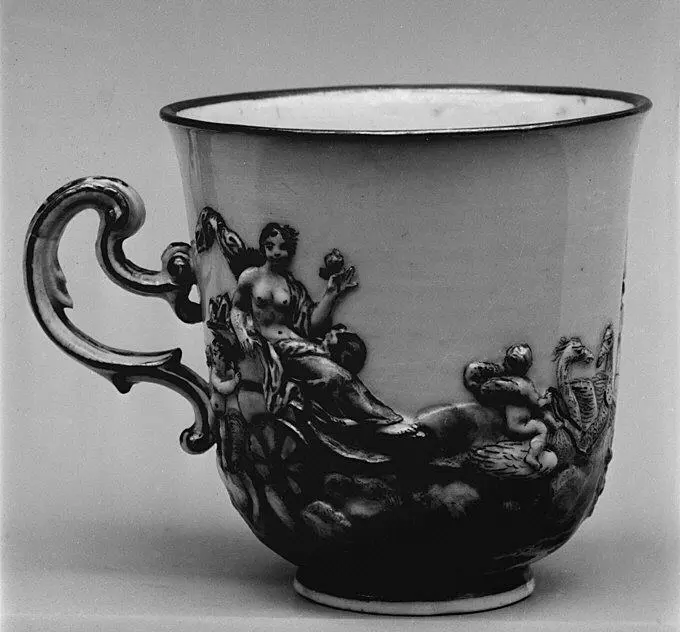
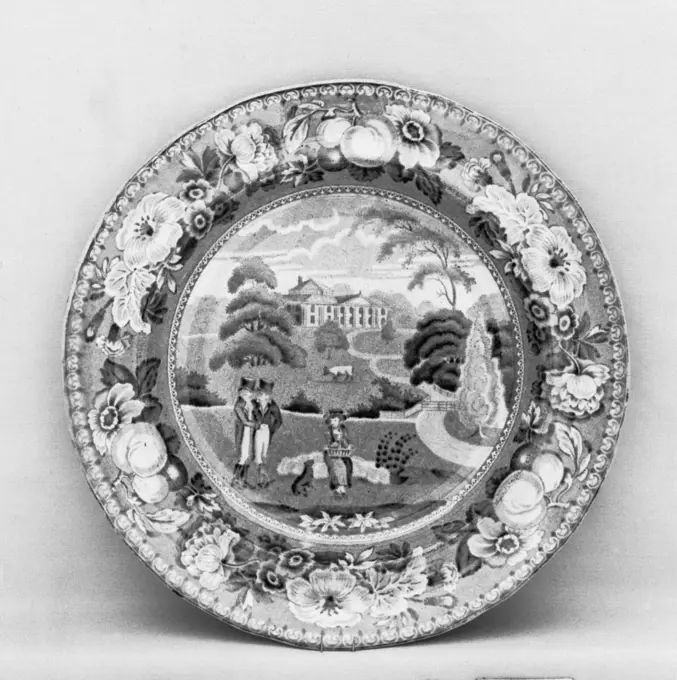
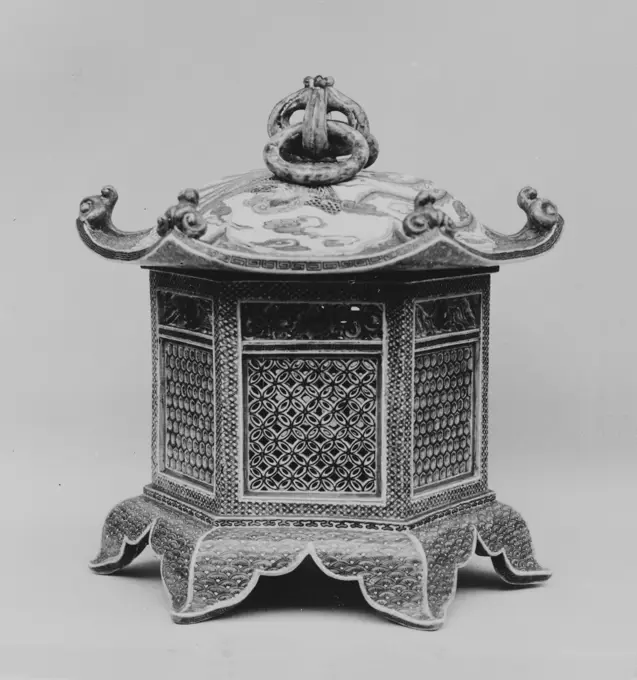
Bowl 1750 Japan. Bowl 52496Plate ca. 1760 Veuve Perrin Factory Faience, or tin-glazed and enameled earthenware, first emerged in France during the sixteenth century, reaching widespread usage among elite patrons during the seventeenth and early eighteenth centuries, prior to the establishment of soft-paste porcelain factories. Although characterized as more provincial in style than porcelain, French faience was used at the court of Louis XIV as part of elaborate meals and displays, with large-scale vessels incorporated into the Baroque garden designs of Versailles. Earlier examples of French faience attest to the strong influence of maiolica artists from Italy. Later works demonstrate the ways in which cities such as Nevers, Rouen, Lyon, Moustiers, and Marseille developed innovative vessel shapes and decorative motifs prized among collectors throughout Europe. While faience can be created from a wide mixture of clays, it is foremost distinguished by the milky opaque white color achieved by the addition of tin oxBowl. Culture: China. Dimensions: H. 3 1/4 in. (8.3 cm); Diam. 7 1/4 in. (18.4 cm). Date: 19th century. Museum: Metropolitan Museum of Art, New York, USA.Fruit dish ca. 1770 The Dreye Porceleyne Flesschen. Fruit dish 187851 Maker: The Dreye Porceleyne Flesschen, Maker: Hugo Brouwer, active 17601788, Fruit dish, ca. 1770, Tin-glazed earthenware, Width: 11 1/2 in. (29.2 cm). The Metropolitan Museum of Art, New York. Gift of Henry G. Marquand, 1894 (94.4.342)Cup late 16th-early 17th century China. Cup. China. late 16th-early 17th century. Porcelain painted in underglaze blue. Ming dynasty (1368-1644). CeramicsSquare Bowl. Culture: Japan. Dimensions: H. 3 1/8 in. (7.9 cm); Diam. 7 7/8 in. (20 cm). Date: 1760. Museum: Metropolitan Museum of Art, New York, USA.Punch Bowl 1770-1800 Chinese. Punch Bowl. Chinese. 1770-1800. Porcelain. Made in ChinaVase ca. 1770 Cozzi Manufactory Italian. Vase 189020 Factory: Cozzi manufactory, Italian, 17641812, Vase, ca. 1770, Hard-paste porcelain, Height: 8 1/4 in. (21 cm). The Metropolitan Museum of Art, New York. Rogers Fund, 1906 (06.380)Sugar bowl (part of a service) 1800-1830 J. Spode. Sugar bowl (part of a service). British, Stoke-on-Trent, Staffordshire. 1800-1830. Soft-paste porcelain. J. Spode. Ceramics-PorcelainCovered Cup and Saucer. Culture: China. Dimensions: a. (saucer) Diam. 6 1/4 in. (15.9 cm)b. (bowl) H. 2 1/4 in. (5.7 cm); Diam. 4 5/8 in. (11.7 cm)c. (cover) Diam. 4 3/4 in. (12.1 cm). Museum: Metropolitan Museum of Art, New York, USA.Dish China. Dish 40879Cup ca. 1725-30 Meissen Manufactory German. Cup 197669Cup 1800 Japan. Cup 52477Saucer ca. 1745-50 Meissen Manufactory German. Saucer 188549 Factory: Meissen Manufactory, German, 1710present, Saucer, ca. 174550, Hard-paste porcelain, Diameter: 5 5/16 in. (13.5 cm). The Metropolitan Museum of Art, New York. Gift of W. B. Osgood Field, 1902 (02.5.34)Covered bowl with floral patterns 19th century China. Covered bowl with floral patterns 46229Salt 1830-50 American. Salt. American. 1830-50. Lacy pressed amber glass. Possibly made in United StatesPlate ca. 1760 Nymphenburg Porcelain Manufactory. Plate 199291Plateau for a tureen ca. 1730 Factory of Jean-Baptiste Guillibaud Faience, or tin-glazed and enameled earthenware, first emerged in France during the sixteenth century, reaching widespread usage among elite patrons during the seventeenth and early eighteenth centuries, prior to the establishment of soft-paste porcelain factories. Although characterized as more provincial in style than porcelain, French faience was used at the court of Louis XIV as part of elaborate meals and displays, with large-scale vessels incorporated into the Baroque garden designs of Versailles. Earlier examples of French faience attest to the strong influence of maiolica artists from Italy. Later works demonstrate the ways in which cities such as Nevers, Rouen, Lyon, Moustiers, and Marseille developed innovative vessel shapes and decorative motifs prized among collectors throughout Europe. While faience can be created from a wide mixture of clays, it is foremost distinguished by the milky opaque white color achiCovered jar with floral patterns 19th century China. Covered jar with floral patterns 46248Jar with cover 1740-45 Chinese, for European market. Jar with cover 202967Plate 1740-60 Olérys Factory Faience, or tin-glazed and enameled earthenware, first emerged in France during the sixteenth century, reaching widespread usage among elite patrons during the seventeenth and early eighteenth centuries, prior to the establishment of soft-paste porcelain factories. Although characterized as more provincial in style than porcelain, French faience was used at the court of Louis XIV as part of elaborate meals and displays, with large-scale vessels incorporated into the Baroque garden designs of Versailles. Earlier examples of French faience attest to the strong influence of maiolica artists from Italy. Later works demonstrate the ways in which cities such as Nevers, Rouen, Lyon, Moustiers, and Marseille developed innovative vessel shapes and decorative motifs prized among collectors throughout Europe. While faience can be created from a wide mixture of clays, it is foremost distinguished by the milky opaque white color achieved by the addition of tin oxide to Dish (part of a service) mid-18th century Chinese, for German market. Dish (part of a service). Chinese, for German market. mid-18th century. Hard-paste porcelain. Ceramics-Porcelain-ExportDish 1775 Chinese, for European market. Dish 194502Cup and saucer ca. 1740-50 Meissen Manufactory German. Cup and saucer 199112Bowls with Three Panels with Poems 19th century Kinkozan Japanese. Bowls with Three Panels with Poems. Kinkozan. Japan. 19th century. Pottery decorated with colored enamels and iron red (Kyoto ware). CeramicsIncense Burner on Stand. Culture: China. Dimensions: H. 4 1/4 in. (10.8 cm); W. 6 1/4 in. (15.9 cm). Museum: Metropolitan Museum of Art, New York, USA.Miniature Cup 1835-55 American. Miniature Cup. American. 1835-55. Lacy pressed glass. Made in New England, United StatesBowl China. Bowl 40680Jar with Cover. Culture: Japan. Dimensions: H. 3 1/4 in. (8.3 cm); Diam. 3 3/4 in. (9.5 cm). Date: 1820. Museum: Metropolitan Museum of Art, New York, USA.Butter dish with cover ca. 1740 Meissen Manufactory German. Butter dish with cover 188548 Factory: Meissen Manufactory, German, 1710present, Butter dish with cover, ca. 1740, Hard-paste porcelain, 2 3/4  4 in. (7  10.2 cm). The Metropolitan Museum of Art, New York. Gift of W. B. Osgood Field, 1902 (02.5.33a, b)Tureen with cover (part of a service) 1790-1800 Chinese, possibly for British market. Tureen with cover (part of a service) 201262Cup. Culture: Japan. Dimensions: H. 2 1/8 in. (5.4 cm); Diam. 4 1/4 in. (10.8 cm). Date: 1840. Museum: Metropolitan Museum of Art, New York, USA.Cup German 19th centuryVessel in the form of a fish 1570-1600 Italian, Milan The mounts, of later date, are very probably Bohemian.. Vessel in the form of a fish. Italian, Milan. 1570-1600. Rock crystal, gold, gems. Natural Substances-Rock CrystalCup 1840 Japan. Cup. Japan. 1840. Pottery covered with glaze having dark brown speckles; decoration in high relief (Soma ware). Edo period (1615-1868). CeramicsPlate (assiette à palmes) (1 of 102) (part of a service) possibly 1772 Sèvres Manufactory French. Plate (assiette à palmes) (1 of 102) (part of a service) 197919Tea bowls (set of six) (part of a set) second quarter 18th century German, Bayreuth. Tea bowls (set of six) (part of a set) 236327Water pot with flowers 18th century China. Water pot with flowers. China. 18th century. Porcelain with incised design under green glaze (Jingdezhen ware). Qing dynasty (1644-1911). CeramicsCup 1700 Japan. Cup 62814Cup with story of Li Bai and poem late 17th-early 18th century China. Cup with story of Li Bai and poem. China. late 17th-early 18th century. Soft-paste porcelain painted in underglaze cobalt blue (Jingdezhen ware). Qing dynasty (1644-1911), Kangxi period (1662-1722). CeramicsCovered jar with birds and flowers 19th century China. Covered jar with birds and flowers. China. 19th century. Porcelain painted in polychrome enamels over black ground (Jingdezhen ware, famille noire). Qing dynasty (1644-1911). CeramicsOctagonal Bowl 18th century Japan. Octagonal Bowl 54237Brush Pot. Culture: China. Dimensions: H. 6 5/8 in. (16.8 cm); Diam. 8 1/2 in. (21.6 cm). Museum: Metropolitan Museum of Art, New York, USA.Creamer. Maker, attributed to: Keene-Marlboro-Street Glass Works, American, 1815-1841Plate ca. 1780 The Hague Dutch. Plate 189031 Factory: The Hague, Dinner plate, ca. 1780, Hard-paste porcelain, Diameter: 9 1/2 in. (24.1 cm). The Metropolitan Museum of Art, New York. Rogers Fund, 1906 (06.392)Dish ca. 1790 Chinese, probably for British market. Dish 202485Teabowl 19th century Japan. Teabowl 62687Bowl (part of a coffee and tea service) 1834 Imperial Porcelain Manufactory, St. Petersburg Russian This group is part of a tea and coffee service of twenty-nine pieces (69.162.1-.29). The design of the service reflects the widespread fascination of the nineteenth century with a variety of pseudo-styles and their indigenous interpretation by the Imperial Porcelain Manufactory.. Bowl (part of a coffee and tea service). Russian, St. Petersburg. 1834. Hard-paste porcelain. Ceramics-PorcelainWorcester Porcelain Manufactory, Tureen and Cover, c. 1760, soft-paste porcelain.Saltcellar 1800-1830 British (American market). Saltcellar. British (American market). 1800-1830. Earthenware, lusterware. Made in Staffordshire, EnglandTeapot ca. 1750 British (American market). Teapot. British (American market). ca. 1750. Stoneware. Made in Staffordshire, EnglandCup ca. 1830 probably Russian. Cup. probably Russian. ca. 1830. Glass. GlassHobnail Lamp. Culture: American. Dimensions: H. 10 1/4 in. (26 cm). Maker: Probably Hobbs, Brockunier and Company (1863-1891). Date: after 1888. Museum: Metropolitan Museum of Art, New York, USA.Pitcher ca. 1765-70 Philip Christian & Company. Pitcher. British (American market). ca. 1765-70. Porcelain (soft-paste). Made in Merseyside, Liverpool, EnglandBowl ca. 1780 Japan. Bowl. Japan. ca. 1780. White porcelain decorated with blue under the glaze, polychrome enamels (Arita ware). Edo period (1615-1868). CeramicsPlate ca. 1750-60 Chinese, for British or Continental European market. Plate 202480Bowl (one of a pair) China. Bowl (one of a pair) 42289Tea cup (part of a service) 1770-85 Chinese, for British market. Tea cup (part of a service) 201143Chocolate pot () ca. 1740-50 Meissen Manufactory German. Chocolate pot () 188673 Manufactory: Meissen Manufactory, German, 1710present, Decorator: Gold decoration in the style of F. J. Ferner, Chocolate pot (), ca. 174050, Hard-paste porcelain, Height: 7 1/2 in. (19.1 cm). The Metropolitan Museum of Art, New York. Gift of Alfred Duane Pell, 1902 (02.6.137)Cup and saucer ca. 1730 Meissen Manufactory German. Cup and saucer 199190Saucer 1796-1814 Meissen Manufactory German. Saucer 188774 Factory: Meissen Manufactory, German, 1710present, Saucer, 17961814, Hard-paste porcelain, Diameter: 5 1/4 in. (13.3 cm). The Metropolitan Museum of Art, New York. Gift of Alfred Duane Pell, 1902 (02.6.284)Bowl 13th century Korea. Bowl. Korea. 13th century. Stoneware with inlaid decoration under celadon glaze. Goryeo dynasty (918-1392). CeramicsWasher for Wine Cups 1800 Eiraku Hozen. Washer for Wine Cups. Eiraku Hozen (Japanese, 1795-1854). Japan. 1800. Clay covered with colored and transparent glazes over relief (Kyoto ware). Edo period (1615-1868). CeramicsPitcher 1820-40 American. Pitcher. American. 1820-40. Blown molded lead blue glass. Made in United StatesSauce Dish ca. 1888 Richards and Hartley Flint Glass Co.. Sauce Dish. American. ca. 1888. Pressed yellow glass. Made in Tarentum, Pennsylvania, United StatesBon-Bon Vase 1800 Eiraku Hozen. Bon-Bon Vase. Eiraku Hozen (Japanese, 1795-1854). Japan. 1800. Porcelain; white glaze covered with design in high relief (Kyoto ware). Edo period (1615-1868). CeramicsDish (one of a pair) ca. 1770 Worcester factory. Dish (one of a pair). British, Worcester. ca. 1770. Soft-paste porcelain. Worcester factory (British, 1751-2008). Ceramics-PorcelainJar 18th century Japan. Jar. Japan. 18th century. Porcelain decorated in underglaze blue. Edo period (1615-1868). CeramicsJar with floral pattern 19th century China. Jar with floral pattern. China. 19th century. Porcelain painted in overglaze polychrome enamels (Bencharong ware for Thai market). Qing dynasty (1644-1911). CeramicsPlate ca. 1720-30 French, probably Lille Faience, or tin-glazed and enameled earthenware, first emerged in France during the sixteenth century, reaching widespread usage among elite patrons during the seventeenth and early eighteenth centuries, prior to the establishment of soft-paste porcelain factories. Although characterized as more provincial in style than porcelain, French faience was used at the court of Louis XIV as part of elaborate meals and displays, with large-scale vessels incorporated into the Baroque garden designs of Versailles. Earlier examples of French faience attest to the strong influence of maiolica artists from Italy. Later works demonstrate the ways in which cities such as Nevers, Rouen, Lyon, Moustiers, and Marseille developed innovative vessel shapes and decorative motifs prized among collectors throughout Europe. While faience can be created from a wide mixture of clays, it is foremost distinguished by the milky opaque white color achieved by the addition of tSauceboat 1785 British (American market). Sauceboat. British (American market). 1785. Stoneware. Made in Staffordshire, Stoke-on-Trent, EnglandSaucer ca. 1725-35 Vienna The gift of the Hans Syz Collection in 1995 endowed the Museum with nearly three hundred examples of European and Asian ceramics meticulously acquired by Swiss-born collector Dr. Syz (1894-1991) to chart the migration of models and patterns from East to West. Documenting a continuous process of influence and adaptation, these pieces provide a discriminating review of the nuances of stylistic change resulting from three centuries of trade.. Saucer. Austrian, Vienna. ca. 1725-35. Hard-paste porcelain. Ceramics-PorcelainSalt 1830-40 American. Salt. American. 1830-40. Lacy pressed green glass. Made in New England, United StatesMug 1680-1700 Lambeth Factories. Mug. British. 1680-1700. Tin-enameled earthenware. Made in EnglandCup. Culture: China. Dimensions: H. 2 in. (5.1 cm); Diam. 3 1/2 in. (8.9 cm). Date: late 17th century. Museum: Metropolitan Museum of Art, New York, USA.Tureen 1790-1800 Chinese, for American market. Tureen. Chinese, for American market. 1790-1800. Porcelain. Made in ChinaPair of trembleuse cups ca. 1760-65 Italian, Genoa Savona was a busy ceramic center on the Ligurian coast supplying much of the ceramic needs of Genoa to the east.. Pair of trembleuse cups 210000Cup and Saucer. Culture: China. Dimensions: Cup: H. 1 1/2 in. (3.8 cm); Diam. 2 3/4 in. (7 cm); Saucer: Diam. 4 1/2 in. (11.4 cm). Museum: Metropolitan Museum of Art, New York, USA.Pezé Pilleau, Salver (altered), 1732/33, silver.Vase 1860-80 American. Vase. American. 1860-80. Free-blown lead colorless and white opaque glass. Possibly made in New Jersey, United StatesJug probably 18th century possibly German. Jug. possibly German. probably 18th century. Glass. GlassIncense Burner 1700 Japan. Incense Burner. Japan. 1700. White porcelain decorated with red under the glaze, and polychrome enamels (Hizen ware, Kutani type). Edo period (1615-1868). CeramicsBowl. Culture: China. Dimensions: H. 3 5/8 in. (9.2 cm); Diam. 7 1/2 in. (19.1 cm). Date: late 17th-early 18th century. Museum: Metropolitan Museum of Art, New York, USA.Plate (part of a service) 1770-85 Chinese, for British market. Plate (part of a service) 201203Plate (assiette à palmes) (1 of 102) (part of a service) 1787 Sèvres Manufactory French. Plate (assiette à palmes) (1 of 102) (part of a service) 197911Bowl 1800-1830 American. Bowl. American. 1800-1830. Blown pattern-molded lead glass. Made in Midwest, United StatesStand for a bowl with cover (plateau) Jacques-Pierre Marteau 1769-70Tazza ca. 1547-59 French, Saint-Porchaire or Paris This cups shape can be traced to Italy, where goblets in glass or precious metal with similarly wide, shallow bowls were used to serve wine or sweetmeats. Evidence of the technical difficulty of fashioning Saint-Porchaire ware is present on the bowl, where the pattern does not always join seamlessly. The interior features the emblem of Henri II (ruled 1547-59) surrounded by the collar of the Ordre de Saint-Michel.. Tazza 194247Teabowl Eiraku Wazen Japanese. Teabowl 52308Maker's mark I.D in rectangle, Sugar Bowl, c. 1745, silver.Dish early 16th century German. Dish. German. early 16th century. Brass. Metalwork-BrassCovered Wine Pot China. Covered Wine Pot. China. Painted enamel. Qing dynasty (1644-1911), Qianlong period (1736-95). EnamelsCup on a Foot 1825 Shuntai Japanese. Cup on a Foot. Shuntai (Japanese, 1799-1878). Japan. 1825. Clay covered with a transparent crackled glaze with streaks (Mino ware, Ofuke type). Edo period (1615-1868). CeramicsTeapot 1750-60 Possibly Wedgwood-Whieldon partnership. Teapot. British (American market). 1750-60. Earthenware. Made in Staffordshire, EnglandCoffee cup (part of a service) ca. 1760 Doccia Porcelain Manufactory Italian. Coffee cup (part of a service) 196895Plate 19th century Probably made at Enoch Wood & Sons British. Plate 192948Plate ca. 1840-ca. 1854 William Ridgway & Co.. Plate 6179Saltcellar 1780-1825 American or British. Saltcellar 6976Lantern 1850 Genemon Japanese. Lantern. Genemon. Japan. 1850. Porcelain decorated with enamels, and the glaze craquelé (Hizen ware, Kutani type). Edo period (1615-1868). CeramicsAttic Black-Figure Neck Amphora Fragment (comprised of 35 Joined Fragments). Unknown