Antique Tea and Serving Bowls

A selection of antique tea and serving bowls from various periods, showcasing fine craftsmanship and intricate designs.
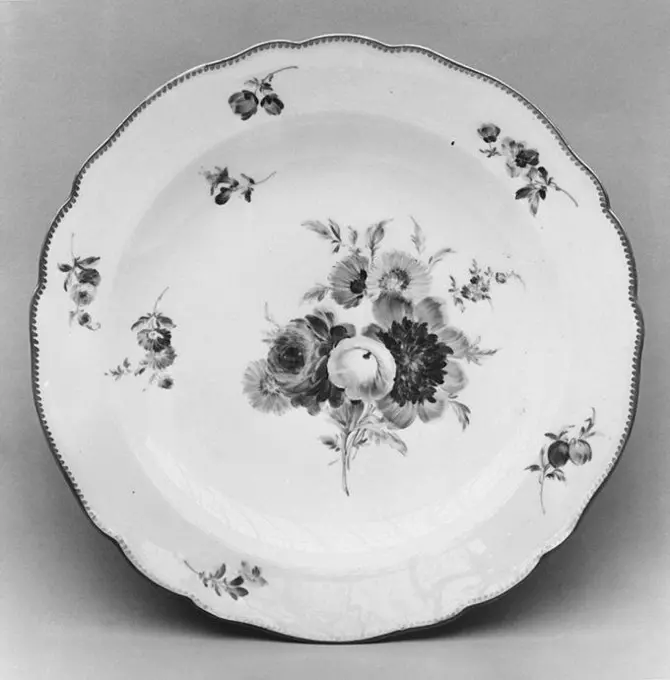
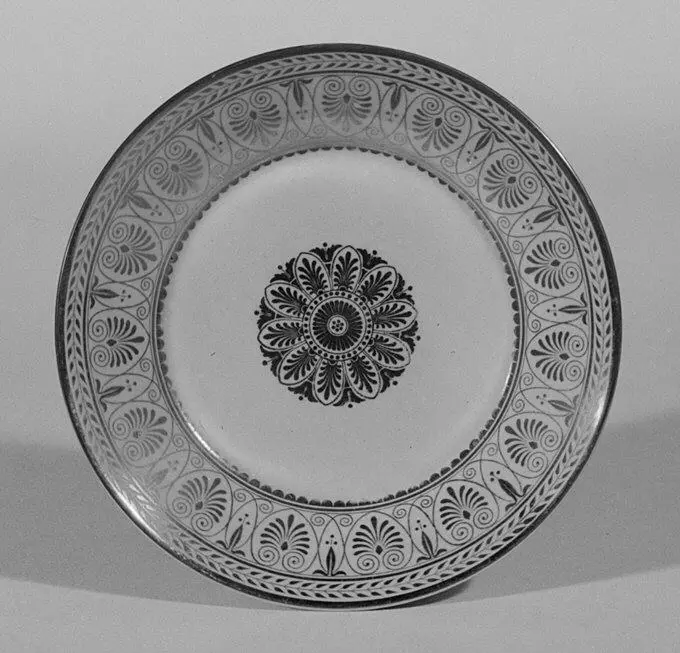
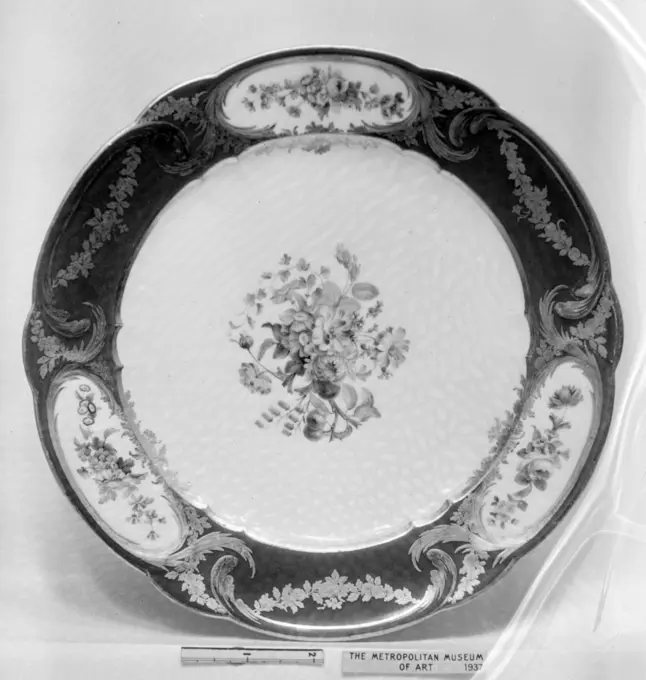
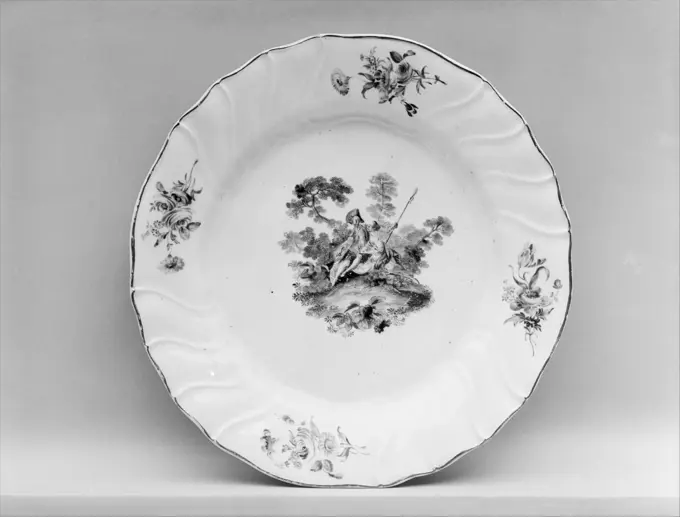
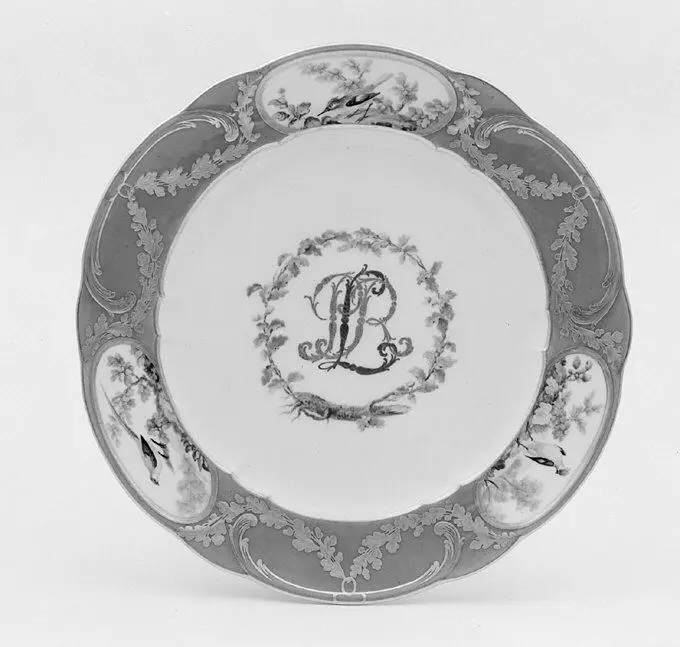
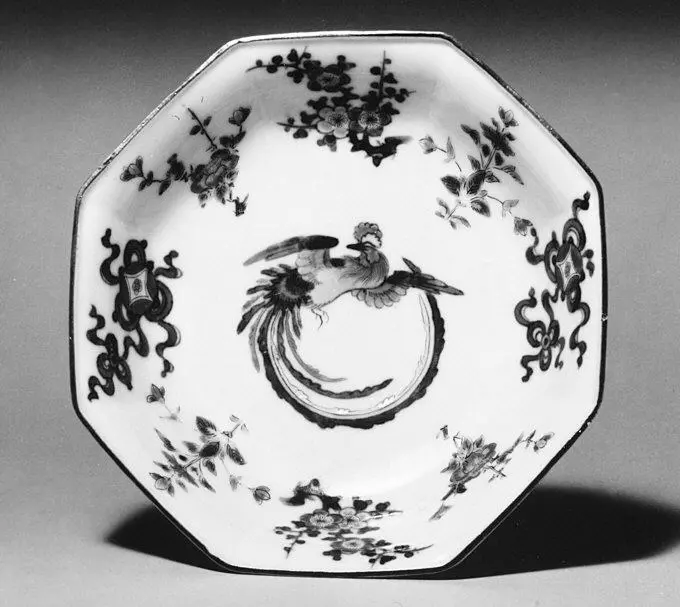
Plate ca. 1770 Meissen Manufactory German. Plate 188729 Factory: Meissen Manufactory, German, 1710present, Plate, ca. 1770, Hard-paste porcelain, Diameter: 8 in. (20.3 cm). The Metropolitan Museum of Art, New York. Gift of Alfred Duane Pell, 1902 (02.6.229)
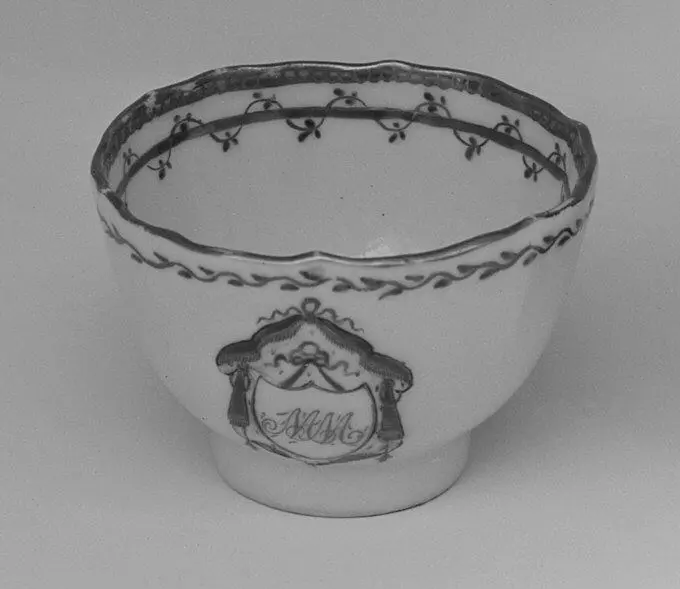
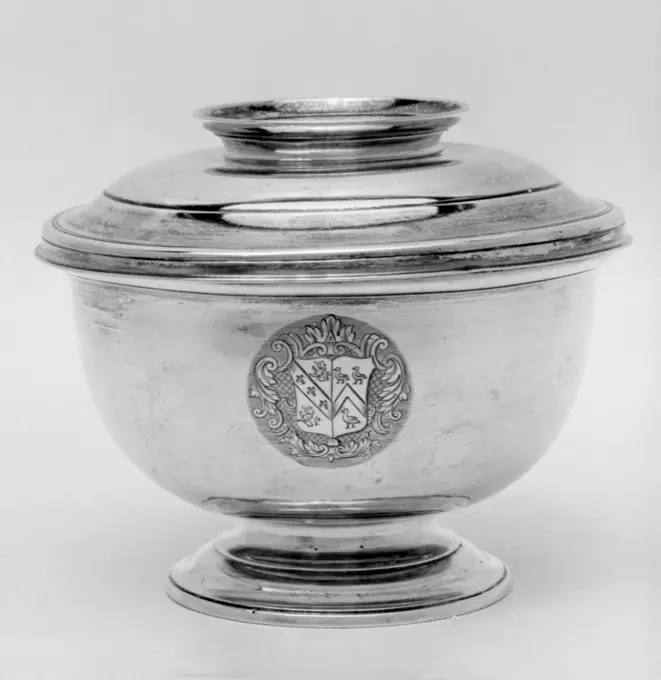
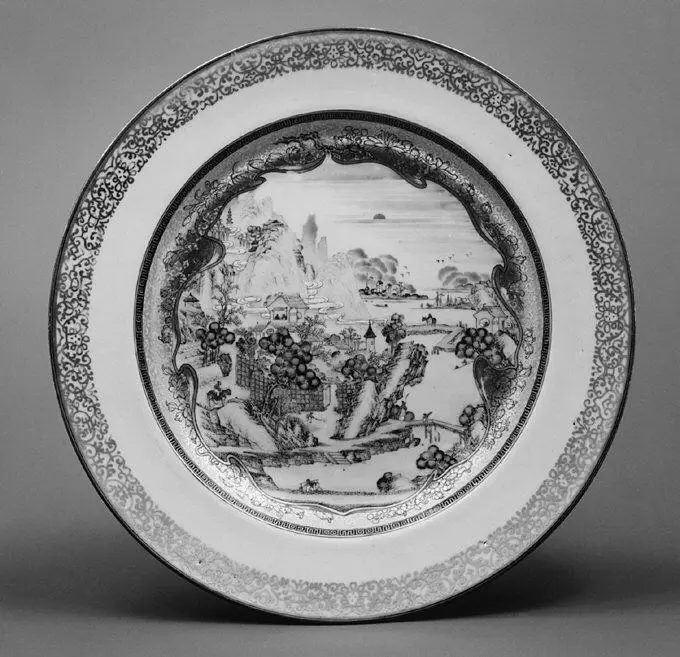
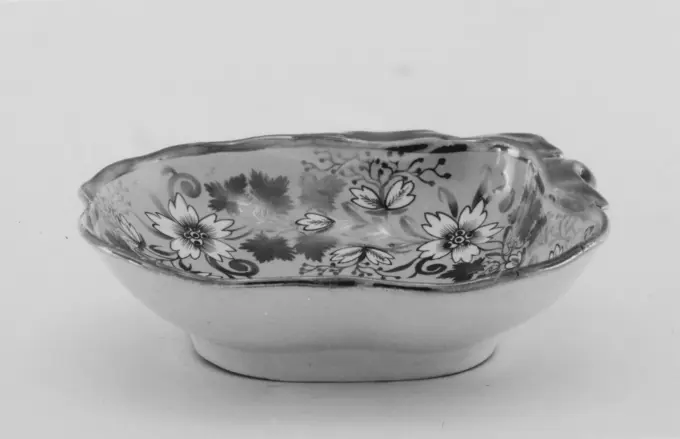
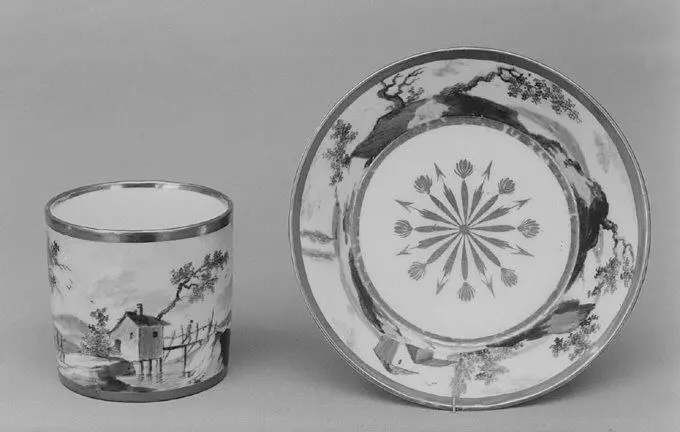
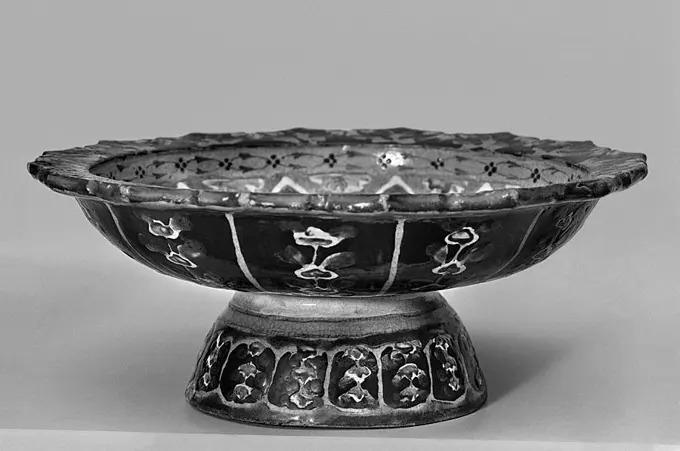
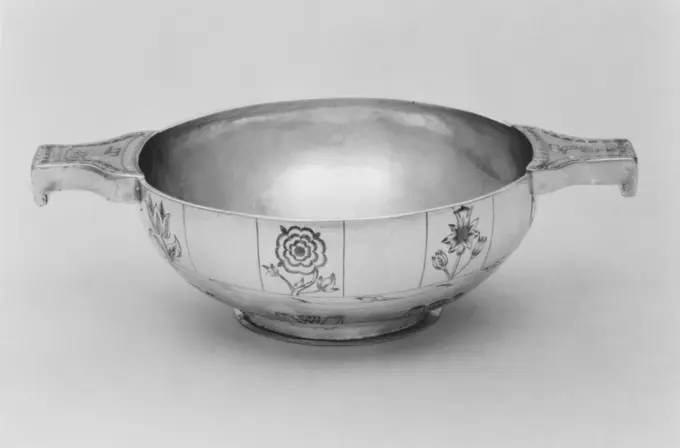
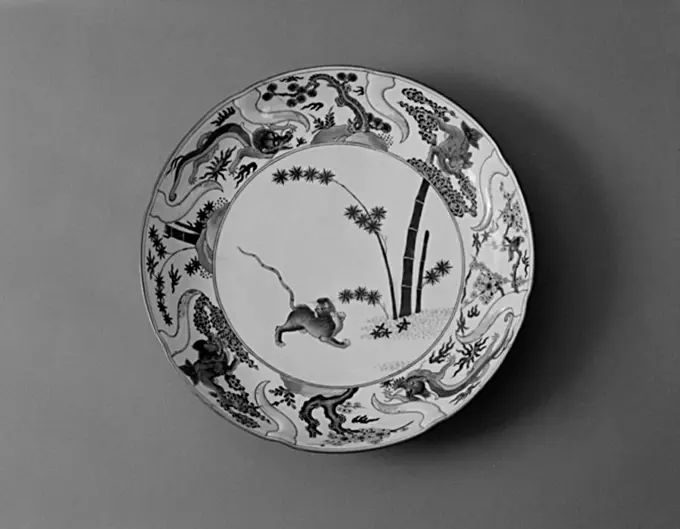
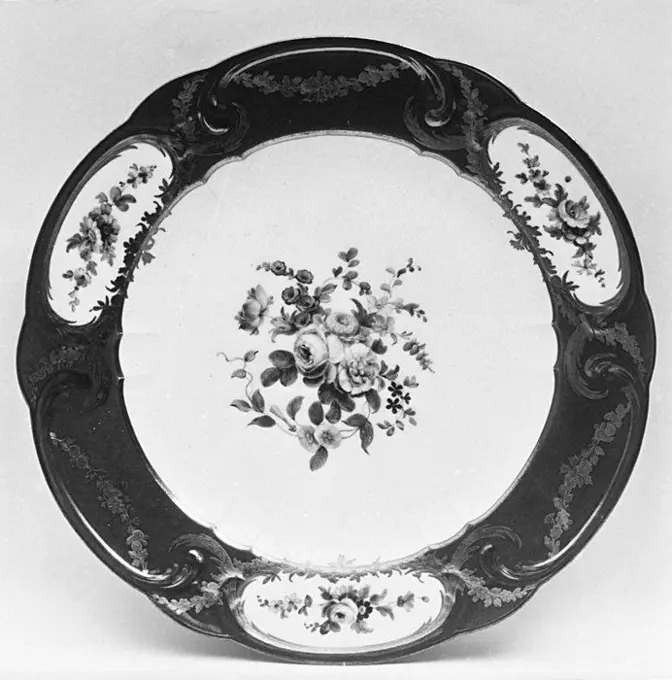
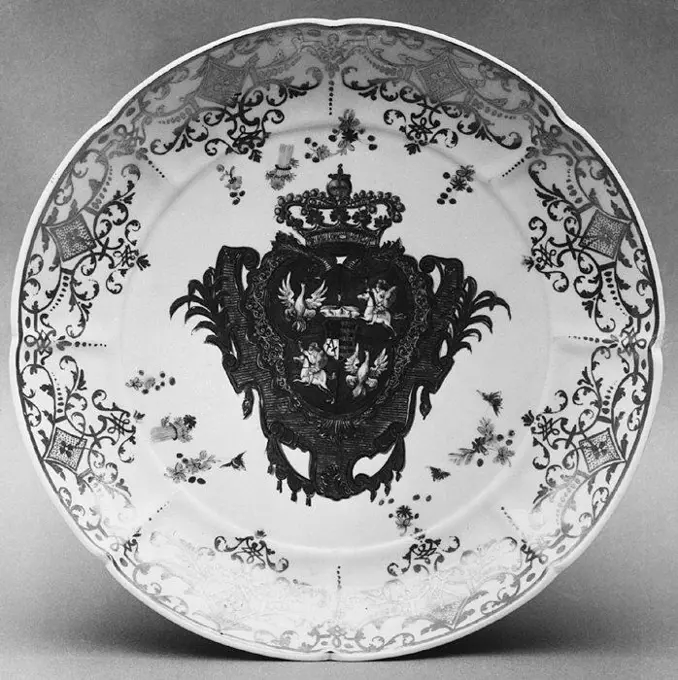
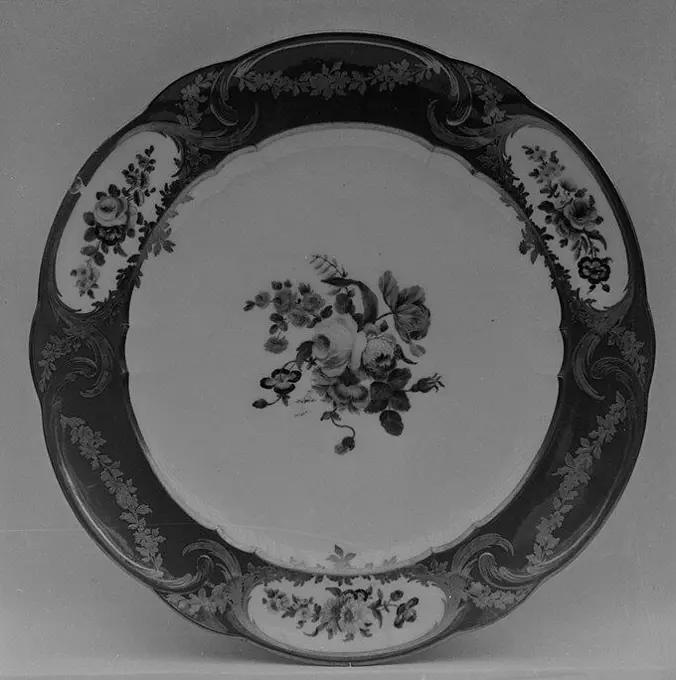
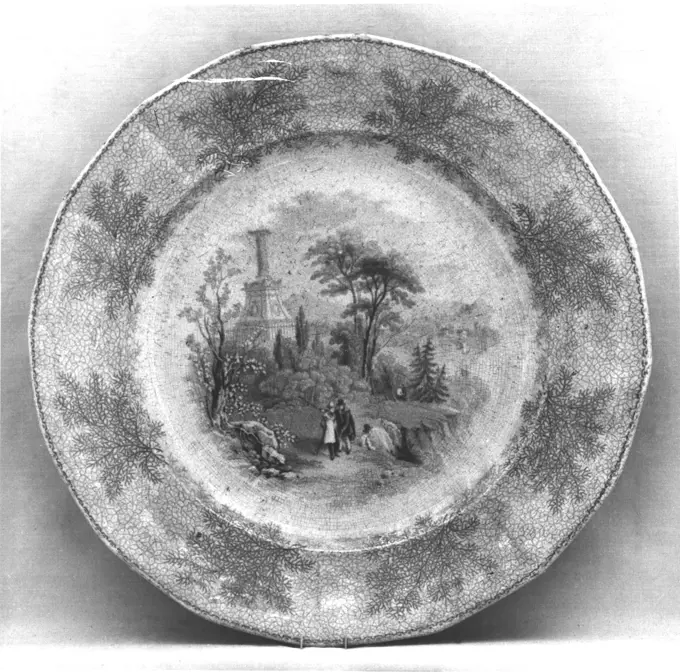
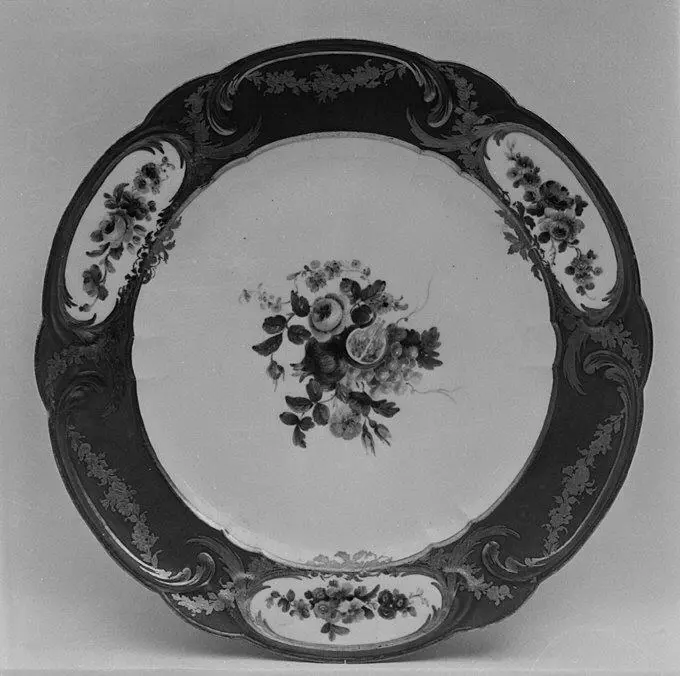
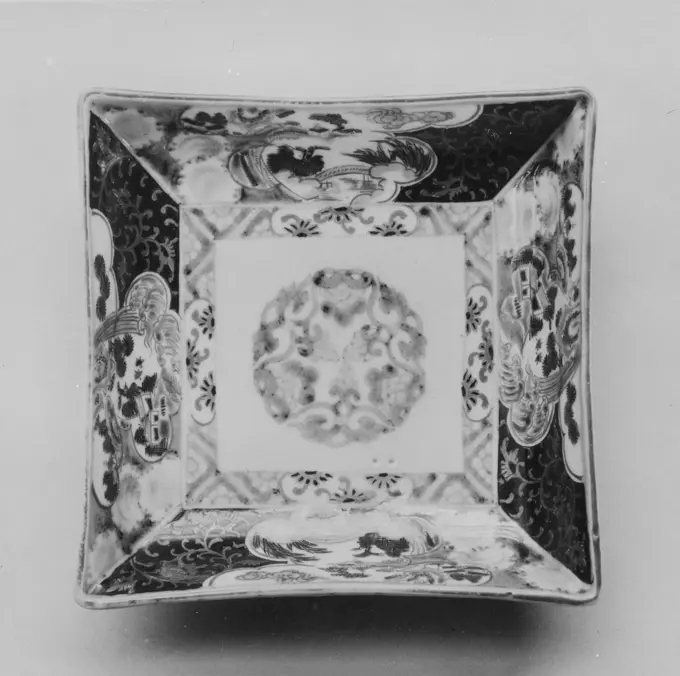
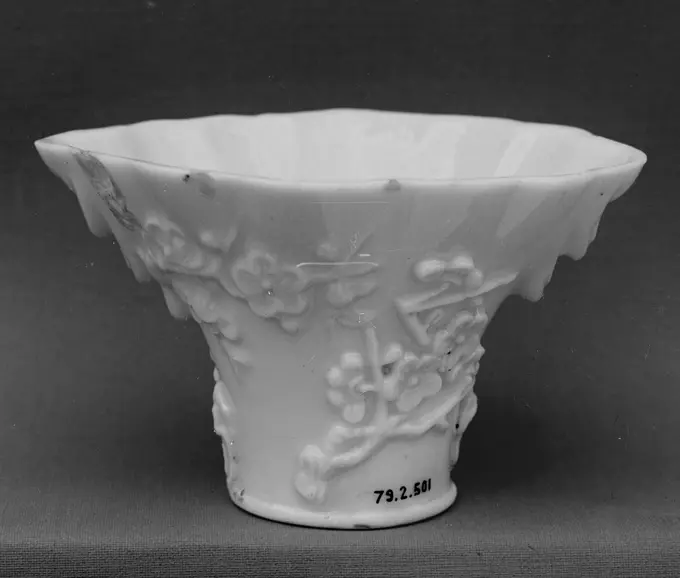
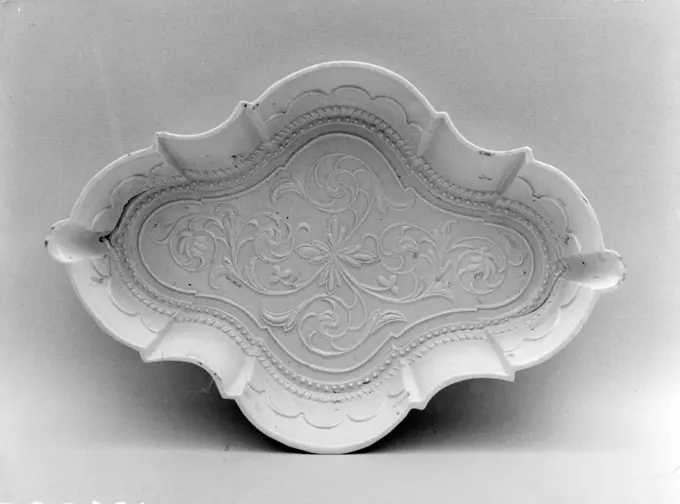
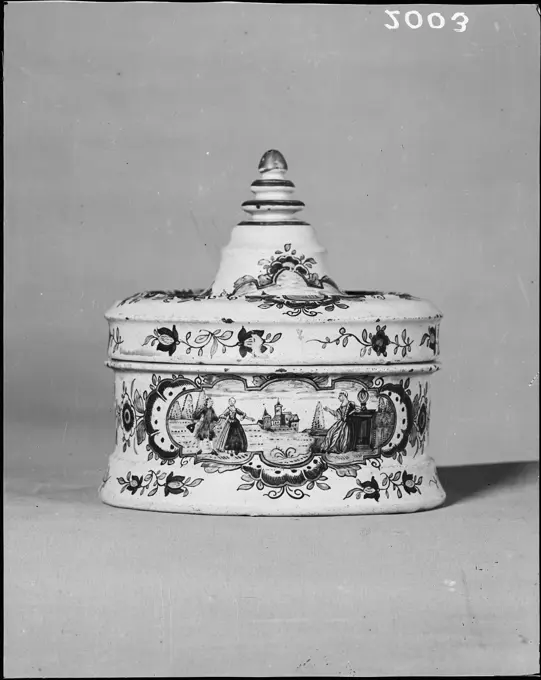
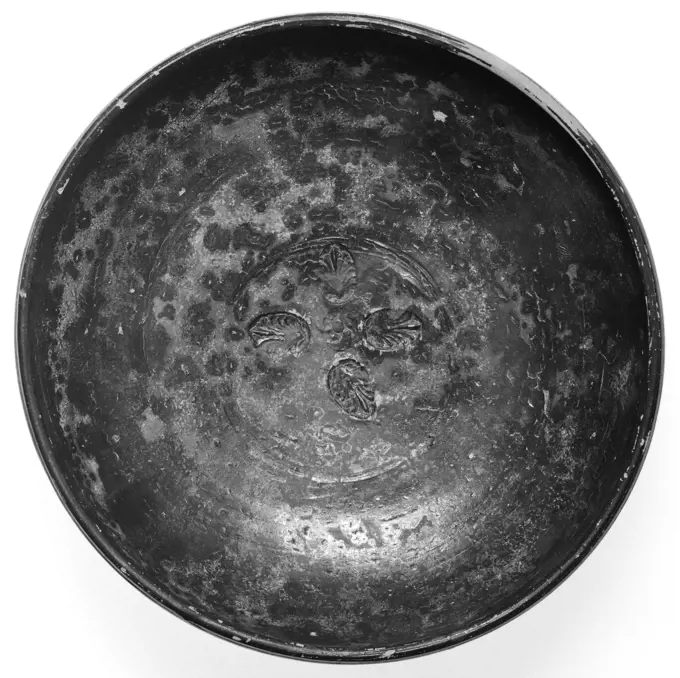
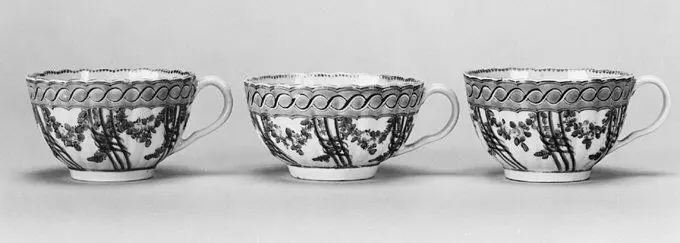
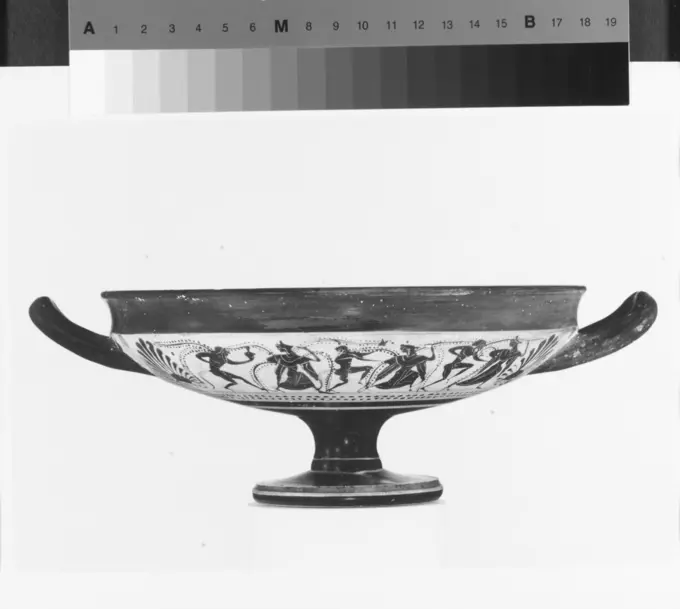
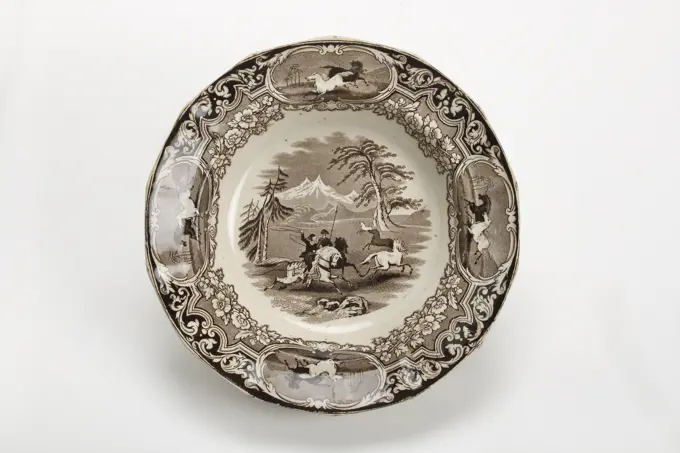
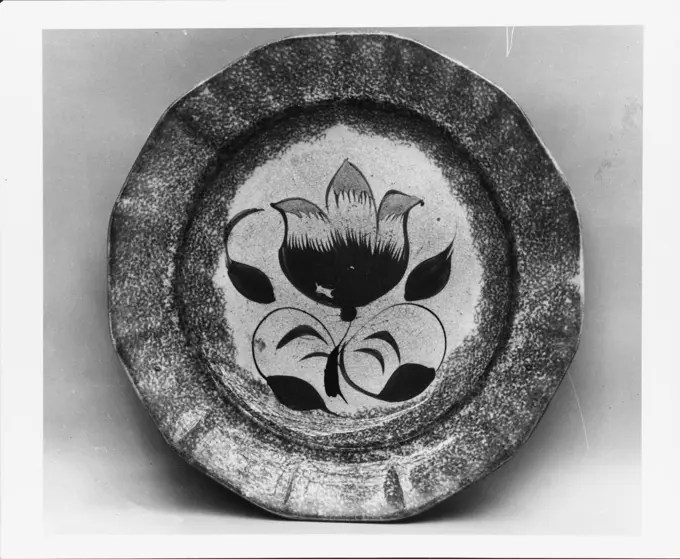
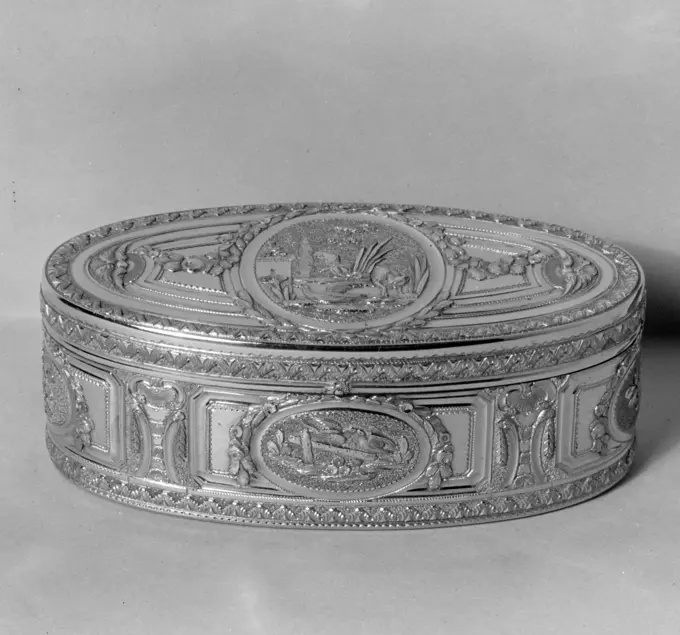
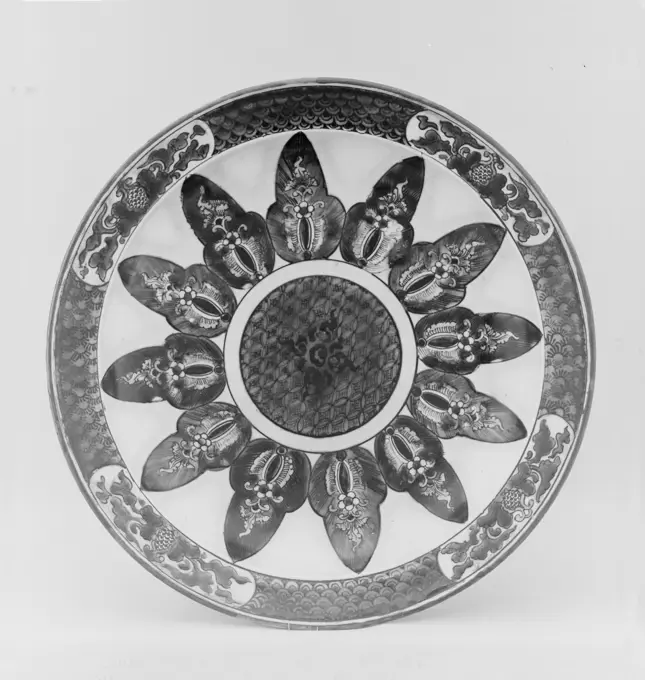
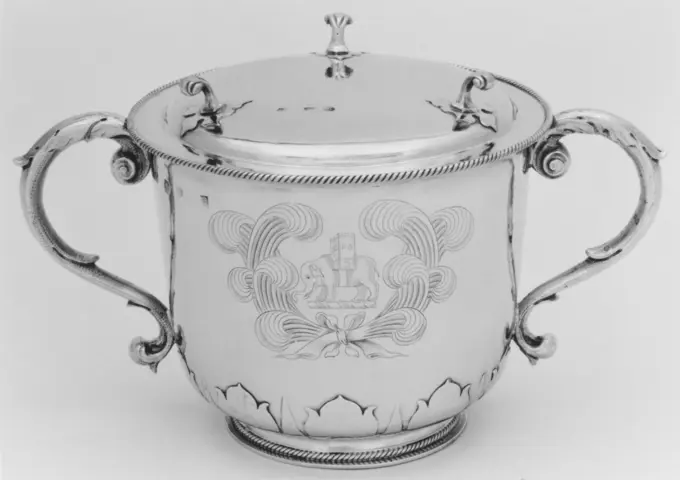
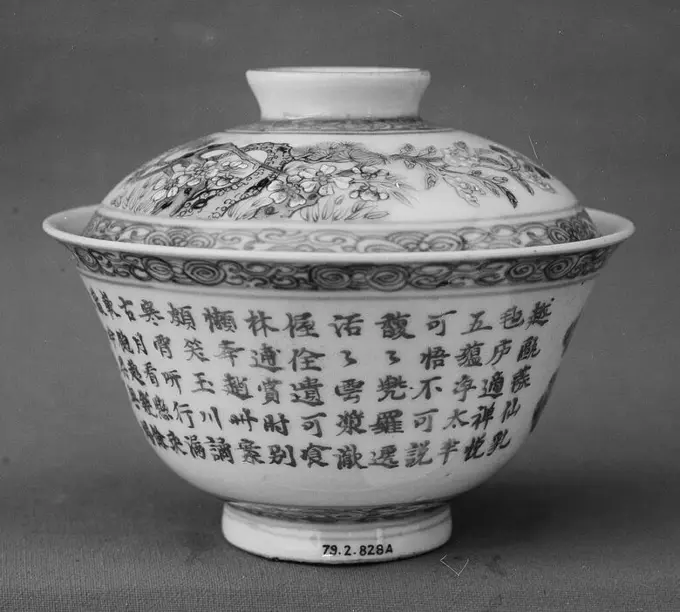
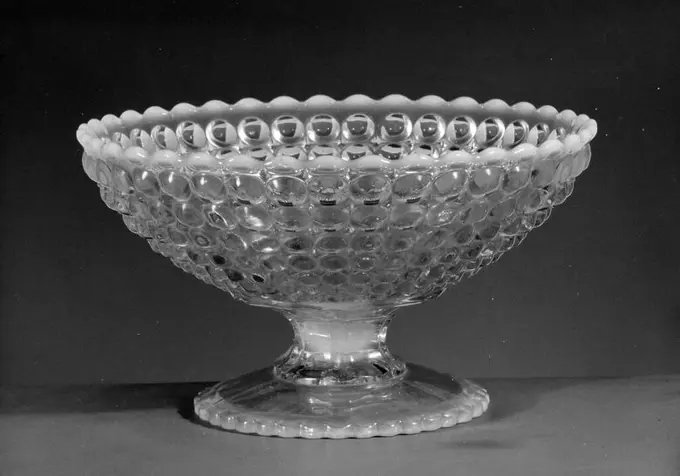
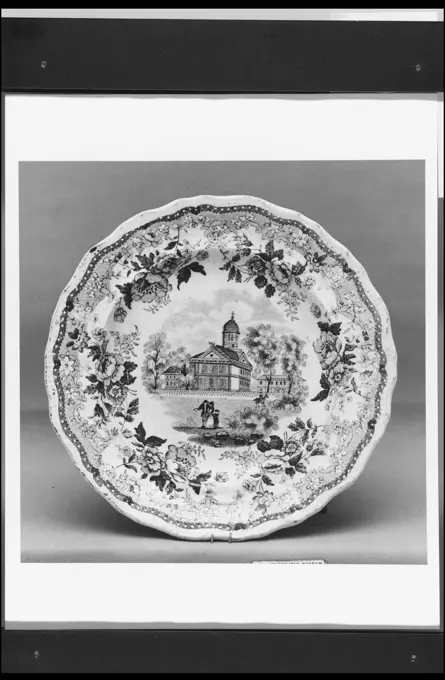
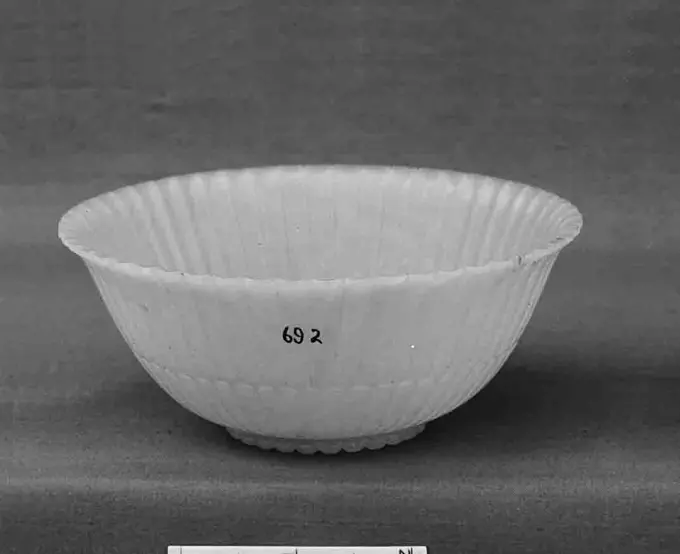
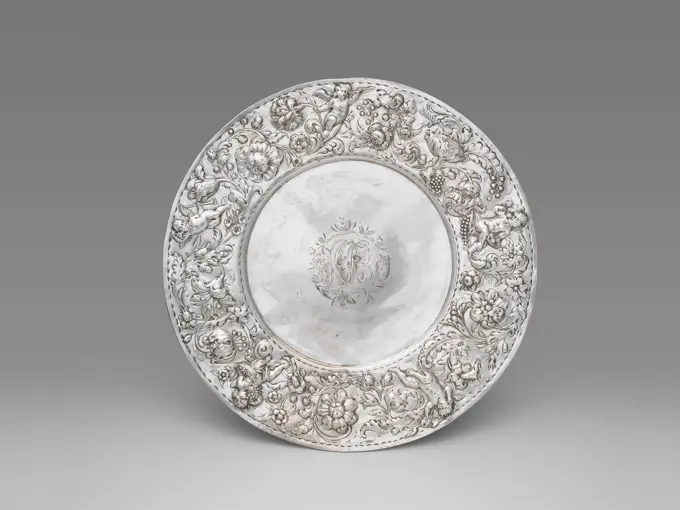
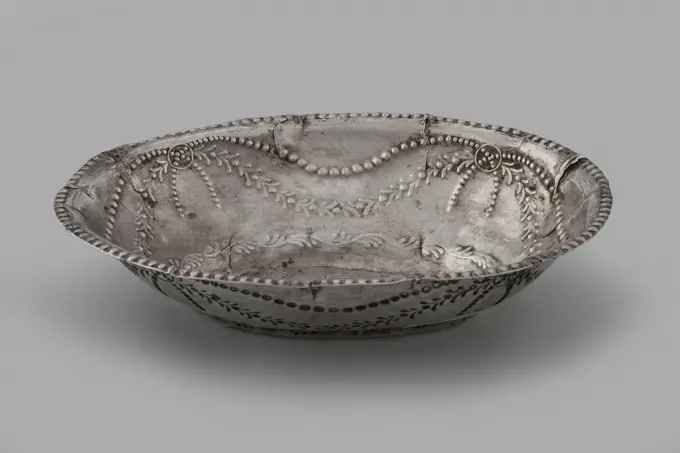
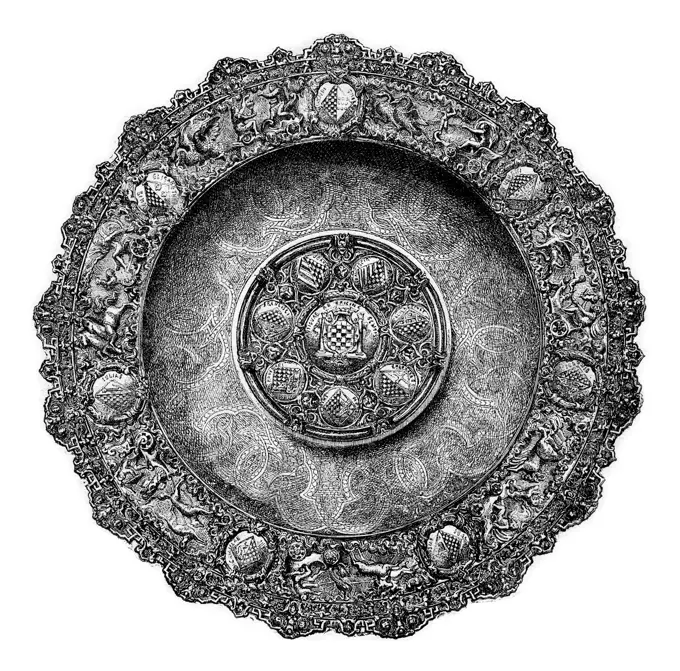
Tea cup ca. 1760-70 Chinese, for British market. Tea cup 201280Tea cup (part of a miniature service) 1790-1800 Chinese, for British market. Tea cup (part of a miniature service) 201227Salad bowl (saladier) (one of six) (part of a service) 1771 Sèvres Manufactory French. Salad bowl (saladier) (one of six) (part of a service) 197864Bowl with cover 1728-29 John Gamon. Bowl with cover 197398Saucer 1839 Sèvres Manufactory French. Saucer 202621Plate ca. 1745-55 Chinese, for British market. Plate 237827Sauceboat (part of a service) 1770-85 Chinese, probably for Swedish market. Sauceboat (part of a service) 201175Plate ca. 1770 Meissen Manufactory German. Plate 188729 Factory: Meissen Manufactory, German, 1710present, Plate, ca. 1770, Hard-paste porcelain, Diameter: 8 in. (20.3 cm). The Metropolitan Museum of Art, New York. Gift of Alfred Duane Pell, 1902 (02.6.229)Platter 1800-1830 Chinese. Platter. Chinese. 1800-1830. Porcelain. Made in ChinaPlate 18th century Chinese, for Continental European market. Plate 202588Plate (Assiette à palmes) (1 of 102) (part of a service) 1786 Sèvres Manufactory French. Plate (Assiette à palmes) (1 of 102) (part of a service). French, Sèvres. 1786. Soft-paste porcelain. Ceramics-PorcelainSmall plate ca. 1760 probably Worcester factory. Small plate 206076Plate (assiette à palmes) (1 of 102) (part of a service) 1772 Sèvres Manufactory French. Plate (assiette à palmes) (1 of 102) (part of a service) 197926Dish ca. 1835 British. Dish. British. ca. 1835. Earthenware, lusterware. Made in EnglandDish ca. 1780 Worcester factory. Dish 198525Basket. Culture: British, London. Dimensions: Diam. 10 1/4 in. (26 cm). Date: 1641-42. Museum: Metropolitan Museum of Art, New York, USA.Tureen with cover (part of a service) ca. 1765 Chinese, for Portuguese market. Tureen with cover (part of a service) 201155Cup and saucer (part of a tea set) ca. 1805 French, Paris. Cup and saucer (part of a tea set) 188707 French, Paris, Cup and saucer (part of a tea set), ca. 1805, Hard-paste porcelain, Height (cup .195): 2 5/8 in. (6.7 cm); Diameter (saucer .196): 4 3/4 in. (12.1 cm). The Metropolitan Museum of Art, New York. Gift of Alfred Duane Pell, 1902 (02.6.195, .196)Dish 1840 Japan. Dish 52482Soup plate (part of a service) 1760-70 Chinese, for Danish market. Soup plate (part of a service) 201046Snuffbox 1730-40 German, Dresden. Snuffbox 206273Bowl China. Bowl. China. Porcelain. Ming dynasty (1368-1644), Xuande period (1426-35). CeramicsFooted dish with floral pattern 19th century China. Footed dish with floral pattern 46215Quaich 1709 William Clark The quaich was an early form of loving cup. The staves of the wood prototype are here indicated as part of the decoration. The quaich is engraved on the handles Omnis bonis bona (To the good all things are good), the motto of a number of families.. Quaich 204888Plate with Molded Rim and Decoration of Kakiemon-Style Tiger and Bamboo dated 1755 China. Plate with Molded Rim and Decoration of Kakiemon-Style Tiger and Bamboo 49401Dish 19th century China. Dish 40804Plate (assiette à palmes) (1 of 102) (part of a service) 1780 Sèvres Manufactory French. Plate (assiette à palmes) (1 of 102) (part of a service) 197916Plate ca. 1733-34 Meissen Manufactory German. Plate 201774Plate (one of a pair) ca. 1762-70 Tournai. Plate (one of a pair) 197679Plate (assiette à palmes) (1 of 102) (part of a service) 1772 Sèvres Manufactory French. Plate (assiette à palmes) (1 of 102) (part of a service) 197936Plate ca. 1730 Chinese, for Dutch market. Plate. Chinese, for Dutch market. ca. 1730. Hard-paste porcelain. Ceramics-Porcelain-ExportPlate ca. 1822-ca. 1834 James and Ralph Clews British. Plate 6117Plate (part of a service) ca. 1775 Sèvres Manufactory French. Plate (part of a service) 197892Plate, one of twelve, c. 1807, William Sumner, English, -1807, Silver, England, 19th centuryCup and saucer ca. 1770-80 Worcester factory. Cup and saucer 198526Bowl ca. 1747 Chinese, for Dutch market The bowl commemorates the election of William Charles Henry Friso (William IV, 1711-1751) as stadholder of Holland in 1747.. Bowl. Chinese, for Dutch market. ca. 1747. Hard-paste porcelain. Ceramics-Porcelain-ExportBowl with mythical Thai figures 19th century China. Bowl with mythical Thai figures 46219Salt 1835-50 American or European. Salt. American or European. 1835-50. Lacy pressed green glass. Possibly made in United States; Possibly made in Finland; Possibly made in DenmarkPlate ca. 1844-ca. 1846 William Ridgway, Son & Co.. Plate. British (American market). ca. 1844-ca. 1846. Earthenware, transfer-printed. Made in Staffordshire, Stoke-on-Trent, EnglandPlate ca. 1770-75 Tournai. Plate. Belgian, Tournai. ca. 1770-75. Soft-paste porcelain. Tournai (Belgian, established ca. 1750). Ceramics-PorcelainCup (part of a service) 1770-85 Chinese, for British market. Cup (part of a service) 201346Plate (assiette à palmes) (1 of 102) (part of a service) 1786 Sèvres Manufactory French. Plate (assiette à palmes) (1 of 102) (part of a service) 197899Dish. Culture: British (American market). Dimensions: Diam. 9 7/8 in. (25.1 cm). Date: ca. 1825. Museum: Metropolitan Museum of Art, New York, USA.Hooked Rug. Culture: American. Dimensions: 81 x 54 in. (205.7 x 137.2 cm). Maker: Possibly after Edward Sands Frost (1843-1894). Date: 1850-1900. Museum: Metropolitan Museum of Art, New York, USA.Square Dish 16th century Japan. Square Dish. Japan. 16th century. Porcelain decorated with blue under the glaze and colored enamels (Imari ware). Muromachi period (1392-1573) or Momoyama period (1573-1615). CeramicsDish ca. 1825 British (American market). Dish. British (American market). ca. 1825. Earthenware, gaudy dutch. Made in Staffordshire, EnglandFerdinand Levillain. Circé cut. Silver copper. Before 1908. Museum of Fine Arts of the City of Paris, Petit Palais. 79764-2 Cup, metal, dishesCup late 17th-early 18th century China. Cup. China. late 17th-early 18th century. Porcelain with low-relief decoration under a clear glaze, Dehua ware (blanc de chine). Qing dynasty (1644-1911), Kangxi period (1662-1722). CeramicsSoup plate (part of a service) ca. 1800-1805 Chinese, for Portuguese market. Soup plate (part of a service) 201103Covered bowl with floral pattern 19th century China. Covered bowl with floral pattern. China. 19th century. Porcelain painted in overglaze polychrome enamels (Bencharong ware for Thai market). Qing dynasty (1644-1911). CeramicsSpoon Dish 1740-60 British (American market). Spoon Dish. British (American market). 1740-60. Stoneware. Made in Staffordshire, EnglandPlate, one of twelve, c. 1807, William Sumner, English, -1807, Silver, England, 19th centuryDutch, Delft, Tobacco box with cover, second half 18th century, Tin-glazed earthenware, Height: 5 1/2 in. (14 cm).Dish (part of a service) ca. 1765-75 Worcester factory Eighteenth- and nineteenth-century porcelain tea sets usually comprised a teapot and stand, milk jug, sugar bowl, tea caddy, spoon tray, slop basin, six or twelve tea bowls with or without handles, and six or twelve saucers, a coffee pot and six or twelve coffee cups and a dish for cake. The Worcester factory made tea bowls with a handle if the decoration was European and without a handle for Oriental designs.. Dish (part of a service) 198466Platter or tray 1783 widow of Jean-Pierre-Elou-Louis Piette. Platter or tray 200213Dish (part of a service) ca. 1765-75 Worcester factory Eighteenth- and nineteenth-century porcelain tea sets usually comprised a teapot and stand, milk jug, sugar bowl, tea caddy, spoon tray, slop basin, six or twelve tea bowls with or without handles, and six or twelve saucers, a coffee pot and six or twelve coffee cups and a dish for cake. The Worcester factory made tea bowls with a handle if the decoration was European and without a handle for Oriental designs.. Dish (part of a service). British, Worcester. ca. 1765-75. Soft-paste porcelain. Worcester factory (British, 1751-2008). Ceramics-PorcelainPlate ca. 1725-30 Meissen Manufactory German. Plate. German, Meissen probably with Augsburg decoration. ca. 1725-30. Hard-paste porcelain. Ceramics-PorcelainSalver 1737-39 German, Augsburg. Salver 206481Campanian Black Bowl; Campania, South Italy, Europe; 323 - 31 B.C; Terracotta; 6.3 x 18 cm (2 1,2 x 7 1,16 in.)Plate 18th century I.B.C.. Plate 200204Six tea cups (part of a service) ca. 1770 Worcester factory. Six tea cups (part of a service) 205452Teacup (part of a service) ca. 1780-85 Meissen Manufactory German. Teacup (part of a service) 209391Covered cup with floral patterns late 18th century China. Covered cup with floral patterns. China. late 18th century. Porcelain painted in overglaze polychrome enamels and with openwork decoration (Jingdezhen ware). Qing dynasty (1644-1911). CeramicsPlate (assiette à palmes) (one of four) (part of a service) 1771 Sèvres Manufactory French The table services produced at Sèvres in the eighteenth century were highly prized and extremely expensive. They were not only purchased by the Crown and members of the aristocracy but also given by the king as diplomatic gifts to foreign courts and visiting dignitaries, and the esteem in which they were held did much to enhance the factorys prestige and fortunes. Because the number of pieces composing a service was very large, the cost was enormous, but this did not deter many courtiers from ordering a dinner or dessert service, or both.One of the most celebrated services produced at Sèvres was delivered to Louis-René-Édouard, prince de Rohan-Guémenée (1734-1803), on September 7, 1772. All of the pieces were decorated with the rich turquoise ground color known as bleu céleste and with birds encircled by an elaborate gilt wreath of oak leaves and acorns. Many of the components of the service beaKylix, Droop cup late 6th century B.C. Greek, Attic Interior, deer and palm tree; exterior, Thiasos of satyrs and maenads.. Kylix, Droop cup 255451Two-handled cup with cover 1682-83 E. N., London. Two-handled cup with cover 197366Soup plate - Lasso John Goodwin John GoodwinBox 15th century Italian, possibly Liguria. Box 193334Plate 1800-1830 Possibly Barker and Till. Plate. British. 1800-1830. Majolica earthenware, spatterware. Possibly made in Staffordshire, EnglandSnuffbox 1775-76 Probably by Louis Ray In eighteenth-century Europe, Paris led the production of high-quality luxury goods. Parisian goldsmiths made a wide range of small, personal articles such as snuffboxes; étuis to hold sealing wax, tweezers, or utensils for sewing; souvenirs, which contained thin ivory tablets for note taking; and shuttles for knotting lace. Gold snuffboxes and boxes decorated with portrait miniatures were prized and frequently given as royal gifts, often to ambassadors or members of the court in lieu of cash payments for their services. Coveted and admired, these boxes were produced from a variety of materials. The best were skillfully made of gold and embellished with diamonds, enameled decoration, lacquer, and other luxurious materials. By the middle of the century, the taking of snuff had become an entrenched social ritual, and the snuffbox, too, had become an important social prop. Snuffboxes were considered highly fashionable accessories, with some merchantsPlate ca. 1850 Japan. Plate. Japan. ca. 1850. Pottery covered with glaze and enameled in five colors (Hizen ware, Kutani type). Edo period (1615-1868). CeramicsTwo-handled cup with cover 1672-73 Thomas Jenkins. Two-handled cup with cover 204883Cup (part of a service) ca. 1795 Chinese, for British market. Cup (part of a service) 201237Covered Bowl. Culture: China. Dimensions: H. 3 1/2 in. (8.9 cm); Diam. 4 1/4 in. (10.8 cm). Museum: Metropolitan Museum of Art, New York, USA.Compote. Culture: American. Dimensions: H. 4 1/2 in. (11.4 cm); Diam. 8 in. (20.3 cm). Maker: Richards and Hartley Flint Glass Co. (ca. 1870-1890). Date: ca. 1888. Museum: Metropolitan Museum of Art, New York, USA.Bowl. Culture: China. Dimensions: H. 3 in. (7.6 cm); Diam. 6 in. (15.2 cm). Date: 18th century. Museum: Metropolitan Museum of Art, New York, USA.Plate ca. 1831-ca. 1835 Job & John Jackson. Plate. British (American market). ca. 1831-ca. 1835. Earthenware, transfer-printed. Made in Staffordshire, EnglandToilet jar with cover ca. 1765 probably Mennecy. Toilet jar with cover 200823Soup Plate ca. 1821-ca. 1834 James and Ralph Clews British. Soup Plate 7658Dish 1690-1710 Japanese, for European market The gift of the Hans Syz Collection in 1995 endowed the Museum with nearly three hundred examples of European and Asian ceramics meticulously acquired by Swiss-born collector Dr. Syz (1894-1991) to chart the migration of models and patterns from East to West. Documenting a continuous process of influence and adaptation, these pieces provide a discriminating review of the nuances of stylistic change resulting from three centuries of trade.. Dish 208370Jar with cover (one of a pair) ca. 1775 Royal Porcelain Manufactory, Berlin. Jar with cover (one of a pair). German, Berlin. ca. 1775. Hard-paste porcelain. Royal Porcelain Manufactory, Berlin (German, founded 1763). Ceramics-PorcelainDish with plum blossoms late 17th-early 18th century China. Dish with plum blossoms 46819Hobnail Fruit Bowl after 1886 Probably Hobbs, Brockunier and Company. Hobnail Fruit Bowl. American. after 1886. Pressed canberry and opalescent glass. Made in Wheeling, West Virginia, United StatesPlate 19th century China. Plate. China. 19th century. Painted enamel. EnamelsPlatter ca. 1844-ca. 1846 William Ridgway, Son & Co.. Platter 6531Plateau. Culture: Italian, Deruta. Dimensions: Overal (confirmed): 15 11/16 × 3 1/8 in. (39.8 × 7.9 cm). Date: ca. 1520-25. Museum: Metropolitan Museum of Art, New York, USA.Plate ca. 1816 Attributed to Henry Roudebuth. Plate. American. ca. 1816. Earthenware; Redware. Made in Montgomery County, Pennsylvania, United StatesBox 1830-70 American. Box. American. 1830-70. Parian porcelain. Probably made in Bennington, Vermont, United StatesCup and saucer 1750-60 Imperial Porcelain Manufactory. Cup and saucer. Austrian, Vienna. 1750-60. Hard-paste porcelain. Ceramics-PorcelainCup and saucer ca. 1730 Meissen Manufactory German. Cup and saucer 199161Plate ca. 1760 British, Staffordshire. Plate 197642One of Pair of Rice Bowls China. One of Pair of Rice Bowls 43986P. Mass, Cup and Saucer, 1838-79, silver.Plate (part of a service) ca. 1810 Chinese, for Portuguese market. Plate (part of a service) 200995Plate ca. 1750 British, Bristol. Plate 198663Cup ca. 1735-40 Meissen Manufactory German. Cup 188738 Factory: Meissen Manufactory, German, 1710present, Saucer, ca. 1740, Hard-paste porcelain, Diameter: 4 3/4 in. (12.1 cm). The Metropolitan Museum of Art, New York. Gift of Alfred Duane Pell, 1902 (02.6.238)Dish 1685, with later monogram Sigismund Zschammer The cherubs, foliage and, particularly, flowers chased in high relief on the border of this dish were popular motifs not only in silver but also in contemporary painting and used for marquetry and gilt leather as can be seen in this and nearby galleries. The monogram engraved in the center refers to a member of De Peyster family, an important Dutch merchant family in New York which included Abraham de Peyster who served as mayor of the city from 1691-94.. Dish 210074Chamber candlestick 1740-41 Possibly Jacques I Serqueil. Chamber candlestick 200259Oval patera;  3 18th century (1751-00-00-1800-00-00);Krystall, Bronisław (1887-1983) - collection, classicism (style), flowers, plant ornaments, testamentary record (provenance), testamentary record of Bronisław KrystallTray vermeil of the seventeenth century, vintage engraving. Tray vermeil of the seventeenth century, vintage engraved illustration. Magasin Pittoresque 1873. Copyright: xZoonar.com/PatrickxGuenettex 10679578