Antique Teapots and Creamers

A range of vintage creamers and teapots, including metal and stoneware pieces, showcasing intricate designs and historical craftsmanship.
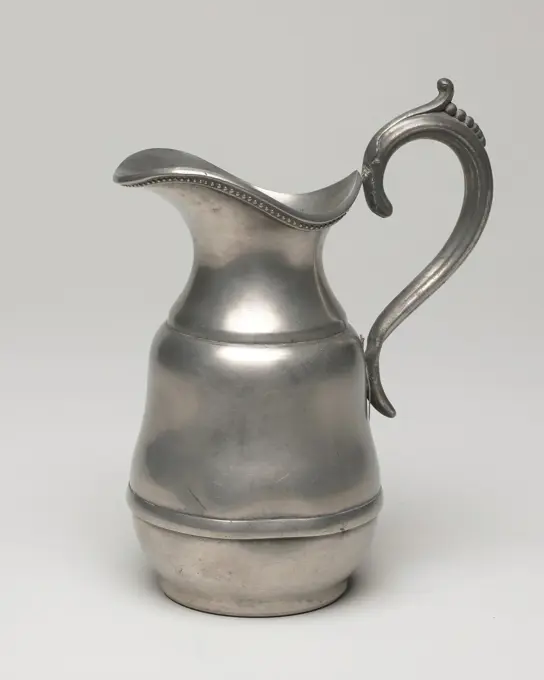
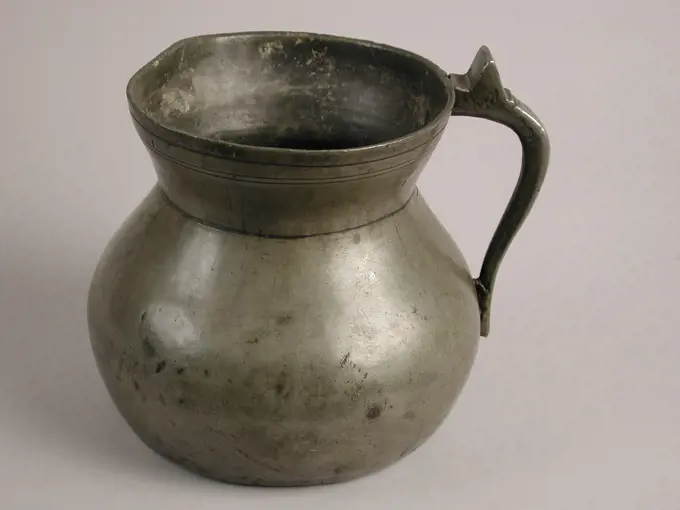
Cream jug, 19th century, 6 1/2 x 4 7/8 x 3 3/8 in. (16.51 x 12.38 x 8.57 cm), Pewter, England, 19th century
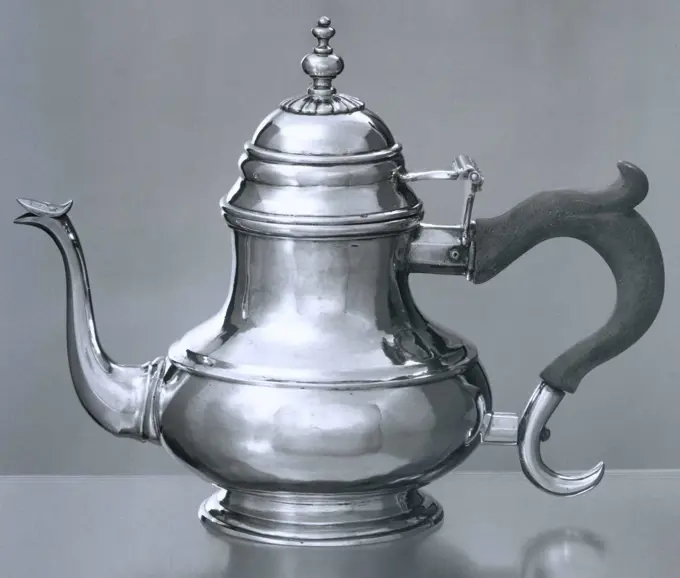
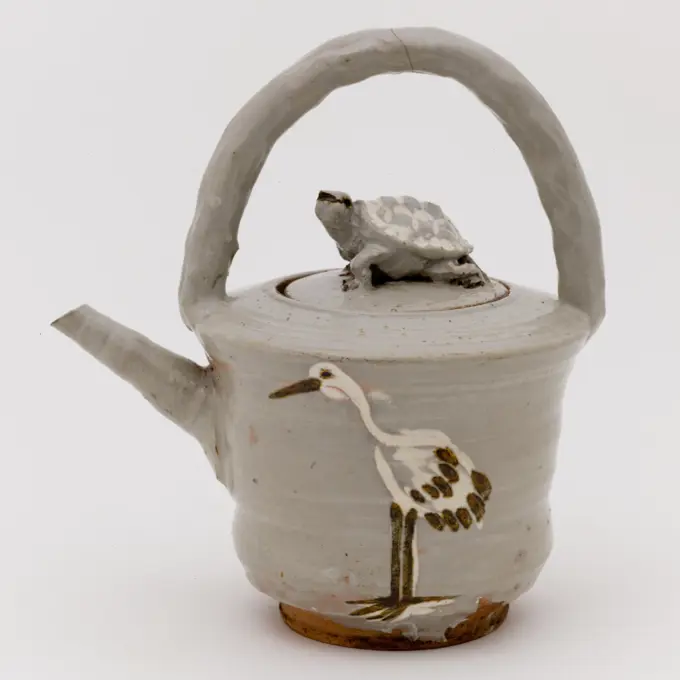
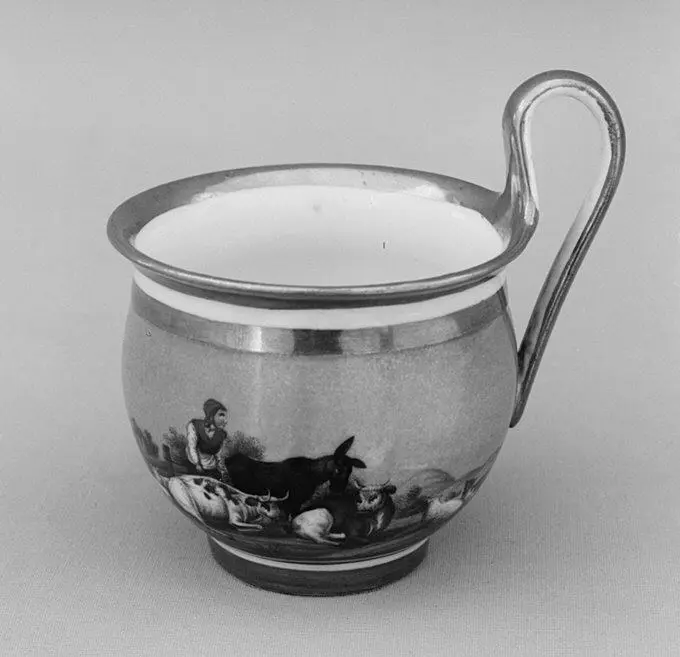
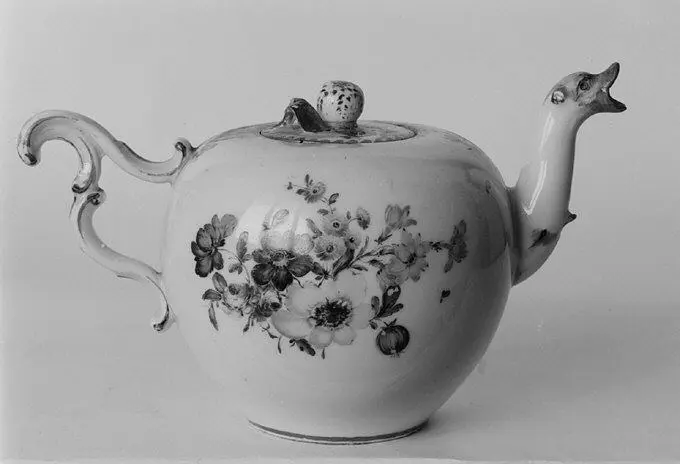
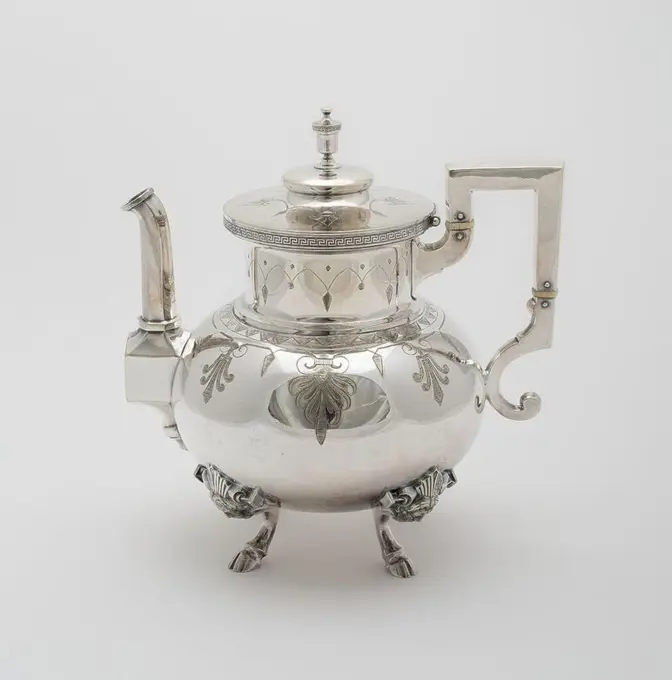
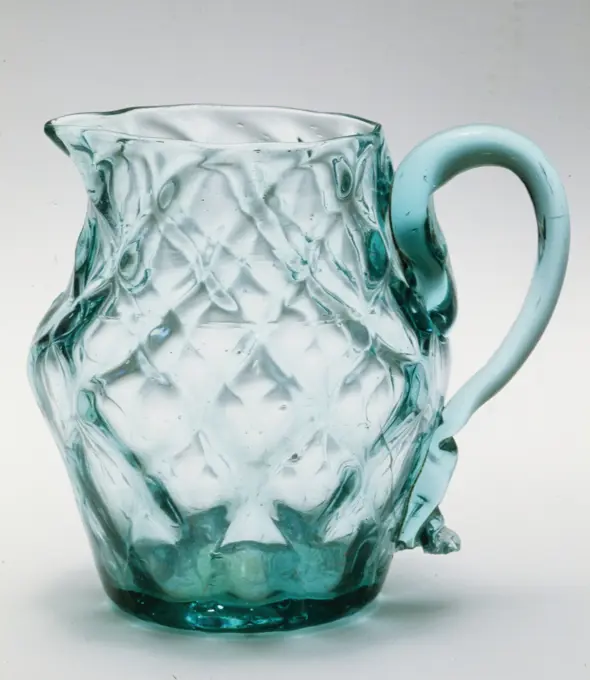
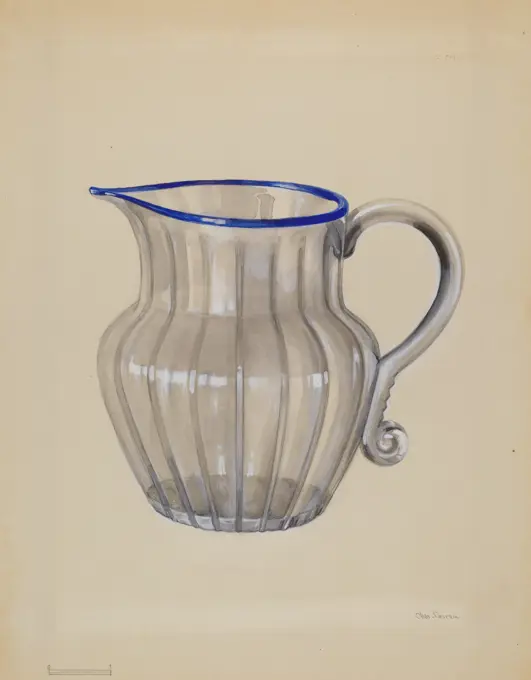
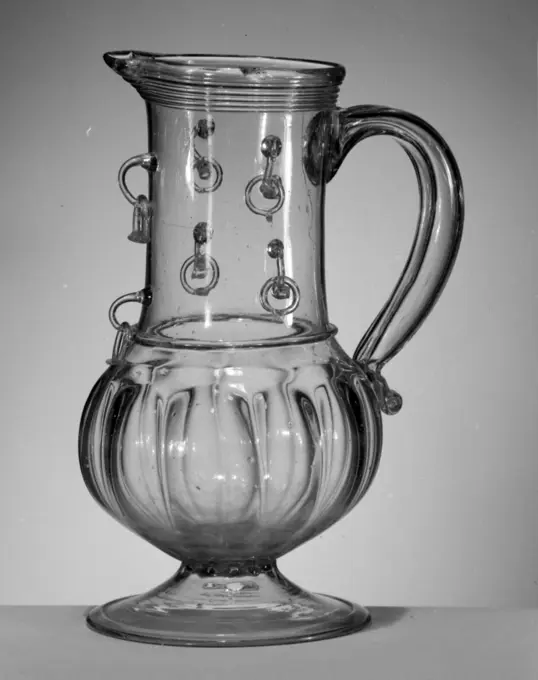
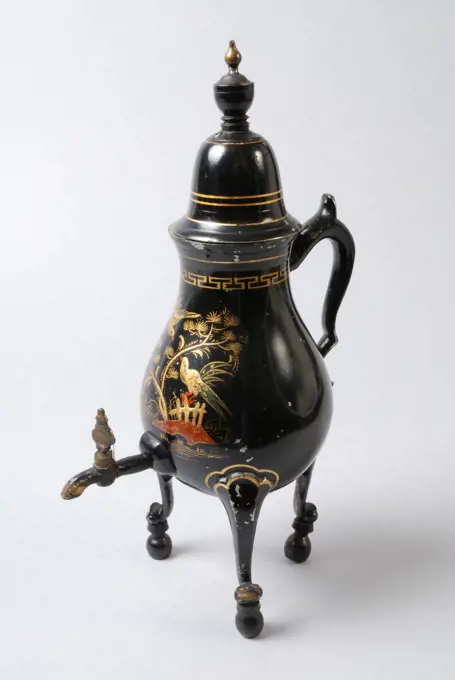
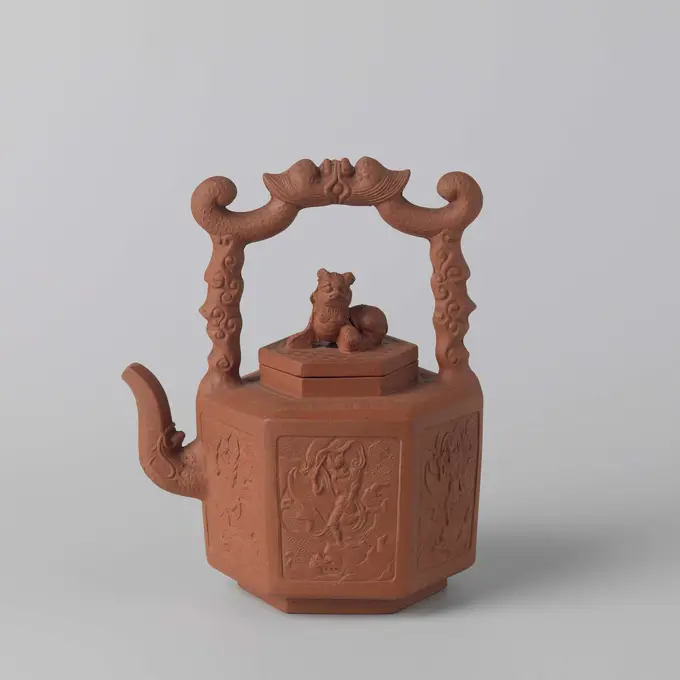
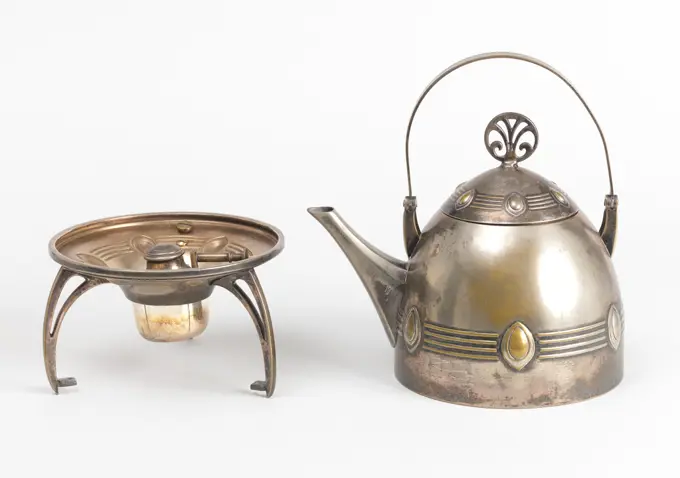
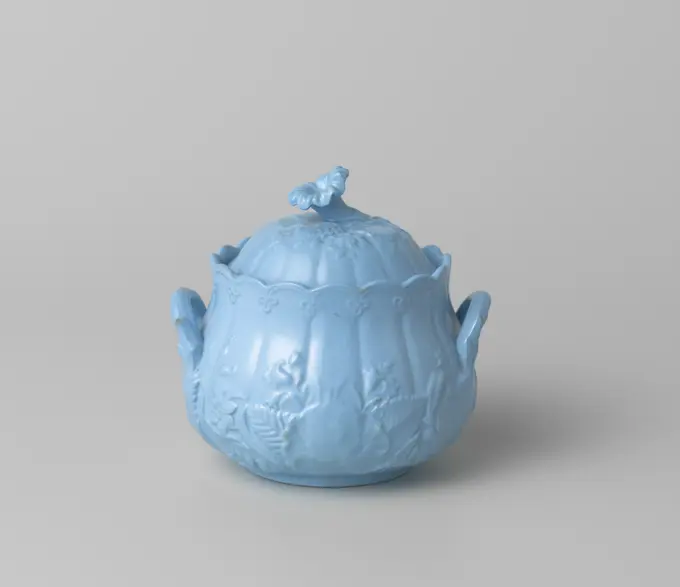
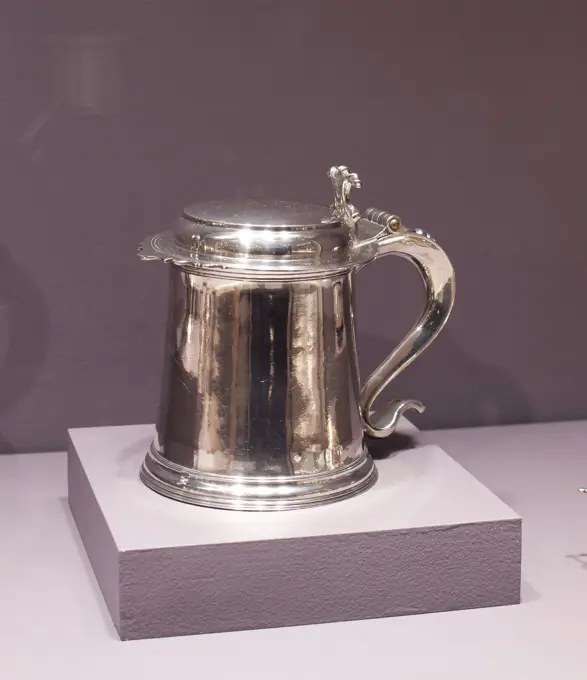
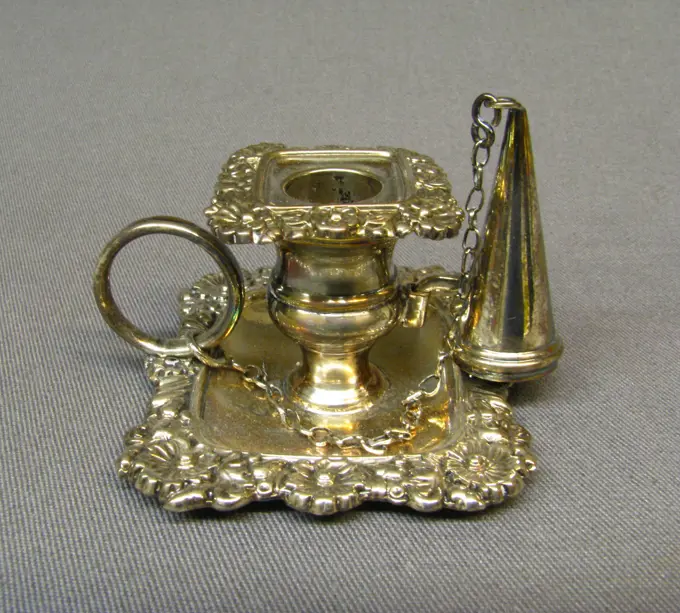
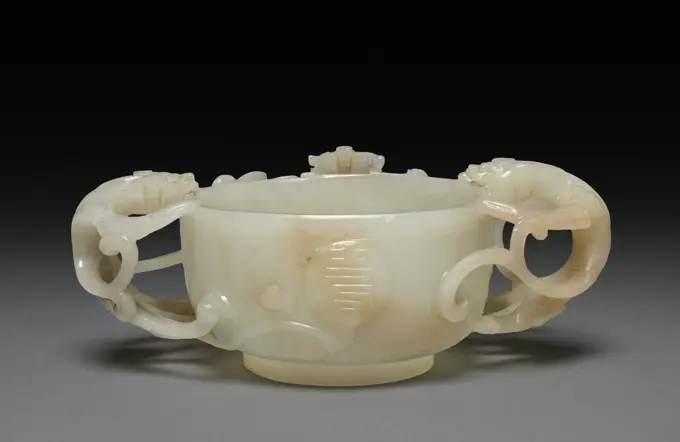
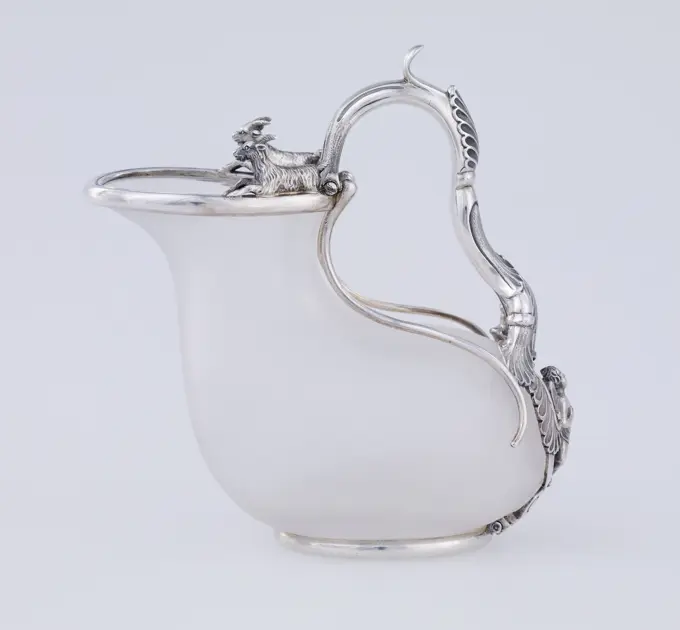
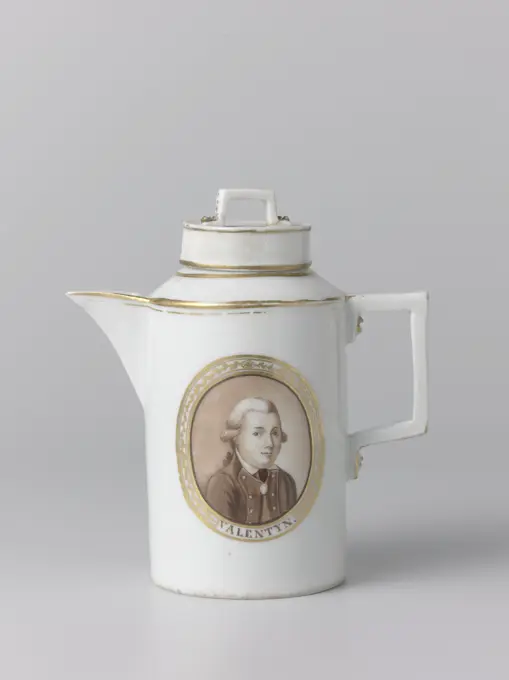
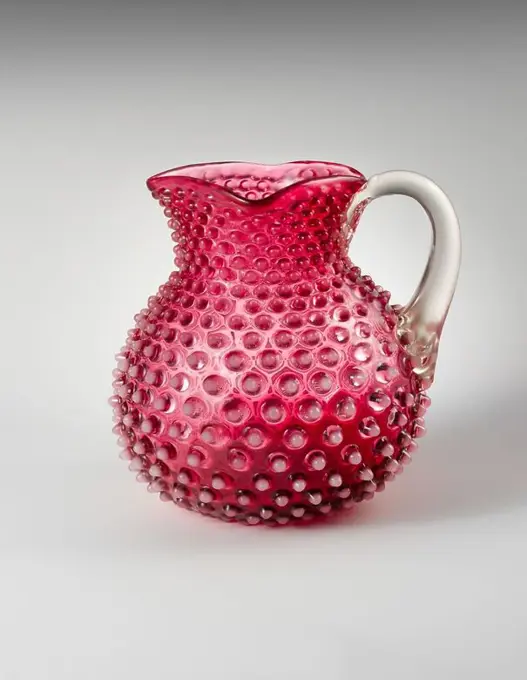
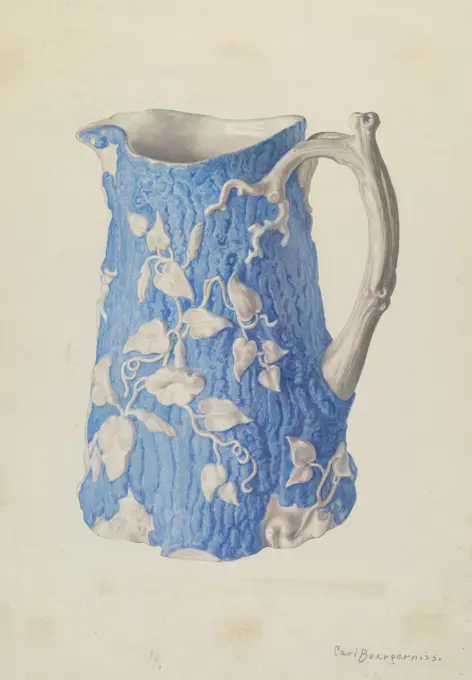
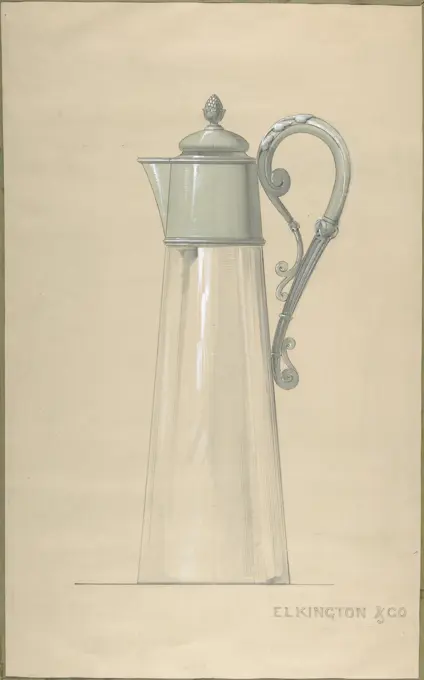
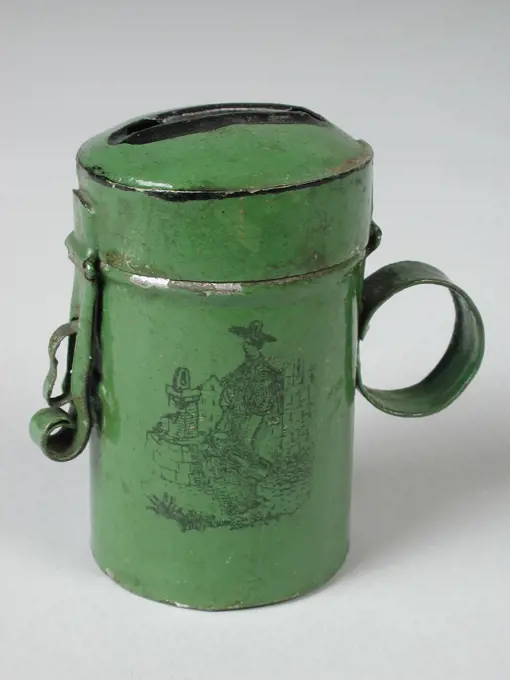
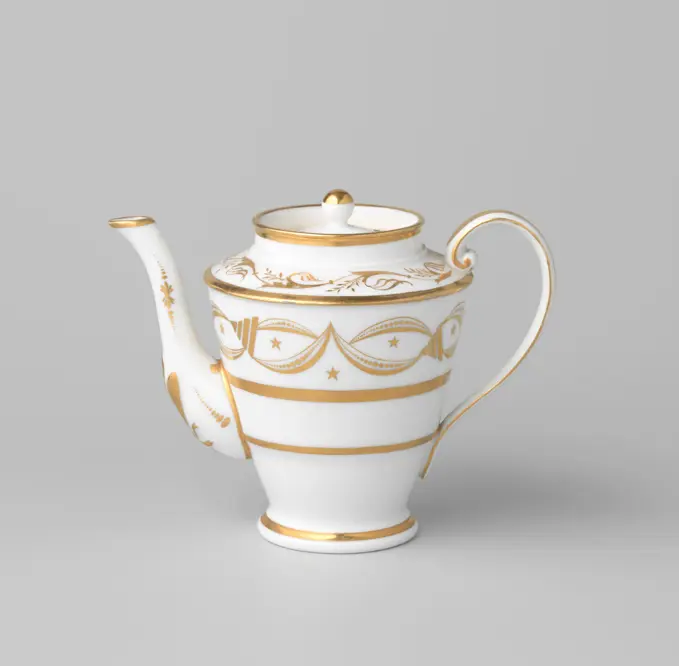
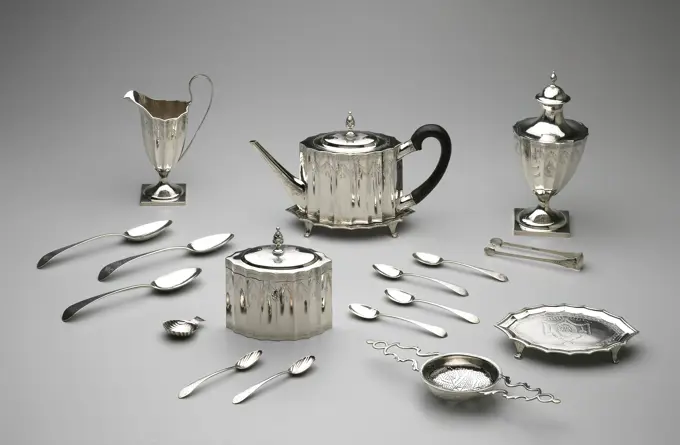
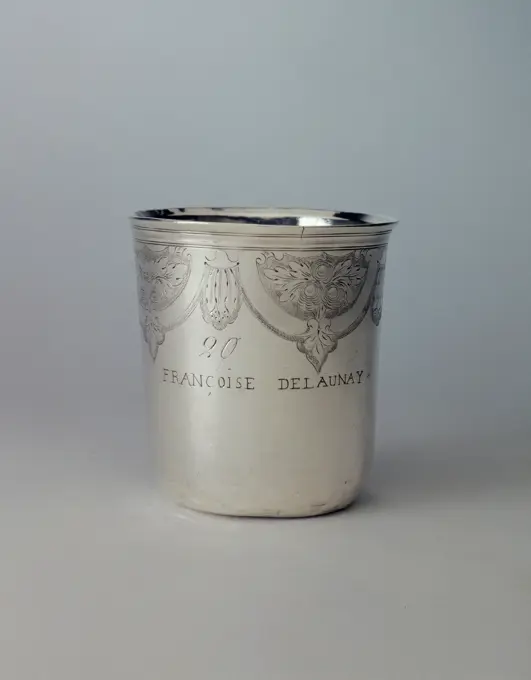
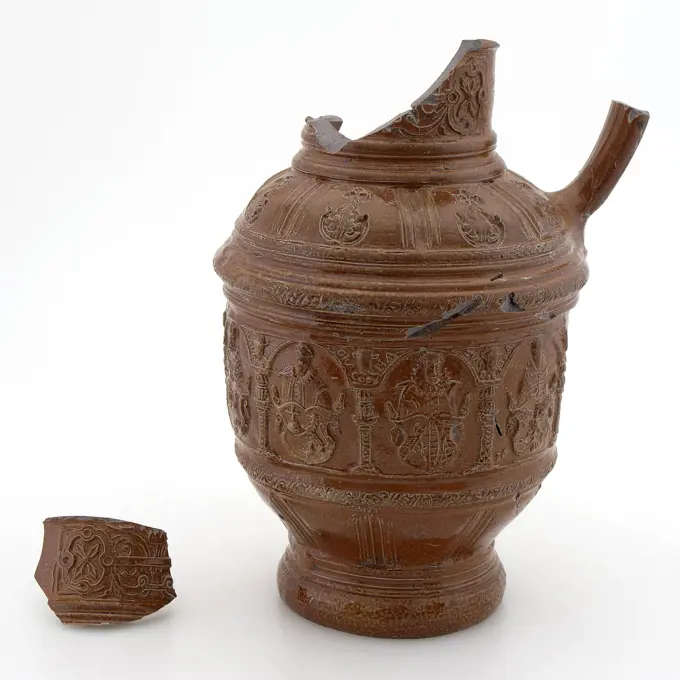
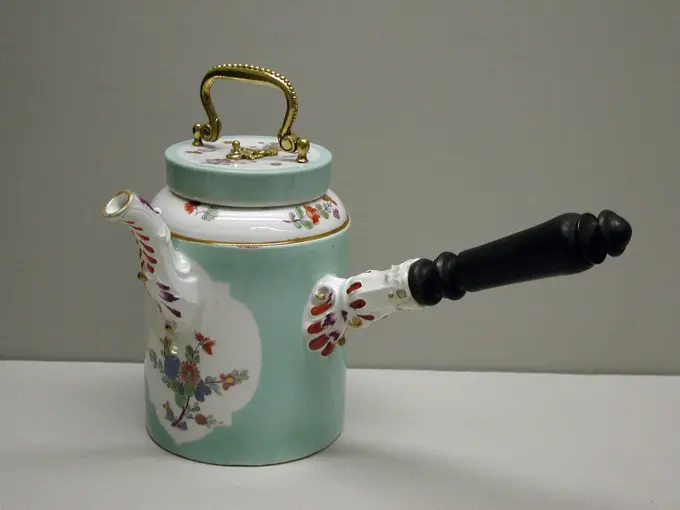
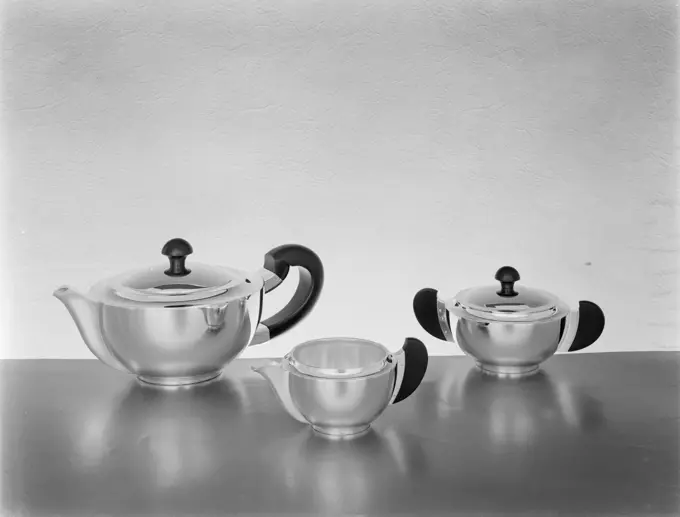
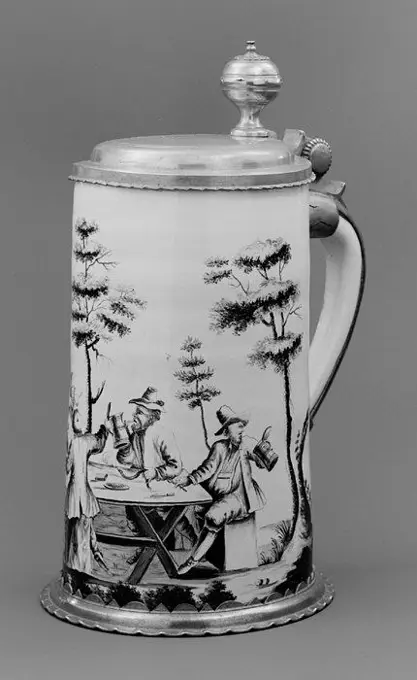
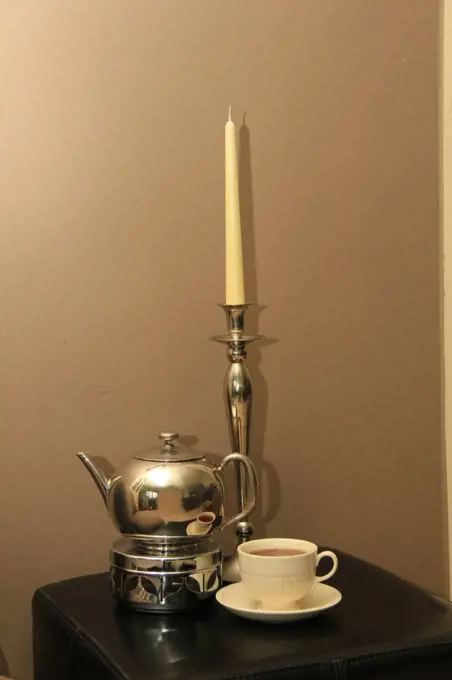
Milk pot with cover ca. 1765 Royal Porcelain Manufactory, Berlin. Milk pot with cover 194906Tuitkan van Tin with lid, Hendrik van Mehen (attributed to), c. 1690 - c. 1730 Tuitkan van Tin. A baluster -shaped body rests on the foot and at the bottom of the foot the spout, which is attached to the lip edge halfway with a cross connection. The lid is slightly arched and has a simple thumb rest, which passes into the handle via a double -cacky hinge. The handle curls out at the bottom. Haarlem tin (metal) casting Tuitkan van Tin. A baluster -shaped body rests on the foot and at the bottom of the foot the spout, which is attached to the lip edge halfway with a cross connection. The lid is slightly arched and has a simple thumb rest, which passes into the handle via a double -cacky hinge. The handle curls out at the bottom. Haarlem tin (metal) castingQuickly with pewter lid, decorated with eight medallions over three rows, filled with Christian performances .. Fast from stoneware with pewter lid. The cylindrical body narrowed upwards. The fast is decorated with 8 medallions, placed in 3 rows. Shown are Christian performances.Teapot (part of a set) 1820-30 French. Teapot (part of a set). French. 1820-30. Hard-paste porcelain. Ceramics-PorcelainCup.   Maker: John L. Westervelt, active ca. 1848 - 1859Teapot.   Maker: Jacob Gerritse Lansing, American, 1681-1767Ahage (Suichu). Sandstone, decorated decor in relief and painted with white and black slip. Nineteenth century. Paris, Cernuschi museum. Acute, handle, Chinese art, spout, Chinese ceramic, cover, decorative motif, bird, container, suichu, theiere, turtle, 19th XIX 19th 19th 19th 19Jug (Ireland); glass; 25.6 x 17 x 12 cm (10 1/16 x 6 11/16 x 4 3/4 in.); Bequest of Walter Phelps Warren; 1986-61-164Jug Krosno Economic Huta, Kosia Ski, JanCup (one of six) (part of a set) 1820-30 French. Cup (one of six) (part of a set) 187821 French, Cup (one of six) (part of a set), 182030, Hard-paste porcelain, Height: 3 1/2 in. (8.9 cm). The Metropolitan Museum of Art, New York. Gift of Henry G. Marquand, 1894 (94.4.308)Teapot from the 'Saxonia' coffee and tea service. Teapot with porcelain lid, painted in blue and gray. The pot has a spout and a lid. The pot belongs to the Saxonia coffee and tea set. The teapot has been marked.Milk; Malcz, Karol (1797-1867); around 1840 (1836-00-00-1845-00-00);Janet Riza, Pitcher, 1935 1942 PitcherTeapot ca. 1770 Zurich Pottery and Porcelain Factory. Teapot 188623 Factory: Zurich Pottery and Porcelain Factory, Swiss, founded 1763, Teapot, ca. 1770, Hard-paste porcelain, 4 1/4  7 3/8 in. (10.8  18.7 cm). The Metropolitan Museum of Art, New York. Gift of Alfred Duane Pell, 1902 (02.6.61a, b)Teapot, part of Tea and Coffee Service. Rogers, Smith, and Company; American, 1862-c. 1900; Meriden, Connecticut. Date: 1878. Dimensions: H. 21 cm (8 1/4 in.). Silver. Origin: Connecticut. Museum: The Chicago Art Institute, Chicago, USA.Teapot. Malcz, Karol (1797-1867), goldsmithCreamer, 19th century, 5 x 5 1/2in. (12.7 x 14cm), Glass, United States, 19th centuryMilk jug of hard baked earthenware; Staffordshire., Anonymous, c. 1750 Milk jug of hard baked pottery. The milk jug is covered with a brown -marbled lead glaze and decorated in relief with partly gilded vines with leaves and grape bunches. The milk jug belongs to a teapot (BK-1977-245-A) and a rinsing bowl (BK-1977-245-C). England earthenware. lead glaze marbled paper / gilding Milk jug of hard baked pottery. The milk jug is covered with a brown -marbled lead glaze and decorated in relief with partly gilded vines with leaves and grape bunches. The milk jug belongs to a teapot (BK-1977-245-A) and a rinsing bowl (BK-1977-245-C). England earthenware. lead glaze marbled paper / gildingSugar Pot, N.V. Haagsche Plateel Factory Rozenburg, 1903 Porcelain sugar bowl, multicolored painted with poppies within an ornamental decor. Part of tea set. The Hague porcelain Porcelain sugar bowl, multicolored painted with poppies within an ornamental decor. Part of tea set. The Hague porcelainRectangular kettle with lid made of yixing clay. unknown, craftsmanMeasure ca. 1788 Frédéric Reuchlin. Measure 207971Teapot. Worcester Porcelain Factory; Worcester, England, founded 1751. Date: 1780-1790. Dimensions: H. 13.7 cm (5 3/8 in.). Soft-paste porcelain with black transfer-printed decoration. Origin: Worcester. Museum: The Chicago Art Institute, Chicago, USA. Author: Worcester Royal Porcelain Company.Strainer with funnel 3rd quarter of the 6th century B.C. Etruscan Zigzag incised line below rim.. Strainer with funnel. Etruscan. 3rd quarter of the 6th century B.C.. Terracotta; bucchero. Archaic. VasesJug 1727 Simon Pantin I British. Jug 236943tea in brass pot close upJug, 18th century, 6 x 7 1/8 x 4 1/4 in. (15.2 x 18.1 x 10.8 cm), Porcelain, Germany, 18th centuryCharles Caseau, Small Pitcher, 1935 1942( Small PitcherCupJug early 19th century British, Staffordshire. Jug. British, Staffordshire. early 19th century. Lustreware. Ceramics-PotteryTin pisspot, pot holder sanitary tin, cast Flat bottom convex slightly sagged belly constricted on the shoulder then trumpet-shaped flop Ear runs from bolste piece belly to top edge pointed thumb rest Cut edges on bottom shoulders and three edges at the top. Technical details: casting seam and soldering seam printing of fabrics city coat of arms Rotterdam in old form crowned n in gothic form drains hygiene pot room pot gothic Ex collection Dietz.Jug 18th century French, possibly Lorraine or Nevers. Jug. French, possibly Lorraine or Nevers. 18th century. Glass. GlassBlack lacquered tap jug with decoration in gold, standing on three high legs, with separate lid, tap and jug holder tin copper wood paint, lid) Tap water jug black lacquered with gold decor depicting landscape with two birds, one on fence between branches and further various line-shaped decorations; pear-shaped body on three brace-shaped legs that stand on wooden spherical feet; at the bottom of the belly is copper tap with closure in the form of tap jug, the bell-shaped lid falls into the can and has wooden knob coffee coffe pot pour drinking dinnerwareCoffee Pot with Lid c 1790-1800 China. Porcelain and enamel .CoffeepotPitcher, Blown potash-lime glass, 5 7/8 × 4 × 5 in. (14.92 × 10.16 × 12.7cm), Made in Ohio, American, 19thcentury, Containers -GlassHexagonal Tea Pot With A Figure on a Dragon's Head Amid Waves. Hexagonal teapot of red stoneware with a curved spout and upstream handle. Six compartments on the wall containing a show embossed from Kuixing, the god of literature, standing on a dragon head between waves. On the shoulder a band with stylized leaf motifs. The base of the spout is formed by a dragon head in relief. The uprights of the handle are in the form of cloud motifs; The writer is formed by two dragons. The lid knob is in the shape of a shishi (lion dog). Yixing.Teapot 1845 Andrew Ellicott Warner. Teapot. American. 1845. Silver. Made in Baltimore, Maryland, United StatesLamp 1818-25 Probably New England Glass Company. Lamp. American. 1818-25. Blown pattern-molded glass, tin. Made in East Cambridge, Massachusetts, United StatesJARRON DE VIDRIO DE LA GRANJA. Location: MUSEO DE HISTORIA DE MADRID-CRISTALERIA. MADRID. SPAIN.Miniature Creamer Creamer; Probably Du Paquier Porcelain Manufactory; porcelain, goldTea Kettle With Burner (Germany); pewterRalph Atkinson, Water Pitcher, 1936 Water PitcherSugar bowl with lid, blue, with flowers and leaves in relief. Sugar bowl with lid of pottery, blu stone. The outside with flowers and leaves in relief. The two handles made up of leaves and twigs. The lid with a relief of leaves and flowers, the lid button in the shape of a chalis flour.Water Pitcher. Dated: 1935/1942. Dimensions: overall: 28.9 x 20.4 cm (11 3/8 x 8 1/16 in.) Original IAD Object: 9 1/4" high. Medium: watercolor, graphite, and pen and ink on paper. Museum: National Gallery of Art, Washington DC. Author: American 20th Century.Decanter. Designed by Charles Robert Ashbee; English, 1863-1942; Silver made by the Guild of Handicraft Ltd.; England, 1888-1908; Glass made by James Powell and Sons, Whitefriars Glassworks; England, 1834-1962. Date: 1901. Dimensions: 20.3 × 16.8 cm (8 × 6 5/8 in.). Silver and glass. Origin: London. Museum: The Chicago Art Institute, USA.Coffee pot. Attributed to the manufacture former loose ruderecht, c. 1774-1778Hard-Paste PorcelainLotus-Shaped Cup 18th century China. Lotus-Shaped Cup. China. 18th century. Jade (nephrite). Qing dynasty (1644-1911). Jade. Initially the workers at Meissen were barely capable of decorating porcelain. Undecorated porcelain objects were thus sent to Augsburg - 500 kilometres away! - where specialized Hausmaler (independent painters) applied gold ornamentation to them. This type of gold chinoiserie decoration is called Goldchinesen. The gold has been worked with an agate burin to give the scenes greater depth.Custard Cup 1815-30 French. Custard Cup 3047Tankard, 1719, Simeon Soumain, American, 1685-1750, 7 1/2 x 8 1/4in. (19 x 21cm), Silver, United States, 18th centuryPitcher, Cream; silver-plated copperChamber candlestick or taperstick 1822-23 John & Thomas Settle. Chamber candlestick or taperstick 232361Libation Cup, 1662-1722. China, Qing dynasty (1644-1911), Kangxi reign (1662-1722). Jade; diameter: 14.6 cm (5 3/4 in.); overall: 4.6 cm (1 13/16 in.).Teapot with lid, belonging to a crockery with dragonflies, butterflies and other insects, Royal Porcelain Factory Copenhagen, 1894 - 1899 Teapot with lid, belonging to a porcelain service consisting of parts of a coffee and tea set. Leaf, coffee pot, teapot, sugar bin, milk jug, two cups and saucers. The leaf is oval and has two plastic dragonflies as handles. The coffee pot has a dragonfly as an ear and on the lid one as a button. The teapot has a twisted ear on which an insect and on the lid a green grasshopper as a button. The baking -shaped sugar bowl and milk jug have two dragonflies and a butterfly as an ear. The heads also have a butterfly as an ear. All parts are decorated along the edges with leaves and Margrites, the latter in the purple-gray stock with which the pieces are covered have been saved. Marked. Royal Porcelain Factory Copenhagen. Copenhagen (city) porcelain Teapot with lid, belonging to a porcelain service consisting of parts of a coffee and tea set. Leaf, coffee Quart Mug 1794-1839 Samuel Kilbourn. Quart Mug. American. 1794-1839. Pewter. Possibly made in Baltimore, Maryland, United States; Possibly made in Hartford, Connecticut, United StatesTeapot. Henry Beathune (Scotland, active 1704-1728). Scotland, 1723-1724. Furnishings; Serviceware. Silver, pearwoodJar. Dimensions: h. 7cm (2 3/4 in). Dynasty: Dynasty 19. Reign: Ramesses II or slightly later. Date: ca. 1279-1213 B.C.. Museum: Metropolitan Museum of Art, New York, USA.A china teapot on a prayer flag, BhutanIncense vessel with it rejuvenating around lid, anonymous, c. 1400 - c. 1500 The parts are cast, with the exception of the chains. The spherical tub placed on a round -profiled base is equipped with rings. Cover in the form of a twice -rejuvenating round tower crown, with holes that are the shape of a doorway. The lid is also equipped with rings and ribs. Three pairs of eyes. Zeslobbish ring carrier with a hole for the lid chain. Four renewed chains. The eye on the ring carrier is missing. Germany brass (alloy) casting The parts are cast, with the exception of the chains. The spherical tub placed on a round -profiled base is equipped with rings. Cover in the form of a twice -rejuvenating round tower crown, with holes that are the shape of a doorway. The lid is also equipped with rings and ribs. Three pairs of eyes. Zeslobbish ring carrier with a hole for the lid chain. Four renewed chains. The eye on the ring carrier is missing. Germany brass (alloy) castingHarry Mann Waddell, Pewter Coffee Pot, c 1937 Pewter Coffee PotAnonymous. Petit Palais, Museum of Fine Arts of the City of Paris.Wine pot. Artist: Rakutozan (Japanese,). Culture: Japan. Dimensions: H. (with handle) 6 1/8 in. (15.6 cm); L. 7 1/2 in. (19.1 cm). Date: 1780. Museum: Metropolitan Museum of Art, New York, USA.Coffeepot ca. 1750 Meissen Manufactory German. Coffeepot. German, Meissen. ca. 1750. Hard-paste porcelain. Ceramics-PorcelainJug in the form of an Askos, 1841-1842, WE or WF, English, (name and dates unknown), 5 1/4in. (13.3cm), Silver, glass, England, 19th centuryMilk jug with an image of the capture of Kattenburg and Abraham Valentijn, anonymous (attributed to), after Jan Gerritsz. Visser, after 1794 service (set) Porcelain milk jug with a cylindrical wall, triangular spout and angular ear, painted on the glaze in sepia and gold. On the belly twice a medallion with a performance of a battle in one with the inscription 'Taking Kattenburg, 1787' and in the other a protret with the inscription 'Valentyn.'. A bond with a leaf vendor around the medallions. Leaf vank on the ear and the angular handle of the lid. Marked on the underside with N-103 porcelain company: Schwarzburgafter print by: Amsterdam porcelain. glaze. gold (metal) painting / gilding / vitrification  KattenburgJug 1700-1725 Austria. Tin-glazed earthenware (faience) and pewter .Hobnail Pitcher. Culture: American. Dimensions: H. 7 5/8 in. (19.4 cm). Maker: Probably Hobbs, Brockunier and Company (1863-1891). Date: after 1886. Museum: Metropolitan Museum of Art, New York, USA.Carl Buergerniss, Water Pitcher, c 1940 Water PitcherShaving Mug. Dated: c. 1936. Dimensions: overall: 28.1 x 21.5 cm (11 1/16 x 8 7/16 in.) Original IAD Object: 4 3/4" High. Medium: watercolor, colored pencil, graphite, and heightening on paperboard. Museum: National Gallery of Art, Washington DC. Author: Mina Lowry.Pitcher 1879-82 Christopher Dresser British, Scottish. Pitcher. British, Linthorpe, Yorkshire. 1879-82. Earthenware. Linthorpe Pottery Works (British, 1879-1889). Ceramics-PotteryCreamer 1780-1820 American or British. Creamer. American or British. 1780-1820. Blown pattern-molded lead blue glass. Possibly made in England; Possibly made in United StatesDesign for Glass and Silver Water Pitcher, with a Cover 1820-65 George Richards Elkington British. Design for Glass and Silver Water Pitcher, with a Cover 363580Teapot to design Mathieu Lauweriks, executed by Frans Zwollo.Krant kan with lid, and associated underbull, from tin. Koffiekan van tin, a so-called tap jug. The legs are formed by volutes and rest on wooden spheres. Above it is pear-shaped, hexagonal can. Just below the lip edge, the handle has been applied, which goes through to the widest point of the can and part of wood. At the bottom of the belly is the tap. The loose lid is hexagonal and has a wooden button. At the can hear a sheet of tin that serves as a chassis. There is a leaf with a raised, openwork band on the three wooden legs. On top of it is a komfoor on three legs. The top edge of the Comfoor is decorated with a wide-worked band with garlands.. Porcelain wine jug with an S-shaped ear and spout, painted on the biscuit in green, yellow and eggplant. The can in the form of a lobster crawling on a lotus plant over swirling waves from which two carp jump. The neck and lid are in the form of a lotus speul. Ming porcelain in email surbiscuit.metal worker: Gresnich, Green painted cylindrical miniature tip jar, pot holder miniature toy relaxant model metal paint leather, ear 7.0 curved punched painted tin tinned Green. Cylindrical Curved grip overlap closure Globe lid with black accented slot with leather behind Image farmer's wife with two buckets and man with jug 1868 Sibilla van Embden play store kitchenTerracotta mug. Culture: Greek, South Italian, Apulian. Dimensions: H. 2 15/16 in. (7.5 cm). Date: late 5th century B.C..This form of ribbed mug is known in both Attic and South Italian fabrics that are often difficult to distinguish. Museum: Metropolitan Museum of Art, New York, USA.Tankard 1750-68 Nicholas Roosevelt American. Tankard 8220Silver Teapot. Dated: c. 1936. Dimensions: overall: 22.5 x 29.7 cm (8 7/8 x 11 11/16 in.). Medium: graphite on paper. Museum: National Gallery of Art, Washington DC. Author: Hans Westendorff.Teapot with stylized flower sprays and ornamental borders, anonymous, c. 1800 - c. 1824 Porcelain teapot, painted on the glaze in gold. The pot has a tapered belly on a slightly spreading foot and a short, wide neck. From the abdomen an S-shaped spout and a C-shaped ear. The belly is with golden lines divided into three wide tires with a pendulum of stars in the top one, half moon shapes with dots and triangles. On the shoulder flower skirts. The spout with a modeled flower, golden lines and stylized flowers. Empire. France porcelain. glaze. gold (metal) painting / gilding / vitrification Porcelain teapot, painted on the glaze in gold. The pot has a tapered belly on a slightly spreading foot and a short, wide neck. From the abdomen an S-shaped spout and a C-shaped ear. The belly is with golden lines divided into three wide tires with a pendulum of stars in the top one, half moon shapes with dots and triangles. On the shoulder flower skirts. The spout with a modeled flower, golden linesSilversmith's Art, France 20th century. Silver chocolate pot, decorated with thistle motif.Tea caddy stand, from a tea service, 1792, Paul Revere, Jr., American, 1734-1818, 5 3/4 x 5 1/2 in. (14.61 x 13.97 cm) (tea caddy and stand), Silver and wood, United States, Federal, The most complete Revere service known, this set was made for a Boston merchant and his wife, John and Mehitable Templeman. It includes one of only two tea caddies made by Revere. The locked boxes held loose tea, an expensive and fashionable commodity. The shell-shaped spoon was used for measuring tea and the sieve was used for straining punch, a beverage often served along with tea. The second stand may have been used as a tray for spoons no longer in use. The accompanying teaspoons and tablespoons have only recently been reunited with this service.Antique kettleAnonymous. "Cup". Money. 1789. Museum of Fine Arts of the City of Paris, Petit Palais. 74383-11 Silver, silverware, goblet, name, engravingMug ca. 1785-1815 Marked by M.H.. Mug 5344Handgefertigte Keramik-Teekanne Handgefertigte Keramik-Teekanne LicenseRF Copyright: xZoonar.com/NATASHAxBREENx 23351430Jan Baldems, Stoneware elector jar decorated with seven nobles and coats of arms, with 1603, jug crockery holder soil find ceramic stoneware glaze salt glaze, hand-turned glazed baked Stoneware jug elector jug embossed with seven niches containing nobles and coats of arms dated in the niche left below the ear left and right of the coat of arms On the arches of the niches letters badly readable. Jug is decorated with thickened rings around the belly in which stripe and leaf motifs are scratched. Furthermore, the jug is divided into segments on the shoulder by means of four lines. The segments are decorated with stamped leaf motifs. The segments are blank at the bottom. Cylindrical decorated neck. Stand with soul. In the jug loose fragment of the neck On the arches of the niches: .SV RBSV COL ME BOM KAI PA GRA HA SV: S BRA BV archeology Rotterdam City Triangle Groenendaal heraldry indigenous pottery import drinking serve serving room table Soil discovery: Mariniersweg Groenendaal RotteHarvey Lewis and Joseph D. Smith, Mug, c. 1810, silver.Worcester teapot and bowl, c1765-1770, (1944). Porcelain made by Royal Worcester. From "English Pottery and China', by Cecilia Sempill. Collins, London, 1944Traditional Turkish coffee set on white wooden backgroundChocolate pot ca. 1735-40 Meissen Manufactory German This form of porcelain chocolate pot, based on a silver model, was made at the Meissen factory in the mid-eighteenth century; most surviving examples can be dated 1735 to 1745. The far larger number of extant Meissen pots for coffee and tea from this period attests to the greater popularity of those drinks in Germany.. Chocolate pot 199207Bottle; Non -like Lona Huta; 18th century (1700-00-00-1800-00-00);Animals, Silesia (Habsburgs - 1526-1740), Silesia (Prussia - 1740-1918)Poll photo collection. Advertising photography. Advertising for Gero-Silver. undatedTankard ca. 1720-30 Style of Matthias Smid. Tankard 207987Pewter tankard Pewter tankard from tin isolated over white background Copyright: xZoonar.com/IvonnexWierinkx 8774094Ketel, Abraham Effemans (attributed to), c. 1718 - c. 1734 Round boiler with a wide base and upwards sloping. The handle is bent, the lid is arched and has a profiled button. The wall of the boiler is sea lobby due to incentives. The spout is S-shaped. The boiler is marked: stk. = Amsterdam, Mt. = Attributed to Abraham Effemans, an ax and a crowned O. Amsterdam silver (metal) Round boiler with a wide base and upwards sloping. The handle is bent, the lid is arched and has a profiled button. The wall of the boiler is sea lobby due to incentives. The spout is S-shaped. The boiler is marked: stk. = Amsterdam, Mt. = Attributed to Abraham Effemans, an ax and a crowned O. Amsterdam silver (metal)Interior design: classic life style accessories in silver, teapot and candlestickholderSquare Teapot 20th century China. Square Teapot. China. 20th century. Stoneware, Yixing purple clay. Modern. CeramicsElizabethan pewter mug for drinking Ale. From Blakesley Hall is a Tudor hall on Blakesley Road, Yardley, Birmingham, England. It dates to 1590Cartoon illustration