Antique Teapots and Creamers

A range of vintage creamers and teapots, including metal and stoneware pieces, showcasing intricate designs and historical craftsmanship.
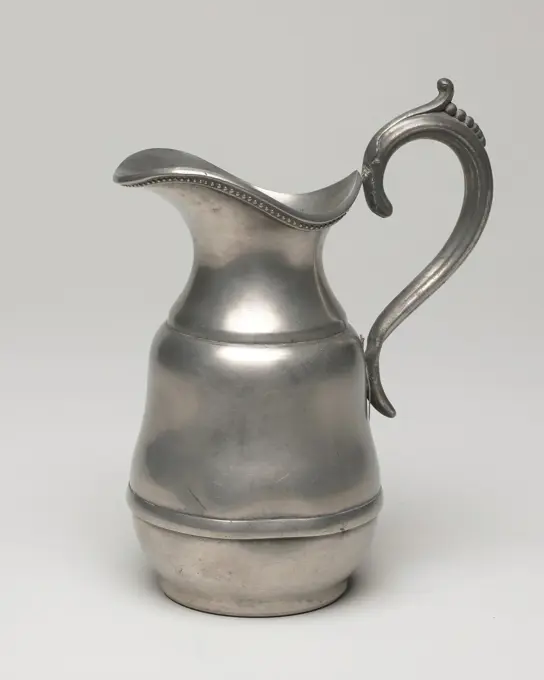
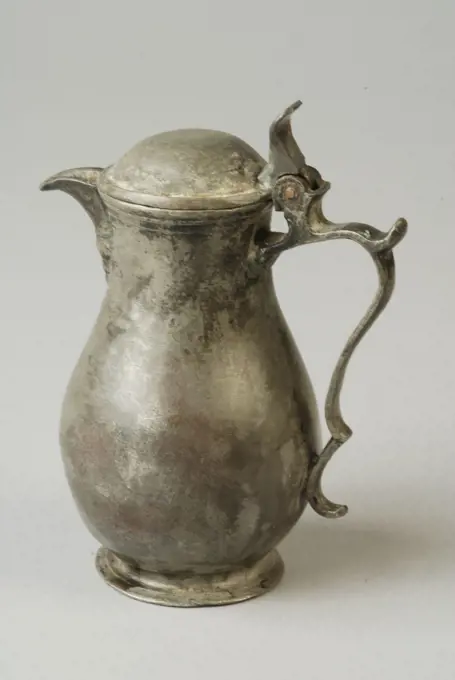
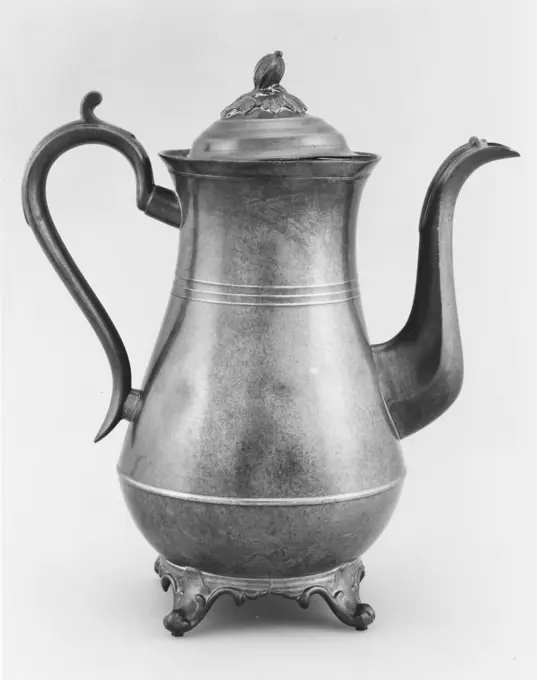
Cream jug, 19th century, 6 1/2 x 4 7/8 x 3 3/8 in. (16.51 x 12.38 x 8.57 cm), Pewter, England, 19th century
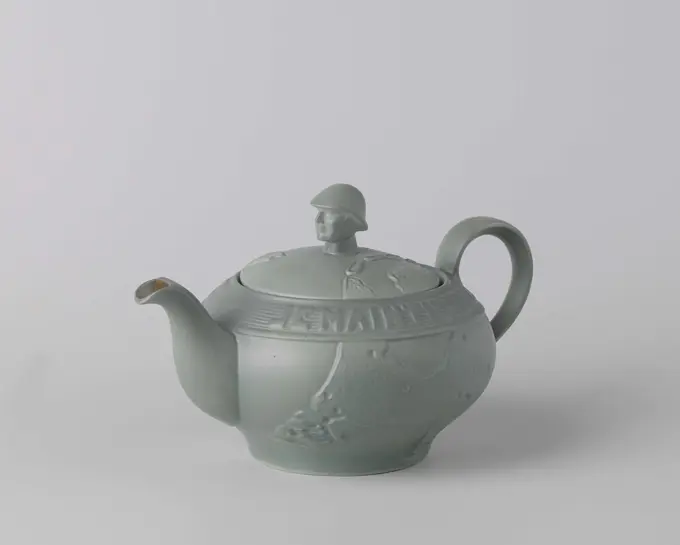
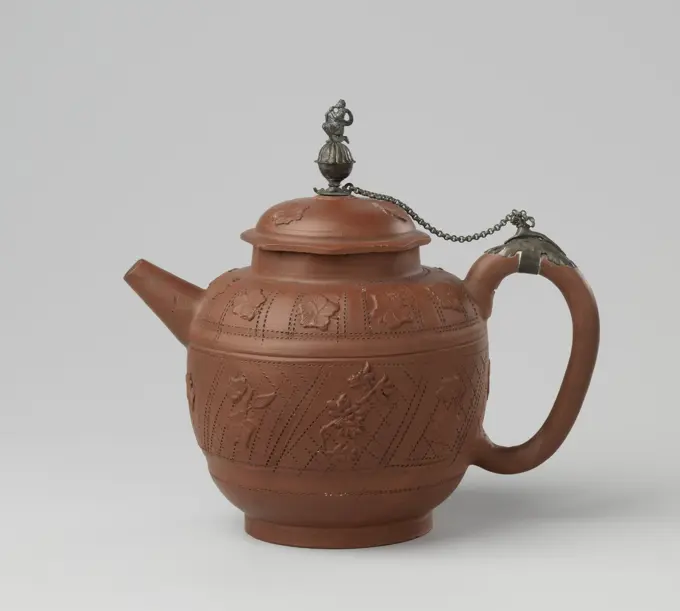
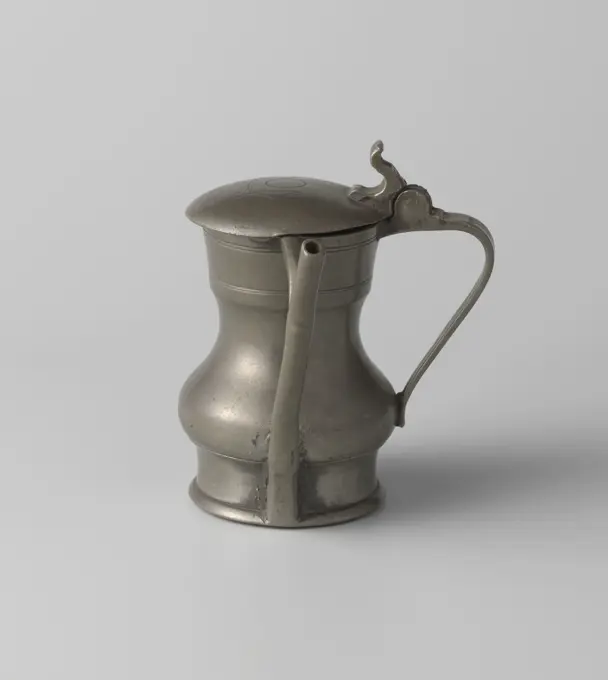
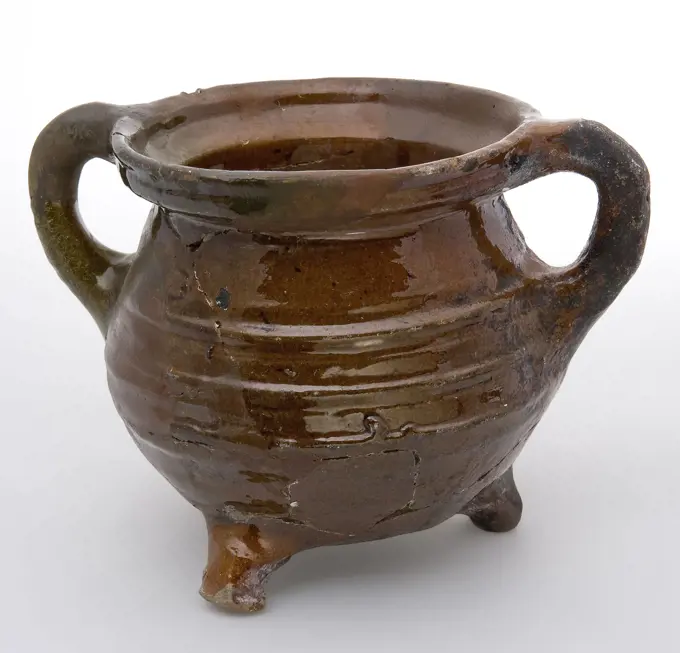
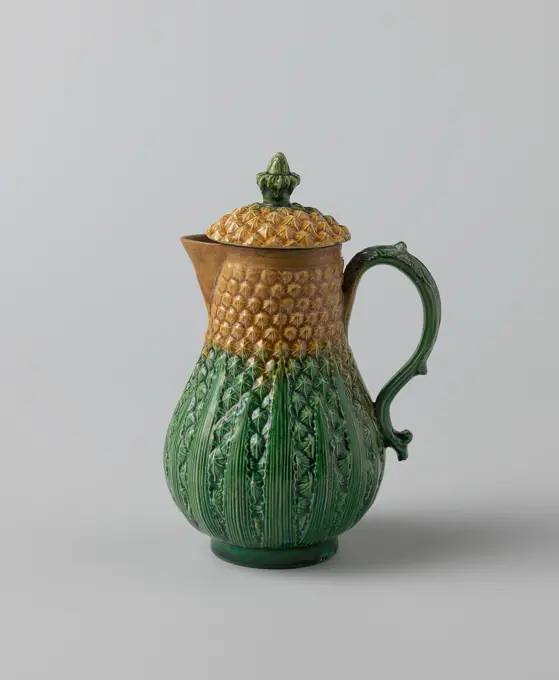
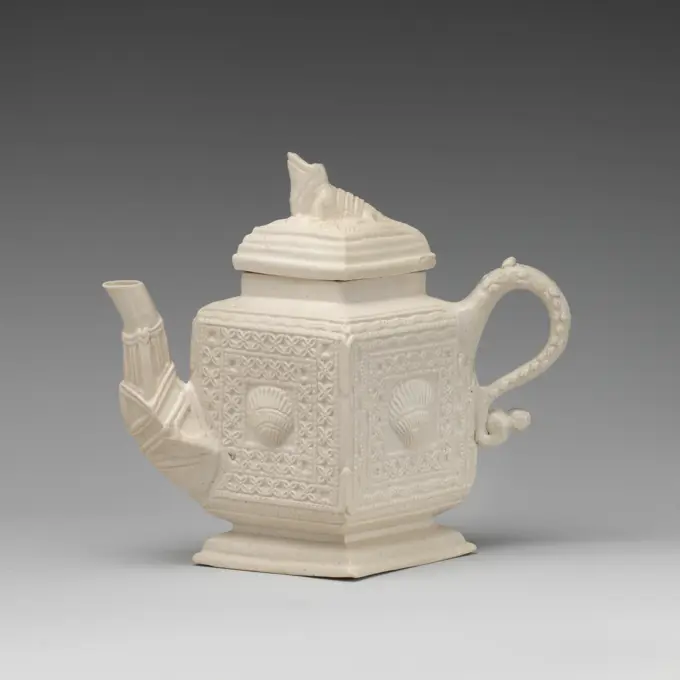
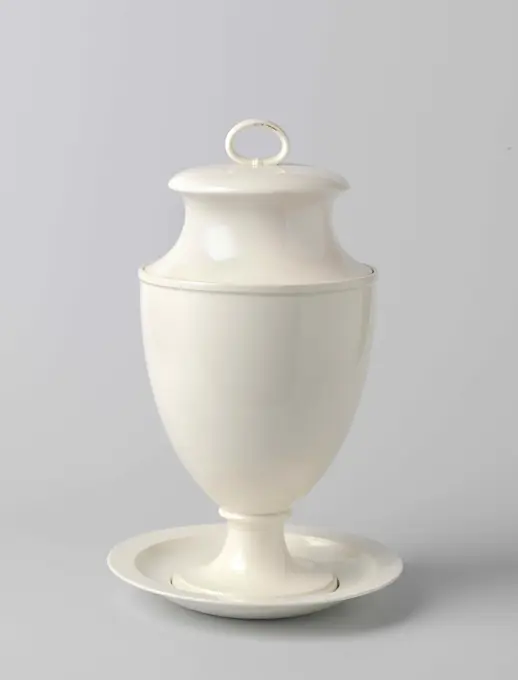
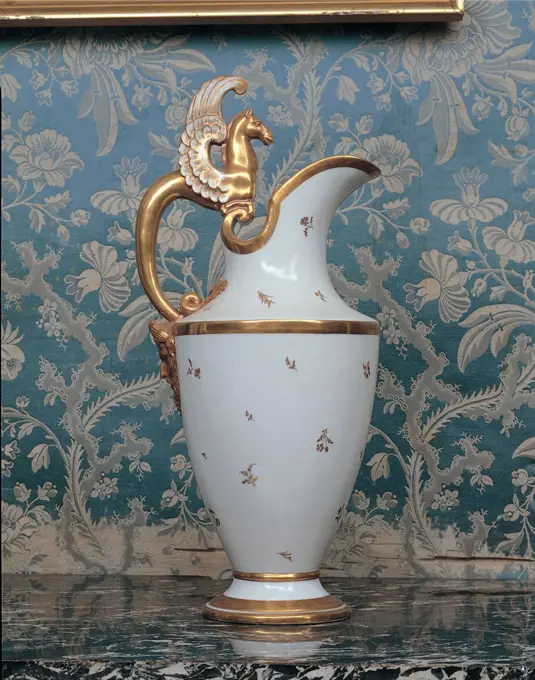
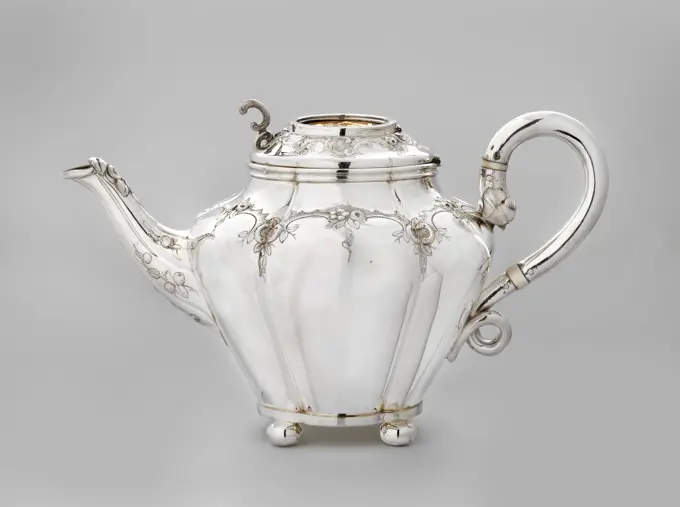
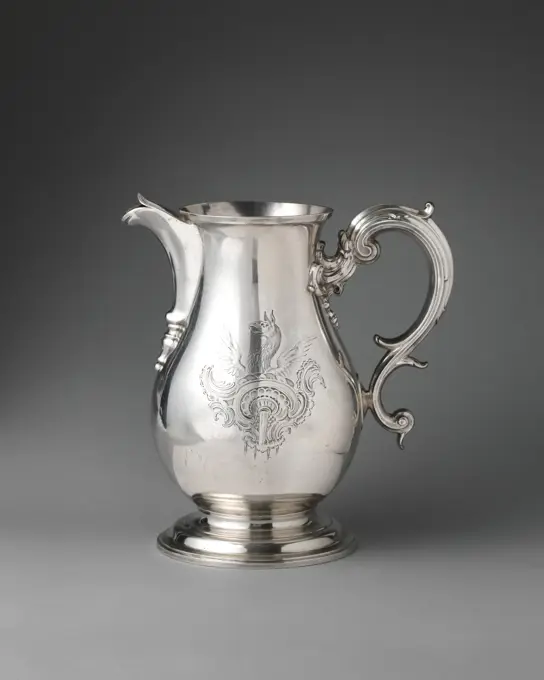
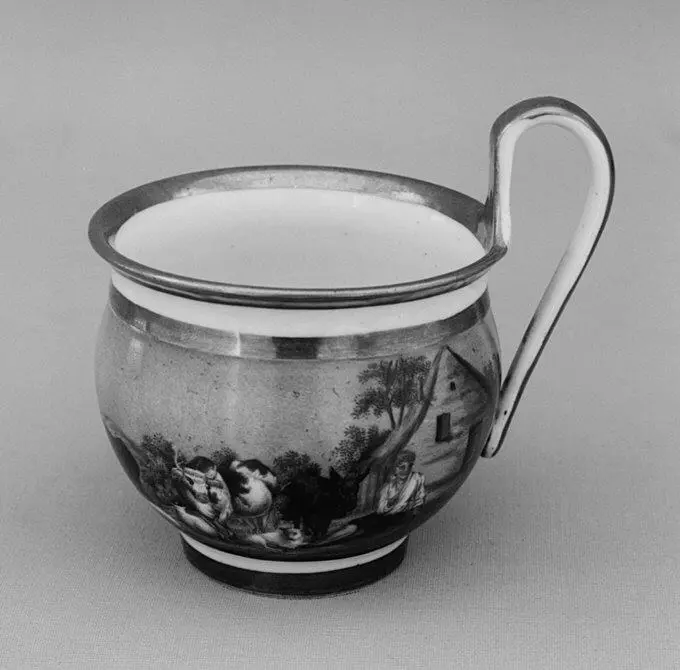
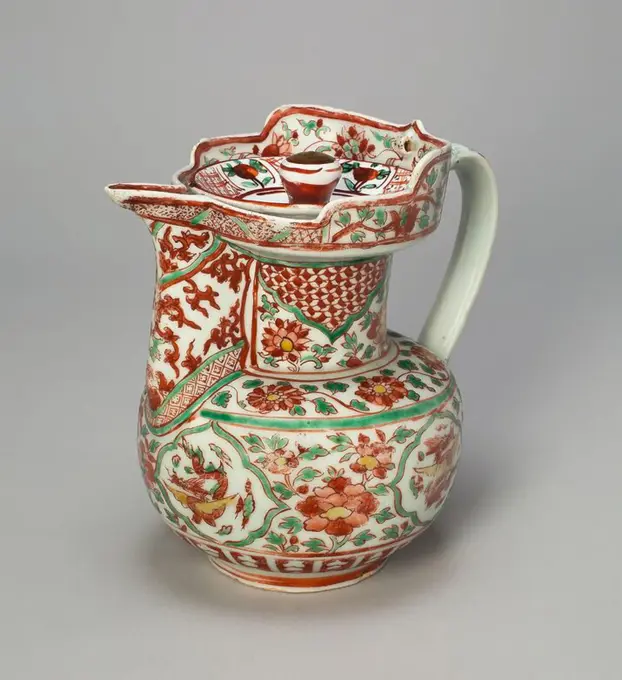
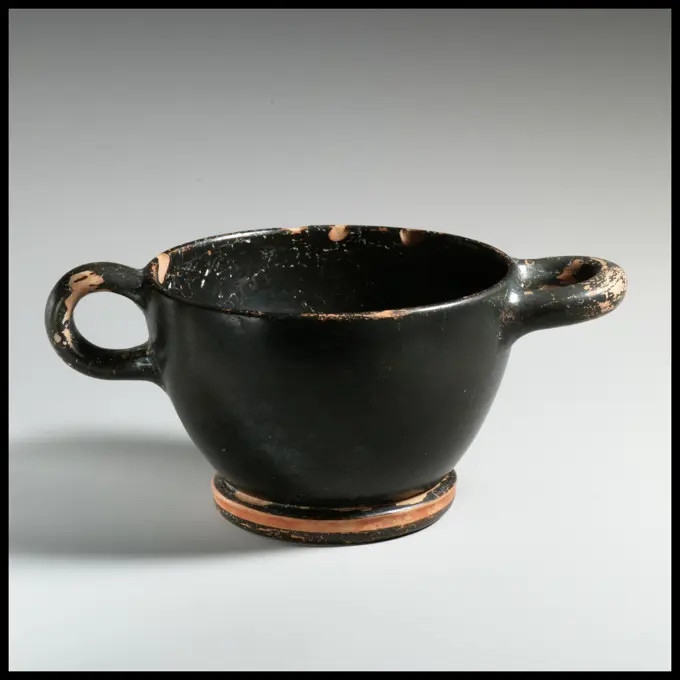
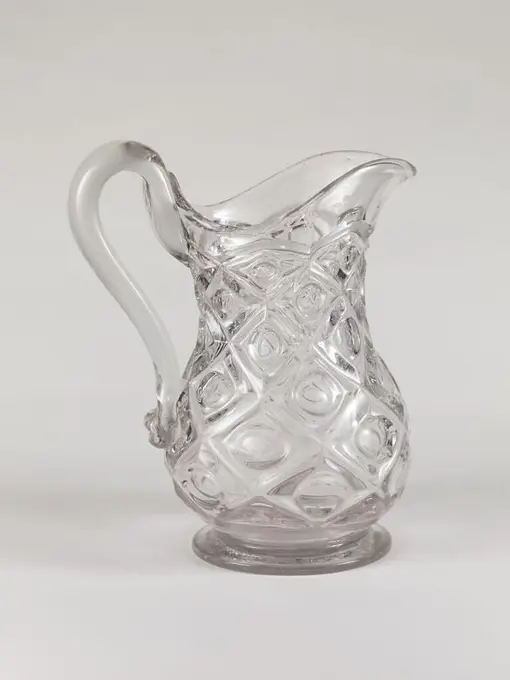
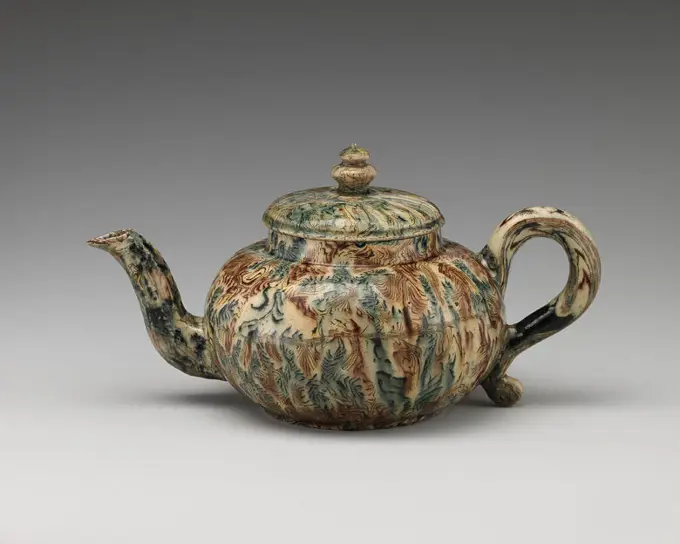
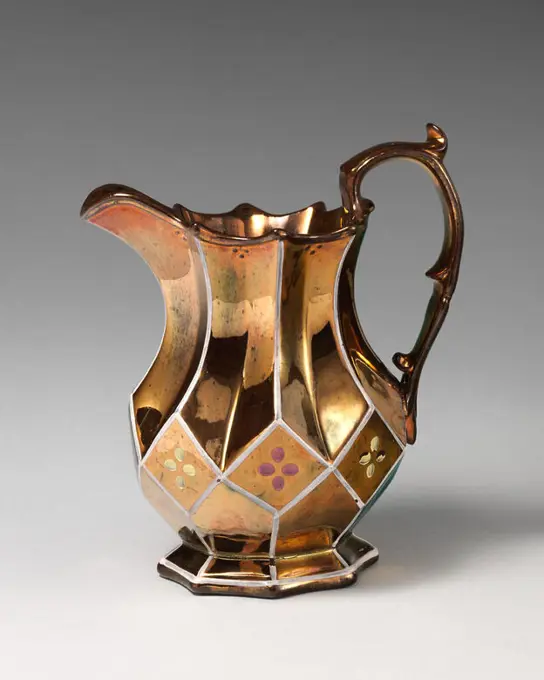
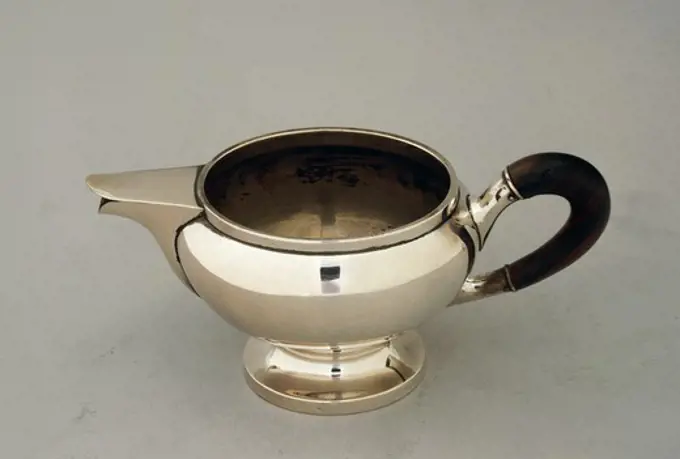
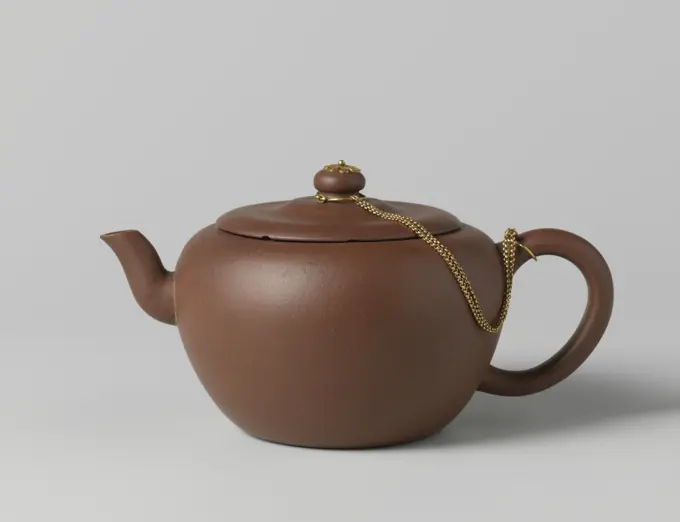
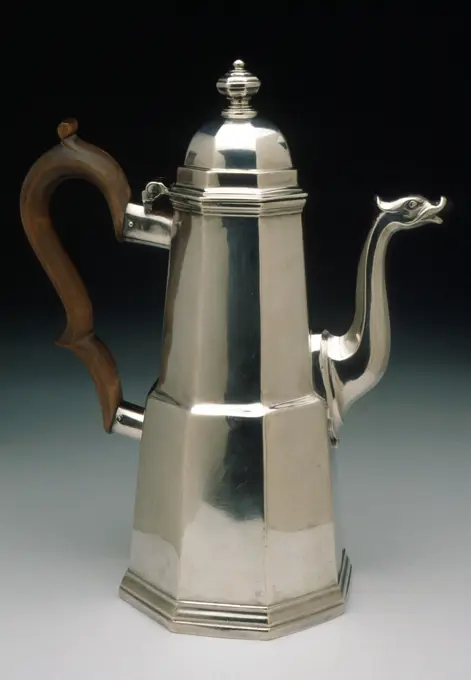
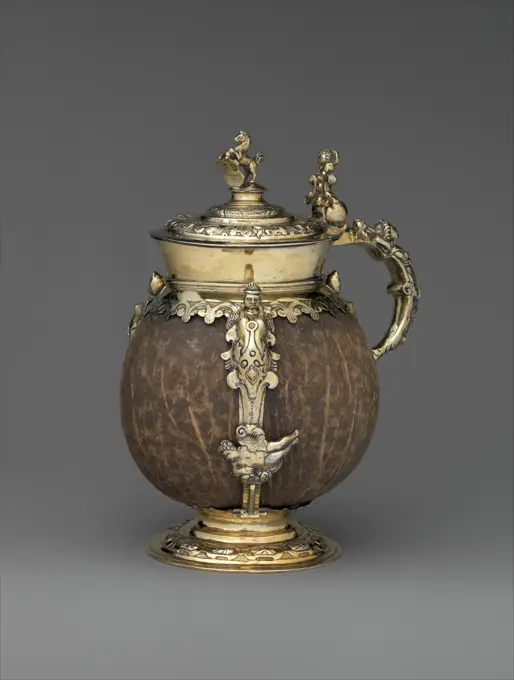
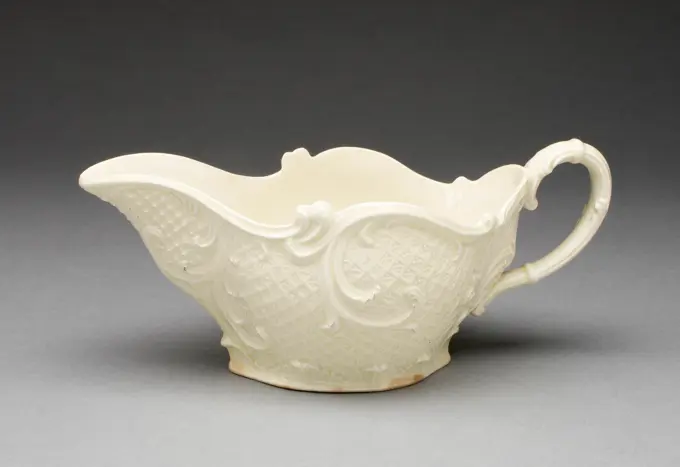
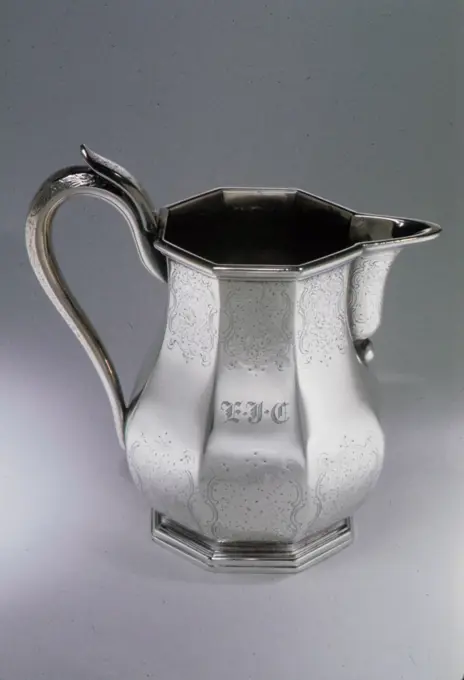
Creamer ca. 1840 William Forbes. Creamer 2722Trekpot Mobilization 1939. Teapot of green glazed porcelain with white glazed inside. On the belly The maps of the Netherlands and Dutch East Indies in relief and inscription. Button of the lid in the shape of a cellated soldier head. Marked; On bottom: Mosa / Maastricht. Inscription; On the belly: your Maintiendrai / I will maintain.Coffeepot German 19th century View more. Coffeepot. German. 19th century. Pewter. Metalwork-PewterMilk; Klimaszewski, Tomasz (Ca 1776-1839); 1920s (1820-00-00-00-1829-00-00);Teapot of red stoneware with lid with silver chain, Jacobus de Caluwe, c. 1680 - c. 1720 Teapot of red stoneware. With silver necklace and button Delft silver (metal). earthenware Teapot of red stoneware. With silver necklace and button Delft silver (metal). earthenwareTuitkan van Tin with lid, anonymous, 1600 - 1650 Small spout jug of tin. A baluster -shaped body rests on the stand ring. The lip edge is decorated with two profiled tires. The lightly crowded lid contains a flat thumb rest with a double -cacky hinge. From here the handle runs to the center of the convex belly. The spout is upset here and runs slanted from the bottom. Halfway through the spout is fixed to the lip edge via a connecting piece. Netherlands tin (metal) casting Small spout jug of tin. A baluster -shaped body rests on the stand ring. The lip edge is decorated with two profiled tires. The lightly crowded lid contains a flat thumb rest with a double -cacky hinge. From here the handle runs to the center of the convex belly. The spout is upset here and runs slanted from the bottom. Halfway through the spout is fixed to the lip edge via a connecting piece. Netherlands tin (metal) castingCreamer, Wedgwood, English, established 1759, jasperware, salt glaze, early 19th century, ceramics, Decorative ArtsCoffee Pot and Stand 1786 LondonCream jug, 19th century, 6 1/2 x 4 7/8 x 3 3/8 in. (16.51 x 12.38 x 8.57 cm), Pewter, England, 19th centuryMiniature porringer. Culture: British, London. Dimensions: Overall: 1 1/2 × 1 7/8 in. (3.8 × 4.8 cm). Maker: William Flemming (entered 1697). Date: 1703-4. Museum: Metropolitan Museum of Art, New York, USA.Milk; Mappin & webb LTD (company Z Otnicz, Platernicza, seller; Fl. 1859-); 1895/96 (1895-00-00-1896-00-00);Jug; Lilpop, Karol Jerzy (Fl. 1820-1833); 1. W. 19th century (1801-00-00-1825-00-00);Measure 18th century British, Channel Islands (Jersey). Measure. British, Channel Islands (Jersey). 18th century. Pewter. Metalwork-PewterHot Water Pot 1850 Providence. Silver . Gorham and ThurberTinsmith: Johannes van Rees, Pewter jug with lid, snebkan jug crockery holder dolls toy relaxant model tin, cast Flat bottom with booster ring convex belly upwards narrowing pouring spout through hole connected to the body bowl lid with thumb rest and one-piece hinge question mark-shaped ear. Baluster-shaped pouring profile and profile edge at the top can be placed underneath: Rotter's weapon with above I.V.R metal castingMonks cap ewer early 15th century China The form of this ewer comes from Tibetan metalwork; because the top reminded Chinese patrons of the hats worn by Tibetan monks, it was given the name “monks cap ewer” (sengmaohu). It is a tea container intended for use in Tibetan Buddhist rituals. Probably a gift for a prominent Tibetan cleric, this example is made of the exceptionally pure white porcelain of the imperial kilns at Jingdezhen. Finely incised floral scrolls fill the upper register while auspicious Tibetan phrases wrap around the vessels waist.. Monks cap ewer 42498Cann ca. 1825 George Baker. Cann 5318Coffeepot with stylized flower sprays and ornamental borders, anonymous, c. 1800 - c. 1824 Coffee pan of porcelain, painted on the glaze in gold. The jug has a vase-shaped body, s-shaped spout and a high ear, the top of which is connected to the edge. The belly is with golden lines divided into three wide tires with a pendulum of stars in the top one, half moon shapes with dots and triangles. On the neck twice a stylized flower branch and on the edge of flower vines. The spout with golden lines and stylized flowers. Empire. France porcelain. glaze. gold (metal) painting / gilding / vitrification Coffee pan of porcelain, painted on the glaze in gold. The jug has a vase-shaped body, s-shaped spout and a high ear, the top of which is connected to the edge. The belly is with golden lines divided into three wide tires with a pendulum of stars in the top one, half moon shapes with dots and triangles. On the neck twice a stylized flower branch and on the edge of flower vines. The spout with gTeapotKettle; Malcz, Karol (1797-1867); around 1840 (1835-00-00-1845-00-00);Jug from the cover; Deyhle, brothers (Schwäbisch Gmünd; label z Otnicz; Fl. 1820-1990); after 1888 (1850-00-00-1860-00-00);Teapot 1718/19 Thomas Langford I Listen to experts illuminate this artwork's story Listen Play or pause #407. Teapots Supported by Bloomberg Philanthropies We're sorry, the transcript for this audio track is not available at this time. We are working to make it available as soon as possible.. Teapot. British, London. 1718/19. Silver, wood. Metalwork-SilverJug, Olérys-Laugier Factory, France, founded 1738, Tin-glazed earthenware; pewter mount, Jug with pewter mount and hinge-thumbpiece; lid broken and repaired; infilled chips throughout., ca 1750, ceramics, Decorative Arts, JugSmall Teapot,  c. 1770Palempore with pattern of vases. Palempore of cotton with a design in various colors red, eggplant, blue and beige (probably used to yellow). The center field: on white fond in the length two mirrored pots with left and right mirror branches with flowers; Ruikers in the middle of the pots. Four snakes on the flower branches; In the flowers beetles and four crickets. The inner edge is filled with a winding flower branch; The broad edge also has winding branches with flowers on which four snails and four beetles. In the corners four overhoeks placed pots. Again a border that is filled with a winding flower branch. To the whole a blue hem.Teapot of pottery with black covering glaze .. teapot of pottery with black covering glaze ..Pitcher, 18th-19th century, 3 x 3 x 2 1/2in. (7.6 x 7.6 x 6.4cm), Glass, United States, 18th-19th century. The Dutch began buying porcelain in Japan soon after 1650. It had become difficult to order in China because of the political unrest and clashes that had erupted there. The VOC wanted to have porcelain in European forms and to this end sent European ceramics to Japan to be copied. This mustard pot and beer jug follow German stoneware models, which are comparably decorated.Cover of a wine ewer, anonymous, c. 1650 - c. 1699 Flat lid with a wine of a porcelain wine can. China porcelain. glaze vitrification Flat lid with a wine of a porcelain wine can. China porcelain. glaze vitrificationToy candy dish - Inconnu / UnknownJeronimus Alstyne, Teapot, c. 1790, silver.Coffee pot, from a four-piece coffee and tea set, c. 1875, William Fairbourne and Sons, Sheffield, England, dates unknown, 8 5/8 x 9 1/4 x 5 3/8 in. (21.91 x 23.5 x 13.65 cm), Silverplated metal, ivory, England, 19th centuryPottery grape on three legs, two sausages, three ribs on the shoulder, grape cooking pot tableware holder kitchenware earthenware ceramics earthenware glaze lead glaze, hand-turned glazed baked Pottery grape on three legs, one of which is supplemented with plaster Red shard internal entirely glazed. Puffed or double conical model decorated with three clear ribs. Sloping, outstanding neck edge with groove over the outside, the lid slot on the inside. Two standing sausages one partially supplemented with gypsum archeology Landpoortstraat Geervliet Bernisse indigenous pottery cooking kitchen nutrition food preparation Soil discovery: Geervliet waste pit barn Landpoortstraat 1 1983.Can of hard-baked pottery; Whellow Ware, Pineapple Ware. Pear-shaped can of hard-baked pottery, the can have a sneb, a C-shaped ear. The appearance of a pineapple by the decoration can be relieved and the colors yellow and green.Teapot 1801-2 Richard Sawyer. Teapot 197418Cup 1855 Sèvres Manufactory French. Cup 202624Teapot ca. 1745 British, Staffordshire Listen to experts illuminate this artwork's story Listen Play or pause #407. Teapots Supported by Bloomberg Philanthropies We're sorry, the transcript for this audio track is not available at this time. We are working to make it available as soon as possible.. Teapot. British, Staffordshire. ca. 1745. Salt-glazed stoneware. Ceramics-PotteryVase with lid and saucer, from hard-baked pottery, wedgwood creamware. Convex funnel shaped vase, on a vaulted foot, with a concave cylindrical lid, from hard-baked pottery. The lid has a ring as a button. The vase is on a dish. The vase has been marked: Wedgwood.Coffeepot 1771 Master with the Mark of a Crowned D. Coffeepot 194994Jug, by Ginori's work, 1815, 19th Century, . Italy: Tuscany: Florence: Palazzo Pitti: Silver Museum. Whole artwork. Jug lip handle horse winged gilding white gold decorationsWine or water jug. Schwartz, Jan Maciej ( fl. ca. 1800 ), goldsmithTin drinking jug with lid and a Calvarieberg on the bottom, anonymous, 1500 - 1600 Tin drinking jug. On the stand ring there is a very convex belly, which runs to a narrow neck. The lip edge is decorated with two profiled tires. The lid is slightly arched and has an elevated circle in the middle. The thumb rest is formed by two acorns and runs through a one -cash hinge into the handle, which bends slightly out at the bottom. On the inside you can see a medallion with the Calvarieberg on the bottom. Sneek tin (metal) casting Tin drinking jug. On the stand ring there is a very convex belly, which runs to a narrow neck. The lip edge is decorated with two profiled tires. The lid is slightly arched and has an elevated circle in the middle. The thumb rest is formed by two acorns and runs through a one -cash hinge into the handle, which bends slightly out at the bottom. On the inside you can see a medallion with the Calvarieberg on the bottom. Sneek tin (metal) castingTeapot 1838/39 George Alcock Irish. Teapot 211489Silver teapot from a coffee and tea set of eleven parts that belonged to J.D. Preuijt (1801-1887), given to him at his jubilee in 1873., Pieter Zöllner, 1861 - 1862  Silver round teapot with scalloped and engraved ornaments with flower motifs. A golden medal is placed in the lid and can hinges. The medal is from the Dutch Society for Agriculture (1847): '1st prize with F100' 'Milk -Loving Cows',' J.D. Preuyt ',' The Hague 1862 '. Lid hinges to pot. Ivory rings in the handle. The pot is on four legs. Rotterdam silver (metal). gold (metal). ivory engraving  GeervlietPitcher 1754 John Swift British. Pitcher. British, London. 1754. Silver. Metalwork-SilverQuickly from stoneware. Cylindrical body that narrowed itself to curved. Pressed: 3 high strips in which the same representation of Judith with the head of Holofernes in a landscape, within a rich frame. With tin lid.Miniature kettle with cover 1718-19 Robert Keble British. Miniature kettle with cover. British, London. 1718-19. Silver, ivory. Metalwork-Silver-MiniaturePitcher British 19th century View more. Pitcher. British. 19th century. Lustreware. Ceramics-PotteryCup (one of six) (part of a set) 1820-30 French. Cup (one of six) (part of a set) 187813 French, Cup (one of six) (part of a set), 182030, Hard-paste porcelain, Height: 3 1/2 in. (8.9 cm). The Metropolitan Museum of Art, New York. Gift of Henry G. Marquand, 1894 (94.4.300)Coffeepot 1854-65 Thomas Danforth Boardman. Coffeepot 13403Teapot of hard baked earthenware; Whieldon Ware, Agate Ware ("Kievit"), Whieldon, c. 1750 - c. 1765 Spherical teapot made of hard baked pottery. The teapot has an S-shaped spout, a C-shaped ear. The pot is on three legs bent out. The teapot has a marbled appearance. Fenton earthenware. lead glaze Spherical teapot made of hard baked pottery. The teapot has an S-shaped spout, a C-shaped ear. The pot is on three legs bent out. The teapot has a marbled appearance. Fenton earthenware. lead glaze. Trekpot of multi-colored padded faience on a bruinger green fond. The pot has a lid and is painted with yellow flowers. The pot is marked with the LVD LVD.Tankard. Pul by faience with a silver lid. Multicolored painted with flower branches and palmets and two musicing gentlemen.Cann ca. 1770 Samuel Minott. Cann 5355Pitcher (England); Manufactured by Charles Meigh (English, active 1812 - 1861); stonewareDish; moulded and thrown unglazed stoneware (black basalt); teapot: 13.5 x 18 cm (5 5/16 x 7 1/16 in.) saucer: 1.5 x 15 cm (9/16 x 5 7/8 in.); Bequest of Erskine Hewitt; 1938-57-312-a/cCreamer c 1790-1820 Pennsylvania. Earthenware . Artist unknownMiniature teapot. Culture: possibly Dutch. Dimensions: 2 1/8 × 3 1/2 in. (5.4 × 8.9 cm). Date: 18th century. Museum: Metropolitan Museum of Art, New York, USA.Tankard with the coat of arms of Saxony-Poland, anonymous, c. 1700 - c. 1730 Beer mug of stoneware on a slightly spreading foot with an egg-shaped body and C-shaped ear. Covered with a brown Engobe. Profiles under the edge and above the foot. Printed and imposed medallions on the belly in relief. The three large ones with: the national weapon with a shield and twice the double-weapon of Saxony-poles. In between four small medallions with rosettes. Above the foot and below the edge a band with wavy lines. Attached to the ear a pewter frame with lid. The lid has a button and a shell -shaped thumb lever; marked with the monogram 'C.F.T '. Altenburg. Waldenburg Stoneware. Glaze. Engobe. frame: tin (metal) vitrification Beer mug of stoneware on a slightly spreading foot with an egg-shaped body and C-shaped ear. Covered with a brown Engobe. Profiles under the edge and above the foot. Printed and imposed medallions on the belly in relief. The three large ones with: the national weapon with a Beer mug (stein) with tinplated artwork. Prószków Śląski (fabryka fajansu ;1763-1853), factoryCovered Ewer with Dragons and Peonies. China. Date: 1501-1600. Dimensions: H. 17.8 cm (7 in.); diam. 18.6 cm (7 5/16 in.). Porcelain painted in oeverglaze enamels. Origin: China. Museum: The Chicago Art Institute, Chicago, USA.Terracotta skyphos (deep drinking cup) ca. 460-450 B.C. Greek, Attic Skyphoi with disparate handles are rarer than those with two horizontal handles, yet they admirably represent Greek ingenuity. The vertical handle would have facilitated drinking, while the other allowed the cup to be suspended when not in use, between symposia.. Terracotta skyphos (deep drinking cup) 255130 Greek, Attic, Terracotta skyphos (deep drinking cup), ca. 460450 B.C., Terracotta, Overall: 3 7/16 x 7 7/8in. (8.8 x 20cm); diameter 5 1/8in. (13cm). The Metropolitan Museum of Art, New York. Purchase, Mrs. Helen H. Mertens Gift, 1962 (62.11.9)Cann.   Maker: Simeon Soumaine, American, born England, baptized 1685-ca. 1750Kettle with lid made of yixing clay. unknown, craftsmanTeapot. England, Staffordshire. Date: 1755-1765. Dimensions: 7.1 x 13.3 x 7 cm (2 13/16 x 5 1/4 x 2 3/4 in.). Earthenware (redware). Origin: Staffordshire. Museum: The Chicago Art Institute, Chicago, USA.Mug 1725-75 American. Mug. American. 1725-75. Silver. Probably made in New York, United StatesPitcher with Pewter Lid. United States and England, mid-19th century. Furnishings; Serviceware. Earthenware (Bennington Ware)Water pitcher. Culture: American. Dimensions: H. 10 1/4 in. (26 cm). Date: 1850-70.With the development of new formulas and techniques, glass-pressing technology had improved markedly by the late 1840s. By this time, pressed tablewares were being produced in large matching sets and innumerable forms. During the mid-1850s, colorless glass and simple geometric patterns dominated. Catering to the demand for moderately-priced dining wares, the glass industry in the United States expanded widely, and numerous factories supplied less expensive pressed glassware to the growing market. At the Exhibition of the Industry of All Nations at New York's Crystal Palace in 1853, for example, the New England Glass Company exhibited 130 pieces of one design, "consisting of bowls, tumblers, champagnes, wines, and jelly glasses." This object belongs to one such service. Although the glass manufactory is not known, the glassware is very typical of the large services that were very popular with America's mTeapot with cover. Culture: British, Staffordshire. Dimensions: Height: 3 1/4 in. (8.3 cm). Date: ca. 1750. Museum: Metropolitan Museum of Art, New York, USA.Pitcher 1830-70 American. Pitcher 5726Tankard. Culture: British, London. Dimensions: 6 7/8 × 7 3/8 in. (17.5 × 18.7 cm). Maker: Thomas Mason (British, active 1716-after 1745). Date: 1720-21. Museum: Metropolitan Museum of Art, New York, USA.Jug; Probably Royal Worcester (England, GB, United Kingdom); porcelain with overglaze enamelingCup with gold borders and musical instruments, anonymous, c. 1800 - c. 1810  Porcelain head on high foot, slightly spreading wall and a high, curled ear, painted on the glaze in gold. On the outer wall, between two golden tires, a decorative band with golden flower vines and a medallion flanked by palmets. Three musical instruments (including pan flute and trumpet) are engraved in the medallion. The foot, inner wall and the ear are largely covered with gold. France porcelain. glaze. gold (metal) painting / gilding / vitrificationancient oriental metal teapot on dark background. antique bronze tableware. ancient metal utensilsCup DerbyTheepot, anonymous, c. 1814 - c. 1898 Cup-shaped teapot with an S-shaped handle and a lid. The button on the lid is uncomfortable. The wall of the pot is decorated with Acanthus leaves and rocaille rooms in relief on a roughened surface. The teapot is marked with a sword. The teapot is kept as part of a coffee and tea table (BK-NM-11177-158). Netherlands silver (metal) Cup-shaped teapot with an S-shaped handle and a lid. The button on the lid is uncomfortable. The wall of the pot is decorated with Acanthus leaves and rocaille rooms in relief on a roughened surface. The teapot is marked with a sword. The teapot is kept as part of a coffee and tea table (BK-NM-11177-158). Netherlands silver (metal)Pitcher. Culture: American. Dimensions: 10 7/8 in. (27.6 cm). Maker: Probably William Boch and Brothers (before 1844-ca. 1861). Date: 1844-57. Museum: Metropolitan Museum of Art, New York, USA.Chamber pot of tin with an oblique edge. Kametot van tin. The round pot has a flat bottom. The belly is decorated with a double profiled tire and runs halfway after a nod conical. After a sprusion, an edge runs conversely to the top. The edge is profiled at the top and has light, horizontal canelare. A handle is turned on on the top edge.Jug. Culture: British, Staffordshire. Dimensions: Height: 6 3/4 in. (17.1 cm). Date: early 19th century. Museum: Metropolitan Museum of Art, New York, USA.Silversmith's Art, Italy 20th century. Silver milk jug. Design by Argenteria Fratelli Alignani, approximately 1935.Apostles Jug With Lid; Manufactured by Charles Meigh (English, active 1812 - 1861); England; glazed stoneware, britania metal; Overall: 17.1 cm (6 3/4 in.)Toddy warmer. Culture: British, London. Dimensions: Overall: 2 5/8 × 7 7/8 × 2 1/2 in. (6.7 × 20 × 6.4 cm). Maker: Walter Brind (entered 1757). Date: 1766-67. Museum: Metropolitan Museum of Art, New York, USA.Teapot, anonymous, 1637 Teapot of red stoneware with gold frame. With egg-shaped, slightly crushed body, bent spout, C-shaped ear; flat lid with a lowered tire, flattened button with golden flower rosette. Eight characters on the bottom with 'Dingchou Dongyi Yongqing Fanggu' means: Yongqing made in the style of the old masters on a winter day in the year Dīngchǒu. Yixing. China stoneware. gold (metal) Teapot of red stoneware with gold frame. With egg-shaped, slightly crushed body, bent spout, C-shaped ear; flat lid with a lowered tire, flattened button with golden flower rosette. Eight characters on the bottom with 'Dingchou Dongyi Yongqing Fanggu' means: Yongqing made in the style of the old masters on a winter day in the year Dīngchǒu. Yixing. China stoneware. gold (metal)Silver kylix (drinking cup) late 4th-mid 3rd century B.C. Greek Inscribed on underside of bowl, within foot; re-curved loop handles.. Silver kylix (drinking cup). Greek. late 4th-mid 3rd century B.C.. Silver. Late Classical or Hellenistic. Gold and SilverMug; glass; 11 x 11.5 x 8.5 cm (4 5/16 x 4 1/2 x 3 3/8 in.); Bequest of Walter Phelps Warren; 1986-61-90Maker's mark illegible, Coffeepot (spurious), 1714/15, silver.Pitcher 1850-58 United States Pottery Company. Pitcher 5869Cup with high assuming ear. Cup of white porcelain, with high-up ear. Inexpensive.Lid belonging to teapot of red earthenware, anonymous, c. 1830 - c. 1880 lid Lid belonging to teapot of red earthenware. England (Possible) Czech Republic earthenwarePair ofCanns.   Maker: Benjamin Burt, 1729-1805Coconut tankard early 17th century Andreas Fleischer Vessels such as this one embody the late Renaissance taste for uniting exotic natural materials with artistic craftsmanship. Coconut shells, treasured since ancient times, were thought to have miraculous powers, including the ability to neutralize poisoned wine. With the fibrous husk removed, the shell could be polished and mounted as a lavish drinking vessel. The sculptural handle is derived from a model used around 1600 by goldsmiths in Augsburg, Regensburg, Cologne, and elsewhere. These models were acquired as lead casts by journeymen during the travels they were obliged to make before becoming a guild master.LiteratureFine European Silver. Sale cat., Sothebys, Zurich, November 18, 1977, p. 89, no. 188, and frontispiece.Judit H. Kolba. Hungarian Silver: The Nicolas M. Salgo Collection. London, 1996, p. 36, no. 14.ReferencesElemér Kőszeghy. Magyarországi ötvösjegyek a középkortól 1867-ig / Merkzeichen der Goldschmiede Ungarns vom Teapot 1785-1800 Daniel Van Voorhis. Teapot. American. 1785-1800. Silver. Made in New York, New York, United StatesJug, Boy and Eagle” pattern. Maker, possibly by: S. Keys & Mountford, British, 1850-1857Branches; Baranówka (Porcelain Manufaktura; 1804-2012); around 1820 (1810-00-00-1820-00-00);Water Dropper, 12th century, 2 3/8 x 2 1/4 in. (6 x 5.72 cm), Stoneware with black glaze over trailed slip decor, China, 12th centuryTea Urn And Cover; woodTeapot. Culture: American. Designer: Designed by Daniel Greatbatch (active 1838-ca. 1861). Dimensions: 3 5/8 x 6 7/8 x 4 5/8 in. (9.2 x 17.5 x 11.7 cm). Manufacturer: American Pottery Manufacturing Company (1833-ca. 1854). Date: 1838-50. Museum: Metropolitan Museum of Art, New York, USA.Wine pot China. Wine pot. China. Nephrite, metal. Qing dynasty (1644-1911), Qianlong period (1736-95). JadeSauceboat Made 1750-1760 Burslem. Lead-glazed earthenware (creamware) . Wedgwood Manufactory (Manufacturer)Arreos de caballería. Siglos XIV-XV. Reino Nazarí de Granada. Museum: Museo Arqueológico Nacional, Madrid.