Antique Teapots and Jugs

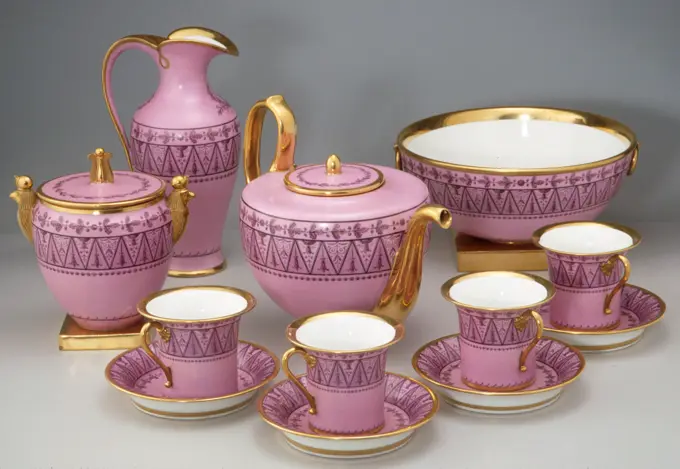
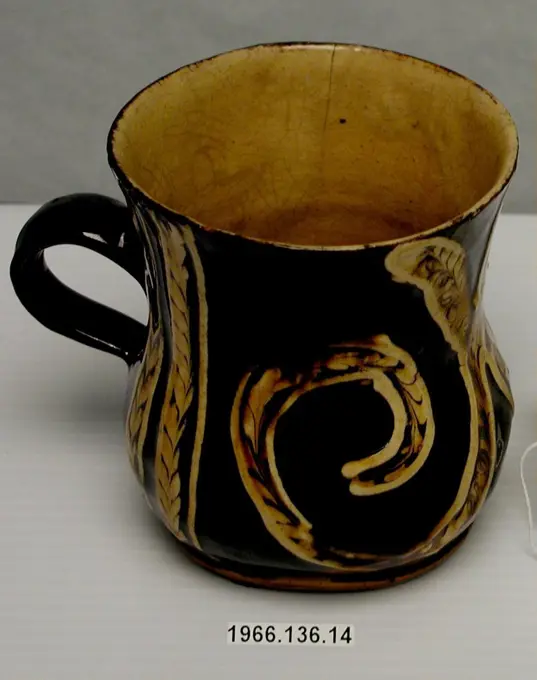
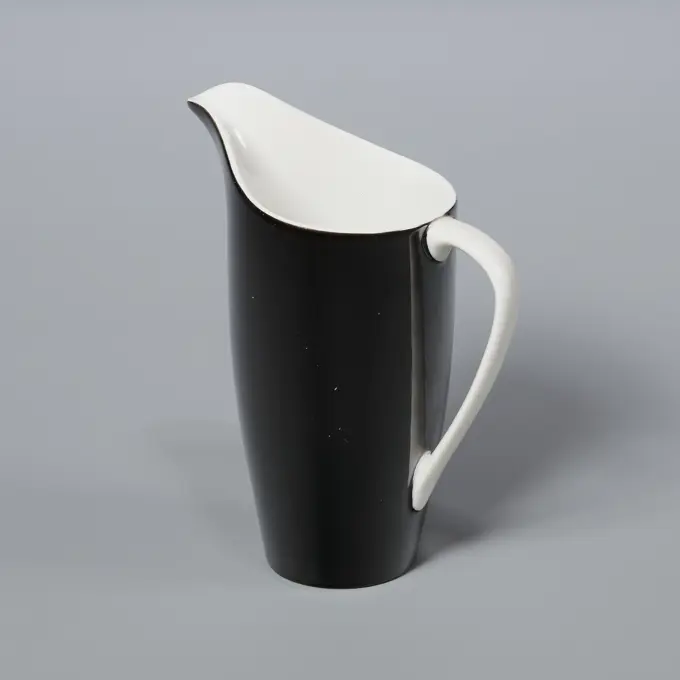
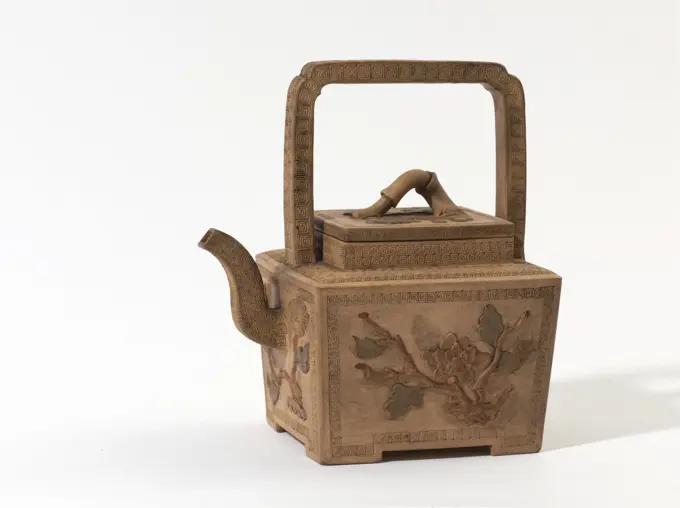
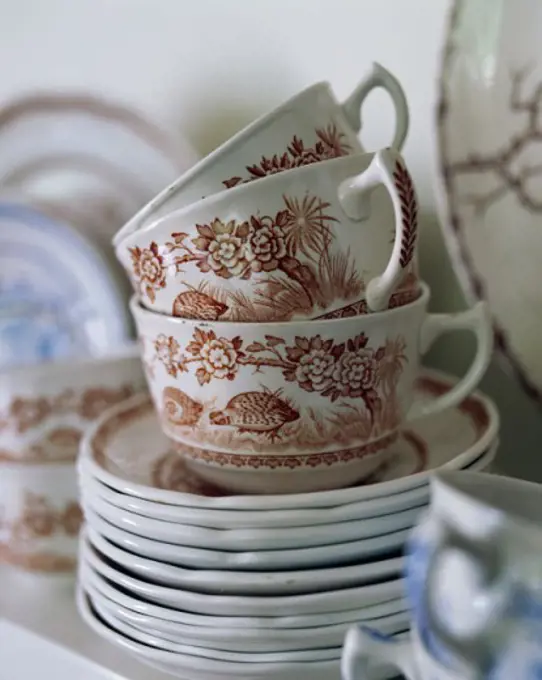
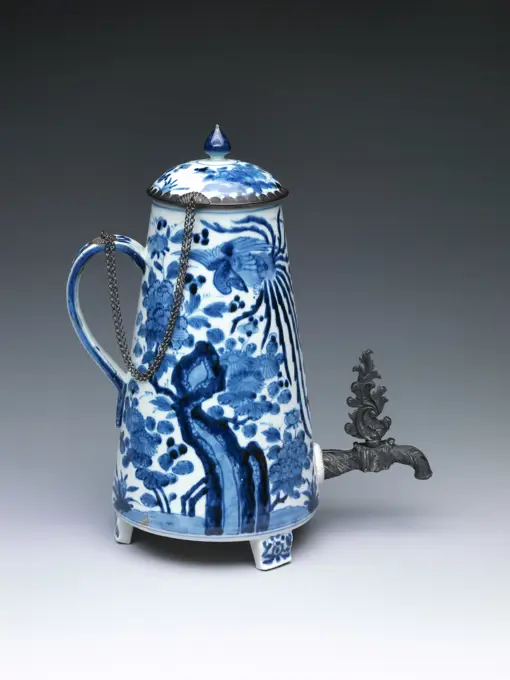
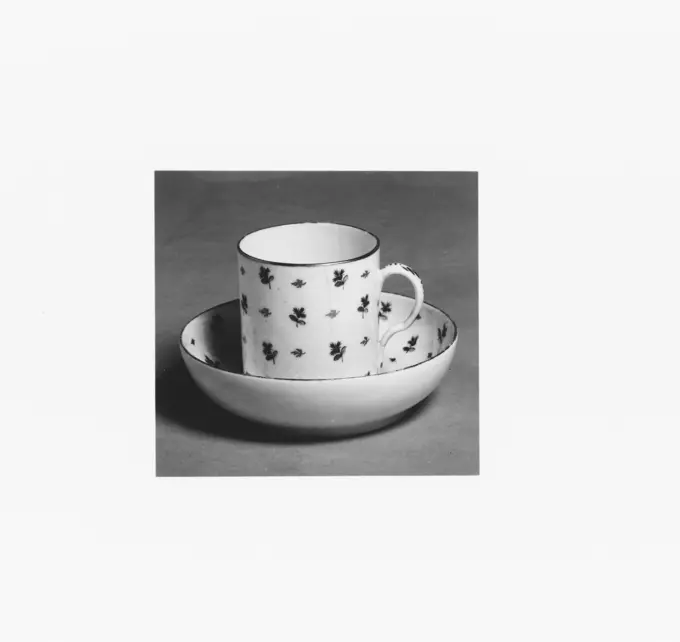
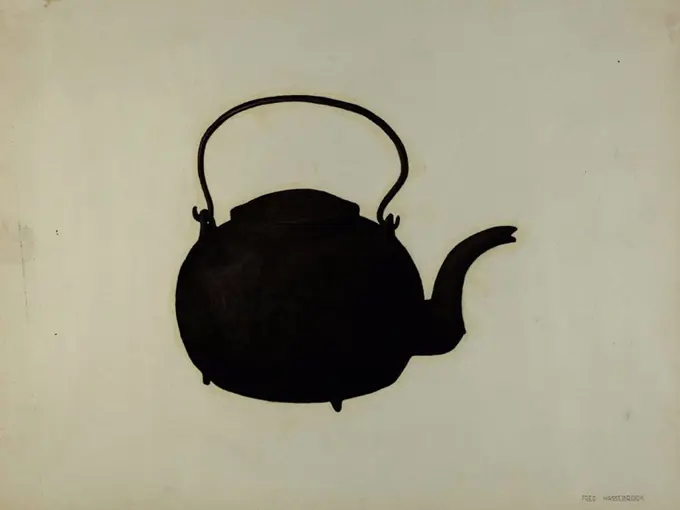
A collection of ornate porcelain teapots and a milk jug, showcasing colorful floral patterns, intricate designs, and historical craftsmanship from different eras.

Teapot, painted with trees and birds, manufacture Oud-Loosdrecht, c. 1774 - c. 1778 Porcelain teapot. Ribbed spout. Painted in beet red, on one side with exotic birds on a tree, on the other with a bird on its nest in a tree and a flying bird. Ear, spout and lid button with ornament painted in beet red. Along mouth and lid edge a brown trim. Loosdrecht porcelain Porcelain teapot. Ribbed spout. Painted in beet red, on one side with exotic birds on a tree, on the other with a bird on its nest in a tree and a flying bird. Ear, spout and lid button with ornament painted in beet red. Along mouth and lid edge a brown trim. Loosdrecht porcelain
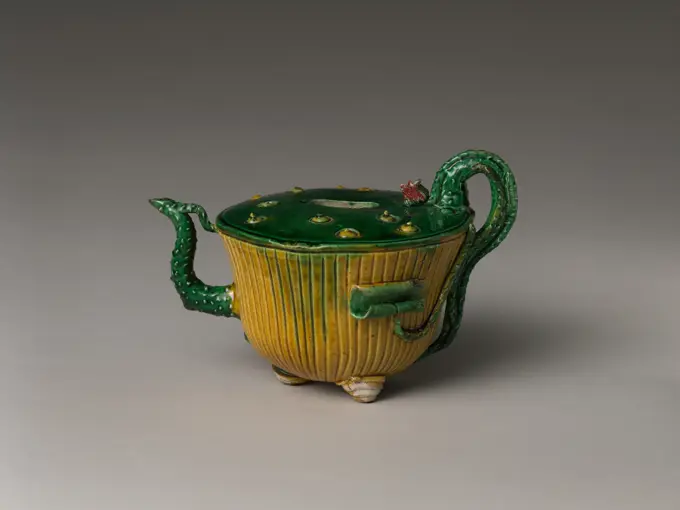
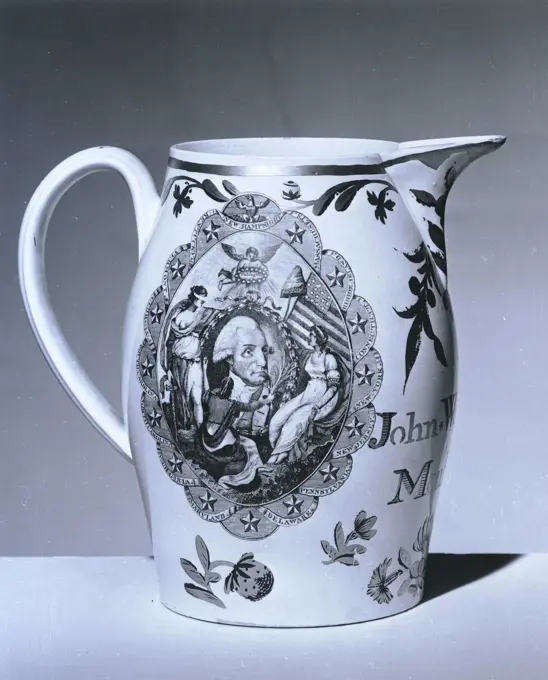
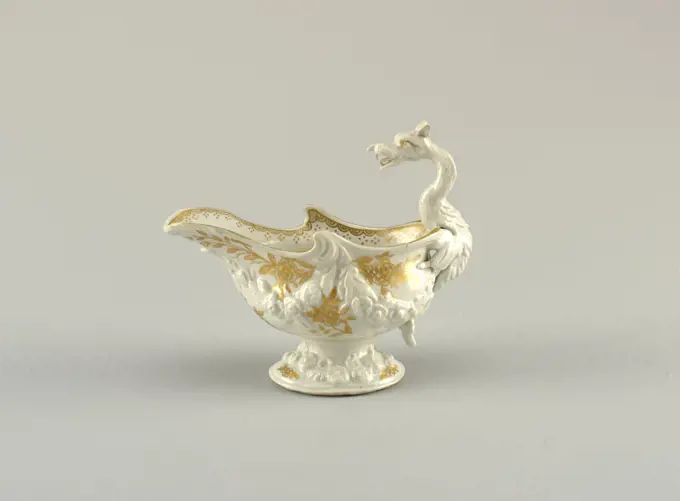
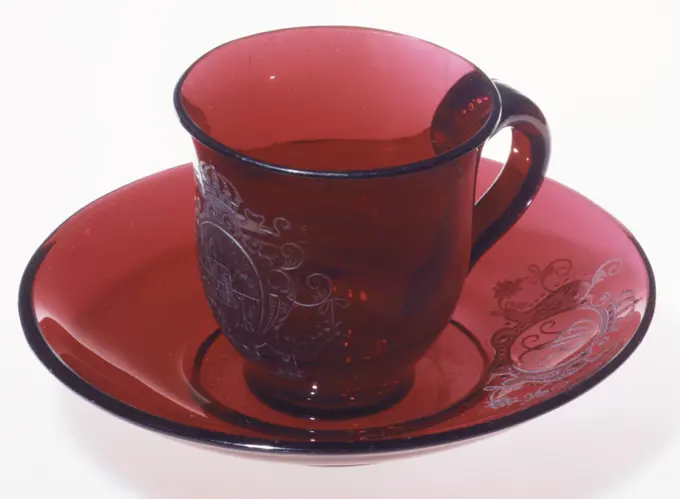
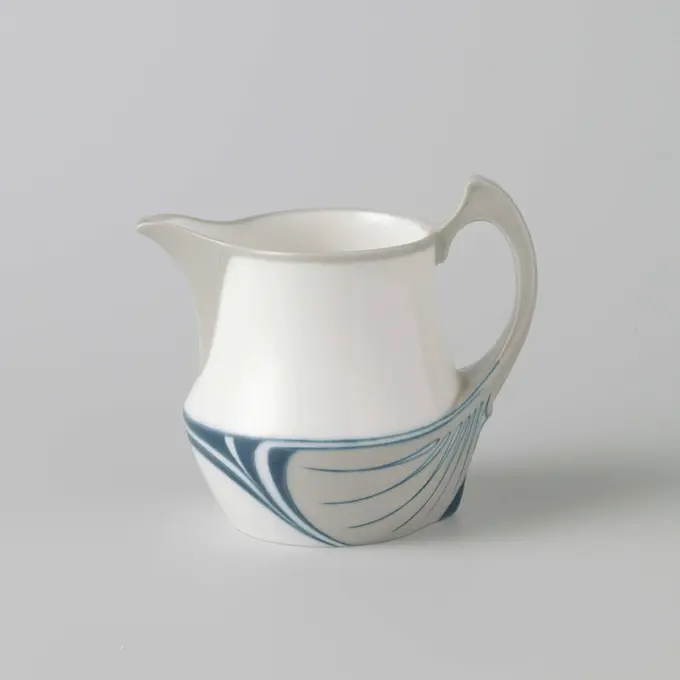
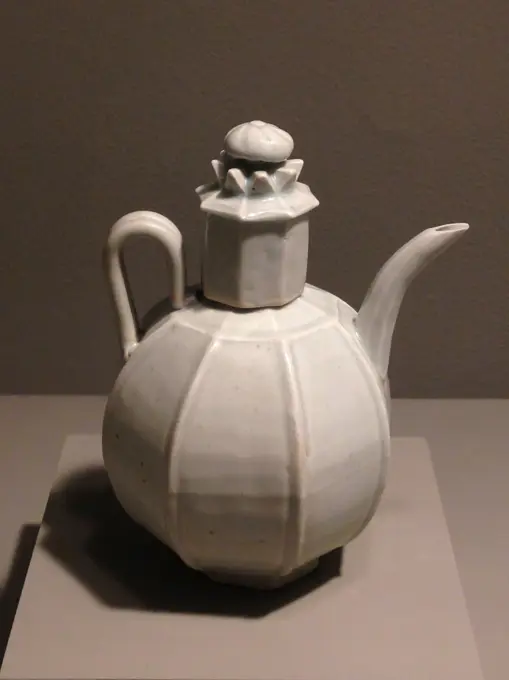
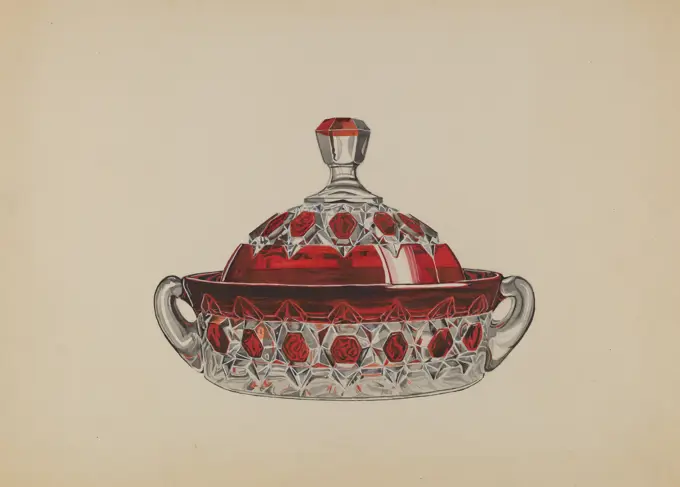
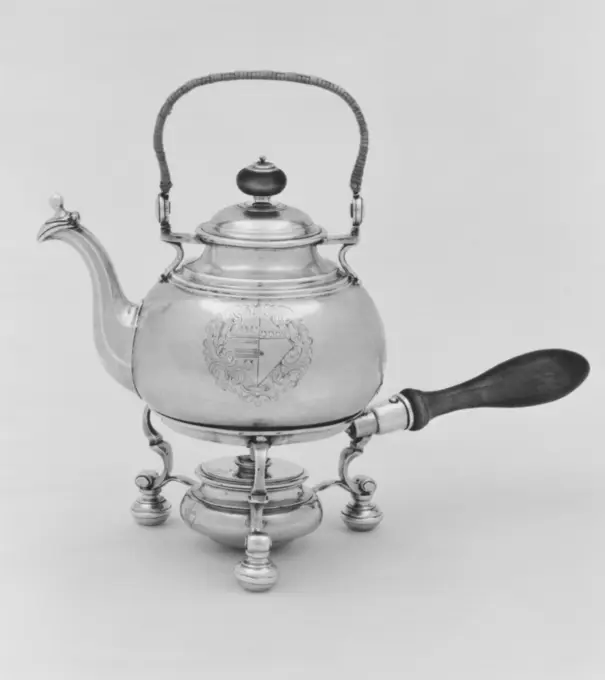
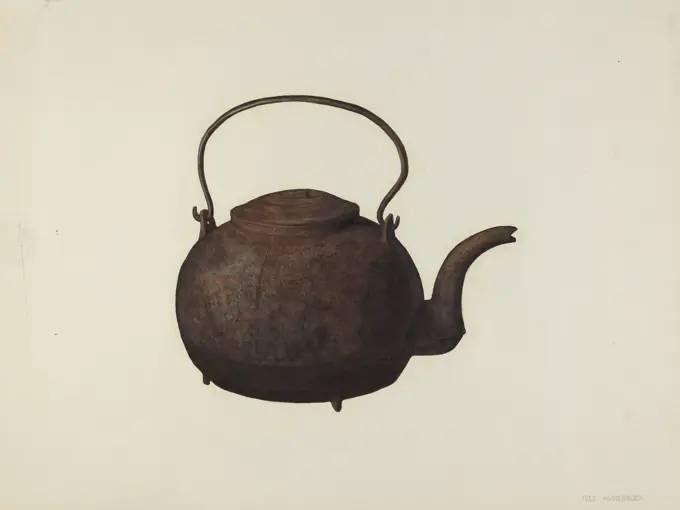
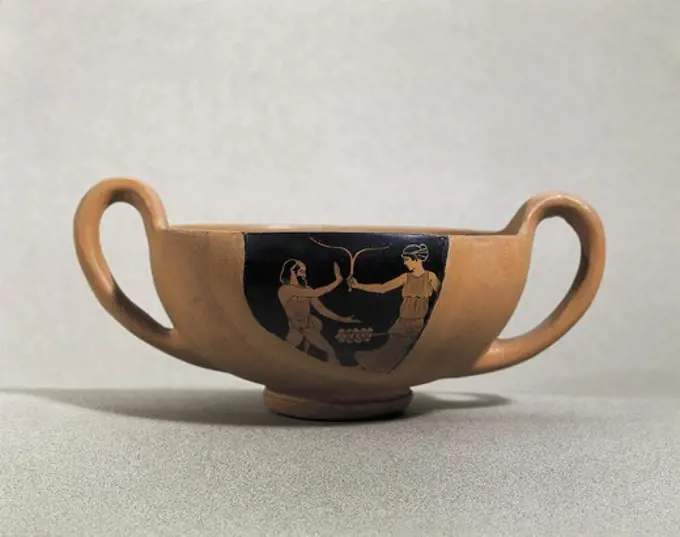
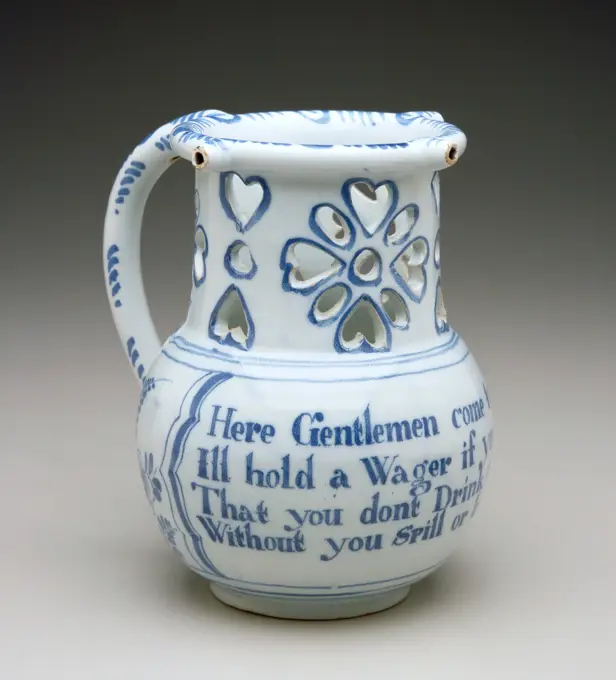
. The octagonal porcelain head with ear is polychrome painted with violets (purple, light and dark blue and yellow) within an ornamental decor. Labeled with: Kroon, Rozenburg, Stork, The Hague (upper each other); on the left the brand before 1913, on the right the work order number 332 (at one head 333); under the painting mark of c.w.j. 't heart.Cup with ear, multi -colored painted with a performance of the month of December, Meissener Porzellan Manufaktur, c. 1740 - c. 1745 Cylindrical cup with S-shaped ear, made of painted porcelain. The cup is painted with a cartouche of leaf and network within which a man and a woman are trying to slaughter an animal and above which the name December. On both sides, a small person (caricature) Is painted with a stick. The cup is marked. Float porcelain Cylindrical cup with S-shaped ear, made of painted porcelain. The cup is painted with a cartouche of leaf and network within which a man and a woman are trying to slaughter an animal and above which the name December. On both sides, a small person (caricature) Is painted with a stick. The cup is marked. Float porcelainTeapot in Shape of a Lotus Plant ca. 1700 China. Teapot in Shape of a Lotus Plant. China. ca. 1700. Porcelain with raised and applied decoration under colored glazes (Jingdezhen ware). Qing dynasty (1644-1911), Kangxi period (1662-1722). CeramicsMokkaan lid from the 'Saxonia' coffee and tea set. Mochaan lid from porcelain, painted in blue and gray.Coffee pan with lid from the coffee and tea set 'Saxonia', Meissener Porzellan Manufaktur, c. 1904 Coffee pan with porcelain lid, painted in blue and gray. The jug has a SNEB and a lid. The Kan is part of the coffee and tea set Saxonia. The coffee pot is marked. Float porcelain. uranium oxide Coffee pan with porcelain lid, painted in blue and gray. The jug has a SNEB and a lid. The Kan is part of the coffee and tea set Saxonia. The coffee pot is marked. Float porcelain. uranium oxideCoffee cups (4) (part of a service). Culture: British, Chelsea. Dimensions: Overall (.11): 2 13/16 × 2 11/16 in. (7.1 × 6.8 cm);Overall (.12): 2 15/16 × 2 9/16 in. (7.5 × 6.5 cm);Overall (.13_: 2 7/8 × 2 1/2 in. (7.3 × 6.4 cm);Overall (.14): 2 13/16 × 2 9/16 in. (7.1 × 6.5 cm). Factory: Chelsea Porcelain Manufactory (British, 1745-1784, Gold Anchor Period, 1759-69). Date: ca. 1758-69.The gilding on these pieces (see 54.163.7a, b-.34) is of a very high order, with tooled work on a thick application of honey gilding selectively matte and burnished for a lively design of pheasants, peacocks, and swallows in a landscape. The deep bowl was for little cakes. Museum: Metropolitan Museum of Art, New York, USA.PitcherTeapot 1715-20 Chinese, for European, probably Dutch, market. Teapot 202590Jug Made 1810-1820 Stoke on Trent. Lead-glazed earthenware with lustre decoration . Spode Limited (Manufacturer)Meissen Porcelain Manufactory, Cup and Saucer, 1746, hard-paste porcelain.Sauceboat, Bow Porcelain Manufactory, English, active 18th century, soft paste porcelain, vitreous enamel, gold, Oval sauce boat supported on oval base. Base domed, modeled in relief with floral garland. Body of boat form molded with relief garlands. Upper rim rises in wave motif at body sides, curving to elongated pouring lip. Exterior body gilded in floral patterns above and beneath molded garlands. Handle in form of serpent/dragon, head rising over sauceboat, with delicately molded scales, teeth, tongue, and ears. Interior of boat with gilded floral spray at bottom, and gilded circle and dot band at inner edge of lip. Body paste creamy white, with minor black imperfections throughout., England, ca. 1750, ceramics, Decorative Arts, sauceboat, sauceboatCreamer 1800-1810 Samuel Williamson. Creamer 5875Chocolate cup (part of a service) ca. 1765-70 Worcester factory. Chocolate cup (part of a service) 198458Saucer ca. 1730 German, Potsdam glass with Saxony (Dresden) decoration. Saucer 196114Milk jug, blue, with scalloped wall, interrupted by a smooth horizontal tire. Milk jug of pottery, bluestone. The scalloped wall is interrupted by a smooth horizontal tire. The outside of the spout has been slippery.Cup and Saucer Cup And Saucer; Designed by Christian Johannes van der Hoef (Dutch, 1875 - 1933); Manufactured by Amphora Factory (Netherlands); Netherlands; earthenwareCup with an ornamental border, anonymous, c. 1800 - c. 1824 Porcelain head with a cylindrical wall and C-shaped ear, painted on the glaze in gold. The outer wall is with golden lines divided into two wide tires with a pendulum of stars in the top, half moon shapes with dots and triangles. Golden line and dots on the ear. Marked on the underside with M. Empire. France porcelain. glaze. gold (metal) painting / gilding / vitrification Porcelain head with a cylindrical wall and C-shaped ear, painted on the glaze in gold. The outer wall is with golden lines divided into two wide tires with a pendulum of stars in the top, half moon shapes with dots and triangles. Golden line and dots on the ear. Marked on the underside with M. Empire. France porcelain. glaze. gold (metal) painting / gilding / vitrificationElectric Teakettle (Germany); Designed by Peter Behrens (German, 1868-1940); silver-plated metal, rattan, wood; Overall: 21 x 17 x 11.7 cm (8 1/4 x 6 11/16 x 4 5/8 in.)Meissen Porcelain Manufactory, Cup and Saucer, c. 1740-45, hard-paste porcelain.Beautiful luxurious cup Beautiful cup with saucer porcelain, Blue gold floral, oriental pattern Copyright: xZoonar.com/mrivsergx 10521636Isaac Hutton, 4-Piece Tea Service, silver.Sapphire teacup with gilding. Koenigliche Porzellan Manufaktur - KPM (Berlin ; 1763-1918), factoryMilk jug from the 'Saxonia' coffee and tea set. Milk jug with porcelain lid, painted in blue and gray. The can have a sneb. The can be noticed.Octagonal Ewer and Cover, 11th century, 8-9/16 x 6-5/16 x 5 in. (21.7 x 16.0 x 12.7 cm), Qingbai ware Porcelain with pale-blue glaze, China, 11th century, Qingbai (bluish-white) is an apt term for a thin, translucent glaze of a faint, bluish tone that deepens where it thickens or collects in intaglio designs. Qingbai porcelains are indigenous to southern China; Jiangxi province was the major source and it is likely that kilns in the vicinity of Jingde Zhen produced the greatest number and best quality.Dorothy Posten, Butter Dish, c 1936 Butter DishSimeon Soumaine, Teapot, c. 1735-40, silver and wood.Teakettle and lamp stand 1710-11 William Lukin I British. Teakettle and lamp stand 204897Sèvres Porcelain Manufactory, Teapot and cover (théière Asselin) with portraits of Anne of Austria (1601-1666) and Christina of Sweden (1626-1689), 1811-1812, Hard-paste porcelain.Sèvres Porcelain Manufactory, Tea Service, 1812, hard-paste porcelain.TeapotCupKettle with floral print, cartoon ceramic teapot. Vector decorative kitchen tool, household utensil, ceramic drinkware or glassware for tea ceremony. Kettle with floral print, cartoon ceramic teapotToilet garnituur of pottery, consisting of eleven parts decorated with red piping and arms of the Duke of Arenberg with crown in red and yellow. Toilet garnituur of pottery, consisting of an oval bin with ears (a), a round washbasin (b), a round washbas Bourdalou (C), an oval soap dish (D), a bucket with insert and wicker handle, one can with a spherical body (f), a can with a sap above harrowing cylindrical body (g), a room pot with ear (H), an elongated comb tray with lid (I), a round soap tray with lid and colander (j) and a loose colander (k). All decorated with red piping and arms of the Duke of Arenberg with crown in red and yellow.Goplana" coffee service milk; Potacki, Wincenty (1904-2001), Porcelain and Ceramic Products Factory Mielów S.A. (1920-1939; 1946-1951); 1960-1962 (1960-00-00-1962-00-00);Close-up of white mugs and blue and white textured jug with ship decorationTea cup with decoration of trophies to strict ribbons. Tea set consisting of a teapot, a sugar bowl, a rinse bowl and twelve cups and saucers painted multicolored with trophies hanging on blue bows. The trophies relate to various professions. Signature in black: Amstel (the Amstel N. 805 sugar pace and reel). Different ingrangled marks in the headlines and saucers.Milchkaennchen - Milk jug Milchkaennchen - Milk jug Copyright: xZoonar.com/lantapixx 6618197Tea-pot. Polychrome sandstone, Qing dynasty (1644-1912). Provenance: China. Paris, Cernuschi museum. 78837-4 Asian art, Chinese art, living art, ceramic, Ching dynasty, Qing dynasty, Tsing, GRES dynasty, service to the, theiere, dishesKraaikop from V.O.C. ship De 'Witte Leeuw', Anonymous, Before 1613 bowl Kraaikop, incomplete and loose shard, found at v.o.c.-ship the 'Witte Leeuw'. Jingdezhen bone china (material)   Sint-HelenaCartoon ceramic teapot isolated porcelain kettle with floral print. Vector coffeepot with cap, kitchenware utensil, chinese retro pottery. Kitchen utensil, cartoon ceramic porcelain teapotCup And Saucer; Painted by Samuel Schellink (1876 - 1958); Manufactured by Rozenburg Pottery and Porcelain Factory (Netherlands); porcelain, vitreous enamelHead, the ribs alternately blue and white, separated by golden piping. Cup, ribbed, the edges serrated. The ribs separated by vertical golden piping. Dark blue caves (Blue du ROI), the ribs white, on which a decoration of leafwork and braid band. Once the ear kinked. The edges gilt, gilt inside serrated. Marked in underglaze blue.Mug decorated with " Manneken Pis ".Wooden mug, carved, probably so -called "PEG TANKARD";  XVII century (1601-00-00-1700-00-00);Coffee cup (part of a service) 1760-65 Nymphenburg Porcelain Manufactory. Coffee cup (part of a service) 210917Coffeepot with Inset, pewter, a) On shaped flaring foot a pyriform body with grouped vertical gadrooning. Spout attached to body and decorated with incised lines and relief bands. Hinged dome cover with tall finial. Strap handle. b) Cylinder-shaped inset, does not belong with pot, Germany, 1760, metalwork, Decorative Arts, coffeepot, coffeepotClose-up of tea cups and saucersBrown mushrooms on a white background, which highlight their natural colors and textures brown mushrooms on a white background, which highlight their natural colors and texturesCoffee Pot 1650-75 Japan A seemingly odd shape for Japanese porcelain, this coffee pot was made specifically for export to Europe. From the mid-seventeenth to the mid-eighteenth century, when Chinese porcelain production was in decline, the Japanese porcelain industry thrived through trade with the Dutch. Since shapes like coffee pots were unfamiliar to Japanese potters, the Dutch would provide models to be copied. Additions of silver or gold mountings to a porcelain vessel were common in export wares, highlighting the high value placed on porcelain by the wealthy European consumers.. Coffee Pot 62526Traditional Moroccan Berrad teapot on a white backgroundSled of Purple Painted Faience. Little Faience. Purple painted with flowers and skatersThe red chinese teapot on a white backgroundCup and Saucer ca. 1780 French, possibly. Cup and Saucer. French, possibly. ca. 1780. Porcelain. Possibly made in Paris, FranceCeramic white electric kettle with red leaves 3d render illustration on white background with shadow Ceramic white electric kettle with red leaves 3d render illustration on white background with shadow Copyright: xZoonar.com/OlegxLivinskyix 16687250Milk Ruszczyński, Edmund (1920 Ca 1995), Wałbrzych, WawelPitcher (USA); Made by Louis Comfort Tiffany (American, 1848-1933); favrile glassTeapotClose-up of a teapot with tea cups, Hefei, Anhui, Chinaporcelian vintage teapot cartoon. porcelian vintage teapot sign. isolated symbol vector illustration. porcelian vintage teapot cartoon vector illustrationHead, painted with a landscape with cattle, c. 1809 - c. 1814 Head, painted with landscape with cattle. Marked: Amstel in blue. Nieuwer-Amstel porcelain Head, painted with landscape with cattle. Marked: Amstel in blue. Nieuwer-Amstel porcelainTea Kettle. Dated: c. 1940. Dimensions: overall: 36.7 x 35.5 cm (14 7/16 x 14 in.) Original IAD Object: 7 1/2" high; 9" in diameter. Medium: watercolor, graphite, and pen and ink on paper. Museum: National Gallery of Art, Washington DC. Author: Fred Hassebrock.John Scofield, Teakettle, Stand, and Lamp, 1789/90, silver.Tankard with man drinking from jug ca. 1885 Haviland & Co. American and French This vessel recalls sixteenth-century German salt-glazed stoneware tankards and flagons. However, the flat style of the decoration and the unmodulated use of color, particularly for the boys skin, are novel to the nineteenth century.. Tankard with man drinking from jug. French, Paris. ca. 1885. Stoneware. Ceramics-PotterySlovakia, capital city of Bratislava. Traditioal Slovakian pottery.Cologne pot with Viola flowers Blue pot with Pansy flowers Copyright: xZoonar.com/IvonnexWierinkx 7072901set of different tea pots isolatedJohn Tarantino, Pitcher, 1937 PitcherFred Hassebrock, Tea Kettle, c 1940 Tea KettleTea pot blue with white dots Blue open tea pot with white dots Copyright: xZoonar.com/IvonnexWierinkx 10956173Colorful bouquet tulips in tea pot Colorful bouquet tulips in big tea pot isolated over white background Copyright: xZoonar.com/IvonnexWierinkx 20259709Vase. 5th c. BC. Red-figure ceramic. Classical Greek art. Ceramics. SPAIN. CATALONIA. BARCELONA. Barcelona. Archaeology Museum of Catalonia. Proc: SPAIN. CATALONIA. GERONA. L'Escala. Empœries.Still-Life of muscari and blue and white jugsTeapot and cup for the hour of teaPuzzle jug, c. 1750, 6 7/8 x 5 1/8 x 6 5/8 in. (17.5 x 13.0 x 16.8 cm), Tin-glazed earthenware, England, 18th century, The inscription on this jug poses a challenge: 'Here Gentlemen come try your Skill../Ill hold a Wager if you Will./That you don’t Drink this Liquor all../Without you Spill or let Some fall' The perforated neck made it impossible to tilt the jug without spilling its contents. However, the hollow rim connects to the bottom of the cup through the hollow handle; together they form an internal conduit. The winner knew to cover all but one of the four holes in the rim, plus one at the bottom of the handle, then suck the remaining uncovered spout. The result' A boozy, premodern 'sippy cup.'Cup and saucer 1735-40 Chinese, for Dutch market The pagoda-like building and the boat with a face suggest an Asian setting, perhaps Batavia.. Cup and saucer 205187Teapot And Lid (Japan); glazed earthenwareDrawing, Design for a Sugar Bowl; Made for Noritake; Japan; brush and watercolor, gold gouache, graphite on cream paper; 29.2 x 15.4 cm (11 1/2 x 6 1/16 in.) Mat: 35.7 x 45.8 cm (14 1/16 x 18 1/16 in.); 1985-14-20Mug 1899 Volkmar Ceramic Company This mug was one of a number of so-called library mugs” that members of the Salmagundi Club of New York decorated. Mugs are known decorated by such American artists as Edward Austin Abbey, Emil Carlson, F. Luis Mora, and Howard Pyle. The mugs were made by the ceramist Charles Volkmar, also a member. Shelton was inextricably connected to the men’s club, serving as one if its founders and becoming the club’s first official librarian in 1898, having served unofficially in that capacity for a number of years prior. Shelton initiated the fund-raising event, holding an annual dinner with an auction of twenty-four ceramic mugs decorated by various artist members (each member also had his own decorated mug.). That this mug is dated 1899 indicates that it was part of either the first or second such library dinners.” until 1908. Founded in 1871 by artists and illustrators to support one another, it is still going today at its current headquarters in a brownston