Antique Women's Nightgowns and Dresses

Collection of historical women's garments including nightgowns and dresses from the 19th century. Focus on delicate fabrics and intricate details.

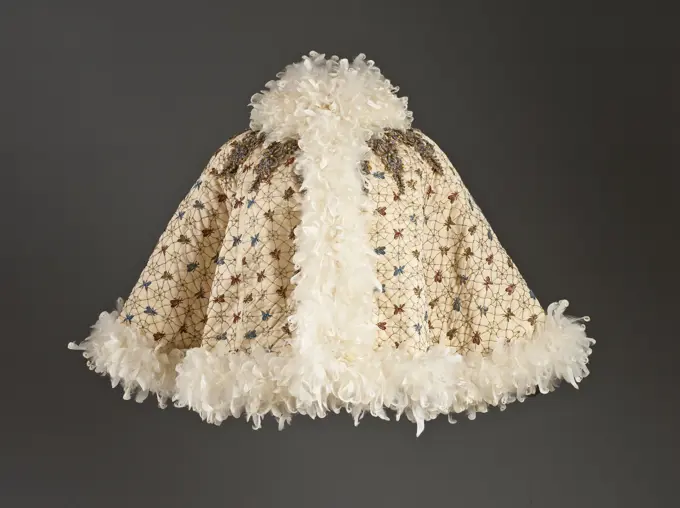
Jacket, painted with blue flower vines and silver high spreads on a white ground and trimmed with long nets band; cotton lining., Anonymous, c. 1750 - c. 1775
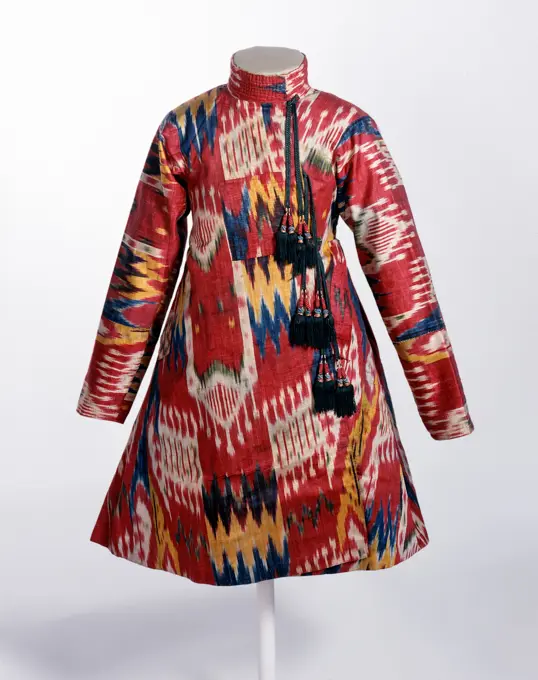
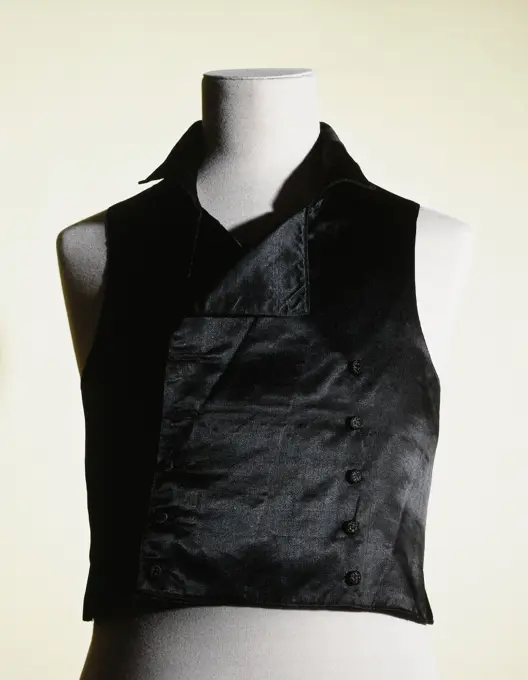
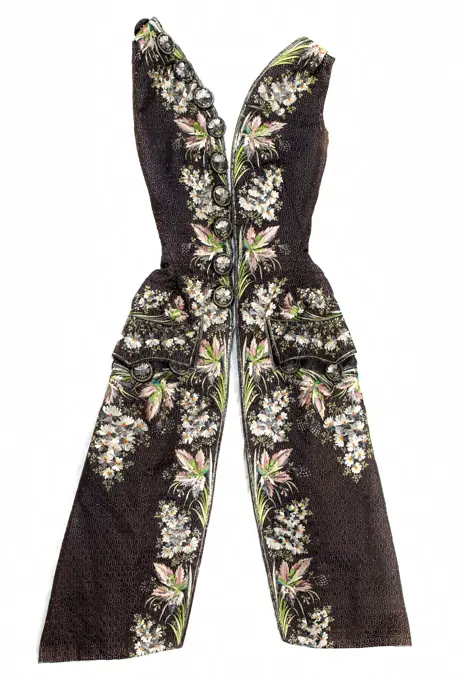
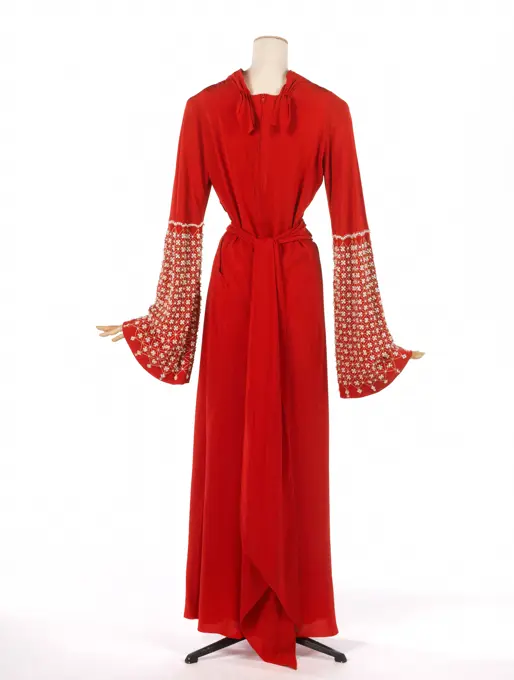
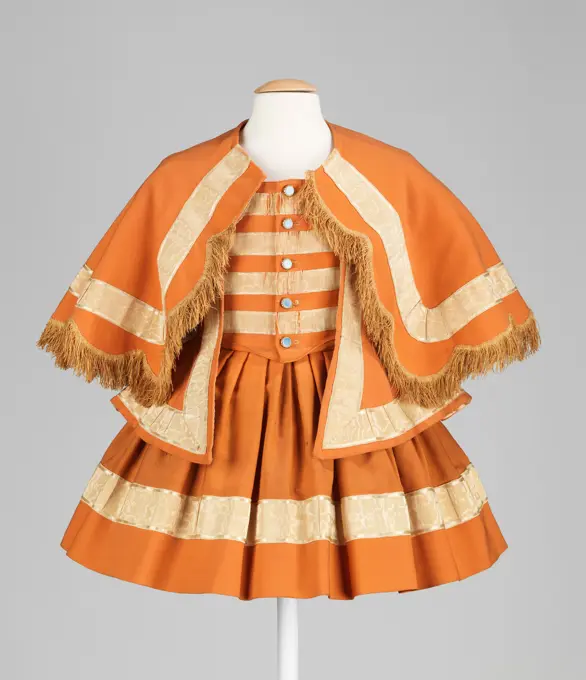
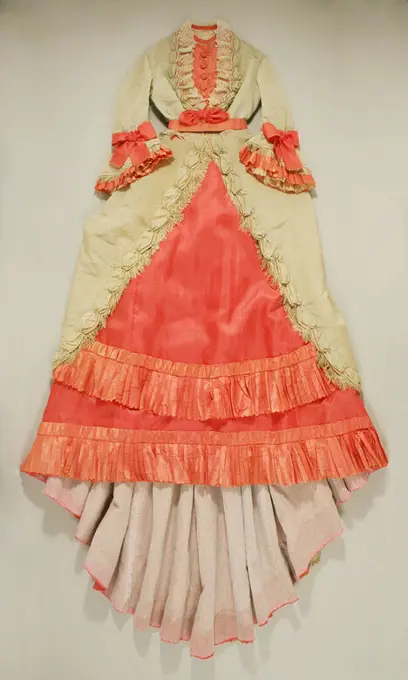
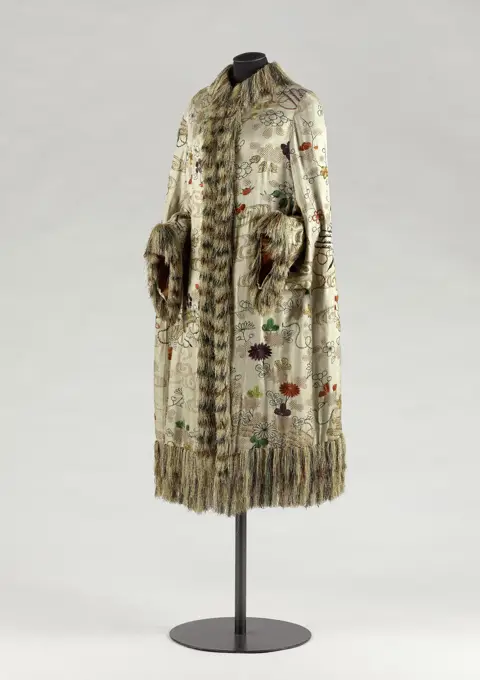
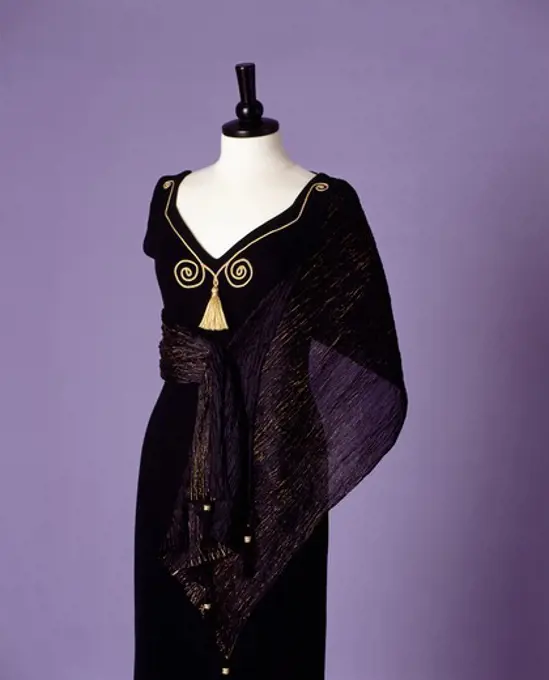
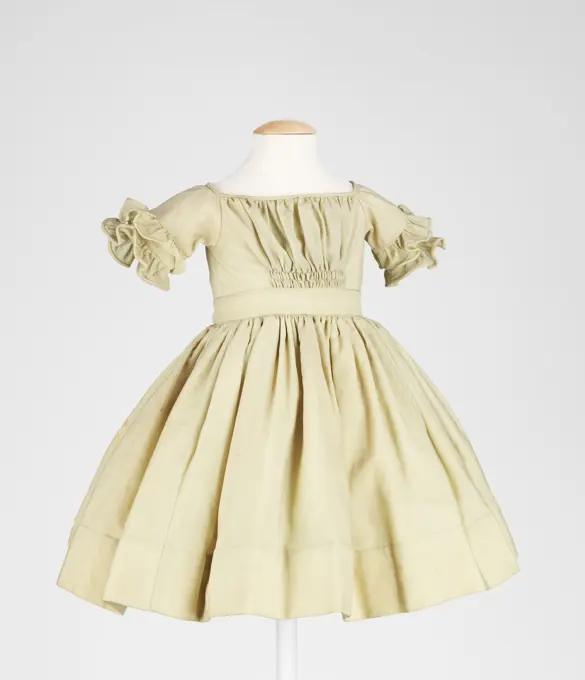
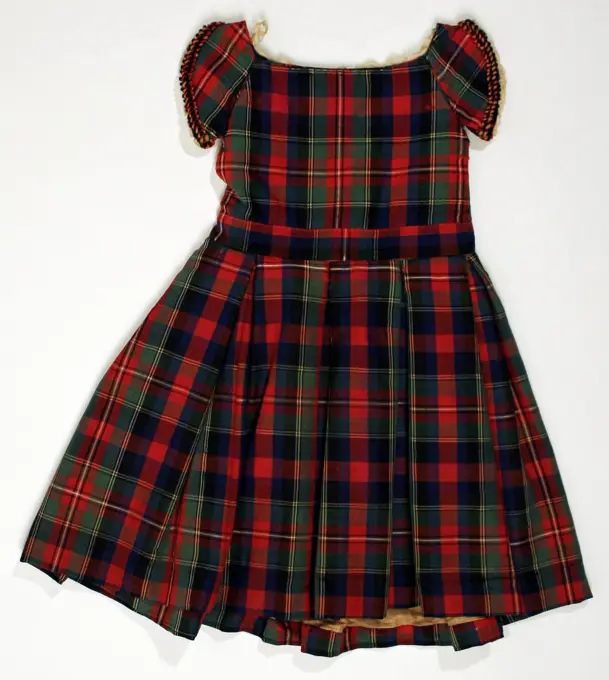
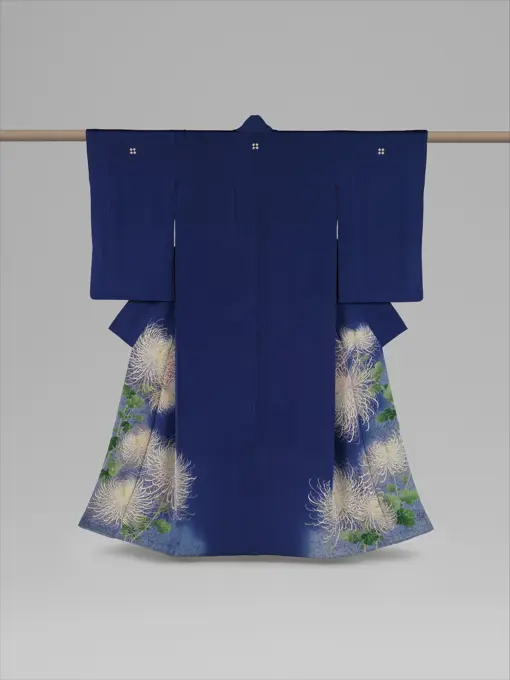
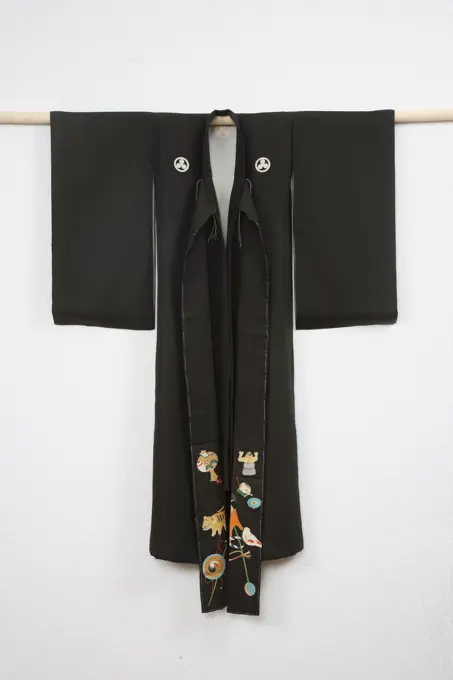
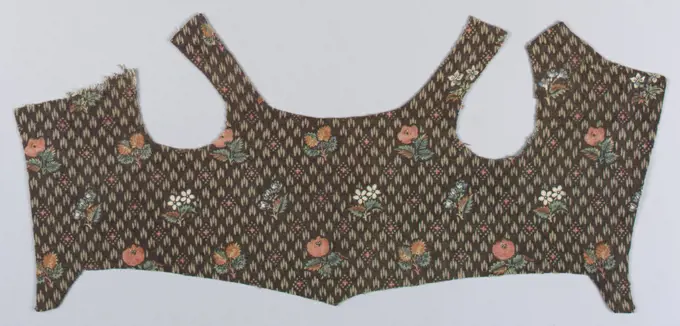
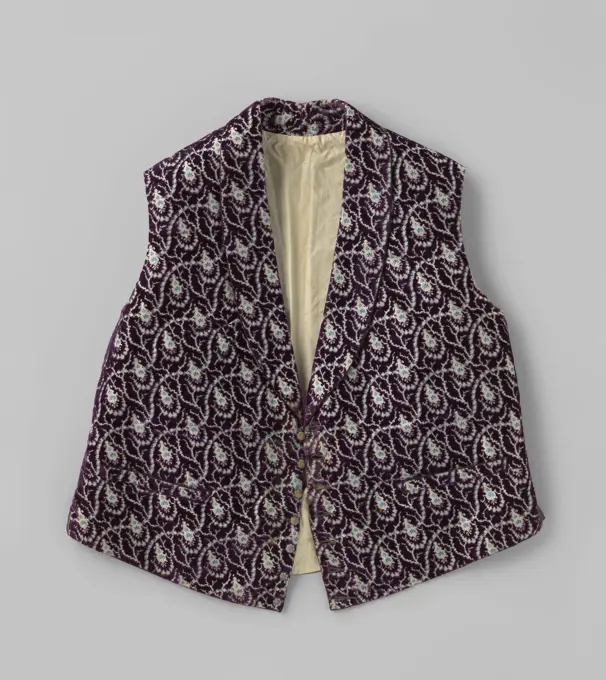
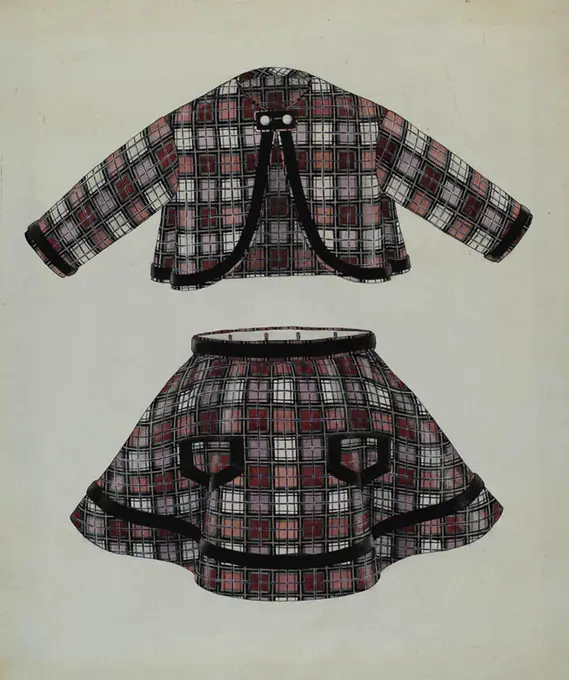
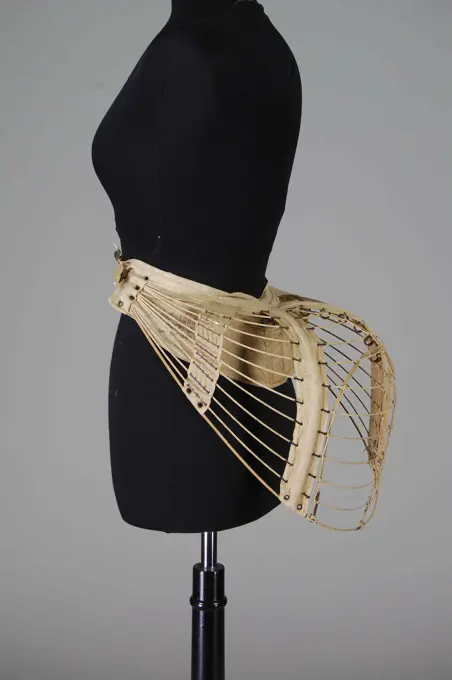
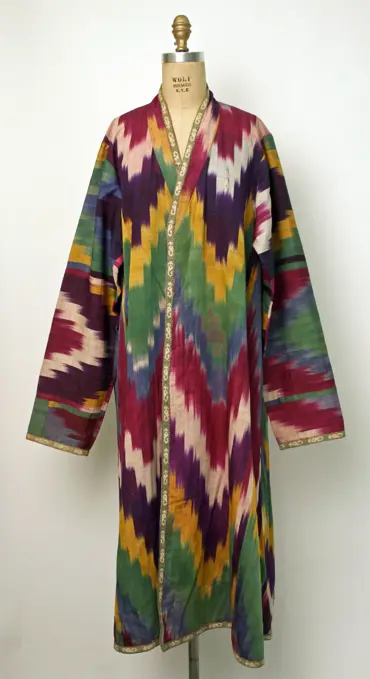
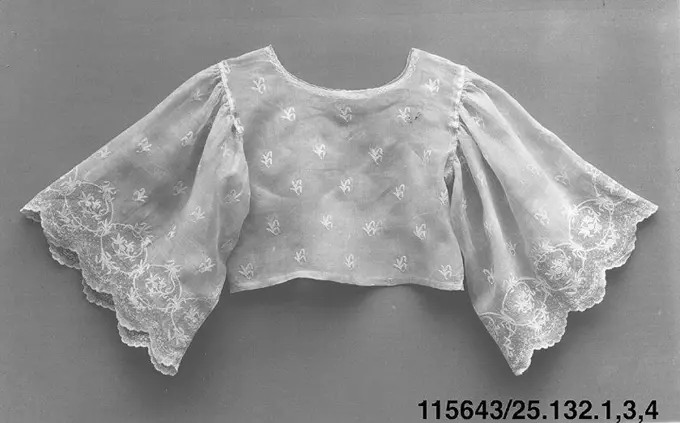
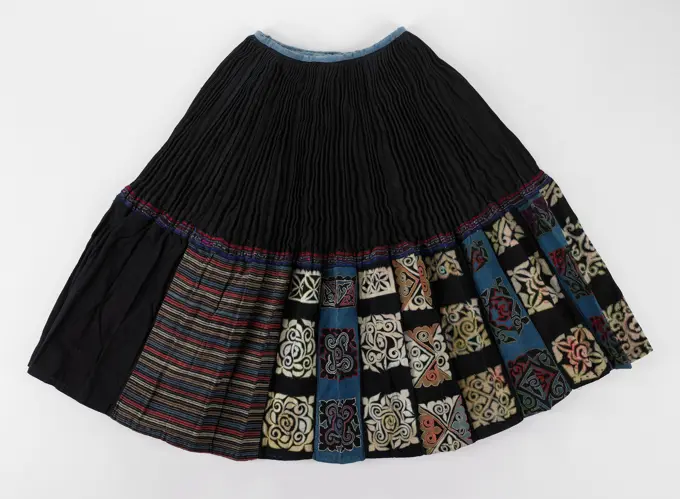
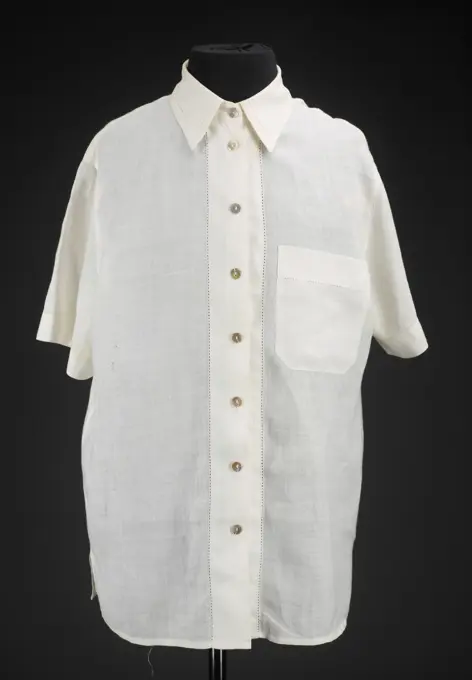
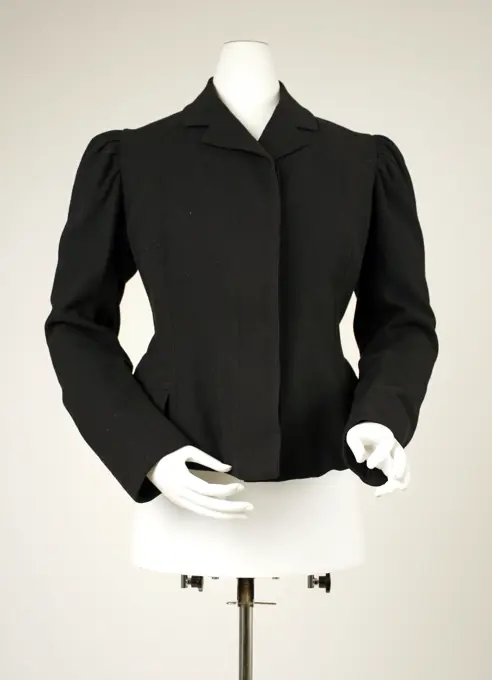
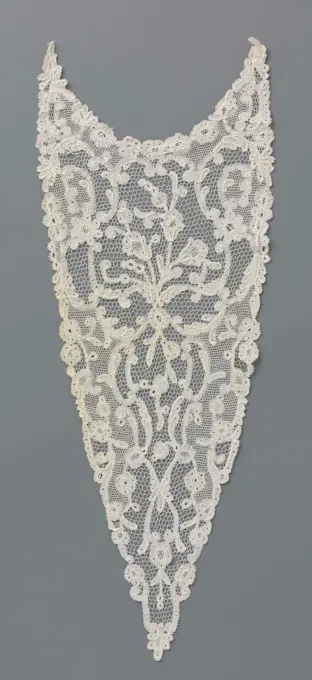
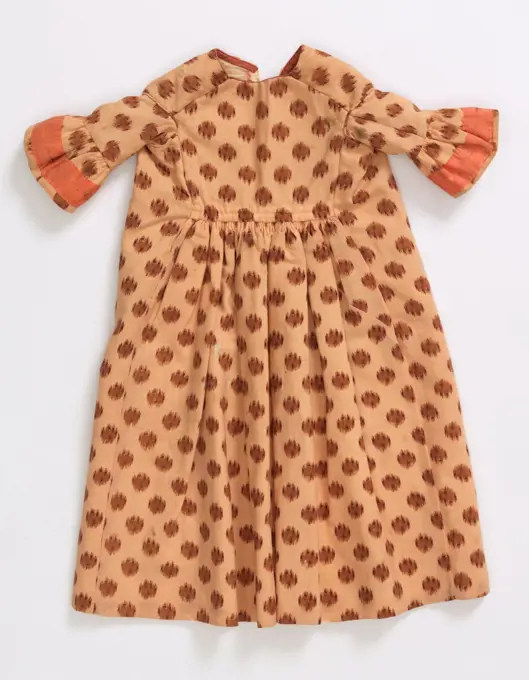
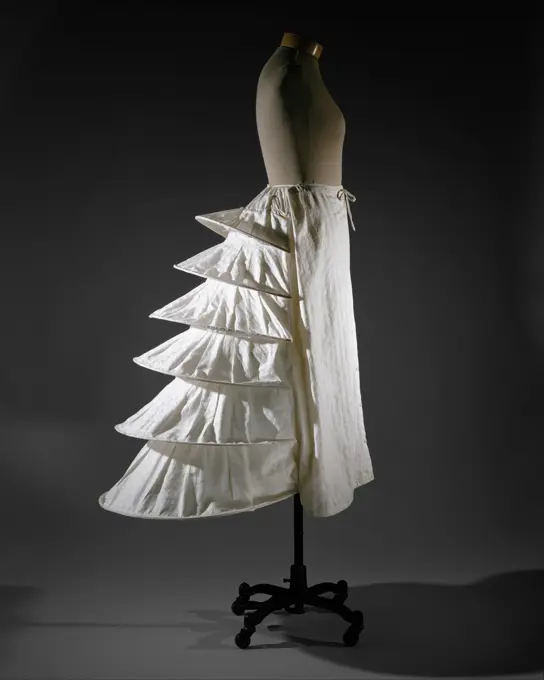
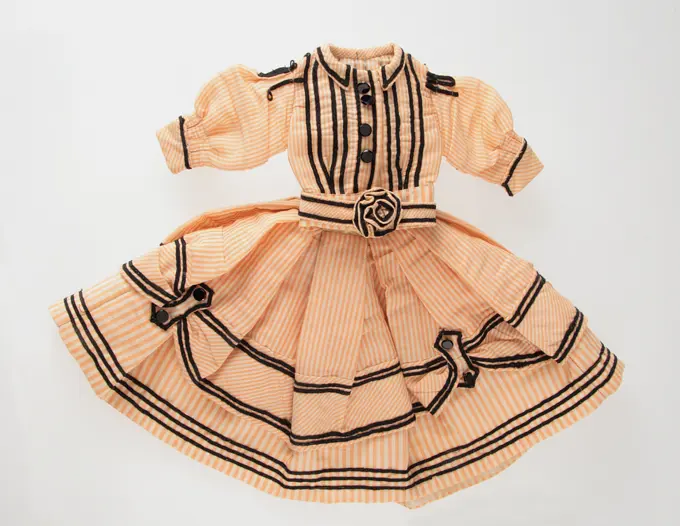
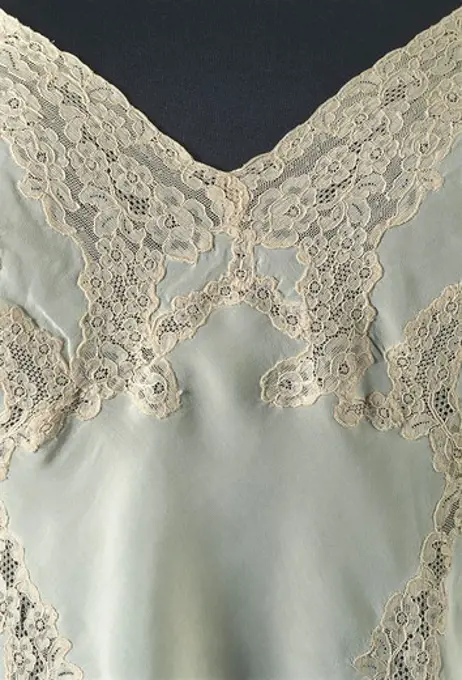
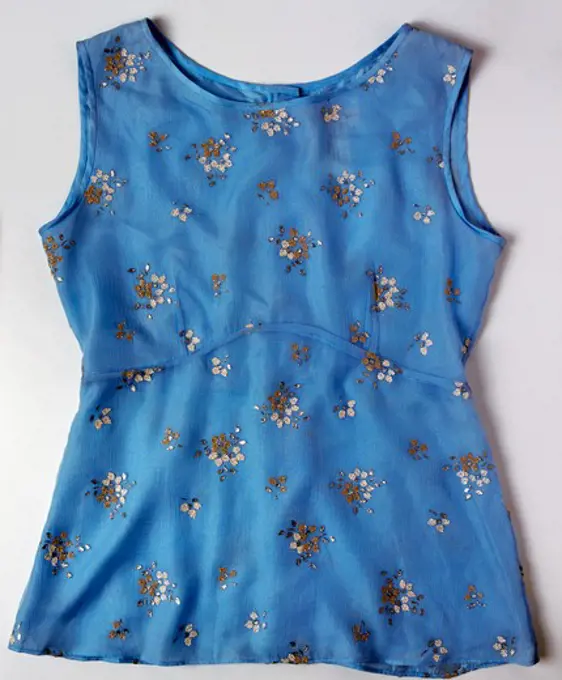
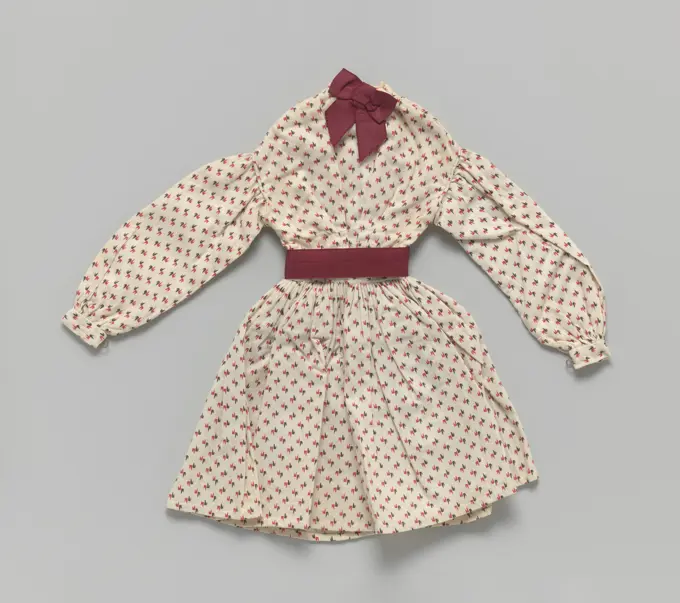
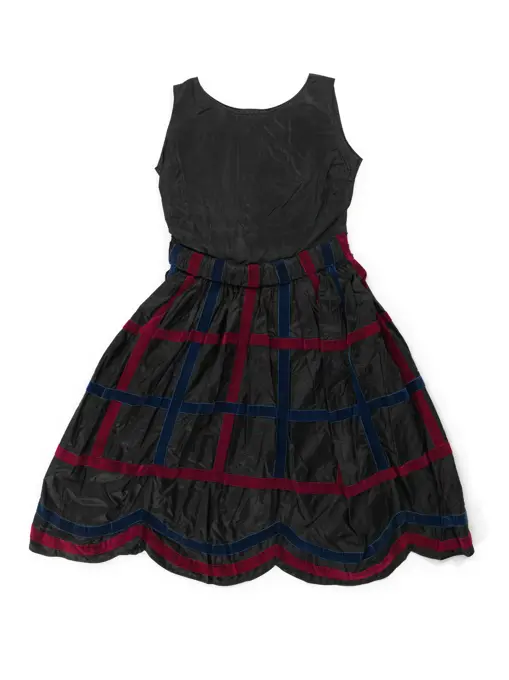
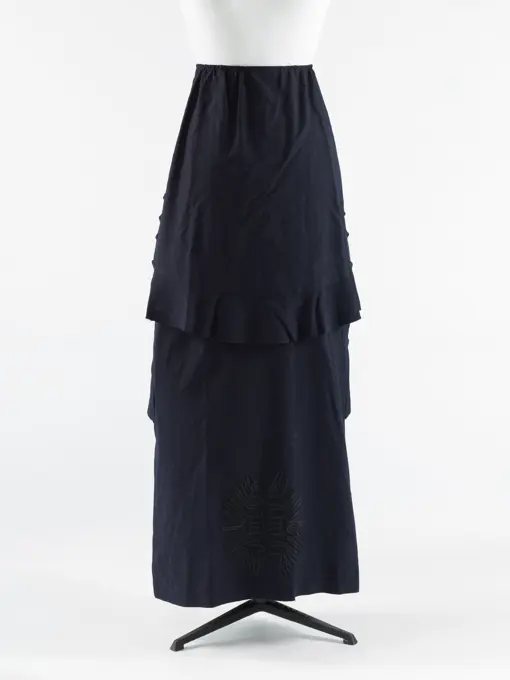
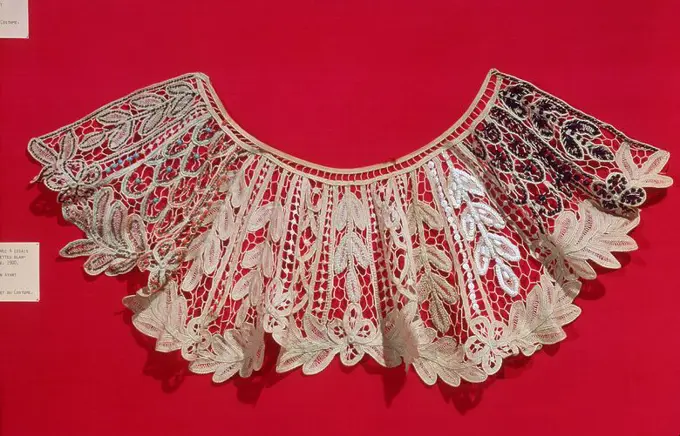
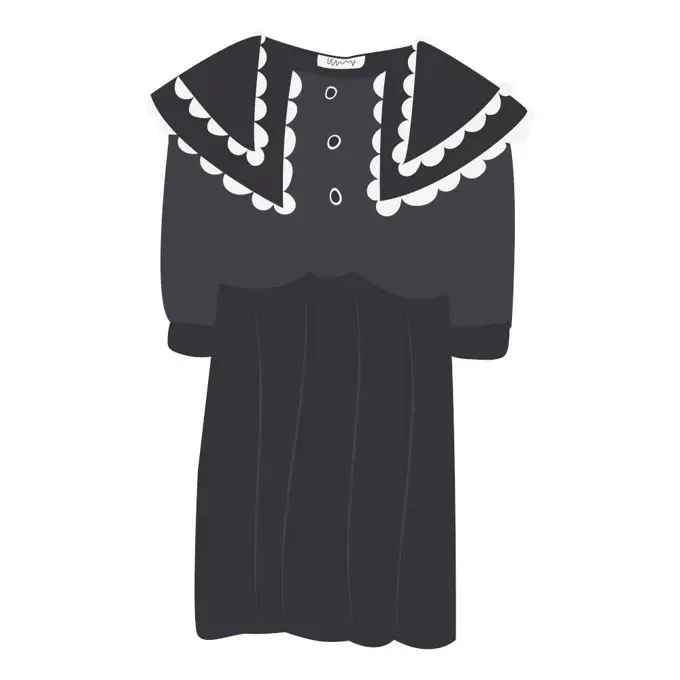
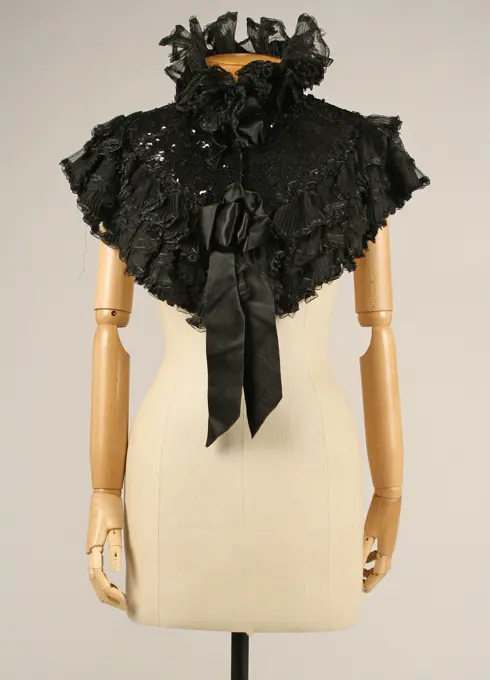
Cape French 1899Child's Dress. Dated: 1935/1942. Dimensions: overall: 40.7 x 31.5 cm (16 x 12 3/8 in.). Medium: watercolor, graphite, and pen and ink on paperboard. Museum: National Gallery of Art, Washington DC. Author: Mary D. Porter.Evening dress. Culture: French. Design House: Attributed to House of Lanvin (French, founded 1889). Designer: Attributed to Jeanne Lanvin (French, 1867-1946). Date: 1930. Museum: Metropolitan Museum of Art, New York, USA.Girl's Robe. Uzbekistan, Bukhara, 1860-1880. Costumes; outerwear. Silk resist-dyed warp (Ikat); silk tablet-woven tiesBashlik 1860s Asian, North. Bashlik 107581Woman's Cape. Madame Amy (England, London, active late 19th-early 20th century). England, London, circa 1890. Costumes; outerwear. Silk twill with metallic-thread supplementary weft patterning, glass beads, metal beads, metal sequins, metallic-thread embroidery, and feathersEvening dress. Culture: French. Design House: House of Lanvin (French, founded 1889). Designer: Jeanne Lanvin (French, 1867-1946). Date: spring/summer 1938.Jeanne Lanvin was apprenticed to a milliner and a dressmaker before opening her own millinery shop in 1889. She expanded into dressmaking when her clients began asking for the ensembles in which she adorned her daughter, Marguerite di Pietro (1897-1958). Her style embodied the femininity of youth in a most modern way with meticulous and relatively sparse surface embellishments and robe de style silhouettes, which could be worn by women of all ages. Lanvin's aptitude can be seen through her house's 1920s expansion into fur, lingerie, men's wear, household goods and perfume. She even had the forethought to open her own dye factory which produced the inimitable 'Lanvin blue.' The longevity of the House of Lanvin can be credited to her attentive management and design standards from its inception.Lanvin's ability to manipulate the founVest. Black silk satin, back in linen canvas and hemp, 10 black thread flower buttons, black Ottoman pass lining, between 1815 and 1830. Galliera, fashion museum of the city of Paris. Button, hemp, ten, back, collar lining, black thread, vest, haute couture, model, masculine, ottoman, passmenterie, satin, black silk, linen, clothing, male clothingEvening dress created from a Habit Louis XV type court coat (in fact undoubtedly a restoration period). Silk velvet, embroidery of polychrome silk threads, 1890s. Paris, Palais Galliera, fashion museum of the city of Paris. 77579-13 Embroidery button, embroidery, flower, female mode, floral motif, black, period restoration, reutialization, evening dress, silk, evening outfit, velvet, 19th XIX 19th 19th 19th 19th centuryJacket ca. 1860 American. Jacket 173546Ball gown late 1860s European. Ball gown 107625Evening Japon of Red, Black and White Silk With Cord Borders, Anonymous, 1920 Evening gown of red, black and white silk with cord bobbin. Geometric Jugendstil. Three quarters of a long, straight model without coupenaaden. Long round neck. Short sleeve. At the front a loose, smooth smooth strip of white above black with a tilted intermediate edge, accentuated with gold and silver coorder. Paris (possibly) silk. satin Evening gown of red, black and white silk with cord bobbin. Geometric Jugendstil. Three quarters of a long, straight model without coupenaaden. Long round neck. Short sleeve. At the front a loose, smooth smooth strip of white above black with a tilted intermediate edge, accentuated with gold and silver coorder. Paris (possibly) silk. satinJeanne Lanvin (1867-1946). "Dress". Orange pancake, embroidery of white silk threads, pearls and white sequins. Summer 1936. Galliera, fashion museum of the city of Paris. 100066-12 Female mode, female clothing, dressSkirt and Bodice with Beaded Decoration, Denise Vandervelde-Borgeaud, c. 1938 - c. 1939 Model: Round neck with a point collar. Long, close -fitting sleeves. On the front to the left and right on the Taillenad, a narrow belt of the same fabric that closes on the back with a square fabric buckle. Closure in the middle behind a zipper. Unsurbed. Decoration: For the body, the gold -colored leaves of diamond shapes with an elongated, turquoise bead on every intersection. Brussels Body: Wool. Beads: Glass. leaves: metal Model: Round neck with a point collar. Long, close -fitting sleeves. On the front to the left and right on the Taillenad, a narrow belt of the same fabric that closes on the back with a square fabric buckle. Closure in the middle behind a zipper. Unsurbed. Decoration: For the body, the gold -colored leaves of diamond shapes with an elongated, turquoise bead on every intersection. Brussels Body: Wool. Beads: Glass. leaves: metalBathing costume - Athletic Suit Co. Athletic Suit Co.Dress for an altar figure. Culture: European. Dimensions: Length at CB: 13 in. (33 cm). Date: third quarter 18th century.Altar figures, often dressed in garments made from fine textiles, were used in processions to enhance the personal, worldly relationship with the spiritual. This unaltered garment, with its charming robe à la française styling, is a good example of the form. Museum: Metropolitan Museum of Art, New York, USA.Cape early 18th century Belgian. Cape. Belgian. early 18th century. no medium availableEnsemble 1856 American Featured here is a well-documented boy's ensemble, worn by William Henry Eaves for a portrait in 1856, when he was near age three. The portrait is currently in the Brooklyn Museum collection. An elaborate costume like this may well have been made specifically for the portrait and not worn for any other occasion. Another version of this ensemble, which is made of more durable and comfortable material, shows evidence of considerable wear which supports the notion that this version was intended only for show. The ensemble expresses the ideal representation of a child in a middle-class American family of the time.. Ensemble 159212Evening coat. Culture: French. Designer: Paul Poiret (French, Paris 1879-1944 Paris). Date: 1924. Museum: Metropolitan Museum of Art, New York, USA.Skirt from yellow silk damest, with asymmetrical pattern with fields of grid work, rose and grenade. Skirt from yellow silk dead, decorated with an asymmetrical pattern with fields of grid work, rose and grenade.Dress ca. 1861 American. Dress 108195Ensemble. Culture: French. Date: 1869. Museum: Metropolitan Museum of Art, New York, USA.Silk żupan (czekman style), 1780s - front and rear views in the scale of 1:5, from the collection of Marian Januszewski in the year 1919, subsequently in the collection of the National Museum of Warsaw since 1928. Frani, Zygmunt (1882-post 1932), draughtsman, cartoonistWedding headdress. Culture: Russian. Date: early 19th century.This object is from the collection of Natalia de Shabelsky (1841-1905), a Russian noblewoman compelled to preserve what she perceived as the vanishing folk art traditions of her native country. Traveling extensively throughout Great Russia, she collected many fine examples of textile art of the wealthy peasant class. From the 1870s until moving to France in 1902, Shabelsky amassed a large collection of intricately embroidered hand-woven household textiles and opulent festival garments with rich decoration and elaborate motifs. The Brooklyn Museum holdings include many fine examples including the majority of the garments. Portions of Shabelsky's collection are also housed at the Museum of Fine Arts, Boston, the Cleveland Art Museum, and the Russian Museum of Ethnography in St. Petersburg.This spectacular wedding veil is of a process known as ikat, where either warp or weft yarns are resist-dyed in a pattern before weaving, Jacket ca. 1895 American. Jacket 175606Dieulafait (house). Bal outlet. Shaped with silk, embroidery. Around 1880. Galliera, fashion museum of the city of Paris. Embroidery, fur, fringe, haute couture, base, silk, ball exit, clothingUnder skirt, short model with straight center courts and slanted side lanes and at the bottom with galon decorated. Handy and marked: GL, Anonymous, c. 1900 - c. 1940 Under skirt, short model with straight center courts and slanted side lanes and at the bottom with galon decorated. Hand -sewn and marked with gl. Netherlands cotton (textile) sewing Under skirt, short model with straight center courts and slanted side lanes and at the bottom with galon decorated. Hand -sewn and marked with gl. Netherlands cotton (textile) sewingBustle ca. 1887 American. Bustle 174738Close-up of black silk velvet dress with gold braid decorationVestido femenino diseñado por Maria Molist i Bartres, 1920, MTIB88156. Museu Textil i d'Indumentaria de Barcelona.Dress. Culture: American. Date: 1870s. Museum: Metropolitan Museum of Art, New York, USA.Evening cape. Culture: French. Designer: Paul Poiret (French, Paris 1879-1944 Paris). Date: ca. 1920.Paul Poiret was the son of a textile distributor with the ambition and creativity to become a fashion designer. Brief employment for Jacques Doucet (1853-1929) and the House of Worth (1858-1956) led him to open his own dressmaking shop near the Place de l'Opèra in 1903 at the age of 24. His first two design albums, "Les Robes de Paul Poiret" drawn by Paul Iribe (1883-1935) in 1908 and "Les Choses de Paul Poiret" created by Georges Lepape (1887-1971) in 1911, not only changed the concept of fashion marketing and illustration, they prophesied the pivotal transition women made from the corseted silhouette of the Victorian age into the natural and sleek un-corseted form of the modern era. The tubular shape and folkloric trimmings he presented were continuously part of the Poiret vocabulary as well as draping, which proved ingenious in the time of tailoring and drafting. Museum: MetropolitaBodice. Culture: American. Date: 1837-40.This is a charming girl's bodice which replicates the form of an adult garment of the period. Like women's dress during the 1830s, this bodice marks the beginning of the collapse of the full sleeve, an event that occurred in 1837. Museum: Metropolitan Museum of Art, New York, USA.Skirt 18th century China. Skirt. China. 18th century. Silk, metallic thread. Qing dynasty (1644-1911). Costumes-EmbroideredBeachwear 1895-99 American. Beachwear 86435Suit. Culture: American. Date: 1892. Museum: Metropolitan Museum of Art, New York, USA.Nightgown. Culture: American. Date: ca. 1840. Museum: Metropolitan Museum of Art, New York, USA.Dress 1845-50 American This is a very high-styled, hand-sewn infant's dress mimicking the fashionable 1840s V-shaped gather bodice configuration from center front shirring. It is finely finished in all aspects including the well-sewn integral lining, the self ruffles with binding at the edges, and the fine piping around the neck. The lightweight sheer wool of the dress is known as albatross, so named because it is soft as the underbelly of the albatross.. Dress 157871Apron 18th century European. Apron 121598Suit. Culture: American. Date: ca. 1881.As menswear modifies the bodice of this suit to an almost military correctness, so, too, menswear also contributes the lively, practical summer material of seersucker. Its natural puckering does not disturb the stiff silhouette of the era, but may allow a meager breath of air and light color to women still constrained by corset and structure. Museum: Metropolitan Museum of Art, New York, USA.Dress 1860s American. Dress 103026Kimono Ensemble with Chrysanthemums Japan The 1920s witnessed the rise in Japan of associations of amateur chrysanthemum enthusiasts, and a stand of spectacular chrysanthemums commands the bottom of this kimono, with their slender petals curving dynamically upward against the rich blue ground. On the outer robe, the leaves are embroidered with couched gold metallic threads in circular details that may represent dewdrops and the family crest is resist dyed in white in five places. On the inner robe, the lower section echoes the chrysanthemum pattern of the outer robe both inside and out. The upper section is stitch-resist dyed on plain-weave silk with diagonal bands alternating turquoise and red, each with an incomplete geometric pattern of stylized hemp leaves (asa-no-ha). The vivid colors and the painterly execution of the pattern are characteristic of the Taishō period. A bride wore this kimono ensemble on her wedding day in 1923.. Kimono Ensemble with Chrysanthemums 49822Woman's Skirt, 20th century, 26 x 36in. (66 x 91.4cm), Cotton, China, 20th centurySet of a boys Miyamairi Kimono and Haori. Formal kimono for a boy for the first visit to a Shinto shrine (Miyamairi Kimono), with a backdrop of a diamond pattern in white on blue a decoration of five crawl-shaped images: a flow train in a coastal landscape; ships and houses with oven cranes, everything in origami form; a mountain landscape with zeppelins and aircraft; a mountain landscape with a cable car that comes out of the plane above buildings; A race track with a pole to which lines with flags. Blue silk with a stenciled yuzen decoration. White silk lining.Bodice, Medium: cotton, linen Technique: block printed on plain weave, Printed fabric cut into the shape of a child's bodice., France, late 18th century, printed, dyed & painted textiles, BodiceVest with scarf collar, two side pockets and six dust buttons a purple velvet with leaf vine motif in white and blue silk; Lining white cotton and red leather, behind shine cotton., Anonymous, 1830  Letter: C.C., 4 vests 1830, Kloveniersburgwal. There is a bag with a strip of the fabric in the vest bag.  cotton (textile). velvet (fabric weave). leatherKurta 19th century. Kurta 86187Jacket (France)Child's Dress. Dated: c. 1936. Dimensions: overall: 30.2 x 25 cm (11 7/8 x 9 13/16 in.). Medium: watercolor, graphite, and heightening on paper. Museum: National Gallery of Art, Washington DC. Author: Syrena Swanson.Bathing suit ca. 1885 American. Bathing suit 84325Vest 1850-89 American or European. Vest 107676Bustle 1875-78 Sperry. Bustle 174655Robe 19th century. Robe 85503Blouse (Camisa) and sleeves first half 19th century Philippine, Manila. Blouse (Camisa) and sleeves 221681Under skirt with diamond and stripe pattern. A underskirt from white cotton with narrow diamond and stripe pattern; controlled to band of the same substance; No closure at the split; Zoom at bottom.Efficcard of Effen Black Silk, W. Rowe, c. 1930 - c. 1940 Triangular neck cloth made of solid black silk, hiring with a sailor suit for a boy. The neck cloth is folded diagonally under the sailor collar and worn around the V-neck. GosportNetherlands silk Triangular neck cloth made of solid black silk, hiring with a sailor suit for a boy. The neck cloth is folded diagonally under the sailor collar and worn around the V-neck. GosportNetherlands silkSkirt, 29 x 108 in. (73.66 x 274.32 cm) (including ties), Cotton, linen, ChinaCorset ca. 1890 American. Corset 175659Shirt with short sleevesAnonymous, 1910. Olive green cotton velvet. Palais Galliera, fashion museum of the city of Paris.Festival and Wedding Skirt, 19th-20th century, 29 1/2 x 36 in. (74.93 x 91.4 cm) (at waist), Bast fiber, cotton, silk, rubbed indigo dye, China, 19th-20th centuryDress ca. 1810 British. Dress 103650Rongjiang Skirt, 21 1/16 x 42 3/16 in. (53.5 x 107.16 cm), Cotton, ChinaUnderwear of white cotton, c. 1920 Under skirt of white cotton, Rechterbaans with rear split, with three ramps above the hem. Netherlands cotton (textile) Under skirt of white cotton, Rechterbaans with rear split, with three ramps above the hem. Netherlands cotton (textile)Jacket 1899 Haas Brothers Importers. Jacket 107086Mitaine of white twill cotton embroidered with a floral motif from red Vloszijde, Anonymous, c. 1735 - c. 1750 Left mitaine (fingerless glove) of white twill cotton embroidered with a floral motif from red floss side. Model: Cut out of one piece, starting with a deck on the hand, a dense thumb and an open seam on the underside of the arm. Close to the elbow. Netherlands whole: Cotton (textile). embroidery: embroidering Left mitaine (fingerless glove) of white twill cotton embroidered with a floral motif from red floss side. Model: Cut out of one piece, starting with a deck on the hand, a dense thumb and an open seam on the underside of the arm. Close to the elbow. Netherlands whole: Cotton (textile). embroidery: embroideringMitaine of white twill cotton embroidered with a floral motif of red Vloszijde, c. 1735 - c. 1750 Right mitaine (fingerless glove) embroidered of white twill cotton with a floral motif of red Vloszijde. Model: Cut out of one piece, starting with a deck on the hand, a dense thumb and an open seam on the underside of the arm. Close to the elbow. Netherlands whole: Cotton (textile). embroidery: embroidering Right mitaine (fingerless glove) embroidered of white twill cotton with a floral motif of red Vloszijde. Model: Cut out of one piece, starting with a deck on the hand, a dense thumb and an open seam on the underside of the arm. Close to the elbow. Netherlands whole: Cotton (textile). embroidery: embroideringSkirt, 43 1/2 x 50 1/2 in. (110.49 x 128.27 cm) (at bottom edge), Cotton, silk, yellow metal, ChinaShirt late 19th-early 20th century American. Shirt 91159Corset. Culture: probably American. Date: ca. 1890. Museum: Metropolitan Museum of Art, New York, USA.Mitaine from white knitted cotton. Mitaine from white knitted cotton with an ajour pattern of standing zigzag and a handy-falling strip.Corset. Culture: American. Manufacturer: Worcester Corset Company (American, 1872-1901). Date: ca. 1890.In 1950, E.A. Meister, then president of the Royal Worcester Corset Co., donated a collection of 171 corsets to the Brooklyn Museum in the memory of Isidor Roth, his father-in-law and former president of the company,who had assembledthe collection. The stated dual purpose of the donation was to honor Mr. Roth for his outstanding contributions to the growth of the field of corsetry and to establish a place where the collection could be used as a resource for the history of corsetry.Overall, the collection of corsets represents prime examples of the stylistic and technological developments which took place from1745-1939. It represents not only the changing silhouette of the past 200 years but also the innovative culture of the corset industry, where solutions to further comfort and increasing flexibility were continually being sought. Known first as The Worcester Skirt Company, the cVest van kloskant versierd met patroon van rocailles.Natural Mixed Mixed Cardigan: Point the Milan (closted ribbons) with a gauze side (needle side). The cardigan is rectangular with a tip in the middle. On a mesh soil (coniferous side) is a symmetrical edge motif (dump edge) of seed beads with a fine Maas soil. Chalical flowers with closted relief contours are in midfield, while acanthus leaves form the oversupply of seed beads.Jacket of Official Kostuum by Mayor Hoytema, Anonymous, c. 1904 - c. 1990  Jacket of Official Kostuum from Mayor Hoytema  cloth.   ScherpenzeelChild's dress, Medium: wool; silk trimming; silk and cotton lining Technique: printed on plain weave, Long wrapper with front opening, dropped shoulder adn elbow-length sleeves with deep ruffles. Fine tan wool printed with small blazes in deeper browns. Broad salmon pink silk ribbon applied as border on sleeve ruffles and down fronts. Broad white silk ribbon applied as lining to fronts; remainder lined with white glazed cotton., USA, 1860-70, printed, dyed & painted textiles, Child's dressBustle ca. 1871 British This 1871 bustle is made of metal wire fully encased in cotton fabric. Of the means employed to force the projecting hoops toward the back of the body, the most common were interior fabric tapes or a panel that lay against the back of the body. This solution was not unlike that used to create eighteenth-century panniers.. Bustle. British. ca. 1871. cotton, metalDoll bodice -Fashion, 20th century. Silk teddy or bodysuit with lace inserts. Detail.Close-up of blue cotton top with floral beadingMen's Haori with tea pavilion. Haori for a man with a decoration at the lining of a rock landscape with water and a cabin in imitation of a fan painting, with a band with strips with geometric motifs on which an image of a brocade bag for a tea bus (chair) and a porcelain incense burner , above a band with scattered dragons and turtles in a key-fret pattern. Black glossy silk (habutae) with brocade textured decoration. Five family arms (mon) of Comma motifs (TOMOE).Bellon of white cotton Berdukt with motif in black and red, anonymous, c. 1850 - c. 1920 A burgundy ribbon around the waist and on the neck. The tough belt has a round piece at the ends. Just like the cuffs with hooks and eyes of metal, the body closes. Europe Cotton (textile). hooks and eyes: metal printing A burgundy ribbon around the waist and on the neck. The tough belt has a round piece at the ends. Just like the cuffs with hooks and eyes of metal, the body closes. Europe Cotton (textile). hooks and eyes: metal printingSleeveless children's dress made of white cotton (), Decorated with white embroidery with studs and flower and leaf motifs and riding; lying collar and crocheted edge, anonymous, c. 1922 - c. 1926 Sleeveless children's dress made of white cotton (), Decorated with white embroidery with studs and flower and leaf motifs and riding; Lying collar and hooked edge along the arm holes.  cotton (textile) crocheting / embroidering Sleeveless children's dress made of white cotton (), Decorated with white embroidery with studs and flower and leaf motifs and riding; Lying collar and hooked edge along the arm holes.  cotton (textile) crocheting / embroideringAnonymous, 1920, silk taffeta, silk velvet ribbon. Silk canvas. Palais Galliera, fashion museum of the city of Paris.Ducave LTD, 1930. Printed silk crepe, metal wires. Palais Galliera, fashion museum of the city of Paris.Gray satin nightdress isolated on a white background closeup.Bob (sewing), tailor skirt 1914. Wool sheet, bakelite buttons. Soue muslin taffeta. Printed SOUE MOUPSELINE, Passementerie, Gros-Grain Application. Palais Galliera, fashion museum of the city of Paris.Corset late 18th century European. Corset. European. late 18th century. silk, baleen, leather, cottonJacket. Culture: French. Date: 1869. Museum: Metropolitan Museum of Art, New York, USA.CUELLO DE VESTIDO-HACIA 1900 CAT 460. Author: CRISTOBAL BALENCIAGA (1895-1972). Location: EXPOSICION BALENCIAGA. Lyon. France.Dress ca. 1820 American or European. Dress 105231Vector illustration of an isolated black evening dress with collars. Vector illustration of an isolated black evening dress with collars.Tunic, 39 1/2 x 55 1/2 in. (100.33 x 140.97 cm), CottonCorset ca. 1890 probably American. Corset 175655Dress with a Tie Belt, Catharina Kruysveldt-de Mare, c. 1951 - c. 1952 Model: V-neck and transfer to the left. Promoted, long close -fitting sleeves. Wide skirt with 32 cm wide wrinkled, double volan. Closure in the left skirt by means of a zipper. Fully lined with the same black taf. In the skirt between the lining and the upper layer a tulle reinforcement. This dress was worn with a corresponding black fan (inv. No. BK-1986-70) and Zwarte Crepe de Chine Shoes (BK-1986-73). licensee: AmsterdamParis KLAPON: Taffeta. Lining: Taffeta. intermediate layer: Model: V-neck and transfer to the left. Promoted, long close -fitting sleeves. Wide skirt with 32 cm wide wrinkled, double volan. Closure in the left skirt by means of a zipper. Fully lined with the same black taf. In the skirt between the lining and the upper layer a tulle reinforcement. This dress was worn with a corresponding black fan (inv. No. BK-1986-70) and Zwarte Crepe de Chine Shoes (BK-1986-73). licensee: AmsterdamParis KLAPON:Skirt, from a two-piece set, 18 3/8 x 37 3/4 in. (46.67 x 95.89 cm) (unfolded, without ties), Cotton, ChinaWoman in fashion dress concept on whiteCorset with lacing of white cotton, anonymous, c. 1850 - c. 1920  Netherlands cotton (textile)  Netherlands cotton (textile)Chéruit, 1914, Beijing of Cotton  , Crêpé blue wool canvas, pale blue silk satin, blue silk threshing, blue silk crêpe, large-ghostly, stitching, Galliera palace, fashion museum of the city of Paris.Fragment Sits with symmetrical lace pattern and flower drinks on Oknergele Fond. Fragment Sits. Design: symmetrical striptic, filled with grid pattern, so-called lace pattern, and flower drinks; in the axle large flower arrangements in red, blue, eggplant, yellow and green against an ocheral fond; The fond of the bandwork is white. Hindeloopens fur. Note: Previously other inv.nrs. Given: BK-NM-3725 and BK-NM-12206-B, with references to the catalog of the textile art in the Dutch Museum of History and Art in Amsterdam (1903), Cat.nrs 344 and 345.Evening coat. Culture: French. Designer: Paul Poiret (French, Paris 1879-1944 Paris). Date: 1913-19. Museum: Metropolitan Museum of Art, New York, USA.