Antique Wooden Chairs

A selection of ornate antique chairs showcasing detailed carvings, elegant upholstery, and classical designs from different historical periods.

Mahogany straight Empire armchair, armchair chair seating furniture interior furniture wood mahogany oak brass velvet, veneered panel in the back rimmed with brass profiled frame black velvet upholstery on backrest seat and armrests Empire
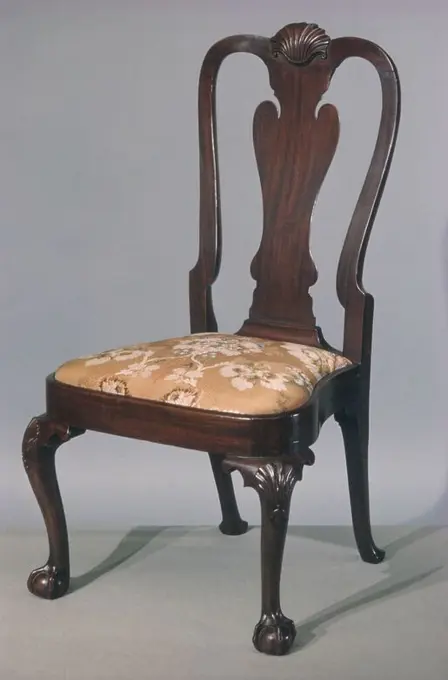
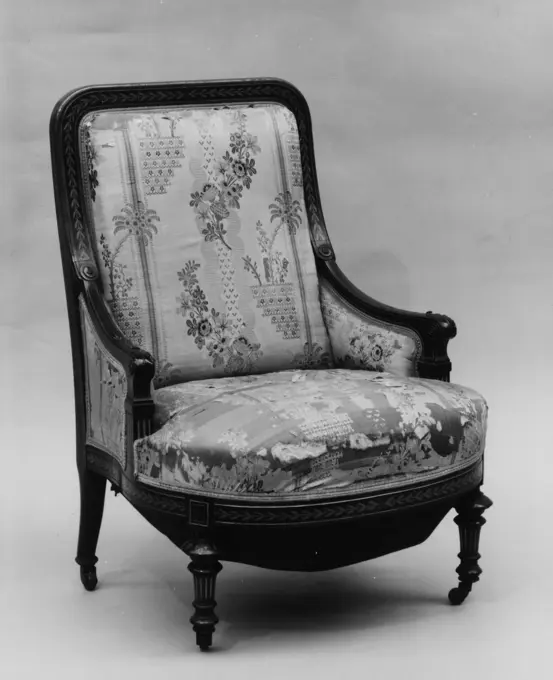
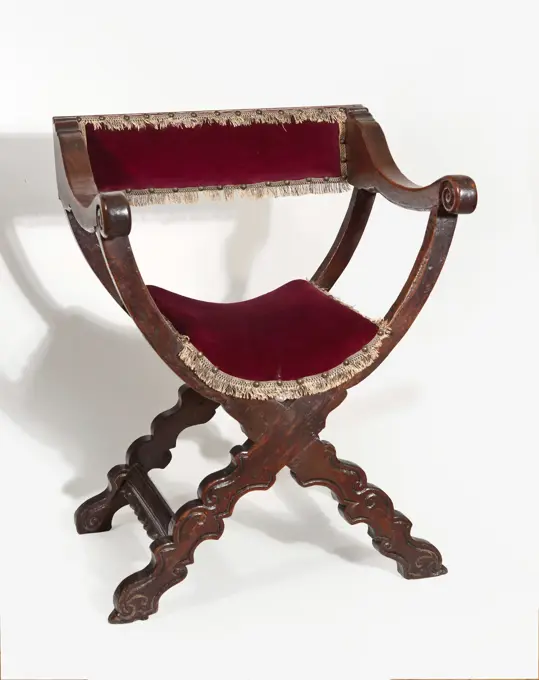
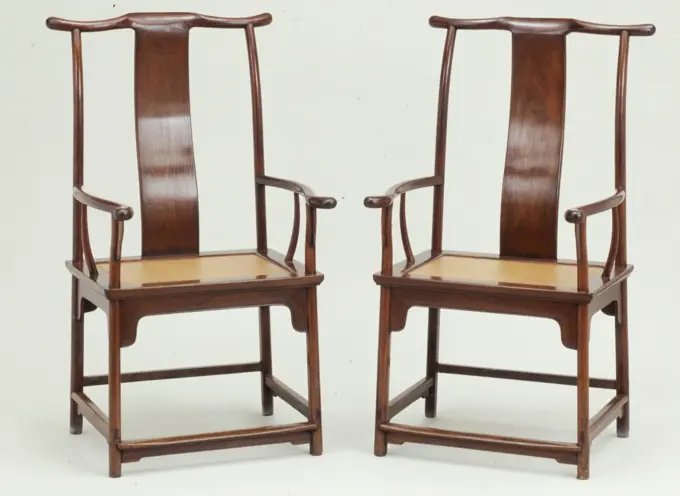
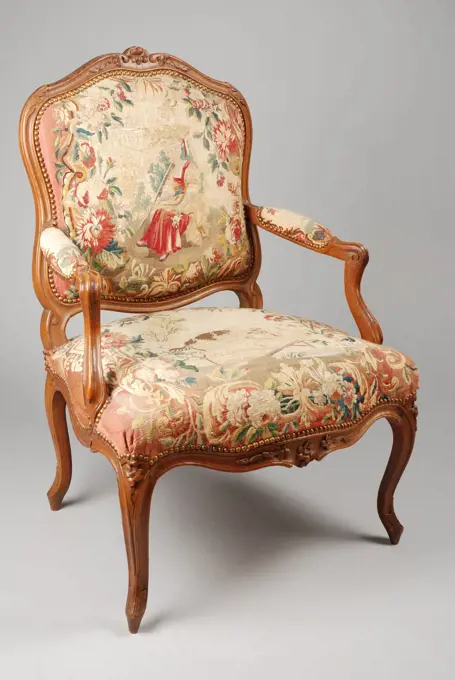
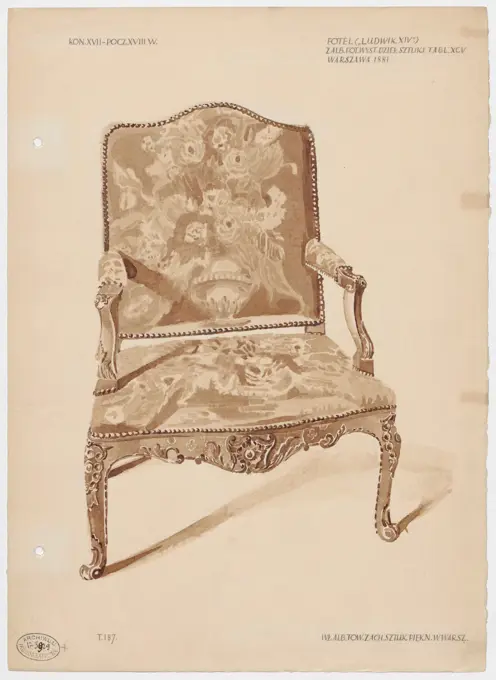
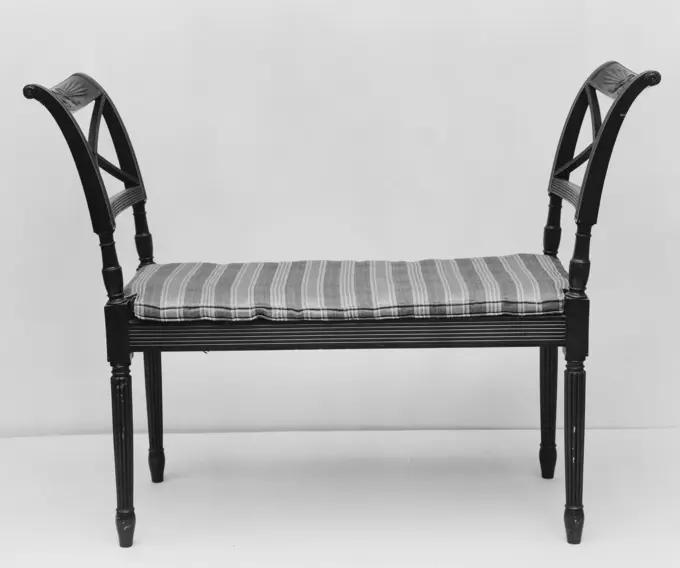
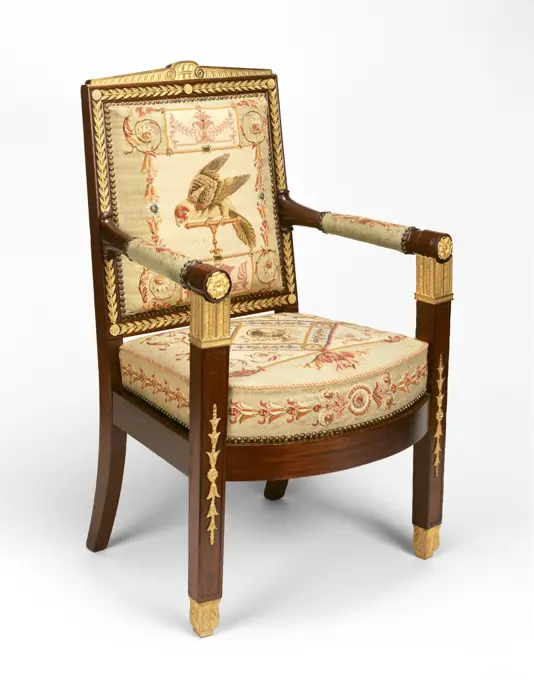
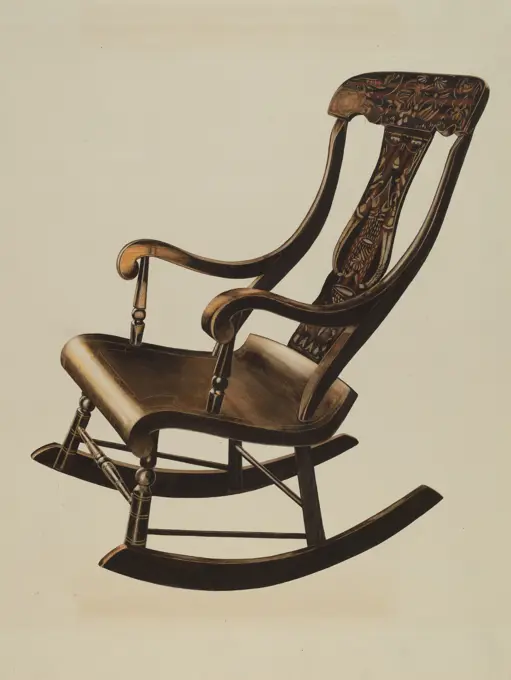
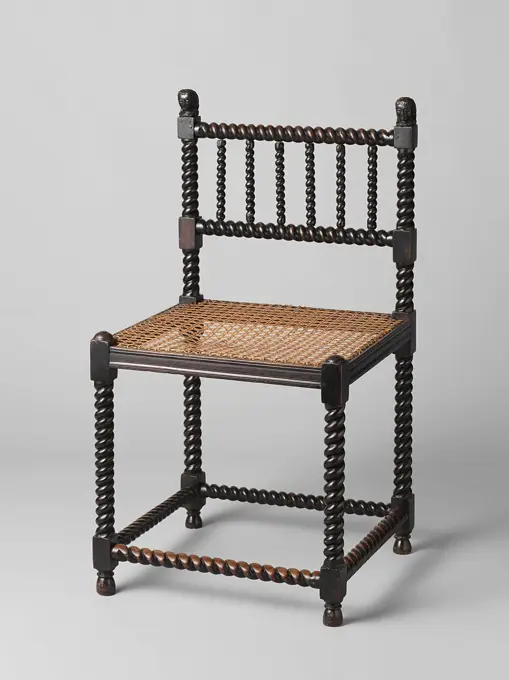
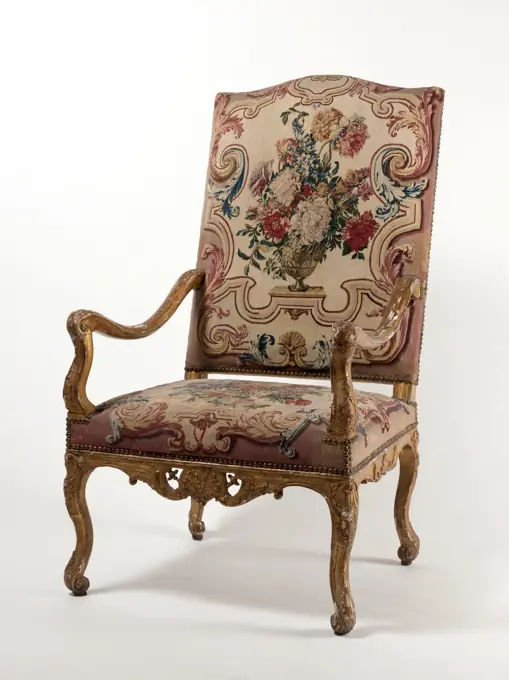
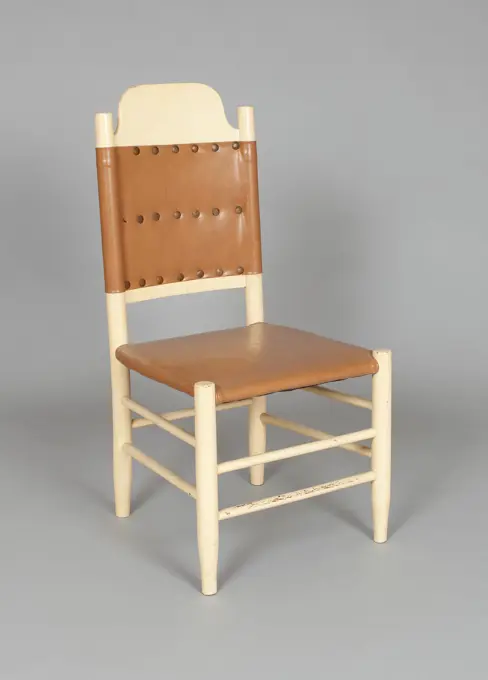
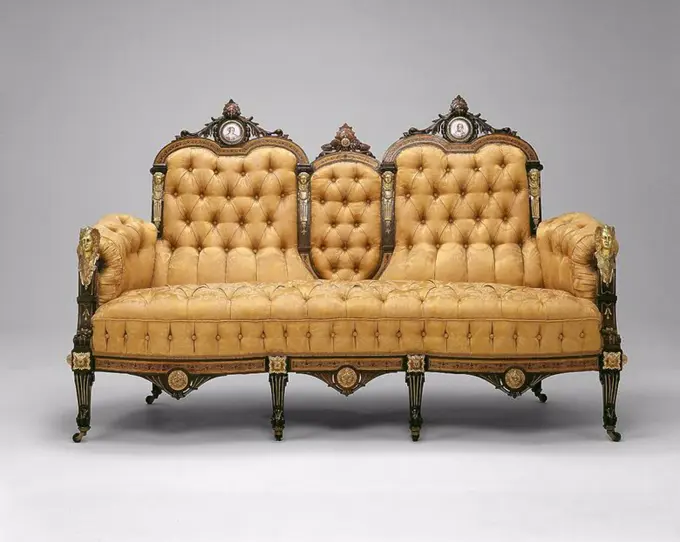
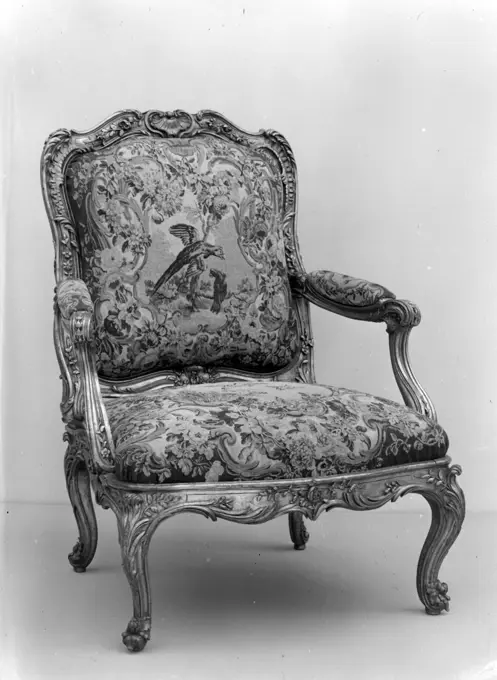
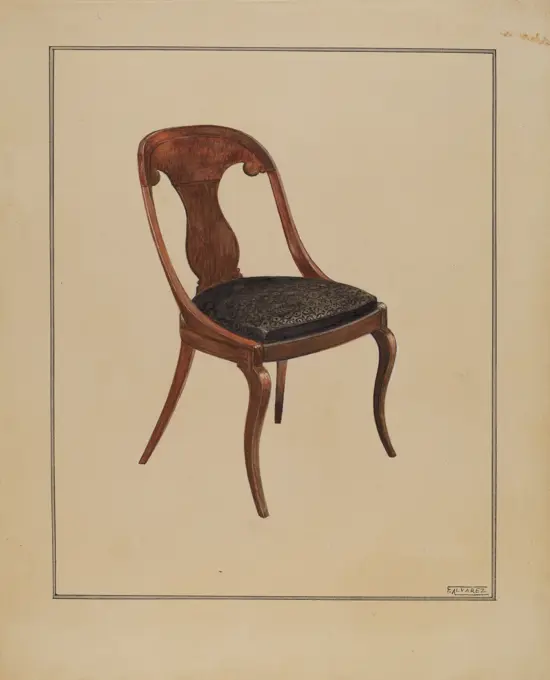
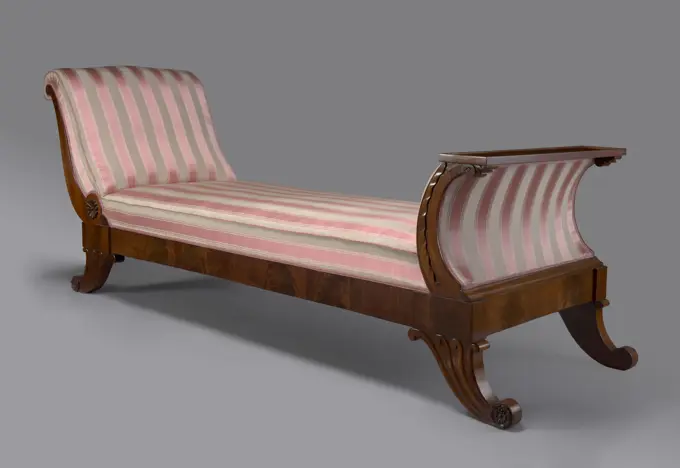
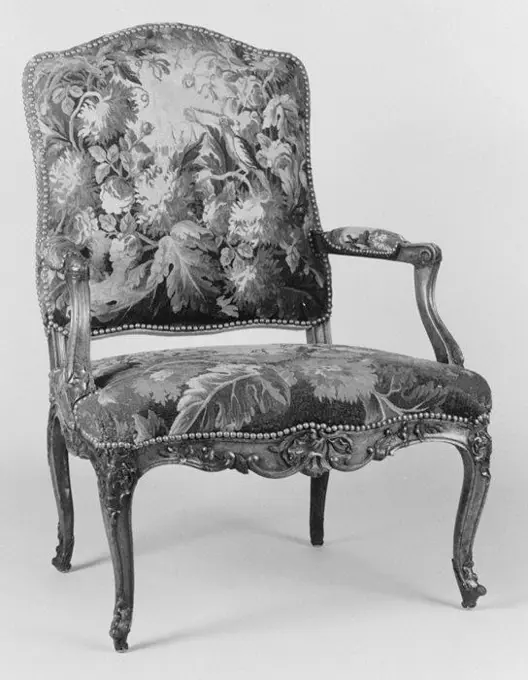
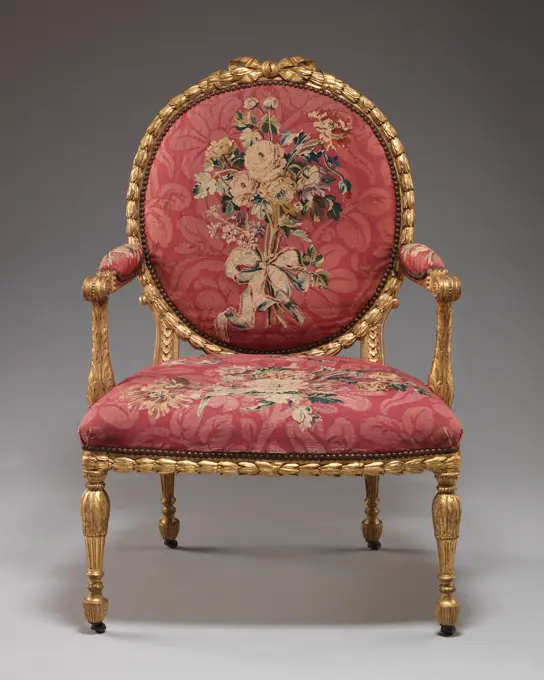
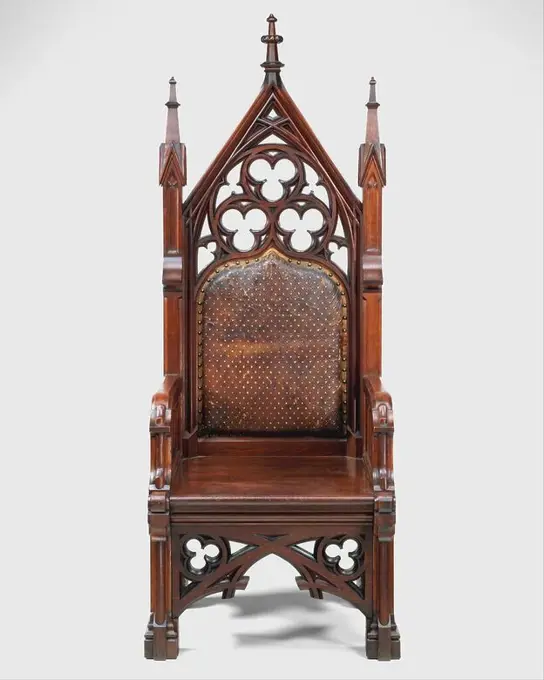
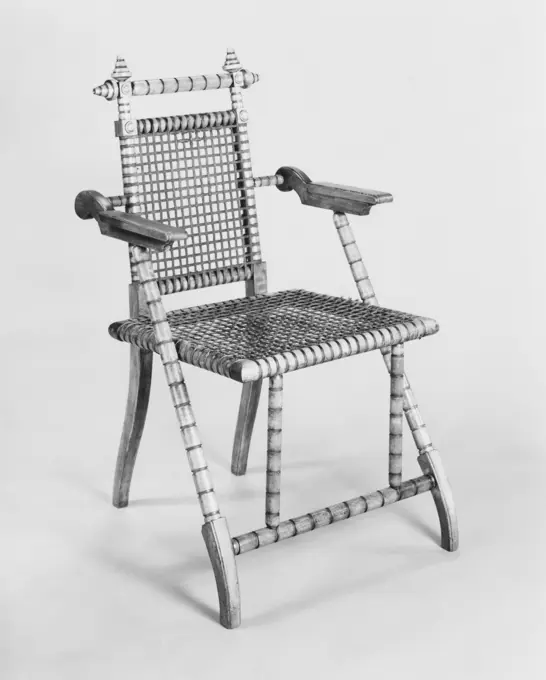
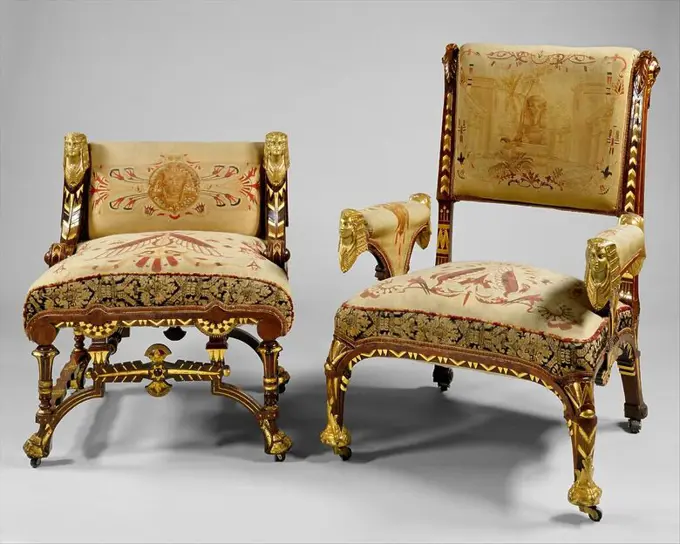
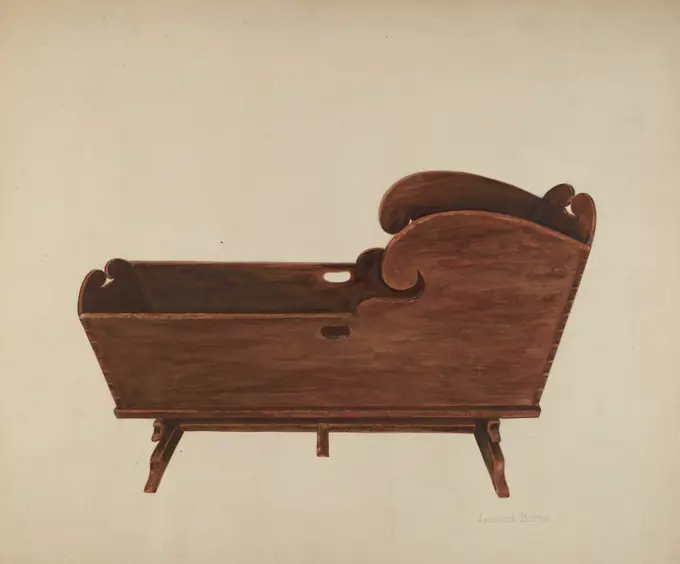
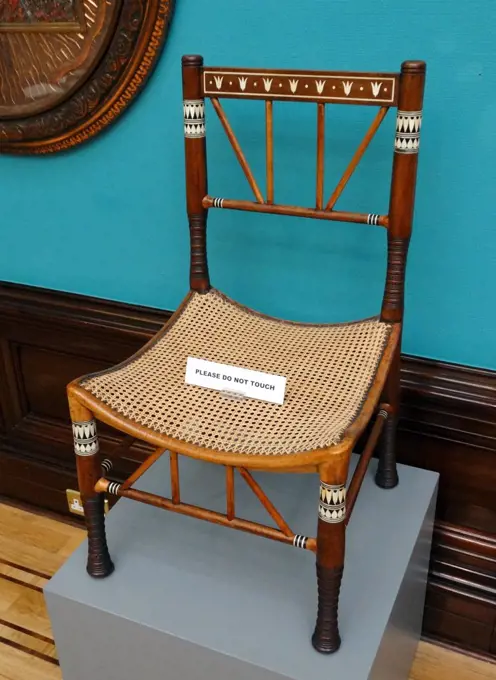
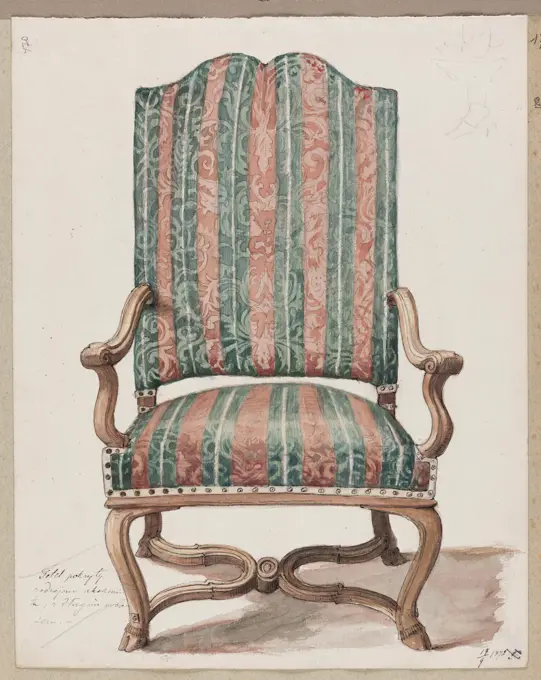
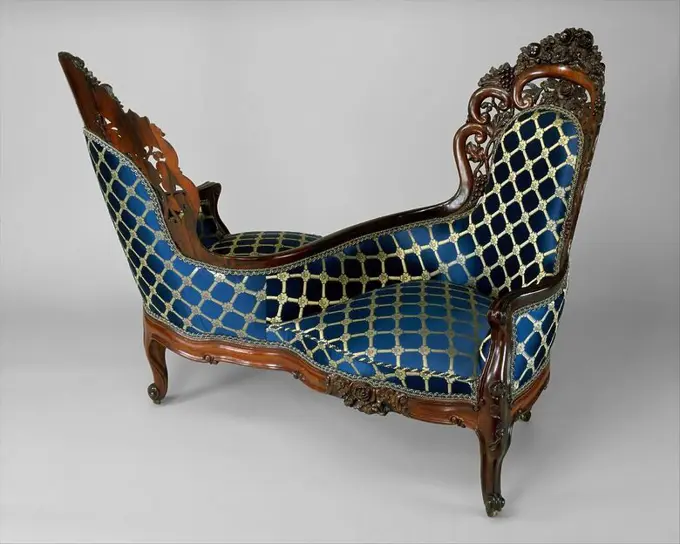
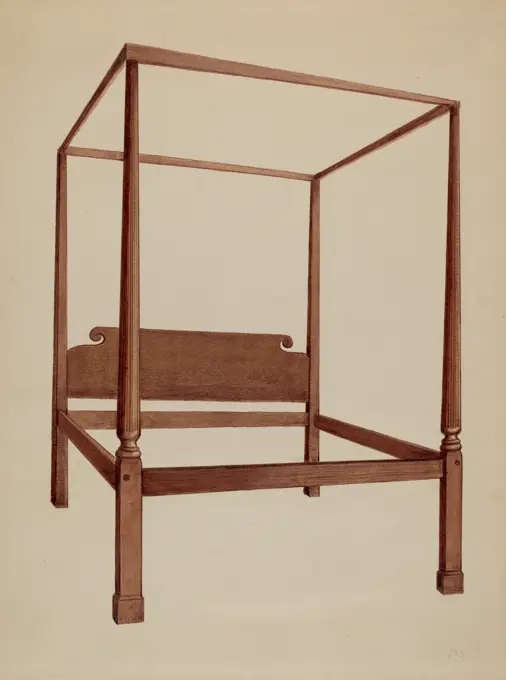
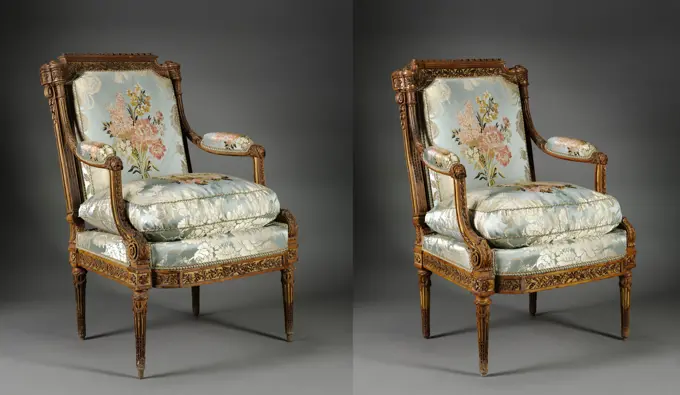
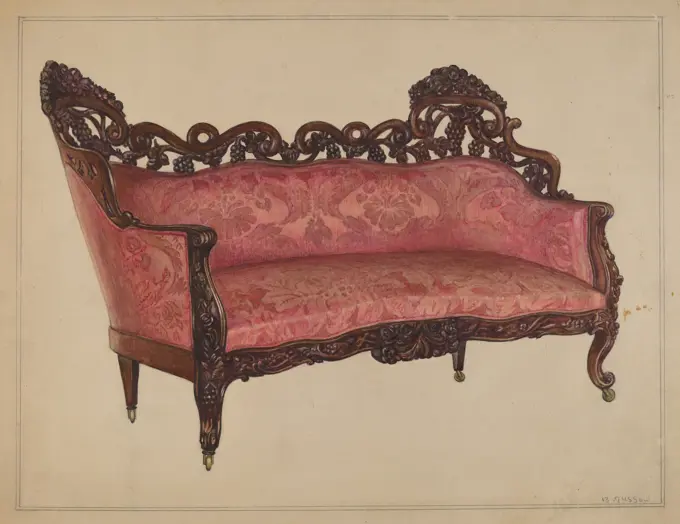
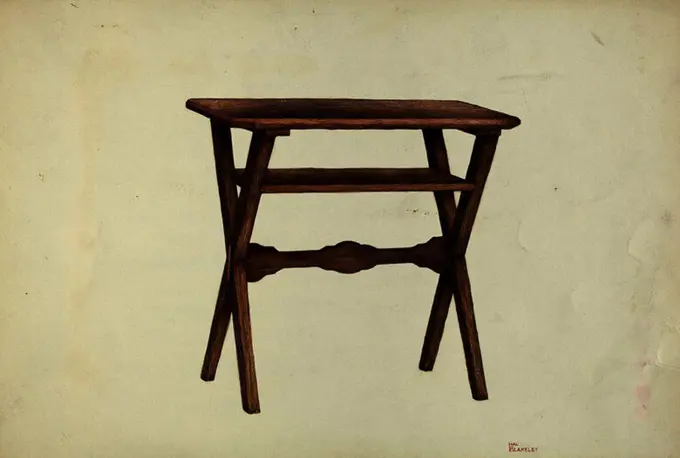
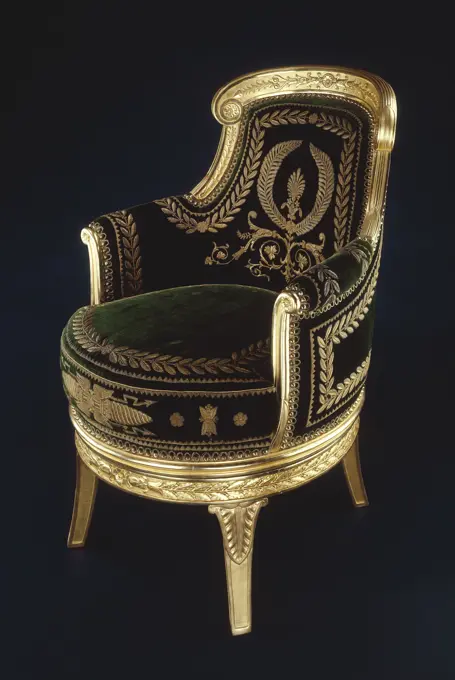
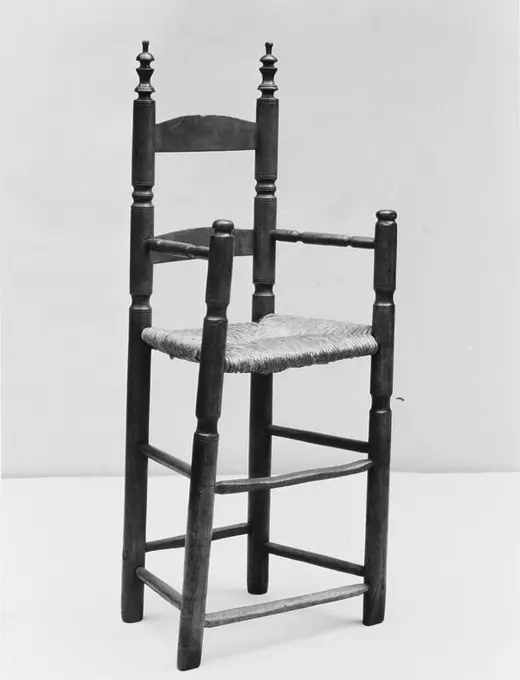
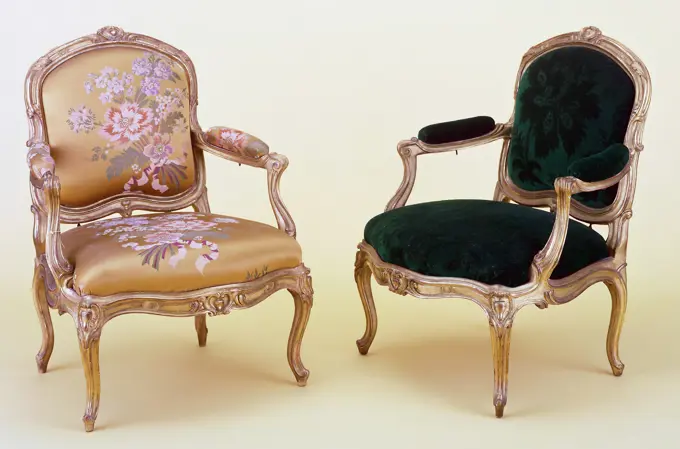
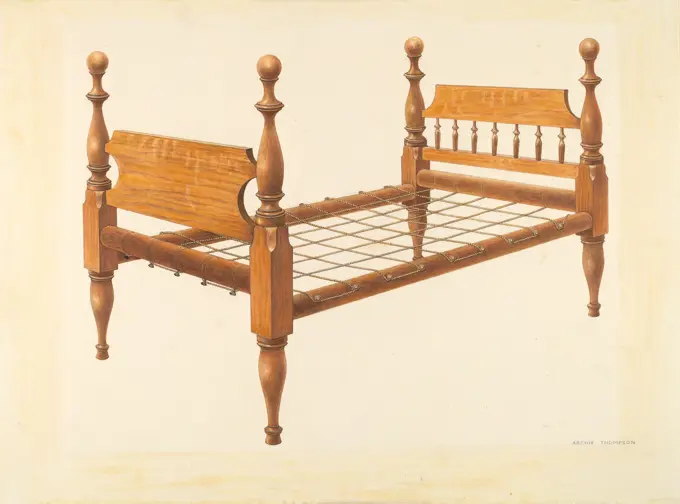
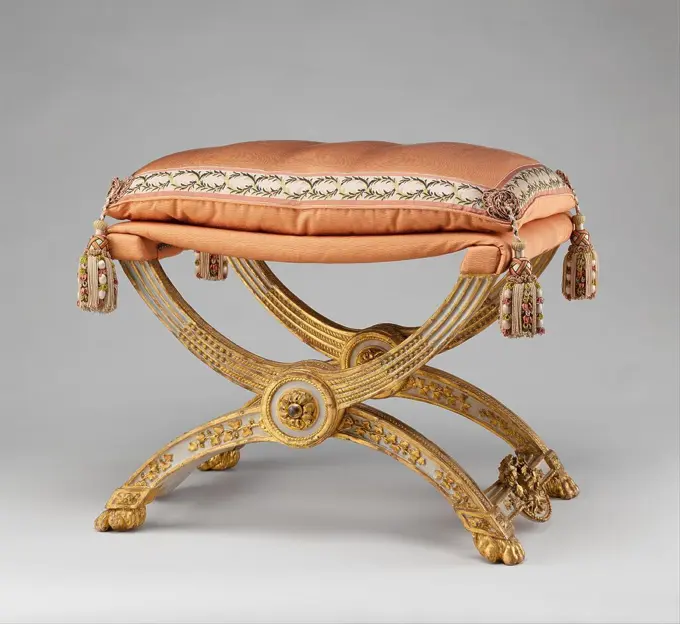
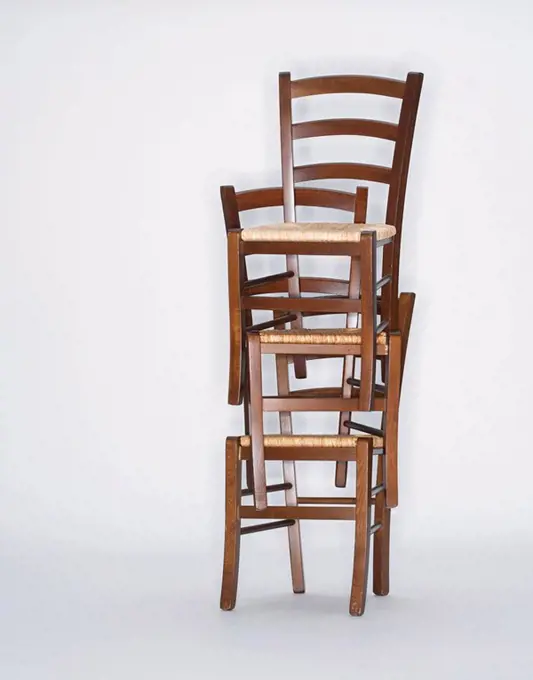
Chair. unknown, creatorSide Chair. Culture: American. Dimensions: 40 1/2 x 22 x 21 3/4 in. (102.9 x 55.9 x 55.2 cm). Date: 1740-50. Museum: Metropolitan Museum of Art, New York, USA.Sidechair. Black lacquered armchair and black-driven walnut. The furniture has a coated seat and rest on overhoek places places in the form of S volutes. There is a vase at the intersection of the X-shaped cross. The armrest tricks are S-shaped. The armrests deviate outwards and end in a volute, which is as well as the back of acanthus and clock cords decorated. The high back exhibits a chain balmotif on a ribbed soil in the middle, flanked by swapped colonets and S volutes.Armchair (One of a Pair) ca. 1700 China. Armchair (One of a Pair). China. ca. 1700. Hardwood (huali). Qing dynasty (1644-1911). FurnitureArmchair 1865-70 Herter Brothers. Armchair 221SixchairsFolding armchair. unknown, authorYokeback Armchair, one of a pair, c. 1600, 47 5/8 x 25 3/8 x 26 5/8 in. (120.97 x 64.45 x 67.63 cm), Huang-hua-li hardwood and cane, China, 16th-17th century, Amongst the tallest recorded yokeback armchairs, this pair demonstrates excellent proportions and exceptionally dynamic and vigorous lines. Tall armchairs were reserved for the most important members of a household and were commonly used in formal gatherings. In spite of their apparent rigidity, well-made yokeback chairs are ergonomically sound with rounded armrests, flexible seating and a contoured back splat which support the body with relative comfort.Beechwood rococo armchair, armchair armchair chair wood furniture interior design wood beech wood wool silk brass, Tapisserie show in medallion surrounded by multicolored flowers on Bois-de-Rose fond. Backrest: sitting shepherdess with staff. Sitting: dog on scaffolding has something in its mouth In the right-hand rear style above the seat by means of punch around unreadable ink stamp inside on the seat line: P. FORGET JME (JME = "the guande des menuisiers ébénistes" (guild stamp)) rococo guildedChair in the style of Louis XIII, according to photograph from the "Album of industrial works of art from the an exhibit of the Museum of Industry and Agriculture in Warsaw 1881", table XCV ; album from the collection of the Zachęta Arts Society in Warsaw. Frankiewicz (Francewicz), Władysław (fl. 1915), draughtsman, cartoonistArmchair. Culture: American. Dimensions: 42 x 30 5/8 x 21 1/2in. (106.7 x 77.8 x 54.6cm). Date: ca. 1760. Museum: Metropolitan Museum of Art, New York, USA.Window stool 1805-15 Attributed to the Workshop of Duncan Phyfe Scottish. Window stool. American. 1805-15. Mahogany with cherry. Made in New York, New York, United StatesVirginia Kennady, Music Room Chair, c 1939 Music Room ChairPair of armchairs late 17th-early 18th century Italian. Pair of armchairs 191524One Armchair.Straw Bottom Chair. Dated: c. 1936. Dimensions: overall: 30.1 x 22.7 cm (11 7/8 x 8 15/16 in.) Original IAD Object: 37 3/4" high, 14 3/4" wide.. Medium: watercolor, colored pencil, and graphite on paperboard. Museum: National Gallery of Art, Washington DC. Author: GEORGE NELSON.Side Chair ca. 1875 Attributed to Pottier and Stymus Manufacturing Company. Side Chair 1684Einar Heiberg, Boston Rocker, c 1938 Boston RockerChair with swapped legs, back styles crowned by cut heads. Ebony chair with a rectangular seat of braided rattan. The swapped legs with houses are connected at the bottom by raating sports. The back styles with houses are crowned by sliced heads; Between the houses, the roasted upper and bene destruction are placed, between which six-sleeved thin styles. Semicircular bulbs are applied to the houses at the front with the sitting window.Armchair. Sculpted and gilded wood, around 1720. Paris, Carnavalet museum. 77639-25 Sculpt, bouquet flower, gilding, regence, armchair, marker, furniture, decorative pattern, pot, seat, vase, 18th century, furnitureAlfred Nason, Side Chair (one of six), 1936 Side Chair (one of six)Armchair. Culture: American. Dimensions: 48 3/4 x 24 3/4 x 21 in. (123.8 x 62.9 x 53.3 cm). Date: 1730-80. Museum: Metropolitan Museum of Art, New York, USA.SideChairVintage wooden stool decorated with brown leather isolated on white background. 3D illustration Vintage wooden stool decorated with brown leather isolated on white background. 3D illustration. Copyright: xZoonar.com/CigdemxSimsekx 21751096Armchair (fauteuil). Culture: French. Dimensions: Overall: 36 1/4 × 27 × 21 3/4 in. (92.1 × 68.6 × 55.2 cm). Factory: Tapestry woven at Beauvais. Date: first half 18th century. Museum: Metropolitan Museum of Art, New York, USA.Fauteuil, e.g.c. Shrudad, 1910 - 1927  Netherlands oak (wood). rosewood (wood). wool  Netherlands oak (wood). rosewood (wood). woolSidechair. Manufacturer: Shaw-Walker Manufacturing, Incorporated, founded 1899Side Chair (part of a set) c 1885 New York. Painted maple, with vinyl . Louis Comfort TiffanyComfortable chair Traditional Arabic chair isolated with clipping path included Copyright: xZoonar.com/Baloncicix 7107885vintage armchair Antique orange armchair isolated on white background Copyright: xZoonar.com/MariaxKraynovax 22114040Armchair (4 of 4), before 1717. Royal Savonnerie Manufactory, Chaillot Workshops (French, est. 1627). Carved wood, Savonnerie knotted-pile (symmertrical rug knot) upholstery; wool, hemp; overall: 121.9 x 70.5 x 55.3 cm (48 x 27 3/4 x 21 3/4 in.).Armchair 1650-1700 American. Armchair 173Folding armchair (sedia a Savonarola type) 15th century (textiles); 19th century (chair, with various earlier parts) Italian. Folding armchair (sedia a Savonarola type) 460615Dining Room Suite. Dated: 1935/1942. Dimensions: overall: 29 x 18.3 cm (11 7/16 x 7 3/16 in.). Medium: watercolor, colored pencil, and graphite on paper. Museum: National Gallery of Art, Washington DC. Author: Juanita Lantz.SidechairSofa. American; New York, New York; Ormolu mounts by Pierre E. Guerin; American, founded 1857. Date: 1860-1870. Dimensions: 115.5 × 188 × 76.2 cm (45 1/2 × 74 × 30 in.). Rosewood, inlays of various woods, ormolu mounts, and porcelain plaques. Origin: New York. Museum: The Chicago Art Institute, Chicago, USA. Author: Pierre E. Guerin (firm).High chair, black lacquered, with 'pie' seat, anonymous, c. 1700 - c. 1800 High children's button chair made of black-lacked wood with smooth twisted styles and cross rules. The upper backrest is cut hollow and the armrests are slightly rolled. The footrest is missing. The loose session of cardboard is stretched with silk wire as the imitation of a piping of a matting. Amsterdam (possibly) wood (plant material). silk. High children's button chair made of black-lacked wood with smooth twisted styles and cross rules. The upper backrest is cut hollow and the armrests are slightly rolled. The footrest is missing. The loose session of cardboard is stretched with silk wire as the imitation of a piping of a matting. Amsterdam (possibly) wood (plant material). silk.Pa. German Chair. Dated: 1935/1942. Dimensions: overall: 34.8 x 24.1 cm (13 11/16 x 9 1/2 in.). Medium: watercolor and graphite on paper. Museum: National Gallery of Art, Washington DC. Author: American 20th Century.Armchair (part of a set) ca. 1754-56 Frame by Nicolas-Quinibert Foliot This piece is part of a set of twelve armchairs and two settees ordered in Paris in 1753 by Baron Johann Ernst Bernstorff, Danish ambassador to the court of Versailles between 1744 and 1751. After returning to Denmark, Bernstorff commissioned this seat furniture for the tapestry room of his new residence in Copenhagen that was hung with four wall tapestries of the Amours des Dieux series woven at the Beauvais Manufactory. This chair illustrates how French furniture and furnishings were imported all over Europe for the enrichment of palaces and mansions far from Paris. The tapestry covers are woven with animal and bird subjects after designs by the painter Jean-Baptiste Oudry (1686-1755).. Armchair (part of a set). French, Paris. ca. 1754-56. Carved and gilded beech; wool and silk tapestryChair with round, open backrests with middle style, the seat with flower and leaf motifs, anonymous, c. 1750 - c. 1800 Seat of Vurenhout, brown varnished, round open backrests with middle style; Round pre-line, backward hind legs and overhoeks placed S-shaped front legs; seat covered with silk with flower and leaf motifs: color scheme with green, yellow, pink or red flowers or leaves; Staff over hard filling tense with many threads on the bottom visible under thick layer of varnish. Amsterdam (possibly) spruce (wood). silk Seat of Vurenhout, brown varnished, round open backrests with middle style; Round pre-line, backward hind legs and overhoeks placed S-shaped front legs; seat covered with silk with flower and leaf motifs: color scheme with green, yellow, pink or red flowers or leaves; Staff over hard filling tense with many threads on the bottom visible under thick layer of varnish. Amsterdam (possibly) spruce (wood). silkFrancisco Alvarez, Side Chair, c 1940 Side ChairSide chair. UnknownChairCouple;  19th century (1801-00-00-1900-00-00);Armchair (one of a set of four) 18th century Tapestry woven at Aubusson. Armchair (one of a set of four) 238004Sgabello Van Notenhout Decorated with Intarsia, Anonymous, 1490 Nutenhouten Sgabello Decorated with Intarsia, resting on three -placed stand, in diameter square to the bottom of its legs. The legs, the octagonal seat and the stretched trapezoidal back window wear edges with Intarsia. The top and top of the backstyles show a volute; On the top sill there are two Acanthus volutes that carry a medallion surrounded by a border of half moons and crowned with a palmet, which shows the weapon of the Strozzi on two sides. See: BK-16878-B. Florence wood (plant material). walnut (hardwood) Nutenhouten Sgabello Decorated with Intarsia, resting on three -placed stand, in diameter square to the bottom of its legs. The legs, the octagonal seat and the stretched trapezoidal back window wear edges with Intarsia. The top and top of the backstyles show a volute; On the top sill there are two Acanthus volutes that carry a medallion surrounded by a border of half moons and crowned with a palmet, which shoJosep Lluís Sert / Mecedera, siglo XX. Colección privada. Author: CARLES RIART.Armchair (one of a set of six) 1769-71 John Mayhew British The Museum's set of six armchairs and two settees from the Tapestry Room at Croome Court, Worcestershire, formerly the seat of the earls of Coventry, is among the best documented of all English Neoclassical furniture.¹ It was executed by the leading London cabinetmakers, John Mayhew and William Ince² who in 1769 billed the owner of Croome, George William, the sixth earl (1721-1809), for "6 Large Antique Elbow Chairs, with oval Backs, Carv'd with Double husks & ribbon, knot on top, Gilt in the Best Burnish'd Gold, Stuff'd with Besthair, in Linen, Backt with Fine Crimson Tammy, proper for Covering with Tapistry in the Country, the patterns included. 2 Settees for Each Side the Chimney, richly Carv'd & Gilt, Stuff'd & Cover'd to match the chairs. 10 Setts of Castors, with Screws, & fixing to the Chairs & Sofas."³ The floral cartoons for the furniture covers were executed from 1760 to 1767 at the Gobelins Manufactory in Paris by MaMasonic Armchair American ca. 1800 View more. Masonic Armchair. American. ca. 1800. Ash, whitewood. Made in Pennsylvania, United StatesSarah F Williams, Biscuit Board, c 1938 Biscuit BoardChair of braid, with geometric motifs. Chair made from curved, and on wooden pennettes racing rod reeds. The backrest with geometric motifs. The legs interconnected with cross rules. The seat is made of 5 half reed bars confirmed in the width.Armchair 1790-1800 American. Armchair. American. 1790-1800. Mahogany. Probably made in New York, United StatesFrançois-Honoré-Georges Jacob, dit Jacob-Desmalter (1770-1841). Chair of the Gothic cabinet of the Comtesse d'Osmond. Sculpted and golden wood, modern filling. 1817/1820-1910. Museum of Fine Arts of the City of Paris, Petit Palais. 123478-27Chair. unknown, authorvintage armchair Antique orange armchair isolated on white background Copyright: xZoonar.com/MariaxKraynovax 22113954Armchair. Culture: American. Dimensions: 64 1/2 x 25 3/8 x 22 1/4 in. (163.8 x 64.5 x 56.5 cm). Maker: Possibly Gustave Herter (1830-1898). Date: ca. 1855.This imposing armchair is from Belvoir, a large Gothic villa built in the 1850's in Yonkers, New York for the tobacco merchant Christian H. Lilienthal. A nineteenth-century photograph of the Gothic Revival library at Belvoir shows chairs and bookcases closely related to documented works by the cabinetmaker Gustave Herter, suggesting that this chair was also designed by the talented German immigrant master craftsman. Like much Gothic Revival furniture, it owes more to the vocabulary of architecture than to traditional furniture making. Museum: Metropolitan Museum of Art, New York, USA.Folding Armchair after 1876 George Jakob Hunzinger. Folding Armchair 225Armchair. .Sofa. Dated: c. 1938. Medium: watercolor and graphite on paper. Museum: National Gallery of Art, Washington DC. Author: Margaret Stottlemeyer.wicker chair isolated on white backgroundSamuel W Ford, Samuel Chase Chair, 1935 1942 Samuel Chase ChairDaybed ca. 1780-85 Attributed to Georges Jacob French. Daybed 203002Unknown, Sofa (one of pair).Armchair. Culture: American. Dimensions: 37 x 27 1/2 x 27 1/2 in. (94 x 69.9 x 69.9 cm). Maker: Attributed to Pottier and Stymus Manufacturing Company (active ca. 1859-1910). Date: ca. 1870-75.The nineteenth-century taste for Egyptian subjects, which developed first in Europe and America in the wake of Napoleon's Egyptian campaign of 1798, achieved widespread popularity in America in the 1870s. Americans embraced the Egyptian style: Verdi's "Aïda", commissioned to celebrate the opening of the Suez Canal in 1869, had its first American performance in New York in 1873; the 1872 memorial to the Union dead in Mount Auburn Cemetery, Cambridge, Massachusetts was a sphinx; and Egyptian products were deemed suitable for inclusion in the Philadelphia Centennial Exhibition in 1876. While a number of New York cabinetmakers produced Egyptian revival furniture with motifs such as sphinx heads, animal feet, palmettes, and lotus leaves during the 1870s, the firm of Pottier and Stymus is most often aArmchair (one of a pair). Culture: British. Dimensions: Overall: 48 × 28 × 32 in. (121.9 × 71.1 × 81.3 cm). Maker: Attributed to Thomas Roberts (active 1685-1714). Date: ca. 1700.These two armchairs are from a large suite of furniture comprising a bed, eight armchairs, four side chairs, and a pair of stools made about 1689 for Daniel Finch, second earl of Nottingham and seventh earl of Winchelsea (1647-1730), for the state bedroom and dressing room of his country seat, Burley-on-the-Hill in Rutland. Finch was secretary of state and privy counsellor to William III. He commissioned this set probably from Thomas Roberts, the prominent London chair maker who provided much of the seat furniture for the royal household. The tall raked backs and sinuously scrolled arms and legs reflect the style of Daniel Marot (1663-1752), the Frencharchitect and designer who worked closely with William and Mary both in Holland and England. The chairs retain their original and exceedingly rare Genoese cut-Chair. Dated: 1935/1942. Dimensions: overall: 30.1 x 25 cm (11 7/8 x 9 13/16 in.) Original IAD Object: none given. Medium: watercolor and colored pencil on paperboard. Museum: National Gallery of Art, Washington DC. Author: William Paul Childers.Armchair. John and Joseph W. Meeks Company; American, active 1836-59; New York, New York. Date: 1856-1865. Dimensions: 123.8 × 57.5 × 61.9 cm (48 3/4 × 22 5/8 × 24 3/8 in.). Rosewood. Origin: New York City. Museum: The Chicago Art Institute, Chicago, USA.Stool;  End of the 19th century (1880-00-00-1900-00-00);Leonard Battee, Cradle, c 1937 CradleChair designed by William Holman Hunt (1827-1910) English painter and one of the founders of the Pre-Raphaelite Brotherhood. Made from mahognay and sycamore wood, inlaid with ebony and ivory. Dated 1859Red-Blue Chair. Gerrit Rietveld; Dutch, 1888-1964. Date: 1920-1921. Dimensions: 85.7 x 66 x 81.3 cm (33 3/4 x 26 x 32 in.). Painted plywood. Origin: Netherlands. Museum: The Chicago Art Institute, Chicago, USA.Joseph Sudek, Carved Chair, 1935 1942 Carved ChairGeorge C Brown, Rocker, c 1940 RockerTable and two chairs Table and two chairs on a white background Copyright: xZoonar.com/gannaxacheretx 3311275Seat study; Czachórski, Władysław (1850-1911); 1870 (1870-00-00-1870-00-00);armchairs, furniture, crafts, sketches, decorative art, fabrics, interior furnishings, purchase (provenance)Abraham Lincoln chair (photo taken ca. 1914). Pair of side chairs 1795-1800 American The design for this oval-back chair was based on an engraving in George Hepplewhites “Cabinet-Maker and Upholsterers Guide” (1788). Other chairs thought to be from this set of twenty-four also have an oval back but are painted white instead of blackish brown.. Pair of side chairs. American. 1795-1800. Painted maple with white pine. Made in Philadelphia, Pennsylvania, United StatesArmchair Danhauser, Joseph UrlichPearl Davis, Laced Chair, c 1940 Laced ChairTête-à-tête. Culture: American. Dimensions: 44 1/2 x 52 x 43 in. (113 x 132.1 x 109.2 cm). Maker: Attributed to John H. Belter (1804-1863). Date: ca. 1850-60.J. H. Belter has been described as the most original of America's mid-nineteenth-century cabinetmakers. One of the many German-born craftsmen working in New York, he was in his time and remains today renowned for his laminated and carved Rococo Revival rosewood parlor and bedroom suites. Although the process of lamination was not new, Belter patented a method of steaming several layers of wood glued together in "cawls," or molds, resulting in furniture that was thin, strong, and curved in two planes and could subsequently be carved to a degree previously unimagined. The graceful, sinuous shape of this tête-à-tête illustrates the importance of lamination and epitomizes the Rococo Revival style. Popular in America between 1845 and 1865, furniture in this revival style was inspired by eighteenth-century French sources and is charactFour sidechairsFred Weiss, Four Post Bed, 1936 Four Post BedPair of Armchairs (Fauteuil), c. 1785. Nicolas-Denis Delaisement (French). Boxwood; overall: 98.2 x 69.9 x 68.3 cm (38 11/16 x 27 1/2 x 26 7/8 in.).Folding Chair China 16th centuryBernard Gussow, Sofa, c 1937 SofaWooden Table. Dated: c. 1953. Dimensions: overall: 23.1 x 34.2 cm (9 1/8 x 13 7/16 in.). Medium: watercolor and graphite on paper. Museum: National Gallery of Art, Washington DC. Author: Hal Blakeley.Napoleon I's chair from the TuileriesHigh Chair. Culture: American. Dimensions: 36 1/2 x 14 1/2 x 10 1/2 in. (92.7 x 36.8 x 26.7 cm). Date: 1700-1800. Museum: Metropolitan Museum of Art, New York, USA.Photo of an old antique green leather chair sitting on a red background.Armchair, one of eight, c. 1756, Jean-Baptiste Lebas (Maître in 1756), French, 38 1/2 x 27 x 24 in. (97.79 x 68.58 x 60.96 cm), Gilt wood with upholstery, France, 18th centuryArmchair ca. 1875 American. Armchair 211Archie Thompson, Bed  Bishop Hill, c 1936 Bed: Bishop HillBlack genuine leather classical style chair with lampFolding stool (pliant) (one of a pair). Culture: French. Decorator: Carved by Nicolas François Vallois (1738-1788). Dimensions: 18 1/4 in. × 27 in. × 20 1/4 in. (46.4 × 68.6 × 51.4 cm). Maker: Jean-Baptiste-Claude Sené (1748-1803); Gilded by Louis-François Chatard (ca. 1749-1819); Rosette-shaped bosses on bolt ends gilded by Chaudron. Date: 1786.On May 1, 1786, Jean Hauré (active 1771-after 1796) received a commission for a set of furniture comprising forty pliants or folding stools, twelve regular stools, or tabourets, a folding screen, and a fire screen for Marie Antoinette's Salon des Jeux at Compiégne. Twenty-four of the X-shaped folding stools, all the tabourets, and both screens were then sent instead to the queen's gaming room at Fontainebleau. On September 3 of the same year Hauré was asked to supply an additional twenty-four pliants, twelve tabourets, a chamber screen, and a fire screen for Compiegne. Two of the pliants are now in the Museum's collection, a gift of the WrightsAlfred Walbeck, Rocking Chair, c 1937 Rocking ChairStack of chairs, close_upArmchair;  19th/20th century (1880-00-00-1910-00-00);RoundaboutChair