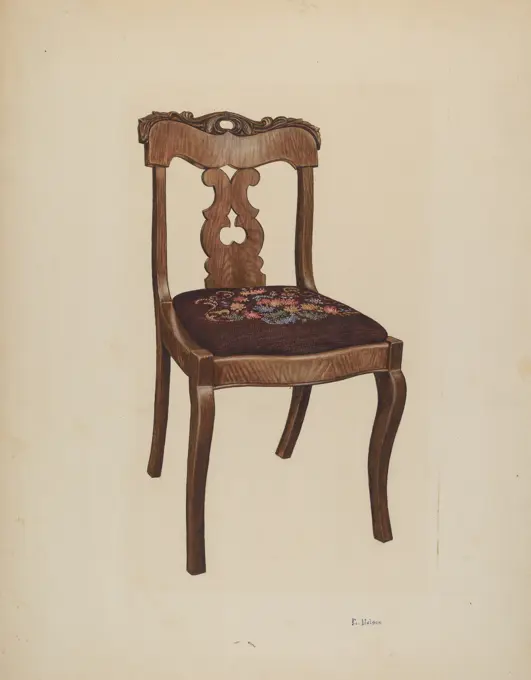
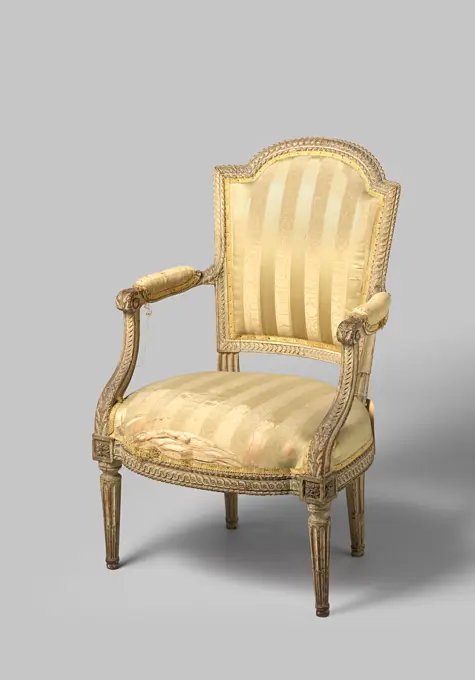
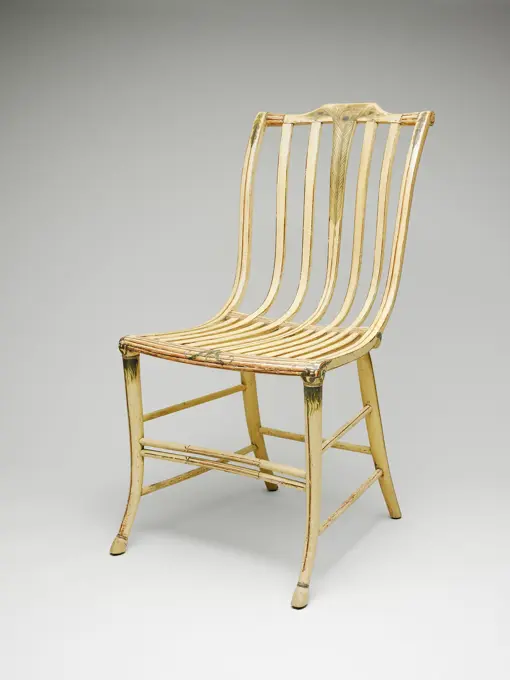
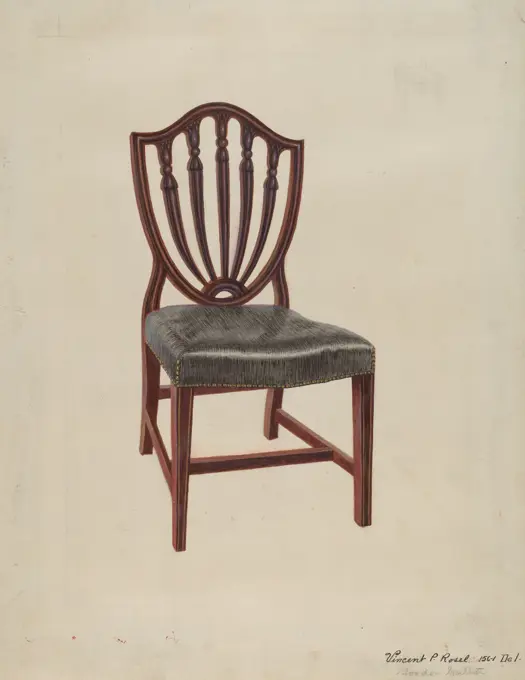
Antique Wooden Chairs

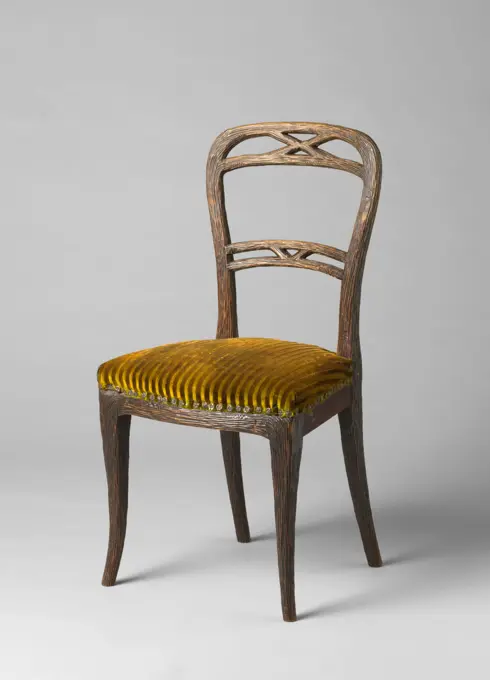
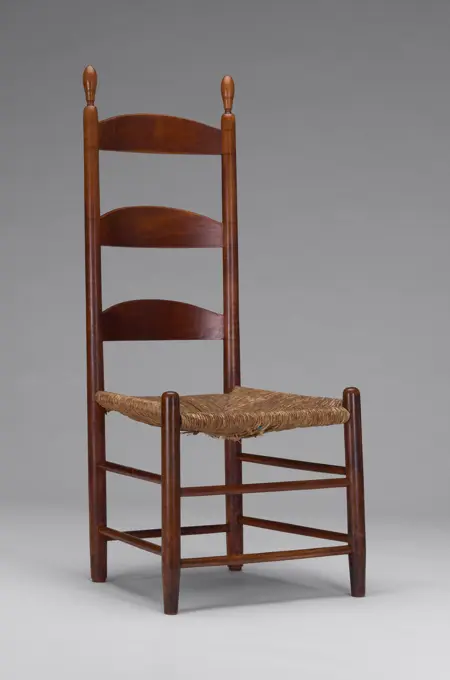
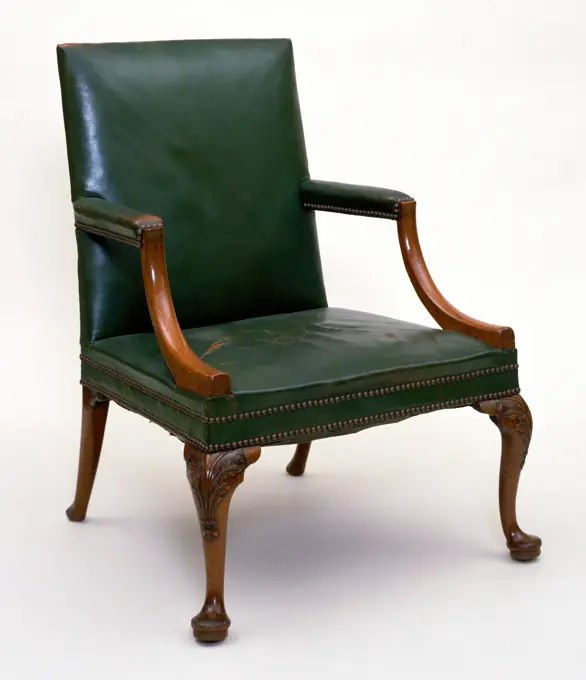
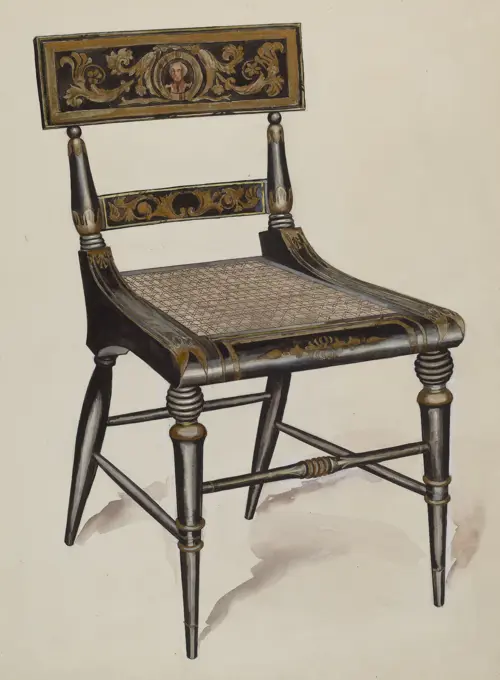
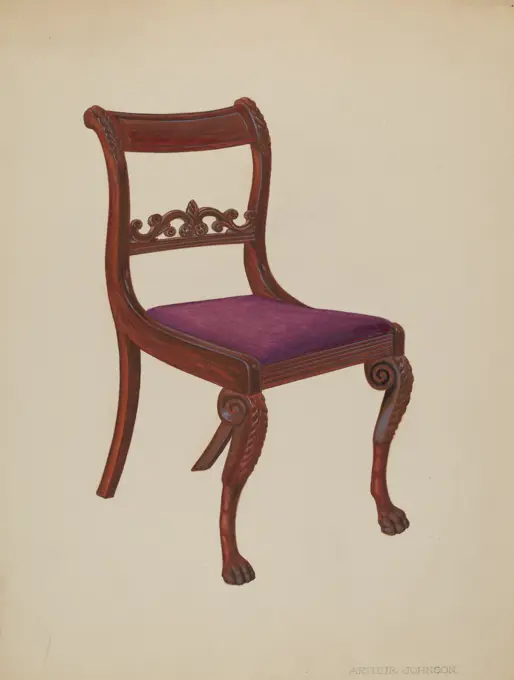
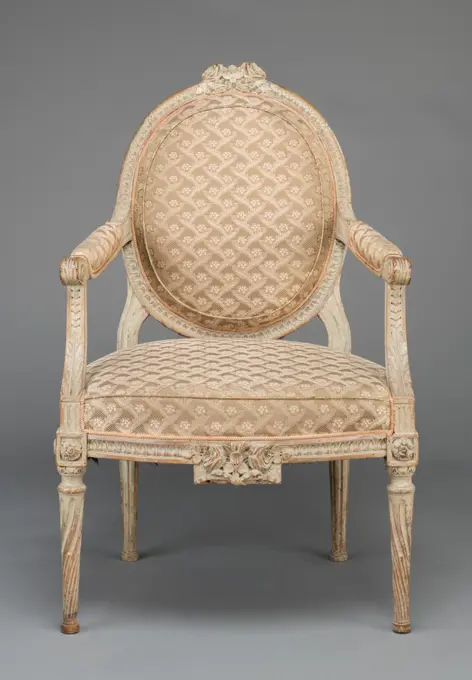
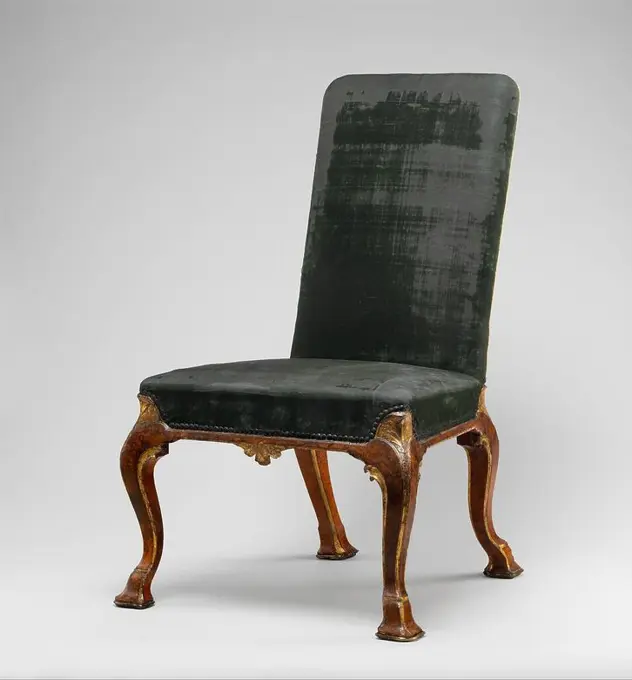
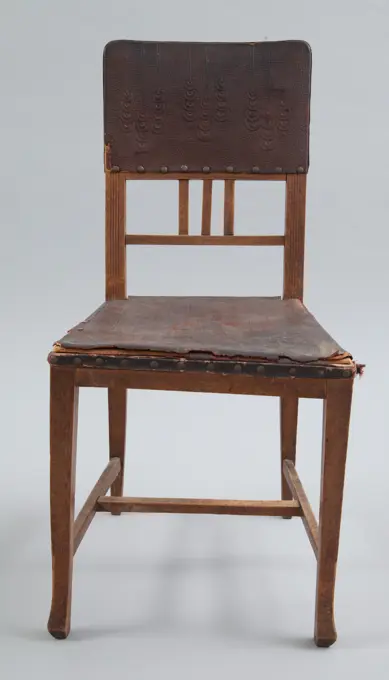
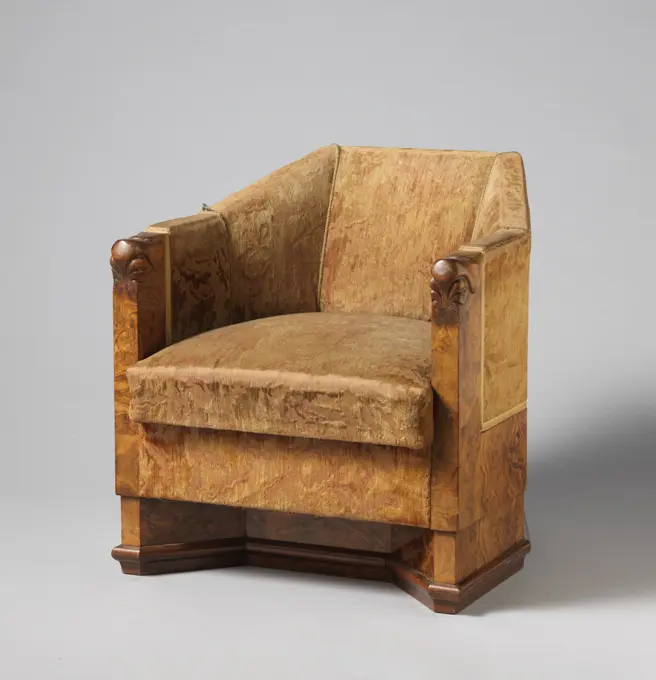
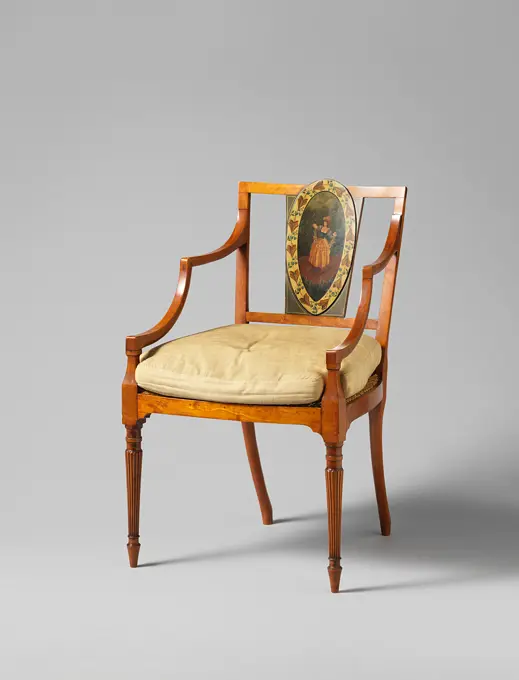
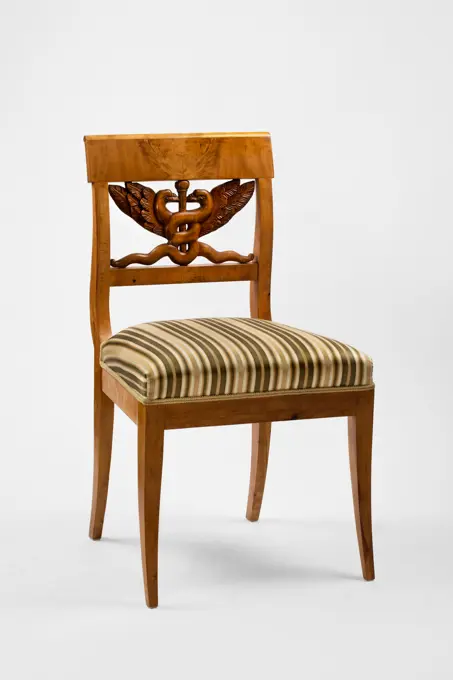
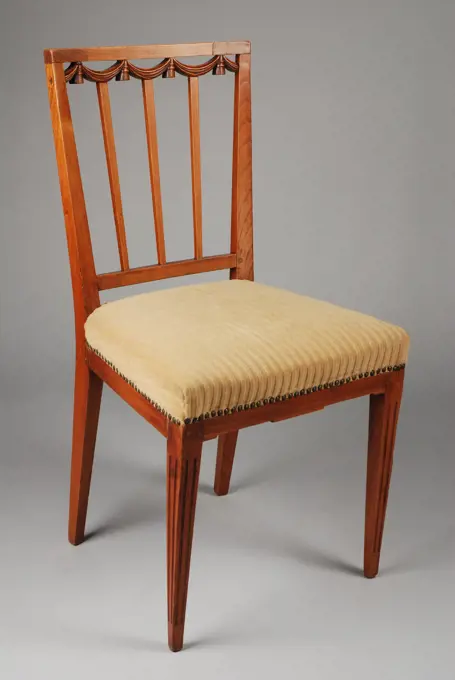
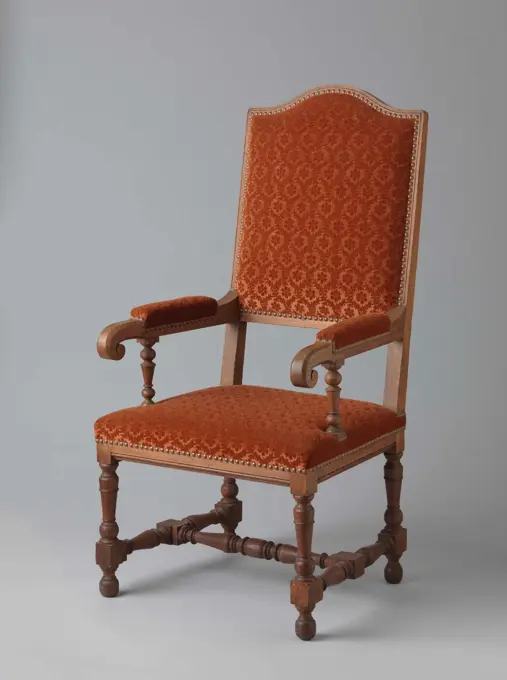
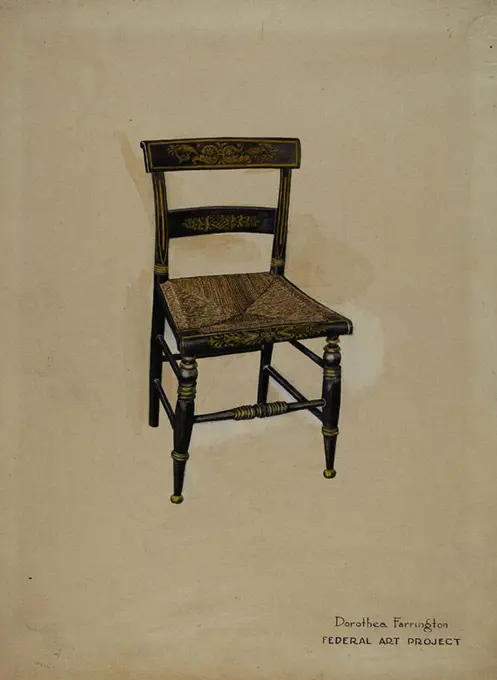
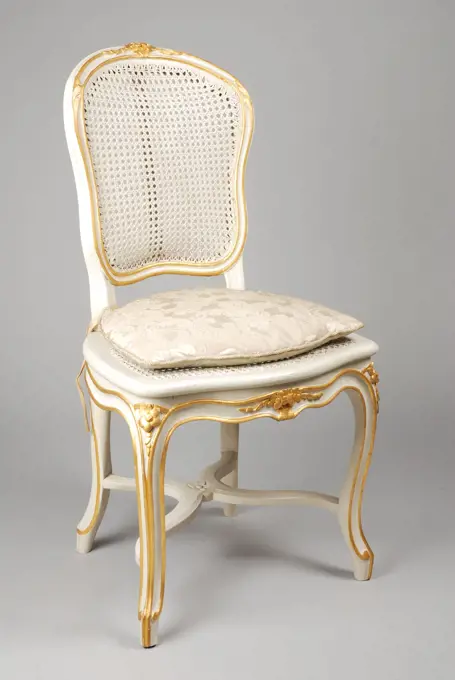
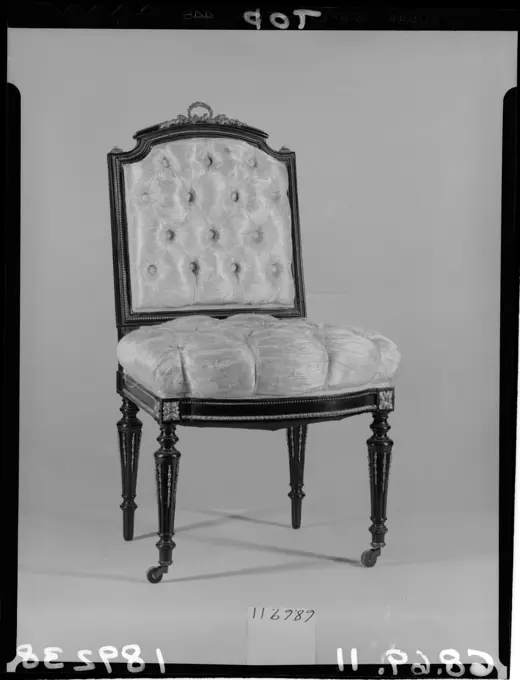
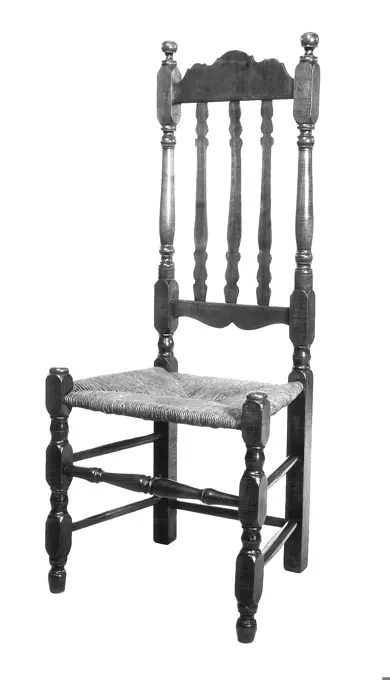
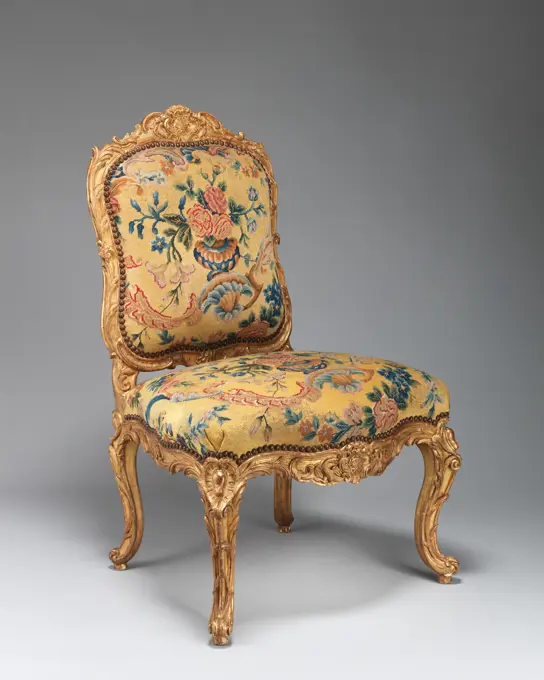
A selection of ornate antique chairs showcasing detailed carvings, elegant upholstery, and classical designs from different historical periods.

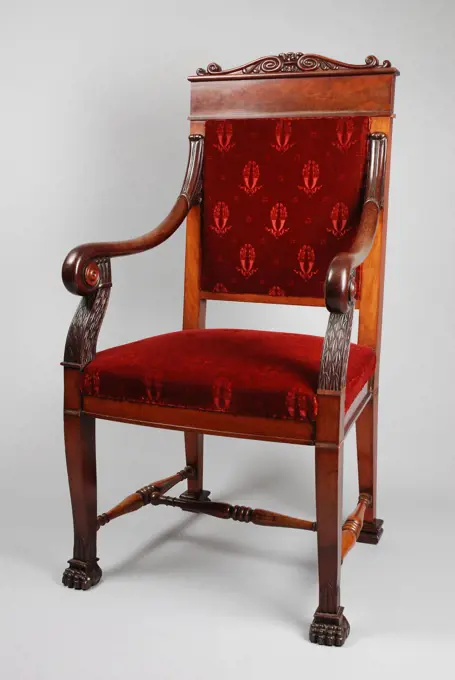
Mahogany straight Empire armchair, armchair chair seating furniture interior furniture wood mahogany oak brass velvet, veneered panel in the back rimmed with brass profiled frame black velvet upholstery on backrest seat and armrests Empire
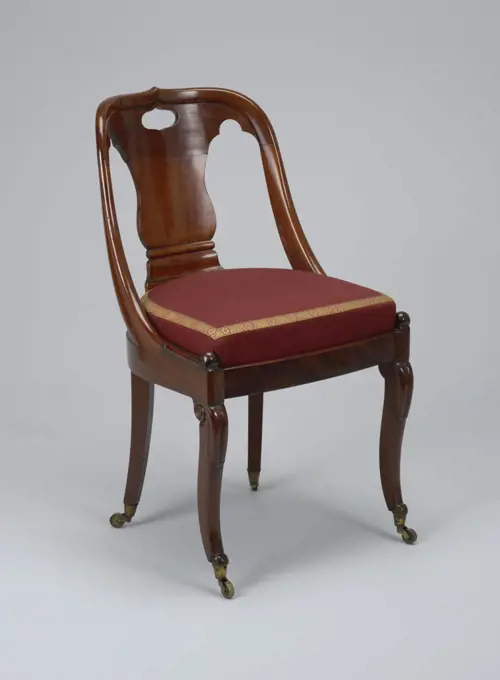
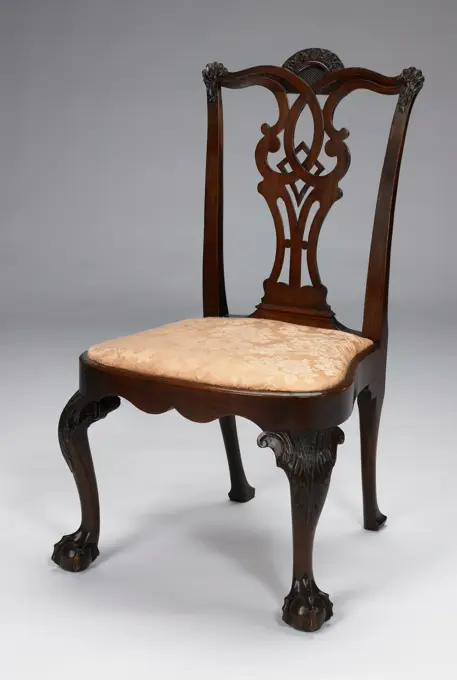
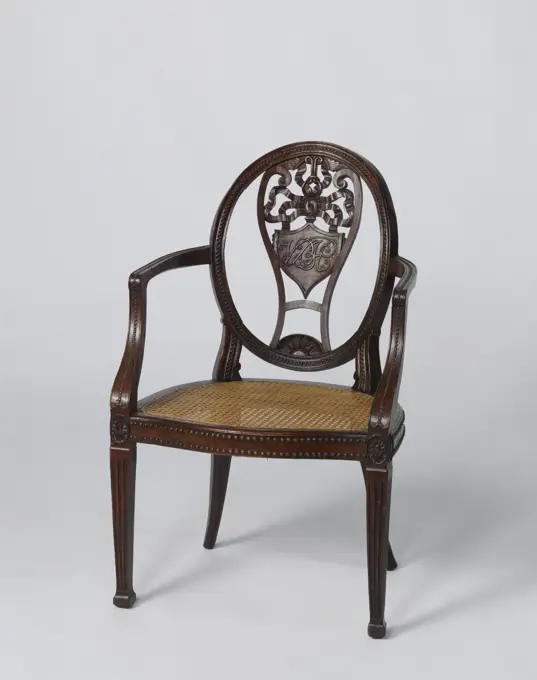
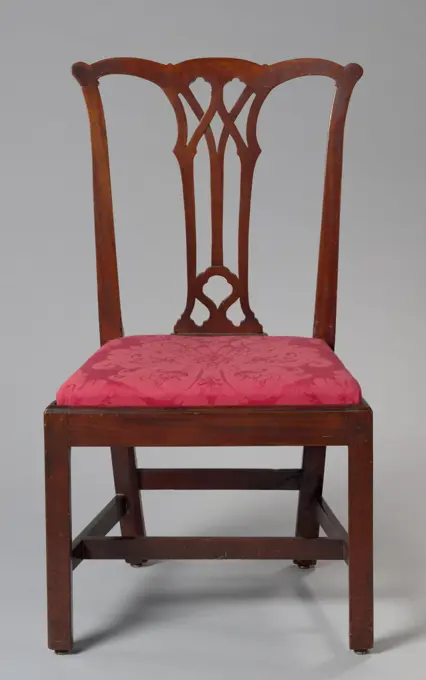
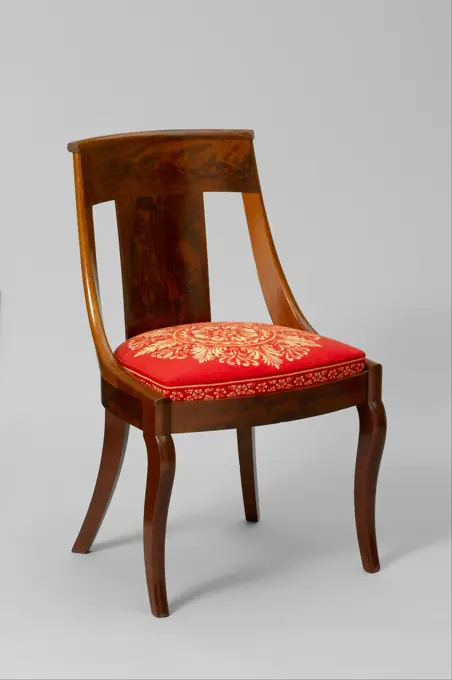
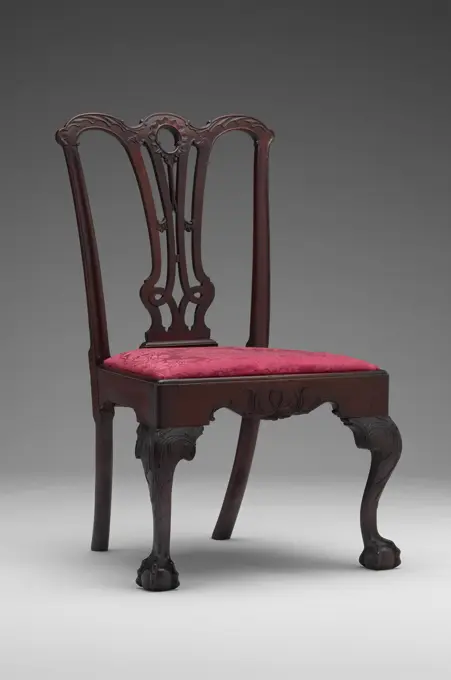
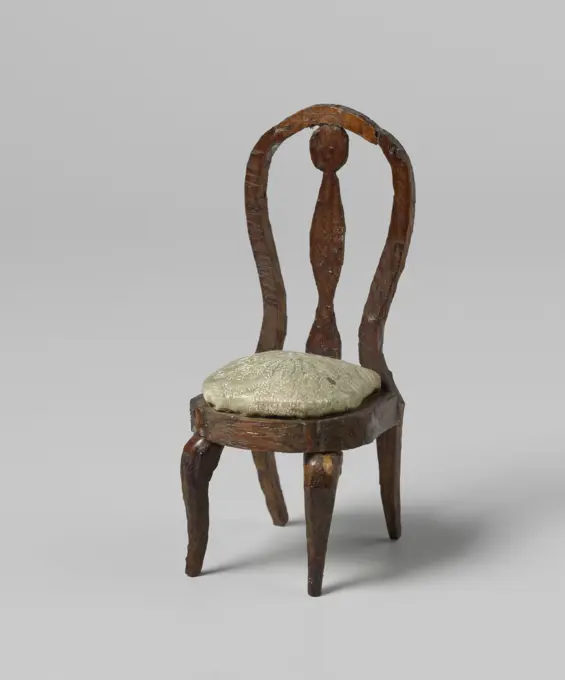
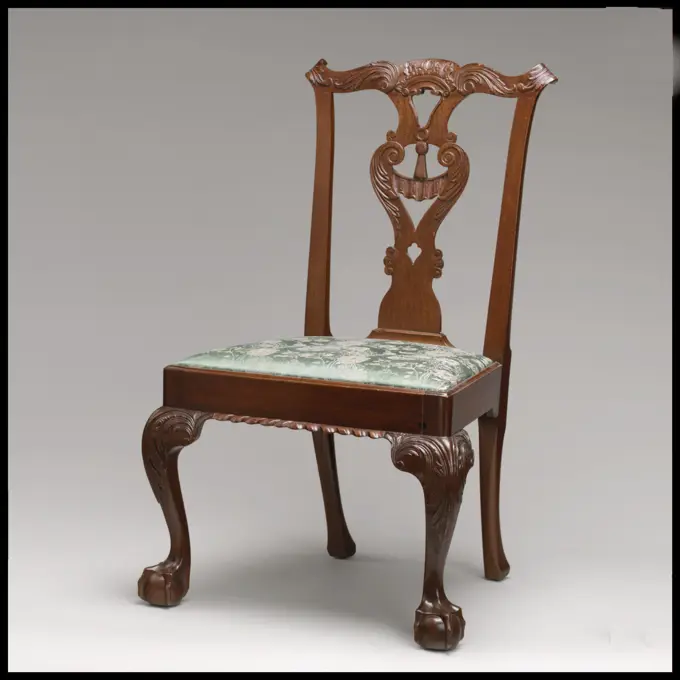
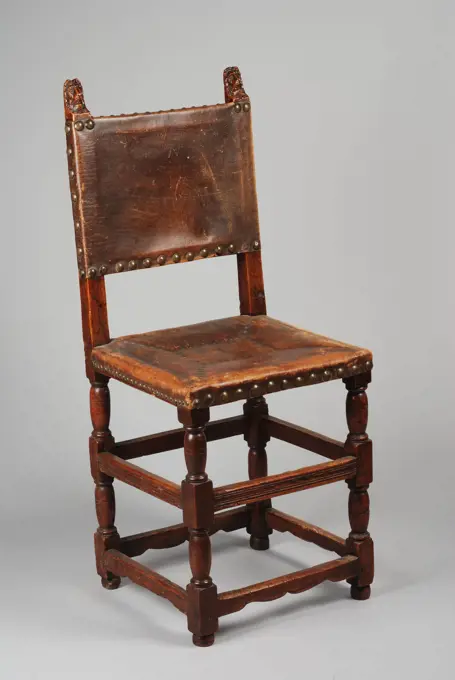
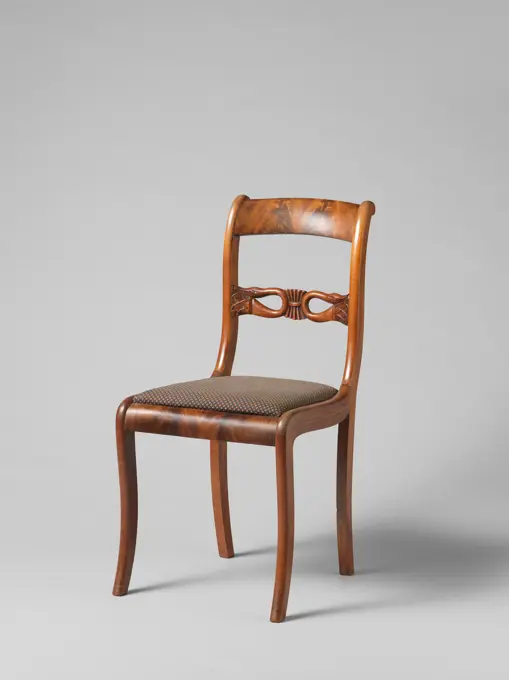
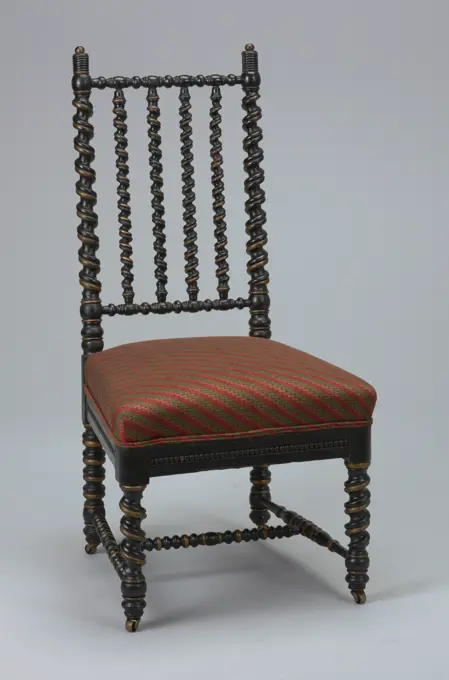
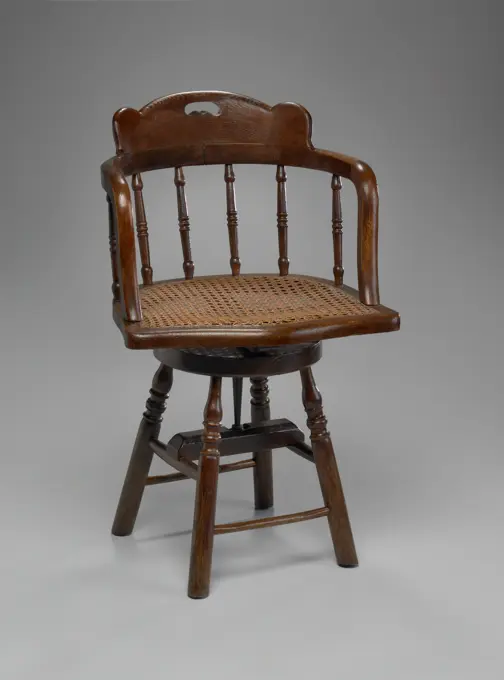
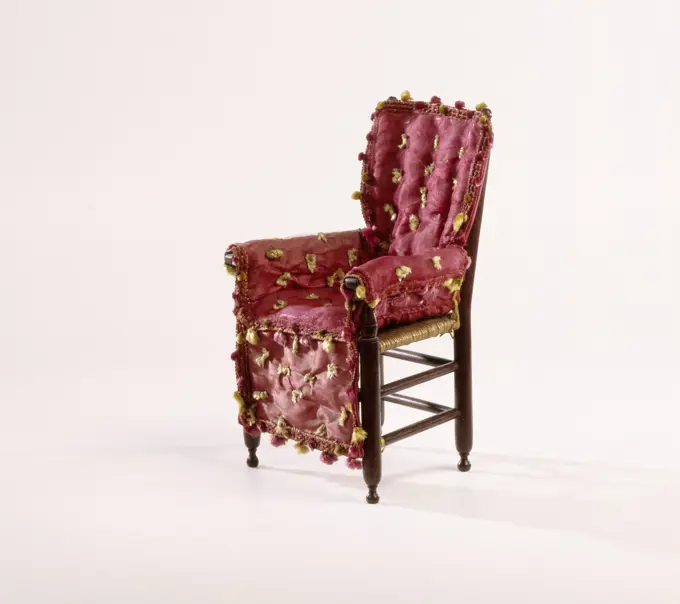
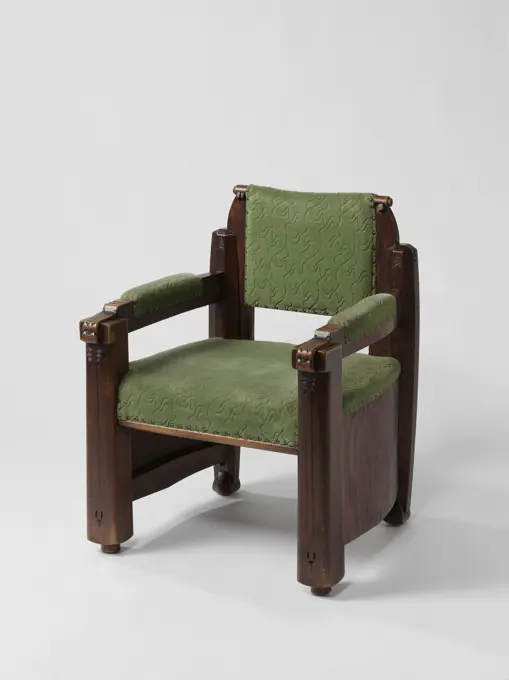
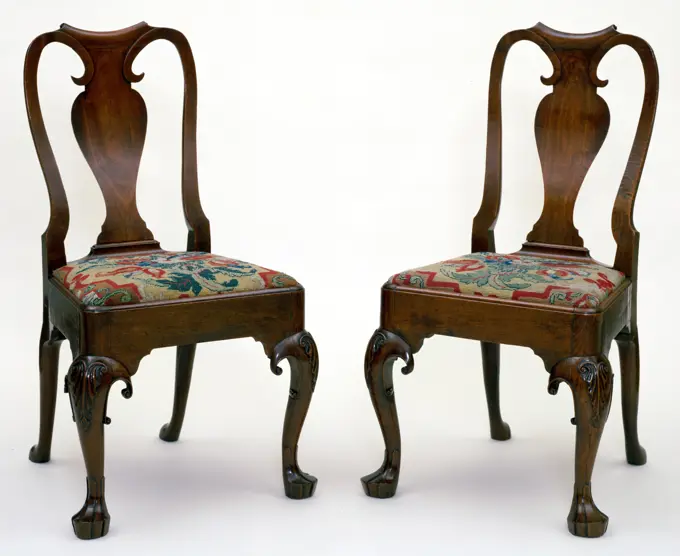
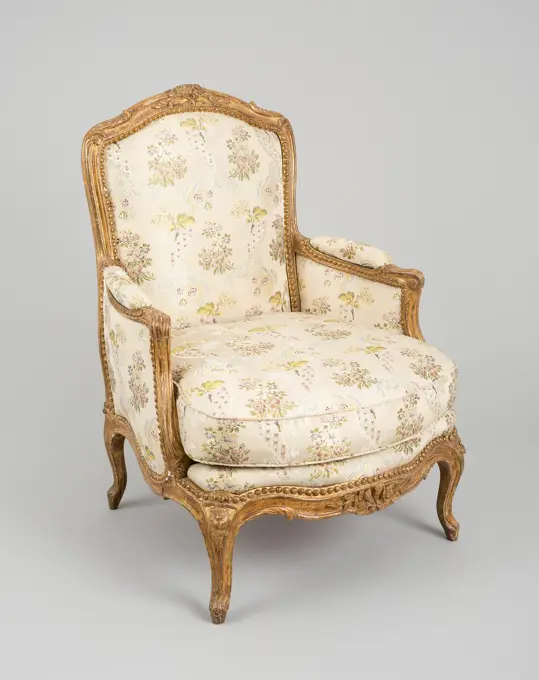
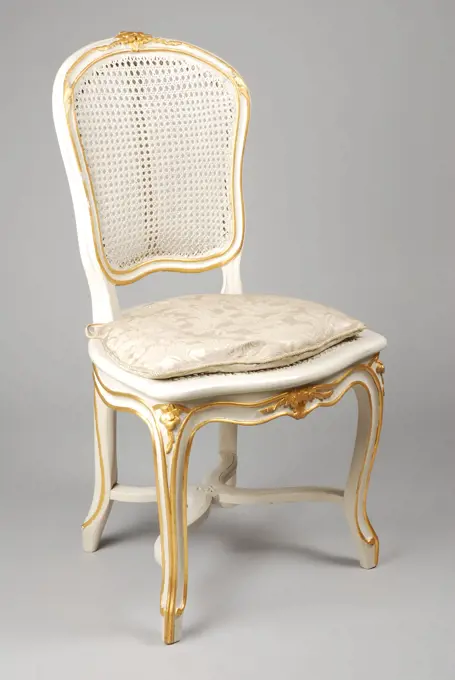
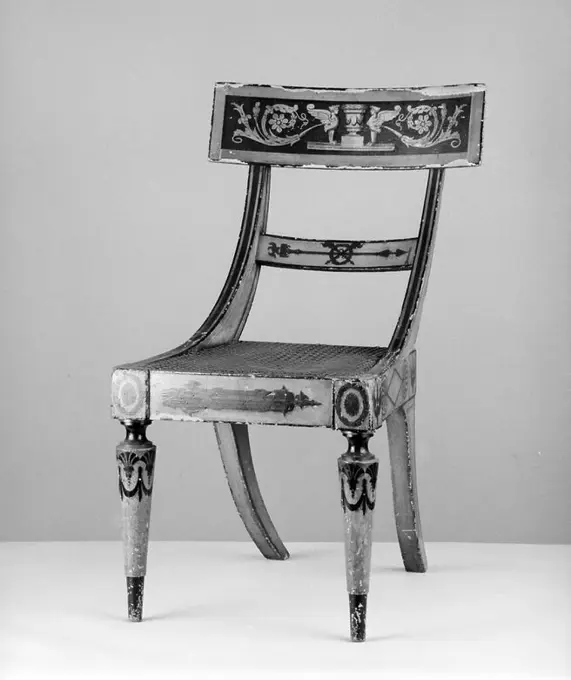
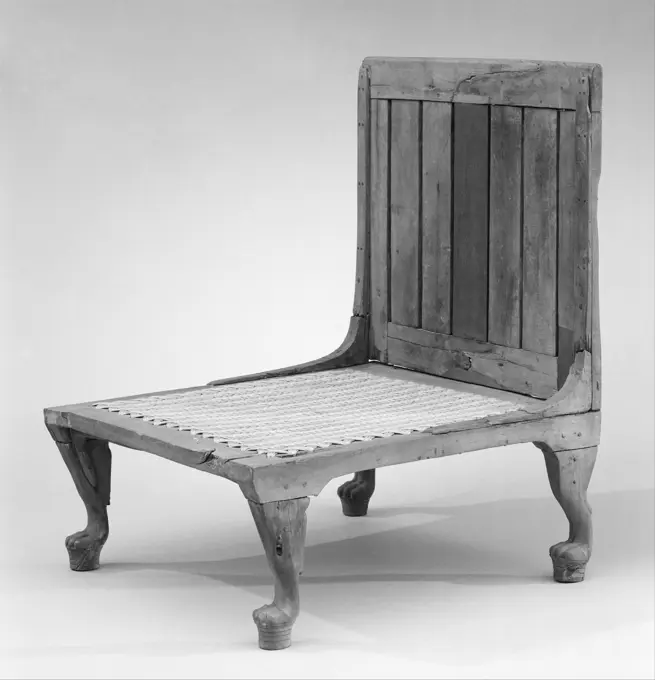
Scroll-Back Klismos Side Chair with Grecian Front LegsSide chair, Mahogany veneered oak and ash (frame), solid mahogany (legs, arms, and back), brass (coasters), Straight-sided front legs, set square, curving outward toward voluted foot; lotus leaf carved on knee, with volute in side of knee. Back legs square in section, curving outward from centre. Plain veneered seat rail semicircular on back straight on sides, slightly bowed in front. Back, with ogive cresting, descends in curve to join seat rail, terminating in slightly scrolled lotus leaf carved above front leg; fiddle-shaped splat in back, with pierced hand-grip hole above. Slip seat upholstered with red silk damask, edged with brocaded trimming in red and yellow., New York, New York, USA, ca. 1840, furniture, Decorative Arts, Side chairSide chair, c. 1750-1765, Possibly by Gilbert Ash, American, 1717-1785, 38 1/2 x 20 x 16 1/2in. (97.8 x 50.8 x 41.9cm), Mahogany, white pine, ash, mohair, United States, 18th century, This chair may have been made for Johnson Hall, the home of Sir William Johnson, New York's Superintendent of Indian Affairs. It bears several features often found on New York chairs associated with Chippendale style: bold, almost square ball-and-claw feet; the diaper (diamond-patterned) carving on the knees of the legs; and rounded, tapered rear feet that end in square pads.Arm chair of nut and beech wood with s-shaped overhoeks placed legs; X-shaped cross with rosette; Cut flower and leaf work, Reed back and seat, with loose pillow, anonymous, 1750 Arm chair of nut and beech wood (ameblement) with s-shaped overhoeks placed legs, connected by a flung X-shaped cross with rosette. Rules and sills and legs are decorated with cut flower and leaf motifs. Back and seat of braided reeds. Loose pillow of green Shaved Trijp (Modern). See also: BK-16852-A, B, d. France wood (plant material). walnut (hardwood). beech (wood). Arm chair of nut and beech wood (ameblement) with s-shaped overhoeks placed legs, connected by a flung X-shaped cross with rosette. Rules and sills and legs are decorated with cut flower and leaf motifs. Back and seat of braided reeds. Loose pillow of green Shaved Trijp (Modern). See also: BK-16852-A, B, d. France wood (plant material). walnut (hardwood). beech (wood).Chair. unknown, creatorChair, wood (mahogany), wood (poplar), horse hair, Back legs flat sided, front legs flat excepting rounded front face; legs curve outward toward bottom, and back legs incline toward eachother at bottom. Corner posts of back in a double curve terminating at top in on elemenatary volute form. Flat top rail bowed toward back, slightly arched, with a rectangular panel of inset veneer surrounded by beading. Splat horizontal, composed of small oblong faced with veneer, flanked oneither side by horizontal coupled C-scrolls deeply carved with foliage, terminating in volutes. Seat flares from back to front with straight edges., New York, USA, ca. 1820, furniture, Decorative Arts, ChairMahogany straight Empire armchair, armchair chair seating furniture interior furniture wood mahogany oak brass velvet, veneered panel in the back rimmed with brass profiled frame black velvet upholstery on backrest seat and armrests EmpireArmchair, c. 1795 Arm chair with an oval curved backrest and a mats seat. The middle board is opened in the form of a winch with a coat of arms in which the letters VBH (Van Braam Houckgeest) are applied in relief. A pearl edge on the backrest, the armrests and the arms; Cannaarded front legs and rosettes above the legs. Canton teak (wood). rattan lacquering  Canton Arm chair with an oval curved backrest and a mats seat. The middle board is opened in the form of a winch with a coat of arms in which the letters VBH (Van Braam Houckgeest) are applied in relief. A pearl edge on the backrest, the armrests and the arms; Cannaarded front legs and rosettes above the legs. Canton teak (wood). rattan lacquering  CantonChair of iron wood and seated with rattan seat (series of 4 chairs). Chair (series of four Identical Chairs BK-1994-a, B, C, D) of iron wood with sitting with rattan. Stuffed back legs and overhoeks placed S-shaped front legs that end in lioners and are decorated at the top of shellpy motifs. The cross has scalloped residues and a scaled cross sport. The hind legs are connected under the session by a second cross sport. The bottom edge of the front and sides in front and sides is made up of two s vultuts with a shell pattern in the middle. The high back has scalloped styles and a wide baluster-shaped middle sheet that is crowned by a shell whose leaf bells depend on leaf volutes, and that is decorated from below with a standing sheet bell on a pedestal. Where the styles hit the center leaf, they end up volutes decorated with leaf motifs.Side Chair. Culture: American. Dimensions: 38 x 21 7/8 x 21 1/2 in. (96.5 x 55.6 x 54.6 cm). Date: 1765-75.With its perfect proportions, elegantly integrated crest and splat design, and unsurpassed carving, this is perhaps the best of all Philadelphia Chippendale chairs. The splat pattern, its dominant figure-eight motif flowing from the crest rail, is a free adaptation from plate 16 of the third edition of Thomas Chippendale's Gentleman and Cabinet-Maker's Director (1762) (see 1982.1133). Museum: Metropolitan Museum of Art, New York, USA.Side Chair, c. 1780. America, Pennsylvania, Philadelphia, Chippendale style, 18th century. Wood; overall: 98.5 x 55.9 cm (38 3/4 x 22 in.).Federal side chair, c. 1800, 39 5/8 x 21 5/8 x 19 3/4in. (100.6 x 54.9 x 50.2cm), Mahogany, red oak, birch, United States, 18th-19th centuryChair with high back, made from rosewood and decorated with rocaille work .. Chair with high back, made from rosewood and decorated with rocaille work. Portuguese or Portuguese colonial.Chair. unknown, creatorSide Chair ca. 1837 Attributed to Workshop of Duncan Phyfe Scottish This chair form, referred to in the period as a chaise gondole, is characterized by a deep concave back and in-swept stiles that extend forward to the front seat rail. In the early nineteenth century, designers and furniture makers embraced a revival of Classical prototypes from ancient Greek and Roman architecture and decorative arts. The sleek, curvaceous lines, and dramatic, figural mahogany veneers of this chair characterize the distinct Grecian Plain style that emerged in the 1820s to 1840s during the revival period. American cabinetmakers were highly influenced by French interpretations of Classical forms tha circulated in design books and periodicals, such as Pierre de La Mésangère's Collection de Meubles et Objets de Goût (1820-1831). As early as 1825, New York makers began to produce this style of chair which took inspiration from Mésangère. In an1833 broadside advertisement by Joseph Meeks & Sons, a contempoSideChairSide chair, wood, painted beech, Three, curvilinear-shaped splats characterize back. Upper posts are tapered. Two lateral and two longitudinal stretchers. Upholstered seat (light pink)., England, ca. 1780, furniture, Decorative Arts, Side chairFurniture. Chair of mahogany, gloved locally with different types of wood, resting on two conical front legs and two backpened back legs. The chair is part of an amele. The back that consists in the middle of five, connected by boocks, bars is raised in the middle of the upper solid. The leather upholstery of the seat is nailed. A letter is stamped under the sitting room of several seats. See also: BK-16144-a / e and g / n.Chair of Mahoniehout, covered with Trijp with a continuous pattern of ovals hanging on striking in which a flower on a striped soil, Anonymous, 1775 - 1800 Chair of Mahoniehout, covered with Trijp with a continuous pattern of ovals hanging on bows in which a flower on a striped soil. The square legs are scanned. The chair rule is decorated in the middle with a bayer wreath and a pendulum. The back window is parallelographer and walled. The upper sill is decorated with a stabbed vase and bay garland. The upholstery is attached with nails with gilded heads. The chair belongs to an ameublement (inv.no. BK-16145-A to-G). Northern Netherlands wood (plant material). mahogany (wood). Chair of Mahoniehout, covered with Trijp with a continuous pattern of ovals hanging on bows in which a flower on a striped soil. The square legs are scanned. The chair rule is decorated in the middle with a bayer wreath and a pendulum. The back window is parallelographer and walled. The upper sill is decorated wiChair of brown stained mahogany, Theo Nieuwenhuis, c. 1916 The back and the shifting cushion upwards are covered with green woolen trijp with yellow -brown and purple leaf motifs. The front legs placed overhoek are faint s-shaped; The straight hind legs continue in the backstyles, ending in a volute. The seating rules are profiled at the top and under the rules are wavy corner pieces. The top sill of the back shows cut leaf motifs; The sill is vaulted. See: BK-1970-93-A to C and E. designer: Northern NetherlandsAmsterdamHengelo wood (plant material). mahogany (wood). stain (coating) The back and the shifting cushion upwards are covered with green woolen trijp with yellow -brown and purple leaf motifs. The front legs placed overhoek are faint s-shaped; The straight hind legs continue in the backstyles, ending in a volute. The seating rules are profiled at the top and under the rules are wavy corner pieces. The top sill of the back shows cut leaf motifs; The sill is vaulted. See: BK-1970Furniture. Seat of Palisanderhout. The furniture is covered and has cuited legs connected by flat-drawing musities. The rear styles between the back and the seat are covered. Condition: Upholstery is loose and is worn out (1997).Chair with open backrest with middle style, sitting with green velvet. Chair of mahogany, round open backrests with middle style; straight rule, back legs of hind legs and overhoeks placed S-shaped front legs; Seat covered with green velvet with filling over blackboard paper.Chair with round, open backrests with middle style, the seat with flower and leaf motifs, anonymous, c. 1750 - c. 1800 Seat of Vurenhout, brown varnished, round open backrests with middle style; Round pre-line, backward hind legs and overhoeks placed S-shaped front legs; seat covered with silk with flower and leaf motifs: color scheme with green, yellow, pink or red flowers or leaves; Staff over hard filling tense with many threads on the bottom visible under thick layer of varnish. Amsterdam (possibly) spruce (wood). silk Seat of Vurenhout, brown varnished, round open backrests with middle style; Round pre-line, backward hind legs and overhoeks placed S-shaped front legs; seat covered with silk with flower and leaf motifs: color scheme with green, yellow, pink or red flowers or leaves; Staff over hard filling tense with many threads on the bottom visible under thick layer of varnish. Amsterdam (possibly) spruce (wood). silkChair;  around 1800 (1795-00-00-1805-00-00);Armchair. unknown, authorFurniture set: chairColonial armchair. Armchair with H between legs. Seat covered with dust, back with rattan. One from a set of 6Armchair. unknown, creatorChair (England); joined and turned mahoganySide Chair 1765-75 American Typical New York features, such as the carved tassel-and-ruffle design in the splat, the gadrooned seat rail, and the square claw-and-ball feet, are dis­played in this chair. It is thought to have descended in the great landholding Van Rensselaer family of Albany, New York.. Side Chair. American. 1765-75. Mahogany, sweet gum. Made in New York, United StatesArmchair, back with vase-shaped middle leaf, the seat with burgundy velvet. Armchair from mahogany. The back is open with a vase-shaped middle leaf. The chair has a trapezoidal open seating window with a loose seat with burgundy velvet.Mahogany armchair in late Empire style, armchair seat seating furniture interior furniture wood mahogany oak velvet, Council seat Empire inclined towards Biedermeier; mahogany veneer over oak core Front legs standing on stabbed claw transition to armrest with inserted ornament same ornament on transition armrest to back. Twisted lines under the seat. Red velvet upholstery and crest at the top of Empire control Rotterdam City Triangle Kaasmarkt Hoogstraat City Hall Town Hall Originating from the Town Hall at the Cheese Market Rotterdam The chairs remained in use until 1851.Chair of Mahoniehout, covered with green Trijp, Anonymous, 1775 - 1800 Chair of Mahoniehout, covered with green trijp, belonging to an ameblement. The hind legs of the conical, scanned legs are backwards. The sitting window is round; The oval hired back window rests on C-shaped struts with acanthus leaf. The front rule and the top sill are decorated with a vase, in the midst of branches with leaves, hung on rings. See also: BK-18323-A/M. Northern NetherlandsNetherlands wood (plant material). mahogany (wood). Chair of Mahoniehout, covered with green trijp, belonging to an ameblement. The hind legs of the conical, scanned legs are backwards. The sitting window is round; The oval hired back window rests on C-shaped struts with acanthus leaf. The front rule and the top sill are decorated with a vase, in the midst of branches with leaves, hung on rings. See also: BK-18323-A/M. Northern NetherlandsNetherlands wood (plant material). mahogany (wood).Cherry-wood renaissance chair, chair seating furniture furniture interior design wood cherry wood leather metal, Twisted legs and double lines lion head on the back post seat and backrest covered with leather renaissanceArmchairChair of Mahoniehout, covered with green Trijp, Anonymous, 1775 - 1800 Chair of Mahoniehout, covered with green trijp, belonging to an ameblement. The hind legs of the conical, scanned legs are backwards. The sitting window is round; The oval hired back window rests on C-shaped struts with acanthus leaf. The front rule and the top sill are decorated with a vase, in the midst of branches with leaves, hung on rings. See Tevensl BK-18323-A/F and H/N. Northern NetherlandsNetherlands wood (plant material). mahogany (wood). Chair of Mahoniehout, covered with green trijp, belonging to an ameblement. The hind legs of the conical, scanned legs are backwards. The sitting window is round; The oval hired back window rests on C-shaped struts with acanthus leaf. The front rule and the top sill are decorated with a vase, in the midst of branches with leaves, hung on rings. See Tevensl BK-18323-A/F and H/N. Northern NetherlandsNetherlands wood (plant material). mahogany (wood).Chair and convertible, covered with green trijp, horrix brothers, 1860 - 1880 Chair and Cabriolet of Beuke- en Notenhout, covered with green trijp. The hind legs areas backwards; The curved front legs rejuvenate downwards and run into the curved and vaulted pre -line. Trapezoidal seat. Decorative nails have been installed along all edges, mostly in the form of a rosette. The vaulted back has bent backstyles, which turn into the hind legs and top sill. The back shows two curved sports, between which a V-shape and a straight sport under the top sill with X-shape. The Hague wood (plant material). beech (wood). walnut (hardwood). metal. Chair and Cabriolet of Beuke- en Notenhout, covered with green trijp. The hind legs areas backwards; The curved front legs rejuvenate downwards and run into the curved and vaulted pre -line. Trapezoidal seat. Decorative nails have been installed along all edges, mostly in the form of a rosette. The vaulted back has bent backstyles, which turn into the hind SideChair.  Maker: Shaker CommunityArm Chair, 18th century, 37 3/4 x 22 1/4 x 22 in. (95.89 x 56.52 x 55.88 cm), Walnut with leather upholstery, England, 18th centuryArmchair; wood, metal, upholstery; 115 x 66 x 66 cm (45 1/4 x 26 x 26 in. )Lillian Causey, Chair, c 1936 ChairArthur Johnson, Chair, 1935 1942 ChairArmchair 1770-90 American. Armchair 204Unknown, Armchair (Fauteuil à Medallion), 18th century, wood.Table. unknown, creatorChair with swans. Chair from a set of ten seats and four armchairs from partially solid and partly glued mahogany on moors wood core. Loose coated seats. The square hind legs deviate backwards. Nine chairs and an armchair have square, slightly rounded, front legs; The rest has rounded front legs. The stretched S-shaped backs have a sculpted intermediate rule with a palmet flanked by two degrees, with the biods of doubling swans. The flat filler-shaped armrests run high in the back.Armchair. Dated: 1941. Dimensions: overall: 37.9 x 28.7 cm (14 15/16 x 11 5/16 in.) Original IAD Object: 92 cm high, 57 cm wide.. Medium: watercolor, colored pencil, and graphite on paperboard. Museum: National Gallery of Art, Washington DC. Author: Isadore Goldberg.Chair. Dated: c. 1936. Dimensions: overall: 35.7 x 24.2 cm (14 1/16 x 9 1/2 in.) Original IAD Object: none given. Medium: watercolor, colored pencil, and graphite on paper. Museum: National Gallery of Art, Washington DC. Author: Ella Josephine Sterling.Side Chair (USA); wood, fabric, metal; 96 x 48 x 55 cm (37 13/16 x 18 7/8 x 21 5/8 in. ); 1978-8-1Hip-joint armchair (Dantesca type) 16th century (with later repairs) Italian. Hip-joint armchair (Dantesca type). Italian. 16th century (with later repairs). Elm (), bone, carved; leather (), tooled embroidery, silk velvet, metal.. Woodwork-FurnitureArmchair ca. 1755 British. Armchair. British. ca. 1755. Mahogany, needlework (modern). Woodwork-FurnitureSide Chair c 1825-1826 Boston. Mahogany and birch . George TraskSwivelArmchair.   Maker: Frank [?mbs, American, active ca. 1870Surfish chair (button chair) with armrests made of hardwood with smooth twisted styles, front legs and in the back ending in fine twisted buttons, anonymous, c. 1690 - c. 1710 Surface seat; the chair itself a button chair with armrests made of hardwood with smooth twisted styles and cross rules, front legs and in the back ending in fine twisted buttons; diagonally backwards back with four flat cross sports; Flat armrests ending in thickening, resting on baluster -shaped strut. Seat of braided piping, turned on top, processed under straight. Seat, back, armrests and front completely covered with a capitoned cushion cover made of waved (moiré) red silk, trimmed with passion with brushes of yellow and red silk; The deck (with the exception of the pap of the front) is filled with feather shafts and filled with at the front yellow at the rear, red -knotted off -off cords; The cushion deck is attached to the chair with yellow thin tied straps around the legs, seat and buds. Amsterdam wood (pSide chair (one of a pair). Culture: British. Dimensions: Overall: 41 3/4 × 25 × 29 in. (106 × 63.5 × 73.7 cm). Maker: Attributed to Richard Roberts (British, active 1714-29). Date: ca. 1715.These chairs are part of a large set that included two settees and one winged easy chair, stools, and side chairs, supplied to Sir Robert Walpole, later first Earl of Orford (1676-1745), for Houghton Hall, Norfolk. The attribution to Richard Roberts is based on an account of a considerable debt owed by Walpole in 1729 to a "Thomas Roberts." Thomas Roberts, carver and joiner to the royal household, worked in London under the sign of The Royal Chair until his death in 1714. He was succeeded by Richard Roberts, presumably his son, who was active at the time that Walpole redecorated Houghton Hall. Museum: Metropolitan Museum of Art, New York, USA.ChairSide Chair 1805-15 American. Side Chair 1807ArmchairArm chair, design Jan de Meijer, Jan de Meijer, 1925 - 1929 Arm chair, design Jan de Meijer. Netherlands walnut (hardwood). rosewood (wood). wool Arm chair, design Jan de Meijer. Netherlands walnut (hardwood). rosewood (wood). woolWindsor Chair. Dated: 1936. Dimensions: overall: 35.5 x 24.4 cm (14 x 9 5/8 in.) Original IAD Object: none given. Medium: watercolor, gouache, colored pencil, and graphite on paper. Museum: National Gallery of Art, Washington DC. Author: Dana Bartlett.Chair with notch cutting, anonymous, 1800 - 1900 Chair with notched decoration (Hindeloopen). Netherlands linden Chair with notched decoration (Hindeloopen). Netherlands lindenChair. unknown, authorChair of partially veneered and painted satin wood. A partially veneered and painted satin seat, resting on canceled conical articulated front legs and back legs. The connection between the armrests and the faint bent armrests is C-shaped. The back is bent and decorated in the middle with a vertical connection, on which painted medallions, free to 18th-century representations. The seat is stretched with cane and equipped with loose embroidered cushions. See also: BK-16137-B to f.Chair. Schinkel, Karl Friedrich (1781-1841), designer, unknown, creatorSide Chair 1760-90 American. Side Chair. American. 1760-90. Mahogany, maple, white pine. Probably made in Boston, Massachusetts, United StatesEggshade Louis Seize chair, chair furniture furniture interior design wood elmwood velvet, Three bars in the back above garlands with tassels light green striped velvet upholstery Louis XVI Louis XVI Louis SeizeHigh backrest armchair, lined with red tripe. High backrest armchair, lined with red tripe.Chair. Dated: c. 1938. Dimensions: overall: 86.2 x 22.7 cm (33 15/16 x 8 15/16 in.) Original IAD Object: 33" high, 17"wide. Medium: watercolor, colored pencil, graphite, and some heightening on paper. Museum: National Gallery of Art, Washington DC. Author: Dorothea A. Farrington.. The back of the chair is heaving with richly carved decoration: interlaced strapwork with foliage and flowers, bunches of fruit, a cherubs head and two lions bearing shields. The openwork back is ornamented with two rows of vase-shaped ebony spindles. The upholstery was taken from another chair.Sidechair.   Maker: Benjamin Randolph, American, active 1762-82Arm chair covered with green wool and with armrests that end in animal snouts, Piet L. Kramer, c. 1916 - c. 1917 Red armchair stained elm wood and beech wood resting on four wide legs. The front legs rest on narrow bobbins and walk on in the arms. The front legs end in a block shape and contain an erratic cut and sculpted ornament. The armrests are partly infused in the block shape and end in an animal cutting. The octagonal hind legs rest on a spherical shape and continue in the backstyles. Panels are trapped in the backstyles that protrude. These panels have curved side walls and contain a sculpted geometric ornament at the top. The sides of the chair are equipped with panels between the front and hind legs and under the seat. Both the seat, the backrest and the armrests are covered with green wool with a winding line pattern that is secured with copper nails. Netherlands elm (wood). beech (wood). wool Red armchair stained elm wood and beech wood resting on four wide legs. The front Side chair, one of a pair, c. 1710, 40 x 21 x 18in. (101.6 x 53.3 x 45.7cm), Walnut, England, 18th centuryArmchair (Bergère à la Reine) Made 1750-1765 France. Gessoed and gilded walnut, modern reproduction upholstery . Jacques Chenevat (Cabinetmaker)Elizabeth Curtis, Armchair, 1936 Armchair. Armchair of walnut, covered by removable window. The S-shaped legs, ending in Acanthus sheet, go into the scalloped rules. The legs, front seat, armrests and armrest struts, the back framework and back fragrances are decorated with pelleted leaf and floral motifs; Striking on the upper sprinkle is the stained robocone pigeon with flour branches. The seating frame is trapezoidal. Profile lists, continuous or with C and S volutes, emphasize the contour. See also: BK-15592.Side Chair. Culture: American. Dimensions: 32 3/4 x 17 3/4 x 16 1/4 in. (83.2 x 45.1 x 41.3 cm). Maker: Attributed to Duncan Phyfe (1770-1854). Date: 1791-1818. Museum: Metropolitan Museum of Art, New York, USA.Side Chair c 1873-1883 New Lebanon. Maple . Mount Lebanon Shaker Village (New Lebanon, N.Y.) (Maker)Ebony chair with Emmausgoers, Anonymous, c. 1600 - c. 1650 Ebony chair. The legs with house and articulate are connected by accolade -shaped and straight sports. The square seat crosses on three sides with a profile with an egg list, leaf vines stabbed around the seat. The backstyles with sliced leaf vines carry a standing lion with shield. The three arched and scalloped sports are connected by balusters. The bottom two tones leaf work and the top sill a sliced representation of the and three twisted vases. Northern Netherlands (possibly) wood (plant material). ebony (wood) Ebony chair. The legs with house and articulate are connected by accolade -shaped and straight sports. The square seat crosses on three sides with a profile with an egg list, leaf vines stabbed around the seat. The backstyles with sliced leaf vines carry a standing lion with shield. The three arched and scalloped sports are connected by balusters. The bottom two tones leaf work and the top sill a sliced representatiSide chair (part of a set) first quarter 18th century French. Side chair (part of a set) 238015Side Chair 1770-90 Attributed to Major John Dunlap. Side Chair 1765White painted straight rococo chair, chair furniture furniture interior design wood elm paint leaf gold rattan damask, Rattan seat and back cawio legs with brace-shaped underrun extra style in back carving gilded with loose gray damask cushion rococoWhite painted straight rococo chair, chair furniture furniture interior design wood elm paint leaf gold rattan damask, Rattan seat and back cawio legs with brace-shaped underrun extra style in back carving gilded with loose gray damask cushion rococoSide Chair ca. 1860 Léon Marcotte French This side chair is part of a suite of Louis XVI-style furniture that John Taylor Johnston (1820-1893) purchased from the firm of Ringuet-Leprince and L. Marcotte in about 1856. This international firm had showrooms in both Paris and New York, and it is believed that at least some of the pieces of the suite were made in Paris for the New York commission. Johnston, a railroad executive and the first president of The Metropolitan Museum of Art, used the furniture in the music room of his residence at 8 Fifth Avenue. The suite (68.69.1-68.69.11, 68.165.1-68.165.6) includes two sofas, two armchairs, a table, two matching cabinets, a third large cabinet, six matching side chairs, a pair of lyre-back side chairs, and a firescreen. After Ringuet-Leprince retired in 1860, the firm became known as L. Marcotte and Company. Léon Marcotte was New York's most noted cabinetmaker and interior decorator during the 1860s.. Side Chair. American. ca. 1860. Maple, pArmchair. unknown, authorArmchair (Bergere). unknown, authorArmchair. Culture: British. Dimensions: Overall: 38 1/2 × 23 1/2 × 20 in. (97.8 × 59.7 × 50.8 cm). Date: ca. 1790. Museum: Metropolitan Museum of Art, New York, USA.Anonymous, the queen's armchair: the partridge and the lion and the rat (main title), 1774. Wood, Beauvais tapestry. Petit Palais, Museum of Fine Arts of the City of Paris.SidechairChair (chaise à la Reine) (one of a set of four) ca. 1745-1750 Probably by Jean-Baptiste I Tilliard This chair probably belonged to a larger set by Jean-Baptiste I Tilliard, the master of an important workshop in eighteenth-century Paris. The rich carving on each chaise à la Reine indicate that they may have been part of an important commission. Throughout the frame, elegant scrolls, reeds, acanthus leaves, shells, and bosses are carved and gilded. At the center of the top rail, exotic birds flank a prominent cartouche and a pattern of scrolling ribbons. Similarly, the seat-rail displays a cartouche in front that echoes this design element.. Chair (chaise à la Reine) (one of a set of four). French, Paris. ca. 1745-1750. Beechwood unusually richly carved and gilded; previously upholstered with coral colored velvet attached with brass-headed nails, now upholstered in yellow petit point. Woodwork-FurnitureLelah Nelson, Side Chair, 1941 Side ChairSidechairArmstoel, bekleed, van wit geschilderd beukenhout.Armchair, coated, painted beech wood and resting on conical legs. Square houses with rosette. The seat rules, armrests and struts and the sitting room have a stung braid, between an ornament of around a rod. The square armrest struts with acanthus leaf are backwards. The armrests with pads end in a volute and move over in the trapezoidal healed back window. The back window rests on fluted struts and has a scooped upper shot.Side Chair c 1808-1812 Boston. Oak, ash, and maple . Samuel GraggVincent P Rosel and Gordon Saltar, Hepplewhite Chair, c 1936 Hepplewhite ChairChair. Cevedra B. Sheldon; American, 1840-1895; Marks Adjustable Folding Chair Company; American, 1877-1897; New York, New York. Date: 1876. Dimensions: 115.6 × 71.1 × 72.4 cm (45 1/2 × 28 × 28 1/2 in.). Iron, walnut, cane and original upholstery. Origin: New York City. Museum: The Chicago Art Institute, Chicago, USA.Side Chair. Culture: American. Dimensions: 34 x 20 5/8 x 22 1/4 in. (86.4 x 52.4 x 56.5 cm). Maker: Attributed to John Finlay (active ca. 1799-1833); Attributed to Hugh Finlay (active ca. 1800-37). Date: 1815-20.This brilliantly conceived and handsomely executed chair derives its broad, deeply curved crest tablet from the ancient Greek klismos form, and its turned front legs from Roman prototypes. During the James Madison administration (1809-17), the architect Benjamin Latrobe designed a suite of painted furniture for the White House in the latest Grecian style. Although the suite was destroyed in a fire in 1814, drawings for it bearing Latrobe's instructions to the Baltimore fancy chair makers John and Hugh Finlay still exist and provide the basis for this chair's attribution. Originally part of a larger set, this chair was once used by Arunah S. Abell, founder of the "Baltimore Sun," in his country house "Wood bourne." The Metropolitan owns four chairs (65.167.5, .6, .8, .9) from tArmchairJohn Sullivan, Chair, c 1937 ChairChair for a Woman ca. 1550-1425 B.C. New Kingdom This low, wooden chair, with its straight back, legs carved in the form of a lion's legs, and mesh seat, is characteristic of chairs used by women in Egyptian wall paintings of banquet scenes. The chair is held together with pegs and dowels; the angle braces are carved from forked branches. The central slat in the back and a few minor repairs are modern, and the mesh seat has been restored following indications provided by remnants. A similar chair (36.3.152) was found during the Museum's excavation of the tomb of Hatnefer, mother of Senenmut.. Chair for a Woman 548636Armchair. Dated: 1939. Dimensions: overall: 39.2 x 28.7 cm (15 7/16 x 11 5/16 in.) Original IAD Object: 46"high at back, 22"wide at seat front, 22"deep at seat. See d.s.. Medium: watercolor, colored pencil, and some heightening on paper. Museum: National Gallery of Art, Washington DC. Author: Virginia Kennady.