Antique Wooden Chairs

A collection of various antique chairs showcasing intricate designs, upholstery, and craftsmanship from different historical periods.
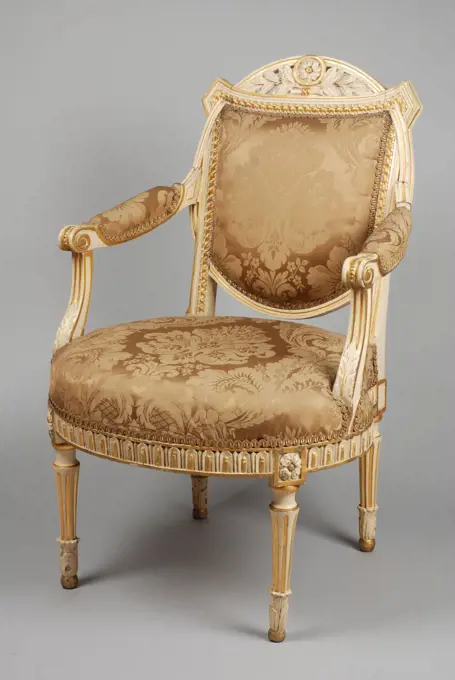
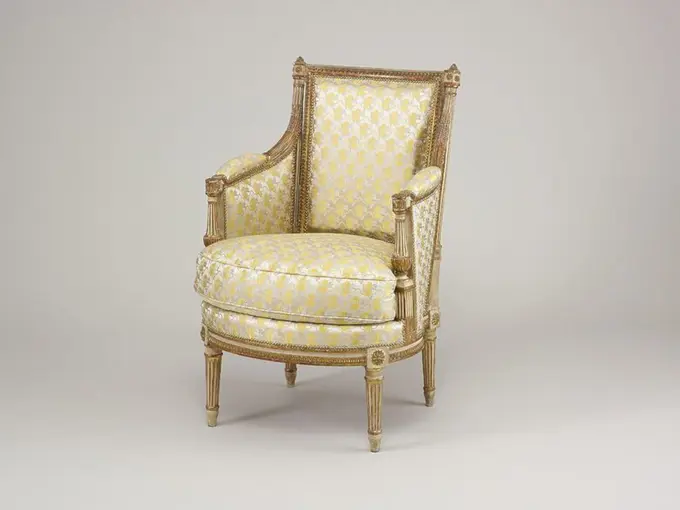
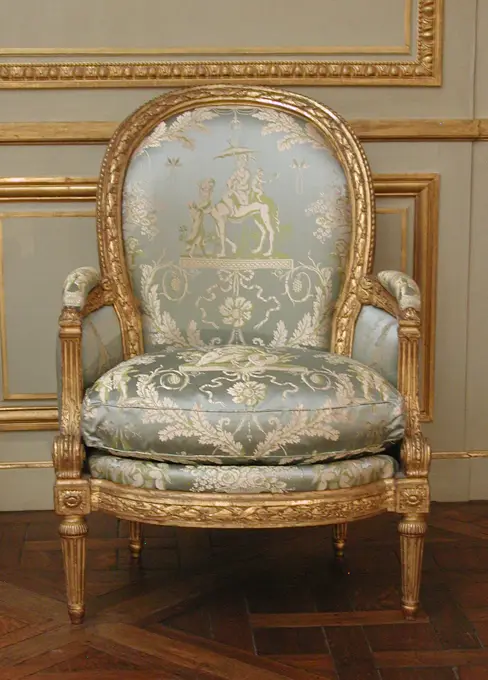
White painted, partly gilded Louis Seize armchair, armchair chair seating furniture interior interior design wood beechwood lacquer gold leaf silk damask, Oval backrest rimmed by rectangular frame brown silk damask covering with passement on seat and back crest with laurel branches and rosette Louis XVI Louis XVI Louis Seize Kralingen-Crooswijk Rubroek Rotterdam Van Rijckevorsel From the estate Rubroec (Rubroek) of the Van Rijckevorsel family.
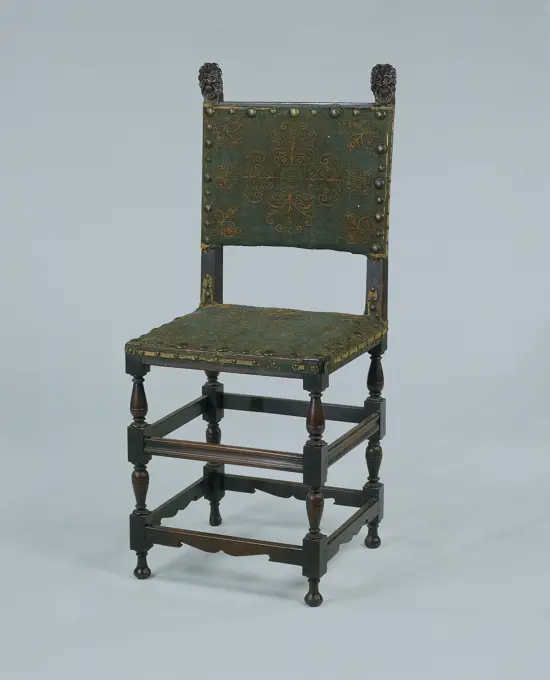
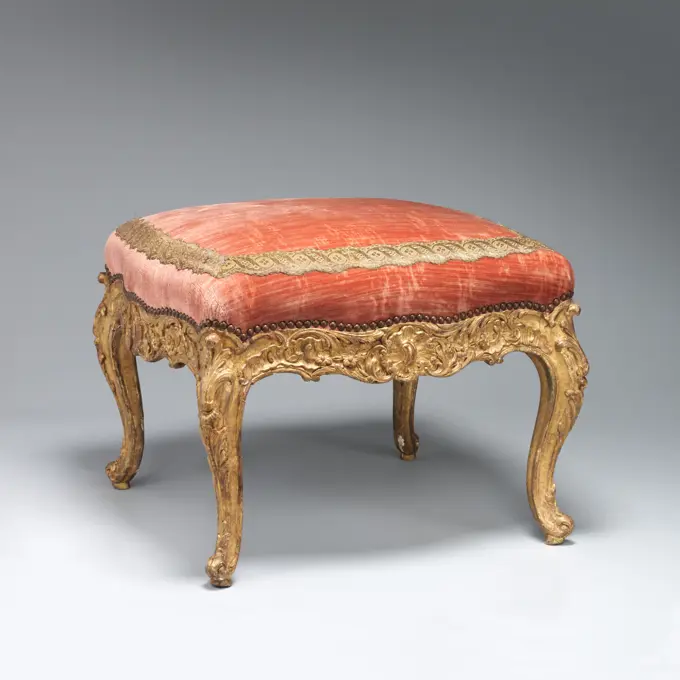
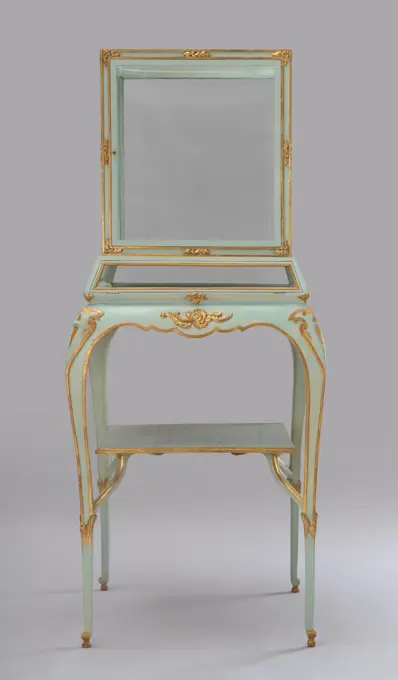
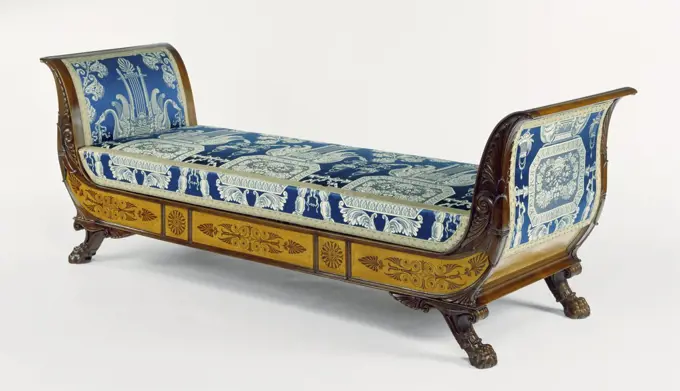
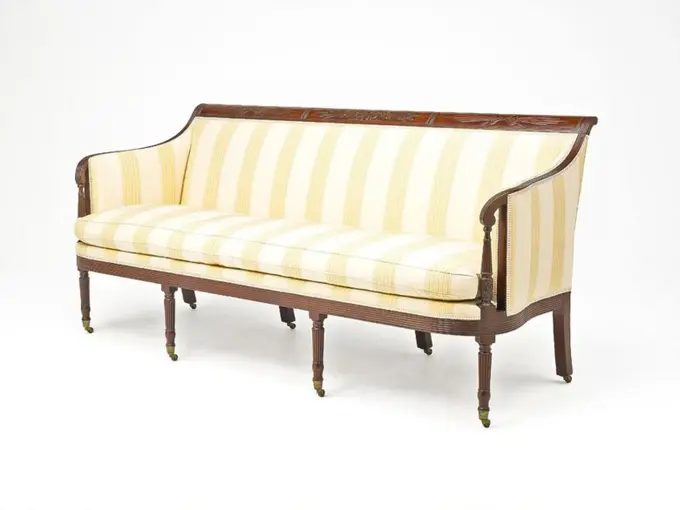
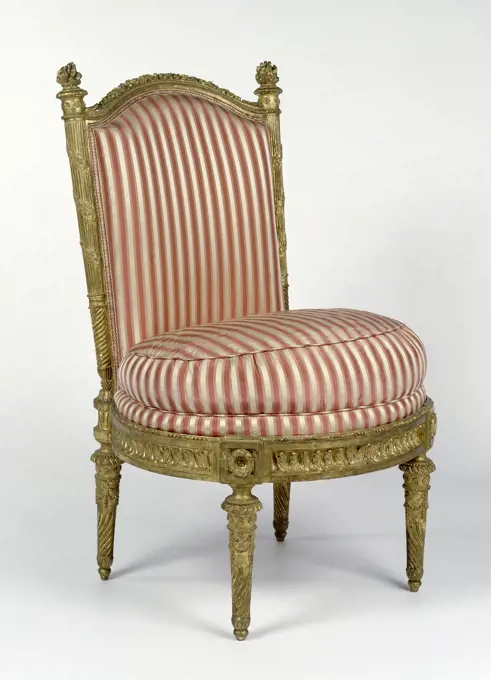
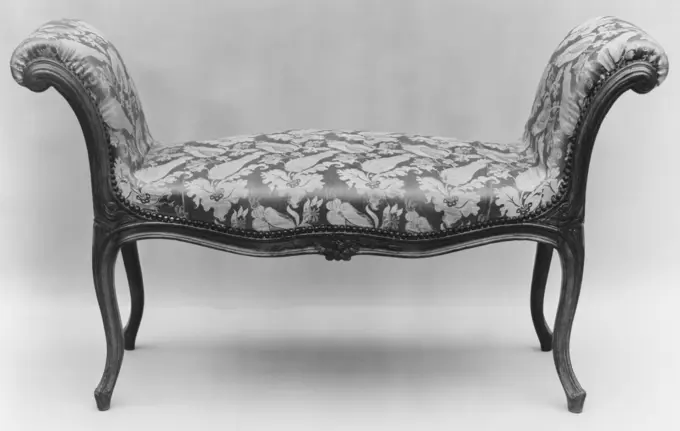
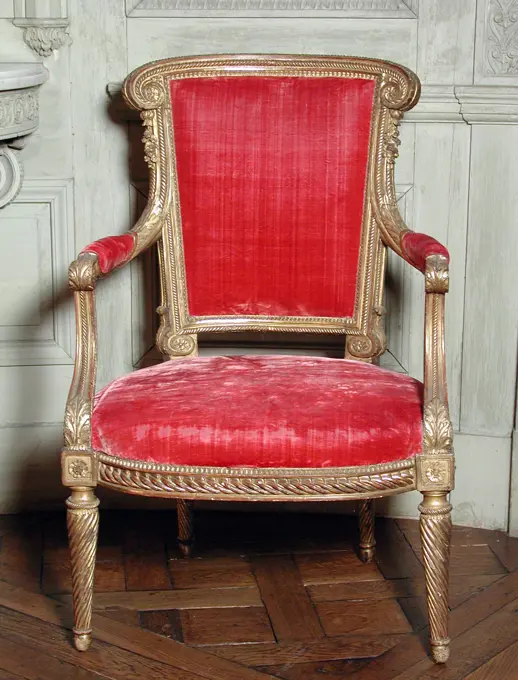
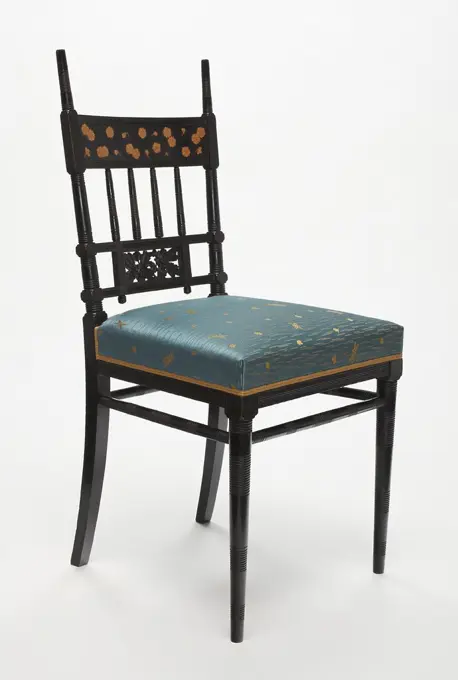
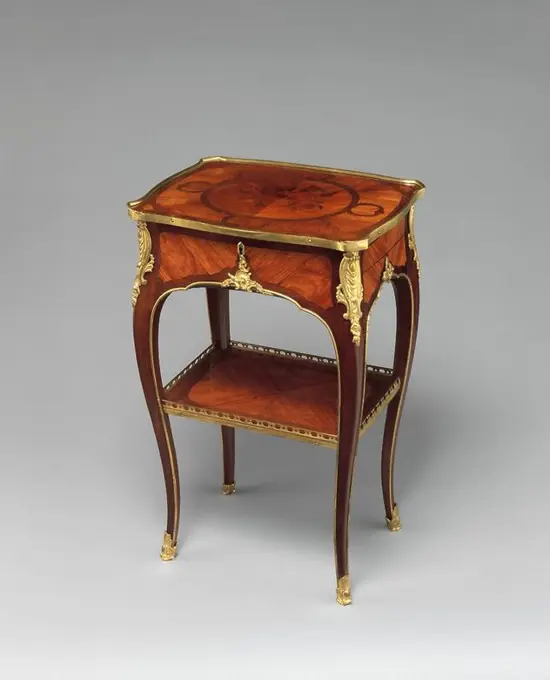
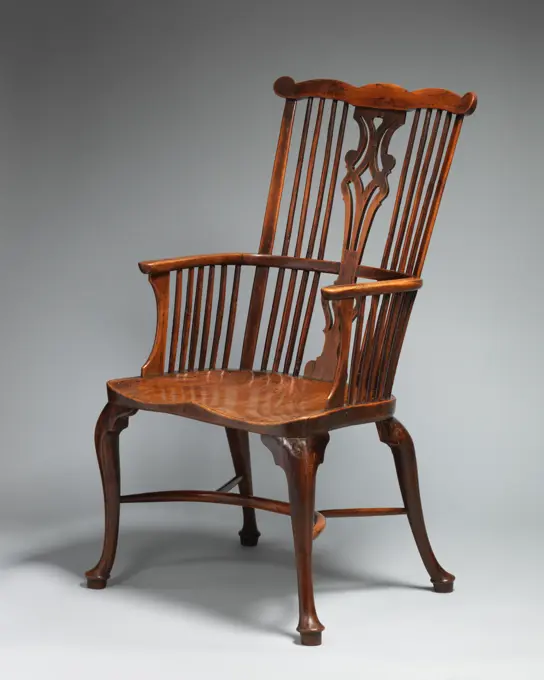
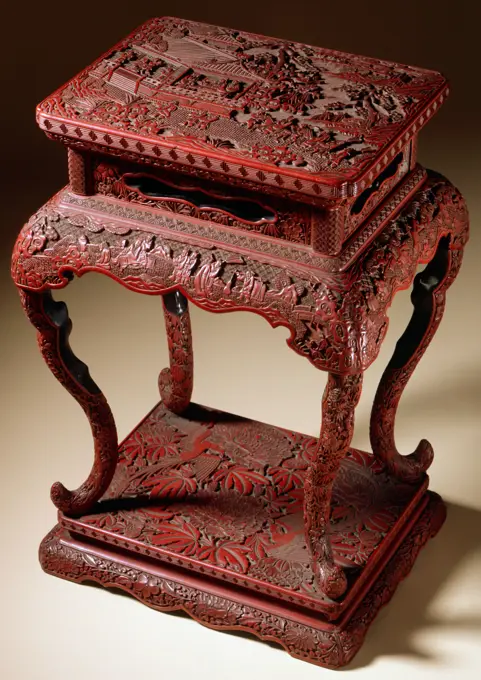
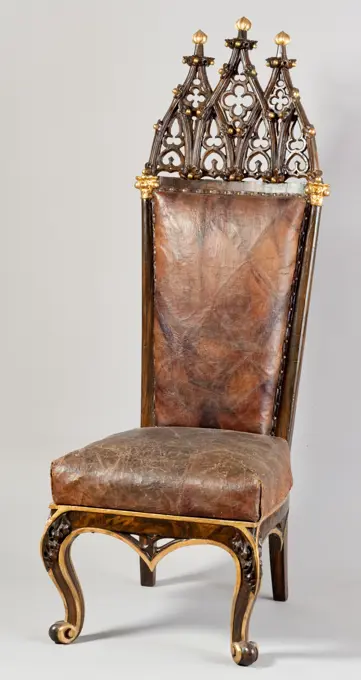
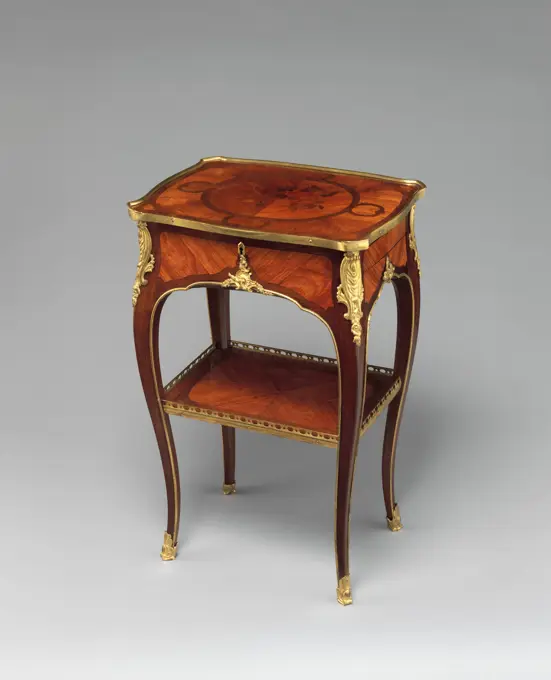
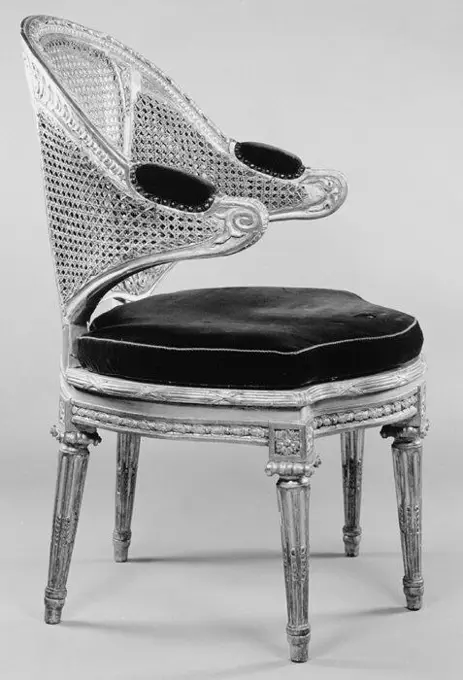
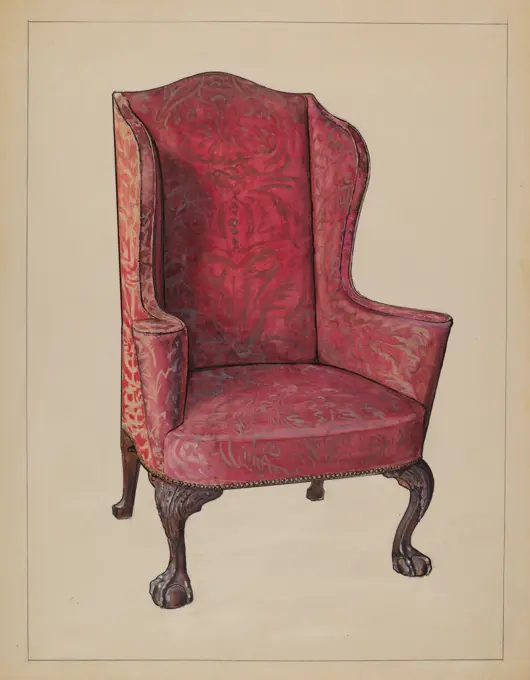
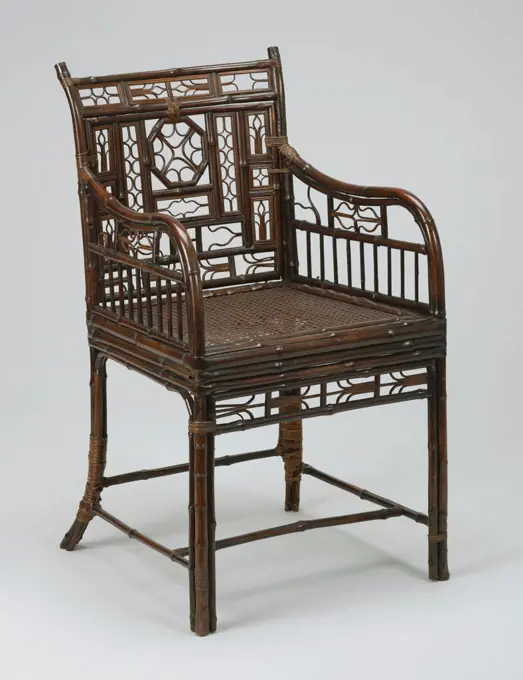
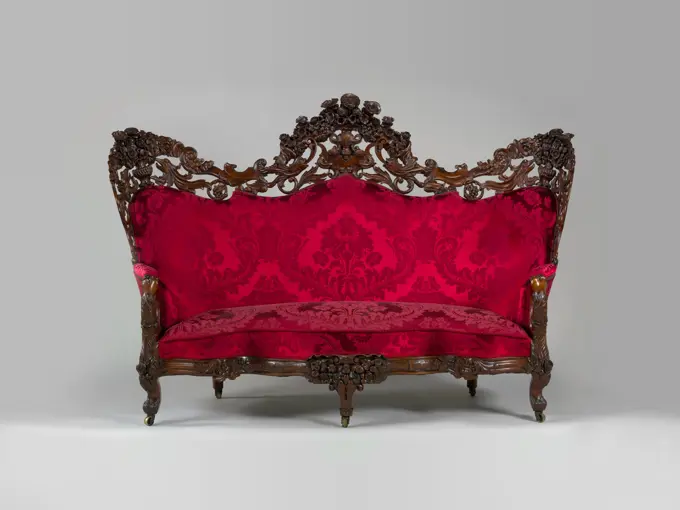
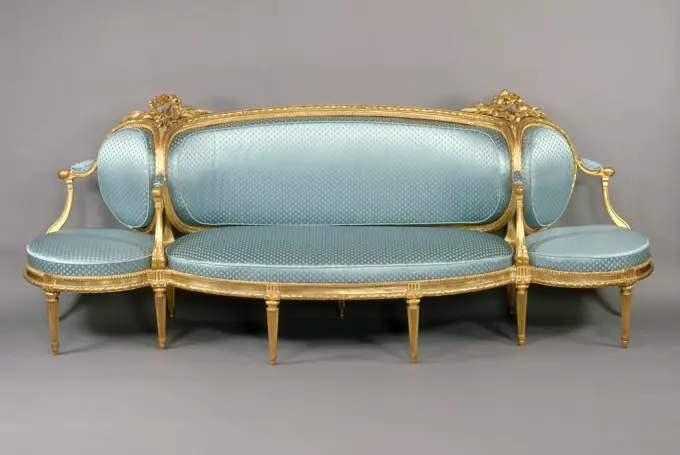
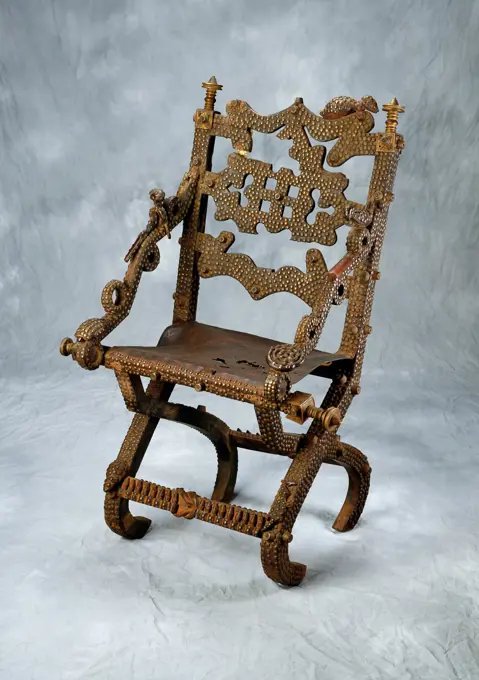
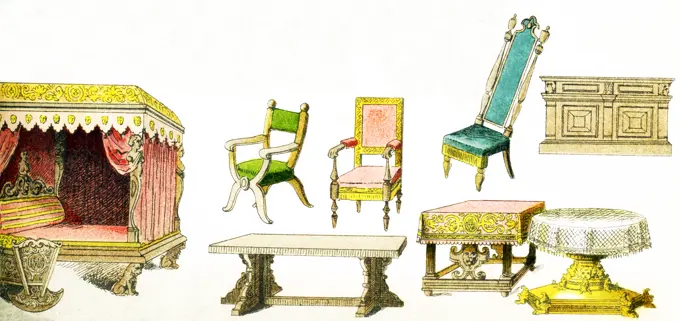
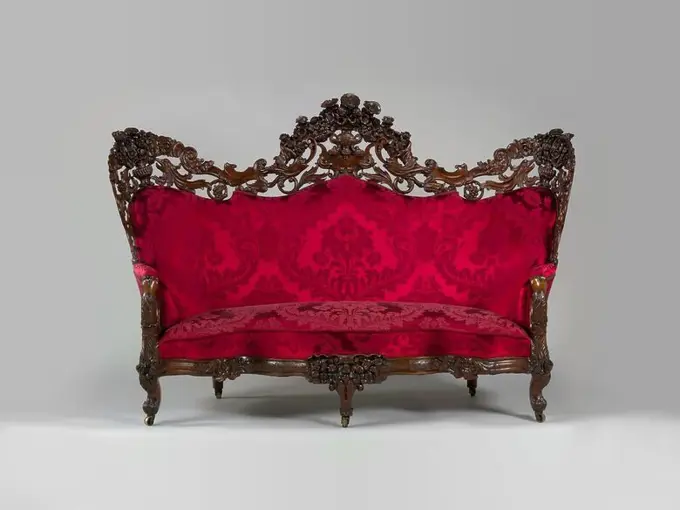
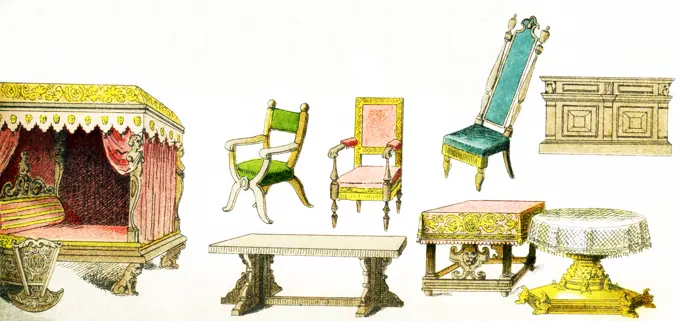
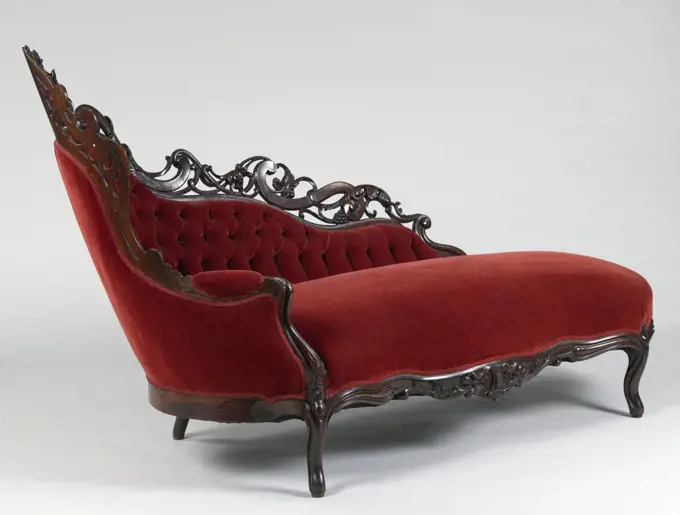
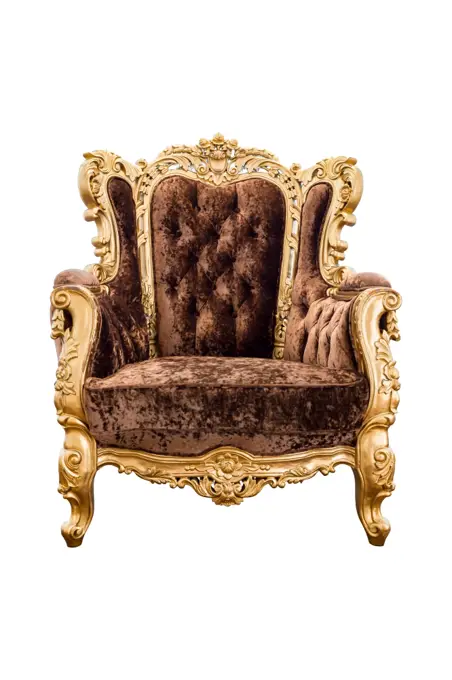
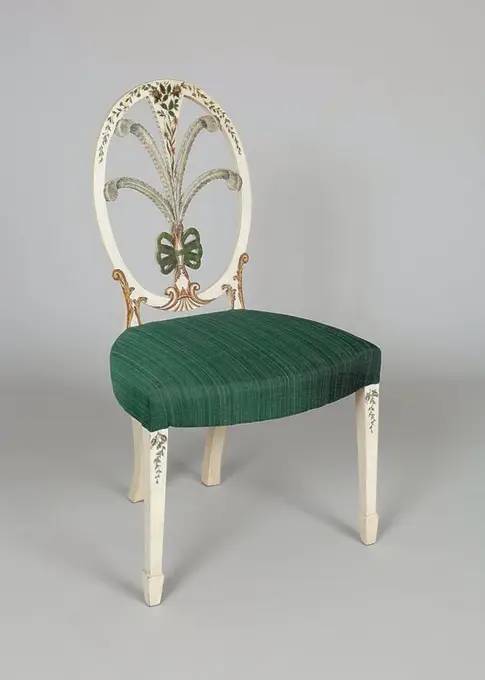
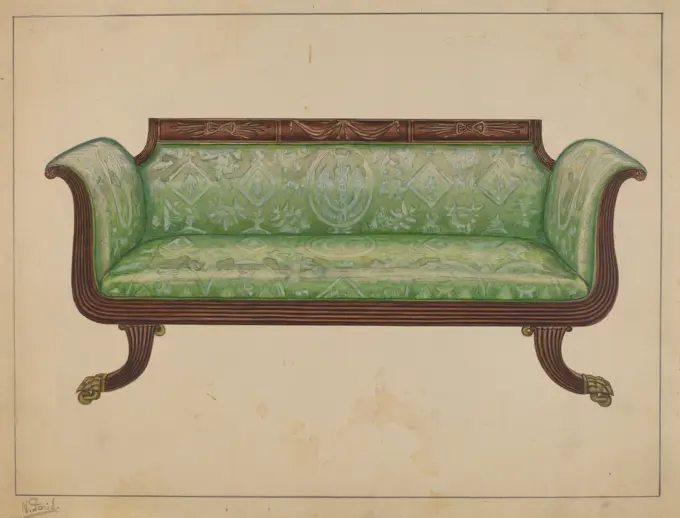
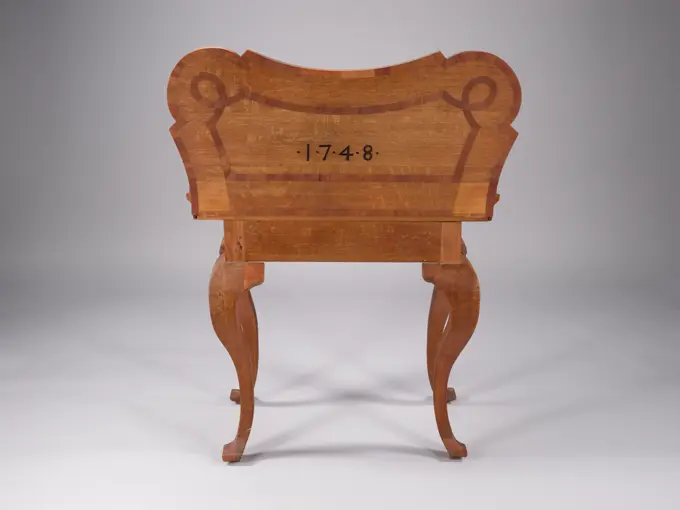
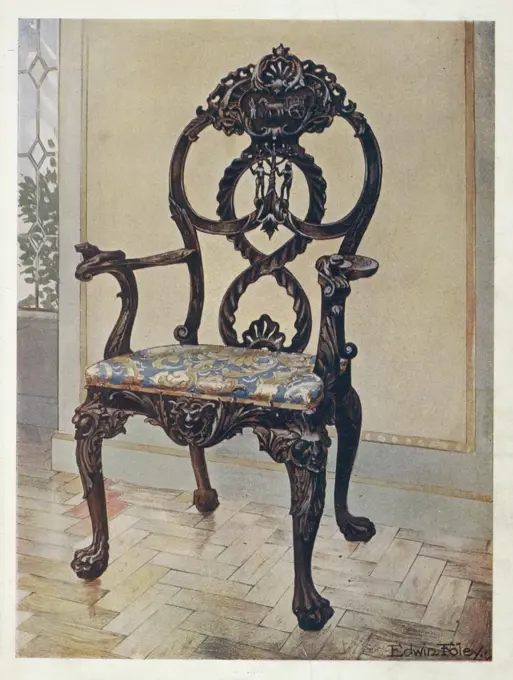
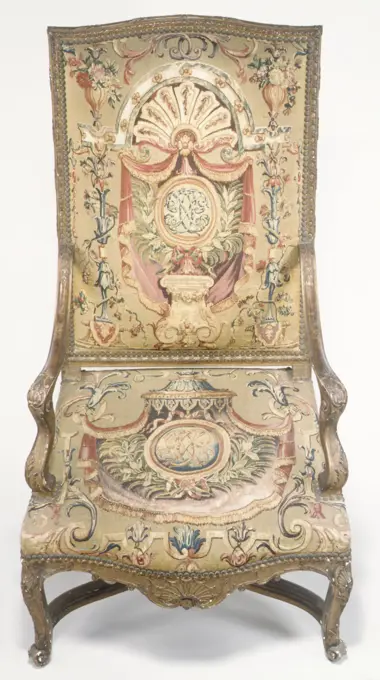
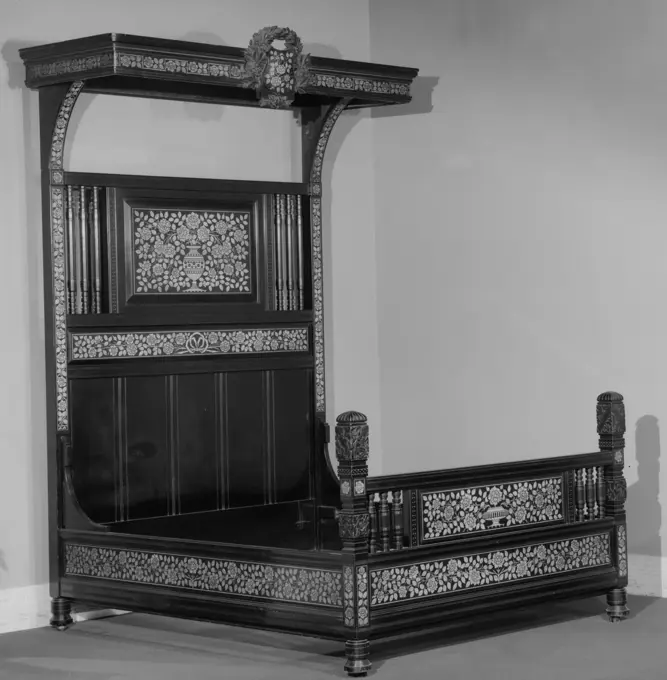
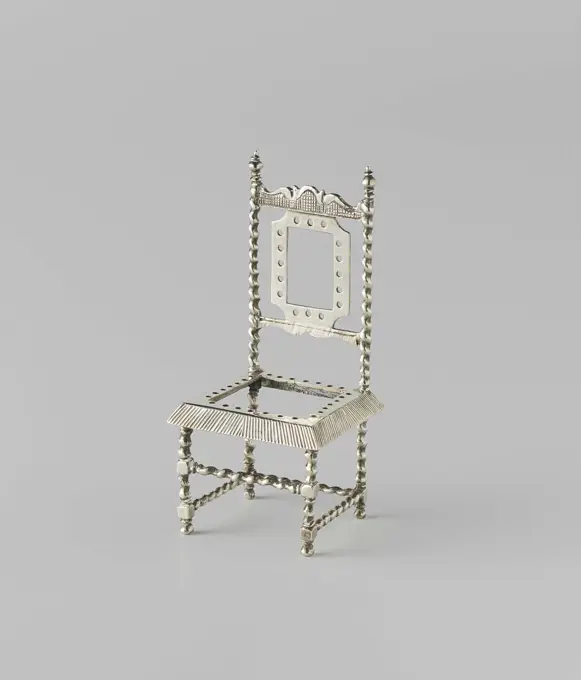
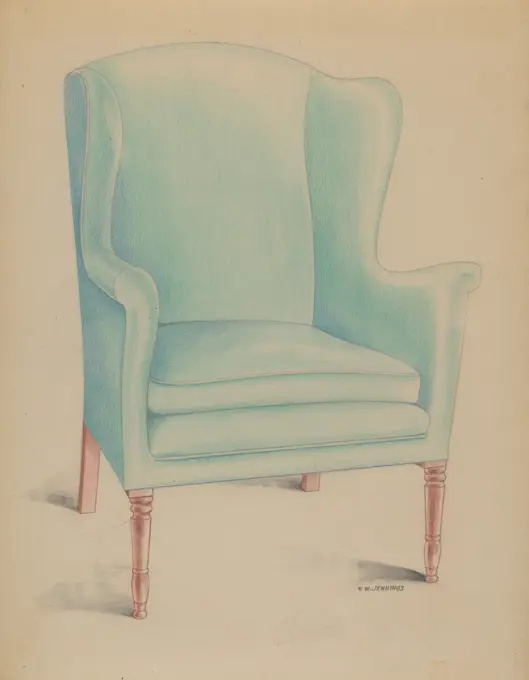
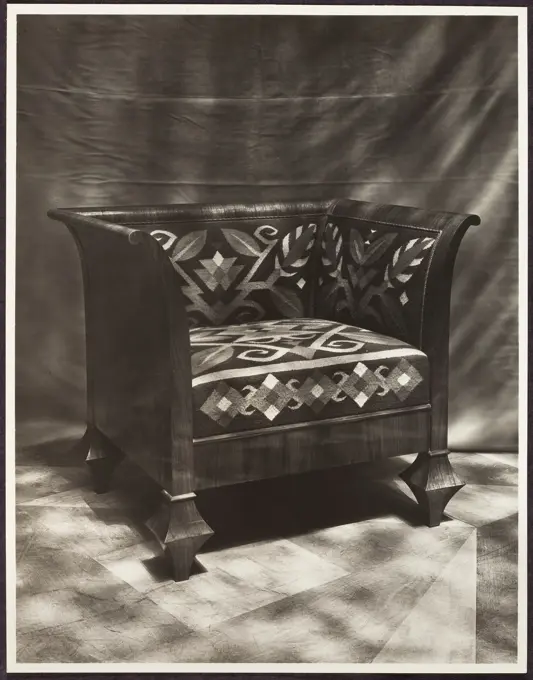
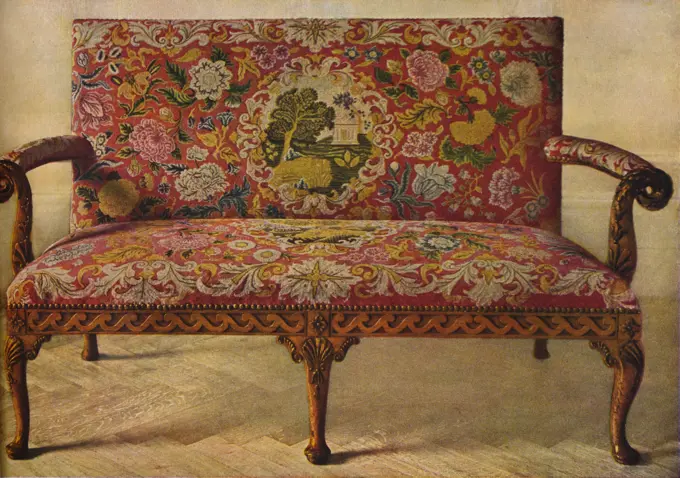
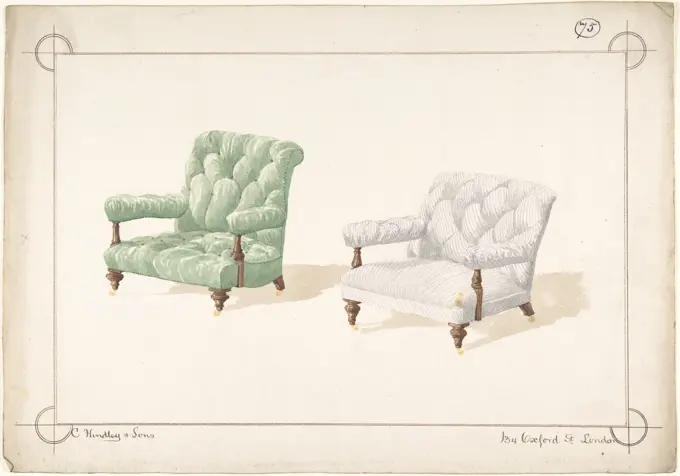
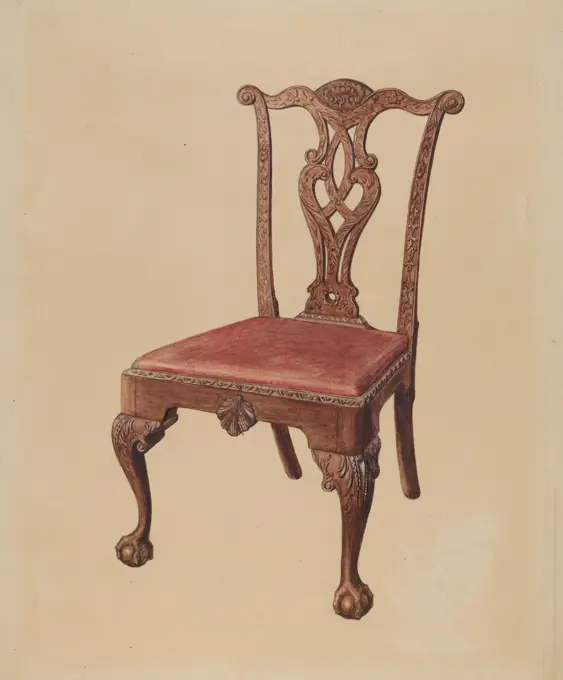
Bernard Gussow, Chair, 1935 1942 ChairChair. unknown, authorantique chair in front of white backgroundArmchair (one of a pair). France, Paris; Designed by Jean Avisse (French, 1723-1796). Date: 1780-1785. Dimensions: 92.7 x 59.1 x 65.7 cm (36 1/2 x 23 1/4 x 25 7/8 in.). Beechwood, painted and gilded, modern reproduction upholstery. Origin: Paris. Museum: The Chicago Art Institute, Chicago, USA.Lorenz Rothkranz, Armchair, 1936 ArmchairRetro style armchair isolated on whiteSidechairBrown Royal classical style Armchair sofa couch in vintage room Vintage velvet brown color armchair with carved legs Vintage velvet brown color armchair with carved legs Copyright: xZoonar.com/AleksandrsxTihonovsx 4624938Chair of rosewood, covered with green sheet, on which a decoration of Oranjekoord, Anonymous, c. 1610 - c. 1650 Chair of rosewood, covered with green sheet, on which a decoration of Oranjekoord is applied. The slender legs show house and section and are on high bobbins. They are connected by eight sports, the lower accolade -shaped shaped. The backstyles end in Leeuwekoppen with a ring. Back and seat are nailed. The sheet is trimmed with galon and remains of frills. The drawing of the Orange Course shows coats of arms (including back: Fam. Ramp; session: Fam. Van der Dussen). Netherlands wood (plant material). purpleheart (wood). oak (wood). pine (wood). cloth. lanyards. copper (metal) Chair of rosewood, covered with green sheet, on which a decoration of Oranjekoord is applied. The slender legs show house and section and are on high bobbins. They are connected by eight sports, the lower accolade -shaped shaped. The backstyles end in Leeuwekoppen with a ring. Back and seat are nailed. TArmstoel, anonymous, 1500 - 1600 Arm chair of nuthout, partially gilded. The front legs end as struts, which are decorated at the top with leaf consoles, and who support the armrests, ending in volutes. The sawn -out presence, prefigure and back sports are decorated with, among other things, stabbed leaf motifs, rosettes and volutes. The backstyles, crowned with leaf motifs, Hellen backwards. The upper sport of the back is wearing a coat of arms with flowers, bullets and star. The legs are square. See also BK-16646-B/D. Italy wood (plant material). walnut (hardwood). gilding (material) gilding Arm chair of nuthout, partially gilded. The front legs end as struts, which are decorated at the top with leaf consoles, and who support the armrests, ending in volutes. The sawn -out presence, prefigure and back sports are decorated with, among other things, stabbed leaf motifs, rosettes and volutes. The backstyles, crowned with leaf motifs, Hellen backwards. The upper sport of the back is weariStool (tabouret) (one of a pair) ca. 1740-50 Possibly by Jean-Baptiste I Tilliard Stools played an important role in the hierarchical seating arrangements of the French court. Depending on the rank of the company, one remained standing or was assigned a floor cushion or stool, rarely a chair. This pair of stools displays the fine craftsmanship that characterized furniture by the Tilliard family of menuisiers.. Stool (tabouret) (one of a pair). French, Paris. ca. 1740-50. Beechwood frame, carved and gilded, upholstered in modern velvet. Woodwork-FurnitureCabinet;  XIXW. (1801-00-00-1900-00-00);Oriental chair Elegant decorative dinning chair isolated with clipping path included Copyright: xZoonar.com/Baloncicix 7107895Daybed; Gabriele Capello, Italian, 1806 - 1876, designed by Filippo Pelagio Palagi, Italian, 1775 - 1860; Italy, Europe; 1842; Maple inlaid with mahogany; modern upholstery; Object: H:  80 x L:  223.8 x D:  68.9 cm (H:  31 1/2 x L:  88 1/8 x D:  27 1/8 in.)Sofa. Workshop of Michael Allison; American, 1773-1855; New York, New York. Date: 1814-1817. Dimensions: 91.4 × 202.6 × 81.3 cm (36 × 79 3/4 × 32 in.). Mahogany with maple secondary woods. Origin: New York. Museum: The Chicago Art Institute, Chicago, USA.Armchair (fauteuil). Culture: French. Dimensions: 47 1/2 × 27 1/2 × 21 5/8 in. (120.7 × 69.9 × 54.9 cm). Date: first quarter 18th century. Museum: Metropolitan Museum of Art, New York, USA.Side Chair (one of a set of four); Designed by Jacques Gondoin (French, 1737 - 1818), frames by François-Toussaint Foliot (French, 1748 - about 1839 (master 1773)), probably carved by Toussaint Foliot (French, about 1715 - 1798 (master 1732)); Paris, France; 1780 - 1781; Gessoed and gilded beech; modern silk upholstery; 88.9 x 53.3 x 50.8 cm (35 x 21 x 20 in.)Window seat mid-18th century French. Window seat 200547Armchair (part of a set) ca. 1780-90 Georges Jacob French Part of a larger set of seat furniture, these elegant armchairs with a concave back, are so-called fauteuils en cabriolet. Their frames are stamped on the underside I-B, which is believed to be an alternate mark for Georges Jacob (master 1765-1814), one of the most successful chair makers of eighteenth-century France, who supplied beds and seat furniture to the crown.Epitomizing neoclassicism, the chairs have tapering and spirally fluted legs, and frames carved with rosettes, acanthus leaves, and twisted rope ornament. The unusual scrolled top rail of the back makes a reference to the capital of the Ionic order, one of the three canonic orders of classical architecture.. Armchair (part of a set) 236125Side Chair. Herter Brothers; American, 1864-1906. Date: 1877-1885. Dimensions: 95.9 × 43.6 × 42.5 cm (37 3/4 × 17 3/8 × 16 3/4 in.). Ebonized cherry and various inlaid woods. Origin: New York City. Museum: The Chicago Art Institute, USA.Work and writing table (table en chiffonière). Culture: French. Dimensions: Overall: 26 1/8 × 16 1/4 × 12 1/2 in. (66.4 × 41.3 × 31.8 cm). Maker: Bernard II van Risenburgh (ca. 1696-ca. 1767). Date: ca. 1760.This diminutive, multipurpose table is similar in scale and style to another model by van Risenburgh in the museum's collection (1977.102.7). The top is decorated in floral marquetry of veneered tulipwood and end-cut kingwood, and is hinged at the back and opens to reveal three compartments. A separate drawer on the right contains three metal receptacles for writing equipment. This table en chiffonière features an extra shelf framed in gilt bronze between the curving legs, a feature that adds stability and some extra space for storage. Museum: Metropolitan Museum of Art, New York, USA.Comb-back Windsor armchair ca. 1770 British Nothing is more quintessentially English than a Windsor chair which also found great favor in the American colonies. With its elegant outline, cabriole legs, crinoline stretcher, and openwork splat, this Comb-back Windsor chair is a beautiful example of the traditional Windsor chair, which has been made since the early eighteenth century and may have started life as garden furniture. Crinoline stretchers are usually found on later, so-called bow-back Windsor chairs and not on Comb-backs with cabriole legs, so this appears to be a transitional model.. Comb-back Windsor armchair. British. ca. 1770. Yew and elm wood. Woodwork-Furnitureblue vintage sofa on white background with clipping pathOne Settee.Table with a Drawer of Figures in a Landscape. China or Japan, 15th century. Furnishings; Furniture. Carved red lacquer on wood coreChairRoyal antique furnitureArmchair, design Jan De Meijer. Armchair, design Jan De Meijer.Work and writing table (table en chiffonière) ca. 1760 Bernard II van Risenburgh This diminutive, multipurpose table is similar in scale and style to another model by van Risenburgh in the museums collection (1977.102.7). The top is decorated in floral marquetry of veneered tulipwood and end-cut kingwood, and is hinged at the back and opens to reveal three compartments. A separate drawer on the right contains three metal receptacles for writing equipment. This table en chiffonière features an extra shelf framed in gilt bronze between the curving legs, a feature that adds stability and some extra space for storage.. Work and writing table (table en chiffonière) 207505Ornate Royal Throne A richly decorated, antique throne with intricate patterns and gold accents. This majestic piece of furniture exudes luxury and grandeur, perfect for royalty or a regal setting. The throne is isolated on a white background. Copyright: xarkelaxArmchair ca. 1750 Claude I Sené. Armchair 195487Desk chair (fauteuil de cabinet) ca. 1770 French During the mid-eighteenth century, French menuisiers or joiners made both practical and elegant chairs, specifically for use behind a desk. By changing the traditional form of a chair, they created a so-called fauteuil de cabinet or office armchair. For greater stability, one leg was placed in front, or as in this case, an additional fifth leg was introduced so that the user could arrange his legs on either side. Further stability is given by the two back legs slightly raking backwards. With its undulating outline, the rounded back (en gondole) offers support for the upper body. The arm rests are not supported but are part of the back and allowed space to accommodate a sword, often worn at social gatherings, the two tails of a long tail-coat or the skirt of a voluminous dress.. Desk chair (fauteuil de cabinet) 207519M Rosenshield von Paulin, Wing Chair, 1936 Wing ChairArmchair (Bergère) (one of a pair) (part of a set) ca. 1770 Louis Delanois French. Armchair (Bergère) (one of a pair) (part of a set) 236090Work table ca. 1785 Martin Carlin French. Work table 206493brown Royal Vintage retro style Chair with lampChinese Export Armchair, bamboo, caning, Armchair, square in plan, constructed entirely of bamboo except for caned seat. Back designed with small rectangular openings, each filled with tiny open motif. Similar worked details beneath armrest and along front rail. Varnished dark brown., China (for export), ca. 1815, furniture, Decorative Arts, armchair, armchairGrecian Couch. American; New England or New York State. Date: 1825-1840. Dimensions: 78.7 × 235 × 64.7 cm (31 × 92 1/2 × 25 1/2 in.). Mahogany, birch, white pine, ebony inlay. Origin: New England. Museum: The Chicago Art Institute, Chicago, USA.isolated classic leather chair isolated classic leather chair made in 3d Copyright: xZoonar.com/StanislavxRishnyakx 2952341Chair Arabic style chair isolated with clipping path included Copyright: xZoonar.com/Baloncicix 7120132Hip-joint armchair (Dantesca type, associated with 1975.1.1975 a,b) 15th or 16th century (textiles); 20th century (cushion) Italian. Hip-joint armchair (Dantesca type, associated with 1975.1.1975 a,b). Italian. 15th or 16th century (textiles); 20th century (cushion). Walnut, carved; silk cut velvet, metal.Cradle, oval, from braided copper wire with frame of wood, hanging on chains attached to the tongues of two swans sitting on a column, Anonymous, 1825 Oval cradle of windy wire wire, surrounded on the top and bottom with wooden tires, covered with metal at the top. Oak bottom. The cradle hangs with copper chains on the tongues of two sculpted sitting swans with highly curved necks and ending wings in voluten, which are on column -shaped columns. These are placed on semic circular legs on wheels, connected by a cylindrical style. Mahogany and copper. France wood (plant material). mahogany (wood). oak (wood). copper (metal). metal Oval cradle of windy wire wire, surrounded on the top and bottom with wooden tires, covered with metal at the top. Oak bottom. The cradle hangs with copper chains on the tongues of two sculpted sitting swans with highly curved necks and ending wings in voluten, which are on column -shaped columns. These are placed on semic circular legs on wheels, connected by Platform Rocking Chair patented 1872 Gardner and Company. Platform Rocking Chair 6874Sofa 1850-60 John Henry Belter German This five-legged sofa exemplifies the Rococo Revival style, popular in America during the 1840s and 1850s, which combined curvilinear forms and cabriole legs from eighteenth-century French sources with the extremely detailed, naturalistic ornament favored in the mid-nineteenth century. A number of American cabinetmakers produced such furnishings for the luxury market, but the German-born Belter has long been recognized for his extraordinary talent. A prolific maker with a large factory by 1856 on what is now the Upper East Side, he was particularly known for his rosewood drawing-room furniture and for his thin, laminated construction and moded formsas demonstrated herewhich were achieved by using a patented method of steam and pressure.Although hundreds of American pieces in this genre survive, not many are documented and the best are almost always ascribed to Belter. Few examples are as accomplished or exuberant as this sofa, which is distinguisSofa (canapé à confidents) ca. 1775-80 Claude I Sené A sofa of this type, with a wide central section and a single outward-facing seat at each end, was called a canapé à confidents, although a design less likely to encourage exchange of confidences would be hard to imagine. Examples were made primarily in the Louis XV and Louis XVI periods, and only a small number survive. However impractical, the form was highly decorative, and it appears in designs for neoclassical wall elevations where the shape and carving are conceived in harmony with the wall paneling.1 On the present piece, the carving on the wreaths of roses and olive branches tied by a ribbon at the top of each end is particularly skillful. This canapé has been described by both the comte de Salverte and Guillaume Janneau as Sené's finest known piece of furniture in the Louis XVI style.Bill Rieder, 1984Footnotes:1 An example by Richard de Lalonde in the Musée des Arts Décoratifs, Paris, is illustrated in World Furniture,Pair of Folding Stools (pliants).Chief's chair, 19th century, 41 x 29 1/2 x 20 in. (104.1 x 74.9 x 50.8 cm), Wood, leather, brass, Ghana, 19th century, The Asante people of Ghana developed a complex 'seating culture,' with numerous types of stools and chairs employed in different contexts. A striking seat used by the aristocracy is the decoratively carved folding chair, likely based on early European travelers chairs. Its back is carved in a perforated pattern, and the entire surface is covered with brass tacks and metal parts. This chair is unusual because of its rich imagery, showing various birds, a person holding a rifle, a turtle and a coiled snake, a shell and a crocodile chasing a fish, and on the front and back rails, the so-called 'wisdom knot,' a symbol of intelligence and unity.Shown here are pieces of European furniture from approximately the year 1500. The illustration dates to 1882.Sofa. Dated: 1942. Dimensions: overall: 34.1 x 53 cm (13 7/16 x 20 7/8 in.). Medium: watercolor, colored pencil, pen and ink, and graphite on paperboard. Museum: National Gallery of Art, Washington DC. Author: Ferdinand Cartier.Sofa. Culture: American. Dimensions: 53 1/4 x 66 x 25 in. (135.3 x 167.6 x 63.5 cm). Maker: John H. Belter (1804-1863). Date: 1850-60.This five-legged sofa exemplifies the Rococo Revival style, popular in America during the 1840s and 1850s, which combined curvilinear forms and cabriole legs from eighteenth-century French sources with the extremely detailed, naturalistic ornament favored in the mid-nineteenth century. A number of American cabinetmakers produced such furnishings for the luxury market, but the German-born Belter has long been recognized for his extraordinary talent. A prolific maker with a large factory by 1856 on what is now the Upper East Side, he was particularly known for his rosewood drawing-room furniture and for his thin, laminated construction and moded forms--as demonstrated here--which were achieved by using a patented method of steam and pressure.Although hundreds of American pieces in this genre survive, not many are documented and the best are almost alwayArmchair. Dated: 1936. Dimensions: overall: 28.7 x 23.1 cm (11 5/16 x 9 1/8 in.) Original IAD Object: none given. Medium: watercolor, colored pencil, graphite and some heightening on paperboard. Museum: National Gallery of Art, Washington DC. Author: Frank Wenger.Couch;  1850-1870 (1850-00-00-1870-00-00);Ludwik Filip (style), Józef Piłsudski Museum in Belvedere (Warsaw - 1935-1939) - collections, office of the Council of Ministers, messageShown here are pieces of European furniture from approximately the year 1500. The illustration dates to 1882.Chaise, Rosewood veneer, oak (frame), velvet upholstery, Serpentine front, rounded ends, cabriole legs fitted with castors; back of serpentine profile, raised high in circle at one end and crowned with pierced cresting of laminated wood in scrolls and acanthus shoots. Cluster of flowers in relief at center of arched back, and another at center of apron. Upholstered in contemporaneous machine-woven fancy compound satin, tufted on back., New York, USA, 1860-70, furniture, Decorative Arts, ChaiseAntique renaissance italian armchair. Antique renaissance italian armchair, isolated on a white backgroundLuxury gold plated kitchen chair in baroque style. Luxurious kitchen chairOld vintage brown velvet classic armchair with gold color isolated on white backgroundSide Chair. American; Philadelphia, Pennsylvania. Date: 1791-1801. Dimensions: 96.5 × 54 × 47 cm (38 × 21 1/4 × 18 1/2 in.). Oak, cherry, pine, paint, and gilding. Origin: Philadelphia. Museum: The Chicago Art Institute, Chicago, USA.Armchair isolated Classic old armchair isolated included clipping path Copyright: xZoonar.com/Baloncicix 7276025Shown here are three European chairs from approximately the year 1500. The illustration dates to 1882.Sofa. Dated: 1936. Dimensions: overall: 23.1 x 28.7 cm (9 1/8 x 11 5/16 in.) Original IAD Object: 31"x75"x22". Medium: watercolor, colored pencil, pen and ink, and graphite on paperboard. Museum: National Gallery of Art, Washington DC. Author: John Dieterich.Nicholas Gorid, Sofa, c 1936 SofaCouch;  the beginning of the 20th century (1900-00-00-1915-00-00);French 18th century tapestry armchair based on a design by the artist François Boucher 1770Slant-top desk mid-18th century French. Slant-top desk 200549ChairGame table;  1748 () (1748-00-00-1748-00-00);gamesJohn Dieterich, Settee, 1936 SetteeSofa. Dated: c. 1940. Dimensions: overall: 23 x 30.5 cm (9 1/16 x 12 in.). Medium: watercolor, graphite, and gouache on paperboard. Museum: National Gallery of Art, Washington DC. Author: American 20th Century.Brown Royal classical style Armchair sofa couch in vintage room Side Chair. Culture: American. Dimensions: 34 1/2 x 19 3/4 x 19 1/2 in. (87.6 x 50.2 x 49.5 cm). Maker: Benjamin Henry Latrobe (American (born England), Fulneck, Yorkshire 1764-1820 New Orleans, Louisiana). Date: ca. 1808.In the early nineteenth century, no form of ancient furniture was imitated as successfully as the Greek klismos. Known through its depiction on Greek vases and fragments of relief-carved marbles, the chair is distinguished by its spare, elegant lines and sweeping, curved rear stiles surmounted by a broad, deeply curved tablet. Reflecting on the perfection of Greek works of art in 1812, the British furniture designer George Smith wrote that every attention "was evidently given to produce a flowing and correct outline; and so to arrange the parts in masses, that the whole should appear clear and distinct . and it is this happy relief, this rejection of little parts, that gives their works so chaste and pleasing an effect." At their best, nineteenth century American kliArmchair 18th century Italian The seat and back of this chair are removable to allow for the covers to be changed to coincide with the change of the seasons.. Armchair 194544Furniture around the turn of the century 1900, Carved early Chippendale chairman's chair (1911), Carved early Chippendale chairman's chair (1911) .Sofa (part of a set). Culture: Italian, Piedmont. Designer: Designed by Filippo Pelagio Palagi (Italian, Bologna 1775-1860 Turin). Dimensions: 42 1/2 x 90 x 31 1/8 in. (108 x 228.6 x 79.1 cm). Maker: Gabriele Capello ((called Il Moncalvo), Italian, 1806-1876); and Carlo Chivasse. Date: ca. 1835.This sofa and two armchairs (1987.62.2, .3) are from a set of furniture that also included a daybed, six side chairs, and two additional armchairs. The set was designed by the Bolognese architect Filippo Pelagio Palagi, who in 1832 was commissioned by Carlo Alberto, king of Sardinia, to redecorate his royal palaces. One of these palaces was at Racconigi, and Palagi designed this set of furniture for the principal drawing room next to the royal bedroom.The armchairs and sofa are distinguished by the sculptural treatment of the crest rails and by the quality and refinement of the veneering. The set of furniture was executed by Gabrielle Cappello, whose workshop produced many of Pelagi's designs Armchair 1715-20 Tapestry woven at Beauvais. Armchair 232181antique white leather chair isolated on whiteBedstead ca. 1880 Herter Brothers. Bedstead 443Sidechairbrown Vintage retro style Chair with lampChair, for Dorchester High School , Chairs. The Massachusetts WPA Federal Art Project Photograph Collectionisolated classic golden chair made in 3DJohn Dieterich, Settee, 1936 Setteeisolated Armchair black genuine leather classical style sofa with clipping pathantike königliche rote Sitzmöbel antike königliche rote Sitzmöbel Copyright: xZoonar.com/Dr.xNorbertxLangex 13712890Chair (one of a pair) early 19th century Tapestry upholstery by Beauvais. Chair (one of a pair) 230982Sofa, Anonymous, After Victor Joseph Quétin, 1832 - 1877 print A canapé. Print from 34th Livraison.  paper  seating furnitureRed baroque sofa, isolated on whiteArmchairSofa (ottomane veilleuse). Culture: French. Dimensions: 40 1/4 x 78 1/2 x 30 in. (102.2 x 199.4 x 76.2cm). Maker: Jean-Baptiste I Tilliard (French, 1686-1766) or; Possibly by Jean-Baptiste II Tilliard (French, 1723-1798, master 1752). Date: ca. 1750-60. Museum: Metropolitan Museum of Art, New York, USA.. Chair on four twisted legs, between twisted sports. The back styles are also rotated. There is a cut-away, rectangular back between the back styles. The seat can be seen on the photo, but is no longer present. The chair has been marked: STK. = Amsterdam, JRL. = A (1735), MT. = Arnoldus van Geffen and an ax.isolated classic golden chair made in 3DVintage Photograph. Elegant wrought iron chair in a lush garden setting.Walter W Jennings, Duncan Phyfe Chair, c 1936 Duncan Phyfe Chairisolated classic golden chair isolated classic golden chair made in 3D Copyright: xZoonar.com/StanislavxRishnyakx 2952321Vinous couchThe international exhibition of decorative arts and modern industry Exposition Internationale des Arts Décoraratifs et Industriels Modernes, couples 1925. Polish Pavilion - armchair from the Wojciech Jastrza project salon; Photo Rep (Paris; Studio Photographic; Fl. 1925); 1925 (1925-00-00-1925-00-00);Exposition Internationale des Arts Décoratifs et Industriels Modernes (Paris - 1925), Jastrzębowski, Wojciech Tadeusz (1884-1963), International Exhibition of Decorative Arts and Modern Industry (Paris, 1925), Paris (France), Places, Furniture, Interior, Exhibitions, Exhibitions, Exhibitions, exhibitions World exhibitions'A Queen Anne Settee Upholstered in Petit Point', c1900, (1936). Artist: Unknown.Antique armchairDesigns for Two Chairs 1841-84 Charles Hindley and Sons British. Designs for Two Chairs 367303