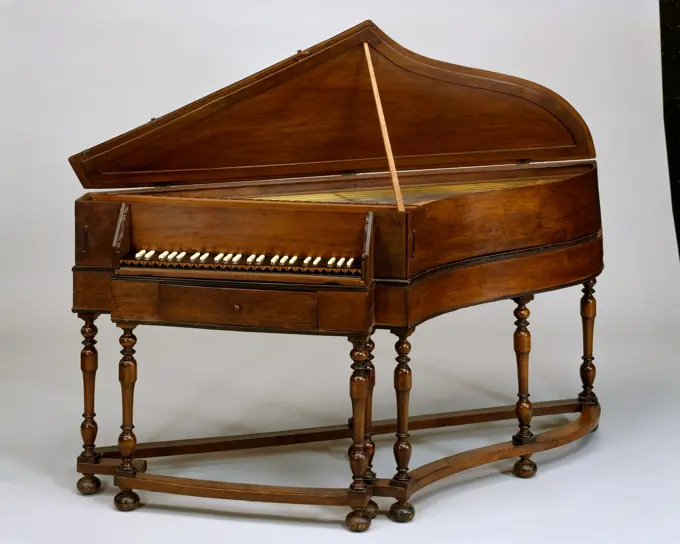
Antique Wooden Furniture

A collection of vintage wooden furniture pieces, including tables, cabinets, and chests, showcasing intricate carvings and classic design motifs.
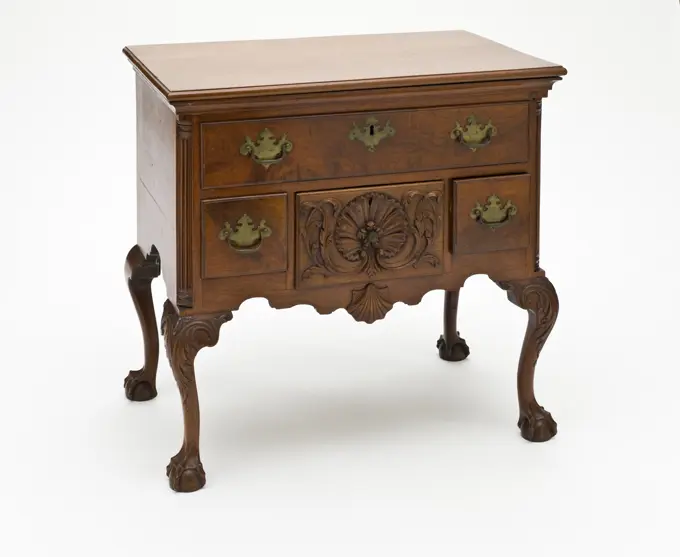
Dressing Table with Rococo Carving
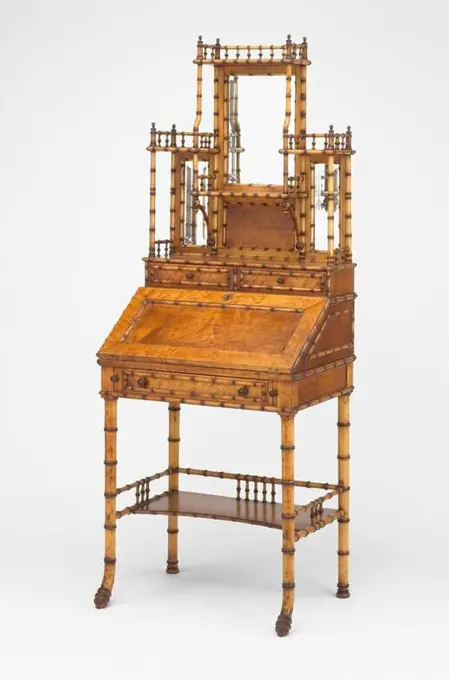
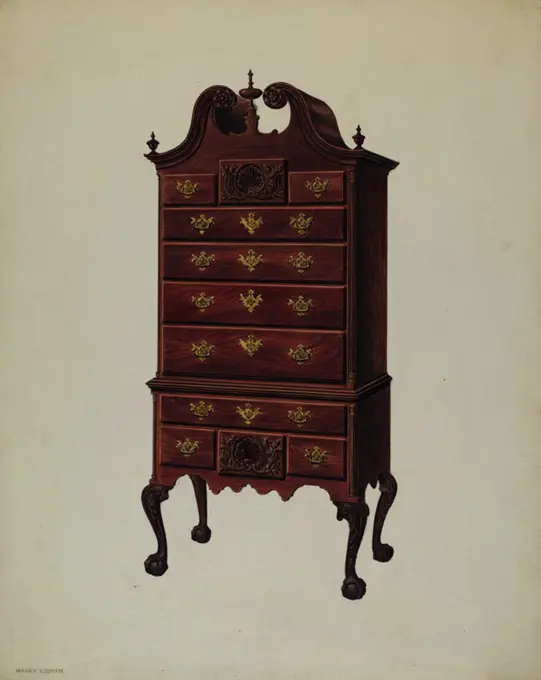
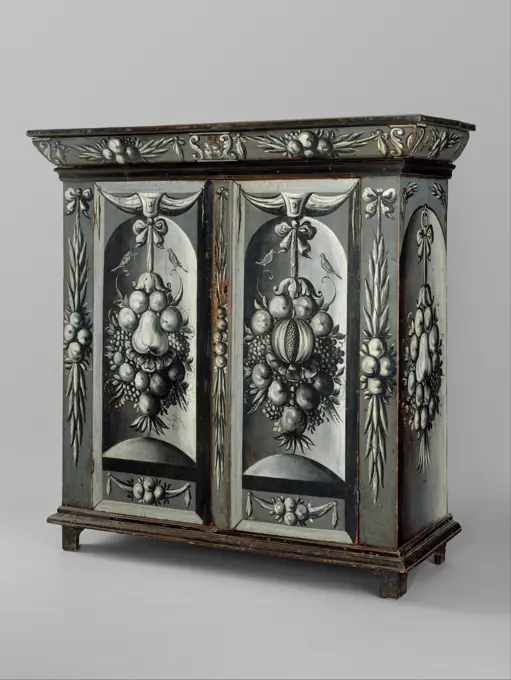
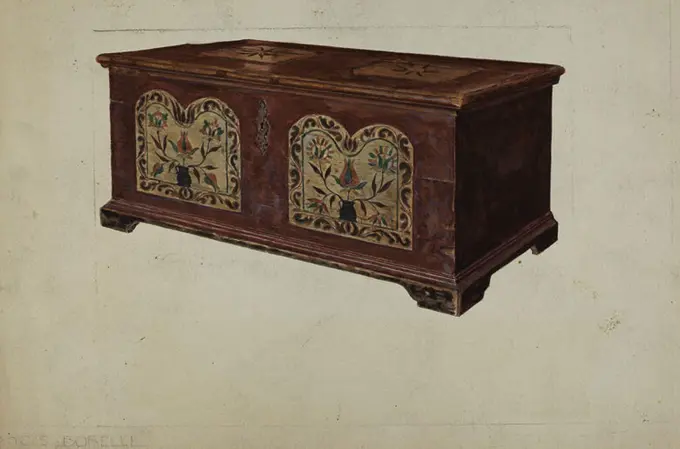
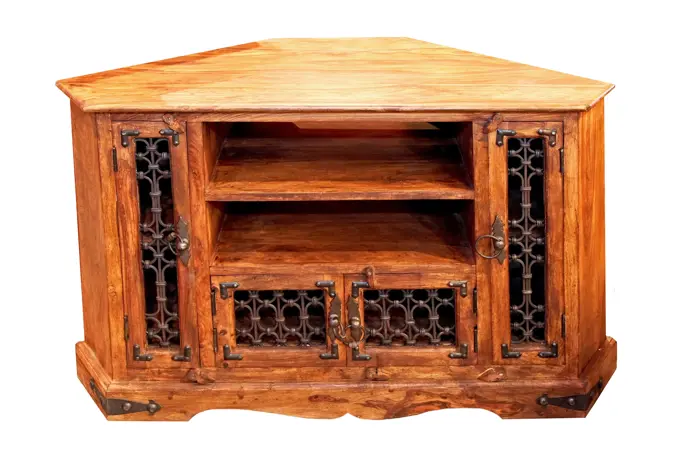
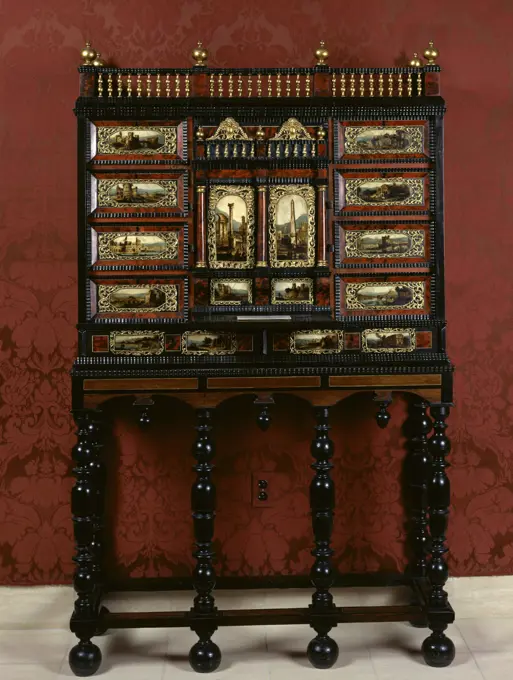
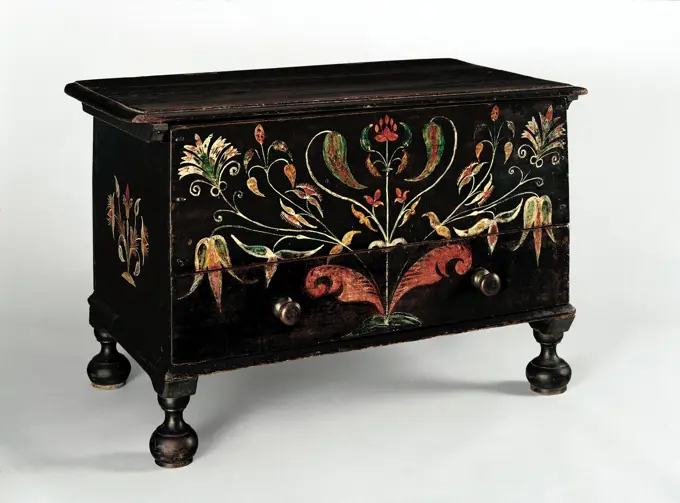
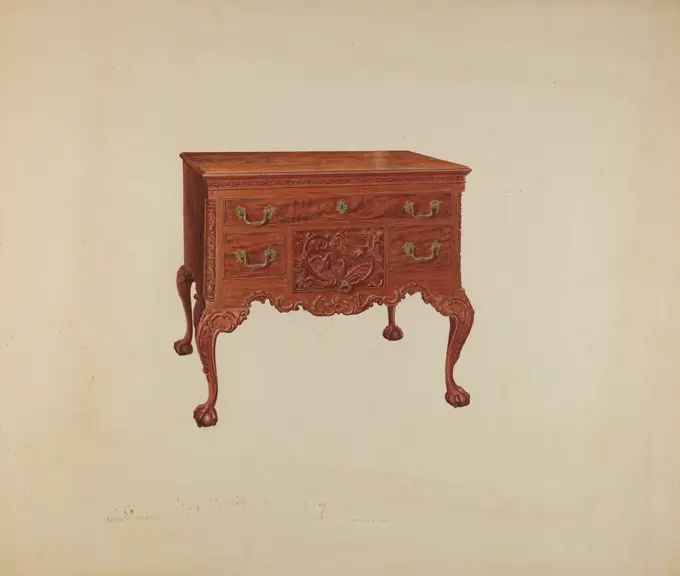
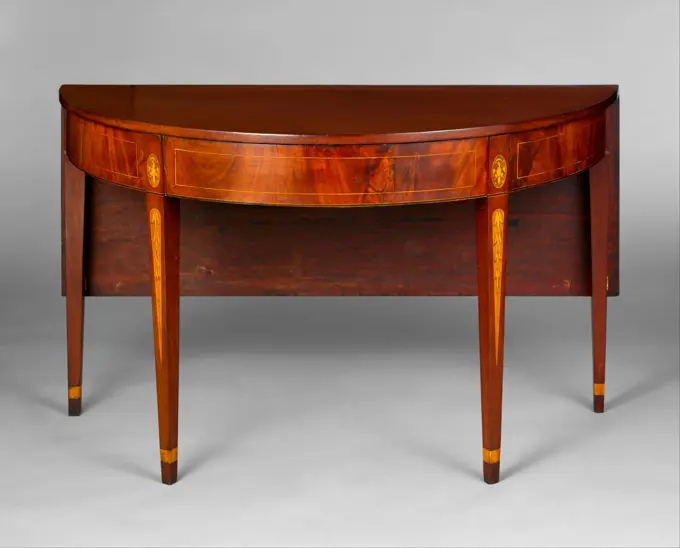
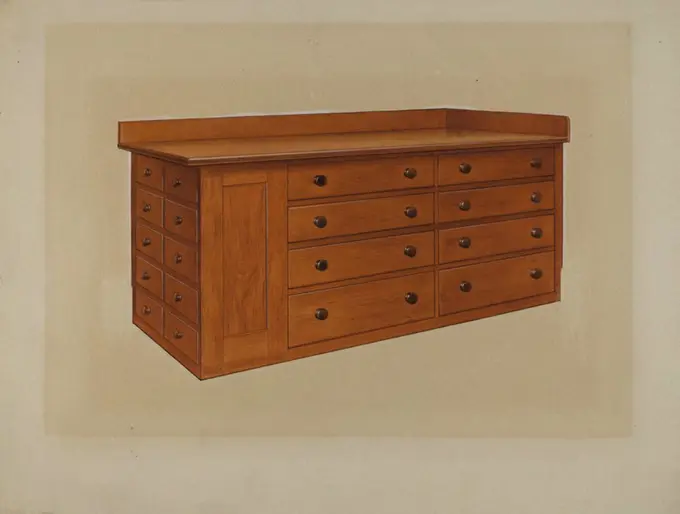
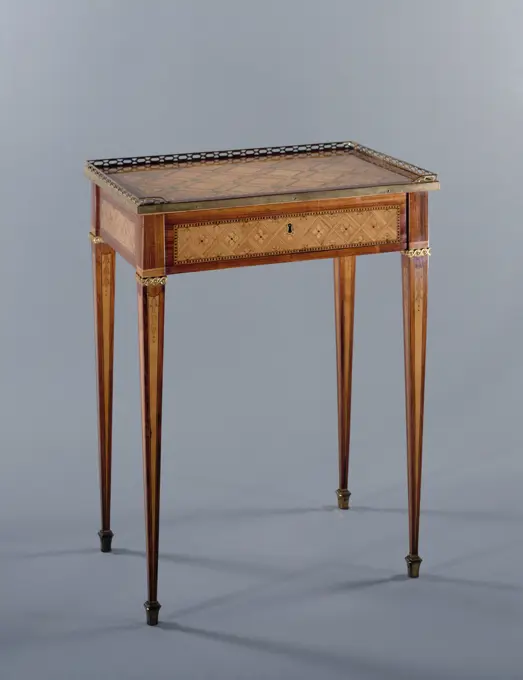
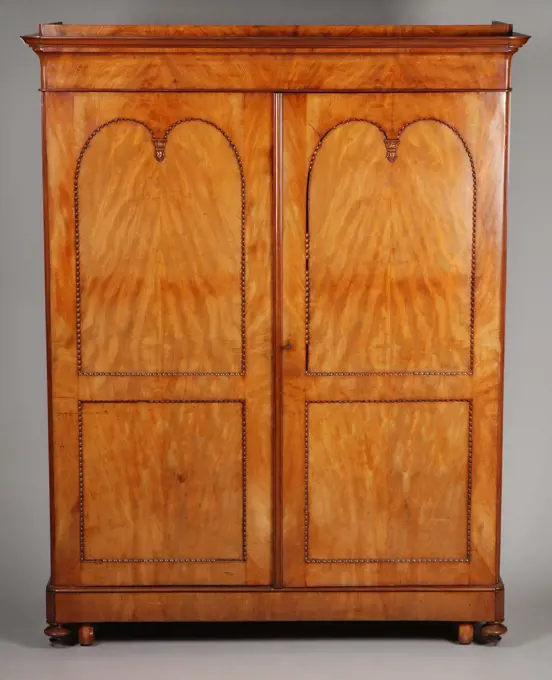
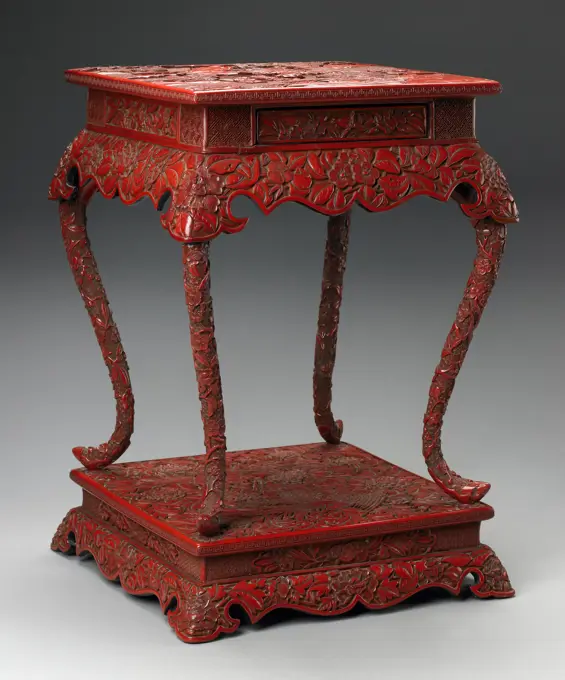
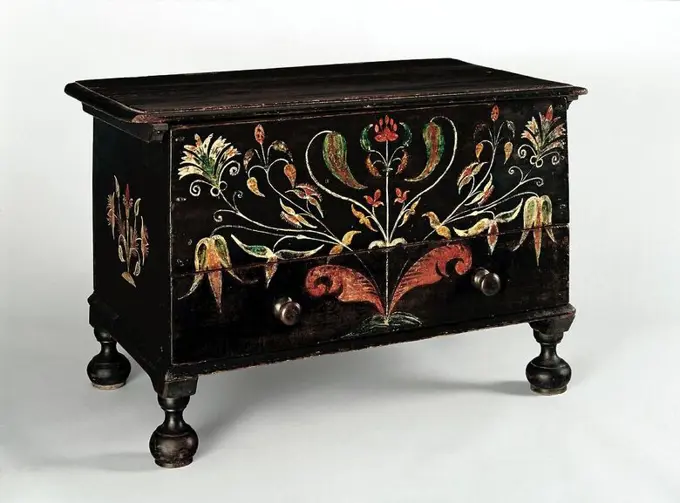
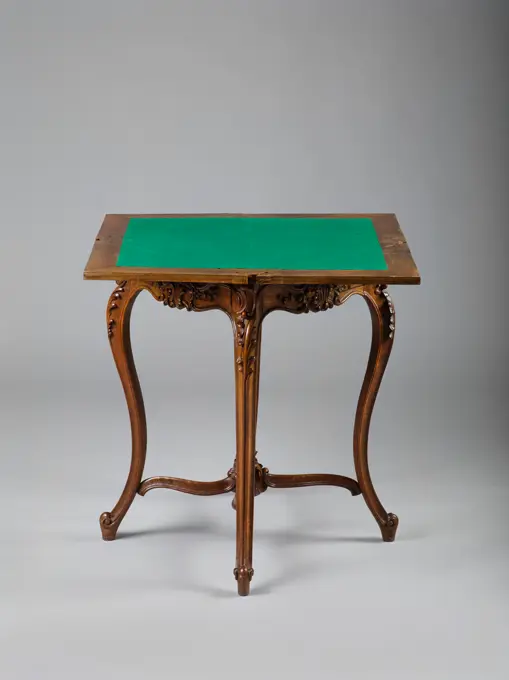
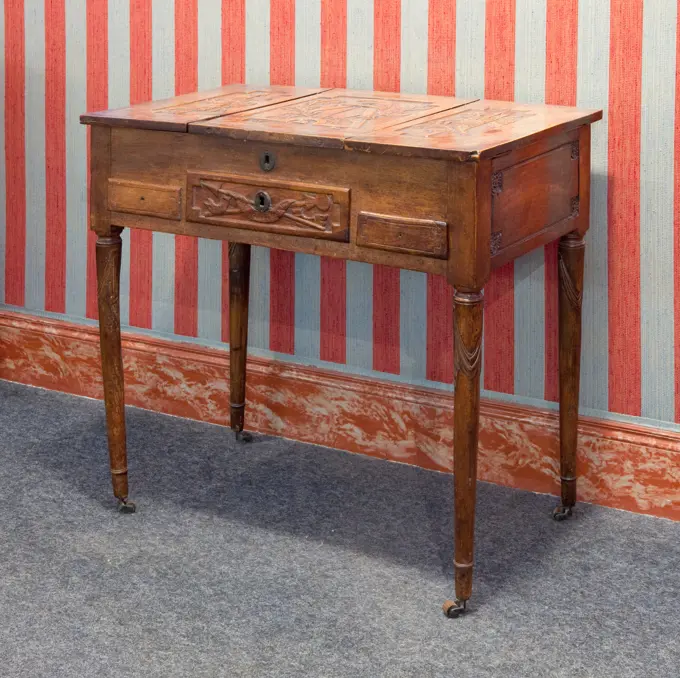
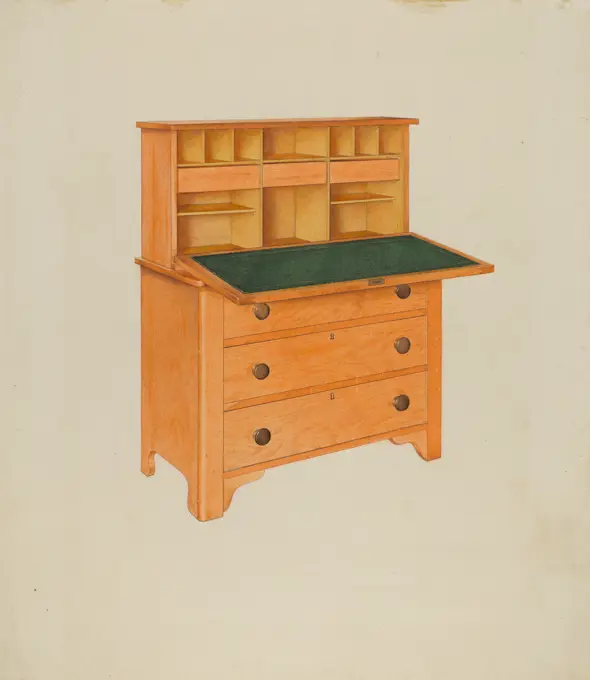
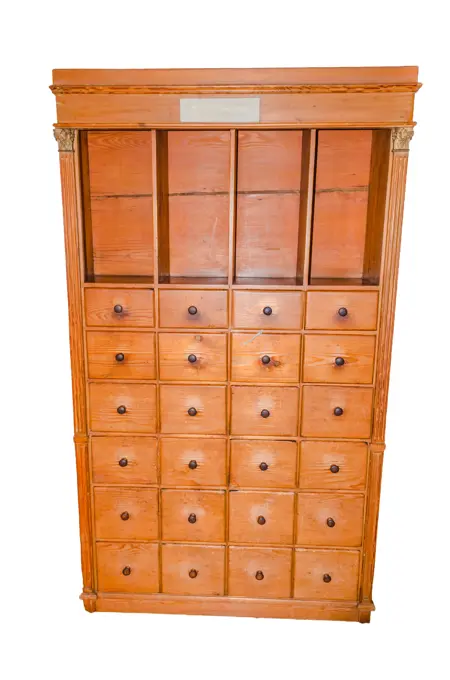
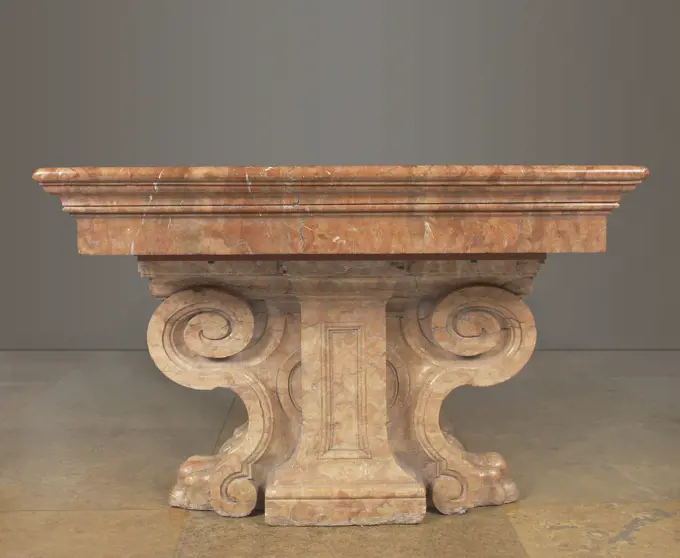
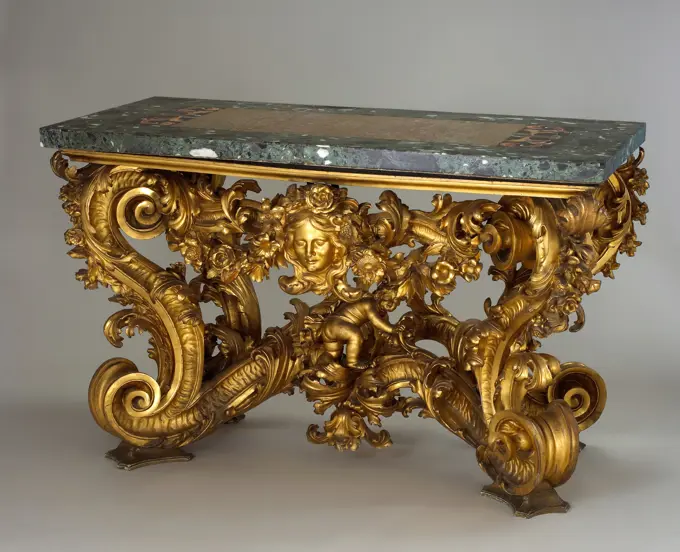
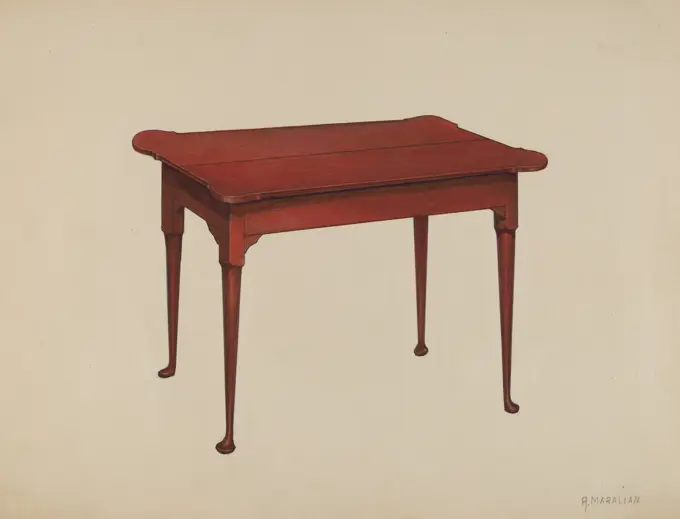
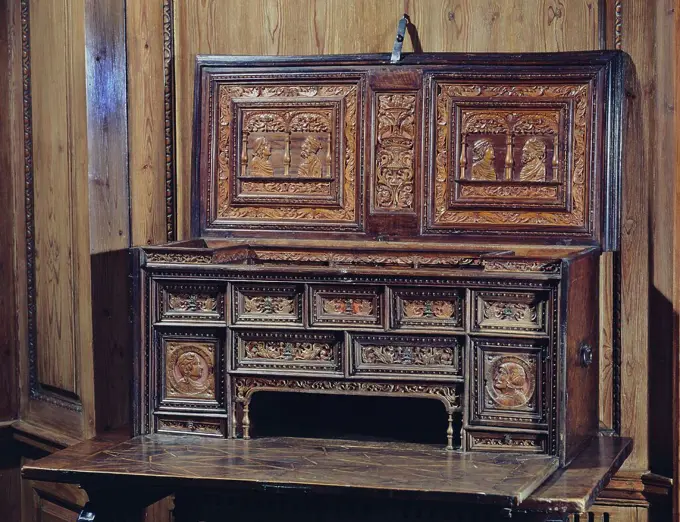
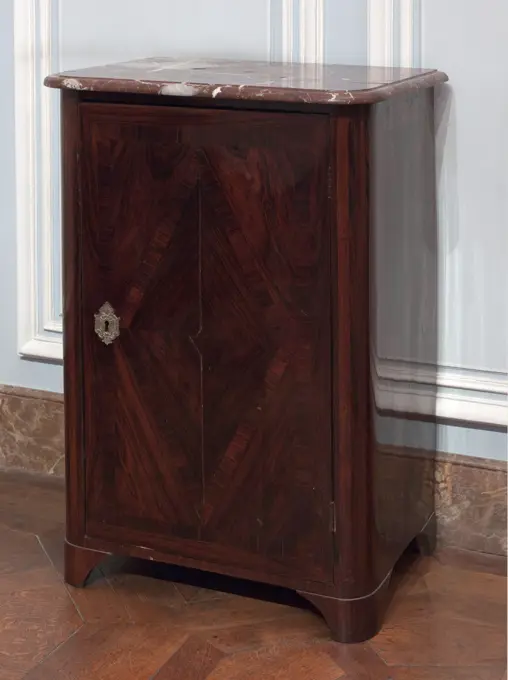
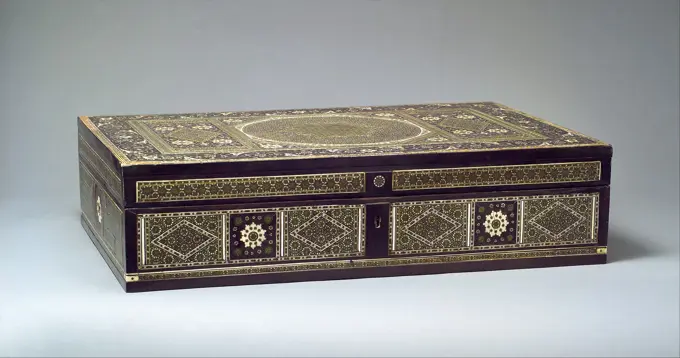
. Coffin of partially plated walnut resting on overhoeks placed lion cows. The basement consists of a browse edge on which a list of wounded grains, with a palm with palm with in the middle. The most striking to the decoration are the fields, filled with brown, yellow and green adhesive marble plates, separated by consoles. The cushion-shaped lid has a stung profiled leaf edge and bears a coat of arms within a cartouche in the middle.Chest of Drawers with Dressing Glass. Attributed to the workshop of Thomas Seymour (active 1794-1843); Boston, Massachusetts. Date: 1810-1820. Dimensions: 196.2 × 92.6 × 52 cm (77 1/8 × 36 1/2 × 20 1/2 in.). Mahogany with mahogany veneer, maple veneer, and white pine. Origin: Boston. Museum: The Chicago Art Institute, Chicago, USA.. Cabinet glued with note and ebony. The base cabinet has bol legs and a wide plinth with two drawers, which, as well as the vice versa of ooy-shaped upper fresh, on the corners and in the middle doing cropping; At the top with ebony blow, down with lion heads. The styles of the lowercase wear ebony blowjobs, covering the upper wardrobe with ionic capital. The two doors of the lower and upper cupboard wear smooth panels with profile lists, lack pieces and diamond heads. Angle styles placed overhoeks.Desk. Attributed to R. J. Horner and Company; American, active 1886-c. 1915; New York, New York. Date: 1885-1895. Dimensions: 174.6 × 46.4 × 67.3 cm (68 3/4 × 17 1/2 × 26 1/2 in.). Maple and bird's-eye maple. Origin: New York. Museum: The Chicago Art Institute, USA.Highboy. Dated: c. 1937. Dimensions: overall: 38.4 x 30.6 cm (15 1/8 x 12 1/16 in.) Original IAD Object: 88"high; 23"wide; 41 1/2"long. Medium: watercolor, colored pencil, graphite, and some heightening on paperboard. Museum: National Gallery of Art, Washington DC. Author: Harry Eisman.Commode. Bernard II van Risenburgh (French, after 1696 - about 1766, master before 1730)Stand with Autumn Grasses and Flowers first half of the 17th century Japan This stand may have been converted for use in a tea ceremony from a table that would have been placed in front of Buddhist paintings to hold incense burners. It is embellished with autumn flowers and dew-dappled grasses, including chrysanthemums, pampas grass, and Chinese bellflowers. By the late sixteenth century, Kyoto, with its numerous workshops, had become the most important center of Japanese lacquer art. It was at this moment that Toyotomi Hideyoshi changed the way maki-e decoration was applied. The military leader ordered the maki-e decoration of large furniture items, household objects, and interior elementsobjects that would not normally have been worthy of such luxurious treatment. By utilizing several relatively simple techniques, craftsmen were able to create innovative, bold designs without complicated underdrawings and could cover large surfaces in a comparatively short timeframe. This flamboyantFall-Front Desk. Vienna, Austria. Date: 1805-1815. Dimensions: 141 × 91.4 × 39.4 cm (55 1/2 × 36 × 15 in.). Various woods and gilt-bronze mounts. Origin: Vienna. Museum: The Chicago Art Institute, Chicago, USA.Sideboard 1790-1800 American. Sideboard. American. 1790-1800. Mahogany, satinwood, brass. Made in New York, New York, United StatesLawrence Flynn, Chest (Front View), c 1936 Chest (Front View)Source bed of pine; So-called Rosendaelbed. Source bed of pine, with two twisted styles.Frank Wenger, Low Boy, c 1940 Low BoyTable, 17th-18th century, 34 1/4 x 34 3/4 x 34 3/4 in. (87 x 88.3 x 88.3 cm), Huang hua-li, China, 17th-18th centuryKast 1690-1720 American Painted with large pendants of fruit in niches, this piece represents both a type of cupboardand a form of decoration derived from Dutch prototypes. The ornament, executed in blue-gray, black, and white in a technique known as grisaille, simulates in paint the opulent Baroque carved pendants and festoons popular in the Netherlands during the second half of the seventeenth century on interior woodwork and furniture. Kasten were used for storage of linens, and the pomegranate and quince at the center of the door panelssymbols of fertility and marriagesuggest that this may have been a dowry piece.. Kast 4591Henry Moran, Desk White Oak, c 1940 Desk-White OakPa. German Dower Chest. Dated: c. 1937. Dimensions: overall: 25.9 x 38.8 cm (10 3/16 x 15 1/4 in.) Original IAD Object: 23 1/2" high; 52" wide; 23" deep. Medium: watercolor, graphite, and gouache on paper. Museum: National Gallery of Art, Washington DC. Author: Francis Borelli.Corner shelf Oriental style corner shelf isolated on white Copyright: xZoonar.com/Baloncicix 14275490Lawrence Foster, Butterfly Table, c 1936 Butterfly TableWork and writing table (table en chiffonière) Bernard II van Risenburgh ca. 1760 This diminutive, multipurpose table is similar in scale and style to another model by van Risenburgh in the museums collection (1977.102.7). The top is decorated in floral marquetry of veneered tulipwood and end-cut kingwood, and is hinged at the back and opens to reveal three compartments. A separate drawer on the right contains three metal receptacles for writing equipment. This table en chiffonière features an extra shelf framed in gilt bronze between the curving legs, a feature that adds stability and some extra space for storage.Table with segments veneered in segments, on hexagonal leg with base, anonymous, 1840 Table of rosewood on, among other things, pinewood core. The round, veneered tabletop veneered in segments, rests on a hexagonal leg and base, which turns upwards into the narrower top, with an edge of open worked three-passes with bulbs at the top; The same edge runs at the bottom of the leaf. The pedestal is decorated on the corners with columnar ornaments with fierce crowning and rests on a triangular accolade frame on bobbins with grunts, with egg list and cut lambrequin with bulbs. Northern NetherlandsNetherlands wood (plant material). rosewood (wood). softwood. beech (wood) Table of rosewood on, among other things, pinewood core. The round, veneered tabletop veneered in segments, rests on a hexagonal leg and base, which turns upwards into the narrower top, with an edge of open worked three-passes with bulbs at the top; The same edge runs at the bottom of the leaf. The pedestal is decorated on thVirginia Kennady, Cupboard, c 1938 CupboardPa. German Chest. Dated: c. 1940. Dimensions: overall: 35.6 x 45.8 cm (14 x 18 1/16 in.). Medium: watercolor, graphite, and pen and ink on paper. Museum: National Gallery of Art, Washington DC. Author: David Dorfman.Cabinet In Stand  ca. 1650 Flemish Antiques-Furniture Veneered with Tortoiseshell and Ebony Cummer Museum of Art & Gardens, Jacksonville, FL Bridal box with stabbed decoration, including 'Samson Torit den Lowen', Hans Gudewerdt (I) (workshop of), c. 1600 - c. 1610 Oak wedding box, decorated at the front with two stabbed reliefs within a bar resting on Tuscan pilasters. Under the left relief a cartouche with rolling motifs: "Samson Torit den Lowen"; Under the judge: "Samson Duent Sloch". In the middle a Hermcaryatide and Atlant, above which a lion mask. Above the reliefs a cobbler surrounded by rolling work and on the corner styles hermatlants. The sides show a lion mask with rolling work. Two iron handles on the sides. Eckernförde wood (plant material). oak (wood). iron (metal) Oak wedding box, decorated at the front with two stabbed reliefs within a bar resting on Tuscan pilasters. Under the left relief a cartouche with rolling motifs: "Samson Torit den Lowen"; Under the judge: "Samson Duent Sloch". In the middle a Hermcaryatide and Atlant, above which a lion mask. Above the reliefs a cobbler surrounded by rolling work andMiniature Table, 14th-17th century, 5-1/8 x 6 x 6 in. (13.0 x 15.2 x 15.2 cm), Glazed ceramic, pigment, China, 14th-17th centuryBrass design fitting on colourful wooden almira , Jodhpur, Rajasthan, India Copyright: xSafatxAli/DinodiaxPhotoxCharles Squires, Desk, c 1937 DeskPa. German Dower Chest. Dated: c. 1936. Dimensions: overall: 22.8 x 29.2 cm (9 x 11 1/2 in.) Original IAD Object: 27 1/4" high; 51" wide; 22" deep. Medium: watercolor and graphite on paperboard. Museum: National Gallery of Art, Washington DC. Author: Lorenz Rothkranz.Urn Stand; George Hepplewhite; mahogany, satinwood, rosewood and harewood; pine frame of top; brass mountingChest with drawer 1705-25 American This small chest belongs to a group of painted furniture associated with the Guilford-Saybrook area of coastal Connecticut. The founder of this tradition may have been Charles Guillam (1671-1727), who had emigrated from Britain by 1703. An inventory taken at his death listed ocher and umber pigments, a painted chest with drawers,” a parcel of collours,” and partially completed furniture and cabinetmaking tools, suggesting that he was both the maker and the decorator of his furniture.. Chest with drawer 2031Table 1795-1805 Berlin. This table is a rare example of the work of Friedrich Gilly, who was born in Pomerania, which is now part of Poland but was then part of the Kingdom of Prussia. Gilly trained with his architect father David Gilly, who had founded an important school of architecture in Berlin in 1793. A 1797 study trip through Austria, England, and France had a profound influence on the younger Gillyís work. Friedrich did important architectural and interior design work for royal palaces and other buildings in Berlin, and even his designs for unrealized projects such as monuments and theaters influenced subsequent generations of German architects. Sadly, he died of tuberculosis at the age of 26.In this table, Gilly incorporates several elements typical of the Neoclassical taste of his time, including the lyre shape, which was based on the harp-like instrument associated with the Greco-Roman god Apollo, whose head appears between the arms of the lyre. The tabletop is made of a typFrancis Borelli, Lowboy, c 1938 LowboyAmerican 20th Century, Lady's Writing Cabinet, 1935 1942 Lady's Writing CabinetHigh chest ofdrawersAnonymous, a conductor on the main title). Marked wood, marble, gilded bronze. Petit Palais, Museum of Fine Arts of the City of Paris.Drop-leaf dining table 1795-1810 American This dining table consists of two demi-lune sections, each with a hinged leg to support a rectangular drop leaf. When fully assembled, the table could comfortably accommodate eight chairs.. Drop-leaf dining table 3173Tea Chest 1805-1815 England. Amboyna or yew burl veneer with gilt metal mounts .Brass design fitting on wooden almira, Jodhpur, Rajasthan, India Copyright: xSafatxAli/DinodiaxPhotoxTailoress' Table. Dated: 1938. Dimensions: overall: 25.4 x 30.5 cm (10 x 12 in.) Original IAD Object: 32" high; 33 1/2" deep; 67" long. Medium: watercolor, graphite, and pen and ink on paperboard. Museum: National Gallery of Art, Washington DC. Author: John W. Kelleher.Ferdinand Bury. "Writing table in oak, marquetry with geometric patterns, in the belt a drawer covered with a slaughter sheaped of green leather, golden bronzes (overview on a light background). Wood, bronze and leather, 1775-1780. Paris , Cognacq-Jay museum. 35087-11 Shouting sheath, bronze gilded, belt, oak, leather, green leather, Louis XVI time, Marquetry, furniture, geometric pattern, Write table, drawer, wood, furnitureWardrobe. unknown, manufacturerSILLON DE LOS ENRIQUEZ. Location: INSTITUTO VALENCIA DE DON JUAN-COLECCION. MADRID. SPAIN.Two-door linen cupplate veneered with mahogany in early historical style, linen cupboard cupboard cupboard furniture interior design wood mahogany oak wood, Tweedeurs linen cupboard with mahogany veneered early historic style on four wheels the interior with adjustable shelves and two drawers Belongs to cupboards 8320 and 36142.Chest-on-frameChest of Drawers. Dated: 1935/1943. Dimensions: overall: 35.5 x 34.6 cm (14 x 13 5/8 in.) Original IAD Object: none given. Medium: watercolor, colored pencil, and graphite on paperboard. Museum: National Gallery of Art, Washington DC. Author: Jesus Pena.Tulip and Sunflower Chest. Dated: 1936. Dimensions: overall: 64.3 x 47.2 cm (25 5/16 x 18 9/16 in.) Original IAD Object: 36 3/4" high; 37 1/2" wide; 24" deep. Medium: watercolor, pen and ink, and graphite on paper. Museum: National Gallery of Art, Washington DC. Author: Harold Merriam.Chest. unknown, authorTable Top Incense Stand, c. 1425, 16 3/4 x 11 3/4 x 11 3/4 in. (42.55 x 29.85 x 29.85 cm), Red carved lacquer on a softwood frame, China, 15th century, By the Ming dynasty (1368-1644), carved lacquer furniture was becoming increasingly popular and it was used on furniture constructed in the same way and in the same forms as the hardwood tradition. The Manchu court and aristocracy absorbed Ming taste for highly decorated lacquer furniture and this elaborately carved eighteenth century incense stand draws on early Ming concepts for both its form and sumptuous decoration. The small size of the stand made it appropriate for use on a table top, day bed, or kang platform.Table clock tiledBanquet;  beginning of the 19th century (1800-00-00-1815-00-00);Méyet, Leopold (1850-1912) - collection, gift (provenance), empire (style)Close-up of a wooden cabinetChest with drawer. Culture: American. Dimensions: 19 1/2 x 29 1/2 x 16 1/2 in. (49.5 x 74.9 x 41.9 cm). Date: 1705-25.This small chest belongs to a group of painted furniture associated with the Guilford-Saybrook area of coastal Connecticut. The founder of this tradition may have been Charles Guillam (1671-1727), who had emigrated from Britain by 1703. An inventory taken at his death listed ocher and umber pigments, "a painted chest with drawers," "a parcel of collours," and partially completed furniture and cabinetmaking tools, suggesting that he was both the maker and the decorator of his furniture. Museum: Metropolitan Museum of Art, New York, USA.Washstand. Dated: c. 1937. Dimensions: overall: 29 x 22.7 cm (11 7/16 x 8 15/16 in.) Original IAD Object: 26"high; 19"wide; 19"deep. Medium: watercolor, gouache, colored pencil, and graphite on paperboard. Museum: National Gallery of Art, Washington DC. Author: Ulrich Fischer.Close-up of a wooden cabinetGame table;  4. W. 19th century (1876-00-00-1900-00-00);Roszkowska Teresa, Dar (provenance), gamesAnonymous. Dressing table. Walnut. 1792. Paris, Carnavalet museum. Beaute, hygiene, furniture, toiletry table, 18th 18th 18th 18th 18th 18th 18th century, furniture, tableBernard Krieger, Chest, c 1938 ChestBlanket Chest. Dated: c. 1936. Dimensions: overall: 22.9 x 3 cm (9 x 1 3/16 in.) Original IAD Object: 42"long; 34"high; 17 1/2"wide. Medium: watercolor, gouache, and pen and ink on paper. Museum: National Gallery of Art, Washington DC. Author: Martin Partyka.Harold Merriam, Tulip and Sunflower Chest, 1936 Tulip and Sunflower ChestCabinet. Gole, originally from Bergen in what is now the province of Noord-Holland, established himself in Paris around 1643, where he soon made a name for himself. Already in 1651 he was appointed court cabinetmaker by King Louis XIV. This cabinet is decorated with floral marquetry, an ornamental technique that was probably invented and disseminated by Gole. The small lock plates were originally made of gilt bronze; the little ivory shields were applied later.Red-lacquered Bookcase with Decorative Paintings. Korea, Joseon (1392-1910), 19th century. Furnishings; Furniture. Red lacquer on wood core with green, orange, and yellow painted decoration and brass fittingsDressing Glass. Culture: Chinese, for American market. Dimensions: 32 1/4 x 16 x 11 in. (81.9 x 40.6 x 27.9 cm). Date: 1790-1800. Museum: Metropolitan Museum of Art, New York, USA.John W Kelleher, Shaker Desk, c 1937 Shaker DeskSewing Table. Culture: American, Shaker. Dimensions: 28 x 32 1/2 x 23 1/2 in. (71.1 x 82.6 x 59.7 cm). Maker: James X. Smith (1806-1888). Date: 1843. Museum: Metropolitan Museum of Art, New York, USA.Pipe drawer or candle drawer with two drawers, crowned with a bacchus and two birds between flower arrangements, anonymous, c. 1690 - c. 1700 Pipe drawer or candle drawer with two drawers, crowned with a bacchus and two birds between flower arrangements.  wood (plant material) Pipe drawer or candle drawer with two drawers, crowned with a bacchus and two birds between flower arrangements.  wood (plant material)Chest. Dated: c. 1936. Dimensions: overall: 22.8 x 30.3 cm (9 x 11 15/16 in.) Original IAD Object: Top 46" x 19". 34"high. Medium: watercolor, colored pencil, gouache, and graphite on paperboard. Museum: National Gallery of Art, Washington DC. Author: Leon Witt.Table. unknown, authorGoldsmith's art, Spain, 16th century. Casket with gilt and polychrome decorationCradle. Culture: Italian, Florence. Dimensions: 33 × 42 in. (83.8 × 106.7 cm). Date: 16th-17th century. Museum: Metropolitan Museum of Art, New York, USA.Charles Squires, Connnecticut Chest, 1935 1942 Connnecticut ChestOld antique apothecary cabinet. Closeup of a very old antique apothecary cabinet. Copyright: xZoonar.com/JFsPic Thielemannx 10357134Chest of drawers still bank, c. 1790, 5 13/16 x 5 1/4 x 2 1/2 in. (14.76 x 13.34 x 6.35 cm), Wood, pigment, metal, United States, 18th centuryCompound Wardrobe Cabinet, one of a pair, early 18th century, 98 1/4 x 49 x 21 7/8 in. (249.6 x 124.5 x 55.6 cm) (assembled), Huang-hua-li hardwood and baitonghardware, China, 18th century, The largest form of Chinese cabinet is the monumental, square corner compound wardrobe. Always made in pairs, the form consists of a tall, lower unit surmounted by a shorter upper unit or 'hat chest' constructed from the same materials. These cabinets were designed primarily for the storage of fine garments which were folded and laid flat rather than hung. There is historical evidence that compound wardrobes were placed in important public spaces within the household such as reception halls and main entrances where prestigious furniture was used to impress a status conscious society. Since the traditional Chinese house was not constructed with built-in closets, these cabinets were also used in bedroom settings. This elegant, early eighteenth century pair is unusual in that the stacking units are setTable; Veneto, Italy; late 16th century; Verona marble; 81 x 123.5 x 308.9 cm (31 7,8 x 48 5,8 x 121 5,8 in.)Side table, late 17th century, Attributed to Giovanni Paolo Schor (born Johann Paul Schor), Italian (Rome), Austrian (active Rome, Italy), 1615-1674, Marble, wood, gilt, Italy, 17th centuryFrame. This frame is one of a pair; its companion is in the Metropolitan Museum in New York. They may have been intended as frames for a pair of wedding portraits. Johannes Hannart came from Hamburg. In 1682 he was appointed woodcarver of the city of The Hague. He ornamented the frame with detailed, virtuoso carving. The mirror glass was added later.Looking Glass c 1790-1810 New York. Gilt gesso, pine, and eglomise . Artist unknownCabinet c 1875-1877 Boston. Mahogany, rosewood, maple, pine, and bronze . George CroomeChestDower Chest. Dated: c. 1940. Dimensions: overall: 30.2 x 50.4 cm (11 7/8 x 19 13/16 in.) Original IAD Object: 53 3/4" long; 24 1/2" high; 23 1/4" deep. Medium: watercolor and graphite on paper. Museum: National Gallery of Art, Washington DC. Author: Carl Strehlau.Arsen Maralian, Card Table, 1937 Card TableAnna Aloisi, Card Table, 1936 Card TableLooking Glass ca. 1780 Stephen Badlam. Looking Glass 4873Chest-on-chestEat Gas No. 21 / Kaminspis No. 4.Fireworks. Fireworks of walnut on an oak core, with extendable board of tapestry. The styles and trestle feet are smooth. The sills are brace-shaped scalloped and the upper shell, inserted into flat arc. The tapisserie shows a colorful rubber on black ground, turned off green. The back is escaped with green-made linenDressing Glass c 1740-1760 Boston. Black walnut, white oak, and white pine . Artist unknownWriting Table (bureau plat). Attributed to Joseph Baumhauer (French, died 1772)Gatelegged (Table) Ball & Claw Feet. Dated: c. 1939. Dimensions: overall: 35.5 x 44.8 cm (14 x 17 5/8 in.) Original IAD Object: 29"high; 55"long; 49"wide. 17"x49", closed.. Medium: watercolor, colored pencil, graphite, and some heightening on paperboard. Museum: National Gallery of Art, Washington DC. Author: Joseph Sudek.Figurine and lanterns on a chest with candlestick holdersESCRITORIO REALIZADO EN MADERA DE NOGAL Y BOJ - 1540 - TRABAJO DEL NORDESTE ESPAÑA ¿ARAGON. Location: BANCO EXTERIOR-COLECCION. MADRID. SPAIN.Nuthout sofa with inner work of poplar wood, anonymous, c. 1500 Nuthout sofa with inner work of poplar wood and decorated with Intarsia. In the pedestal a Frisian with a meander edge in Intarsia. The front is slightly spherical bent and shows a slightly protruding field on the corners and in the middle, between which two smooth panels; All this within profile lists and surrounded by Intarsia edges. The middle part forms the box lid. The side walls have smooth panels. See also BK-16633 and BK-NM-12354. Florence wood (plant material). walnut (hardwood). poplar (wood) Nuthout sofa with inner work of poplar wood and decorated with Intarsia. In the pedestal a Frisian with a meander edge in Intarsia. The front is slightly spherical bent and shows a slightly protruding field on the corners and in the middle, between which two smooth panels; All this within profile lists and surrounded by Intarsia edges. The middle part forms the box lid. The side walls have smooth panels. See also BK-16633 anSupport furniture. Placing of rosewood, chiseled and gilded bronze, royal red marble, 1701. Paris, Carnavalet museum. 77640-28 Bronze chisel, Louis XIV time, marble, marble, support furniture, furniture, rosewood plating, tray, royal red, lock, Louis XIV style, 18th century, wood, furnitureAntique carve wood armchair isolated on white backgroundCasket with sewing dishes and toilet dishesWriting Box late 16th-early 17th century The surfaces of this writing box are veneered with ebony and inlaid with ivory and sadeli, a type of micromosaic in use since antiquity. It is associated with the eastern Mediterranean region, from where it spread to Iran and India. This technique consists of binding together sections of diverse materials (tin, wood, ivory, bone, etc.), which are sliced transversally and formed into thin sheets of repeating patterns that are adhered to a wooden support.. Writing Box. late 16th-early 17th century. Wood; veneered with ebony, inlaid with ivory and bone (partially stained), brass (sadeli technique). Made in India or Pakistan, Gujarat or Sind. WoodDrop-leaf Dining Table. Culture: American. Dimensions: 27 1/4 x 33 3/4 x 34 in. (69.2 x 85.7 x 86.4 cm). Date: 1760-90. Museum: Metropolitan Museum of Art, New York, USA.Old table Antique coffee table isolated with clipping path included Copyright: xZoonar.com/Baloncicix 7107900Bentside Spinet ca. 1700 French. Bentside Spinet. French. ca. 1700. Wood and various materials. France. Chordophone-Zither-plucked-spinet. Casket of gold-plated poplar wood. The front plate is decorated with reliefs in Stucco and is divided into three parts by two columns with a scaly shaft, which show performances with regard to the celebration of a festive meal with dance and music, in a room classified by arches. The left and right fell, as well as the sides, show repeating leaf motifs in the background and at the top of an edge with arches. The pedestal is profiled. The lid has cleats on the corners.