Antique Wooden Furniture

A variety of antique wooden furniture pieces, including chairs and tables, showcasing intricate designs, rich materials, and upholstery in subtle colors, reflecting historical craftsmanship.

Straight elm wood rococo chair, chair furniture furniture interior design wood elm wood textile, Openwork backrest modern green ripped upholstery on separate seat webbing original Hear at 8035 Rococo
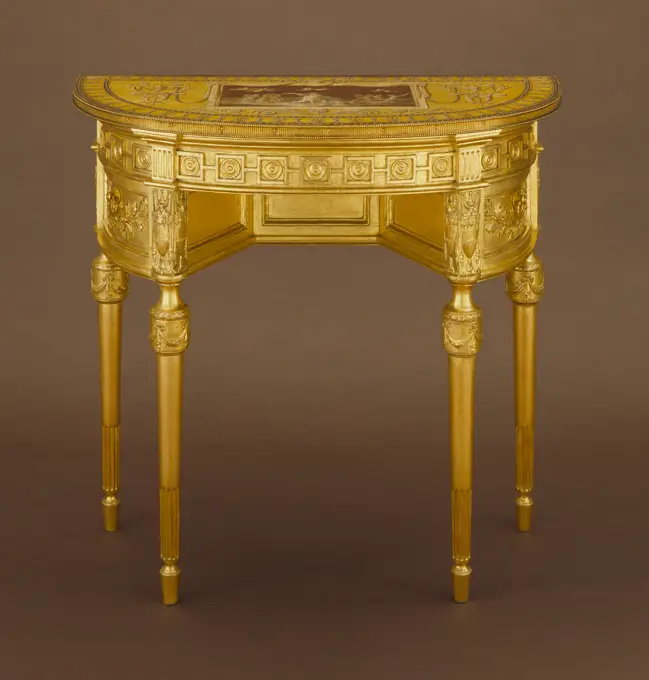
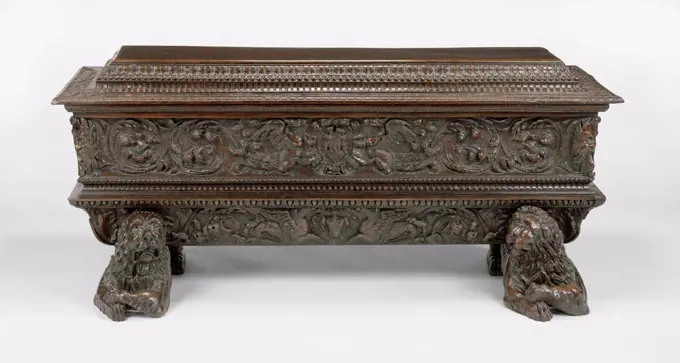
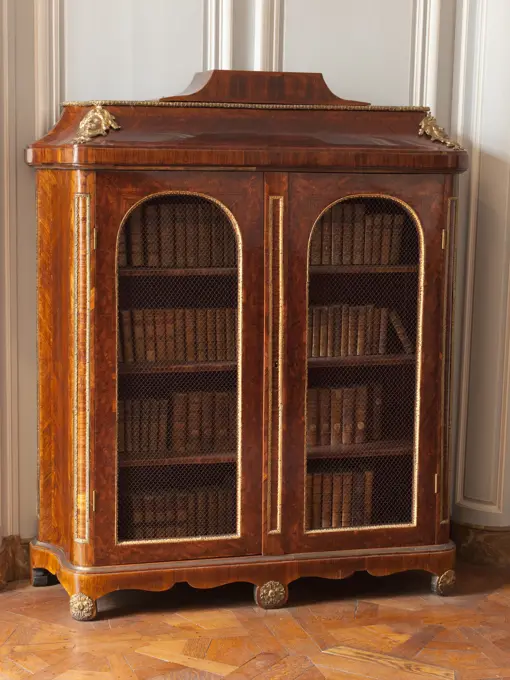
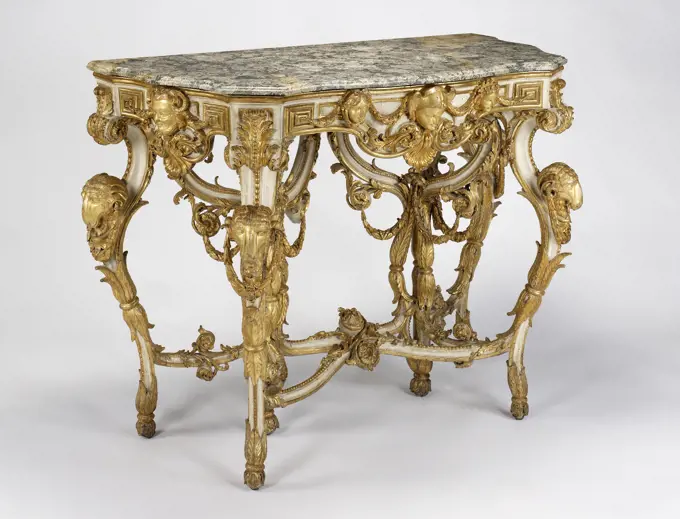
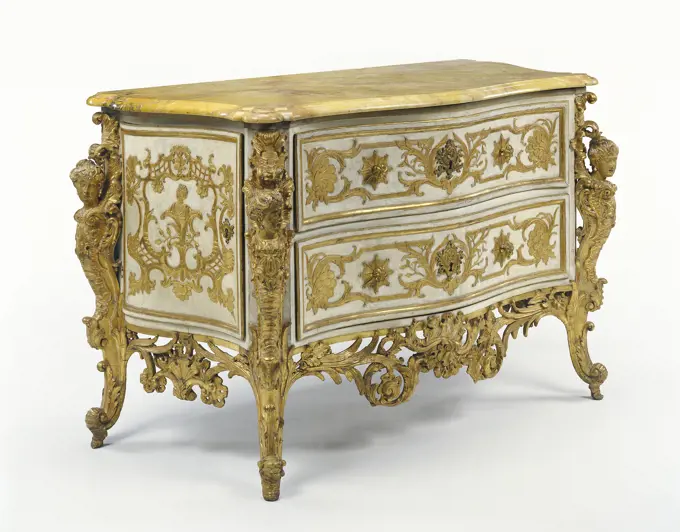
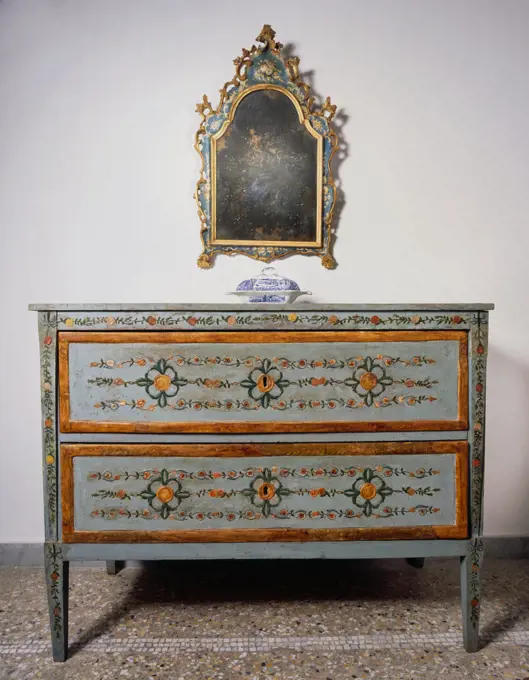
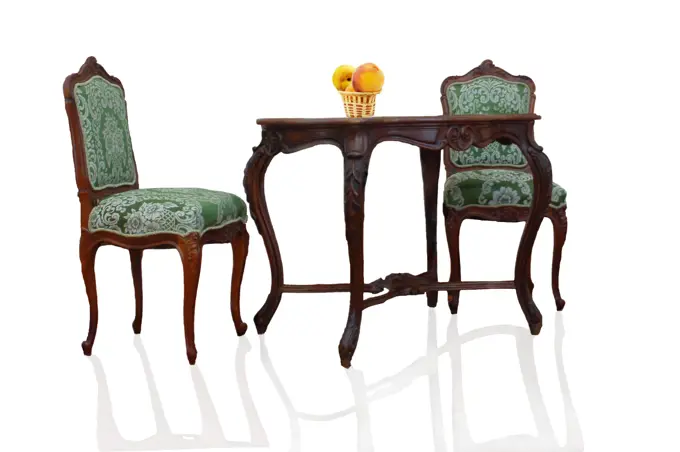
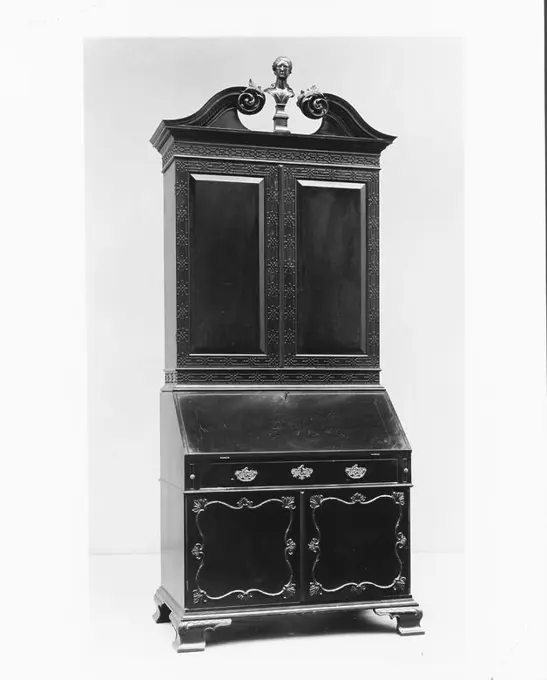
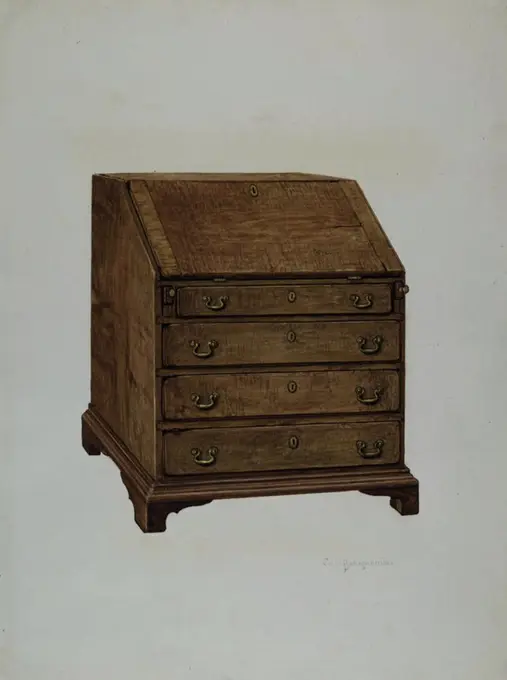
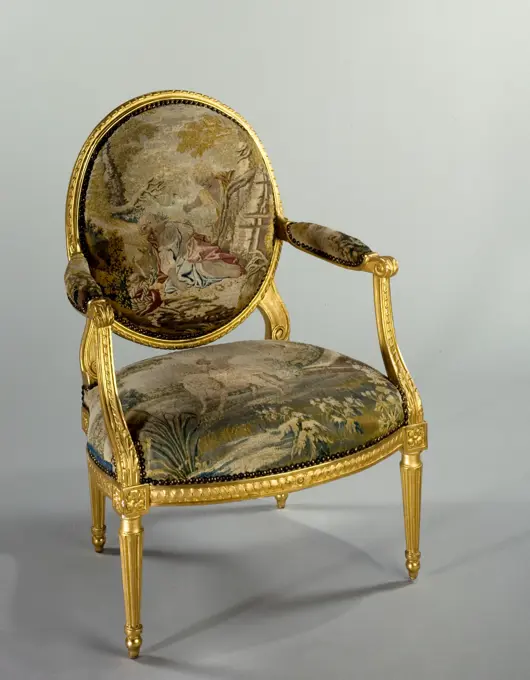
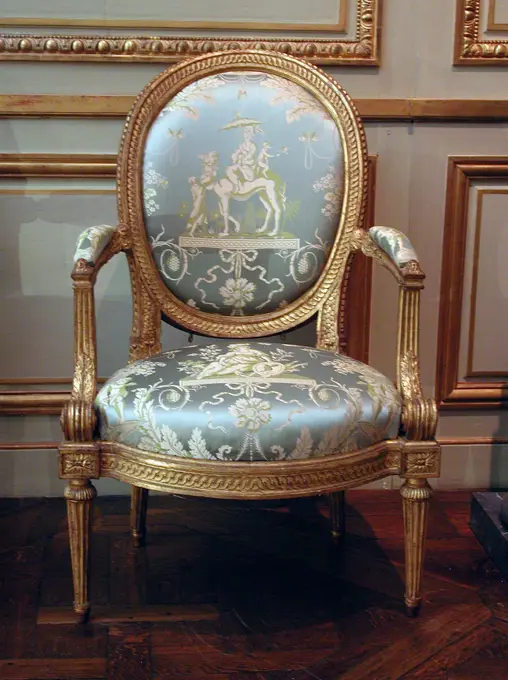
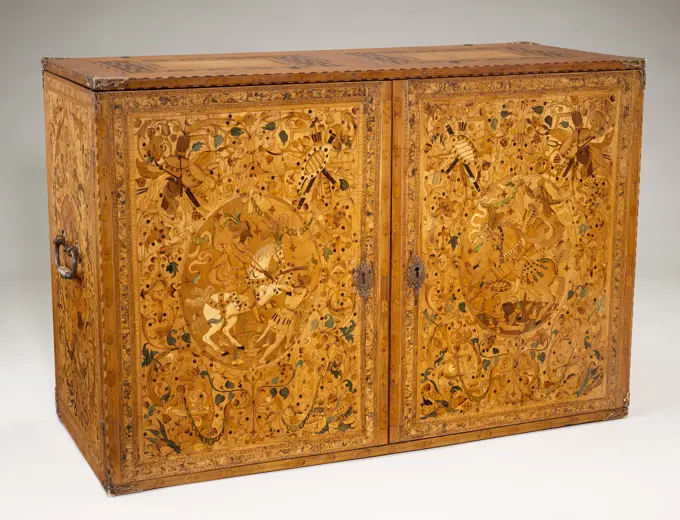
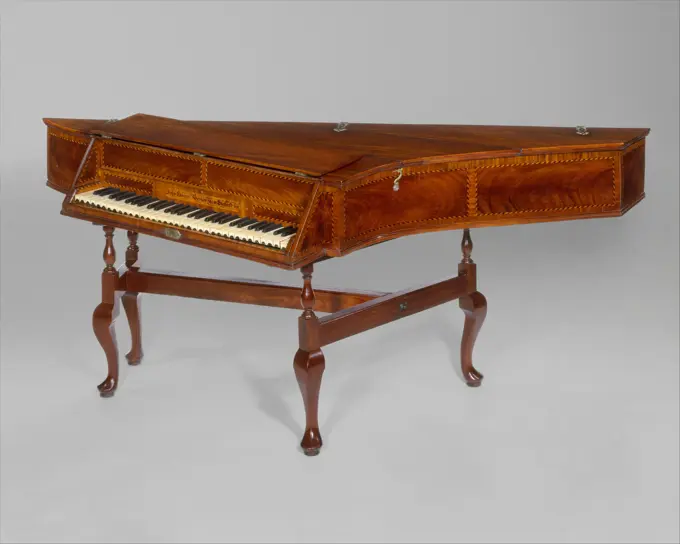
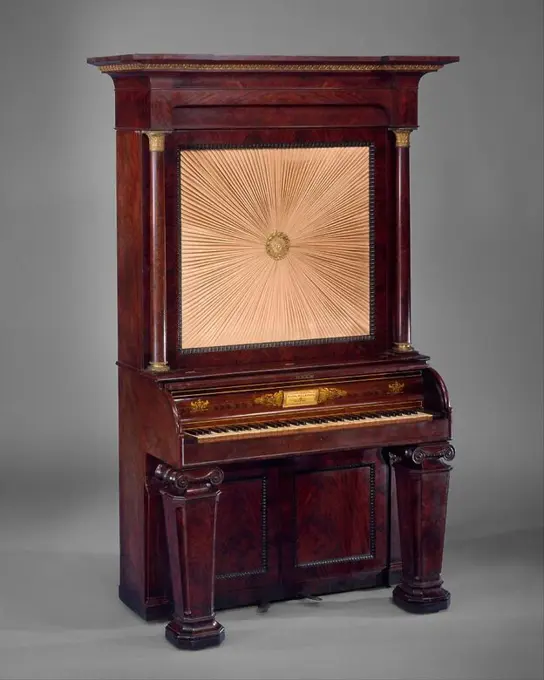
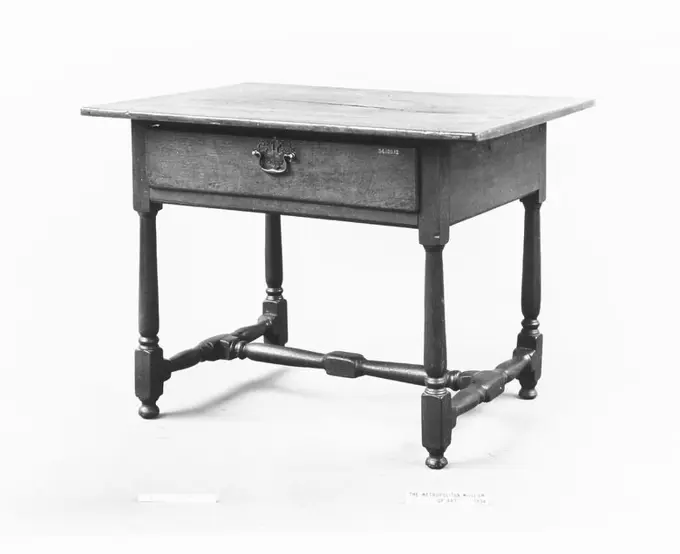
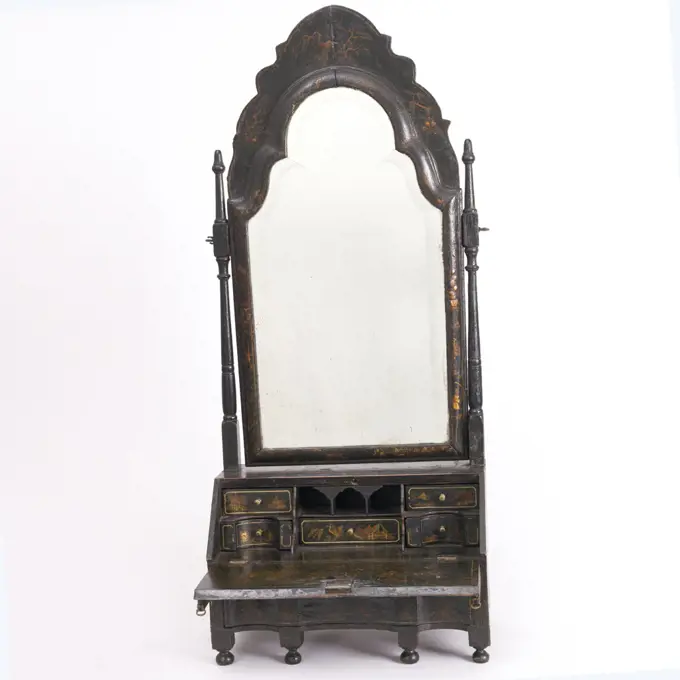
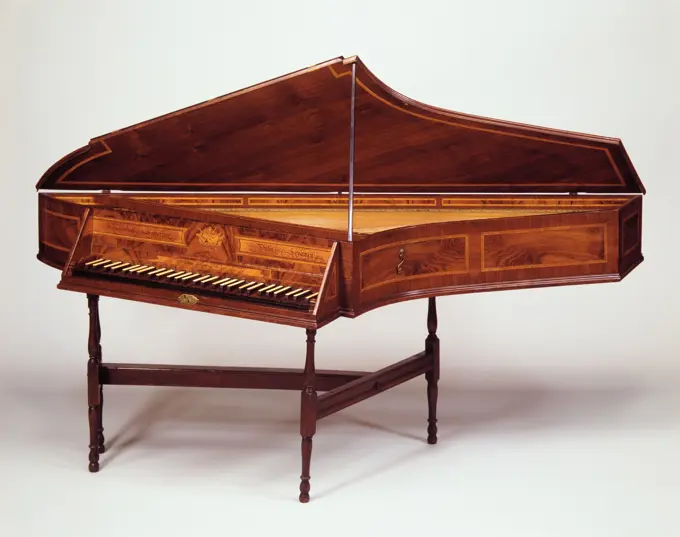
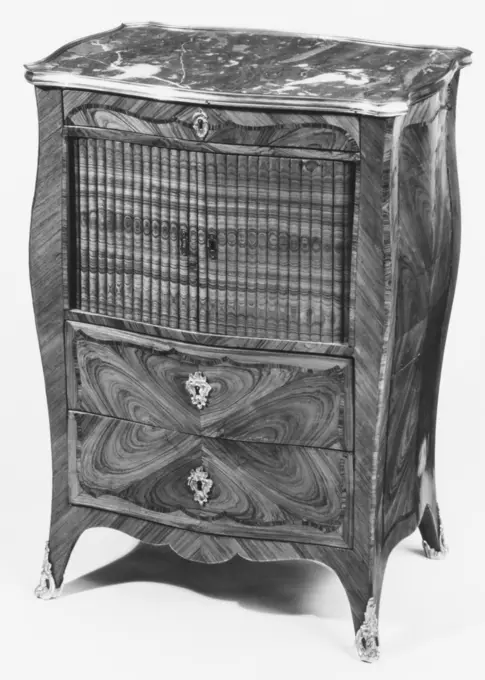
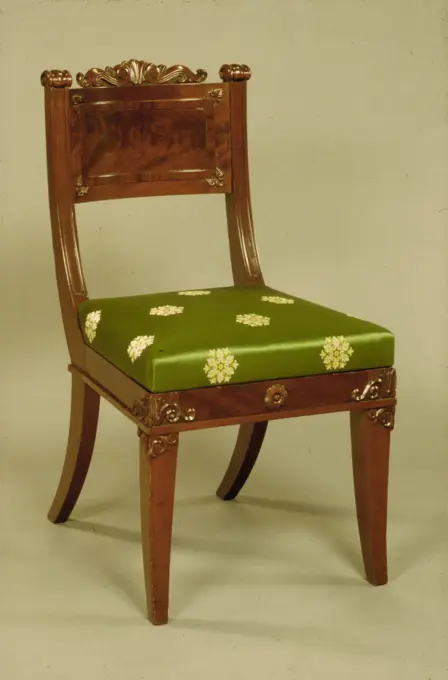
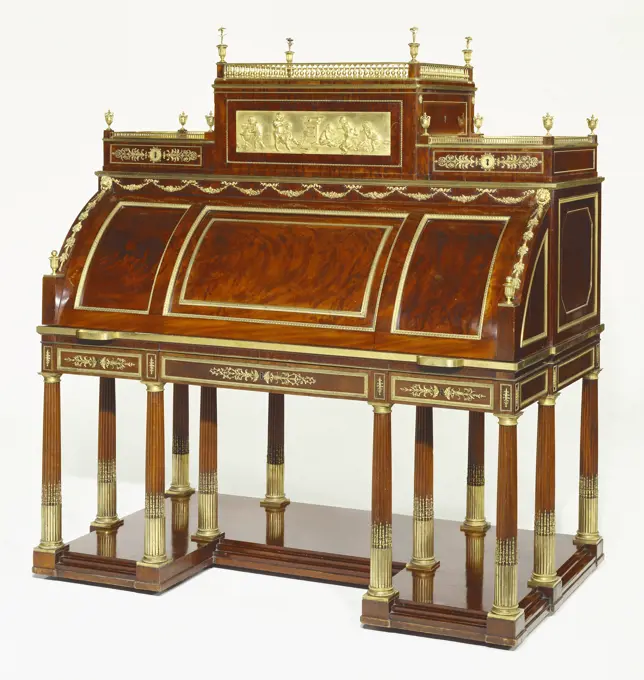
. Arch chair from oak resting on four legs. The legs are interconnected by means of an H-shaped cross. The front legs have a beveled silk on both the top and top and walk through in the arm struts. The hind legs continue in the back styles to the top. The backrest consists of a wide plush with a narrow rule below. There is an open space in between and below. The armrests are embedded in the back styles and are rounded to all sides. The loose seat rests on four lines that connect the legs at the top. The seat is covered with green wool.Desk andBookcase.   Maker: J. and J. W. MeeksBuckingham House Side Table. Attributed to Giovanni Battista Cipriani (Italy, active England, 1727-1785)Attributed to John Yenn (England, 1750-1821). England; Italy, circa 1780. Furnishings; Furniture. Wood, gilt, paint, ormolu, brass, bronze mounts with gildingEasyChairBrown Royal classical style Armchair sofa couch in vintage room Pair of Chests; Attributed to Antonio Maffei, Italian (Umbrian), died 1601, active about 1554; 1550 - 1600; Carved walnut, originally gilded; Various, see extensionsHundred;  4. W. 19th century (1875-00-00-1900-00-00);Garden Bench. Culture: American. Dimensions: 35 1/2 x 44 1/2 x 19 in. (90.2 x 113 x 48.3 cm). Date: ca. 1850. Museum: Metropolitan Museum of Art, New York, USA.HighChairAnonymous. Cabinet-library. Placing of rosewood, chiseled and golden bronze ornaments, brass gorges, 1701. Paris, Carnavalet museum. 77807-21 Cabinet, library, bronze chisel, dore, Louis XIV time, brass gorge, book, marker, furniture, ornament, rosewood veneer, Louis XIV style, 18th century, furnitureTraditional dinning chair Elegant decorative dinning chair isolated with clipping path included Copyright: xZoonar.com/Baloncicix 7700976Side Table; Italy; about 1760 - 1770; Carved, painted, and gilded limewood; marble top; 104.9 x 153 x 74 cm (41 5,16 x 60 1,4 x 29 1,8 in.)Pair of Commodes; Carving attributed to Joachim Dietrich (German, 1690 - 1753), and sides after engravings by François de Cuvilliés (French, 1695 - 1768); Munich, Germany; about 1745; Gessoed and carved, painted, and gilded pine; gilt bronze mounts; jaune rose de Bignolles marble top;Toilet set, c. 1795 Toilet box with two drawers, mirror and ten separate boxes (see Nos 8-2 to 11). The coffin has a bombarded front and stands on a low plinth that is open to a skirt. The shield -shaped mirror is attached with two screws to two vertical supports that stick in the back of the coffin. The mirror is crowned with an urn with the weather. Chest and mirror are covered with black lacquer and decorated with gold lacquer. Pavilions were painted in a landscape on the coffin (strongly blurred at the top). The mirror list and supports are decorated with grape vines on a geometric pattern. The skirt is covered with white gold on which small flower branches are painted. Canton wood (plant material). lacquer (coating). looking glasses lacquering  Canton Toilet box with two drawers, mirror and ten separate boxes (see Nos 8-2 to 11). The coffin has a bombarded front and stands on a low plinth that is open to a skirt. The shield -shaped mirror is attached with two screws to two verticaWall table of gilded beech wood, Johann Adam Pichler (attributed to workshop or), c. 1725 - c. 1730 Wall table made of gilded beech wood, resting on overhoeks placed S-shaped legs, ending in a female breast image with spread wings, with shoulders as spiral fillets with floral wreaths. For a connection a hurled X-shaped cross, with acanthus leaf and decorated at the intersection with rosette and tire work. The scalloped pre-line bears a palmet and diamond pattern in the midst of accelerating C-volutes with acanthus leaf and flower branches. The side rules show rosettes with tire work. Marble leaf. München wood (plant material). beech (wood). gilding (material). marble (rock) gilding Wall table made of gilded beech wood, resting on overhoeks placed S-shaped legs, ending in a female breast image with spread wings, with shoulders as spiral fillets with floral wreaths. For a connection a hurled X-shaped cross, with acanthus leaf and decorated at the intersection with rosette and tire work. Side Chair 1750-75 American. Side Chair 1709Shaker Stand. Dated: c. 1936. Dimensions: overall: 35.2 x 25.1 cm (13 7/8 x 9 7/8 in.) Original IAD Object: 24" high; 18" wide. Medium: watercolor and graphite on paper. Museum: National Gallery of Art, Washington DC. Author: Ray Holden.Eighteenth-century Venetian rococo-style furniture, Venetian drawing room, Villa San Michele, previously owned by Axel Munthe, Anacapri, Capri, Campania, Italy.Table and two chairs Table and two chairs on a white background ,model released, Symbolfoto ,property released Copyright: xZoonar.com/gannaxacheretx 1261400 ,model released, Symbolfoto ,property releasedBlack colored beech wood etagere in historical style, standard furniture interior fittings wood beech wood paint glass, Black colored beech wood etagere in historical style with twisted legs and in the crest picture of man with Schiller collar three returned and profiled blades.Pier table, c. 1845, 37 1/4 x 42 x 19 1/2 in. (94.62 x 106.68 x 49.53 cm), Mahogany veneer, marble, and mirrored glass, United States, 19th century, Similar to other furniture in the Grecian style, this pier table is geometric in design and decorated with richly grained veneers and architectural motifs, such as fluted columns and carved capitals. The Egyptian marble top was an expensive option in the mid 19th century.Chief's Stool (no'oanga), 1800-1825, 6 1/8 x 19 1/8 x 9 7/8 in. (15.6 x 48.6 x 25.1 cm), Wood, Cook Islands, 19th century, The royal or chiefly seat called no'oanga would have been used during ceremonies as a symbol of status. The smooth carving and elegant curves of this stool are typical of work done in the Cook Islands. Carefully carved from a single block of wood by the skilled artists of Aitu Island, this type of stool was made for the market and traded throughout the Cook Islands.Antique iron chair with wooden seat Jodhpur, Rajasthan, India Copyright: xSafatxAli/DinodiaxPhotoxArm chair of nuthout, anonymous, 1700 Armchair of walnut. The furniture is covered, has flagged legs, which are connected by an H-shaped cross and an upper sport. The armrests rest on slimed armrest stars. The freestanding styles have been hurled. The elongated backboard is framed by volutes. A festin between the volutes on both sides, as well as on the bottom. The top is decorated with volutes and in the middle on a small pedestal with a naked genius that holds a male and a female coat of arms. Northern Netherlands wood (plant material). walnut (hardwood) Armchair of walnut. The furniture is covered, has flagged legs, which are connected by an H-shaped cross and an upper sport. The armrests rest on slimed armrest stars. The freestanding styles have been hurled. The elongated backboard is framed by volutes. A festin between the volutes on both sides, as well as on the bottom. The top is decorated with volutes and in the middle on a small pedestal with a naked genius that holds a male aDesk and bookcase. Culture: American. Dimensions: 96 5/8 x 40 1/2 x 24 3/4 in. (245.4 x 102.9 x 62.9 cm). Date: 1765-90.Among the most impressive forms of American furniture, the desk and bookcase was a symbol of its owner's mercantile and intellectual achievements. On this example, a carved finial bust of a young woman, likely a literary figure, emerges from the broken-scroll pediment at the top. Museum: Metropolitan Museum of Art, New York, USA.Writing Desk. Dated: 1939. Dimensions: overall: 40.4 x 30.4 cm (15 7/8 x 11 15/16 in.) Original IAD Object: 41 1/2"high; 39"wide; 18"deep. Medium: watercolor, colored pencil, and graphite on paper. Museum: National Gallery of Art, Washington DC. Author: Carl Buergerniss.Compound Wardrobe, one of a pair, early 18th century, 98 1/4 x 49 x 21 7/8 in. (249.56 x 124.46 x 55.56 cm) (assembled), wood, metal, China, Ming dynastyChair;  1835-1845 (1835-00-00-1845-00-00);Two-door bookcase veneered with mahogany in early historical style, bookcase cabinet furniture furniture interior design wood mahogany oak wood coniferous wood, Tweedeurs bookcase with mahogany veneered in early historical style on four wheels the interior with adjustable shelves and two drawers Belongs to linen cupboards 8320 and 36143 .Classic couchPhilippe Poirié. Headquarters at the Queen in carved and golden beech, garnished with Beauvais tapestry (overview on a light background), around 1775-1780. Paris, Cognacq-Jay museum. Armchair, Hetre Sculpt Dore, Beauvais Manufacture, furniture, queen seat, Louis XVI style, tapestry, 18th century, wood, furnitureConsole Table 1725-1735 France. Carved and gilded wood; marble top .Armchair (one of four) (part of a set) ca. 1770 Louis Delanois French. Armchair (one of four) (part of a set). French, Paris. ca. 1770. Carved and gilded mahogany, modern silk damask. Woodwork-Furniture. Armchair, part of an ameublement, made of white with gold painted beech wood and on a loose window covered with tapestry that tied together on a red damed soil bouquets, tied together by ribbons with snares. The front legs, front seat, upper shell and styles of the back window wearing inserted leaf and floral motifs. The armrests with pads end in Volutes; The overhoeks placed S-shaped legs end in an acanthus sheet. Signature: I. Gourdin. See: BK-16655-A / B, D, E, F, g.Table cabinet, c. 1560-1570, 26 5/8 × 38 7/8 × 16 7/16 in. (67.63 × 98.74 × 41.75 cm) (closed), Oak and pine veneered with partly stained and ebonized maple, plum, ash, with etched, blued, and parcel gilt iron fittings, Germany, 16th century, Elaborately veneered cabinets were a specialty of German cabinetmakers in the 1500s and 1600s, appealing to titled and wealthy patrons across Europe. The most sumptuous, like this one, were made in Augsburg, a city of wealth and sophistication, and were prized as much for the materials, scale, and complexity of their decoration as for the precious objects inside. Every surface of this cabinet is veneered, with several varieties of wood cut and pieced together like a puzzle.Anonymous, the queen's armchair (main title), 1780. Golden wood, Beauvais or Aubusson tapestry. Petit Palais, Museum of Fine Arts of the City of Paris.Pair of Windsor Side Chairs c 1800-1825 United States. Wood . D. E. CutterBedside table. unknown, authorCredence (chest). Culture: French. Dimensions: H. 68 cm, W. 36.7 cm, D. 63 cm. Date: mid-19th century. Museum: Metropolitan Museum of Art, New York, USA.Rolltop desk still bank, late 19th-early 20th century, 6 1/2 x 6 1/2 x 3 3/16 in. (16.51 x 16.51 x 8.1 cm), Wood, pigment, metal, Germany, 19th-20th centuryArmchair with trapezoidal open space in the backrest. Arch chair from oak resting on four legs. The front legs are chamfered and rested on black-stained discs with convex sides. The front legs run through in the arm struts and just contain a sculpted black stuffed droplet under the armrest. The hind legs run through in the back stamps and widen from below, after which they narrow up at the height of the center. The backrest is composed of three panels. These are formed in such a way that a trapezoidal shape is created on the top a trapezoidal shape on the underside. The two outer panels are connected to the black-stained central panel by means of five beads on each side. The seat is covered with black tripe.Medieval frame Medieval wooden frame isolated included clipping path Copyright: xZoonar.com/Baloncicix 14955251Kunstkast Lijmed with Rosewood and Ebony and ivory on a pine core, anonymous, c. 1620 - c. 1630 Kunstkast Lijmed with Rosewood and Ebony and ivory on a pine core. The doors, side walls and the top are glued with rosewood. On the inside of the doors rider images of ivory, surrounded by braid ornament and trimmed with ivory piping; In the Zwikken birds and in the corners of Ebbenhouten Moresken on ivory. Open the furniture shows a middle door with a porch with broken pediment, in which a warman of ivory. Around 14 drawers decorated with ebbenhouten moresken on ivory. Augsburg (possibly) wood (plant material). pine (wood). rosewood (wood). ebony (wood). oak (wood). ivory. brass (alloy) Kunstkast Lijmed with Rosewood and Ebony and ivory on a pine core. The doors, side walls and the top are glued with rosewood. On the inside of the doors rider images of ivory, surrounded by braid ornament and trimmed with ivory piping; In the Zwikken birds and in the corners of Ebbenhouten Moresken on ivoryChair, belonging to an eleven -piece amblement, anonymous, c. 1750 Chair, made of walnut, belonging to an eleven -piece ameblement, consisting of a bank and ten chairs. The seat of neighboring duration with leaf and floral motifs in silk on linen grid, with a soft filling. Amsterdam (possibly) Walnut (Hardwood). Seat: Silk. seat: Chair, made of walnut, belonging to an eleven -piece ameblement, consisting of a bank and ten chairs. The seat of neighboring duration with leaf and floral motifs in silk on linen grid, with a soft filling. Amsterdam (possibly) Walnut (Hardwood). Seat: Silk. seat:Shaker no. 7 rocking chair Rocking Chair; Made by Society of Shakers, RM Wagan & Co.; USA; stained cherry or maple, modern paper "rush" seatLuiberbank van Satijnhout, Anonymous, 1700 - 1725 Luiberbank van Satijnhout. The six baluster legs are connected by raised rules. The armrests are S-shaped. The two open backrests have a wide rule at the bottom and are equipped with stretched arched crowns; A border is installed under the top sill, consisting of a central leaf motif flanked by connected C-volutes. The legs, houses, rules, sills, backstyles and armrests are covered with sculpture consisting of C-volutes, curlinged leaf work, flower and leaf vines. Indonesia (possibly) wood (plant material). satinwood (wood). plywood Luiberbank van Satijnhout. The six baluster legs are connected by raised rules. The armrests are S-shaped. The two open backrests have a wide rule at the bottom and are equipped with stretched arched crowns; A border is installed under the top sill, consisting of a central leaf motif flanked by connected C-volutes. The legs, houses, rules, sills, backstyles and armrests are covered with sculpture consisting Fireworks. Fireworks of the cup-amublement, with an extendable board. The upholstery shows a bouquet on light blue satin ground, amid floral motifs and kept by two griffins; Below crossed arrows are applied with bow. The screen rests on a double bent base and has detached Tuscan columns on the corners with smooth undercut and canceled top shaft. Sills with stabed braid. Coming from New Gracht 74 building, Haarlem. See: BK-15615-a / p, 15614 and 15616-b.Commode ca. 1735 French. Commode 198010Cassone (chest, pair with 1975.1.1945) ca. 1840-80 Italian (Tuscany). Cassone (chest, pair with 1975.1.1945) 461131Black Painted Settee. Dated: c. 1936. Dimensions: overall: 35 x 49.4 cm (13 3/4 x 19 7/16 in.) Original IAD Object: 31"x69 1/4". Medium: watercolor, colored pencil, graphite and heightening on paper. Museum: National Gallery of Art, Washington DC. Author: Ella Josephine Sterling.List, c. 1450 - c. 1549   wood (plant material)   wood (plant material)Ardiniera; Simmler, Jakub Jan (1791-1872); 1835-1845 (1835-00-00-1845-00-00);Méyet, Leopold (1850-1912), Méyet, Leopold (1850-1912)-collection, Biedermeier (style), gift (provenance), rosettes, plant decorationStorage Case (Karabitsu). Culture: Japan. Dimensions: H. 13 in. (33 cm); W. 15 3/4 in. (40 cm); L. 22 1/8 in. (56.2 cm);. Date: 1422.The karabitsu (literally, Chinese chest) is a rectangular lidded chest raised on four legs. The name implies a foreign origin for this elegant and functional form, used in Japan since the Nara period (645-794) to store precious objects, but no prototype has survived in China. Although its origin is obscure, the form is well suited to Japanese usage, highly functional for storage in a humid climate and attractive for display in the sparely furnished interiors of traditional architecture. Early extant examples from the twelfth century are black with mother-of-pearl inlay, although a similar undecorated red lacquer chest is recorded to have been made in 1040 for the sacred mirror, one of the three imperial regalia. In its earliest form, the box was square with taller legs; the proportions of this later chest, with shorter and wider legs, give it a more soliTilt-top tea table. Culture: American. Dimensions: H. 29 in. (73.7 cm); Diam. 37 in. (94 cm). Date: 1765.Types of furniture associated with social interactions--especially the serving and drinking of tea--were indispensable components of fashionable parlors during the second half of the eighteenth century. Tilt-top tea tables, featuring a single pillar supported by three legs, could be placed against a wall for storage when their tops were tilted to a vertical position. Museum: Metropolitan Museum of Art, New York, USA.Anonymous. Liseuse table. Bois de Violette, around 1745. Paris, Carnavalet museum. 50574-6 Violet wood, furniture, reader table, furnitureSecretary desk Antique style secretary desk made from fine wood Copyright: xZoonar.com/MarkoxBericx 6886194Bachelor chest-cum-writing table ca. 1700 British. Bachelor chest-cum-writing table 203849Muller, Achille Théodore (N.1801 - D.1871), Harmonium or expressive travel organ, 1845. Wood, walnut veneer, metal, mother -of -pearl. Museum of Romantic Life.Armchair (Bergere). unknown, authorBrazier probably late 15th-early 16th century Spanish. Brazier 204591Two casket of Queen BonaSide Chair after 1869 George Jakob Hunzinger. Side Chair. American. after 1869. Walnut. Made in New York, New York, United StatesOttoman art example of Mother of Pearl inlays from IstanbulCardTable. Maker, possibly by: Lawrence Sink, American, 1764 or 1765-1828ChestSource bed of rosewood, decorated with ivory insert. Crib of rosewood, decorated with ivory insert. The bed rests on vase-shaped legs. The rule is divided by panels at the front and the sides. At the front, between the corner styles that rest on vase-shaped sections, an arc gallery. The back shot is crowned by a tightening piece with a head frame, decorated with moresken in ivory. The claw pieces have inserts with double eagles. The bed has a heaven and curtains of silk dead. From home to neighbors (gld)Bentside spinet 1769 John Harris Spinets were so rarely made in colonial America that in 1769, when this example was finished, the Boston Gazette reported: "A few days since was shipped for Newport, a very curious Spinnet, being the first ever made in America, the performance of the ingenious Mr. John Harris, of Boston (Son of the late Mr. Joseph Harris, of London, Harpsichord and Spinnet Maker), and in every respect does Honour to that Artist".. Bentside spinet 7746Upright Cabinet Piano. Culture: American. Dimensions: Case L. (perpendicular to the keyboard): 60.5 cm (23-7/8 in.); W.: (parallel to keyboard): 120 cm (47-1/4 in.): Total H.: 215.5 cm (84-7/8 in.); 3 octave W.: 49 cm (19-3/8 in.); String L.: longest - 146.3 cm (57-5/8 in.), shortest - 5.7 cm (2-1/4 in.); c2: 29 cm (11-1/2 in.). Maker: Firth, Hall & Pond (American, New York). Date: 1835. Museum: Metropolitan Museum of Art, New York, USA.Anonymous, Marcel Proust armchair (username), 1880. Noiri beech; Garnish: Velvet of Genoa. Carnavalet museum, history of Paris.Small table. unknown, authorFrank Wenger, Sofa, 1935 1942 SofaOld black chair, upholstered in leather on black background.Anonymous. Convenient. Oak, conifer, mahogany, around 1800. Paris, Carnavalet museum. 50265-2 Mahogany, oak, conifre, furniture, chest of drawers, furnitureClose-up of a wooden cabinetSide Chair 1770-90 American. Side Chair. American. 1770-90. Mahogany, red oak, sweet gum. Made in New York, United States. Porcelain cabinet glued with carrot nut wood on an oak core, divided into a lower and upper cupboard. The chassis has three drawers on the front and a scalloped sill, decorated with yellow copper fittings in the form of a vase with base. The sides have sham loads. The upper cupboard has two doors at the front, each with six diamonds separated by scalloped rods and a decorated middle style. The cover has a cornice with S and C-shaped curves and a crest with rocaille motifs.Chair. Michel de Klerk was the leading representative of the Amsterdam School, a movement in architecture and decorative art in the 1910s and 20s. As an architect, he designed expressive Modernist buildings. And architectural shapes characterize his furniture designs, which have carved details such as turtles’ and frogs’ heads. The table looks like a massive sculpture. Sledge-shaped feet make it possible to shift the heavy furniture.CardtableArm chair with blue upholstery and straight back with open worked middle style, anonymous, c. 1775 - c. 1800 Law chair of mahogany wood with a straight back, straight open work and tight tapered legs. The loose seat is covered with blue silk damask. Amsterdam (possibly) mahogany (wood). silk. paper. cardboard Law chair of mahogany wood with a straight back, straight open work and tight tapered legs. The loose seat is covered with blue silk damask. Amsterdam (possibly) mahogany (wood). silk. paper. cardboard. Bookcase of oak consisting of a base cabinet and a recycling coaster on four block feet on the front and three at the rear that contained plagued piping of ebony. The lower case has three doors that are faced in a framework. Each door consists of a panel with inlaid piping of ebony, a pearl edge, a carved braided rosette and a carved button. The recovery cover has four styles on which an upper line rests. There are three nissen between the styles where boards can be set to the desired height. Each style has a block on the top with ebony in a rectangular shape with a pearl edge at the top and bottom of the block. The top line runs above each niche in a bar. Above this rule there is a profiled forward-stuffed list that continues along the side walls and replanted piping of ebony.Sofa ca. 1785 French. Sofa 205711Side chair, c. 1772, William Gordon; Maker: John Taitt, British, active 1748 - 1796, 37 1/4 x 24 x 24 in. (94.62 x 60.96 x 60.96 cm), Birch, gilt, upholstery, England, 18th centurySTOP CALM; Józef Srocz artistic furniture factory (1906-1949); 1937-1939 (1937-00-00-1939-00-00);Table. Culture: American. Dimensions: 27 3/4 x 37 3/4 x 27 1/2 in. (70.5 x 95.9 x 69.9 cm). Date: 1725-50. Museum: Metropolitan Museum of Art, New York, USA.The Pamago has been developedScot of foot end of the lit à la polonaise, anonymous, c. 1775 Shot foot end from the bed. France wood (plant material). walnut (hardwood). beech (wood). iron (metal). silk. satin. copper (metal). paint (coating) cutting / damask Shot foot end from the bed. France wood (plant material). walnut (hardwood). beech (wood). iron (metal). silk. satin. copper (metal). paint (coating) cutting / damaskItalian marble topped table with gilded poplar and pine. Dated 17th CenturyCabinet with DragonsCabinet (credenza) second half 16th century Italian, Tuscany. Cabinet (credenza) 190788Rattan open box Rattan open box isolated with clipping path included Copyright: xZoonar.com/Baloncicix 7145502Dressing stand with mirror, Lacquered wood, glass, Black and gold lacquered bureau-shaped dressing stand (a/i) on six bun feet, with a long, shaped and carved drawer below a slanted drop-front enclosing an interior fitted with drawers and compartments; two black, turned wood upright supports (j,k) fit into top of stand to hold arched and shaped mirror within a conforming black and gold lacquered frame (l)., England, ca. 1710, furniture, Decorative Arts, Dressing stand with mirrorBentside Spinet 1753 John Crang British In England, the bentside spinet was a favorite domestic keyboard instrument since it takes up less room than the harpsichord, is less complicated to maintain and produces a powerful tone. John Crang was considered to be one of the finest makers of spinets, but only two of his instruments survive today. This is the older example of his work and has a five octave range (GG-g3) with natural keys re-covered with ebony or stained rosewood and ivory topped accidentals. The case is beautifully veneered and the inlaid nameboard has a traditional Latin motto that reads "Musica Laborum Dulce Levamen" and translates as "Music is a sweet relief for labors."Technical description: Cross-banded case of mahogany and rosewood decorated with lighter stringing, hardware of engraved brass, natural keys (re-) covered with ebony or stained rosewood, accidentals capped with ivory, range 5 octaves, GG-g³, with stand.. Bentside Spinet. British. 1753. Wood and various matBombé-sided commode (table de chevet) ca. 1760 French. Bombé-sided commode (table de chevet) 205794Side Chair 1815-35 American In the early nineteenth century, no form of ancient furniture was imitated as successfully as the Greek klismos. Known through its depiction on Greek vases and fragments of relief-carved marbles, the chair is distinguished by its spare, elegant lines and sweeping, curved rear stiles surmounted by a broad, deeply curved tablet. Reflecting on the perfection of Greek works of art in 1812, the British furniture designer George Smith wrote that every attention was evidently given to produce a flowing and correct outline; and so to arrange the parts in masses, that the whole should appear clear and distinct.. and it is this happy relief, this rejection of little parts, that gives their works so chaste and pleasing an effect.” At their best, nineteenth century American klismos chairs strive for such perfection.. Side Chair 1652Floral pattern on a wooden cabinetRolltop Desk; Attributed to David Roentgen (German, 1743 - 1807 (master 1780)), gilt-bronze plaque attributed to Pierre Gouthière (French, 1732 - 1813,1814 (master 1758)), mounts by François Rémond (French, 1747 - 1812 (master 1774)); Neuwied, Germany; about 1785; Oak, fir, and Scots pine veneered with mahogany and maple burl; gilt-bronze mounts; steel fittings; 168.3 x 155.9 x 89.3 cm, 347.0017 kg (66 1,4 x 61 3,8 x 35 3,16 in., 765 lb.);Sussex Settee; Attributed to Ford Madox Brown; Manufactured by Morris & Co. (United Kingdom); England; ebonized wood, rush; Overall: 94 x 119.5 x 56 cm (37 x 47 1/16 x 22 1/16 in.)Salvador Dalí / Silla, siglo XX. Colección privada.Fruit basket; Hutton & Sons Ltd (Shefield, Birmingham, London; company Z Otnicz and Platernicza; Fl. 1800-1930), MAU, Hainrich (Fl. The beginning of the 20th century); 1908/09 (1908-00-00-1909-00-00);