Antique Wooden Furniture

A variety of antique wooden furniture pieces, including chairs and tables, showcasing intricate designs, rich materials, and upholstery in subtle colors, reflecting historical craftsmanship.

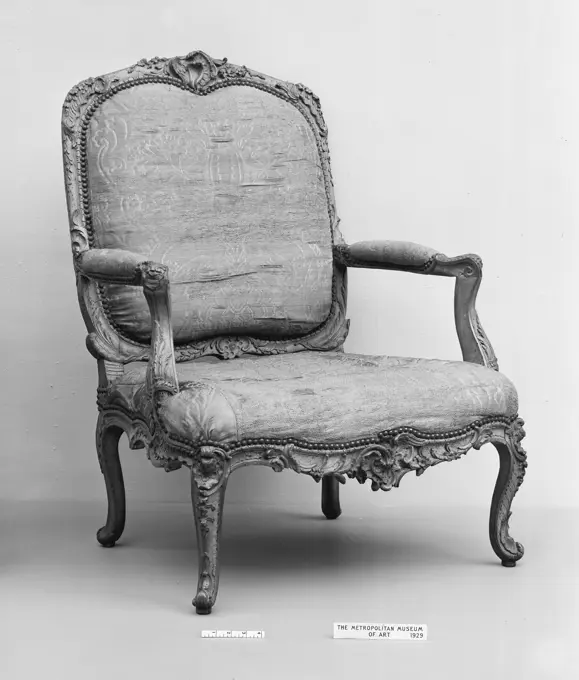
Straight elm wood rococo chair, chair furniture furniture interior design wood elm wood textile, Openwork backrest modern green ripped upholstery on separate seat webbing original Hear at 8035 Rococo
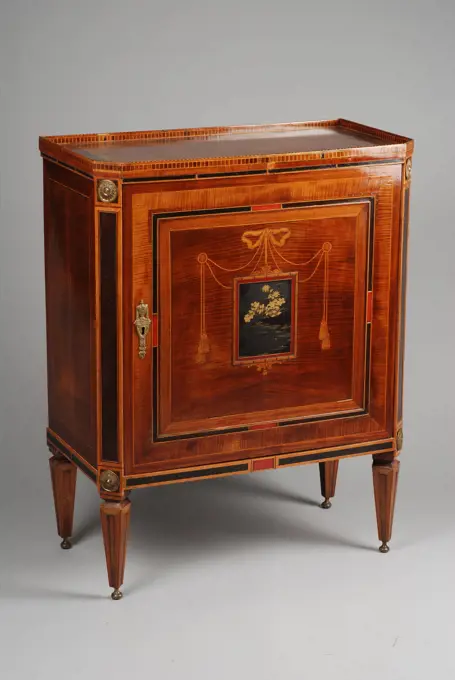
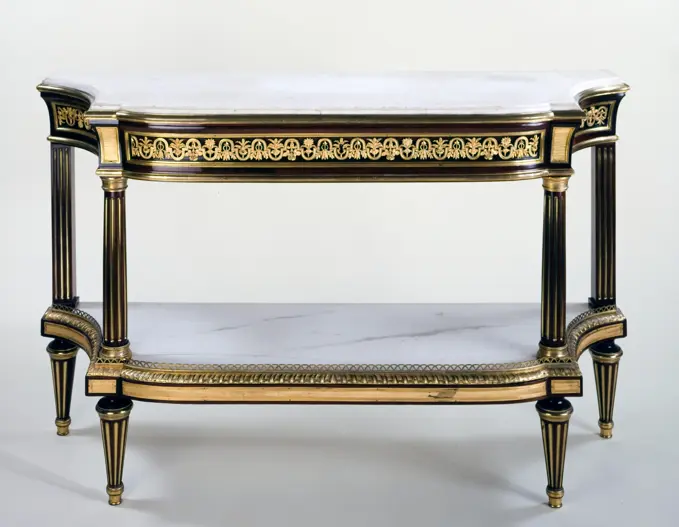
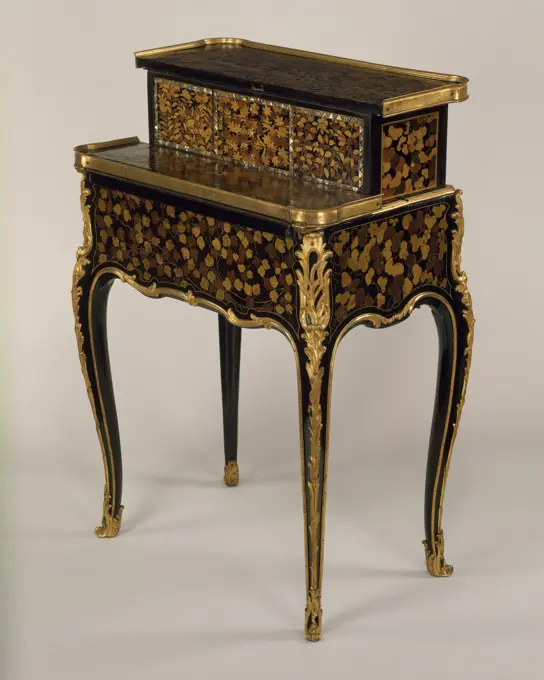
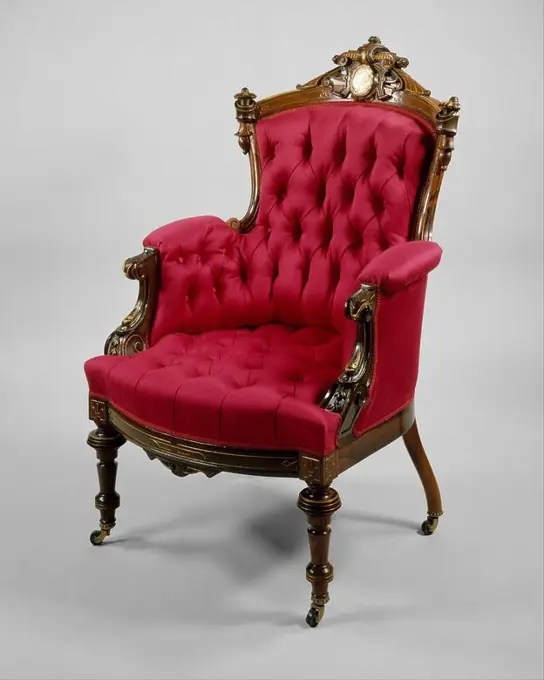
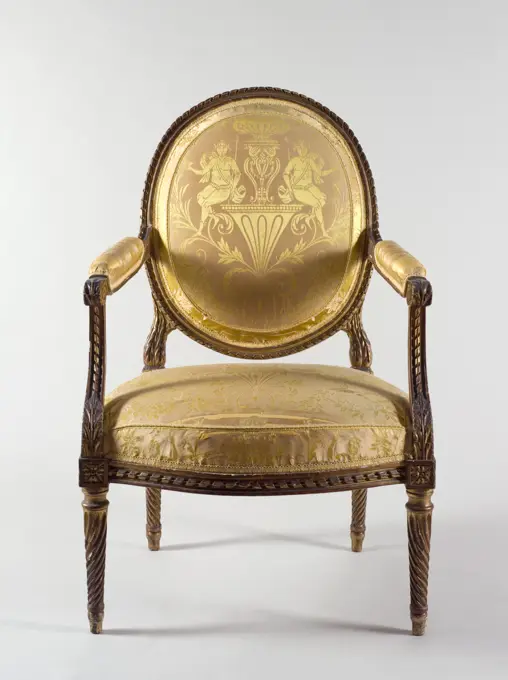
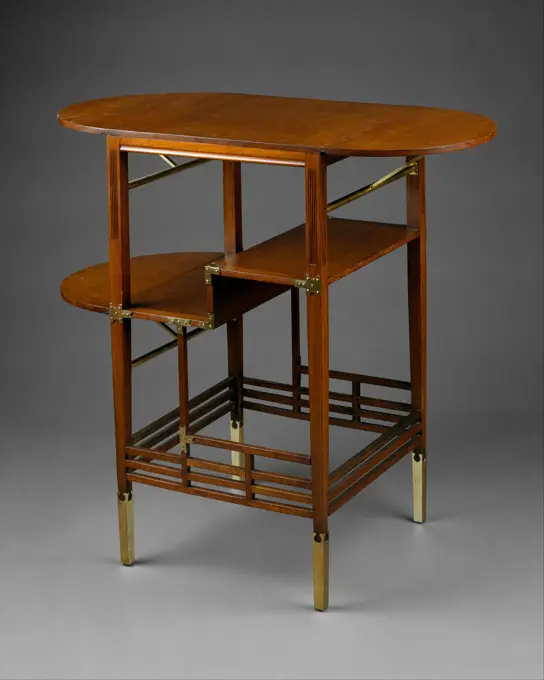
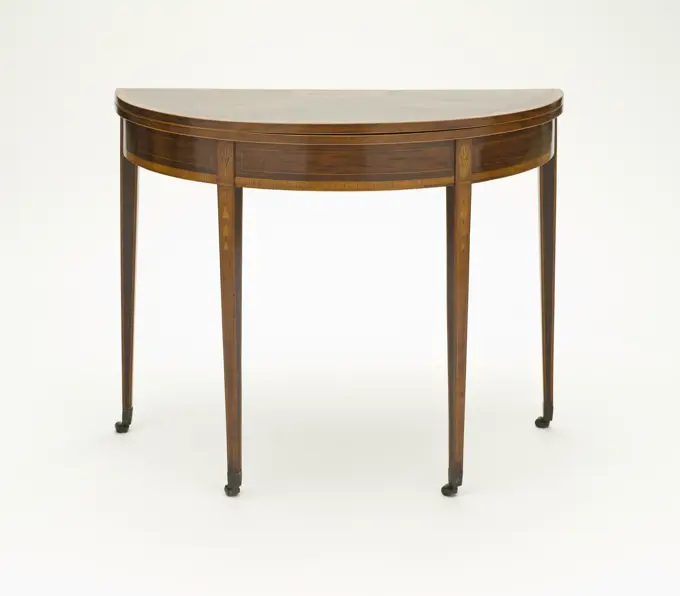
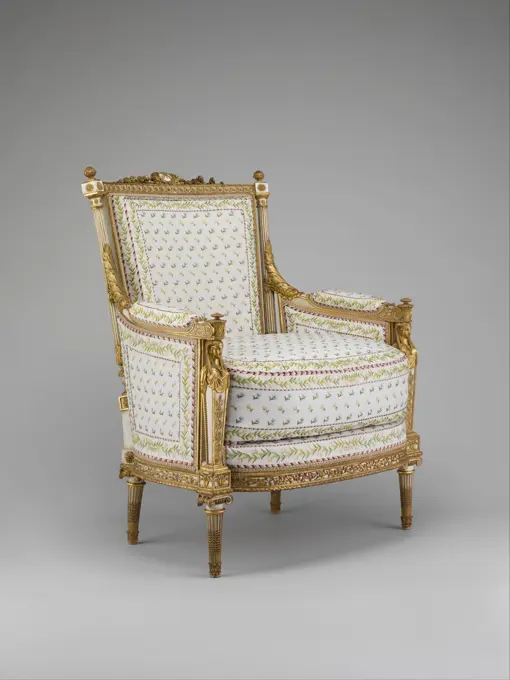
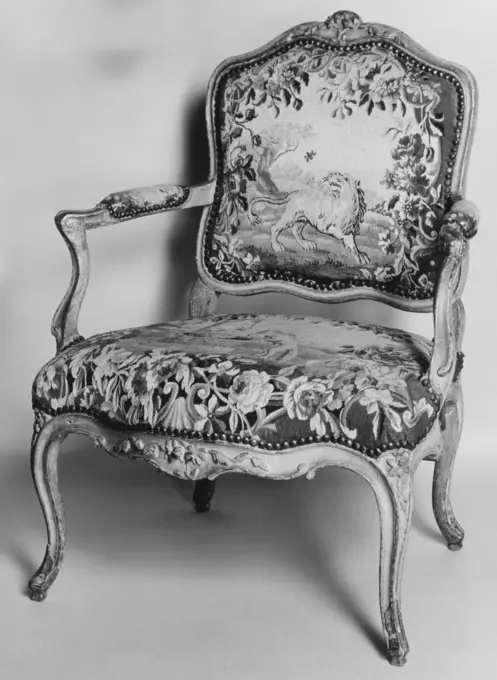
. Table cabinet glued with rosewood and ebony on oak core. The chassis has vase-shaped legs with smooth houses and a double y-shaped cross. The table rule with loosched mirrors carries a quarter round Frisian with a tray, decorated with dripers and a lion's head with ring. The middle needle of the upper carrier doors forms a hermatlant with ionic capital; In addition, panels, with cariatides on the sides. Left and right, under a cherub head and drows, and between Tuscan columns, a niche.Drop-leaf Table. Culture: American. Dimensions: 25 5/8 x 42 1/2 x 34 1/2 in. (65.1 x 108 x 87.6 cm). Date: 1700-1740. Museum: Metropolitan Museum of Art, New York, USA.Table on which Victor Hugo wrote the legend of centuries (title of the whole). Drink. House of Victor Hugo - Hauteville House.Tabouret stool. unknown, creator. Mahogany chair with coated seat. The channeled, rejuvenating front legs with bobbins have houses with small rosettes; The backward hind legs are also increased. The trapezoidal back window is crowned by a vase, decorated with leaf refrices across the upper shell. The openwork center piece shows a sliced rosette within rectangular framing and in the middle of angular beltwork. The exported rule carries a festoon with a bran wreath.Spice Cabinet 1700-1730 American Spice boxes, with their small interior compartments, served the practical purpose of storing and safeguarding valuables and exotic spices. The handsome example of the form mimics the full-scale William and Mary style high chests of drawers seen in this gallery. Its fine craftsmanship, ornate design, and delicate inlay indicate that it was likely placed on display in the parlor or best room in the house.. Spice Cabinet 7738. Armchair belonging to a set of six armchairs from mahogany with a triangular ground surface, forming a round bench together. Flowered silk coating with passing element. The two overhoeks placed front legs, the hind leg, rules, struts, armrests and the ruling of the backrest are curved, profiled and almost all end in a volute. The armrests close the backrest and shapes a triangular crown that, just like the rule and the swellings of the front legs, shell-shaped acanthus leaves.ChestArm chair with curved armrests and a leather upholstery, anonymous, c. 1900 - c. 1925 Arm chair made of oak wood resting on four legs. The rejuvenating legs broaden at the bottom, the hind legs continue in the backstyles. The front and hind legs are interconnected by means of an intermediate rule. The backrest consists of a wide upper sill that is faintly bent at the bottom. Curved armresters walk to the top of the front legs from the backrest. The seat is covered with leather all around with copper nails.  oak (wood). leather Arm chair made of oak wood resting on four legs. The rejuvenating legs broaden at the bottom, the hind legs continue in the backstyles. The front and hind legs are interconnected by means of an intermediate rule. The backrest consists of a wide upper sill that is faintly bent at the bottom. Curved armresters walk to the top of the front legs from the backrest. The seat is covered with leather all around with copper nails.  oak (wood). leatherAntique American Queen Anne walnut lowboyAttributed to John Seymour, Tambour Desk and Bookcase, c. 1810, inlaid mahogany, satinwood, and brass.Chair. unknown, authorChair with open backrest with middle style, the seat with green velvet, anonymous, c. 1750 Chair of mahogany, round open backrests with middle style; Straight pre-line, backward hind legs and overhoeks placed S-shaped front legs; Seat covered with green velvet with filling on board paper. Amsterdam (possibly) mahogany (wood). velvet (fabric weave) Chair of mahogany, round open backrests with middle style; Straight pre-line, backward hind legs and overhoeks placed S-shaped front legs; Seat covered with green velvet with filling on board paper. Amsterdam (possibly) mahogany (wood). velvet (fabric weave)Armchair, 1876. Luigi Frullini (Italian, 1839-1897). Walnut; overall: 88 x 87.6 x 97.5 cm (34 5/8 x 34 1/2 x 38 3/8 in.).Louis Seize wall cupplate, wall cupboard cupboard furniture furniture interior design wood oak mahogany maple wood rosewood brass lacquer, Wall cupboard with lacquer panel on the door Louis Seize oak veneered with different types of wood (lemon-satin mahogany) brass fitting in shelf at 8298 and 8135 Rotterdam Delfshaven Middelland Heemraadssingel Louis XVI Louis XVI Louis Seize From house on Heemraadssingel Rotterdam.Chest c 1710 Hatfield. Intended to store valuable linens, plates, and other goods, this probably served as a dower chest that a young woman brings to her new home upon her marriage. The front of the chest features an elaborate tulip, vine, and heart design intended to reinforce the theme of love. The tulip motif appeared frequently on English textiles, ceramics, and furniture, and it was brought to the American colonies through the immigration of English craftsmen. The tulip, which originated in ancient Persia, symbolized perfect love, and Turkish ceramics incorporating tulips were present in England by the early 17th century. Traces of the original green and red paint on the surface reveal that the chest was initially brightly decorated, which would have emphasized the festive patterning of the tulip theme.. Oak with white pine . Artist unknownChair with notch cutting, anonymous, 1800 - 1900 Chair with notched decoration (Hindeloopen). Netherlands linden Chair with notched decoration (Hindeloopen). Netherlands lindenAttributed to Adam Weisweiler (1744-1820). Console served in oak and fir trees, shelf of between legs and marble top, fluted uprights in the shape of columns, golden bronzes (overview on a clear background), around 1785. Paris, Cognacq-Jay museum. Bronze gilded, oak, column, console served, above, marble, furniture, upright cane, fir tree, louis xvi style, bailed tablet, 18th century, furnitureArmchair. Culture: American. Dimensions: 39 1/4 x 24 3/4 x 23 in. (99.7 x 62.9 x 58.4 cm). Date: 1760-90.This rococo armchair belongs to a small group of unusually large-scale chairs, which may have been made outside Philadelphia in neighboring Maryland or Chester County, Pennsylvania. Museum: Metropolitan Museum of Art, New York, USA.Medal cabinet. unknown, authorMechanical table à la Bourgogne ca. 1760 René Dubois Mechanical tables of varying degrees of complexity were popular from the mid-eighteenth century and were made by several prominent ébénistes, in particular Jean François Oeben and Jean Henri Riesener. This table, known as a table à la Bourgogne, is stamped R. DUBOIS and dates to ca. 1760. The elegant curves of the legs and lower edge are emphasized by the delicate mounts. These, in turn, are echoed by the fine gold line delineating the lacquer panels while the gilded mounts encasing the feet add further refinement.The front half of the top opens to reveal a writing surface which is covered with the original brown leather. The rear section of this surface comes up mechanically when activated by a spring mechanism giving access to three tiers with a total of seven drawers.The corner mounts with bulrushes and foliage are found on pieces of furniture made by other makers. They were probably purchased from a Parisian bronze maker and coulConsole Table ca. 1855 Attributed to John Henry Belter German John H. Belter immigrated to New York City from Germany in 1833 and soon became the city's leading cabinetmaker. His work is distinguished by its technical virtuosity and exuberant carving. His furniture epitomizes the mid-nineteenth-century taste for the Rococo Revival style, which was often described as "Modern French.". Console Table 2252Table. John Henry Belter & Co.; American, 1854-1867. Date: 1856-1861. Dimensions: 74.9 × 113 × 76.2 cm (29 1/2 × 44 1/2 × 30 in.). Rosewood. Origin: New York City. Museum: The Chicago Art Institute, Chicago, USA.George II Mahogany Open Armchair (Messer Collection) Antiques Christie's, London Stool;  around 1850 (1840-00-00-1860-00-00);SidechairArmchair. Culture: American. Dimensions: 44 1/2 x 28 1/2 x 29 3/8 in. (113 x 72.4 x 74.6 cm). Maker: Attributed to John Jelliff (1813-1893). Date: 1868-70. Museum: Metropolitan Museum of Art, New York, USA.Side chair 1795-1800 American. Side chair 1638Desk. Culture: American. Dimensions: 55 1/8 x 39 1/4 x 20 1/2 in. (140 x 99.7 x 52.1 cm). Maker: Kimbel and Cabus (1862-1882). Date: ca.1877.This desk embodies the Modern Gothic style prescribed by English and American design reformers beginning in the late 1860s. The firm of A. Kimbel & J. Cabus worked extensively in this mode throughout the 1870s, incorporating such Gothic elements as pointed gables, trestle feet, incised linear decoration, and elaborate strap hinges into a large stock of furniture displayed in their showrooms at 7 and 9 East Twentieth Street. No doubt much of their work was inspired by the design philosophy of Charles Locke Eastlake (1836-1906), who would have approved of the choice of oak, which he considered "by far the best wood to be used for both appearance and durability." Mounted on a trestle base with stiff, diagonal front legs and mortise-and-tenon construction, it bears medieval-style ornamentation of shallow incising, nickel-plated hardware, carved linenWriting desk with a raised back. From 1774 to 1784 Riesener was the leading court cabinetmaker to King Louis XVI, Queen Marie Antoinette and their family. This elegant writing desk is a relatively plain example of his work. It is adorned with marquetry of roses, and was probably meant to be used by a woman.Chair with Swans, Anonymous, 1830 Chair from a set of ten chairs and four arm chairs of partly solid and partly glued mahogany on elm core. Loose covered seats. The square hind legs areas backwards. Nine chairs and an armchair have square, slightly rounded at the front, front legs; The rest has round articulated front legs. The stretched S-shaped backs have a sculpted intermediate rule with a palmet flanked by two swans bending back with the necks. The flat volute -shaped armrests run high in the back. Northern Netherlands wood (plant material). mahogany (wood). elm (wood). textile materials Chair from a set of ten chairs and four arm chairs of partly solid and partly glued mahogany on elm core. Loose covered seats. The square hind legs areas backwards. Nine chairs and an armchair have square, slightly rounded at the front, front legs; The rest has round articulated front legs. The stretched S-shaped backs have a sculpted intermediate rule with a palmet flanked by two swans bending bacChair of ebony with Emmausgoers. Chair of ebony. The legs with house and articulation are connected by accolode-shaped and straight sports. The square seat is on three sides with a profile with egg list, inserted leaf raft around the seat. Back styles with sliced leaf drinks carry a standing lion with shield. The three arcuate and scalloped sports are connected by balusters. The lower two show leafwork and the upper sprin a carved show of the and three turned vases.Armchair covered with tapisserie with a boy with birds (Portur d'Oiseaux) (back) and a fox with a pheasant (seat), Manufacture Royale des Gobelins, c. 1935 Arm chair of gilded beech wood, resting on conically shaped legs. The armchair belongs to an ameblement. On the covered bent sitting window and the covered oval back window have been installed on a pink long -distance performances within flower wreaths (Tapisserie de Beauvais). See also: BK-16657-A/B and D/F. ParisParisdesigner: Francedesigner: Francefurniture worker: France walnut (hardwood). gilding (material). ketting: wool. inslag: silk tapestry / gilding Arm chair of gilded beech wood, resting on conically shaped legs. The armchair belongs to an ameblement. On the covered bent sitting window and the covered oval back window have been installed on a pink long -distance performances within flower wreaths (Tapisserie de Beauvais). See also: BK-16657-A/B and D/F. ParisParisdesigner: Francedesigner: Francefurniture worker: France waWindsor Armchair 1800-1850 Fishkill. Painted wood . Job B. Coffin. Coated chair, part of the cup-amicublement, from white and blue gray painted beech wood and resting on conical legs. The rules and sills of the back window, with Tuscan fluted columns as back styles, exhibit stroke braid with rosettes. Finish with rosettes and acanthus leaves. The upholstery shows on light blue satin ground floral motifs, held by griffones. Ordered for the new landscape 74, Haarlem. See: BK-15615-A / P, BK-15614, BK-15616-A / b.Continuous Roundback Armchair, c. 1550, 40 1/2 x 24 3/8 x 19in. (102.9 x 61.9 x 48.3cm), Huang hua-li, cane, China, 16th centuryTable with round leaf on vase -shaped with grunts decorated trunk on three, partially scanned, legs that end in claws of copper, anonymous, c. 1800 - c. 1900 Table of Padoekhout with a round leaf, resting on a heavy -grown -shaped trunk, which is worn by three streams of legs. The legs are scanned on top and end in copper claws. Indonesia wood (plant material). padouk (wood). copper (metal) Table of Padoekhout with a round leaf, resting on a heavy -grown -shaped trunk, which is worn by three streams of legs. The legs are scanned on top and end in copper claws. Indonesia wood (plant material). padouk (wood). copper (metal)Papier-mchè side chair ca. 1830-60 British (). Papier-mchè side chair 460941Folding X-chair, Anonymous, c. 1620 - c. 1650Armchair. unknown, authorCard Table. Isaac Vose & Son; American, 1819-25; Boston, Massachusetts; Carving attributed to Thomas Wightman; American, active 1797-1825. Date: 1819-1825. Dimensions: 73.7 × 45.7 × 92.7 cm (29 × 18 × 36 1/2 in.). Mahogany, satinwood veneer, iron and brass. Origin: United States. Museum: The Chicago Art Institute, Chicago, USA. Author: Isaac Vose & Son.Writing table (bureau plat) ca. 1750 Bernard II van Risenburgh Signed by Bernard van Risenburgh, who supplied a larger and more ornate bureau plat for the study of the dauphin at Versailles in 1745. A wood called satiné, producing an effect of watered silk, was used as a ground for the floral marquetry on both tables.. Writing table (bureau plat) 205779Armchair. unknown, creatorPianoforte, Erard Frères, Antoine Rascalon, 1808Cabinet of nuthout with pilasters with candelabar ornament in Marqueterie, Anonymous, 1450 - 1500 furniture Low wardrobe of walnut with poplar wood interior. The furniture has a pilaster with a candle chorament in Marqueterie on the corners, in the middle and at the sides of the back. The two doors, the sides and the wrapper have flat fields, surrounded in Intarsia with braid and diamond motifs. Copper buttons are located on the doors. The Intarsia has been partially restored and renewed. Toscane (possibly) wood (plant material). walnut (hardwood). poplar (wood). copper (metal)Footstool. United States, New York, New York City, circa 1810. Furnishings; Furniture. Mahogany wood, fabric and replaced upholsterySetteeBergère. Bergère of beech wood, covered with chinoiseries in Petit Point. The chair has a loose cushion and rest on S-shaped legs that turn into the scalloped rules. The front legs, front seat and upper shell carry inserted leaf and floral motifs. The semicircular sitting window is shifted at the front; The back window has been thrown. The armrests, the struts and styles of the back window are S-shaped. Profile lists accentuate the contours. One seat has been marked: "Falconet".Chair with swans. Chair from a set of ten seats and four armchairs from partially solid and partly glued mahogany on moors wood core. Loose coated seats. The square hind legs deviate backwards. Nine chairs and an armchair have square, slightly rounded, front legs; The rest has rounded front legs. The stretched S-shaped backs have a sculpted intermediate rule with a palmet flanked by two degrees, with the biods of doubling swans. The flat filler-shaped armrests run high in the back.Duchesse d'enfant brisée (childs day bed), c. 1780, Georges Jacob, French, 1739-1814, 20 11/16 x 23 3/4 x 38 5/8 in. (52.55 x 60.33 x 98.11 cm), Wood, gilt (modern upholstery), France, 18th century, Georges Jacob, one of the foremost cabinet and chairmakers in France in the last quarter of the eighteenth century, furnished the apartments of the nobility and the royal family of France. This elegant early neoclassical daybed with its separate ottoman, stamped by Jacob on the frame, was probably commissioned for a child or a very small adult.Lessar with rectangular blade on octagonal, baluster-shaped strain. Lessar of hardwood with a rectangular smooth top with a raised edge. The baluster-shaped strain is octagonal and is based on a profiled, curved tripod.Isidore Sovensky, Sewing Table, 1939 Sewing TableModern wooden chair with upholstering seat isolatedSidechairsChair (One of Set of Four) second half 18th century. Chair (One of Set of Four). second half 18th century. Fruitwood, ivory, and cane. Attributed to India. WoodCLOSE;  1730-1750 (1730-00-00-1750-00-00);Chest of drawers. unknown, authorChest;  XVI/XVII century (1580-00-00-1620-00-00);Thay, decorated with fan pattern in Marqueterie., Anonymous, c. 1775 - c. 1800 Square Tea Extire of Oak, glued with other types of wood. The stew with beveled corners rests on four conical legs and shows panels, which in the middle show an oval -shaped fan pattern in Marqueterie. Northern NetherlandsNetherlands wood (plant material). oak (wood) Square Tea Extire of Oak, glued with other types of wood. The stew with beveled corners rests on four conical legs and shows panels, which in the middle show an oval -shaped fan pattern in Marqueterie. Northern NetherlandsNetherlands wood (plant material). oak (wood)Desk. Maker, attributed to: Samuel Dunlap, American, 1752-1830ChairBidet. unknown, contractorKast. Culture: American. Dimensions: 70 x 67 x 25 in. (177.8 x 170.2 x 63.5 cm). Date: 1650-1700.A kast is a distinctive type of cupboard that was made in the New York--New Jersey area settled by the Dutch. Strongly architectural in design, the kast derived from Dutch prototypes and was made in America until the early 1800s. The most important piece of furniture in the home, it was probably often a dowry gift. The striking painted surface on this kast simulates stone and is highly unusual. Certain features of the construction and design details reflect, as does the form of the kast itself, Continental rather than English influences. This kast, one of a small number in the seventeenth-century style to have survived, is a rare example of joined oak furniture from the New York area. Museum: Metropolitan Museum of Art, New York, USA.Game box with four smaller boxes, c. 1734 Speeldoos van Barnsteen, in which there are four smaller boxes for tokens, all engraved with the alliance weapon of Prince William IV of Oranje-Nassau and his consort Anna van Hanover. Danzig (possibly) amber (fossil resin). gilding (material). wood (plant material). iron (metal). copper (metal) Speeldoos van Barnsteen, in which there are four smaller boxes for tokens, all engraved with the alliance weapon of Prince William IV of Oranje-Nassau and his consort Anna van Hanover. Danzig (possibly) amber (fossil resin). gilding (material). wood (plant material). iron (metal). copper (metal)Desk ca. 1790-95 Porcelain plaques by Sèvres Manufactory French This desk mounted with seven Sèvres porcelain plaques comes from the Hillingdon Collection, which was founded by Sir Charles Mills (1792-1880), a partner in the great firm of Glyn, Mills, Currie and Company, bankers to the British royal family. Tradition says that Sir Charles acquired the collection during a series of visits to France in the first half of the nineteenth century. Sir Charles son was created first Baron Hillingdon in 1886. In 1937, his descendants sold the collection to the well-known art dealers Duveen Brothers. Although various collectors, such as Calouste Gulbenkian and J. Paul Getty, were interested in buying the Hillingdon Collection, ultimately the majority of the artworks, including seventeen pieces of porcelain-mounted furniture, were acquired in 1947 by the cultural foundation that had been established by the American businessman and philanthropist Samuel H. Kress (1863-1955). Under the leadership Armchair Herter Brothers American ca. 1875 This gilded armchair is nearly identical to a pair of chairs Herter Brothers made for the White House in 1875, during Ulysses S. Grants administration. The reproduction blue brocade upholstery is based on a description in a bill for the commission. Skilled immigrant craftsmen were the lifeblood of New York Citys cabinetmaking business, and the Herter brothers epitomize an immigrant success story. Their furnishings informed style and taste not only for their affluent clientele but also for middle-class consumers seeking to emulate the grand interiors publicized in newspapers and magazines. View more. Armchair. Herter Brothers (German, active New York, 1864-1906). American. ca. 1875. Gilded wood (probably cherry, maple or ash), modern upholstery with original underupholstery materials. Made in New York, New York, United StatesArmchair 18th century French. Armchair. French. 18th century. Carved walnut; brocatelle upholstery. Woodwork-FurnitureDesk, 18th century, 45 7/8 x 41 x 11 3/4in. (116.5 x 104.1 x 29.8cm), Mahogany, United States, 18th centuryBen or basket of braided rotting with four wooden styles, partially drifting. Ben or basket of braided rotting with four wooden styles, partially drifting.Cabinet early 17th century Southern German, Augsburg. Cabinet 195335PedestalTable. Maker, attributed to: Alexander Roux, American, born France, 1813-1886Balpoottafel, inlaid with Ebben and Palmhout. Vase-shaped legs connected by double y-shaped profiled cross., Anonymous, c. 1620 - c. 1650 furniture. table Table of oak, inlaid with ebb and palm wood. The legs are articulated vase and connected by a double y-shaped profiled cross; Decorations in Ebony. The lower houses are inlaid with ebbos and boxwood wooden piping; The upper with ebbenhouten cannelures. The long sides have been articulated by cortexation and all sides showed, surrounded by oak profiles, ebbenhouten panels, around which inserted piping of ebbbe and boxwood wood. In the corners openwork support pieces. Netherlands wood (plant material). oak (wood). ebony (wood). boxwoodEasychairFlorentine 16th Century, Walnut Table with Eagles on the Supports, c 1540 1560 Florentine 16th Century, Walnut Table with Eagles on the Supports, c. 1540/1560, walnut, Widener Collection 1942.9.365Chairs, Carved and painted beechwood, silk, This set of chairs 2 armchairs, 3 side chairs is characterized by its flat, rectangular backs and seat frames on fluted supports. Each chair is topped by an arched crest rail centered with carved, crossed quiver and torch and an acanthus leaf finial at each end. The chairs' frames are painted gray and white. Each chair also has a bowed front seat rail, twisted with ribbon banding and molding. Open padded arms terminate in scrolls; acanthus leaf at each knee; quatrefoil rosette in square at front and side corners above each stop-fluted foreleg; 'X' in square at front and side above each fluted rear leg. Reverse of seat back has vertical splat between crest and seat rails. Chair, armpads and (A) loose seat cushion upholstered in cream brocade with design of red roses and yellow leaves tied with blue and ivory ribbon., France, 1780-90, furniture, Decorative Arts, ChairsSack-Back WindsorArmchairwooden chair with needlepoint upholstery Armchair; England; walnut, wool needlepointArm chair, covered, painted beech wood, anonymous, 1775 - 1800 Arm chair, covered, painted of white beech wood and resting on conical legs above which square houses with rosette. The seating rules, armrest and struts and the sitting window have a stabbed braid tire, between an ornament of a rod hurled ribbon. The square armrest pits with Acanthus leaf neighborhoods backwards. The armrests with cushions end in a volute and cross the trapezoidal hudged back window. The back window rests on scanned struts and has a scumed upper sill. France wood (plant material). beech (wood). textile materials Arm chair, covered, painted of white beech wood and resting on conical legs above which square houses with rosette. The seating rules, armrest and struts and the sitting window have a stabbed braid tire, between an ornament of a rod hurled ribbon. The square armrest pits with Acanthus leaf neighborhoods backwards. The armrests with cushions end in a volute and cross the trapezoidal hudged back windConsole table. Culture: Italian, Turin. Designer: Ornament designs after Michelangelo Pergolesi (Italian, died 1801). Dimensions: 36 1/2 x 57 x 25 1/2 in. (92.7 x 144.8 x 64.8 cm.). Maker: Attributed to Giuseppe Maria Bonzanigo (1745-1820). Date: ca. 1782-92.With its pierced legs and finely carved details, this table represents Neoclassical Piedmontese furniture at the highest level of quality. It shows the combined influences of French and Italian furniture often present in furniture of this region, which in the eighteenth century was the Kingdom of Savoy, an independent state that was artistically as French as it was Italian.It has been attributed to Giuseppe Maria Bonzanigo (1745-1820), one of the leading cabinetmakers in Turin at this period, who worked chiefly on royal commissions. However, recent research has unveiled a number of contemporary furniture makers whose style was very similar. The composition is closely related to the designs of Michelangelo Pergolesi (d. 1801), the pSideboard; Unknown, Manufacture Nationale de Porcelaine de Sevres (1756-); 1850-1870 (1850-00-00-1870-00-00);Cellarette -Armchair c 1904-1905 Chicago. Brown-stained oak . J.S. Ford, Johnson and Company. Oak bridal chest, decorated at the front with two embossed embossed inside a bar on Tuscan pilasters. Under the left relief a cartouche with rollerwork motifs: "Samson Torit den Lowen"; Under the court: "Samson Dusent SLOCK". In the middle a Hermcaryatide and Atlant, a lion mask. Above the reliefs a child's head surrounded by rollerwork and on the corner styles. The sides show a lion mask with rollerwork. Two iron handles on the sides.Cupboard 1800-1850 United Society of Believers in Christs Second Appearing (“Shakers”), Mount Lebanon, New York. Cupboard. American, Shaker. 1800-1850. Pine. Probably made in New Lebanon, New York, United StatesJean-Baptise Lelarge (1743-1802). Archair at the Queen. Beech, around 1780. Paris, Carnavalet museum. This armchair has a sculpted decor on the whole of its structure its torso groove feet are crowned with diced connection with palmette pattern, from which amounts adorned with twisted ribbons and acanthus leaves start; Cuffle cuffs end in scrolls, and the file is supported by two plant patterns; The seat is garnished with a gold color satin with ancient vegetable fountain pattern, on which two male deities rest with a lance and a dove. Armchair at the Queen, Hetre, furnitureClose-up of a wooden cabinetDressing table of black lacquer with flower branches and birds of inlaid pearl .. Dressing table decorated with black lacquer inlaid with mother-of-pearl, resting on four s-shaped curved legs. On the leaf, a attachment is applied to a mirror in the middle and two loading each other on either side. The inlay in mother-of-pearl shows flower branches and birds. Below two drawers.Side table ca. 1872 Edward William Godwin This table, designed by Edward William Godwin around 1872, demonstrates the ideals characteristic of the Aesthetic movement in Britain from the 1860s to 1880s. The overall composition of the table, with its attenuated lines and asymmetrical organization of stretchers and posts, creates a rhythm of horizontal and vertical elements that echo Asian as well as traditional English influences. Another example of this table was made in about 1871 for Godwin's wife, the actress Ellen Terry, and was used in their home.Among the first of the Victorian architect-designers to furnish in the Japanese style, Godwin began his career as a Gothic revivalist and disciple of John Ruskin. However, by the early 1860s, Godwin became a passionate admirer of the arts of Japan and one of the leaders of the Aesthetic movement along with James Abbott McNeill Whistler and Oscar Wilde. The elegantly linear design of the table reflects Godwin's knowledge of Japanese art andCupboard with open -worked upper door with double crowned eagle between fruit vessels; Under door with letter panel. Inside with fourteen large and small drawers, Anonymous, 1500 - 1600 Eikhout cupboard, divided into a lower and upper cupboard. The door of the upper cabinet has an openwork panel filling with a double crowned eagle between fruit vines. The door of the bottom is decorated with a "letter". Inside is a distribution with fourteen small and large drawers. The side walls are unprocessed. Northern Netherlands wood (plant material). oak (wood). iron (metal) Eikhout cupboard, divided into a lower and upper cupboard. The door of the upper cabinet has an openwork panel filling with a double crowned eagle between fruit vines. The door of the bottom is decorated with a "letter". Inside is a distribution with fourteen small and large drawers. The side walls are unprocessed. Northern Netherlands wood (plant material). oak (wood). iron (metal)isolated classic leather chair isolated classic leather chair made in 3d Copyright: xZoonar.com/StanislavxRishnyakx 2952304Card Table. United States, Charleston, 1785-1800. Furnishings; Furniture. Mahogany, various inlays, ash, pineCabinet with door with paint panel, golden lacquer on black ground, with birds, flowers and plants .. cupboard glued with satin wood and other woods. The door is decorated with a lacquer panel in golden lacquer on black ground. This panel exhibits two birds with flowers and plants. Of the conical legs, the front legs are placed overhoek, as well as the corner styles that have a swapped ribbon pattern with cubes. The paint panel is framed with multiple decorative tires. The sides and leaf exhibit panels of a lighter type of wood, also surrounded by tires. Below and along the leaf a cube tire.Chest of drawers. unknown, contractorArmchair (bergère) (part of a set) ca. 1788 Jean-Baptiste-Claude Sené Made for Marie-Antoinettes dressing room at the chteau de Saint Cloud. The queens initials are carved on the top rail.. Armchair (bergère) (part of a set). French, Paris. ca. 1788. Carved, painted and gilded walnut; modern cotton twill embroidered in silk. Woodwork-FurnitureArmchair, c. 1755. Attributed to Nicolas Heurtaut (French, 1720-1771). Carved and gilded wood; overall: 104.7 x 73 x 79.4 cm (41 1/4 x 28 3/4 x 31 1/4 in.).Side Chair 1850-60 Attributed to John Henry Belter. Side Chair 1736Manufactureration with Bedstede, O.A. Sky, Wall shot, side shot and panels. Manufacturing of oak, consisting of a bedstead and wall shot. The bedstead has corner styles with a plinth, on the left a hermatant, on the right a hermcaryatide. The shaft rejuvenated to the bottom shows Schubsteek. The figures appear halfwayed naked, an arm on the back, with the other their drug-beaten robe loving. On the heads resting ionic capitals, which bear the main gear. This has a frieze, divided into courses, divided into courses, within which a Moresk cartouche with ebony caps to oak pillows. The consoles were treated with shell decoration as lion's heads. The frieze is closed above with a flat edge list, which is crocked over the consoles. The ogief-shaped crown table rests on small consoles. In the porch, the upper spray (bottom of the architraph) has a healed tooth list with support pieces in the corners. The side shot has styles and head frame on the outside as at the front and two panels placed Armchair (part of a set of nine) mid-18th century Tapestry woven at Aubusson. Armchair (part of a set of nine) 239165Cupboard. unknown, contractor. Base cabinet of oak. The corner styles of the front bear hermatlants, the middle style a hermarkiatide, all on decorated bracket consoles and ionic capitals. In the hood two drawers with lion masks between blisters. The doors have cornnis versions with a sateller. Originally an upstairs cabinet was on this furniture.