Archaeological Artifacts

A collection of ancient metal and stone tools, cutlery, and decorative pieces, highlighting historical significance through unique textures and shapes.

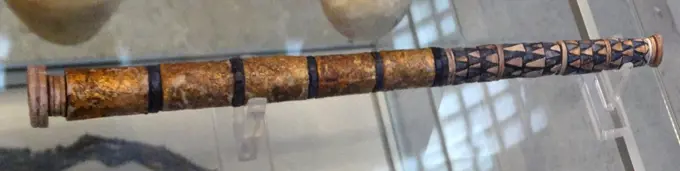
Cutlery holder with embossed decoration, has knife cutlery soil find tin metal, archeology Rotterdam Kralingen-Crooswijk Kralingsche Bos Kralingse Plas Soil discovery: collected in 1972 at the Kralingse Plas from sprayed dredge: metal detector finds and sight finds.
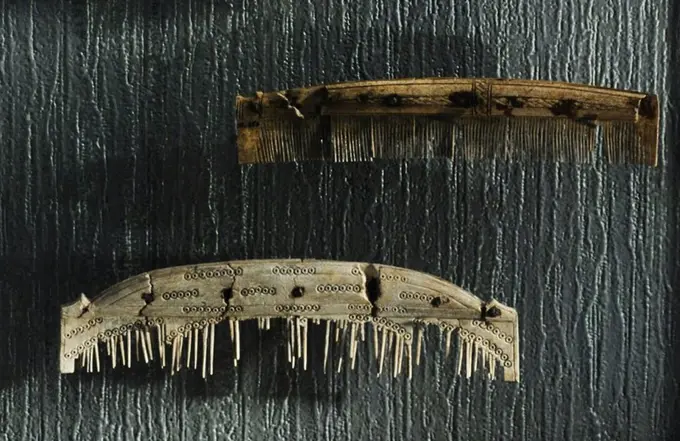
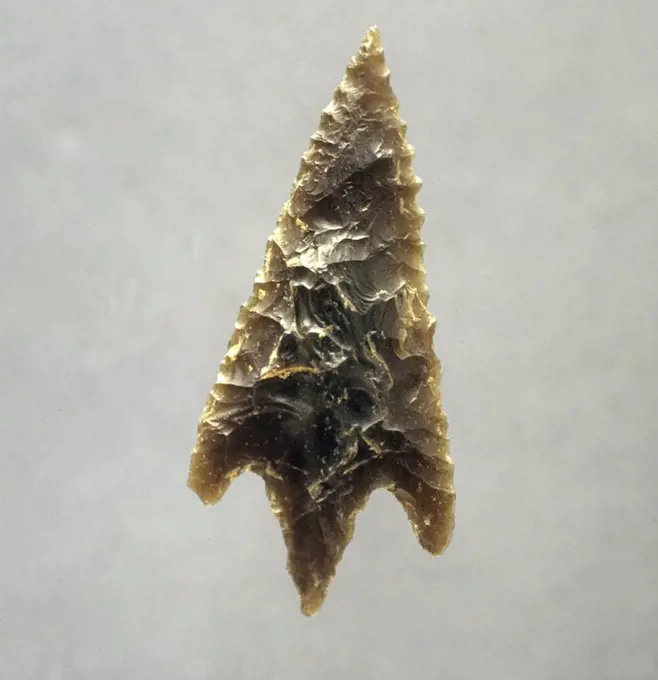
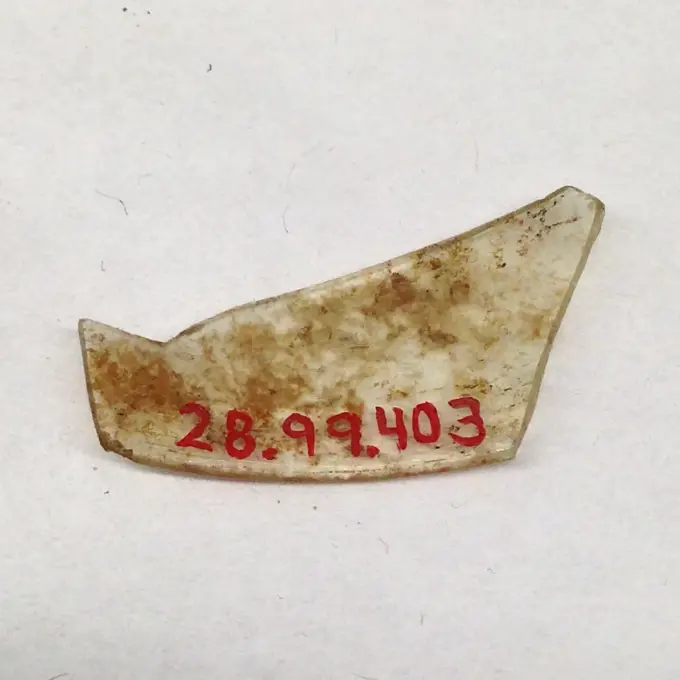
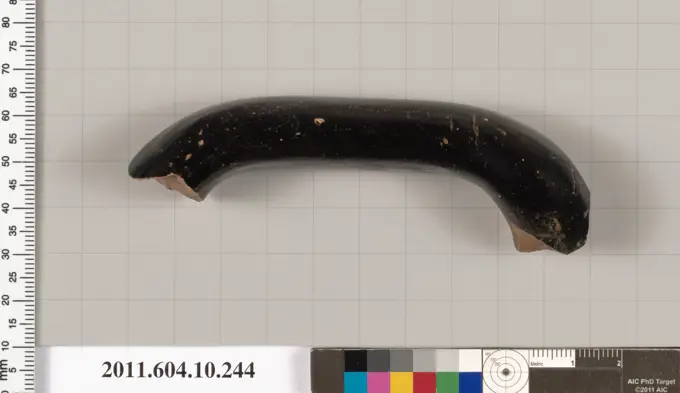
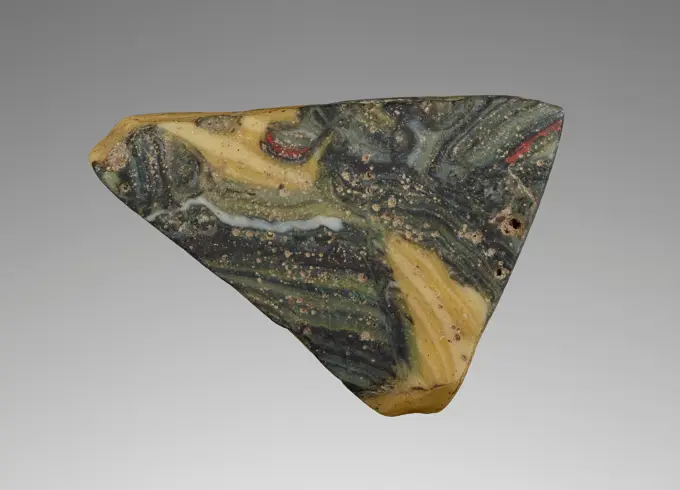
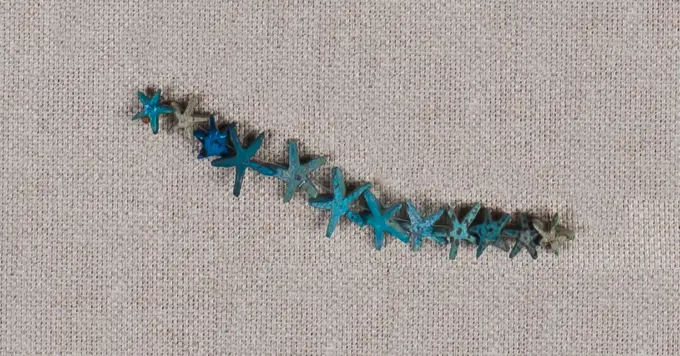
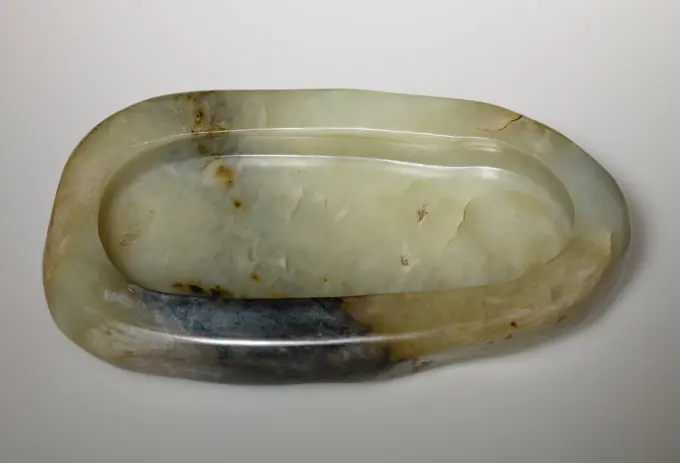
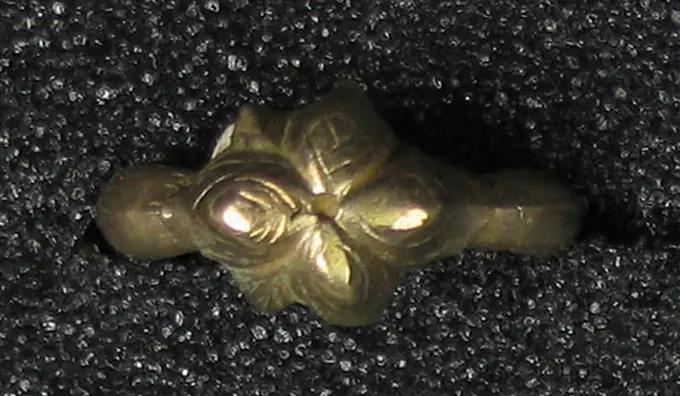
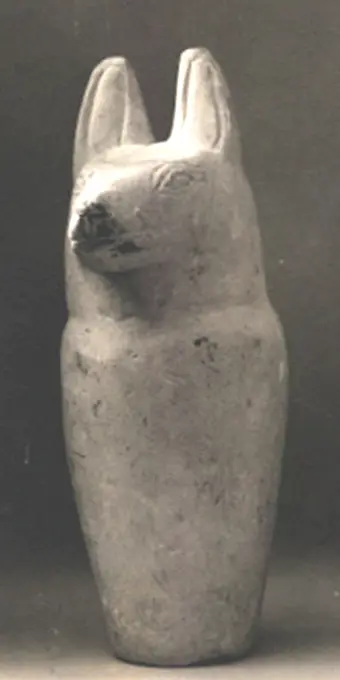
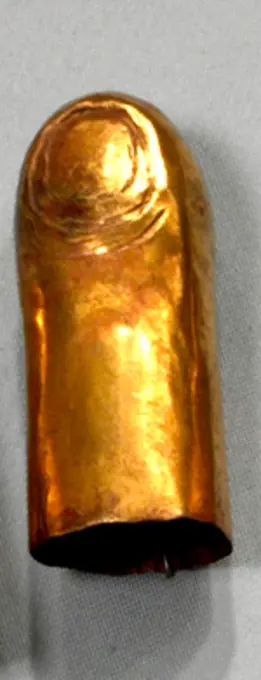
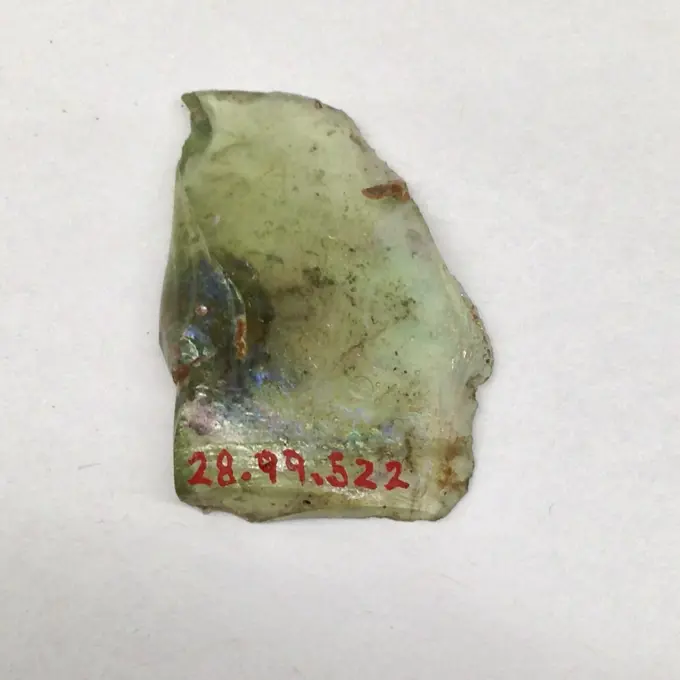
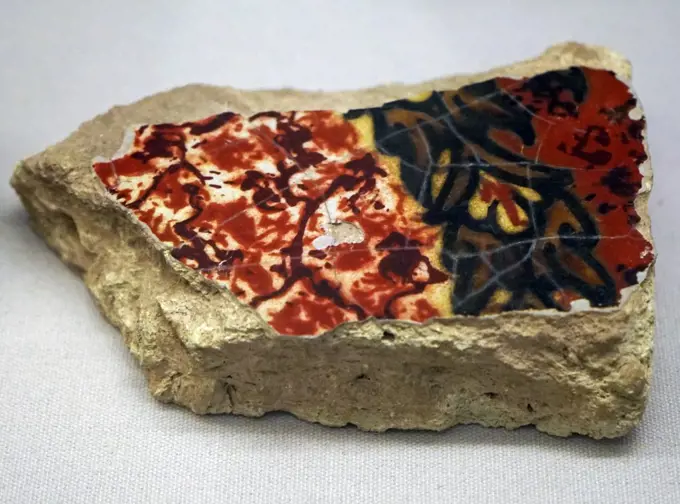
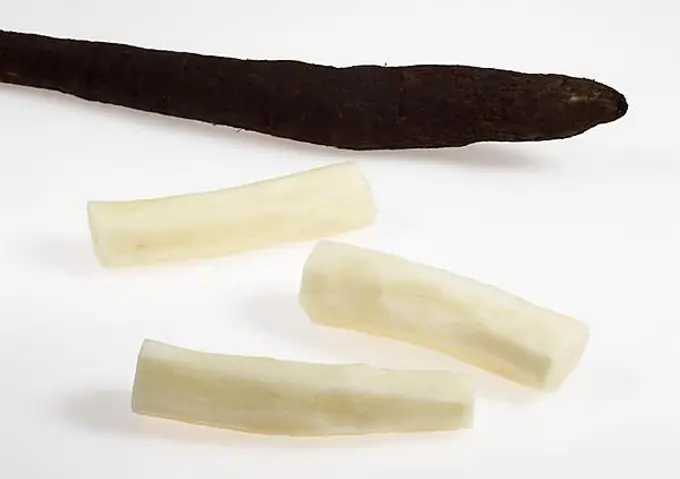
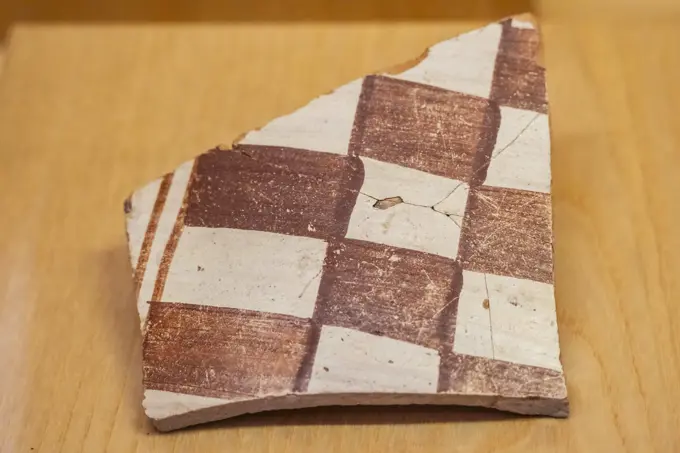
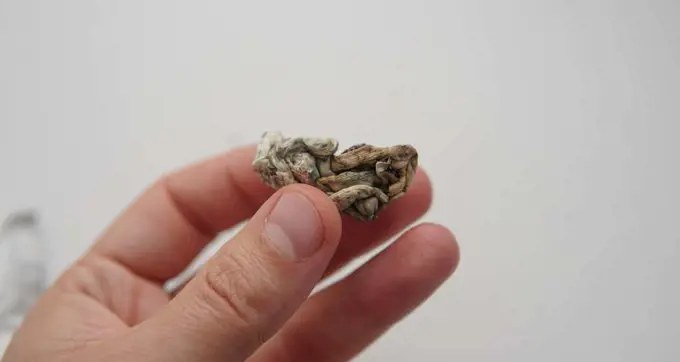
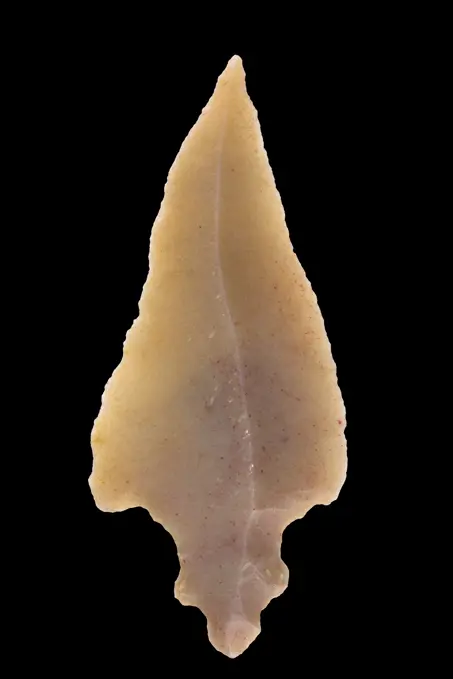
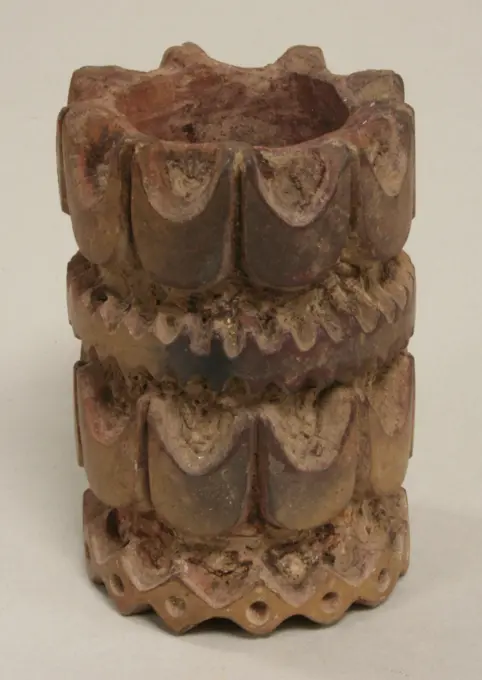
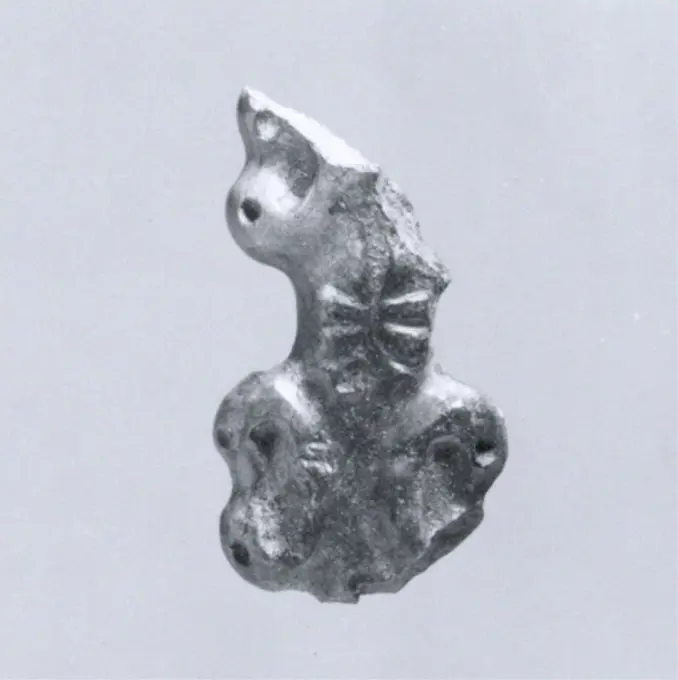
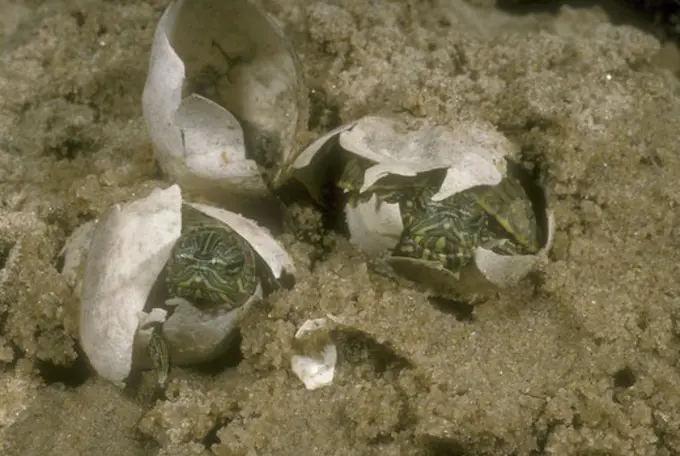
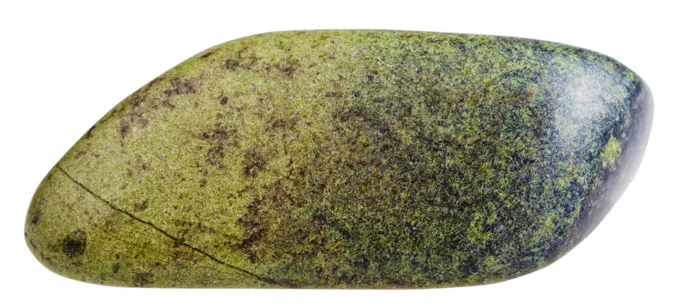
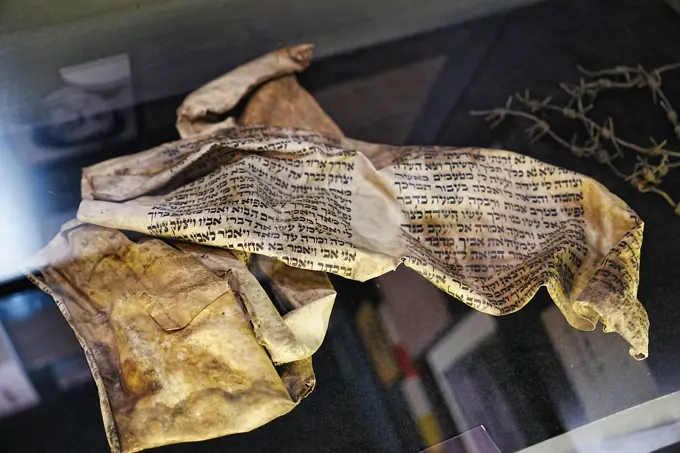
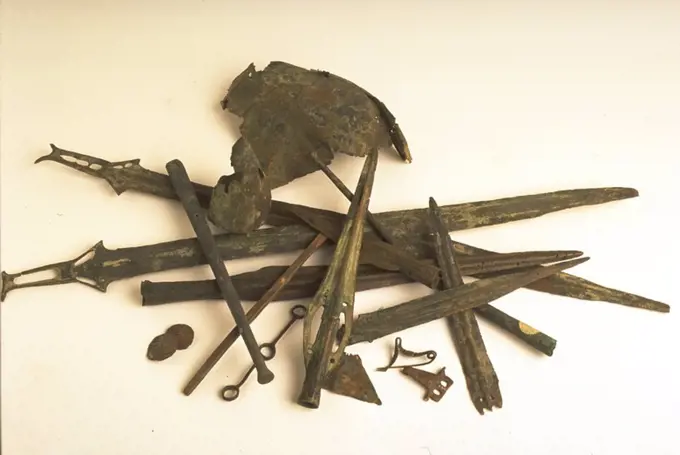
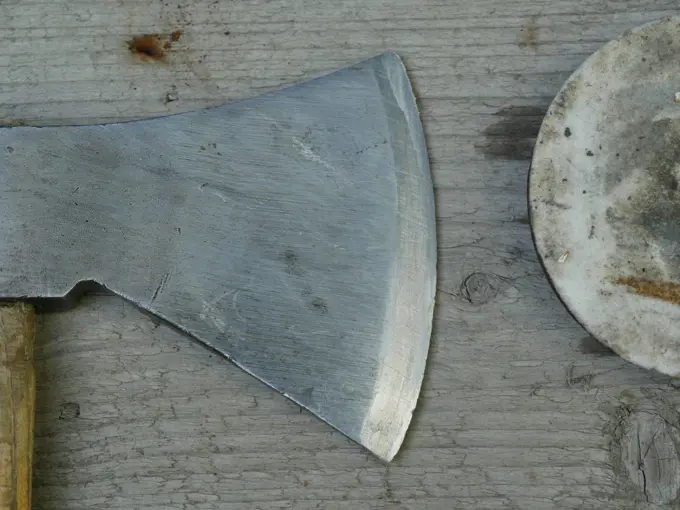
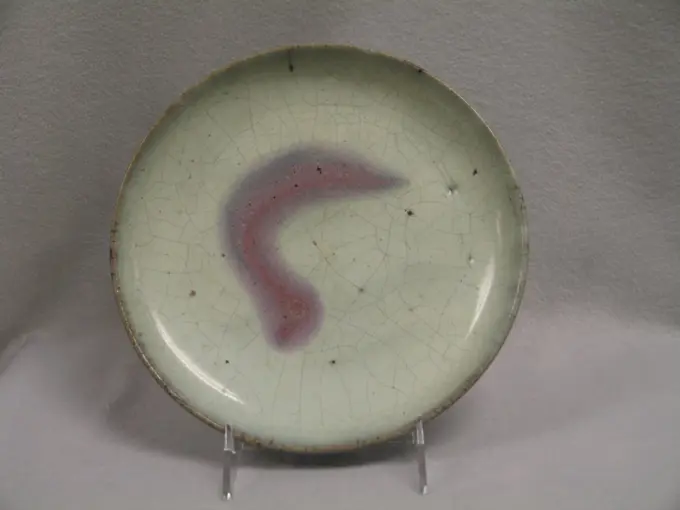
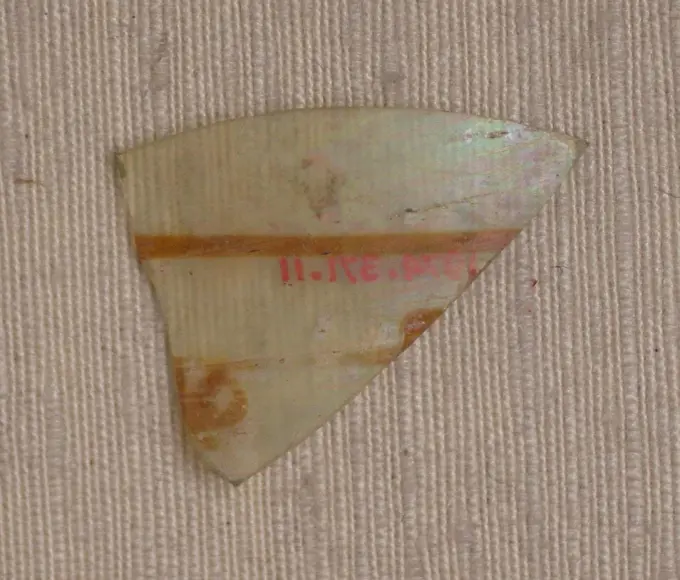
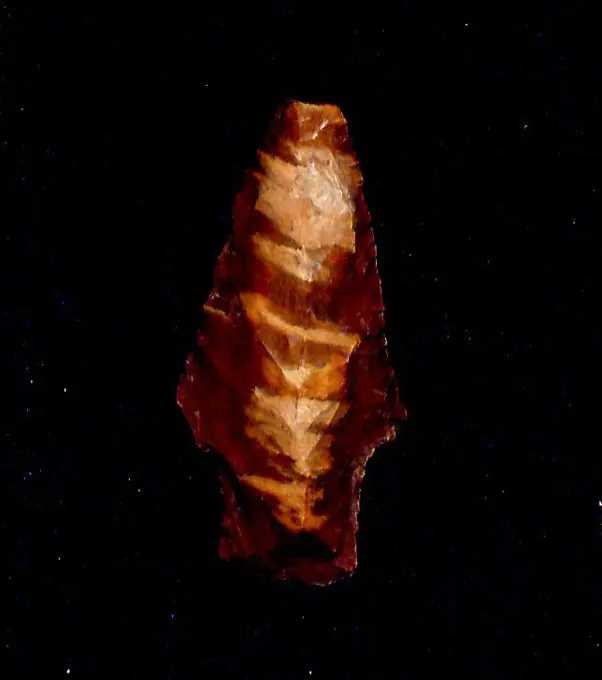
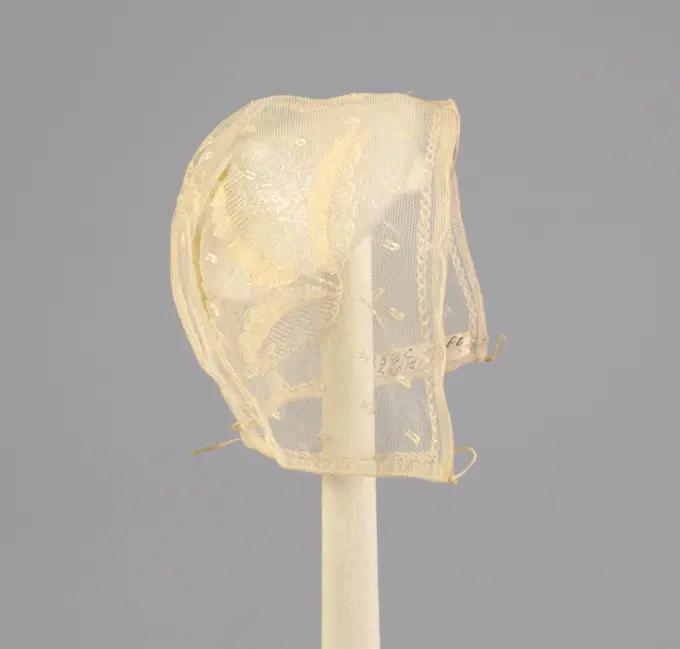
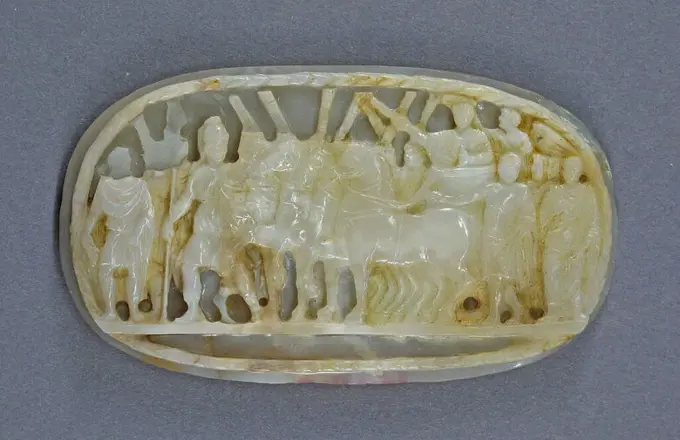
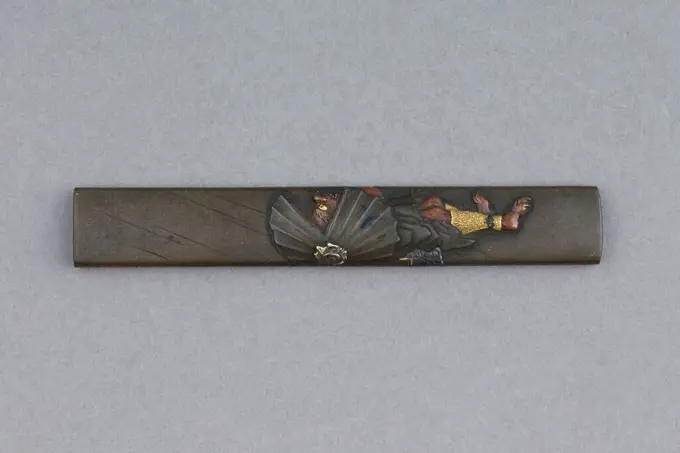
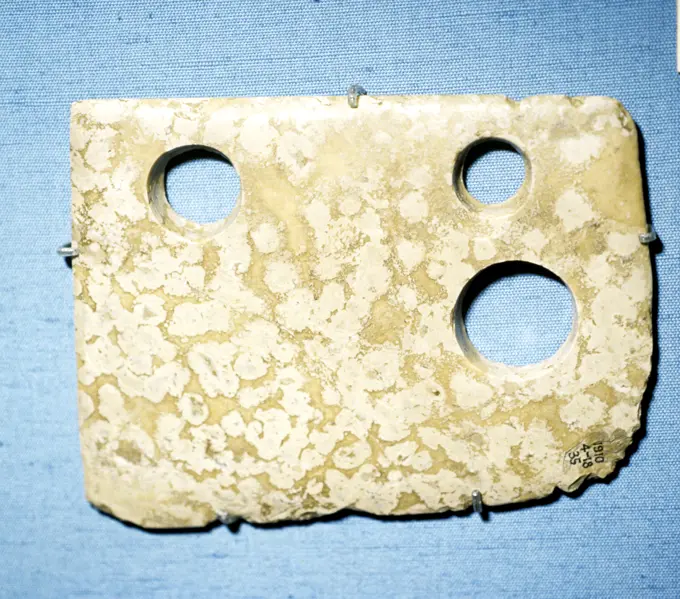
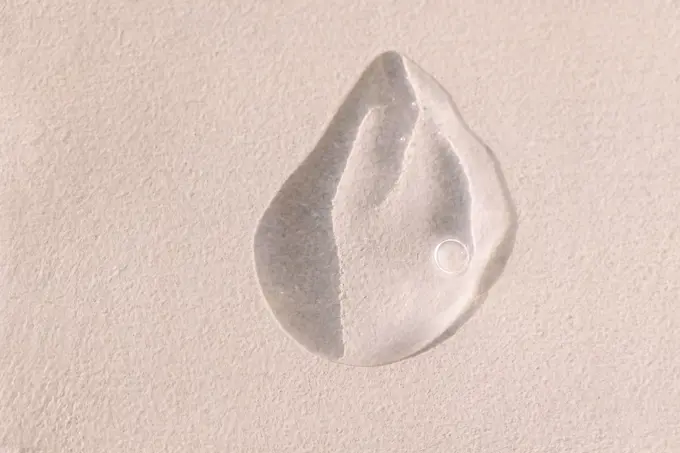
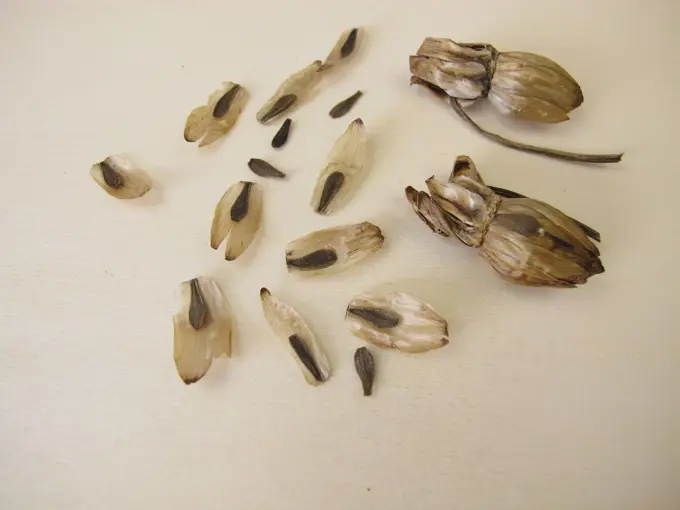
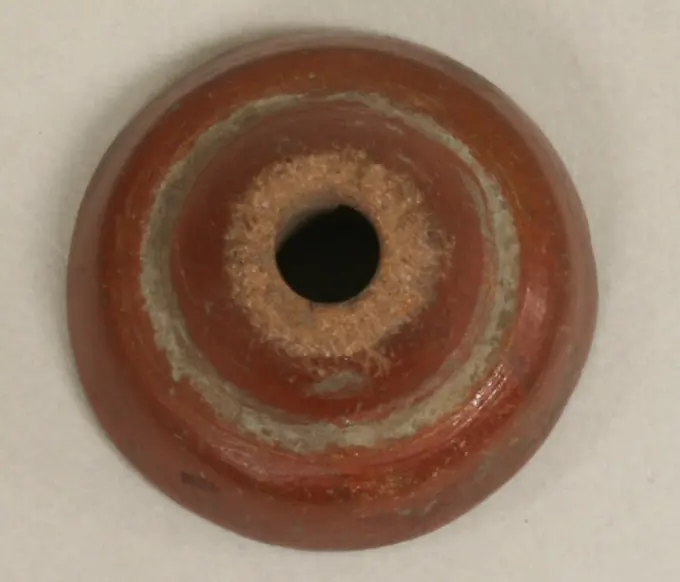
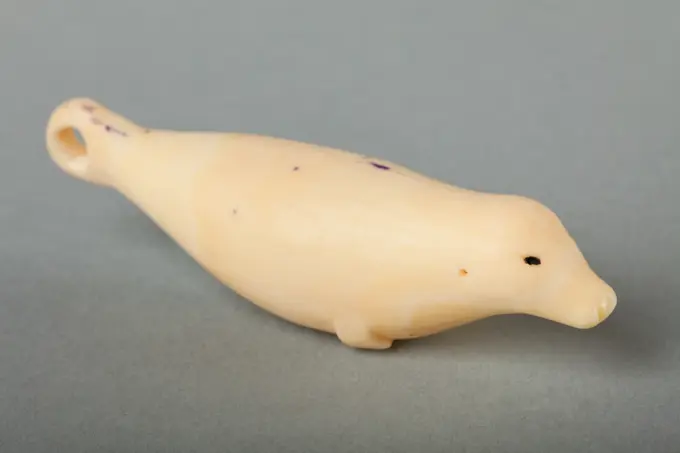
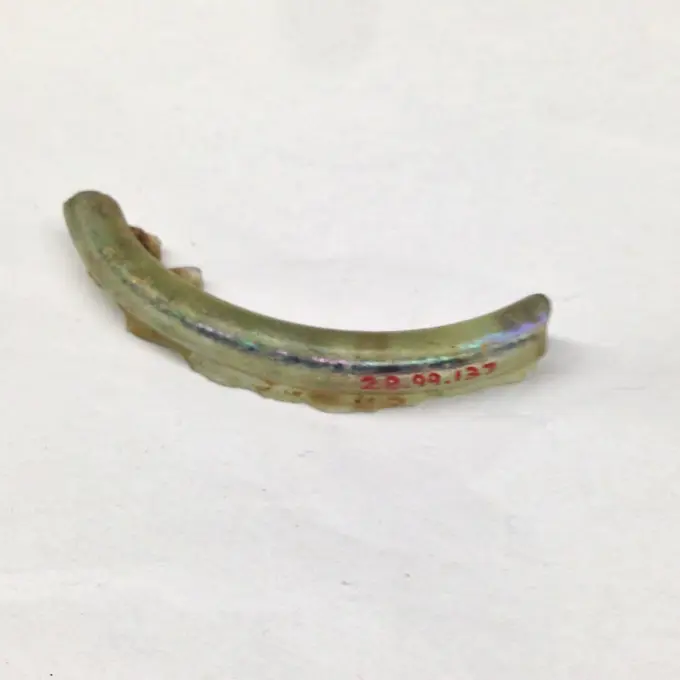
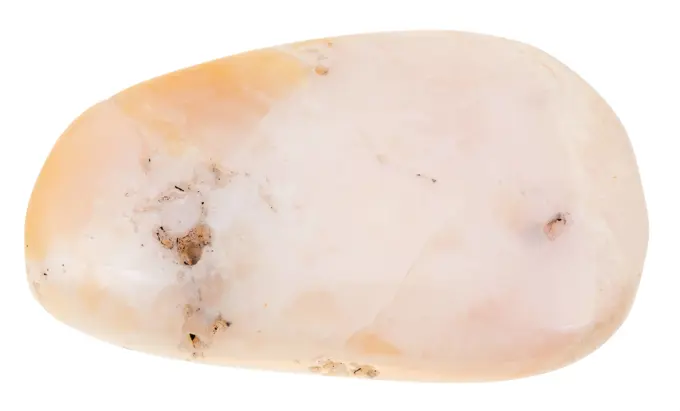
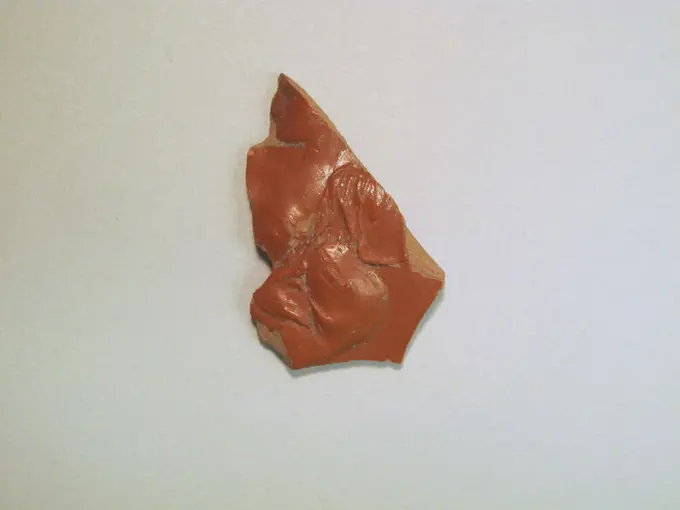
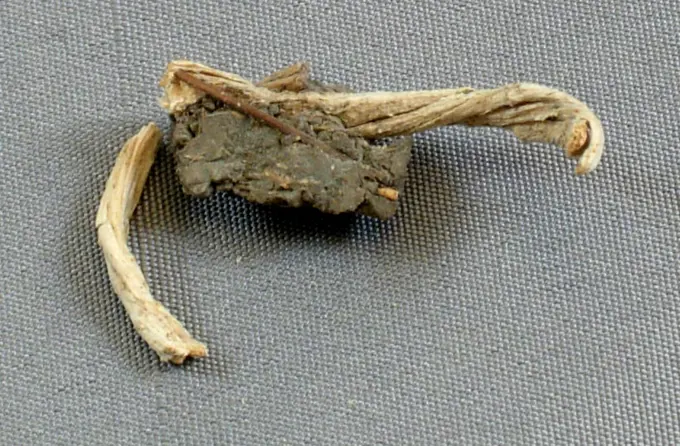
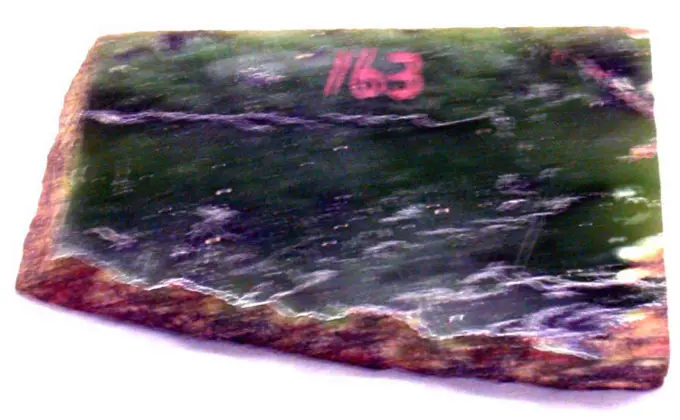
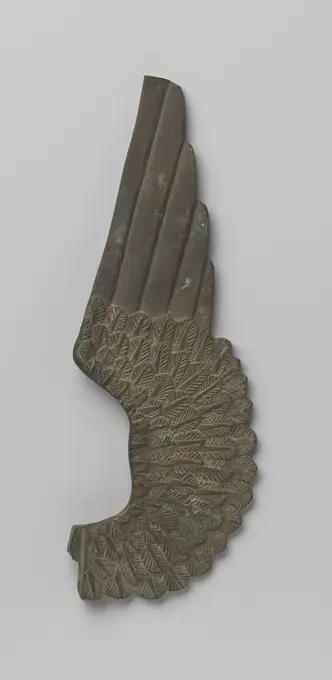
Angel wing of brass. Gutted right wing, with a row of five feathers, with five long feathers above. A remainder of a numbering is visible on the fastening piece.Carving, ribbon, Wood, painted, Crown ornament for a frame in pattern of twisted ribbons., France, ca. 1750, Decorative Arts, Carving, ribbonBoltSingle oyster shell tied up with rubber band against white backgroundBent nailDog harness fastener -Combs. From Alaug, Ringsaker k., Hedmark, 10th century and Aker, Hamar k., Hedmark, 8th century. Historical Museum. Oslo. Norway.Pyrite, fool's gold, brass, brazzleBronze axes, Bronze Age, Evora Museum, Evora, Alentejo, Portugal, Europe.PUNTA DE SILEX CON ALETAS Y PEDUNCULO DE LOS MILLARES. CALCOLITICO AJUAR. (DEPOSITO: MUSEO ARQUEOLOGICO NACIONAL).Labret 14th-15th century or earlier Mindanao. Labret 317649Hammered Silver Cone Ornament 8th-mid-16th century Peru; north coast (). Hammered Silver Cone Ornament 308990Carved script on woodFragment ca. 1150-ca. 1250 European or Middle Eastern. Fragment 695346Fragmentary Statuette of a Male Figure; Roman Empire; perhaps 4th century; Glass; 6.9 cm (2 11,16 in.)Fragment. Culture: European or Middle Eastern. Dimensions: L. 1 5/8 in. (4.1 cm). Date: ca. 1150-ca. 1250. Museum: Metropolitan Museum of Art, New York, USA.Terracotta fragment of a stamnos (jar) 6th/5th centuries B.C. Etruscan Black glazed handle from a stamnos; the underside of the handle is unglazed. Terracotta fragment of a stamnos (jar). Etruscan. 6th/5th centuries B.C.. Terracotta; Black glaze. Archaic/Classical. VasesFragment of a Mosaic Glass Vessel. Unknown 1st century A.D.String of star amulets ca. 1981-1295 B.C. Middle Kingdom-Early New Kingdom. String of star amulets. ca. 1981-1295 B.C.. Blue faience. Middle Kingdom-Early New Kingdom. From Egypt, Memphite Region, Lisht North, Cemetery, Debris, MMA excavations, 1920-22. Dynasty 12-18PUNTA DE LANZA O ALABARDA, PRECEDENTE DE VILLAMIEL DE TOLEDO (TOLEDO).Brush Washer, 18th-19th century, 4 3/4 x 9 in. (12.07 x 22.86 cm), Nephrite (jade), China, 18th-19th century, These two bowls would have been used on the scholar's desk as brush washers. The larger one retains the original surface of the boulder from which it was carved. This respect for the natural shapes and muted colors of nephrite perfectly reflected Ming scholarly taste. Used in China since prehistoric times, jade held ancient connotations for the literati. The scholar's preference for natural form and understated color stands in marked contrast to the aristocracy's desire for the larger, more intricatedly carved and brightly colored jades. The smaller brush washer has a four character mark that reads, 'appreciated by Qianlong,' who ruled from 1736-1795.Head Pendant, 100 BC - 300. Mexico, Guerrero, Mezcala. Polished green stone; overall: 2.8 x 1.9 cm (1 1/8 x 3/4 in.).Fountain Pen Nib. Egypt, 18th - 19th century CE. Tools and Equipment; writing implements. BronzeCAPACHO PARA MINERALES PROCEDE DE MAZARRON. Location: MUSEO ARQUEOLOGICO-COLECCION. Oviedo. ASTURIAS. SPAIN.Ring in Quatrefoil Shape 8th-12th century Indonesia (Central Java). Ring in Quatrefoil Shape. Indonesia (Central Java). 8th-12th century. Gold. JewelryRazor shell, Razor clam, Razor fish, Sword razor (Ensis arcuatus) on beach along the North Sea coastCanopic jar ca. 1070-664 BC Third Intermediate Period. Canopic jar 558327Toe stall ca. 1479-1425 B.C. New Kingdom. Toe stall 547649Fish Ornament 11th-12th century Peru; central coast (). Fish Ornament 308803Skein ca. 1840 British. Skein. British. ca. 1840. Cotton. Textiles-Methods and MaterialsFragment. Culture: European or Middle Eastern. Dimensions: L. 1 7/8 in. (4.8 cm). Date: ca. 1150-ca. 1250. Museum: Metropolitan Museum of Art, New York, USA.Fragment of a Dish 14th-15th century. Fragment of a Dish 446532Pieczęć cylindryczna ze sceną bankietową. nieznany warsztat asyryjski, workshopClapper ca. 1640-1500 B.C. Second Intermediate Period-Early New Kingdom . Clapper. ca. 1640-1500 B.C.. Ivory. Second Intermediate Period-Early New Kingdom . From Egypt, Memphite Region, Lisht North, cemetery south of the tomb of Senwosret (758), Pit 547, MMA excavations, 1906-07. Dynasty 15-18, earlyKnife Handle (Kozuka). Culture: Japanese. Dimensions: L. 3 13/16 in. (9.7 cm); W. 9/16 in. (1.4 cm); thickness 3/16 in. (0.5 cm); Wt. 1.3 oz. (36.9 g). Date: ca. 1615-1868. Museum: Metropolitan Museum of Art, New York, USA.Fragment ca. 1150-ca. 1250 European or Middle Eastern. Fragment 696613Earthenware lustre painted tiles from Iraq. Dated 9th CenturyBowl first half 18th century. Bowl 444472Goldweight Cluster of Seven Seed Pods, 19th-20th century, 1 5/8 x 1 3/4 x 5/8 in. (4.13 x 4.45 x 1.59 cm), Brass, Ghana, 19th-20th centurysceptre with foil gold and stone inlay. This sceptre or fly-whisk is Sumerian Early Dynastic III 2600BC from the Royal Cemetery at Ur in Iraq. The cemetery at Ur included just over 2000 burials.Salsify (tragopogon porrifolius), Fresh Roots against White BackgroundKeramik mit polychromer Bemalung Keramik mit polychromer Bemalung Copyright: xZoonar.com/BartomeuxBalaguerxRotgerx 22556729Stone Pulidor before 16th century Mexican. Stone Pulidor 317082psychedelic mushrooms on a white background. Medical research oFragment of a Revetment 100 BCE-100 CE Roman Empire. In ancient Rome, there was a high demand for colorful glass that could dazzle banquet guests alongside the expensive silver and gold serving wares meant to impress. Fragments like this one would have once been a part of larger mosaic dishes. The mosaic pattern was made by sagging molten glass into bowl-shaped molds, a technique used on many of these fragments is similar to millefiori, ìthousand flowersî in Italian, a modern glass-making method in which tiny rods of colored glass are bundled together, wrapped in a sheet of glass, fused, and then thinly sliced to reveal swirls of a flower-like patterns. They were arranged side by side, sometimes together with bits of colored glass, and fused together with heat.. Glass, mosaic glass technique . Ancient RomanArrowhead with peduncle in cut stone. Neolithic period. North Africa. 5 cm.Roller Stamp 10th-4th century B.C. Olmec. Roller Stamp 310360Harness or bridle fitting () ca. 9th century B.C. Iran. Harness or bridle fitting () 325781Escutcheon 17th century German. Escutcheon 186939 German, Escutcheon of lock, 17th century, Iron, 6 3/4 x 2 1/8 in. (17.1 x 5.4 cm). The Metropolitan Museum of Art, New York. Gift of Henry G. Marquand, 1887 (87.11.405)polished Hypersthene gemstone on dark background macro shooting of natural mineral rock specimen - polished Hypersthene gemstone on dark granite background from Canada Copyright: xZoonar.com/ValeryxVoennyyx 11391978Fragment ca. 1150-ca. 1250 European or Middle Eastern. Fragment 694359Red-Eared Sliders Hatching (Chrysemys scripta elegans) Central & Southern USApebble Epidote mineral gemstone isolated macro shooting of natural gemstone - pebble Epidote mineral gem stone isolated on white background Copyright: xZoonar.com/ValeryxVoennyyx 8877128Holocaust Museum in Vilnius, Litauen Green House Reste einer Torarolle Copyright: xZoonar.com/HGVorndranx 22357902ESPADAS HALLADAS EN LA RIA DE HUELVA. BRONCE AJUAR. (DEPOSITO: MUSEO ARQUEOLOGICO NACIONAL).Helmet 10th-16th century Colombia. Helmet 309979Copper coinweight, square, without recognizable markings, coin weight weight soil find copper metal, poured punched Rectangular plate made of yellow metal. One side semi-circular cove. Possibly coin weight or cutting residue of copper processing. Current weight: 2,887 gr archeology Rotterdam railway tunnel roads Soil discovery: trajectory Rotterdam rail tunnel.sharp ax blade sharp ax blade and round sharpened Copyright: xZoonar.com/mrivsergx 13959714Saucer China. Saucer 48431Fragment 9th century. Fragment 452695Ring probably 19th century Chinese This collection of largely ethnographic jewelry includes examples from cultures in South America, North America, Europe, Asia, and Africa and dates from the Pre-Columbian period to the twentieth century. Owned by renowned art collector and fashion enthusiast Muriel Kallis Newman, the collection represents her knowledge and appreciation of a wide range of jewelry design and making traditions. Numerous items in her collection are composite artifacts made from various cultures and time periods reappropriated as modern jewelry creations by or for Muriel. It is important to note that Newman wore many of the pieces in the collection, interpreting them to suit and express her own singular, often avant-garde style.. Ring 141658Fragments of Luster Ceramics in One or Two Colors 9th century. Fragments of Luster Ceramics in One or Two Colors 447654Indian arrowhead from Georgia and North & South Carolina , Archaeological assemblages, Charles F. Walcott Archaleogical CollectionFragment. Culture: European or Middle Eastern. Dimensions: L. 1 1/8 in. (2.9 cm). Date: ca. 1150-ca. 1250. Museum: Metropolitan Museum of Art, New York, USA.Fragment ca. 1150-ca. 1250 European or Middle Eastern. Fragment 695398Glass Fragments 4th century Coptic. Glass Fragments. Coptic. 4th century. Glass. Made in Kharga Oasis, Byzantine Egypt. Glass-VesselsWhite Rhinoceros (Ceratotherium simum) tooth from poached animal, South AfricaBarite. minerals. Europe; Spain; Catalina Region; Tarragona Province; FalsetTassel 17th century Italian. Tassel. Italian. 17th century. Linen. Textiles-TrimmingsRing Scarab 1350 BCE Egypt. Faience . Ancient EgyptianHammered Silver Petal Ornament 8th-mid-16th century Peru; north coast (). Hammered Silver Petal Ornament 309084pilum tip pilum tip, Iberian culture, Archeological Museum. Úbeda, Jaén province, Andalusia, Spain Copyright: xZoonar.com/BartomeuxBalaguerxRotgerx 21702690Pair of Slow of the Louse of the Man on hairIsraeli 1 Shekel coin under the microscope. Closeup macro photography.Cap ca. 1840 American. Cap 168476Cameo with Triumphal Procession. Dimensions: 2 1/16 × 1/4 × 3 5/8 in. (5.3 × 0.6 × 9.3 cm).Triumphal procession. Museum: Metropolitan Museum of Art, New York, USA.Beautiful seashell on the desk in biewKnife Handle (Kozuka). Culture: Japanese. Dimensions: L. 3 13/16 in. (9.7 cm); W. 9/16 in. (1.4 cm); thickness 1/4 in. (0.6 cm); Wt. 1.2 oz. (34 g). Date: 18th century-early 19th century. Museum: Metropolitan Museum of Art, New York, USA.toys, childhood and vacation concept - sand shape made by toy mold with shell on top on summer beach. sand shape made by mold with shell on summer beachAsia, China. Hardstone knife, Neolithic 3rd-2nd millenium BC. China.Fragment 13th century Crusader. Fragment 475365Dog figurine moulded by nature from a root, Burano, Veneto, Italy, EuropeFoot of drinking glass with pontilemark in the soul, clear glass with iridescence, drinking glass drinkware tableware holder fragment soil find glass, free blown Foot of drinking glass In the soul pontilemark. Clear and colorless glass. Milky discolored by iridescence partial scaling archeology Valckensteyn Poortugaal Albrandswaard drinking wine serving serve up Soil discovery: castle Valckensteyn in Poortugaal now Albrandswaard 1961-1962.Nahaufnahme eines transparenten Gel-Schmiermittels mit Blasen. Kosmetische Produkte. Ein Tropfen eines Serums oder einer Essenz auf einem strukturierten Hintergrund. Helles Sonnenlicht. Nahaufnahme eines transparenten Gel-Schmiermittels mit Blasen. Kosmetische Produkte. Ein Tropfen eines Serums oder einer Essenz auf einem strukturierten Hintergrund. Helles Sonnenlicht. LicenseRF Copyright: xZoonar.com/DashaxPetrenkox 23363465Ornament China. Ornament 60856Dahliensamen, flowers of the dahlia and faded flowers of dahlia seeds, flowers seed from the dahlia and faded flowers copyright: xzoonar.com/heikexraux 21260583Spindle Whorl 10th-early 16th century Mexican. Spindle Whorl 307576Figurine of the sea lion Koriak folk productsBottom of Flask 13th century Syrian. Bottom of Flask 26501Leather drum Old leather drum. Top view on the surface. Horizontal photo with shallow depth of field Copyright: xZoonar.com/ArmanxZhenikeyevx 3343108Fragment ca. 1150-ca. 1250 European or Middle Eastern. Fragment 694240Stone ornament for a harness decorated with a lotus bud. Dated 10th Century BCpolished pink opal gemstone from Peru isolated macro shooting of natural mineral stone - polished pink opal gemstone from Peru isolated on white background Copyright: xZoonar.com/ValeryxVoennyyx 9078521Vase fragment. Culture: Roman. Dimensions: 1 1/16 × 1 11/16 × 3/16 in. (2.7 × 4.3 × 0.5 cm). Date: 1st century B.C.-1st century A.D..Banqueter. Museum: Metropolitan Museum of Art, New York, USA.Juror's Ballots, 4th cent. BC. Classical Greece. GREECE.Mud Sealing Attached to a Fiber Tie from Tutankhamun's Embalming Cache ca. 1336-1327 B.C. New Kingdom This mud sealing is from the embalming cache of Tutankhamun in the Valley of the Kings.. Mud Sealing Attached to a Fiber Tie from Tutankhamun's Embalming Cache. ca. 1336-1327 B.C.. Mud. New Kingdom. From Egypt, Upper Egypt, Thebes, Valley of the Kings, Embalming Cache of Tutankhamun (KV 54), Davis/Ayrton excavations, 1907-08. Dynasty 18bronze arrowheads bronze arrowheads, Estepa Seville, Iberian culture, Iberian Museum of Jaén, Andalusia, Spain Copyright: xZoonar.com/BartomeuxBalaguerxRotgerx 21704878Thenardite, sulphate.Fragment New Zealand. Fragment. New Zealand. Nephrite. JadeRaw Cotton Cotton, seeds, A: 7/8 x 7/16 x 1 1/8 in. (2.2 x 1.1 x 2.9 cm).   Arts of the Americas