Archaeological Artifacts

A collection of ancient metal and stone tools, cutlery, and decorative pieces, highlighting historical significance through unique textures and shapes.

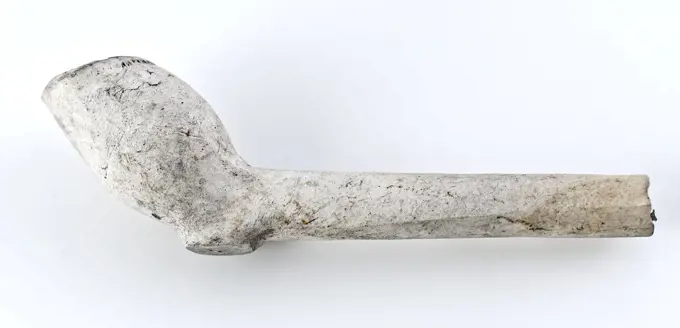
Cutlery holder with embossed decoration, has knife cutlery soil find tin metal, archeology Rotterdam Kralingen-Crooswijk Kralingsche Bos Kralingse Plas Soil discovery: collected in 1972 at the Kralingse Plas from sprayed dredge: metal detector finds and sight finds.
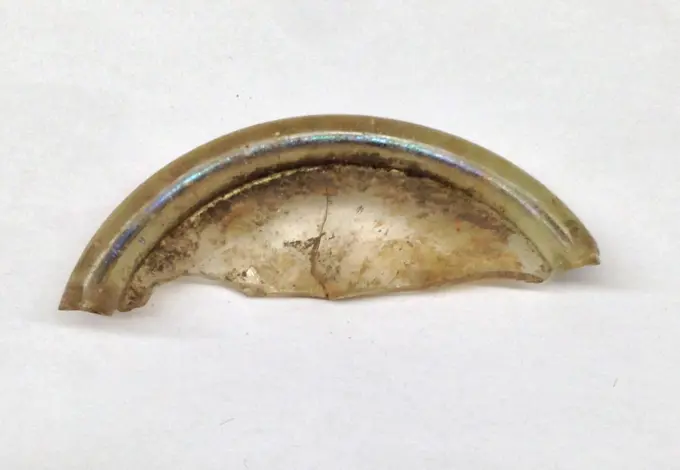
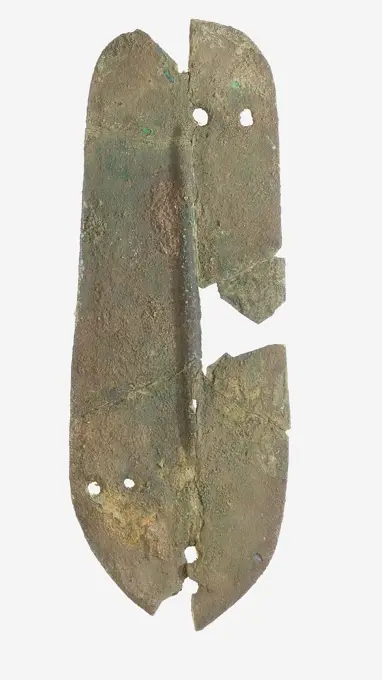
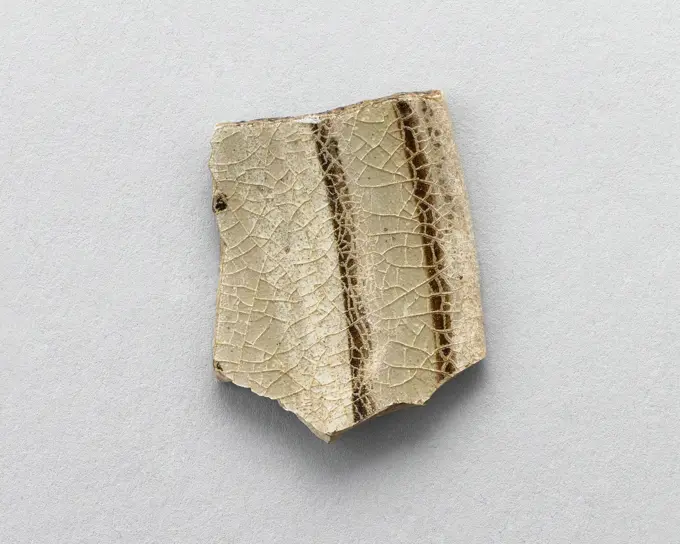
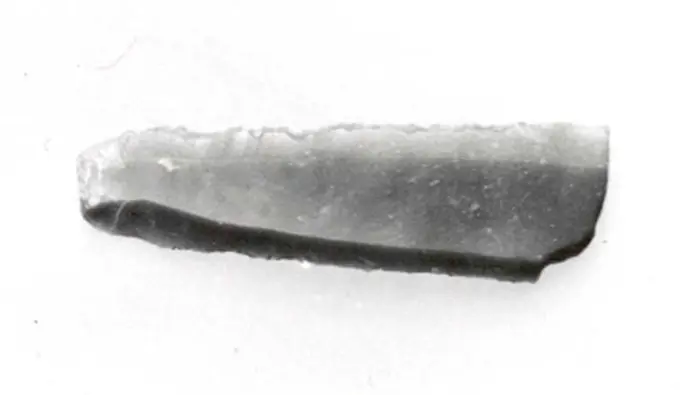
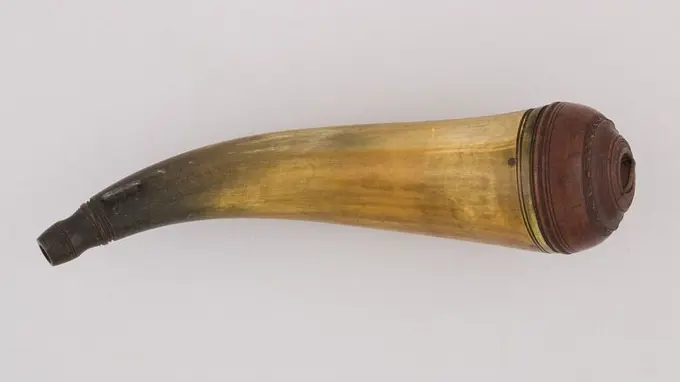
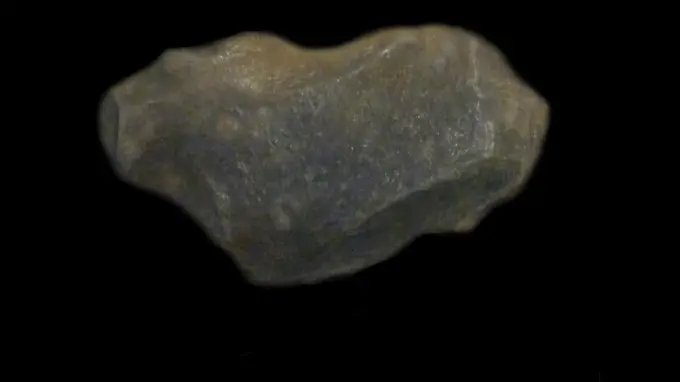
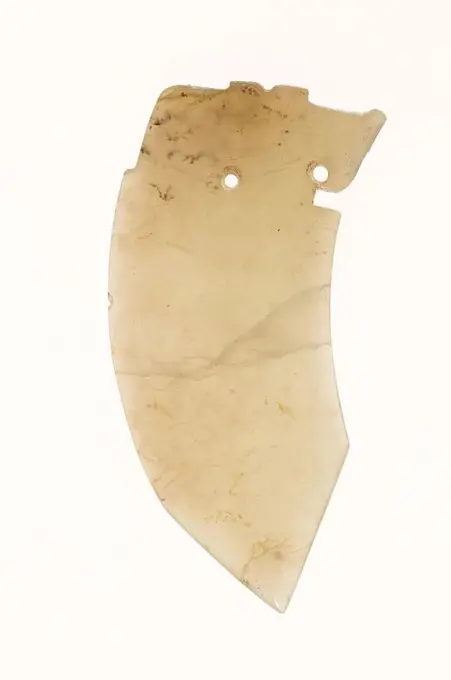
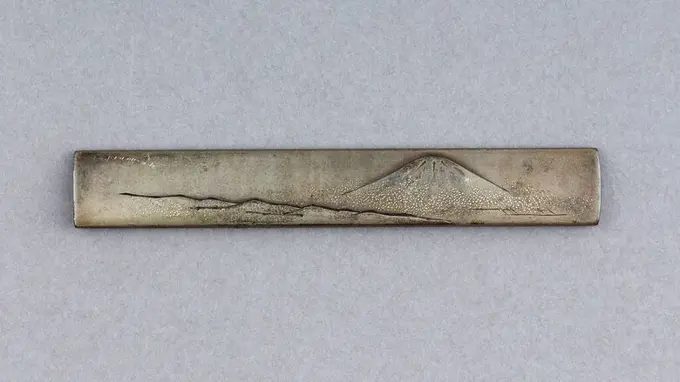
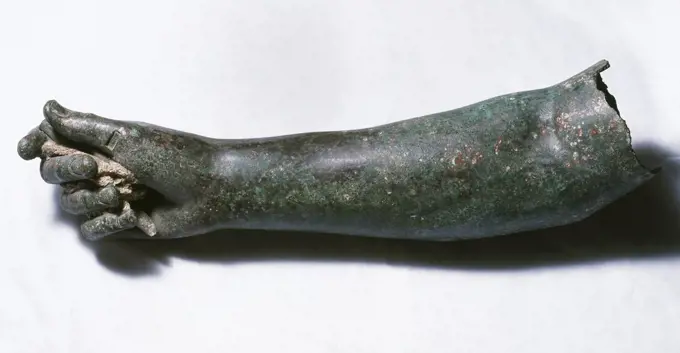
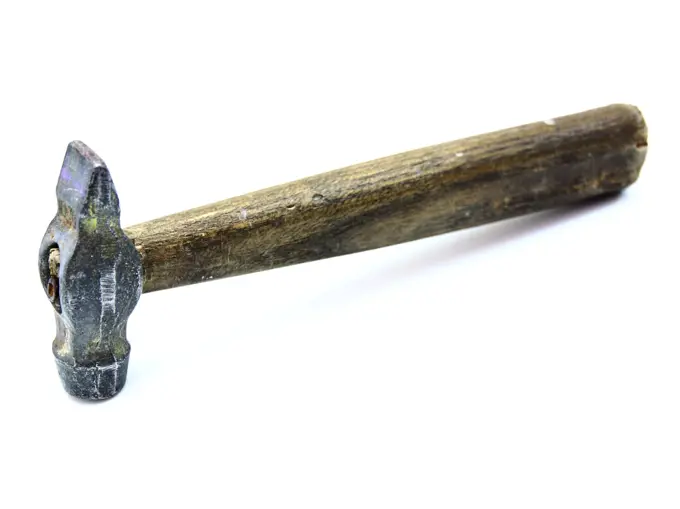
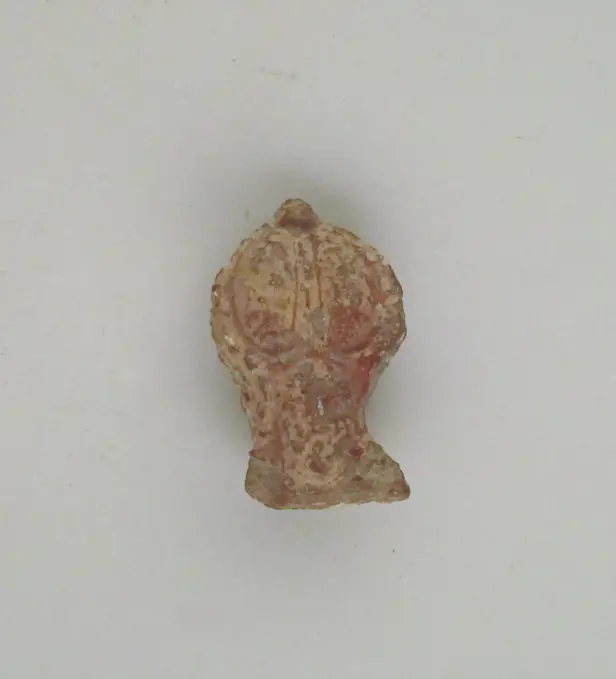
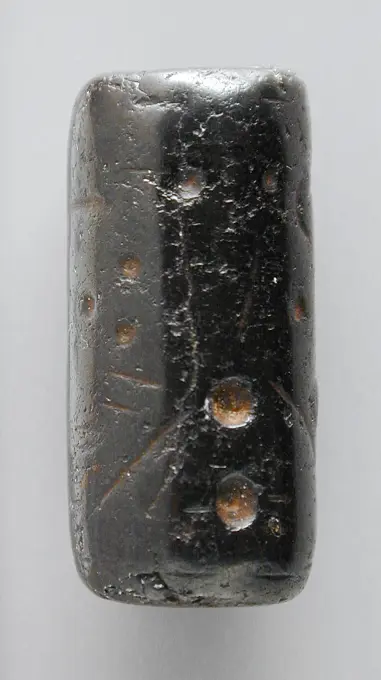
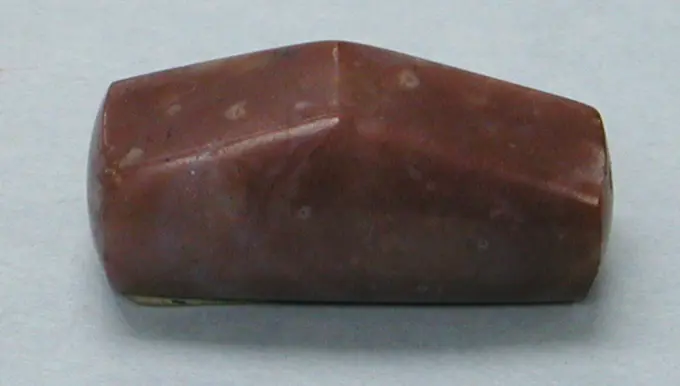
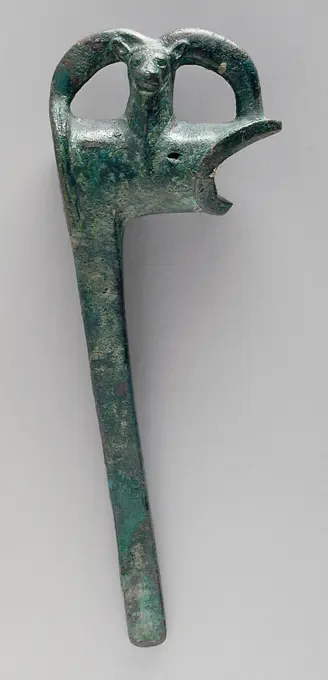
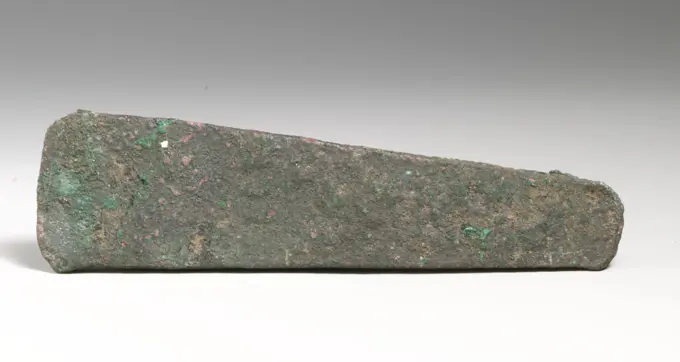
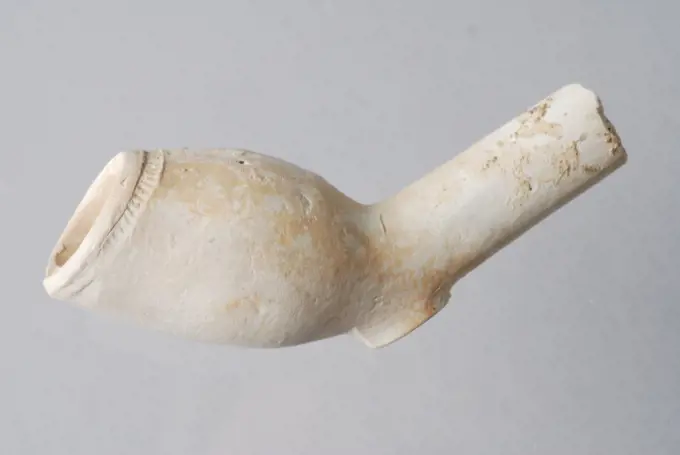
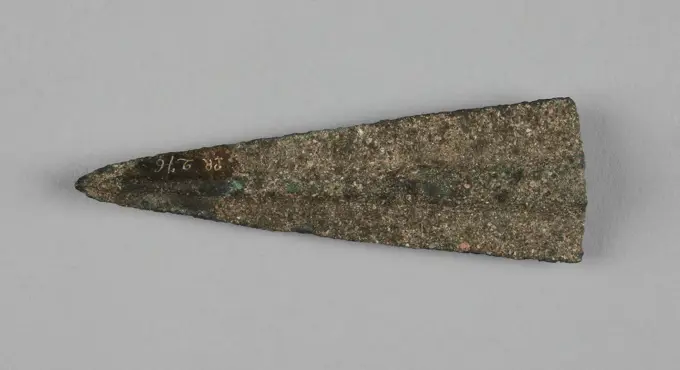
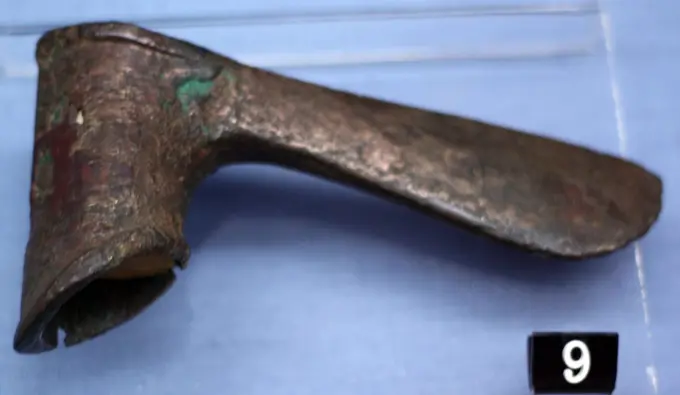
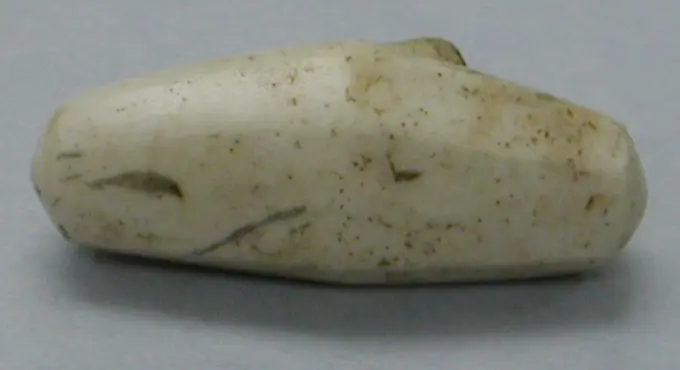
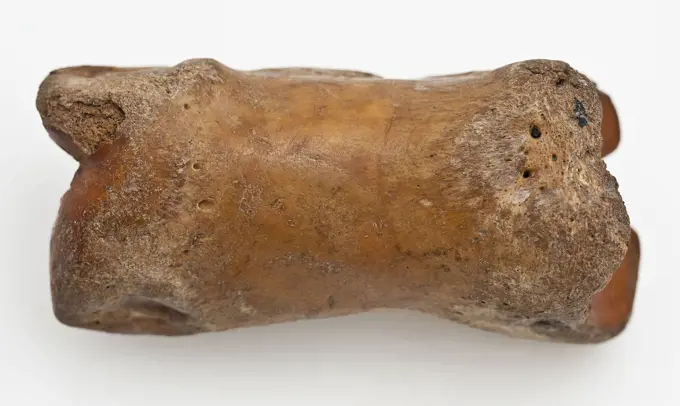
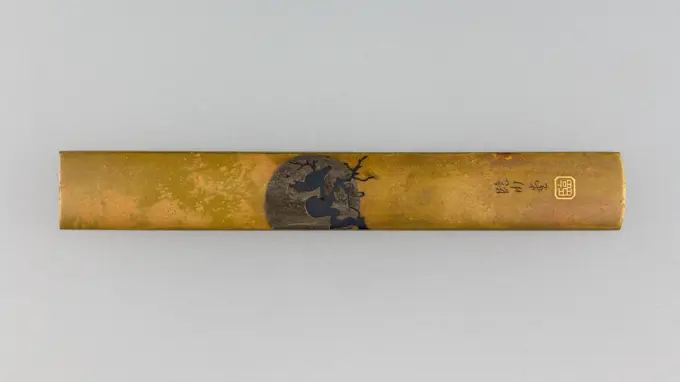
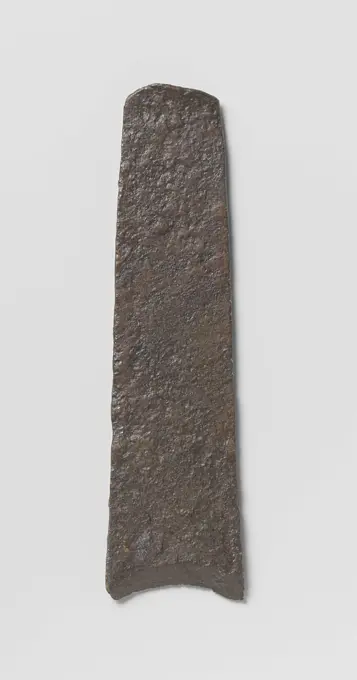
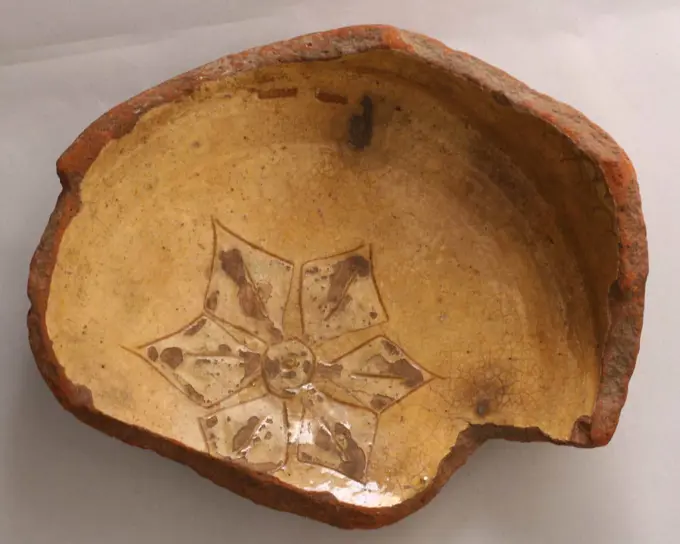
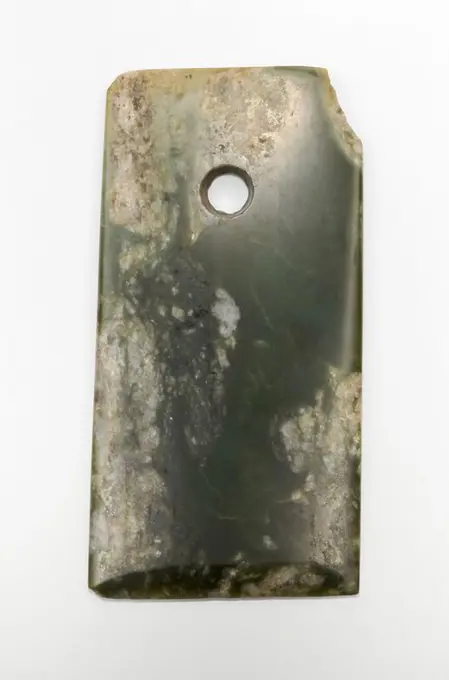
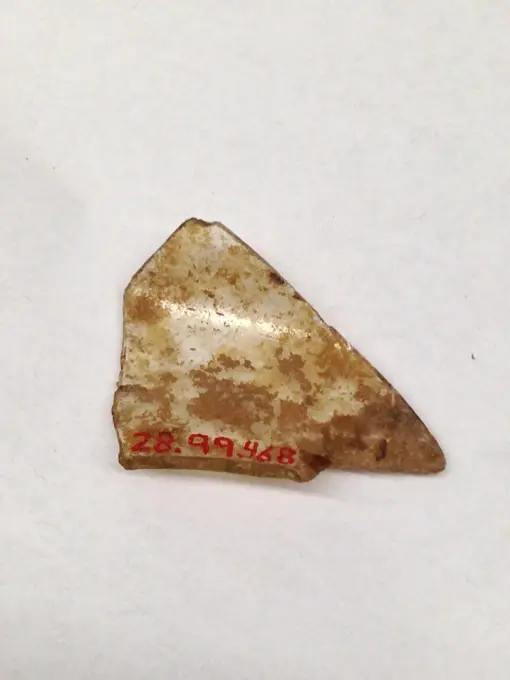
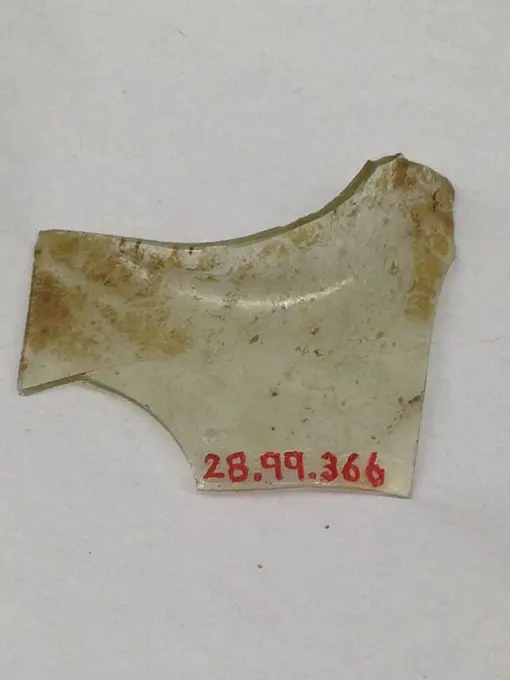
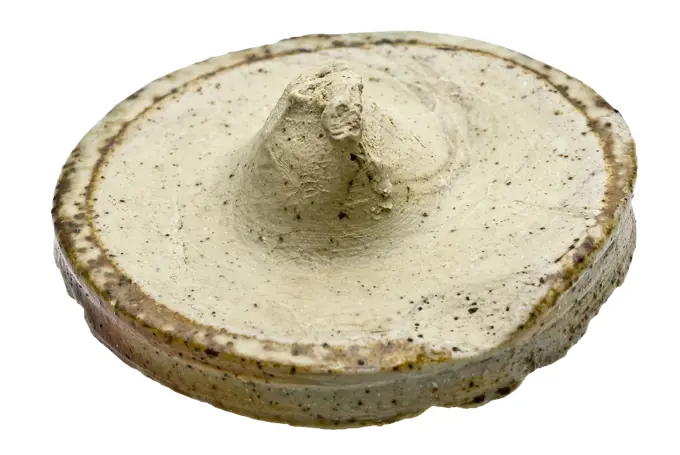
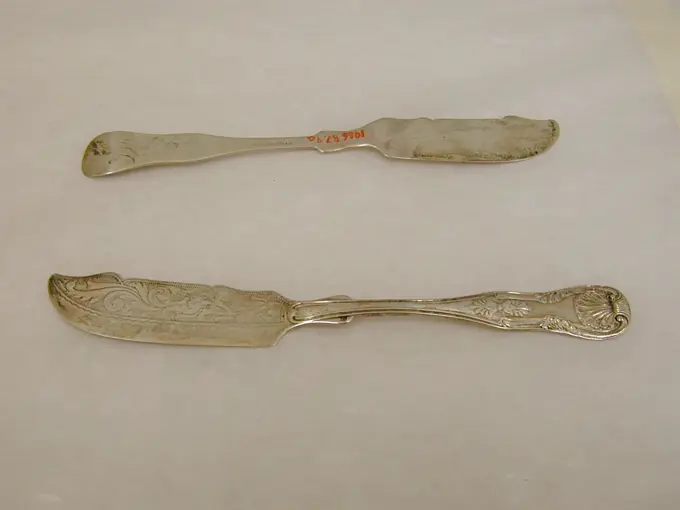
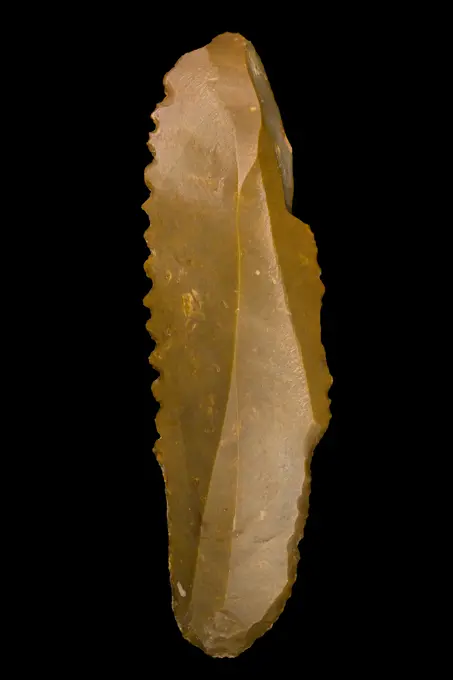
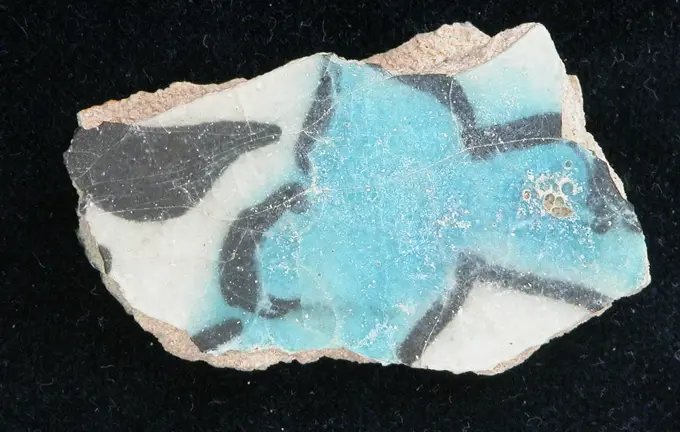
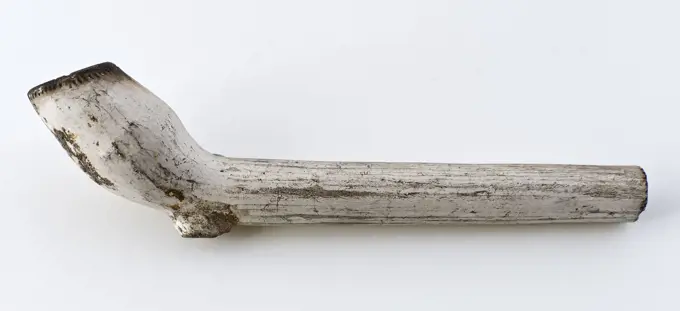
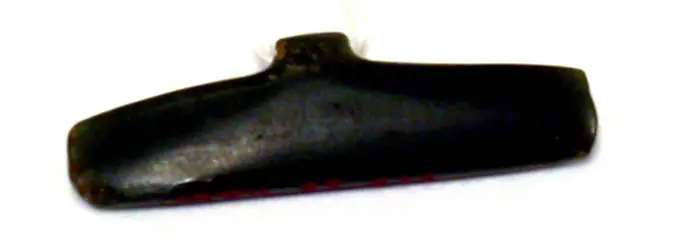
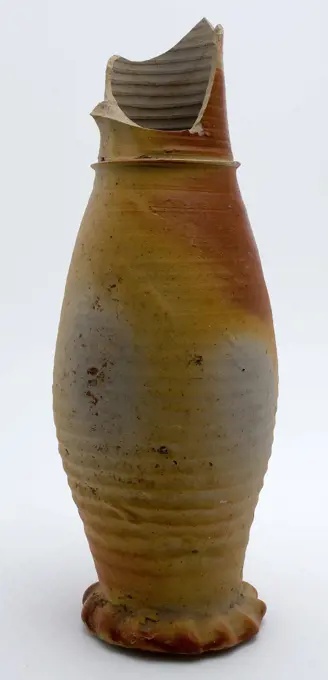
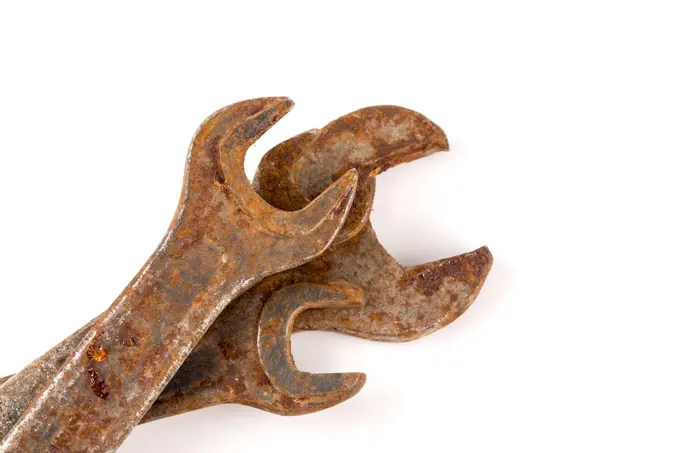
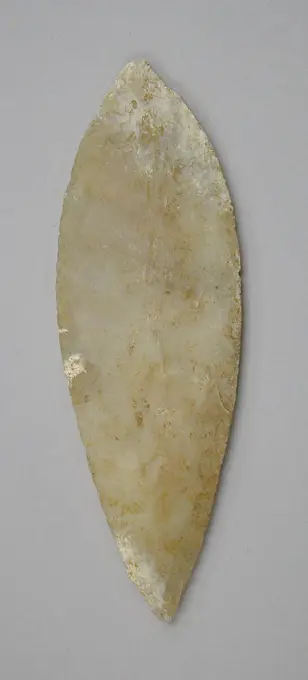
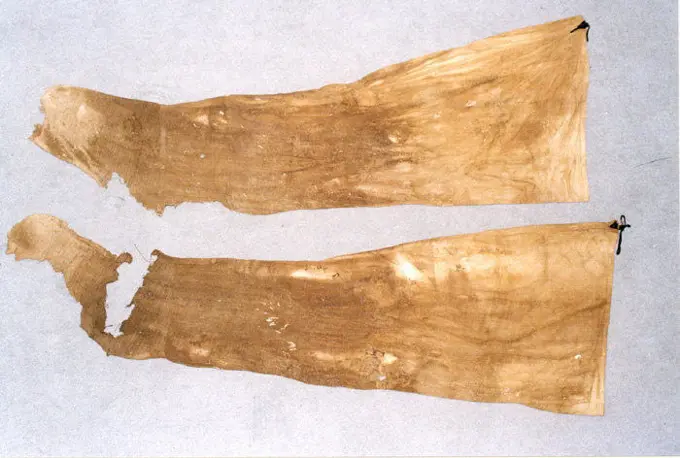
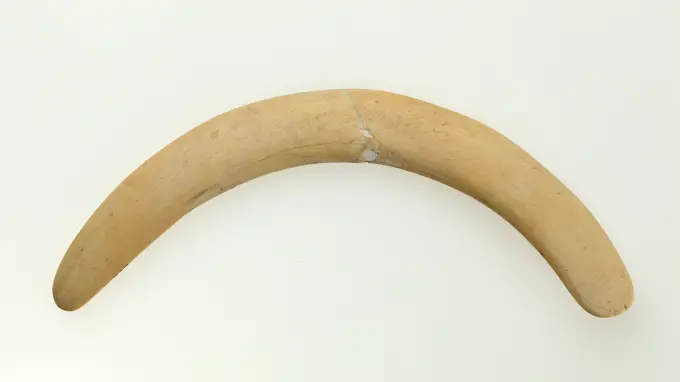
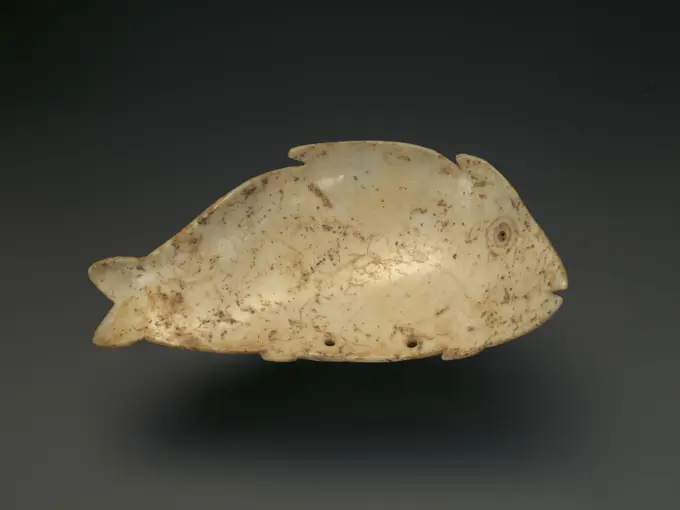
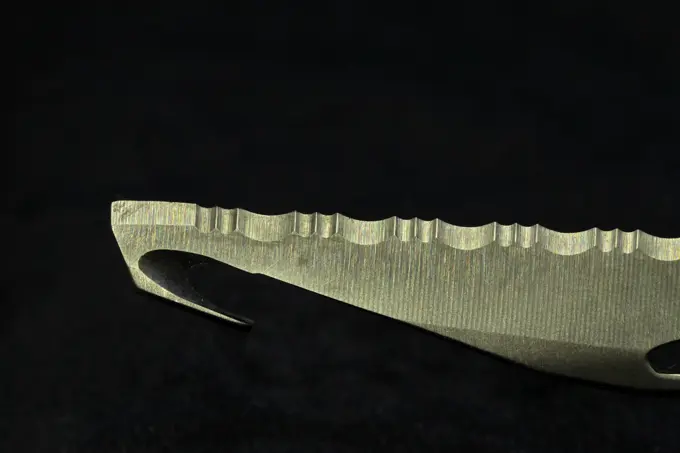
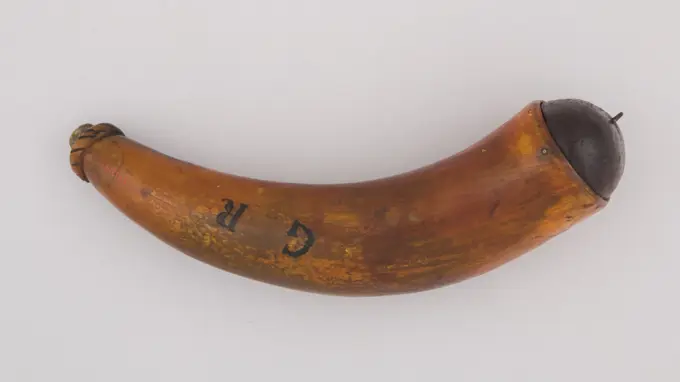
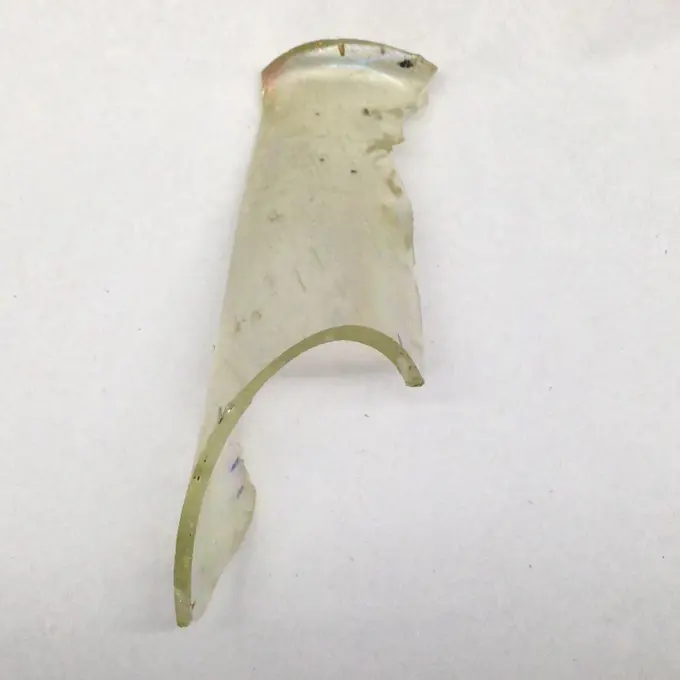
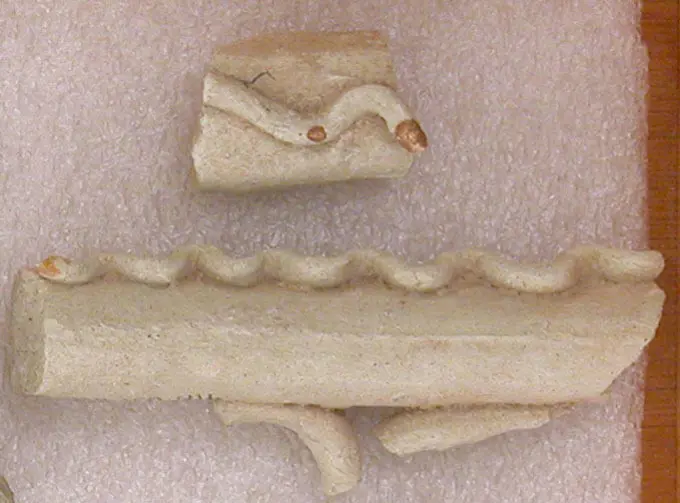
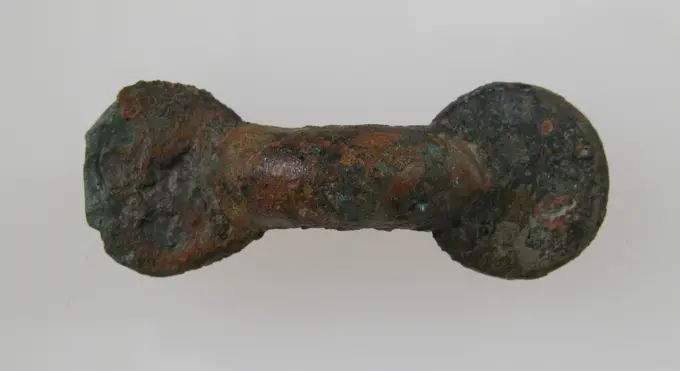
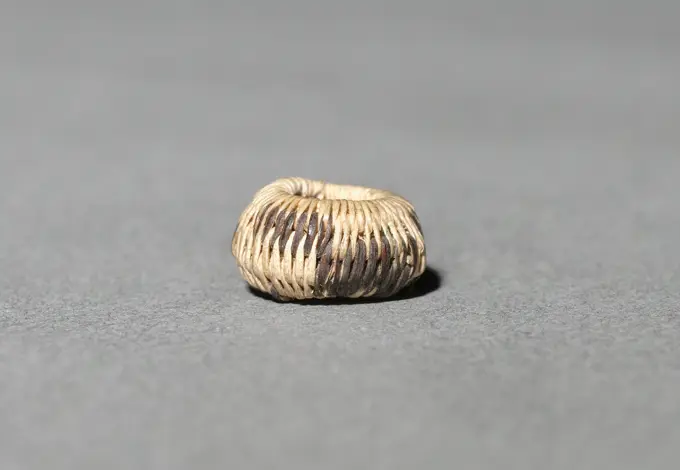
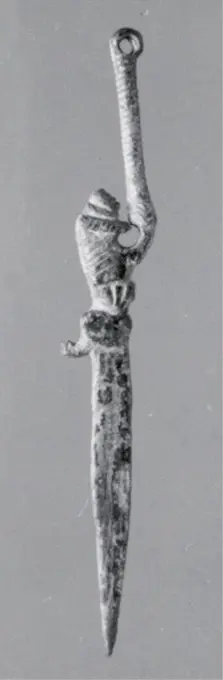
Cutlery holder with embossed decoration, has knife cutlery soil find tin metal, archeology Rotterdam Kralingen-Crooswijk Kralingsche Bos Kralingse Plas Soil discovery: collected in 1972 at the Kralingse Plas from sprayed dredge: metal detector finds and sight finds.Curved Pendant. China. Date: 1600 BC-1046 BC. Dimensions: 4.4 × 11.7 × 0.16 cm (1.7 × 4.6 × 0.06 in.). Jade. Origin: China. Museum: The Chicago Art Institute, Chicago, USA.Bifacial Knife ca. 7,000 B.C. or later Neolithic or later. Bifacial Knife. ca. 7,000 B.C. or later. Flint. Neolithic or later. From Egypt, Western Desert; Kharga Oasis, Beledeh District, W and NW of Christian necropolis, surface find, MMA excavations, 1908-10Raises from two parts between which flat angel with attached handle protector, handle knife cutlery soil find horn iron metal, Lifts two parts between which flat angel with attached handle protector. Lifting plates with five nails attached to each other archeology Rotterdam rail tunnel cutting Soil discovery: trajectory Rotterdam tunnel.Fragment (Italy); silkFragment ca. 1150-ca. 1250 European or Middle Eastern. Fragment 694182Fragment ca. 1150-ca. 1250 European or Middle Eastern. Fragment 694245Fragment ca. 1150-ca. 1250 European or Middle Eastern. Fragment 695422Glass Fragment 4th-early 5th century Coptic. Glass Fragment 477302Scale from Armor ca. 1390-1353 B.C. New Kingdom Although bronze and iron scales have been found in Egypt, body armoraforeign importwas probably not commonly worn there. Two sets of armorappear in a presentation scene in the tomb of Kenamun at Thebes, and a cuirassof leather scales was found in the tomb of Tutankhamun. The ten scales (11.215.452a-j) were excavated from the palace of Amenhotep III, but their position, embedded in an enclosure wall, does not allow us to speculate as to who might have worn them. The scales would have been sewn to a linen or leather backing. Although they vary, they still might have constituted the same armor.. Scale from Armor. ca. 1390-1353 B.C.. Bronze. New Kingdom. From Egypt, Upper Egypt, Thebes, Malqata, Palace of Amenhotep III, MMA excavations, 1910-11. Dynasty 18Fragment. Culture: European or Middle Eastern. Dimensions: L. 1 13/16 in. (4.6 cm). Date: ca. 1150-ca. 1250. Museum: Metropolitan Museum of Art, New York, USA.Tesson (common name), 1400. Sandstone with brown under cover. Cernuschi Museum, Asia Museum of Asia in the city of Paris.Tool 5th-3rd millennium B.C. Iran This flint tool was excavated in 1937 at a prehistoric site in the vicinity of Nishapur in northeastern Iran. While Nishapur itself was founded by the Sasanian king Shapur I (reigned ca. A.D. 241-272), this flint shows that human habitation there goes back to the prehistoric period. Furthermore, the prehistoric pottery from Nishapur has close affinities with ceramic materials from Central Asia rather than with contemporary sites in Iran, meaning that in this period its inhabitants were likely culturally linked to their neighbors to the east. At the same time, Nishapurs location on what later became known as the Great Khorasan Road suggests that it was part of the trade network that facilitated the import of precious stones such as lapis lazuli, carnelian and turquoise from Central Asia to Mesopotamia.. Tool 323693Stone Pulidor before 16th century Mexican. Stone Pulidor 316347Stone from the facade of the vleeshal, Rotterdam, window decoration, keystone building element facing stone sculpture footage sandstone stone, sculpted Trapezoidal with table meat house flesh hall Rotterdam City Triangle Botersloot St. Bartholomeus Originating from the Vleeshal on the Botersloot.Powder Horn. Culture: American. Dimensions: L. 8 1/2 in. (21.6 cm); Diam. 2 1/4 in. (5.7 cm); Wt. 3.7 oz. (104.9 g). Date: 18th century. Museum: Metropolitan Museum of Art, New York, USA.Medal; 1902-26-19Vintage mapThe Oldowan Industry. Scraping tools. We do not know what these tools were used for but they could have been used for scraping meat from bones.Shoes 16th century British. Shoes 101690Fragment ca. 1150-ca. 1250 European or Middle Eastern. Fragment. European or Middle Eastern. ca. 1150-ca. 1250. Glass, ceramic. Glass-VesselsBird Pendant 1100 BCE-900 BCE China. Jade .Curved Dagger-Blade (ge). China. Date: 1200 BC-771 BC. Dimensions: 2 5/16 × 1 1/16 × 1/8 in. Jade. Origin: China. Museum: The Chicago Art Institute, Chicago, USA.Knife Handle (Kozuka). Culture: Japanese. Dimensions: L. 3 13/16 in. (9.7 cm); W. 9/16 in. (1.4 cm); thickness 3/16 in. (0.5 cm); Wt. 1.2 oz. (34 g). Date: ca. 1615-1868. Museum: Metropolitan Museum of Art, New York, USA.Bronze arm belonging to a Roman statue found in the city of Valeria, province of Cuenca. Archaeological Museum of Cuenca. Castile la Mancha. Spain.The old metal hammer with the wooden handle lies on a white backgroundArrowheadBallastlood from the wreck of the East Indians Hollandia, Anonymous, 1700 - in or Before 1743  Ingot; corroded, sim. NG 1979-265H, central part of underside raised, marks visible C, others illegible. Netherlands lead (metal)   SecondFragment of red earthenware, partly glazed, fragment crockery holder kitchen utensils earthenware ceramics earthenware glaze lead glaze, hand-formed hand-turned glazed fried Fragments of red pottery Frying pans jugs pots of grass and soil of small jug Spicy or only partly glazed with lead glaze archeology Rotterdam Stadscentrum Stadsdriehoek Hoogstraat indigenous pottery water washing cooking nutrition food preparation handicraft pottery Soil discovery Hoogstraat Rotterdam 15 June 1983.Cup handle Bearded head surmounted by two ovules.. Cup handle. Terracotta. VasesCylinder Seal. Iran, Mesopotamia or Syria, Mitannian period, circa 1500-1300 B.C.. Tools and Equipment; seals. HematiteSword Japan. Sword. Japan. Iron with gilt bronze. Kofun period (ca. 300-710). MetalworkFragment ca. 1150-ca. 1250 European or Middle Eastern. Fragment 693894Stone Pulidor before 16th century Mexican. Stone Pulidor 317144Pickaxe Head. Iran, Luristan, circa 1200-1000 B.C.. Arms and Armor; axes. Bronze, castAxehead. Axehead 244282Neck of Flask 13th century Syrian. Neck of Flask 26493Hendrick Jansz., Clay pipe, unnoticed, from the waste from Rotterdam pipe making, clay pipe smoking equipment smoke floor pottery ceramics pottery, pressed finished baked Clay pipe unnoticed from the waste of Rotterdam pipe maker Misbaksel; cauldron is cracked during baking and the pipe is discolored archeology Rotterdam Hillegersberg-Schiebroek Hillegersberg Noord Hillegersberg Zuid Rechter Rottekade indigenous pottery craft workshop smoking tobacco Hendrick Jansz archaeological find in the soil: Judge Rottekade Rotterdam at number 71 in 1976.Piece of spearhead (common name). Bronze. Carnavalet museum, history of Paris.Bronze little axe. The angle of the blade would help it to pierce through the bronze helmets worn by soldiers at this period. From Ur Sumerian, 2800-2500 B.C.Stone Pulidor before 16th century Mexican. Stone Pulidor. Mexican. before 16th century. Stone. Mexico, Mesoamerica. Stone-ImplementsDigit from cow's leg, part of throwing game: flocks, koot spelstuk relaxant soil find leg, Bone: on three sides hole archeology Rotterdam rail tunnel play kootspel fikkelen Soil discovery: trajectory rail tunnel Rotterdam.White clay pipe, unnoticed, with smooth handle, clay pipe smoking equipment smoking ground find ceramics pottery, pressed finished baked white clay pipe unnoticed with smooth handle archeology indigenous pottery import smoking tobaccoFootless Cup or Lid 4th-7th century Coptic. Footless Cup or Lid 478893Knife Handle (Kozuka) 1721-77 Japanese A kozuka is a handle of a by-knife that is part of a sword mounting. It is kept in a slot on the reverse of a katana scabbard, often with a matching kōgai (hairdressing tool).. Knife Handle (Kozuka) 29700Plane title with curved cut for hollow block slicer.Daniel Marshack, Slipper, 1935 1942 SlipperFragment of a Bowl 14th-15th century. Fragment of a Bowl 446409Stone Pulidor before 16th century Mexican. Stone Pulidor 317087Awl  -Oblong cylindrical storage bottle, apothecary bottle perfume bottle bottle holder soil find glass, free blown and formed Oblong cylindrical storage bottle also called pharmacy bottle or eau-de-cologne bottle in clear light green glass. Pontil mark under raised bottom. Elongated cylindrical body with narrow shoulders and slightly rejuvenated neck chipped archeology health care packing pharmacyWood panelsFragment ca. 1150-ca. 1250 European or Middle Eastern. Fragment 695271Axe. China. Date: 3000 BC-2500 BC. Dimensions: 17.5 × 8.9 × 0.3 cm (6 7/8 × 3 1/2 × 1/8 in.). Jade. Origin: China. Museum: The Chicago Art Institute, Chicago, USA.Fragment ca. 1150-ca. 1250 European or Middle Eastern. Fragment 695440Foot of a Vessel 13th century Syrian. Foot of a Vessel 26495Vanilla pods being scraped outFragment. Culture: European or Middle Eastern. Dimensions: L. 2 in. (5.1 cm). Date: ca. 1150-ca. 1250. Museum: Metropolitan Museum of Art, New York, USA.Fragment ca. 1150-ca. 1250 European or Middle Eastern. Fragment 694313Fragment ca. 1150-ca. 1250 European or Middle Eastern. Fragment 694380Fragment. Culture: European or Middle Eastern. Dimensions: L. 2 1/4 in. (5.7 cm). Date: ca. 1150-ca. 1250. Museum: Metropolitan Museum of Art, New York, USA.Stoneware lid, salt glaze along the perimeter, lid closure pot holder soil find ceramic stoneware glaze salt glaze, hand-turned glazed baked Flat stoneware lid Shallow edge along the bottom. Sloppily shaped button on the top. Remains of salt glazing along the circumference of archaeology Rotterdam closing rail tunnel Close ground finding: rail tunnel Rotterdam.Fragment (Band) Peru. .Pendant in the Form of an Animal, 1100-771 BCE, 3 3/4 x 1 1/16 x 1/4 in. (9.53 x 2.7 x 0.64 cm), Highly calcified, opaque ivory jade with little remnant of the orginal green color with traces of red pigment, China, 11th-8th century BCEProtective helmet Factory productTwo ButterKnives.   Maker: Robert and William Wilson, American, active 1824-46Anonymous, fragment of dagger (common name). Cernuschi Museum, Asia Museum of Asia in the city of Paris.Serrated flint knife. Neolithic period. North Africa. 16,7 cm.Anthropomorphic Eccentric Flint. Belize, Guatemala, Honduras, or Mexico, Maya, 600-900 CE. Stone. ChertFragment of an Inlay 100 BCE-100 CE Roman Empire. In ancient Rome, there was a high demand for colorful glass that could dazzle banquet guests alongside the expensive silver and gold serving wares meant to impress. Fragments like this one would have once been a part of larger mosaic dishes. The mosaic pattern was made by sagging molten glass into bowl-shaped molds, a technique used on many of these fragments is similar to millefiori, ìthousand flowersî in Italian, a modern glass-making method in which tiny rods of colored glass are bundled together, wrapped in a sheet of glass, fused, and then thinly sliced to reveal swirls of a flower-like patterns. They were arranged side by side, sometimes together with bits of colored glass, and fused together with heat.. Glass, mosaic glass technique . Ancient RomanFragment of a rib shell. The glass fragment has two ribs and is a vessel, probably a rib shell. The fragment is dark and light blue to white marbled. For the production, different colored glasses into tubes and rods were formed. These were compressed and heated, causing a long bar. The glass sliced now had different amorphous or floral patterns. Thereafter, several of these platelets were folded together, heated again and pressed into the vascular shape. Burry for the elaborate manufacturing process and its fragility was one of the luxury articles of antiquity.Range leaf with grapes and vines.Range Leaf, Ink on Silver Fond On Paper. Stamp of the artist in Red.Gold Foil incised with Standing Image of Goddess Sri Second half of the 8th-second half of the 10th century Indonesia (Java). Gold Foil incised with Standing Image of Goddess Sri. Indonesia (Java). Second half of the 8th-second half of the 10th century. Gold. Central Javanese period. MetalworkFragment 14th-16th century. Fragment. 14th-16th century. Stonepaste; slip and underglaze painted. Found Saudi Arabia, Dhahran. CeramicsPunch. Paris, Cognacq-Jay museum. 56020-1 BORDURE, Detail, Metal, POINCONCoiffure Support 3rd-7th century. Coiffure Support 443626White clay pipe, marked, with decorated handle, clay pipe smoking equipment smoke floor earthenware ceramic pottery, hand-formed baked White clay pipe marked with decorated handle Steel decorated with rings of points rad-stamp technique Steel broken at first decoration of the stem. Striking straight break probably right sanded to reuse the pipe. Heel mark heel mark: DC or DG archeology smoking tobacco reuseWinged Pendant before 16th century Tairona. Winged Pendant 317455Stoneware jug with gray and brown color, on squeeze foot, jug be found bottom ceramic stoneware, hand-turned baked Gray stoneware jug with orange and brown discoloration on squeeze foot Slim model on the shoulder light collar as an accent to the transition to the neck. Clear rotating lenses on the lower half archeology Rotterdam rail tunnel of indigenous pottery import serving serve serving table Soil discovery: railway tunnel or construction site Rotterdam.Turtle Pendant 1100 BCE-900 BCE China. Jade .Costume Ornament. Culture: Peru; central coast (). Dimensions: L. 1 1/2 in. (3.8 cm). Date: 11th-12th century. Museum: Metropolitan Museum of Art, New York, USA.old rusty spanners isolated on white backgroundObsidian Blade before 16th century Mexico (). Obsidian Blade 317321Pair of leggings ca. 7th-9th century A.D. Alanic. Pair of leggings 327586Magic wand ca. 2124-1504 B.C. Middle Kingdom-Early New Kingdom. Magic wand. ca. 2124-1504 B.C.. Ivory (hippo). Middle Kingdom-Early New Kingdom. From Egypt, Upper Egypt, Thebes, Asasif, Tomb MMA 819, in corridor, MMA excavations, 1929-30. Dynasty 11-18Fish Pendant 2nd century B.C.-A.D. 3rd century Colima This shell carving of a fish, said to be from Colima in West Mexico, is cut out of a large white shell. The fish has an arched body with two dorsal fins and two fins on its underside. The mouth is slightly open; the eye has two concentric circles, the inner one being perforated. There are two suspension holes near the bottom edge.. Fish Pendant. Colima. 2nd century B.C.-A.D. 3rd century. Shell. Mexico, Mesoamerica, Colima. Shell-OrnamentsSteel knife Wavy blade Knife sharpening, steel blade, metal structure, macro Copyright: xZoonar.com/mrivsergx 10706109Mask of a satyr. Mask of a satyr. Lead. Miscellaneous-LeadShards of Martavanen from V.O.C. ship De 'Witte Leeuw', Anonymous, Before 1613  Shards of Martavanen from V.O.C. ship De 'Witte Leeuw'. southeast Asia porcelain. stoneware   Sint-HelenaCinnamon, Ceylon cinnamon Cinnamomum verum Bark bark Nosy Be Madagascar MadagascarHat, two halves, finely knitted with light brown wool, anonymous, c. 1650 - c. 1800  Hat, two halves, finely knitted with light brown wool. Knitted in Tricot-Steek, the edge in the opposite stitch. The two parts were sewn on top of each other, but now loose.  wool knitting  Spitsbergen. Svalbard. Zeeuwsche UytkyckTopaz, silicate.Powder Horn late 18th century American. Powder Horn 29579Fragment ca. 1150-ca. 1250 European or Middle Eastern. Fragment 696640Incense Burner 12th century. Incense Burner 451185Fragment of a Handle with Wavy Band 9th-11th century This ceramic fragment was excavated in Ctesiphon, the Sasanian metropolis and administrative capital conquered by Arab Muslim armies in 637. The city was known in Arabic as al-Madain, or "the cities", for its extended area. Arab historians indulge in describing al-Madain/Ctesiphons grand monuments, which obsessed Muslim rulers and may have acquired a symbolic meaning related to its imperial past. This was the case of the Taq-i Kisra, an impressively-sized ivan (a vaulted hall with one side open) partially dismantled to reuse its bricks in caliphal buildings in the new capital Baghdad. Finds like this fragment, which was excavated at a site named Selman Pak I, attest to the continued occupation of Ctesiphons urban area in the early Islamic period. The handle would have originally belonged to a ewer, and could have had a variably-shaped thumb rest.. Fragment of a Handle with Wavy Band 448867Equal-Arm Brooch Frankish ca. 650-750Fragment of a Lower Arm and Hand Indonesia (Kalimantan) ca. 8th century View more. Fragment of a Lower Arm and Hand. Indonesia (Kalimantan). ca. 8th century. Bronze. SculptureMiniature Round Basket, early 1900s. California, Pomo, 20th century (). Coiled; diameter: 1.4 cm (9/16 in.).Dagger 1st millennium B.C. Iran. Dagger 325636