Archaeological Artifacts

Historical buttons and medical instruments from ancient times. Displays craftsmanship and history through muted tones and intriguing shapes.

Swan group (Swan Group). Set of miniature vases: "Phiale à Omphalos". Ceramics with black figures, without incisions, red paint, black varnish. -550/540 BC .. Museum of Fine Arts in the city of Paris, Petit Palais. 99931-31 Antiquity, ceramic with black figures, red paint, black varnish, life VI 6th 6th 6th century before av. JC, ancient
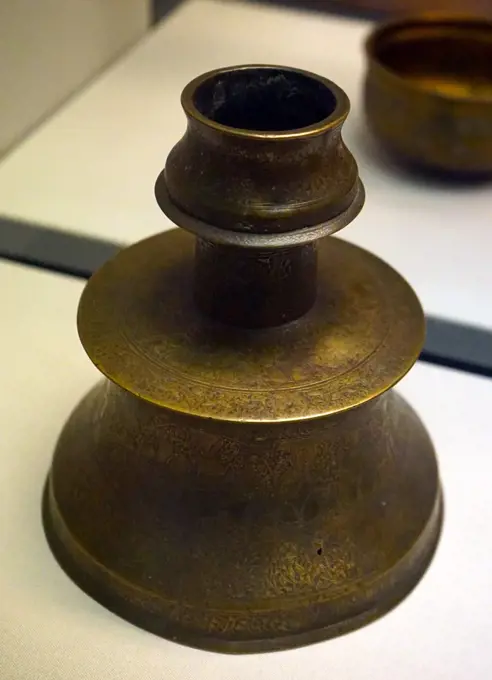
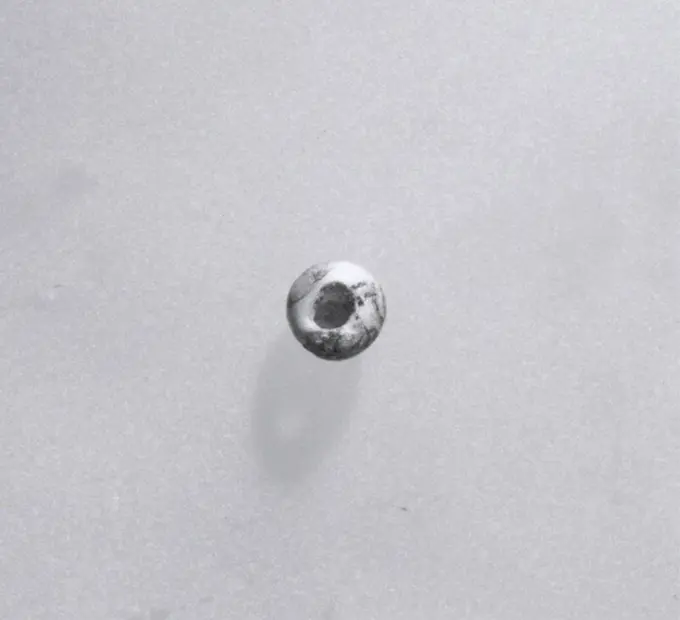
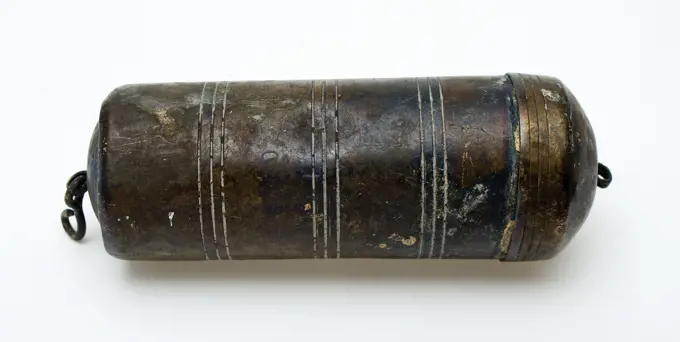
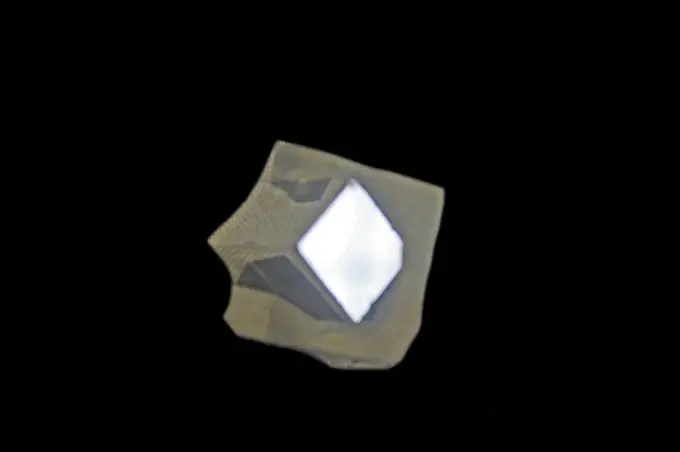
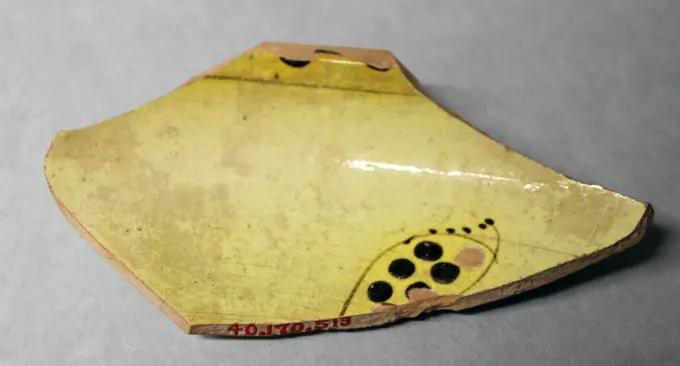
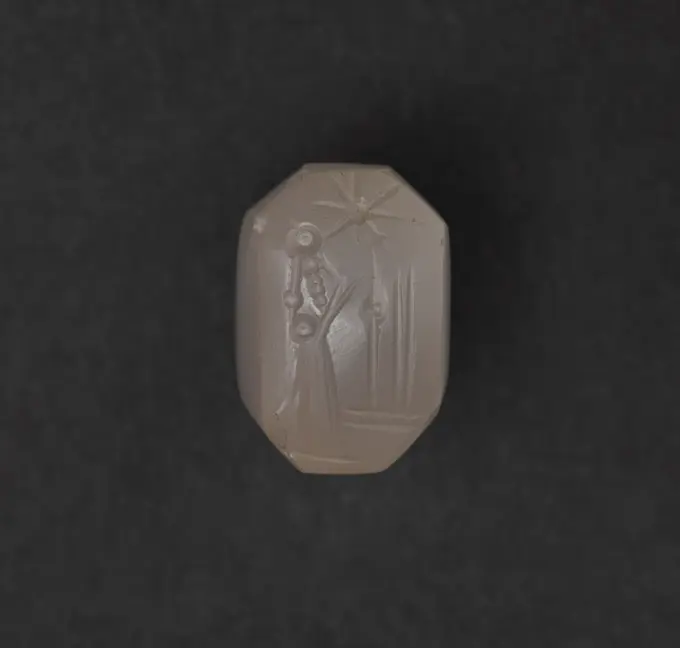
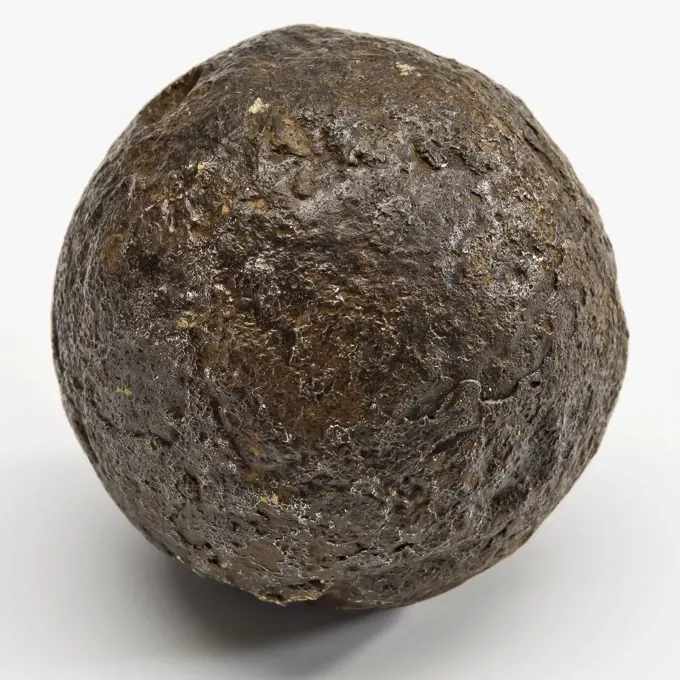
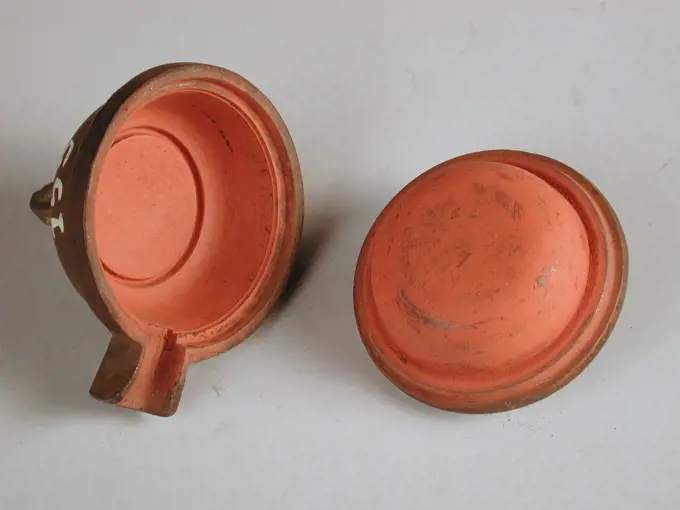
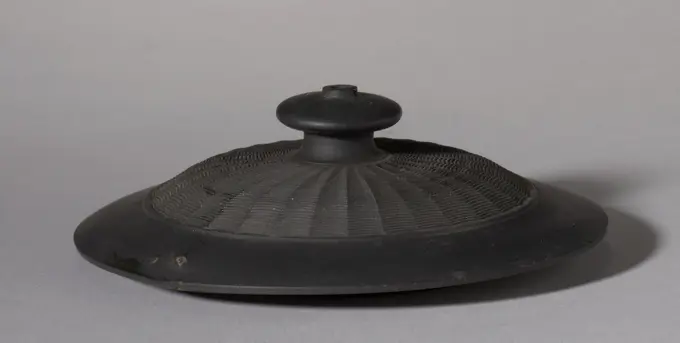
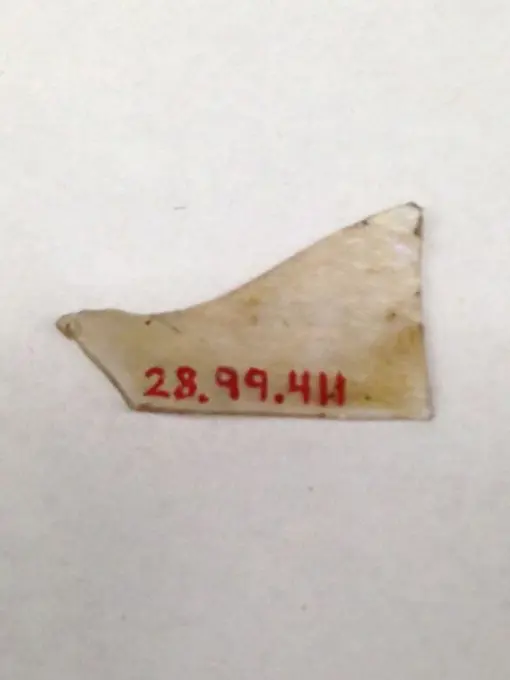
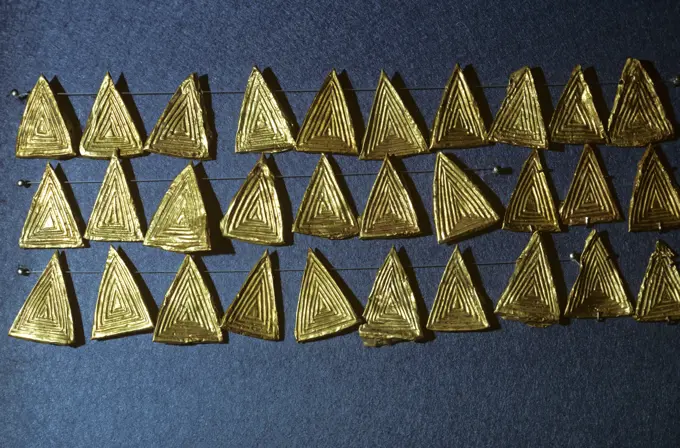
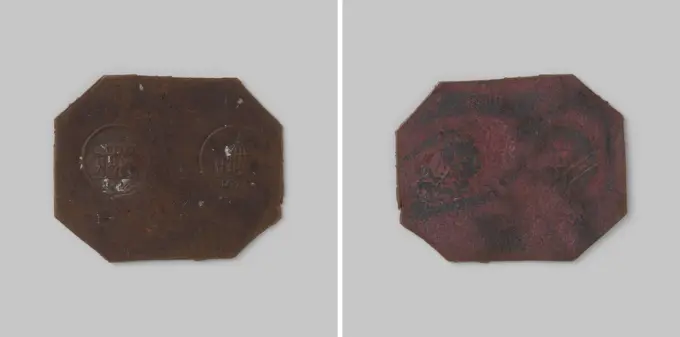
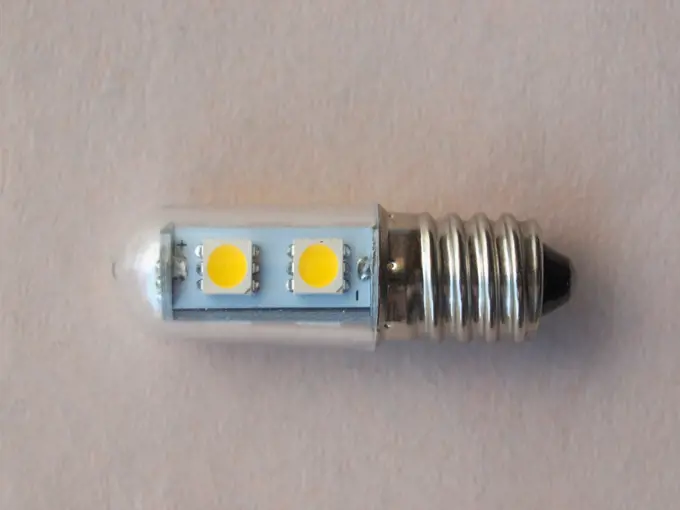
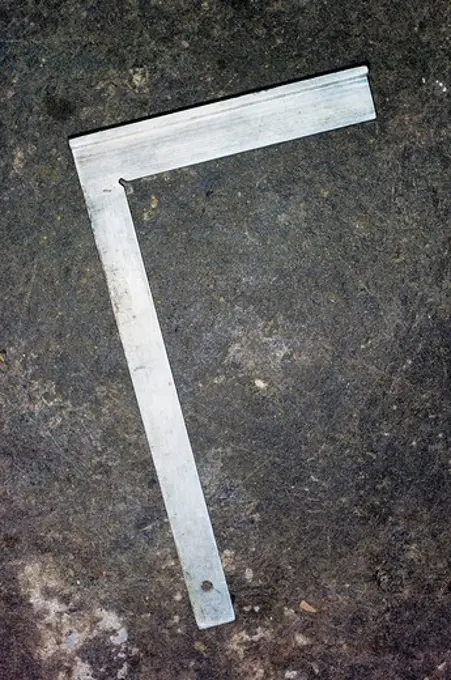
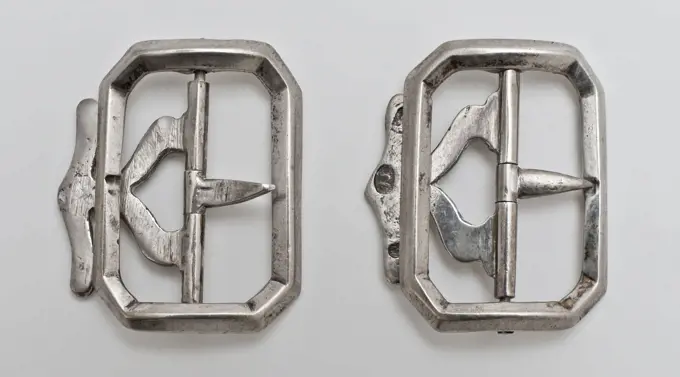
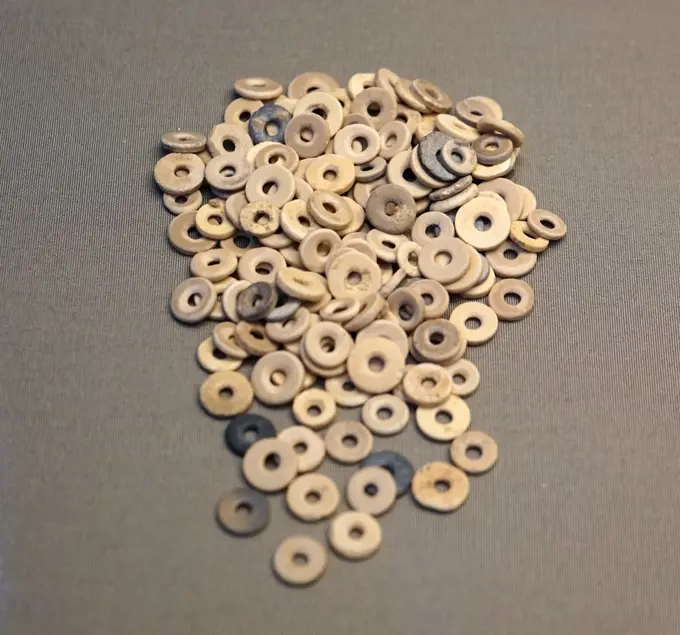
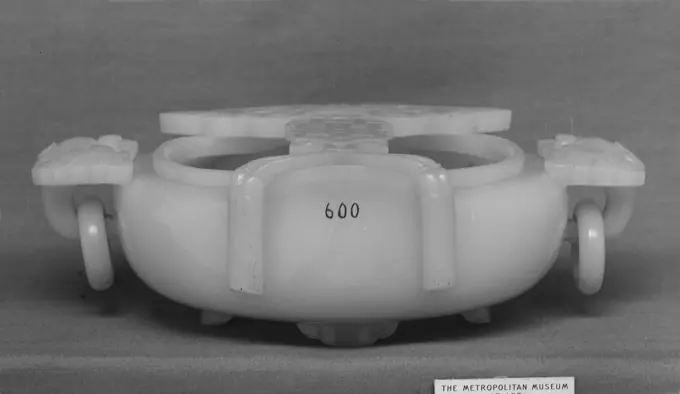
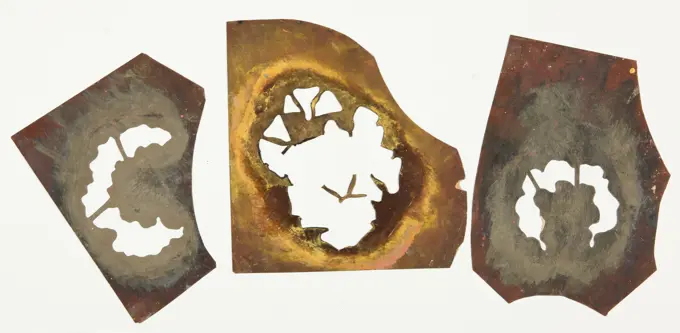
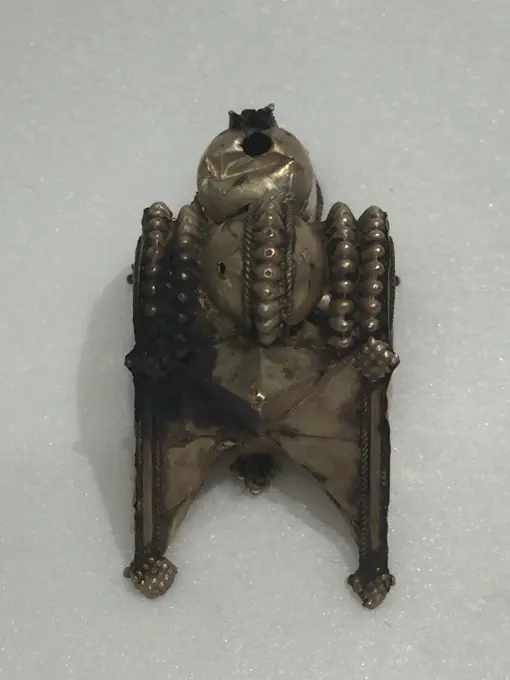
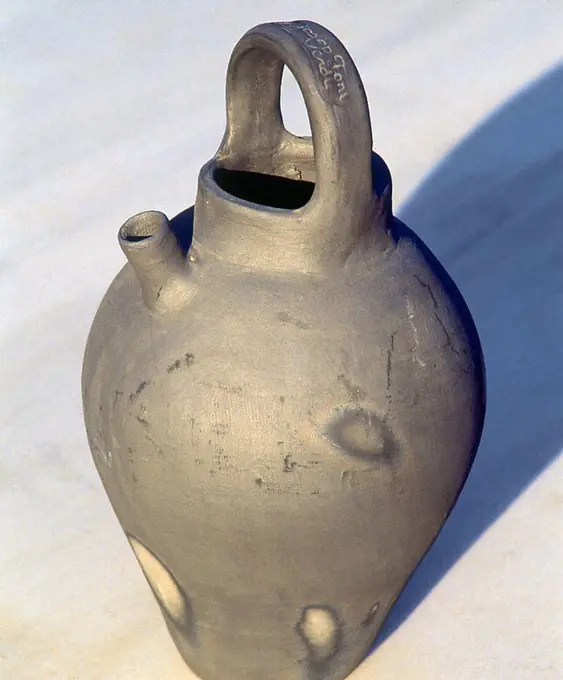
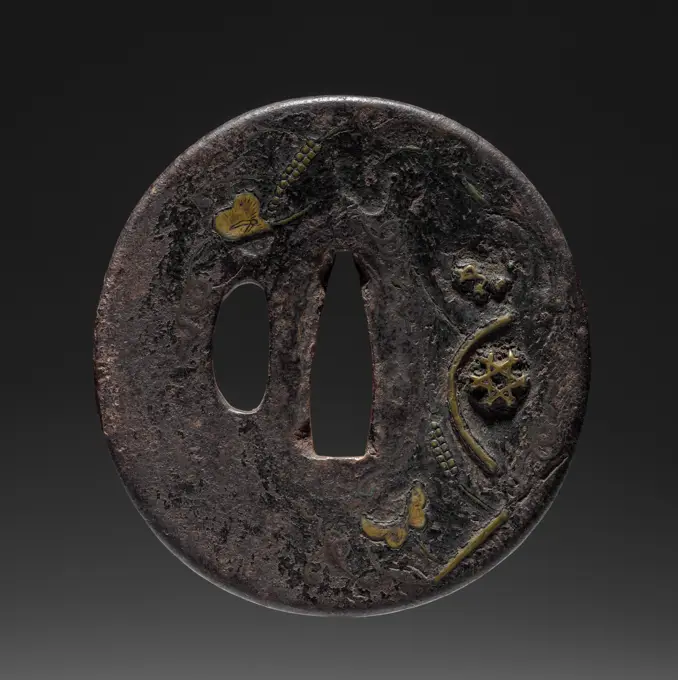
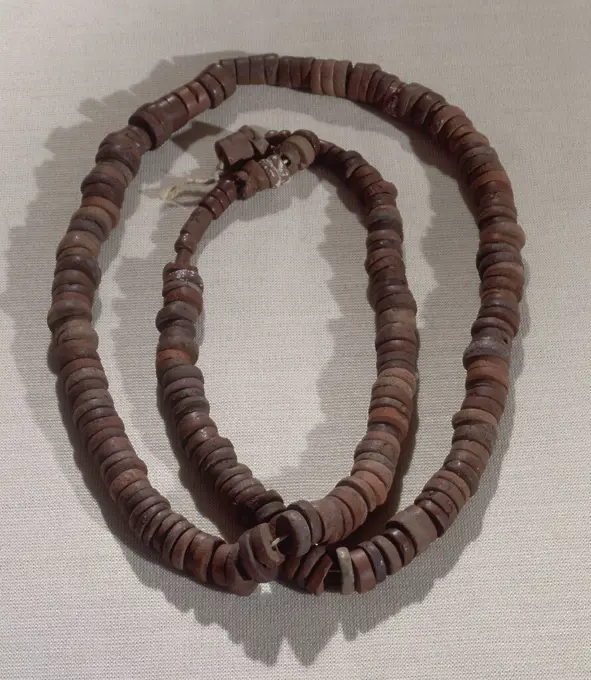
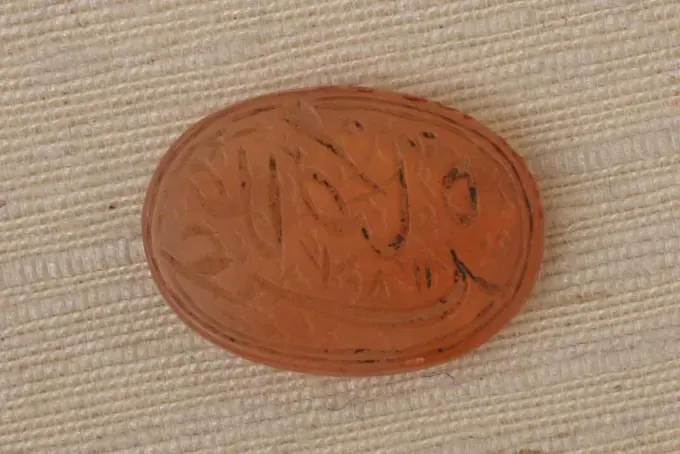
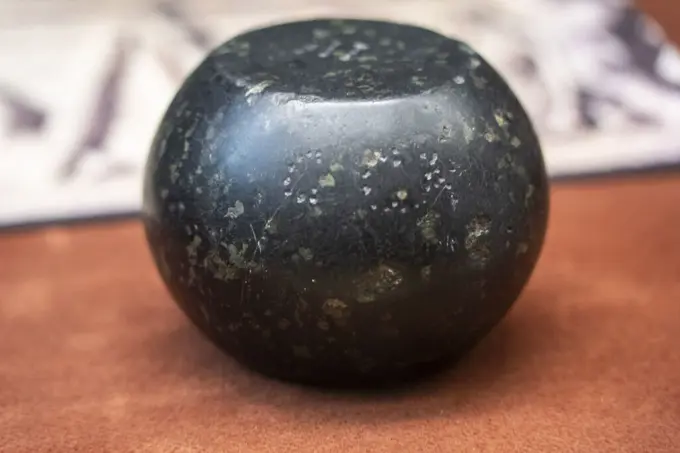
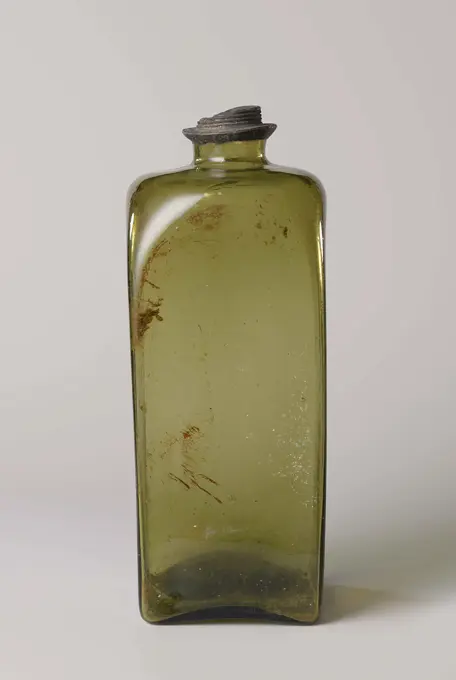
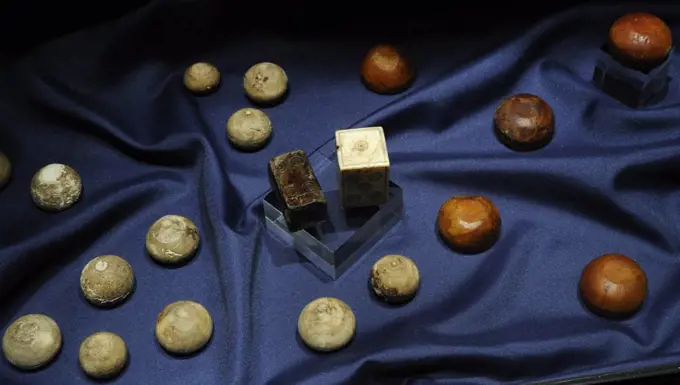
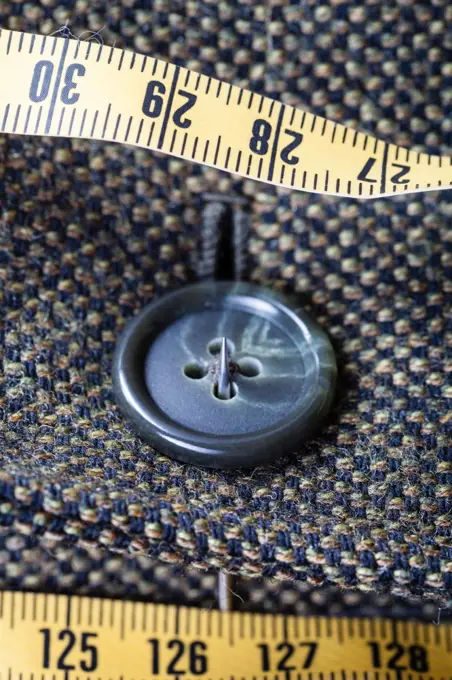
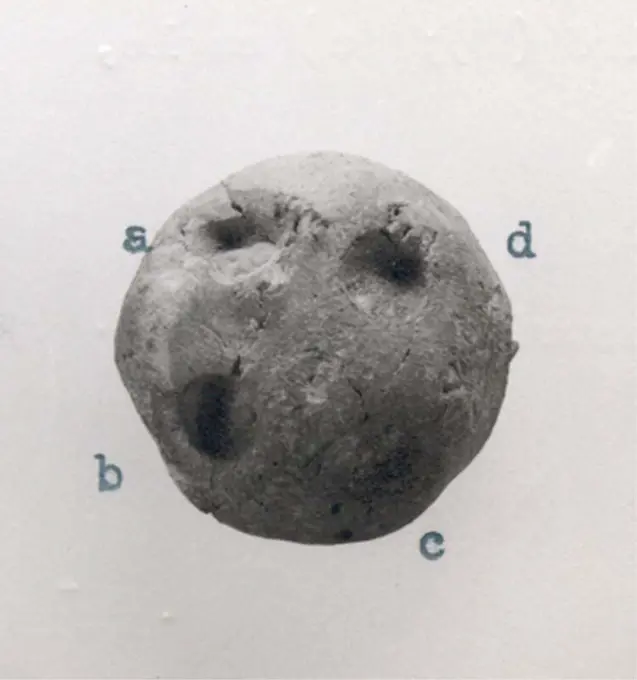
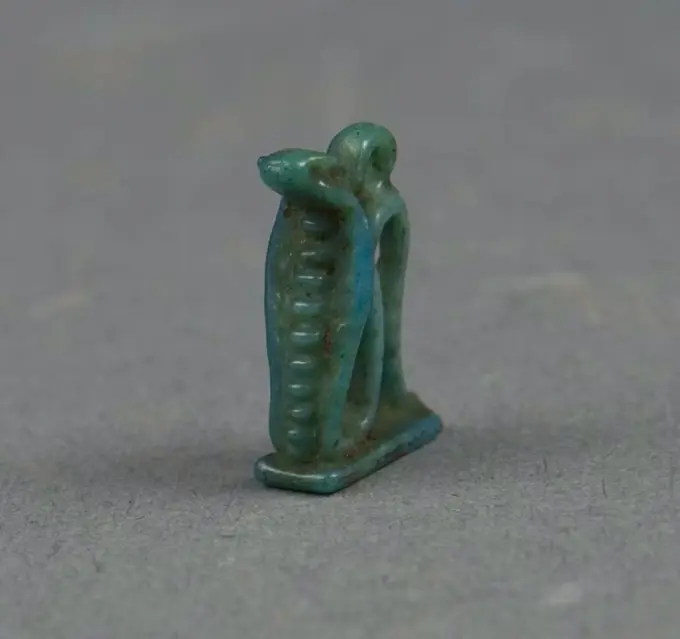
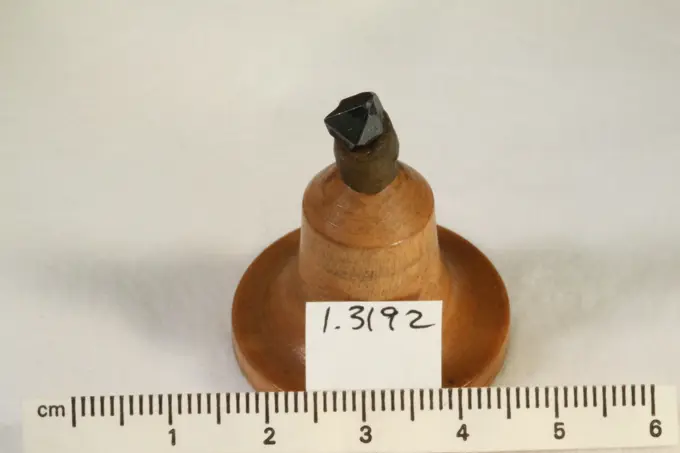
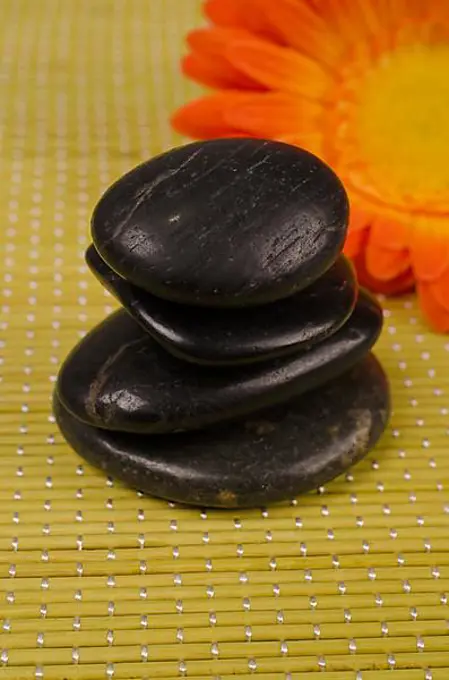
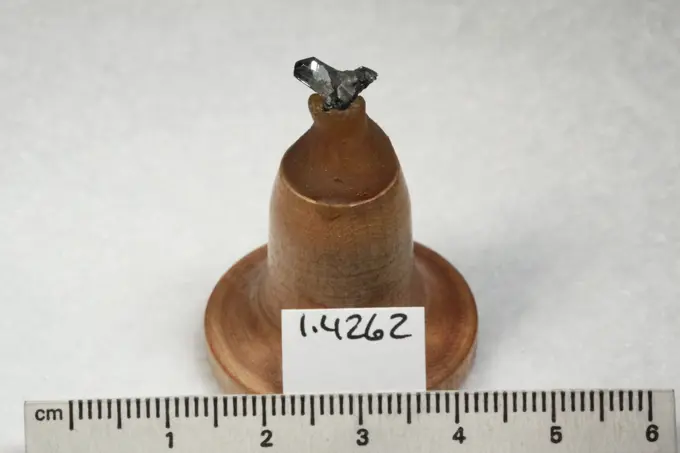
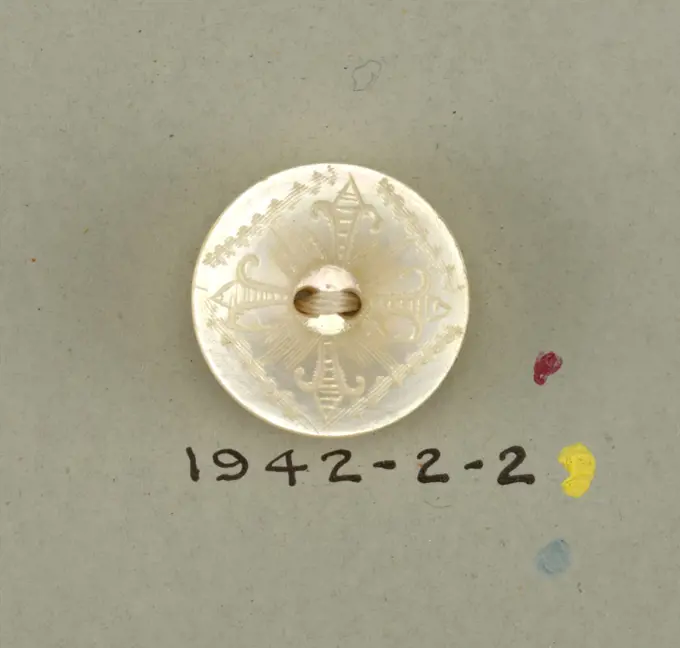
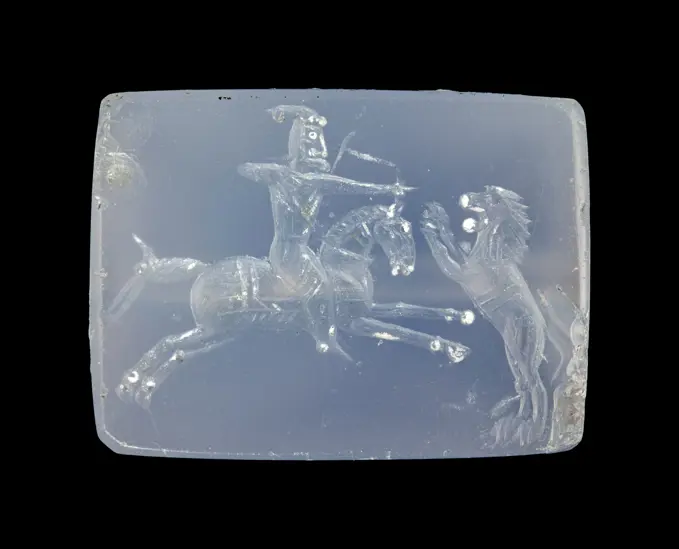
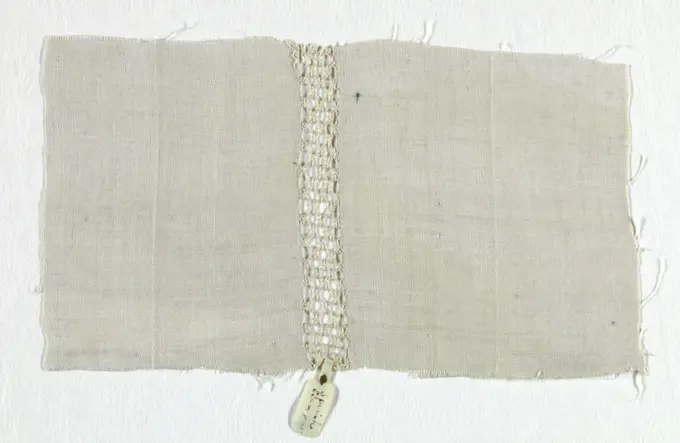
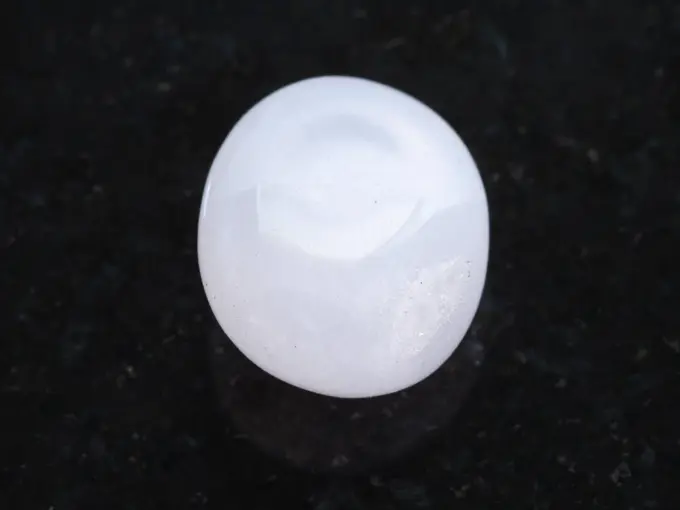
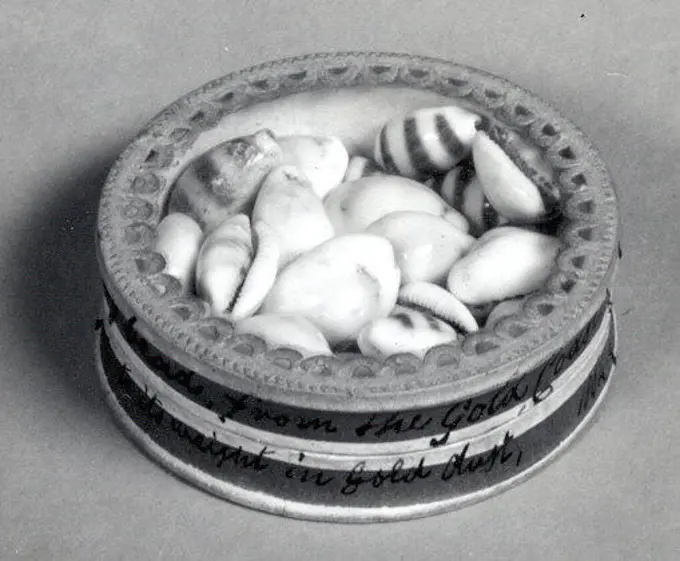
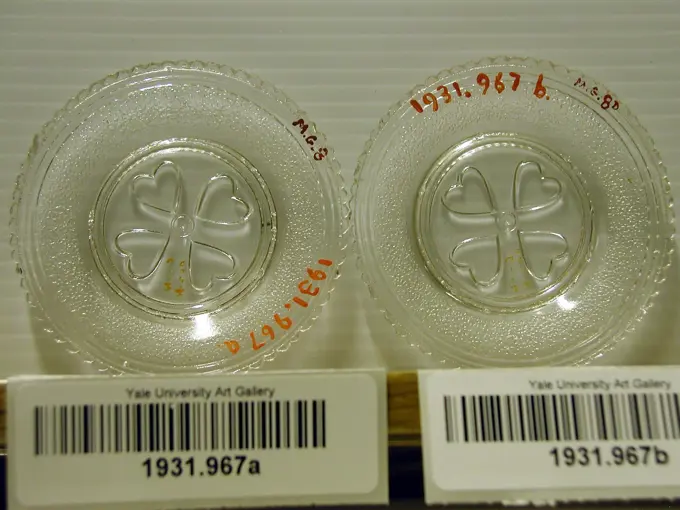
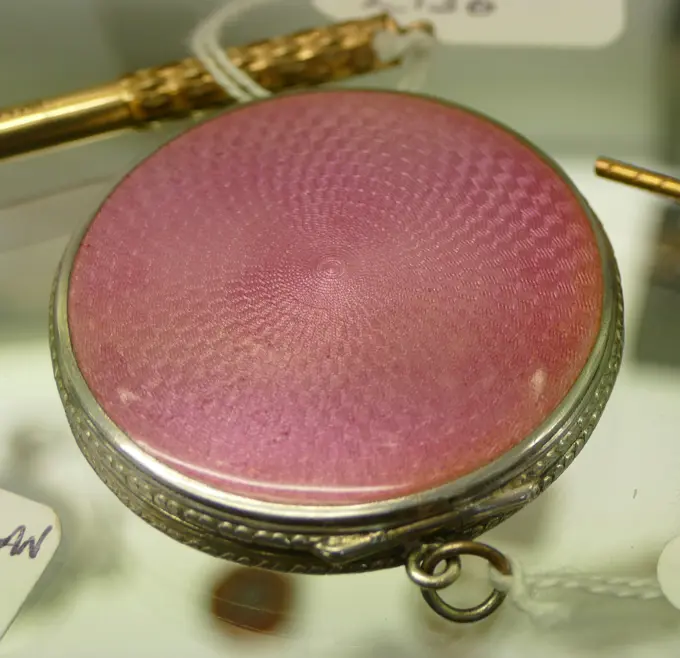
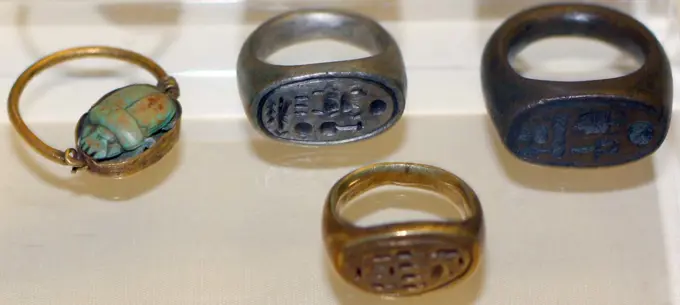
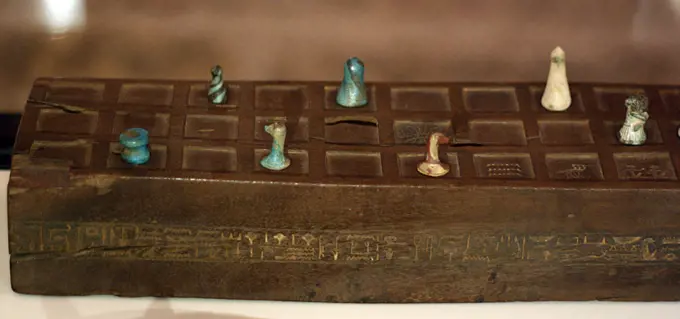
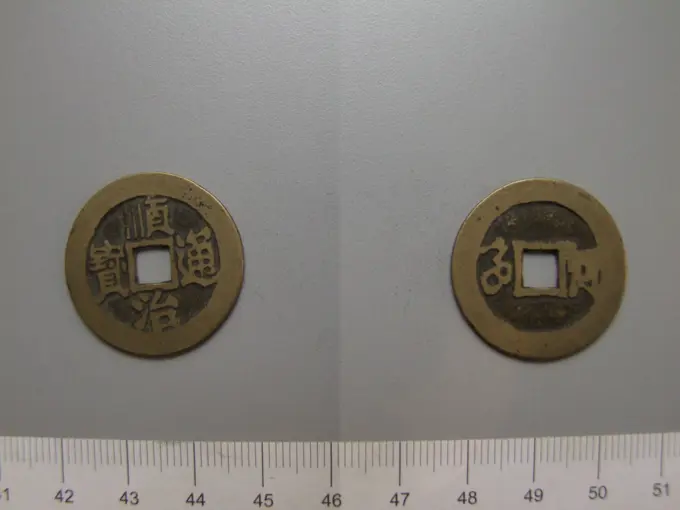
1 Cash (wen) of Shunzhi Emperor fromHenan. Ruler: Shunzhi, Emperor of China, 1638-1661, ruled 1643-61 Mint: Henan, ChineseHei -Amulet, 19th century ,, 1800 - 1900 history medal Silver plate with sawn-down Hebrew Leter Hei and carrier hole, master and guarantee marks smashed on the downside.  silver (metal) rolling / sawingfresh blueberry on white rustic wood table macroBrass candlesticks with an Arabic inscription blessing the owner. Dated 14th CenturyBead ca. 1st century B.C.-1st century A.D. Parthian This round glass bead was excavated at Shahr-i Qumis in northern Iran, which has been identified as the ancient city of Hecatompylos, established by the Parthians as their capital by about 200 B.C. In Greek Hecatompylos means a hundred gates,’ suggesting that the city was quite large. Indeed, the modern archaeological site includes several mounds, only a few of which have been excavated, and a vast area covered with potsherds. It comes from Site IV, a large building which was completely filled with dirt sometime in the late 1st century B.C. or early 1st century A.D.The excavations at Shahr-i Qumis by the British Institute of Persian Studies in 1967 were co-sponsored by the Metropolitan Museum of Art. However, the museum did not acquire this bead until 1978, as a result of the Met’s financial contributions to the Institute’s excavations at Tepe Nush-i Jan, another site in Iran. At the time the Iranian government allowed foreign excavaropePrison Ommerschans, House Munt Goten by order of the Society of Weldadigheid worth ½ cents, Anonymous, in or after 1822 - in Or Before 1830 coin one -sided coin. Front: Value designation. Reverse: Blanco Ommerschans tin plate. silver (metal) striking (metalworking)  OmmerschansTilemacro shooting of natural mineral rock specimen - raw crystal of Danburite gemstone on dark granite background from Dalnegorsk region, Primorsky Krai, Russiasalt pans reflected in the water, maras peruCopper tinder box with lid, decorated with four bands of grooves, tondeldoos lighter equipment soil find brass metal, hammered engraved Copper tinder box. Cylindrical with almost the same convex lid and bottom Decorated with four bands with grooves engraved Under and above small eye and one link archeology fire lighting heating hearth cooking Rotterdam Soil discovery Rotterdam.measuring tape on table backgroundBrooch -Bright intergrown cubic crystals.Ojime 19th century Japan. Ojime. Japan. 19th century. Edo period (1615-1868). OjimeFragment of a Bowl 10th century. Fragment of a Bowl. 10th century. Earthenware; reddish body, white slip with yellow-black and brown-black decoration under glaze. Excavated in Iran, Nishapur. CeramicsPebble, stone, and incense holderStampHispanic terra sigillata vessels, Roman Hispania, Valladolid Museum, Community of Castile and Leon, Spain.Small iron cannonball for small caliber cannon such as swivel or as cluster ball in large-caliber cannon, cannonball bullet projectile ammunition founding iron cast iron metal, cast Bullet with some irregularities archeology Rotterdam City Triangle Oostplein Newport arming shooting militaria cannon artillery gun artillery Soil discovery: Oostplein end Nieuwe Haven 1985Two-piece bronze mold for bottom of pot or jug, cast molding tool tools kit metal_metal bronze, cast turned Two-piece bronze mold for pouring bowl with stand ring top: 2834 216 Rotterdam tin foundry tin tin dolls toys Meeuws Druy craft Forms come from the originally 18th century Rotterdam tinnegieter J Druy. The large molds that were not signed or dated were the property of the tinker guild and were rented to the small tin caster.Mechanism of a clockDiamond. minerals. Africa; South AfricaEarringsmall battery on white as a backgroundWax ca. 1840 British. Wax 229738Cinnabar. minerals. Europe; Ukraine; Ekaterinistan Nikitowka, Bachmuter DistrictNaqqareh. Culture: Arabian. Dimensions: H. 7.6 cm x Diam. 12.7 cm (3 x 5 in.). Date: late 19th century. Museum: Metropolitan Museum of Art, New York, USA.Kitchen rack hanging with kitchen utensils, stock photoTeapot (lid), 1800s. Davenport Pottery and Porcelain Factory (British). Black basalt; diameter of mouth: 11.8 cm (4 5/8 in.); overall: 10.6 x 23.5 cm (4 3/16 x 9 1/4 in.).Fragment. Culture: European or Middle Eastern. Dimensions: L. 1 1/8 in. (2.9 cm). Date: ca. 1150-ca. 1250. Museum: Metropolitan Museum of Art, New York, USA.Ring of three soldiers copper rings associated with small phalanx bone . Ring 2,2 cm x 1, 1 Phalanx 1,1 cm x 1cm .Medieval period from the archaeological site of " La Magistral " in Alcala de Henares - " Burgo de Santiuste Museum " (Madrid ). SPAIN.Europe, Former Yugoslavia. Novi Pazar. Triangular, rectangular, diamond and swastika shaped gold attachments. 6 - 5thC. BCBurning off the new Lutherse Kerk in Amsterdam 1822 ,, 1822 history medal Octagonal piece of copper of the dome of the burned -down church with two stamps, on the left with the Ruine above the year 1822, right with image of the intact church above the year 1671.  copper (metal) striking (metalworking)GearsI.Östergötland measuring instruments for radar.J20 Östergötland (depicted - name)Led light E14 screw. Led (Light Emitting Diod) light with E14 screwEccentric Ax Blade with Pierced Decoration 500 B.C.-A.D. 300 Vietnam (North). Eccentric Ax Blade with Pierced Decoration. Vietnam (North). 500 B.C.-A.D. 300. Bronze. Bronze and Iron Age period. MetalworkGermany, Hessen, Frankfurt, Angle bracket in factoryMECHEROS. Location: FOSFORERA ESPAÑOLA. MADRID. SPAIN.Silversmith: Isaak Kroon, Pair of silver pants buckles, clasp fastener part silver, attachIron sheet fender lock with rectangular lock plate, one lap and curl, door lock padlock lock closing device iron, handforged riveted hingesBeads that have been smoothed and polished by rubbing against a block of sandstone.Property Transfer Document: Ananiah Gives Yehoishema Another Part of the House Aramaic. Property Transfer Document: Ananiah Gives Yehoishema Another Part of the House, November 25 or November 26, 404 B.C.E. Papyrus, ink, mud, Glass: 30 5/16 x 15 5/16 in. (77 x 38.9 cm).   Egyptian, Classical, Ancient Near Eastern Art November 25 or November 26, 404 B.C.E.Marriage wine cup 19th century China. Marriage wine cup. China. 19th century. Jade (nephrite). Qing dynasty (1644-1911). JadeDuckling Krakowiaki. Patron to the polychrome of the House of the Medical Society in Krakow Wyspiały, Stanis Aw (1869 1907)Marriage Pendant (Thali) 17th-19th century Pendants such as these are known to be worn at weddings in South India on necklaces of glass beads or silk. The form is apotropaic and phallic, ensuring protection and fertility of the bride. The use of gold is particularly important as this material is considered to be sacred in Hinduism.. Marriage Pendant (Thali) 444681Valentines day. Silver heart in a glass . Top view.POAL - CERAMICA POPULAR - FOTO AÑOS 90. Location: ALFARERIA. QUART. GERONA. SPAIN.Sword Guard (Tsuba), c. 1615-1868. Japan, possibly Edo period (1615-1868). Iron with brass inlay; diameter: 8 cm (3 1/8 in.).COLLAR DE CUENTAS - CERAMICA GUANCHE. Location: ARCHAEOLOGICAL MUSEUM. SANTA CRUZ DE TENERIFE. TENERIFFA. SPAIN.Seal Stamp dated 1282 AH/1865-66 CETwo-pound dupondius, Priory of Our Lady of Tudela de Duero, Roman Hispania, Valladolid Museum, Community of Castile and Leon, Spain.Africa, West Africa, Ghana, Elmina. Traditional object at Elmina Castle Museum.Gold Appliqué in the Form of a Cross ca. 600 Langobardic Once they were in Italy, the Langobards adopted the custom of sewing one or more crosses on the shrouds of the deceased. The origin and meaning of the custom remain uncertain.This group of objects was found in the grave of a Langobardic horseman, who was buried in his warrior dress, with weapons, shield, helmet, and the fittings for his horse. What remains are the many gold pieces that would have ornamented his clothing and equipment, and they attest to the great wealth of the Langobardic aristocracy within a generation of settling in Italy.. Gold Appliqué in the Form of a Cross 469012Square bottle. Plowed soul, square body with rounded shoulder, short neck with tin mounting with thread.19 horn. Alaug vestre, Ringsaker k., Hedmark. Viking Age. Dies, 10th century and Viking Age. 8 amber gaming pieces. Ostby, Larvik k., Vestfold, Viking Age. Historical Museum. Oslo. Norway.Madrid, 11/28/2017. Exhibition on Auschwitz. Photo: Maya Balanya Archdc.Glass Fragments 4th-7th century Coptic. Glass Fragments 478757Close up of sand dollar on rippled beachPhotograph, Photograph of the Construction of a Mass-operational House Designed by Hector Guimard (No. 12); Architect: Hector Guimard ((French, 1867-1942)); France; photographic print on sensitized paper mounted on gray paper; 33.4 x 28.5 cm (13 1/8 x 11 1/4 in.)attaching of button to green tweed jacket by needle close upSealing ca. 7th century A.D. Sasanian. Sealing 323328Amulet of a Serpent. Egyptian. Date: 1070 BC-525 BC. Dimensions: 1.25 × 1 × 0.25 cm (1/2 × 3/8 × 1/8 in.). Stone. Origin: Egypt. Museum: The Chicago Art Institute, Chicago, USA. Author: Ancient Egyptian.Jean-Marie Michel Cazin (1869-1917). "Cadet Coquelin medal". Metal. Museum of Fine Arts of the City of Paris, Petit Palais. 57558-8 Medal, metal, inventory number, numismaticsBrookite. minerals. North America; USA; Arkansas; Garland County; Magnet Cove; Magnet CoveShirt origami over white paperMatchsafe, Molded rubber or gutta percha, Elongated oval matchsafe in a dark brown color. One side says 'Rubber and Cotton The Gutta Percha & Rubber MFG. CO. 126 Duane St. New York Randolf St. Chicago'. The reverse side has a cross and says 'Fire Hose hose belting packing vaulves & co.', ca. 1900, containers, Decorative Arts, MatchsafeOrnament ca. late 3rd millennium B.C.. Ornament. ca. late 3rd millennium B.C.. Faience. Early Bronze Age. Mesopotamia, Tell Tayatwo stones two stones isolated on white background Copyright: xZoonar.com/RuslanxNassyrovx 6278655Stacked massage stones on a green bamboo mat with an orange flowerSilver cone II by John Kuss, PhotographMetal knife of a white blender with the top view on a white backgroundgoverning element and decoration of a horse cart, 4th-3rd century BC, Ategua (Cordoba), Iberian culture, Iberian Museum of Jaén, Andalusia, Spain.Colorful Nuts and Bolts on a Truck tyre Copyright: xAkellaxSrinivas/DinodiaxPhotoxFragment ca. 1150-ca. 1250 European or Middle Eastern. Fragment 695388Stephanite. minerals. North America; Mexico; Sonora; ArizpeButton, Pearl shell, On card 33., Four buttons. a: two-holed button of smoked pearl; b: two-holed button of smoked and char pearl; c: button of smoked pearl with brass shank; d: two-holed button of char pearl (funnel-shaped) ornamented in conventionalized lilies and lines., 1880-1900, costume & accessories, Decorative Arts, ButtonFoot of a Vessel 4th century Coptic. Foot of a Vessel 479199Grahal-Manzara. Carnavalet 2013-2016 collection sites. Numismatics.Engraved Tabloid Gem. Pendants GroupVintage tape measure, india, asia Copyright: xAnilxDave/DinodiaxPhotoxButton (without Cover) (France); ivory, metal foil; diam. (not incl. card): 3.8 cm (1 1/2 in.); 1926-35-3Seam joint, Medium: linen Technique: needle interlacing, Fragment with needle interlacing used as a seam joint between two pieces of linen fabric., probably Spain, 17th century, lace, Seam jointOffering table belonging to the Lady of the House, named Ity, and to Heny. Alabaster. Middle Kingdom Egyptian (2040-1640 BC).Woman's Headdress China This type of headdress was worn by Manchu women on unofficial occasions. It is said that, originally, the hair itself was arranged over a form in this geometric configuration, but during the nineteenth century, black satin came to be used instead. When worn, the headdress would have been elaborately decorated with tassels, jeweled ornaments, and fresh or artificial flowers.. Woman's Headdress 69724tumbled milky quartz gemstone on dark macro shooting of natural mineral rock specimen - tumbled milky quartz gemstone on dark granite background Copyright: xZoonar.com/ValeryxVoennyyx 11383849Stone Earflare before 16th century Mexican. Stone Earflare 317434Box of Cowrie Shells 19th century Ghanaian. Box of Cowrie Shells. Ghanaian. 19th century. Cowrie shell, glass, cardboard. Ghana, Guinea Coast. Shell-ImplementsPair of Heart CupPlatesSilver Guilloche 'Selma' Compaq 1930Metal finger rings of Queen Nefertiti (gold), King Akhenaten (silver) and King Smenkhare (bronze) and a scarab ring of Tuthmosis III 18th Dynasty, 1350 B.C.The Royal Game of Ur, from Ur, southern Iraq, c2600-c2400 BC. Artist: UnknownPapyrus Inscribed in Greek Papyrus Inscribed in Greek, 2nd century C.E. Papyrus, ink, Glass: 7 1/16 x 8 1/4 in. (18 x 21 cm).   Egyptian, Classical, Ancient Near Eastern Art 2nd century C.E.Senet board of Sennefer with game pieces. New Kingdom, 18th Dynasty, 1550-1290 BC. Wood, bone, faience.Grahal-Manzara. Carnavalet 2013-2016 collection sites. Numismatics.taxon undetermined. North America; USA; New Jersey; Sussex County; Ogdensburg; Sterling Hill MineIntelligence quotient - IQ acronym - isolated symbol in vintage grunge metal typeEuropean flag star against blue backgroundTHAILAND UBON RATCHATHANI WAT MANI WANARAM the Museum at Wat Mani Wanaram in the city centre of Udon Ratchathani and Province Ubon Ratchathani in Thailand. Thailand, Ubon Ratchathani, November, 23, 2023 Copyright: xZoonar.com/URSx 21417494