Archaeological Artifacts

Historical buttons and medical instruments from ancient times. Displays craftsmanship and history through muted tones and intriguing shapes.

Swan group (Swan Group). Set of miniature vases: "Phiale à Omphalos". Ceramics with black figures, without incisions, red paint, black varnish. -550/540 BC .. Museum of Fine Arts in the city of Paris, Petit Palais. 99931-31 Antiquity, ceramic with black figures, red paint, black varnish, life VI 6th 6th 6th century before av. JC, ancient
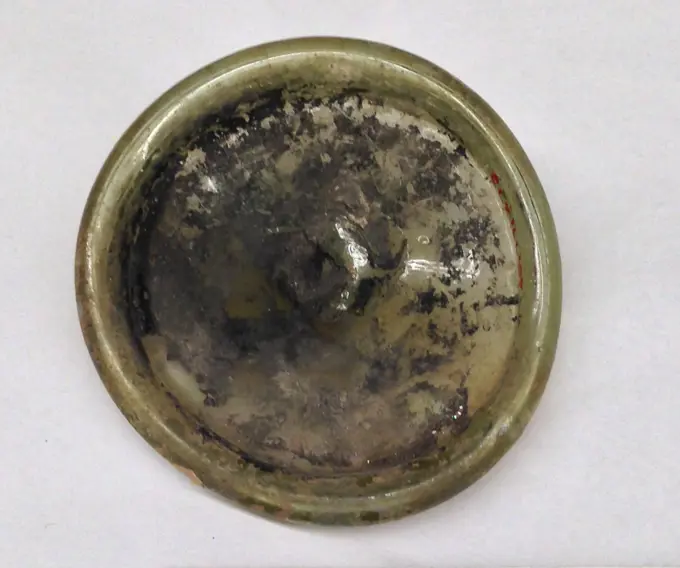
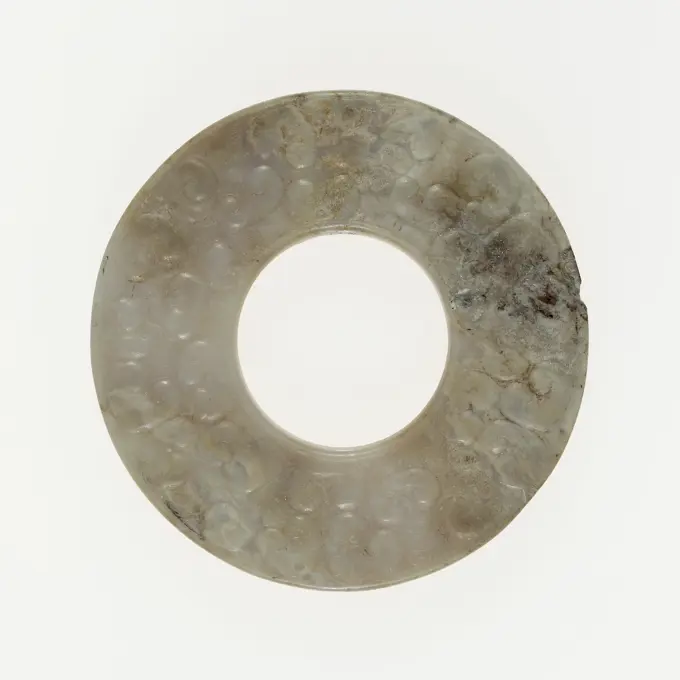
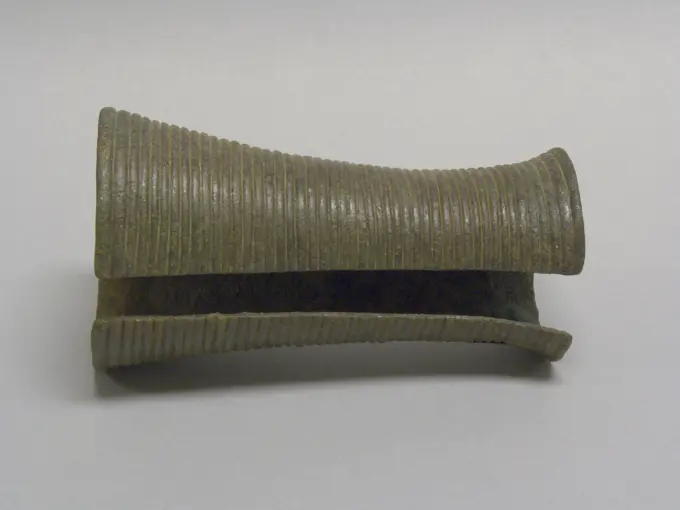
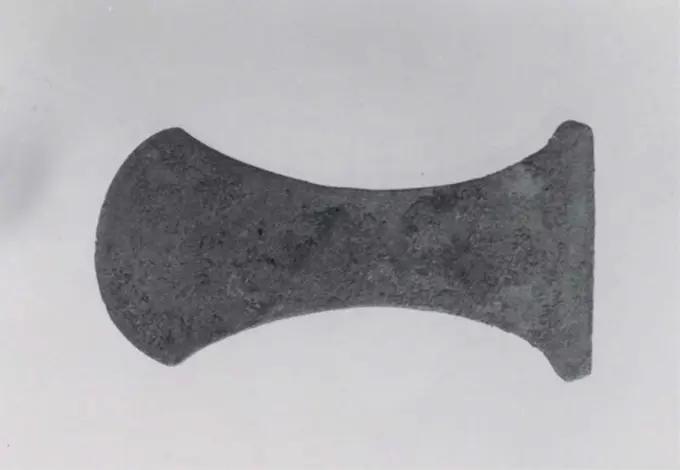
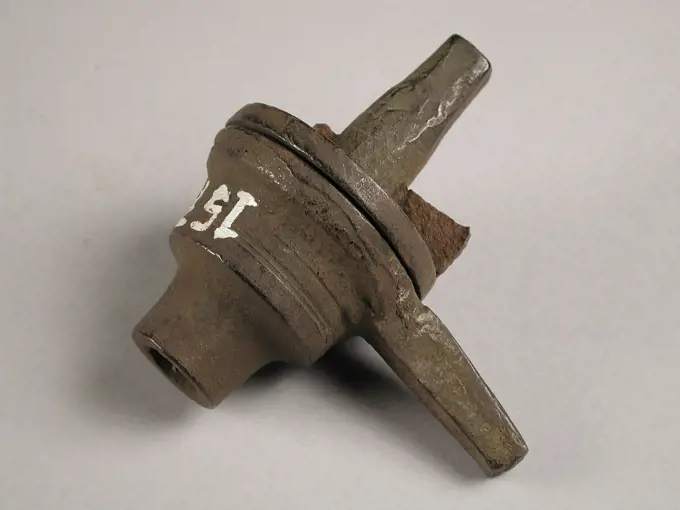
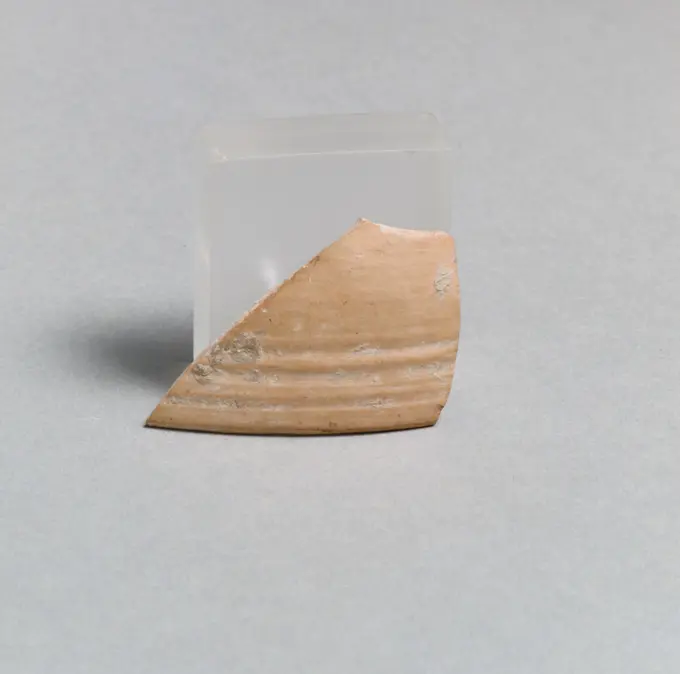
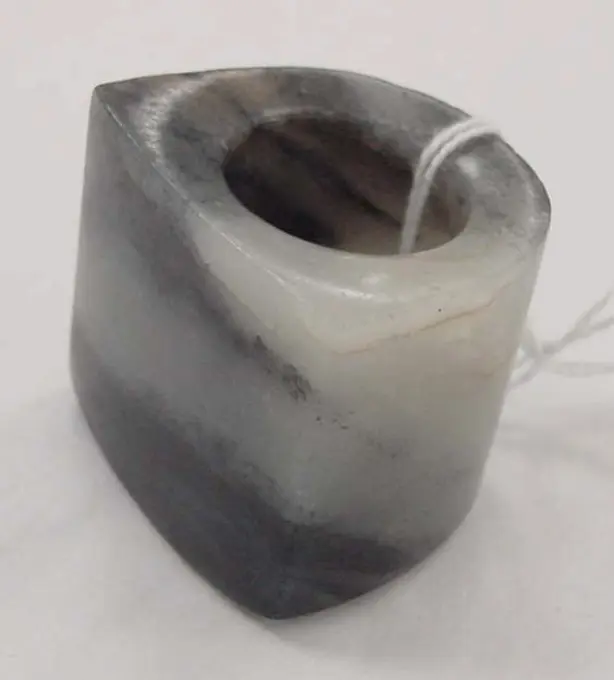
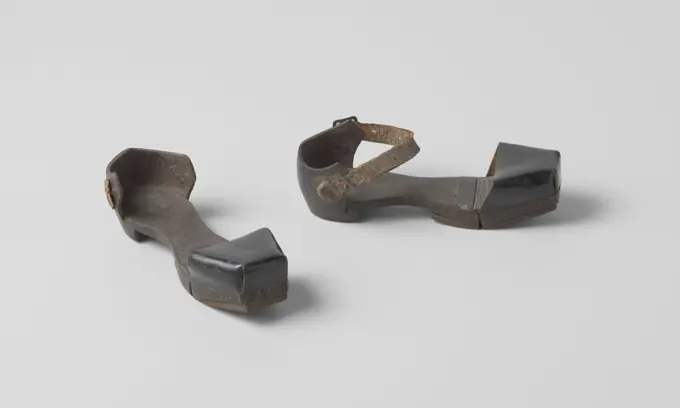
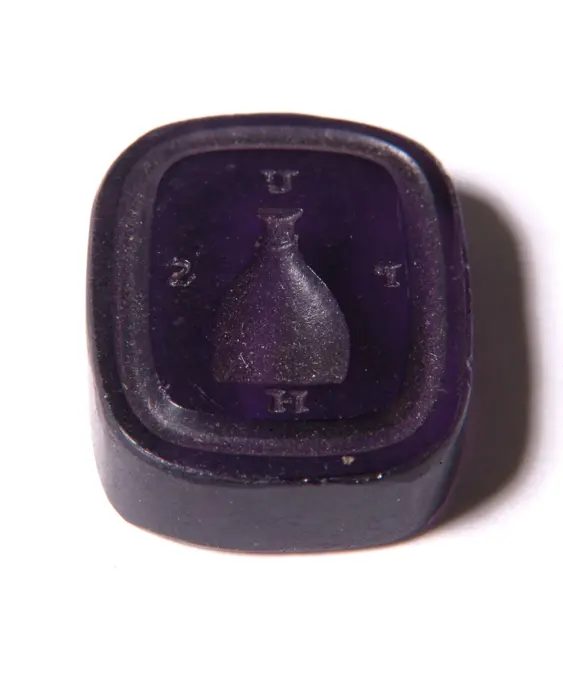
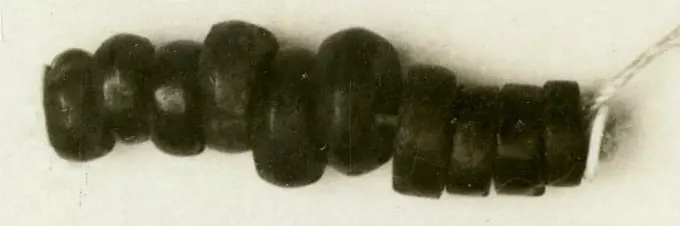
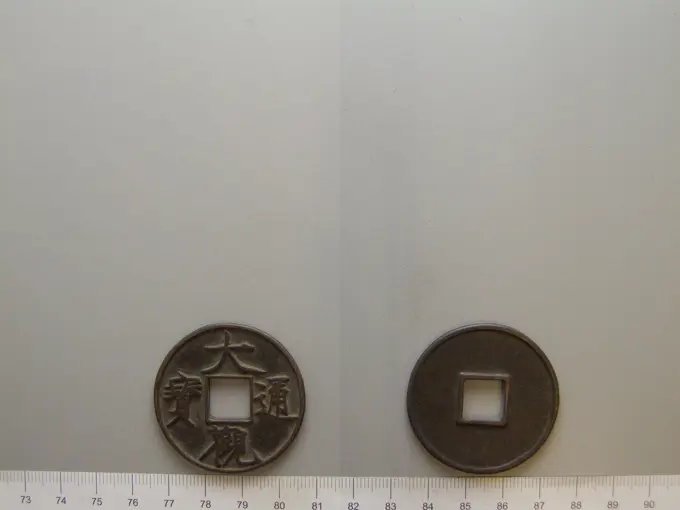
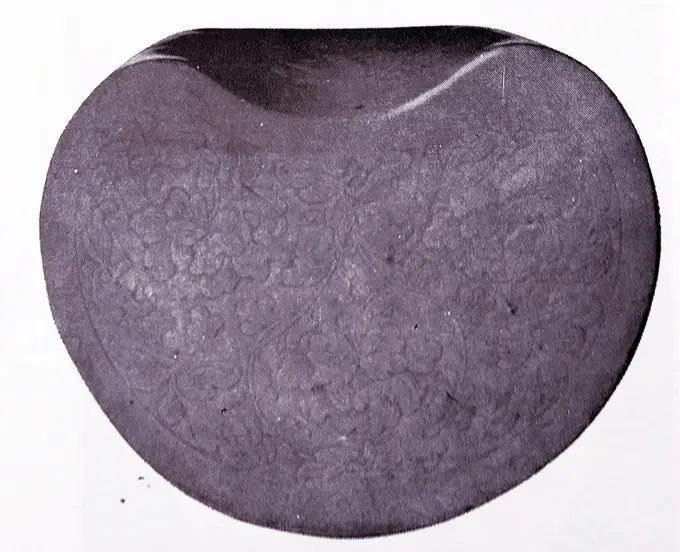
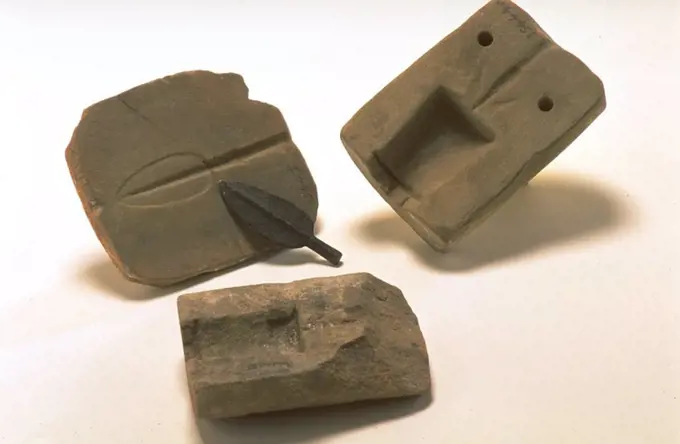
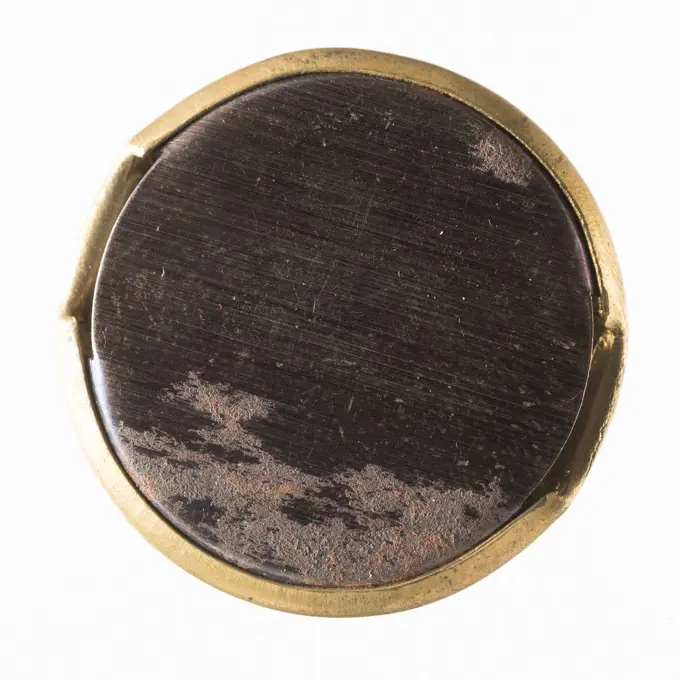
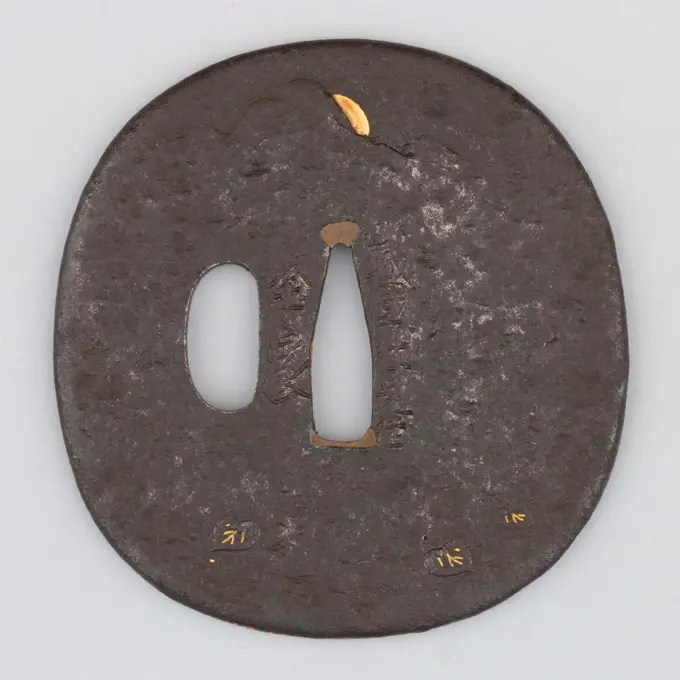
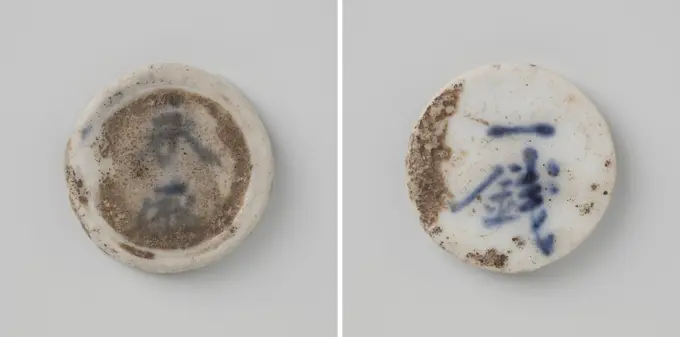
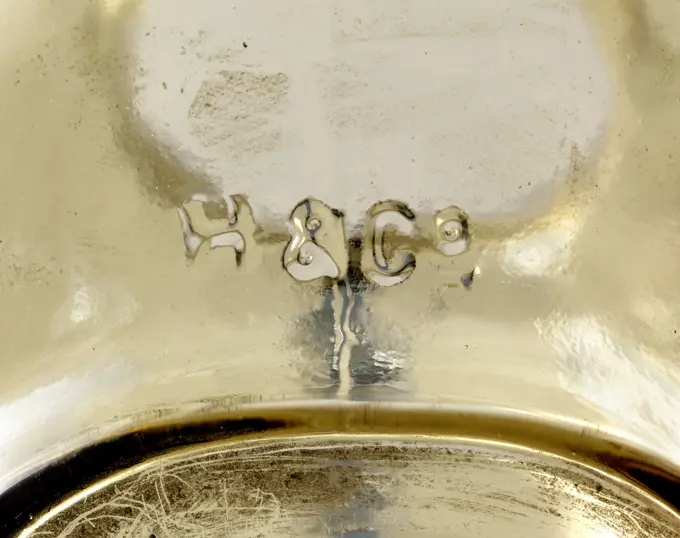
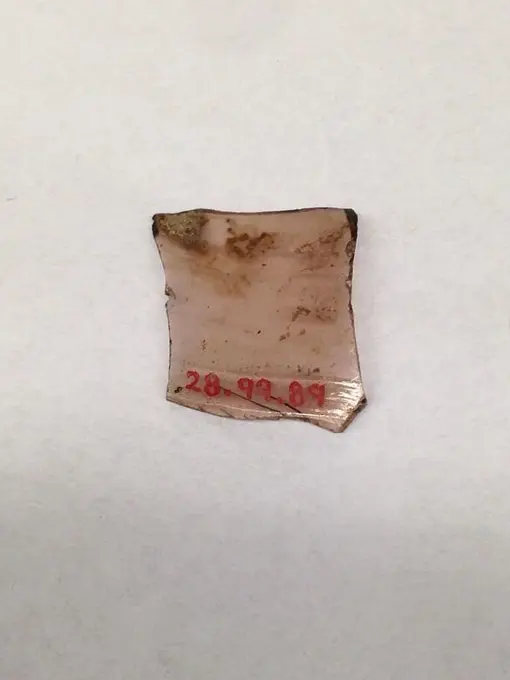
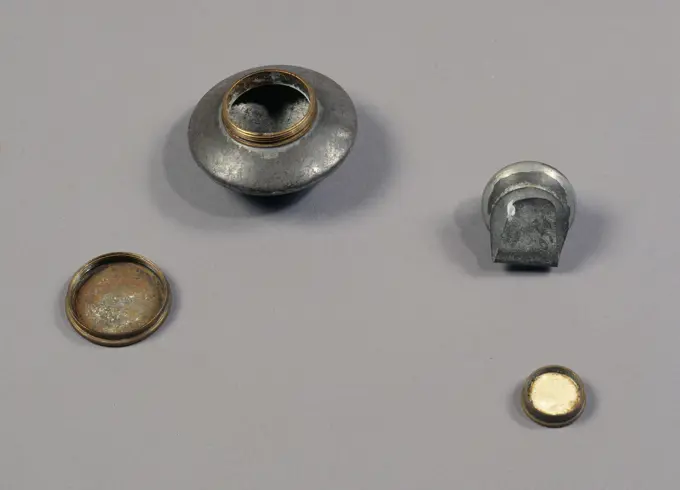
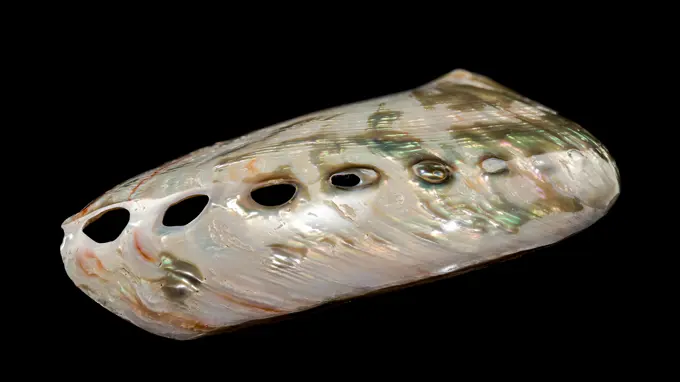
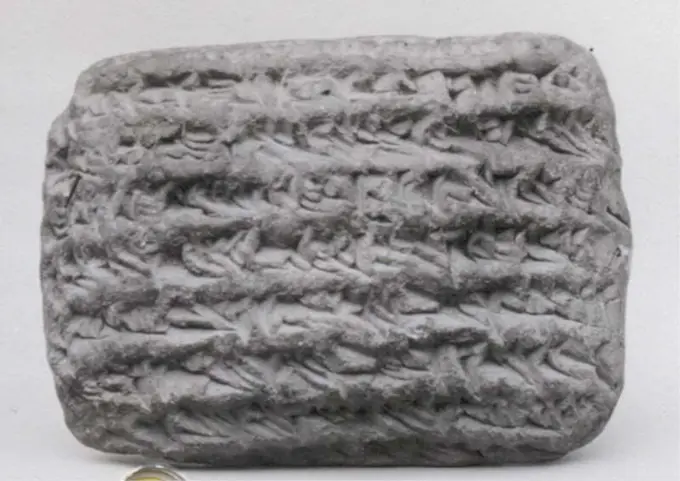
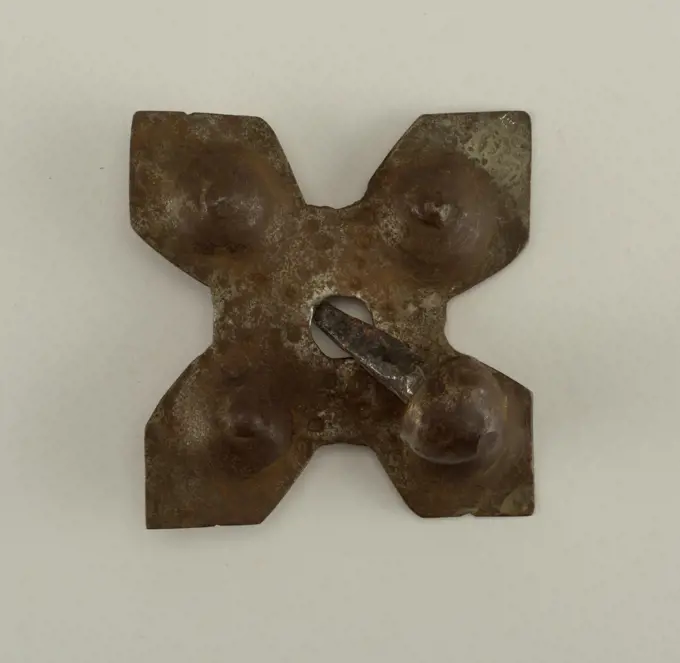
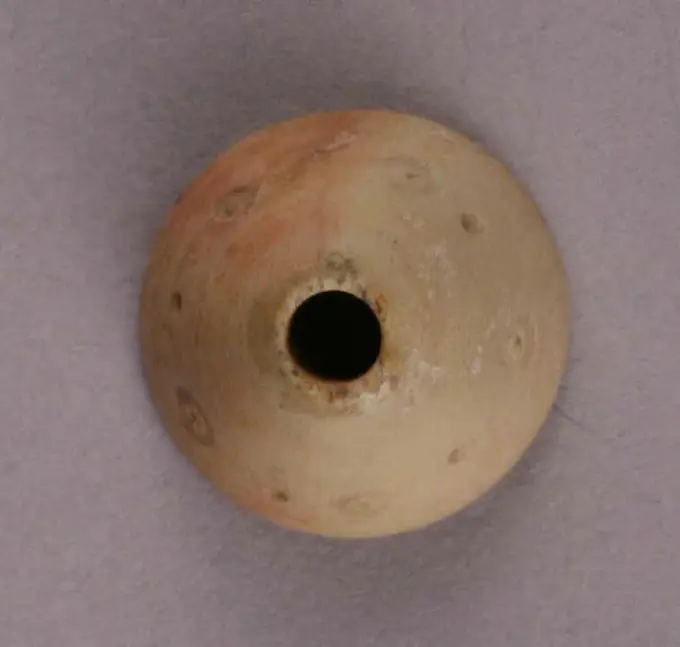
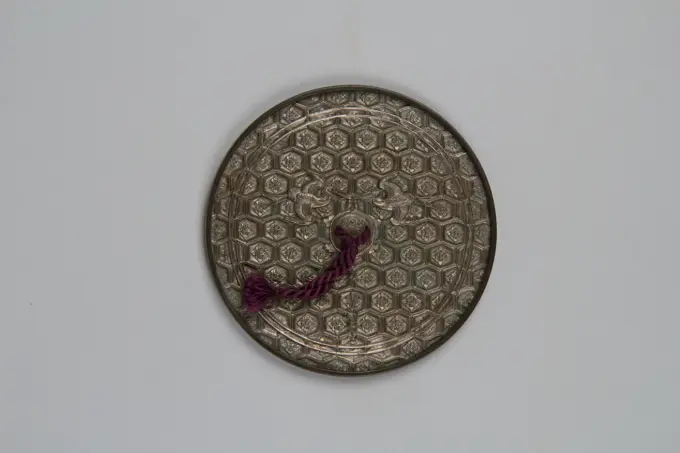
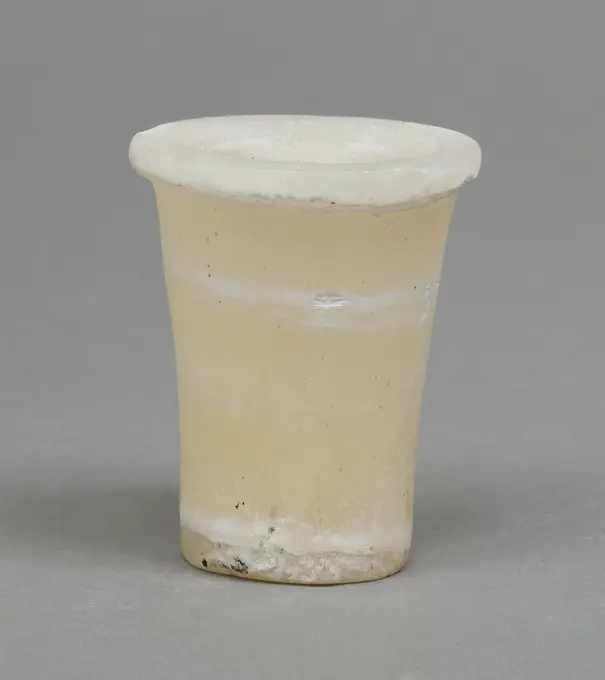
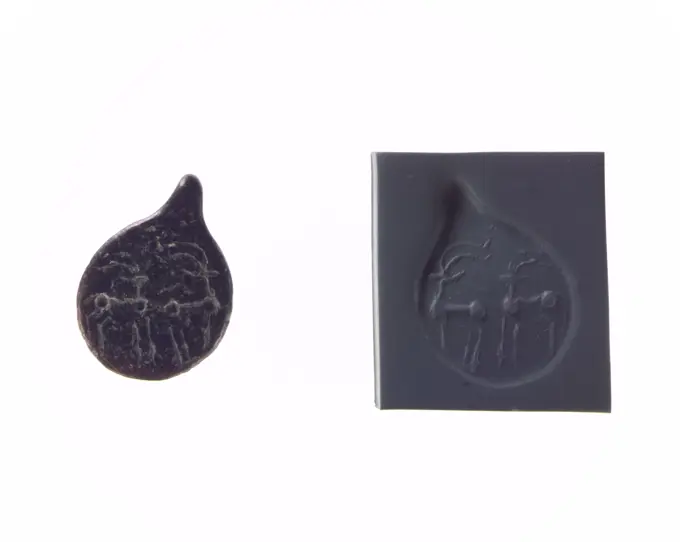
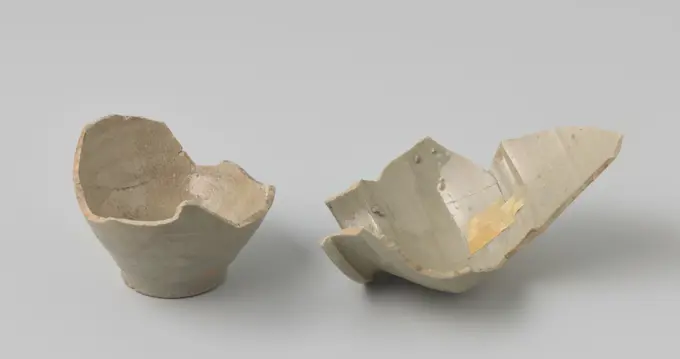
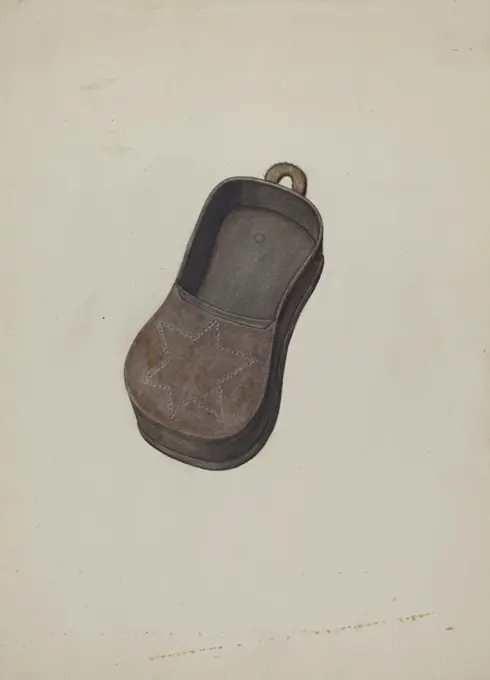
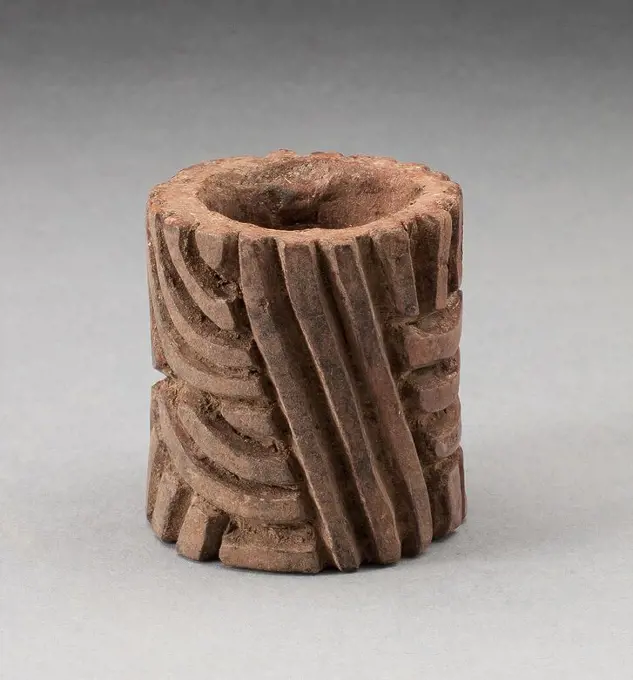
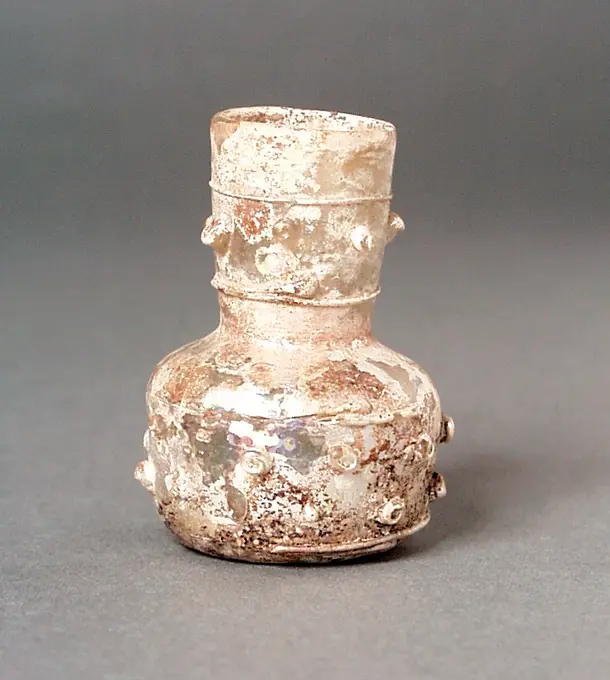
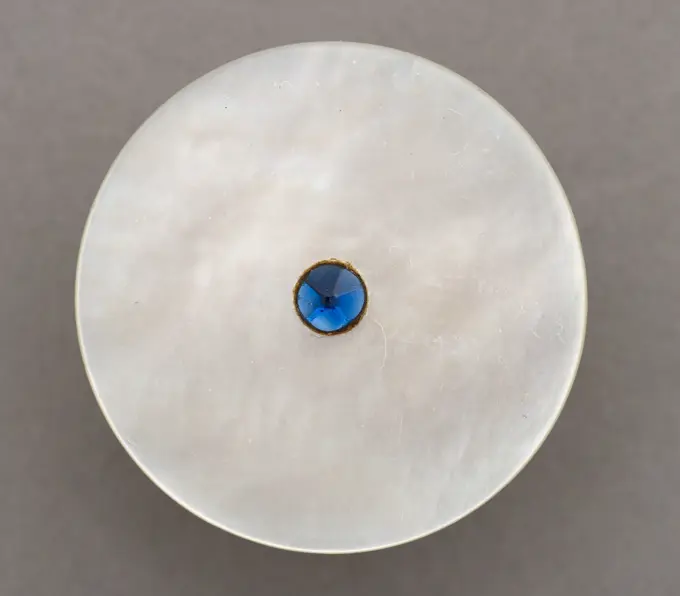
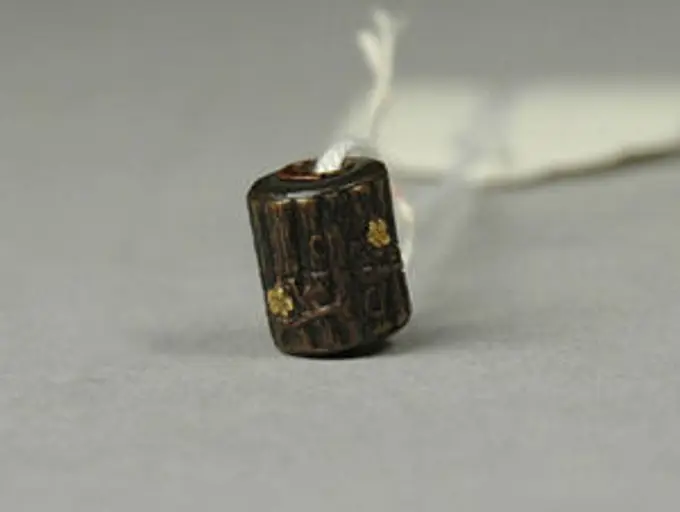
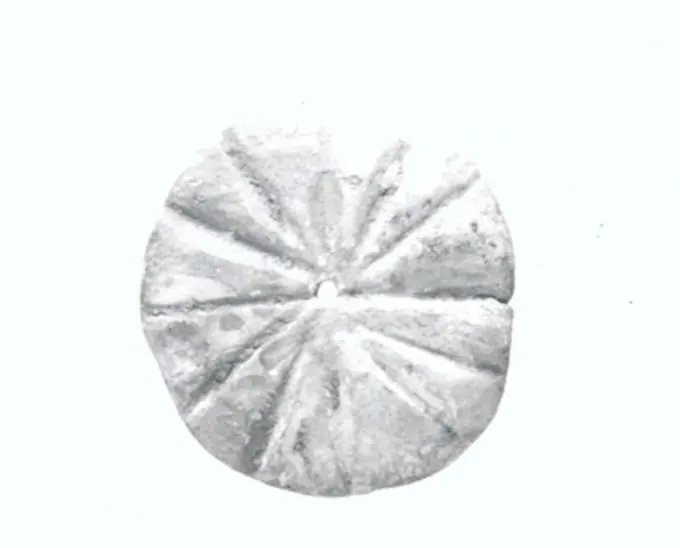
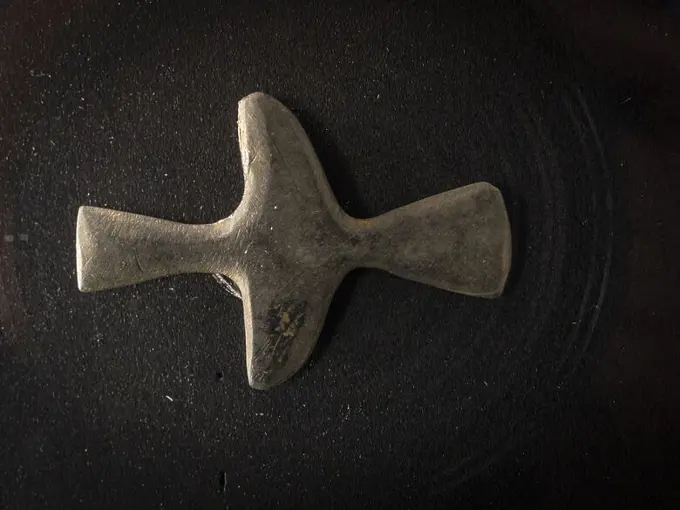
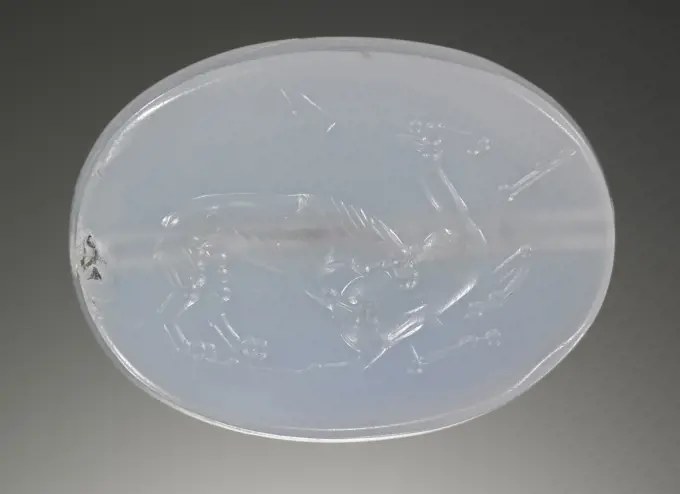
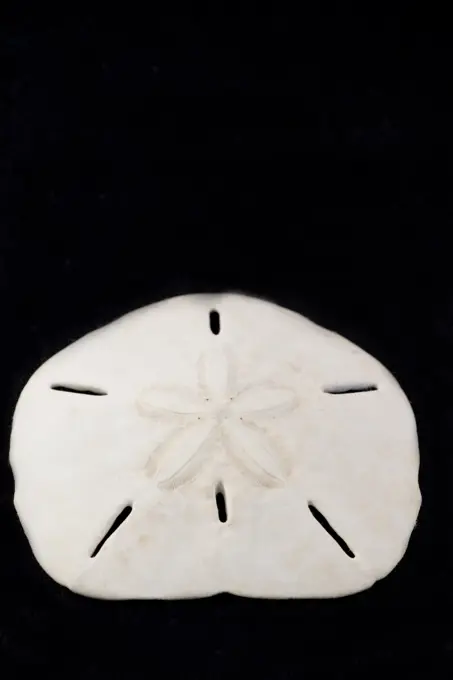
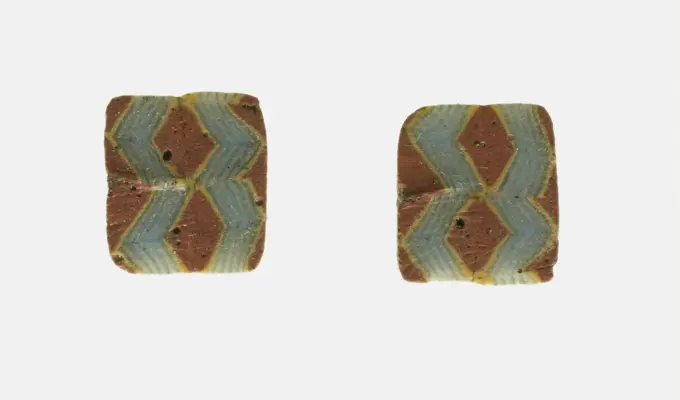
Button ca. 9th-7th century B.C. Iran This small circular object with a central hole and two incised concentric rings on its upper face was excavated at the site of Tepe Nush-i Jan. Located in northwestern Iran, the site is built on a natural outcrop and dominates the surrounding plain. Three periods of occupation were identified: a Median level of about 750 - 650 B.C., which was the best preserved; a level of poor squatter structures; and, after a break, a Parthian-period level dated to the first century B.C. Four major Median mud brick buildings  the Central Temple, the Old Western Building, the Columned Hall, and the Fort Building  were in use for more than a century. Tepe Nush-i Jan was excavated by David Stronach on behalf of the British Institute of Persian Studies for five seasons between 1967 and 1977. The Metropolitan Museum provided support for all but the final season.. Button 325975Poincon.Fragment ca. 1150-ca. 1250 European or Middle Eastern. Fragment 695191Medical instrument - Tooth Extractor, 1810-30. This dentist's tool is an early type of tooth extractor known as a 'dental key'. It has an ebony cross-bar handle and cranked steel shaft. It dates from the early nineteenth century. In earlier times, barbers commonly carried out surgical bleeding and tooth extractions in addition to shaving and cutting hair!.. Purchased from Edward H Pinto, 1965.. .Sieve of a copper skimmer with holes in the form of two concentric circles and a six -pointed star, anonymous, c. 1590 - c. 1596  Sieve of a copper skimmer with holes in the form of two concentric circles and a six -pointed star. The iron stem is missing.  copper (metal) striking (metalworking)  Nova Zembla. Saving HuysShard of coffin from v.O.c.-ship the 'white lion'. Shard of coffin from v.o.c.-ship the 'white lion', green glass bottle neck.Ring 500 BCE-400 BCE China. Jade .Swan group (Swan Group). Set of miniature vases: "Phiale à Omphalos". Ceramics with black figures, without incisions, red paint, black varnish. -550/540 BC .. Museum of Fine Arts in the city of Paris, Petit Palais. 99931-31 Antiquity, ceramic with black figures, red paint, black varnish, life VI 6th 6th 6th century before av. JC, ancientPart of a drom. .Miniature Ballcourt before 16th century Mexican. Miniature Ballcourt 317377Button or Bead 9th-10th century. Button or Bead 455202BumpCuff with Horizontal Grooves 300 B.C.-A.D. 400 Thailand. Cuff with Horizontal Grooves 53278Coin Weight 11th century. Coin Weight 442898Mashing tape with sticks and sticks for tamboer, VML. For National Army.Mashing Tape With Sticks And Sticks For Tamboer, VML. For National Army, The Netherlands, ca. 1830. And: RECEIVED OCTOBER 6, 1884.Brooch -Pendant ca. 2000-1785 B.C.. Pendant 322526Axe head 2nd millennium B.C.. Axe head 325124Sword-Hilt Collar and Pommel (Fuchigashira). Culture: Japanese. Dimensions: Fuchi (27.148.3); H. 1 1/2 in. (3.8 cm); Wt. 0.5 oz. (14.2 g); kashira (27.148.4); H. 1 3/8 in. (3.5 cm); Wt. 0.3 oz. (8.5 g). Date: 18th-19th century. Museum: Metropolitan Museum of Art, New York, USA.Pewter sleeve socket with line pattern, tinder box, tondeldoos lighter equipment tin metal, cast Oval jug bottom and top hinged lid (lid loose from hinge) Inside lid tip topside arch archeology Rotterdam rail tunnel packing make fire fire lighting transport Soil discovery: trajectory rail tunnel Rotterdam.Shoe or muzzle with soles of wood that hinges, anonymous, c. 1800 - c. 1900 Shoe or muzzle with soles of wood hinged in the bow of the foot. President and heel of leather, square nose. Heel band and buckles of copper. Netherlands schoen: leather. zool: wood (plant material). copper (metal) Shoe or muzzle with soles of wood hinged in the bow of the foot. President and heel of leather, square nose. Heel band and buckles of copper. Netherlands schoen: leather. zool: wood (plant material). copper (metal)Two-piece bronze mold for screw cap of baby bottle, cast molding tool tools base metal bronze iron, cast turned Two-piece bronze mold for pouring screw cap with narrow drinking opening for feeding bottle with on the outside top and bottom two rings as decoration top: 2834 40 Rotterdam tin foundry tin inlays tin drinking utensils dinnerware Meeuws Druy handicrafts Forms come from the originally 18th-century Rotterdam inkwell J Druy. The large molds that were not signed or dated were the property of the tinker guild and were rented to the small tin caster.Bowl 8th-9th century. Bowl. 8th-9th century. Stone; carved. Excavated in Iran, Nishapur. StoneTea bagVase fragment ca. 3000-2000 B.C. Aegean. Vase fragment. Aegean. ca. 3000-2000 B.C.. Terracotta. Early Helladic. VasesLinga Second half of the 8th-second half of the 10th century Indonesia (Java). Linga 50096Ring probably 19th century Chinese This collection of largely ethnographic jewelry includes examples from cultures in South America, North America, Europe, Asia, and Africa and dates from the Pre-Columbian period to the twentieth century. Owned by renowned art collector and fashion enthusiast Muriel Kallis Newman, the collection represents her knowledge and appreciation of a wide range of jewelry design and making traditions. Numerous items in her collection are composite artifacts made from various cultures and time periods reappropriated as modern jewelry creations by or for Muriel. It is important to note that Newman wore many of the pieces in the collection, interpreting them to suit and express her own singular, often avant-garde style.. Ring 141626Pair of mules, anonymous, c. 1800 - c. 1900 Shoe or muzzle with wooden soles that hinge in the bending of the foot. President and chop with Ller, clad, square nose. Heel band and buckles of copper. Marked: 154. Children's model Netherlands schoen: leather. zool: wood (plant material). gesp: copper (metal) Shoe or muzzle with wooden soles that hinge in the bending of the foot. President and chop with Ller, clad, square nose. Heel band and buckles of copper. Marked: 154. Children's model Netherlands schoen: leather. zool: wood (plant material). gesp: copper (metal)Runlet.  Maker: Joseph Dodge, American, 1776-1849Signet Matrix. - Seal, 1770. Possibly made in Birmingham. Presented by Francis Buckley, 1934.. A 'signet' or 'seal matrix' is a small stamp used for impressing the mark of its owner in wax onto documents. This is one of a collection of twenty-seven acquired by the museum in 1934. The majority of examples are finely made of moulded translucent glass, in this case purple. Amusingly, the design is of a signet. The inscription, 'PUSH', refers to the action of impressing the signet into the surface of the wax! .String of beads ca. 3650-3300 B.C. Predynastic, Naqada II. String of beads. ca. 3650-3300 B.C.. Carnelian. Predynastic, Naqada II. From Egypt, Northern Upper Egypt, Mahasna, Tomb H 107, EEF excavations 1908-1909Shoe Sole of a BootMedicine, remedial method, alternative, remedy, Hot Stone,Tongbao of Emperor Huizong fromUnknown . Ruler: Song Huizong, Emperor of China, Chinese, 1082-1135, ruled 1100-1126Trapezoidal Ceremonial Axe, 1766-1122 BCE, 9 1/4 x 4 3/4 x 7/16 in. (23.5 x 12.07 x 1.11 cm), Dark green jade with black and white clouds, China, 18th-12th century BCEVase fragment 1st century B.C.-1st century A.D. Roman Fragment of plain Arretine ware, inscribed.. Vase fragment 250305Old stone grinder on white background Copyright: xVirenxDesai/DinodiaxPhotoxBeth Shemesh, May 1931. 1931, Antiquities, Israel, Bet-Shemesh (Extinct city)A Water-Dropper for Writers. Celadon glaze; modelled and underglaze iron decoration. From the time of Koryo (Goreyo) (Goreyo) dynasty (918 - 1392)MOLDES DE FUNDICION DE ARENISCA. EDAD DEL BRONCE CAMPOS DE URNAS S VII a.C. (DEPOSITO: MUSEO ARQUEOLOGICO NACIONAL).Collar. Culture: American. Date: 1880-84. Museum: Metropolitan Museum of Art, New York, USA.Spindle Whorl 10th-early 16th century Mexican. Spindle Whorl 307728ChinaAdvertising token for metal reinforcement Burq, 19th century Advertising token for metal reinforcement Burq, 19th century ". Sheet Metal.Ladle.   Maker: Robert and William Wilson, American, active 1824-46Sword Guard (Tsuba) possibly 17th century Japanese A tsuba is a sword guard and part of a sword mounting. It is mounted between the swords blade and grip to protect the users hands.. Sword Guard (Tsuba) 33415Speelhuisensning from Thailand worth a Salung, 1760-1871 ,, 1760 - 1871 coin Round porcelain playing house pencil, which is also used as a mint. Front: two Chinese characters. Reverse: a Chinese character.  porcelainFélix Bracquemond (1833-1914). Manufacture Haviland and company. Pichet of water. Glass. Around 1879. Museum of Fine Arts of the City of Paris, Petit Palais. 54220-8 Below, Haviland and company manufacture, pitcher, signature, transparency, glass, glass, glasswareFragment. Culture: European or Middle Eastern. Dimensions: L. 1 in. (2.5 cm). Date: ca. 1150-ca. 1250. Museum: Metropolitan Museum of Art, New York, USA.Coin of Kangxi, Emperor of China from Shandong,China. Ruler: Kangxi, Emperor of China, Chinese, 1654-1722, ruled 1661-1722 Mint: Shandong, China Artist: UnknownMaterial of the painter Ernest Renoux: Clip buckets ". Museum of Fine Arts of the city of Paris, Petit Palais. 26987-14 Clip bucket, material, tool, painterBowl ca. late 8th-7th century B.C. Iran. Bowl 322848Carved Palette. Mexico, Guerrero, Mezcala, 300-100 BCE. Stone. StonePipette with serum on a beige background. High quality photo.Ear ornaments 500 B.C.-A.D. 900 Indigenous American (Pre-Columbian) This collection of largely ethnographic jewelry includes examples from cultures in South America, North America, Europe, Asia, and Africa and dates from the Pre-Columbian period to the twentieth century. Owned by renowned art collector and fashion enthusiast Muriel Kallis Newman, the collection represents her knowledge and appreciation of a wide range of jewelry design and making traditions. Numerous items in her collection are composite artifacts made from various cultures and time periods reappropriated as modern jewelry creations by or for Muriel. It is important to note that Newman wore many of the pieces in the collection, interpreting them to suit and express her own singular, often avant-garde style.. Ear ornaments 141761Haliotis Asinina Musschel on a black background Haliotis Asinina Musschel on black background copyright: xzoonar.com/serhiixzarevx 225799621 Cash of Song Zhezong from Board ofRevenue. Ruler: Song Zhezong, Emperor of China, Chinese, 1077-1100, ruled 1085-1100 Mint: Board of Revenue Artist: UnknownPatrontas from the wreck of the East Indied Flying Heart. Copper Oblong somewhat curved box whose sides are rounded. The box is flat from bottom and open above. Inside, vertically contains twelve copper (soldered) pattern tubes. In the top edge there is a row of small holes that served to confirm the (absent) casing. In full condition, the pattern shaft was in leather, with a leather lid and a belt. The pattern tubes could contain 12 patterns of rolled paper with powder and a musketball. CARTRIDGE CASE.Pair of Octagonal Sticks 2nd-1st century B.C. China. Pair of Octagonal Sticks 44401Knife Handle (Kozuka). Culture: Japanese. Dimensions: L. 3 13/16 in. (9.7 cm); W. 9/16 in. (1.4 cm); thickness 1/4 in. (0.6 cm); Wt. 1 oz. (28.3 g). Date: ca. 1615-1868. Museum: Metropolitan Museum of Art, New York, USA.Pair of Octagonal Sticks. Culture: China. Dimensions: L. 1 1/2 in. (3.8 cm). Date: 2nd-1st century B.C.. Museum: Metropolitan Museum of Art, New York, USA.Sample or Iron with galvanised copper. Massive iron rod covered with a layer of copper, which is tightened on different teases to demonstrate the purity and adhesion of the copper layer.Cuneiform tablet: loan with work agreement, Egibi archive ca. 512 B.C. Achaemenid. Cuneiform tablet: loan with work agreement, Egibi archive 321544Decorative door boss and nail, Wrought iron, Square type, pierced and embossed with wrought lines. Quadrant leaf design based on old examples. Each petal has a pointed tip and central boss, the surface marked with radiating pocks. Round nail head on square shank., Spain, 17th century, metalwork, Decorative Arts, Decorative door boss and nailFragment ca. 1150-ca. 1250 European or Middle Eastern. Fragment 694188Button or Bead 9th-10th century This object was excavated at Nishapur.Nishapur was a vital city in the early and middle Islamic periods, located along one of the main trajectories that connected Iran and West Asia Islamic lands with Central Asia and China. These itineraries are often referred to by the term Silk routes’ but were in fact crucial to the movement of constellations of materials and objects, as well as people and ideas. The diverse population of Nishapur and its surroundings, from the better-researched elite groups of merchants, land-owning aristocracy, and literates, to the less-known artisans, farmers, miners, and servants, were instrumental in adapting global cultural trends to create their own distinctive visual languages. This is seen in the material remains of everyday life in medieval Nishapur - from pots and pans to lighting devices, inkwells, textiles and trimmings, jewelry, games and toys, talismanic devices, weapons, coins, and architectural fragments.Nishapur lSize of 1/8 oil size with handle. Size of 1/8 oil size with handle (approx. 1/16 liters) from Enkhuizen. On the inside label with inscription.Mirror with Decoration of Paradise of the Immortals Japan. Mirror with Decoration of Paradise of the Immortals. Japan. Bronze. Edo period (1615-1868). MirrorsMordant 13th century French, Haute-Savoie. Mordant. French, Haute-Savoie. 13th century. Bronze. Miscellaneous-Buckles & OrnamentSenwosret (), Oil jar ca. 1950-1850 B.C. Middle Kingdom. Senwosret (), Oil jar. ca. 1950-1850 B.C.. Travertine (Egyptian alabaster). Middle Kingdom. From Egypt, Memphite Region, Lisht South, tomb west of the tomb of Senwosretankh, Pit 3, Burial chamber of owner, MMA excavations, 1933-34. Dynasty 12, early - midPlaque ca. 18th century B.C. Old Assyrian Trading Colony. Plaque 323531Iron lock, clover -shaped and with engraved rank motifs., Anonymous, 1600 - 1699 Slot of iron with two shots. The lock plate is clover -shaped, partly open on the sides and decorated with engraved rank motifs. The keyhole is on the right and is placed horizontally. Below that is a ring with rotating disc. At the top of the lock plate is a spiral bar that curls forward. West-Europa iron (metal) engraving Slot of iron with two shots. The lock plate is clover -shaped, partly open on the sides and decorated with engraved rank motifs. The keyhole is on the right and is placed horizontally. Below that is a ring with rotating disc. At the top of the lock plate is a spiral bar that curls forward. West-Europa iron (metal) engravingAmulet of serekh sign surmounted by archaic falcon 400-30 BC Ptolemaic Period Starting in the later Late Period and continuing through the Ptolemaic Period, a type of glass amulet cast by pressing the glass into a shallow open mold appears. The back was left rough, and the amulets may look ragged because glass overflowed the mold around the edges. The earlier amulets are monochrome, bi- or multicolor amulets supplement the repertoire during the Ptolemaic Period. Some of the amulets can be specifically tied to spells of the Book of the Dead - for example, acc. no. 17.194.2526 - and most are clearly funerary amulets, presumably meant to be wrapped between the bandages of the mummy where the presence of the amulet would do its job irrespective of its degree of finish.. Amulet of serekh sign surmounted by archaic falcon. 400-30 BC. Glass. Ptolemaic Period. From EgyptDrop-shaped (tanged) pendant seal and modern impression: quadrupeds ca. 4500-3500 B.C. This Ubaid seal is typically decorated with stylized animals not entirely reduced to geometric forms, a development from earlier stamps engraved with simple linear patterns. Two long-horned quadrupeds stand facing left. The seal has a tanged extension that thickens at the top into a perforated loop. Drop-shaped (tanged) pendant seal and modern impression: quadrupeds. ca. 4500-3500 B.C.. Black-green chlorite or steatite. Late Ubaid-Middle Gawra. Northern MesopotamiaShards of porcelain from V.O.C. ship De 'Witte Leeuw', Before 1613  Shards of porcelain from V.O.C. ship De 'Witte Leeuw', from Martavanen. One consists of three glued fragments. Jingdezhen porcelain   Sint-HelenaBead China. Bead 43136Ring 400 BCE-200 BCE China. Jade .Game board and cubes Rock crystal, glass First half Millennium BCFragment. Culture: European or Middle Eastern. Dimensions: L. 1 5/8 in. (4.1 cm). Date: ca. 1150-ca. 1250. Museum: Metropolitan Museum of Art, New York, USA.Pa. German Shoemaker's Peg Box. Dated: c. 1940. Dimensions: overall: 31.9 x 23.6 cm (12 9/16 x 9 5/16 in.) Original IAD Object: 3" wide; 5 1/2" high; 1" in diameter. Medium: watercolor and graphite on paper. Museum: National Gallery of Art, Washington DC. Author: Elmer R. Kottcamp.Women's flashlight Olga BoznańskaPUME WITH A STORS;  19th century (1801-00-00-1868-00-00);Roller Seal. Olmec; Veracruz or Tabasco, Gulf Coast, Mexico. Date: 800 BC-400 BC. Dimensions: 7.6 x 5.4 cm (3 x 2 1/8 in.). Ceramic and pigment. Origin: Mexico. Museum: The Chicago Art Institute, Chicago, USA.Planets-manager. Cornalet Collection Sites 2013-2016. Numismatic.Rouwring Willem IV, 1751  Mourning ring William IV, worn by the court ladies after his death. On the ring The inscription: "OB: 11 Oct - 1751: unreadable - Gul: Nass - Prin: Aur  iron (metal)Miniature BottlePearl Button, 1790-1800. Made in Birmingham, maker unknownOjime 19th century Japan. Ojime. Japan. 19th century. Metal with plum blossoms in gold inlay. Edo period (1615-1868). OjimeSpindle Whorl 10th-early 16th century Mexican. Spindle Whorl 307726Button ca. 3rd-7th century A.D. Sasanian. Button 322782cruciform idol, slate, 2500-2000 BC, Los Gabrieles 6, Valverde del Camino, Huelva Museum, Huelva, Andalusia, Spain.Scaraboid; Asia Minor; late 5th - early 4th century B.C; Blue chalcedony; 0.1 × 0.3 × 0.3 cm (1,16 × 1,8 × 1,8 in.)PILLOWS - 1996-1997. Author: JOSE MARIA SICILIA. Location: PRIVATE COLLECTION.steel nut on a white backgroundMedicineBottleduct tape on a white backgroundCowter for the Left() Elbow from a Splint Rerebrace. Spanish. Date: 1450-1550. Dimensions: H 9.53 cm (3 3/4 in.); W 12.7 cm (5 in.); D 15.24 cm (6 in.). Steel. Origin: Spain. Museum: The Chicago Art Institute, Chicago, USA.Detail of sand dollar on black background. (Large format sizes available)Fragment of Inlays Depicting a Zig-zag Pattern 100 BCE-100 CE Italy. In ancient Rome, there was a high demand for colorful glass that could dazzle banquet guests alongside the expensive silver and gold serving wares meant to impress. Fragments like this one would have once been a part of larger mosaic dishes. The mosaic pattern was made by sagging molten glass into bowl-shaped molds, a technique used on many of these fragments is similar to millefiori, ìthousand flowersî in Italian, a modern glass-making method in which tiny rods of colored glass are bundled together, wrapped in a sheet of glass, fused, and then thinly sliced to reveal swirls of a flower-like patterns. They were arranged side by side, sometimes together with bits of colored glass, and fused together with heat.. Glass, mosaic glass technique . Ancient RomanReflected Glass of Red Wine