Archaeological Artifacts Collection

Ancient pottery and artifacts, highlighting historical craftsmanship and cultural significance, ideal for educational and museum contexts.
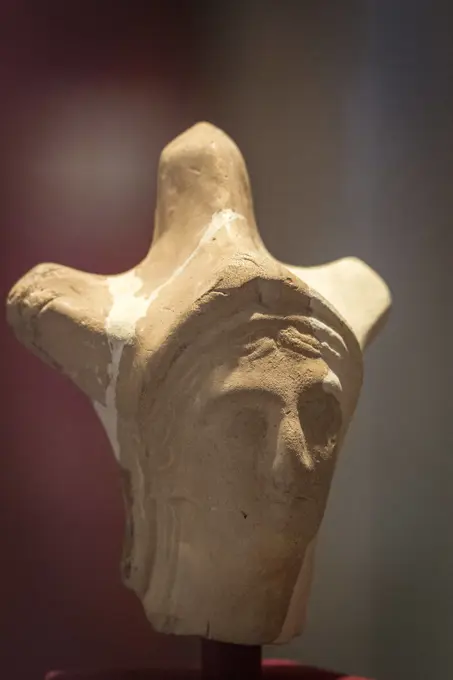
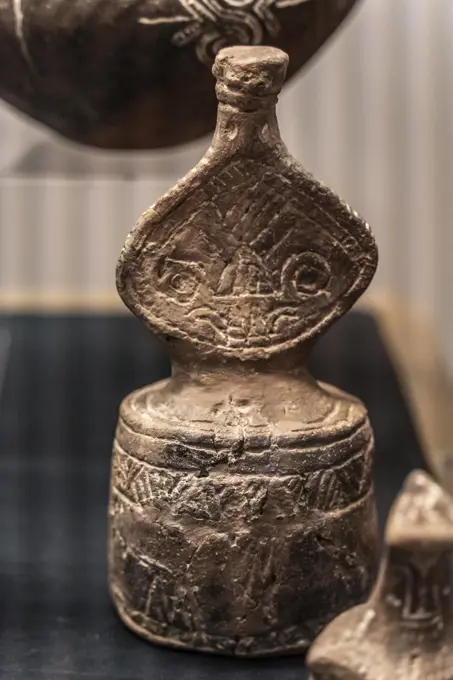
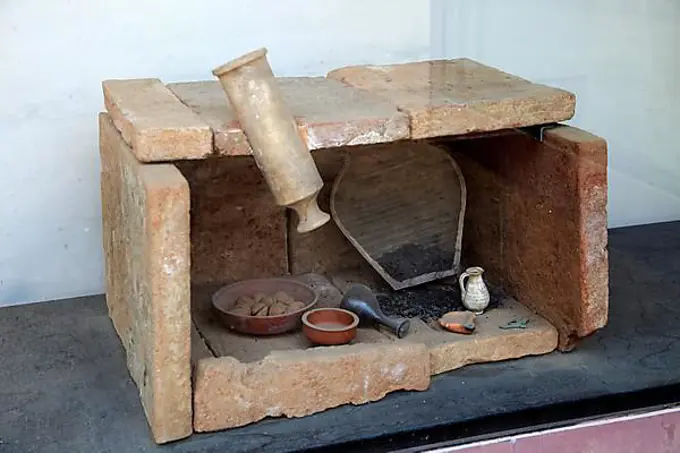
Terracotta votive offering Terracotta votive offering, Ibero-Roman culture, probably from the middle of the 1st century AD. Castellar de Santisteban, Iberian culture, Archeological Museum. Úbeda, Jaén province, Andalusia, Spain Copyright: xZoonar.com/BartomeuxBalaguerxRotgerx 21702674
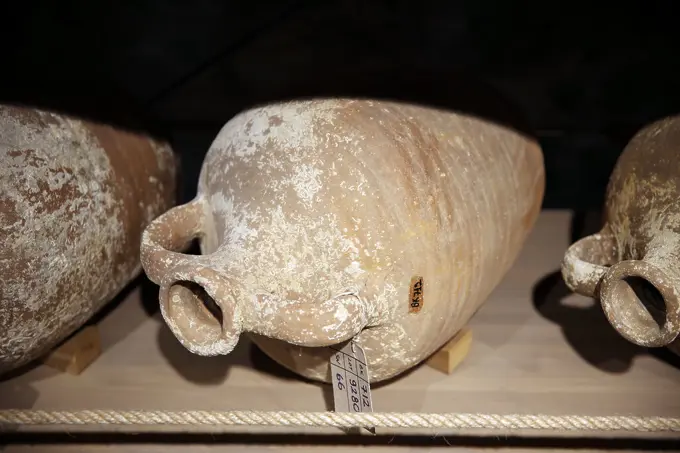
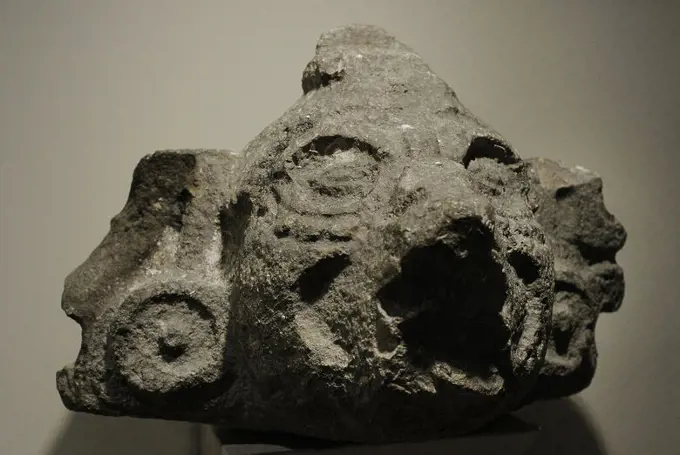
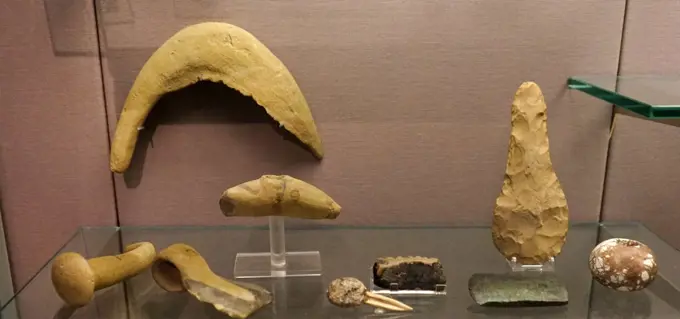
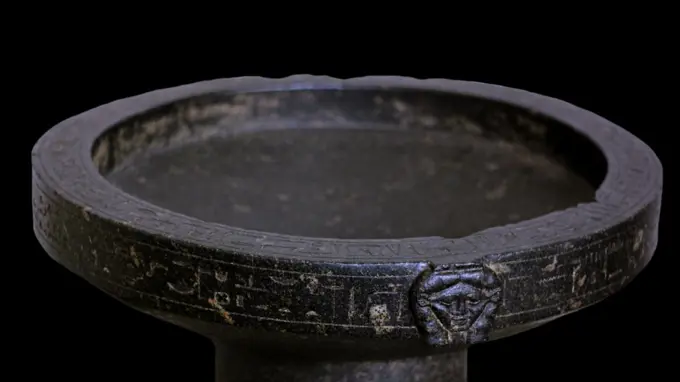
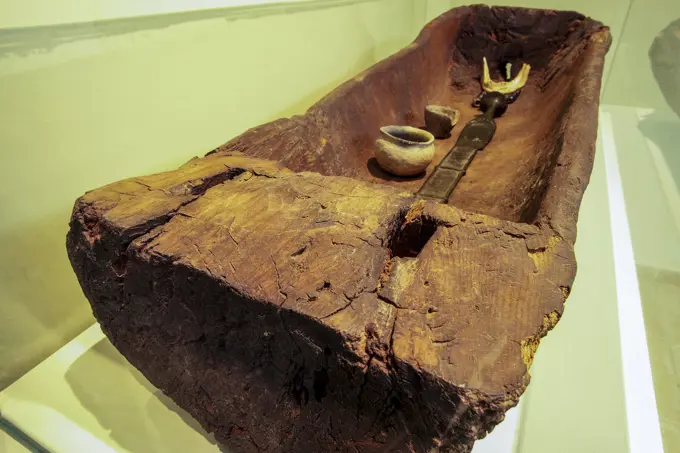
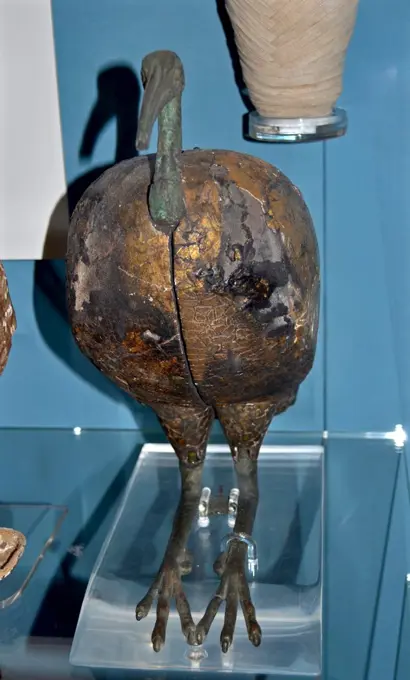
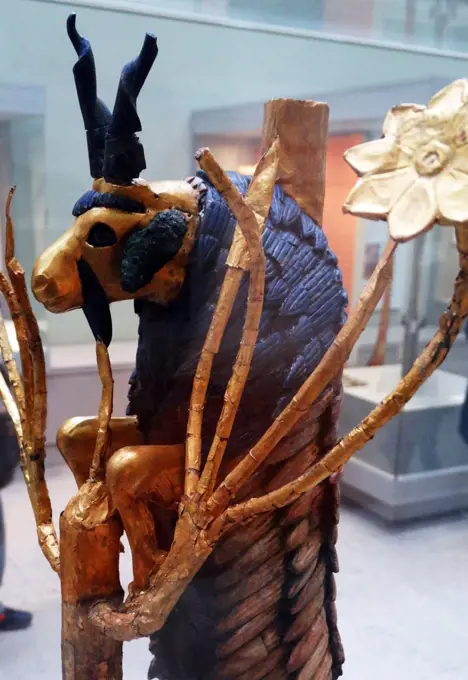
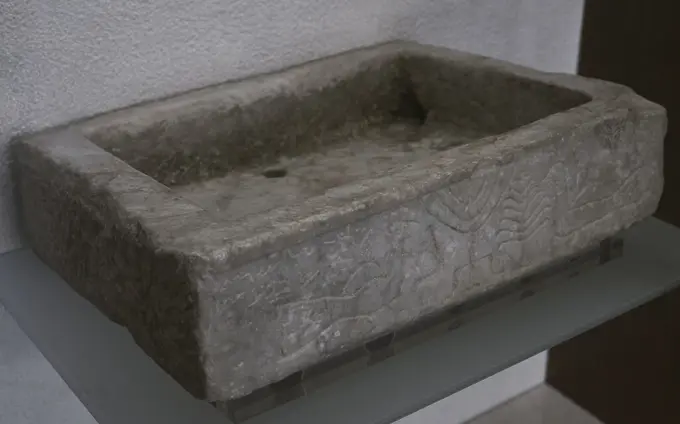
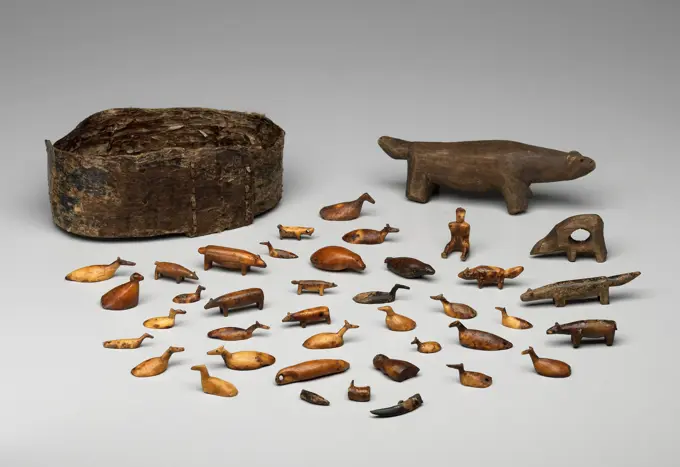
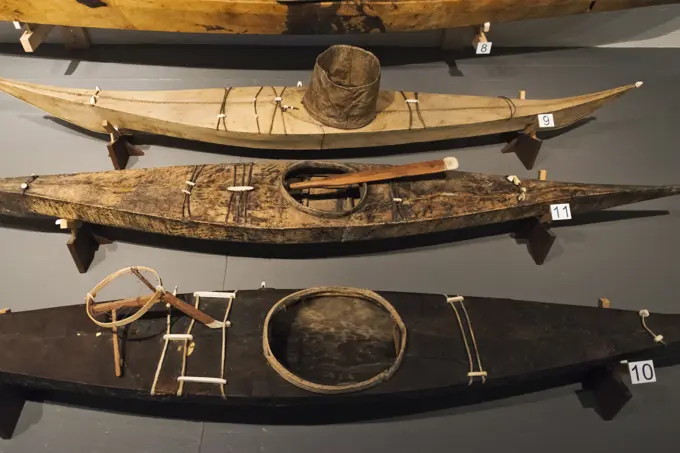
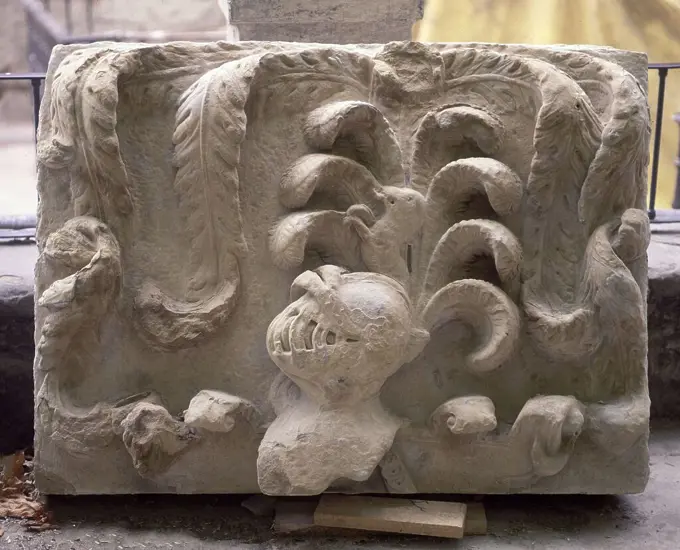
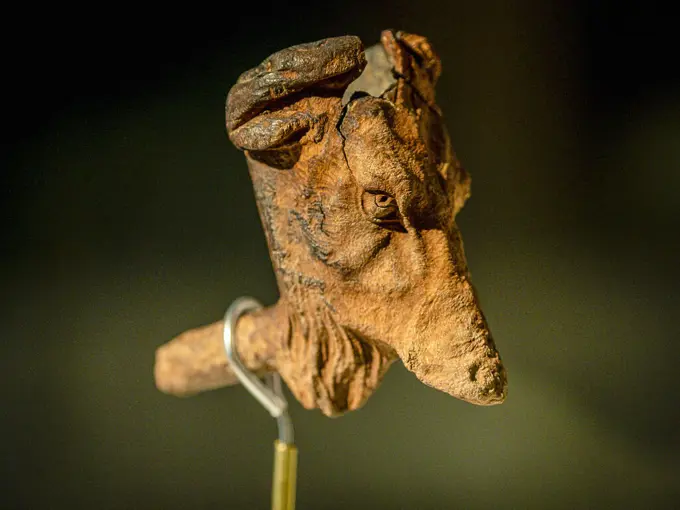
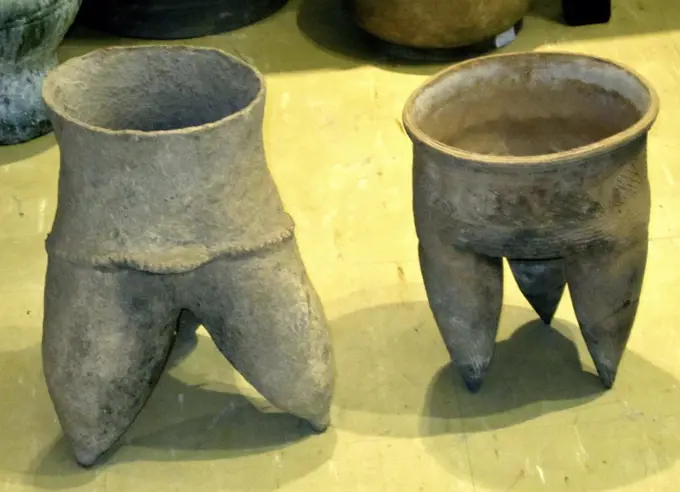
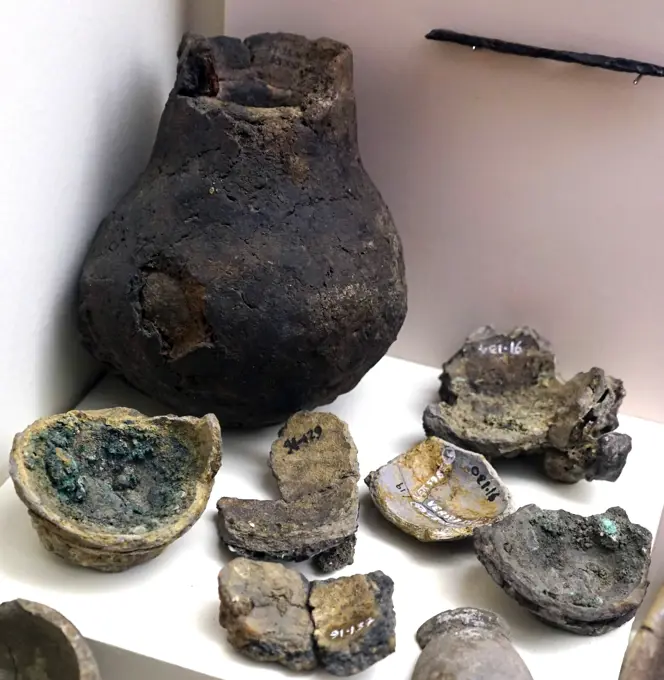
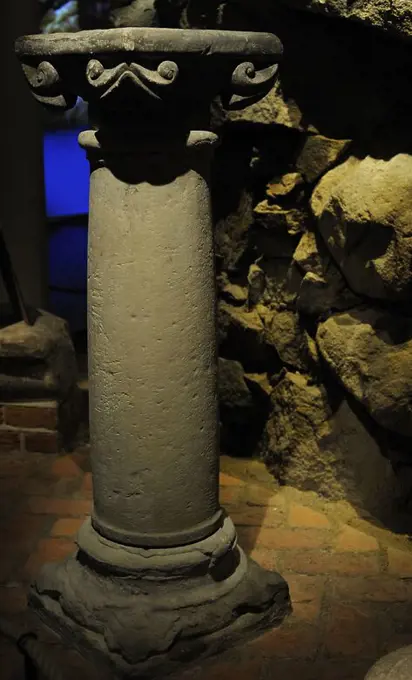
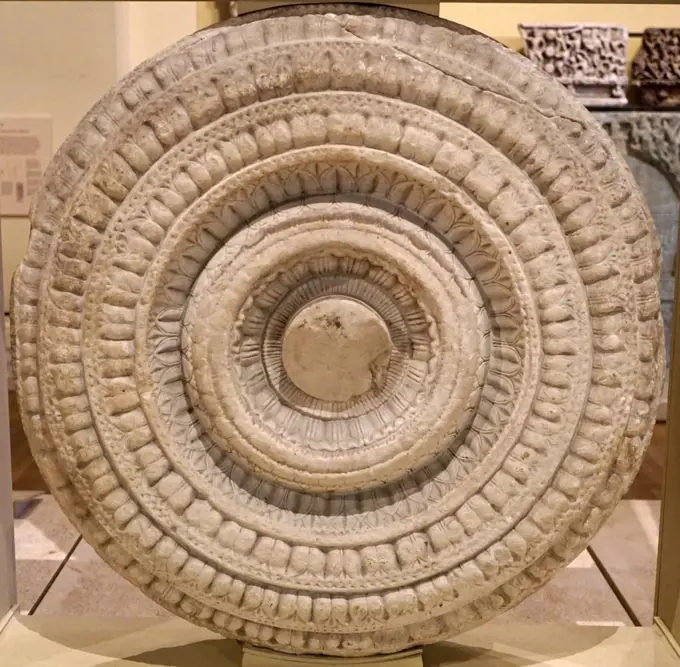
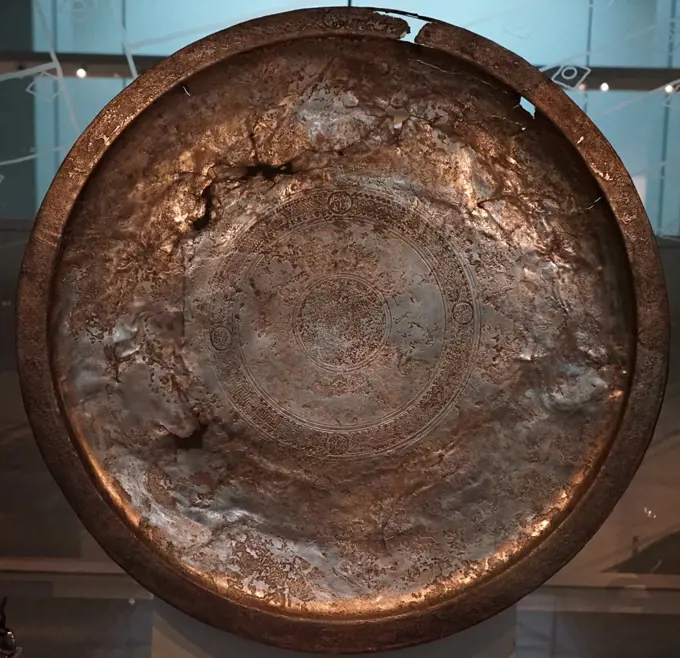
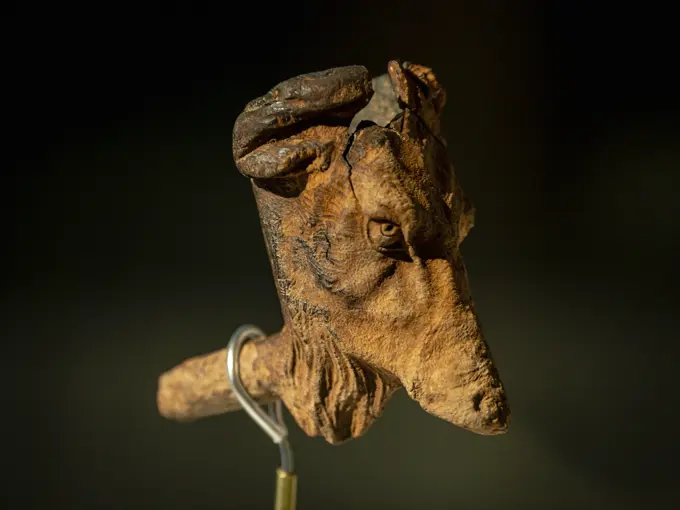
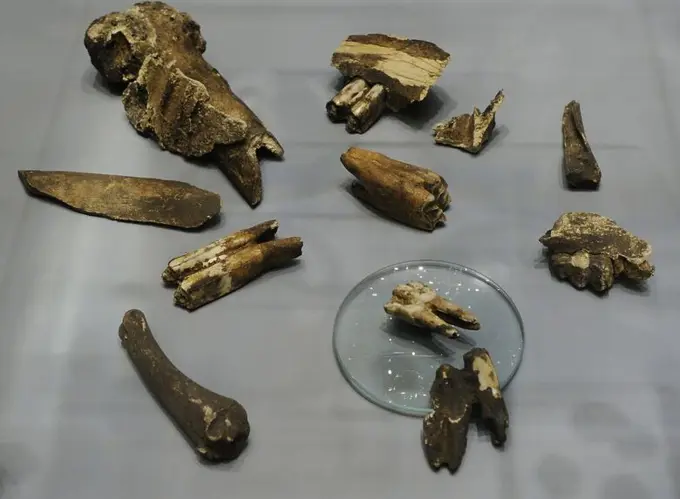
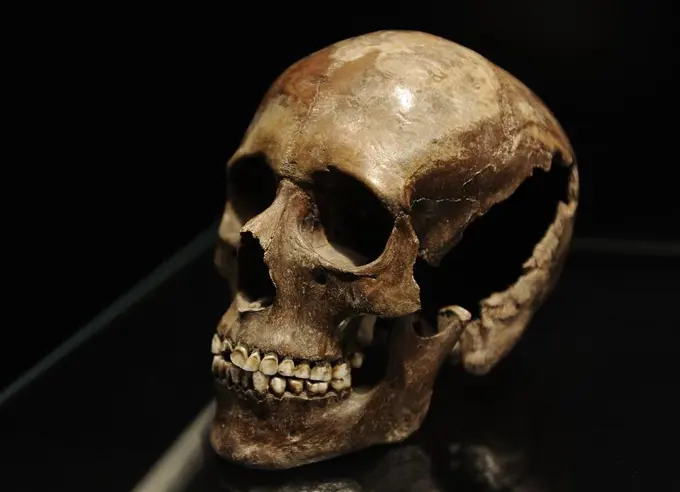
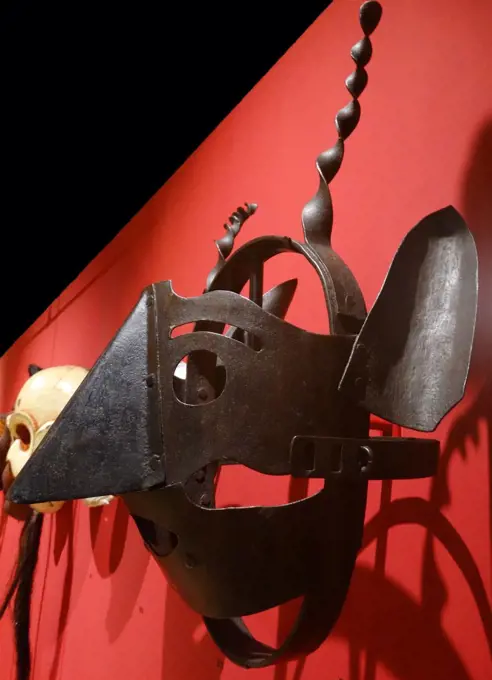
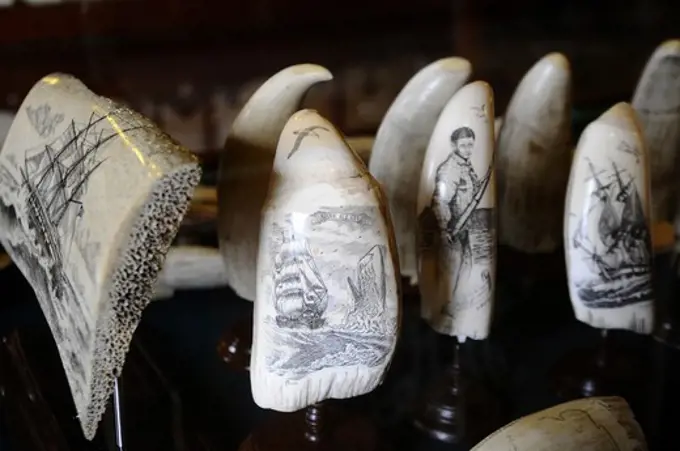
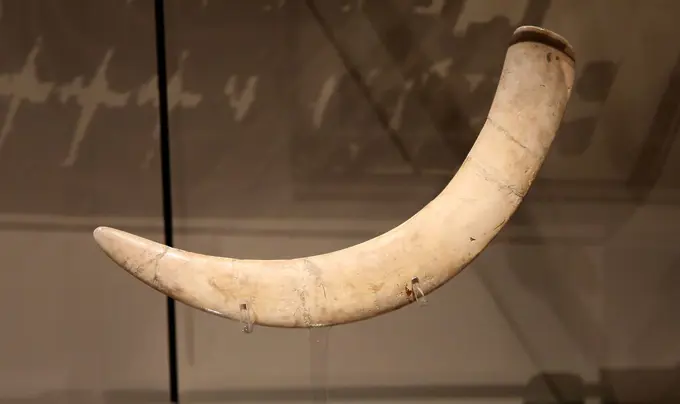
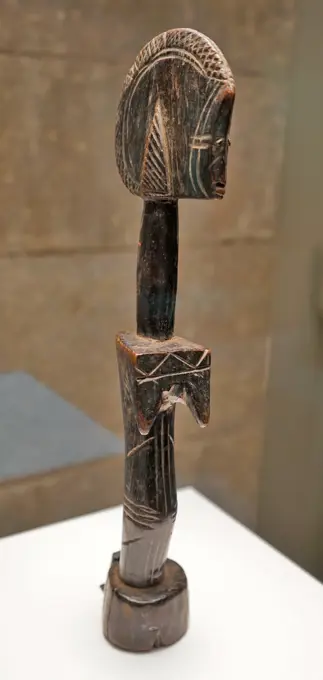
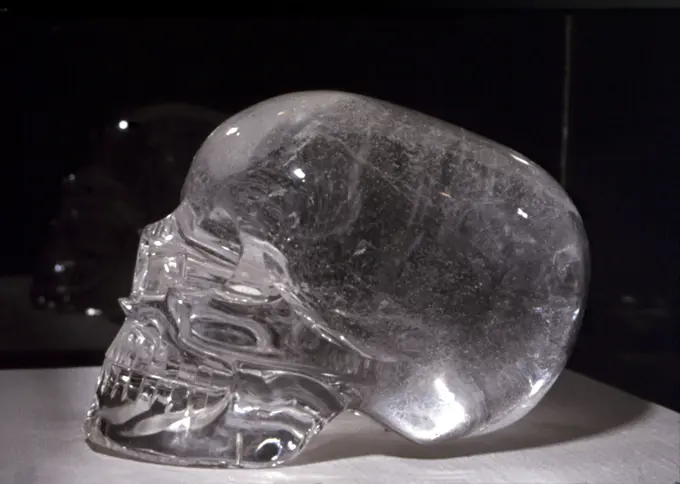
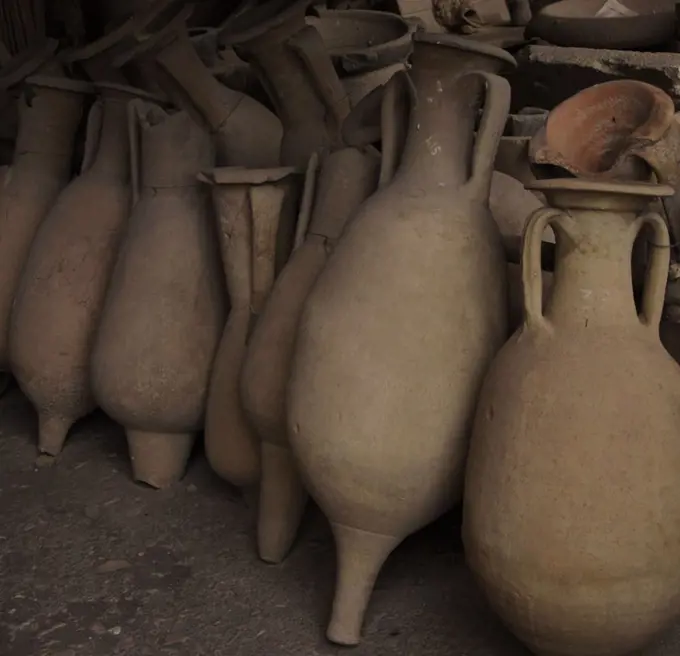
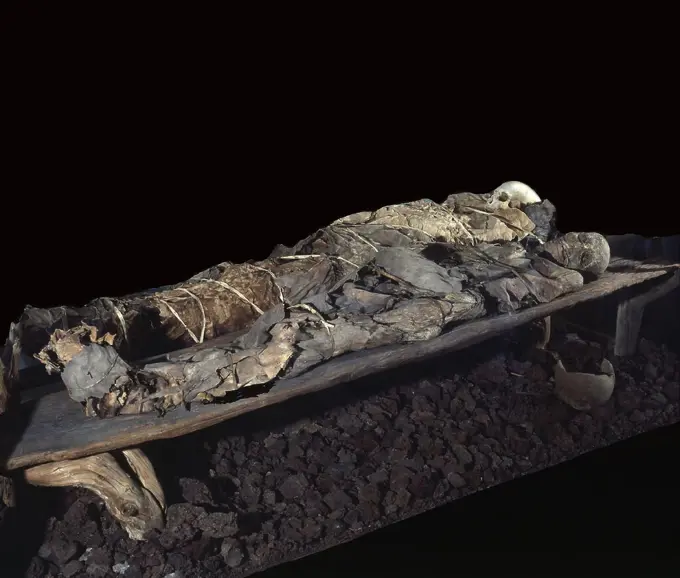
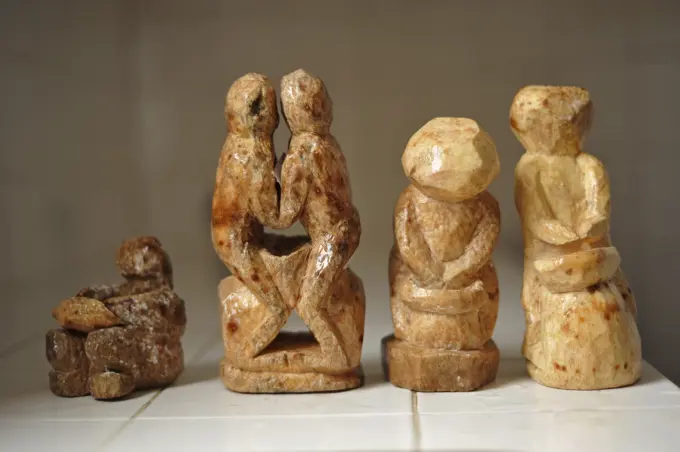
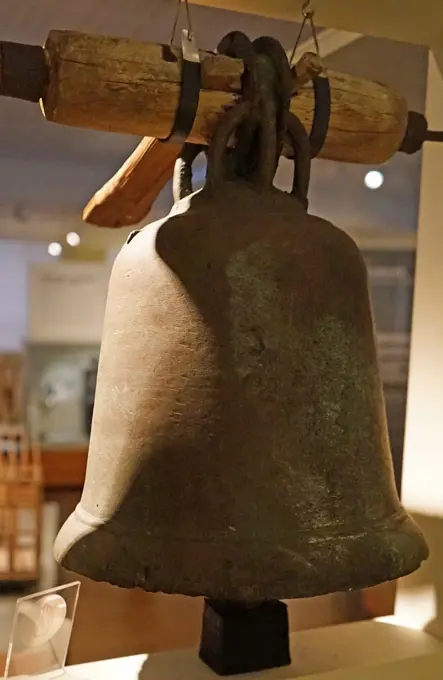
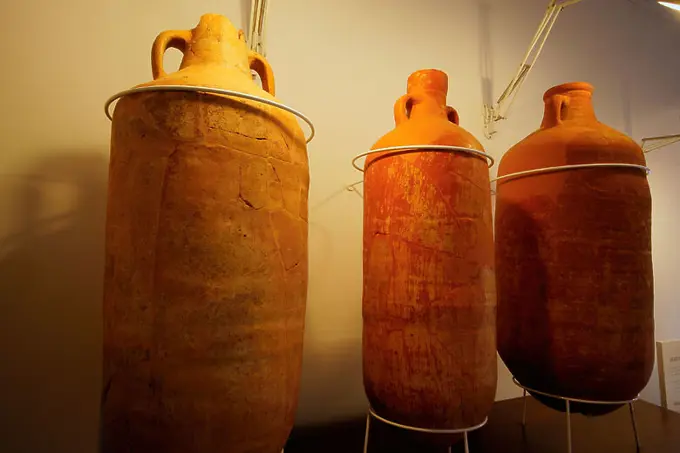
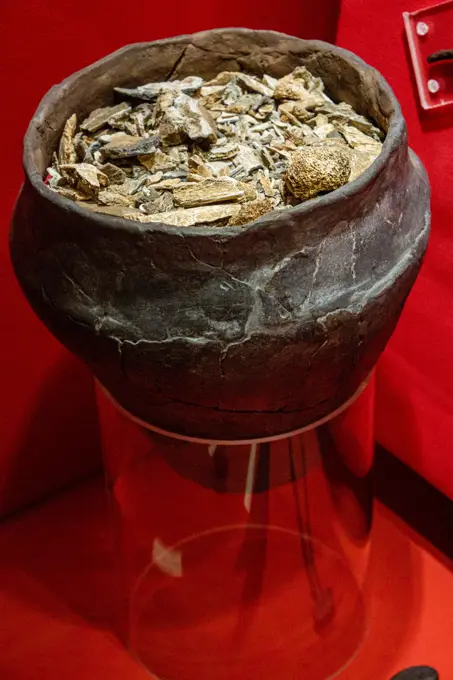
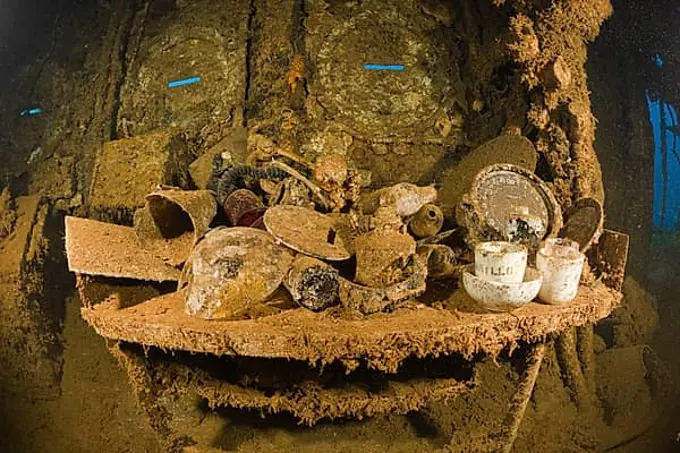
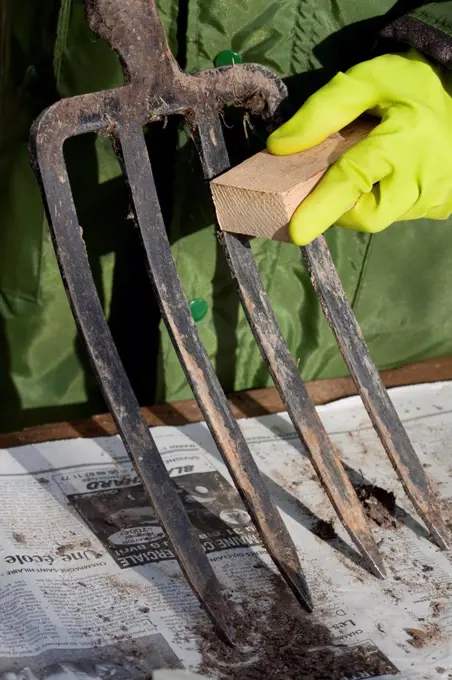
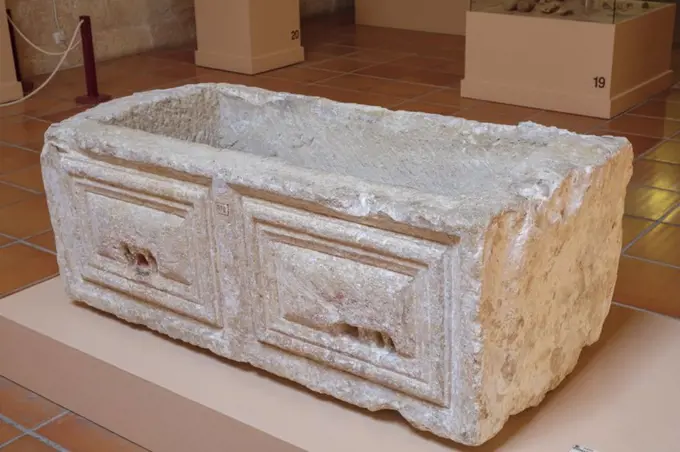
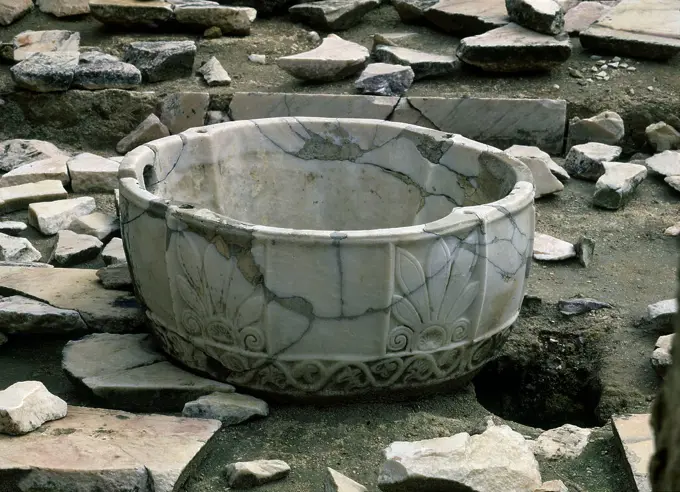
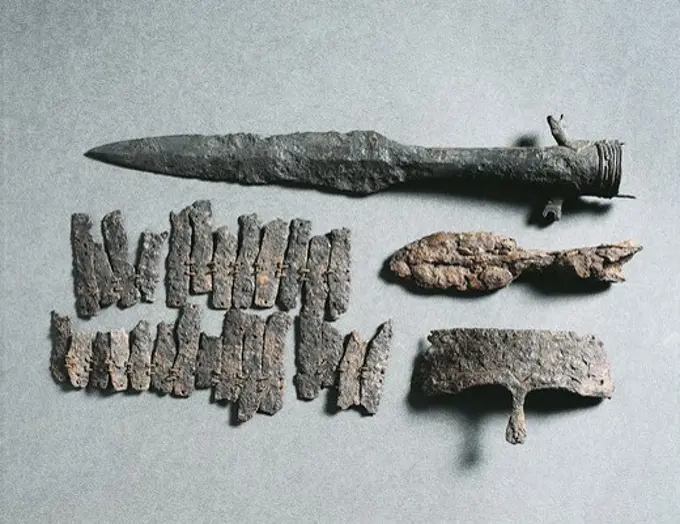
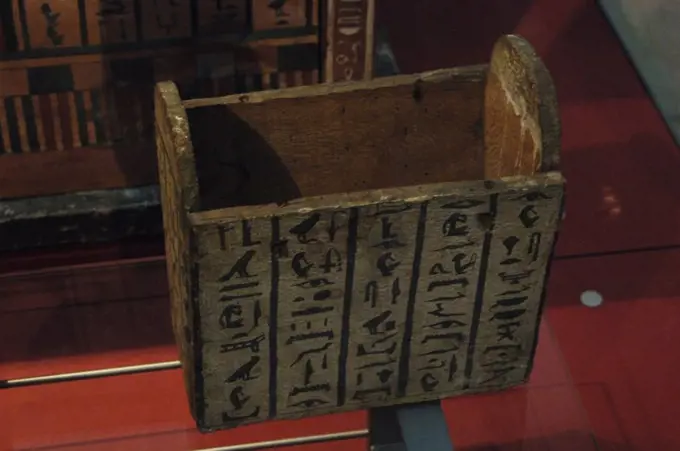
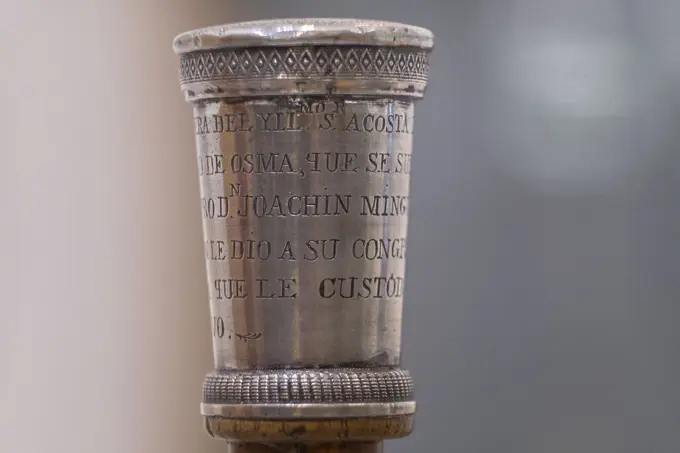
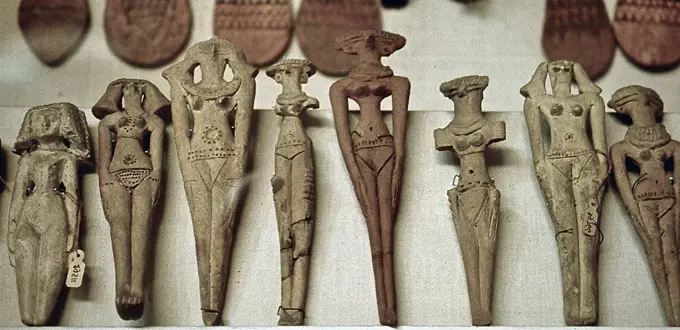
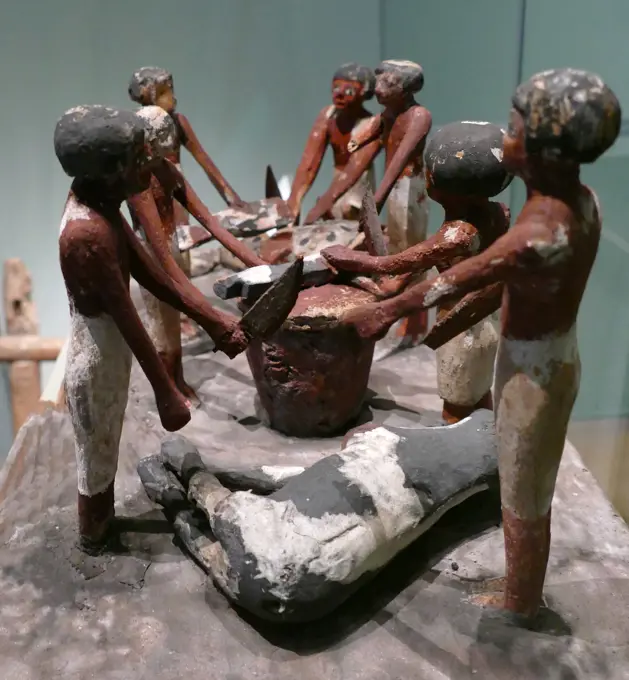
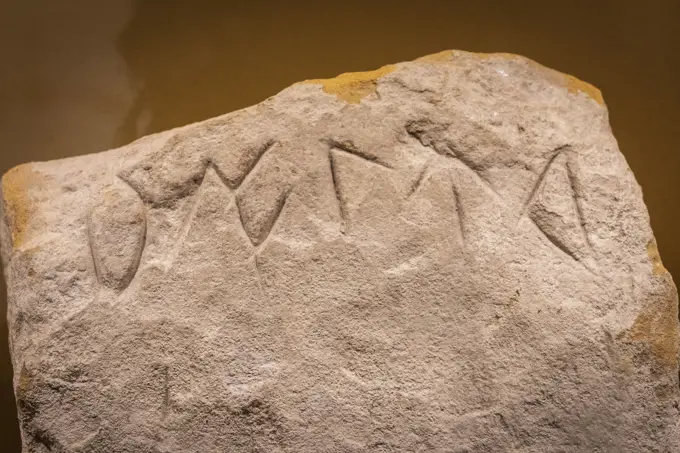
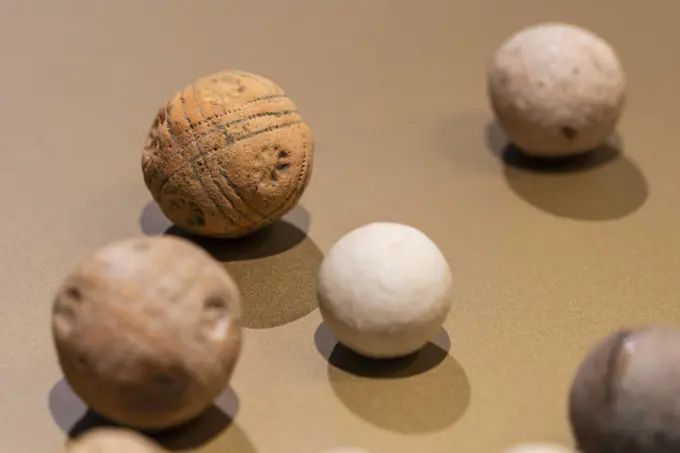
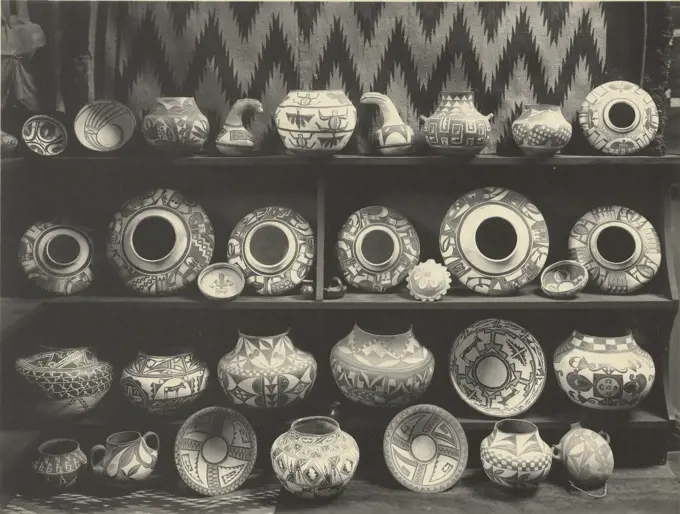
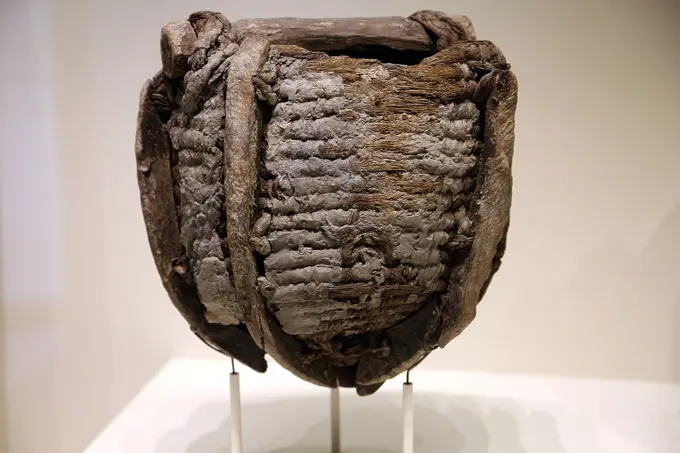
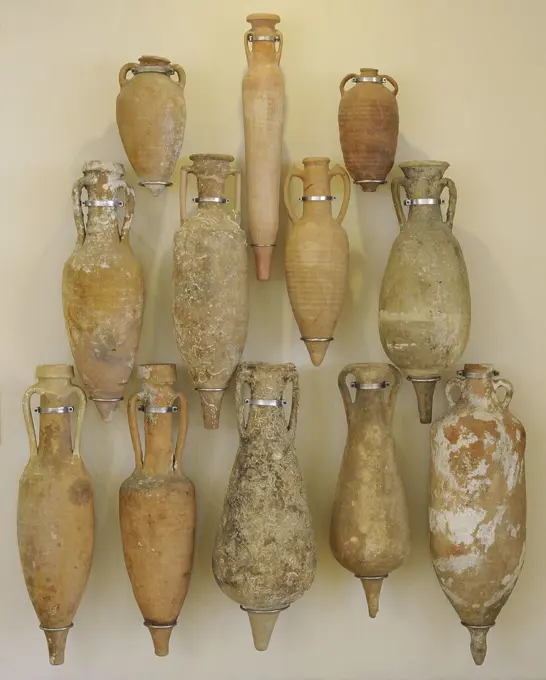
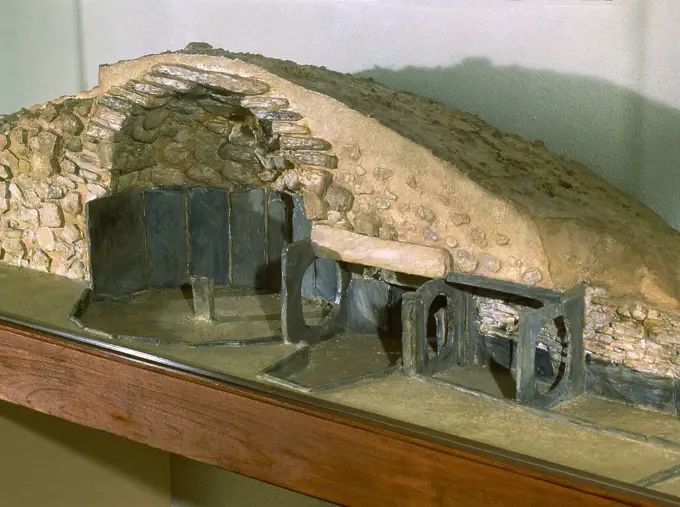
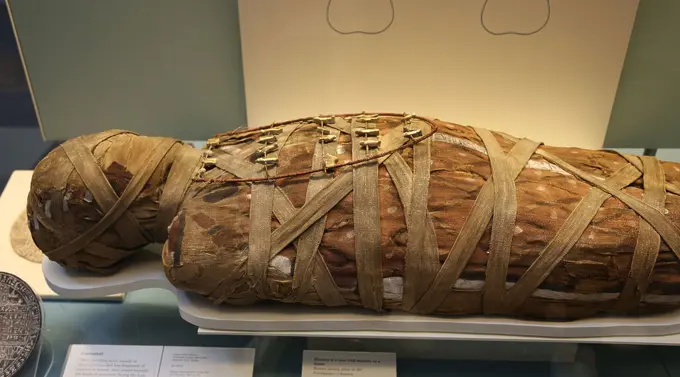
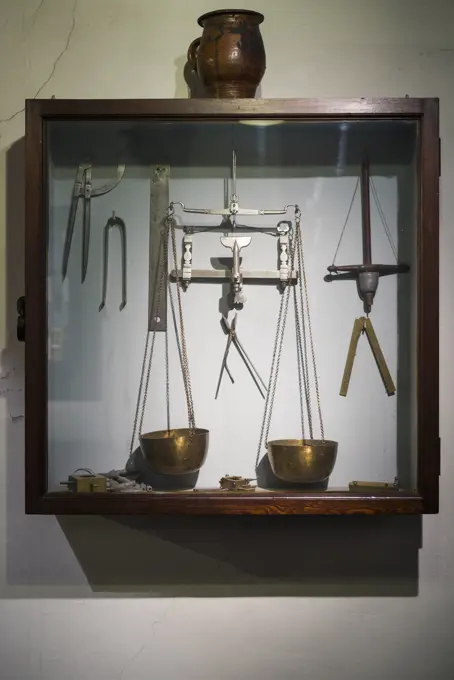
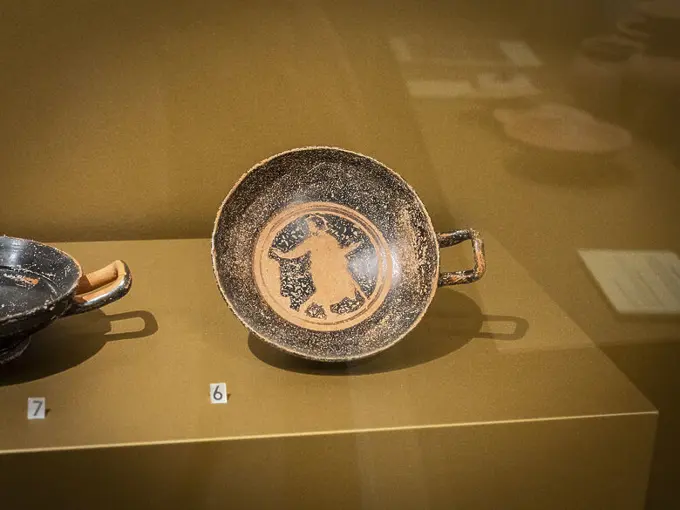
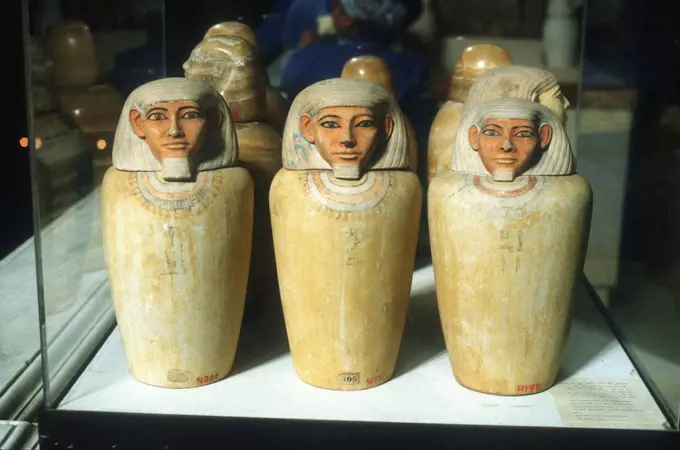
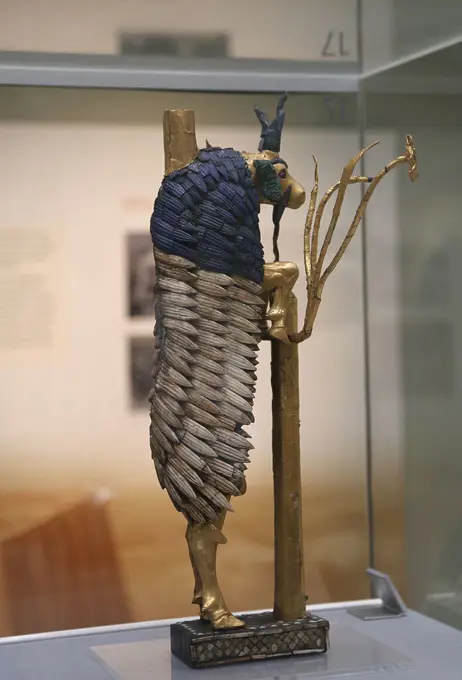
INTERIOR DE LA ALFARERIA - ESTANTERIA CON MOLDES DE CERAMICA GUANCHE - FOTO AÑOS 90. Location: ALFARERIA. EL MAZO. LA PALMA. SPAIN.Amphoras. Bodrum Museum of Underwater Archaeology.Chalkolithikum Chalkolithikum Copyright: xZoonar.com/TOLOxBALAGUERx 22682462Decorated Auroch phalanx Decorated Auroch phalanx, male aurochs with an arrow stuck in them, middle Magdalenian, lower gallery of La Garma, Ribamontan al Monte, Museum of prehistory and archeology MUPAC, Santander, Cantabria, Spain Copyright: xZoonar.com/BartomeuxBalaguerxRotgerx 21880634Head that decorated a Mayan building in the Puuc style. Late Classic Period (600-900 AD). Stone. Mayan Culture. Uxmal, Yucatan, Mexico. Museum of the Americas. Madrid, Spain.Canopic jar with baboon lid. Dynasty: Dynasty 21-30. Date: ca. 1070-343 B.C.. Museum: Metropolitan Museum of Art, New York, USA.Terracotta votive offering Terracotta votive offering, Ibero-Roman culture, probably from the middle of the 1st century AD. Castellar de Santisteban, Iberian culture, Archeological Museum. Úbeda, Jaén province, Andalusia, Spain Copyright: xZoonar.com/BartomeuxBalaguerxRotgerx 21702674Pottery Mesopotamia tools, from Ur. Dated 15th Century BCBasin of Montuemhat, Granodiorite, 25th Dynasty, about 670 BC. Possibly from Thebes. The part facing shows the head of goddess Hathor. The bowl was either a votive basin or contained food for the gods.Bestattungssarkophag aus Eichenholz Funerary sarcophagus made of oak wood, Museum of the Monastery of Lluc, Escorca, Sierra de Tramuntana, Mallorca, Balearic Islands, Spain Copyright: xZoonar.com/BartomeuxBalaguerxRotgerx 22896932Mummy of an ibis with applique figure of the god Nefertum 305 B.Cstatuette of a Ram in a Thicket. inlaid wood, silver, shell, limestone, lapis lazuli and gold. Early Dynastic III. Ur. Found at the Royal Cemetery, Ur, Iraq. dated to 2600BCTrilingual basin from Tarraco, 5th century. Jewish symbols are shown on the front side: menorah (7-armed candelabrum), sophar (ritual horn), lulav (palm tree branch) and a pair of turkeys flanking the scene. White marble. From Tarragona (Catalonia, Spain). Sephardic Museum. Toledo. Castile-La Mancha. Spain.Bird, before 1500, 7/16 x 15/16 x 1/2 in. (1.11 x 2.38 x 1.27 cm), Ivory, United States, 15th centuryHuman remains on display at Skriduklaustur, Eastern Iceland.Kayak display of Inuit people's early life in the National Museum, Nuuk, GreenlandESCUDO - DETALLE PARTE ALTA - CABEZA CON ARMADURA. Location: EXTERIOR. Elciego. ALAVA. SPAIN.wooden pipe, 18th century, Etxaburu tower house, Arkeologi Museoa, aqueologico museum, Bilbao, Bizkaia, Basque Country, Spain.Neolithic tripod pottery jars, art gallery, Hong Kong, 2010.Abruzzo, L'Aquila, S. Giuliano (L'Aquila environs), Museo, Italy, 20th century, photo, photography, EuropeRoman artefacts such as crucibles show that goldsmiths and silversmiths were working in London shops, in first and second century AD.Babylonian cylinder seal.Capital and column. Limestone, 14th century. Historical Museum. Stockholm. Sweden.Neu-Ulm Town Hall, geological collection, rocks, giant oysters (Crassostrea crassissima), Neu-Ulm, Bavaria, Germany, EuropeNeolithic period. Hand mill. 5500-4000 BC. Spain. Catalonia. Museum of the History of Catalonia, Barcelona. Spain.Railing crossbar depicting a lotus from a Stupa. Dated 18th CenturyThe Anastasius Platter, a Byzantine silver plater. The plater is stamped with the control marks of Emperor Anastasius I. Dated 5th CenturyColumbarios Roman burial ground funerary inhumation exhibition, Merida, Extremadura, Spain, EuropePipa dfea pipe dfe madera, sea XVIII, Casa Torre de Etxaburu, Archaeological Museum, Museo Aqueologico, Bilbao, Bizkaia, SpainMayan pendants made from Jade, Costa Rica, 100-800 ADMiddle Ages. Group of ceramic objects (jugs, cups, etc.) belonging to a Beguine Community. Stolkgasse. 13th century. Roman-Germanic Museum. Cologne. Germany."Bundle" mummy found inside the coffin. Old Kingdom. 4th-5th Dynasty (2543-2305 BC). Gebelein. Northern Cemetery. Egypt. Egyptian Museum of Turin. Italy.The Betel (Piper betle) is the leaf of a vine belonging to the Piperaceae family, which includes pepper and Kava. It is valued both as a mild stimulant and for its medicinal properties. Chewing areca nut is an increasingly rare custom in the modern world. Yet once, not so long ago, areca nut - taken with the leaf of the betel tree and lime paste - was widely consumed throughout South and Southeast Asia by people of all social classes, and was considered an essential part of daily life.Rectangular coffin with lid. Baked clay. Protodynastic-Early Dynastic period. 1st-2nd Dynasty (3300-2590). Gebelein. Egyptian Museum of Turin. Italy.huesos de animales domésticos de la liquidaciónPOLONIA. GDANSK. MUSEO ARQUEOLOGICO.ceramic vessels of ritual use, found in talayote 2 , Museo arqueologico Son Fornes, sala de época talayótica (1300-123 a. C.), Montuiri, Comarca de Es Pla, Mallorca, Spain.Mayan diorite Yoke from Balancan, Mexico 600-900 AD. Ancient players of the Mesoamerican ballgame wore a wide, padded, belt-like yoke of wood, rubber or leather to prevent injury from the heavy rubber ball. Heavy stone yokes were ceremonial items, sometimes even found in burials that bestowed status on their ownersPre-colombian Art Museum in central Santiago, ChileFunerary Lion. UnknownCollection of tools made from mammoth ivory. Dated 10th Century BCSkull, Criminology Museum, Vienna, Austria, EuropeIncense burner with eight lobes, from Iran. Dated 11th CenturyAfrica, Republic of Congo, Diosso. Congolese fetish object at the Ma-Loango Museum.Neolithic manual mill, Museo Comarcal de Molina de Aragón, Guadalajara, Spain.Skull of a young girl. 18-20 years old. 3500-3400 BC. Sigersdal Mose, Northern Zealand. National Museum of Denmark. Copenhagen. Denmark.Scold's bridle. Used as a form of punishment mainly for women who had been caught nagging, lying or blaspheming. The mask would also have included a flat or spiked piece of iron that would have sat on the tongue making it painful and difficult to talk. Iron, Belgium, 1550-1800.Whale teeth paintings in Scrimshaw Museum, Horta, Faial Island, Azores, PortugalBROCAL DE POZO-CERAMICA NAZARI S XIV-XV. Location: MUSEO ARQUEOLOGICO-COLECCION, CORDOBA, SPAIN.Ritual wands and fragment of clapper terminating in a hand, made of hippopotamus tusks. Ivory. Middle Kingdom. 11th-13thh Dynasty. Egyptian Museum of Turin. Italy.Wooden female Biiga figure; Mossi; Burkina Fasso; West Africa 1920Aztec Crystal Skull MEXICO.Italy. Pompeii. The Antiquarium. Amphoras. Roman period.MOMIA DE SAN ANDRES. Location: ARCHAEOLOGICAL MUSEUM. SANTA CRUZ DE TENERIFE. TENERIFFA. SPAIN.Sao Tome, creativity contest for children playing with indigenious toys using material from nature (MR)Turkey, historic region of Paphlagonia, Sinop (aka Sinope). Archaeological Museum of Sinop. Ancient tetradrachmas coin collection.Romanesque beehive' shaped Church bell, from the church at Hals, in North Iceland; 1200 AD. It is one of the oldest church bells in the Nordic world. Bells were common in early Christian times. They called people to massAnforas punicas.Museo de Menorca. Maó.Baleares.España.Greenland National Museum, Nuuk, capital of Greenland, Denmark, Polar RegionsSanta Clara Pueblo, New Mexico, USA. Puye Cliff Dwellings.England,London,British Museum,Egyptian Mummiescinerary urn with human cremation, necropolis of Chera, Museo Comarcal de Molina de Aragón, Guadalajara, Spain.Bakery. Funerary tomb model. Ancient Egyptian. Archaeological Antiquities Museum, CairoCrockery and artefacts in the bridge of the USS Saratoga, Marshall Islands, Bikini Atoll, Micronesia, Pacific Ocean, OceaniaFork-spade maintenance in a gardensarcofago funerario de epoca romana, Museu Municipal de Ciutadella,. Bastió de sa Font, Ciutadella, Menorca,balearic islands, Spain.PILA BIZANTINA EN MARMOL DECORADO-BANOS-RUINAS. Location: MEDINA AZAHARA / MADINAT AL-ZAHRA. PROVINCIA. CORDOBA. SPAIN.Europe, Italy, Sardinia Porto Torres - Turris Libisonis Archaeological Park, National Archaeological Museum Antiquarium Turritanothe old castle  dirty and full of desert sand and sky7th century spearheads an plates from a helmet frontal, from Nocera Umbra, Italy. Longobard civilization.Shabti box of the priest Hor. 7th century BC. 25th Dynasty. Late Period. From the tomb of Hor. Probably from Deir el-Bahari, Thebes (Egypt). British Museum. London. United Kingdom.The oldest wooden sculpture that has ever been found in Liavela River, Angola, Africa. This animal head was discovered by chance in 1928 in Angola, at the bottom of a pit which had been bored to investigate whether mining was possible there. According to estimates the wood dates from the period between 750 and 850 AD, it is possible that the actual carving was carried out at a later date. Geometric decorations have been applied to the entire surface area.SPAIN - Cuenca de Mula (district) - MURCIA. Cehegín; Museo de Arqueología; ídolos - falanges procedentes de Yacimientos de Peñarubia (edad del bronce)artifacts in the Herschel Island museum off the Mackenzie River delta Yukon Territory CanadaPieces of containers.baston del obispo Pedro Alvarez Acosta, siglo XIX, museo Numantino de Soria, Soria, Comunidad Autónoma de Castilla, Spain, Europe.Stylized female figurines, Cairo Museum, Egypt. Late XIII Dynasty-XVII Dynasty (Hyksos Period-Second Intermediate Period) (1630-1539 BC)Tomb treasure, wooden model showing farm labourers about 1550-1069 BC, New Kingdom period.sandstone stele with rest of writing in Iberian characters sandstone stele with rest of writing in Iberian characters, IV to I BC, Los Chorrillos, Mengibar, Iberian Museum of Jaén, Andalusia, Spain Copyright: xZoonar.com/BartomeuxBalaguerxRotgerx 21714946ceramic marbles to play ceramic marbles to play, 5th-1st century BC, Alcolea del Rio, Iberian Museum of Jaén, Andalusia, Spain Copyright: xZoonar.com/BartomeuxBalaguerxRotgerx 21714955Moki Pottery, from the collection of A.C. Vroman; A.C. Vroman (American, 1856 - 1916); 1900; Platinum print; 15.8 × 20.9 cm (6 1,4 × 8 1,4 in.)Roman Hispania. Mining. Equipment. Basket. Wood and plant fibres. 1st century. Rio Tinto, Huelva. National Archaeological Museum, Madrid. Spain.Starting from the upper left. Amphora. 3rd C.E. Transport of Oil. Baetica. Amphora 5th-6th C.E. Transport wine and other products. Amphora. 5th-4th C.E. Transport wine. Altafulla. Amphora Italica. 2nd B.C.E. Transport wine. Amphora. 1st-2nd C.E. Transport wine. From Bera. Amphora Rhodes. 1st century C.E. Transport wine. Amphora. 1st-2nd C.E. Transport wine or salting fish. Tarragona. Amphora Italica. 1st B.C.E. Transport wine. Amphora. 1st century B.C.E. Transport wine. From Majorca. Piriform amphora. 1st C.E. Transport salting fish. Amphora. 1st-2nd C.E. Transport salting fish. Amphora. 3rd century. Transport oil, salting fish and olives of North Africa area. Balearic Islands. National Archaeological Museum. Tarragona. Spain.Inca graves, clay pots, archaeological excavations near Puruchuco-Huaquerones, near Lima, Peru, South AmericaMadrid, 07/16/2024. Report from the Royal Collections museum. Royal armory of the Royal Palace. Photo: Ernesto Agudo. Archdc.Seville, 09/09/2024. The Mayor of Seville, José Luis Sanz, presents the archaeological findings in the Cenador de Carlos V in the Real Alcázar. Photo: Raúl Doblado. ARCHSEV.USA, Florida, Key West, Mel Fisher Maritime Museum.Piezas de ajedrez de cristal de roca, siglo XI, procedentes de la ex Colegiata de San Pedro de Àger. Museum: Museu de Lleida.MAQUETA - THOLOS DE LOS MILLARES - EDAD DEL COBRE - 2700-1800 AC. Location: ARCHAEOLOGICAL MUSEUM.Rusty old weapons in the room, Phonsavan, LaosMummy of a man with amulets on a frame. Roman era, after 30 BC. Provenance unknown. British Museum. London. UK.Antique artefacts, interior photograph, exhibition at the State History Museum, Bishkek, Kyrgyzstan, AsiaBelgium, Antwerp, Museum Plantin-Moretus, museum at the world's first industrial printing works, scalesArtifacts Found During Excavation of the Acropolis on the Greek Island  RhodesWorkshop of Ricard Jordà, 2012, Mataró, Barcelona, Catalonia, Spain.Pinaza medieval, Arkeologi Museoa, museo aqueologico, Bilbao, Bizkaia, Pais Vasco, Spain.Kylix, V to III bC, Carada necropolis, Iberian Museum of Jaén, Andalusia, Spain.Canopic Jars: These were used to contain viscera of dead person, usually for burial with their mummified body. 26th Dynasty 664-525 BC.Dagger-Axe or Halberd Dian. Dagger-Axe or Halberd, 5th century B.C.E.-early 1st century C.E. Bronze, 10 3/4 x 3 1/4in. (27.3 x 8.3cm).   Asian Art 5th century B.C.E.-early 1st century C.E.Statuette of a Ram in a Thicket. Ur Royal cementery, Iraq. 2600-2400 BC. Detail. British Museum. London. GB.