Archaeological Finds

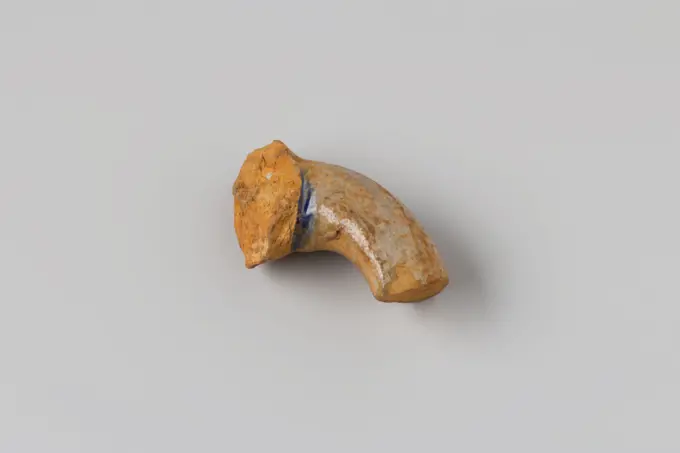
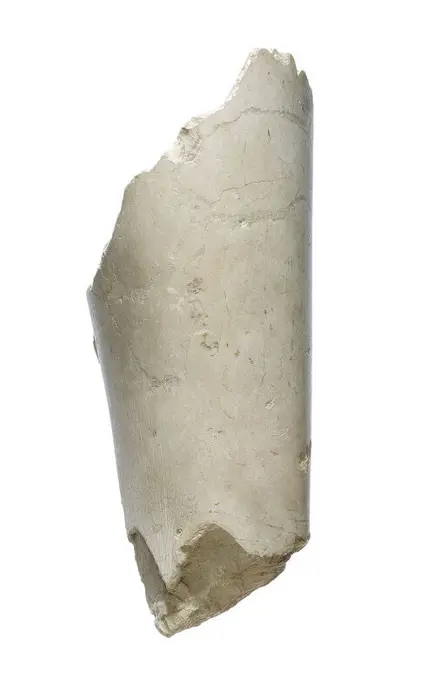
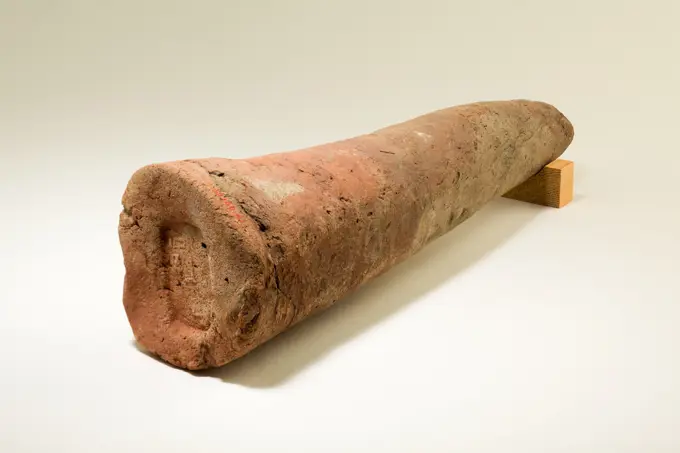
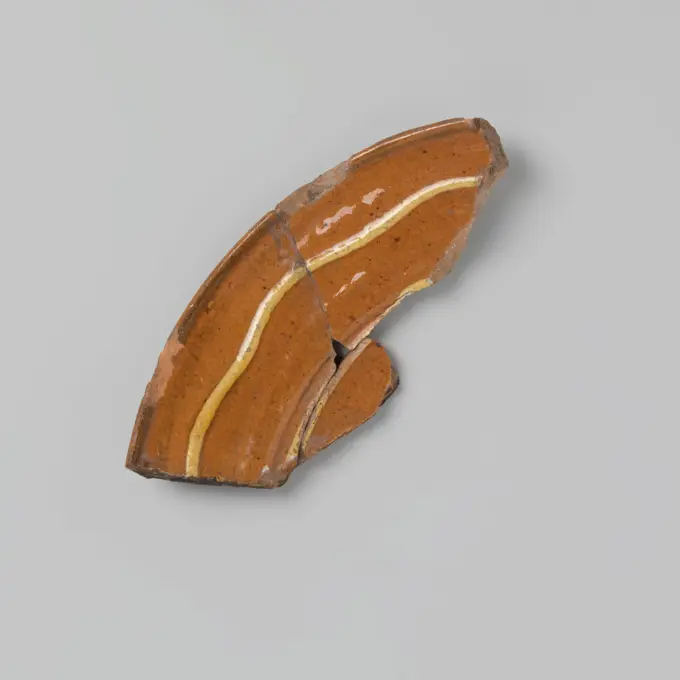
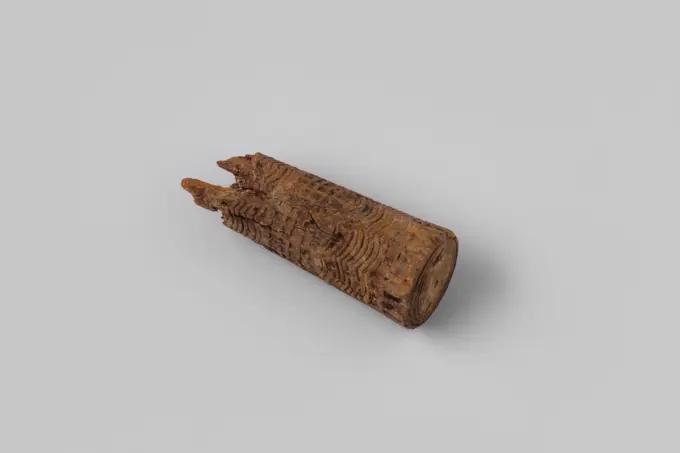
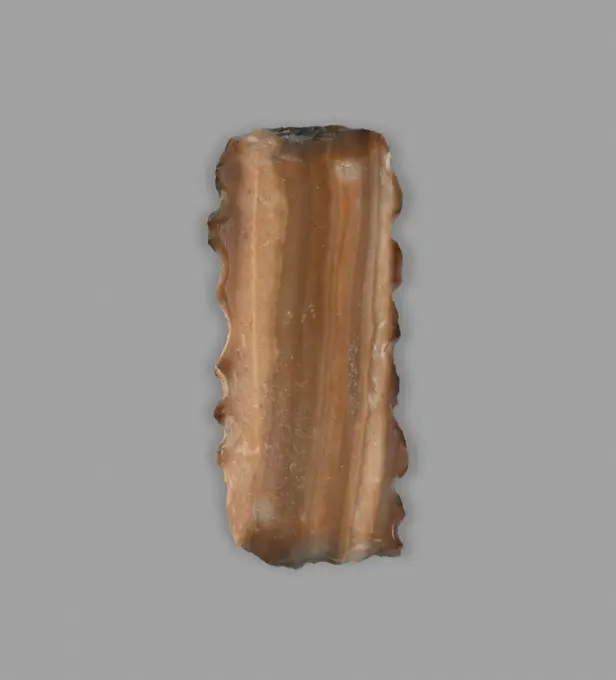
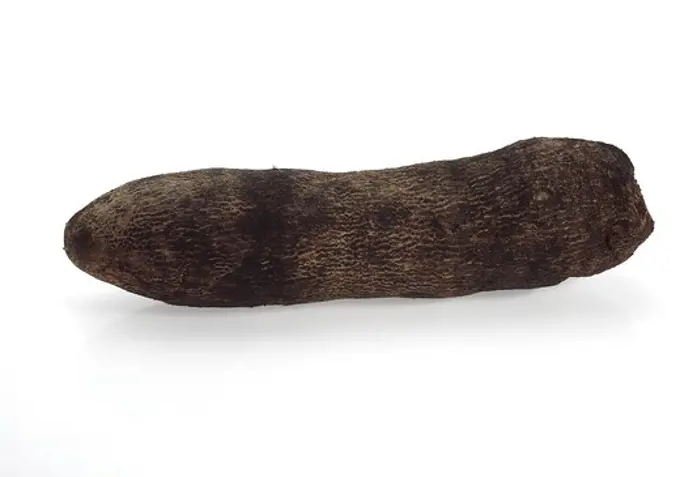
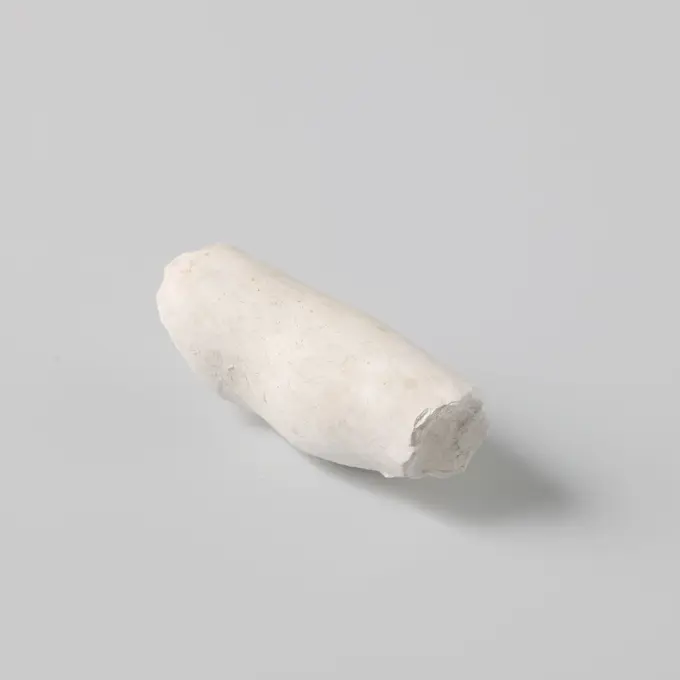
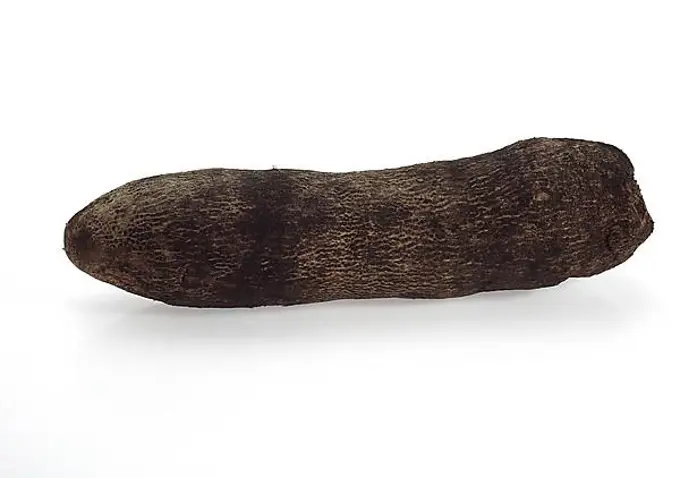
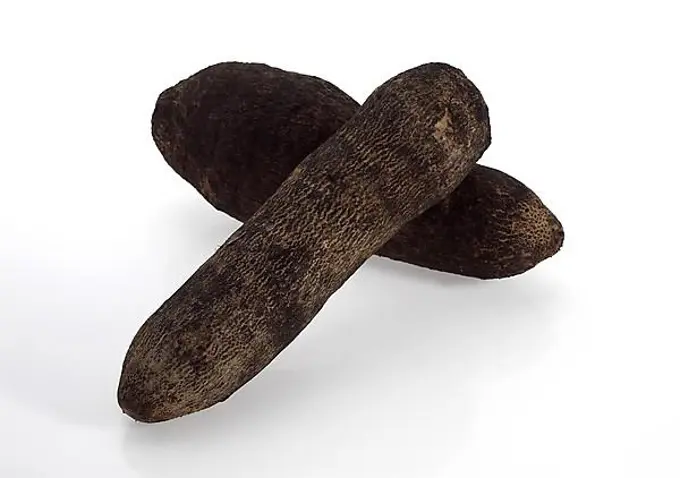
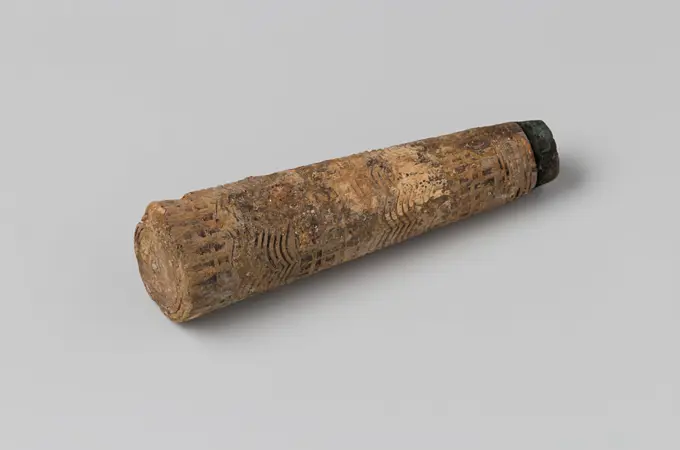
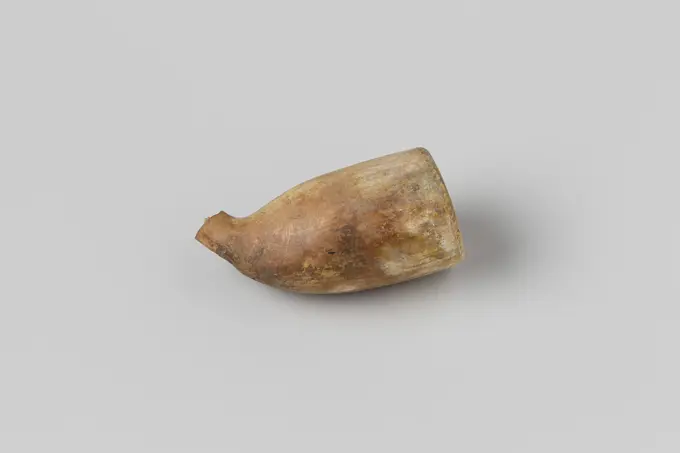
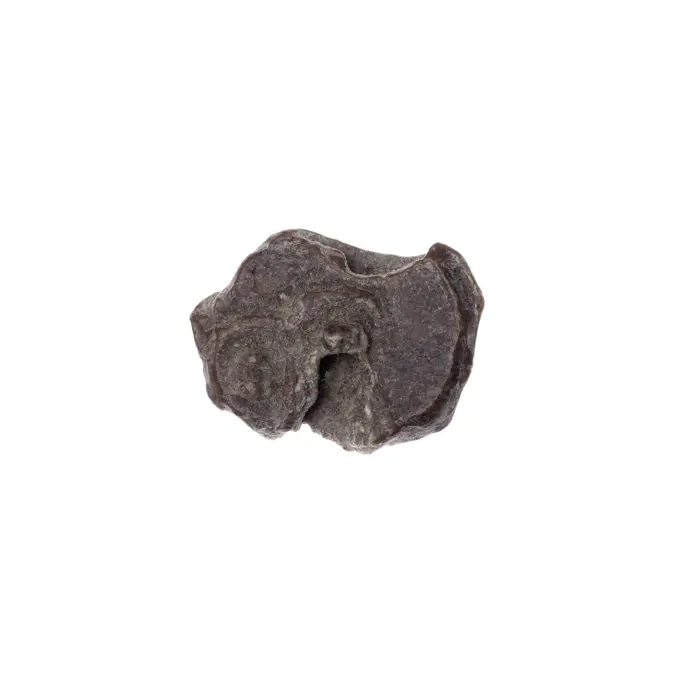
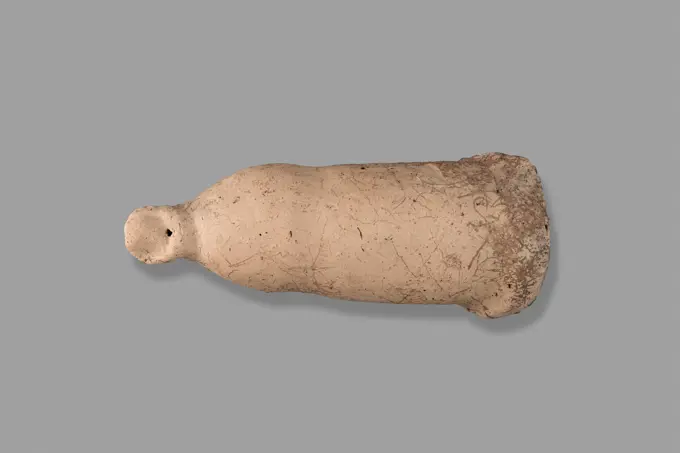
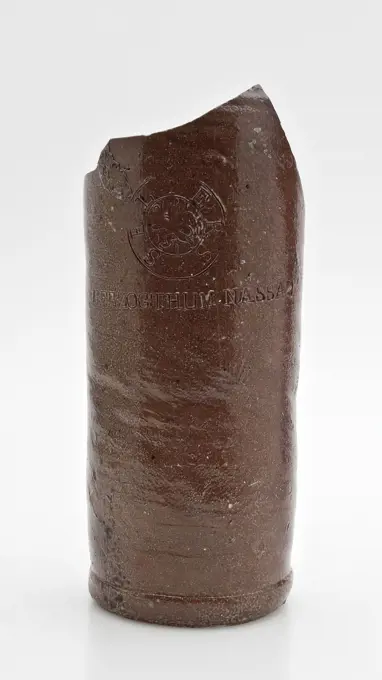
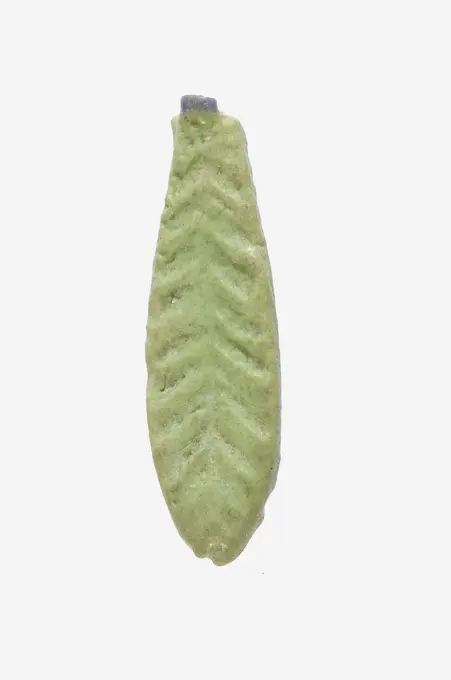
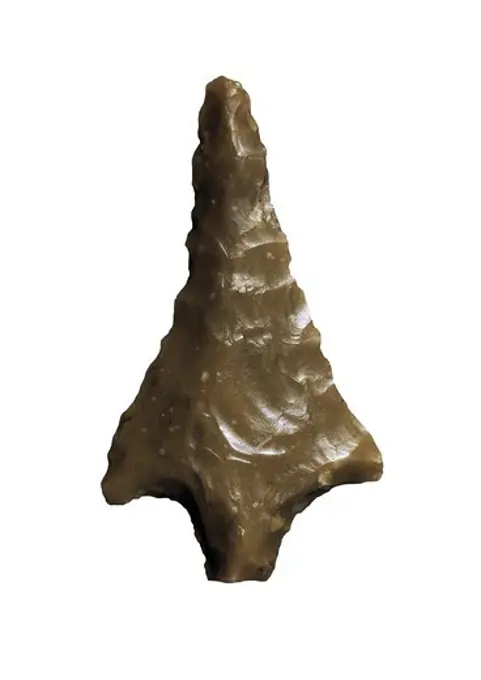
Images of ancient tools and pottery shards, illustrating historical artifacts with textures and forms from different archaeological contexts.

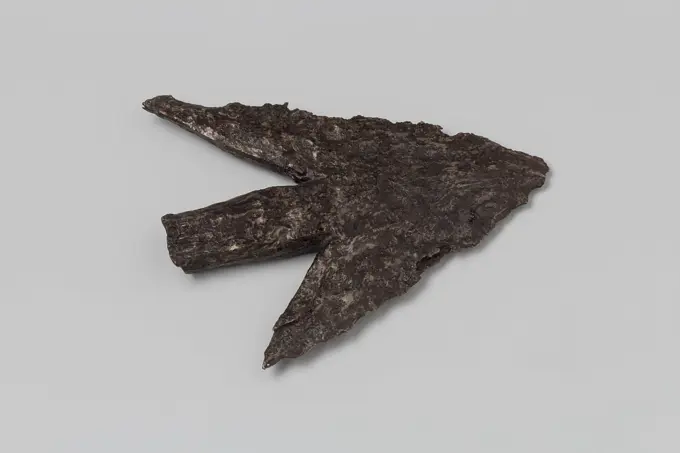
Legs pointed with three barbs, pointed harpoon soil found bone, sawn cut cut Late stone age archeology Maglemose culture Rotterdam Maasvlakte prehistoric stone age late stone age fish fishing catch feeding hunt Ground discovery Maasvlakte Maglemose culture.
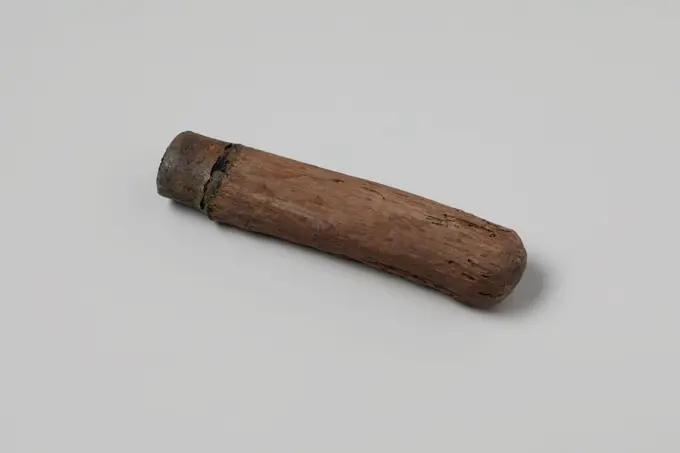
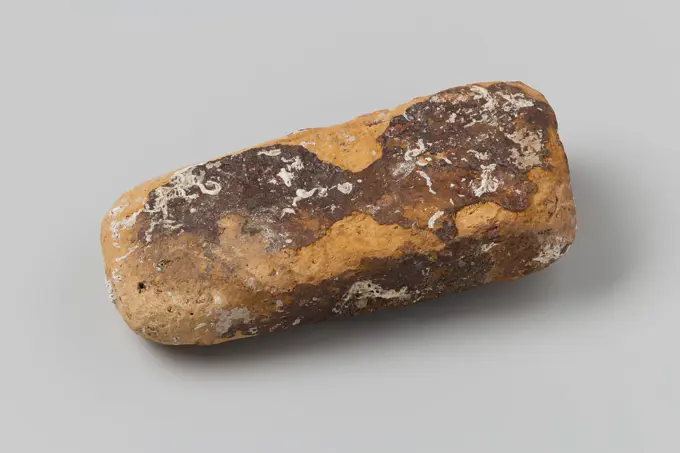
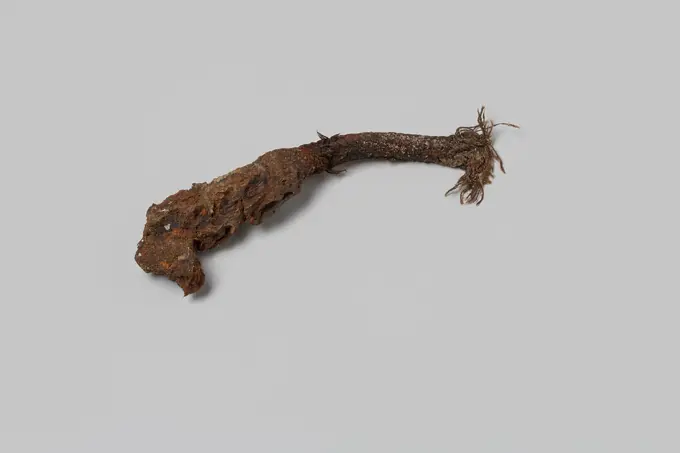
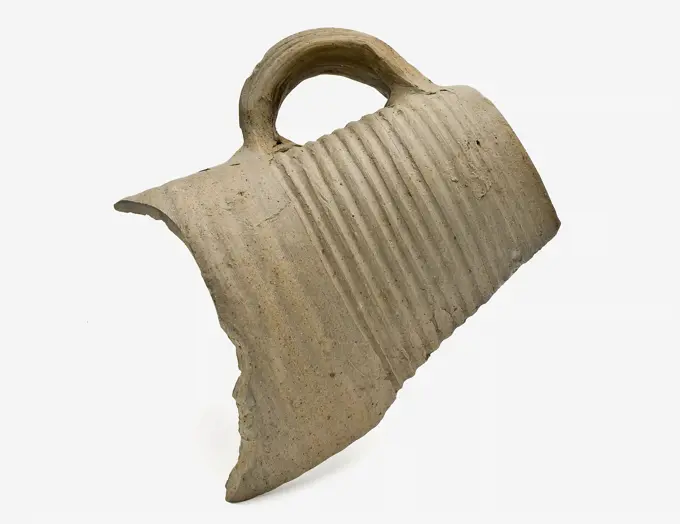
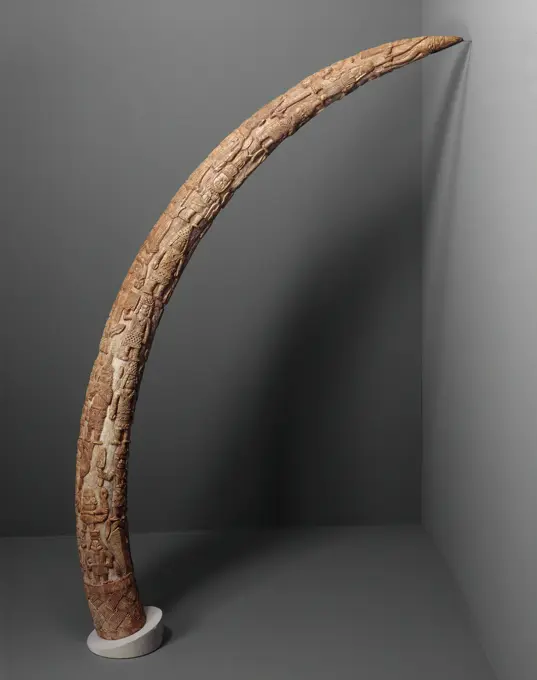
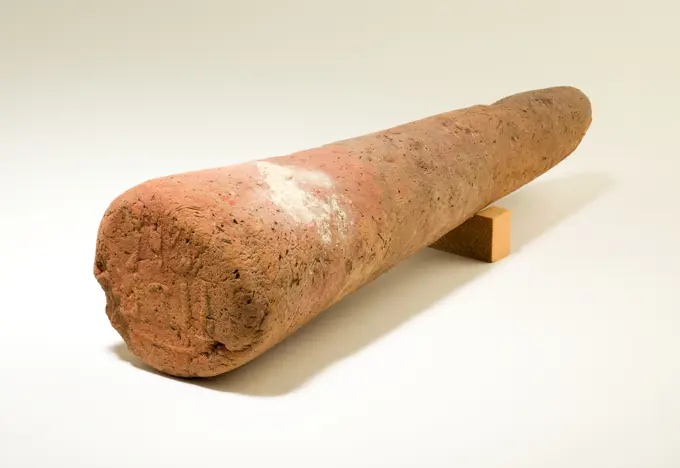
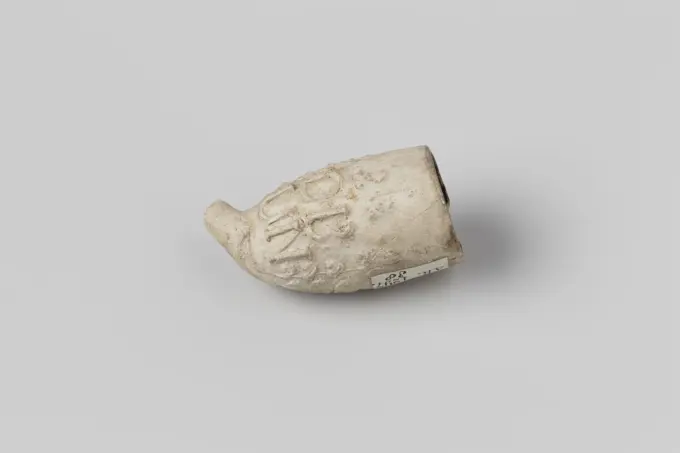
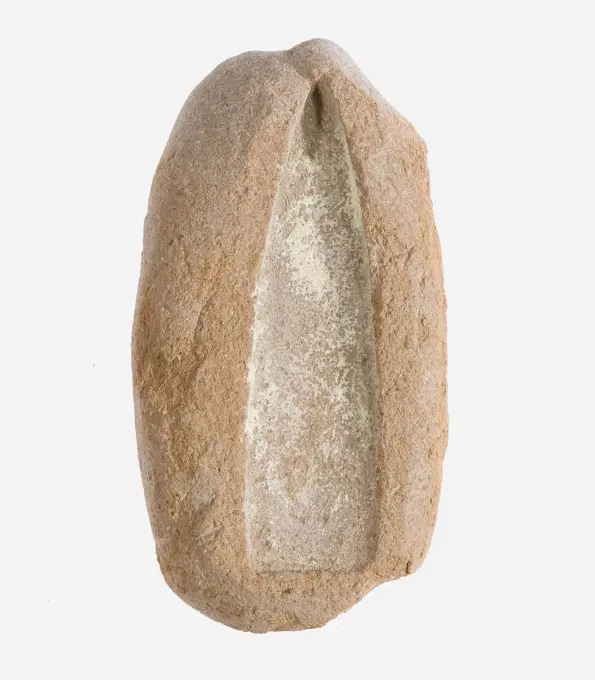
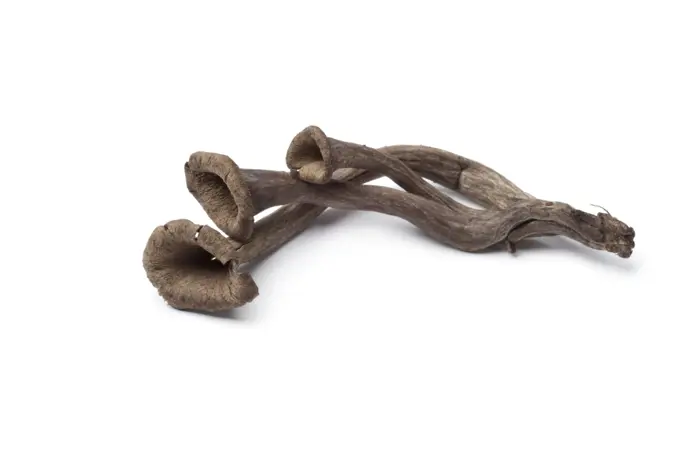
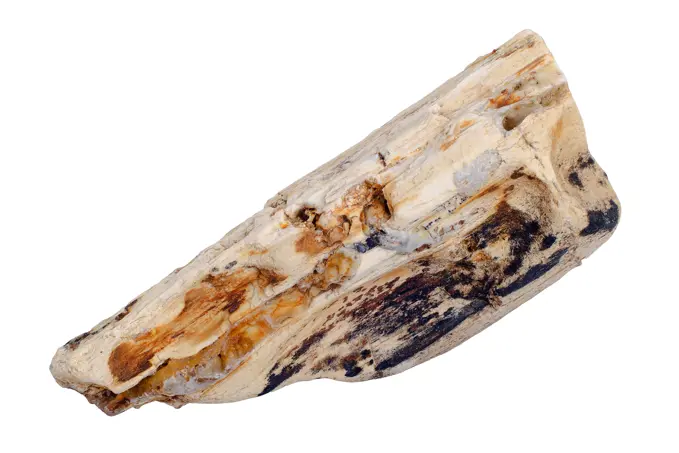
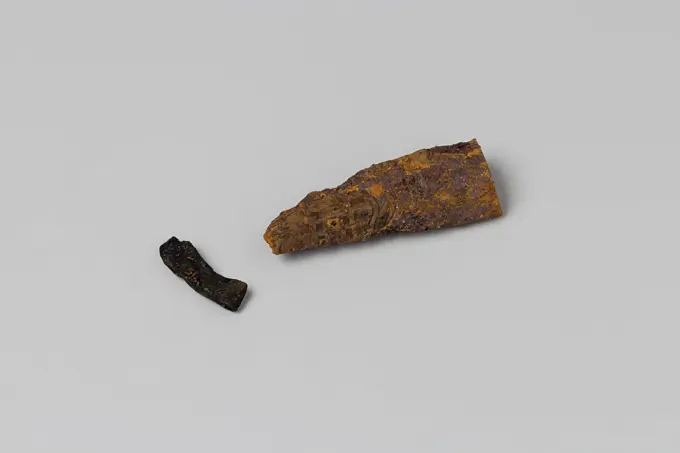
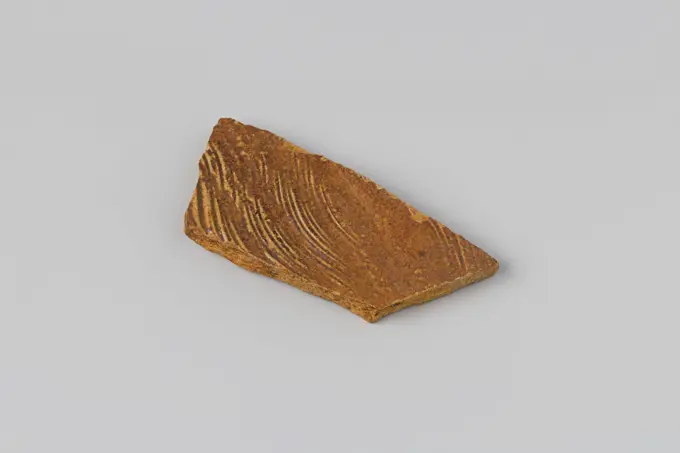
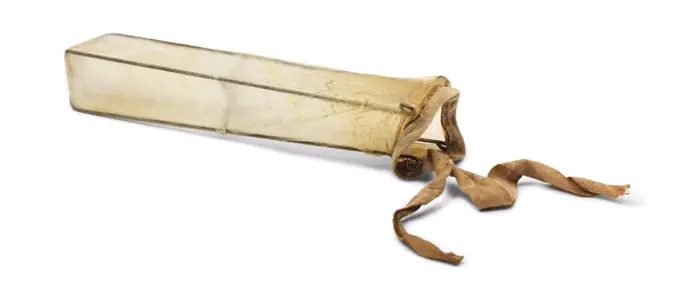
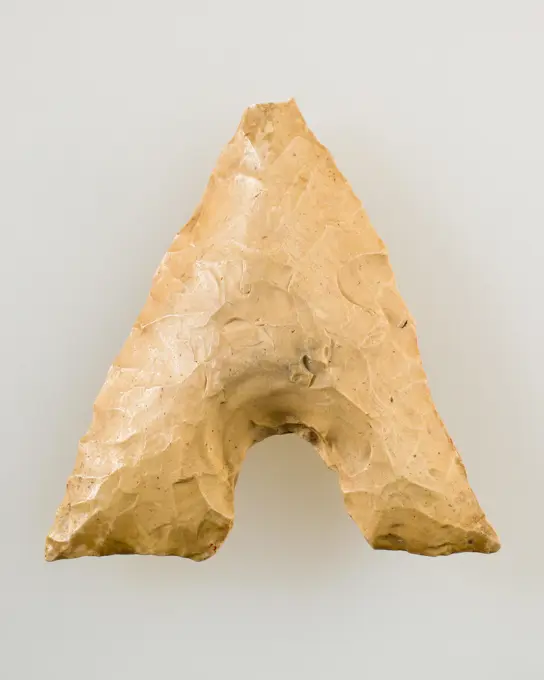
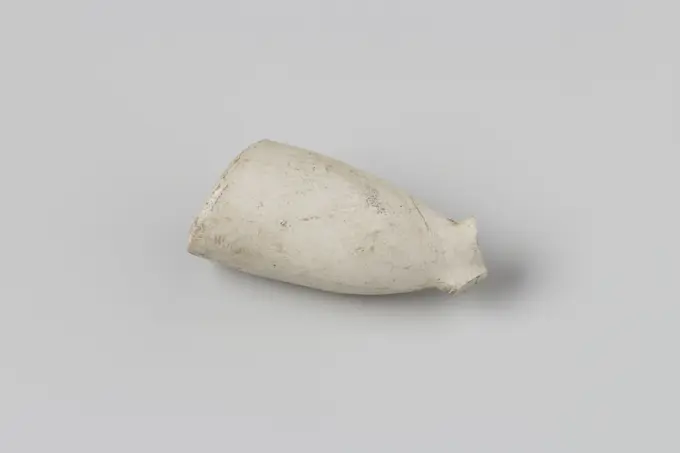
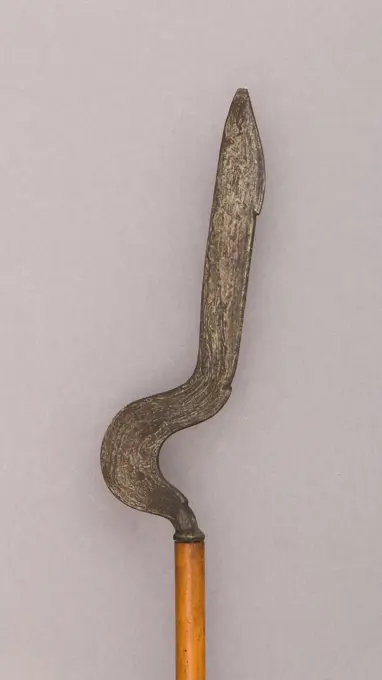
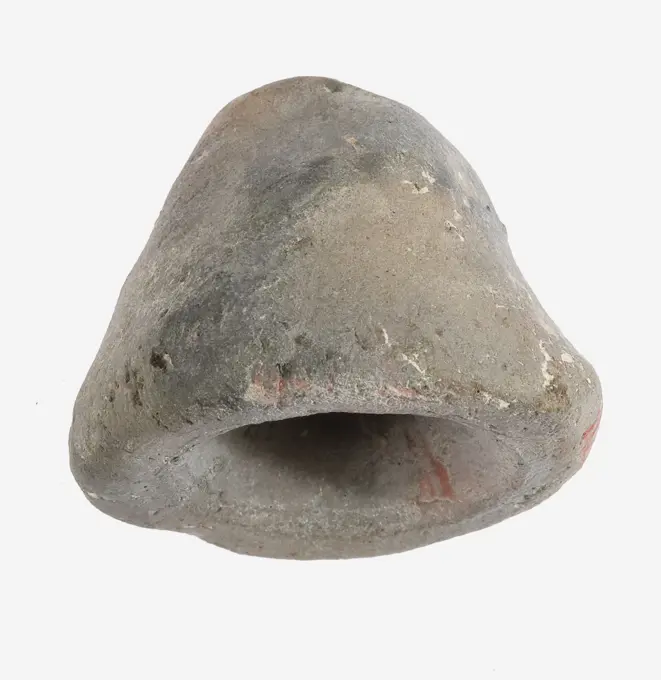
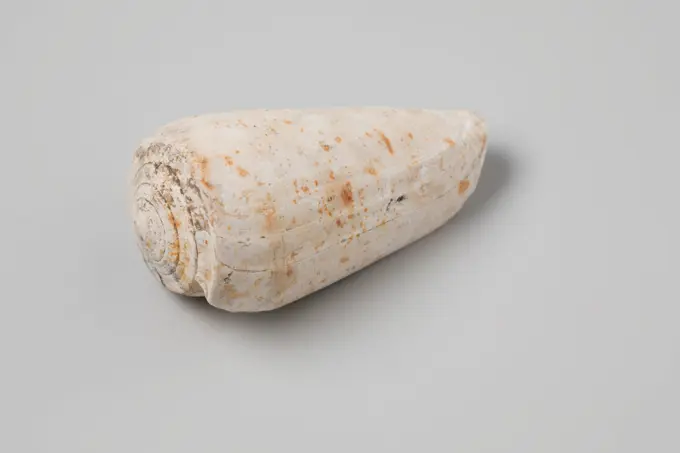
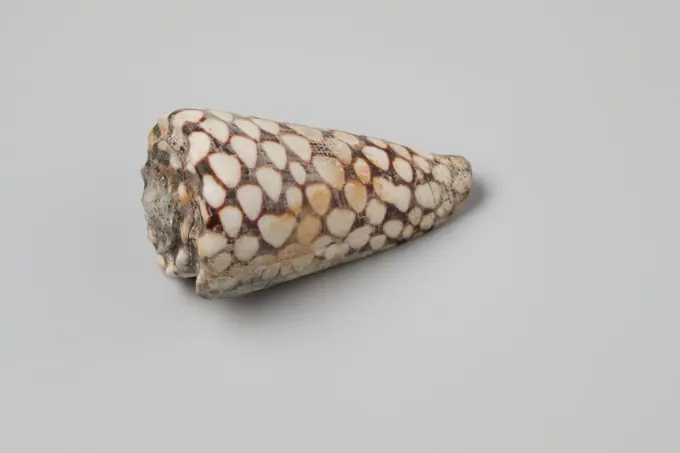
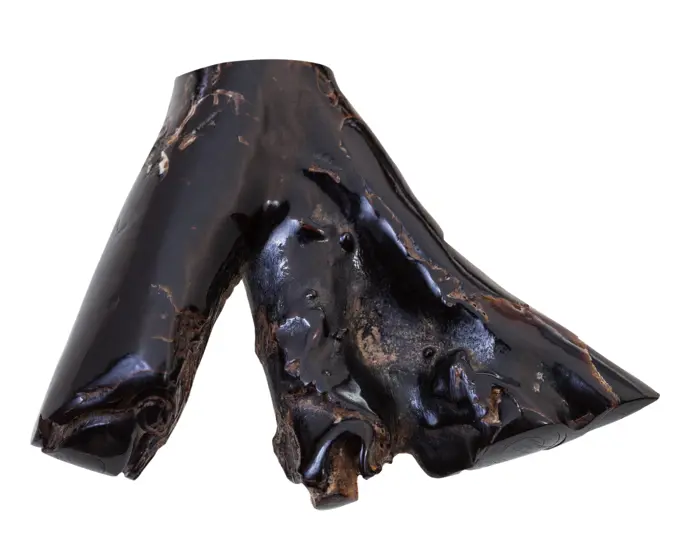
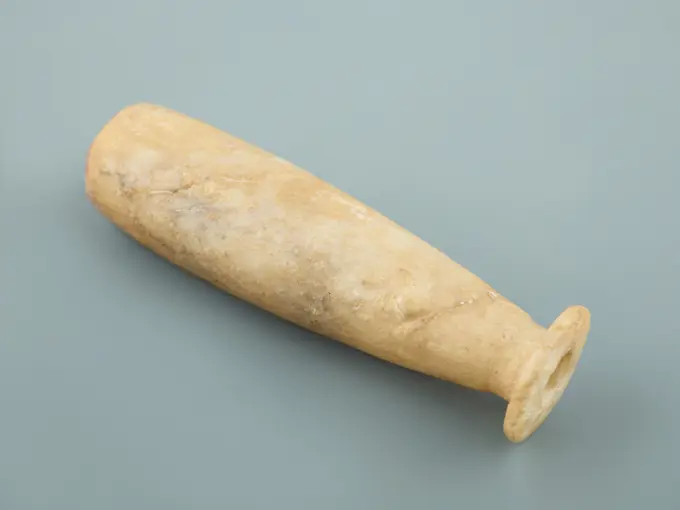
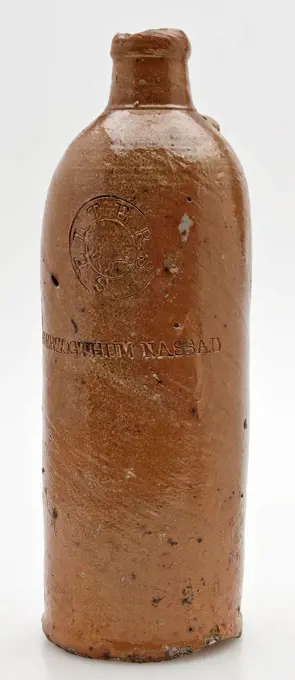
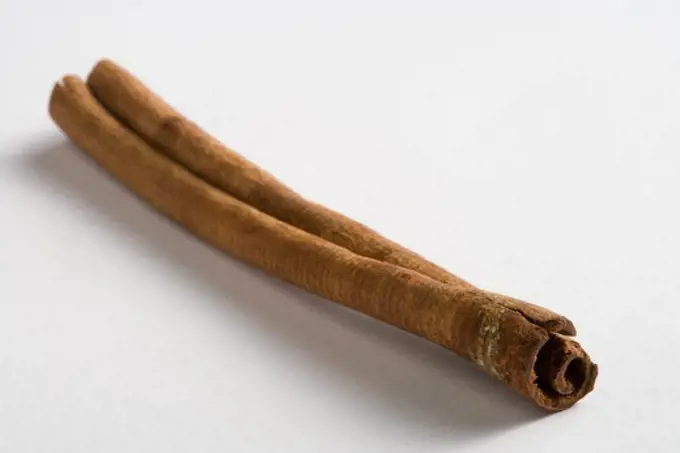
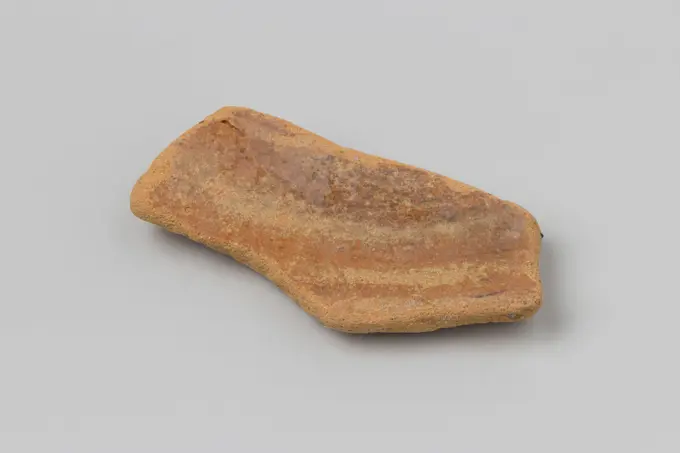
Legs pointed with three barbs, pointed harpoon soil found bone, sawn cut cut Late stone age archeology Maglemose culture Rotterdam Maasvlakte prehistoric stone age late stone age fish fishing catch feeding hunt Ground discovery Maasvlakte Maglemose culture.Shard from the wreck of the East Indied Flying Heart. Yellow-brown shard. Traces of paint or glaze. Earthenware.Ear of a pot from the wreck of the East Indians Hollandia, Anonymous, 1700 - in or Before 1743 pot Stoneware, Rhenish, Westerwald, pot; of handle, sim. NG 1980-27H2624r. Westerwald stoneware   SecondArm, forearm. Dimensions: L. 21 × W. 8 × D. 7.5 cm (8 1/4 × 3 1/8 × 2 15/16 in.). Dynasty: Dynasty 18. Reign: reign of Akhenaten. Date: ca. 1353-1336 B.C.. Museum: Metropolitan Museum of Art, New York, USA.Snow knife -Funerary Cone of the Steward Abekh ca. 1550-1295 B.C. New Kingdom. Funerary Cone of the Steward Abekh 559206Set of old paper scrollFragment of wood from the wreck of the East Indians Hollandia, 1700 - in Or Before 1743 fragment Varied parts or fragments, unidentified and miscellaneous parts or fragments. Netherlands wood (plant material)   SecondGray stone isolated on the white backgroundFragment Pijpenkop with piece of stem from the wreck of the East Indians Hollandia, Anonymous, 1700 - in Or Before 1743  Pipe, bowl, heelmark: key; fragm, 2hsm3, inside burned (used). Netherlands pipe clay   SecondFragment wood from the wreck of the East Indians Hollandia, 1700 - in or before 1743 fragment Parts of artefacts; eroded fragments: materials; wood. Netherlands wood (plant material)   SecondKnife lift from the wreck of the East Indiesman Hollandia.knife, Handle, Cylindrical: tapering; ID. NG 1979-403H.Kyzylyk on a white backgroundFragment Pijpenkop from the wreck of the East Indians Hollandia, Anonymous, 1700 - in Or Before 1743 fragment Pipe, bowl, bowlmark: sentry; no hsm. Netherlands pipe clay   SecondPulley 580-640 Coptic. Pulley 474914Poppy seed baguetteSharf of the edge of a dish, of red baking earthenware with a wavy line in Geel, Anonymous, 1500 - 1799   earthenware. glaze   earthenware. glazeMessenheft uit het wrak van de Oost-Indiëvaarder Hollandia. Knife, handle, cylindrical: tapering; flat upper end, turned decoration of wavy lines, concentric circles at lower end.Fragment tobacco pipe, anonymous, 1750 - 1800 Fragment tobacco pipe, circle model, with twelve grunts (floral sinking motif) continuously on the stem and ending with a band on which Go u da. Of the excavations on the Hofstede Arentsburg 1827-1831 under the supervision of Professor Reuvens. Gouda pipe clay Fragment tobacco pipe, circle model, with twelve grunts (floral sinking motif) continuously on the stem and ending with a band on which Go u da. Of the excavations on the Hofstede Arentsburg 1827-1831 under the supervision of Professor Reuvens. Gouda pipe clayFragment Messenheft from the wreck of the East Indians Hollandia, Anonymous, 1700 - in or before 1743  Knife, handle, cylindrical: tapering; id. NG 1979-403H, ferrules id. NG 1980-27H426. Netherlands wood (plant material)   SecondTwo BreadsticksOstrze - wkładka do sierpa. unknown, authorYam, Ioscorea Sp, Vegetable Against White BackgroundOld plank of wood  isolated on white backgroundYam, Ioscorea Sp, Vegetable Against White BackgroundFragment of the Oranjeboom, 1874 Fragment of one leg. Part of a model in plaster of a non -executed environment De Table for William III.  gypsum Fragment of one leg. Part of a model in plaster of a non -executed environment De Table for William III.  gypsumBlowers from the wreck of the East Indians Hollandia, Anonymous, 1700 - in Or Before 1743  Pipe, bowl, bowlmark: sentry; 2hsm1. Netherlands pipe clay   SecondMessenheft from the wreck of the East Indians Hollandia, Anonymous, 1700 - in Or Before 1743  Knife, handle, cylindrical: tapering; id. NG 1979-403H, ferrules id. NG 1980-27H426. Netherlands wood (plant material)   SecondGreece, Sarmacja, Olmia, V The beginning of the 4th century BC, Dolphin money, AE MintFragment blowjob from the wreck of the East Indieschief Hollandia. Pipe, Bowl, Healmar: Coat of Arms of the Province of Gelderland; Fragm, 1HSM6.Yam, ioscorea sp, vegetable against white backgrounddinosaur tooth, fossil, closeup Messenheft from the wreck of the East Indians Hollandia, Anonymous, 1700 - in Or Before 1743  Knife-handle, straight; oblong, upper end rounded, rectangular in section, lower end oval with ferrule. Netherlands wood (plant material). metal   SecondKing trumpet mushroom Pleurotus eryngiiBrick from the wreck of the East India Hollandia. Construction Elements, Brick; SIM. NG 1980-27H1009, eroded.Turf empty pots isolated on white background. Flat lay. Spring gardeningPiece of granite stone isolated on white backgroundFragment of a cord from the wreck of the East Indied Flying Heart. The brown cord fragment is partly hidden under concrete.Neck fragment of stoneware drink jug from Siegburg, pot jug fragment soil found ceramic stoneware, hand-turned baked Neck fragment of stoneware pot jug on pinched foot Rotating beads over the shoulder and rings over the neck. Standing ribbon ear. Cylindrical neck and slightly bulging belly. Gray shard. Unglazed. brownish glow over the ear archeology City Center Stadsdriehoek Rotterdam Laurenskerk indigenous pottery import drinking pour beer Soil discovery found during the restoration of the Laurenskerk in Rotterdam Excavation north east choir chapel outside (rubble beds) ca. 1400.Tusk 1850-1888 Nigeria. Benin royal altars have been embellished with matched pairs of carved elephant tusks since the 18th century, when ivoryóa commodity traditionally controlled by the Benin kingódramatically increased in value. In the mid-19th century King Adolo (reigned about 1850ñ88) commissioned this tusk and 15 others for the altar of his father, Osemwende. It was anchored on a brass head like the one displayed nearby, and prominently features fish-legged oba (king) imagery in honor of the 15th-century ruler Ewuare.. Ivory . EdoFunerary Cone of the Herald Ibety ca. 1550-1295 B.C. New Kingdom. Funerary Cone of the Herald Ibety. ca. 1550-1295 B.C.. Pottery. New Kingdom. From Egypt, Upper Egypt, Thebes, Asasif, 17-18th Dynasty Cemetery, near tombs 5&6 and radim, MMA excavations, 1912-13. Dynasty 18Rusted old screw isolated on white backgroundA chopping board isolated on whiteFragment Pijpenkop, Anonymous, 1700 - 1820 Fragment piping head with the letters d b u n inside flower vines on two sides. Of the excavations on the Hofstede Arentsburg 1827-1831 under the supervision of Professor Reuvens. Netherlands pipe clay Fragment piping head with the letters d b u n inside flower vines on two sides. Of the excavations on the Hofstede Arentsburg 1827-1831 under the supervision of Professor Reuvens. Netherlands pipe clayMold of a Lily Petal ca. 1390-1353 B.C. New Kingdom. Mold of a Lily Petal. ca. 1390-1353 B.C.. Pottery. New Kingdom. From Egypt, Upper Egypt, Thebes, Malqata, Khor west of camp or E. side of S. Village, MMA excavations, probably 1911-12. Dynasty 18Fragment Steel van Fork or Spoon from the wreck of the East Indians Hollandia, Anonymous, 1700 - in Or Before 1743 spoon Cutlery, fragment: stem of fork or spoon; fragm, sim. NG 1980-27H536a. Netherlands copper (metal)   SecondWhole fresh Trompette de la mort mushrooms isolated on white backgroundsack burlap napkin at cutting board. sack burlap napkin at cutting board on white backgroundPetrified wood. Isolated on white Petrified wood. Isolated on white Copyright: xZoonar.com/PavelxSytilinxxxxxVolgograd,xRussia.x 22057572Yam, ioscorea sp, vegetable against white backgroundSet of old paper scrollKnife lift from the wreck of the East Indiesman Hollandia.knife, Handle, Cylindrical: tapering; ID. NG 1979-403H, Ferrule, ID. NG 1980-27H426.Blowjob from the wreck of the East Indieschief Hollandia. Pipe, Bowl Without: Stamped Decoration.Wooden cutting board with a handle isolated on a white background Wooden cutting board with a handle, made from old, thick wood, and bears a rustic, vintage appearance characterized by cracks, scratches, isolated on a white background Copyright: xZoonar.com/NerijusxLiobex 21884431Drohiczy seal;  XI-XIII century (1090-00-00-1110-00-00);guild seals, customs seals, touches, seals of customs chambers, official seals, seals with a cross, seal with the image of the faceFragment Messenheft and copper from the wreck of the East India Hollandia.knife, Handle, Cylindrical: tapering; Fragm, ID. NG 1979-403H.Shard of a storage jar from the wreck of the East India Hollandia.Stoneware, Rhenish, Langerwehe-Ware, Storage-Jar; Fragm or Body With Wavy Pattern, SIM. NG 1980-27H909.Blade with narrowed angel and forged handle of lifter protector, blade knife cutlery soil find iron metal, Discarded brand blade: dagger Archeology Rotterdam rail tunnel cutting Soil discovery: rail tunnel Rotterdam.Condom made from sheep intestine, Historic Object  Goldweight Horn, 19th-20th century, 3 7/8 x 1 x 7/8 in. (9.84 x 2.54 x 2.22 cm), Brass, Ghana, 19th-20th centuryHollow-Base Projectile Point ca. 7,000-5,000 B.C. Neolithic The Paleolithic Period covers the thousands of years during which hunters and gatherers followed herds of wild animals as they moved through the Nile Valley and the western desert's oases. The Lower Paleolithic, beginning about 300,000 B.C., saw the first human occupation in Egypt. At that time the most distinctive tool was the Acheulian hand ax (a core tool). No skeletal material has been found in Egypt, but similar hand axes from elsewhere belonged to people known as Homo erectus. Flake tools, especially those showing the Levallois technique, and not core tools, characterize the Middle Paleolithic Period (90,000-35,000 B.C.). A number of industries, each with slightly different tool kits, may be noted. By 35,000 B.C. modern humans occupied Egypt. The Upper Paleolithic (ca. 35,000-6900 B.C.) tool kit consisted largely of blades, thin strips of flint knapped from a core and fashioned into a variety of tools.Flint, a silica minKnife; Unknown North Fotamian workshop; 2nd half 3 thousand BC ; Early period Dżazira III (-2500-00-00--2001-00-00);Al -Jazezira (Geographical Land - Syria - Iraq - Mesopotamia), knives, early period Dżazira III (approx. 2600 -ok. 2350 BC), Early Envym period III (approx. 2600 -ok. 2350 BC), blades - blades - , transmission (provenance), excavations of the Mediterranean Archeology Center University, excavations of the Mediterranean Archeology Center of the University of WarsawPlaster cast of the hand of the Flemish poet Guido Gezelle in the Gezellemuseum, birthplace in the city Bruges, West Flanders, Belgium, EuropeCoconut from v.o.c.-ship the 'white lion'. Coconut from v.o.c.-ship the 'white lion'. Cracked. Hole in the bottom.Plaque of alabaster ca. 1981-1640 B.C. Middle Kingdom. Plaque of alabaster 557357Wotum w formie fallusa. unknown, authorBlock-shaped weight, lead, from the wreck of the Dutch East India ship Hollandia, anonymous, 1700 - in or before 1743 weight Block-shaped weight, circular, flat top and underside, tapering in section, corroded. Netherlands lead (metal)   SecondStoneware mineral water pitcher, cylindrical with round shoulder, sausage ear and short neck, mineral water pitcher jar product packaging container soil find ceramic stoneware glaze salt glaze approx., hand turned glazed baked Stoneware mineral pitcher cylindrical with round shoulder short neck and sausage ear. Stand area with traces of deduction and soul. brown glazed. Marked under the ear and marked on the front with medallion and text. Chalkboard in medallion: SELTERS in the midfield leftwing claw lion archeology Rotterdam Kralingen-Crooswijk Struisenburg Oostmaaslaan Boslaan Buizengat advertising indigenous pottery import drinking water drinking medicine medicine packaging Soil discovery: Buizengat Oostmaaslaan Boslaan Rotterdam an old landfill of urban waste.Fragment pin from the wreck of the East Indieschief Hollandia. Tools and Instruments, Sewing and Sailmaking, PIN; Fragm or Shaft, ID. NG 1980-27H3265, concrete.Leaf Pendant ca. 1390-1353 B.C. New Kingdom. Leaf Pendant. ca. 1390-1353 B.C.. Faience. New Kingdom. From Egypt, Upper Egypt, Thebes, Malqata, Palace of Amenhotep III, MMA excavations, 1910-11. Dynasty 18Scherf of a pot from the wreck of the East Indians Hollandia, Anonymous, 1700 - in Or Before 1743 pot Stoneware, Rhenish, Westerwald, pot; of base and body, sim. NG 1980-27H2624r. Westerwald stoneware   SecondMalanga (Xanthosoma Sagittifolium) on a white backgroundArrow tip. Upper Paleolithic. Solutrean. SPAIN. CATALONIA. BARCELONA. Barcelona. Archaeology Museum of Catalonia. Proc: SPAIN. ANDALUSIA. ALMERIA. VŽlez Blanco. Ambrosio Cave.Fragment Pijpenkop, Anonymous, 1700 - 1799 Fragment Pijpenkop. Of the excavations on the Hofstede Arentsburg 1827-1831 under the supervision of Professor Reuvens. Netherlands pipe clay Fragment Pijpenkop. Of the excavations on the Hofstede Arentsburg 1827-1831 under the supervision of Professor Reuvens. Netherlands pipe claySpear 16th-19th century Javanese. Spear 30782Leaf Bead ca. 1390-1353 B.C. New Kingdom. Leaf Bead. ca. 1390-1353 B.C.. Faience. New Kingdom. From Egypt, Upper Egypt, Thebes, Malqata, Palace of Amenhotep III, MMA excavations, 1910-11. Dynasty 18White chocolate bar with filling, on White background.Mold for Pierced Umbel Pendant ca. 1390-1353 B.C. New Kingdom. Mold for Pierced Umbel Pendant. ca. 1390-1353 B.C.. Pottery. New Kingdom. From Egypt, Upper Egypt, Thebes, Malqata, Palace of Amenhotep III, MMA excavations, 1910-11. Dynasty 18Conus magnus shell from the wreck of the Dutch East India ship Witte Leeuw, before 1613  Shell from V.O.C. ship the 'Witte Leeuw'.  .   Sint-HelenaPaper signPoisonous mushroom Phallus impudicus looks like Morchella esculenta isolated on white backgroundMessenheft from the wreck of the East Indians Hollandia, 1700 - in or before 1743  Knife, handle, cylindrical: tapering; id. NG 1979-403H, ferrules, id. NG 1980-27H426. Netherlands wood (plant material). copper (metal)   SecondConus marmoreus shell from the wreck of the Dutch East India ship Witte Leeuw, before 1613  Shell from V.O.C. ship the 'Witte Leeuw'.  .   Sint-HelenaFragment buyer from the wreck of the East Indieschief Hollandia. Parts or artifacts; eroded fragments: Materials; Copper.French cheese called Sainte Maure de Touraine, cheese made from goat's milkStoneware ointment jar, cylindrical model, entirely gray and brown glazed, ointment jar pot holder soil find ceramic stoneware glaze salt glaze, hand turned glazed stoneware ointment jar cylindrical model entirely gray and brown glazed Outstanding top edge. Stand surface. Misbaksel; part enamel of the top edge is burnt and sintered archeology health care indigenous pottery import pharmacy package store medicine drug sell craftPot. Elongated, striker to the bottom left pot of pottery. Two pots with Invnr are part of the pot. BK KOG-484 and BK-KOG-486. All three pots are soil finds.Scarab of Ramesses II ca. 1295-1070 B.C. New Kingdom, Ramesside. Scarab of Ramesses II 559681Border, Medium: linen Technique: bobbin lace with needle lace inserts, Border with a pattern imitative of Point de Gaze lace has symmetrically-placed medallions that alternate with floral sprays., France or England, mid-19th century, lace, BorderRusted old screw isolated on white backgrounddried twig of black coral for necklace sisolated dried twig of black coral for necklace sisolated on white background Copyright: xZoonar.com/ValeryxVoennyyx 8635442Paper bags for shopping in a supermarket two 3d render on a white background no shadow Paper bags for shopping in a supermarket two 3d render on a white background no shadow Copyright: xZoonar.com/OlegxLivinskyix 14163341Harpoint. One harpoint point.Cardboard label isolated on white background Cardboard label isolated on white background Copyright: xZoonar.com/AlexanderxKarasevx 1475121AlabastronPoland, Władysław Warneńczyk (1434 1444), Denar, 1434 1444, Town of Krakow W ADYS AW WARNE Czyk (King of Poland, 1434 1444), Mint of KrakówStoneware mineral pitcher, cylindrical with round shoulder, sausage ear and short neck, mineral water pitcher jar product packaging container soil find ceramic stoneware glaze salt glaze approx., hand turned glazed baked Stoneware mineral pitchers cylindrical with round shoulder short neck and sausage ear. Stand area with traces of deduction and soul. brown glazed. Marked under the ear and marked on the front with medallion and text. Chalkboard in medallion: SELTERS in the midfield leftwing claw lion archeology Rotterdam Kralingen-Crooswijk Struisenburg Oostmaaslaan Boslaan Buizengat advertising indigenous pottery import drinking water drinking medicine medicine packaging Soil discovery: Buizengat Oostmaaslaan Boslaan Rotterdam an old landfill of urban waste.One cinnamon stickWheelbarrow. Wheelbarrow of dark stained walnut with white dots and four holes in the wheel.