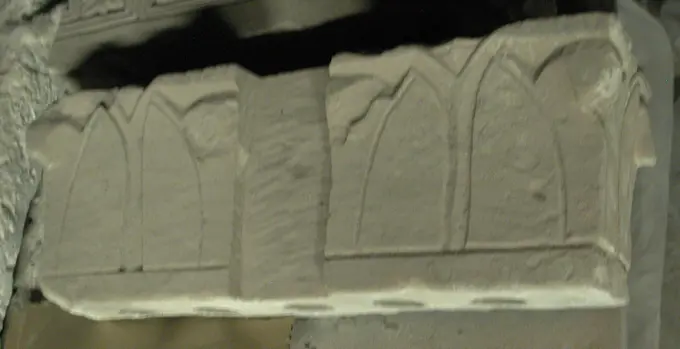
Archaeological Finds

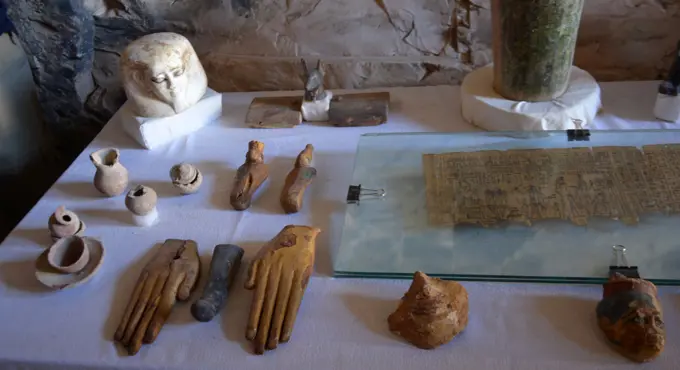
Diverse archaeological pieces such as statuettes and pottery from ancient civilizations, illustrating the artistry of early cultures.
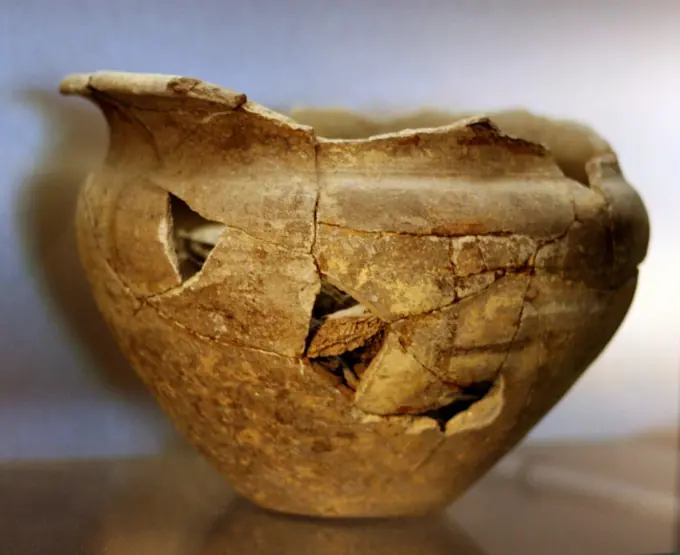
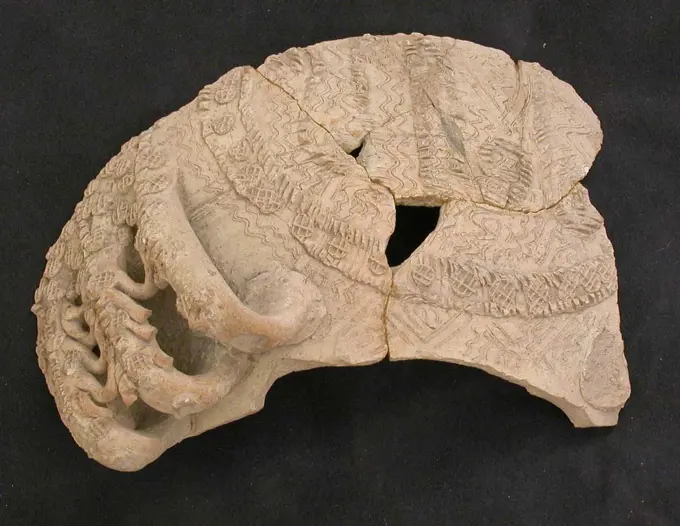
Ancient Roman pottery artefact reconstructed from multiple pieces. Roman, circa 1st-3rd century AD.
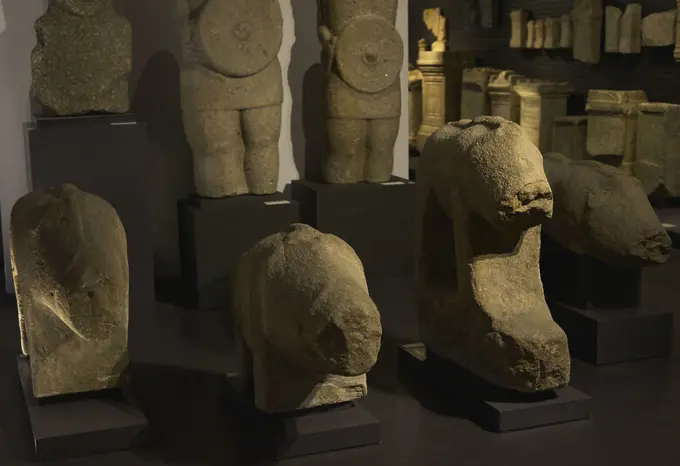
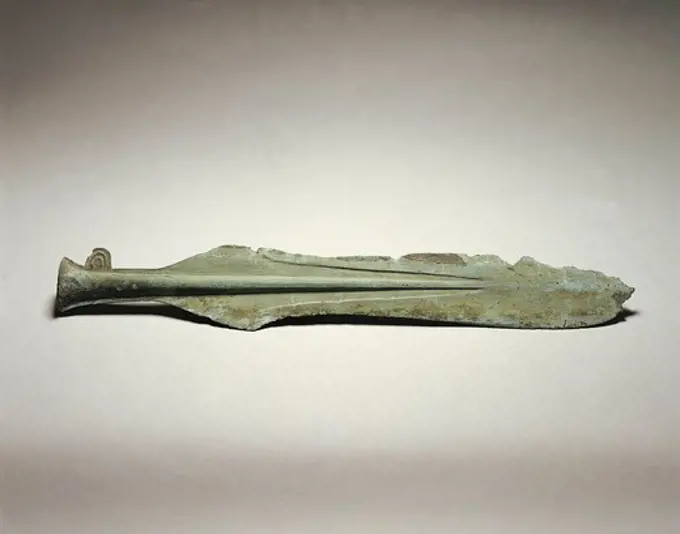
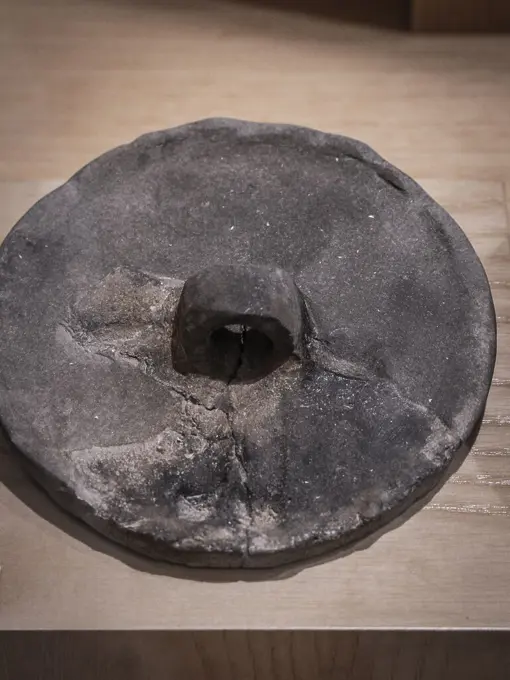
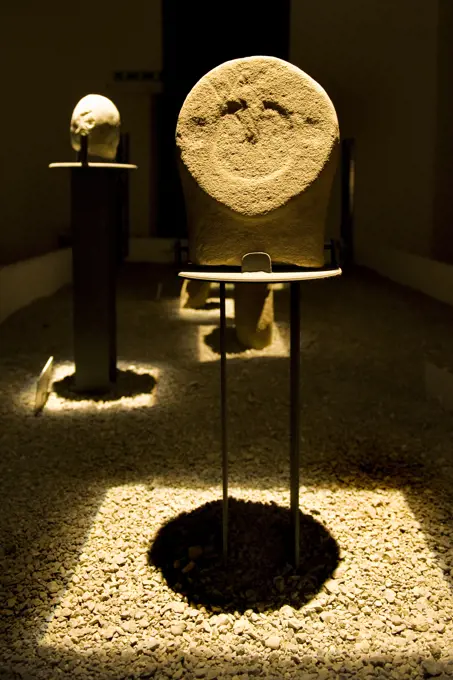
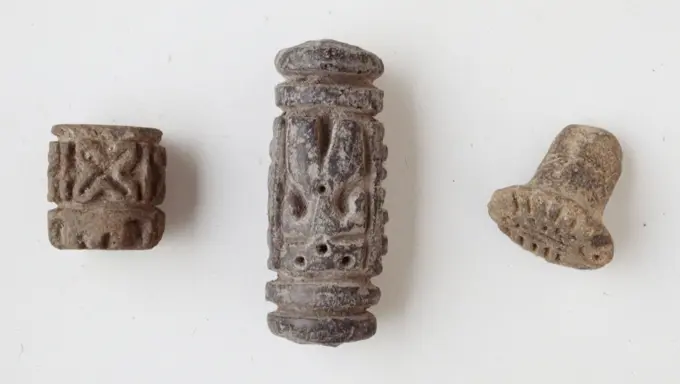
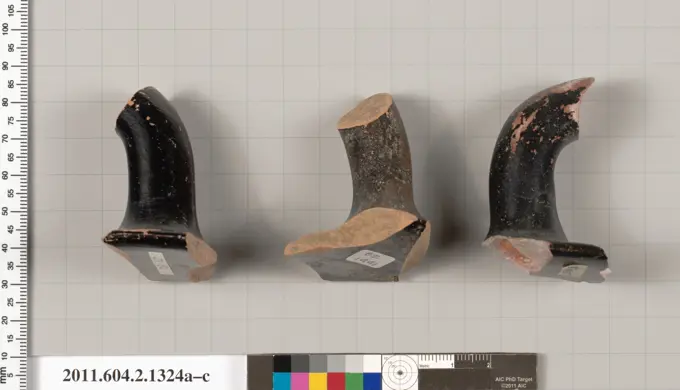
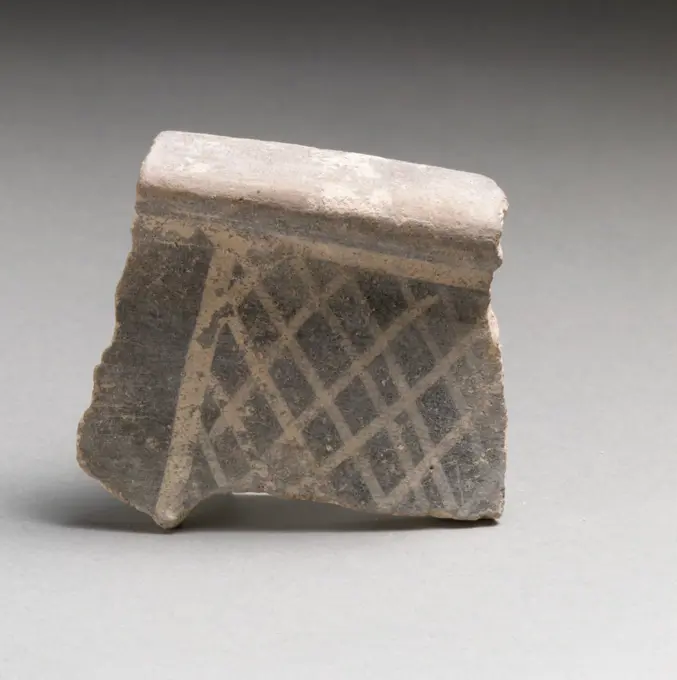
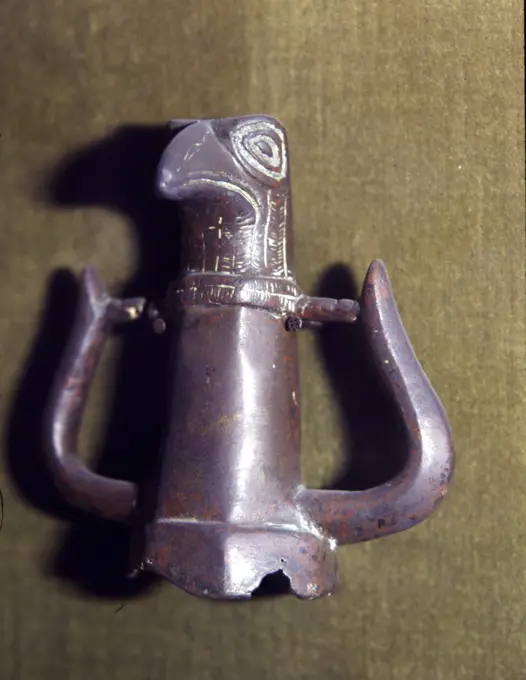
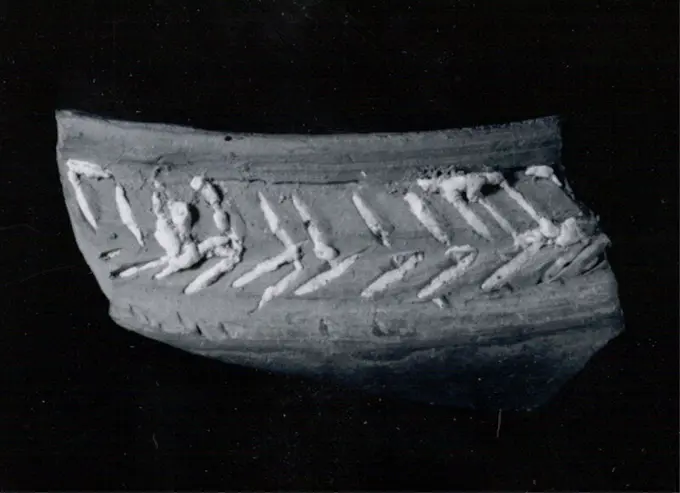
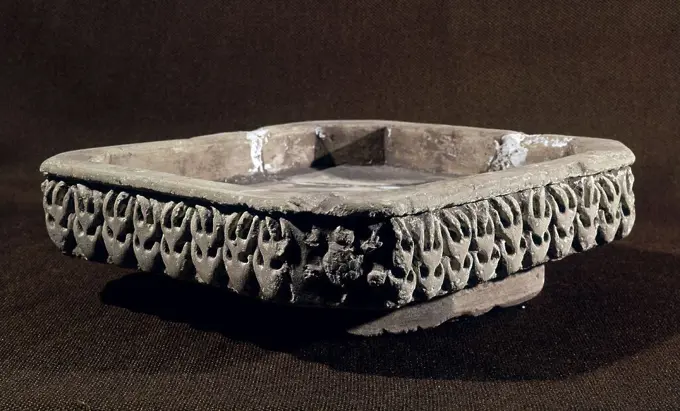
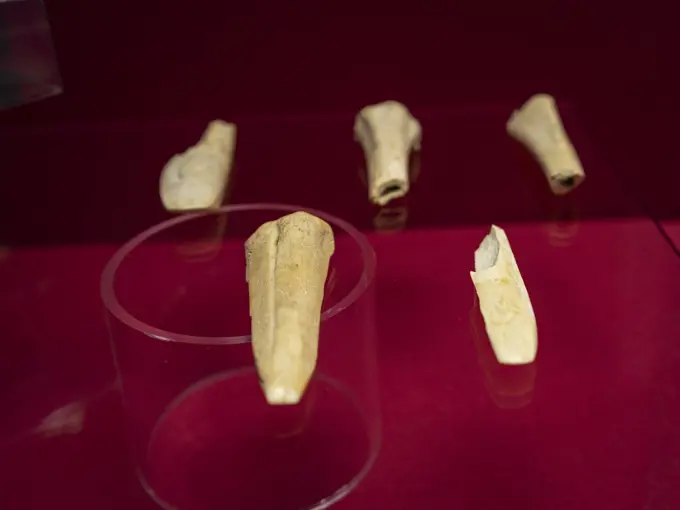
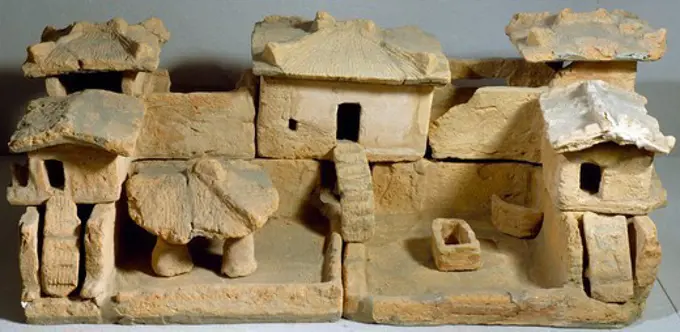
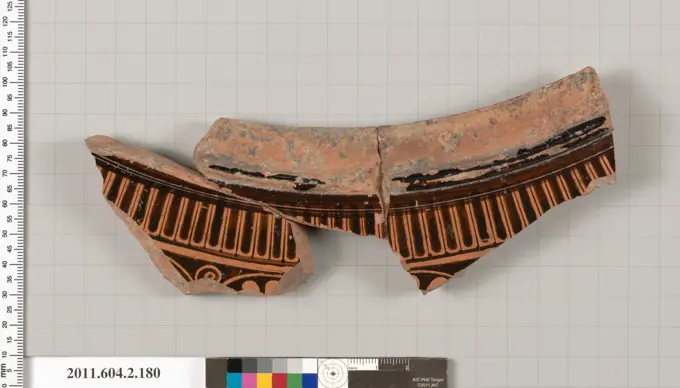
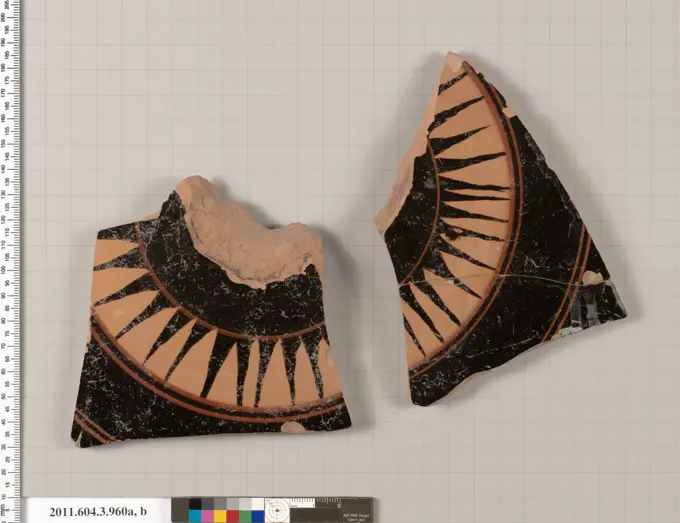
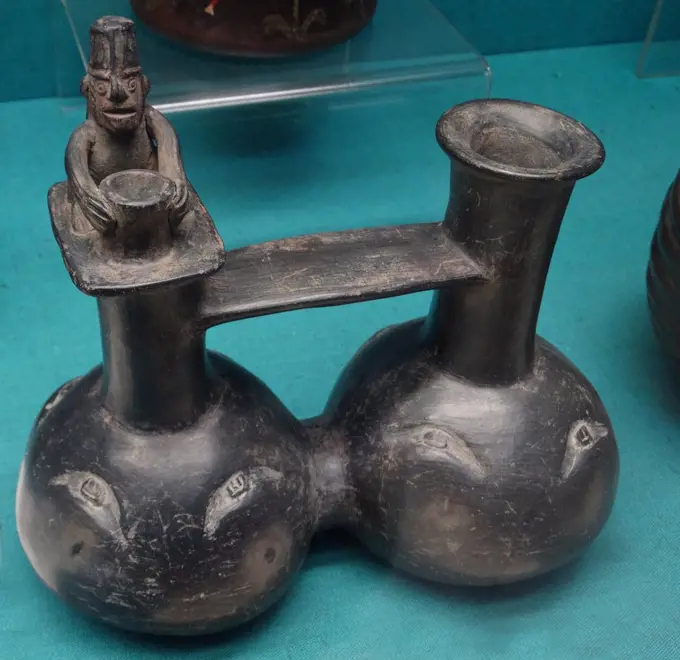
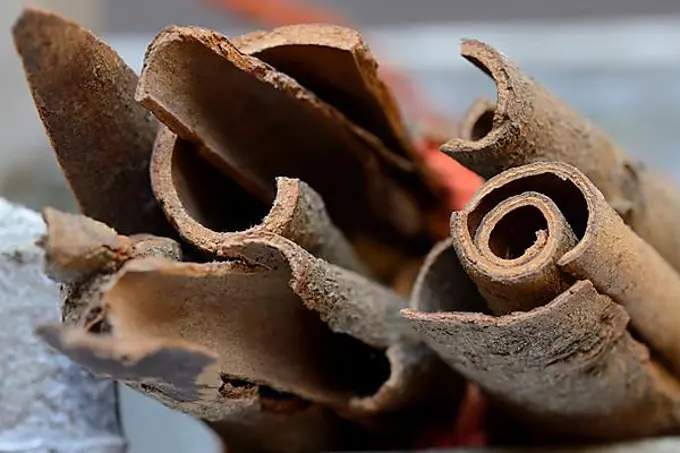
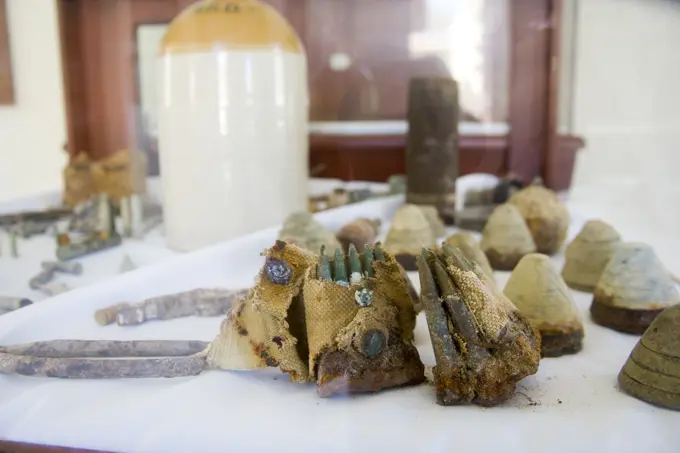
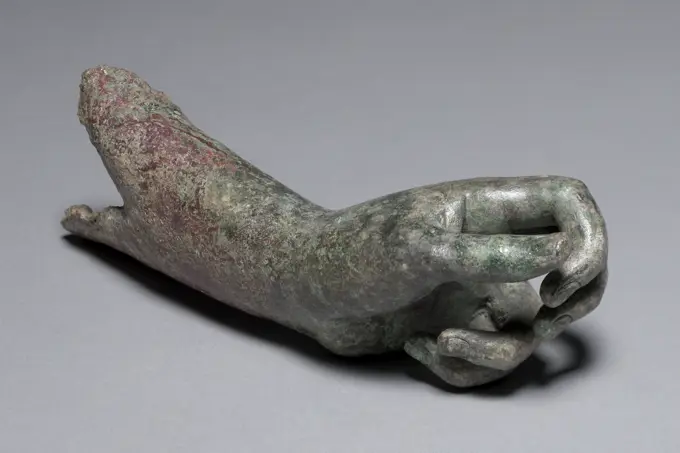
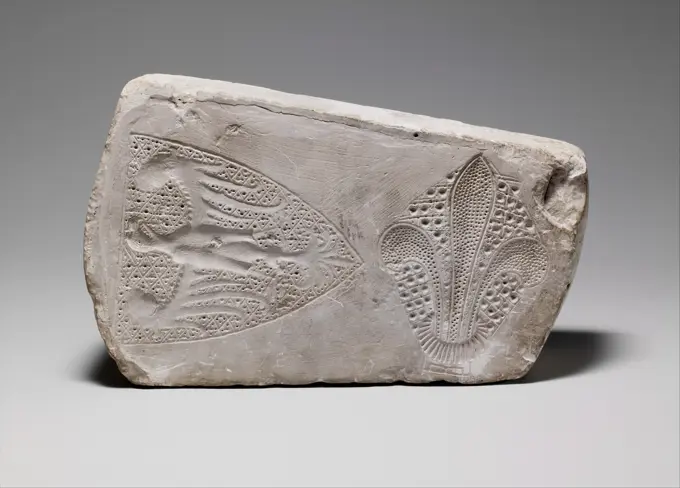
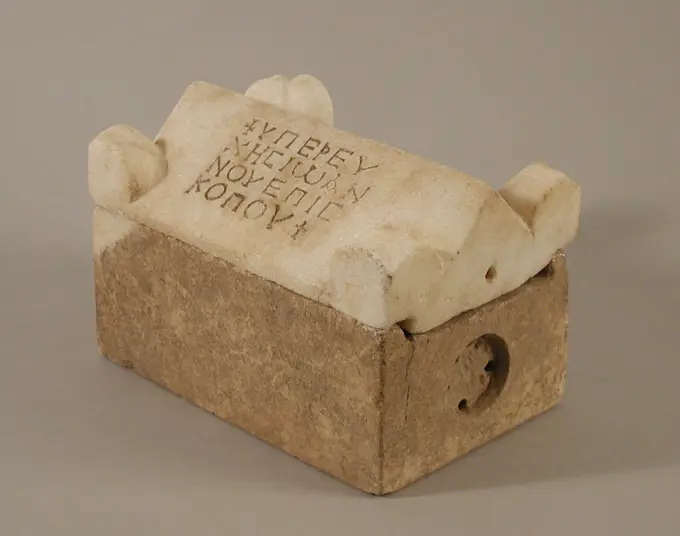
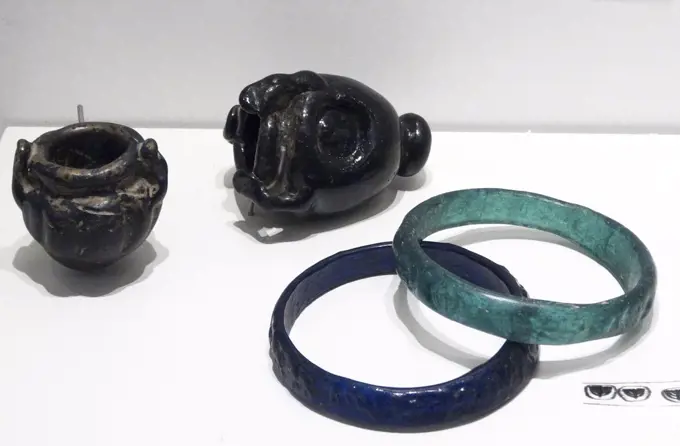
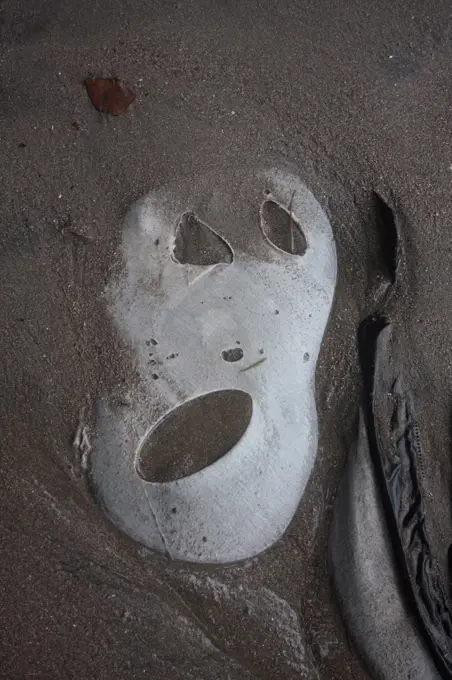
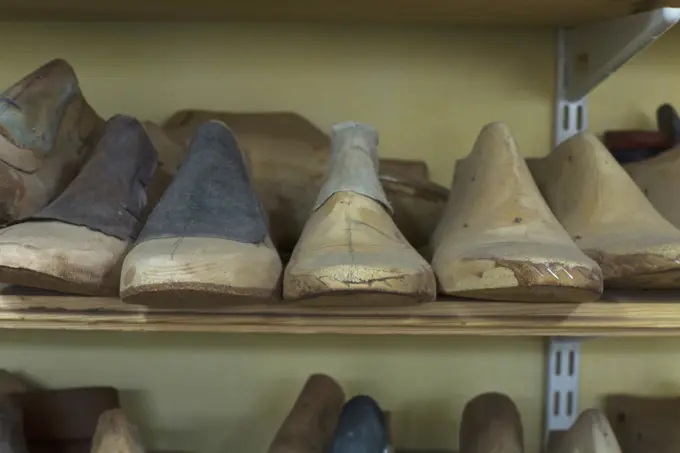
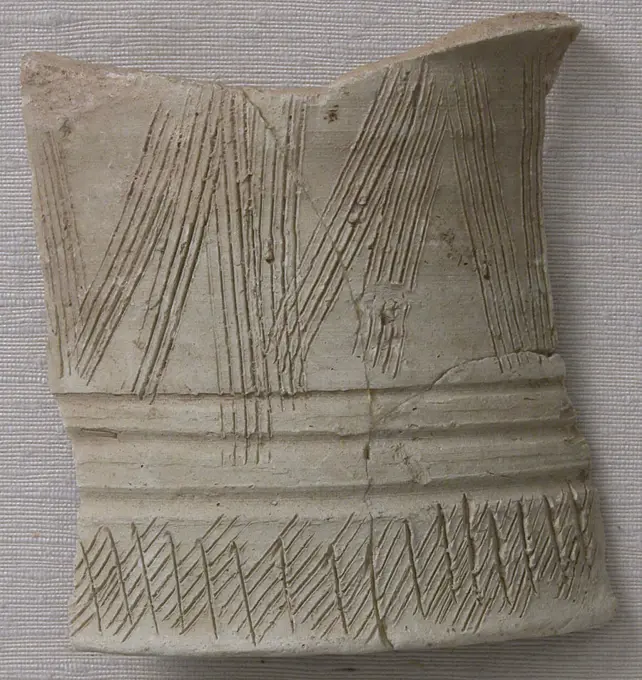
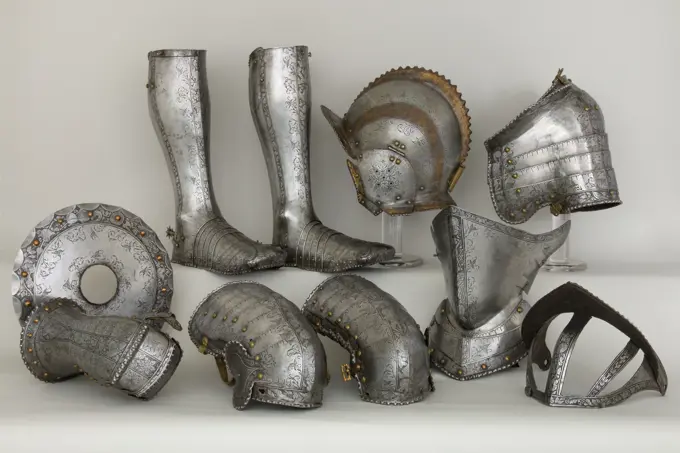
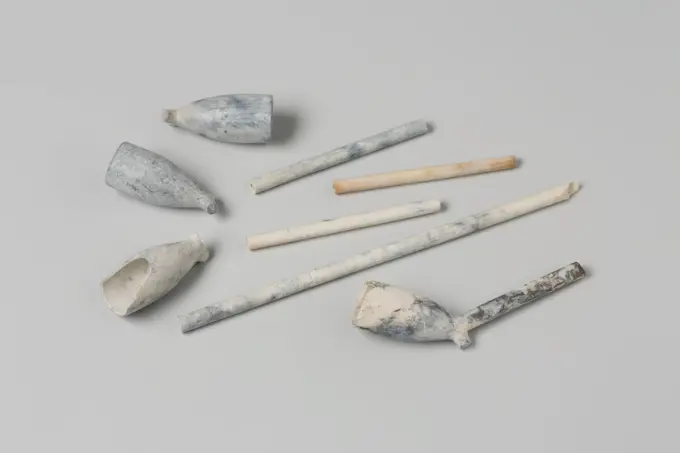
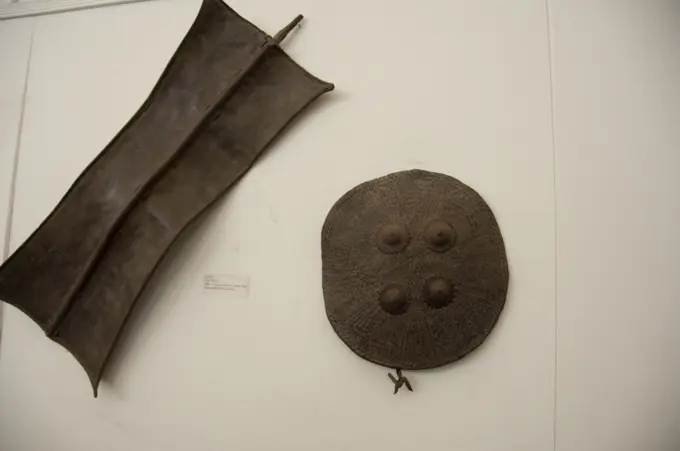
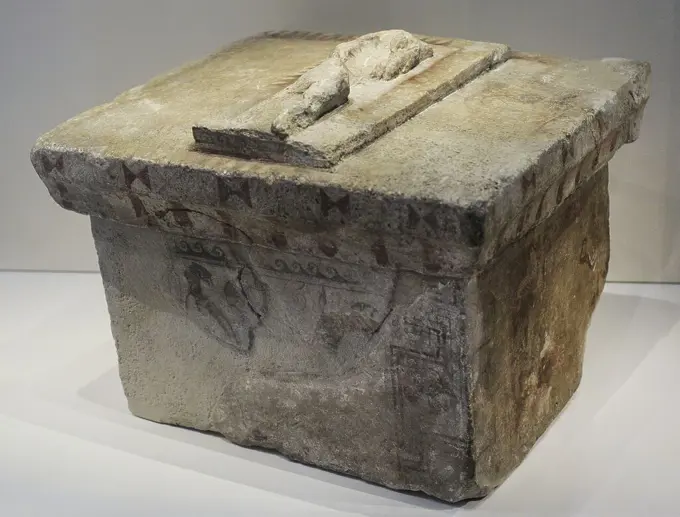
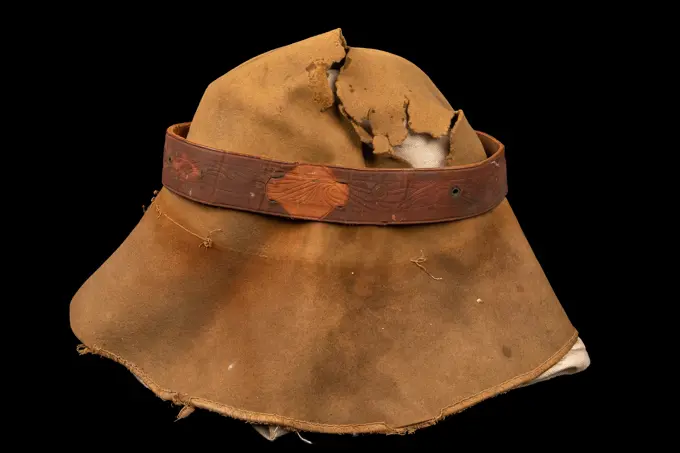
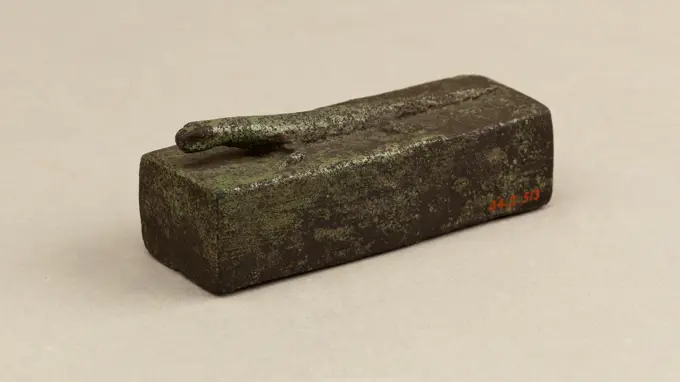
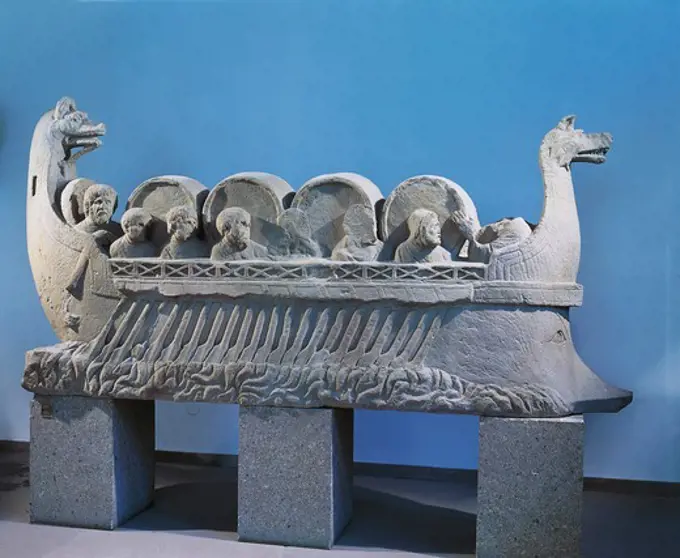
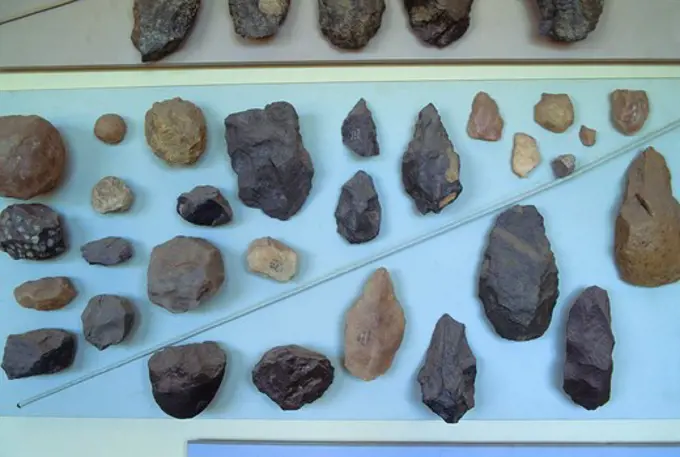
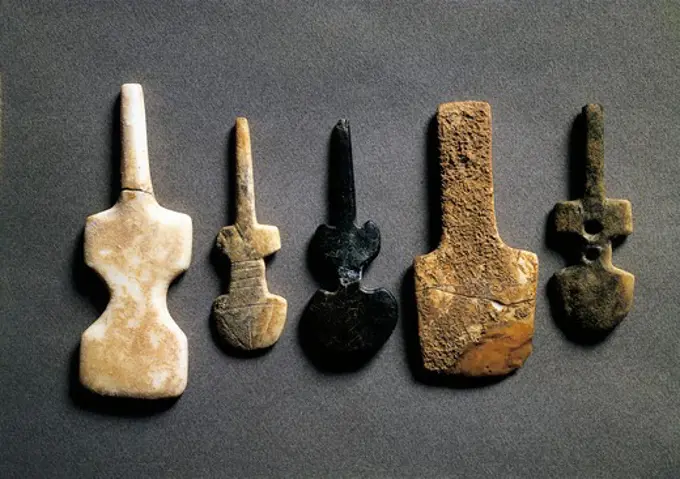
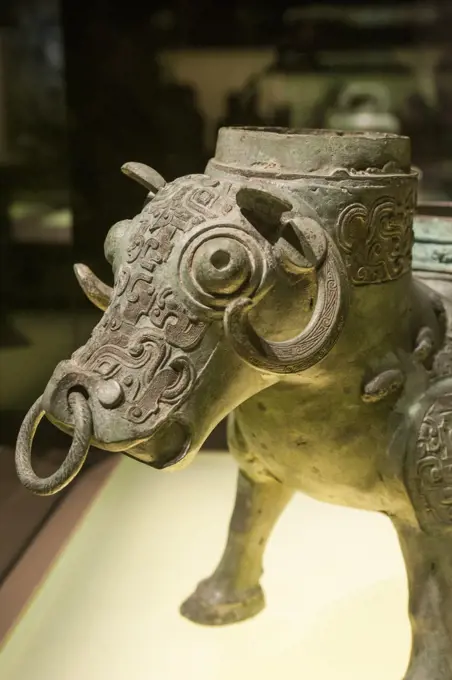
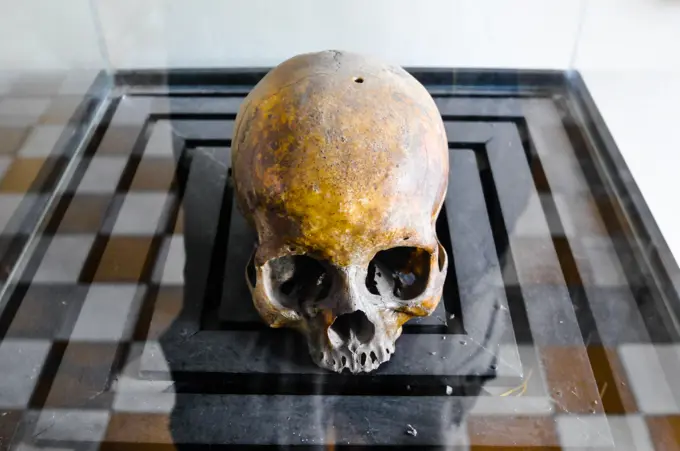
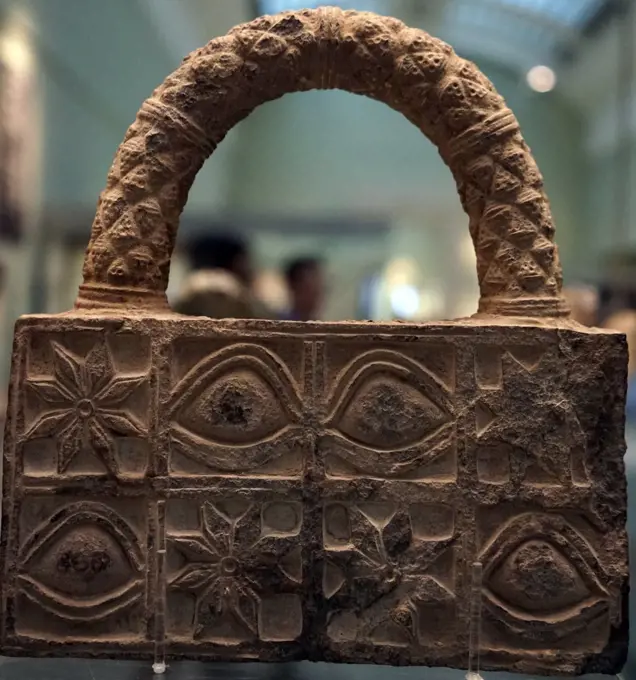
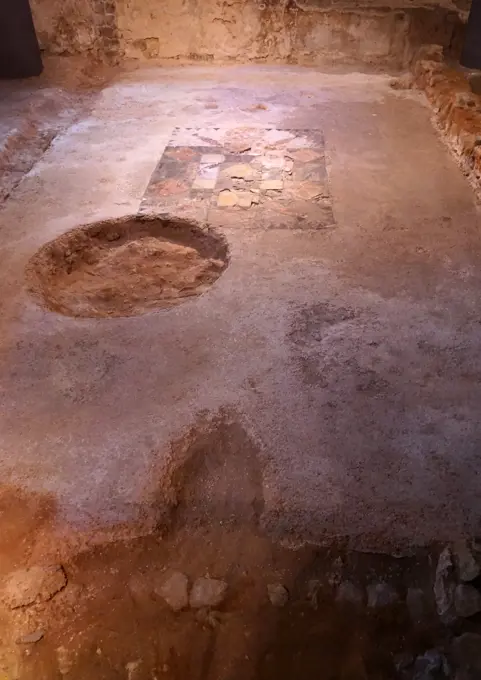
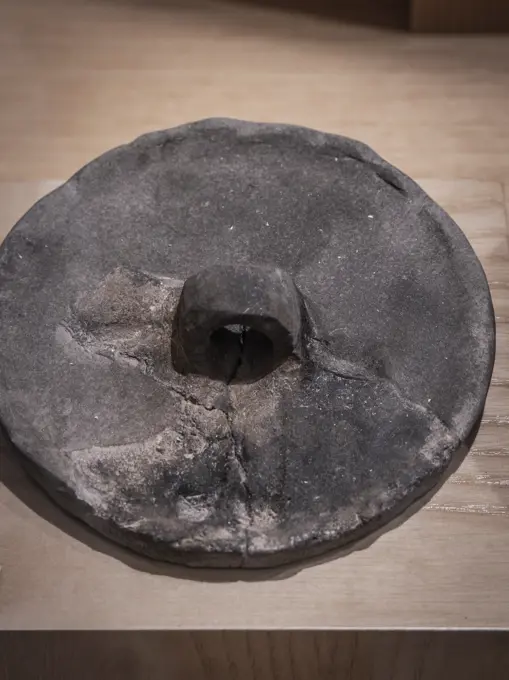
Neolithischer Deckel Neolithischer Deckel Copyright: xZoonar.com/BartomeuxBalaguerxRotgerx 22556647Furniture element ca. 18th century B.C. Old Assyrian Trading Colony. Furniture element. Old Assyrian Trading Colony. ca. 18th century B.C.. Ivory. Middle Bronze Age-Old Assyrian Trading Colony. Anatolia, probably from AcemhöyükJapan, Fukuoka, Spear point, Yayoi periodsingle-row bone harpoons,magdalenian period, Museum of prehistory and archeology (MUPAC), Santander, Cantabria, Spain.FOSSILES.Capital of a Roman temple found in the city walls of Barcelona. Museum: Museo Arqueológico Nacional, Madrid.ThymiaterionPenannular Brooch 10th-11th century Scandinavian. Penannular Brooch 468451Figurine - Rooster, 1-200. Parthian, 1st-2nd Century. Terracotta; overall: 7.7 cm (3 1/16 in.).Neolithic lid, Valdeladrones, Candasnos, Huesca museum, Aragon community, Spain.Italy, Tuscany, Pontremoli, Castello del Piagnaro, museumBeaker culture. Decirated bowl. Early Bronze Age. Algodor (Aranjuez, Madrid). National Archaeological Museum, Madrid. Spain.Furniture element. Culture: Old Assyrian Trading Colony. Date: ca. 18th century B.C.. Museum: Metropolitan Museum of Art, New York, USA.Stamp, from a group of three, 2 3/4 x 1 x 1 in. (6.99 x 2.54 x 2.54 cm), Earthenware, MexicoTerracotta fragments of skyphoi (deep drinking cups) 6th/5th centuries B.C. Greek, Attic Parts of three handles from skyphoi. Terracotta fragments of skyphoi (deep drinking cups). Greek, Attic. 6th/5th centuries B.C.. Terracotta; red-figure. Archaic/Classical. VasesTerracotta rim fragment with cross-hatching ca. 2300-2100 B.C. Minoan From Gournia, CreteRim fragment decorated with cross-hatching.. Terracotta rim fragment with cross-hatching 247686Celtiberian treasures, La Custodia, Viana, Museum of Navarra, Pamplona, Navarra,Spain.Fragmentary Model of a Weavers Shop. Dimensions: L. 59 cm (23 1/4 in); W. 35.5 cm (14 in); H. 22 cm (8 11/16 in). Date: ca. 2030-1640 B.C.. Museum: Metropolitan Museum of Art, New York, USA.Pilgrims' badge. Symbol scallop-shell Way of St. James.  Rune pins, wooden amulets (have magic inscriptions in Latin). Historical Museum. Oslo. Norway.Spain, Balearic Islands, Mallorca. Esporles, La Granja museum. Farm tools. (Editorial Use Only)Fragment of a Jar 9th-10th century. Fragment of a Jar 449011Close-up of a tractor rubber wheelBronze sword hilt with eagle, Seville, 10-13th cent. SPAIN.Carinated bowl rim sherd ca. late 3rd millennium B.C.. Carinated bowl rim sherd 326101PILA DE CALIZA DE CORDOBA S X. Location: ALHAMBRA-MUSEO-ESCULTURA. GRANADA. SPANIEN.wooden pipe, 18th century, Etxaburu tower house, Arkeologi Museoa, aqueologico museum, Bilbao, Bizkaia, Basque Country, Spain.Scandinavia. Middle Ages. Oil lamps made of soapstone clay were alternatives to tallow candles. Iron lamps were also used. Historical Museum. Oslo. Norway.Seashells and sea stones on a pink backgroundbone spatulas bone spatulas, Eras del Alcázar, Archeological Museum. Úbeda, Jaén province, Andalusia, Spain Copyright: xZoonar.com/BartomeuxBalaguerxRotgerx 21702900Fortified farm, terracotta model from Lach Truong Annam, Vietnam, China. Chinese Civilisation, Han Dynasty, 3rd century BC-3rd century AD.Terracotta fragments of kylikes (drinking cups) 5th century B.C. Greek, Attic Four parts of feet type C. Terracotta fragments of kylikes (drinking cups) 678440Egyptian pectoral, polychrome cardboard, necropolis of ancient Thebes, Ptolemaic period , Spain.boulders with geometric themed decorations, Neolithic, Huesca museum, Aragon community, Spain.Terracotta fragment of a stamnos (jar) 520-510 B.C. Greek, Attic Above the shoulder, a profiled concave ring, in black glaze; at the shoulder, a band of tongues; below a thick band of reserve; part of two circumscribed palmettes and tendrils. Terracotta fragment of a stamnos (jar). Greek, Attic. 520-510 B.C.. Terracotta; red-figure. Archaic. VasesTerracotta fragments of a lekanis lid (covered dish) 6th century B.C. Greek, Attic Two fragments of the lid of a lekanis, each with a band of rays framed above, with a thin line of red glaze, and below, with parts of two red glazed lines; towards the outer edge of the lid, two lines of red glaze; the underside of the fragments are glazed and have a thick band of reserve towards the center. Terracotta fragments of a lekanis lid (covered dish). Greek, Attic. 6th century B.C.. Terracotta; black-figure. Archaic. VasesDried and salted cod on a stallSmall statue of a boar. Ca. the 1st and 2nd centuries. Olival dos Berroes. Moncorvo. District of Bragança, Portugal. National Archaeology Museum. Lisbon, Portugal.Workbook Recording the Engraved Firearms Ornament of Louis D. Nimschke (1832-1904) ca. 1850-1900 Louis Daniel Nimschke This workbook was compiled by Louis Daniel Nimschke, one of the nineteenth centurys most talented and prolific firearms engravers, as a record of his own work and other artists designs that inspired him. It contains hundreds of inked impressions (called "pulls") taken directly from firearms he engraved, as well as design sketches, ornate postage stamps, documents, and inked impressions pulled from other objects Nimschke decorated, such as cufflinks, belt buckles, watches, and nameplates. Though the workbook preserves only a small fraction of his oeuvre, it spans almost his entire professional career, from around 1850 to around 1900, capturing the breadth and quality of his lifes work. It records the designs of some of his best-known firearms and, because Nimschke only occasionally signed his work, it provides valuable reference points for identifying unsigned piecesDecorative ceiling, 11th century, from Castillo Formós (Balaguer). Museum: Museu Comarcal La Noguera, Balaguer, Lérida, Cataluña, España.Bronze bowl ca. 3rd-7th century A.D. Sasanian. Bronze bowl 323054Double bottle in the form of two potatoes. Chimu, Peru. Dated 15th CenturyCinnamonbark ( Cinnamomum) , China, AsiaCoat of Plates, or Brigandine. Culture: Italian. Date: ca. 1400. Museum: Metropolitan Museum of Art, New York, USA.A photograph taken within a tomb in the Draa Abul-Naga burial site for noblemen on the left bank of the Nile, near the Valley of the Kings. The tomb contains mummies believed to be a goldsmith called Amenemhat, who lived sometime between 1550 BC to 1292 BCMASCARA. Location: PRIVATE COLLECTION. MADRID. SPAIN.Ancient Egyptian, erotic figurines in stone. Ptolemaic period 304-30 BC; Greco-EgyptianTalaiotyc Bull's head, 650 - 123 B.C. Museo Municipal de Ciutadella,. Bastió de sa Font, Ciutadella, Menorca,balearic islands, Spain.Bronze left foot with traces of sandal straps 1st or 2nd century A.D Roman Left foot with sandal straps.. Bronze left foot with traces of sandal straps 250689 Roman, Bronze left foot with traces of sandal straps, 1st or 2nd century A.D, Bronze, Overall: 4 7/8 x 9 5/16 in. (12.4 x 23.7 cm). The Metropolitan Museum of Art, New York. Rogers Fund, 1918 (18.145.24)Miner's hammerstone. Quartzite. Bronze Age. Spain.Base of a clay vase containing snails, as found during excavation.Battlefield artifacts exhibited in a war museum in Gallipoli, Canakkale, TurkeyApollo the Python-Slayer, c. 350 BC. Attributed to Praxiteles (Greek, c. 400BC-c. 330BC). Bronze, copper and stone inlay; overall: 25.9 x 8.8 x 8.7 cm (10 3/16 x 3 7/16 x 3 7/16 in.).Funerary practice in Bronze Age. Burial. Argar culture. Archaeology Museum of Catalonia. Barcelona. Spain.Matrices, Cast 13th century French or German. Matrices, Cast 466805Grain Mill, 206 BCE - 220 CE, 2 3/8 x 1 1/8 x 5 7/8 in. (6 x 2.9 x 14.92 cm), Low-fired earthenware with green glaze, China, 3rd century BCE - 3rd century CEFragment 16th-17th century Italian. Fragment 230616Terracotta fragment of a calyx-krater (bowl for mixing wine and water) last quarter of the 6th century B.C. Greek, Attic Below the rim, ivy separated by a red vine; ivy branch. Terracotta fragment of a calyx-krater (bowl for mixing wine and water). Greek, Attic. last quarter of the 6th century B.C.. Terracotta; black-figure. Archaic. VasesMauritania. Agrour Rock Art SiteLimestone model of three-storey house with terraceQuartz. minerals. Europe; EnglandReliquary in the Shape of a Sarcophagus 400-600 Byzantine The inscription on this reliquary suggests that it was given to a church or shrine in memory of a miracle, likely a cure, or in anticipation of a request made to the saint whose remains were kept in the box.The gabled stone sarcophagi used for Christian burial were the model for miniature copies, like those seen here, that were manufactured throughout the Byzantine Empire as containers for relics, the remains of a holy person, or objects made holy by physical contact with them. Beginning in the fourth century, the bodies of martyrs and saints were exhumed, divided, and moved to local churches, where they were placed in reliquaries that were enclosed within altars or buried under them or displayed in chapels dedicated to the saint.. Reliquary in the Shape of a Sarcophagus 473288Stucco Fragment probably 8th-12th century This object was excavated at Nishapur.Nishapur was a vital city in the early and middle Islamic periods, located along one of the main trajectories that connected Iran and West Asia Islamic lands with Central Asia and China. These itineraries are often referred to by the term Silk routes’ but were in fact crucial to the movement of constellations of materials and objects, as well as people and ideas. The diverse population of Nishapur and its surroundings, from the better-researched elite groups of merchants, land-owning aristocracy, and literates, to the less-known artisans, farmers, miners, and servants, were instrumental in adapting global cultural trends to create their own distinctive visual languages. This is seen in the material remains of everyday life in medieval Nishapur - from pots and pans to lighting devices, inkwells, textiles and trimmings, jewelry, games and toys, talismanic devices, weapons, coins, and architectural fragments.flint arrowheads, Museum of Navarra, Pamplona, Navarra,Spain.Selection of bracelets featuring lions and menorahs. From an unknown location, from the 4th-5th century.Tissue contained a face on a beach IndonesiaTrracotta model bed and chair, Old Babylonian, form Ur, 2000-1750 BC.Close-up of wooden shoe stretcher, Freiburg im Breisgau, Baden-Wºrttemberg, GermanyAlcalá de Henares (Madrid), 04/11/2023. Regional Archaeological Museum of the Community of Madrid. Exhibition on the culture of Tartessos, with pieces from various museums, being the first time in Spain that everything is offered together to the visitor. Car hubcap in the shape of a feline head from the 7th century BC from the Necropolis of La Joya, Huelva. Photo: Guillermo Navarro. ARCHDC.Fragment 8th-9th century. Fragment 448895Rolls of dressed fibre. Silk industry (spun silk), South Manchester, Conn., U.S.A. still image. Stereographs, Photographs. 1914. The Miriam and Ira D. Wallach Division of Art, Prints and Photographs: Photography Collection. Connecticut, Silk industry , Connecticut , South Manchester, SilkElements of an Armor Garniture 1560 German, Augsburg. Elements of an Armor Garniture 34892MAQUETA DOLMEN DE SIERREZUELA. Location: MUSEO ARQUEOLOGICO-COLECCION. CORDOBA. SPAIN.Ánforas Romanas.Museo arqueologico.Eivissa.Ibiza.Islas Pitiusas.Baleares.España.Middle Ages. Set of combs made with animal horns. 12th-13th centuries. Archeological Museum. Gdansk. Poland.Window 18th century. Window 444822Fragments of pipe heads and pipes from the wreck of the East Indians' t Vliegend Hart, WS, 1700 - 1735  Four heads, two of which are broken and one with a piece of stem, from earthen Goudse pipes with heel brand ws. Four pieces of stem that are blue and white in color. Fragments of Bowls and Stems. Gouda pipe claySaddle ca. 1400 German. Saddle 29624Africa, Ghana, Accra. National Museum, regarded as one of the finest museums in sub-Saharan Africa. Hide shields from Uganda.JarIberian culture. Coffin (larnax). Late 4th century BC-early 3rd century BC. Polychrome limestone. Necropolis of Tutugi, zone I, grave 76. Galera (province of Granada, Andalusia, Spain). National Archaeological Museum. Madrid. Spain.FootprintSieve 580-640 Coptic. Sieve 474934This is the felt hat of John Drinkwater, a young Englishman killed instantly by lightning while riding horseback at full speed trying to escape a storm near Fort Davis, Texas on August 2, 1885. The lightning struck the hat, tearing open the side. It then traveled through the mans head, passing into his neck and chest, and it entered the body of the horse, killing it as well. Army Surgeon W. H. Gardner examined the body and sent the hat to the Army Medical Museum (now The National Museum of Health and Medicine). M-350.00017 (Disclosure: This image has been cropped to emphasize the subject.) (National Museum of Health and Medicine Photo by Ian Herbst)UK, England, London, British Museum, Egyptian Room, Display of Egyptian MummyShrine box, lizard 304 B.C.-A.D. 364 Ptolemaic or Roman Period The lizard in later periods of Egyptian history was linked with the creator and solar god Atum, in large part because of their reptilian tendency to warm themselves in the sunshine. Almost all copper alloy representations, like this one, show the lizards prone, with legs slightly splayed, as if basking in the suns rays. Most rest on top of boxes that would have held mummified lizards. On this example, the box is open at the back for the insertion of one or more mummies. These boxes would have been offered in temples or for deposition in animal necropoleis, not just in honor of Atum, but also in broad connection with other animal representations linked to solar cult, such as shrew mice, ichneumons, or falcons.. Shrine box, lizard 560641Gallo-Roman civilization, 3rd century A.D. Neumagen wine ship, stone burial monument in the shape of a rowing ship for the transport of wine barrels, about 220.Italy. Lombardy. Arsago Seprio, Lombard necropolis. Civic Museum.These Olduvai Stone Chopping Tools On Display In The Olduvai Gorge Museum Are One Of The Oldest Humanly Made Objects.  The Olduvai Gorge Is One Of The Most Important Paleoanthropological Sites In The World And Has Been Instrumental In Furthering The Understanding Of Early Human Evolution. This Site Was Occupied By Homo Habilis Approximately 1.9 Million Years Ago.Greece, Athens, Violin-shaped female marble figurinesArtifact in the bronze exhibit at the Shanghai Museum, a museum of ancient Chinese art, situated on the Peoples Square in the Huangpu District of Shanghai, China.Viking age. Detail of the frames of a tent. Viking Ship Museum. Oslo. Norway.Pair of EarringsSkulls from the Killing Fields in Cambodia, this happened from around 1975 till 1979. Skulls from the Killing Fields in Cambodia, this happened from around 1975 till 1979. Asia Copyright: xZoonar.com/ThomasxJahnx 5667945Carved stone with integral handle from the ancient Sumerian city-state of Ur. Dated 2500 BCUSA, Massachusetts, New Bedford, Whaling Museum. Collection of 19th and 20th century whaler's scrimshaw carved out of walrus ivory.laundry shop, in the Roman city, Barcelona, Spain. 2nd Century ADQuern stone. Devenish Isle, Teampul Moor. 1200. IRELAND.Capital 6th-7th century. Capital 456177France, Occitanie, Gers (32, )Eauze, archeological museumCONDUCCION DE AGUA EN PIEDRA. Location: Monasterio de sobrado de los Monjes. SOBRADO. A CORUÑA. SPAIN.