Archaeological Finds

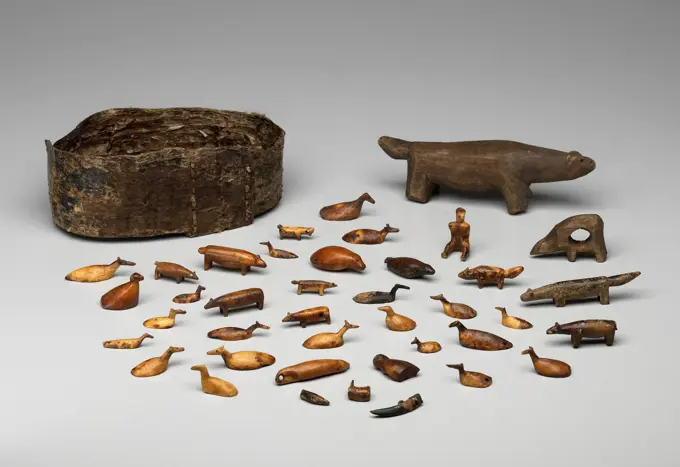
Diverse archaeological pieces such as statuettes and pottery from ancient civilizations, illustrating the artistry of early cultures.
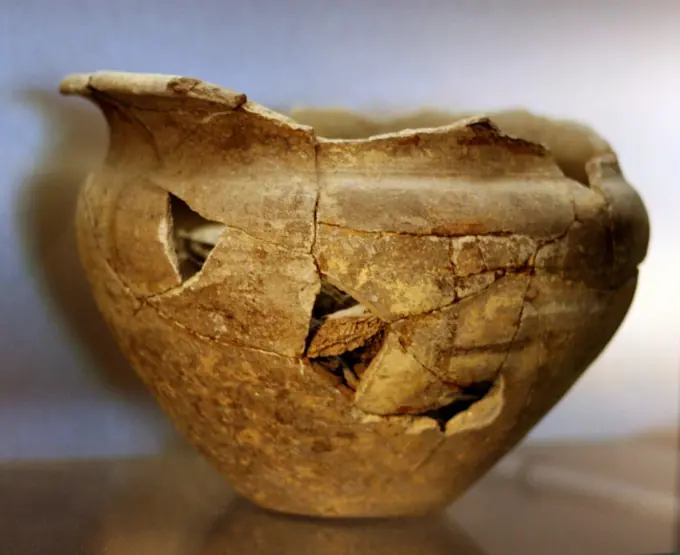
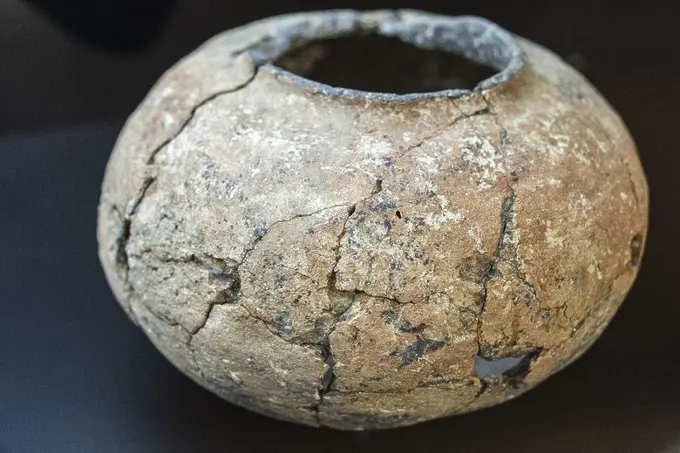
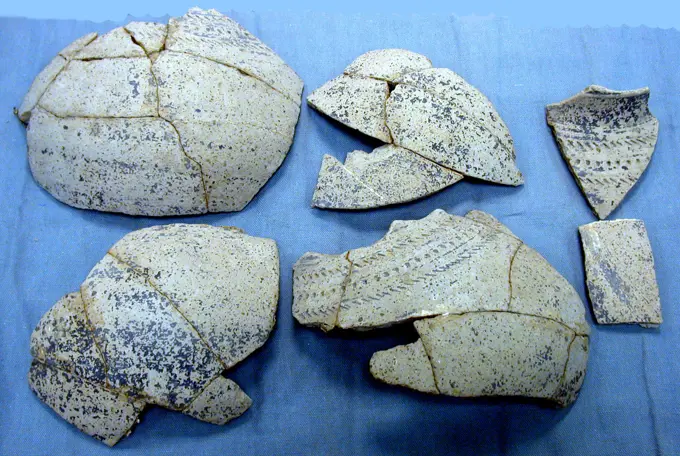
Ancient Roman pottery artefact reconstructed from multiple pieces. Roman, circa 1st-3rd century AD.
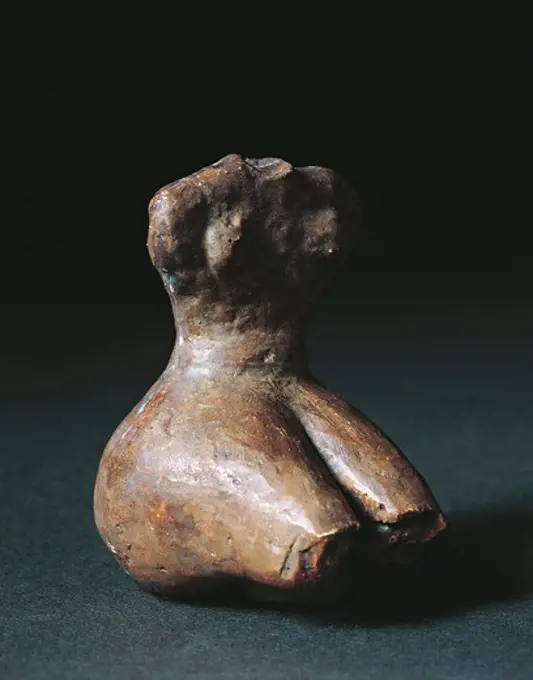
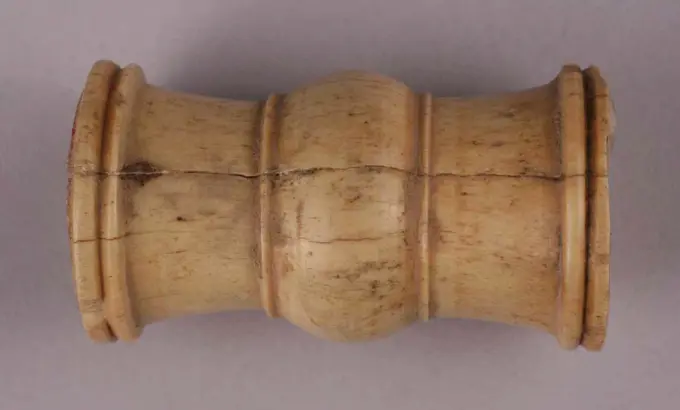
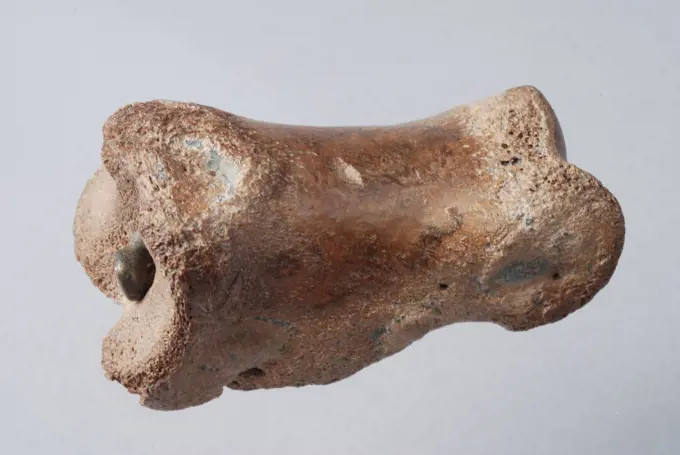
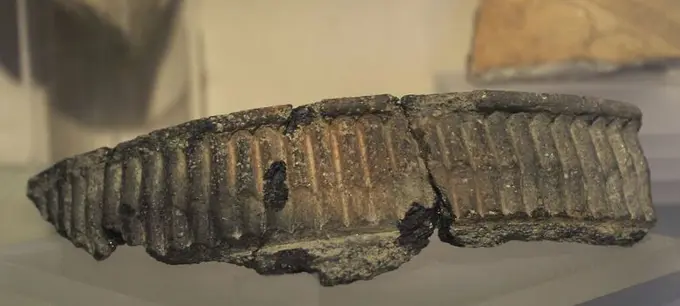
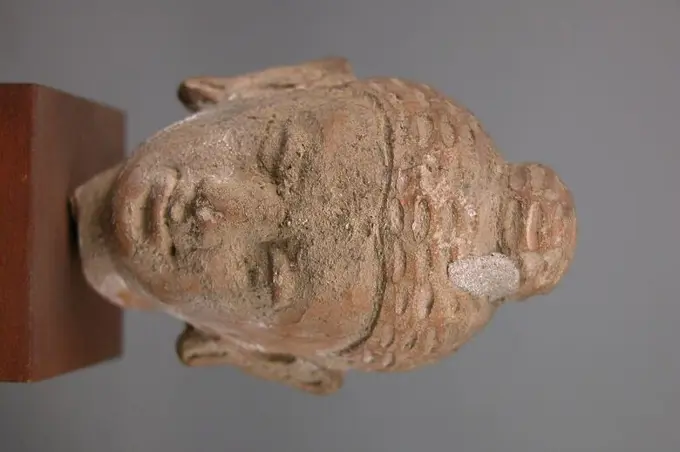
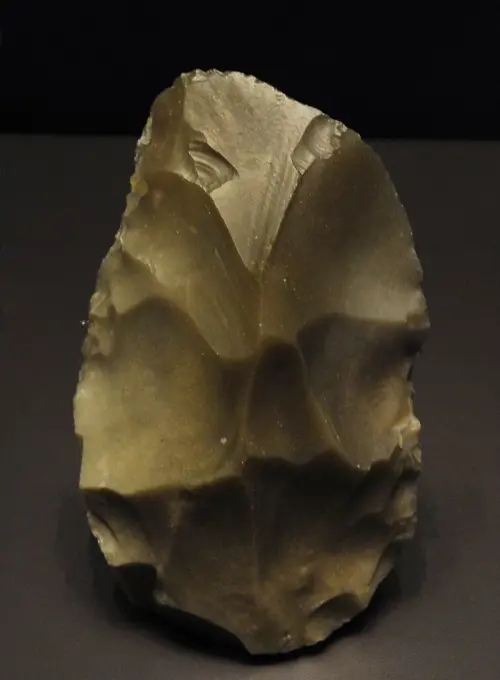
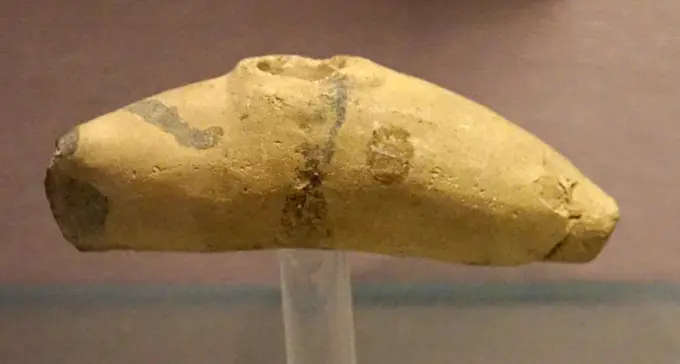
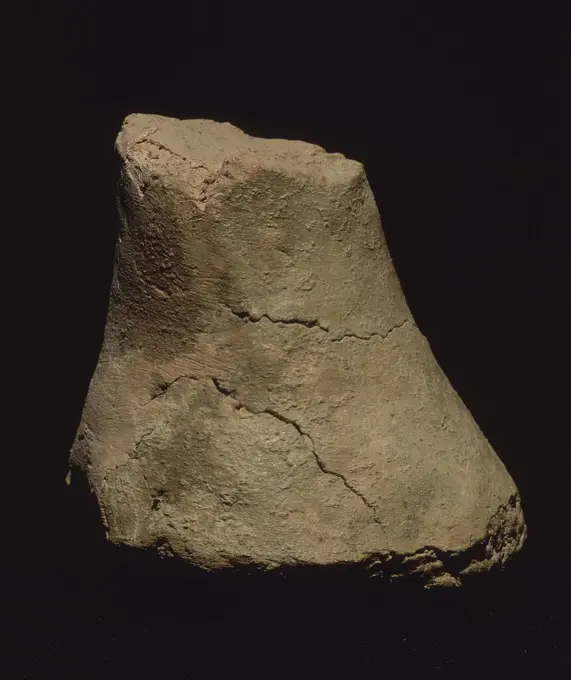
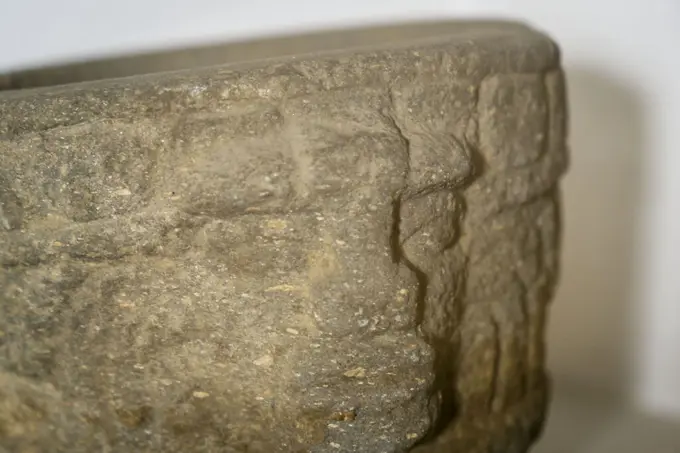
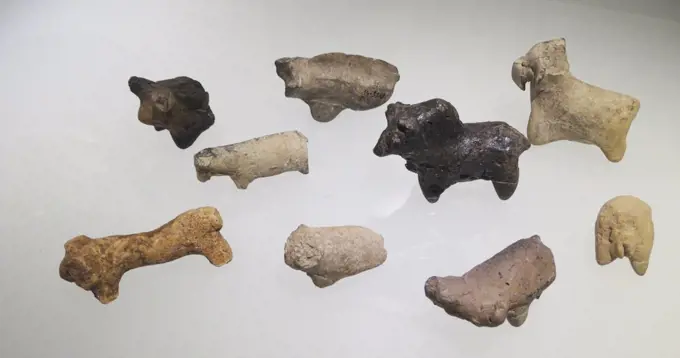
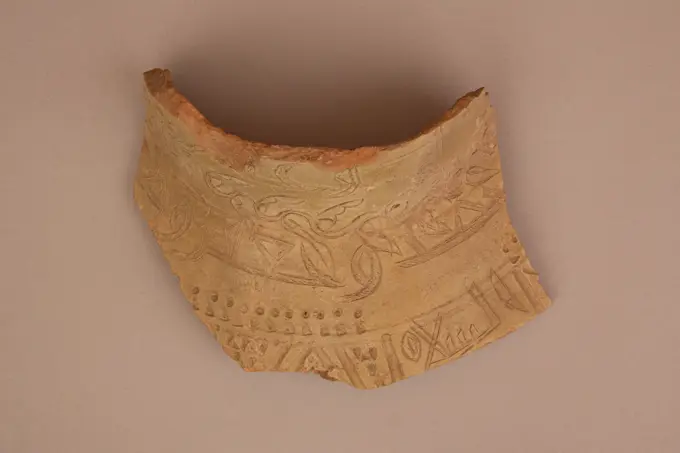
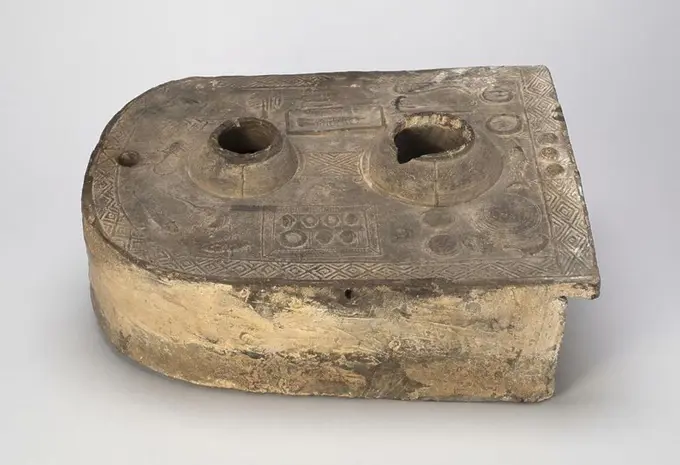
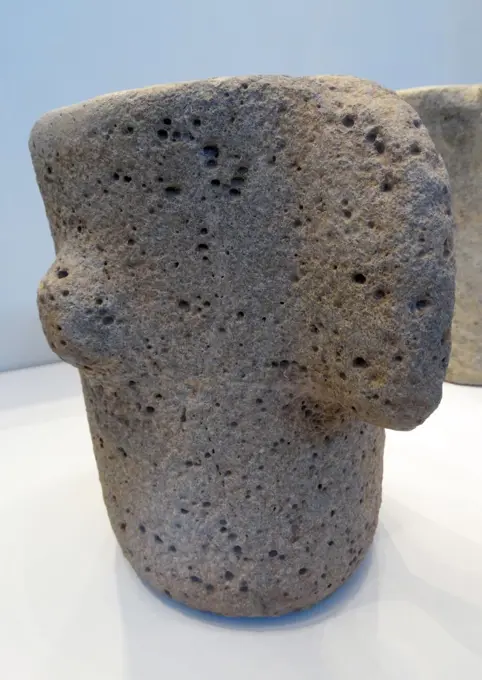
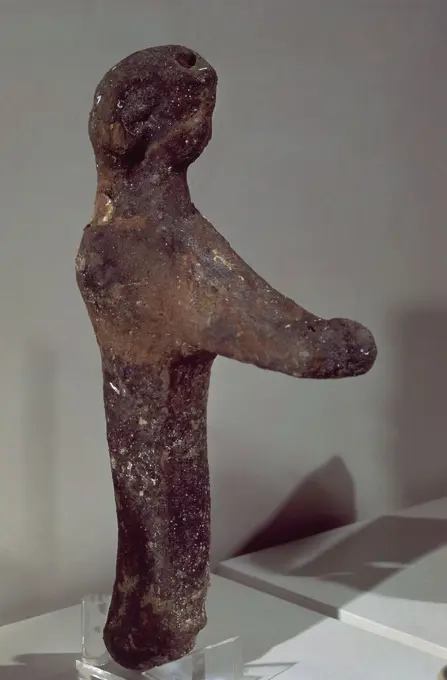
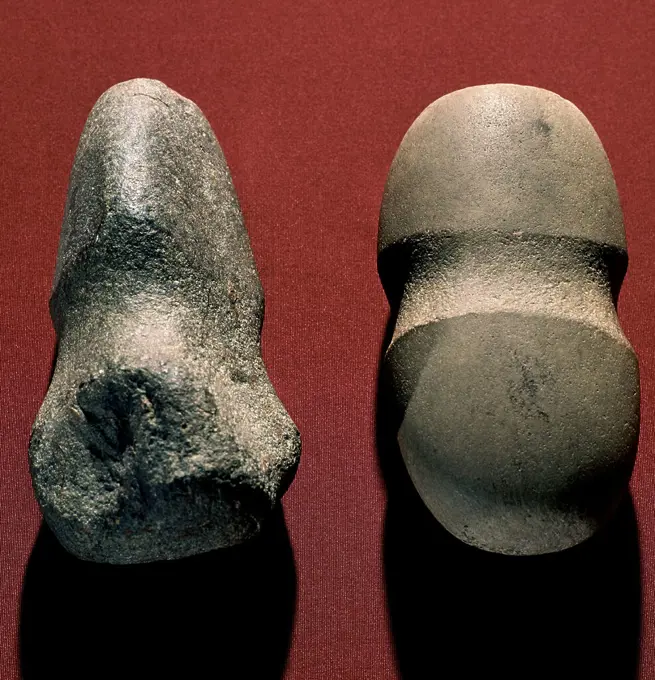
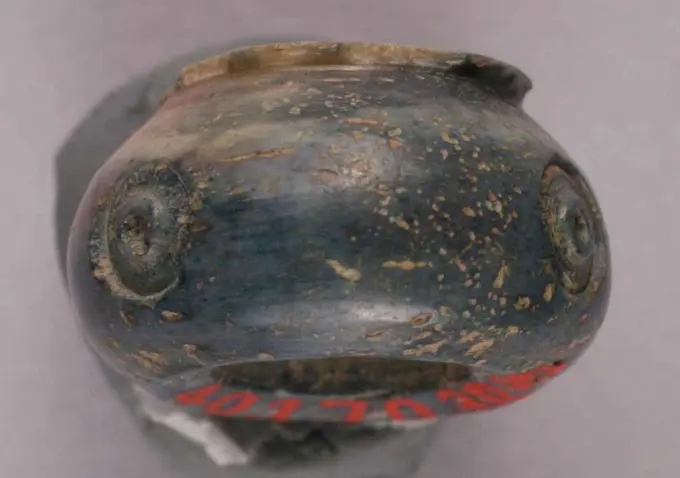
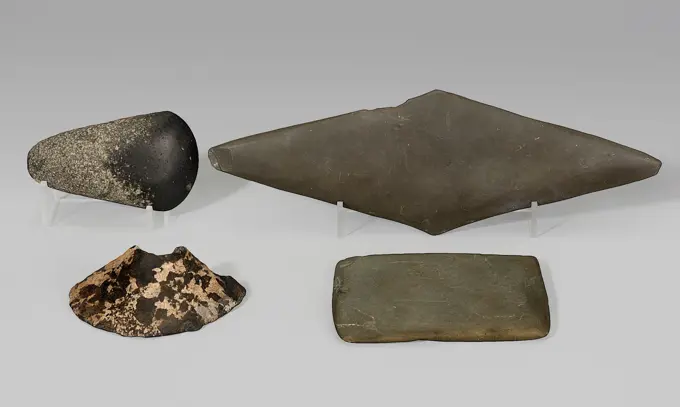
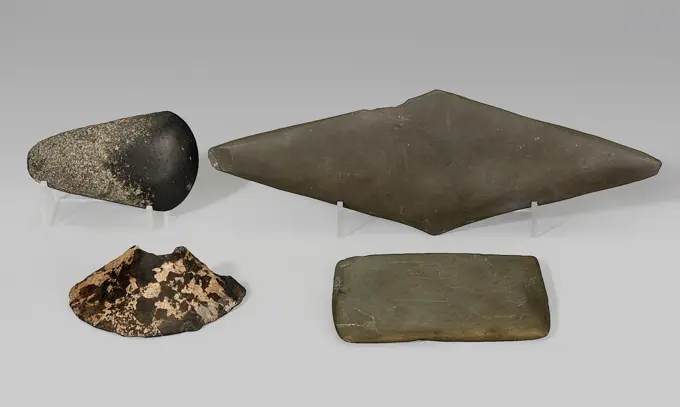
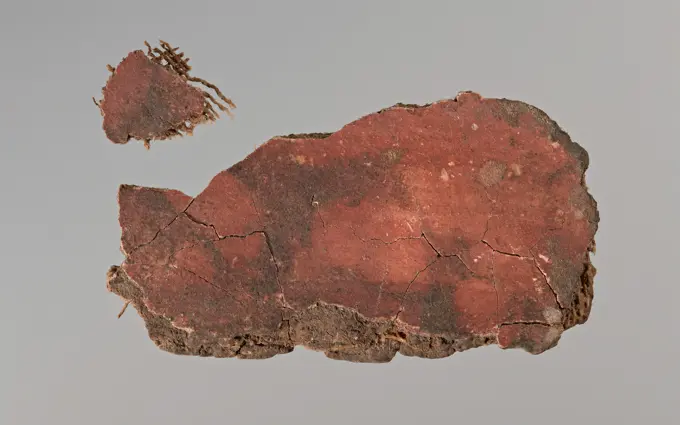
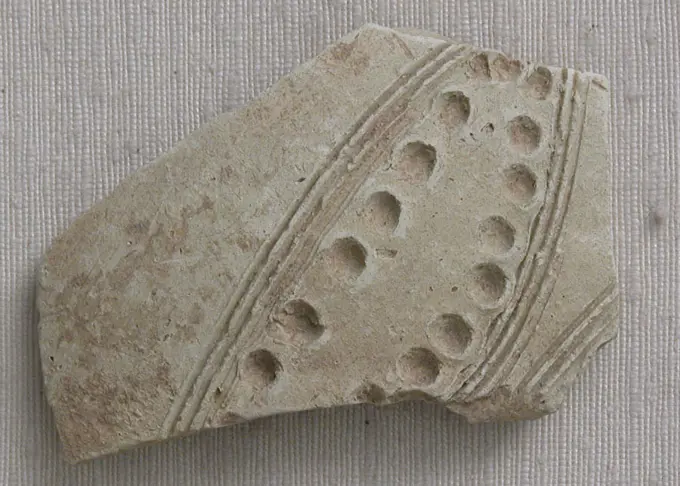
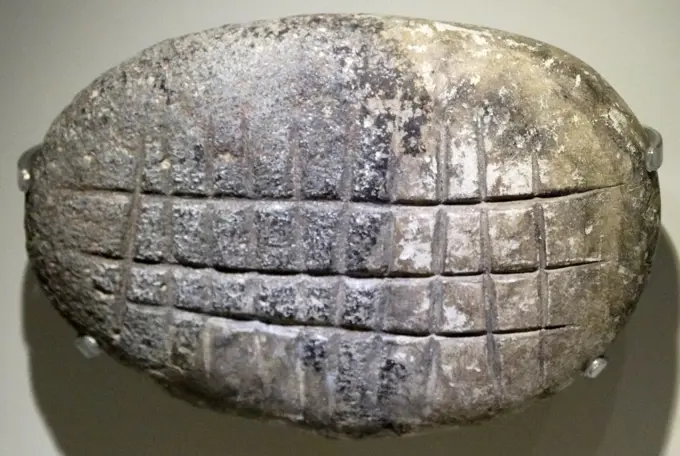
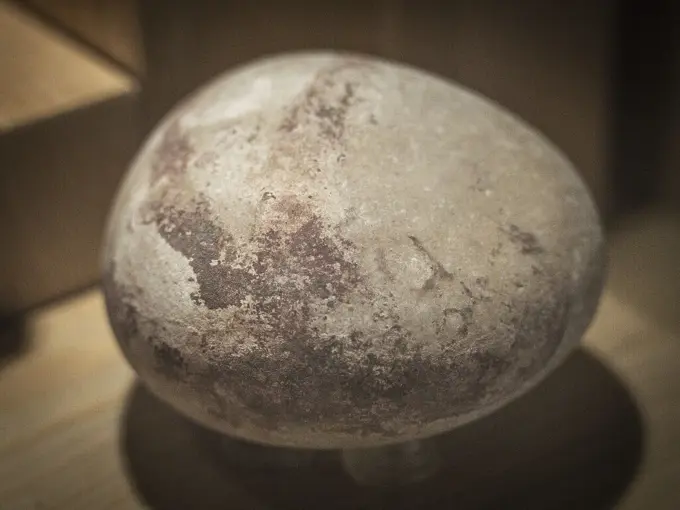
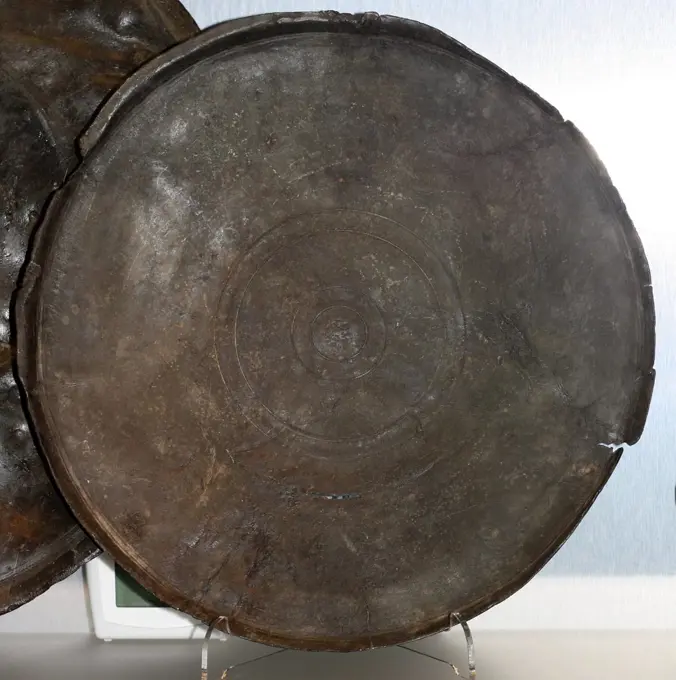
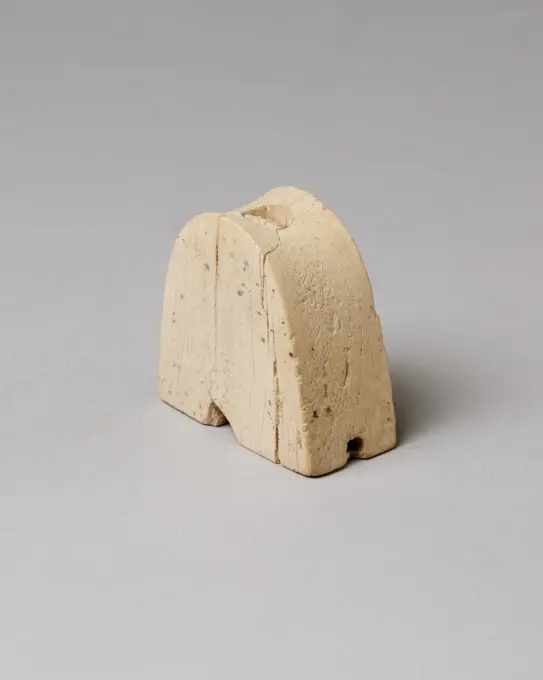
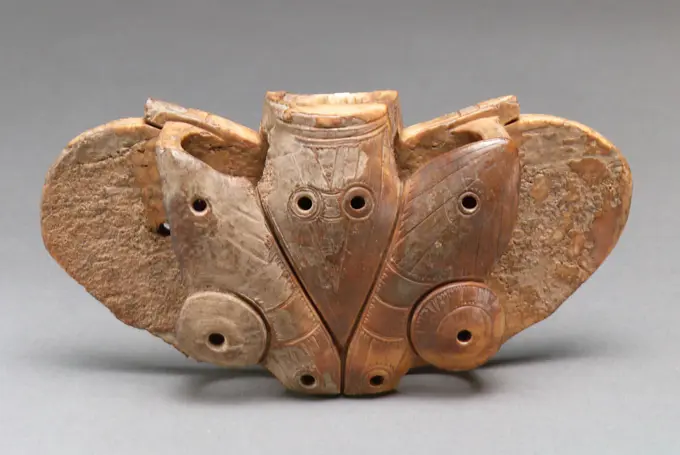
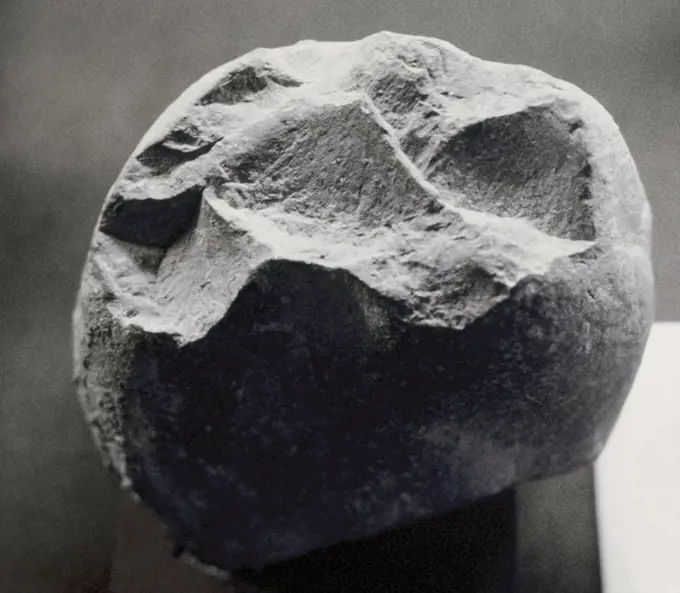
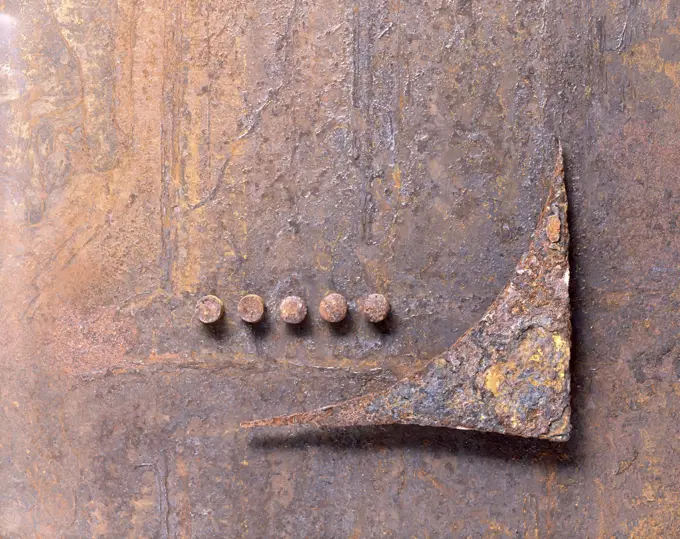
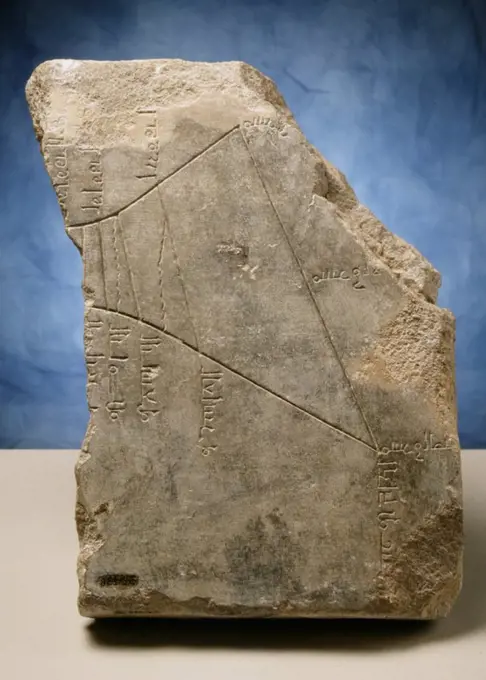
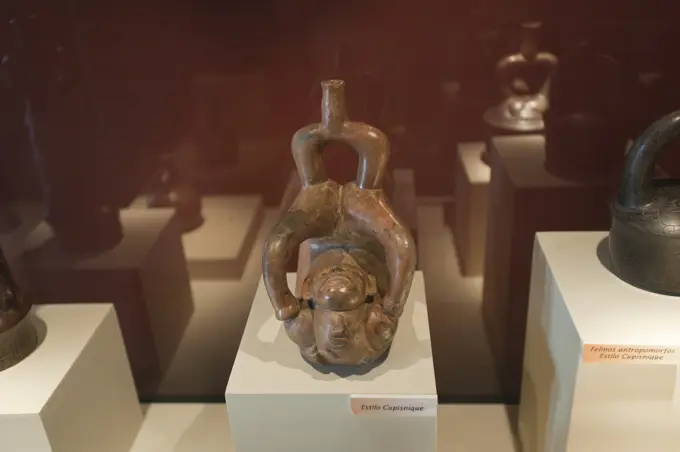
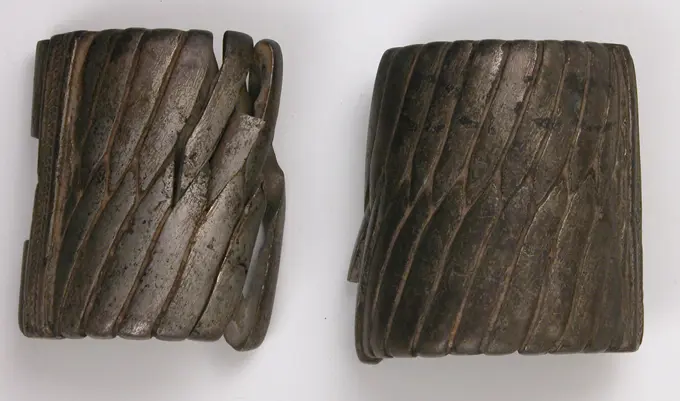
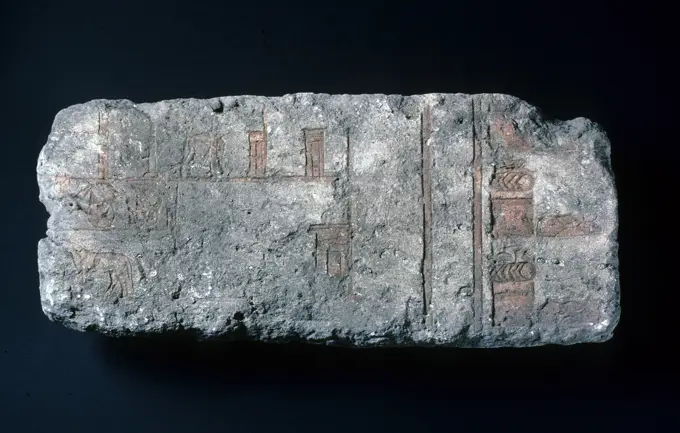
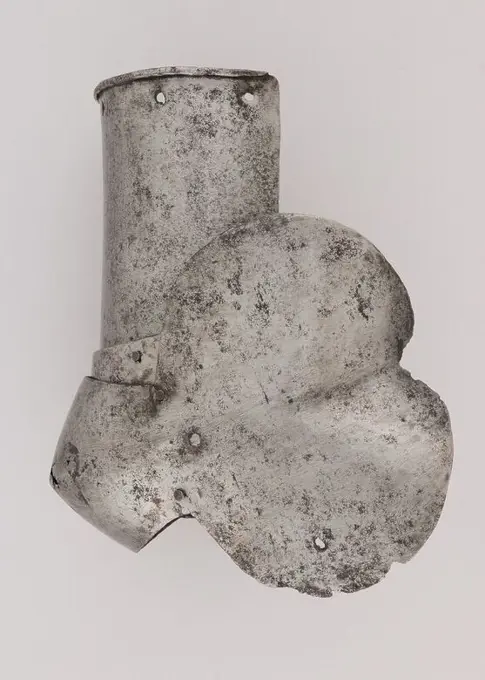
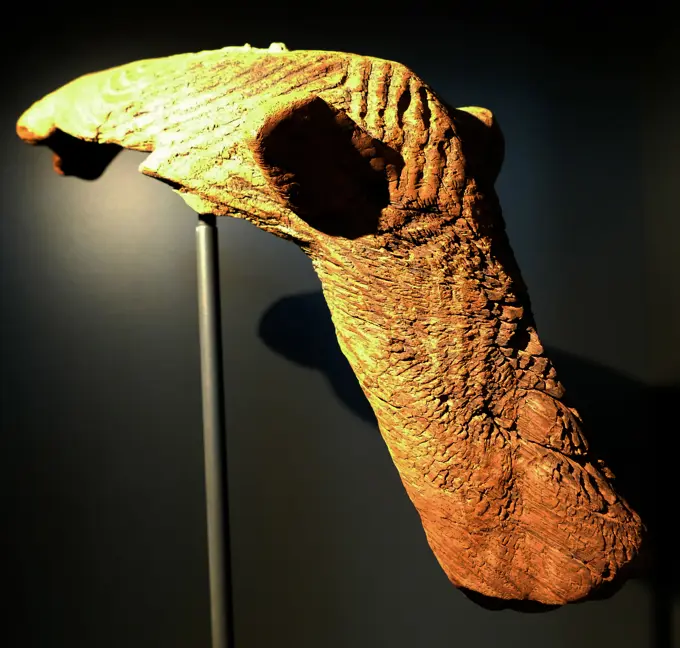
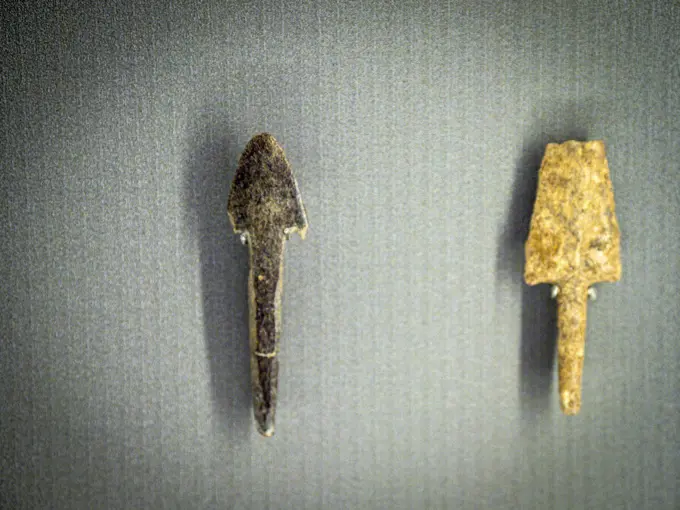
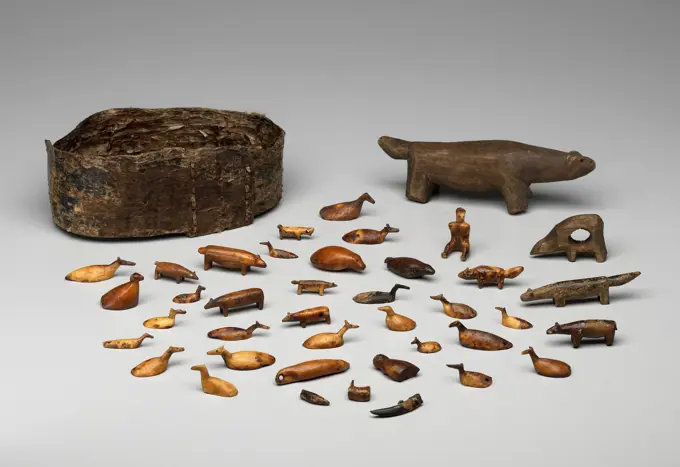
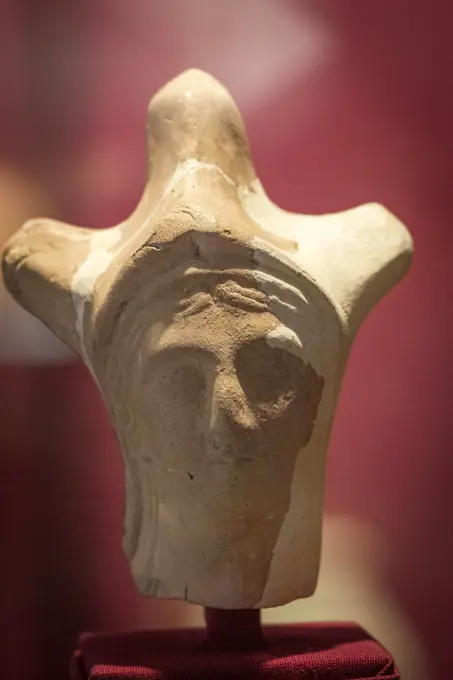
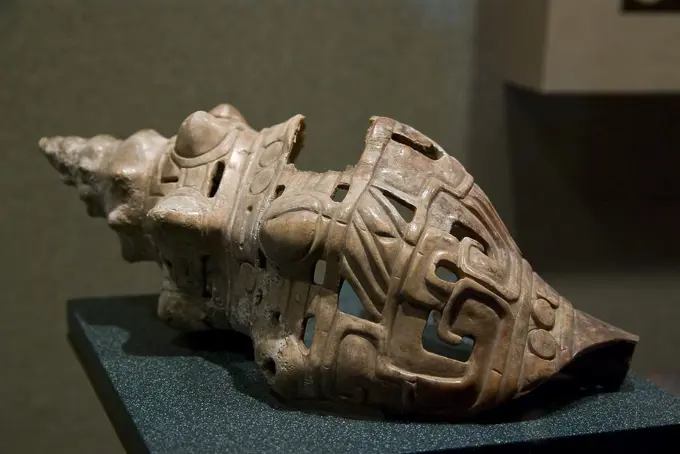
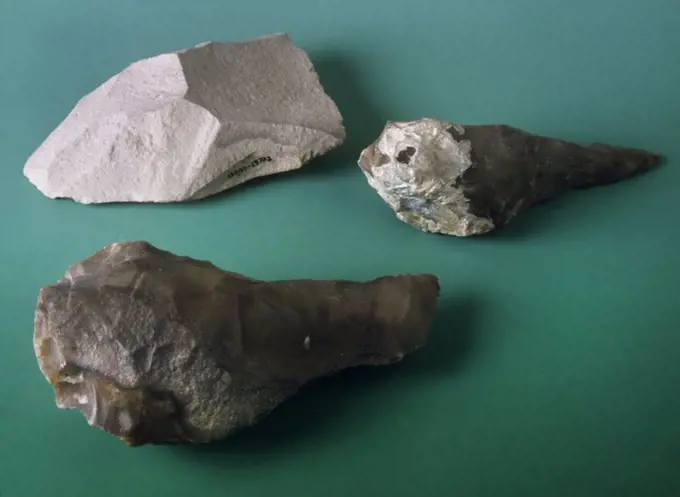
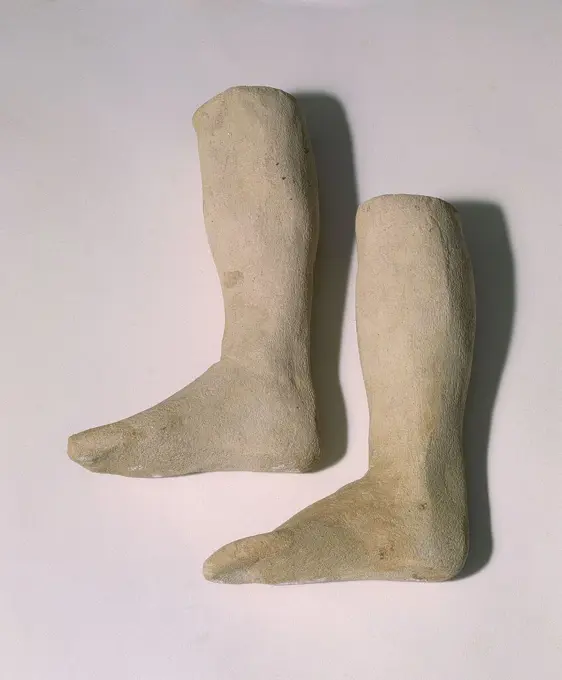
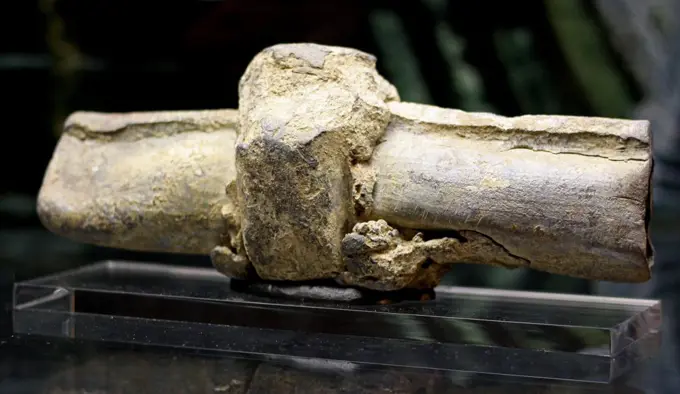
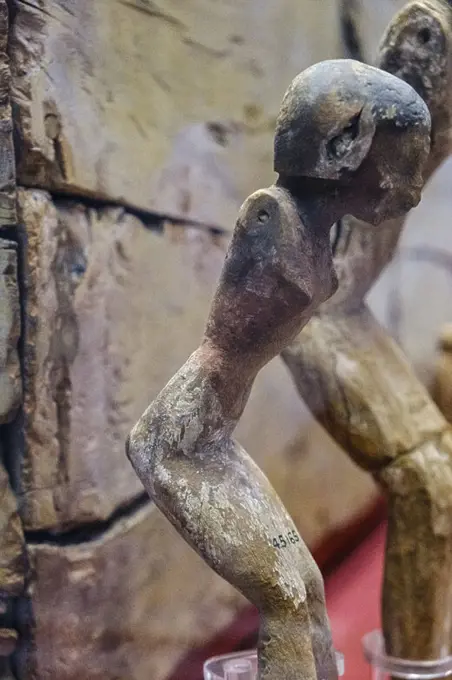
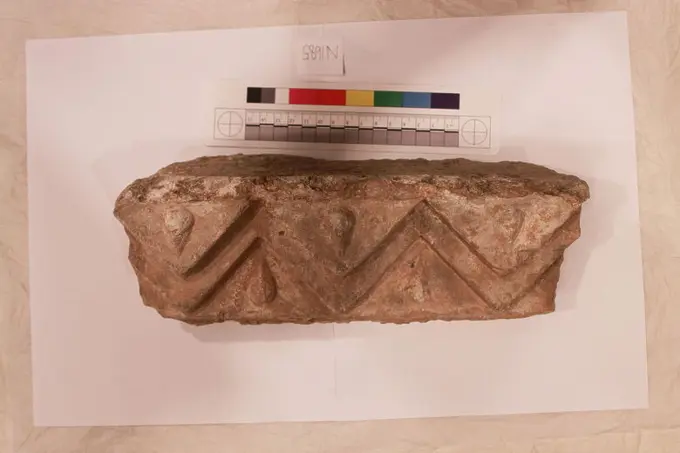
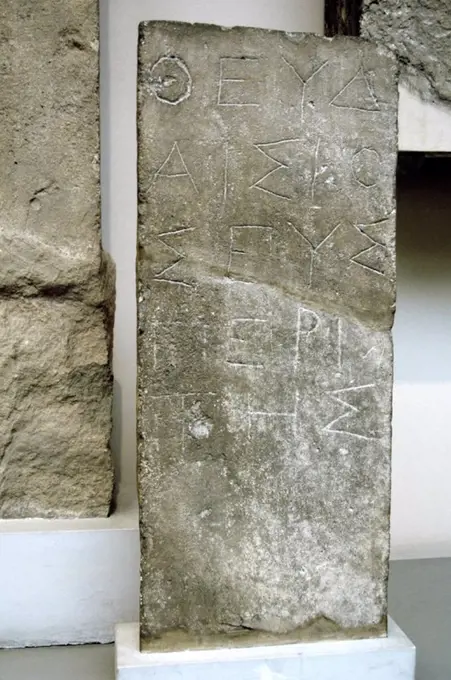
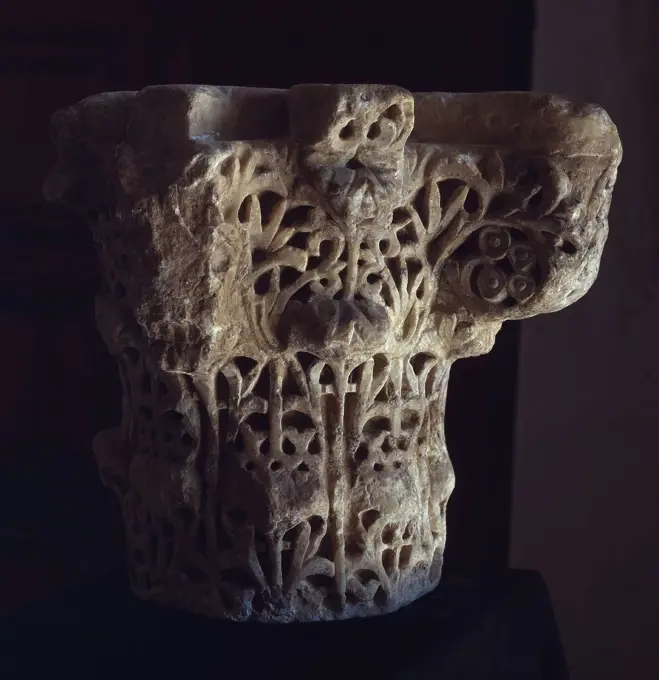
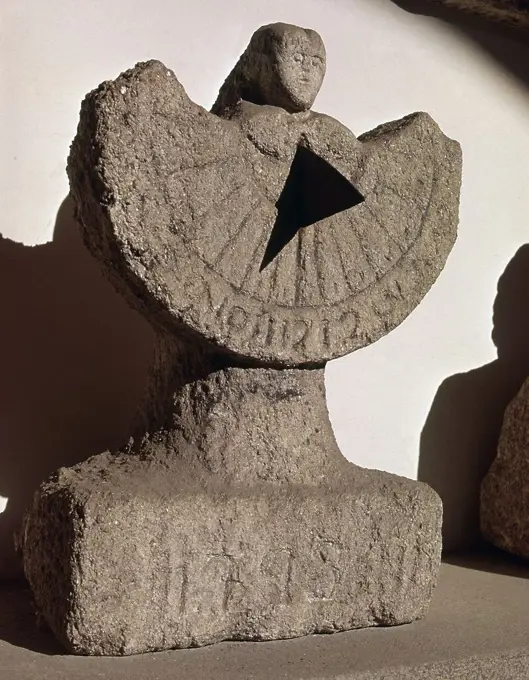
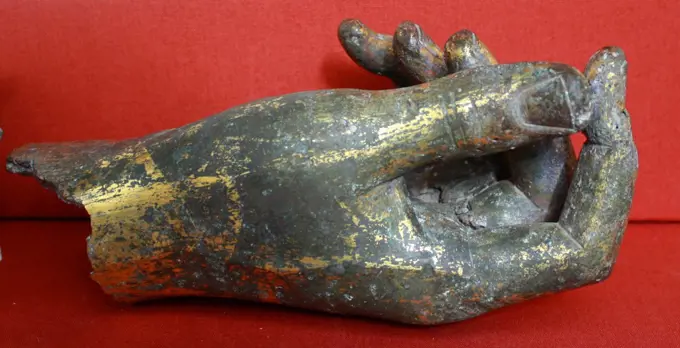
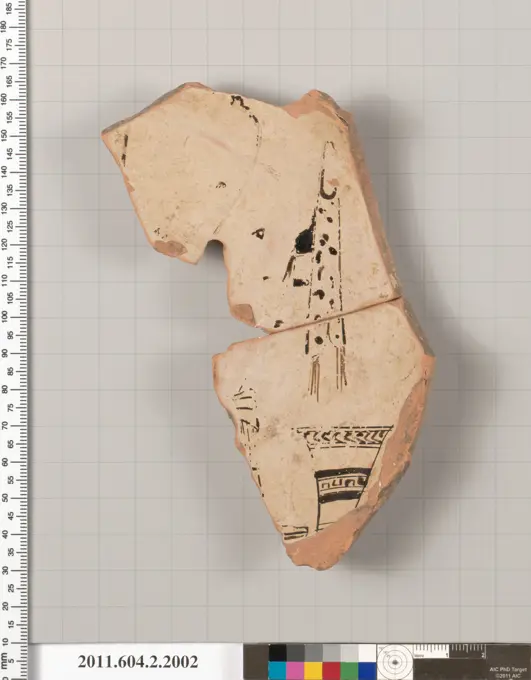
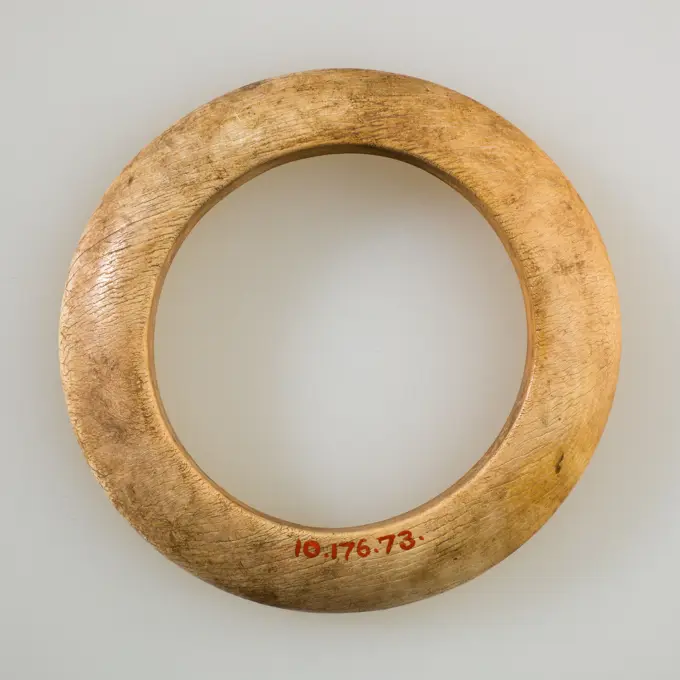
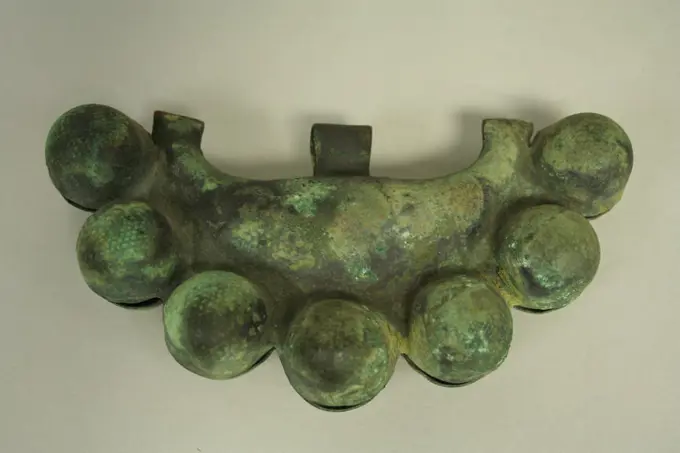
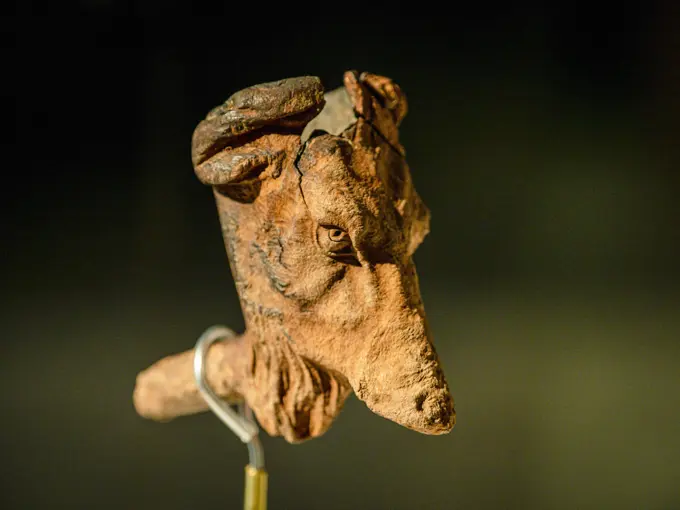
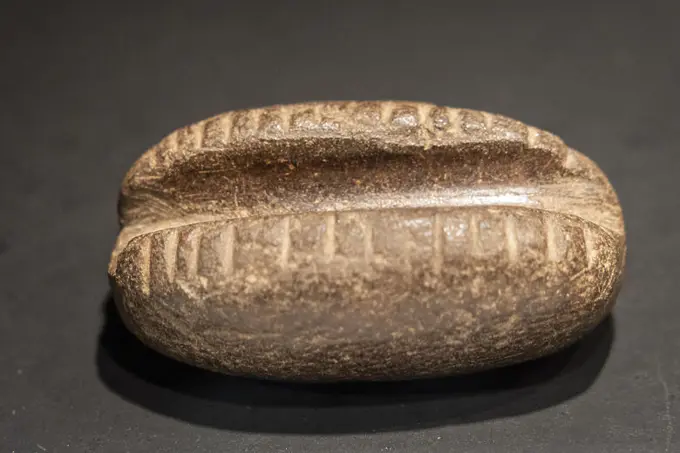
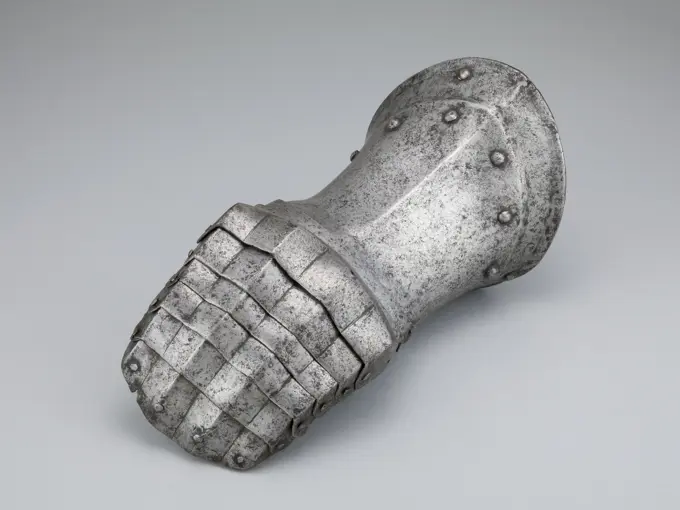
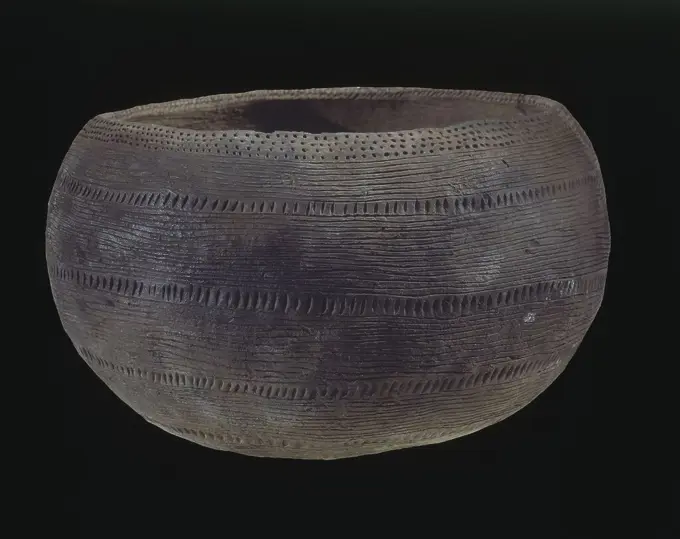
Statuette fragments from Jericho, 7500-6500 BC. These fragments were originally part of two human-shaped figures made from sun-baked clay. They represent, at around half-life size, a head and shoulders (top) and part of a torso with traces of red paint (below).Ancient Roman pottery artefact reconstructed from multiple pieces. Roman, circa 1st-3rd century AD.Italy, Savona province, Female fictile idol from Arene Candide CaveStone 4th-7th century Coptic. Stone 478548Right hand from sarcophagus;  indefinite (0-00-00-0-00-00);Possibly a Spool Handle late 8th-early 9th century. Possibly a Spool Handle. late 8th-early 9th century. Bone; carved and incised. Excavated in Iran, Nishapur. Ivories and BoneJug 9th-10th century. Jug 449066SirenKoot out of leg of bovine, used for throwing game: koten, koot game piece relaxant soil find lead leg metal, cast Bone leg of bovine used for dredging Stuffed with lead. Werpkoot Unnoticed archeology Rotterdam Stadscentrum Stadsdriehoek Mariniersweg Kipstraat Hoogstraat child playing games koten kootspel fikkelen Ground finding corner Mariniersweg Kipstraat Hoogstraat.Fragment of border, shoulder and neck of gray paste ceramic stamped. Found in San Carlos Street, 5-9/ Tinajas, 24 (La Corua, Galicia, Spain). Archaeological and History Museum (San Anton Castle). A Corua, Galicia, Spain.Head of Buddha. Culture: Pakistan (ancient region of Gandhara). Dimensions: H. 2 5/8 in. (6.7 cm); W. 1 3/4 in. (4.4 cm); D. 1 7/8 in. (4.8 cm). Date: 4th century. Museum: Metropolitan Museum of Art, New York, USA.Figurine of a WomanCleaver. Paleolithic. Arenero Hermanos (Terraces of the river Manzanares, Madrid, Spain). National Archaeological Museum. Madrid. Spain.Pottery Mesopotamia tools, from Ur. Dated 15th Century BCIDOLO TRONCOCONICO. Location: MUSEO ARQUEOLOGICO-COLECCION. Sevilla. Seville. SPAIN.piedra de machacar tipo tazon,clásico , museo de la plaza central, Chichicastenango ,municipio del departamento de El Quiché, Guatemala, Central America.Animal figurines from the Natufian and Neolithic-Period cultures. From 14,500-8,000 years ago, made from clay and limestone.Relief of a duck 1st century A.D. Roman. Relief of a duck. Roman. 1st century A.D.. Bone. Early ImperialFragment 9th century. Fragment. 9th century. Earthenware; incised and unglazed. Excavated in Iran, Nishapur. CeramicsMINERALOGIA. MINERALES. FELDESPATO. ORTOSA ( FELDESPATO POTASICO ). EJEMPLAR PROCEDENTE DE BUSTARVIEJO. MADRID. INSTITUTO GEOMINERO. MADRID.Stove. China. Date: 25 AD-220 AD. Dimensions: 33.5 × 24.7 × 13.5 cm (13 3/16 × 9 3/4 × 5 5/16 in.). Gray earthenware with molded relief decoration. Origin: China. Museum: The Chicago Art Institute, Chicago, USA.Offering stands from Golan. Over 6,500-5,500 years ago, made from basalt.FIGURA TERRACOTA FEMENINA FENICIA. Location: MUSEO DE CADIZ-ARQUEOLOGIA. Cadiz. SPAIN.PICOS DE MINA DE LA EDAD DEL BRONCE. Location: MUSEO ARQUEOLOGICO-COLECCION. Oviedo. ASTURIAS. SPAIN.Button or Bead 9th-10th century This object was excavated at Nishapur.Nishapur was a vital city in the early and middle Islamic periods, located along one of the main trajectories that connected Iran and West Asia Islamic lands with Central Asia and China. These itineraries are often referred to by the term Silk routes’ but were in fact crucial to the movement of constellations of materials and objects, as well as people and ideas. The diverse population of Nishapur and its surroundings, from the better-researched elite groups of merchants, land-owning aristocracy, and literates, to the less-known artisans, farmers, miners, and servants, were instrumental in adapting global cultural trends to create their own distinctive visual languages. This is seen in the material remains of everyday life in medieval Nishapur - from pots and pans to lighting devices, inkwells, textiles and trimmings, jewelry, games and toys, talismanic devices, weapons, coins, and architectural fragments.Nishapur lSiekierka, rhomboid palette, later Discount club's heads, rectangular palette;  4. thous. BC ; Predominating period (-4000-00-00--4000-00-00), 1. PO. 4,000 BC ; Predominating period (-4000-00-00--3501-00-00), 1. PO. 4. thous. BC ; Predominating period, Nagada I (0-00-00-0-00-00), 2. PO. 4,000 BC ; Predominating period (-3500-00-00--3001-00-00);Deposit of the University of Warsaw from 1937-1939, scenes.gal.eg., geometric palettes, ceremonial items, toiletries, Polish-French excavations in Edfu (Egypt)Siekierka, rhomboid palette, later Discount club's heads, rectangular palette;  4. thous. BC ; Predominating period (-4000-00-00--4000-00-00), 1. PO. 4,000 BC ; Predominating period (-4000-00-00--3501-00-00), 1. PO. 4. thous. BC ; Predominating period, Nagada I (0-00-00-0-00-00), 2. PO. 4,000 BC ; Predominating period (-3500-00-00--3001-00-00);Deposit of the University of Warsaw from 1937-1939, scenes.gal.eg., geometric palettes, ceremonial items, toiletries, Polish-French excavations in Edfu (Egypt)Fragment kartonażu. unknown, authorFragment 8th-9th century. Fragment 448899Symbolic object from Sha'ar Hagolan and Nahal Zehora. From the Yarmukian Culture over 8,000 years ago made from basalt and limestone.Key piece, anonymous, c. 1550 - c. 1600 Key's oak from oak, sawn from a korbeel. Coming from the broken house Warmoesstraat 145 in Amsterdam. Northern Netherlands oak (wood) Key's oak from oak, sawn from a korbeel. Coming from the broken house Warmoesstraat 145 in Amsterdam. Northern Netherlands oak (wood)Bronze artifact in shape of opposing animal figures, from Verucchio (Emilia Romagna region, Italy)boulders with geometric themed decorations, Neolithic, Huesca museum, Aragon community, Spain.Temple plate found in the Spring at the Roman Baths. It would have been an offering thrown in to the spring to honour the Goddess Sulis Minerva. Circa 1st-3rd century AD. Roman.Papyrus burnisher ca. 1850-1640 B.C. Middle Kingdom. Papyrus burnisher 546681Winged Object 2nd-3rd century Old Bering Sea For many hundreds of years, the harpoon was essential to the lifeways of the peoples living on either side of the Bering Sea between Siberia and Alaska. As the basis for the hunting of sea mammals, the harpoon went through a long period of development, and the advent of the toggling harpoon in about 1500 B.C. was particularly significant. Elements of these harpoonshead, foreshaft, socket piece, and counterweightwere made of walrus ivory, and over time their surfaces were elaborated with delicately incised images. Animal spiritsused to attract game to the hunterand spirit helpers that added strength to the weapon itself were among the depictions. By the first half of the first millennium A.D., the incised patterns had become both elegant and complex and often included "hidden" or difficult to read images. By the end of that millennium, the harpoon counterweights, also known as winged objects because of their shape, were no longer made in Prehistory. Lower Paleolithic period. Boulder. Stone used to cut meat and the hardest parts of animals. Museum of Prehistory Tautavel, France.The image that a metal rustsSUNDIAL. (INV 30135) (EXHIBITION THE SCIENTIFIC LEGACY OF AL-ANDALUS) (LOCATION: ARCHEOLOGICAL MUSEUM OF CORDOBA).Bronze swords, reign of Marduk-Nadin-Abbe. From Luristan. 1099-1082. Iron-Age BABYLON.. Each ship was fitted with carpentry tools for making repairs. On Nova Zembla, these tools came in handy for building the Safe House’. It is striking how little the tools have changed over the centuries; many of them can still be found in modern toolboxes.Half-paving with sludge decoration, tiled floor tile tile sculpture soil find ceramic earthenware clay engobe glaze lead glaze, in form made glazed baked Fragment of tile with decoration on base of white clay paper engobe Asymmetrical decor Orange red shard archeology Rotterdam City center Stadsdriehoek Mariniersweg Hoogstraat indigenous pottery Grondfondst Hoogstraat Mariniersweg 1983.Wall plaque with knob ca. 9th century B.C. Iran. Wall plaque with knob 325814Blue Whale (Balaenoptera musculus). Vertebra. Maritime and Science Museum. Malmo. Sweden.Stone lintels decorated with the Seven-Branched Menorah synagogue at Eshtemoa. Southern Hebron hill region. 3rd-4th century CE. Rockefeller Archaeological Museum. Jerusalem. Israel.Fragment 14th century. Fragment 445561Peru, Lima. Inca water jug artifact at the National Museum of Archeoligy, Anthropology and History of Peru.Anklet 19th century. Anklet 445004Clamp from the wreck of the East Indians Hollandia, Anonymous, 1700 - in or before 1743  Clamp; eroded; straight timber, curved upper side, flat underneath, rectangular ends, with 3 circular holes, on underside rectangular central notch. Netherlands wood (plant material)   SecondFrog. Egypt, 3rd - 7th century CE. Sculpture. TerracottaBronze furniture feet from Nimrud, Iraq. Dated 10th Century BCRelief with courtyards ca. 1353-1336 B.C. New Kingdom, Amarna Period. Relief with courtyards. ca. 1353-1336 B.C.. Limestone, paint (mostly modern). New Kingdom, Amarna Period. From Egypt; Probably originally from Amarna (Akhetaten); Probably from Middle Egypt, Hermopolis (Ashmunein; Khemenu). Dynasty 18Upper Arm Defense (Rerebrace) and Elbow Defense (Couter). Culture: Italian. Dimensions: H. 8 1/2 in. (21.6 cm); W. 6 3/4 in. (17.1 cm); D. 6 in. (15.2 cm); Wt. 1 lb. 1.8 oz. (504.6 g). Date: ca. 1430-40. Museum: Metropolitan Museum of Art, New York, USA.The oldest wooden sculpture that has ever been found in Liavela River, Angola, Africa. This animal head was discovered by chance in 1928 in Angola, at the bottom of a pit which had been bored to investigate whether mining was possible there. According to estimates the wood dates from the period between 750 and 850 AD, it is possible that the actual carving was carried out at a later date. Geometric decorations have been applied to the entire surface area.anforeta de ceramica, siglo XVI, Arkeologi Museoa, museo aqueologico, Bilbao, Bizkaia, Pais Vasco, Spain.bronze age axes, 1800-900 BC, Navarra,Spain.Pfeilspitze arrowhead , Arenaza cave, Galdames, Arkeologi Museoa, Museo Aqueologico, Bilbao, Bizkaia, Pais Vasco, Spain Copyright: xZoonar.com/Tolox 22845442Quadruped, before 1500, 1/2 x 1 3/16 x 5/16 in. (1.27 x 3.02 x 0.79 cm), Ivory, United States, 15th centuryBird, before 1500, 3/4 x 7/8 x 5/8 in. (1.91 x 2.22 x 1.59 cm), Ivory, United States, 15th centuryBird, before 1500, 7/8 x 1 3/8 x 11/16 in. (2.22 x 3.49 x 1.75 cm), Ivory, United States, 15th centuryCarving Fragment (), before 1500, 1 x 1/4 x 1/4 in. (2.54 x 0.64 x 0.64 cm), Ivory, United States, 15th centuryCuneiform tablet: record of expenditures of silver, Ebabbar archive ca. 7th-6th century B.C. Babylonian. Cuneiform tablet: record of expenditures of silver, Ebabbar archive 321703Boats and trap-nets. Anchor stocks. Lead. 1st-2nd century. Cabo de Palos, Spain. National Archaeological Museum, Madrid. Spain.restored vessel, ceramic, chalcolithic, El Tejar, Gibraleon, Huelva Museum, Huelva, Andalusia, Spain.Drinking horn mounts. Gjonnes, Larvik k., Vestfold. Norway. Viking Age. Historical Museum. Oslo. Norway.Head from a royal statue, 18th Dynasty, about 1420 BC. This damaged head of an unknown king wears the headcloth called a nemes. The style suggests a date in the mid to late 18th dynasty, around 1420 BC.Terracotta votive offering Terracotta votive offering, Ibero-Roman culture, probably from the middle of the 1st century AD. Castellar de Santisteban, Iberian culture, Archeological Museum. Úbeda, Jaén province, Andalusia, Spain Copyright: xZoonar.com/BartomeuxBalaguerxRotgerx 21702826Jug sherds ca. 3rd-7th century A.D. Sasanian. Jug sherds. Sasanian. ca. 3rd-7th century A.D.. Ceramic, glaze. Sasanian. Iran, Qasr-i Abu NasrTerracotta fragment of a hand 5th-4th century B.C. Cypriot Three fingers of a right hand wear multiple gold rings of the kind exhibited nearby. The rings are the most specific evidence for dating the fragment.. Terracotta fragment of a hand 241016Prehistory, Albania, Bronze Age. Stylized female figure. From Maliqi.Mexico.Mexico city.National Museum of Antropology. Tarasco culture (1250-1521 AC).Pre-columbian carved shell..Three old rusty nuts in a row isolated on white backgroundPIEZAS DE AJUAR PALEOLITICO: HENDEDOR DE CUARCITA Y DOS BIFACES MICOQUIENSES DE SILEX, PROCEDENTES DEL YACIMIENTO DE ARENERO DE SOTO (DEPOSITO: MUSEO MUNICIPAL DE MADRID).Reed Pipe and Whistle 19th century Native American (Koluschar, probably). Reed Pipe and Whistle 501237(ESCULTURA-EXVOTO). Location: PRIVATE COLLECTION. MADRID. SPAIN.Lead pipe joints, from the Roman city of Bath in England. Wouldve originally been mined in the Mendip hills by slaves. Circa 1st-2nd century AD.British museum, London, England, Great Britain.stone weights used in trading; from Akrotiri, a Minoan Bronze Age settlement on the volcanic Greek island of Santorini (Thera). The Greeks arrived in Crete during the Mycenaean Period, later than Akrotiri. The settlement was destroyed in the Theran eruption sometime in the 16th century BC and buried in volcanic ashFragment. Dimensions: L 26.5 x W 11 x H 9. Date: probably 8th-12th century. Museum: Metropolitan Museum of Art, New York, USA.Vessel Lid 2nd-3rd century Roman. Vessel Lid 466274Limestone grave stele with greek inscription, epitaph of Theudaisios of Euesperides. 300-50 BC. From Amathus, Cyprus. British Museum. London. England, United Kingdom.CAPITEL ARABE. Location: ARCHAEOLOGICAL MUSEUM. Badajoz. SPAIN.RELOJ SOLAR DE PIEDRA - GNOMON - SIGLO XIX. Location: MUSEO PROVINCIAL. LUGO. SPANIEN.Mace head ca. mid- to late 2nd Millennium BC Kassite. Mace head 321888Lock treasure one smokey quartz held on by an oyster shell Copyright: xZoonar.com/YannxPoirierx 2290337Prehistory, Russia, 8th century b.C. Bronze rhyton. From Caucasus.Gilt bronze arm from a statue. Roman, 2nd or 3rd Century AD Found in a Roman well at Clairmarais near Rheims, France, in 1876. Small rectangles of gold leaf were glued in place and were further secured by burnishing. In several places the overlapping of the sheets is visible.Handleless Oil Lampbrazo de moler rehusados, clásico , museo de la plaza central, Chichicastenango , Municipio del departamento de El Quiché, Guatemala, Central America.Terracotta fragment of a plate 470 B.C. Greek, Attic Two fingers of the left hand and lower drapery and foot of a seated woman to right, with a lyre; on the wall, a flute case, with the glottokomeion; below, a kalathos; part of an inscription, HO PAIS {KALOS. Terracotta fragment of a plate. Greek, Attic. 470 B.C.. Terracotta; red-figure. Early Classical. VasesBracelet ca. 3850-2960 B.C. Predynastic Period. Bracelet. ca. 3850-2960 B.C.. Ivory (elephant). Predynastic Period. From EgyptFragment of Plate, 1127-1279, H.2-1/2 x W.2 in., pottery, China, 12th-13th centuryFragment of Plate, 1127-1279, H.1-1/2 x W.1-1/2 in., pottery, China, 12th-13th centuryBelt Ornament 2nd-7th century Moche. Belt Ornament. Moche. 2nd-7th century. Copper. Peru. Metal-OrnamentsHolzrohr wooden pipe, 18th century, Etxaburu tower house, Arkeologi Museoa, aqueologico museum, Bilbao, Bizkaia, Basque Country, Spain Copyright: xZoonar.com/BartomeuxBalaguerxRotgerx 22845603useful idol with central slit, Chalcolithic, III BC, San Bartolome de la Torre, Huelva Museum, Huelva, Andalusia, Spain.arrowhead , Arenaza cave, Galdames, Arkeologi Museoa, Museo Aqueologico, Bilbao, Bizkaia, Pais Vasco, Spain.Mitten Gauntlet for the Left Hand Made 1500-1530 Italy. Steel and textile .VASIJA DE CERAMICA CON DECORACION INCISA PROCEDE DE GARAFIA (LA PALMA). Location: ARCHAEOLOGICAL MUSEUM. SANTA CRUZ DE TENERIFE. TENERIFFA. SPAIN.Bracelet. Northeastern Thailand, Ban Chiang culture, 300 B.C.-A.D. 150. Jewelry and Adornments; bracelets. Copper alloy