Archaeological Finds

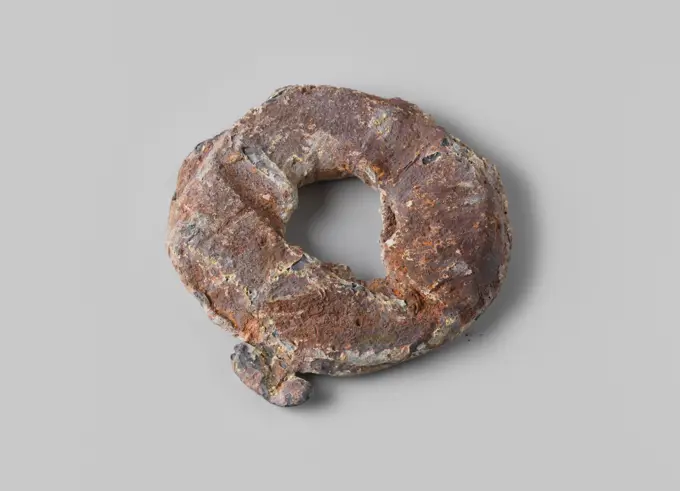
Various fragments of historical materials featuring eroded artifacts, indicative of ancient civilizations.

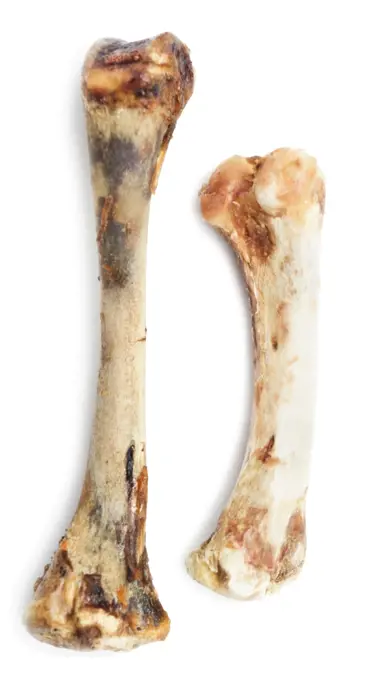
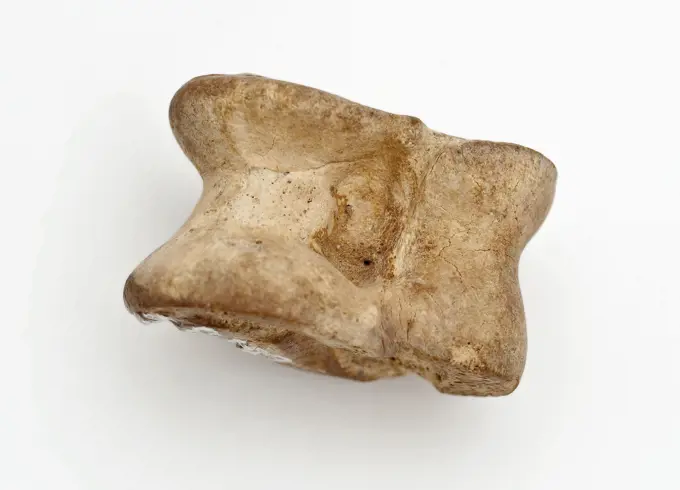
Hip bone of goat or sheep, part of the game of bibel, bickle game ground find leg, archeology Rotterdam Kralingen-Crooswijk Kralingen East Honey Dike game playing frogling Soil discovery: Honingerdijk 1982-05-23.
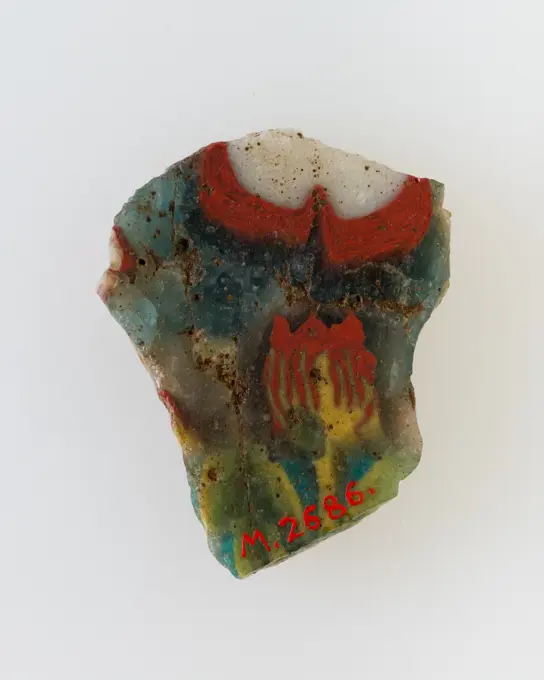
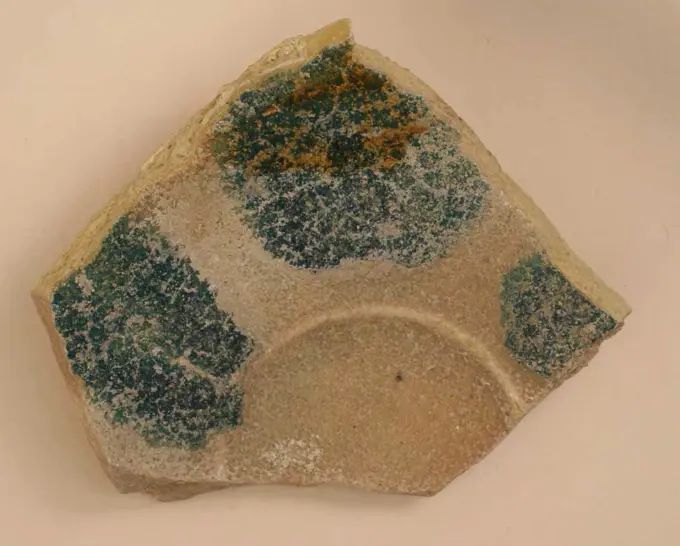
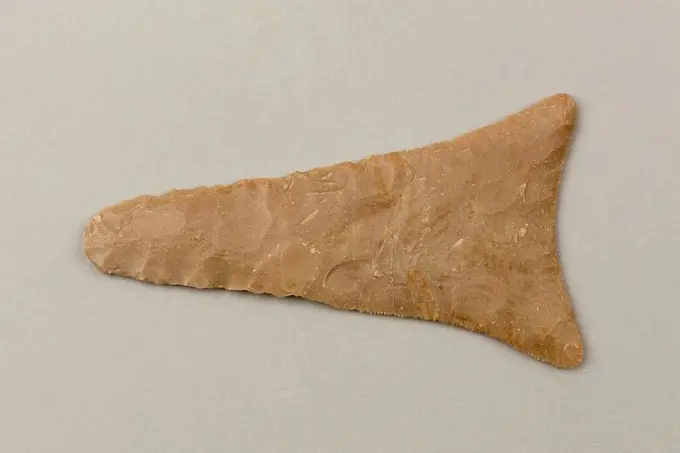
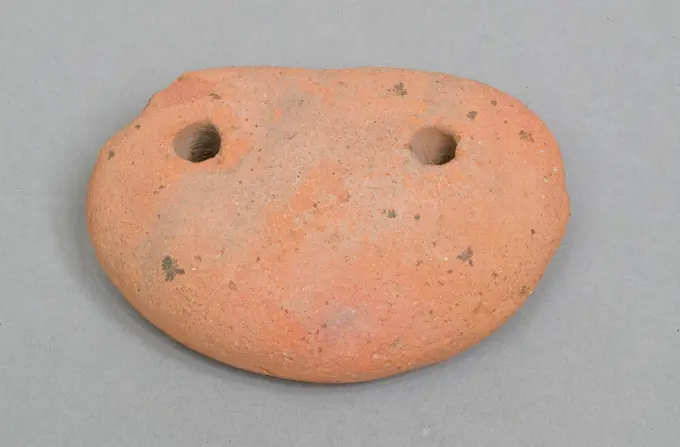
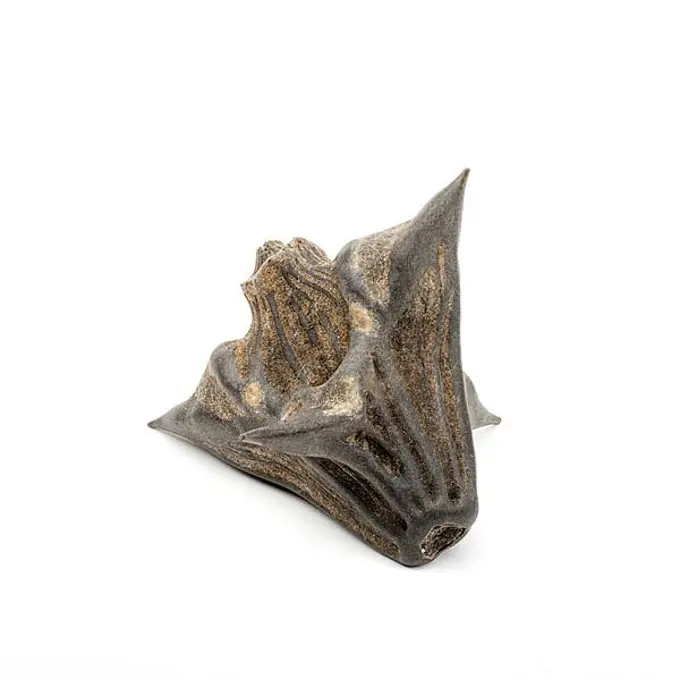
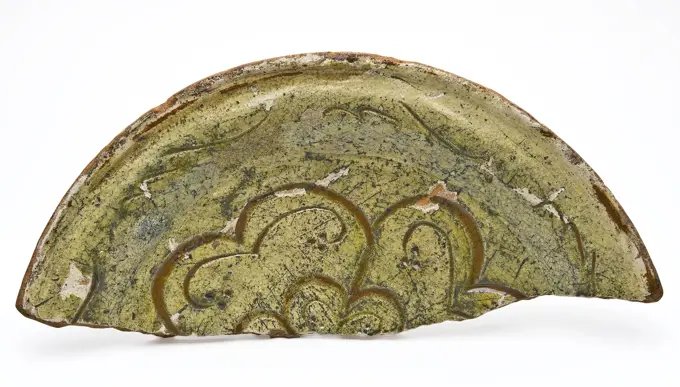
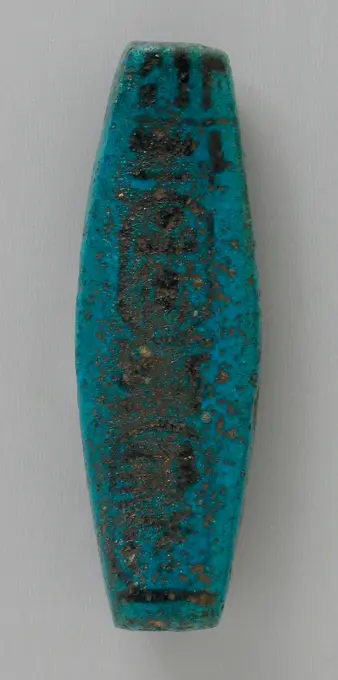
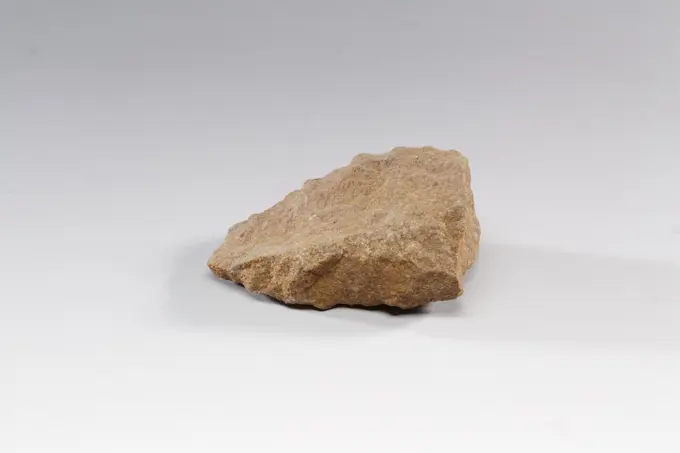
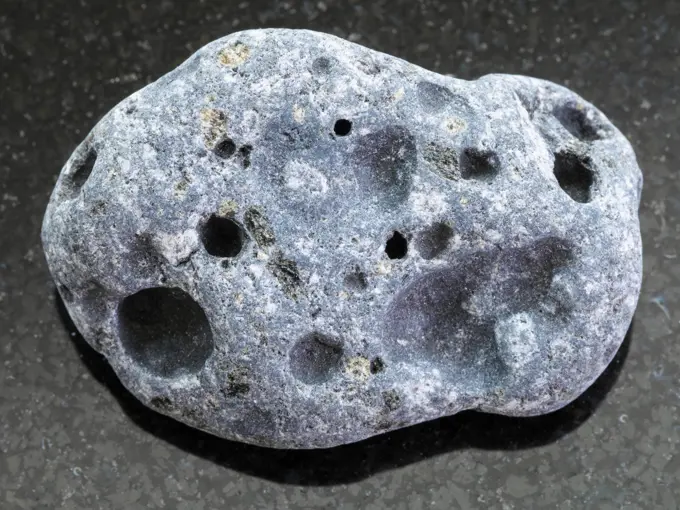
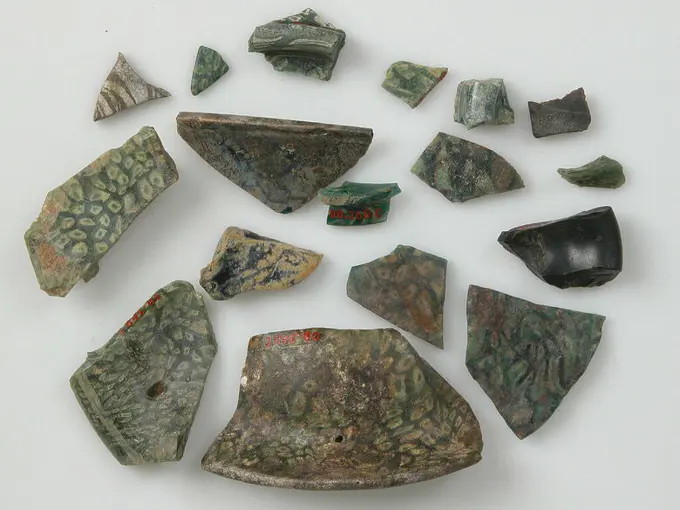
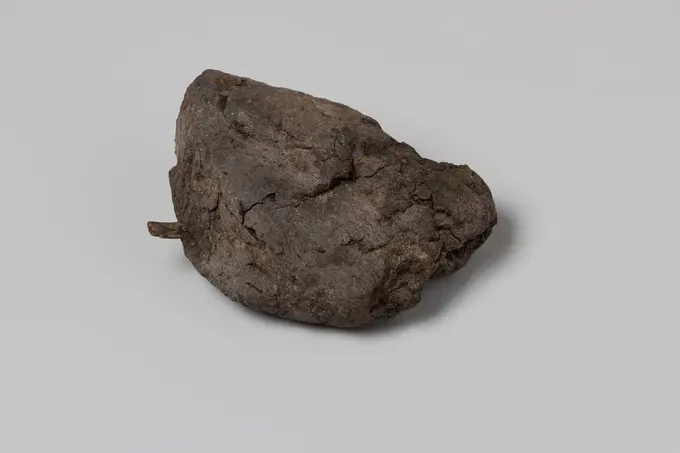
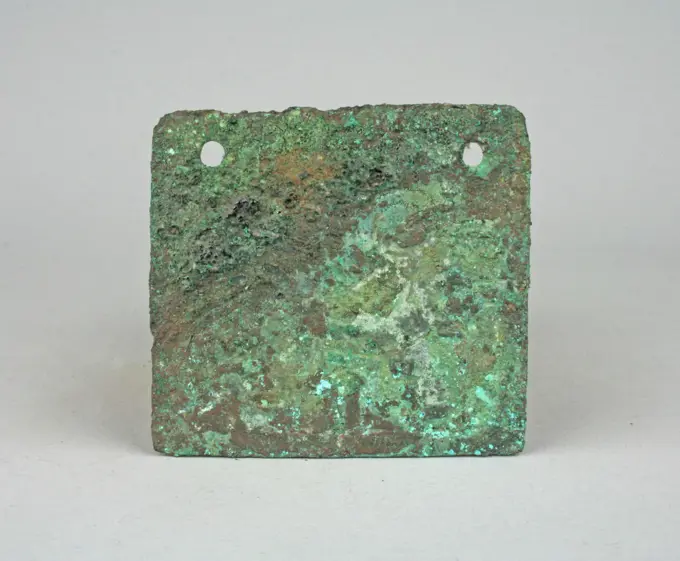
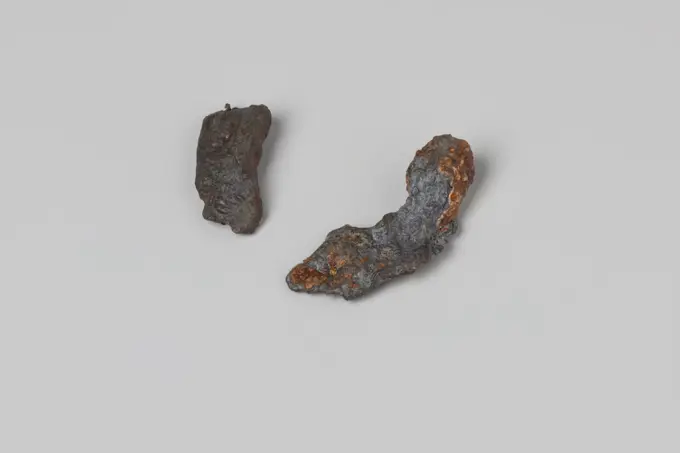
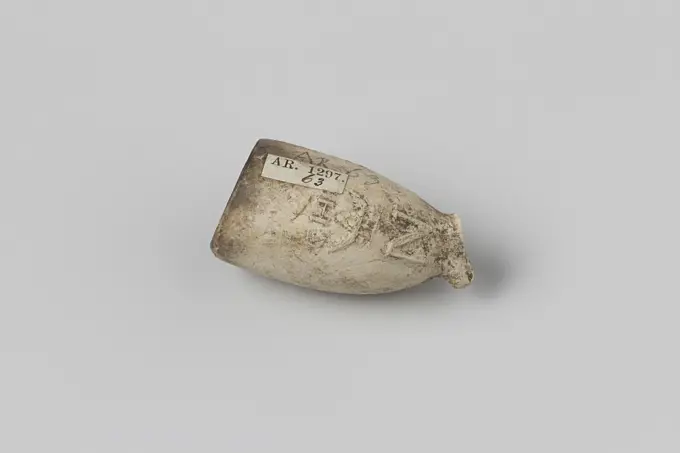
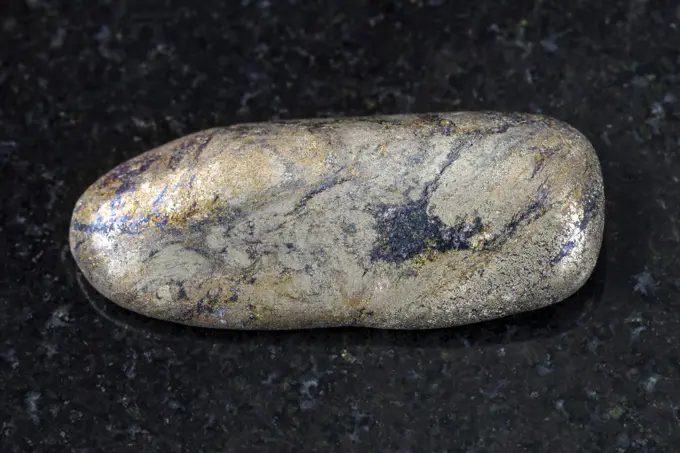
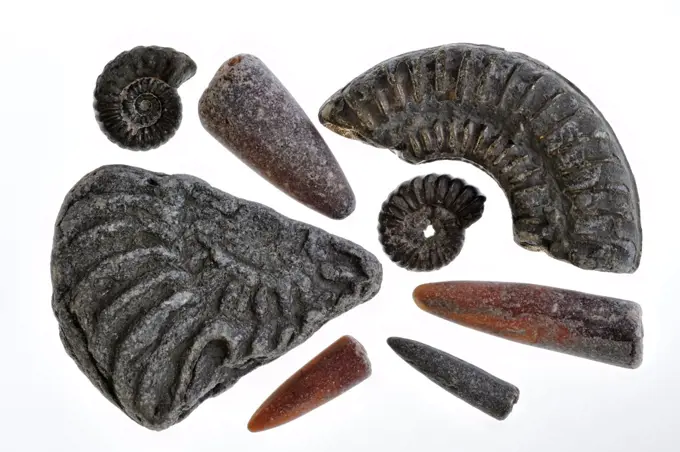
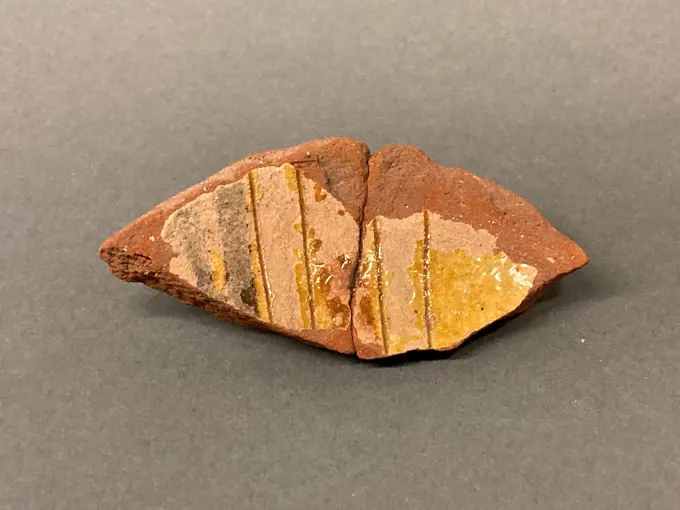
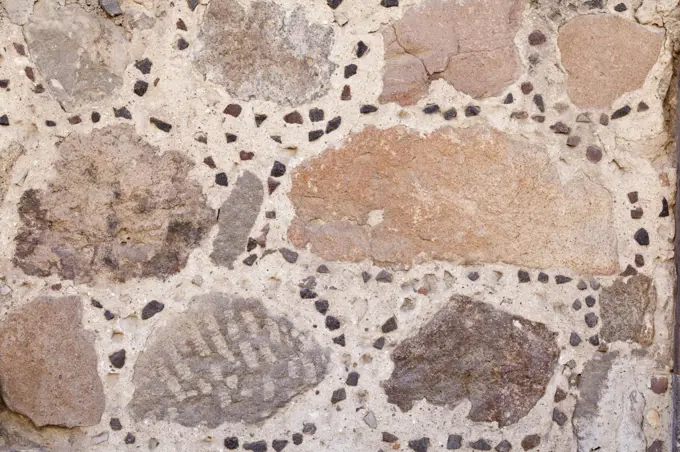
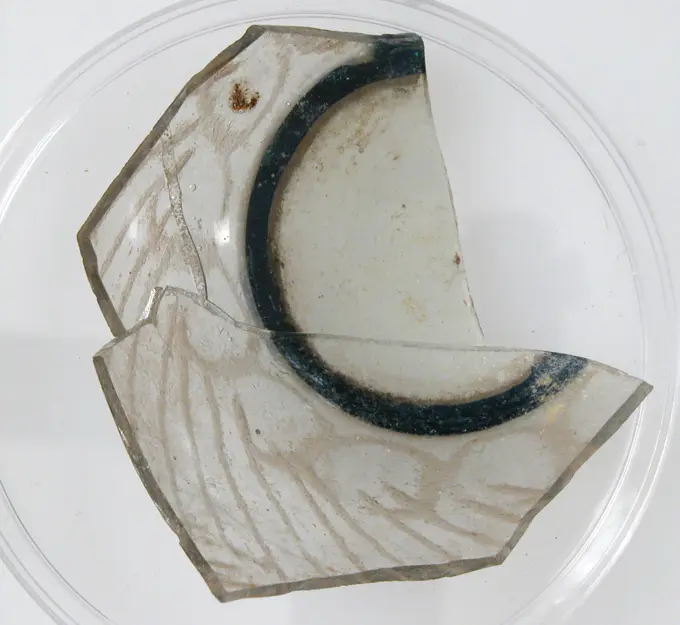
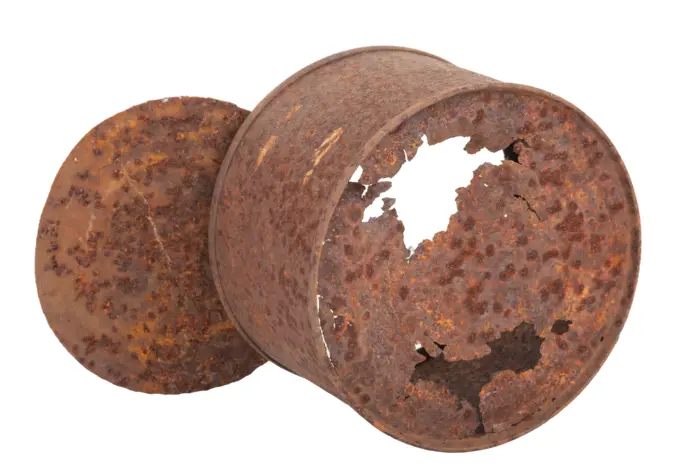
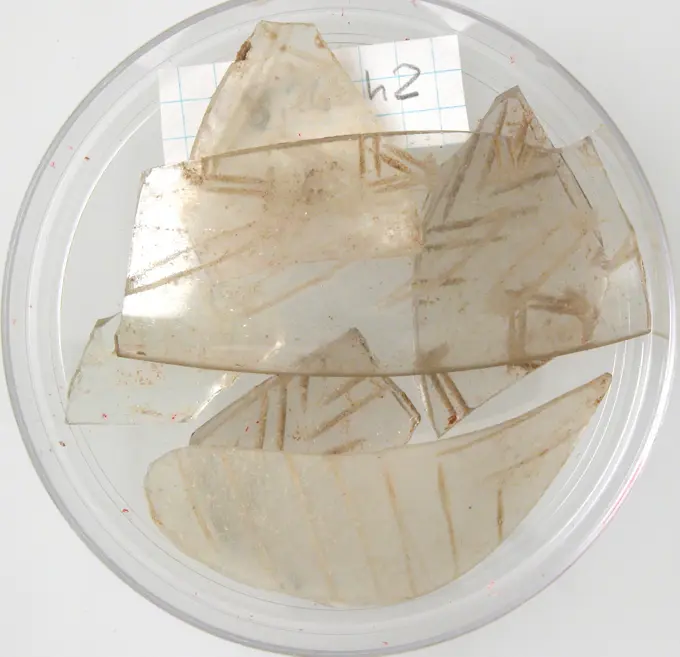
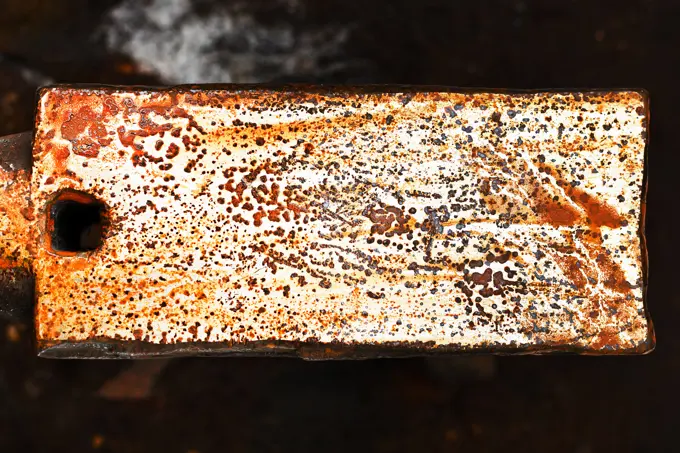
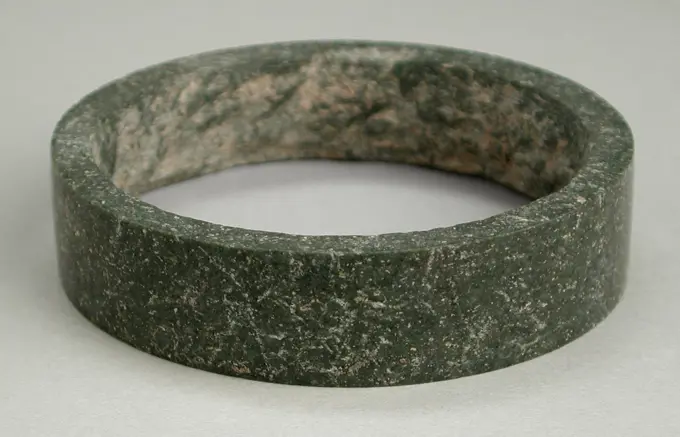
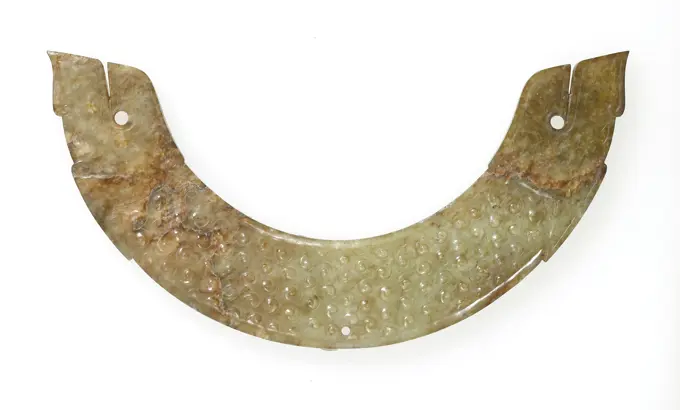
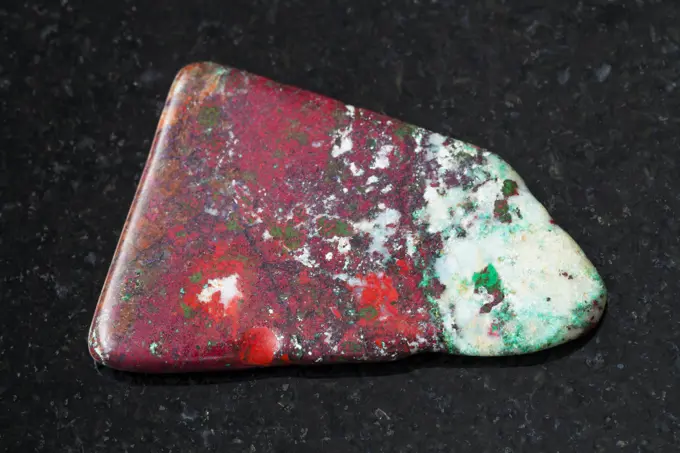
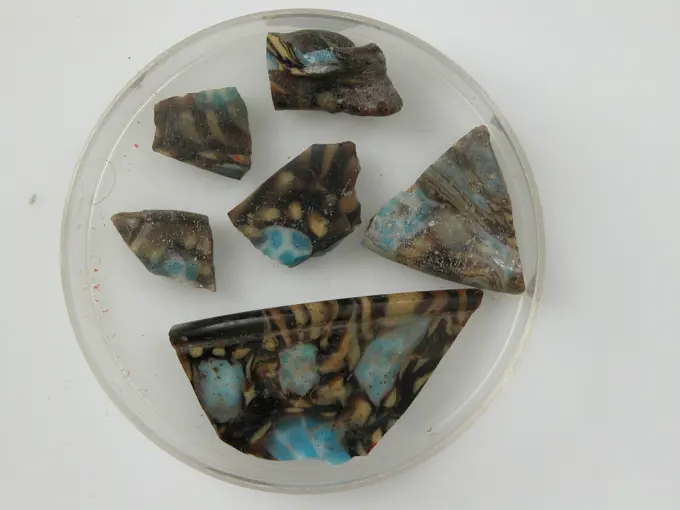
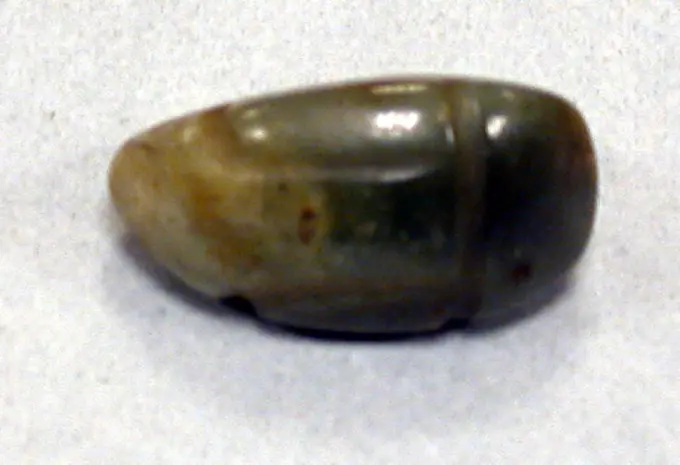
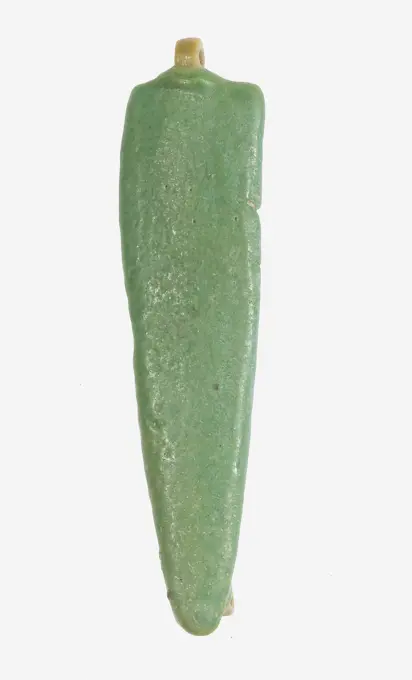
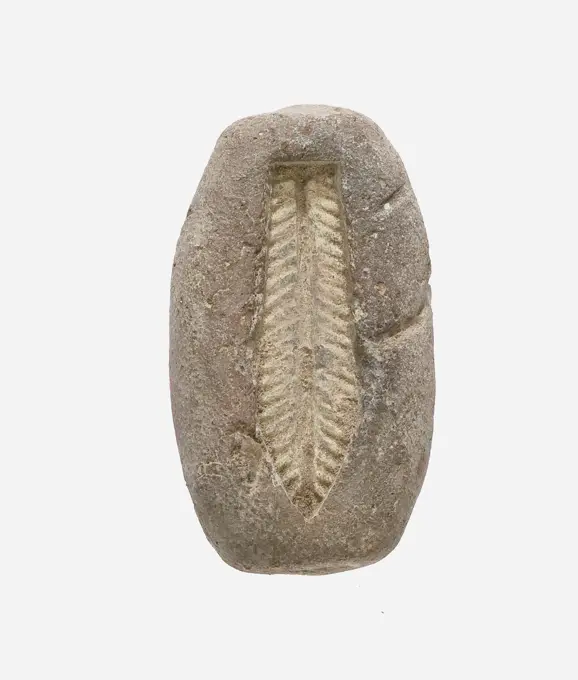
Raised relief fragment 664-610 B.C. Late Period, Saite see 23.3.468. Raised relief fragment 548104Floral plaque 100 BC-100 AD Ptolemaic Period-Roman Period This fragment was part of a glass floral plaque for wall or furniture inlay like 26.7.1249.. Floral plaque. 100 BC-100 AD. Glass. Ptolemaic Period-Roman Period. From EgyptBorder Made 1701-1725 France. Linen, needle lace .Fragment of a Bowl late 9th-10th century. Fragment of a Bowl 451504Vase fragment Greek, Lydian. Vase fragment 252765 Greek, Lydian, Vase fragment, Terracotta, Overall: 1 1/8 x 13/16in. (2.8 x 2cm). The Metropolitan Museum of Art, New York. Gift of The American Society for the Excavation of Sardis, 1926 (26.199.198)Fishtail knife. Date: ca. 3850-2960 B.C.. Museum: Metropolitan Museum of Art, New York, USA.Costume Ornament 11th-12th century Central coast (). Costume Ornament 308794Weighing down device (fish net sinker) ca. 1295-1070 B.C. New Kingdom, Ramesside. Weighing down device (fish net sinker). ca. 1295-1070 B.C.. Pottery. New Kingdom, Ramesside. From Egypt, Memphite Region, Lisht North, Cemetery, MMA excavations, 1913-14. Dynasty 19-20Water chestnut (trapa natans), isolated on a white backgroundDish on stand fins, incised rosette in the mirror, dish crockery holder soil find ceramic earthenware clay engobe glaze lead glaze, hand turned glazed sgraffito fried Fragment of dish with pinched stand vane. Red earthenware front with yellow sludge with incised decoration and glaze. Reverse unglazed archeology Rotterdam rail tunnel food decorate serve serve Soil discovery: rail tunnel Rotterdam.Fragment. Culture: European or Middle Eastern. Dimensions: L. 1 3/4 in. (4.5 cm). Date: ca. 1150-ca. 1250. Museum: Metropolitan Museum of Art, New York, USA.Molded Faience Amuletic Tube with Throne Name of the High Priest of Amen Menkheperre. Egypt, Third Intermediate Period, 21st Dynasty (1081 - 1000 BCE). Jewelry and Adornments; amulets. FaienceSword-Hilt Collar (Fuchi) late 18th-early 19th century Japanese A fuchi is a collar that is mounted at the base of the grip of a sword hilt, usually made as part of a set with a matching kashira (pommel cap).. Sword-Hilt Collar (Fuchi). Japanese. late 18th-early 19th century. Iron, gold. Sword Furniture-Fuchi-KashiraFragment ca. 1150-ca. 1250 European or Middle Eastern. Fragment 694233Pipes head. Fragment of tobacco pipe.Rubbing Stone () ca. 1479-1458 B.C. New Kingdom. Rubbing Stone (). ca. 1479-1458 B.C.. Gritstone. New Kingdom. From Egypt, Upper Egypt, Thebes, Deir el-Bahri, Tomb of Senenmut (TT 353), Foundation deposit 3-5a, MMA excavations, 1926-27. Dynasty 18Indian arrowhead from Georgia and North & South Carolina , Archaeological assemblages, Charles F. Walcott Archaleogical Collectiontumbled gray pumice stone on dark background macro shooting of natural mineral rock specimen - tumbled gray pumice stone on dark granite background from Sicily Copyright: xZoonar.com/ValeryxVoennyyx 11380346Glass Fragments. Culture: Coptic. Dimensions: Storage (petri dish diam.): 5 9/16 in. (14.1 cm). Date: 4th-early 5th century. Museum: Metropolitan Museum of Art, New York, USA.Fragment of sea bode peat from the wreck of the East Indied Flying Heart. Peat, a large, gray brok Zeebodemveen where a wooden stick goes through. There are fine cracks in the surface. It is organic material, namely Kleiïg Zeebodemveen.Bird Plaque Ornament 3rd century B.C.-A.D. 2nd century Vicús. Bird Plaque Ornament 315407Springtand with lower jaw of a wild boar, found in 1724 during work in the Hillegommerbeek, Anonymous, Before 1724 tooth (material) Lower jaw of a wild boar with upright curved tusk and a number of other teeth that are partly loose. Netherlands bone (material)   HillegomFragments Lead from the wreck of the East Indians Hollandia, 1700 - in Or Before 1743 fragment Parts of artefacts; eroded fragments: materials; lead. Netherlands lead (metal)   SecondFragment Leisteen from the wreck of the East Indiesman Hollandia. Parts or artifacts; eroded fragments: Materials; Slate.PIEDRA DE MOLINO CASERO DE CHIPUDE (GOMERA). Location: ARCHAEOLOGICAL MUSEUM. SANTA CRUZ DE TENERIFE. TENERIFFA. SPAIN.Peanuts with shell on linen canvas backgroundCylinder Seal. Iran, Mesopotamia or Syria, about 3300-2900 B.C.. Tools and Equipment; seals. Gray serpentineFoliate and lacy point in cut stone. Neolithic period. North Africa. 6,1 cm.Amulet - HorusFragment pipe head. Fragment pipe head with a crown and the letters G H E and N shown. Of the excavations at the Hofstede Arentsburg 1827-1831 under the supervision of professor Reuvens.Excerpt of a pipe head and pipes from the wreck of the East Indians' t Vliegend Hart ,, 1700 - 1735  Broken head with a part of the stem of an earthen Goudse pipe with tar -like discolouration. Five pieces of stealing. Fragments of Bowls and Stems. Gouda pipe clayFragment ca. 1150-ca. 1250 European or Middle Eastern. Fragment 695300Arrowhead in cut stone with peduncle and wings. Neolithic period. North Africa. 4 cm.pebble of Arsenopyrite stone on dark background macro shooting of natural mineral rock specimen - pebble of Arsenopyrite stone on dark granite background from Transbaikalia Zabaykalye, Russia Copyright: xZoonar.com/ValeryxVoennyyx 11392352Portrait of a Woman Unknown. Portrait of a Woman, n.d. Watercolor on ivory, Image: 1 13/16 x 1 1/2 in. (4.6 x 3.8 cm).   American Art n.d.Indian arrowhead from Georgia and North & South Carolina , Archaeological assemblages, Charles F. Walcott Archaleogical CollectionFragment of a Dish 11th-12th century. Fragment of a Dish 446440Cylinder Seal. Assyria, 9th-8th century B.C.. Tools and Equipment; seals. MarbleCrab Ornament 11th-12th century Peru; central coast (). Crab Ornament 308847Messenheft from the wreck of the East Indians Hollandia, Anonymous, 1700 - in Or Before 1743  Knife, handle deformed: unclassifiable; fragm, probably cylindrical, tapering. Netherlands wood (plant material)   SecondFossils of belemnites and ammonites shot on white background, found in Lyme Regis along the Jurassic Coast, Dorset, UK, November 2012Prehistory, Italy, Neolithic. Stone axes from Friuli-Venezia Giulia region.Lead rolling from the wreck of the East Indians' t Vliegend Hart ,, 1700 - 1735 lead Tubes rolled plates. One black-gray, three silver gray. Lead role, roll or lead. Middelburg lead (metal)Arrowhead. Culture: Japan. Dimensions: W. 7/8 in. (2.2 cm); L. 1 in. (2.5 cm). Museum: Metropolitan Museum of Art, New York, USA.Fragment of a Mosaic Glass Vessel. Unknown 1st century A.D.polished Olivenite stone on dark background macro shooting of natural mineral rock specimen - polished olivinite stone on dark granite background from Kovdor region, Kola Peninsula, Russia Copyright: xZoonar.com/ValeryxVoennyyx 11392094Fragment of red earthenware, partly glazed, fragment crockery holder kitchen utensils earthenware ceramics earthenware glaze lead glaze, hand-formed hand turned glazed fried Fragments of red pottery Frying pans jugs pots of grass and soil of small jug Spicy or only partly glazed with lead glaze archeology Rotterdam Stadscentrum Stadsdriehoek Hoogstraat indigenous pottery water washing cooking nutrition food preparation handicraft pottery Soil discovery Hoogstraat Rotterdam 15 June 1983.raw Bronzite Enstatite rock isolated on white closeup of sample of natural mineral from geological collection - raw Bronzite Enstatite rock isolated on white background Copyright: xZoonar.com/ValeryxVoennyyx 14989694Grahal-Manzara. Carnavalet 2013-2016 collection sites. Numismatics.polished green Heliotrope gem stone on dark macro shooting of natural mineral rock specimen - polished green Heliotrope bloodstone gem stone on dark granite background from India Copyright: xZoonar.com/ValeryxVoennyyx 11391809Glas shard and fragments Pijpensteel from the wreck of the East Indians' t Vliegend Hart, Anonymous, 1700 - 1735 drinking glass One glass shard and four fragments of a pipe stalk, one of which is enclosed by concretion.  pipe clay.Toothed shape. Arrowhead in chipped stone. Neolithic period. Found between 1970 and 1980 in the southern Sahara at El Golea Timimoun, eastern erg. Algeria. 5,3 cm.Devil's toenail or Gryphaea dilatata, Gryphea dilatata, species of Jurassic oyster, Gryphaeidae marine bivalve mollusc on white backgroundPiece of Rust Rusty piece of a metallic barrel. Copyright: xZoonar.com/J.xSandvikx 7574704Suzki viewing stones, Tamil Nadu, South India, India, AsiaAmerica. Knife blade or spearhead. Carved stone with soft slapper and pressure touch up. Paleo-Indian tradition. Museum of the Americas. Madrid, Spain.Fragment 14th-15th centuryFragment 8th-9th century. Fragment. 8th-9th century. Earthenware; glazed. Found/excavated Iraq, Ctesiphon. CeramicsMexico, Guanajuato, San Miguel de Allende, detail of stone wallBottom of a Vessel 4th-early 5th century Coptic. Bottom of a Vessel 479102Rusty canGold leaf frontlet (band for forehead) 7th-6th century B.C. Cypriot Palmette ornament.. Gold leaf frontlet (band for forehead). Cypriot. 7th-6th century B.C.. Gold. Archaic. Gold and SilverTile 14th century. Tile. 14th century. Earthenware; glazed. Attributed to Iran. Ceramics-TilesFragment pipe head. Fragment pipe head. Of the excavations at the Hofstede Arentsburg 1827-1831 under the supervision of professor Reuvens.Glass Fragments 4th-early 5th century Coptic. Glass Fragments 477087Brooch 18th century French. Brooch 102438Arrowhead Japan. Arrowhead 62420Plaque, thin gold leaf. Culture: Cypriot. Dimensions: Other: 1 15/16 x 3 1/8 x 3/16 in. (4.9 x 7.9 x 0.5 cm). Museum: Metropolitan Museum of Art, New York, USA.Glass amphoriskos (perfume bottle). Culture: Greek, Eastern Mediterranean. Dimensions: H.: 3 7/8 in. (9.8 cm). Date: late 6th-5th century B.C..Opaque white, with knob-base in same color; trail in translucent purple.Sloping shoulder; tall conical body tapering to rounded point; large circular base-knob with rounded edge and flat bottom.Thick unmarvered trail wound round in a spiral on shoulder, then tooled on body into zigzag pattern, extending to knob-base, with long vertical tooling indents in alternating upward and downward strokes, forming prominent rounded ribs around body.Broken and repaired, with rim-disk, neck, handles, and almost half of body missing; some pitting and iridescent weathering.This broken bottle shows how the interior of the vessel retained considerable traces of the core, made of sand, clay, and a binding agent, around which the molten glass was applied to form the vessel. Museum: Metropolitan Museum of Art, New York, USA.Fresh Turbot Scophthalmus Maximus Against White BackgroundTassel, Medium: linen Technique: braided and knotted, White linen tassel with braided stem connected to flattened sphere shape forming the base. Core is braided over with linen yarns worked in groups for a basket-weave effect. From the top of the braided stem hang a few knotted elements and more hang from the sides of the core., Italy, 17th century, trimmings, TasselFish Ornament. Culture: Peru; central coast (). Dimensions: L. 1 3/8 in. (3.5 cm). Date: 11th-12th century. Museum: Metropolitan Museum of Art, New York, USA.rusty surface of iron anvil rusty surface of iron anvil in outdoor blacksmith Copyright: xZoonar.com/ValeryxVoennyyx 5639249Pilgrims' badge. Symbol scallop-shell Way of St. James. Rune pins, wooden amulets (have magic inscriptions in Latin). Historical Museum. Oslo. Norway.Polygonal knotweed root (Radix Polygoni Multiflori), Zhi He Shou Wu, free-standing, objectStocking from the East India Dresser wreck. Fragment of a silk stocking: Teen. Rafety and clowned piece of textiles. The textile is fixed to concrete. There is also a piece of concrete.Fragment ca. 1150-ca. 1250 European or Middle Eastern. Fragment 695439Bracelet. Northeastern Thailand, Ban Chiang culture, 300 B.C.-A.D. 150. Jewelry and Adornments; bracelets. HardstoneStone Pulidor before 16th century Mexican. Stone Pulidor 317155Pins, ornaments. Bronze. Caucasus. Second half of the 1st millennium BC. Paris, Cernuschi museum. 35407-8 Spindle, bronze, ornamentFragment. Culture: European or Middle Eastern. Dimensions: L. 2 1/8 in. (5.4 cm). Date: ca. 1150-ca. 1250. Museum: Metropolitan Museum of Art, New York, USA.Cloak that the Hawaiian chiefs wore as a symbol of their high social status. Feather and vegetale fibre. Polynesia. Hawaiian Islands, United States. Last third of the 18th century. Museum of the Americas. Madrid, Spain.unpolished vivianite crystal isolated on white close up of sample of natural stone from geological collection - unpolished vivianite crystal isolated on white background from Brazil Copyright: xZoonar.com/ValeryxVoennyyx 21466798ABRIGO 82/17-3R: FIGURA 8 (GRUPO 3).Toothed shape. Arrowhead in chipped stone. Neolithic period. Found between 1970 and 1980 in the southern Sahara at El Golea Timimoun, eastern erg. Algeria. 3,9 cm.Pendant in the Form of a Aoomorphic Figure, 480-221 BCE, 5 7/8 x 1 1/8 x 3/16 in. (14.92 x 2.86 x 0.48 cm), Mottled brown-green jade, China, 5th-3rd century BCEtumbled red Cuprite and green Chrysocolla on dark macro shooting of natural mineral rock specimen - tumbled red Cuprite and green Chrysocolla gemstone on dark granite background from Milpillas mine, Mexico Copyright: xZoonar.com/ValeryxVoennyyx 11392066Table Covered with Natural Specimans by Jean Dubuffet, oil on canvas, 1901-1985Glass Fragments from a Vessel 4th-early 5th century Coptic. Glass Fragments from a Vessel 477125Stone Animal Pendant 9th-15th century Costa Rica. Stone Animal Pendant 315818Pendant: Lotus Sepal ca. 1390-1353 B.C. New Kingdom. Pendant: Lotus Sepal. ca. 1390-1353 B.C.. Faience. New Kingdom. From Egypt, Upper Egypt, Thebes, Malqata, Palace of Amenhotep III, MMA excavations, 1910-11. Dynasty 18Flange from the wreck of the East Indians Hollandia, Anonymous, 1700 - in Or Before 1743  Varied parts or fragments, tubes and tube-shaped fragments; eroded; circular, flat, broad rim, circular, central opening, one side stepped and irregularly grooved, T-shaped projection on outer rim. Flange. Netherlands lead (metal)   Secondpolished zoisite gemstone on dark background macro shooting of natural mineral rock specimen - polished zoisite gemstone on dark granite background Copyright: xZoonar.com/ValeryxVoennyyx 11392309Magnesite Or Chrysoprase Stone Against Black BackgroundAbstract gold acrylic and watercolor brush strokes.Tudor period pastry moulds for cooking, at Sulgrave Manor, England, ancestral home of George Washington. 2015Old crushed rusty tin can on dusty background                               . Old crushed rusty tin canchicken bones isolated on white backgroundStudio shot of gamboge, close-upMold for Leaf Bead ca. 1390-1353 B.C. New Kingdom. Mold for Leaf Bead. ca. 1390-1353 B.C.. Pottery. New Kingdom. From Egypt, Upper Egypt, Thebes, Malqata, S. magazines or Factories, MMA excavations, 1910-12. Dynasty 18