Archaeological Finds

Various fragments of historical materials featuring eroded artifacts, indicative of ancient civilizations.

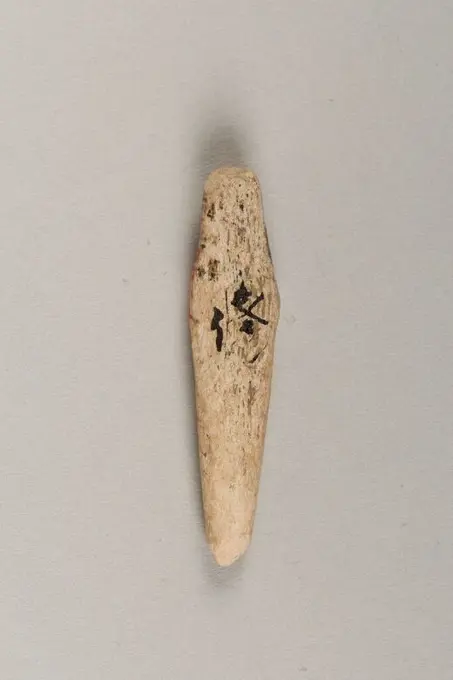
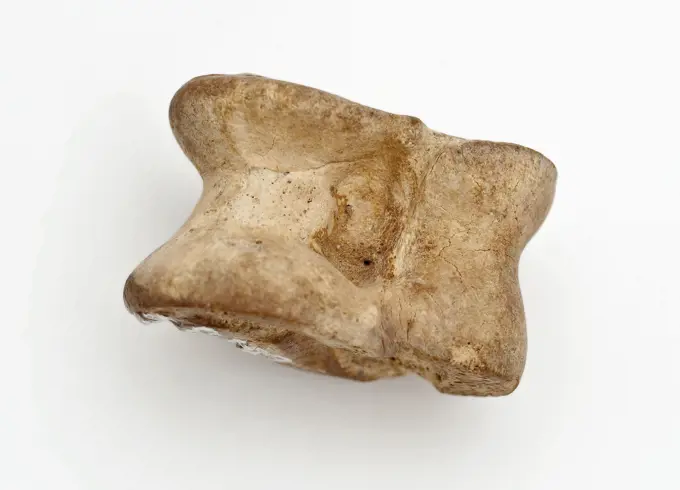
Hip bone of goat or sheep, part of the game of bibel, bickle game ground find leg, archeology Rotterdam Kralingen-Crooswijk Kralingen East Honey Dike game playing frogling Soil discovery: Honingerdijk 1982-05-23.
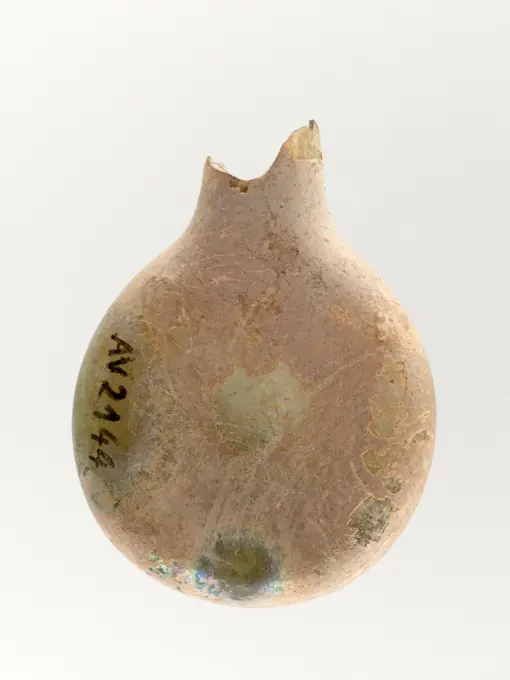
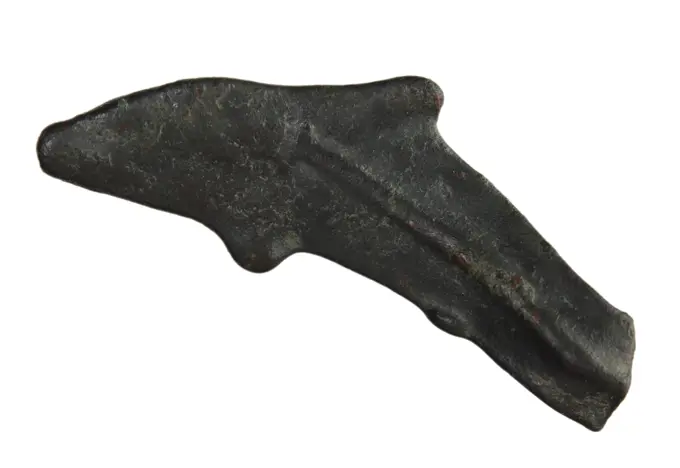
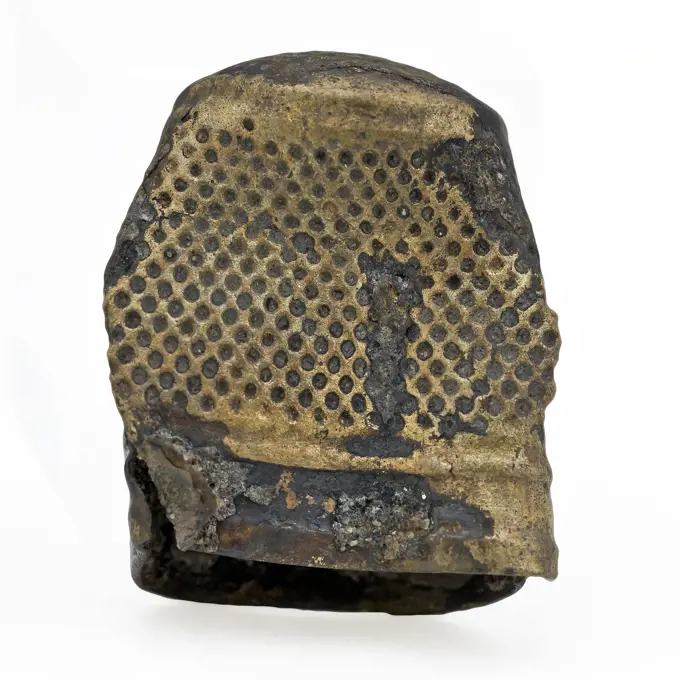
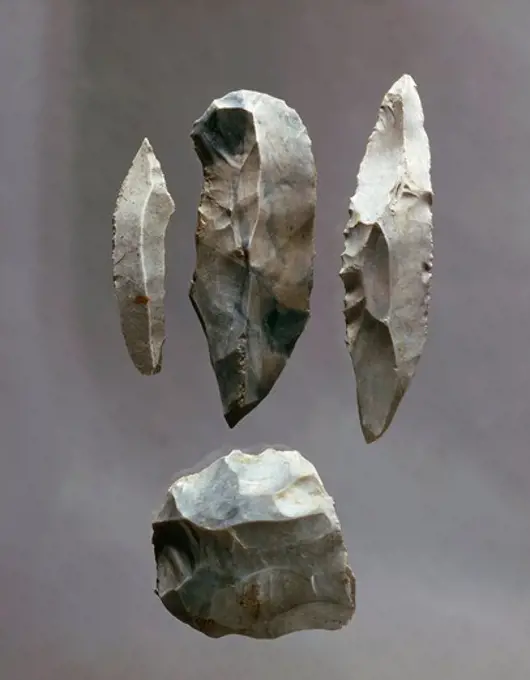
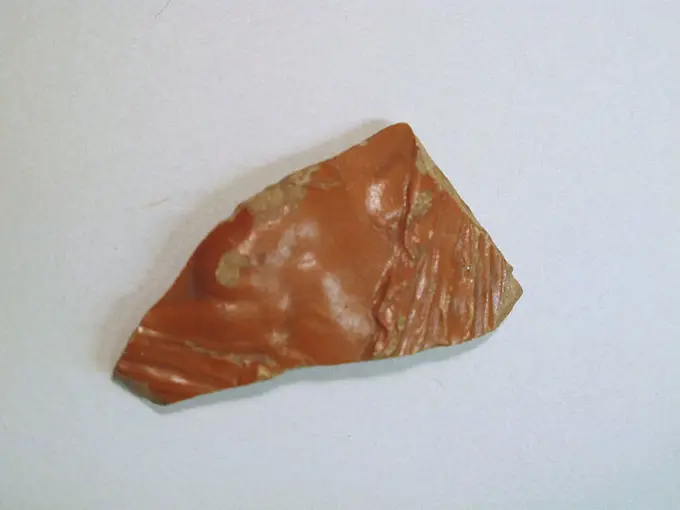
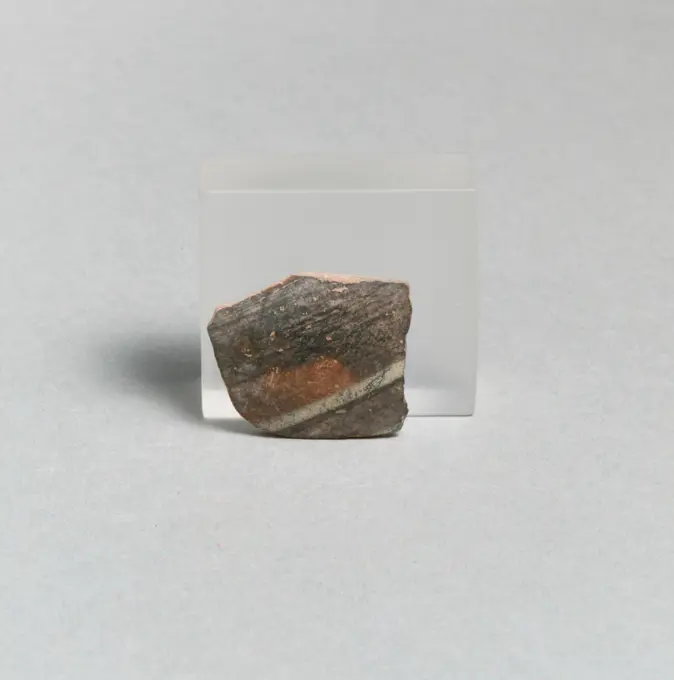
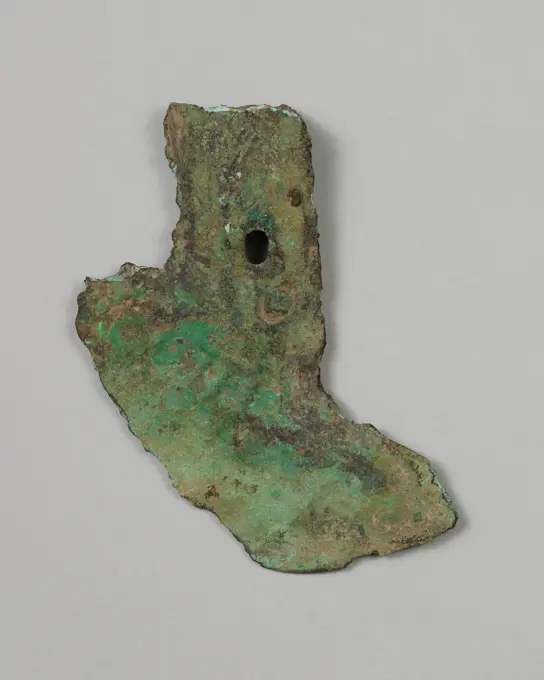
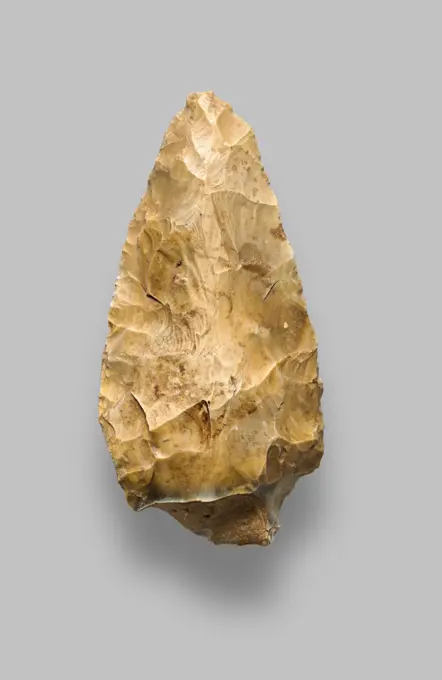
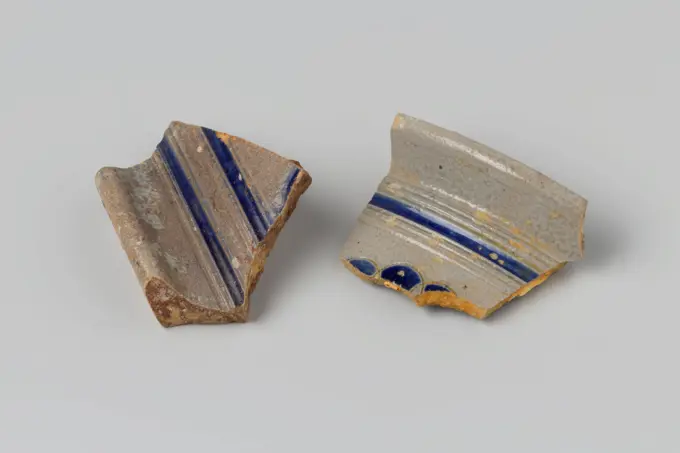
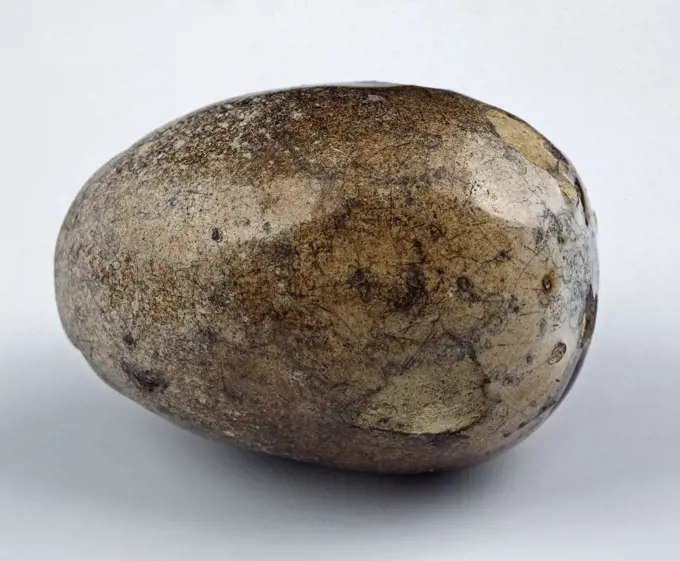
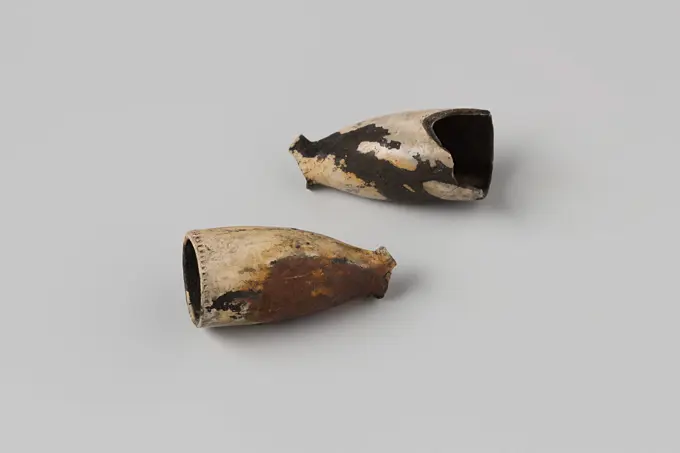
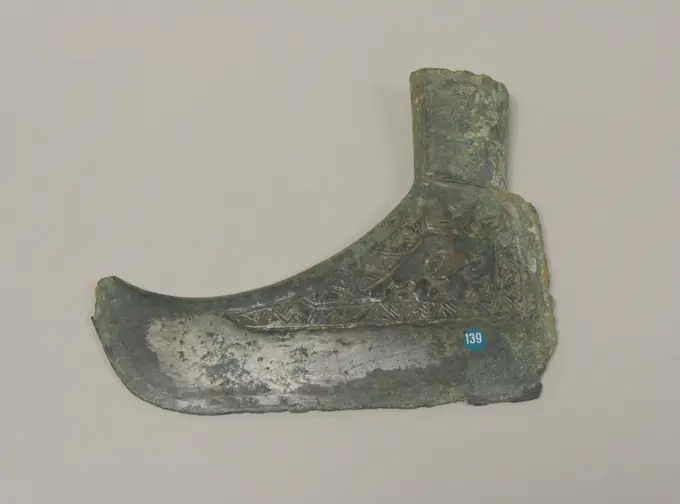
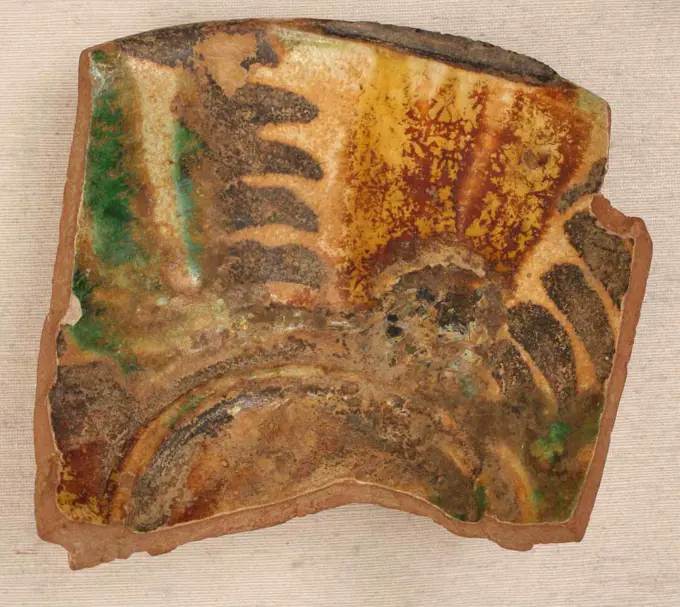
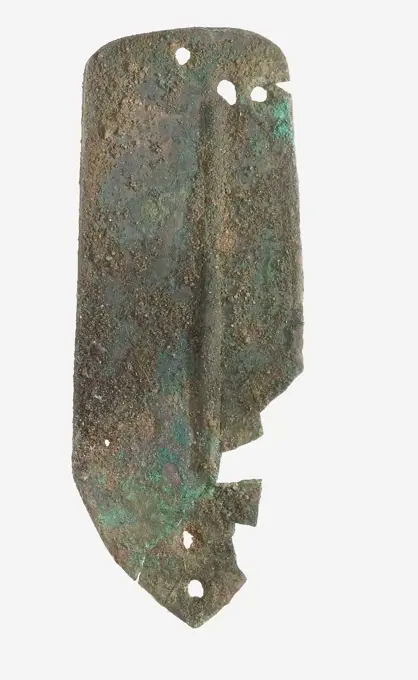
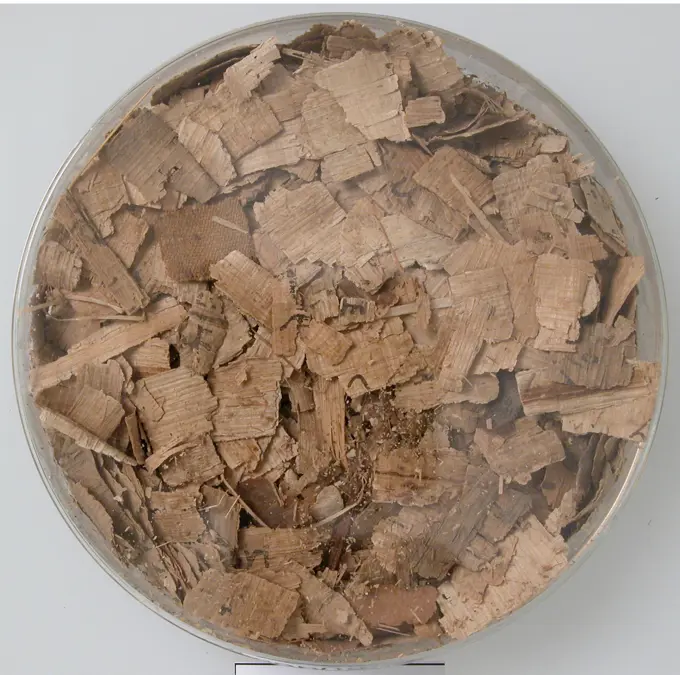
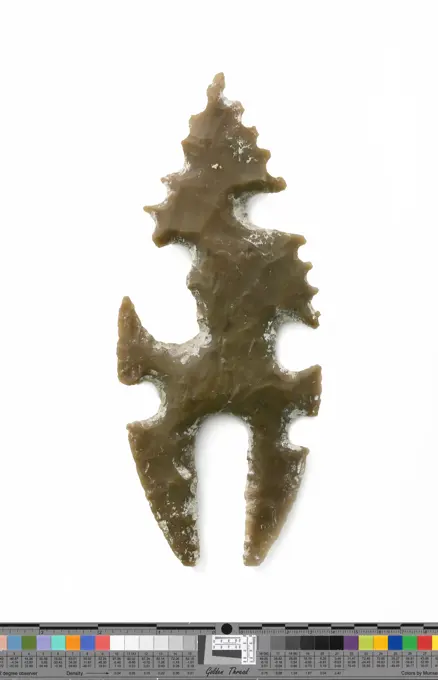
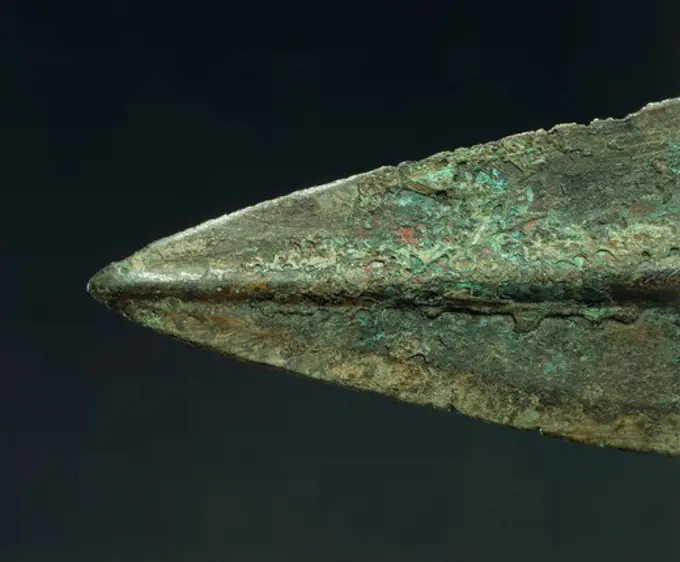
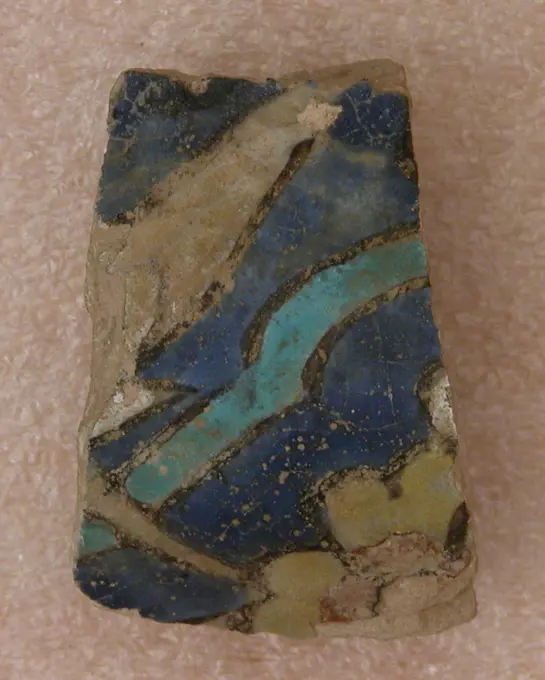
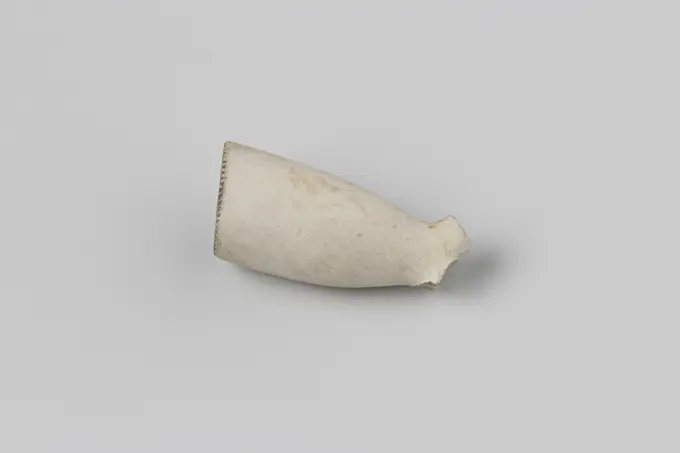
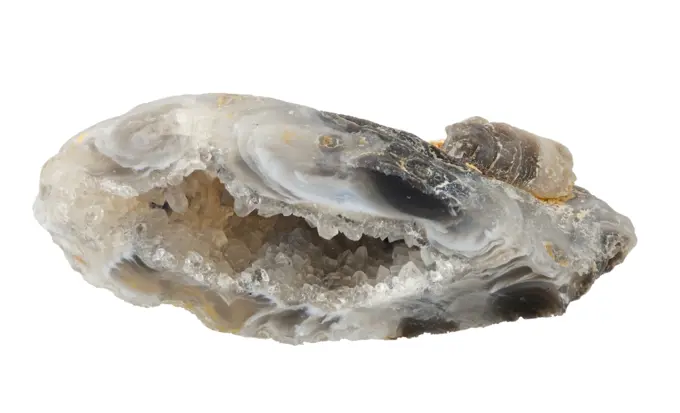
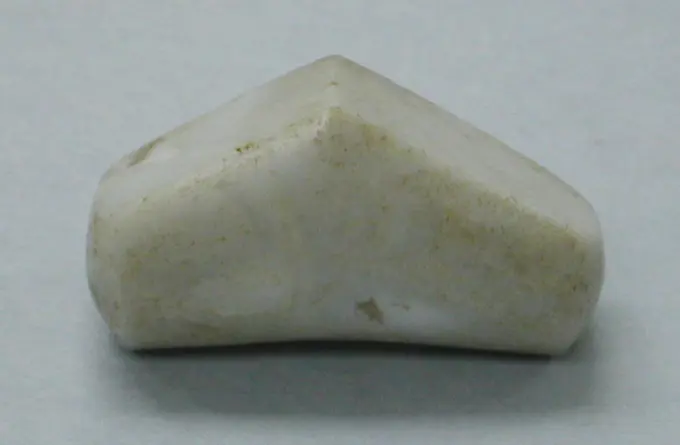
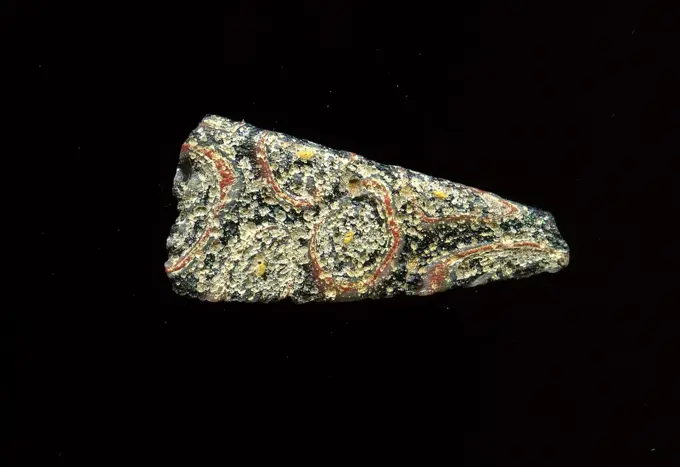
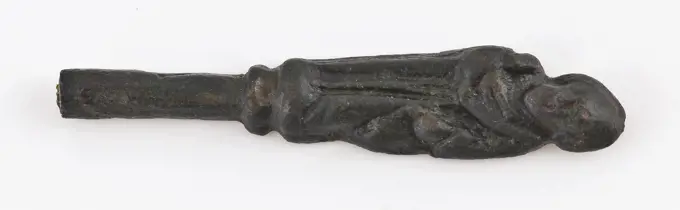
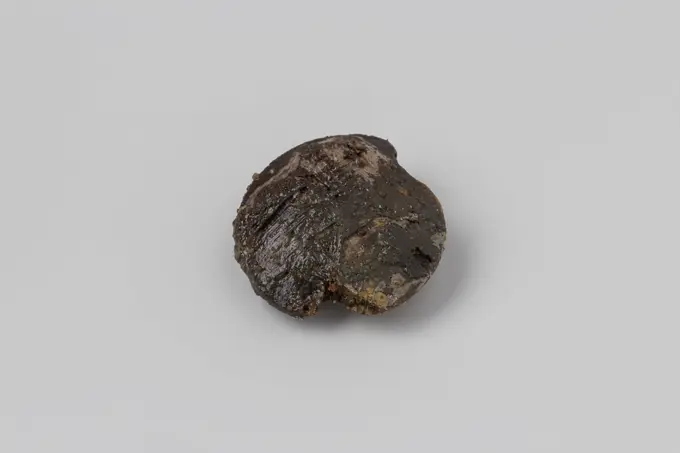
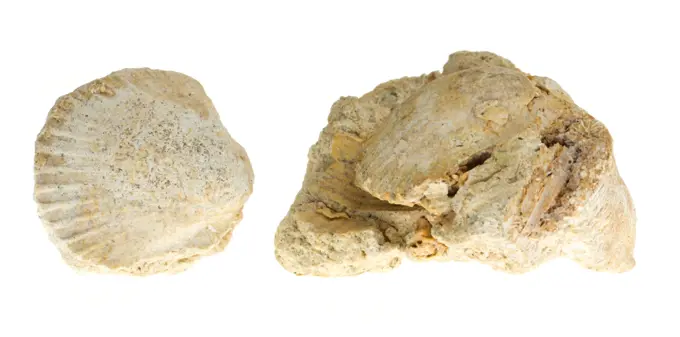
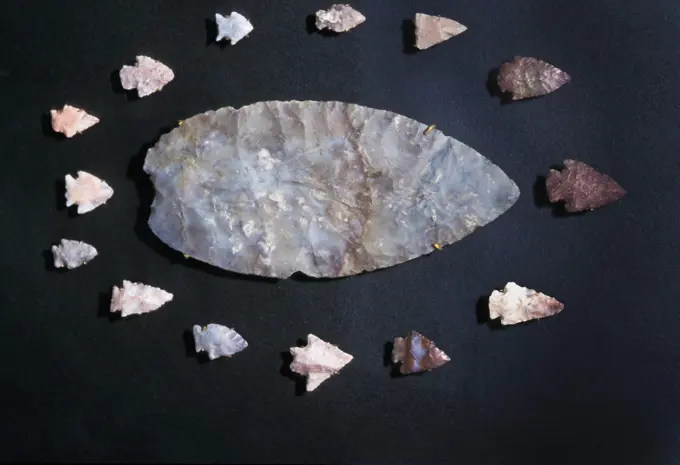
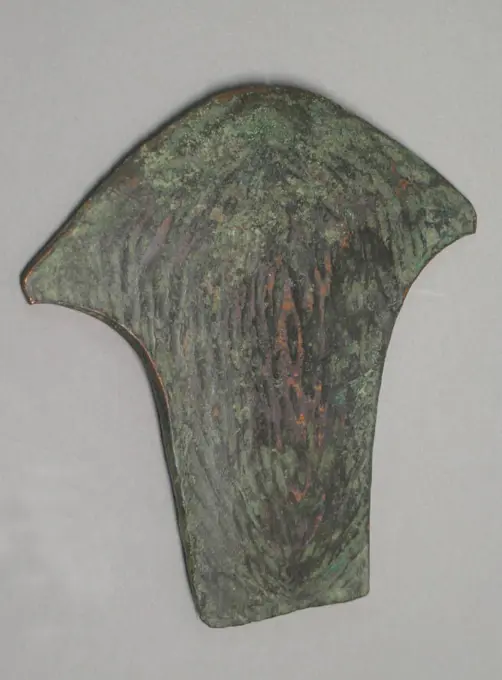
Fragment; (possibly) belonging to the retable of Soest, c. 1475 - c. 1499   wood (plant material)   wood (plant material)Drawing 664-610 B.C. Late Period, Saite see 23.3.468. Drawing 547976Bottle. Glass. 16th-18th century. Paris, Carnavalet museum. 51538-7 Bottle, distantrough Bronzite Enstatite rock on white marble closeup of sample of natural mineral from geological collection - rough Bronzite Enstatite rock on white marble background from Rai-Iz massif, Polar Urals, Russia Copyright: xZoonar.com/ValeryxVoennyyx 16070135Glass Fragment 13th century Crusader. Glass Fragment 729827Fragment blowjob from the wreck of the East Indieschief Hollandia. Pipe, bowl, healermark illegible; fragment.Greece, Sarmacja, Olmia, V The beginning of the 4th century BC, Dolphin money, AE MintCopper molded thimble with groove at the top, thimble sewing kit soil find copper metal, cast Copper molded thimble with round holes in lines on the top with groove changing into the shaft with wheel punch and with blank board with two grooves archeology Rotterdam rail tunnel seamstress tailor sewing textile processing clothing needle and thread repair Soil discovery: rail tunnel Rotterdam.Fragment of a silver bowl 7th century B.C. Cypriot The exceptionally fine decoration shows a winged figure of Assyrian type with a lion at his feet and another in his outstretched hand.. Fragment of a silver bowl 243828Fragment 13th century Crusader. Fragment 475342Amulet of a Bird with Outstretched Wings. Egypt, New Kingdom (circa 1569 - 1081 BCE). Jewelry and Adornments; amulets. FaienceGlass mosaic fragment late 1st century B.C.-early 1st century A.D. Roman Rim fragment, comprising three conjoining fragments Translucent honey yellow, opaque yellow and white.Vertical rim with beveled edge; convex curving side, tapering downward.Mosaic pattern formed from sections of a single cane in a yellow ground with a pattern of opaque yellow rods around a central white rod.Broken and repaired; polished exterior; pitting of surface bubble on exterior; dulling and pitting on interior, rim, and edges.Joined to 91.1.2044.. Glass mosaic fragment 257211Prehistoric. Metal Age. Bronze Age. Santa Maria de Besora flat ax. Ripolles, Catalonia. Episcopal Museum of Vic. Catalonia. Spain.Various flint tools from layer 9 at WillendorfFragment of a Bowl 14th century. Fragment of a Bowl. 14th century. Stonepaste; glazed. Attributed to Iran. CeramicsVase fragment. Culture: Roman. Dimensions: 1 7/16 × 1 11/16 × 1/4 in. (3.7 × 4.3 × 0.6 cm). Date: 1st century B.C.-1st century A.D.. Museum: Metropolitan Museum of Art, New York, USA.Ax 1500-500 B.C. India. Ax 50625Vase fragment East Greek/Sardis, Lydian. Vase fragment 252818Pediform ax (common name). Bronze. Cernuschi Museum, Asia Museum of Asia in the city of Paris.Greece, Macedonia, Cyprus, Salamin around 323 315 BC, bronze (AE) Interregnum, SalaminaLead Role from the wreck of the East Indies' t Vliegend Hart ,, 1700 - 1735 lead Tube rolled lead picture. Black-gray in color. Roll of Lead. Middelburg lead (metal)Stone knife. Neolithic period. North Africa. 16,3 cm.Vase fragment ca. 425-350 B.C. Greek, Laconian. Vase fragment 251780 Greek, Laconian, Vase fragment, ca. 425350 B.C., Terracotta, 1 11/16  2 3/16  3/16 in. (4.2  5.5  0.5 cm). The Metropolitan Museum of Art, New York. Gift of A. J. B. Wace, 1924 (24.195.214)Bird Plaque Ornament. Culture: Vicús. Dimensions: H. 2 x W. 2 in. (5 x 5 cm). Date: 3rd century B.C.-A.D. 2nd century. Museum: Metropolitan Museum of Art, New York, USA.Rhyolite, volcanic rock, from Pontine Islands, Lazio, Italy.Fragment of Bowl 14th century. Fragment of Bowl. 14th century. Stonepaste; underglaze painted under turquoise glaze. Attributed to Syria. CeramicsBiface ca. 400,000-150,000 B.C. Acheulean This is one of the very few Paleolithic bifaces discovered in Great Britain whose exceptional sizes and condition suggest that they were not intended as tools, but created and prized for their monumental and aesthetic qualities. The large flaked removals are characteristic of the Acheulean lithic industry, which represent the first standardized tradition of toolmaking of Homo erectus and early Homo sapiens.. Biface. Acheulean. ca. 400,000-150,000 B.C.. Flint. ToolsFloor platePlate and Nail 15th-16th century European. Plate and Nail. European. 15th-16th century. Iron. Metalwork-IronGlass Fragment 14th century French. Glass Fragment. French. 14th century. Colorless glass. Made in Reims, France. Glass-StainedFragment of a Red Slipped Ware 9th century. Fragment of a Red Slipped Ware 447669Arrowheads, needles, hooks and harpoons. Culture: Japan. Dimensions: W. 1/4 in. (.6 cm); L. 1 in. (2.5 cm). Museum: Metropolitan Museum of Art, New York, USA.Knee with garment (), pleating ca. 1353-1336 B.C. New Kingdom, Amarna Period. Knee with garment (), pleating 549789Rand fragments of pots from the wreck of the East Indians Hollandia, Anonymous, 1700 - in or Before 1743 pot Stoneware, Rhenish, Westerwald, pot; fragm of rims, sim. NG 1980-27H2624r. Westerwald stoneware   SecondEarthenware glaze test in the form of an egg, white glazed, test piece egg soil finds ceramic earthenware glaze tin glaze, hand turned glazed baked Earthenware glaze test in the form of an egg. White glazed discolored by staying in the soil. On the underside four points of prunes Glaze tests are usually convex and round from above. Not only the color of the glaze was tested, but also the degree of liquefaction and adhesion of the enamel archeology Rotterdam Heliport terrain indigenous pottery test pottery mixing craft Soil discovery: Heliport site Rotterdam June 1978.Blowjob from the wreck of the East India Hollandia.Pipe, Bowl, Whole Market: Crowned 82; Fragm, no HSM.Concretie with fragment wooden handle from the wreck of the East Indiesman Hollandia. Parts or artifacts; eroded fragments: Materials; Lump, containing Fragm or Wooden Knife Handle.Gray stone isolated on the white backgroundrough crystal of topaz gemstone on white macro shooting of natural mineral rock specimen - rough crystal of topaz gemstone on white marble background from Brazil Copyright: xZoonar.com/ValeryxVoennyyx 11950237Mosaic;  ancient period (0-00-00-0-00-00);Daszewski, Wiktor A. (1936-), Daszewski, Wiktor A. (1936-)-collection, gift (provenance)Bird Plaque Ornament 3rd century B.C.-A.D. 2nd century Vicús. Bird Plaque Ornament 315394Boat-Shaped Hafted Ax 500 B.C.-A.D. 300 Vietnam (North, Dong Song Culture). Boat-Shaped Hafted Ax. Vietnam (North, Dong Song Culture). 500 B.C.-A.D. 300. Bronze. Bronze and Iron Age period. MetalworkFragment 8th-9th century. Fragment 448816Fragment ca. 1150-ca. 1250 European or Middle Eastern. Fragment 695436Oracle bone fragment China. Oracle bone fragment. China. Inscribed bone. Shang dynasty (ca. 1600-1046 B.C.). BoneScale from Armor ca. 1390-1353 B.C. New Kingdom Although bronze and iron scales have been found in Egypt, body armoraforeign importwas probably not commonly worn there. Two sets of armorappear in a presentation scene in the tomb of Kenamun at Thebes, and a cuirassof leather scales was found in the tomb of Tutankhamun. The ten scales (11.215.452a-j) were excavated from the palace of Amenhotep III, but their position, embedded in an enclosure wall, does not allow us to speculate as to who might have worn them. The scales would have been sewn to a linen or leather backing. Although they vary, they still might have constituted the same armor.. Scale from Armor. ca. 1390-1353 B.C.. Bronze. New Kingdom. From Egypt, Upper Egypt, Thebes, Malqata, Palace of Amenhotep III, MMA excavations, 1910-11. Dynasty 18Papyri Fragments 7th century Coptic. Papyri Fragments 479236Anthropomorphic Eccentric Flint. Belize, Guatemala, Honduras, or Mexico, Maya, 600-900 CE. Stone. ChertPrehistory, Italy, Bronze Age. Terramare culture. Spear head. From Emilia Romagna Region.Stone votive breast 4th-3rd century B.C. Cypriot On a small plinth painted red is a large, rounded breast, the nipple of which is discreetly indicated.. Stone votive breast. Cypriot. 4th-3rd century B.C.. Limestone. Late Classical-Hellenistic. Miscellaneous-StoneFragment from the wreck of the East Indies Hollandia, Anonymous, 1700 - in or Before 1743 fragment Varied parts or fragments, sheet metal fragments: worked, with rivets; fragm, eroded, with 3 rivets. Netherlands copper (metal)   SecondForm of a metal into concretion from the wreck of the East Indied Flying Heart. The concretion has the shape of a small gutter. It is probably ever against metal adjacent (see dimensions). Concretion.Tile Fragment 1334-1434. Tile Fragment. 1334-1434. Stonepaste; polychrome painted under transparent glaze. From present-day Uzbekistan, Samarqand. Ceramics-TilesBuckle Shank ca. 500 Merovingian. Buckle Shank. Merovingian. ca. 500. Bronze. Miscellaneous-Buckles & Ornamentunpolished Danburite rock isolated on white closeup of sample of natural mineral from geological collection - unpolished Danburite rock isolated on white background Copyright: xZoonar.com/ValeryxVoennyyx 14986659Fragment 9th century. Fragment 451523Right Leg Guard 16th century Turkish. Right Leg Guard 31946Fragment pipe head. Fragment pipe head. Of the excavations at the Hofstede Arentsburg 1827-1831 under the supervision of professor Reuvens.Fragment faience dish, blue on white, decoration in concentric circles, plate dish tableware holder earth discovery ceramics pottery glaze, Cooked archeology Rotterdam City triangle Haagseveer Target Targets for indigenous pottery serve serve food Soil discovery: Targets 1956 Rotterdam.Tectus dentatus oder gezackte Oberschale auf Treibholz Unique Tectus dentatus shell with rugged, pyramid-like structure, resting on textured driftwood, set against a dark black background Copyright: xZoonar.com/SerhiixZarevx 22741472Yuanle Columnar Bead, 475-221 BCE, 2 15/16 x 7/8 x 1/4 in. (7.46 x 2.22 x 0.64 cm), Mottled marble-yellow jade, China, 5th-3rd century BCEFish Ornament. Culture: Peru; central coast (). Dimensions: L. 1 7/8 in. (4.8 cm). Date: 11th-12th century. Museum: Metropolitan Museum of Art, New York, USA.Model chisel ca. 2650 B.C. Early Dynastic Period. Model chisel 547432Cast pendant bead. UnknownBowl or nap from v.o.c.-ship the 'white lion'. Wooden container or nap with stand ring from v.O.c.-ship the 'white lion'.Vug of chalcedony, isolated on a white backgroundCostume Ornament 11th-12th century Central coast (). Costume Ornament 308774Stone Pulidor before 16th century Mexican. Stone Pulidor. Mexican. before 16th century. Stone. Mexico, Mesoamerica. Stone-ImplementsFragment of a vessel. A low curvature of the glass fragment allows the assignment to a vessel, possibly a shell. The surface of the violet shard is strongly corroded. Several blossoms are recognizable in millefiori technology with a yellow center and a red circle. For the production, different colored glasses were molded into tubes and rods. These were compressed and heated, causing a long bar. The glass sliced now had different amorphous or floral patterns. Thereafter, several of these platelets were folded together, heated again and pressed into the vascular shape. Burry for the elaborate manufacturing process and its fragility was one of the luxury articles of antiquity.Fragments Cluster sprayer from the wreck of the East Indians Hollandia, Anonymous, 1700 - in or before 1743  Tools and instruments, medical, enema syringe; fragm of needles, corroded: threaded ends id. NG 1980-27H1632/1799: fragm id. NG 1980-27H1632: fragm of tapering tube id. NG 1980-27H1456. Netherlands tin (metal)   SecondFragment of copper apostle play, stalk with apostle, spoon cutlery fragment soil find copper brass metal, cast-beaten Fragment of copper apostle spoon Tip of the stem with apostle. In the left hand long staff with button Strong folded fanned. Standing on sphere archeology Rotterdam City Triangle Botersloot Binnenrotte food serving serving baptism baptism child birth Soil discovery Rotterdam collapses Binnenrotte behind the Botersloot.Button from the wreck of the East Indied Flying Heart. Button from wood.Bird Plaque Ornament 3rd century B.C.-A.D. 2nd century Vicús. Bird Plaque Ornament 315402Saddle button from the Wrak of the East Indians Meresteijn, Anonymous, 1693 - 1702  Rating button of a sword, hollow oval ball of iron with holes on the side where the sting and the fist bracket were attached. Very rusted. Hilt, Pommel. Netherlands iron (metal)   Cape of Good HopeScherf of a wine bottle from the wreck of the East Indians Hollandia, Anonymous, 1700 - in Or Before 1743  Typologically not identifiable, shoulder, fragm. Netherlands .   SecondGreen jasper adze. Neolithic period. Mali. 16,2cm.Fragment. Culture: European or Middle Eastern. Dimensions: L. 2 1/8 in. (5.4 cm). Date: ca. 1150-ca. 1250. Museum: Metropolitan Museum of Art, New York, USA.Stone polished axe. North Africa, Neolithic. 14,8 cm.Anthropomorphic Eccentric Flint. Belize, Guatemala, Honduras or Mexico, Maya, 600-900 CE. Stone. ChertIncenseTwo old fossils on a white backgroundMoldy applesFragment. Culture: European or Middle Eastern. Dimensions: L. 2 in. (5.1 cm). Date: ca. 1150-ca. 1250. Museum: Metropolitan Museum of Art, New York, USA.Point in the shape of a laurel leaf in cut stone. Neolithic period. North Africa. 5 cm.Miniature Copper Single Spout Bottle before 16th century () Peruvian. Miniature Copper Single Spout Bottle. Peruvian. before 16th century (). Copper (cast). Peru. Metal-OrnamentsPoint in chipped stone. Neolithic period. North Africa. 4,6 cm.Arrowhead in cut stone with peduncle and wings. Neolithic period. North Africa. 2,9 cm.Fragment. Culture: European or Middle Eastern. Dimensions: L. 1 7/8 in. (4.8 cm). Date: ca. 1150-ca. 1250. Museum: Metropolitan Museum of Art, New York, USA.etikettenartiges Keramikschild beschreibbares etikettenartiges Keramikschild Copyright: xZoonar.com/angetax 4690198Dish;  around 2055 1650 BC ; Medium Pa (-2055-00-00--1650-00-00);Fragment. Culture: European or Middle Eastern. Dimensions: L. 1 1/2 in. (3.8 cm). Date: ca. 1150-ca. 1250. Museum: Metropolitan Museum of Art, New York, USA.Fragment ca. 1150-ca. 1250 European or Middle Eastern. Fragment 696562rough gray Dolomite stone on dark background macro shooting of natural mineral rock specimen - rough gray Dolomite stone on dark granite background Copyright: xZoonar.com/ValeryxVoennyyx 11392121Unfinished Bead ca. 1504-1447 B.C. New Kingdom This unfinished bead was found near the remains of a small basket inside the coffin of a man named Amenemhat. The basket had been placed near the head of Amenemhat's mummy and seems to have contained more some 400 mostly uninscribed scarabs and a variety of other beads.. Unfinished Bead. ca. 1504-1447 B.C.. Faience. New Kingdom. From Egypt, Upper Egypt, Thebes, Asasif, Tomb of Neferkhawet (MMA 729), east chamber, Burial of Amenemhat (V), inside coffin, basket, MMA excavations. Dynasty 18, earlyAnimal Ornament 6th-7th century Moche (Loma Negra). Animal Ornament 315138Wonderful specimen of a large spear point along with an assortment of small projectile points knapped from stone by the Shawnee Indians.Fragment of Dish 15th century. Fragment of Dish 446507Ax 1500-500 B.C. India. Ax. India. 1500-500 B.C.. Copper. MetalworkOld rusty metal flask on the white backgroundShards of wine bottles from the wreck of the East Indians' t Vliegend Hart ,, 1700 - 1735  Shards of onion -shaped wine bottles of green glass that has been in red (port) wine. Netherlands .