Archaeological Fragmentary Art

Various ancient artifacts, including head and figure fragments, pewter discs, and lead plates, highlighting historical craftsmanship.

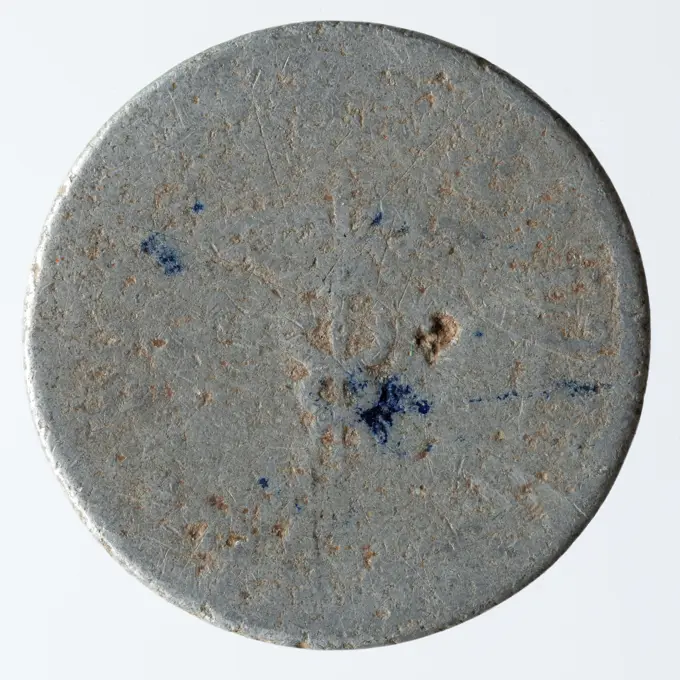
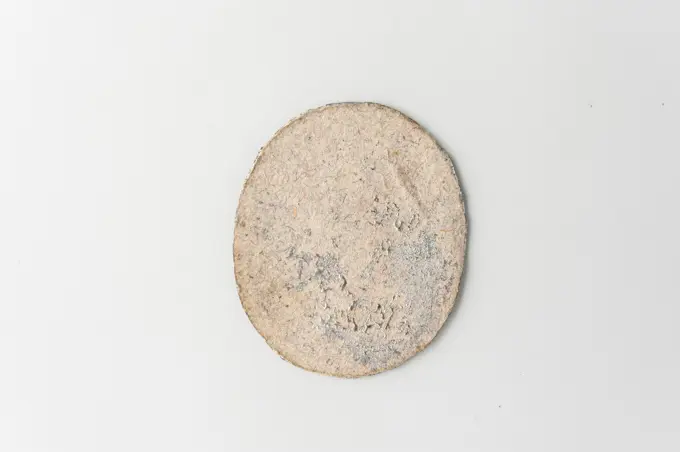
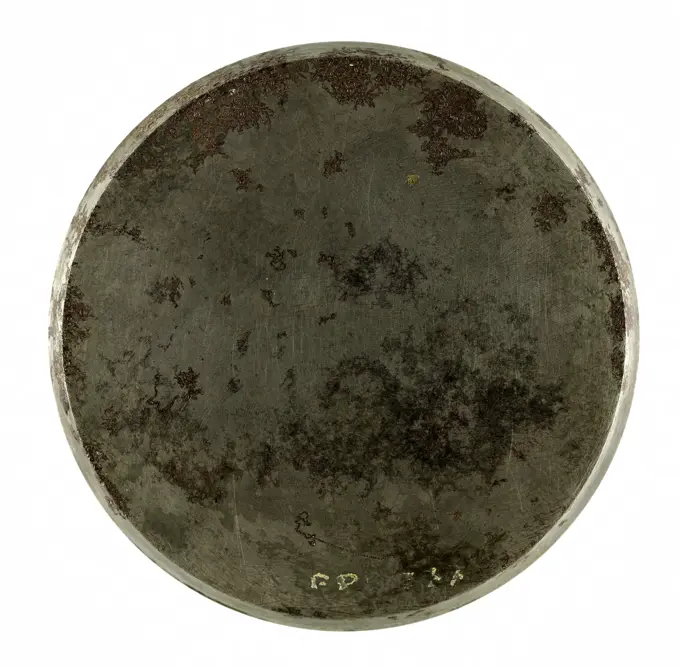
Pewter disc, round with square in the middle, disc artifact soil find tin metal, casted punched Round metal disc in which square print. Within this rectangle diamond shape Reverse side the rectangular shape in relief. Remains of molded ornamentation along the edge of archeology Rotterdam rail tunnel Soil discovery: trajectory Rotterdam rail tunnel.
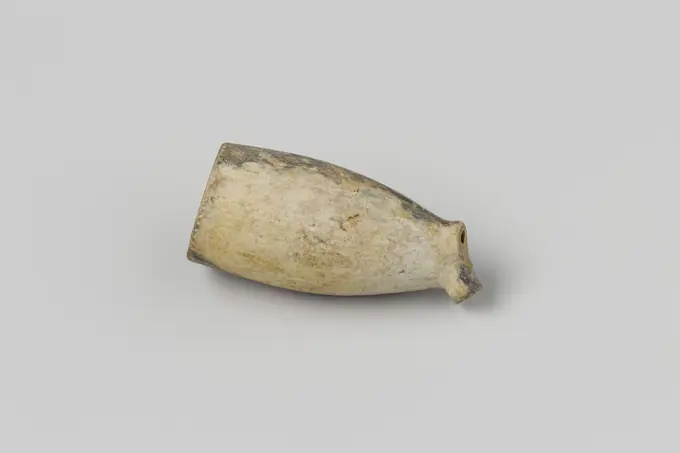
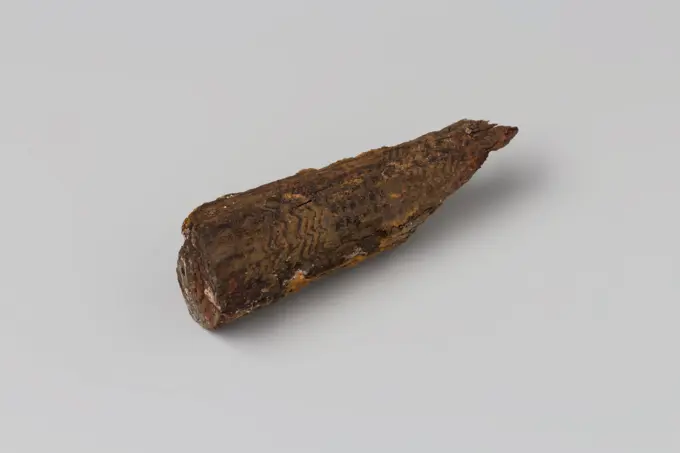
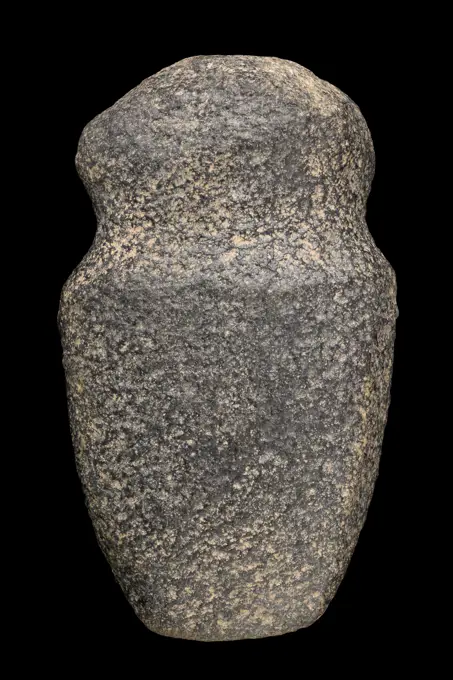
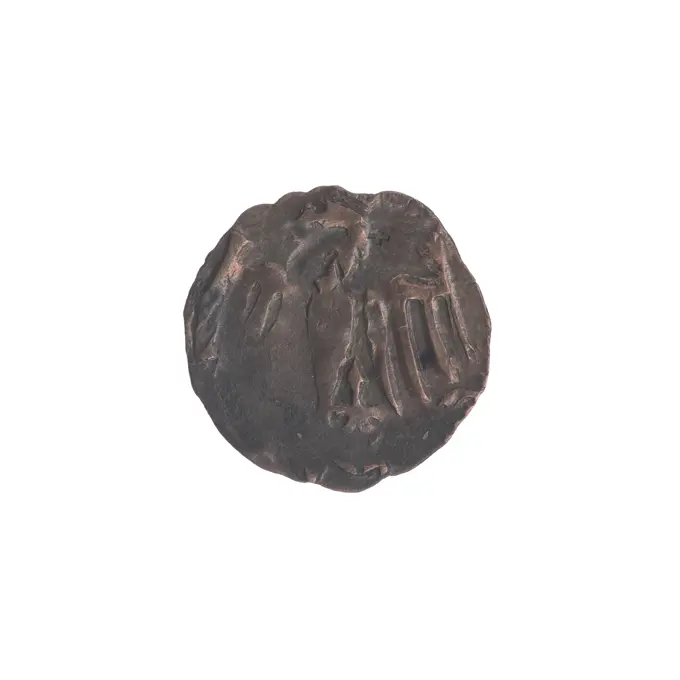
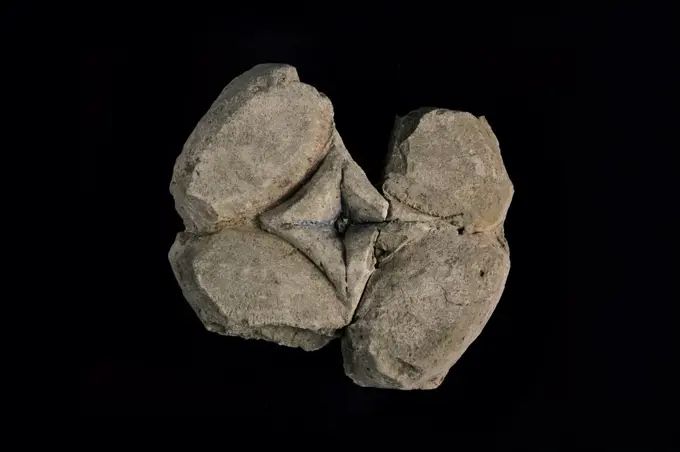
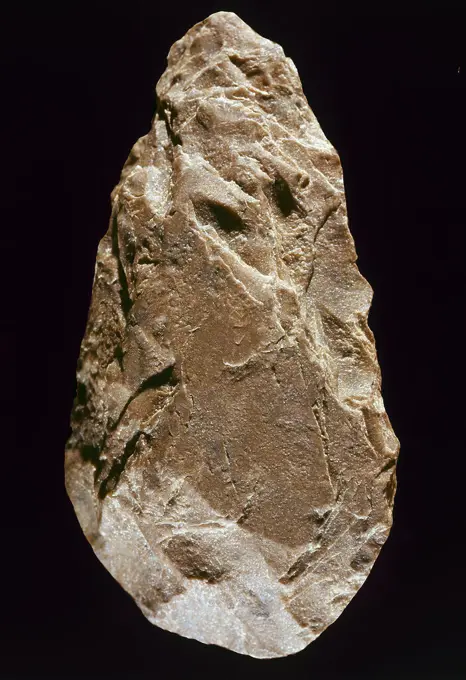
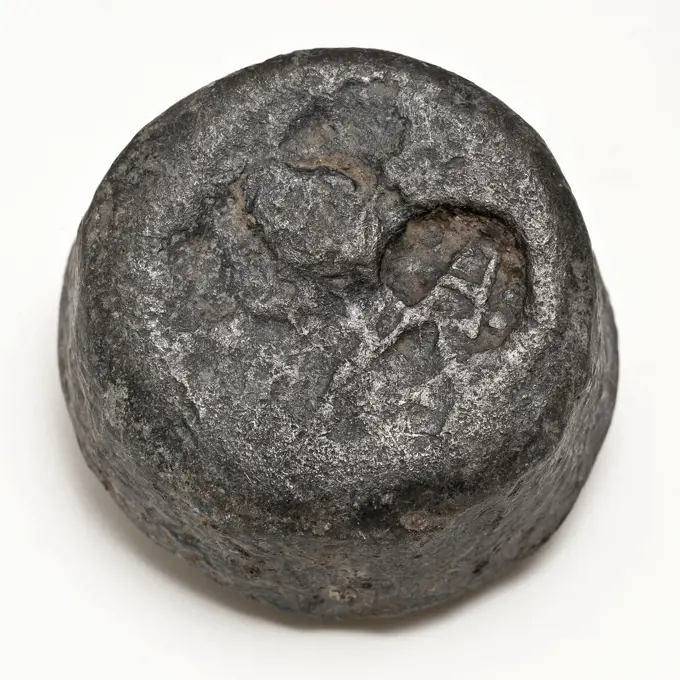
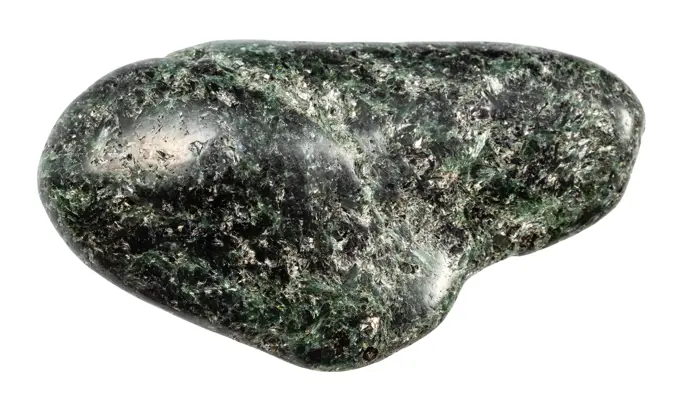
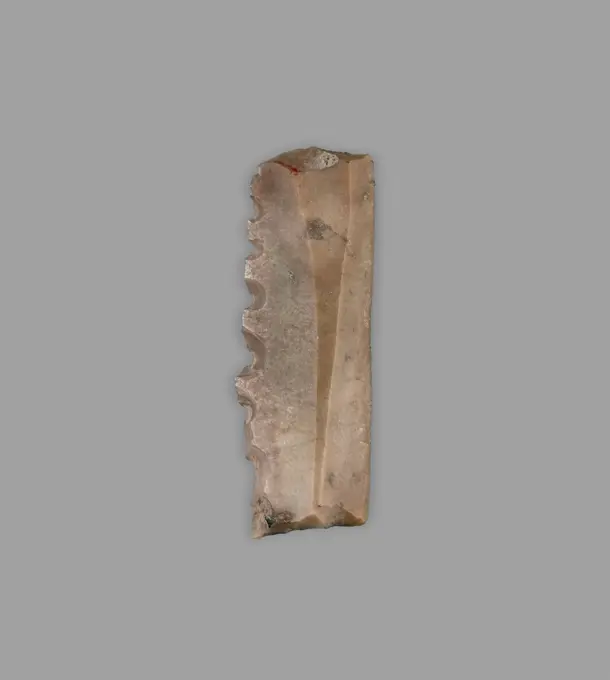
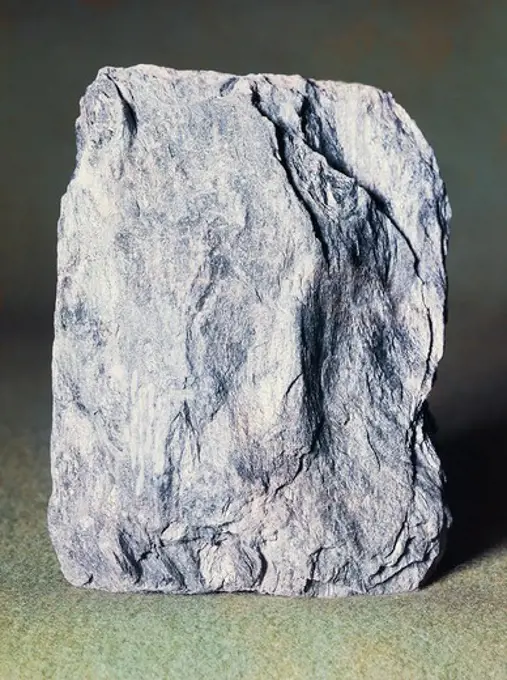
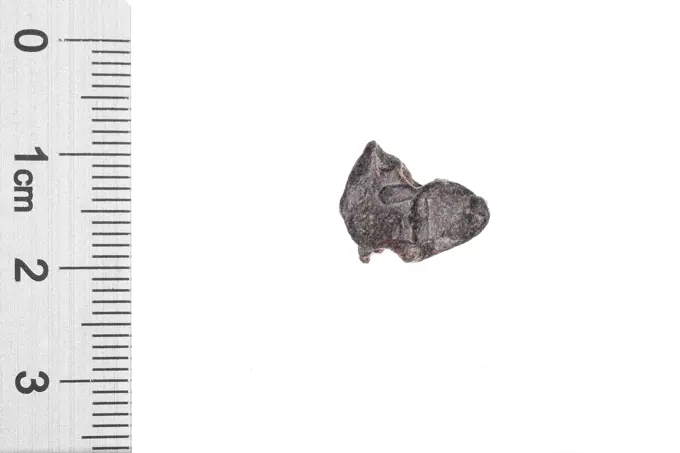
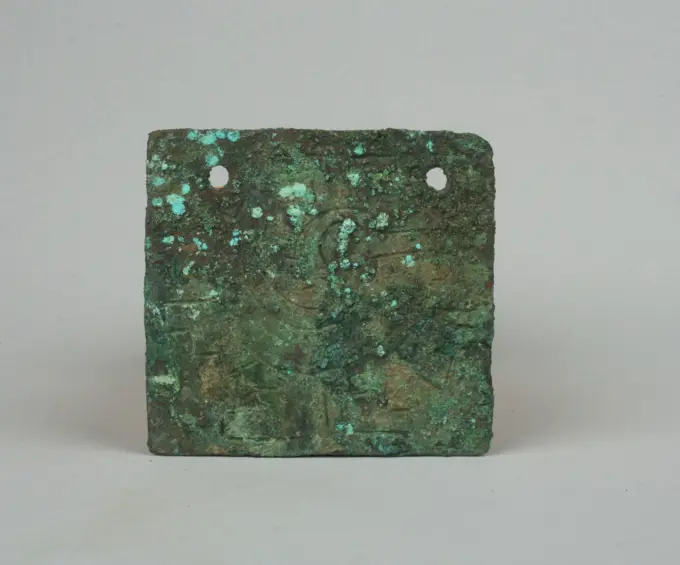
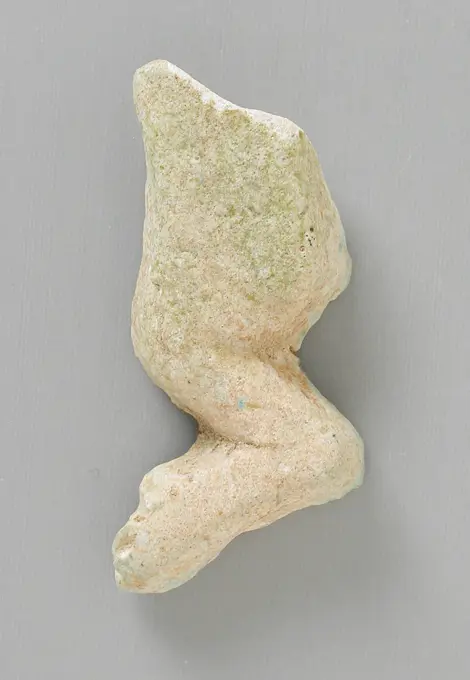
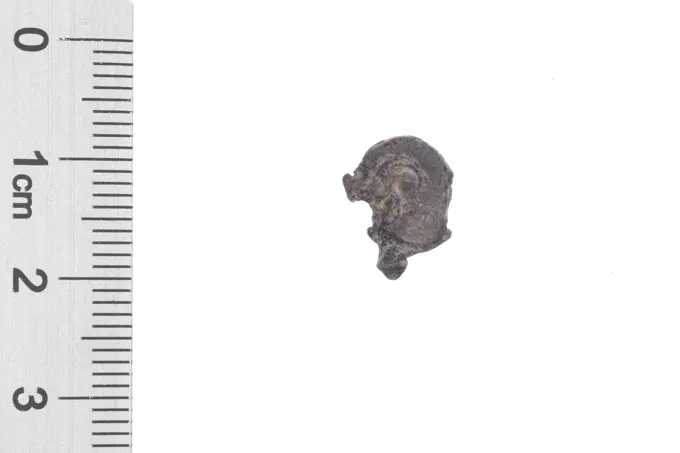
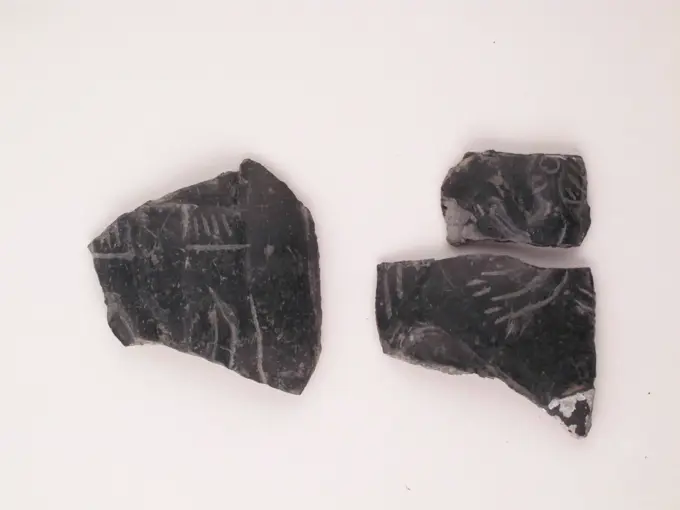
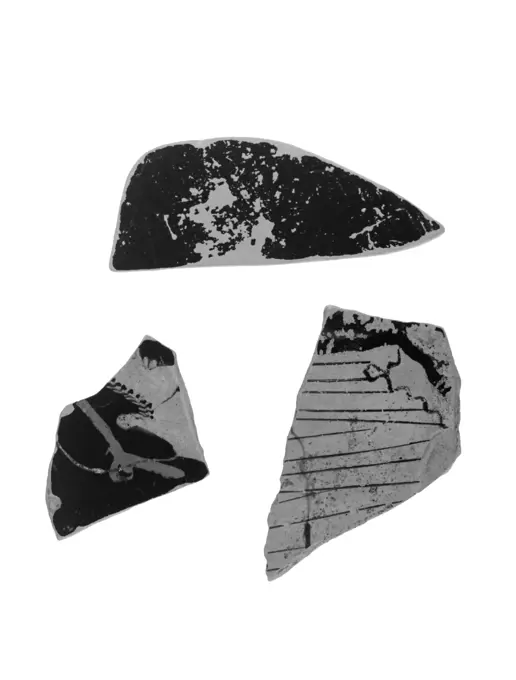
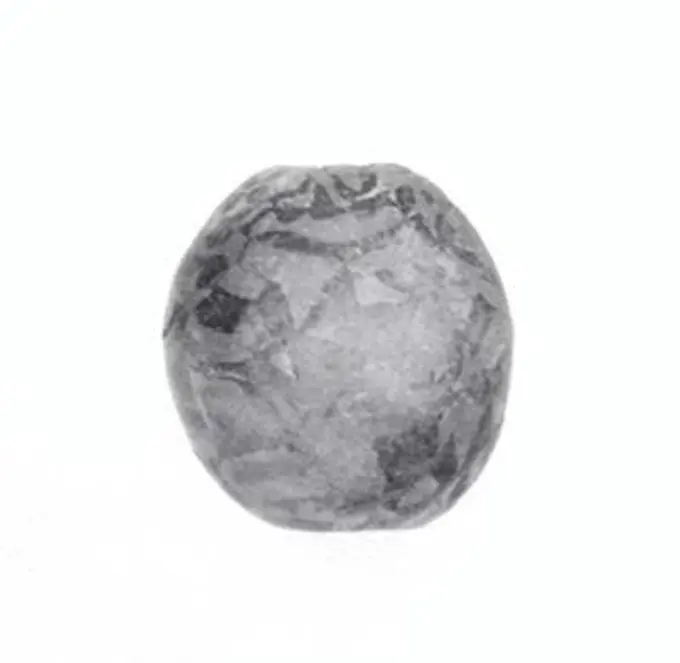
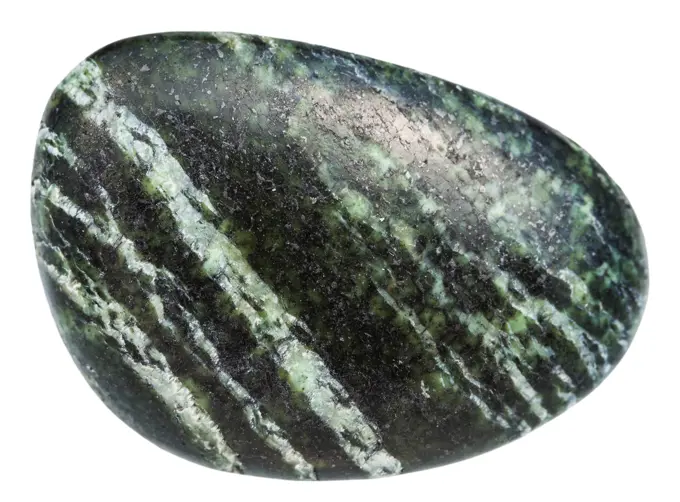
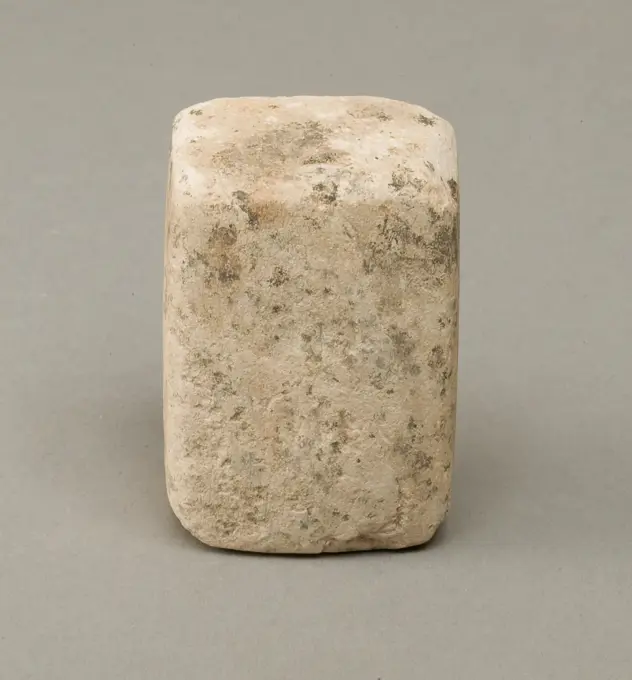
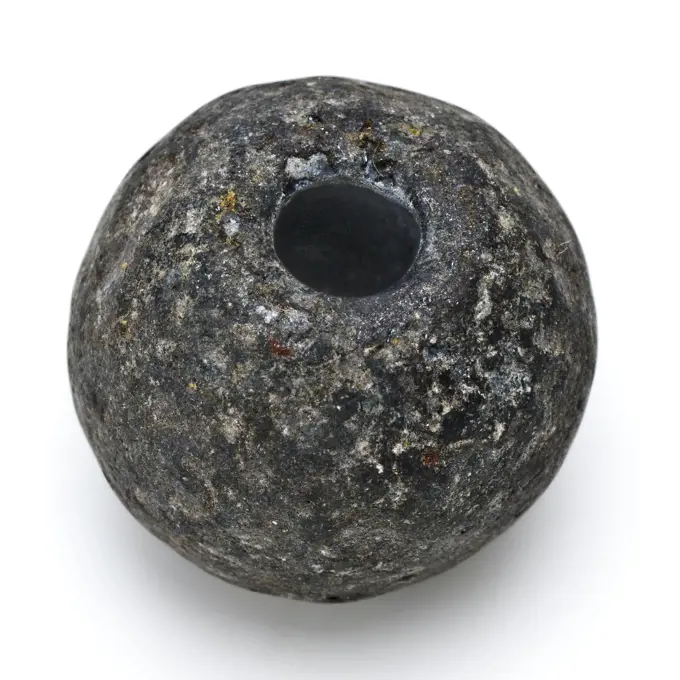
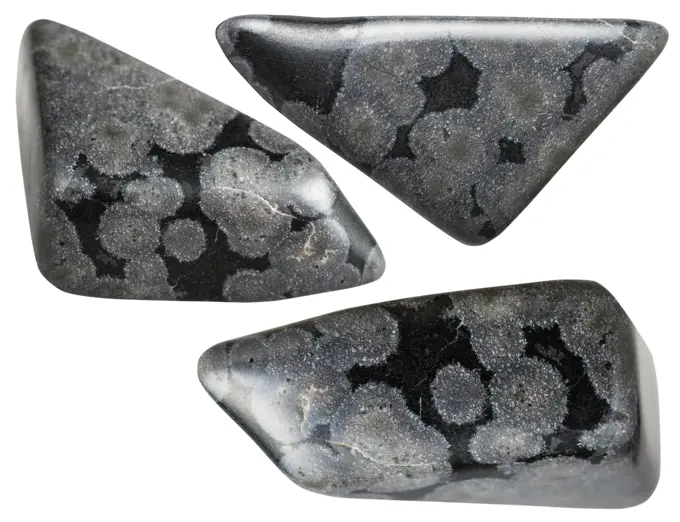
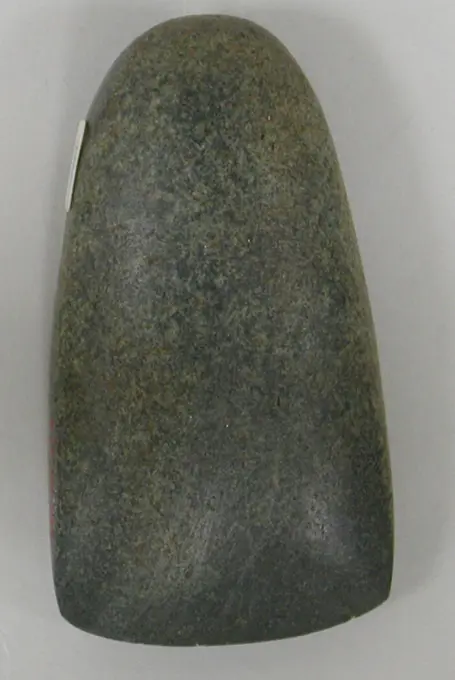
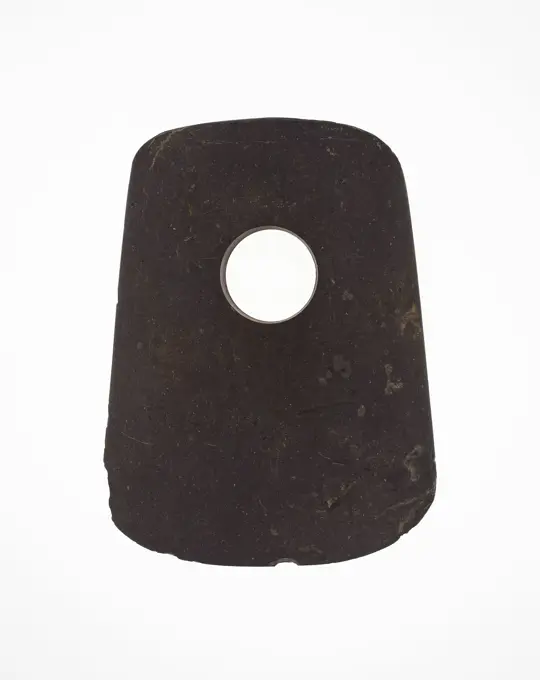
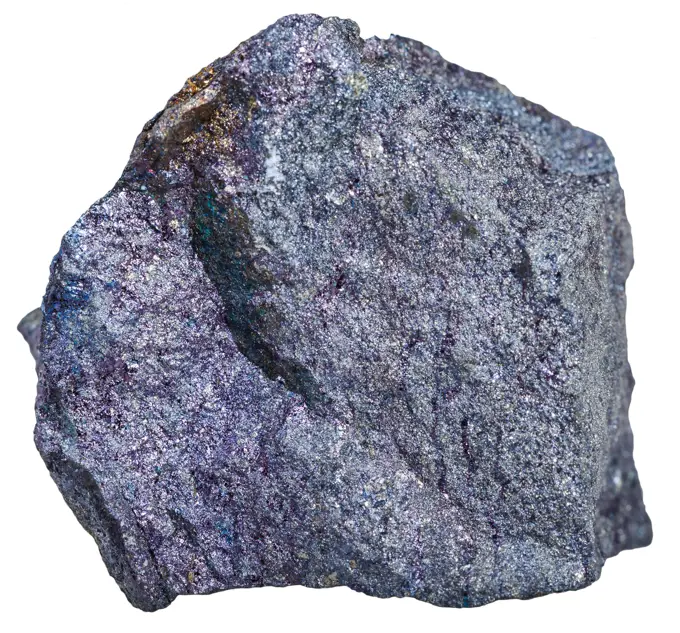
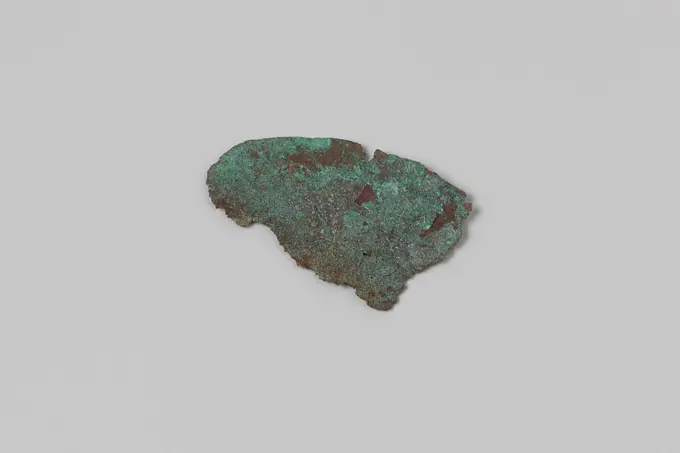
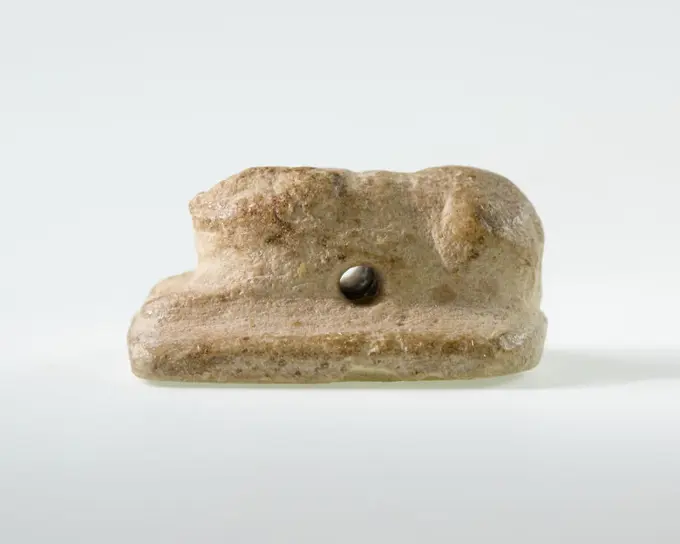
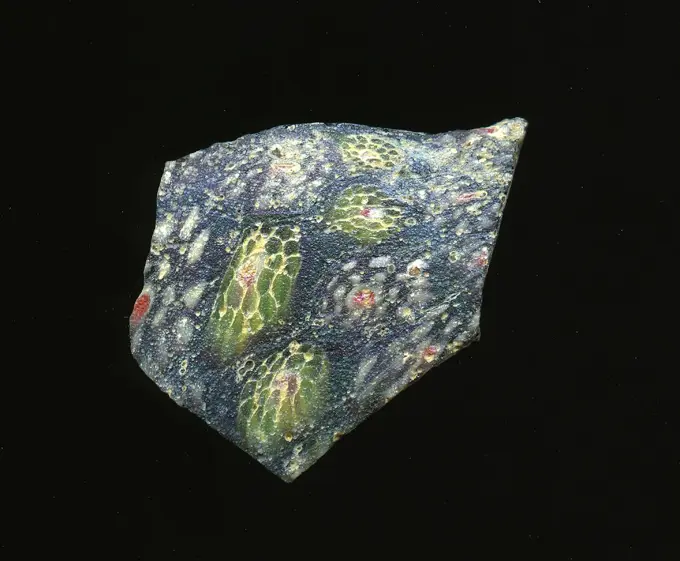
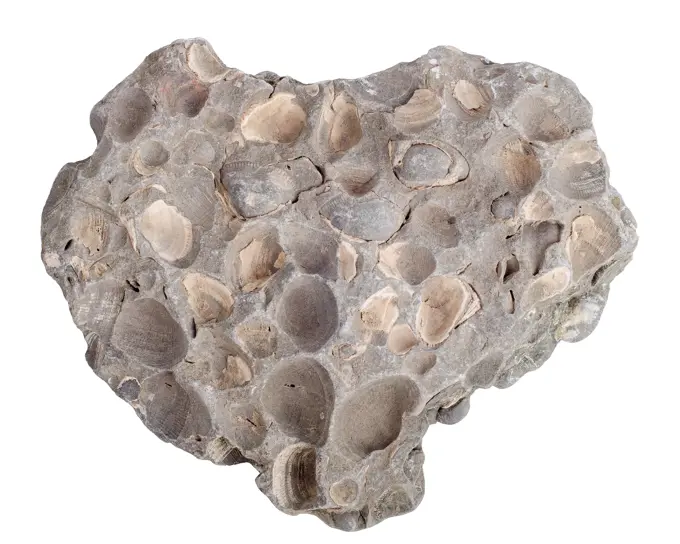
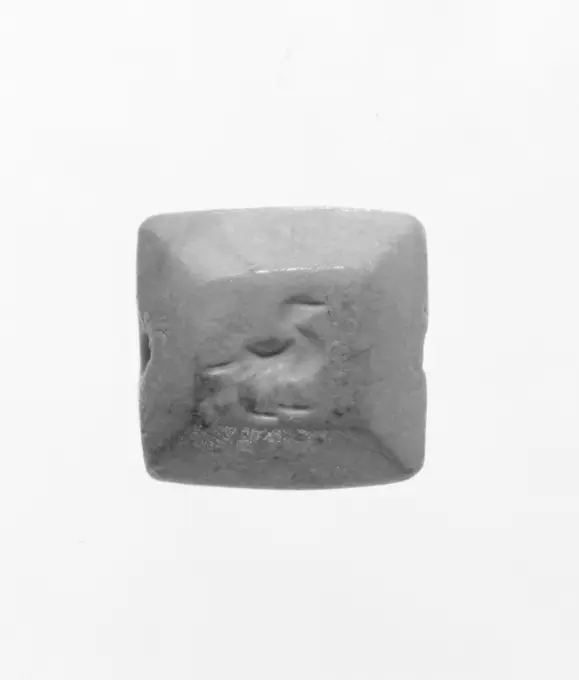
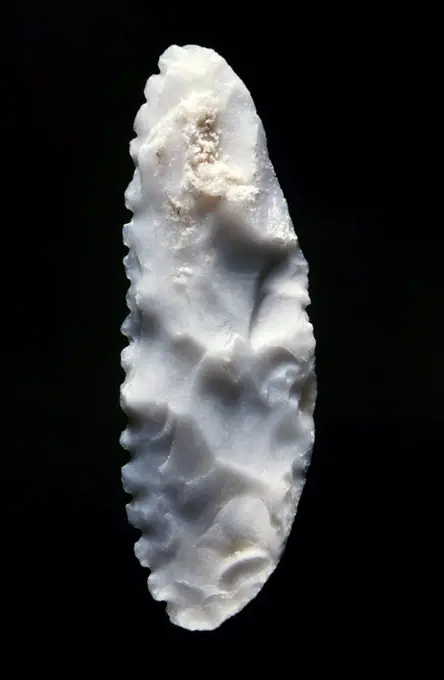
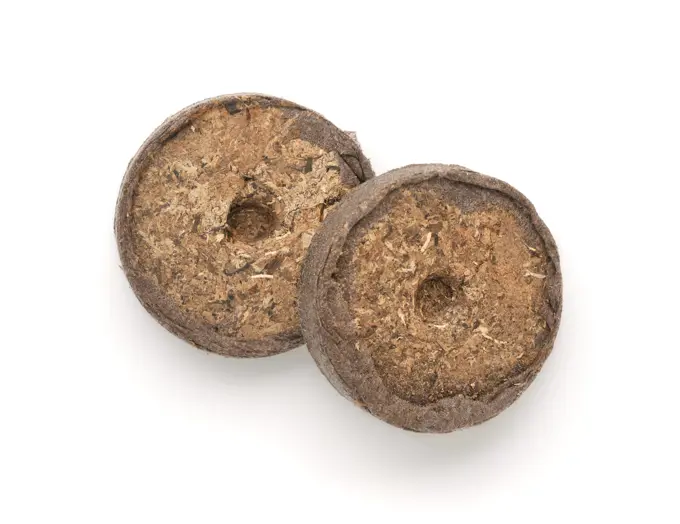
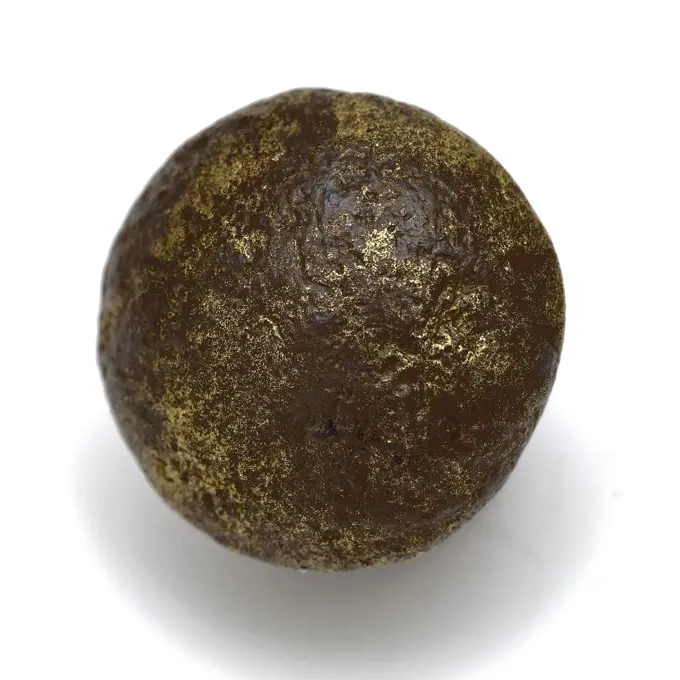
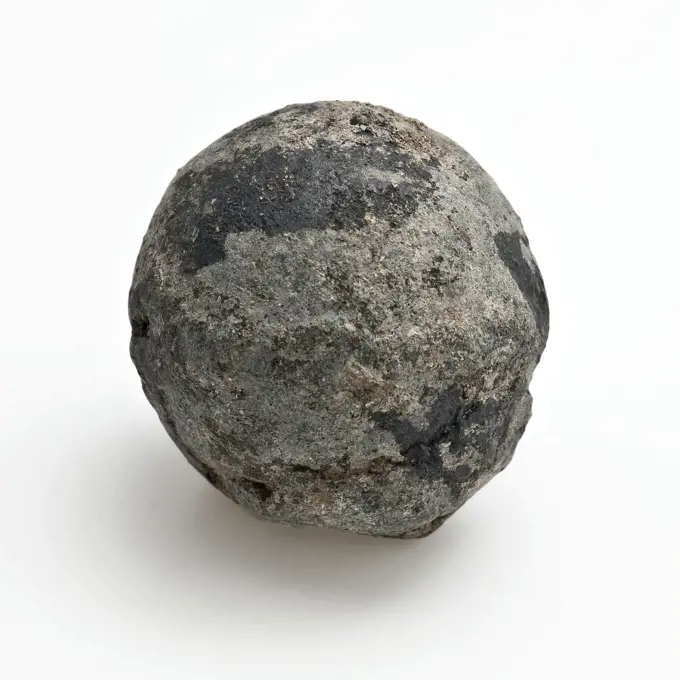
Female Head Fragment. UnknownBlowjob from the wreck of the East India Hollandia.Pipe, Bowl, Heelmark: Crowned 57; No HSM.Sling-Bullet. UnknownSword Sheath Mount 7th century Frankish. Sword Sheath Mount 465514 Frankish, Sword Sheath Mount, 7th century, Copper alloy, Overall: 13/16 x 3/4 x 7/16 in. (2 x 1.9 x 1.1 cm). The Metropolitan Museum of Art, New York. Gift of J. Pierpont Morgan, 1917 (17.193.197)Drohiczyn seal. unknown, managerFragment Messenheft from the wreck of the East Indians Hollandia, Anonymous, 1700 - in or before 1743 fragment Knife, handle, cylindrical: tapering; fragm, id. NG 1979-403H. Netherlands wood (plant material)   SecondAttic Vase Fragment. UnknownBasalt Throat Axe. Neolithic period. North Africa. 9,5cm.denarius; W ADSY AW III WARNE Czyk (Polish king; 1434-1444); 1434-1444 (1434-00-00-1444-00-00);Techniques of restoration of Romanesque decorative stuccoes, finds n 148 and 149, verso, basilica of Santa Maria Maggiore, Lomello, Lombardy. Italy, 11th century.Boulder, stone, cropped, white background, studio shotFragment 9th-10th century. Fragment 451589Loden seal stamp with round surface in which the image has become unrecognizable, seal stamp stamp equipment ground find lead tin metal h 2,5, cast cut driven Solid metal object with flattened circular side on which narrower tapering flat part (as handle) archeology Rotterdam seal stamping seal sealing ground find: trajectory rail tunnel Rotterdam.HACHA BIFAZ ACHELENSE. Location: MUSEO ARQUEOLOGICO-COLECCION. Oviedo. ASTURIAS. SPAIN.Boulder, stone, cropped, white background, studio shotLoden weight, conical, at the top few stamps badly recognizable, weight soil finding lead metal, grams cast Tapered weight topside oblique. Calibrated calibration and marking Top: unclear mark and gauge: T archeology Rotterdam rail tunnel roads Soil discovery: rail tunnel Rotterdam.ceramic vessels, Son Fornes archaeological museum, Talayotic period room (1300-123 B. C.), Montuiri, Comarca de Es Pla, Mallorca, Spain.tumbled actinolite gemstone isolated on white close up of sample of natural stone from geological collection - tumbled actinolite gemstone isolated on white background from North Karelia Copyright: xZoonar.com/ValeryxVoennyyx 21467159Drohiczyn seal. unknown, managerHooded Female Head. UnknownBull Head Amulet. Egypt, New Kingdom Period (circa 1569 - 1081 BCE). Jewelry and Adornments; amulets. FaienceCulture Uruk (approPhyllite, shale with Quartz crystals.Drohiczyn seal. unknown, managerDrohiczyn seal. unknown, managerDrohiczyn seal. unknown, managerBird Plaque Ornament 3rd century B.C.-A.D. 2nd century Vicús. Bird Plaque Ornament 315392Amulet of a Cow's Foreleg. Egypt, New Kingdom - Late Period (1569 - 333 BCE). Jewelry and Adornments; amulets. FaienceDrohiczyn seal. unknown, managerVase fragment 570-550 B.C. Etruscan Two human figures with raised hands, in relief.. Vase fragment. Etruscan. 570-550 B.C.. Terracotta; bucchero pesante. Archaic. VasesStatue Fragment. UnknownAttic Red-Figure Kalpis Fragment. UnknownFragment of an Attic Red-Figure Dinos (comprised of 2 joined fragments). Attributed to Kleophrades (Greek (Attic), active about 490 B.C.)Drohiczyn seal. unknown, managerNeolithic Amulet 2500 B.C-A.D. 700 Neolithic. Neolithic Amulet 465468 Neolithic, Neolithic Amulet, 2500 B.CA.D. 700, Stone, Overall: 2 7/16 x 1 5/8 x 1/8 in. (6.2 x 4.2 x 0.3 cm). The Metropolitan Museum of Art, New York. Gift of J. Pierpont Morgan, 1917 (17.193.156)Pilgrim's Badge 14th-16th century French. Pilgrim's Badge. French. 14th-16th century. Lead. Metalwork-LeadRaised relief fragment 664-610 B.C. Late Period, Saite see 23.3.468. Raised relief fragment. 664-610 B.C.. Limestone. Late Period, Saite. From Egypt, Upper Egypt, Thebes, Deir el-Bahri, Tomb of Nespekashuty (TT 312, MMA 509), MMA excavations, 1922-23. Dynasty 26Rolling Mold FormRing with animal mask 1600 BCE-1046 BCE China. Jade .Attic Vase Fragment. UnknownChildren's hat of linen, with Zaans Stigwerk, Anonymous, c. 1700 - c. 1815 Children's hat of linen, with Zaans stitching. Netherlands linen (material) embroidering Children's hat of linen, with Zaans stitching. Netherlands linen (material) embroideringDavid d'Angers (1788-1856). "Medal. Senancour". Metal, Bronze, 1833. Museum of Fine Arts of the City of Paris, Petit Palais. 57564-9 Medal, bronze metal, numismaticsFemale Head. UnknownPhilippines, 5 Centavos, 1913, (colony for lepers)Grahal-Manzara. Carnavalet 2013-2016 collection sites. Numismatics.Koło z modelu wozu. nieznany warsztat północno mezopotamski, workshopFragments of a loading stick of a musket from the wreck of the East India Flying Heart. The two wood fragments once were part of a loading stick of a musket. The colors are gray / black / brown and it is probably about needle wood. One of the fragments has a slight corner upwards c.q. downstairs and is split on one side. There are shivers to see the surface.Bead ca. 3rd-7th century A.D. Sasanian. Bead. Sasanian. ca. 3rd-7th century A.D.. Glass. Sasanian. Iran, Qasr-i Abu Nasrpolished gemstone of Chrysotile isolated on white macro shooting of natural mineral stone - polished gemstone of Chrysotile green asbestos, serpentine asbestos, white asbestos isolated on white background Copyright: xZoonar.com/ValeryxVoennyyx 9191504Nail 15th-16th century European. Nail. European. 15th-16th century. Iron. Metalwork-IronDrohiczyn seal. unknown, managerpebble isolated on white backgroundBird Plaque Ornament. Culture: Vicús. Dimensions: H. 2 x W. 2 in. (5 x 5 cm). Date: 3rd century B.C.-A.D. 2nd century. Museum: Metropolitan Museum of Art, New York, USA.Fichu Made 1850-1875 France. Cotton, machine-made twist net; embroidered in chain stitches (tambour work) and appliquÈd with plain weave; embroidered in chain, darning, overcast, and satin stitches .Six deben weight ca. 1981-1640 B.C. Middle Kingdom. Six deben weight. ca. 1981-1640 B.C.. Limestone. Middle Kingdom. From Egypt, Memphite Region, Lisht South, Tomb of Senwosretankh, debris, MMA excavations, 1933-34. Dynasty 12-13Vase fragment Roman, Gaul Torso of a man carrying a spear.. Vase fragment. Roman, Gaul. Terracotta. VasesFour lead spindles or beads, spinklos bead tool kit earth discovery lead metal largest, cast Loden spinklossen or beads Almost round shape cylindrical hole through the middle archeology Rotterdam railway tunnel Soil discovery: trajectory rail tunnel Rotterdam.set of Variolite mineral stones isolated on white set of Variolite mineral stones isolated on white background Copyright: xZoonar.com/ValeryxVoennyyx 8904606Broken bead ca. 9th century B.C. Iran. Broken bead 325281Celt before 16th century Maya () Greenstone axe heads, commonly known as “celts,” were some of the most important works of art across ancient Mesoamerica and Central America. Created from jadeite mined from the Motagua River Valley of southern Guatemala, or using local green stones from highland Mexico, celts were first created by the Olmec peoples of the Gulf Coast after 1000 B.C. The Olmec conceived of green celts as sprouts of maize and thus “planted” celts in dedicatory offerings, activating ceremonial spaces and perpetuating agricultural fertility. For the later Maya peoples, celts also served as dedicatory materials, but more so as adornments for the royal bodies of kings and queens. Often the celts would be thinned into celt-shaped plaques, strung together in pairs and triads in order to create belt assemblages that would have clinked with the sound of jades striking one another. Tombs from the Classic Period (ca. AD 250-900) contain celts of jadeite and various greenstones froFragment with ear of a pot () With Adam and Eva and the tree with the snake, anonymous, c. 1400 - c. 1950 Fragment with ear of a pot () From green -glazed pottery with Adam and Eva and the tree with the snake, in relief.  earthenware Fragment with ear of a pot () From green -glazed pottery with Adam and Eva and the tree with the snake, in relief.  earthenwareAxe Made 3000 BCE-2000 BCE China. Jade .Bornite peacock ore, peacock copper specimen macro shooting of mineral resources - Bornite peacock ore, peacock copper specimen isolated on white background Copyright: xZoonar.com/ValeryxVoennyyx 9620067False coin, IIthuanian shilIIng, John II Casimir (1649 1668)Fragment of buyer from the wreck of the East India Hollandia.parts or artifacts; eroded fragments: Materials; Copper.Glass Fragment 13th-14th century European. Glass Fragment. European. 13th-14th century. Pot metal glass. Glass-StainedBronze arrowhead 6th-4th century B.C. or later Greek or Achaemenid With midrib and socket.. Bronze arrowhead 252855 Greek or Achaemenid, Bronze arrowhead, 6th4th century B.C. or later, Bronze, Other: 1 3/4 in. (4.4 cm). The Metropolitan Museum of Art, New York. Gift of The American Society for the Excavation of Sardis, 1926 (26.199.292)Lion-shaped stamp seal with name of Amenemhat II. Dimensions: L. 2.4 × W. 1.8 × H. 1.2 cm (15/16 × 11/16 × 1/2 in.). Dynasty: Dynasty 12. Reign: reign of Amenemhat II. Date: ca. 1859-1813 B.C.. Museum: Metropolitan Museum of Art, New York, USA.Fragment of a vessel. A low curvature of the glass fragment allows the assignment to a vessel, possibly a shell. On a violet reason, two types of flowers in millefiori technology can be seen: one consists of a red dot with white contour to group the yellow-edged green petals into two rows, the other has white petals on. For the production were different colored glasses Shaped to tubes and poles. These were compressed and heated, causing a long bar. The glass sliced now had different amorphous or floral patterns. Thereafter, several of these platelets were folded together, heated again and pressed into the vascular shape. Burry for the elaborate manufacturing process and its fragility was one of the luxury articles of antiquity.Concretion with fossilized sea shells family Donax bivalve. Isolated on white Concretion with fossilized sea shells family Donax bivalve. Isolated on white Copyright: xZoonar.com/PavelxSytilinxxxxxVolgograd,xRussia.x 22057594Square light gray marbled tile, with broad veins, small spots, yellow pottery, border tile wall tile tile sculpture ceramic earthenware glaze, baked 2x glazed paintedPottery ointment jar, high model, glazed with full gray color, ointment jar pot holder soil find ceramic earthenware glaze tinglaze, hand-turned baked glazed High shape with angular transitions at the constrictions at foot and shoulder. Gray-white interior and exterior glazed. Cream-colored shard Unclear whether the gray speckled color was intent or confluence of the mixing of remains of glaze archeology Rotterdam City Triangle Delftsevaart health care indigenous pottery packing pharmacy store selling medicine drug craft Soil discovery: found in Delftse Vaart when draining part of this water for the benefit of of making lift of 20 meters wide.Carnavalet museum, medal collection General Kleber Bust right on the leftScherf of a jug of the wreck of the East Indians Hollandia, Anonymous, 1700 - in or Before 1743  Stoneware, Rhenish, Frechen-ware, jug; fragm of body. Cologne stoneware   SecondFish shed from the wreck of the East Indies Fleet in 1735 't Vliegend Hart, c. 1700 - c. 1950 lead This fish shed emerged from a chunk of concrete. This leading plate tube is silver gray and was once part of the bar of a fishing line (at the top of the standing for or on a bracket line). These nets are either from the flying heart themselves or they are from fishermen who lost their nets on the wreck. Roll of Lead.  lead (metal)Plate, miniature Greek Unglazed pinkish clay, with five perforations.. Plate, miniature. Greek. Terracotta. VasesVase fragment  ca. 1981-1640 B.C. Middle Kingdom. Vase fragment . ca. 1981-1640 B.C.. Faience, green glaze. Middle Kingdom. From Egypt, Memphite Region, Lisht North, LNP Pit 885, MMA excavations, 1920-21. Dynasty 12-13Albert-Désiré Barre (1818-1878). Medal matrix. Back of the ashes of Napoleon I. Metal, steel. Nineteenth century. Museum of Fine Arts of the City of Paris, Petit Palais. 58767-1 Steel, medal, metal, inventory number, numismatics, backhand, 19th centuryAttic Vase Fragment. UnknownArrowhead Japan. Arrowhead 62431Engraved Tabloid. UnknownPIEZA DE AJUAR DE LA EDAD DEL BRONCE: DIENTE DE HOZ SOBRE SILEX, PROCEDENTE DE LA CUEVA DE ESTREMERA (DEPOSITO: MUSEO ARQUEOLOGICO NACIONAL).Concretion from the wreck of the East Indiesman Hollandia. Parts or artifacts; eroded fragments: Materials; Lump, containing ferrule or knife handle.Axehead. Axehead 244280tumbled Diopside gemstone isolated on white closeup of sample of natural mineral from geological collection - tumbled Diopside gemstone isolated on white background Copyright: xZoonar.com/ValeryxVoennyyx 14990623Drohiczyn seal. unknown, managerClose-up of a glass statue of a human head, Milan, Lombardy, ItalyLentoid-shaped bead 30 B.C.-A.D. 364 Roman Period. Lentoid-shaped bead. 30 B.C.-A.D. 364. Jasper. Roman Period. From EgyptFragments Pipe states from the wreck of the East Indiesman Hollandia. Pipe, voice; fragment.Small Napoli Spiral.  Richard Long (b.1945). Thirty-three stones. Executed in 1984. diameter approx 137.2cm.Indian arrowhead from Georgia and North & South Carolina , Archaeological assemblages, Charles F. Walcott Archaleogical CollectionPottery candle holder, candle holder decorated with carving, candleholder candlestick earthen floor pottery ceramic pottery, hand shaped baked carved earthenware candleholder candle holder decorated with carving. Square conical model at the top with tapering hole for candle. Decoration consists of round floral pattern with sunken surfaces, field with cross and diagonal cross of lines with series of pin points in between rough heart or flower shape under beam of sunken triangles. Along the edges small curved surfaces. Archeology indigenous pottery lightingTwo seed starting peat pellets Top view of two seed starting peat pellets isolated on white Copyright: xZoonar.com/AntonxStarikovx 22991261Carnavalet Museum, Medals CollectionCopper round button with attachment eye, button clothing accessory clothing soil find copper metal, cast archeology dress closingLead ball with casting seam, bullet projectile ground find lead metal, cast Loden bullet Clear circumferential casting seam Not finished or partly failed copy with molten protuberances archeology Rotterdam City triangle Pakkenbrug Newport shooting war soldier marine Soil discovery Nieuwe Haven is located between the piles of the northern bridgehead of the Packing bridge.Fragment of a Mosaic Glass Vessel. Unknown 1st century A.D.False coin, crown shilIIng, 1661, John II Casimir (1649 1668)Ivory Fragment. UnknownShipwreck find from the wreck of the East Indians Hollandia, Anonymous, 1700 - in Or Before 1743  Parts of artefacts; eroded fragments: materials; lead. Netherlands lead (metal)   Second