Archaeological Fragmentary Art

Various ancient artifacts, including head and figure fragments, pewter discs, and lead plates, highlighting historical craftsmanship.

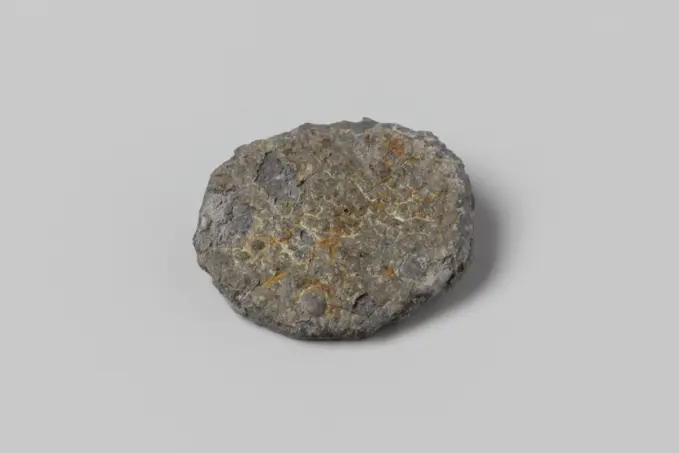
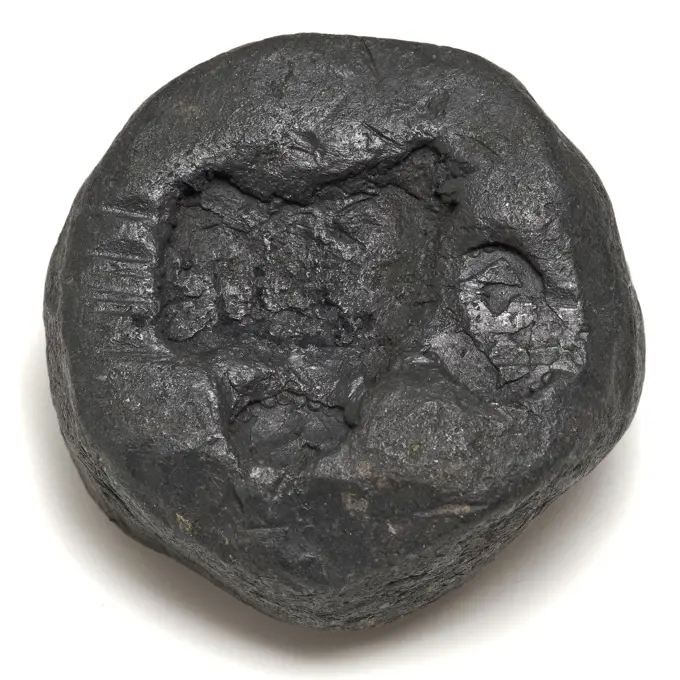
Pewter disc, round with square in the middle, disc artifact soil find tin metal, casted punched Round metal disc in which square print. Within this rectangle diamond shape Reverse side the rectangular shape in relief. Remains of molded ornamentation along the edge of archeology Rotterdam rail tunnel Soil discovery: trajectory Rotterdam rail tunnel.
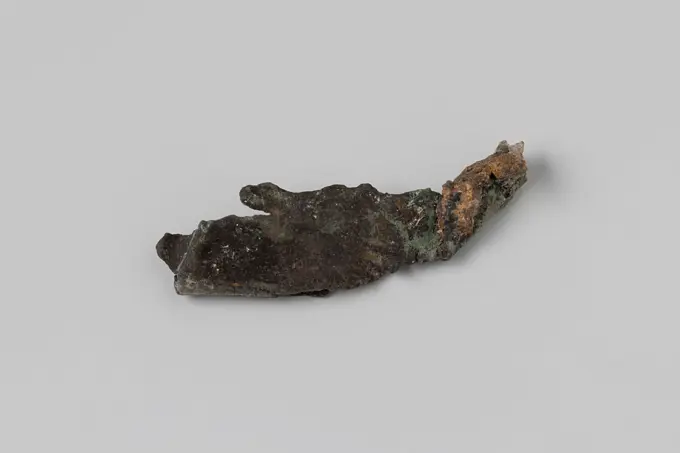
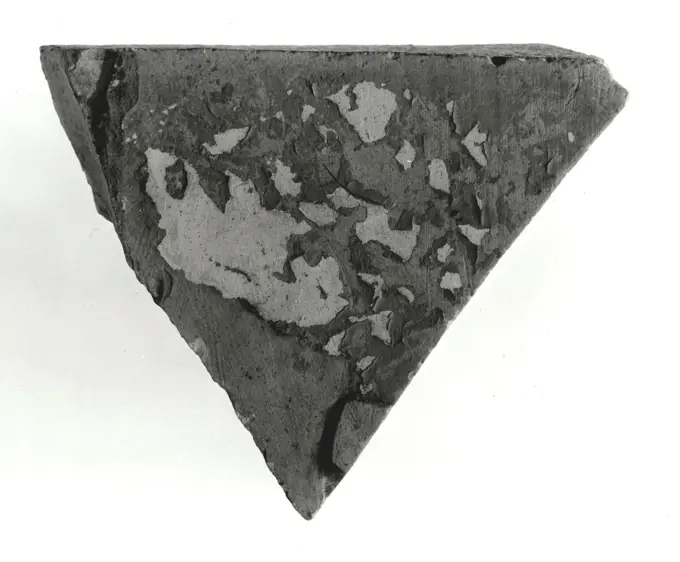
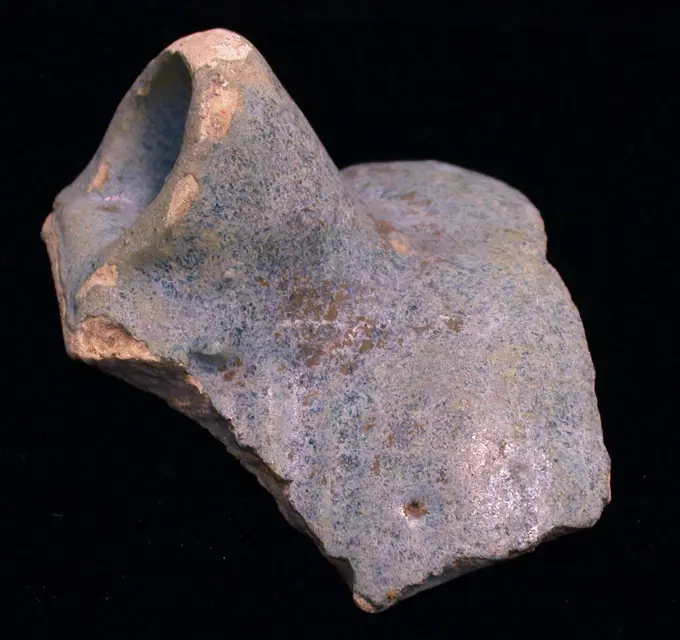
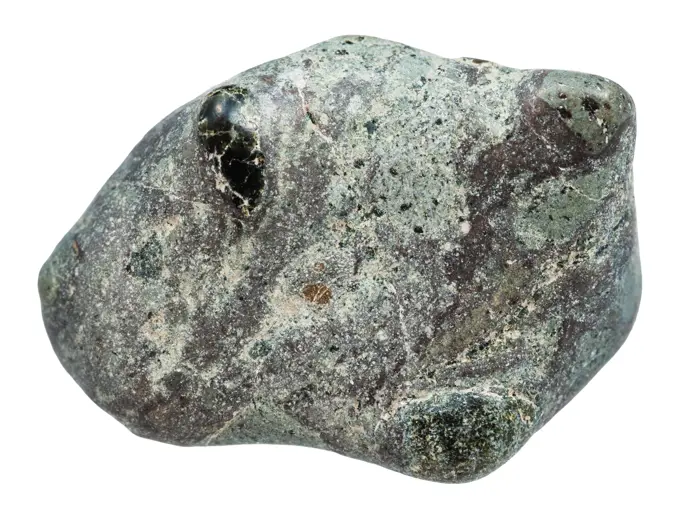
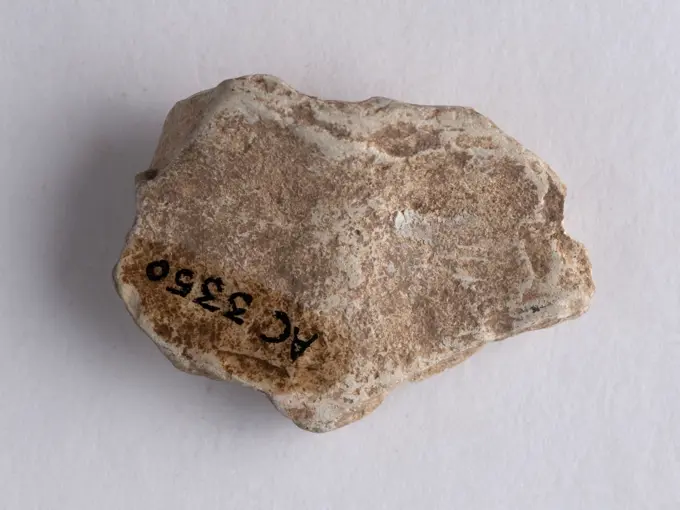
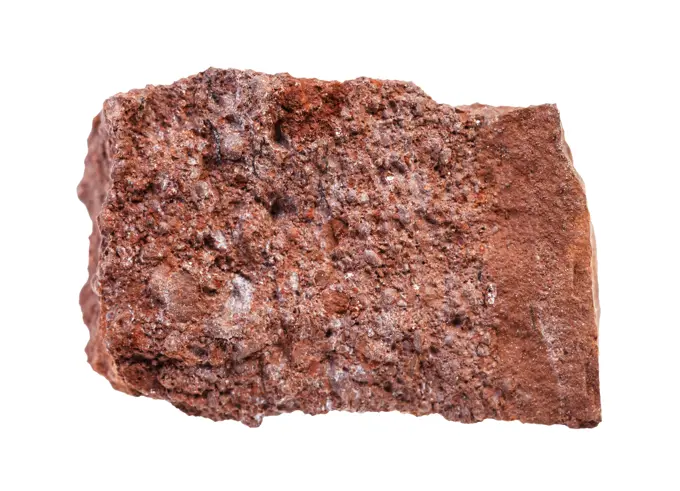
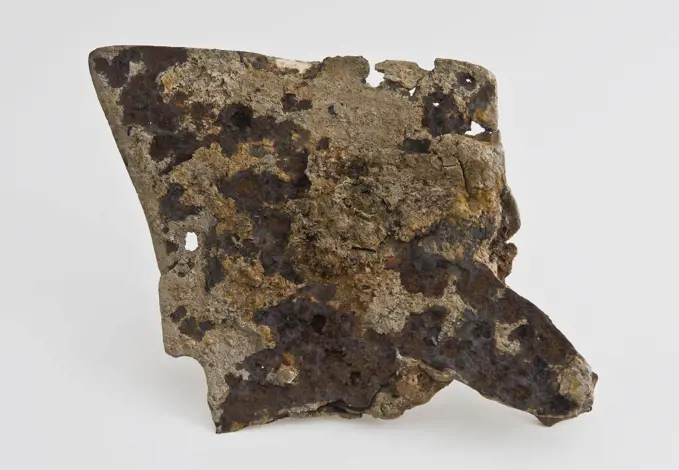
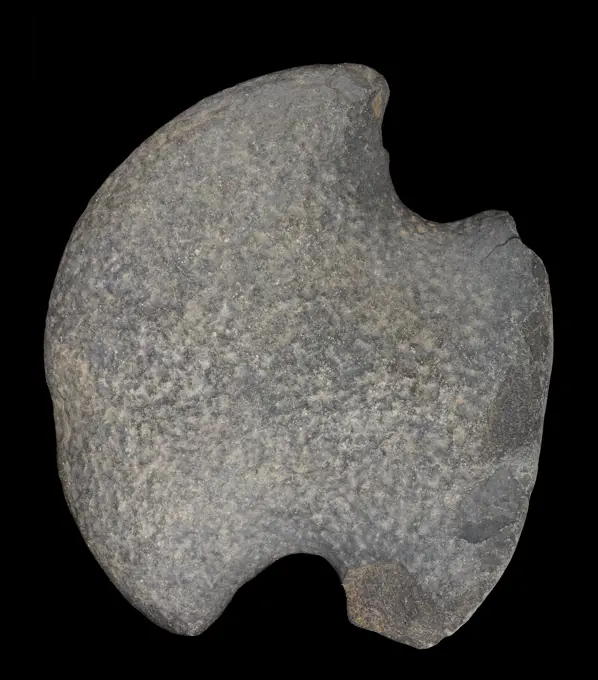
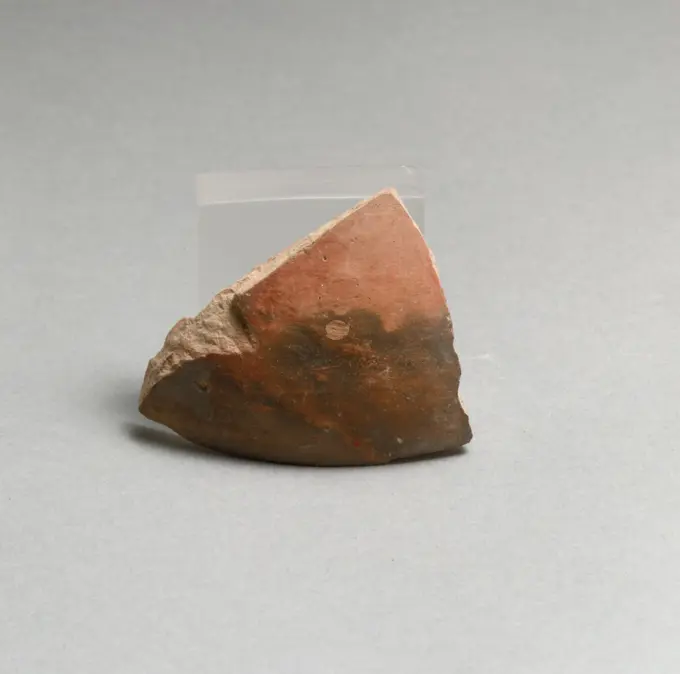
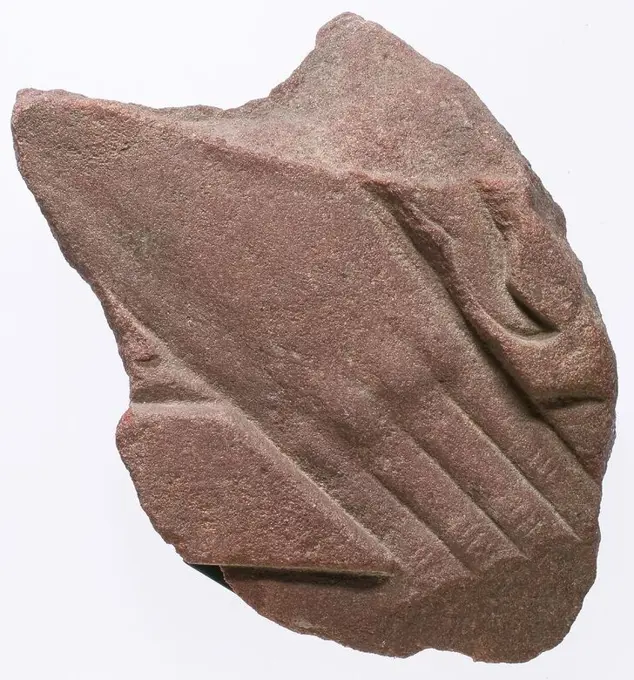
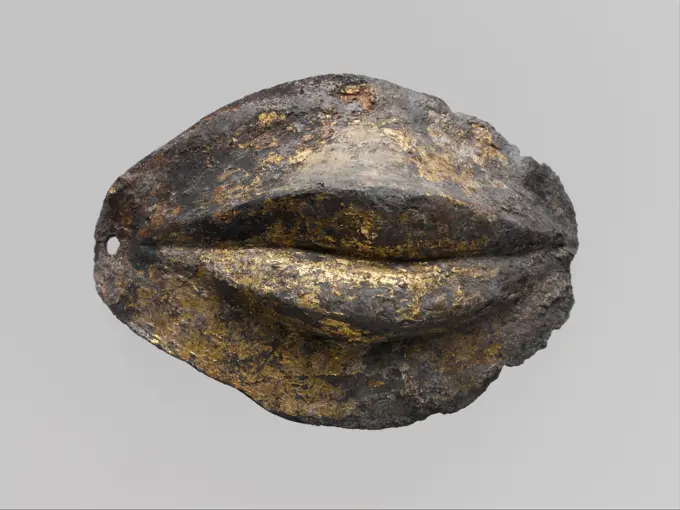
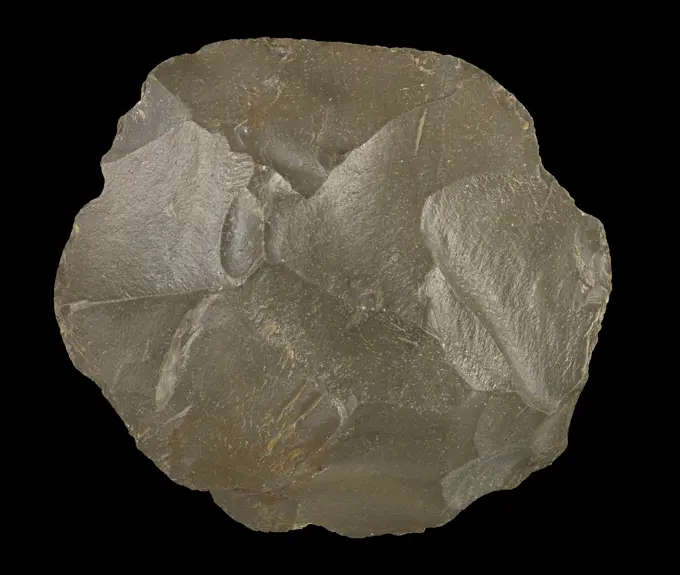
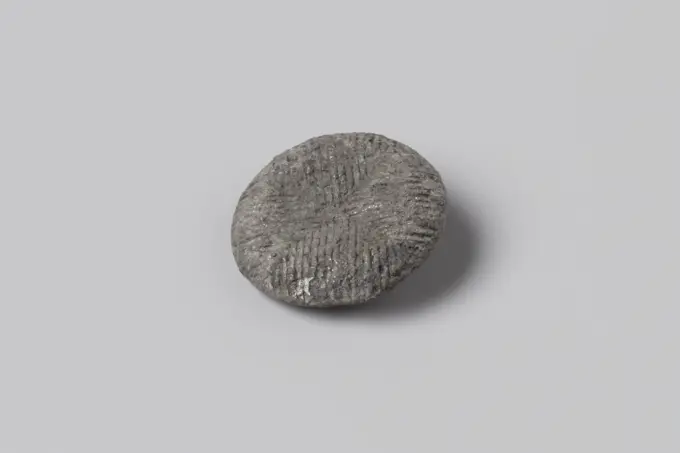
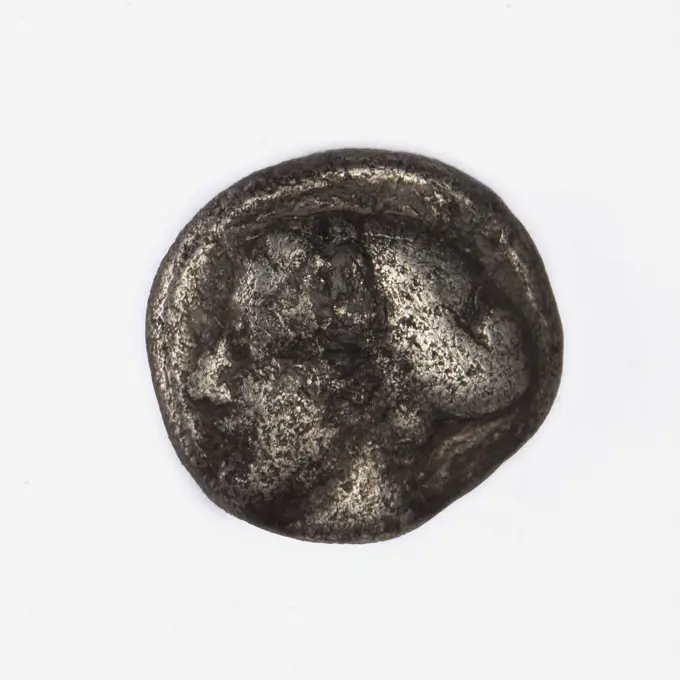
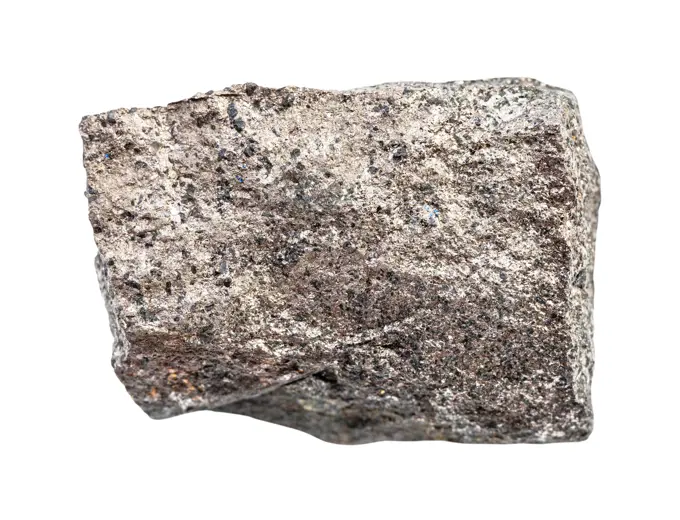
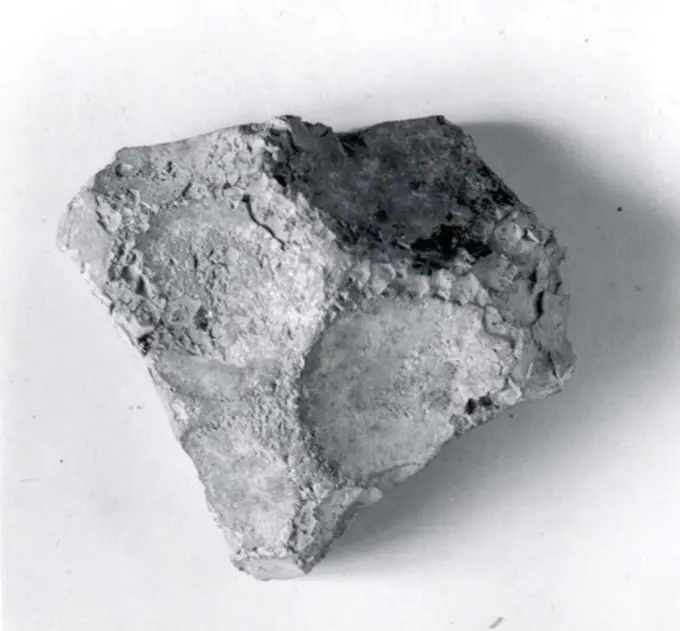
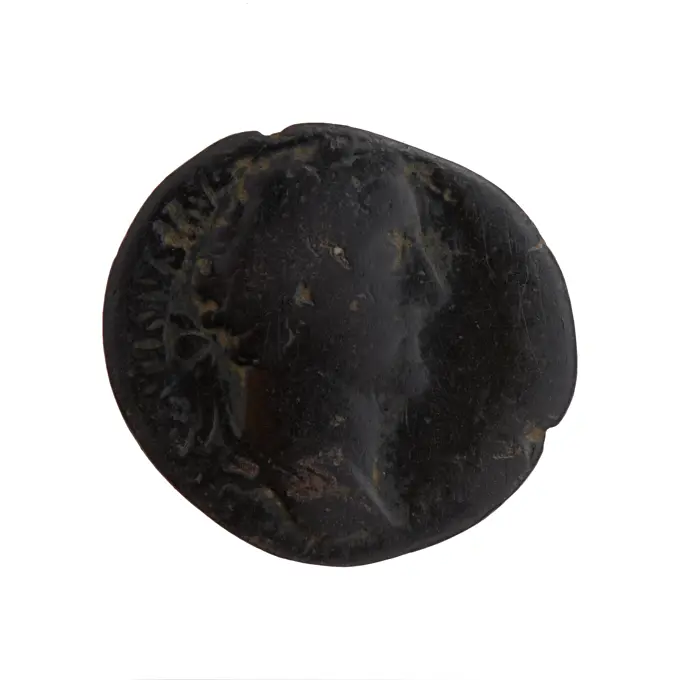
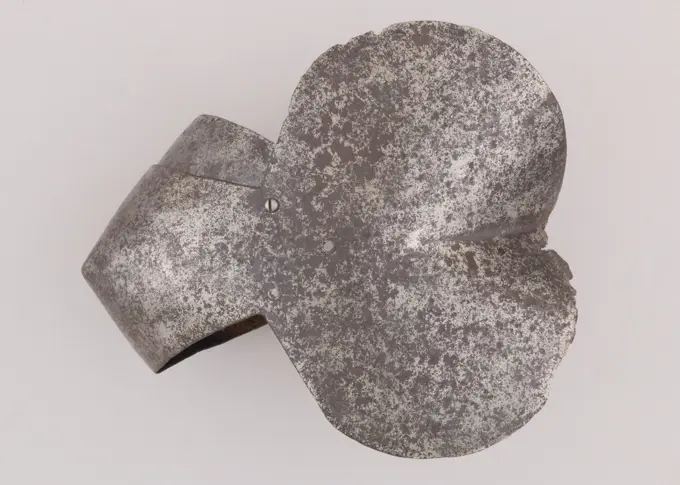
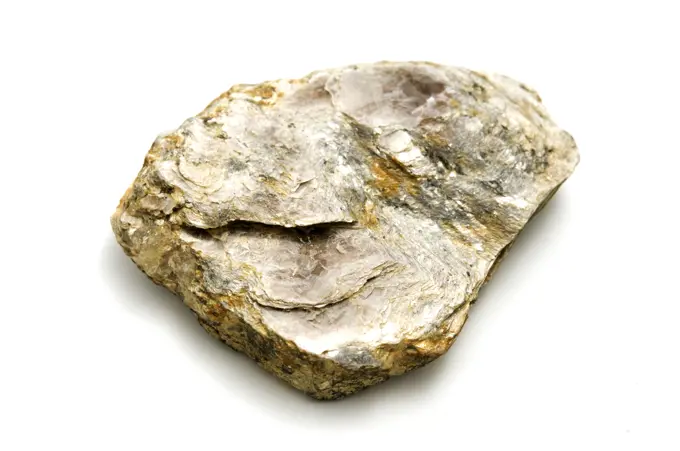
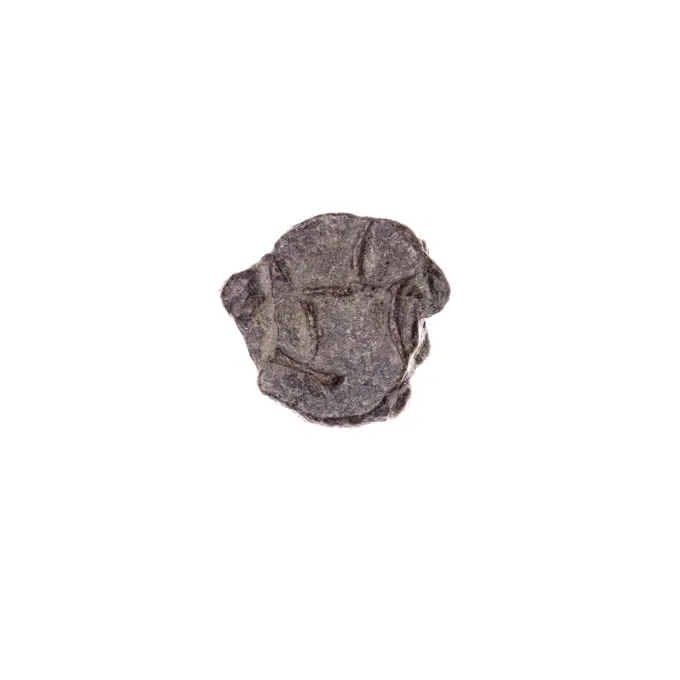
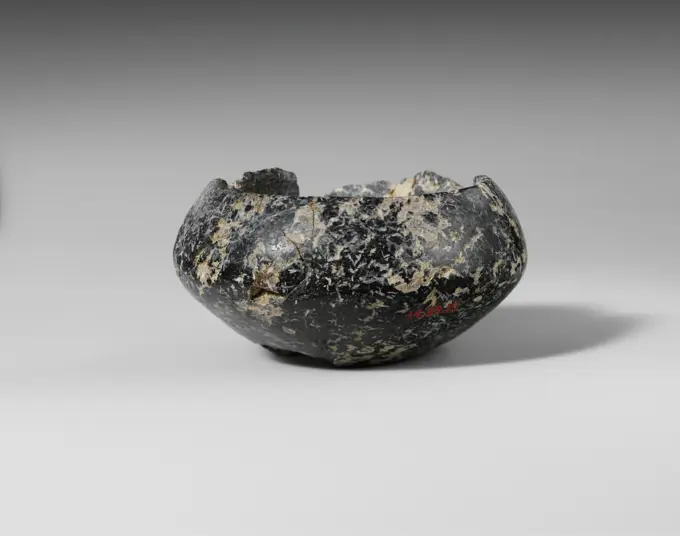
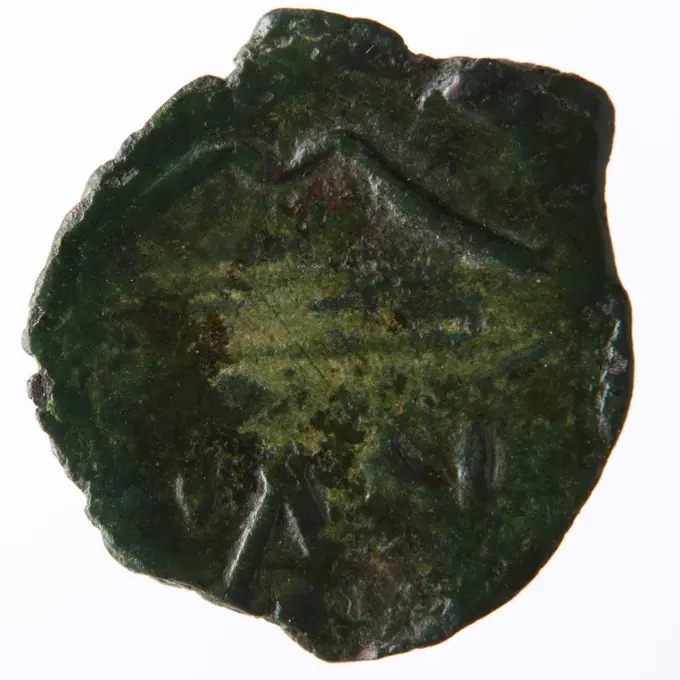
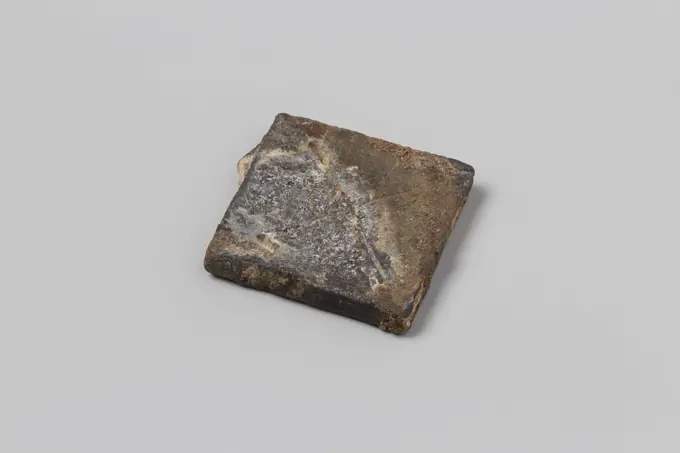
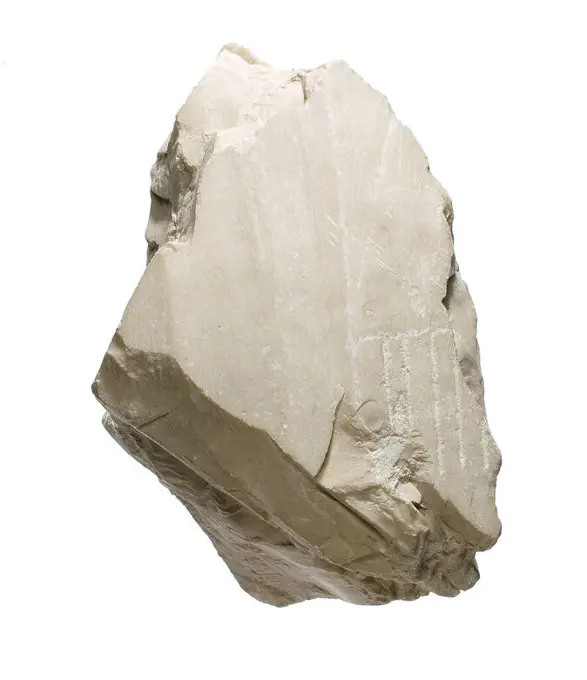
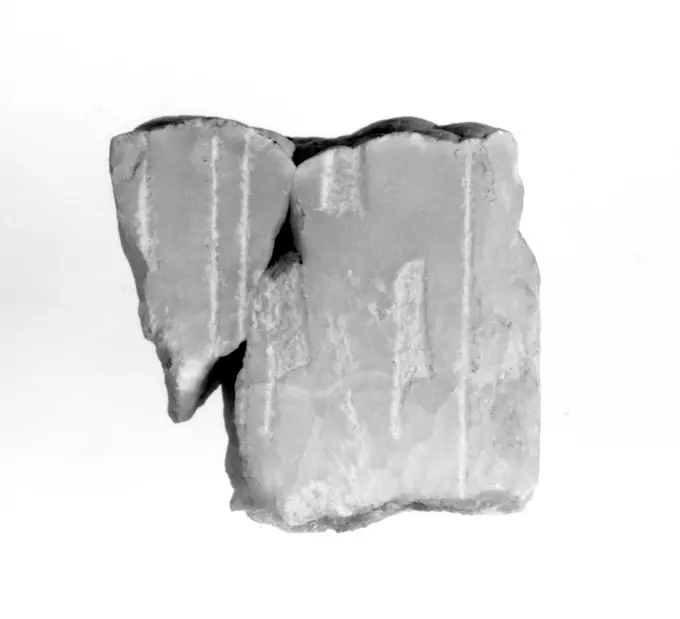
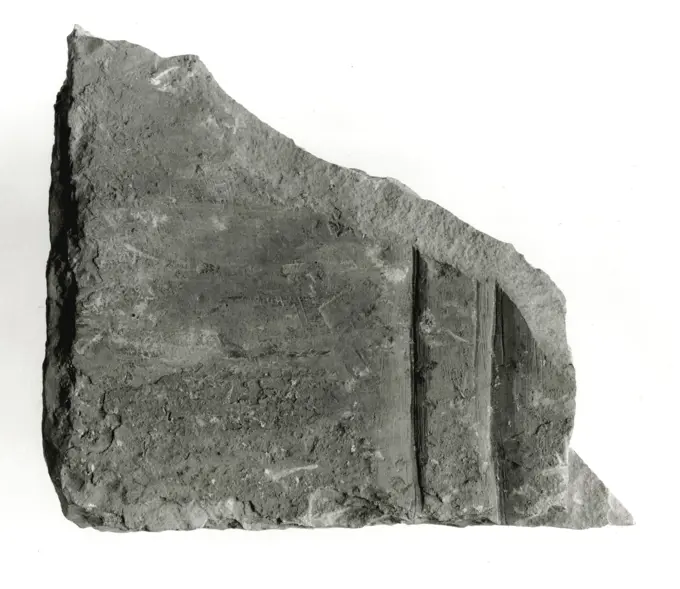
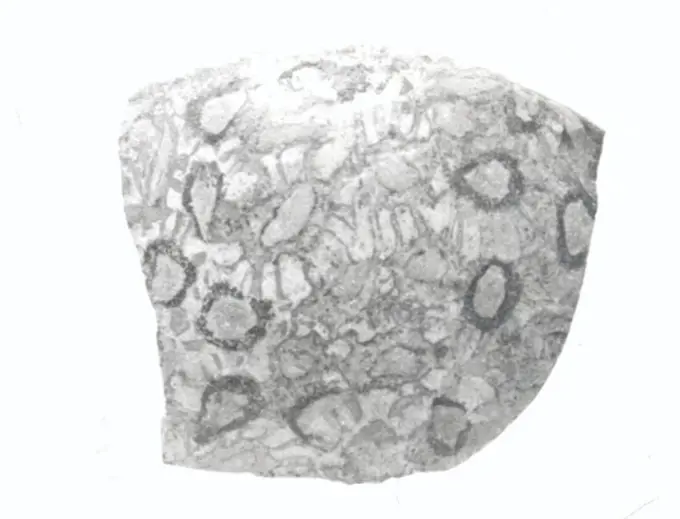
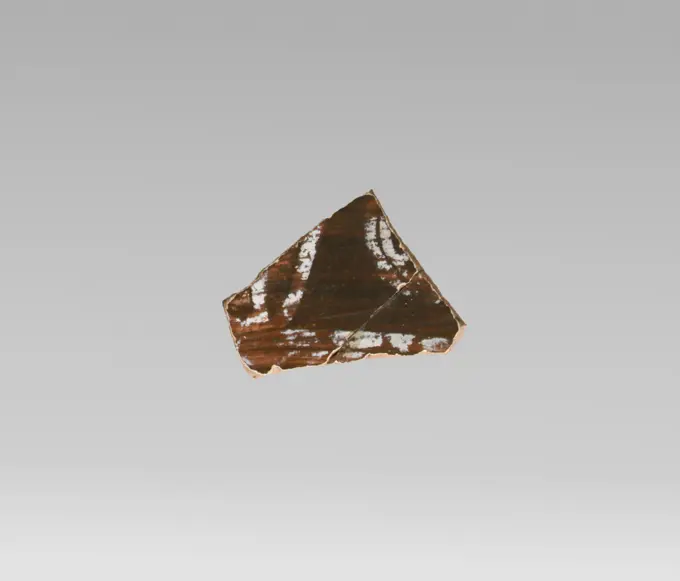
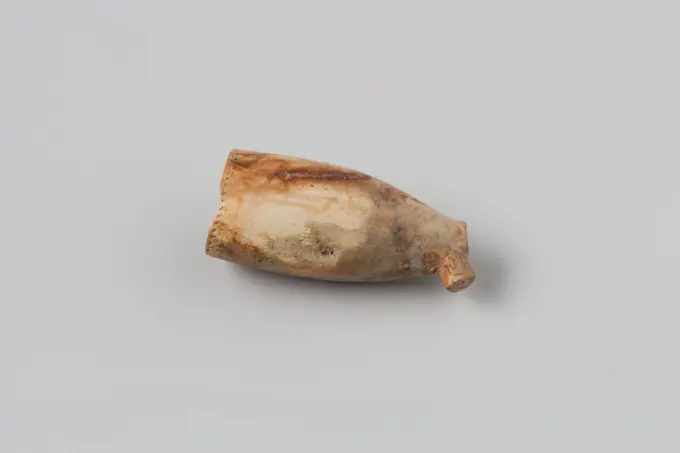
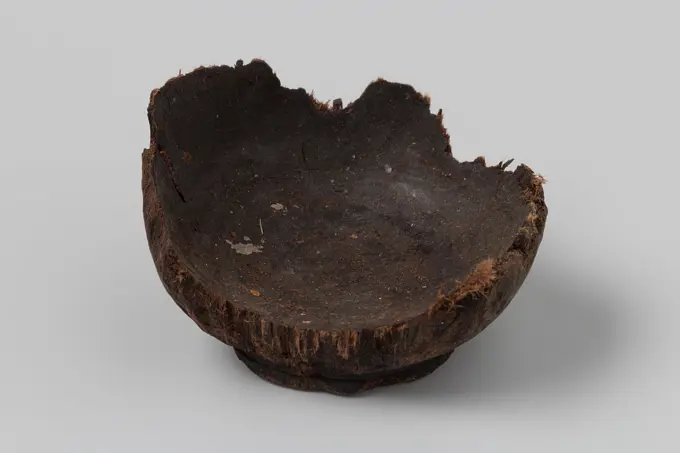
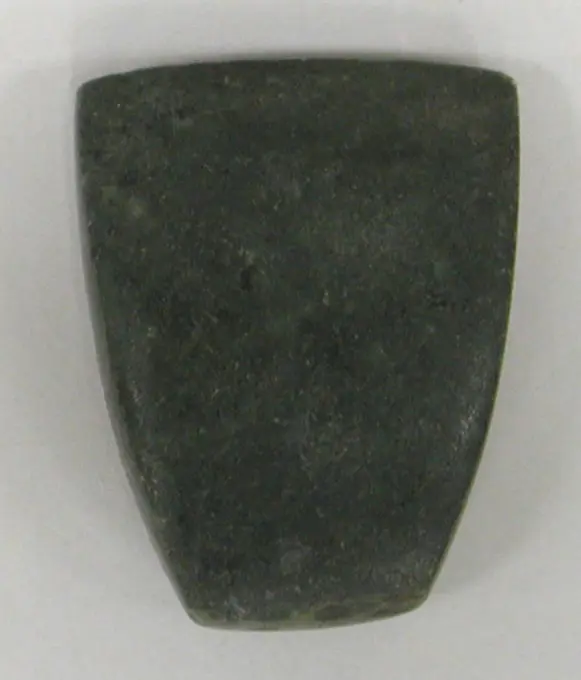
Female Head Fragment. UnknownHuman Figure Fragment. UnknownPewter disc, round with square in the middle, disc artifact soil find tin metal, casted punched Round metal disc in which square print. Within this rectangle diamond shape Reverse side the rectangular shape in relief. Remains of molded ornamentation along the edge of archeology Rotterdam rail tunnel Soil discovery: trajectory Rotterdam rail tunnel.Excerpt from a lead plate from the wreck of the East Indians' t Vliegend Hart ,, 1729 - 1735 sheet lead Piece of lead plate with pointed solder edge. The plate is hemisphere, without holes. Sheet fragments. Middelburg lead (metal). tin (metal)Raised relief fragment 664-610 B.C. Late Period, Saite see 23.3.468. Raised relief fragment. 664-610 B.C.. Limestone, varnish. Late Period, Saite. From Egypt, Upper Egypt, Thebes, Deir el-Bahri, Tomb of Nespekashuty (TT 312, MMA 509), 1st chamber N. door, MMA excavations, 1922-23. Dynasty 26Fragment of a lead plate from the wreck of the East Indied Flying Heart. Elongated piece of lead. Sheet fragments.Unattributed Trebizond Coin. Unknownraw brown titanite mineral isolated on white close up of sample of natural stone from geological collection - raw brown titanite mineral isolated on white background from Khibiny, Kola Peninsula Copyright: xZoonar.com/ValeryxVoennyyx 21468533Fragment of buyer from the wreck of the East India Hollandia.parts or artifacts; eroded fragments: Materials; Copper.Scherf of a jug of the wreck of the East Indians Hollandia, Anonymous, 1700 - in or Before 1743  Stoneware, Rhenish, Frechen-ware, jug; fragm of body. Cologne stoneware   SecondRaised relief fragment 664-610 B.C. Late Period, Saite see 23.3.468. Raised relief fragment. 664-610 B.C.. Limestone. Late Period, Saite. From Egypt, Upper Egypt, Thebes, Deir el-Bahri, Tomb of Nespekashuty (TT 312, MMA 509), 1st chamber E. wall; 3rd register, MMA excavations, 1922-23. Dynasty 26Statue Fragment: Left Index Finger. UnknownUnattributed Trebizond Coin. UnknownPIEDRA CALIZA (CARBONATO CALCICO).Fragment Pijpenkop from the wreck of the East Indians Hollandia, Anonymous, 1700 - in Or Before 1743  Pipe, bowl, heelmark: crowned 82; fragment, no hsm. Netherlands pipe clay   SecondPottery Fragment 4th-7th century Coptic. Pottery Fragment 478932Fragment Pijpenkop from the wreck of the East Indians Hollandia, Anonymous, 1700 - in Or Before 1743  Pipe, bowl, whole market illegible; fragment. Netherlands pipe clay   SecondSealing ca. 1981-1640 B.C. Middle Kingdom. Sealing 560455Jar sherd ca. 7th-8th century A.D. Sasanian or Islamic. Jar sherd 322810piece of Suevite impactite breccia stone macro shooting of specimen of natural mineral - piece of Suevite impactite breccia rock isolated on white background Copyright: xZoonar.com/ValeryxVoennyyx 9987949Vase fragment ca. 575-550 B.C. Etruscan Two feet in relief and 2 incised lines.. Vase fragment. Etruscan. ca. 575-550 B.C.. Terracotta; bucchero pesante. Archaic. VasesExcerpt copper from the wreck of the East Indians Hollandia, Anonymous, 1700 - in or Before 1743 fragment Varied parts or fragments, sheet metal fragments: worked, with rivets; fragm of sheets, eroded, with one straight side, 2 rivets. Netherlands copper (metal)   SecondFragment of a ship bell, anonymous, 1700 - in or before 1743 musical instrument. percussion instrument. bell (idiophone). ship bell. fragment Acoustic, bell (ship's); fragment, sim. NG 1980-27H2954. Netherlands copper (metal)   SecondFragment straight steel of glass from the wreck of the East Indians Hollandia, Anonymous, 1700 - in Or Before 1743 drinking glass Glass, stem glass, stems, plain; fragm, sim. NG 1980-27H294, eroded. Netherlands glass   SecondLozenge-Shaped Plaque Middle of 6th century Frankish. Lozenge-Shaped Plaque 465516 Frankish, Lozenge-Shaped Plaque, Middle of 6th century, Copper alloy, Overall: 1 1/4 x 7/8 x 1/2 in. (3.2 x 2.2 x 1.3 cm). The Metropolitan Museum of Art, New York. Gift of J. Pierpont Morgan, 1917 (17.193.199)Statuette. Mother goddess. Terracotta. High Empire. Toulouze collection (Anc. Dr Martin), acquisition 1889. Paris, Carnavalet Museum. 50208-1 Toulouze collection, Deesse-Mere, Haut-Empire, Numero, Statuette, TerracottaExcerpt clamp from the wreck of the East Indians Hollandia, Anonymous, 1700 - in or before 1743  Terminals; fragm, eroded, squashed; rectangular, rounded sides, lower end broken off, tapering toward flat end, slightly concave. Netherlands copper (metal)raw Bauxite ore isolated on white closeup of sample of natural mineral from geological collection - raw Bauxite ore isolated on white background Copyright: xZoonar.com/ValeryxVoennyyx 14990198Arrowhead Japan. Arrowhead. Japan. Sandstone, chert or flint. Late Jmon period (ca. 1500-1000 B.C.). StoneExcerpt tin from the wreck of the East Indians Hollandia, 1700 - in or before 1743 fragment Parts of artefacts; eroded fragments: materials; tin. Netherlands tin (metal)   SecondIron blade, diamond-shaped, shovel tool equipment soil find iron wood metal, forged shovel. Iron blade diamond shaped Reinforced at the bottom with an upright back and two oblique strips of iron plate. Two flat legs for the frame of the stalk archeology Rotterdam Stadscentrum Stadsdriehoek Hoogstraat create stitches soil works peat archaeological find in the soil Hoogstraat Rotterdam.Excerpt of copper from the wreck of the East Indians Hollandia, 1700 - in or before 1743  Parts of artefacts; eroded fragments: materials; copper. Netherlands copper (metal)   SecondPlay medal from the wreck of the East Indies Hollandia, Anonymous, 1700 - in Or Before 1743  Rectangular, square, flat, engraved diagonal cross on one side, game token. Netherlands lead (metal)   SecondOffering table with hand, name and titulary of Akhenaten ca. 1353-1336 B.C. New Kingdom, Amarna Period. Offering table with hand, name and titulary of Akhenaten 549832Sealing fragment ca. 2030-1640 B.C. Middle Kingdom. Sealing fragment 565751Terracotta vase fragment with floral ornament and bands. Culture: Minoan. Dimensions: Overall: 1 9/16 x 2 1/8in. (4 x 5.4cm). Date: ca. 1800-1700 B.C..From Knossos, CretePolychrome fragment with floral ornament and white and orange bands. Museum: Metropolitan Museum of Art, New York, USA.Fragment of buyer from the wreck of the East India Hollandia.parts or artifacts; eroded fragments: Materials; Copper.Pijpenkop from the wreck of the East Indians Hollandia, Anonymous, 1700 - in Or Before 1743  Pipe, bowl, heelmark: coat of arms of the city of Amsterdam; 2hsm1. Netherlands pipe clay   SecondButton from the wreck of the East Indians Hollandia, Anonymous, 1700 - in or before 1743 button Knoop. (1) flat, bevelled rim, relieved decoration of fabric motif (1.7d, 0.3t), loop-shank Netherlands tin (metal)   SecondBasalt Throat Axe. Neolithic period. North Africa. 11cm.Sealing ca. 1981-1640 B.C. Middle Kingdom. Sealing. ca. 1981-1640 B.C.. Mud. Middle Kingdom. From Egypt, Memphite Region, Lisht North, Cemetery, MMA excavations, 1920-22. Dynasty 12-13Fragment Tobacco Pipe, Willem Pouwel (Possible), 1635 - 1650 Fragment tobacco pipe. Of the excavations on the Hofstede Arentsburg 1827-1831 under the supervision of Professor Reuvens. Delft pipe clay Fragment tobacco pipe. Of the excavations on the Hofstede Arentsburg 1827-1831 under the supervision of Professor Reuvens. Delft pipe clayFigure Fragment. UnknownLead weight with top calibration and other stamps, weight soil finding lead metal, grams cast Loden weight. Top holling Conical in shape. On top of some punched stamps Top unclear mark or gauge: F and archeology Rotterdam rail tunnel roads Soil discovery: rail tunnel Rotterdam.Vase fragment Minoan. Vase fragment 247777Right hand of the king extended and crossing a border, orientation not certain. Dimensions: L. 14 × W. 13 × D. 4.5 cm (5 1/2 × 5 1/8 × 1 3/4 in.). Dynasty: Dynasty 18. Reign: reign of Akhenaten. Date: ca. 1353-1336 B.C.. Museum: Metropolitan Museum of Art, New York, USA.denarius; W ADSAW II JAGIEC (King of Poland; 1386-1434); 1386-1434 (1386-00-00-1434-00-00);Silver-gilt mouthpiece late 6th-5th century B.C. Cypriot Such objects were made for the tomb, to be placed on the mouth of the deceased.. Silver-gilt mouthpiece. Cypriot. late 6th-5th century B.C.. Gilded silver. Cypro-Archaic or Cypro-Classical. Gold and SilverGreen Jasper Nucleus. Neolithic period. Mali. 13 cm.Sealing ca. 1981-1640 B.C. Middle Kingdom. Sealing 560462Drohiczyn seal. unknown, managerButton from the wreck of the East Indians Hollandia, Anonymous, 1700 - in or before 1743 button Knoop. (1) id. NG 1980-27H183 (1.7d) Netherlands tin (metal)   SecondDiobol; Chersonez; 390-370 BC (390-00-00-370-00-00);Artemida (mitol. provenance)Fragment faceted handle from a flute glass from the wreck of the East Indieschief Hollandia. Glass, voice glass, stem, faceted; Fragment, upper end or voice, commanded, octagonal faceted, tapering downward, hollow core, broken.Terracotta fragment of a bowl ca. 2100-1900 B.C. Helladic From Korakou, Greece. Terracotta fragment of a bowl 251563 Helladic, Terracotta fragment of a bowl, ca. 21001900 B.C., Terracotta, Overall: 3 7/8 x 1 15/16in. (9.9 x 5cm). The Metropolitan Museum of Art, New York. Gift of Mrs. Carl W. Blegen, 1924 (24.151.3)Fragment from the wreck of the East Indies Hollandia, Anonymous, 1700 - in or Before 1743 fragment Varied parts or fragments, sheet metal fragments: worked, moulded or shaped; fragm, squashed, broken; plain straight rim with slightly curved, rleieved decorative band. Netherlands copper (metal)   Secondrough Pyrrhotite magnetic pyrite rock isolated closeup of sample of natural mineral from geological collection - rough Pyrrhotite magnetic pyrite rock isolated on white background Copyright: xZoonar.com/ValeryxVoennyyx 14990594Ring -shaped fragment from the wreck of the East Indians Hollandia, Anonymous, 1700 - in Or Before 1743 fragment Varied parts or fragments, rings and ring-shaped fragments; squashed; bead-shaped, oval, convex outside. Netherlands lead (metal)   SecondFragment of buyer from the wreck of the East India Hollandia.parts or artifacts; eroded fragments: Materials; Copper.Bowl ca. 3rd-7th century A.D. Sasanian. Bowl. Sasanian. ca. 3rd-7th century A.D.. Glass. Sasanian. Mesopotamia, CtesiphonGlass Fragment 13th-15th century European. Glass Fragment. European. 13th-15th century. Pot metal glass. Glass-StainedAS; Antoninus Pius (86-161; Roman emperor 138-161); 151-152 (150-00-00-151-00-00);Greece, Cyprus, Ptolemeus 8 Euergetes 2 (145 116), AE Ptolemeusz 8 (145 116)Canosan Oinochoe Fragment. UnknownFragment iron from the wreck of the East Indians Hollandia, 1700 - in Or Before 1743 fragment Parts of artefacts; eroded fragments: materials; iron. Netherlands iron (metal)   SecondAttic Vase Fragment. UnknownElbow Defense (Couter) ca. 1430-40 Italian This is part of a large find of medieval armor discovered in 1840 in the ruins of the fortress of Chalcis, on the Greek island of Euboea (then a Venetian colony called Negroponte). The fortress had been captured and destroyed by the Turks in 1470. Now divided largely between the Ethnological Museum, Athens, and The Metropolitan Museum of Art, the Chalcis hoard contains many rare and unusual elements of fourteenth- and fifteenth-century armor. Of particular importance are the variety of headpieces and the many fragments of brigandines (armor for the torso constructed of small plates riveted to layers of fabric), some of which retain portions of their original velvet covering. The Chalcis armor provides a unique picture of the armament used in the Aegean, one of the easternmost military outposts of the Venetian empire.. Elbow Defense (Couter) 23178Muscovite on a white backgroundDrohiczy seal;  XI-XIII century (1090-00-00-1110-00-00);guild seals, customs seals, touches, seals of customs chambers, official seals, seals with a crossSteatite bowl ca. 2200-1900 B.C. Minoan Bowl with fragmented rim.. Steatite bowl 248874szel g; Pfahler, Ernest; 1628 (1628-00-00-1628-00-00);Fragment straight stem from glass from the wreck of the East India Hollandia. Glass, Voice Glass, votes, Plain; Fragm, Sim. NG 1980-27H750.Arrowhead Japan. Arrowhead 62405Greece, Kimerian Bospor, Pantikapajon, around 2 3 quarter of the 3rd century BC, bronze (AE) Panticapaeum mintDrohiczyn seal. unknown, managerDrohiczyn seal. unknown, managerBliżej Kultury Rome mintDrohiczyn seal. unknown, managerVase fragment ca. 4000 B.C. Neolithic, Nemea. Vase fragment 253250 Neolithic, Nemea, Vase fragment, ca. 4000 B.C., Terracotta, length 1 3/4in. (4.5cm). The Metropolitan Museum of Art, New York. Anonymous Gift, 1930 (30.119.45)Playing Task from the wreck of the East India Hollandia. Rectangular, Square, Flat, Engraved Diagonal Cross on One Side, Game token.Steel from fork or spoon from the wreck of the East Indiesman Hollandia. Cutlery, fragment: voice or fork or spoon; Fragm, ID. NG 1980-27H67.Rope fragment from the wreck of the East Indies Fleet, Vliegend Hart, c. 1700 - c. 1735 rope Piece of string, brown, fairly thick and compact. Rope.  . striking (metalworking)Body with garment and shawl fringe, pleating. Dimensions: H. 13 × W. 10 × D. 10.5 cm (5 1/8 × 3 15/16 × 4 1/8 in.). Dynasty: Dynasty 18. Reign: reign of Akhenaten. Date: ca. 1353-1336 B.C.. Museum: Metropolitan Museum of Art, New York, USA.Lead Role from the wreck of the East Indies' t Vliegend Hart ,, 1700 - 1735 lead Tube rolled lead picture. Black-gray in color. Roll of Lead. Middelburg lead (metal)Glass Fragment Western European 19th century View more. Glass Fragment. Western European. 19th century. Pot-metal glass, vitreous paint. Glass-StainedCork from the wreck of the East Indies' t Vliegend Hart, c. 1700 - c. 1735 cork (stopper) The cork is brown in color and dented on one side. Cork of a Bottle. Preserved with Archaeoderm on November 1, 1995.  cork (bark)Glass Fragment 14th-15th century French. Glass Fragment. French. 14th-15th century. Colorless glass. Glass-StainedChalice or Kantharos Handle Fragment. UnknownTile from marsh scene ca. 1353-1336 B.C. New Kingdom, Amarna Period. Tile from marsh scene 571932Fragment of a Canopic Chest of Queen Tiya ca. 1427-1390 B.C. New Kingdom, Ramesside. Fragment of a Canopic Chest of Queen Tiya 577023Raised relief fragment 664-610 B.C. Late Period, Saite see 23.3.468. Raised relief fragment. 664-610 B.C.. Limestone. Late Period, Saite. From Egypt, Upper Egypt, Thebes, Deir el-Bahri, Tomb of Nespekashuty (TT 312, MMA 509), Undetermined, MMA excavations, 1922-23. Dynasty 26Dish Sasanian or Islamic ca. 6th-8th century CEVase fragment 7th century B.C. East Greek Fragment from a chalice with rosette and lotus decoration.. Vase fragment. East Greek. 7th century B.C.. Terracotta. Archaic. VasesPijpenkop from the wreck of the East Indians Hollandia, Anonymous, 1700 - in Or Before 1743  Pipe, bowl, heelmark: fish, flounder; 2hsm1,4. Netherlands pipe clay   SecondVase fragment East Greek/Sardis, Lydian. Vase fragment 252827Fragment of an Archaic Kline Monument. UnknownBowl or nap from v.o.c.-ship the 'white lion'. Wooden container or nap with stand ring from v.O.c.-ship the 'white lion'.Excerpt of copper from the wreck of the East Indians Hollandia, 1700 - in or before 1743  Parts of artefacts; eroded fragments: materials; copper. Netherlands copper (metal)   SecondCelt before 16th century Maya () Greenstone axe heads, commonly known as “celts,” were some of the most important works of art across ancient Mesoamerica and Central America. Created from jadeite mined from the Motagua River Valley of southern Guatemala, or using local green stones from highland Mexico, celts were first created by the Olmec peoples of the Gulf Coast after 1000 B.C. The Olmec conceived of green celts as sprouts of maize and thus “planted” celts in dedicatory offerings, activating ceremonial spaces and perpetuating agricultural fertility. For the later Maya peoples, celts also served as dedicatory materials, but more so as adornments for the royal bodies of kings and queens. Often the celts would be thinned into celt-shaped plaques, strung together in pairs and triads in order to create belt assemblages that would have clinked with the sound of jades striking one another. Tombs from the Classic Period (ca. AD 250-900) contain celts of jadeite and various greenstones froSzekel (Siglos) - Suberat; Artakserxes III (359-338 BC), Artakserxes II (404-358 BC); 404-338 BC (for the original) (-404-00-00--338-00-00);